
 Written by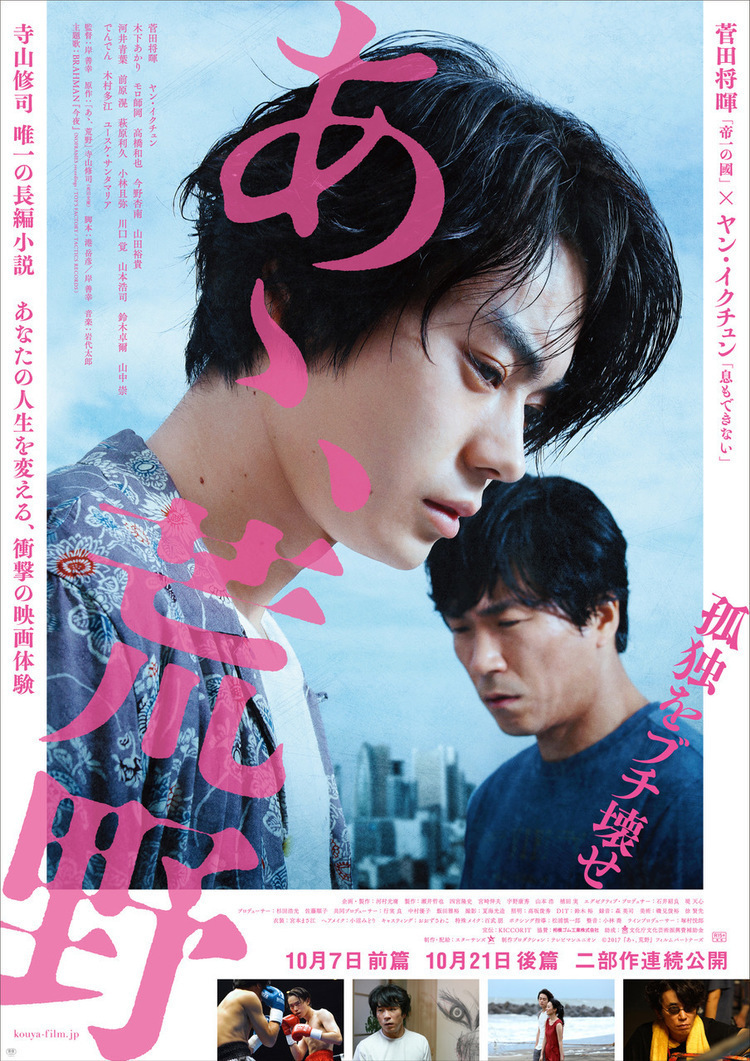
The Blue Ribbon Awards, awarded solely by film critics and writers, has announced its list of winners for 2017 ahead of the star studded ceremony which will take place in Tokyo on 8th February.
Individual Awards
Best Film: Wilderness
Best Director: Kazuya Shiraishi (Birds Without Names)
Best Actor: Sadao Abe (Birds Without Names)
Best Actress: Yui Aragaki (Mix)
Best Supporting Actor: Yusuke Santamaria (Wilderness / The Stand-In Thief)
Best Supporting Actress: Yuki Saito (The Third Murder)
Best Newcomer: Shizuka Ishibashi (The Tokyo Night Sky is Always the Densest Shade of Blue)
Top 10
In addition to its set of individual award winners, the committee also names its ten best pictures of the year which are presented in no particular order.
Wilderness (あゝ、荒野)
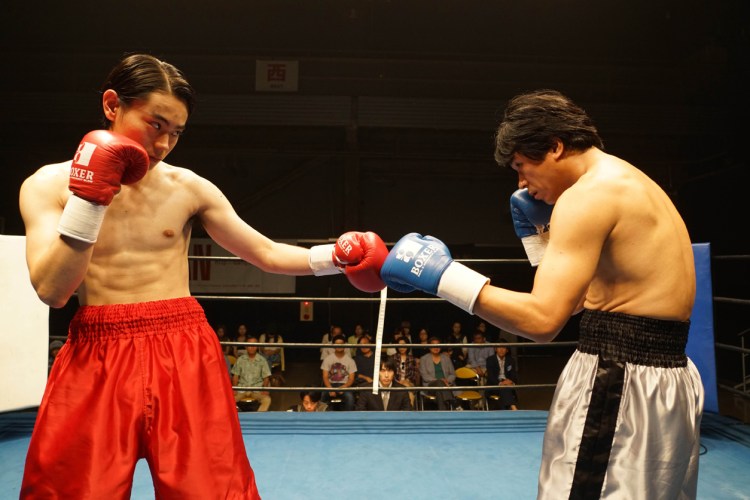 Adapted from the 1966 novel by Shuji Terayama and released in two parts, Yoshiyuki Kishi’s A Double Life followup follows two men who find unexpected friendship while looking for release in the boxing ring.
Outrage Coda (アウトレイジ 最終章)
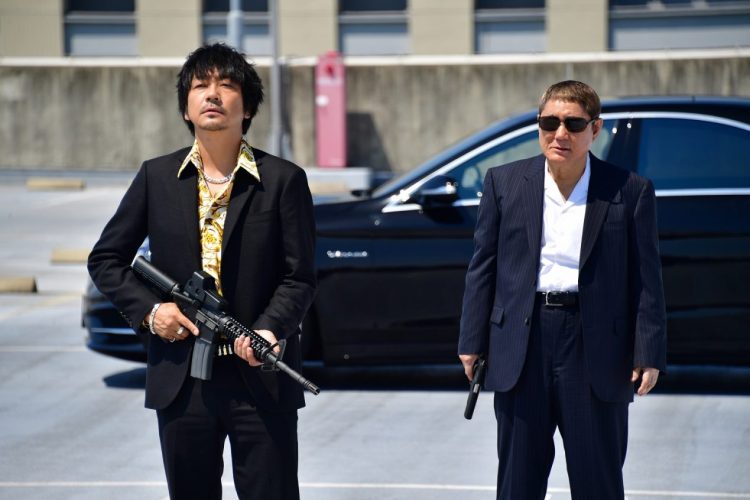 The third and presumably final instalment in the Outrage series, Coda sees actor/director Takeshi Kitano return to the role of Otomo now in exile in South Korea in an attempt to avoid ongoing gang strife at home.
The Tokyo Night Sky is Always the Densest Shade of Blue (夜空はいつでも最高密度の青色だ)
 A love/hate letter to Tokyo, Yuya Ishii’s The Tokyo Night Sky is inspired by a collection of poems by Tahi Saihate and follows two lonely city souls as they struggle with their place in a society which they often feel has no place for them. Review.
Birds Without Names (彼女がその名を知らない鳥たち)
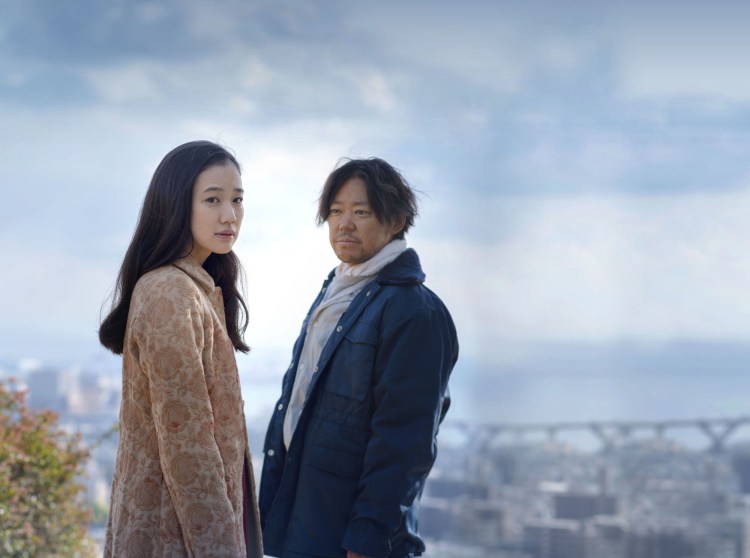 Dawn of the Felines director Kazuya Shiraishi returns to the world of mystery in a tale of dark romance and destructive desires. Yu Aoi stars as a young woman, Towako, living with an older man (played by Sadao Abe) whom she despises but tolerates because he continues to support her. Towako, however, cannot forget a violent ex-lover who has been missing for the last eight years. Screening in the upcoming Japan Foundation Touring Film Programme.
Close-Knit (彼らが本気で編むときは,)
 A departure of sorts from the director’s earlier career, Close-Knit drops the whimsy but not the heart in telling a story of changing family dynamics and pleading for a kinder, more understanding world where all are free to live the way they choose without let or hinderance. Review.
Let Me Eat Your Pancreas (君の膵臓をたべたい)
 Sho Tsukikawa adapts Yoru Sumino’s novel in which the unnamed protagonist finds a classmate’s diary and discovers that she is suffering with a terminal illness. The only person to know of her condition outside of her immediate family, the protagonist commits himself to fulfilling her last wishes while she still has time.
Gukoroku – Traces of Sin (愚行録)
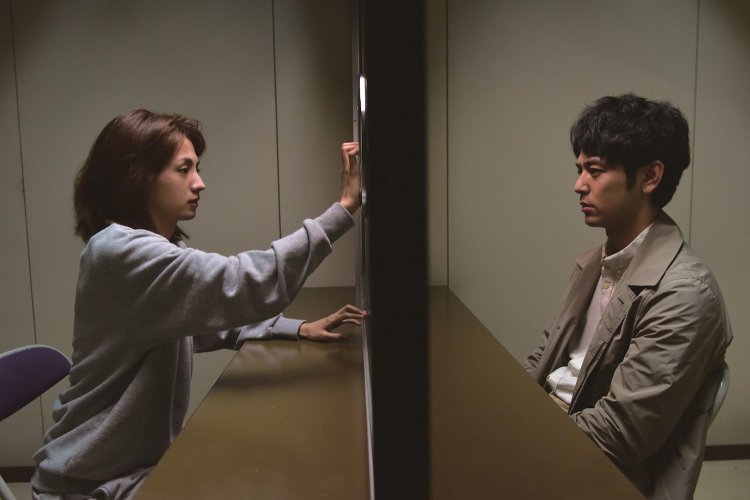 Satoshi Tsumabuki stars as a mild-mannered reporter investigating the murder of a model family while supporting his younger sister (Hikari Mitsushima) who is currently in prison charged with child neglect. Less a murder mystery than a dark social drama, the world of Gukoroku is one defined by unfairness in which pervasive systems of social inequality have destroyed the precious harmony the same society praises so highly. Review.
March Comes in Like a Lion (3月のライオン)
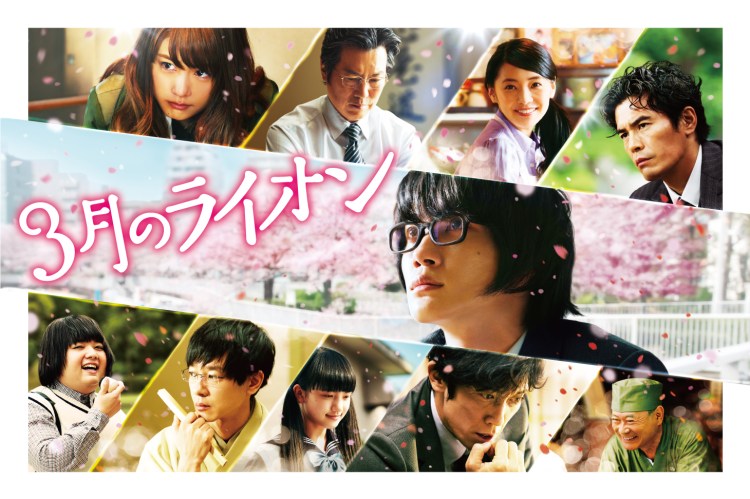
Shogi is definitely back in fashion at the present moment. Keishi Ohtomo adapts Chica Umino’s popular manga in which an orphaned young man struggles with the regular problems of adolescence whilst also attempting to conquer the famously difficult world of this fiendish game. Review.
The Third Murder (三度目の殺人)
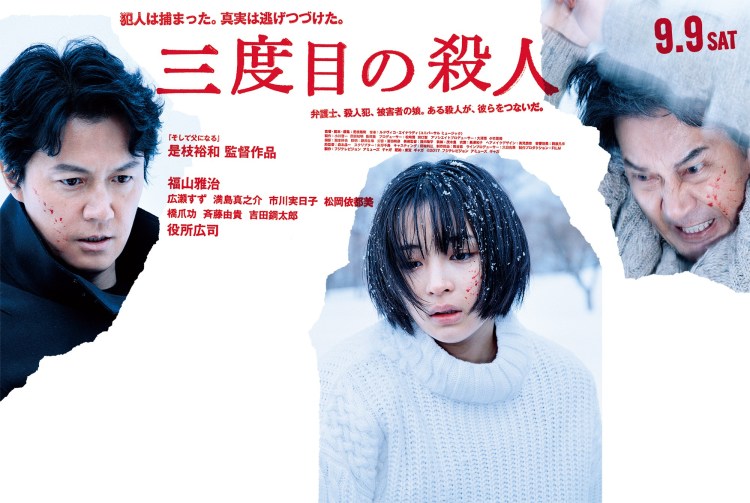 Hirokazu Koreeda makes a rare detour from the family drama for a high stakes legal thriller in which a veteran lawyer takes on the seemingly impossible task of defending a murder suspect who has already served time for violent crime and freely confesses his guilt, but the more the lawyer looks into the case the less confident he feels that his client is telling the truth.
Teiichi: Battle of Supreme High (帝一の國)
 Prolific young actor Masaki Suda stars in Akira Nagai’s adaptation of the manga by Usamaru Furuya in which Japan’s political future is decided at an elite military boarding school. Review.
Source: Eiga Natalie
 Windows on Worlds
1 comment