Beyond the Fire: The Life of Japan’s First Pride Parade Pioneer (熱狂をこえて, Hiroaki Matsuoka, 2026)

Hiroaki Matsuoka’s documentary Beyond the Fire: The Life of Japan’s First Pride Parade Pioneer (熱狂をこえて, Nekkyo wo Koete) follows the life of Teishiro Minami who started the first Pride parade to take place in Japan in 1994. The film is not, however, an exercise in hagiography and examines Minami’s troubled legacy as someone whose attempts to control the movement ended up destroying it and leading to tragic and unforeseen circumstances. The parade has since been reborn under Tokyo Rainbow Pride which aims for greater inclusivity for sexual minorities and operates out of a community hub where all are welcome.

As for Minami, he was born in 1931 on the island of Sakhalin which was eventually taken by the Russians during the war. The family evacuated to Akita to live with his mother’s relatives, but his father refused to come with them and remained behind. This sense of physical dislocation and displacement only deepened Minami’s sense of rootlessness and lack of belonging having figured out his sexuality while hanging out with part-timers at his family’s shop. With his mother having to support the family single-handed, Minami was keen to start working and got a civil service job after high school working in the local prosecutor’s office. Once his father returned, he asked for a transfer to Tokyo and began looking for the mysterious “House of Secrets” and the gay world he’d read about in magazines.

But after failing to gain a promotion, Minami resigned due to a discomfort about the way of thinking at the prosecutor’s office. His repeated decisions to resign from most of the jobs he held echoes his forthrightness, but also an unwillingness to compromise or inability to work with others who might not agree with him. He quits his job in broadcasting in part because he overhears his colleagues using slur words and speaking disparagingly about men like him which makes his workplace an unpleasant and unsafe environment, though times being what they were he couldn’t exactly complain about it. Most of the men he meets at gay bars when he finally discovers them are unable to be out at work and some of them are married, only able to live their gay lives at weekends. Minami too gets married out of a sense of social obligation and to give his mother grandchildren. As an older man, he seems to feel guilty about the way he abandoned his wife and children to live a more authentic life, but also seeks no kind of reconciliation.

His path to Pride began with a series of gay-themed magazines and a meeting with international activist Bill Schiller who convinced him that the gay rights movement was something that could make a difference in Japan. Having travelled to San Francisco and witnessed the Pride parade there, he begins planning one in Japan but despite the success of the first event, internal divisions came to the fore. The biggest of these was that though Minami had followed Schiller’s example and included lesbians in the movement, he’d largely done it for cynical reasons and really had no interest in working with them, admitting to finding women difficult in general. Admitting now that he went too far, the real crisis arrived when Minami tried to turn the third Pride parade into an exclusively political event, banning outlandish outfits or celebratory behaviour. He intended the parade to end in a rally in which they’d adopt a manifesto he’d written by himself without discussing it with the wider community. When some of them protested, a member of Minami’s team was heard to ask what the women were even doing there, making it clear that the organising committee believed this to be an event solely for gay men. Minami then took back control by excluding women from the committee entirely.

In some ways, his story is a cautionary tale about how strong personalities with a need for control can derail a movement or risk turning it into a vanity project. A young man who’d worked as a part of Minami’s team and had stayed to mediate when protestors stormed the stage later took his own life in despair with the direction things had taken. Many had been uncertain a Pride parade would work in Japan given the levels of hostility and the risks involved for those taking part. Their fear was that no one would come, but attendance was much greater than expected and many joined the parade later, encouraged by seeing that others had already done so and they were not alone. Though many praise Minami’s efforts and activism, not only with the Pride parade but during the AIDS crisis, and acknowledge the importance of his courage in taking the first step towards creating a gay rights movement, they also question his methods and motivations. Using a mixture of animation, archive footage, and talking heads interviews, the film does its best to record this landmark moment in the history of Japan’s LGBTQ+ community through the eyes of an elder statesman but never shies away from his mistakes if only in seeking to learn from them.


Beyond the Fire: The Life of Japan’s First Pride Parade Pioneer screened as part of this year’s BFI Flare.

Trailer (English subtitles)
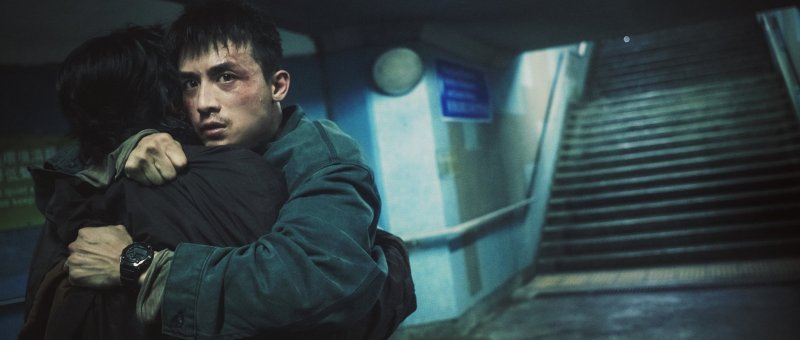
Impure Nuns (汚れた肉体聖女, Michiyoshi Doi, 1958)

Shintoho had arisen as a new studio during the labour disputes that engulfed the film industry in the late 1940s and to begin with specialised in artistic fare by orphaned filmmakers such as Kon Ichikawa and Kenji Mizoguchi, but faced with several box office failures it was in red right from the very beginning. After several attempts at relaunches and reorganisations, the studio appointed Mitsugu Okura to work his magic. The owner of a chain of cinemas and a former benshi, Okura had a reputation for being able to turn failing businesses around. His ethos was, however, decidedly populist. He shifted the studio’s focus from artistic films towards the low-budget genre fare with which it became most closely associated such as racy dramas and ghost films.

To that extent, you could say that Shintoho was ahead of its time. Most of the other studios would shift in the same direction as the studio system went into decline, and many of the stars at Toei in the 1960s such as Bunta Sugawara, Tetsuro Tamba, and Tomisaburo Wakayama had their start at Shintoho. Michiyoshi Doi was one of the studio’s key directors, though he often worked on its higher-bow output of literary adaptations. All of which might help to explain the seeming mismatch between the salacious Japanese title of 1958’s Impure Nuns, “Holy Women with Sullied Flesh” (汚れた肉体聖女, Kegareta Nikutai Shojo), and its content, which turns out to be a rather sensitive, sympathetic love story set in a Catholic Convent.

Eri (Miyuki Takakura) is the daughter of the aristocratic Taira family which apparently has a long history of Christianity. She is particularly devout and shortly after we meet her, she genuflects in front of a statue of the Virgin Mary. Throughout the film the welcoming arms of Mary seem to be contrasted with violent images of Christ on the cross, a presence that seeks to oppress the women in the free embrace of their desire. While her brother’s friend, Tsuyama (Toshio Mimura), is visiting, Eri suggests going into town to get something, but her mother is against it due to reports of some kind of “trouble” plaguing the streets. Tsuyama offers to accompany her, and they are actually beset by a gang of street toughs intent on raping Eri. Tsuyama does his best to fight them off until a policeman eventually arrives and chases them away. But then he ends up raping Eri himself, after which she becomes pregnant and undergoes an abortion at the urging of her parents.

While her father is scandalised and angry, Eri’s mother is sympathetic, but still each of them decide that the best thing to do is send Eri to a nunnery where she can be reborn in Christ. Due to her experiences, Eri seems to have developed a fear of men, but is also known as the strictest and most severe of the nuns. As the captivating Anna (Mayumi Ozora) enters the convent, another woman is being kicked out apparently by Eri for an undisclosed indiscretion with another woman. The mild implication is that Eri’s frustrated sexual desires have been channelled into authoritarianism in the insistence on discipline and punishing its breaches. It may be this that first attracts Anna who, to begin with, seems to be trying to initiate a sadomasochistic relationship by continually doing things to get Eri to punish her, such as singing while working which is, contrary to expectations, considered very bad form for a nun. 

Anna is, however, hardly a typical bride of Christ and is forever dancing and being cheerful. Her influence seems to break Eri out of her asceticism, as she too begins to ignore the rules and become more of herself again. After the convent bizarrely agrees to organise a dance, Eri gives in to her desire for Anna and the two fall in love, sharing a passionate kiss. But Sister Kashiwagi (Junko Uozumi) is watching, not so much because of the scandalous nature of their relationship, but because they are rivals for a coveted opportunity to study abroad in Rome with Eri currently the front runner. The trip to Rome is positioned as the antithesis of Eri’s freedom in her relationship with Anna as a symbol of repression in committing herself to religion. 

But Anna also disrupts the convent as she becomes the centre of a love triangle, while another nun later declares her love for Eri, only to be rebuffed. Sister Kashiwagi is killed by falling down the stairs while physically fighting over Anna, whose affections sometimes seem to wander, while Sister Sone similarly falls in a bottomless swamp that seems to stand in for obsessive desire. The love between the two women begins to amass a body count as they struggle to maintain it. Though it might seem as if the arrival of male policemen might further disrupt the convent, they simply declare their work done when Anna tells them she was asleep when her roommate left and didn’t see anything. But for her part, Anna has already described herself as cursed, abruptly revealing that her mother killed her father and then herself and that everyone in her family meets a bad end. Even her brother (Shuntaro Emi), who turns out to be a rapist and eventually takes his own life, describes her as a kind of demon that ruins everyone around her, and there is something of that in the way that she seems to attract so much attention at the convent.

Yet even when the script seems to want to paint this same-sex love as something dark or evil, Doi resists the impulse and largely depicts the relationship between the two women as something real and true that has beauty and delicacy. There’s something poignant in Eri’s final plea to run away together, and Anna’s reply that there isn’t any point because there’s nowhere they could go where they could live happily together. It’s Anna who now seems unable to break free of the convent, unexpectedly turning on Eri and going back to her bell ringing. The bell may represent a kind of order, but it’s also ironically reminiscent of the original Shintoho logo. In any case when they eventually fall from the tower, the other nuns arrive with flowers and encircle them with sorrow as if in recognition that it wasn’t the love that was a tragedy, but its impossibility. Though its frankness may have shocked audiences at the time, the film avoids the exploitative content suggested by the title, featuring little nudity beyond a silhouette of bared breasts, and embraces overt melodrama, a touch of gothic horror, and the beauty of this love rather attempt to censure or constrain it.


Impure Nuns screened as part of this year’s BFI Flare.

Original trailer (no subtitles)

The Deepest Space in Us (そこにきみはいて, Yasutomo Chikuma, 2025)

The dress code at Kaori’s office doesn’t seem to be all that formal, but for some reason she alone looks like she’s going to a funeral. As it turns out, there’s a reason for that, but it also reflects the way that her job makes her feel dead inside and how she’s made to feel by a judgemental society that refuses to accept her as she is but punishes and excludes her for living outside of its expected norms and social codes.

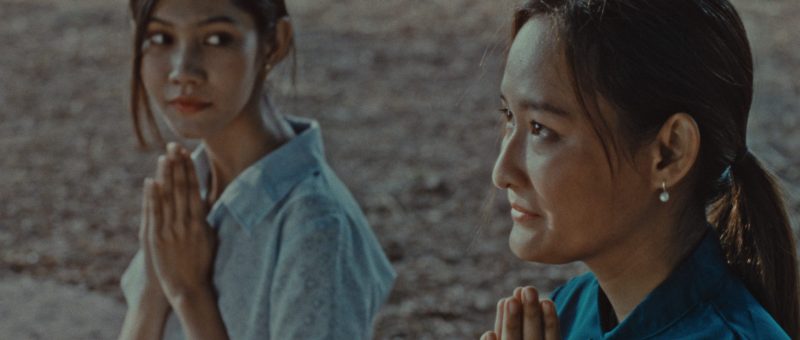
Kaori (Momoko Fukuchi) doesn’t usually attend the team’s after work drinking parties, but is dragged along this time only to sit impassively ignoring everyone until a couple of drunk guys press her for her first love story and then ask a series of invasive questions about what kind of guys are her type. There are obviously a lot of assumptions in play here, and their obsessive probing borders on harassment. Kaori eventually gets up and leaves, but is chased by one of the guys who tries to ask her out. She tells him directly that she’s not interested because she doesn’t experience sexual attraction or desire, but that’s like a red flag to a bull for a certain sort of guy and this one laughs in her face after tearing her shirt as she tries to get away. People simply don’t believe her when she tells them, or else they conclude that there’s something wrong her that needs to be cured. She too feels as if she’s “not normal”, and is pressured by a society in which it’s still marriage and children that are the benchmarks of social success for a woman.

That’s one reason she bonds so easily with Takeru (Kanichiro), the lawyer who handled the probate for her estranged late mother’s estate which Kaori declined to inherit. Takeru tells her that he has something he wants to reject too, and it’s true enough that, to begin with, Kaori may be trying to reject her asexuality. She tries to initiate sex with Takeru in order to overcome it, but it isn’t something that either of them can go through with. Though he tells her that he has someone he can’t forget much as he’d like to, Takeru does not disclose that he is gay because of the intense shame he feels about his sexuality. Kaori evidently had a difficult childhood with a mother who was physically abusive towards her and thereafter raised in foster homes, while Takeru’s conservative mother (Mariko Tsutsui) seems to have instilled in him the same anxieties that plague Kaori in expecting him to marry and have children. Takeru’s former lover, Shingo (film director Ryutaro Nakagawa), has married a woman he doesn’t seem to like for convenience’s sake. Ten years after he and Takeru parted, Shingo is now a successful novelist writing populist fare that he secretly hates himself for knowing he’s writing for others and not himself. 

They all, in their way, attempt bury their true selves to achieve social success through heteronormative marriages, but Takeru and Kaori slowly discover that whatever joy they may have found in their mutual decision to overcome their self-loathing in a platonic union, it won’t work. They each at different times end up in the same hotel room with a hookup date staring a black mark on a wall that comes to represent an internal void. Realising that he will not be able to reject his homosexuality nor get over the grief and sense of loss he feels in Shingo’s rejection, Takeru eventually takes his own life. Struggling to understand why, Kaori ends up on a strange road trip with Shingo in which it’s never quite clear whether she fully realises he is Takeru’s former lover, or has already figured everything out and is trying to help him accept himself as a means of atoning for being unable to help Takeru do the same.

Her trip also strangely brings her into contact with a woman from her office who once claimed to hate her, but has now come to apologise while also looking, like Kaori, for some kind of acceptance and recognition. She says that she too hates herself, sure that men are only ever interested in sex and never in her. Eventually making a pass at Kaori, she admits that for some reason she is only able to be honest with her rather than her friends, family, or lovers. Nevertheless, though Kaori rejects her romantic advances, this simple act of unburdening and watching the sunrise together in silence seems to clear the air and grant both women a kind of peace.

Besides her sexual identity, Kaori seems to have a degree of trouble in dealing with people that suggests neurodivergence, but also longs for acceptance and companionship. While processing Takeru’s death and leading Shingo towards an acceptance of himself, she too learns to embrace her authentic identity and refuses to hide or run away from who she really is to please others rather than herself. Holding a mirror up to a repressed society, she achieves a kind of freedom in self-acceptance, which she then begins to extend to Shingo who once admitted that he ran away from love out of fear, and only now has the courage to face himself and the terrible delayed grief of having lost something precious that can never be reclaimed.


The Deepest Space in Us screened as part of this year’s BFI Flare.

Trailer (English subtitles)
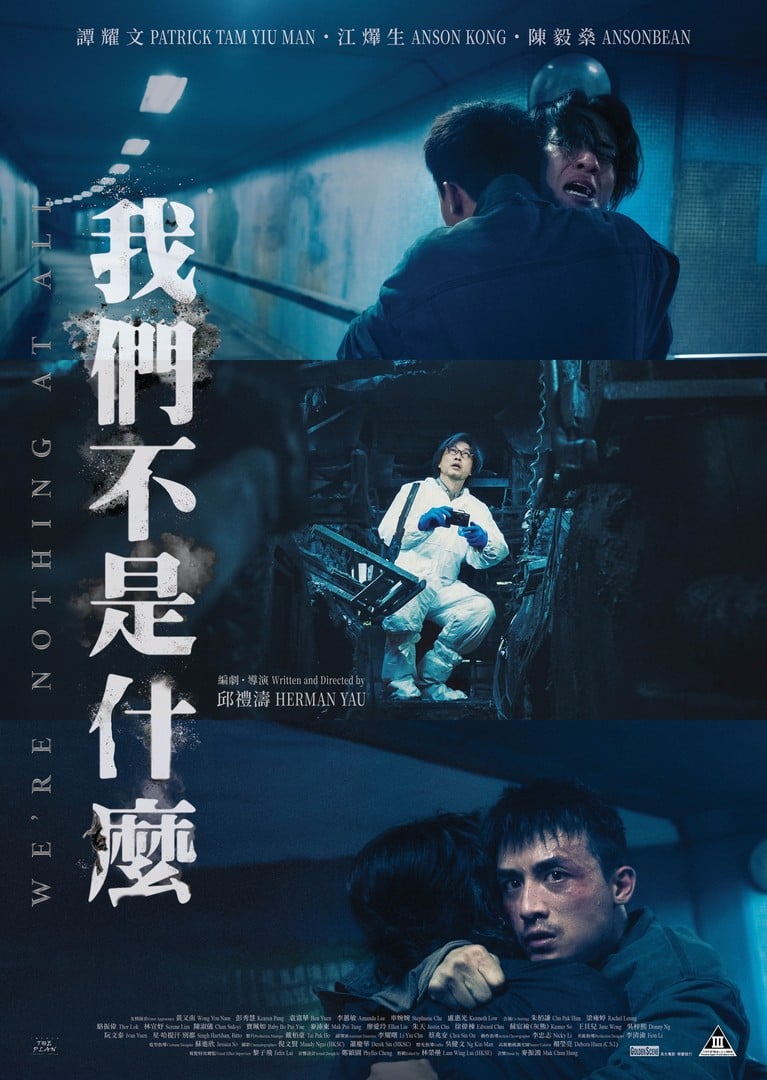
Warla (Kevin Z. Alambra, 2025)

A group of transwomen attempts to turn the tables by kidnapping wealthy foreign businessmen and blackmailing them to fund their surgery, but a newcomer to the group forces them to confront their hypocrisy in turning the violence inflicted on them back on the patriarchal society. Inspired by a real life case, Warla explores the marginalisation of transpeople in a country so imbued with Catholicism and toxic masculinity as the Philippines where all they really have to rely on is each other.

The violence of that society is evident from the very first frames as a body begins to drift into view. Mother Leila has been murdered in a brutal fashion for the crime of existing. Kit-Kat (Lance Reblando), rejected by her conservative father and brother, is cast adrift with no other means of affirming herself. When her father kicks her out, she’s taken in a family of transwomen led by Joice (KaladKaren), but what she didn’t know is that their business model is meeting foreign businessmen on dating apps, kidnapping them, beating them up, and blackmailing them by threatening to tell their wives, families, and employers. In doing so, they’re turning the prejudice they face back on those who rejected them, but as Kit-Kat points out, it’s as if they’ve joined the system rather than beating it. She doesn’t want anything to do with the violence, with ends up partially going along with because it she wants to remain part of the group and has nowhere else to turn.

As Joice points out, having nowhere else to turn is why they’re doing this. There is no social support for them in the Philippines and they struggle to even get casual jobs in fast food restaurants just by virtue of being transpeople. Barbie Ann (Serena Magiliw) has a son from her previous marriage which ended when she decided to embrace her trans identity, but her former wife, Kate (Francesca Dela Cruz), has met someone else and wants to move in with him. Roger (Jel Tarun) is evidently a much more conservative man and is already beginning to distance Kate from Barbie by banning her from the house. When she tries to talk to him on the street, he tells her that she’s filling her son’s head with a lot of nonsense about how people like her are okay which will lead to him getting bullied. He thinks that, as he’s accepted the child and will now be providing for him, he should have a greater say over what he’s taught to think. Barbie’s existence is dangerous precisely because of what she was teaching son, challenging the social order by undercutting the patriarchy.

Ning (Valeria Kurihara), meanwhile, struggles to maintain a relationship because she wants to wait until she’s had her surgery to become intimate. Experiencing extreme dysphoria, she doesn’t want her partner to see the part of herself that she hates, but he gets fed up and leaves her for a cis woman. He tells her that their relationship was always doomed because his father wouldn’t accept her. With his new girlfriend, he can post pictures on social media and doesn’t feel the need to sneak around. Getting the money together to go to Thailand for her surgery becomes an obsession in part so that she can get Lance back, but also so that she will finally feel whole. Barbie also wants the surgery to avoid the kind of violence she inflicts on their victims. Kit-Kat says she isn’t interested in surgery which places her at odds with other members of the group such as Barbie who suggests it’s alright for her because she presents as more obviously feminine and so isn’t subject to the same levels of violence and rejection.

Though they may feel that they’re only playing these men at their own game, they bite off more than they can chew with a short-fused Japanese businessman who talks like a yakuza and flies off the handle with wait staff. Most of the other men gave in quite quickly because of the shame they feel and the fear they have of their transgressions being exposed, but Isamu (Jacky Woo) was like them in that he had nothing left to lose and soon realised he’d been set up. In the end, Joice is forced to make the ultimate maternal gesture to try and save her girls, while Kit-Kat must reckon with where this dark path has taken her. Though she knew that her mother loved her but was unable to stand up to her father’s patriarchal violence, she eventually finds solace in the fact that she can still hold her hand and call her by her true name even if the rest of the world refuses to recognise her.


Warla screened as part of this year’s BFI Flare.

Trailer (English subtitles)
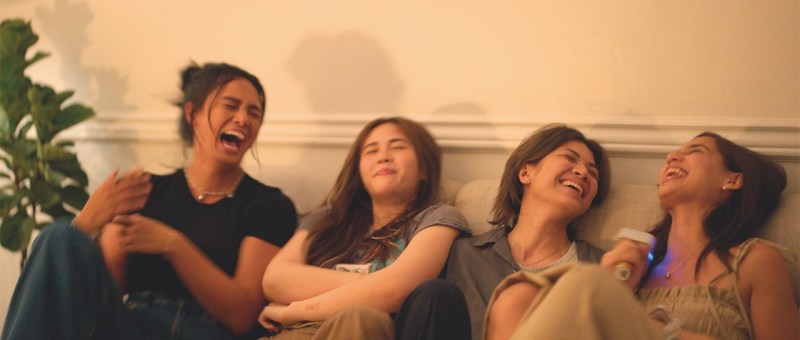
The Pollen of Flowers (화분, Ha Gil-jong, 1972)

Park Chung-hee kept a tight rein on cinema which he saw as an important political tool and means of communication. That’s not to say, however, that criticising his authoritarian regime was impossible, but that criticism was often expressed in unexpected or abstract ways. The debut film of Hollywood-trained director Ha Gil-jong, The Pollen of Flowers (화분, Hwabun), was adapted from a novel by Yi Hyoseok that was published in 1939 when Korea was under Japanese rule but now speaks directly to the contemporary era as a young man and woman long for escape from the oppressive atmosphere of the “Blue House”.

The Blue House is the name for the residence of Korea’s president and where Park Chung-hee lived at the time, but within the context of the film, it’s inhabited by the mistress of a wealthy businessman, Se-ran (Choi Ji-hee), and her younger sister, Mi-ran (Yoon So-ra). The relationship between the sisters is, however, much more like mother and daughter with Se-ran repeatedly stating that Mi-ran is “everything” to her and that she must grow up to become a “great woman”. The slightly uncomfortable implication is that she is encouraging a possible relationship between Mi-ran and her patron Hyeon-ma (Namkoong Won) or at least that by “great woman” she means Mi-ran should be the partner of a great man who moves within their social circles. Ominously, however, the film opens with Mi-ran discovering that all the fish in their pond have died making it clear that the water here is poisoned and the atmosphere rancid. 

It’s not exactly clear how old Mi-ran is intended to be, only that Se-ran had been worried that hadn’t yet started menstruating. She’s spent her entire life in the cosseted environment of the Blue House and knows nothing of the world outside. That she gets her period for the first time when her father brings his secretary/secret lover Dan-ju (Hah Myung-joong) to the house suggests that she has, in a sense, been liberated by his arrival. For whatever reason, Se-ran had tried to warn her off him. She appears jealous while implying that Dan-ju is a dangerous social climber who threatens the integrity of her household. Mi-ran replies that you shouldn’t judge someone because of their background, but in a fit of pique also refers to Dan-ju as a “servant” which hurts both his feelings and his male pride.

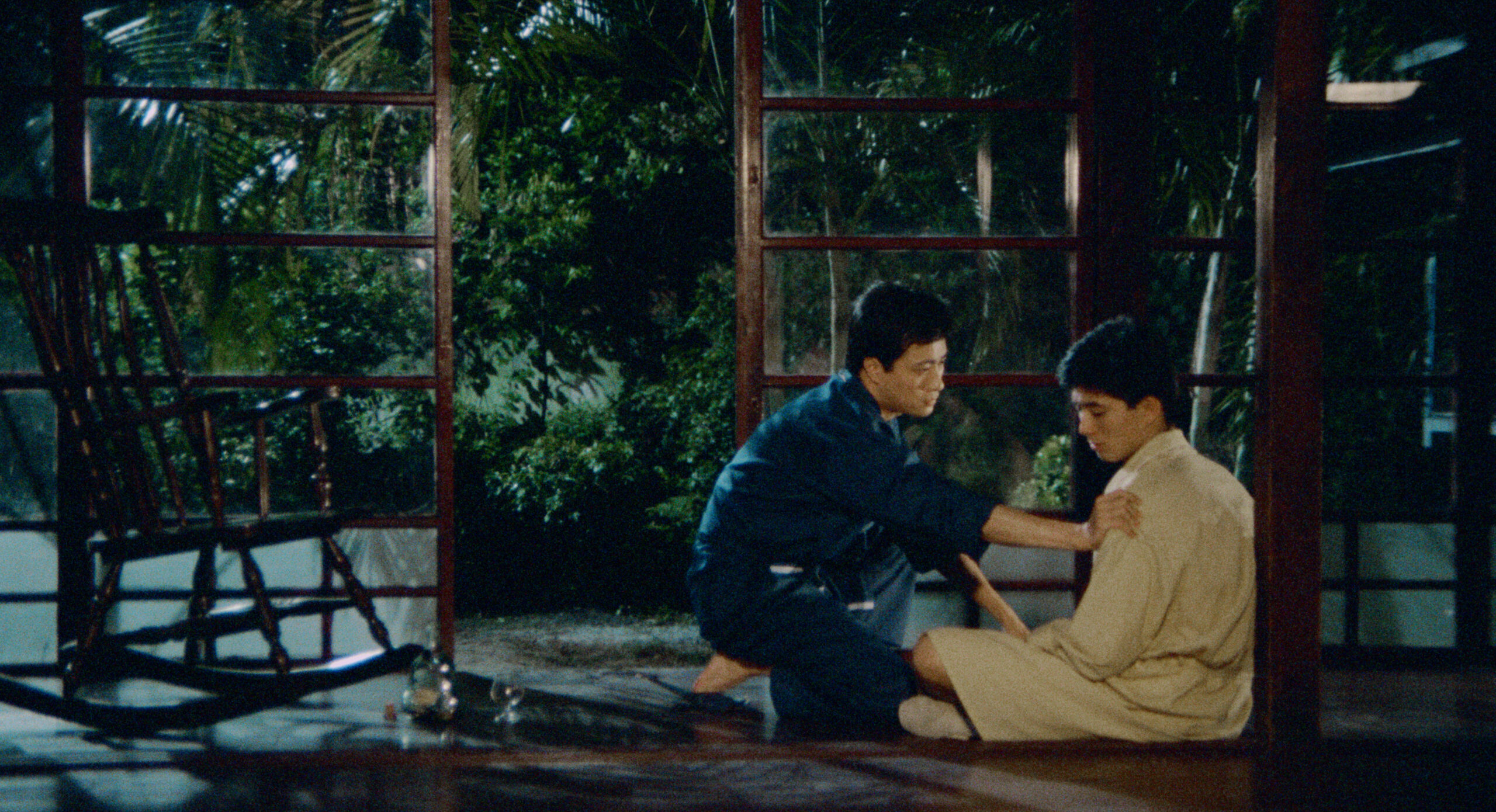
But Dan-ju himself is something of a cypher whose motivations are often unclear. Having grown up working class, he’s risen in the world through complicity with Hyeon-ma’s authoritarian rule. As Se-ran says, Hyeon-ma is infatuated with him but perhaps more as a symbol of his overall control. He reminds Dan-ju that he controls his future and repeatedly asks him if he wants to go back to his old life of being a “scumbag” not quite realising that Dan-ju may have become fed up with his degradation and no longer thinks this kind of success is worth it. Hyeon-ma refers to Dan-ju as his “dream and ambition,” even going so far as to say he’d like to start a new life with him, though this is obviously not something that would be considered publicly acceptable in the Korea of the early 1970s. The film is often referred to as the first to depict a same-sex relationship, but it’s one motivated more by power than by love. It’s not clear if Hyeon-ma is so convinced that Mi-ran is completely safe with Dan-ju because he believes him to be interested only in men, or if he is certain that his control over him is absolute, while Dan-ju may not actually be interested in men at all and is only submitting himself to Hyeon-ma’s attentions in return for social advancement.

What he comes to represent for each is freedom. After running away, Mi-ran explains that she was happy with her life within the Blue House, in other words under authoritarianism, because it treated her well and so she could think of no other happiness. But meeting Dan-ju has shown her that happiness is possible outside of it. Love is a force that threatens the social order, and now Mi-ran resents her tightly controlled life and longs for the freedom Dan-ju represents over the patriarchal oppression represented by Hyeon-ma to which Se-ran has wholly submitted herself. Now that she’s committed to the regime, she cannot permit Mi-ran to leave it and tries to convince her to study music abroad and date an international pianist who could help career. Hyeon-ma, meanwhile, reacts in jealousy and frustration. He beats Dan-ju and throws him in his shed echoing the torture and imprisonment of dissidents that took place under Park’s regime. 

As time passes, however, something evidently goes wrong with Hyeon-ma’s business causing him to flee in a hurry abandoning Se-ran and Mi-ran to their fates. The ominous maid who has been dropping rats through their windows, eventually tries to release Dan-ju with whom she has some kind of intimate connection, with the consequence that he haunts the mansion like a ghost. Mi-ran appears to have reassimilated, dancing with another man while wearing what looks very like wedding a dress, but her desire for freedom is reawakened by Dan-ju’s return. The house itself is then stormed by the revolutionary force of Hyeon-ma’s creditors who are not exactly noble avengers. They raid the place looting his possessions to get back what they’re owned, even going so far as to cut off Se-ran’s finger to take her ring and pulling out her gold teeth. The message seems to be that the dictator will probably get away (Park didn’t, he was assassinated by the head of his own security forces), but a heavy price will be paid for complicity when the regime falls, as all regimes eventually do. 


Blue Boy Trial (ブルーボーイ事件, Kashou Iizuka, 2025)

The police of mid-1960s Japan have a problem. They’re desperately trying to clean up the streets. But they keep running into transgender sex workers whom they can’t arrest because the working of the anti-prostitution laws explicitly targets women only, and in legal terms the people they’re picking up are regarded as male, so they have to release them. Knowing they can’t touch the women, a resentful police officer decides to go after the doctor who treated them instead.

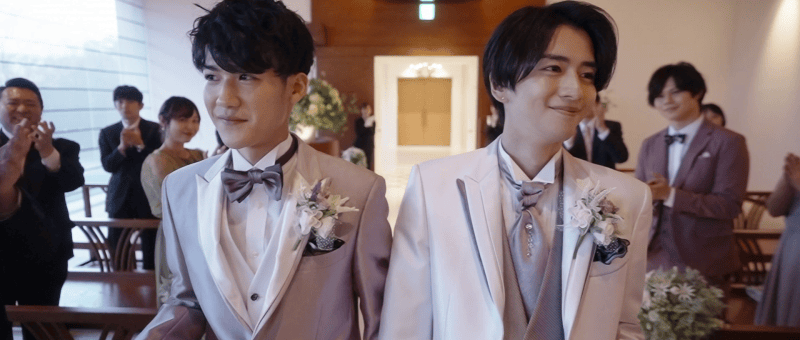
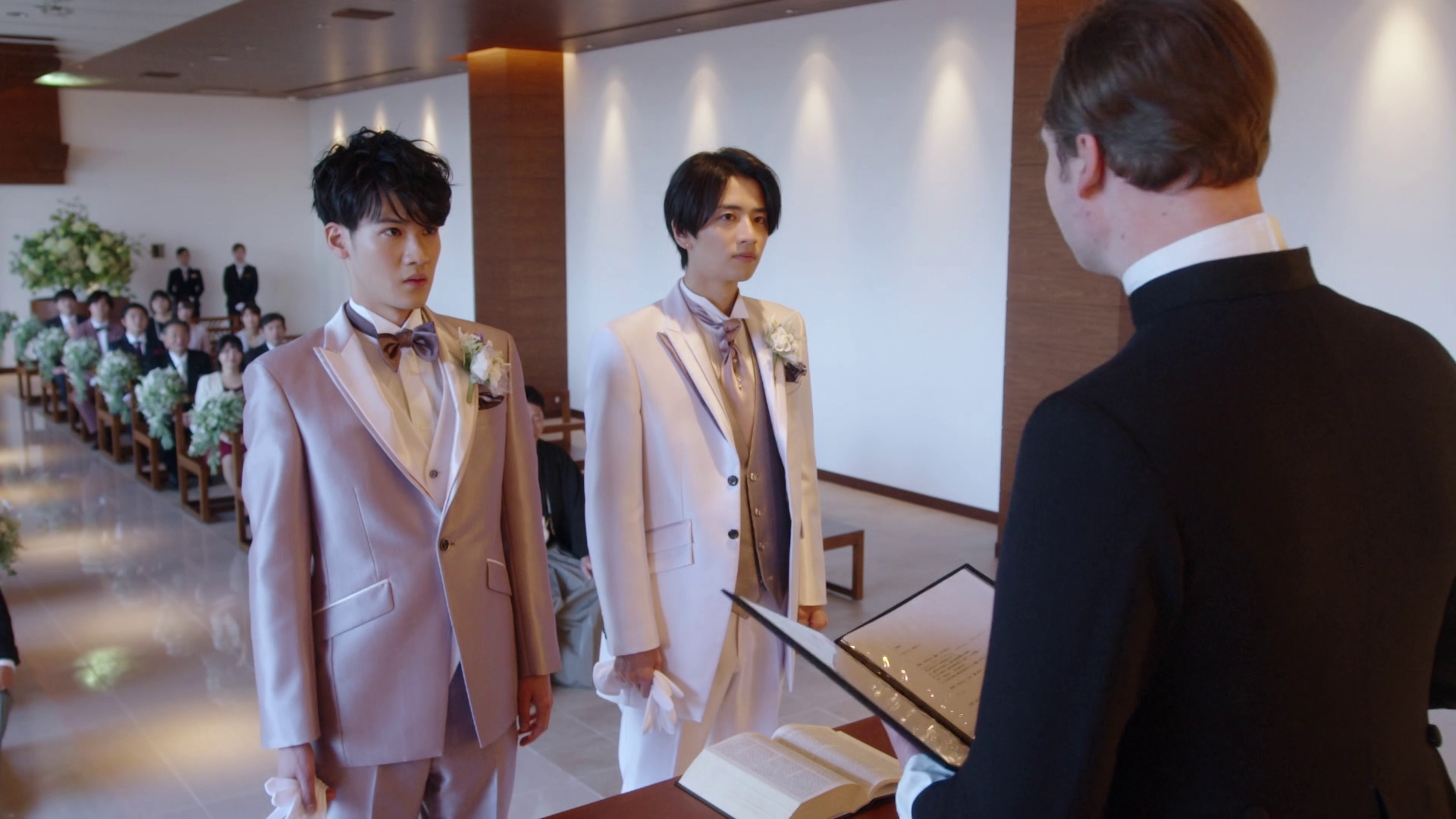
Inspired by a real-life incident, Blue Boy Trial (ブルーボーイ事件, Blue Boy Trial) examines the social and legal repercussions of the actions taken against Dr Akagi (Takashi Yamanaka) after he was charged with supplying drugs illegally and breaking the anti-eugenics legislation by performing sterilisations while treating transgender people. Though Akagi agrees to plead guilty to the drugs charge, he refuses to move on eugenics, insisting that the surgery he performs is a legitimate medical practice that has nothing to do with any eugenicist ideology. The lawyer appointed for him, Kano (Ryo Nishikido), has an uphill battle ahead but hopes he can convince the judges by putting some of the women Akagi helped on the witness stand, to show that the treatment he gave them was medically necessary.

But part of the problem is necessarily that many of these women work in the sex industry. They aren’t respected, and their testimony won’t be either. That’s why Kano is keen to get Sachi on board seeing as she lives what the court will consider a conventional, “respectable” life like any other woman’s. Nevertheless, his request is insensitive and he appears not realise what exactly what he’s asking. If Sachi (Miyu Nakagawa) takes the stand she will be outing herself and putting the life she’s managed to build on the line. One of the other women Kano asks to testify takes her own life after being described as “mentally ill” in court and accosted by a drunk man outside it. When a picture of Sachi and her partner Akihiko (Ko Maehara) is featured in a newspaper report, she’s fired from her job in a cafe with her manager (Kiyohiko Shibukawa) accusing her of “fraud” for having responded to a job ad that clearly stated it was for “women only”.

Even Kano, to begin with, repeatedly refers to the women as “he” and uses slur words to describe them. Focussed more on winning the case, he pursues avenues that are offensive such as characterising the surgery as treatment for a mental health condition, asking why they “decided” to become women, and probing them on intimate details such as their sexual experiences as “men”.  Aside from prejudice towards the LGBTQ+ community, these attitudes also hint at the latent misogyny in the wider society which is still defined by traditional gender roles. Tokita (Junpei Yasui), the conservative prosecutor, makes a fairly nonsensical point about all the men who died in the war, accusing the women of being “selfish” and unpatriotic in giving up their manhood while panicked that transgender people threaten the very fabric of society as if he were worried that every man secretly wants to be a woman. In her emotional testimony, Sachi rejects his insistence on a socially defined gender binary and states that conforming to what he defines as a woman would also be inauthentic. What Akagi’s surgery helped her become was only her true self.

To that extent, Sachi’s partner Akihiko (Ko Maehara) is also unmanned by virtue of his disability. He too experienced prejudice and could not beat “small-town life”, much like Sachi in having been excluded by his otherness. He knows all about Sachi and has accepted her, presenting her with a ring though they cannot be legally married, but even in the big city they cannot find the freedom to live happy quiet lives. Sachi’s friend Ahko (Sexy Izumi) agreed to testify to claim the right to live well for the younger generation, so they could be free to live their lives without having to hide. The fact that Akagi is found guilty may not be surprising given the nature of the law as it was, though it did in a round about way legitimise the idea of confirmatory surgery as a legitimate medical procedure by suggesting guildelines to be followed in order for it to take place legally. Nevertheless, the first fully legal surgery did not take place until 30 years later, while those like Sachi continued to face prejudice and were forced to live their lives without the ability to be fully themselves. Even so, Sachi at least seems to have found her own happiness and fulfilment despite the social hostility that haunts her existence.


Blue Boy Trial screens as part of this year’s Japan Foundation Touring Film Programme.

Trailer (English subtitles)
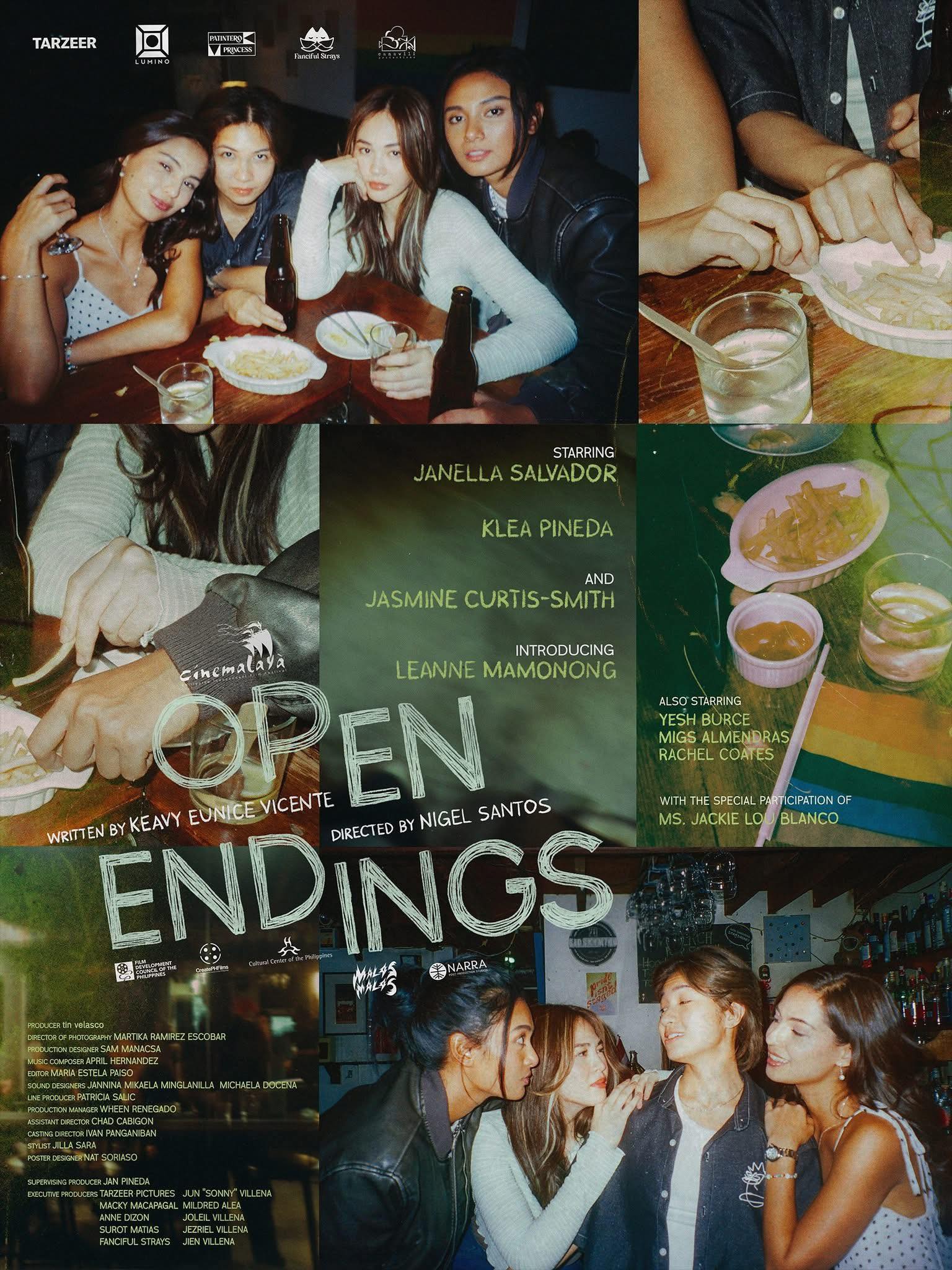
Images: © 2025 “Blue Boy Trial” Film Partners

Who’s the Woman, Who’s the Man? (金枝玉葉 2, Peter Chan, 1996)

“I don’t care if you’re a man or a woman, all I know is that I love you,” the hero had finally accepted after the heroine’s madcap dash across town in the closing scenes of Peter Chan’s 1994 rom-com, He’s a Woman, She’s a Man. But as it turns out, it isn’t quite that simple. Inverting the structure of the first film, sequel Who’s the Man, Who’s the Woman? finds the heroine romantically confused as her “masculine” persona increasingly interferes in her relationship with the still conflicted Sam (Leslie Cheung).

It certainly hasn’t been plain sailing for anyone as Wing (Anita Yuen) agrees to move in to Sam’s luxury flat but refuses to live downstairs as Rose (Carina Lau) had done, instead insisting on sharing his life and his bed in their entirety. For his part, Sam’s reluctance to share his space is reflective of his fears of intimacy while he resents Wing’s immediate attempts to install herself by remodelling the apartment to her own taste. Meanwhile, the old problem has resurfaced in that now he’s got Wing he’s not all that interested in her and hasn’t written any songs in months. In an attempt to manage her interference in his life, Sam suggests resurrecting Wing’s pop career as a male idol but proves a victim of his own success as she quickly begins earning much more money than him and gains the upper hand in the relationship. 

Wing’s increasing masculinity leaves Sam feeling somewhat emasculated while forced into the “feminine” role previously occupied by Rose. Suddenly successful, Wing is offering to pay large sums of money to help Sam fulfil his dreams which only deepens his sense of shame in his inability to earn money for himself. Wing had insisted on living together in the main apartment, but now that she’s so busy suggests moving into Rose’s old flat downstairs so that they can, after all, have their own space. Sam had wanted it that way before, but now that it’s Wing who suggests it, he’s romantically anxious while simultaneously conflicted because he cannot acknowledge their relationship publicly as he is still uncomfortable with people assuming he is “gay”.

All of which is doubly confusing for Wing who is under increasing strain trying to straddle a gender binary. Not only is she trying to deal with Sam’s contradictory behaviour and resentment of his emasculation, but in growing into her masculine role finds herself questioning her sexuality in experiencing unexpected attraction towards other women and in particular the captivating Fan Fan (Anita Mui), a mysterious former pop star who has moved into the downstairs flat after spending many years abroad. Just as Sam had in the previous film, Wing struggles to accept her desires unable to reconcile falling in love with Fan Fan with her love for Sam while Fan Fan in turn falls for her mainly in her femininity in claiming that she has been looking for something kind and innocent that she no longer believed existed in the world. 

“Love can’t be explained,” Sam admits when talking to his decorators, a gay couple who ironically tell him how much it means to them to see a same-sex couple in the public eye, though Sam still refuses to acknowledge the relationship because he doesn’t want to be seen as “gay” and Wing is in any case a woman. Mirroring Sam’s relationship with the openly gay Auntie (Eric Tsang), Fan Fan’s assistant O (Theresa Lee) is a lesbian who is relentlessly courted by Fish (Jordan Chan) despite her constant rejections of him. He tries to present himself as female by shaving his legs and later crossdressing in order to win her heart, only to end up reaffirming O’s avowed homosexuality. For Wing, however, she has only a dilemma in being faced with a choice between her love for Fan Fan and that for Sam which seems as if it may have run its course just Sam’s love for Rose once did. 

Sam only really begins to understand his himself after a more mature discussion with Rose regarding the realities of their relationship, while Fan Fan effectively plays a similar role in sacrificing her own desire believing that Wing belongs with Sam but taking the new hope their love has given her back out into the world. Neatly inverting the first film’s conclusion, it’s Sam who has to make an active choice about what it is he wants though the ironic ending may suggest he doesn’t have much control over his destination either even if discovering he already has what he was looking for.


He’s a Woman, She’s a Man (金枝玉葉, Peter Chan, 1994)

A frustrated composer in a moribund relationship with his former muse experiences a moment of existential confusion on feeling an unexpected attraction to his latest prospect whom he assumes to be male in Peter Chan’s hilarious meta comedy, He’s a Woman She’s a Man (金枝玉葉). Broadly progressive in its views of gender and sexuality, the film also takes aim at a growing obsession with celebrity in an increasingly consumerist culture. 

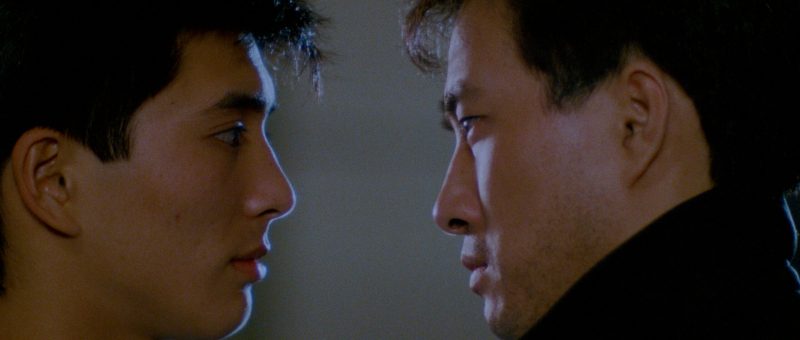
The heroine, Wing (Anita Yuen), is a case in point. She’s completely obsessed with the singer May Rose (Carina Lau) to the point that she almost lives her life vicariously through her. Rose’s successes are her successes, while she earns a few extra pennies peddling celebrity tat like Aaron Kwok’s used tissues. Rose meanwhile is riding high professionally by winning yet another reward, but her relationship with songwriter/manager Sam (Leslie Cheung) has clearly run its course. He’s become bored with the “celebrity” lifestyle and hasn’t written anything new in some time while unwilling to admit that he’s fallen out of love with Rose, refusing to take on new proteges because of his habit of falling in love with them.

That’s one reason he finally agrees to take on a male star, assuming there will be no danger of romantic conflict and intending to kick back against celebrity culture if ironically by creating an “everyman” sensation. But unbeknownst to him, Wing has had a male makeover and decided to enter the auditions in the hope of meeting her idols. Unexpectedly picked up for a recording contract during a spat between Rose and Sam, Wing finds herself having to keep up the act but is conflicted on fearing her presence is only deepening the rift between the “perfect couple” whose wedding it is her life goal to witness. 

Even before her makeover, Wing makes repeated references to her atypical gender presentation in lamenting her flat chest, especially in contrast with a rival celebrity hunter she nicknames “big boobs”. She takes lessons in performative masculinity from her roommate and best friend since primary school Yuri (Jordan Chan), who appears to have no romantic interest in her, and stuffs glow sticks down her trousers to make herself feel more “complete”. Yet despite all that, she is always forced to deny her seeming femininity with several people directly asking her if she is “gay” which is a more complicated question than it seems given that she’s a straight woman but currently living as a man. To find out for sure, Rose tries to seduce her in an attempt which is admittedly predatory and ends in a chase around the bed with Wing desperately trying to avoid being accidentally “outed” in an amorous moment. 

Nevertheless, there is a degree of romantic attraction in Wing’s obsession with Rose which is also a reflection of her internalised sense of shame in her atypical femininity as seen in her wide-eyed observation of Rose’s shadow dance as she slips into something more comfortable along with her admission that she always wanted to know what it felt like to touch a breast (because she feels she has none of her own). Even so, she begins to fall for Sam who is slowly being driven out of his mind with romantic confusion in being unable to reconcile his attraction to Wing with his heterosexuality. One of Wing’s closest associates whom he refers to as “Auntie” (Eric Tsang) is an openly gay man who asks him the all important question of whether of what’s really bothering him isn’t Wing’s ambiguous sexuality but his own. The question takes on a meta dimension in the knowledge that Cheung was himself bisexual but at that point not openly. Much as Sam explains, he might personally not have a problem with it but some people in the industry are very “sensitive about this kind of thing”.

Sam doesn’t know that Wing is “really” a woman, which might neatly explain his inexplicable attraction to her, but cannot begin to reconcile himself until he accepts that it “doesn’t matter what you are” because the fact remains that he loves her. Wing might make her final dash in more stereotypically female attire, but she does so in a voluminous white dress which, aside from its matrimonial connotations, further emphasises her lack of conventional femininity in her literal inability to manage it as she attempts to run while trying not to trip over herself. “Too much reality can really get up your nose,” Rose had complained in trying to keep her fantasy of a fairytale romance alive while internally accepting she can no longer be the “ordinary” girl Sam is looking for in a world of celebrity miasma and consumerist aspiration, finally reaching her own moment of self-acceptance just as Wing decides to shoot her shot right into Sam’s tender heart.

Trailer

3670 (Park Joon-ho, 2025)

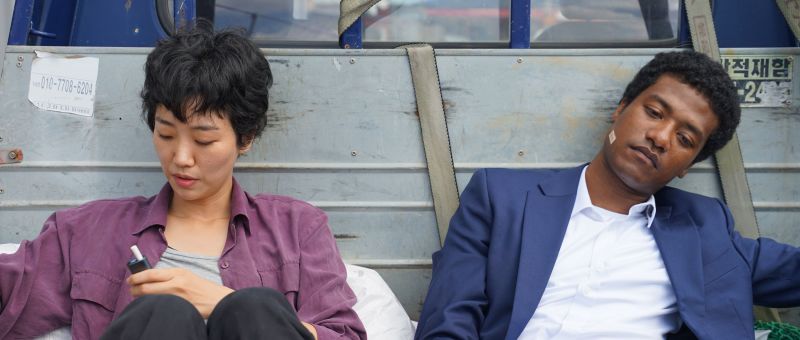
In recent years, indie films about North Koreans in the South have focused on the discrimination they face and how difficult it can be for them to integrate into South Korean society, not because of how different it is from everything they’ve known, but because the South doesn’t quite accept them. The problems of the hero of 3670 are, however, two-fold in that he is also gay and finding it difficult to straddle both communities while looking for companionship.

The opening scene finds him having sex with a guy from a dating app in a darkened room, but as soon as they’re finished, his partner gets up to shower and insists on leaving, refusing Cheol-jun’s (Cho You-hyun) invitations to get dinner and clearly uninterested either in friendship or romance. He asks him where he’s from, and on figuring out he’s from the North, rolls his eyes a little asking if he doesn’t have any gay friends yet. Cheol-jun doesn’t have any South Korean friends at all, let alone gay ones, and has never met any other gay people who left North Korea. He’s never disclosed the fact that he is gay to his North Korean friends or aunt living in the South who is his only familial link, which leads to moments of accidental insensitivity when his friends push him to date a North Korean girl they mistakenly think is interested in him, and his aunt tells him to settle down and get married in the South as his parents would have wanted him to.

The film seems a little ambivalent about Cheol-jun’s third community which is the Church. While it might be as Cheol-jun says helpful in a lot of ways in giving him something to belong to and helping with things like scholarship applications, it’s somewhat exploitative in that their help is obviously conditional on Cheol-jun accepting their religious beliefs which are otherwise in conflict with desire to find freedom as a gay man. Cheol-jun sometimes picks up extra money speaking at Church events in which he outlines how grateful he is to have been “saved” by the grace of God which brought him to the South away from the Godless North. Unlike other similarly themed films, 3670 doesn’t tread any further into how those from the North can be almost fetishised and exploited for their stories, but it is clear that that the Church is also using him to further their own aims. On the advice of his hookup date, Cheol-jun ends up attending a mixer for gay men which he keeps secret from his North Korean friends where he meets Yeong-jun (Kim Hyeon-mok), a gay man of the same age who lives in his area and shops at the convenience store where he has a part-time job, and later gets him a paying gig speaking about his salvation at his church.

Yeong-jun’s mother is a deaconess, and it seems that, in some ways, Yeong-jun is even less free that Cheol-jun who is beginning to discover a new kind of freedom as he introduces him to the gay scenes in Jogno and Itaewon. He views himself as inferior because he doesn’t believe himself to be conventionally attractive and has been having trouble passing the interview process to get a job (possibly those two things are somewhat connected in his mind). Yeong-jun also hasn’t said anything to his mother about being gay and sometimes goes to church to placate her even though he thinks there’s no place for him there as a gay man with the rather repressive religion that his mother practices. When he gets a job and is fully independent, he plans to stop attending church, making clear that for him, as a gay man in a capitalistic society, his freedom rests in financial security and achieving socially defined success by joining the workforce.

The fact that’s capitalism to which Cheol-jun must adjust himself is echoed in his advisor’s advice that he needs to market himself and give the university he’s trying to apply to a reason to choose him over another candidate. When he becomes a member of Yeong-jun’s friendship group, they also tell him that he needs a “selling point”, which they think should be his North Koreanness. But in an odd way, these ironic words of advice do lead to him becoming more at home with himself even if he’s also still caught between these two communities. With his North Korean friends, he dresses in a dowdier style, but puts on fashionable clothes and a university baseball cap to hang out in queer spaces with Yeong-jun. He tells his North Korean friends that he’s going to visit his aunt while occasionally blowing them off to see his gay friends, making it clear that he cannot exist simultaneously in both spaces as a North Korean and as a gay man.

But as much as Cheol-jun begins to find himself, Yeong-jun founders. Cheol-jun overhears some of his gay friends making fun of him for his North Koreanness and suggesting they only hung out with him out of pity, robbing him of this new community through spite and bitchiness rooted in a series of misunderstandings along with the social dynamics within the gay community and the friendship group itself. Nevertheless, when he does actually meet another North Korean man through the hook-up app, he helps him accept himself too by introducing him to these queer spaces in much the same way Yeong-jun did and showing him that it’s alright and it’s not as difficult or frightening to inhabit these spaces as he might have assumed it to be. 

Cheol-jun finds freedom here, at least much more freedom than he would have in the North. He’s not in the same kind of danger. But even many of the men in Yeong-jun’s friendship group are closeted and live as “straight” men, keeping quite about their private lives and restricting their authentic selves to Itaewon and Jogno, much as Cheol-jun keeps his North Korean and gay selves separate until he eventually decides to confide in some of his friends and finds them unexpectedly supportive because like him they too are here in search of happiness. The title of the film comes from a code Yeong-jun’s friends use to organise meetups hinting at their clandestine nature and desire to avoid inviting outsiders into their secure community. Cheol-jun, by contrast, is now free to wear his trendy clothes with his North Korean friends and to be open and unguarded in either community, effectively eliding the division between the two. Though his relationship with Yeong-jun who evidently meant a lot to him and changed his life in many ways may have been disrupted by the societal realities of the South from lookism not just in the gay community but the wider society to conventional definitions of success and entrenched homophobia along with the way they impact on a man like Yeong-jun, Cheol-jun has perhaps discovered a home for himself and a kind of freedom in his life as a gay North Korean man in the South.


3670 screens as part of this year’s San Diego Asian Film Festival.

Trailer (no subtitles)

Blind Love (失明, Julian Chou, 2025)

There’s none so blind as those who refuse to see, as the old saying would have it. Though in Julian Chou’s Blind Love (失明, shīmíng) the problem is often more an obsession with the gaze of others that prevents its lonely protagonists from looking within and coming to an acceptance of themselves along with what it is they really want out of life. Set before Taiwan’s legalisation of same sex marriage, the film positions patriarchal heteronormativity as the cage in which the heroine willingly imprisons herself in fear and shame.

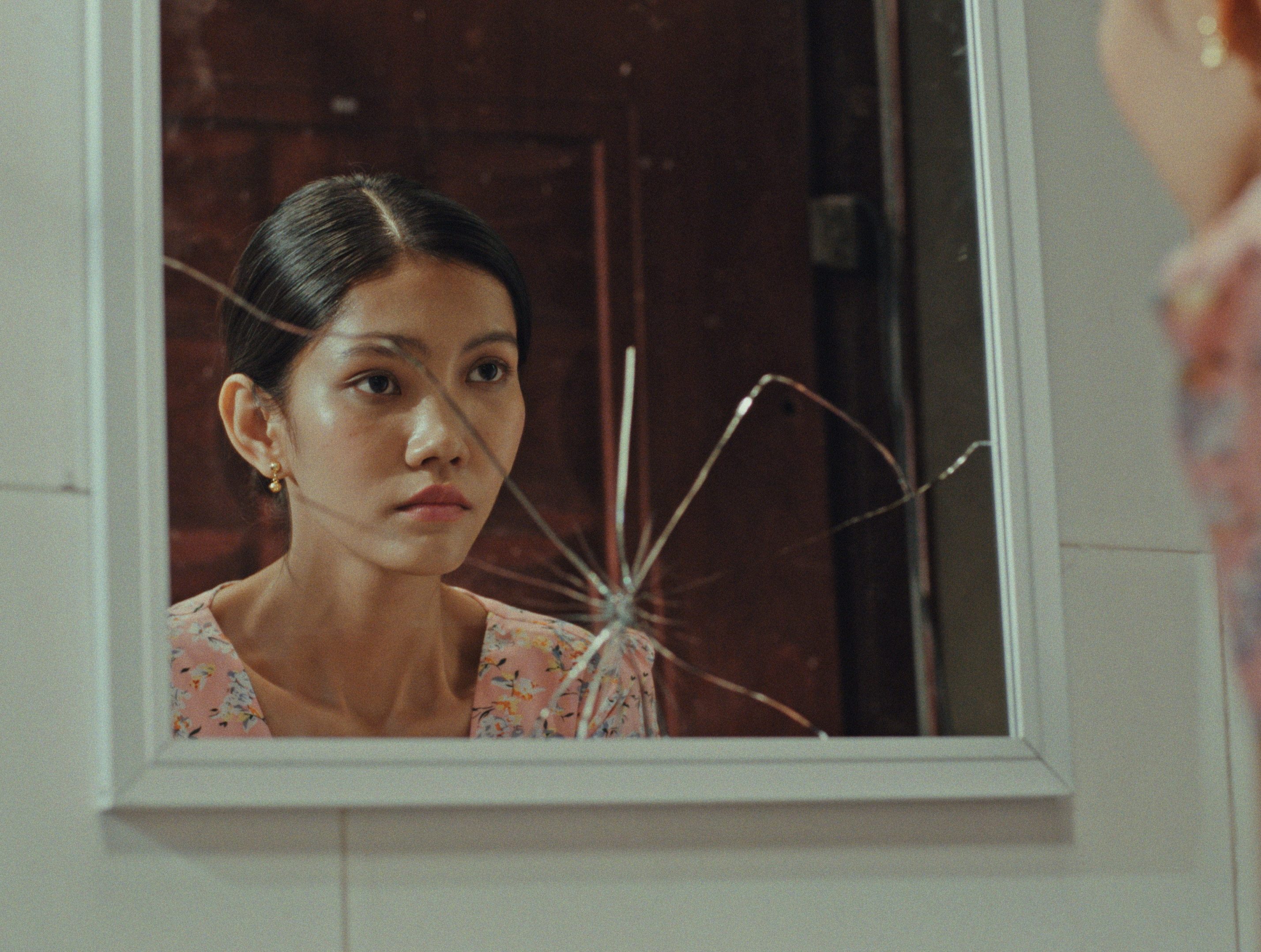
It’s telling that on being discovered with her girlfriend Xue-jin (Wu Ke-xi) when they were university students, Shu-yi (Ariel Lin) immediately jumps to the shame she feels in having done this to her mother. When the two women are together, it’s a bubble of perfect happiness, but on gazing at herself from the outside, Shu-yi feels only disgust in her feelings for Xue-jin and at some point evidently chose “properness” and conformity. Years later, when her mother has lost her sight and is living in a nursing home, she snaps at the nurse not to call her daughter because she’s married to a doctor and therefore very busy. Though it’s an odd moment, she says this with pride as if her own life were fulfilled by her daughter’s “successful” transition to wife to a professional man and mother to his sons. But it also seems as if this continual unseeing as manifested in her mother’s literal blindness is what later leads her to take her own life when forced to look inside herself while otherwise rendered dependent on Shu-yi and her unsympathetic husband Feng (Frederick Lee).

Feng is a selfish and unkind man who rules his home with an authoritarian iron fist. When Shu-yi tentatively hints that it might be better for her mother to live with them, he doesn’t answer but then immediately needles her, asking if she’s put on weight and whether the dress she’s supposed to wear to an important dinner will still fit. The domestic environment is rendered as a prison in which there is no natural light. The furnishings are cold and grey, as if there were no love or warmth here, and Shu-yi is under constant observation to ensure she plays her roles effectively. Feng sees his family only as tools or extensions of himself. He paints the picture of a perfect family to smooth his path to career success by ingratiating himself with the influential Doctor Gu and though Mrs Gu later sees through Shu-yi and is aware of the cracks within her marriage, chooses to unsee them and encourages Shu-yi to do the same by reaccepting her duty to dissolve herself within her husband’s ambitions even if her heart lies elsewhere. 

Feng exerts the same pressures on his teenage son, Han (Jimmy Liu Jing), by insisting that he study medicine though Han is now too old to submit himself to his father’s authority. You can’t let others decide for you, he tells a friend, and is told the same by Xue-jin whom he meets by chance and unwittingly falls for not knowing that she is his mother’s long-lost love. Xue-jin might seem like a more liberated soul having divorced her husband and accepted her sexuality while pursing her art as a photographer, which is of course the art of seeing, but her drink problem also hints at her loneliness and unresolved longing for Shu-yi. “You think what we do is wrong,” she tells Shu-yix with frustration, but Shu-yi can only answer, “How could be right?” before returning to her conformist life with all of its misery.

When she tells her younger son Rui that all that matters is how other people view you and asks him why he can’t just be “normal”, it’s as if she’s talking to herself. As the three of them pass through the pride parade and Rui asks what’s going on, Feng tells him that there are two kinds of people, the “normal” and the “abnormal” and that the people parading want to be seen as “normal” though they are not. Shu-yi pushes hard on the accelerator in anger and frustration, but it’s a divide she’s internalised within herself and remains unable to see that her love for Xue-jin is normal and natural. A woman in the bathroom at Feng’s dinner suggestively offers her her lipstick, explaining that it’s “the best form of camouflage for people like us,” before kissing her and leaving having rewakened Shu-yi’s latent desire. Hiding within this world of traditional femininity is the way Shu-yi has chosen to sublimate her desires and the concurrent self-loathing, but is also, in its way, an act of self-harm and means of punishing herself that amounts to a kind of suicide.

Only while making love with Xue-jin does she become fully herself before the self-recrimination finally kicks back in. Their connection is raw and honest, filled with tenderness and yearning, yet Shu-yi struggles to embrace happiness or accept her authentic self by escaping from the patriarchal superstructure represented by her mother and her husband’s authoritarianism. Chou ends on an ambiguous note in which Shu-yi is perhaps learning to see the truth of herself, but her world still appears cold and grey as if suggesting that, in the end, this kind of happiness and fulfilment is still not permitted to her even if she has finally accepted what kind of life it is that she wants.


Blind Love screens as part of this year’s San Diego Asian Film Festival.

Trailer (no subtitles)