A Story About Fire (燃比娃, Li Wenyu, 2025)

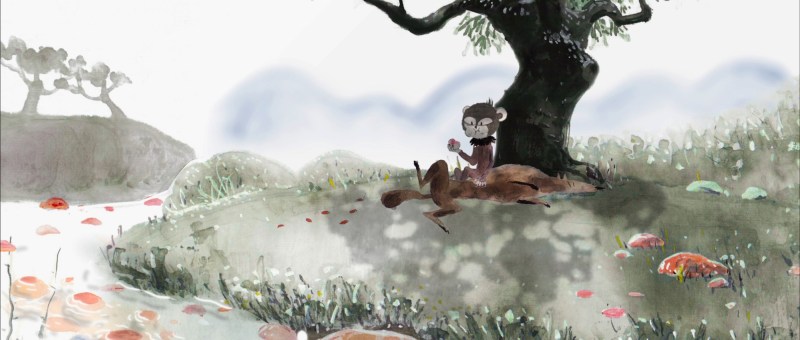
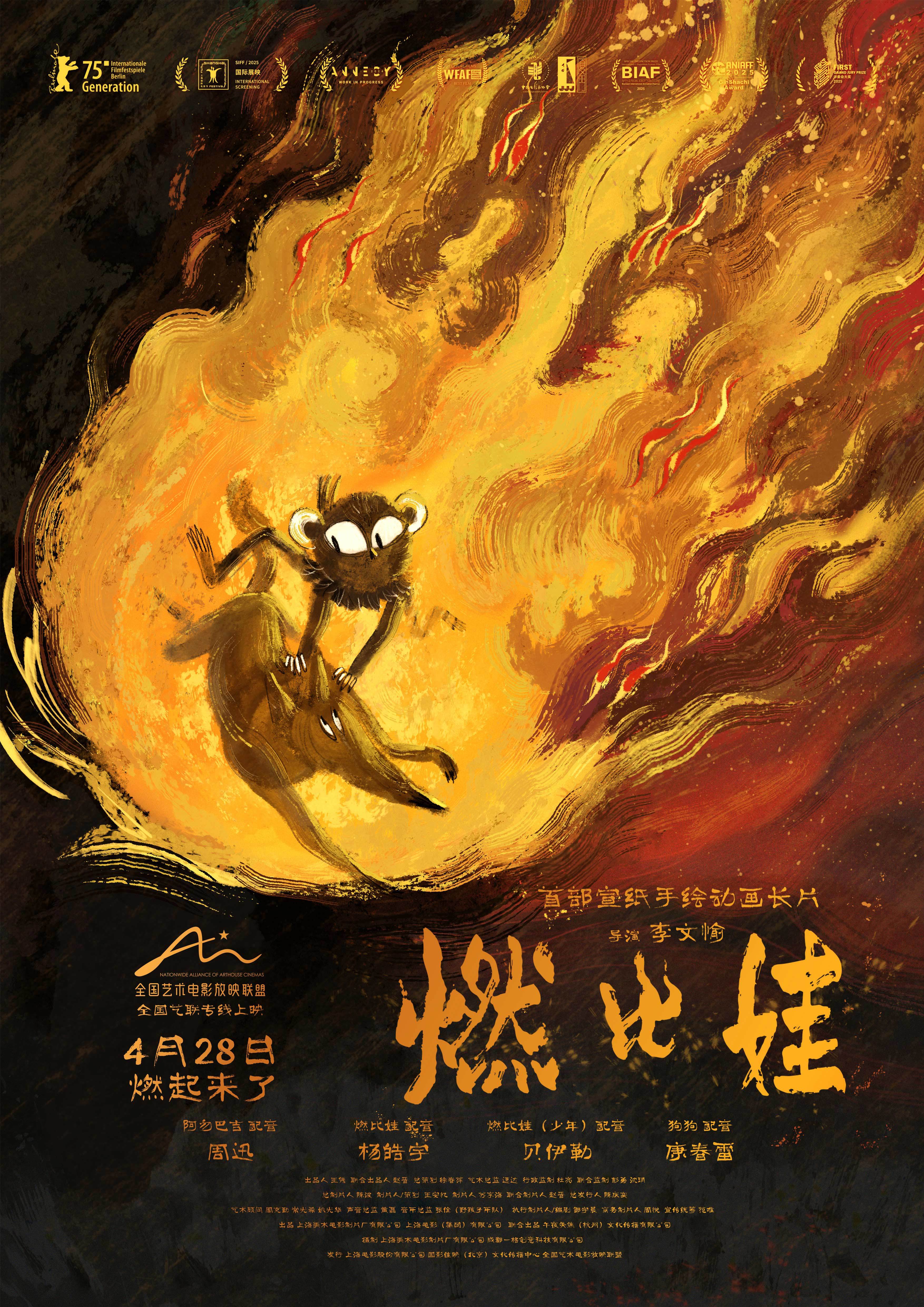
A young monkey sets off on a journey to claim fire from the gods and also discover the secrets of his origins in Li Wenyu’s poetic indie animation A Story About Fire (燃比娃, ránbǐwá). Loosely based on the classic Qiang legend Ranbiwa Steals Fire, the film is also a tale of human enlightenment and coming of age as the hero and his trusty wolf friend Doggie traverse an icy, barren land looking for the so-called Holy Mountain in order to return warmth to the earth.

Animated in a style reminiscent of classical ink paintings, the tale is told along parallel lines as we follow Ranbiwa and Doggie intercut with the original journey of the AWUBAJI, the chief of the human tribe, who travelled to the mountain but brought back only the baby Ranbiwa and a white stone. As an adolescent, Ranbiwa is told that it is now his turn to journey to the mountain as a kind of rite of passage, which is to say he’ll become a man in all senses of the word, yet none who were sent have ever returned let alone brought fire back with them. As Ranbiwa gets closer to the mountain, he learns to walk standing upright like a human and finally has his tail bitten off by the monster that guards the cave of fire marking his transition into the world of adulthood and also the enlightenment of mankind as he unlocks his own future and banishes the cold.

To get there, however, he must traverse difficult terrain with little to nothing to eat and with only his best friend Doggie, a friendly wolf, to help him. Together they learn to survive by killing and eating other animals, which is both a kind of fall and also an example of the necessity of working with the natural world. This is truly nature red in tooth and claw as the pair inhabit this very primal world where violence and survival are synonymous. Nevertheless, even in this cold place, Doggie often gives Ranbiwa warmth by curling around him and protecting him from predators. When sources of food begin to decline as they approach the mountain, Ranbiwa is able to eat the fruit from the trees but Doggie is not. Ranbiwa gives him the meat he’d been saving as an act of true friendship and appreciation. 

On their travels they also rescue a young girl and eventually help her reunite with her family who have a large herd of woolly mammoths. Though they agree to give Ranbiwa and Doggie a lift to the mountain, they, by contrast, are heading towards where the sun rises in search of the same thing but on the plains rather than the mountain. Ranbiwa is happy the girl has found her family, but also sad to part with her even if this, the first of two partings, also marks the beginning of a transition from one state to another. Ranbiwa has never seen fire, but he’s never seen the rain either and each of things is necessary to return balance to the world.

Having studied under the legendary Ma Kexuan who worked as an animator on Havoc in Heaven and Nezha Conquers the Dragon King, Li spent six years completing the project alone while working as a professor of animation at the University of Sichuan, the area where the Qiang resided. The minimalism of the opening sequences eventually gives way to beautiful pastoral imagery of plum trees in bloom and the fiery battle in the cave of darkness in which Ranbiwa achieves Nirvana and receives enlightenment, the complexity mirroring Ranbiwa’s own path towards sophistication. At one point, images of civilisations throughout history fly by at breakneck speed lending Ranbiwa’s quest an elegiac quality as if all of human history stemmed from this one moment in which a little monkey toppled the oppressive holy mountain and liberated fire from the gods to return it to the people. Sparse narration adds to the mythical feel while lending a personal dimension to Ranbiwa’s story as he struggles to uncover his past and find out who he really is while finding solace in the warmth of friendship even in the harshest of winters.


A Story About Fire screens in Chicago 11th April as part of the 20th edition of Asian Pop-Up Cinema.

Trailer (English subtitles)
Mag Mag (禍禍女, Yuriyan Retriever, 2025)

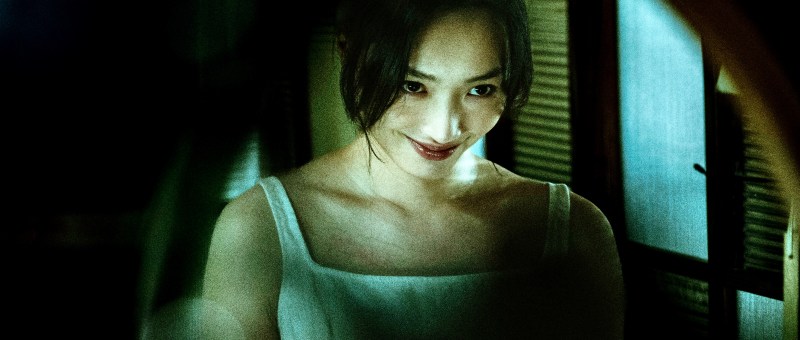
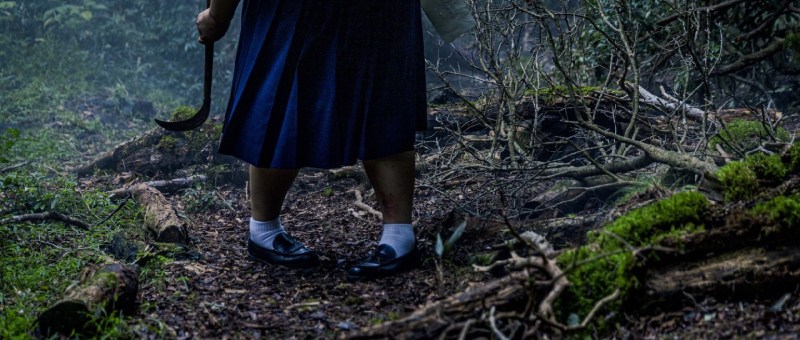
The funny thing is, Mag Mag is only visible to the man she’s currently in love with, though what she seems to represent is the grudge of the unrequited lover whose gaze is never returned. The first release from K2 Pictures, a new production company launched in 2024 with the intention of shaking up the Japanese film industry by moving away from the production committee system, comedienne Yuriyan Retriever’s first feature sets out as if it’s asking why women become fixated on terrible men, only to eventually subvert its central premise with a series of unpredictable twists.

It’s true enough that (almost) all of Mag Mags targets deserve exactly what they get. The men are selfish and insensitive, bullying or abusive. Shunsuke (Fuku Suzuki), the first victim appears meticulously doing his hair in the bathroom mirror as if bearing out his vanity and self-obsession. Many of the men are popular and handsome, but the attention they get has only made them cruel and arrogant. Takuya (Junsei Motojima), the original victim said to have given birth to the curse of Mag Mag, is beloved of half the school but can’t resist punching down by making fun of a girl considered to be unattractive who had left him a love letter. Yurika Yoshida (Marina Mizushima), whose name is very similar to that of the director, is believed by some to have become Mag Mag after taking her own life and cursing Takuya in the process, but most of all represents the ugliness of the male gaze in being constantly berated for her appearance. The other kids tell her to lose weight and get plastic surgery, while Takuya takes her love letter as an insult to his status as king of the school. Mag Mag is described as being “freakishly tall” which also hints at ideas of monstrous femininity.

Perhaps this is one reason why Mag Mag rips out the eyes of her victims, though the point is that they were always pointed in the wrong direction anyway. Sanae is obsessed with an artist named Hiroshi (Oshiro Maeda), though he’s made a nude statue of another named Rumi apparently from his imagination and without her consent, which hints again at the self-involved nature of male desire. He does not appear to really notice Sanae (Sara Minami), though Rumi (Mai Fukagawa) may not be lying when she says he found her creepy. After Hiroshi’s death, Sanae begins investigating Mag Mag in attempt to unmask her and avenge Hiroshi, only to ultimately see herself in the vengeful spirt’s sinister cries of “I love you” which aren’t so different from those expressed for Hiroshi while essentially stalking him from her shrine lair. 

Nevertheless, this misdirected gaze is going in both directions as we, the viewers, too do not really see the person we should have been looking at all along. Deep-seated senses of inadequacy can provoke the jealously and resentment of unexpected and seriously inappropriate targets, and perhaps what we’re looking at here isn’t the societal urge to mock an “unattractive” woman who dares to ask for love, but rather the toxic rage of an invisible man who loathes those who seem to be unfairly popular with women despite being terrible human beings and unpleasant to be around. Perhaps in the end, it’s Sanae’s “delusional” fixation pitted against the passivity of a man who believes himself to be unattractive and in fact becomes so because of his intense self-loathing.

But then, there does appear to be a real ghost and unflinching embrace of the arcane with its Shinto priests, lines of prohibition, and apparently magic trees whose ability to end bad relationships is potentially more than just psychosomatic, or just little psycho. Yuriyan Retriever’s absurdist humour blends perfectly with the grimness of the Mag Mag curse and the world it seems to mirror. With an overt reference to Guard of the Underground, she celebrates and subverts J-horror tropes while skewering contemporary entertainment trends in her house share fantasia of hopeful youngsters that turns out to be a quasi-incestuous nest of betrayal and misplaced desire. Influencers too are a one-way relationship, and you only see what they you want you to. Mag Mag, however, just might let you go if only you’re brave enough to say you love her too rather than, like her unfortunate victims, spurning her affections and thereby invoking and ancient curse born of the suffering of an unreturned gaze.


Mag Mag screens in Chicago 10th April as part of the 20th edition of Asian Pop-Up Cinema.

Trailer (English subtitles)
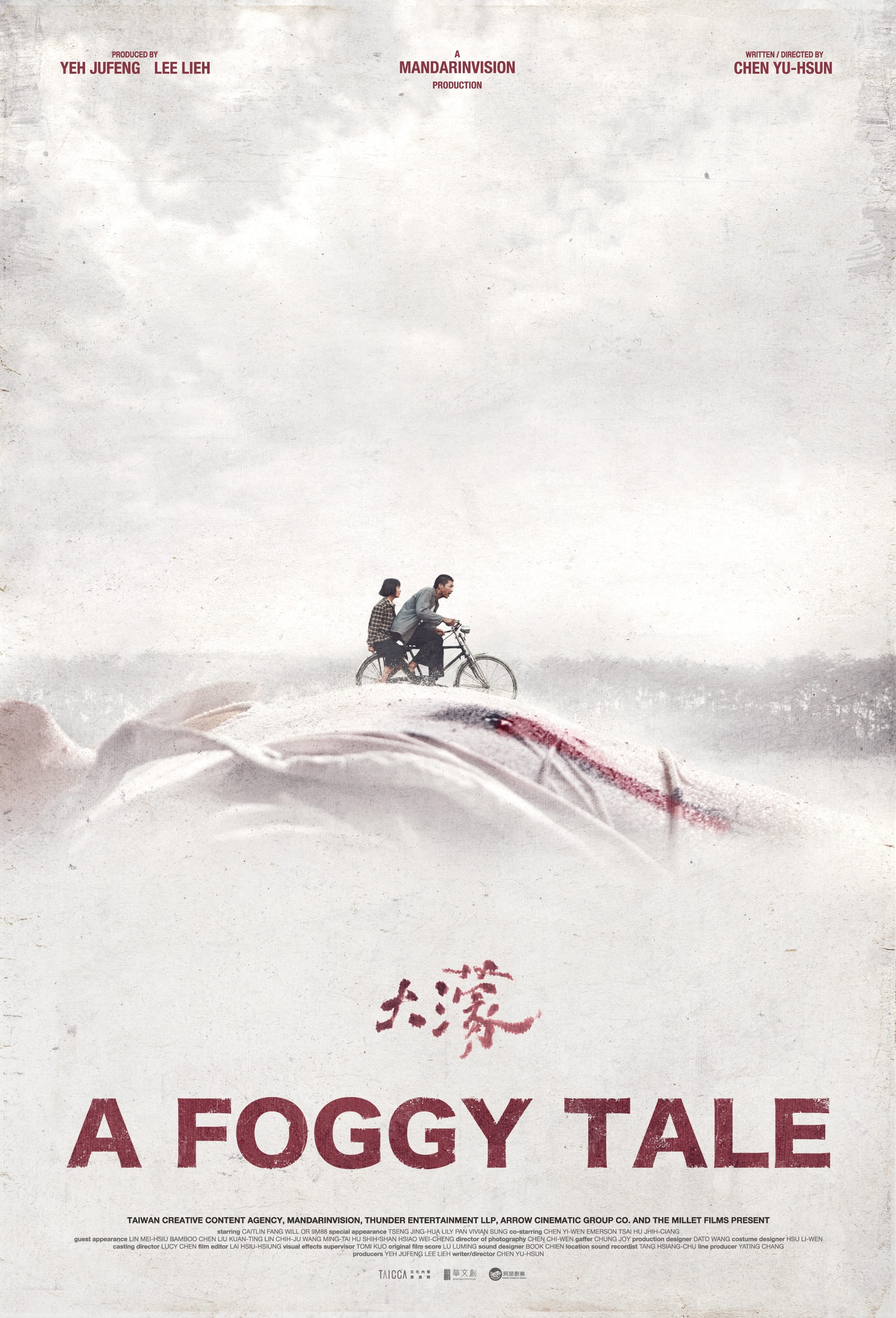
A Foggy Tale (大濛, Chen Yu-hsun, 2025)

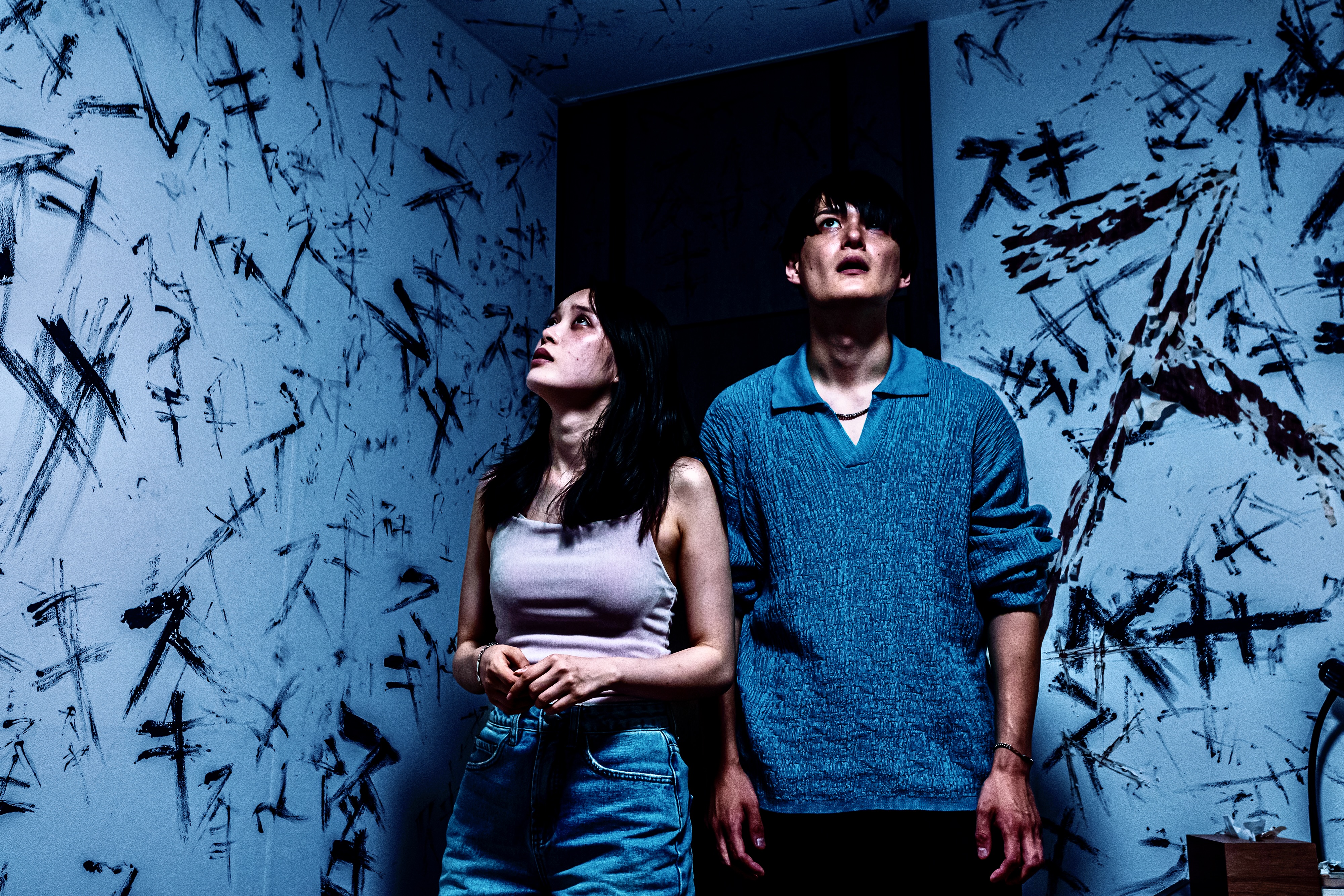
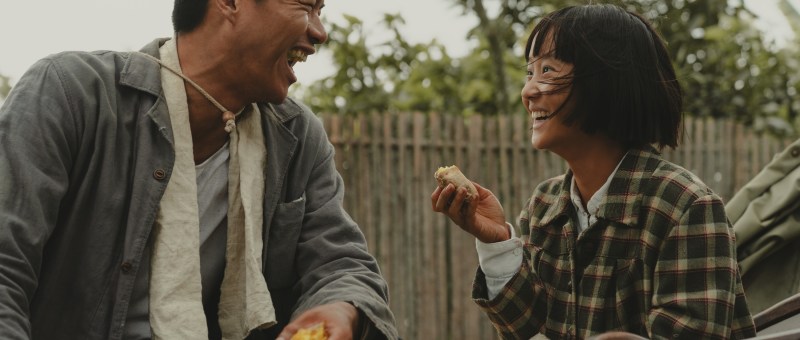
A young girl witnesses the horrors of the White Terror when she travels from her rural hometown to retrieve the body of her brother who has been executed by military police in Chen Yu-hsun’s otherwise light-hearted odyssey through 1950s Taipei, A Foggy Tale (大濛, dà méng). The title refers to a story the heroine’s brother Yun (Tseng Jing-hua), whose name means “cloud”, tells twice. First, it’s a metaphor for a resistance movement as two drops of water join many others to form a cloud that then descends on a patch of land that makes it farmable. Secondly, the second water droplet never makes it to the cloud, but instead becomes trapped half way and dissolves into the mist.

It is, however, into a foggy town that Yue (Caitlin Fang) arrives after leaving alone when her uncle, who has taken over her parents’ house following both of their deaths, explains that he can’t pay to retrieve Yun’s body. Their aunt is already resentful of the money they spent trying to save, and in truth does not want the extra mouths to feed of her niece and nephew. She would much rather have the house, which she regards as her husband’s rightful inheritance anyway, to herself for her sons to be the masters of. While he was in hiding, Yun had approved of Yue’s desire to become a teacher though she’s been taken out of school and, as he says, women in the country generally have little other choice than to become wives and mothers working the land. 

To add to the sense of displacement, Yue has an older sister in Taipei whom she’s never met because she was fostered out as a future daughter-in-law before Yue was born. Hsia (9m88) has since left the family who brought her up after refusing to marry the man she was betrothed to because they had been raised like siblings, though he remains somewhat resentful and badgers her to return. She had been acquainted with Yun while he was a student in the city, but has no idea that he has been killed after being arrested as a possible “communist” for protesting against the regime. 

Though she may not have felt it in the country, the forces of oppression are all around Yue in the city in the very presence of the military police. After being caught sleeping in the street, she’s taken in and beaten up by a policeman for talking back, while they also push her to “explain” where she got her money as a prelude to confiscating it for themselves. A kind yet flawed rickshaw driver (Will Or Wai-lam) who saves her from being kidnapped and sold into sex work, explains to her that the funeral home even charges for the bullets that were used to shoot her brother and she likely needs two or three times as much as she thought or they’ll throw him in a mass grave with the other victims of the regime.

Years later, an older Yue who has fulfilled most of her dreams though she no longer speaks Taiwanese with her adult daughter but Mandarin, sees a news report about the discovery of a mass grave and checks the names of those identified looking for someone she lost. This unearthing of the buried is past of symbolic of the desire to expiate this history, though Yue does not find the answers she’s looking for and the question is left hanging. When times where unbearable, Yun had told her to wind his watch forward and think of the Taiwan years to come that would be better where people could be free from oppression and exploitation. It took longer than expected, but some of that world has come to be, the film seems to say, if not completely and still with this mist hanging in the air that is the victims of the White Terror. Still, Yue’s story has its share of whimsy as she chases through the backstreets of a labyrinthine city. She encounters both kindness from the justice-loving rickshaw driver who tries to help but also scams her out of her brother’s watch only to return it years later as a means of assuaging his guilt, and cruelty from the men who tried to sell her, the secret policeman who apparently went into business, and unforgiving detectives. But in other ways, what she finds is a kind of peace and her place as a part of this nation and society as time continues its eternal march forward.


A Foggy Tale screens in Chicago 10th April as part of the 20th edition of Asian Pop-Up Cinema.

Trailer (English subtitles)
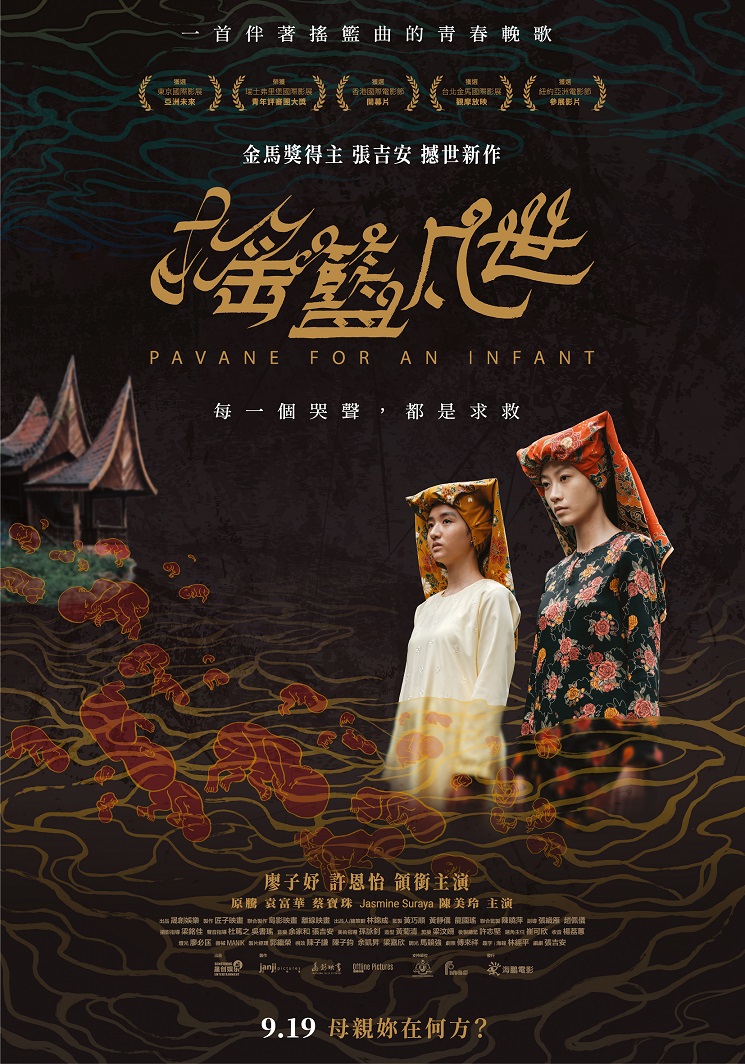
Pavane For An Infant (搖籃凡世, Chong Keat Aun, 2024)

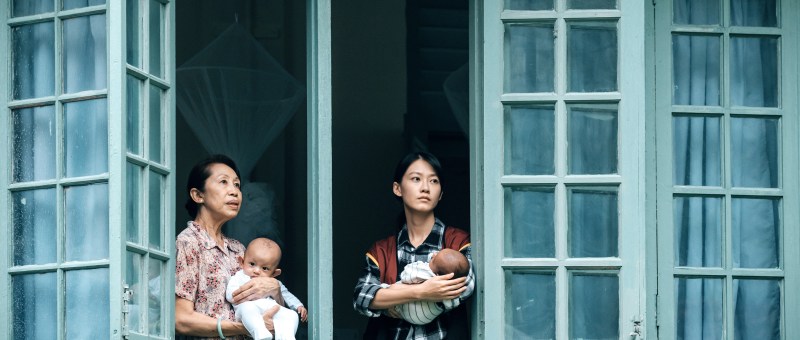
While manning the night shift at a baby hatch, social worker Lai Sum (Fish Liew) reads a newspaper article which wonders if progressive gender politics is responsible for a rise in abortions and the abandonment of babies. It’s a sentiment that comes off as a bit rich, given that most of the reasons given on the form that accompanies a child is that it is a result of rape, often of a very young girl by her close relative or another authority figure such as a teacher or a boss. Yet nothing is really being done to change male behaviour in a fiercely patriarchal society which regards childbirth and motherhood as a woman’s duty. 

Lai Sam visits a Taoist priest and pretends to have had an abortion as a means of exposing him. When women like her come and ask for his help, struggling to come to terms with their decision and haunted by nightmares, he drugs and sexually abuses them while recording it all on tape. It’s almost as if he thinks that women like these are fair game, even before accusing Lai Sam of corrupting her maternal destiny and insisting that she’s sure to become a young widow and lonely old woman. Not even everyone at the facility has sympathy with the women who use it, the woman in charge explaining that there is a strict 30-second time limit for changing your mind and that once a woman has placed a child in the hatch it is no longer hers. Despite the pleas of one of her employees, she refuses to look for a woman who ran off after screaming and pleading with them to open the door because she wanted the baby back. Even if she got it, the woman explains, she wouldn’t be able to raise it anyway.

The reason that Lai Sam herself gave up a child six years previously was that her boyfriend refused to take responsibility and then disappeared. She couldn’t afford to raise a child on her own and felt she had no other choice than to put him up for adoption. All these years later, she is still haunted by her decision and continues to look for her son. Siew Man (Natalie Hsu En-yi), a young woman she tries to help, is also haunted by having had an abortion which has left her with suicidal thoughts and nightmares of a baby crying. She too had a difficult home life after her birth father died and her mother remarried. The pair of them run into a birth ritual being conducted by the indigenous community, the leader explaining to them that in their society the birth of a girl is a happy occasion because women inherit property rights, contrasting with a lullaby which laments that a son will care for you when you’re old, but a daughter belongs to someone else once married.

In other ways, the use of the baby hatch signals the division in Malaysian society as those who place their children there are expected to fill in a form stating its race and religion so that it can ideally be raised by the same ethnicity. Lai Sam did not fill in the form, so her son was placed into a Malay family who are raising him Muslim though she is Chinese and are paranoid about the child being taken back. Another baby is given up not only because the father ran out on them, but because the child has ambiguous genitalia. Though the baby hatch only exists because this isn’t a practice that will ever be stopped and at least this way the children are kept safe, the centre faces a huge amount of hostility from religious communities who brand it “Satan’s Ally” and the “Cradle of Sin”, even while each of the women who has made a difficult decision to give up their child sobs bitterly and stares into the hatch until the very last second as they close the door. Lai Sam recalls a teacher who used to tell them to stand under the Bodhi tree if they’d done something wrong. She hasn’t, but she feels like standing under it anyway, which is, the film seems to say, what it is to be a woman living in Malaysia.


Pavane For An Infant screens in Chicago 5th April as part of the 20th edition of Asian Pop-Up Cinema.

Trailer

April (丟包阿公到我家, Freddy Tang Fu-ruei, 2025)

Ah-Ting (Zhang Xiao-xiong), an elderly man whose children mistakenly think is living with dementia because they just don’t really have anything to say to each other, says that he feels like a ball no one wants that they’re trying to kick as far away as possible. When his long-term carer April (Angel Aquino), who they call “Ah-po” because they can’t really be bothered with her name, wants to go back to the Philippines to see her dying mother, the children are reluctant to let her go and even go as far as saying that dying takes ages, so there’s no need to rush back. They have their own lives and don’t want to take care of their father nor do they want to have to pay someone else to cover April’s absence.

In the end, the only way that April can return to the Philippines is if she takes Ah-Ting with her. It’s an unusual arrangement, but highlights the way in which each of them has become somewhat abstracted from their families and exists only as a shadow presence hovering on the edges. Ah-Wei (Liu Kuan-ting), Ah-Ting’s youngest son who has just been released from prison, also feels like an unwanted ball to be kicked down the road, and may ironically come to identify with his father despite the animosity that’s existed between them since he was a child. Having nowhere else to go, Ah-Wei goes home, but is sort of relieved that his father isn’t there while the empty house gives him a place to reset and figure out how to start again as someone with a criminal conviction who can’t find conventional employment and is viewed with suspicion. 

The irony is that, as someone who worked abroad looking after someone else’s family, April was separated from her own but fails to see the gulf that’s emerged between her children and herself. While she resumes her role as their birth mother, they point out that she didn’t raise them. The image she has of her son and daughter is self-constructed, while she is fixated on providing a “better” future for them that neither of them want. In her absence, her daughter Luisa has essentially been forced to take on a maternal role looking after the house and her younger brother as well as her bedridden grandmother. April keeps pushing her son Diwa to study, citing a childhood dream of becoming a police officer which is quite obviously not what he wants to do now, while Luisa needles her that there was never any money available for her to study nor would she have been able to with all of these other responsibilities.

Still just as Ah-Ting rejected Ah-Wei, April reasserts her authoritarian parenting style in trying to push her children towards futures she thinks are better while her husband reminds them that everyone’s happy as they are, which is presumably what she wanted when she decided to sacrifice herself for the family by going abroad. In an ironic touch, Ah-Ting had told the neighbours Ah-Wei had become a doctor in Taipei rather than have them know his son was in prison, while April had wanted to be a doctor but had to give up her studies because she became pregnant with Luisa, had to get married, and resign herself to domesticity. Her life was defined by the conservative and patriarchal social codes of the Philippines, yet she pushes them onto her children at the same time harbouring a degree of resentment that she had to sacrifice her dreams for motherhood. She makes her husband fire his apprentice after finding out he’s dating Luisa because she thinks she can do “better”, while disparaging her husband’s line of work by complaining that he’s “just” a carpenter. She tells her neighbours that she works in a factory rather than admit she’s a maid as if she were ashamed to be working in service. 

It’s not exactly that the children are ungrateful, but as Diwa points out they never asked for this sacrifice to be made on their behalf and may have perhaps preferred a less comfortable life with their mother as opposed to feeling indebted as if they’re expected to do as their mother wants because of all she’s done for them. But what both April and Ah-Ting learn is that their rigid parenting styles haven’t done them any favours. They have to let their children be free and support them on their own paths rather than insisting that they do as their parents say. Through spending time with April’s family, Ah-Ting begins to learn to embrace his own, while Ah-Wei begins to accept himself by being accepted by a local woman. Which is to say, there’s an implication that this kind of care probably shouldn’t be outsourced, but no real solution proposed for how to manage caring for each other with all the economic pressures of the contemporary society. Nevertheless, there is a genuine sense of warmth in the remaking of these families as supportive and accepting rather than ruled by a sense of obligation or aspiration.


April screens in Chicago 2nd April as part of the 20th edition of Asian Pop-Up Cinema.

Trailer (English subtitles)
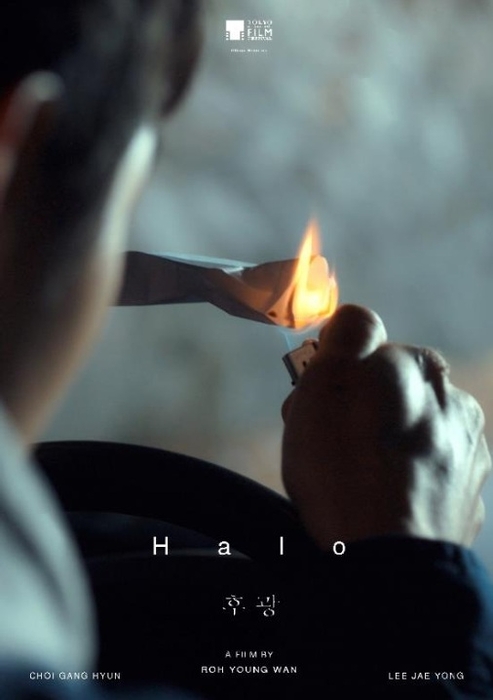
Halo (후광, Roh Young-wan, 2025)

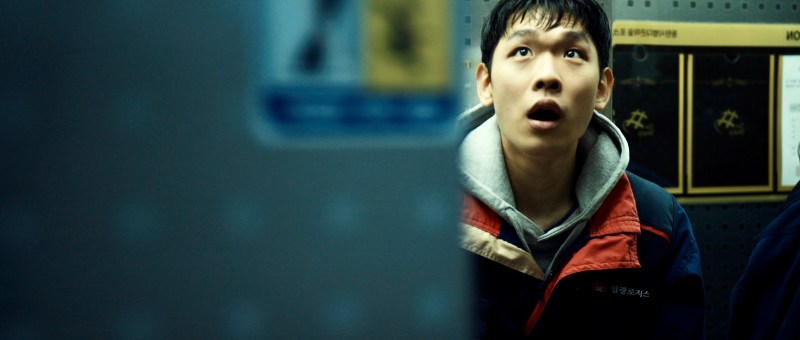
An astrologer delivery driver Min-joon (Choi Gang-hyun) meets tells him that he’s unlikely to achieve his dreams of becoming a film director in Korea. He was born under an unlucky star, destined to be a self-sacrificing figure overshadowed by his toxic family. However, the astrologer points out, the stars look different depending on where you stand, and according to him the best place for Min-joon is the UK, as unlikely as that might seem.

The astrologer doesn’t seem to hold out much hope that he’ll make it, though. He feels sorry for people like Min-joon who have an over-developed sense of responsibility for those around them and are incapable of putting themselves first. They may very well be toxic and dragging him down, but as Min-joon says, they’re still his family. When we first meet them, his parents are having a physical altercation in the police station while his older brother, Min-ha, who has learning difficulties, screams in terror and confusion. It seems that Min-joon’s father has taken to drink and either can’t or doesn’t work. He criticises the state of the nation that reduces people to living like this, but as his wife points out rather than worrying about the country perhaps he could fix the light in the bathroom that’s been broken for months. He asks why he should when it’s not their place anyway, which might explain a few things about the state of the nation.

In any case, Min-joon is surrounded by radio broadcasts about North Korean missiles and various other disasters that lend an additional sense of doom to his monotonous life. Min-joon is honest and hard-working, diligently delivering parcels all day long and taking good care of his van, only to be treated with contempt and a constant stream of problems from his family. He dreams of becoming a film director, but is always frustrated, first by being unable to afford a colour print of his script and pitch for a producer he met through a connection. He shows up in a neat suit ready to discuss his idea, but she immediately shoots him down by saying that no one makes this kind of film any more and he has zero chance of directing anything. She advises working on the set to gain more experience, but those kinds of jobs don’t usually pay very well and Min-joon probably couldn’t afford to take it even if he weren’t hurt and demoralised by the humiliating experience of being so casually dismissed.

That might be why he takes the astrologer’s advice to heart and starts working overtime to save money to move to the UK while sleeping in his van and washing in a local public toilet. He makes the convenience store guy put his buy one get one free sandwiches in separate bags as if ashamed to have him know he’s going to eat them both himself and that that’s his only meal. Even so, his mother asks him to lend them money to buy his brother, the oldest son, a wife from North Korea so he can live a settled family life, seemingly thinking little of Min-joon’s right to do the same. Meanwhile, Min-ha has suspiciously also come into quite a lot of money, and is later arrested for getting involved with a gang running telephone scams. Min-joon thinks Min-ha probably didn’t know or at least fully understand what he was getting into and was exploited by the gang because of his disability but the police won’t listen to him and a lawyer seems to suggest there’s nothing he can do, bearing out the inherent injustice of the contemporary society.

There really is no way out for him. He’s insulted by residents of the snooty apartment blocks he delivers to who don’t like him using their lift, his van gets robbed, and he ends up bumping it too, requiring even more money to repair and now he can’t even sell it to help his brother pay the compensation money for victims of the scam so he can stay out of prison. He repeatedly visits the apartment of a hoarder with a piles of boxes outside her door that she never opens. It’s like he too is trapped in the room surrounded by cardboard with only his family for company. His desperation mounts with frightening intensity until reaching its unavoidable conclusion as he seeks the only kind of escape available to him.


Halo screens in Chicago March 28th as part of the 20th edition of Asian Pop-Up Cinema.

Trailer (English subtitles)
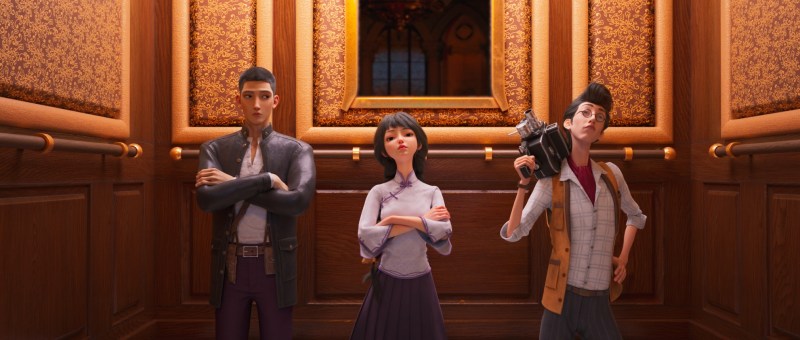
The Girl Who Stole Time (时间之子, Yu Ao & Zhou Tienan, 2025)

All Qian Xiao (voiced by Liu Xiaoyu) wants to escape her boring island life where time runs slowing to experience the fast-paced life of the city, though her guardian, an older man she describes as an artist who can develop film, is not keen for her to go. Washing up on the island three years previously having lost her memory, Qian Xiao is fascinated by the films they watch in the town square which seem to her modern and exciting while also a means of capturing time and assuring that nothing is ever really forgotten.

But when she’s shipwrecked after accidentally stowing away on a steamship that collides with an ocean liner, she unexpectedly gains the ability to pause time with a small device known to assassin Seventeen (Wang Junkai) as the “time dial”, though she calls it the “shiny gold spinny thing”. Seventeen has been charged with recovering it on behalf of his mysterious boss Mr Zou who has set his minions a challenge declaring the person who brings it to him will be the only one to survive. The ability to pause time is indeed useful in a practical sense in that it allows Qian Xiao to escape her enemies temporarily, flicking a bullet out of the way that otherwise have entered the back of Seventeen’s head.

In other ways, however, it may not always be a good thing and time can never really be turned back but is ever marching forward. It’s not meant to be paused forever. Qian Xiao tries to extend her time in the city by putting it on pause, but then quickly becomes bored. There’s not a lot to do here if everyone’s stood still like a statue and she’s stuck on her own again. The irony is that she’d complained about island life being too slow, but as she grows closer to Seventeen all she wants is string time out for as long as possible. This is also, in someways, a reflection of ageing that young people are often in a hurry to grow up and experience the world, but as you get older time passes more quickly and you begin to feel it running out. Despite having said that you only have one life and there are things you can’t fix no matter how hard you try, she begins trying to find ways to get a second chance and stop time from moving forward.

Mr Zou wanted the dial for the same reason, unable to deal with his own deep-seated grief and hoping to use it to bring back those who he’s lost even if it means a lot of other innocent people might die. Seventeen might not have cared about that before, but has become more human through this adventures with Qian Xiao and can no longer allow him to misuse time in that way. As he says, all things must eventually come to an end and it’s enough to be remembered by those you leave behind. Qian Xiao may have become an immortal being and the master of time, but that also means existing in a perpetual state of loss. Eventually, she will need to learn to let go and treasure what she once had rather than being mired in her grief. 

Films are also, though, a means of stopping time and allowing Qian Xiao to revisit her past. While the film looks back to golden days of Chinese cinema in the glamorous Shanghai of the 1930s though its use of silent film techniques, it also seems to draw inspiration from Western animation such as Disney with its unexpected musical number and Qian Xiao eventually donning a very Cinderella-like ballgown for a romantic waltz for the ages. In its final stretches, however, it is more philosophical in contemplating the nature of time and how it’s spent, the ways in which it is sort of rewound and relived, along with the conviction that there’s no need to be sad when the movie’s over because it was it always about who you watched it with. Less anarchic than some recent Chinese animation, if energetic, the film revels in the elegance of its 1930s setting and derives genuine poignancy from its central love story as the fated lovers find their way back to each other only to part once again.


The Girl Who Stole Time screens in Chicago March 28th as part of the 20th edition of Asian Pop-Up Cinema.

Trailer (English subtitles)
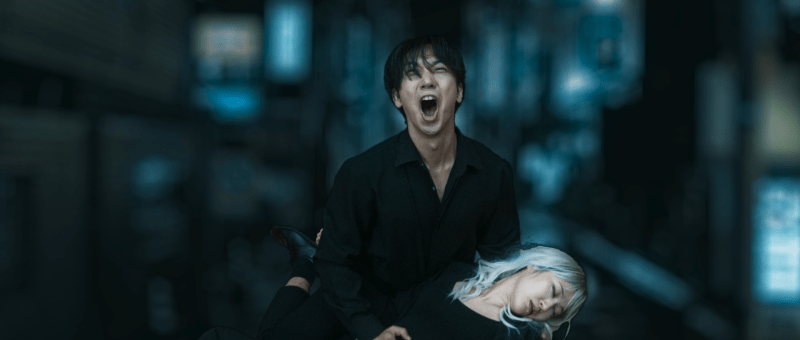
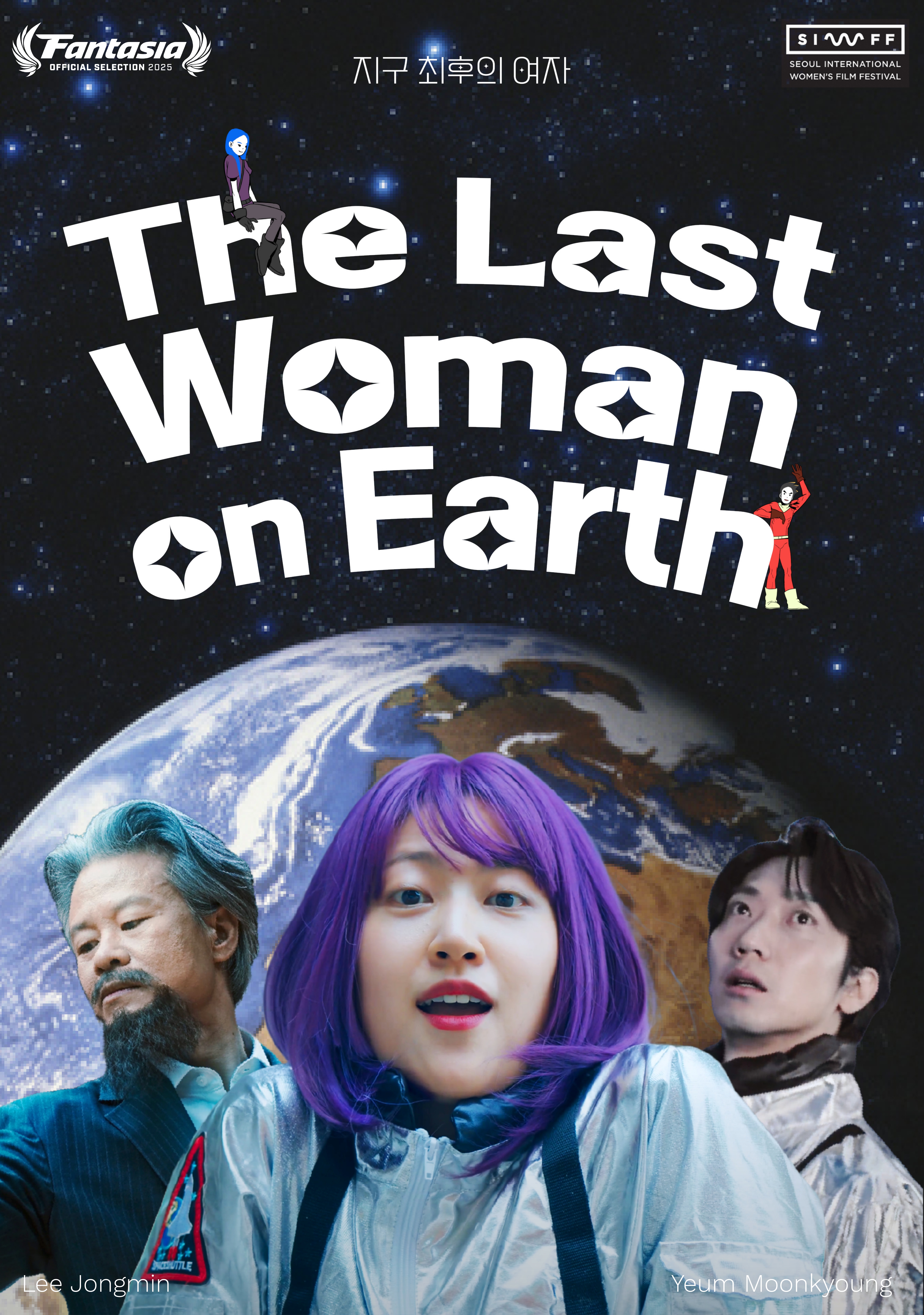
The Last Woman on Earth (지구 최후의 여자, Yeum Moon-kyoung & Lee Jong-min, 2024)

Wronged by an internationally famous film director, a pair of aspiring filmmakers set their sights on cinematic revenge in Yeum Moon-kyoung and Lee Jong-min’s meta comedy, Last Woman on Earth (지구 최후의 여자, Jigu Choehuui Yeoja). Even so, they find themselves mired in a world of sexism and artistic jealousy ruled over by powerful elites content to feed on their aspiration, chew them up and spit them out only to, on the one hand, insist that exploiting them made them sad, and then on the other barely remember them at all and claim they did nothing wrong.

Hana and Cheol each have painful histories with a Hong Sang-soo like festival darling that have frustrated both their lives and artistic careers. They meet in a film class where they workshop their movies that are also attempts to overcome their trauma. Hana’s is a high-concept sci-fi drama shot like a silent film and peppered with intertitles in which the only woman left on earth after a virus wiped out all the others is imprisoned by men who harvest her eggs and attempt to clone her. Cheol’s is Hollywood gangster noir set in Chicago in 1989 in which he kills an annoying old man who was holding him back. Cheol annoys Hana by pointing out the theme of her film was “misandry”, as if there were something wrong with that, while she points out his film is obviously about his resentment towards a father figure. Even so, Cheol thinks the reason no one likes his script its that it’s too manly, and he could use some female input to help him score points on the grant application, which is how they end up working together.

Their various traumas highlight the problems in the mainstream film industry, even if Cheol’s problem is, in another meta touch, with indie filmmakers who make indie films to show to indie people at indie festivals. After being talked into a nude scene a more famous actress had refused to do, Hana became the talk of the town while her scenes from the movie ended up porn sites. She became a sex symbol, but was shamed out of show business. The only jobs she got offered were erotic movies and all she could do in the end was abandon her old identity. As she reveals in a lengthy musical number, she still wants to make films even though it’s painful and no one wants to seem to letter.

Like her, Cheol sought the approval of a master but feels betrayed by him. Tak stole his screenplay and used it to win awards in Europe without crediting him. Even since then, he’s been determined to become the Ant-Tak by doing what he couldn’t, making a hit popcorn movie that’s nothing more that an good time at the movies. But even Cheol can’t completely abandon the patriarchal mindset, first gender-flipping his revenge drama, then changing gears to make Hana the hero only to suddenly appear as a male character to swoop in and save her from the evil professor, Tak. 

Throughout the runtime, there’s the sense that the world is coming to an end, and of course it is because the world of this film lasts only until the closing credits. Still, they want to make the film anyway, even if there’s no tomorrow and no one will see it, because it’s what they have to do. They start out by making a documentary about Tak, hoping to destroy the Korean film industry by exposing what he’s really like. But Tak doesn’t really take them seriously. He points out he’s not Park Chan-wook or Bong Joon Ho, so no one’s going to watch their film anyway. Though he claims to feel bad about what happened to Hana after he used her for his film, he also says that it’s not his fault because that’s just how things were and everybody did it. Like Cheol, he’s now trying to make a “feminist” film to atone, laying bare the cynicism of these kinds of gestures intended only to whitewash the image of a tainted artist. But films after all “next world” and the way out. You can make one on your own, and it doesn’t really matter if no one sees it. Killing her past trauma, Hana transfers fully into the world of cinema, staying with Cheol to watch the world end as the camera continues rolling on waiting for the next world to enter the frame.


The Last Woman on Earth screens in Chicago March 27th as part of the 20th edition of Asian Pop-Up Cinema.

Trailer (English subtitles)
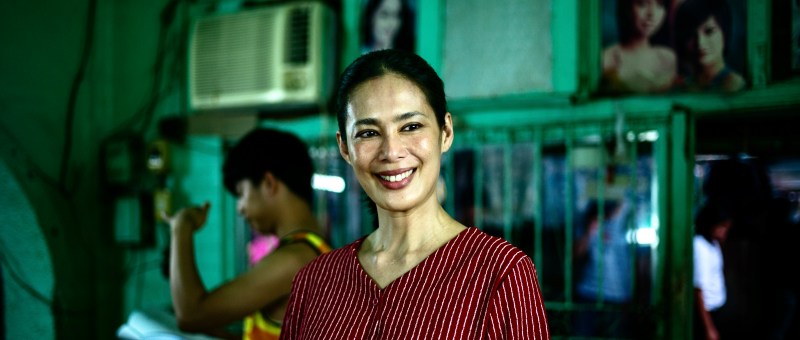
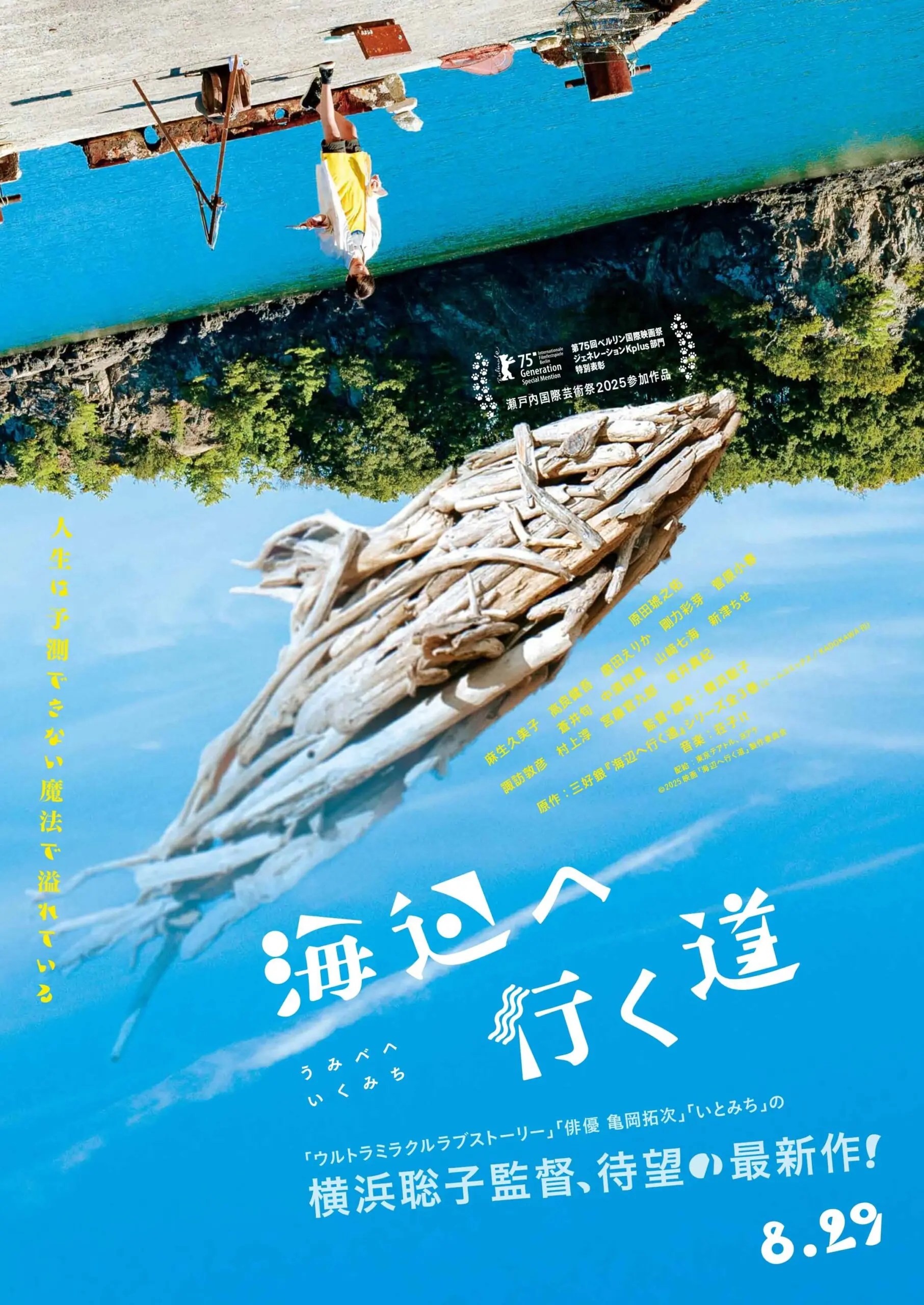
Seaside Serendipity (海辺へ行く道, Satoko Yokohama, 2025)

As we follow the road that leads down to the beach in the presence of a black cat, there’s a sign at the beginning of Satoko Yokohama’s Seaside Serendipity (海辺へ行く道, Umibe e Iku Michi) that lets us know that this town welcomes artists. Adapted from the manga by Gin Miyoshi, the film is another in the idyllic summer adventure genre with its tranquil, almost magical setting that even one of its temporary residents describes as somehow different from other places, but also contemplates the nature of art and its ability to influence the environment. 

This is certainly a very creative place where strange things happen and people mostly seem to do their own thing. Then again, Risako (Ayame Goriki) rents out apartments to artists looking for quiet retreats to practise their art in a peaceful environment but mainly ends up with those arriving for other reasons whose “art” is more like subterfuge. A young couple arrive running a bizarre scam selling fake knives that won’t even cut tofu after a couple of days. A stone sculptor she ends up dating is on the run from a loan shark, who just happens to be an old friend who said her job was in “sales” rather than admit she works as a debt collector chasing failed artists who always have an excuse as to why they can’t pay or haven’t yet produced anything.

A mysterious man gives Megu (Koharu Sugawara) a canary-shaped whistle that’s supposed to chirp in the presence of a true artist and make an unpleasant noise in the case of a false one. But as the kids eventually put it, all artists are self-proclaimed. The only requirement for calling oneself and artist is that you make something you consider to be “art” even if others disagree. Art can take many forms, as in the weird structure Ryoichi (Toma Nakasu) constructs made out of all the spoons he’s bent in his life. Sosuke (Kōnosuke Harada), meanwhile, attracts the attention of another mysterious man calling himself “A” who commissions him to make a model of a mermaid from a painted scroll. Sosuke dutifully makes it with a few additions such as the ability to remove the mermaid’s left breast and extract her heart. A interprets this as an expression that one cannot hide anything in art, whether things about themselves the artist wanted to conceal or things that they simply did not know. 

But Sosuke’s friend Teruo (Shun Aoi) also lets him in on the idea of mimesis, that they aren’t trying to reproduce something exactly as it appears but understand its true essence and recreate that. Teruo uses the art of mimesis to create a realistic mask modelled after the late husband of an elderly woman who says that it was foretold to her in a dream that he would come to her on her birthday. Though it might be a questionable gesture, he did it out of a desire for her dream to be true and to bring comfort to a lonely person whose family were unable to communicate with her, perhaps because they did not have the ability to lipread as Teruo apparently does. Nevertheless, they accuse him of stealing her money, insulting the purpose of his art. 

The art club’s art is also misused in a way when Ritsuko bizarrely asks them to create a hole she can say her boyfriend used to escape, like in a cartoon. This appears to be the sort of place where one can get away with such a ridiculous conceit. Trying to tell the truth, meanwhile, backfires for an aspiring journalist who uncovers suspect goings-on at the local nursing home where a nurse forces elderly people to sing songs out in the summer heat and prevents them from eating lunch as a means of staving off dementia. When her teacher leaks the video she recorded to social media, she’s annoyed to have missed the scoop and also that the teacher didn’t investigate properly opting for mob justice instead. The young woman worries the nurse may kill herself because of what she uncovered which is perhaps only a version of the truth. Meanwhile, everyone else is hot on the trail of mysterious animals appearing in the town that are somehow repelled by Teruo’s mystery art project. Even so, everything continues as normal in this strange little town as Sosuke pursues his artistic dreams painting tranquil visions of peaceful destruction from the deserted jetty, seemingly paying it no mind.


Seaside Serendipity screens in Chicago March 22nd as part of the 20th edition of Asian Pop-Up Cinema.

Trailer (English subtitles)

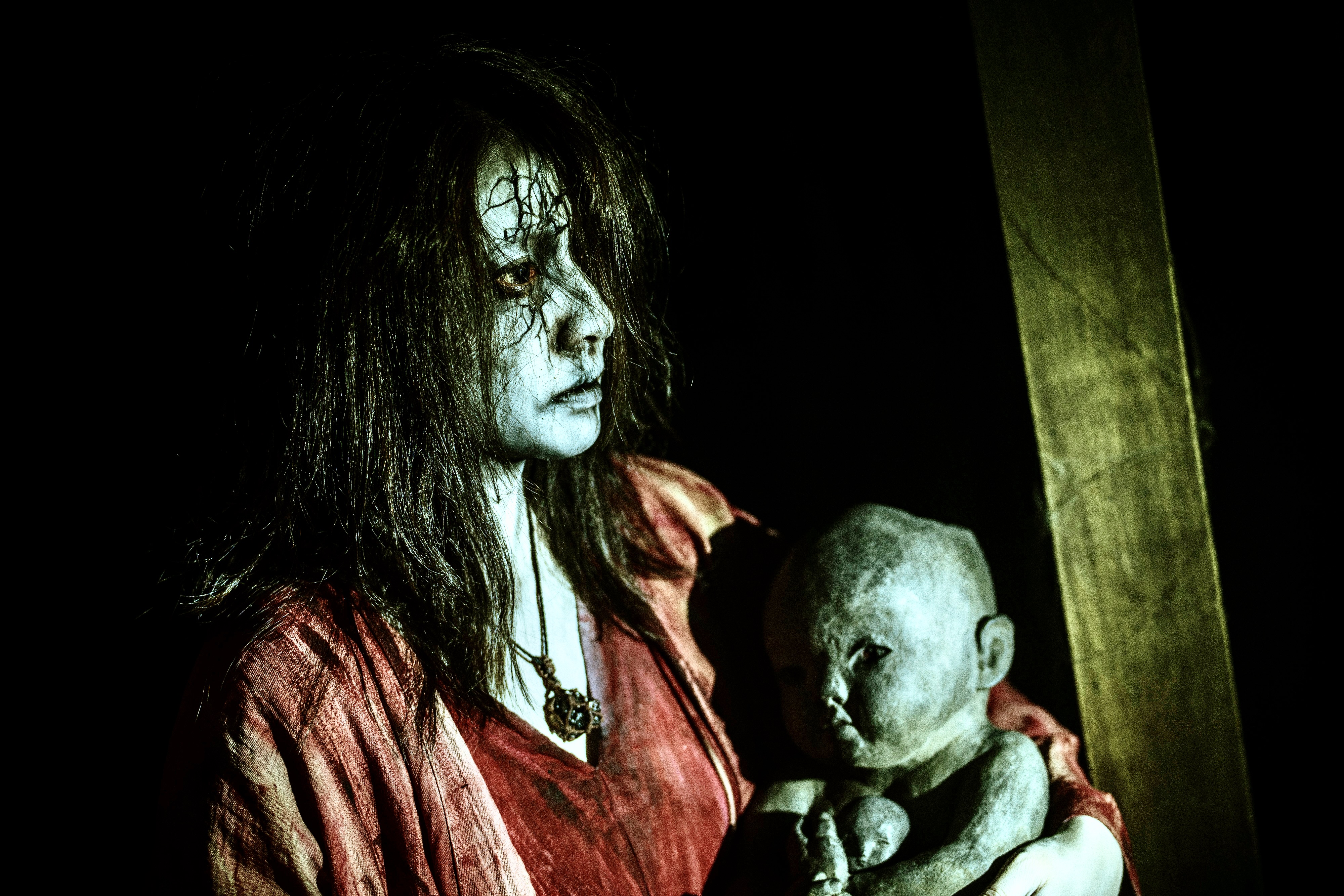
Mudborn (泥娃娃, Shieh Meng-ju, 2025)

Poor old Hsu-Chuan is stuck making a scary VR horror game based on a grisly real-life crime, while his own wholesome proposal to create one about spending time with your family gets shuts down for having no clear path to monetisation. There is, however, something a little bit ironic in Hsu-Chuan’s abstraction in creating a separate space to share with those close to him rather just going home and spending time with them instead.

In fact, Hsu-Chuan (Tony Yang) is often physically separated from his heavily pregnant wife whom he somewhat creepily watches through a surveillance camera so he can “keep her company”. He does seem to want to play the role of a good father, constantly fussing over a doll as a way of training himself to look after their baby, but at the same time his wife Mu-Hua (Cecilia Choi Sze-wan) is irritated when he says he’s taking parental leave to “keep them company,” rather than spend time with them together as a family and contribute equally to raising this child. It’s as if Hsu-Chuan sees himself as separate from the main family unit, more like a helpful guest than a devoted father. Then again, his boss tells him he was much the same. When his wife was pregnant, he’d “relax” by doing overtime at the office. When he got home, his wife cried and pointed out she had someone living inside her and it would be nice if they could face this together, as a family.

After all, pregnancy itself is a kind of possession. At the end of the day, the men can go off and escape their responsibilities if they want to, but the woman can’t separate herself from the child inside her. When Hsu-Chuan unwittingly brings the haunted doll from the murder scene home, he implants it in the womb of their domestic space where Mu-hua cares for it by restoring it like one of her statues. But what neither of them know is that the doll was made with grave soil and baked with maternal grief, so it contains the vengeful souls of those buried nearby. Another sculptor, Liu Hsin (Tracy Chou Tsai-shih), used grave soil precisely because she believed that all return to the earth in the end and so it contains the remnants of those now gone.

But perhaps there’s something not quite right about using the echoes of the dead without their consent. Liu Hsin may have known that, which is why she put esoteric talismans on her creations to seal in whatever might be in there. The same could be said of the game Hsu-chuan’s company is making. Is it really alright to exploit a horrific real life crime for entertainment? An employee takes an acquaintance to scan the still abandoned crime scene, capturing the eerie atmosphere along with everything the murdered family left behind. It wouldn’t be surprising if they picked up a ghost or two, and probably they should have listened when a mysterious voice told them to put that doll back where it came from.

To that extent, Hsu-chuan becomes a kind of mirror for Liu Hsin carrying around an actual doll meant for children that’s supposed to represent his unborn child. Its possessive qualities might also echo his paternal anxiety and the fear that this baby will take his wife away from him. For her part, Mu-hua has apparently decided to give up on a cherished opportunity to work on a restoration project in Rome because she doesn’t want to miss her baby growing up, but Hsu-Chuan still only wants to keep them company while making his VR family space instead as if they lived in a fantasy land he could enter and leave at will. Perhaps ironically, the doll will turn him into an inverse mother, carrying the spirit inside himself though unable to birth it. He demonstrates his commitment to his family by sacrificing himself to protect it, removing himself from the family unit and exiling himself to his own other space as an AI avatar in his VR world. Teaming up with an esoteric Taoist priest who seems like he has an ulterior motive in wanting to unlock the secret of these unusual talismans, Hsu-Chuan is, in effect, another ghost, haunting his family home rather than inhabiting it “together as a family” and only ever hanging out to keep them company.


Mudborn screens in Chicago March 21st as part of the 20th edition of Asian Pop-Up Cinema.

Trailer (English subtitles)