 Written by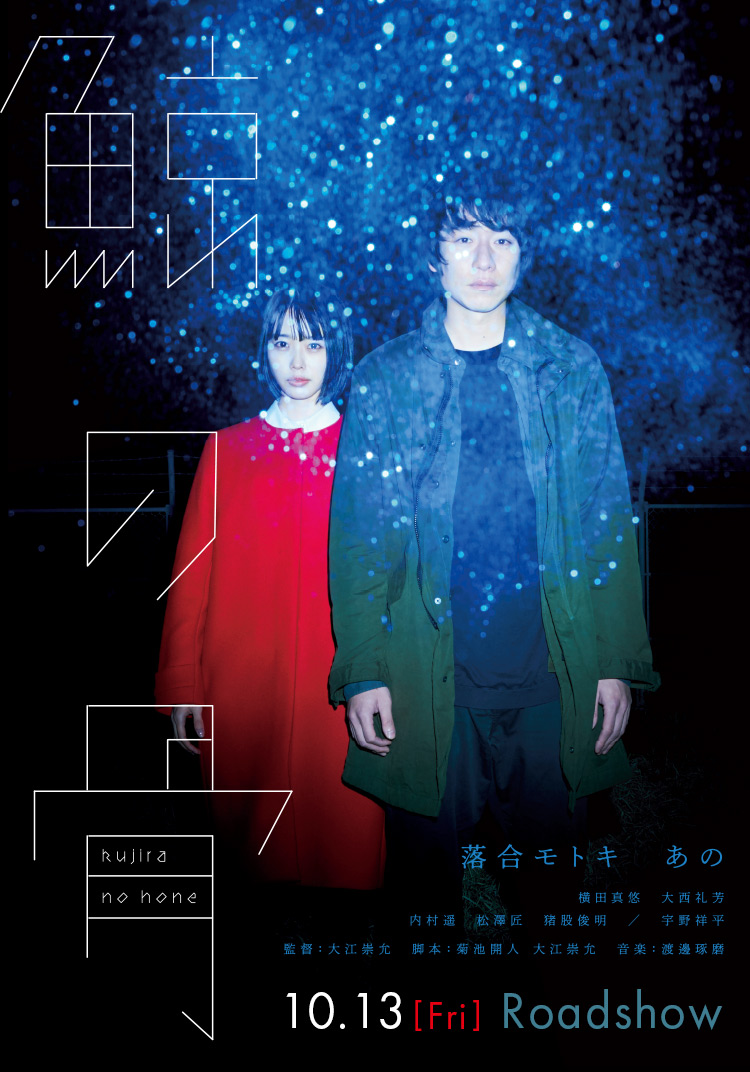
The augmented reality scavenger app at the centre of Takamasa Oe’s Whale Bones (鯨の骨, Kujira no hone) is littered with a series of digital ghosts endlessly re-enacting the past. Its selling point is that the content can only be accessed in a specific location, what its users call “holes” into which they “bury” their unpleasant thoughts, the irony being that they don’t so much rid themselves of them as ensure their survival on some other plane.
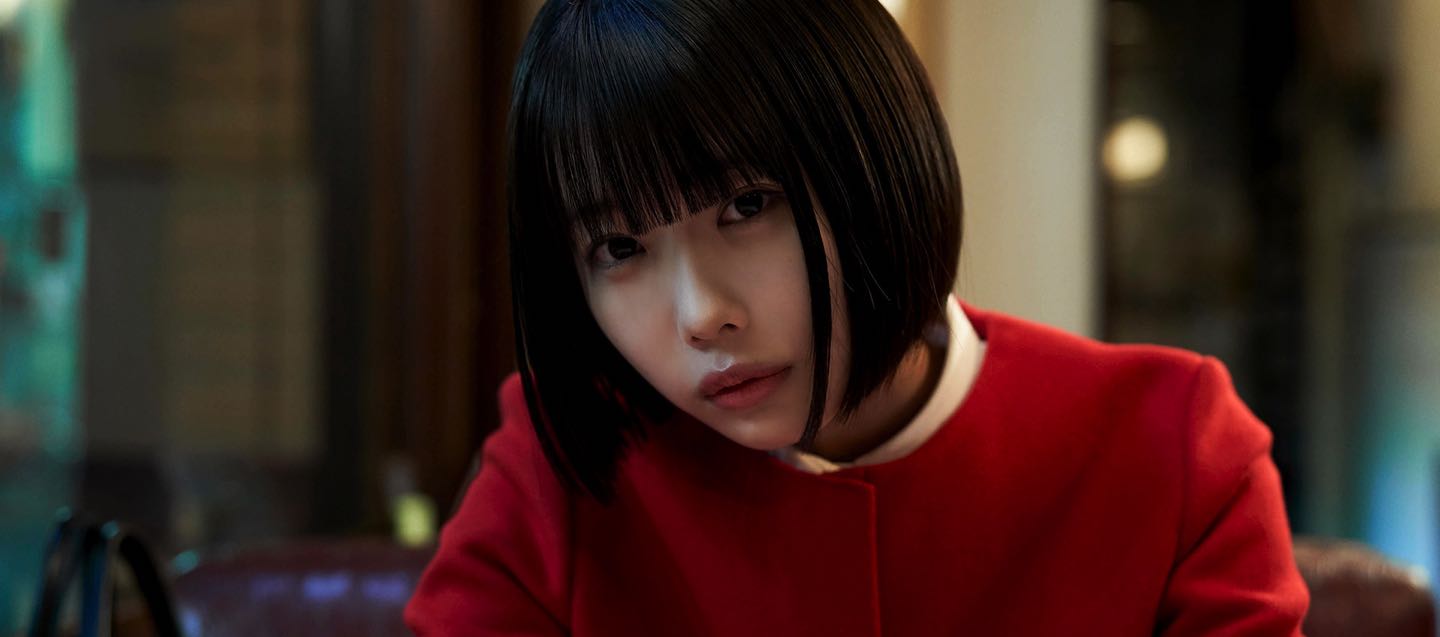
The hero, Ken, intended to bury something in a more literal sense after hooking up with a high school girl on dating app who apparently takes her own life in his apartment. Ken drives into the mountains and digs a hole, but the girl, Aska, disappears from the boot of his car leaving him wondering what exactly happened while experiencing a kind of breakdown that leads him to the Mimi app and Aska’s buried videos. In a way, he’s chasing a ghost. Trying to find out who Aska was and what might have happened her while trying to absolve himself of guilt and responsibility over her apparent death and his reaction to it.
In a video he finds she talks about her late father and remarks that believing he’s out there somewhere gives her hope, much as her spectral existence in the Mimi app becomes a kind of beacon for the other users and bears out the way she both exists and doesn’t as a ghostly avatar of a constructed online identity. Rin, one of her followers, explains that Mimi started as a venting app where people threw away all of their unkind thoughts but quickly gave rise to a small, cult-like community of mutually supportive digital archaeologists intent on digging up all Aska’s holes as if attempting to excavate her identity.
Of course, Ken has a different reason for wanting to dig up Aska and his quest is also an act of self-preservation. Before hooking up with Aska, he’d been jilted by his fiancée and was perhaps wounded and resentful, though his decision to take a high schooler back to his apartment in the first place doesn’t cast him in a very good light nor does his subsequently shady behaviour though it’s true enough that he begins to wonder if Aska was ever really “real” in the first place or some kind of digital ghost. People around him seem to just disappear, there one minute and then not, but then in a later moment of irony he realises the person he’s chasing is merely hiding rather than having blinked out of existence.
Ken’s work friend also fears that he will “disappear” from the office, becoming yet another soulless drone even as his obsession with Aska grows and his metal heath declines. It may be that he too is a ghost, trapped in the past and unable to move forward while feeling sorry for himself about his broken engagement. An attempt to explain his situation only raises the suggestion that perhaps he himself is an author of this mystery rather than its victim, which as his ex Yukari points out is his preferred way of seeing himself. In any case, what he’s confronted with is the dualities of the “real” and “digital” worlds in the way we become different people, burying parts of ourselves in hastily dug holes in an attempt to paper over the cracks in our lives.
These tiny fragments are themselves like the whalebones of the title, feasted over by tiny creatures who scuttle away as the soon the glittering stops and a new day begins. Oe lends his constructed reality a note of noirish eeriness in Ken’s ghostly quest for the “real” aska while hinting at the contradictory nature of social media which can at times be cruel and hateful, a place to spill bile forgetting that there are real people on either side, and also spark genuine connections among lost and lonely people looking for comfort and community otherwise unavailable to them. As Aska had said, thinking that her father was out there somewhere gave her hope, echoing the way that our digital ghosts may survive us but also provide a comforting sense of permanence in a transient and lonely world.
Whale Bones screens in New York July 14 as part of this year’s JAPAN CUTS.
 Windows on Worlds