 Written by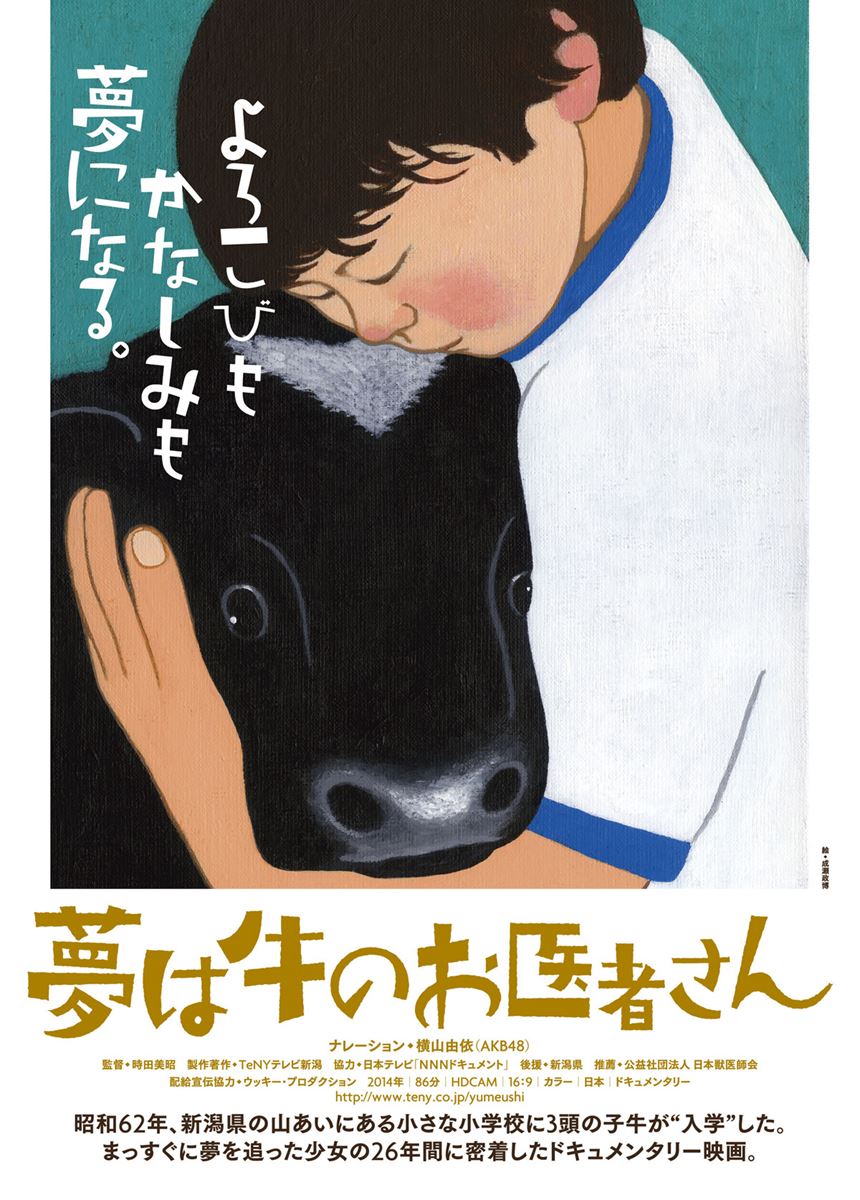
The Japanese title of Yoshiaki Tokita’s observational documentary A Little Girl’s Dream (夢は牛のお医者さん, Yume wa Ushi no Oisha-san) is “I Want to be a Cow Doctor”. Following his heroine over a period of 25 years, Tokita attempts to tackle such varied themes as rural depopulation, the difficulties faced by those working in the agricultural industry in the late 20th century, and the changing ways of life in the countryside while essentially telling an inspirational story about a little girl who managed to achieve her childhood dream through hard work and perseverance and is now living a happy and successful life.
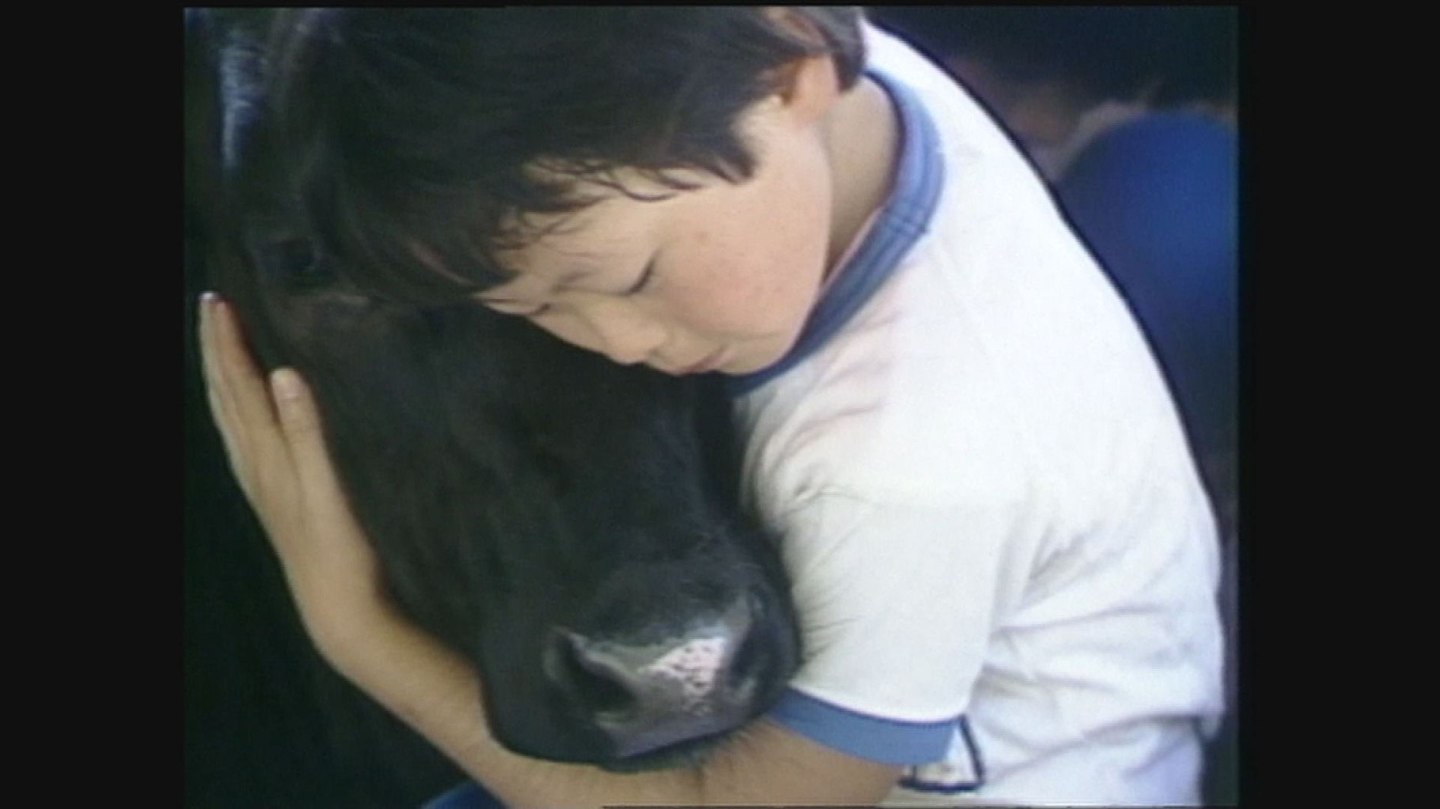
As might be imagined, these competing themes produce a tension in Tokita’s filmmaking, not least among them the paradox in that by becoming a “cow doctor” Tomomi will necessarily become complicit with an industrial system in which it can never be forgotten that these are “economic animals”. Tokita opens the film with scenes from 1987 when he first began the documentary while filming a piece for NHK about a rural school which took on three calves as “new students” because there were no pupils admitted that year and therefore no graduation ceremony. These are all rural children and perhaps they are under fewer illusions about where their meat comes from, but it can’t be denied that raising an animal that will later be sold is emotionally difficult even for adults let alone nine-year-old children.
Consequently many of them cry during the “graduation ceremony” they hold shortly before the cows are to go to auction (we later find out they were all bought by the same local dairy farmer who agreed to the children’s request they be kept together like siblings). Having become quite attached to them, Tomomi determined to become a vet after noticing many of the cows suffered from health problems. She adopts a “pet” cow at home, along with various other animals including a rabbit, though her family also raises cattle and it isn’t clear what actually happened to the calf in the long term.
The documentary only briefly touches on the difficulties of rural living on remarking that the family, who were primarily rice farmers, began raising cows as a means of supporting themselves through the winter so that Tomomi’s father would not have to leave the village to look for other work as many of the other farmers are forced to do leaving their wives and children behind. It also only briefly touches on the problems of rural depopulation in referencing the small number of pupils in the school which eventually closed a short time after Tomomi graduated while she had to leave home at 15 and live in a dorm to attend high school because there was no local access to continuing education. By the time the documentary concludes, there are only 20 houses still occupied in her home village, her parents’ among them.
Meanwhile, Tomomi’s father remarks on the change in his business circumstances following international trade deals which have made it more difficult for local farmers to compete. Despite the compassion that gave birth to Tomomi’s dream, it is impossible to escape the reality that these are “economic animals” and that there is a monetary value placed on their lives. She has to make life or death decisions based on cost effectiveness rather than what is kindest and inform the farmer when the treatment costs would exceed the amount they could expect to earn from the animal in the future whether in terms of meat, births, or milk. Tomomi’s father had originally objected to her desire to become a vet in part because of the physical demands of dealing with large animals but also the emotional in an uncertainty that a woman will be able to set compassion aside in the course of her work.
There is then a minor irony, in that Tomomi achieves her dream of becoming a cow doctor but does so by switching focus in deriving the pride she feels in her work from her ability to assist farmers and their continuing faith in her. The passage of time is evident in Tokita’s changing media from the home video-style VHS of 1987 to a more commercial widescreen in the closing stretches, yet his scattershot capture of the key moments in Tomomi’s path towards fulfilling her childhood dream occasionally robs them of their power while he remains otherwise torn between his inspirational tale and the grimness that sometimes lies behind it.
 Windows on Worlds