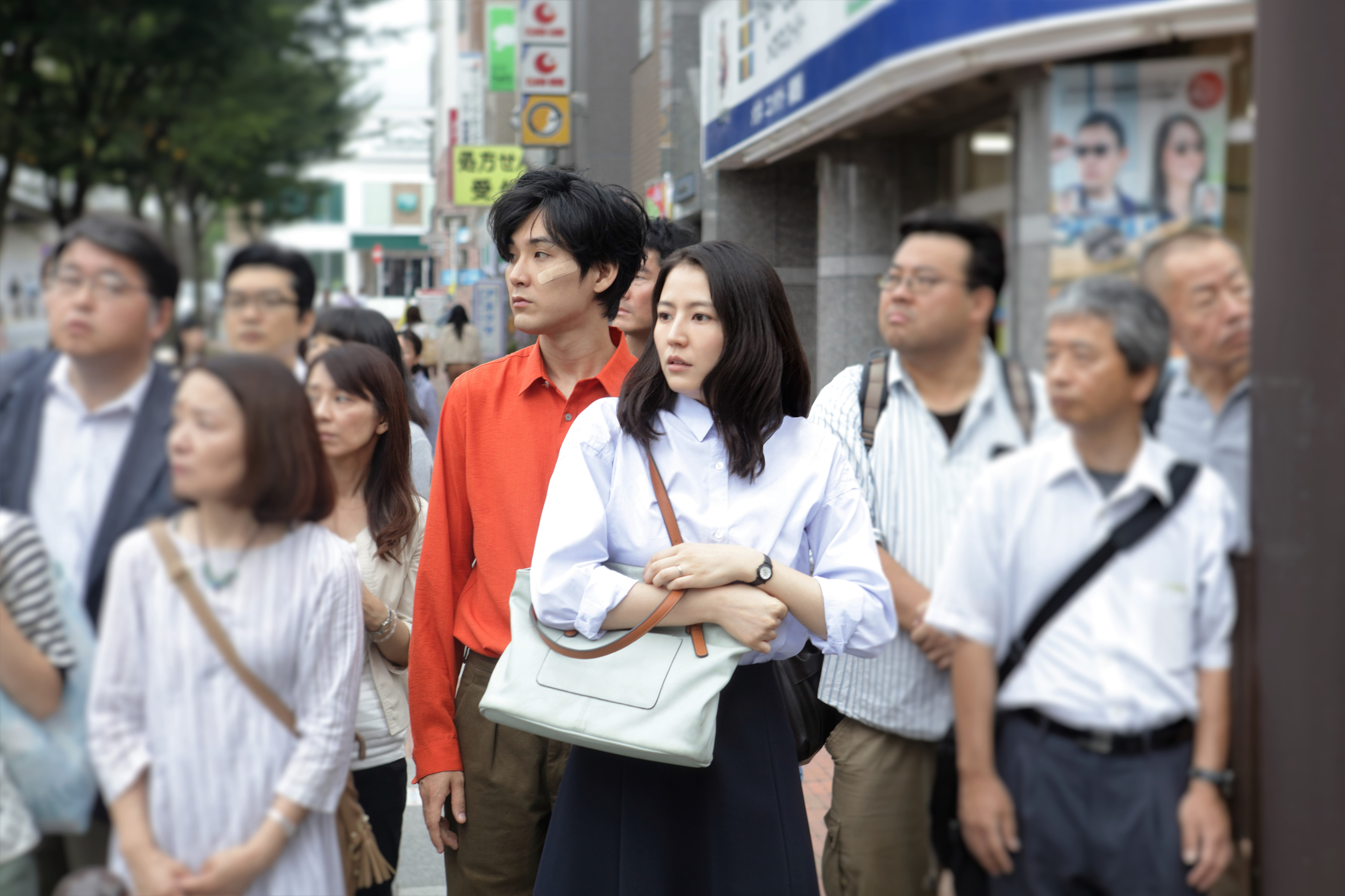
Kinema Junpo Announces 97th Best 10 (2023)

Prestigious cinema magazine Kinema Junpo has released its always anticipated “Best 10” list for films released in 2023, the 97th edition. Junji Sakamoto’s Okiku and the World takes the top spot, while the director also picks up a screenplay award though Best Director went to Wim Wenders for Perfect Days.

Best 10

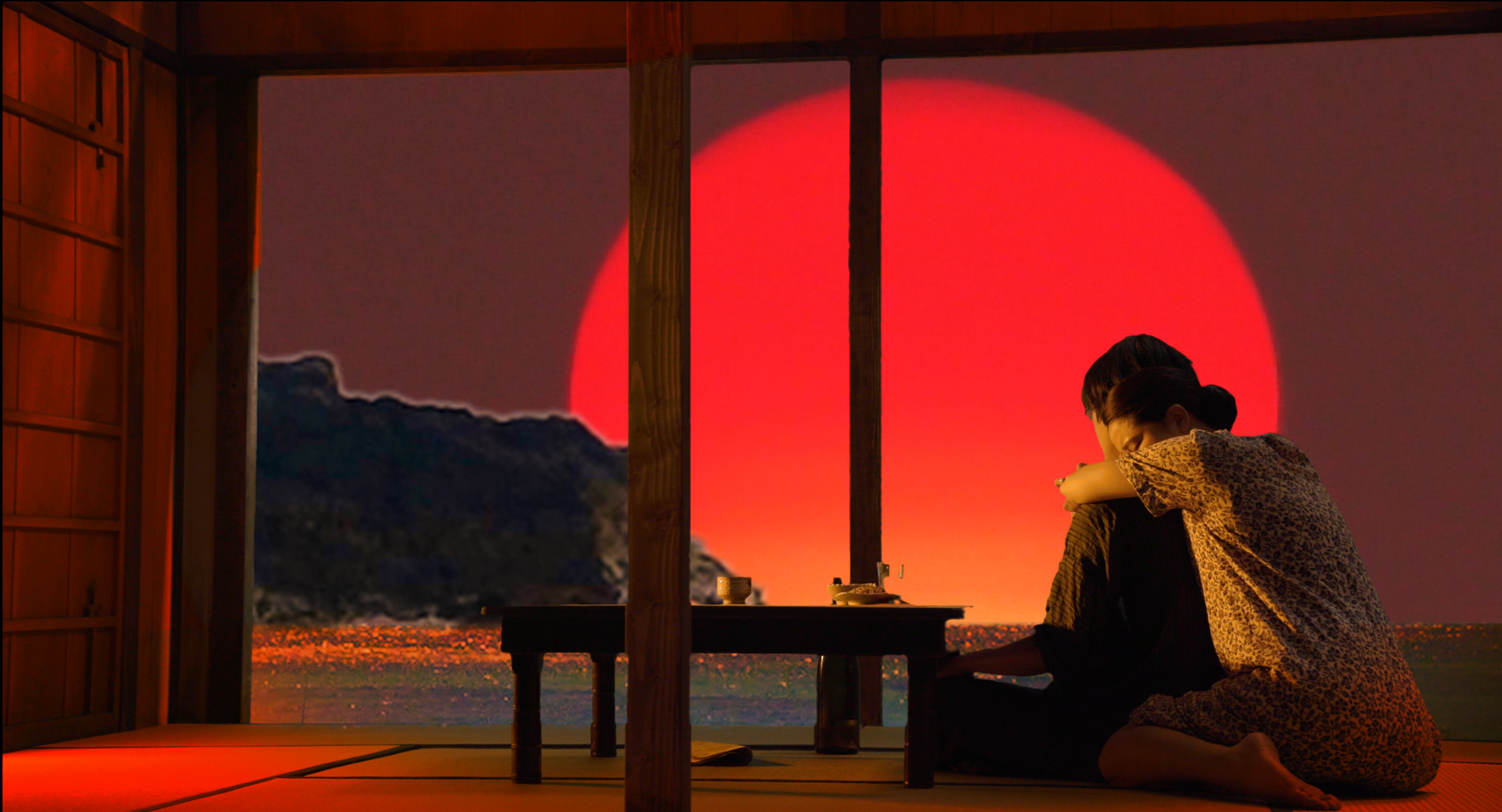
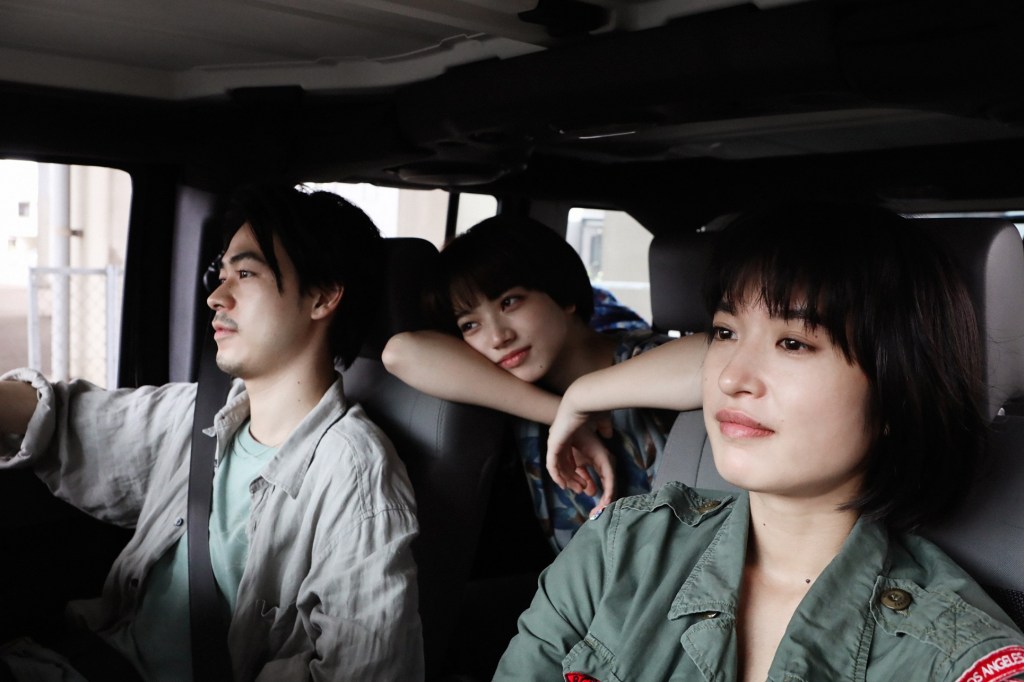
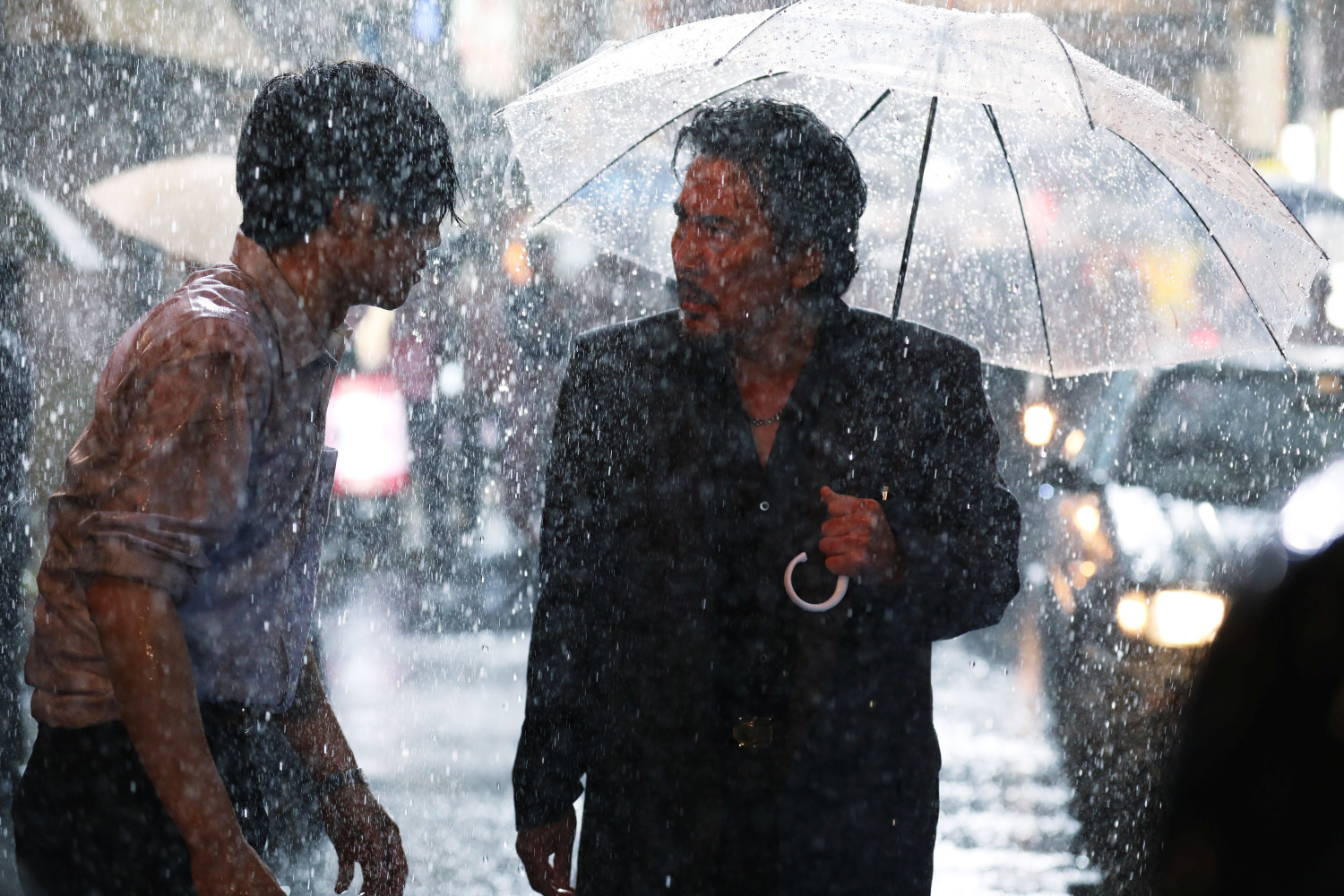
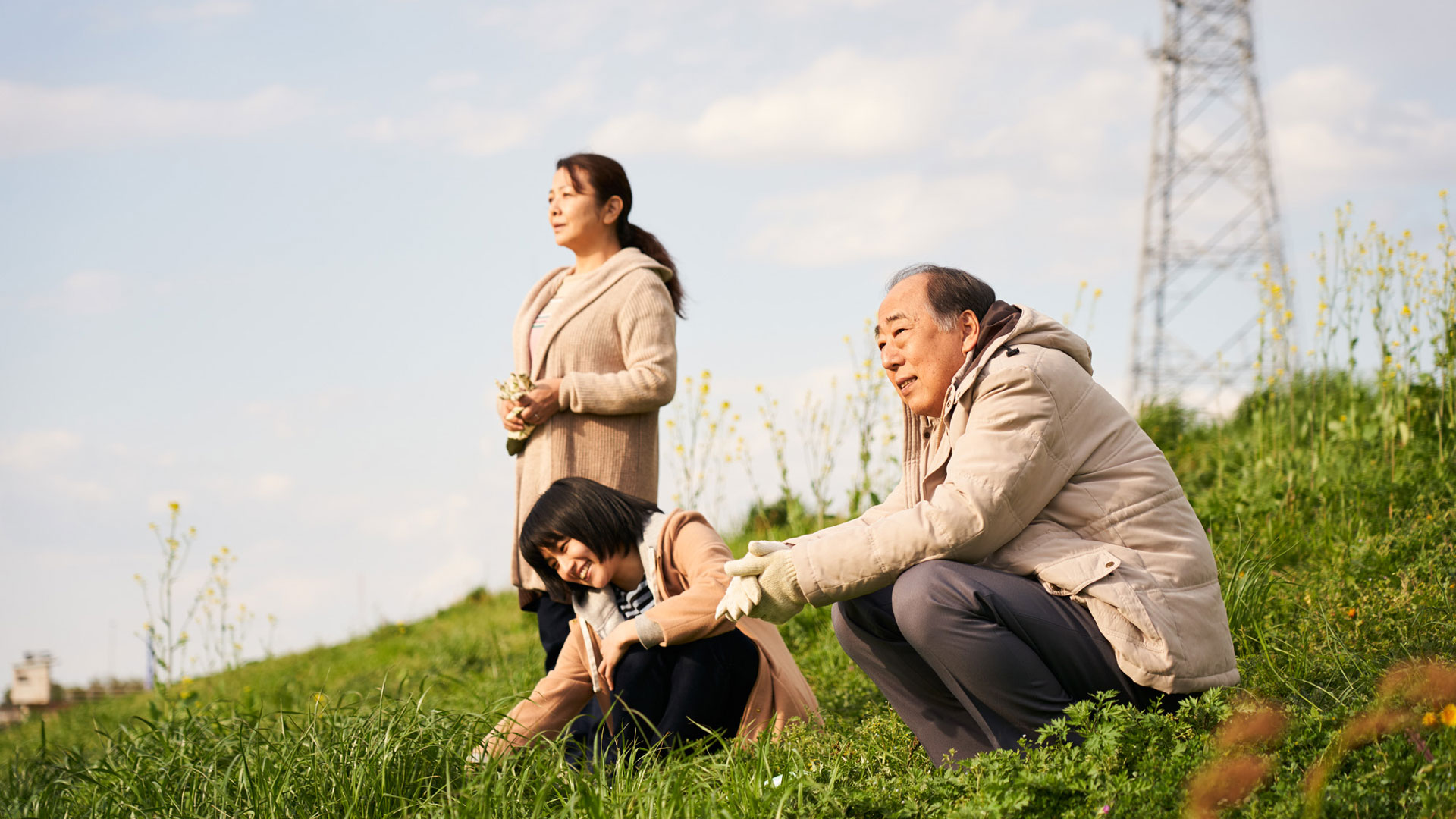
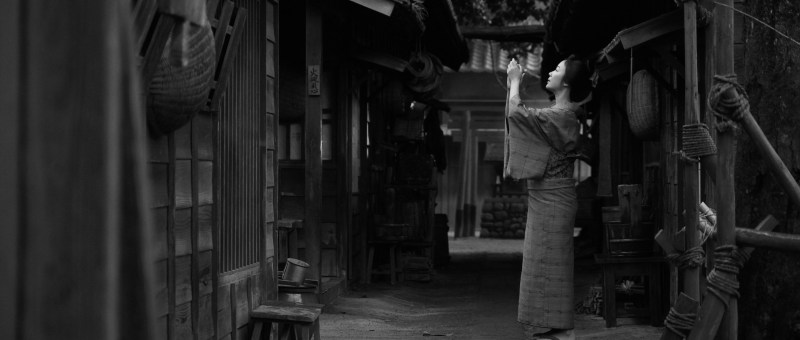
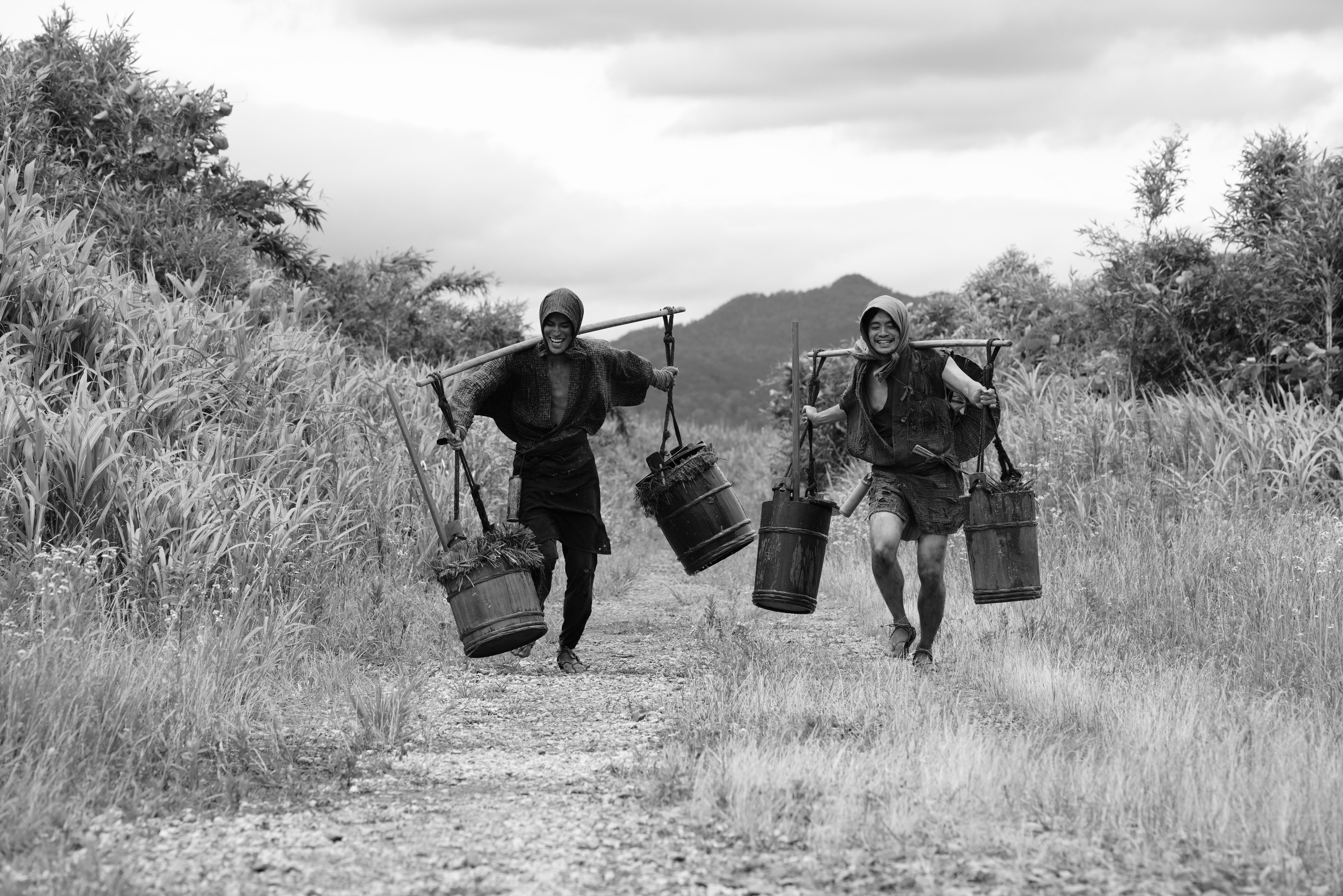
1. Okiku and the World (せかいのおきく, Junji Sakamoto)

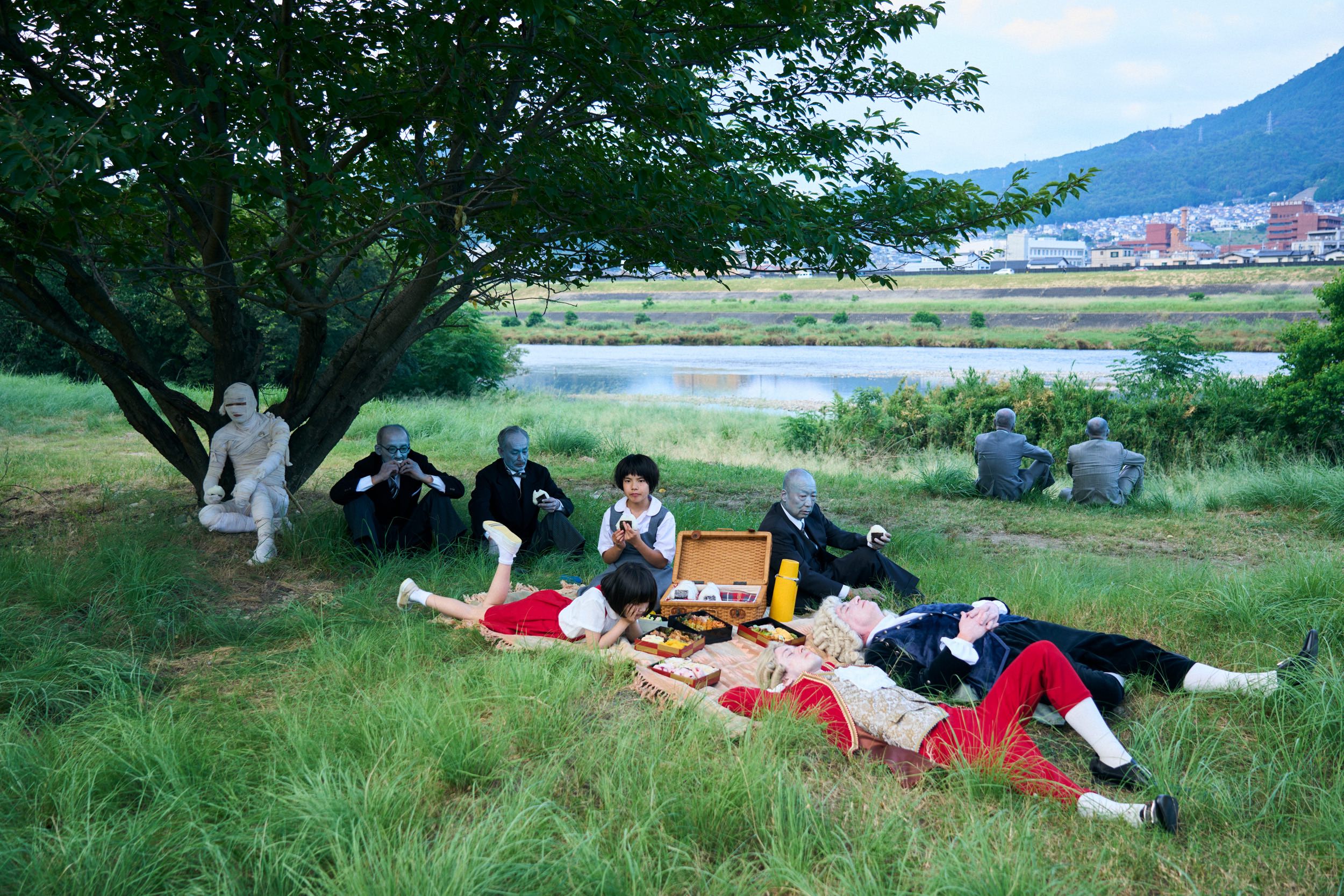
A samurai’s daughter falls for a lowly manure man in a city on the brink of change in Junji Sakamoto’s touching Edo-era dramedy. Review.

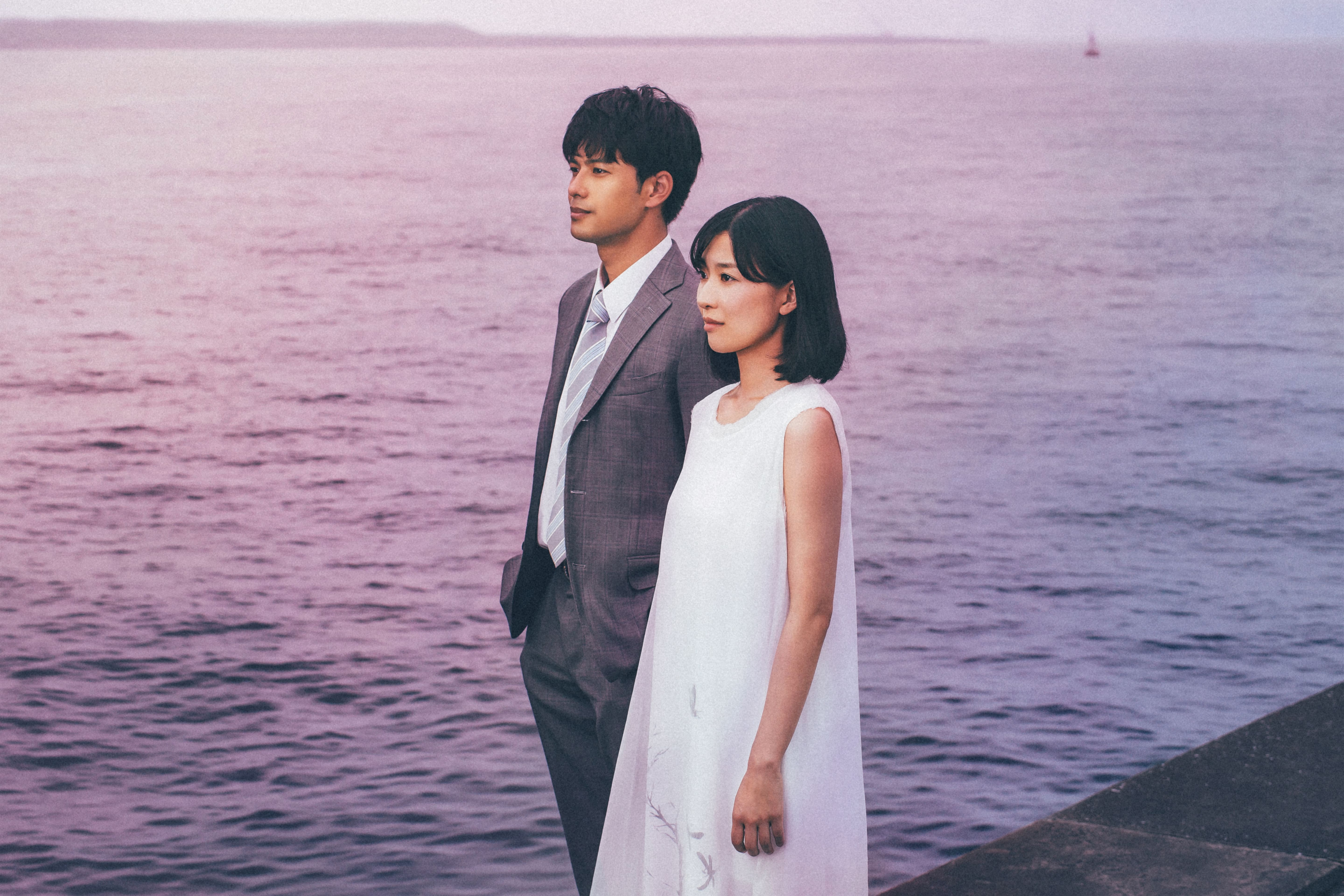
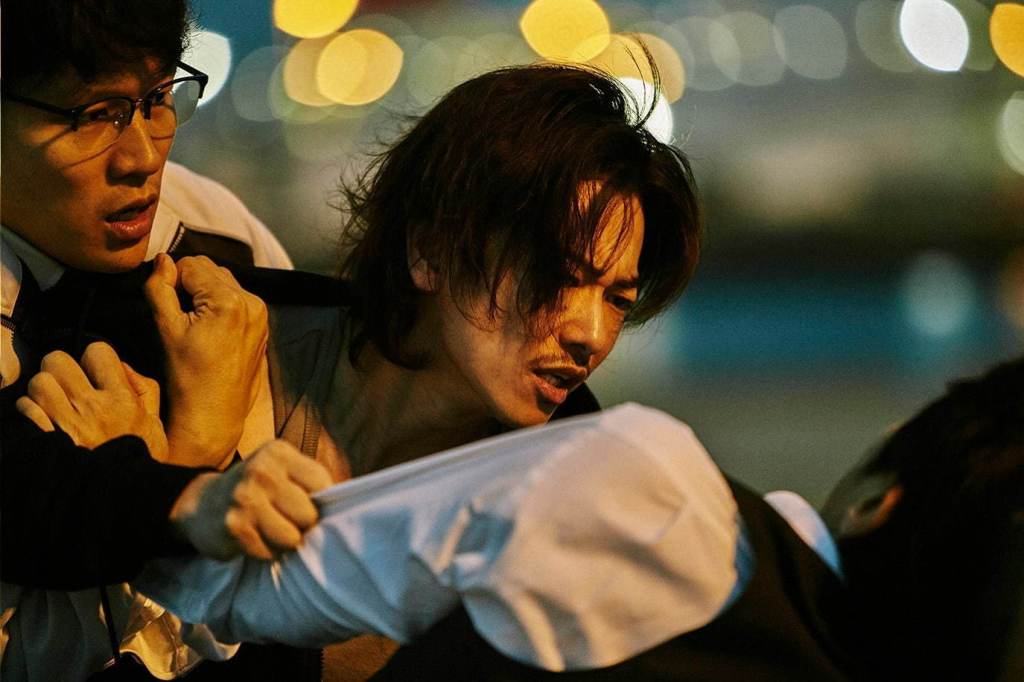
2. Perfect Days (Wim Wenders)
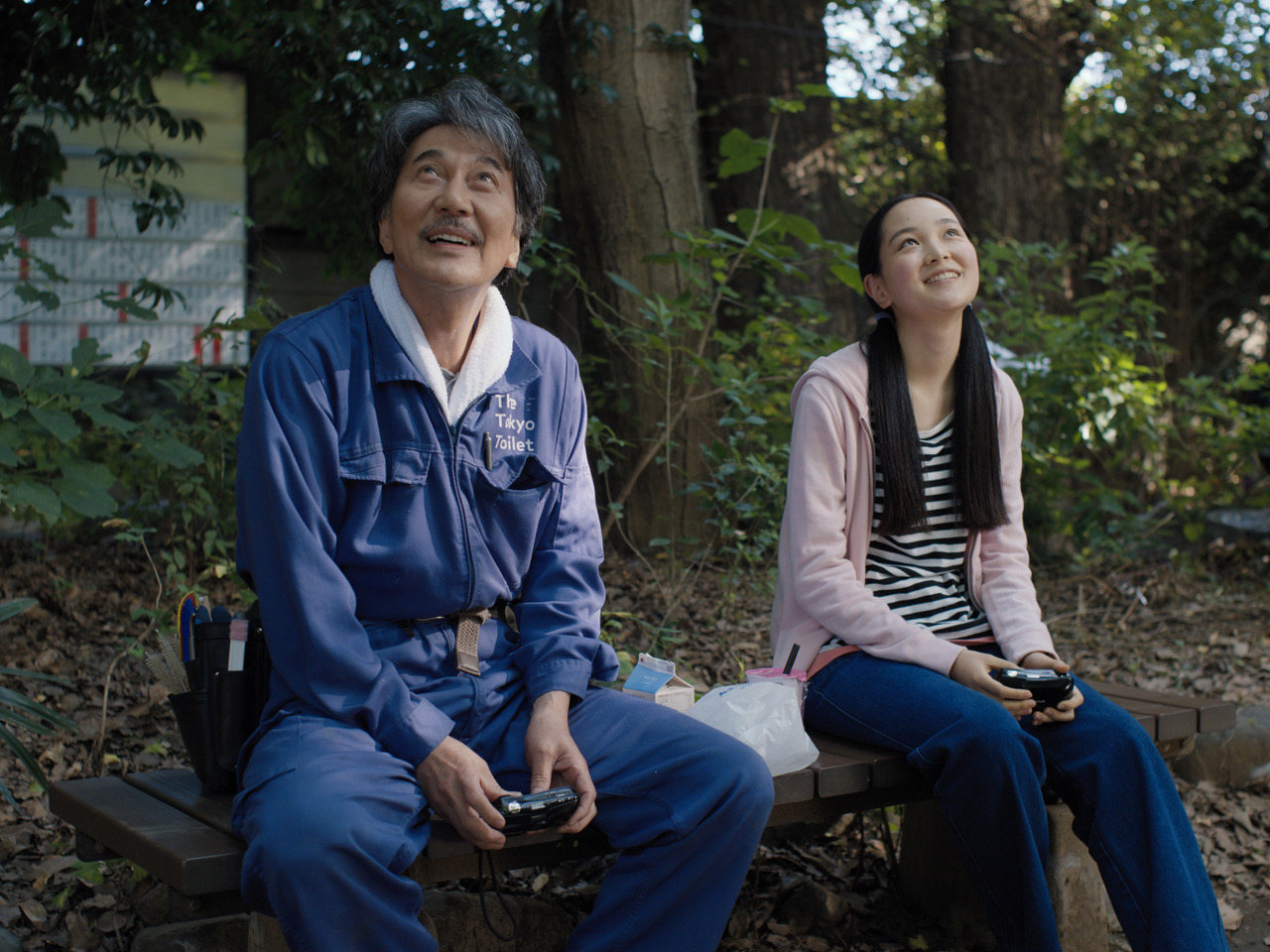
Tokyo-set drama from Wim Wenders following the simple life of a middle-aged man who cleans toilets for a living.

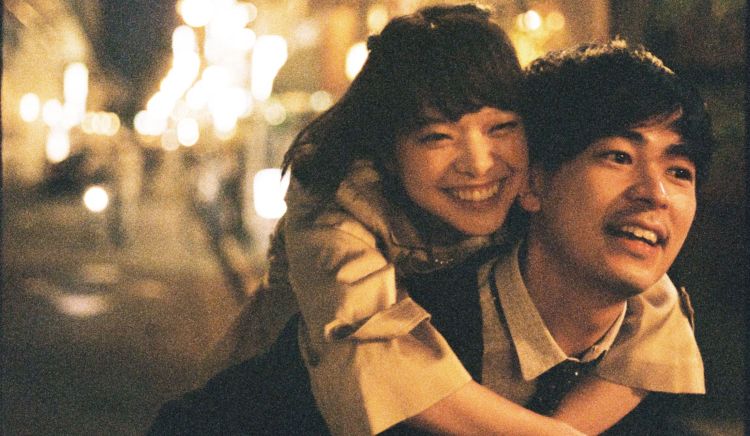
3. Shadow of Fire (ほかげ, Shinya Tsukamoto)
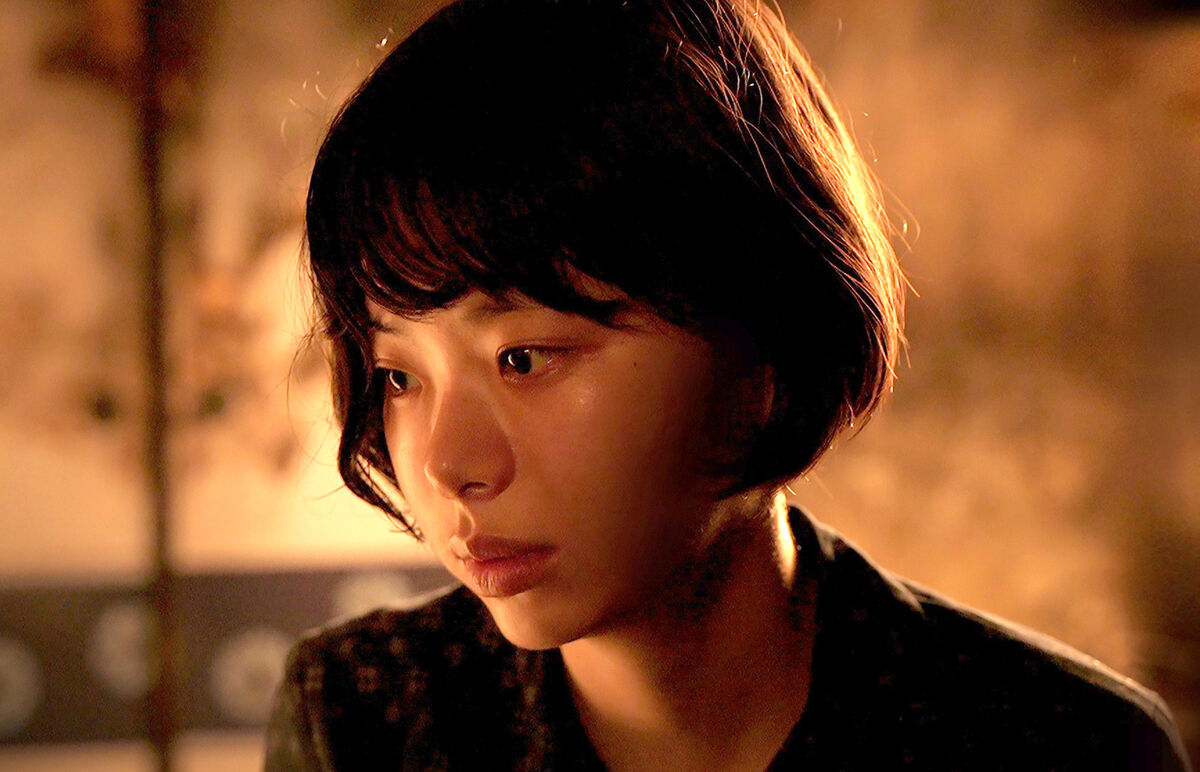
Haunting drama from Shinya Tsukamoto following a young boy who finds himself surrounded by the ghosts and shadows of the post-war era.

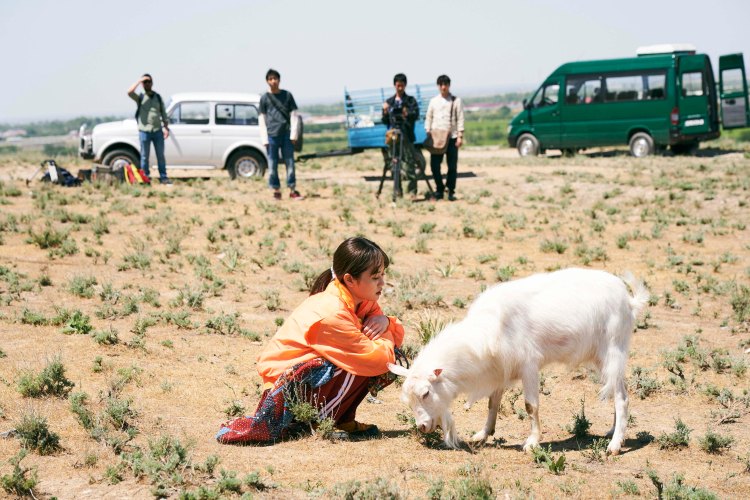
4. September 1923 (福田村事件, Tatsuya Mori)

Drama depicting the pogroms against Koreans which took place after the 1923 Kanto earthquake directed by Tatsuya Mori who is best known for his documentary work such as A1 and A2 which focussed on the everyday lives of members of the Aum Shinrikyo cult.

5. The Moon (月, Yuya Ishii)
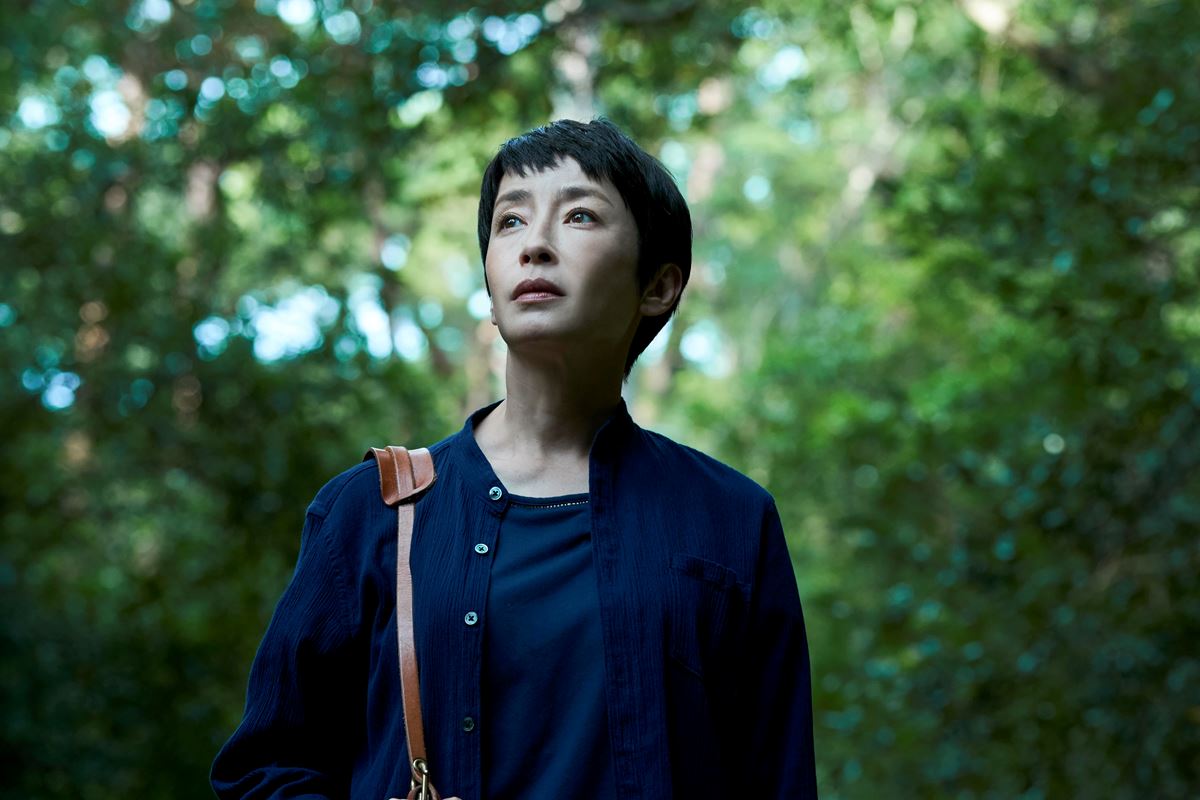
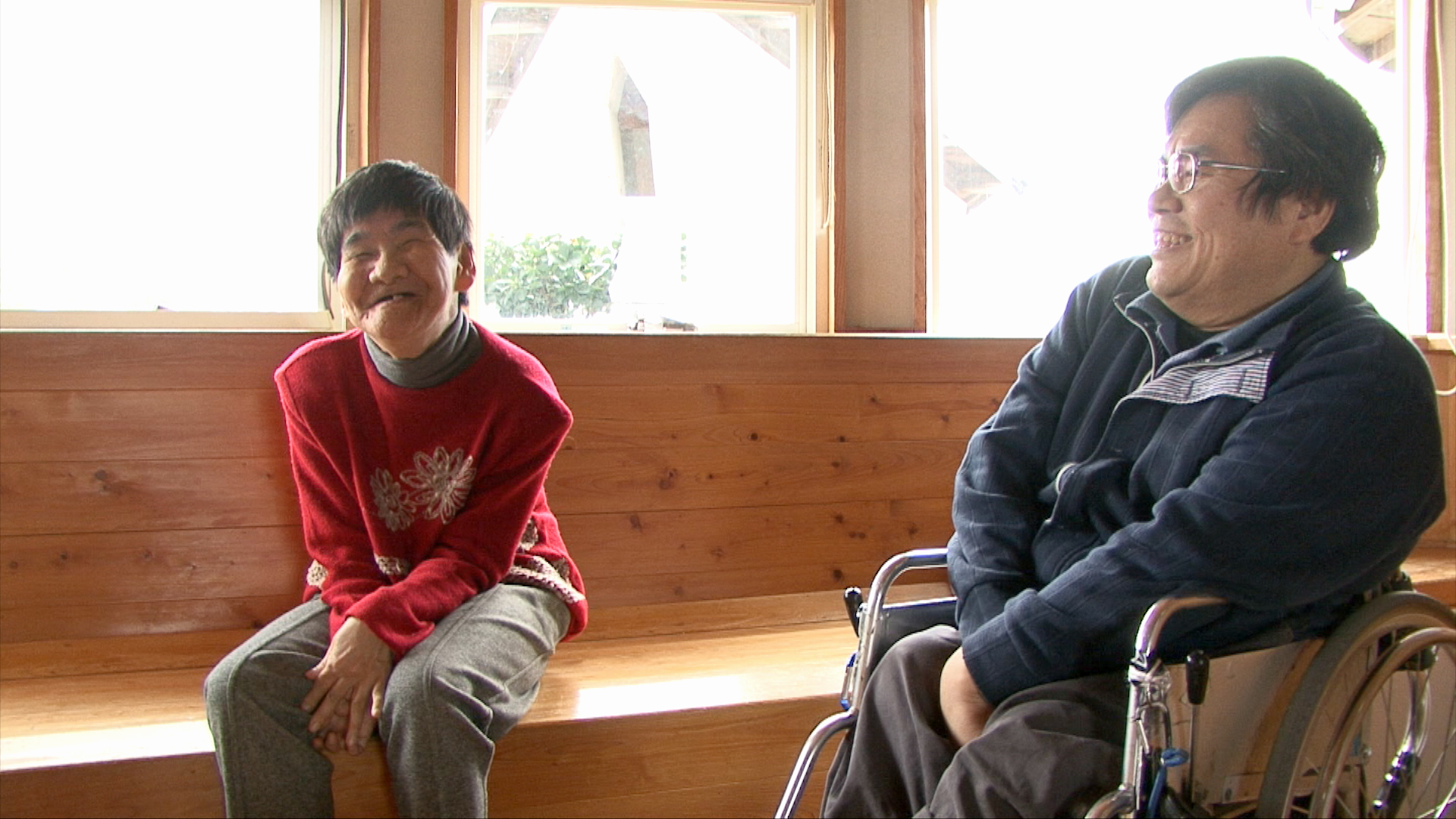
Controversial drama from Yuya Ishii loosely inspired by the 2016 Sagamihara knife attack starring Rie Miyazawa as a formerly successful writer who begins working at a care facility for the severely disabled.

6. A Spoiling Rain (花腐し, Haruhiko Arai)
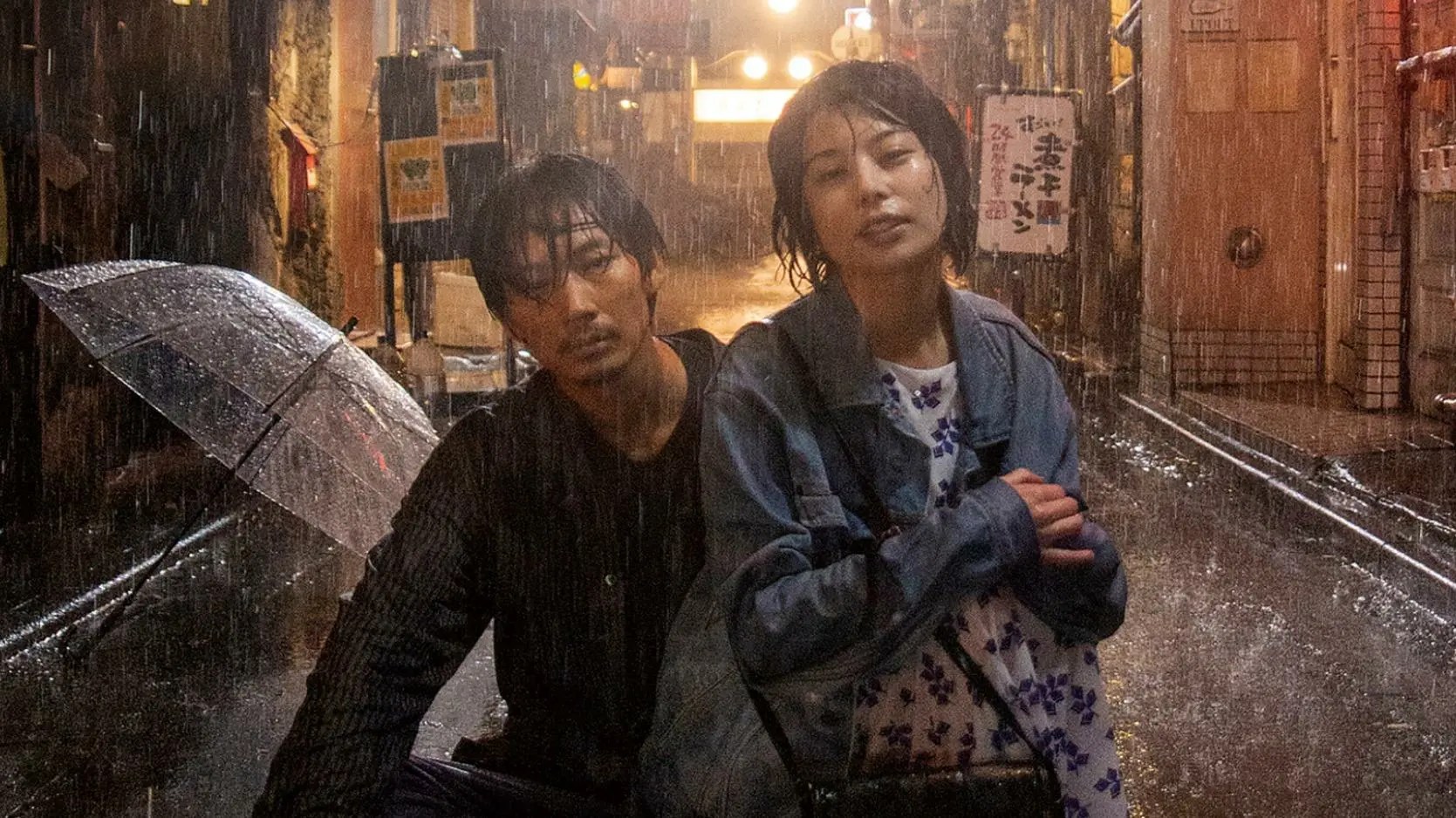
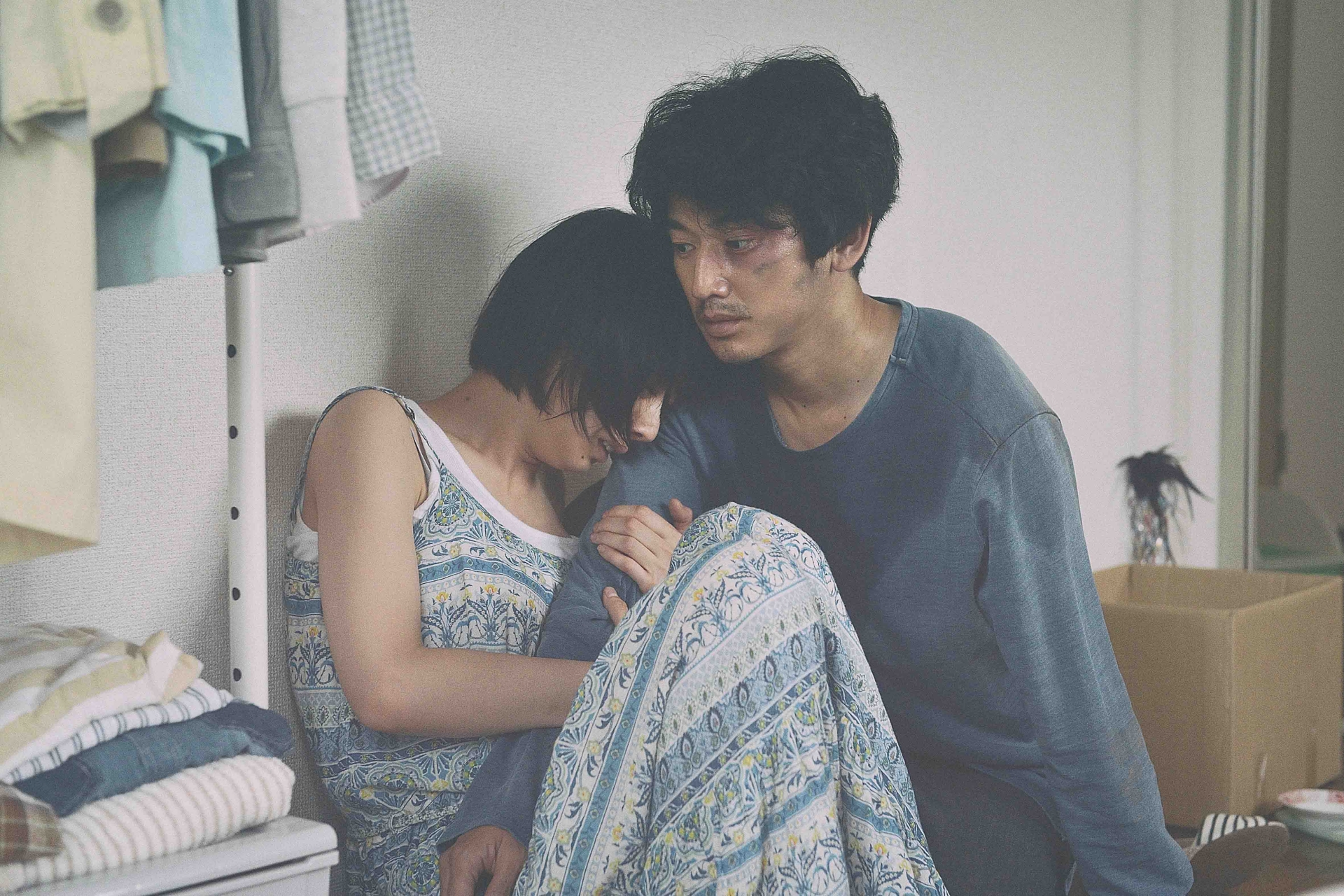
Literary adaptation from Haruhiko Arai following a failed pink film director who is forced by his landlord to inform a neighbour, a similarly troubled screenwriter, that he’s being evicted only to sit and have a few drinks with him during which they share tales of romantic disappointment.

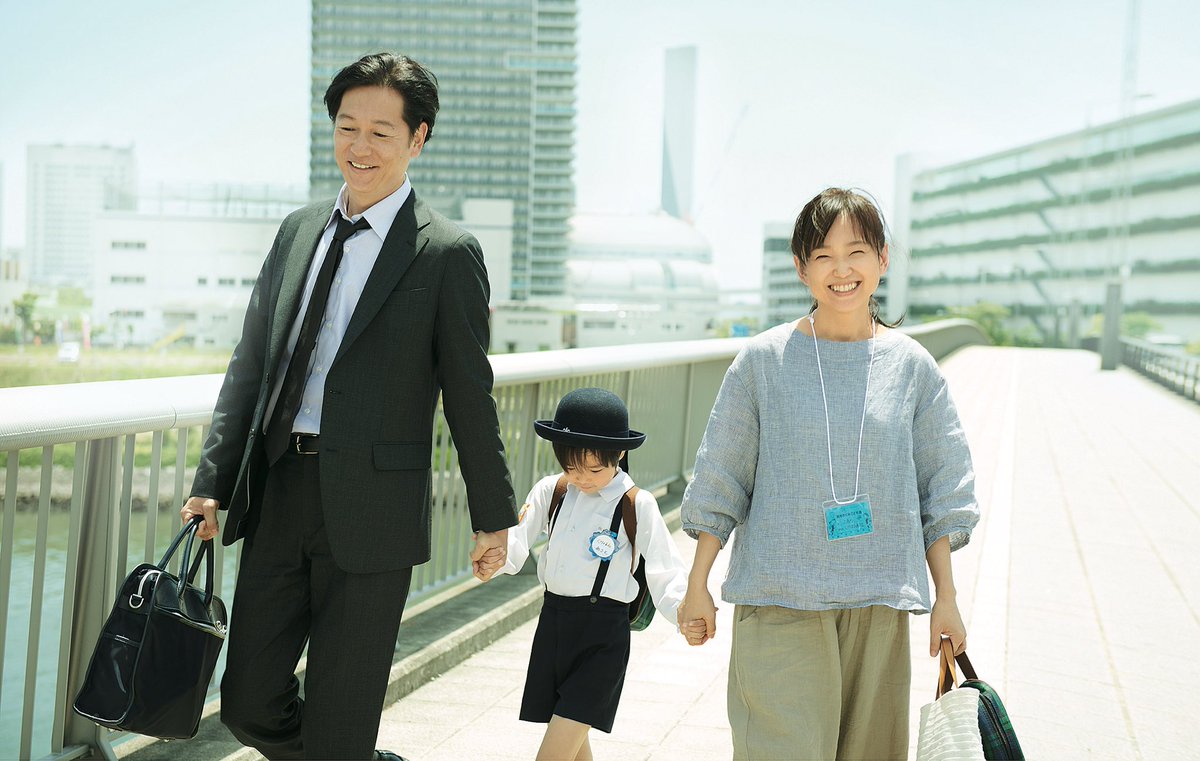
7. Monster (怪物, Hirokazu Koreeda)

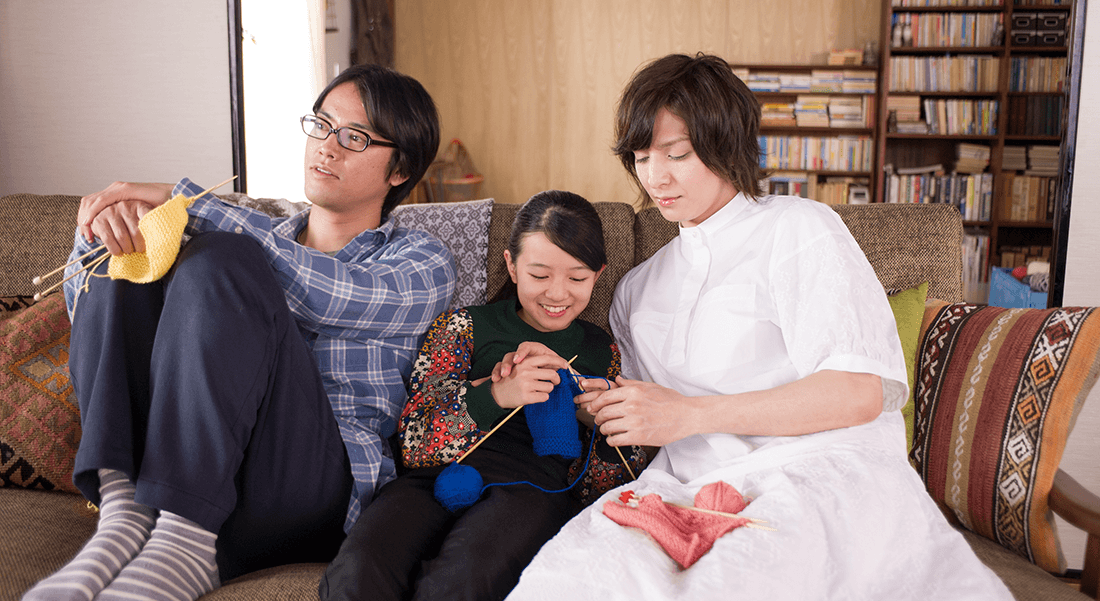
Latest film from Hirokazu Koreeda starring Sakura Ando as a mother who confronts a teacher after noticing changes in her son’s behaviour.

8. Godzilla Minus One (ゴジラ-1.0, Takashi Yamazaki)
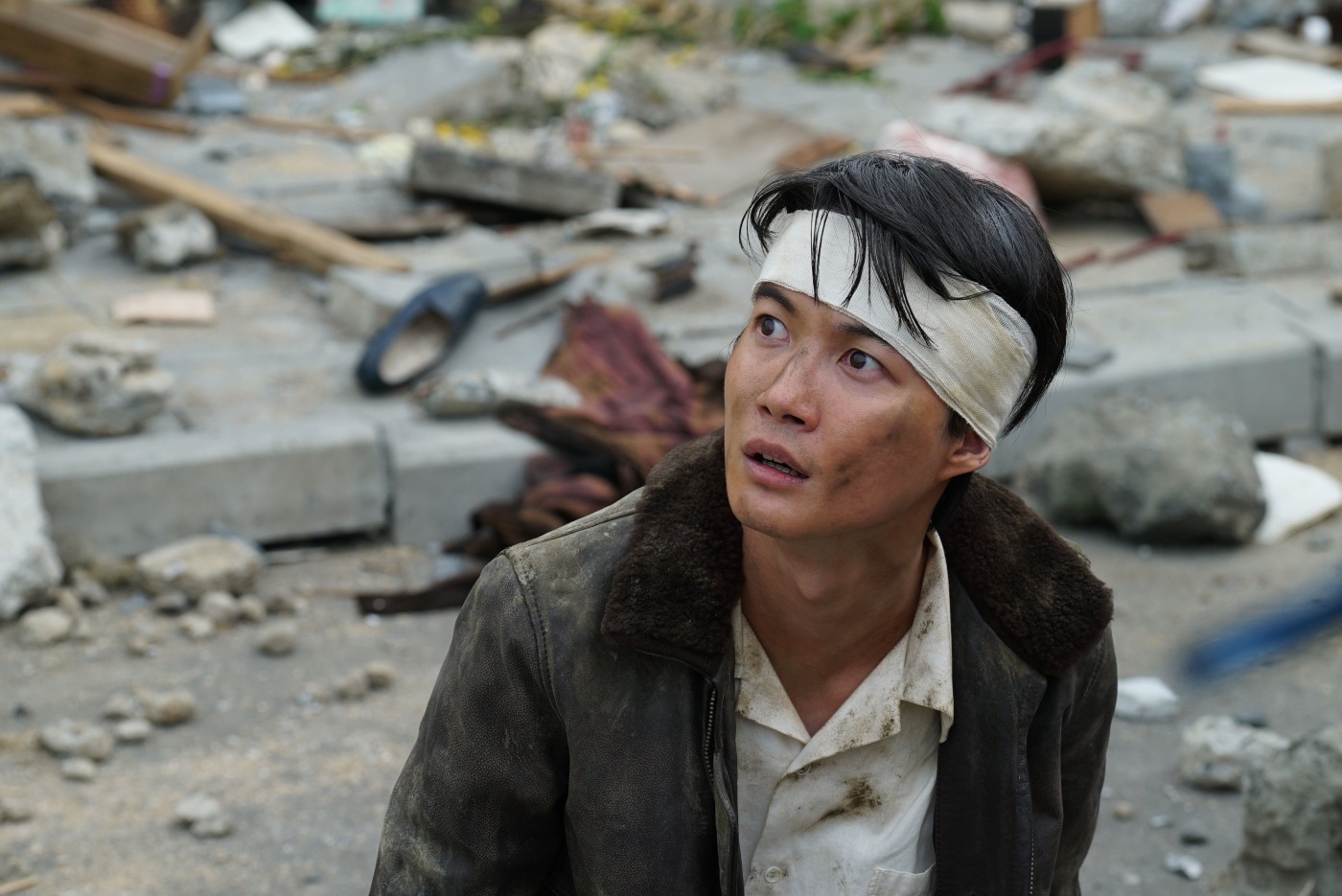
Bombastic and hugely entertaining entry into the long-running series from Takashi Yamazaki set in the immediate post-war era which has however courted controversy thanks to its nationalistic overtones.

9. The Boy and the Heron (君たちはどう生きるか, Hayao Miyazaki)
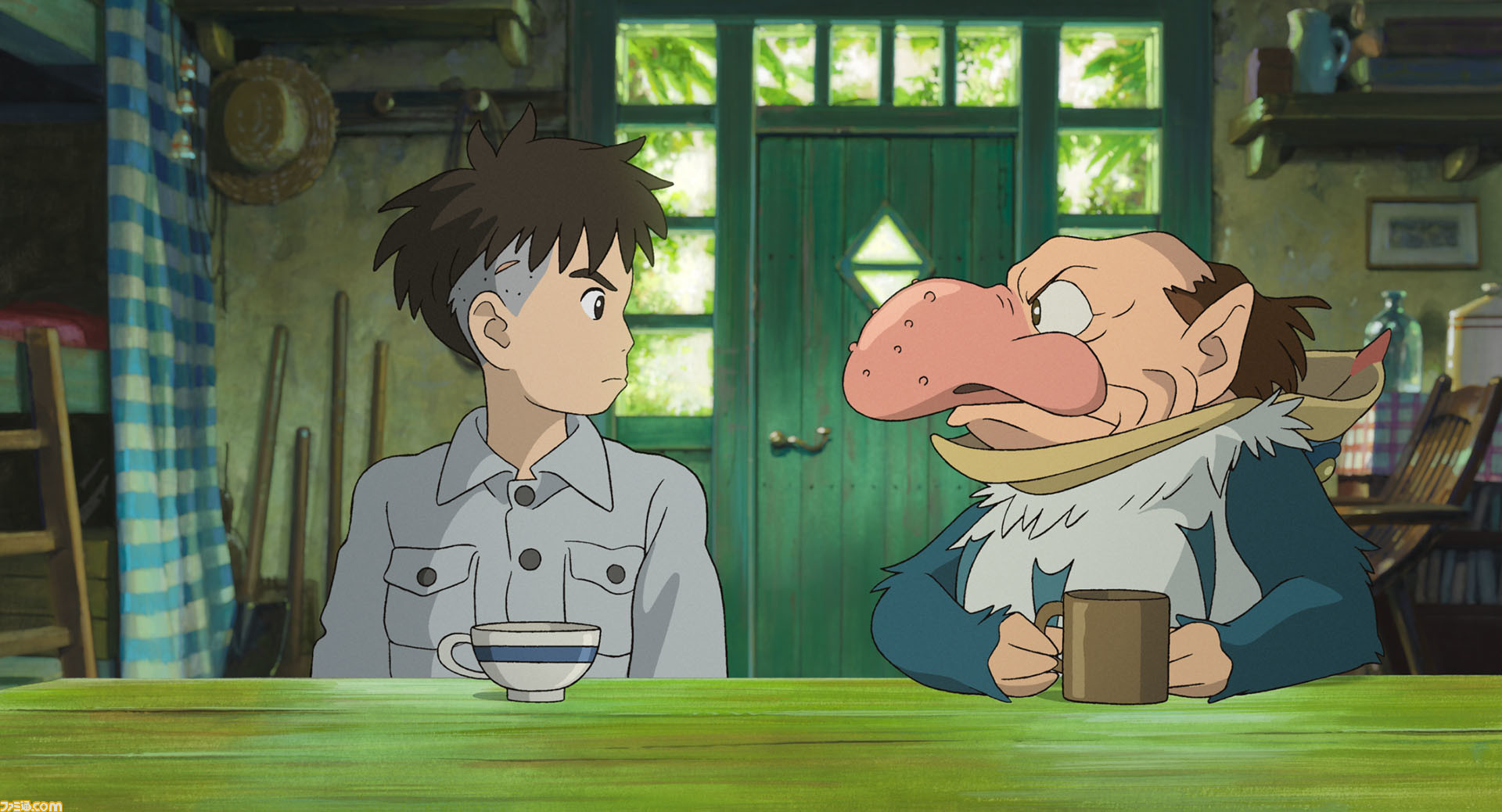
A young man reeling from grief amid the firebombing of Tokyo enters a strange fantasy world after moving to the country in a surreal adventure from Hayao Miyazaki. Review.

10. Picture of Spring (春画先生, Akihiko Shiota)
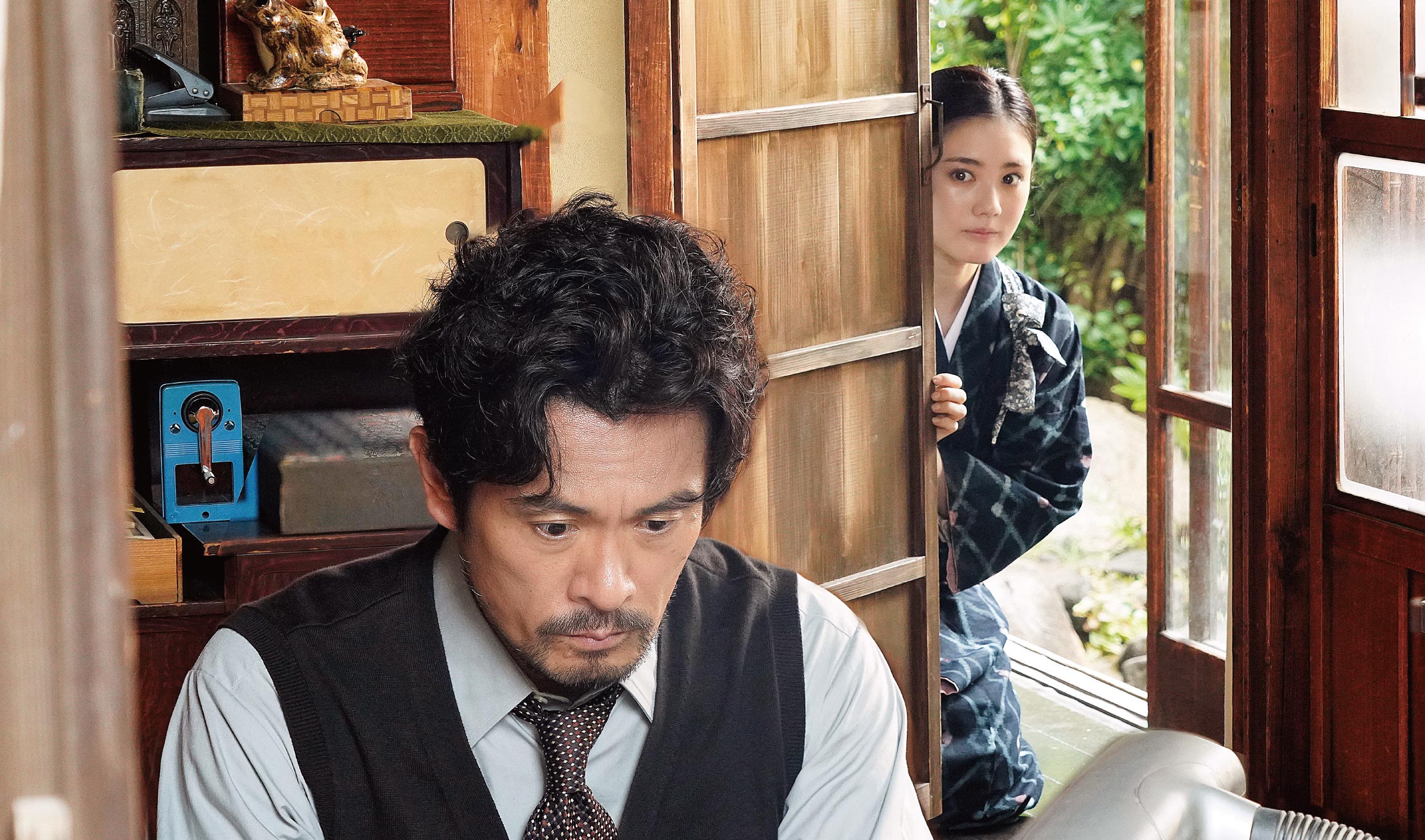
Warmhearted comedy from Akihiko Shiota in which a young waitress develops a fascination with an eccentric middle-aged man who researches shunga, or pornographic artwork from the Edo era.

Best 10 International
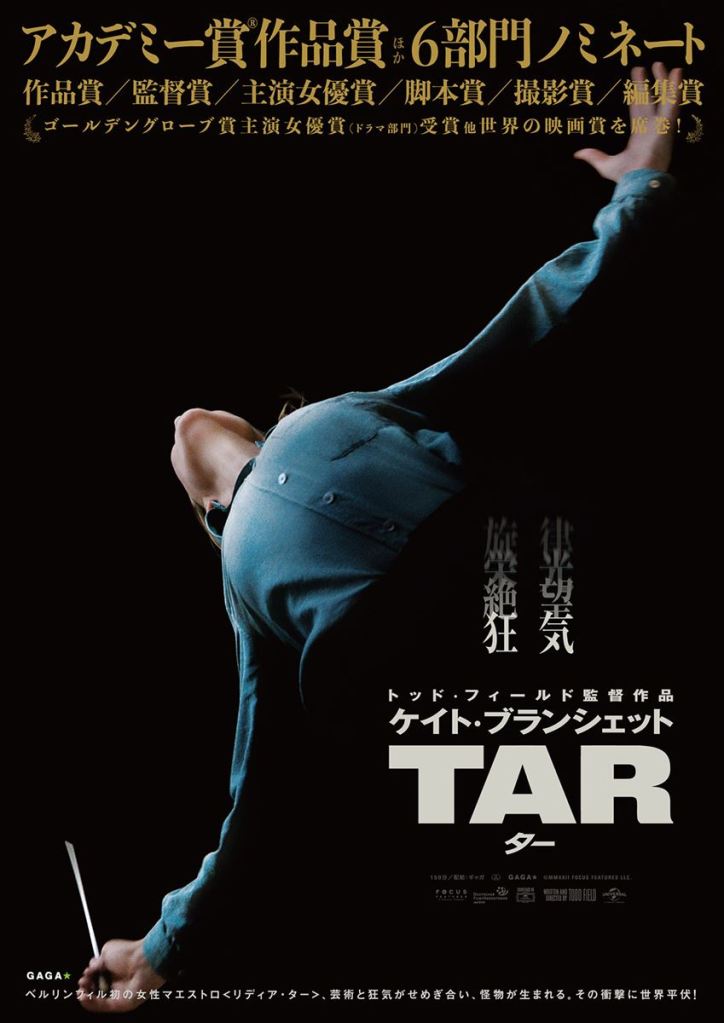
  1. Tar
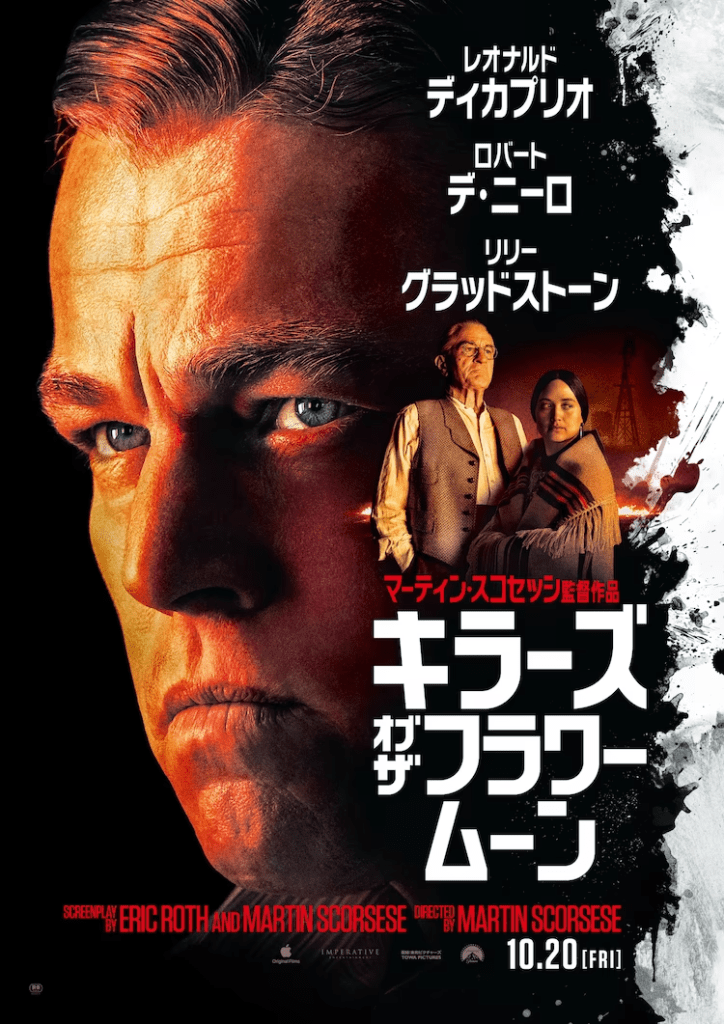
  2. Killers of the Flower Moon
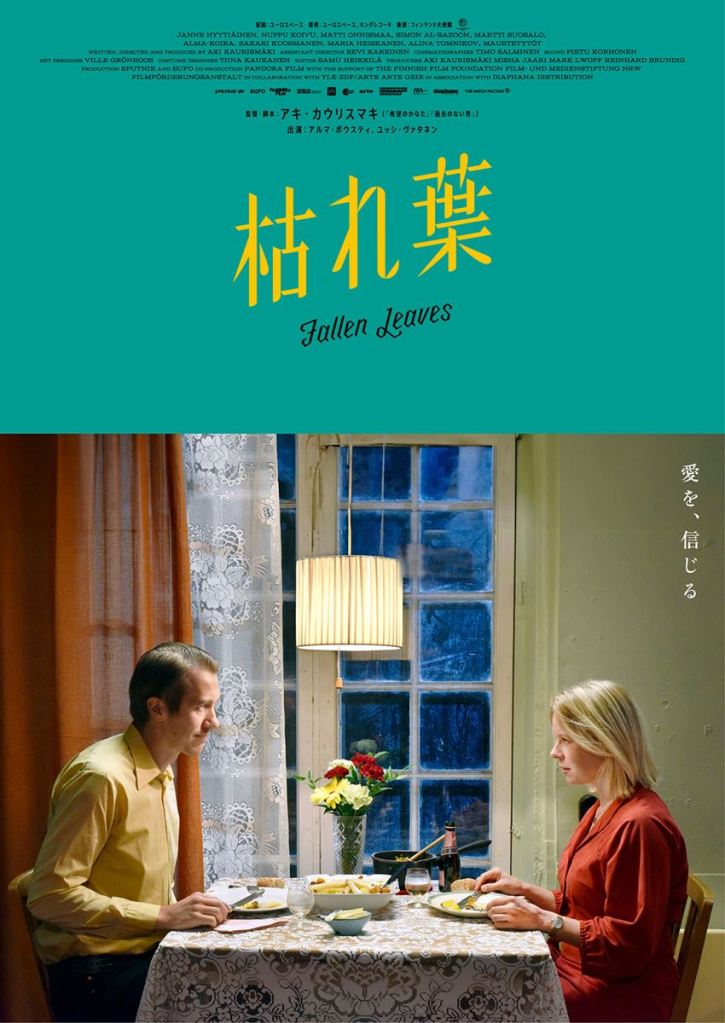
  3. Fallen Leaves
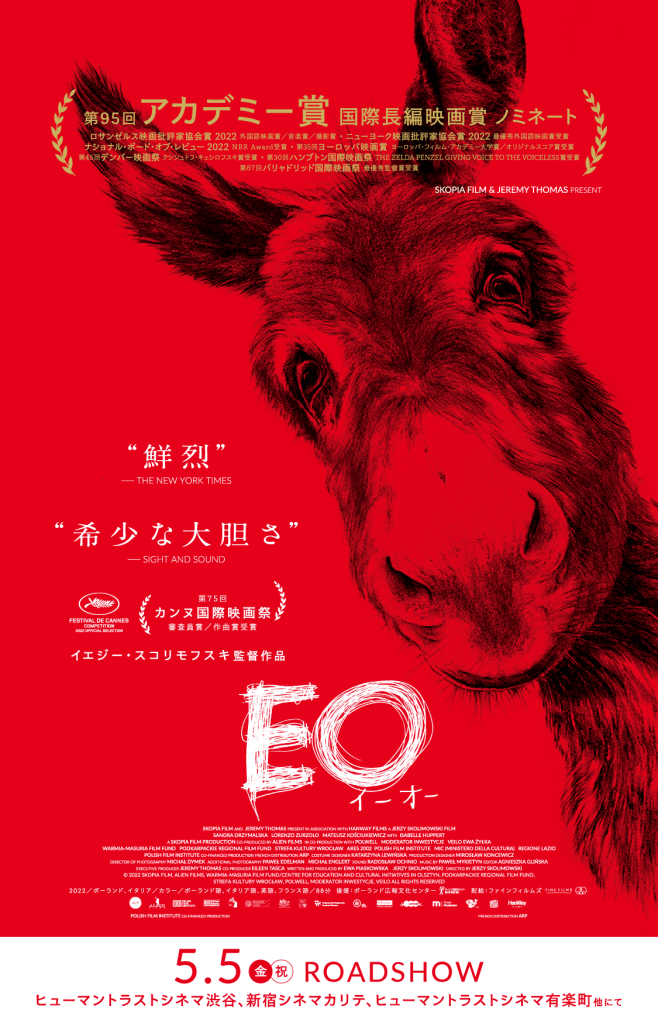
  4. Eo
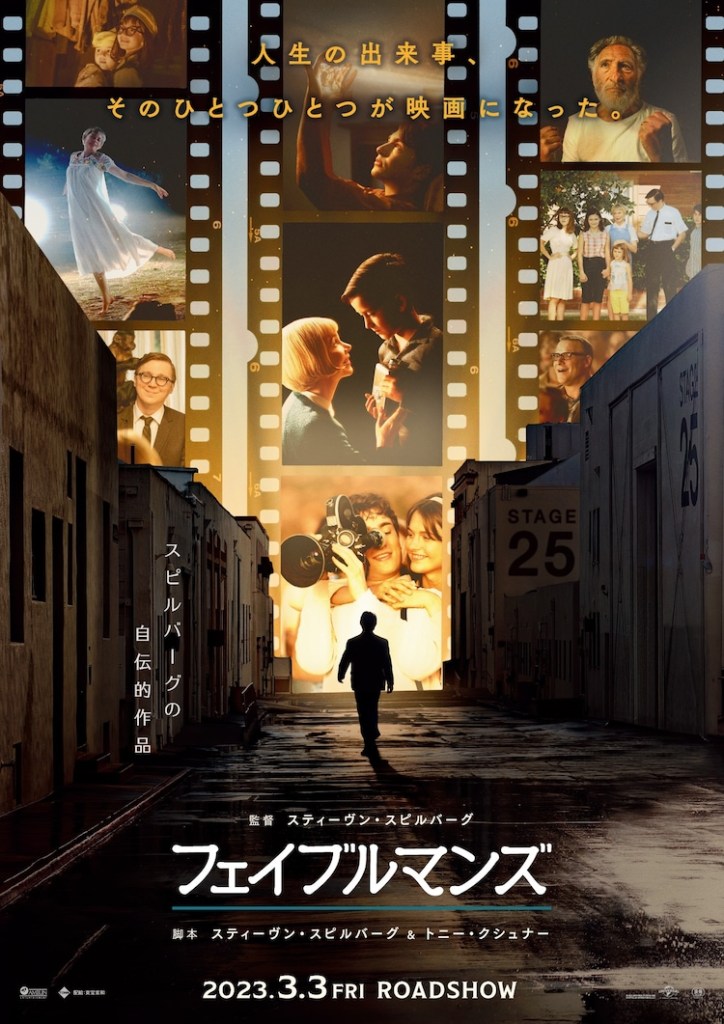
  5. The Fabelmans
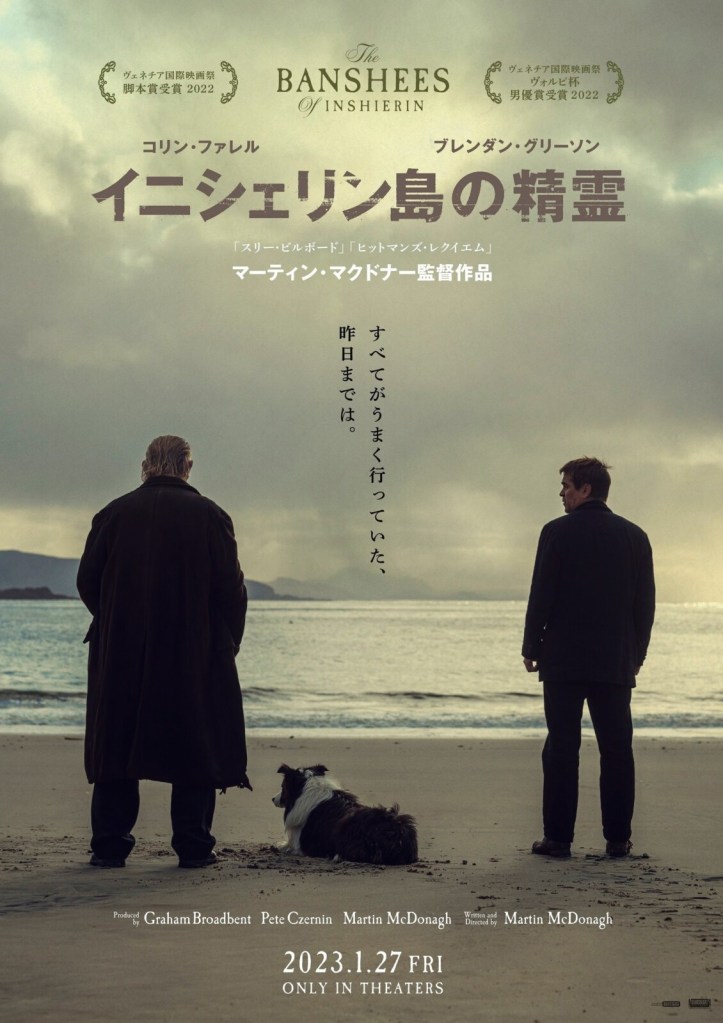
  6. The Banshees of Inisherin
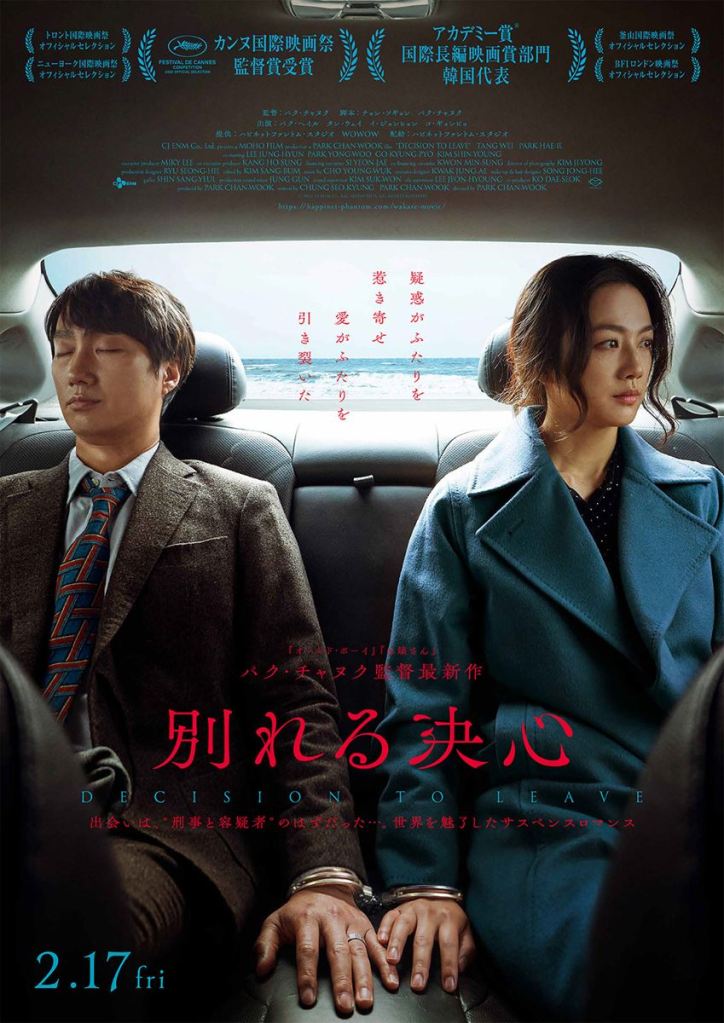
  7. Decision to Leave
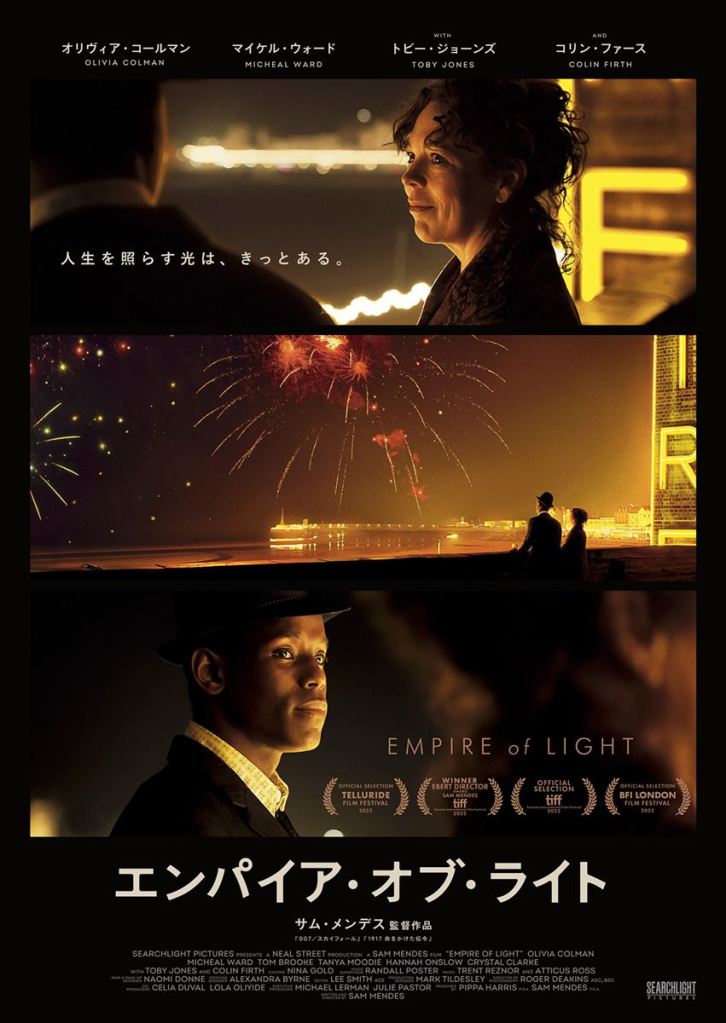
  8. Empire of Light
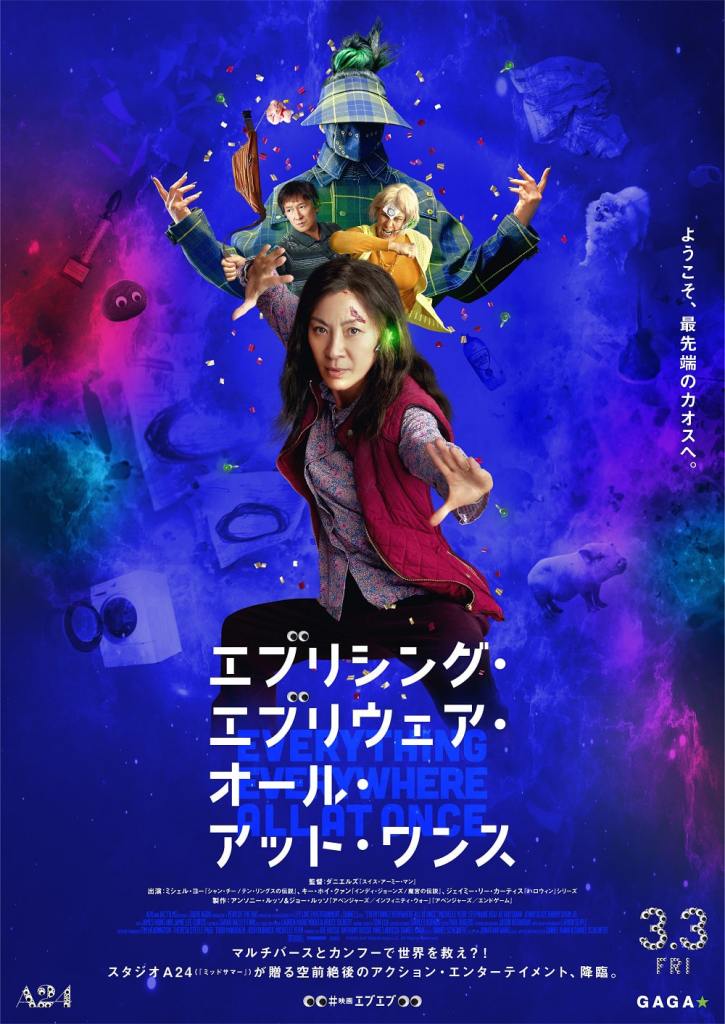
  9. Everything Everywhere All at Once
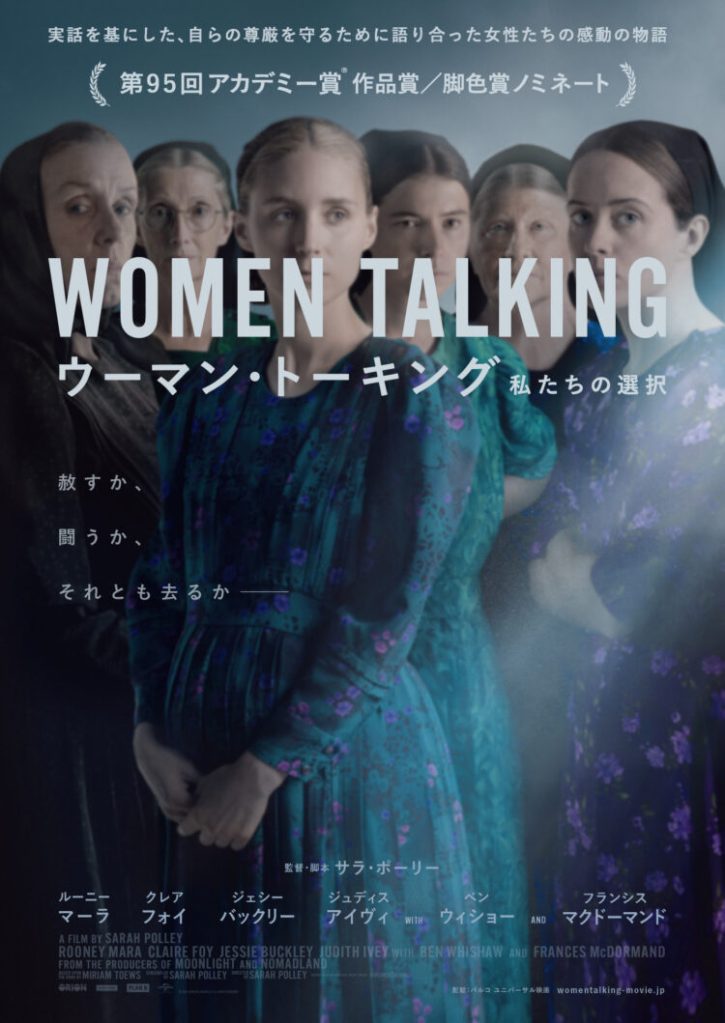
  10. Women Talking

Best 10 Documentaries
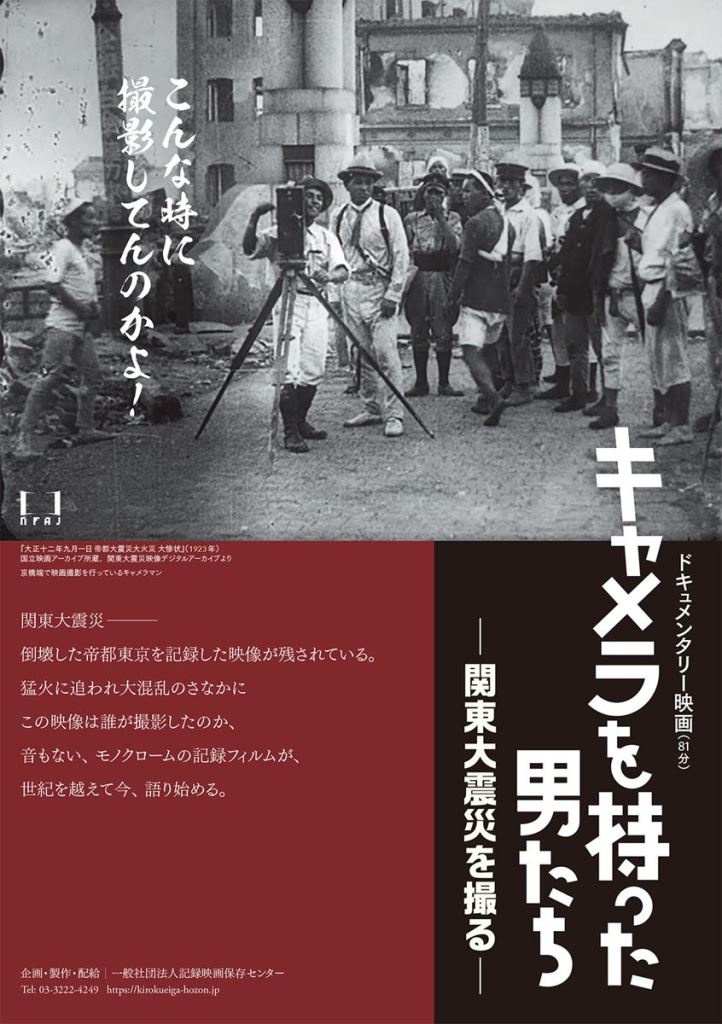
1. Men with Movie Cameras – Shooting the Great Kanto Earthquake (キャメラを持った男たち ―関東大震災を撮る―, Minoru Inoue)

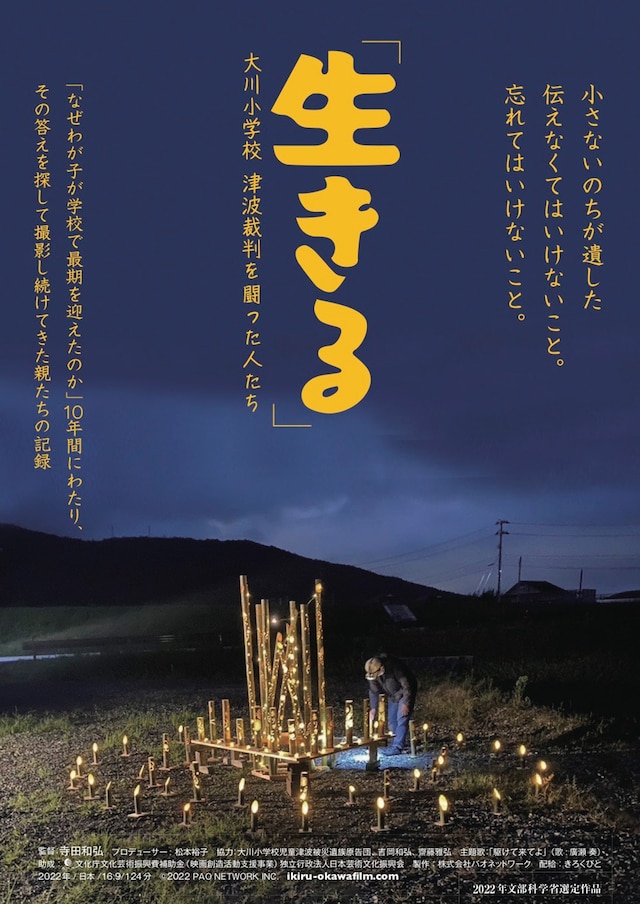
2. Ikiru: Okawa Shogakko Tsunami Saiban wo Tatakatta Hitotachi (「生きる」大川小学校 津波裁判を闘った人たち, Kazuhiro Terada)

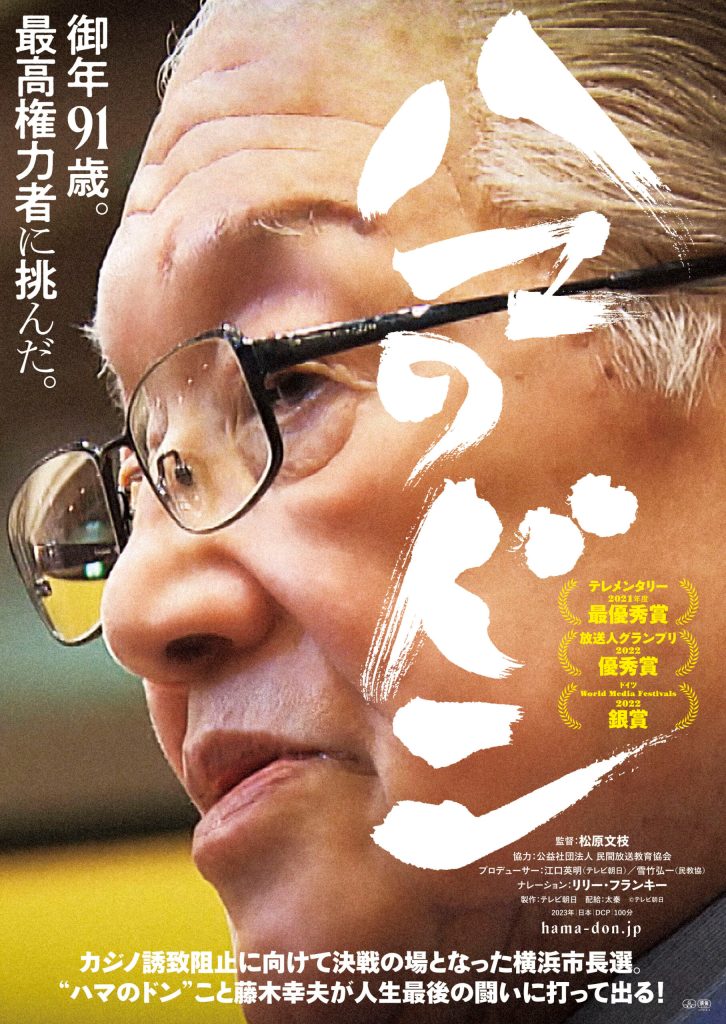
3.* Hama no Don (ハマのドン, Fumie Matsubara)

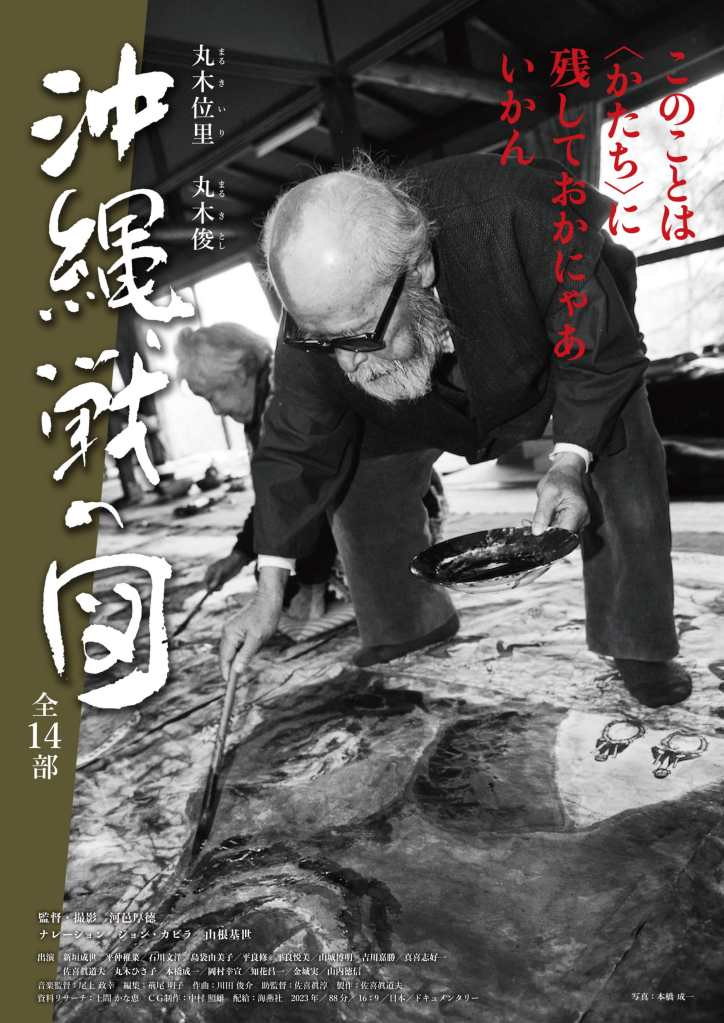
3.* Maruki Iri, Maruki Toshi: Okinawa Sen no Zu Zen 14 Bu (丸木位里・丸木俊 沖縄戦の図 全14部, Atsunori Kawamura)

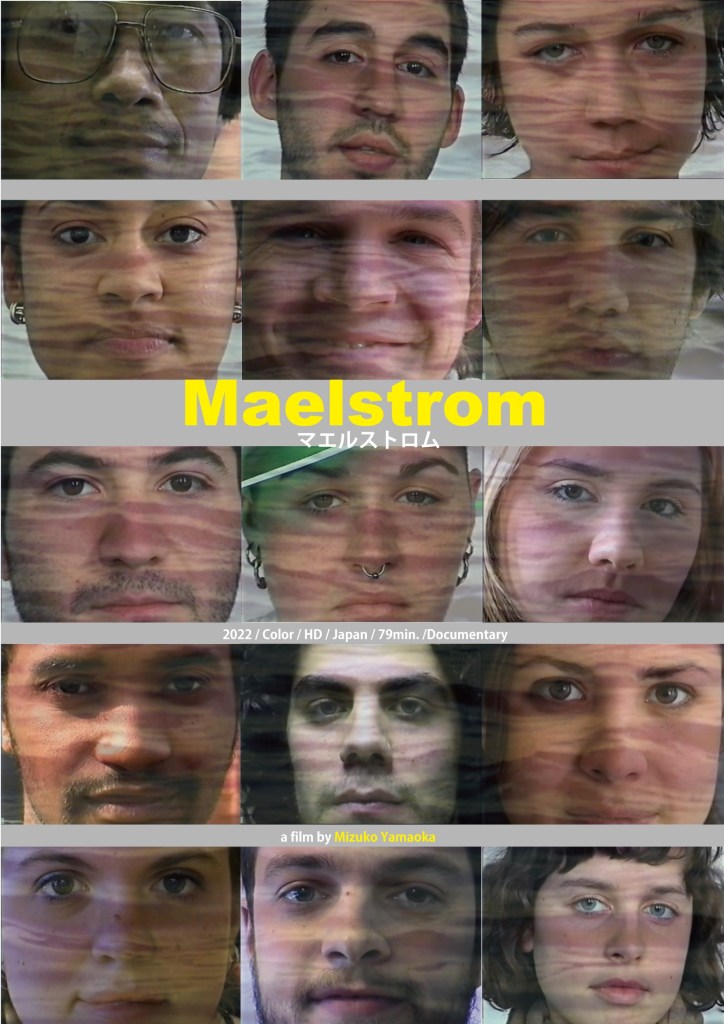
5. Maelstrom (マエルストロム, Mizuko Yamaoka)

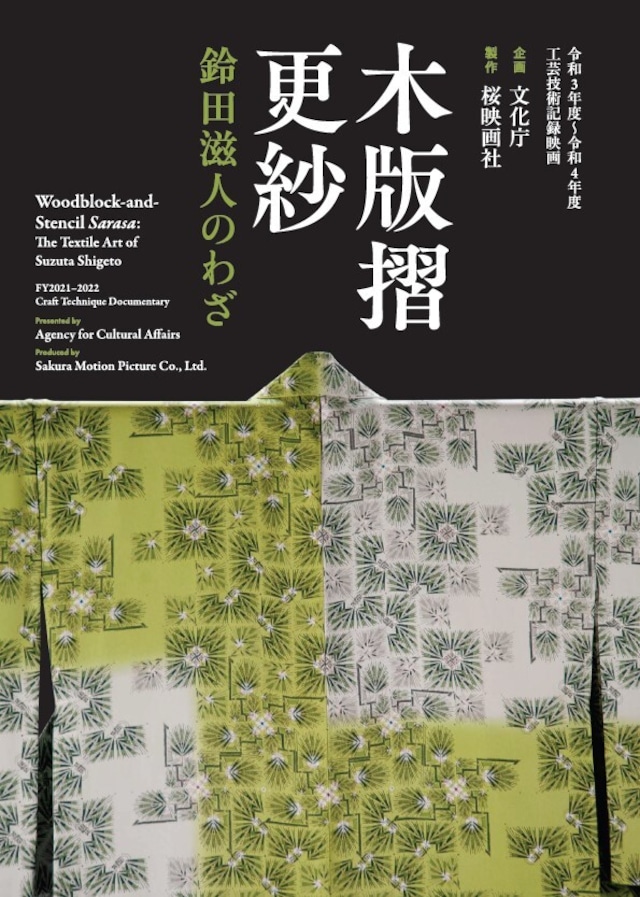
6. Woodblock-and-Stencil Sarasa: The Textile Art of Suzuta Shigeto (木版摺更紗-鈴田滋人のわざ-)

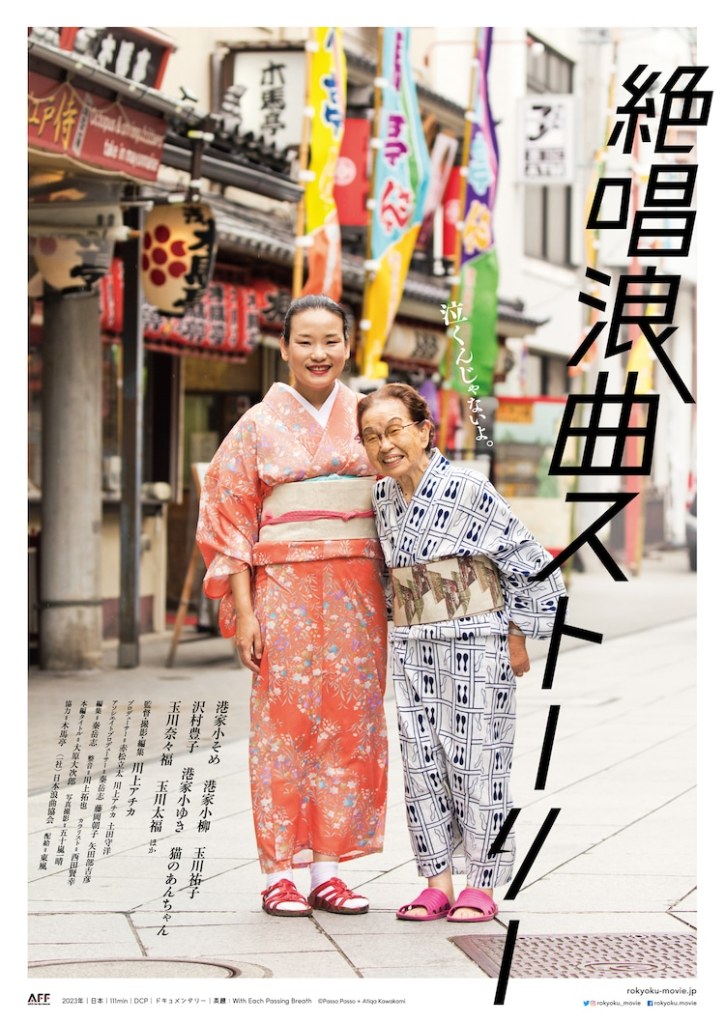
7. With Each Passing Breath (絶唱浪曲ストーリー, Atiqa Kawakami)

8. The Day of the State Funeral (国葬の日, Arata Oshima)

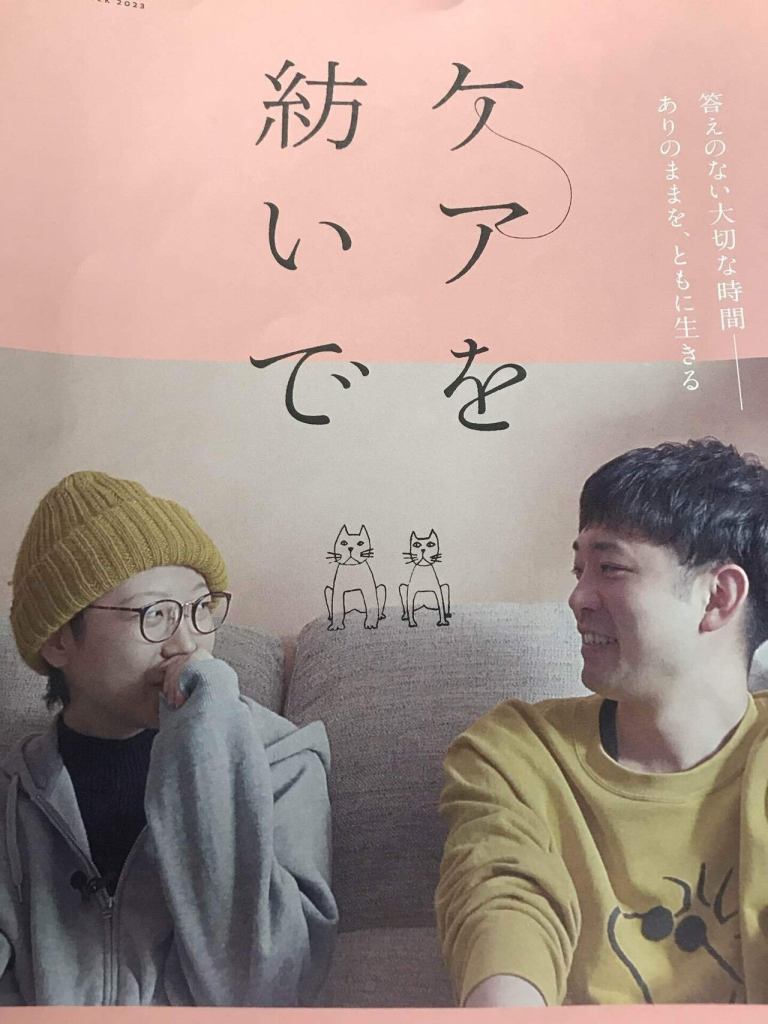
9. Care wo Tsumuide (ケアを紡いで, Koichi Omiya)

10. Shunga (春の画 SHUNGA, Junko Hirata)

*Third place is a tie.

Individual Awards

Best Director: Wim Wenders (Perfect Days)

Best Screenplay: Junji Sakamoto (Okiku and the World)

Best Director (international): Todd Field (Tar)

Best Actress: Shuri (Shadow of Fire)

Best Actor: Koji Yakusho (Perfect Days, Familia, Father of the Milky Way Railroad)

Best Supporting Actress: Fumi Nikaido (The Moon)

Best Supporting Actor: Hayato Isomura (The Moon, (Ab)Normal Desire, The Dry Spell, Hard Days, Ripples, Tokyo Revengers 2: Bloody Halloween – Destiny, Tokyo Revengers 2: Bloody Halloween – Decisive Battle)

Best Newcomer (actress): Aina The End (Kyrie)

Best Newcomer (actor): Oga Tsukao (Shadow of Fire)

Readers’ Choice Best Director: Toichiro Ruto (G-Men)

Readers’ Choice Best Director (international): Martin Scorsese (Killers of the Flower Moon)

Readers’ Choice Award: Saburo Kawamoto (Eiga wo Mireba Wakaru Koto)

Source: Kinema Junpo official website.

Kinema Junpo Announces 96th Best 10 (2022)

Prestigious cinema magazine Kinema Junpo has released its always anticipated “Best 10” list for films released in 2022, the 96th edition. Small, Slow But Steady takes the top spot plus Actress and Supporting Actor while there’s also a strong showing for pandemic-era social drama No Place to Go which picks up Best Director and Screenplay.

Best 10

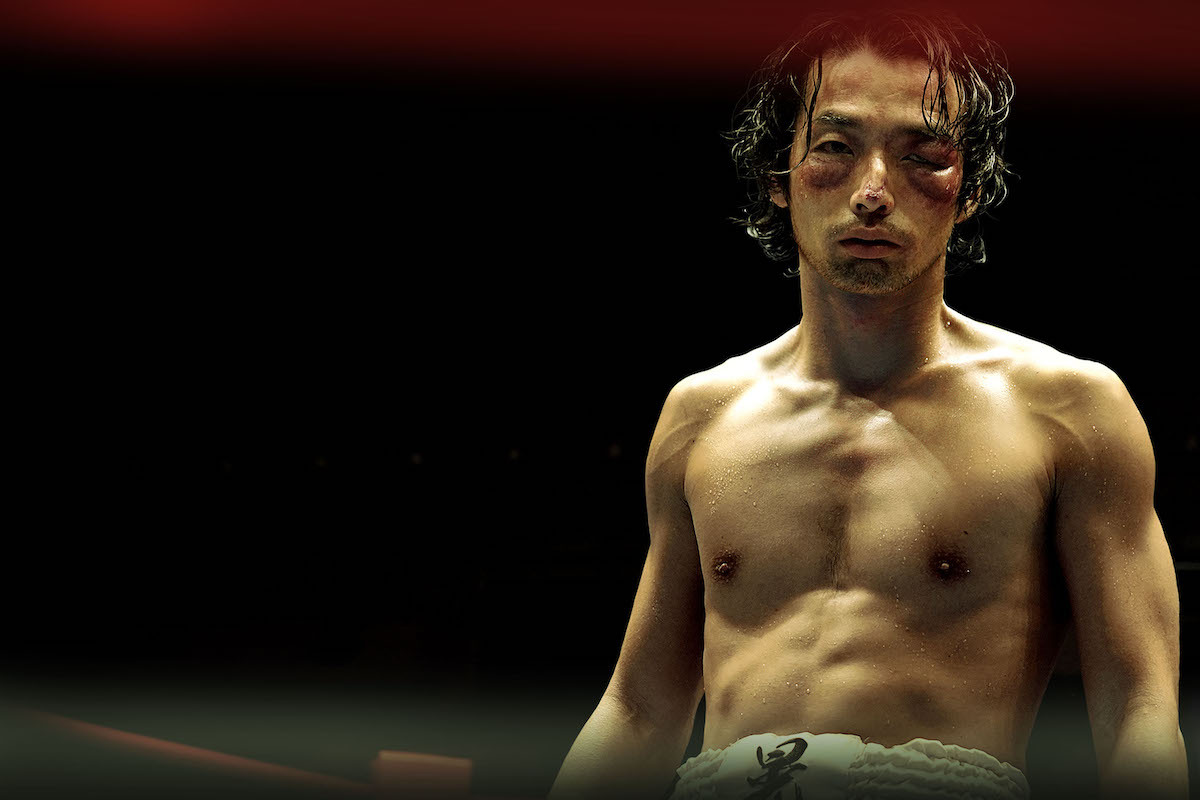
1. Small, Slow But Steady (ケイコ 目を澄ませて, Sho Miyake)

Yukino Kishii stars as a young deaf woman and aspiring boxer who is slowly losing the will to fight amid the constant strain of life in a largely unaccommodating society. Shot in grainy 16mm, the latest from Sho Miyake (And Your Bird Can Sing) is equal parts boxing movie and character study in which its scrappy heroine gradually regains her momentum.

2. A Man (ある男, Kei Ishikawa)

©2022 "A MAN" FILM PARTNERS

The latest film from Kei Ishikawa (Gukoroku: Traces of SinArc), A Man stars Satoshi Tsumabuki as a lawyer who is pulled into a web of intrigue when a former client asks him to investigate her late husband who had been living under an assumed identity.

3. No Place to Go (夜明けまでバス停で, Banmei Takahashi)

Social drama from Banmei Takahashi (Rain of Light) exploring the effects of the pandemic on the homeless community through the story of a 45-year-old woman who loses her home and job when the yakitori restaurant she was working in is forced to close.

4. Amiko (こちらあみ子, Yusuke Morii)

Quirky drama loosely inspired by Natsuko Imamura’s novel Atarashii Musume following an eccentric young girl in the wake of a traumatic event in her family.

5. A Winter Rose (冬薔薇, Junji Sakamoto)

Social drama from Junji Sakamoto focussing on an aimless young man, Jun (Kentaro Ito), whose parents (Kaoru Kobayashi & Kimiko Yo) run a shipping business. Jun does not work or pursue education and spends his time hanging out with other young people of a similar outlook until one of his friends is attacked.

6. The Zen Diary (土を喰らう十二ヵ月, Yuji Nakae)

Contemplative foodie drama starring Kenji Sawada as a man living a self-sufficient life in the mountains while struggling to move on from the loss of his wife several years previously.

6. Anime Supremacy! (ハケンアニメ, Kohei Yoshino)

Broad comedy inspired by the CLAMP manga in which a young woman who has been patiently working towards her directorial debut in the anime industry enters a rivalry with the director who once inspired her and is returning to the director’s chair for the first time in eight years.

6. Plan 75 (Chie Hayakawa)

Powerful dystopian drama expanded from Hayakawa’s short in the 10 Years Japan anthology. Chieko Baisho stars as an elderly woman increasingly excluded from mainstream society who is pushed towards a voluntary euthanasia programme for the over 75s.

9. Missing (さがす, Shinzo Katayama)

Eerie mystery thriller drawing inspiration from the true life “Twitter Killer” case in which a young girl becomes concerned for her father when he disappears shortly after claiming to have spotted a fugitive serial killer in the local area.

9. Thousand and One Nights (千夜、一夜, Nao Kubota)

Plaintive drama in which two women are left with a series of unanswered questions following the disappearances of their husbands. While the older continues to wait in patient desperation 30 years later, the younger seeks permission to move on though neither of them know any peace.

Best 10 International

  • (c) 2021 Jeonwonsa Film Co. All Rights Reserved
  1. Licorice Pizza 
  2. Top Gun: Maverick 
  3. Parallel Mothers
  4. Cry Macho
  5. Annette
  6. Coda
  7. Belfast
  8. West Side Story
  9. Beanpole
  10. In Front of Your Face

Best 10 Documentaries

1. Watashi no Hanashi Buraku no Hanashi (私のはなし 部落のはなし, Yusaku Mitsuwaka)

2. Kagawa District 1 (香川1区, Arata Oshima)

3. Tamaneko, Tamabito (たまねこ、たまびと, Hiroyasu Murakami)

4. Education and Nationalism (教育と愛国, Hisayo Saika)

5. Soup and Ideology (スープとイデオロギー, Yang Yonghi)

6. Patriotic Confessions: Breaking the Silence Part2 (愛国の告白—沈黙を破るPart2—, Toshikuni Doi)

7. Ushiku (牛久, Thomas Ash)

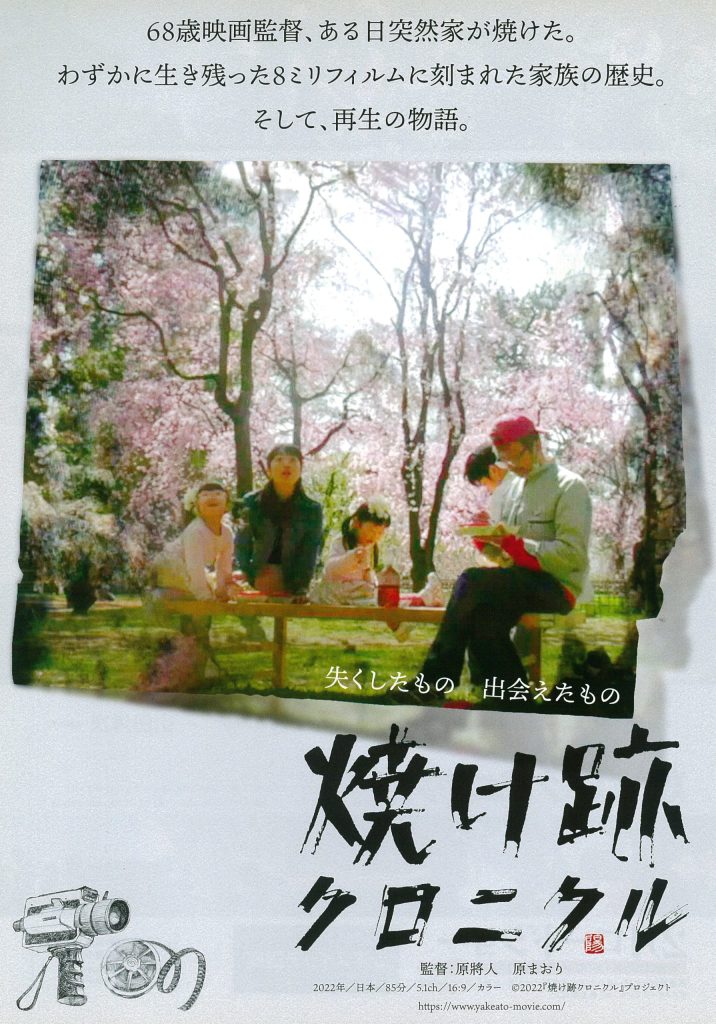
8. Yakeato Chronicle (焼け跡クロニクル, Masato Hara)

9. Long Time Passing (失われた時の中で, Masako Sakata)

9. Kita no Tomoshibi: Neuengamme Kyosei Shuyojo to Bullenhuser Damm no Kodomotachi (北のともしび −ノイエンガンメ強制収容所とブレンフーザー・ダムの子どもたち−, Shizu Azuma)

Individual Awards

Best Director: Banmei Takahashi (No Place to Go)

Best Screenplay: Aki Kajiwara (No Place to Go)

Best Director (international): Pedro Almodóvar (Parallel Mothers)

Best Actress: Yukino Kishii (Small, Slow But Steady; God Wants Payback; Inu mo Kuwane do Charlie wa Warau; One Day, You Will Reach the Sea)

Best Actor: Kenji Sawada (The Zen Diary)

Best Supporting Actress: Ryoko Hirosue (2 Women, The Hound of the Baskervilles: Sherlock the Movie, The Confidence Man JP -Episode of the Hero)

Best Supporting Actor: Tomokazu Miura (Small, Slow But Steady; Sen wa, Boku wo Egaku; Goodbye, Cruel World)

Best Newcomer (actress): Lina Kahafizadeh (My Small Land)

Best Newcomer (actor): Ren Meguro (Phases of the Moon, Osomatsu-san)

Readers’ Choice Best Director: Sho Miyake (Small, Slow But Steady)

Readers’ Choice Best Director (international): Sian Heder (Coda)

Readers’ Choice Award: Saburo Kawamoto (Eiga wo Mireba Wakaru Koto)

Special Award: Nobuhiko Kobayashi (novelist and film writer)

Source: Kinema Junpo official website.

Kinema Junpo Announces 2021 95th Best 10

©︎2021 "A Madder Red" Film Partners

Prestigious cinema magazine Kinema Junpo has released its always anticipated “Best 10” list for films released in 2021, the 95th edition. Ryusuke Hamaguchi’s Drive My Car largely sweeps the board taking not only the top spot but several of the individual awards including director, screenplay, and supporting actress while Yuya Ishii’s pandemic-era drama A Madder Red comes in second with an acting nod for Machiko Ono.

Best 10

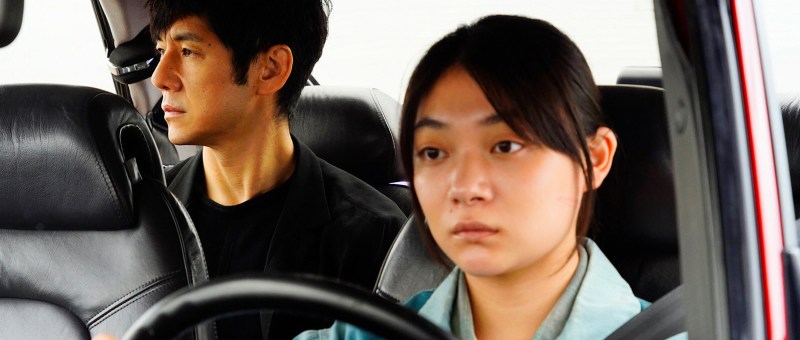
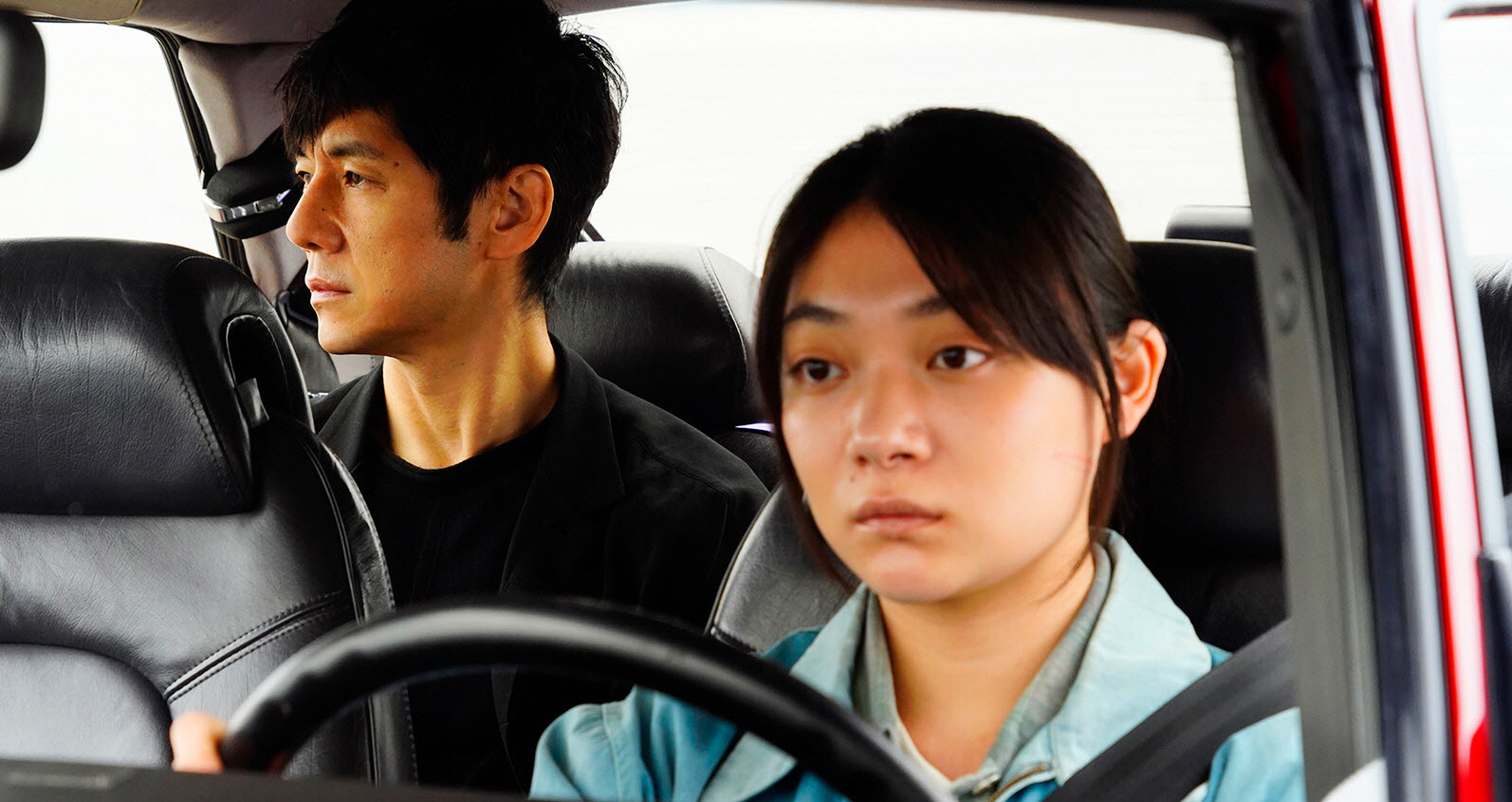
1. Drive My Car (ドライブ・マイ・カー, Ryusuke Hamaguchi)

A theatre director reeling from the death of his wife finds an unexpected connection with a reserved young woman hired to drive his car in Ryusuke Hamaguchi’s deeply moving adaptation of a short story by Haruki Murakami.

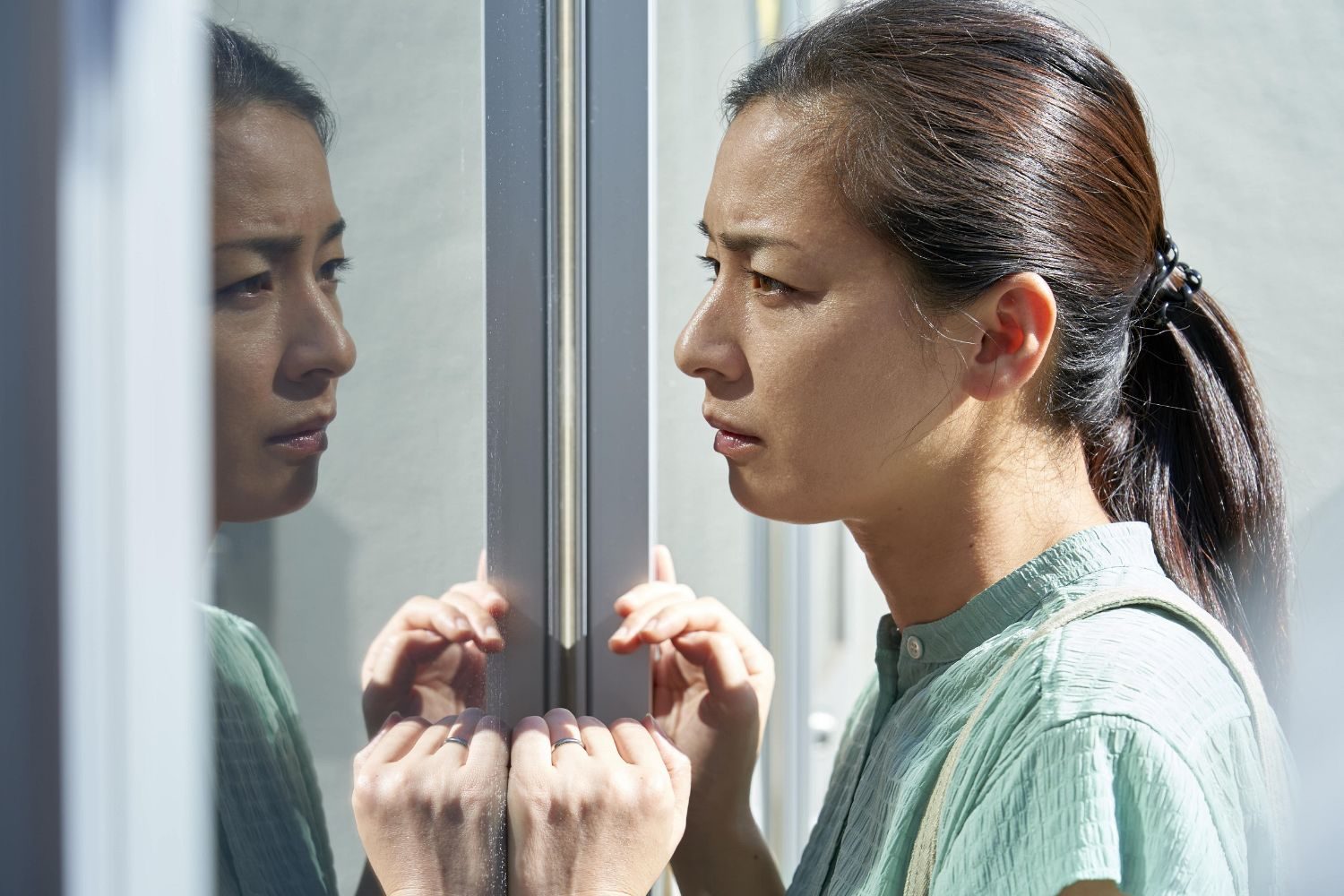
2. A Madder Red (茜色に焼かれる, Yuya Ishii)

Set during the pandemic, Yuya Ishii’s latest stars Machiko Ono as a widowed single mother whose husband was killed in a traffic accident caused by an elite bureaucrat who refuses to apologise. Forced to close her cafe, she works part-time at a garden centre and supplements her income through sex work but struggles to make ends meet while falling in love with an old classmate who predictably turns out to be not quite all he seems.

3. Wheel of Fortune and Fantasy (偶然と想像, Ryusuke Hamaguchi)

The second film Hamaguchi released this year is a delightfully Rohmer-esque triptych of tales inspired by serendipitous encounters and a healthy dose of romantic fantasy that lead each of its wounded souls towards a kind of liberation.

4. Under the Open Sky (すばらしき世界, Miwa Nishikawa)

Inspired by Ryuzo Saki’s 1993 novel, Miwa Nishikawa’s melancholy social drama stars Koji Yakusho as a purehearted man of violence who struggles to adapt himself to the hypocrisies of the contemporary society after spending the majority of his adult life in prison.

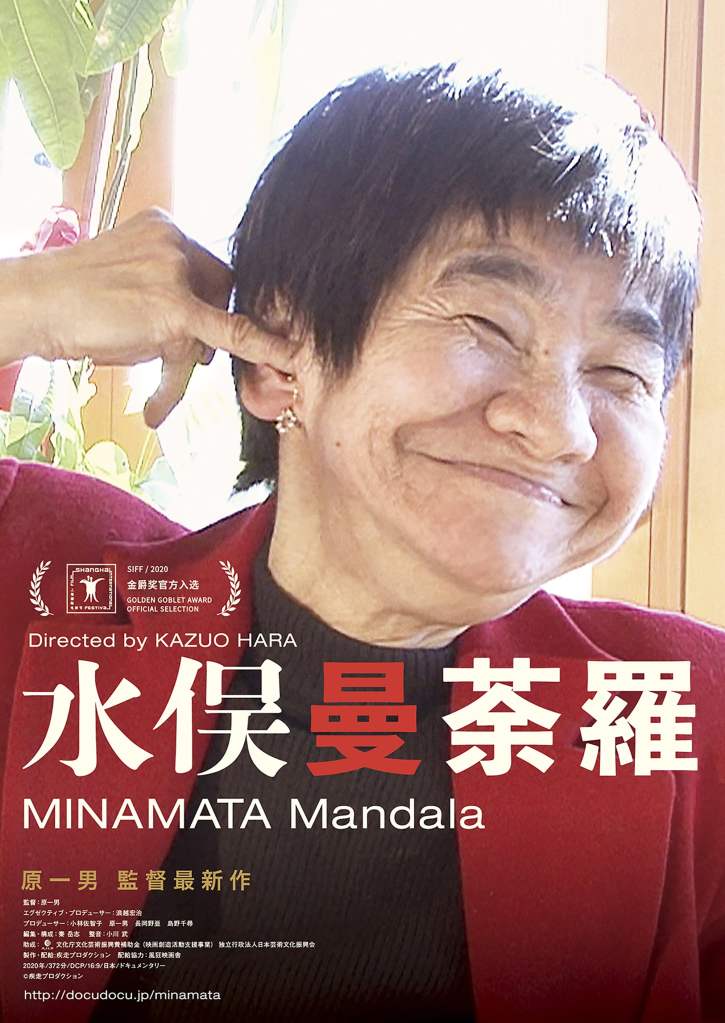
5. Minamata Mandala (水俣曼荼羅, Kazuo Hara)

15 years in the making, Kazuo Hara’s epic documentary charts the fight for justice among those affected by the Minamata Disease caused by industrial pollution in the 1960s many of whom find themselves battling an intransigent state that refuses to recognise their suffering.

6. Aristocrats (あのこは貴族, Yukiko Sode)

Mugi Kadowaki and Kiko Mizuhara star as two young women from opposite ends of the class spectrum involved with the same man (Kengo Kora) who is himself a prisoner of outdated feudalistic social codes in Yukiko Sode’s empathetic social drama.

7. Intolerance (空白, Keisuke Yoshida)

Keisuke Yoshida’s intense drama stars Arata Furuta as a bullying father of a teenage girl killed in a traffic accident trying to run away from a store clerk (Tori Matsuzaka) who caught her shoplifting. Refusing to believe his daughter could have been guilty of the theft, the father turns his ire towards the store owner who is consumed with remorse while unfairly victimised by an unforgiving media.

8. A Balance (由宇子の天秤, Yujiro Harumoto)

A TV documentarian’s journalistic integrity is strained when a student at her father’s cram school claims that he is the father of her child in Yujiro Harumoto’s emotionally complex social drama.

9. Ito (いとみち, Satoko Yokohama)

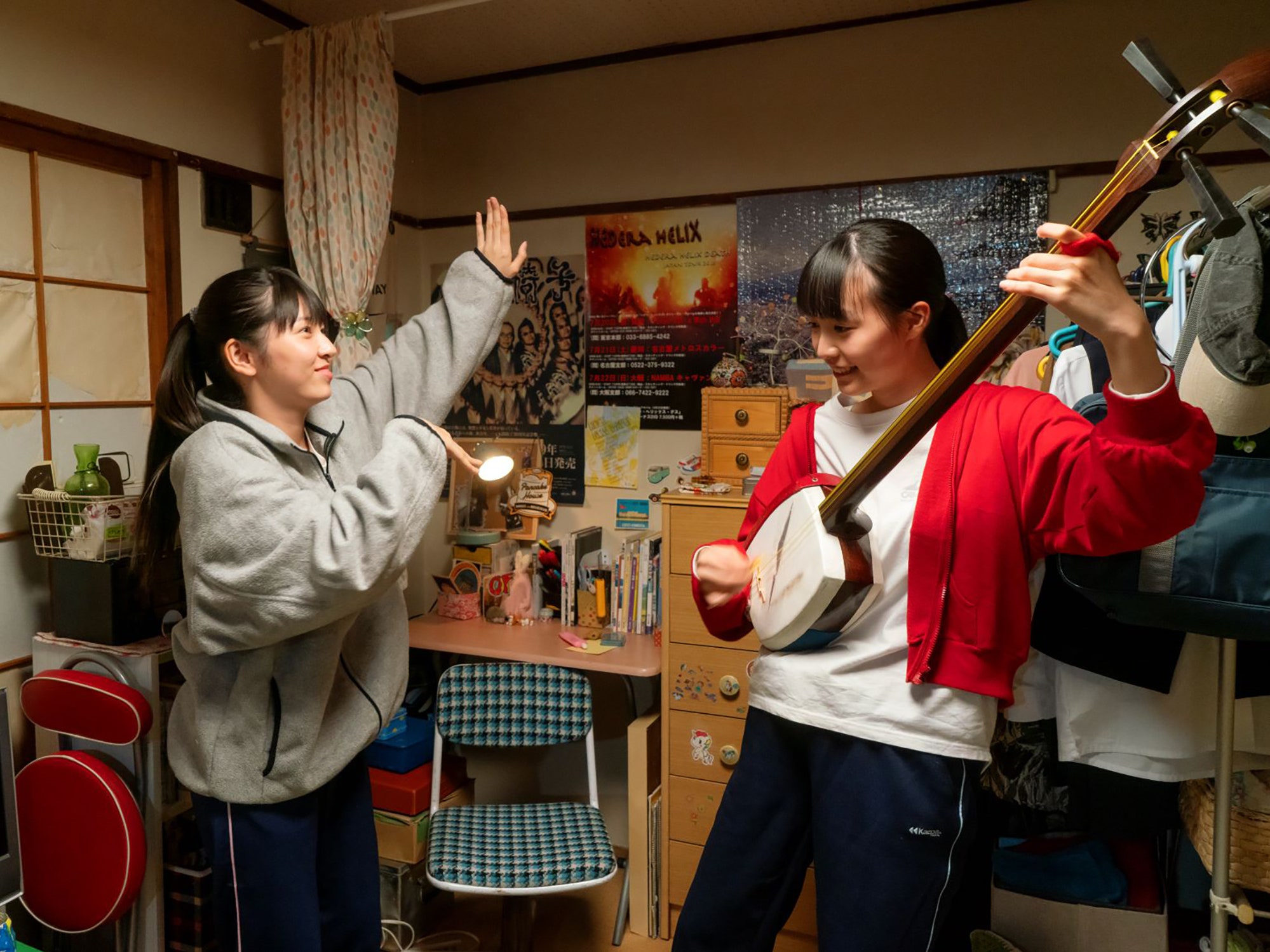
The latest quirky dramedy from Satoko Yokohama is set in her native Aomori and follows a shy young woman who gradually learns to accept herself and her past trauma while working in a maid cafe and perfecting the art of Tsugaru shamisen.

10. We Made a Beautiful Bouquet (花束みたいな恋をした, Nobuhiro Doi)

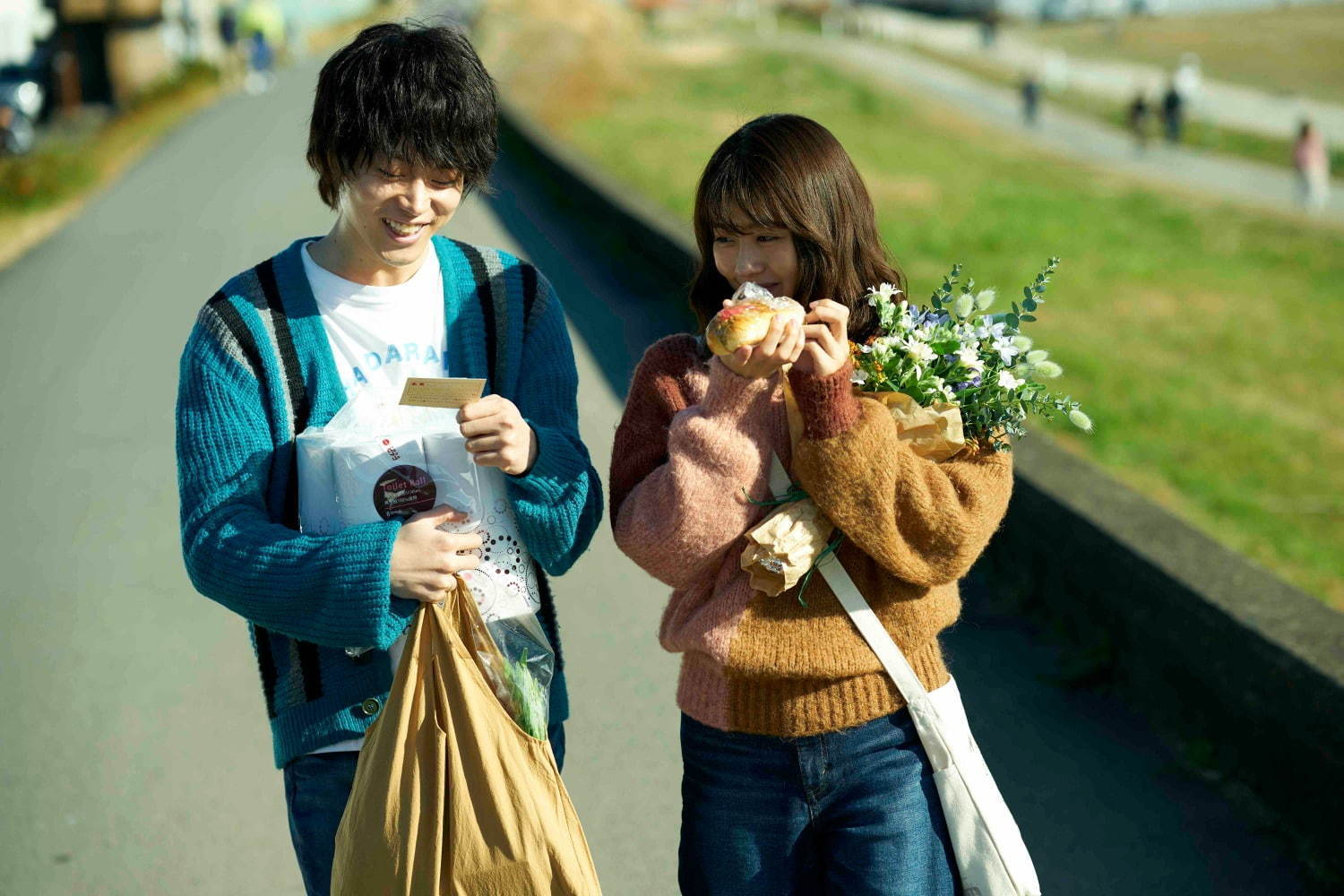
Romantic drama from Nobuhiro Doi starring Masaki Suda and Kasumi Arimura as a young couple who meet after missing the last train home and later fall in love only for their innocent romance to gradually fall apart over the following five years.

Best 10 International

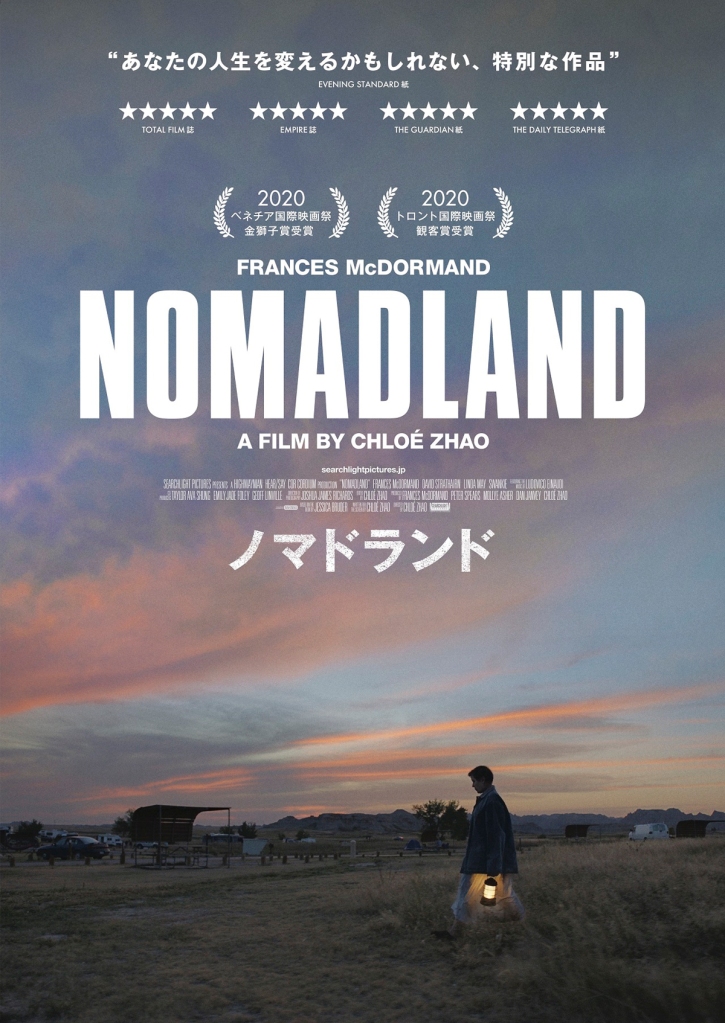
  1. Nomadland (Chloé Zhao)
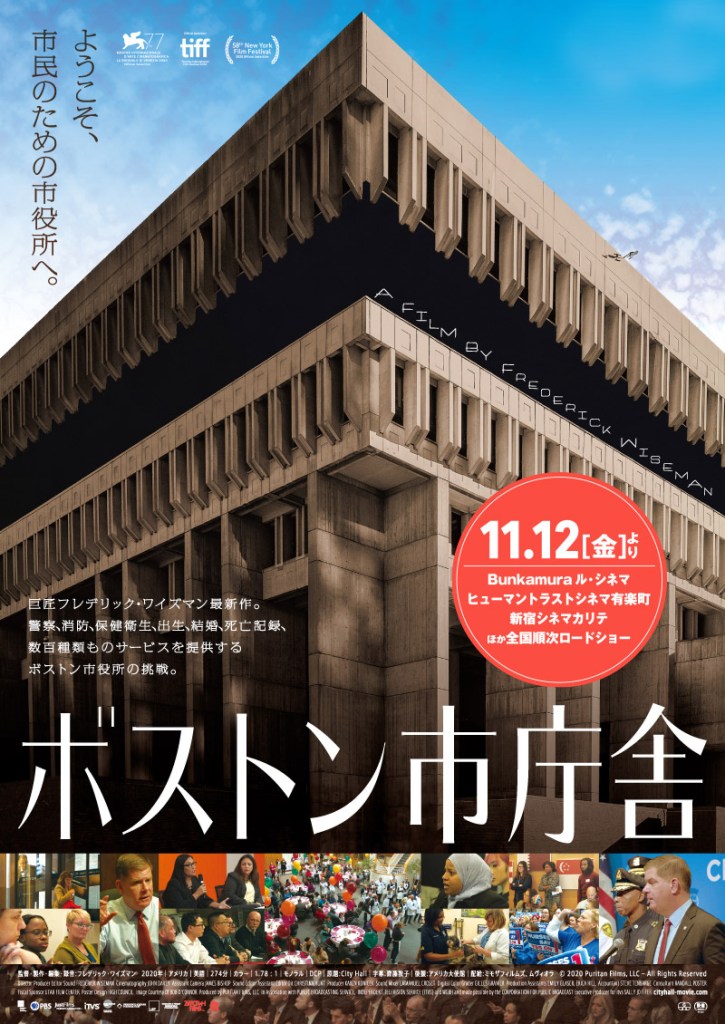
  2. City Hall (Frederick Wiseman)
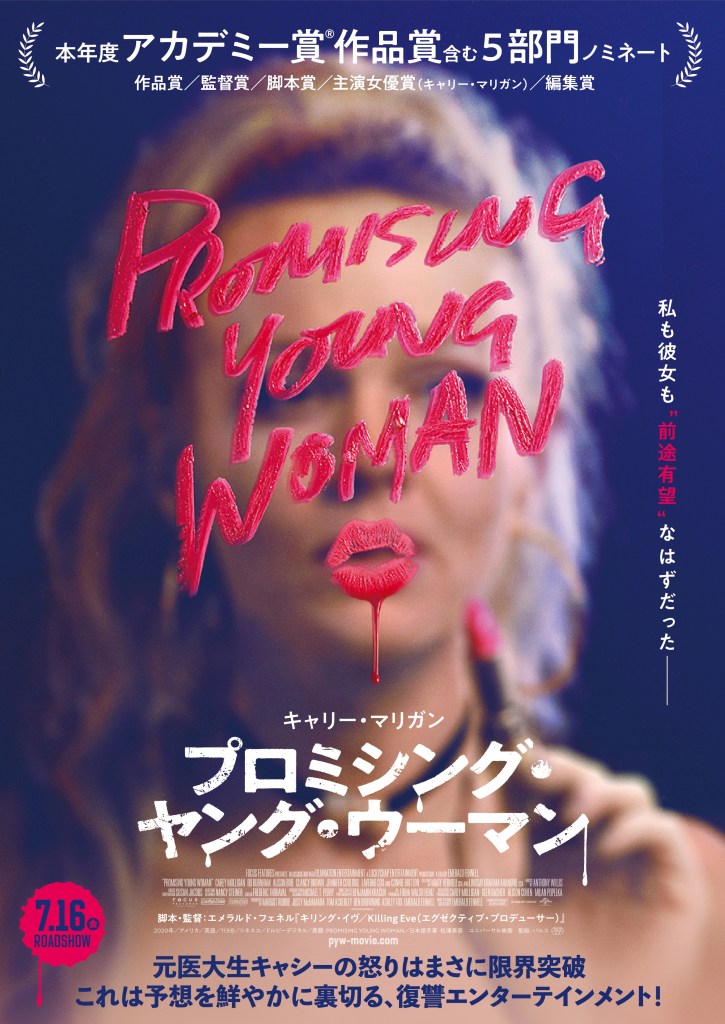
  3. Promising Young Woman (Emerald Fennell)
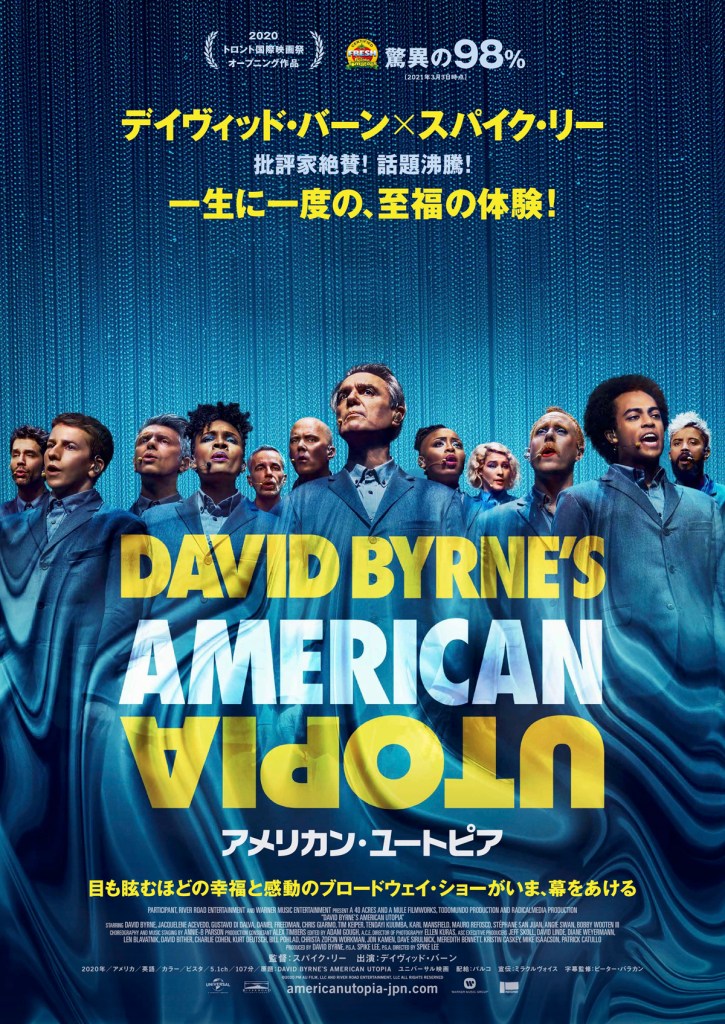
  4. American Utopia (Spike Lee)
  5. The Father (Florian Zeller)
  6. Last Night in Soho (Edgar Wright)
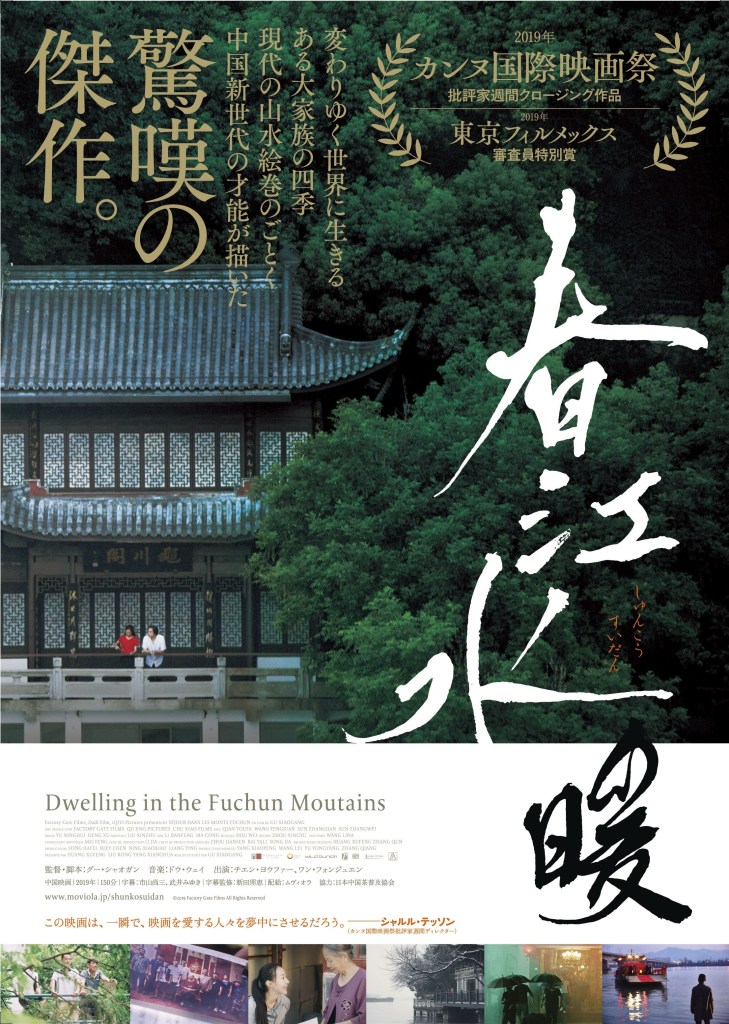
  7. Dwelling in the Fuchun Mountains (Gu Xiaogang)
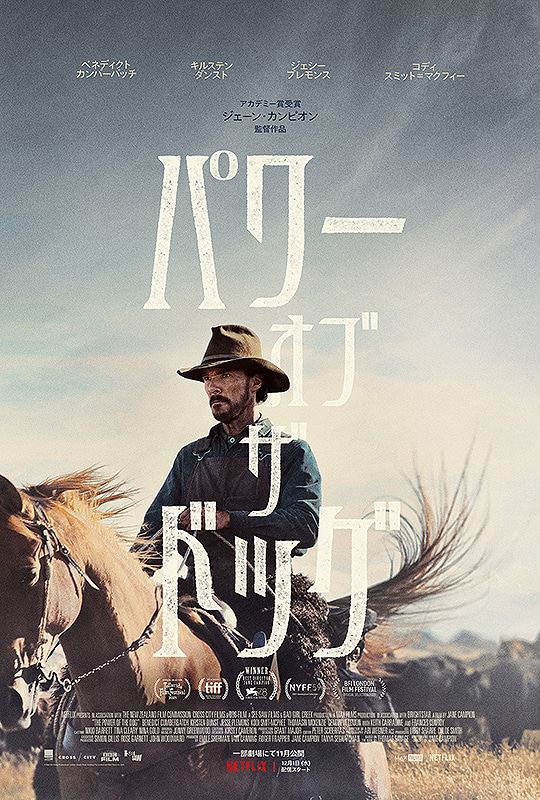
  8. The Power of the Dog (Jane Campion)
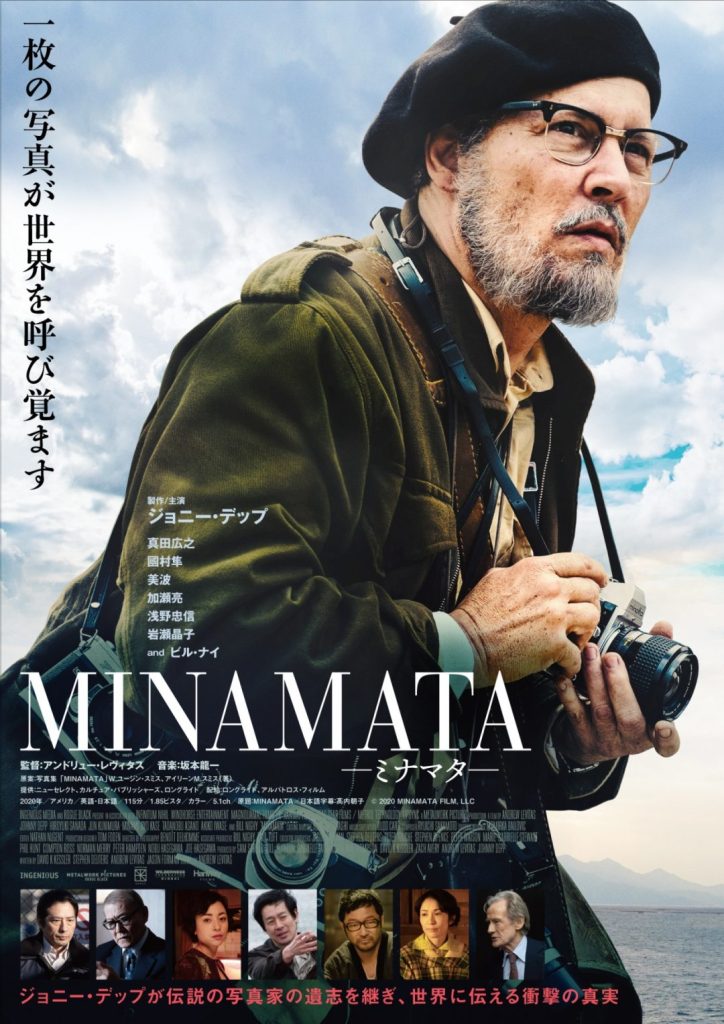
  9. Minamata (Andrew Levitas)
  10. Better Days (Derek Tsang Kwok-cheung)

Best 10 Documentaries

1. Minamata Mandala (Kazuo Hara)

2. Lamafa (Bon Ishikawa)

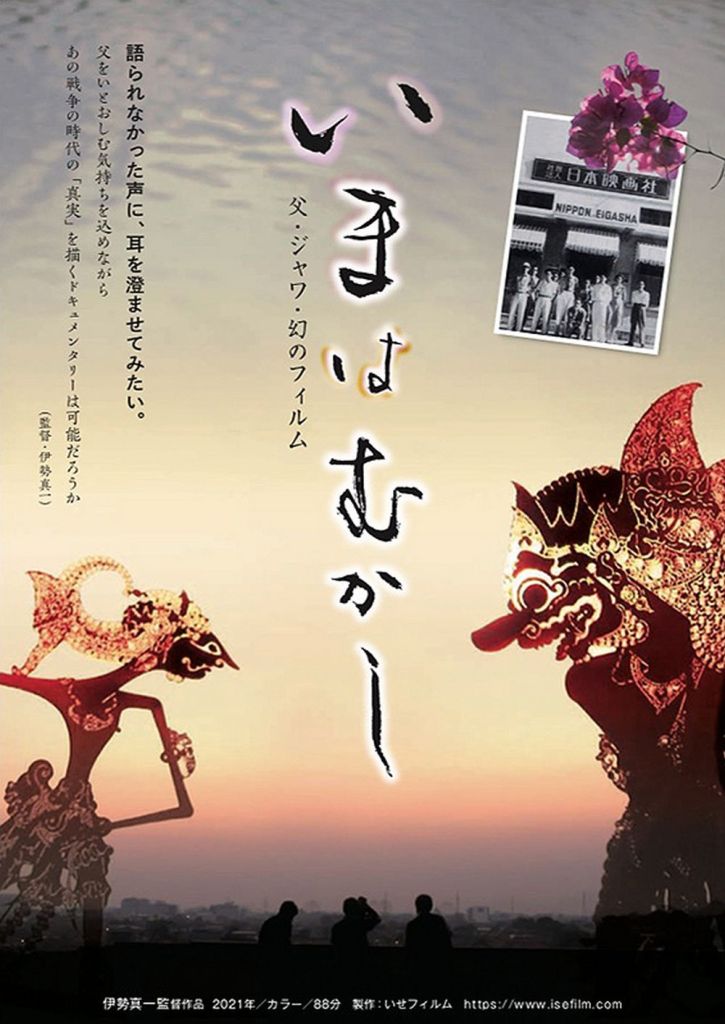
3. Now Is the Past – My Father, Java & the Phantom Films (Shinichi Ise)

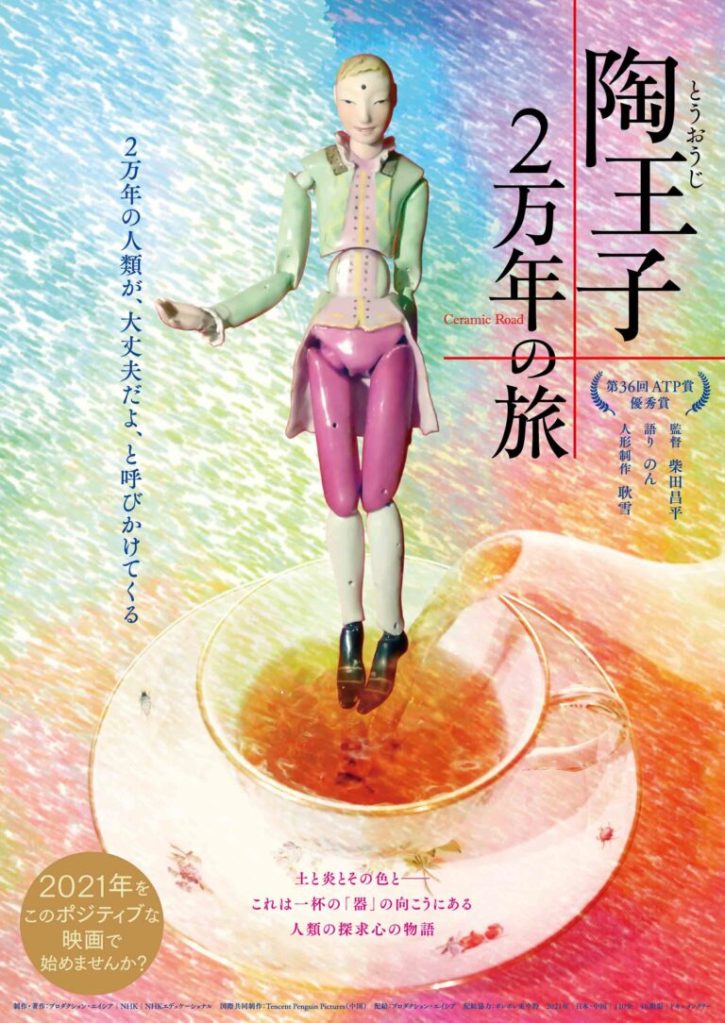
3. Ceramic Road (Shohei Shibata)

5. Sanma Democracy (Magoari Yamazato)

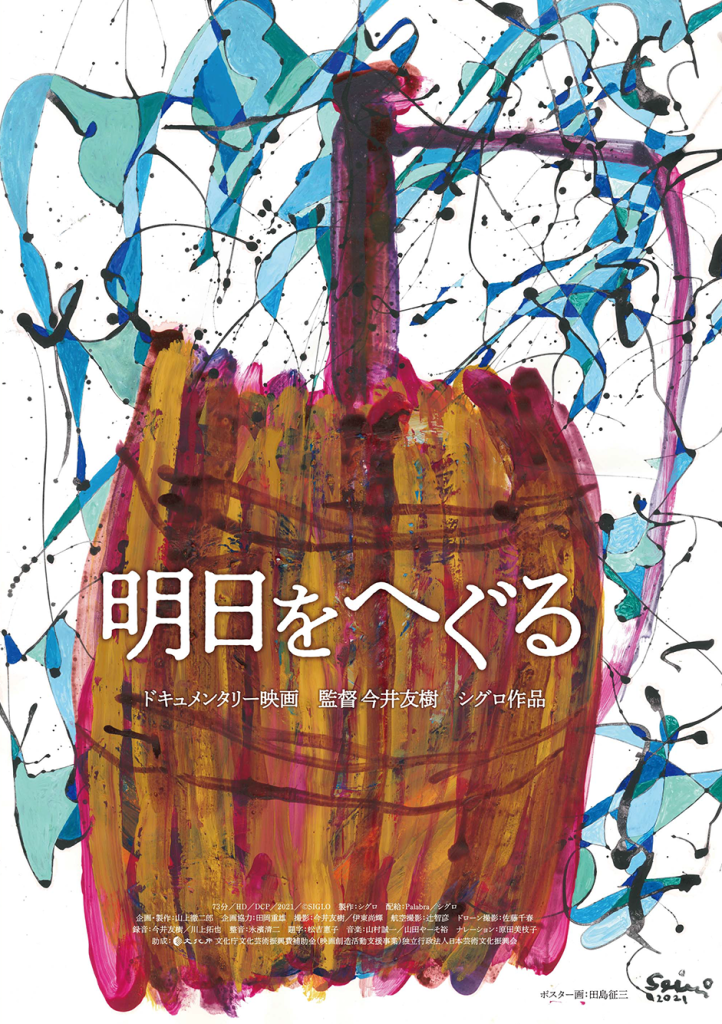
6. Asu wo Heguru (Tomoki Imai)

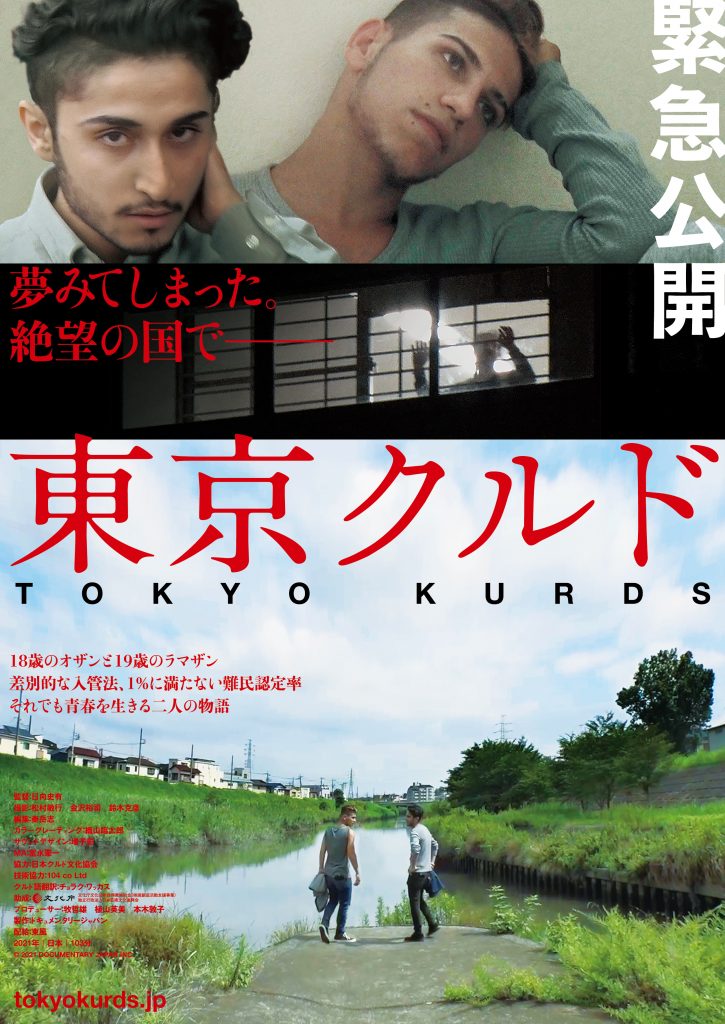
7. Tokyo Kurds (Fumiari Hyuga)

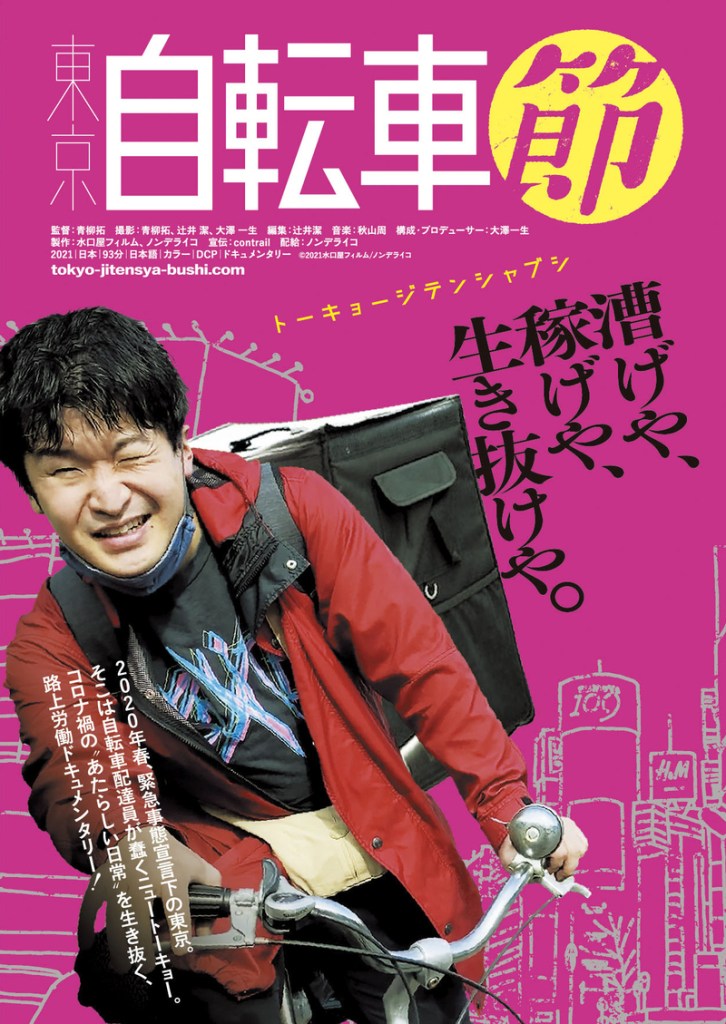
7. Tokyo Jitensha Bushi (Taku Aoyagi)

9. Owari no Mienai Tatakai: Shingata Coronavirus Kansensho to Hokenjo (Nobue Miyazaki)

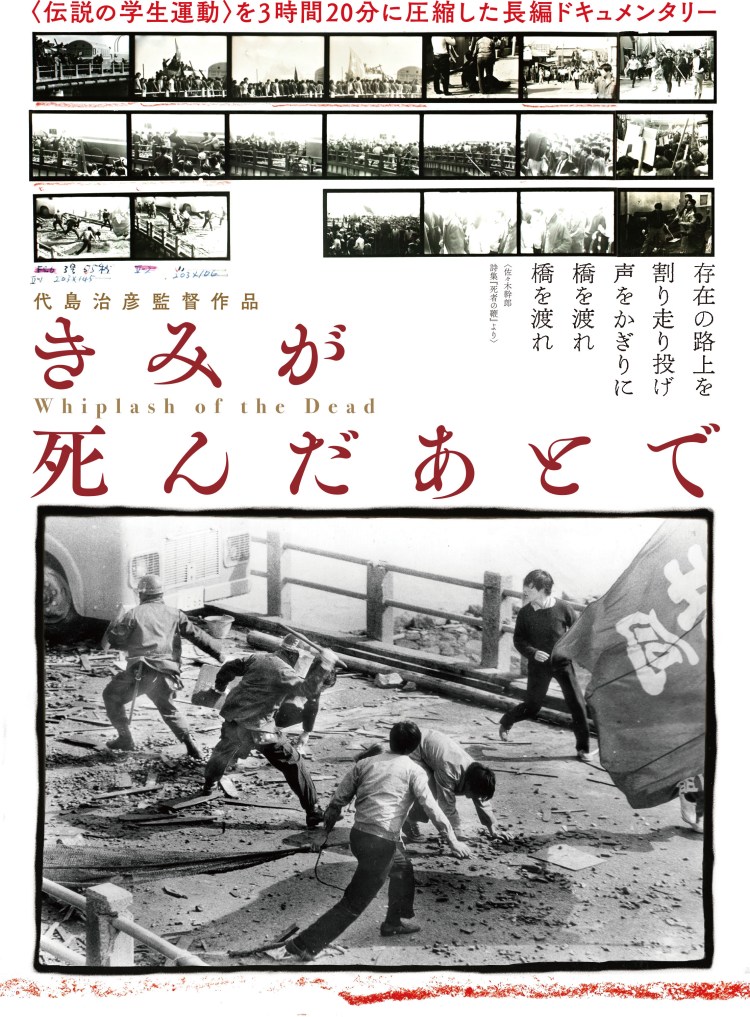
10. Whiplash of the Dead (Haruhiko Daishima)

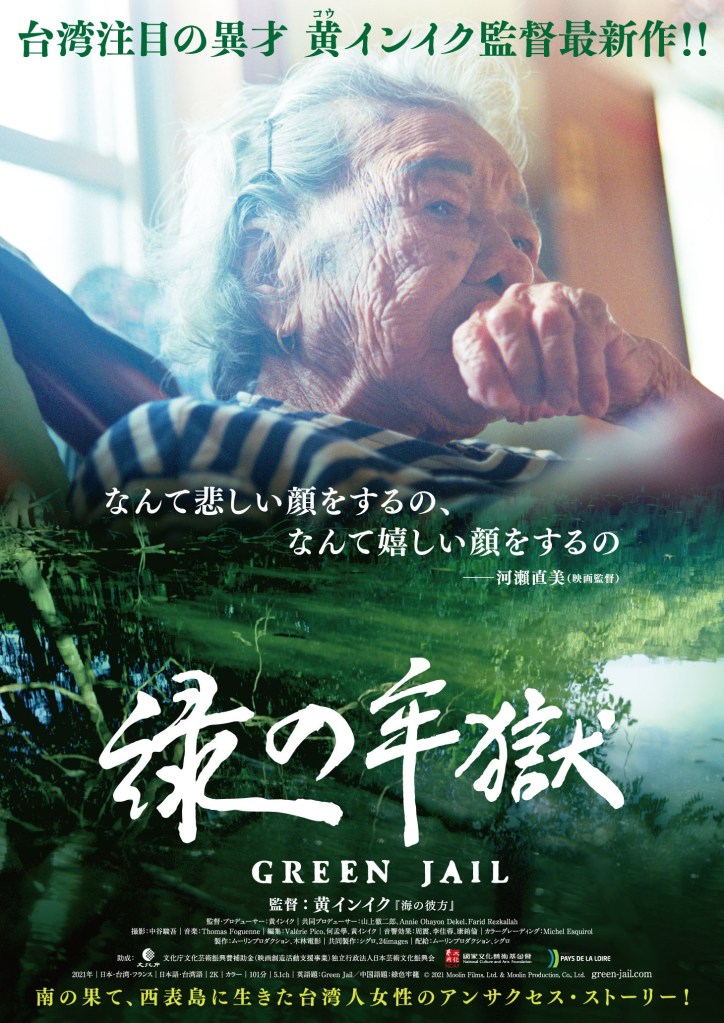
10. Green Jail (Huang Yin-Yu)

Individual Awards

Best Director: Ryusuke Hamaguchi (Drive My Car / Wheel of Fortune and Fantasy)

Best Screenplay: Ryusuke Hamaguchi & Takamasa Oe (Drive My Car)

Best Director (international): Chloé Zhao (Nomadland / Eternals)

Best Actress: Machiko Ono (A Madder Red / A Family)

Best Actor: Koji Yakusho (Under the Open Sky)

Best Supporting Actress: Toko Miura (Drive My Car / Spaghetti Code Love)

Best Supporting Actor: Ryohei Suzuki (Last of the Wolves / Baragaki: Unbroken Samurai / Mole Song Final)

Best Newcomer (actress): Yumi Kawai (A Balance / It’s a Summer Film! / Unfeigned Happy Ending)

Best Newcomer (actor): Iori Wada (A Madder Red)

Readers’ Choice Best Director: Ryusuke Hamaguchi (Drive My Car)

Readers’ Choice Best Director (international): Chloé Zhao (Nomadland)

Readers’ Choice Award: Shiraku Tatekawa (Tatekawa Shiraku no Cinema Tsurezuregusa)

Special Award: Tadao Sato (Critic)

Source: Kinema Junpo official website.

Kinema Junpo Announces 94th Best 10 for 2020

Prestigious cinema magazine Kinema Junpo has released its always anticipated “Best 10” list for films released in 2020, the 94th edition. Top prize goes to Kiyoshi Kurosawa’s Silver Lion-winning Wife of a Spy while the late Nobuhiko Obayashi takes the Best Director award for his final film Labyrinth of Cinema which comes in second on the Best 10 list.

Best 10

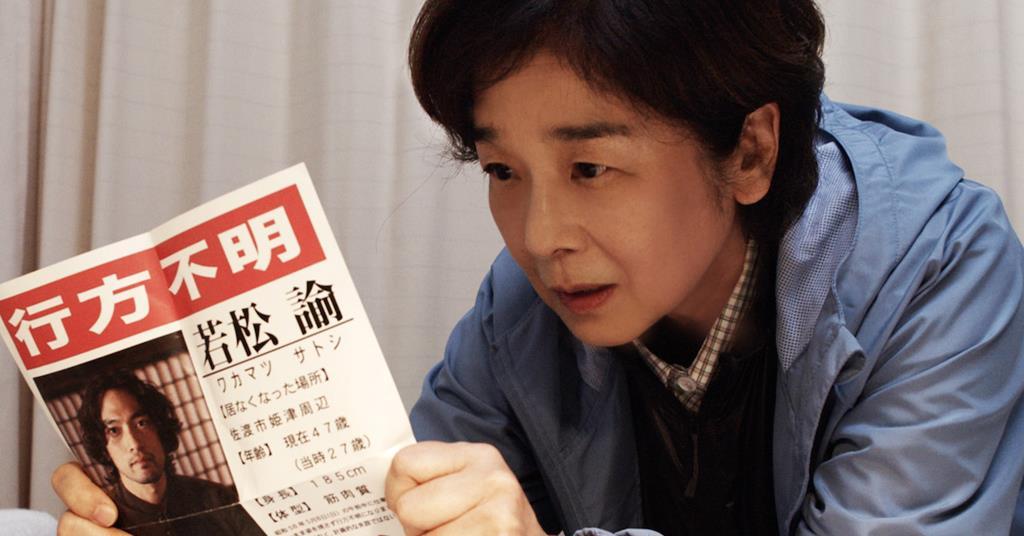
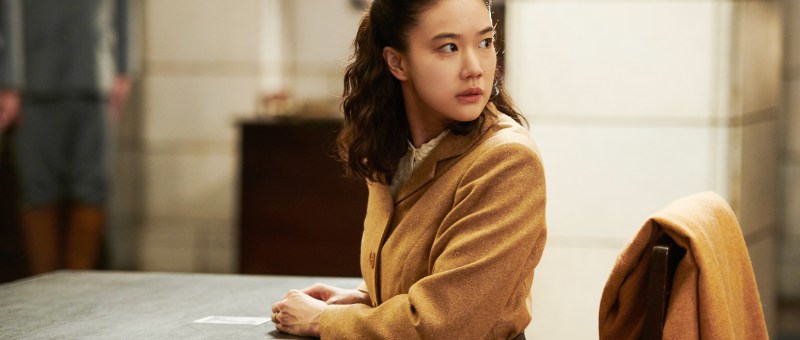
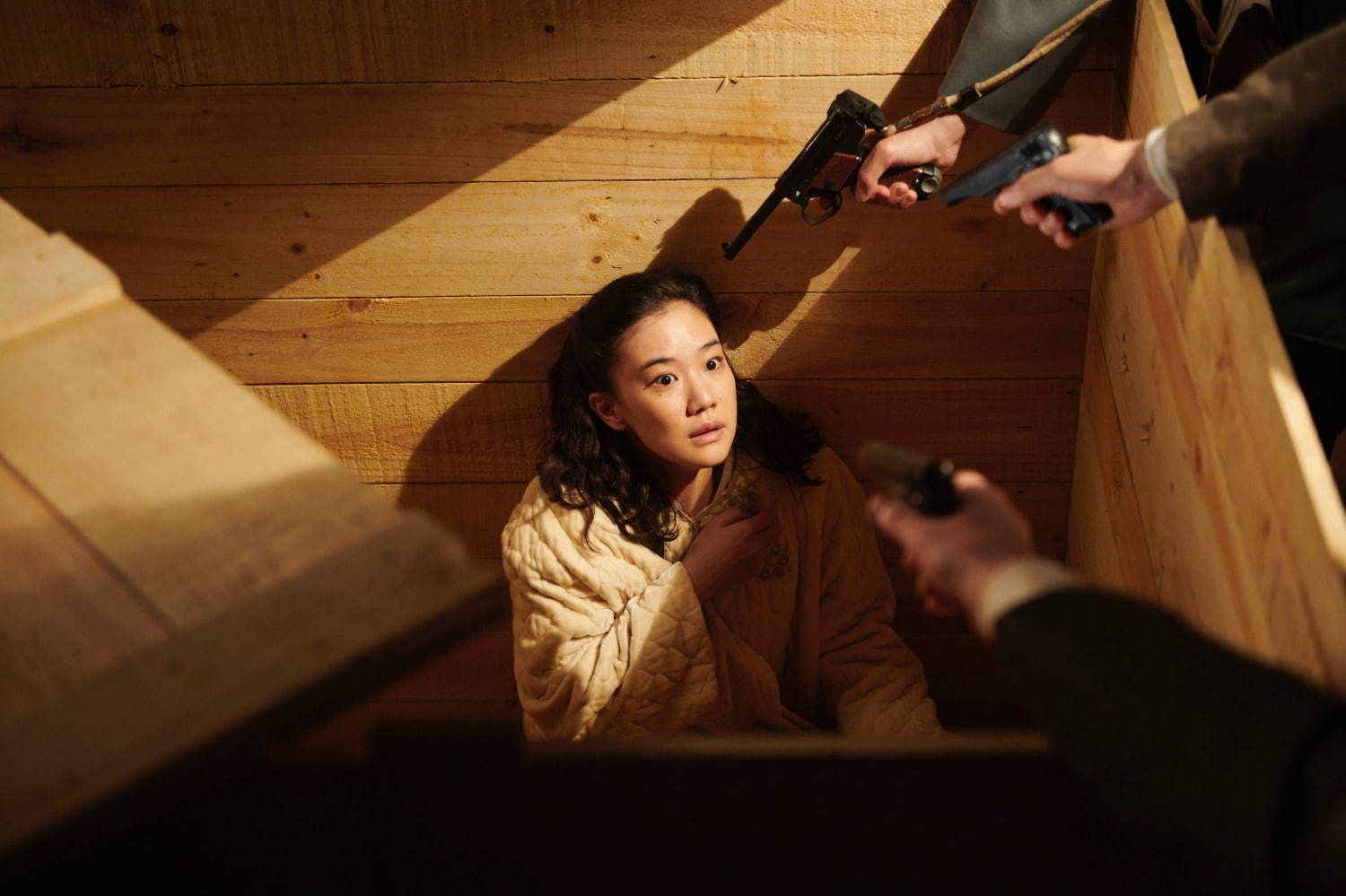
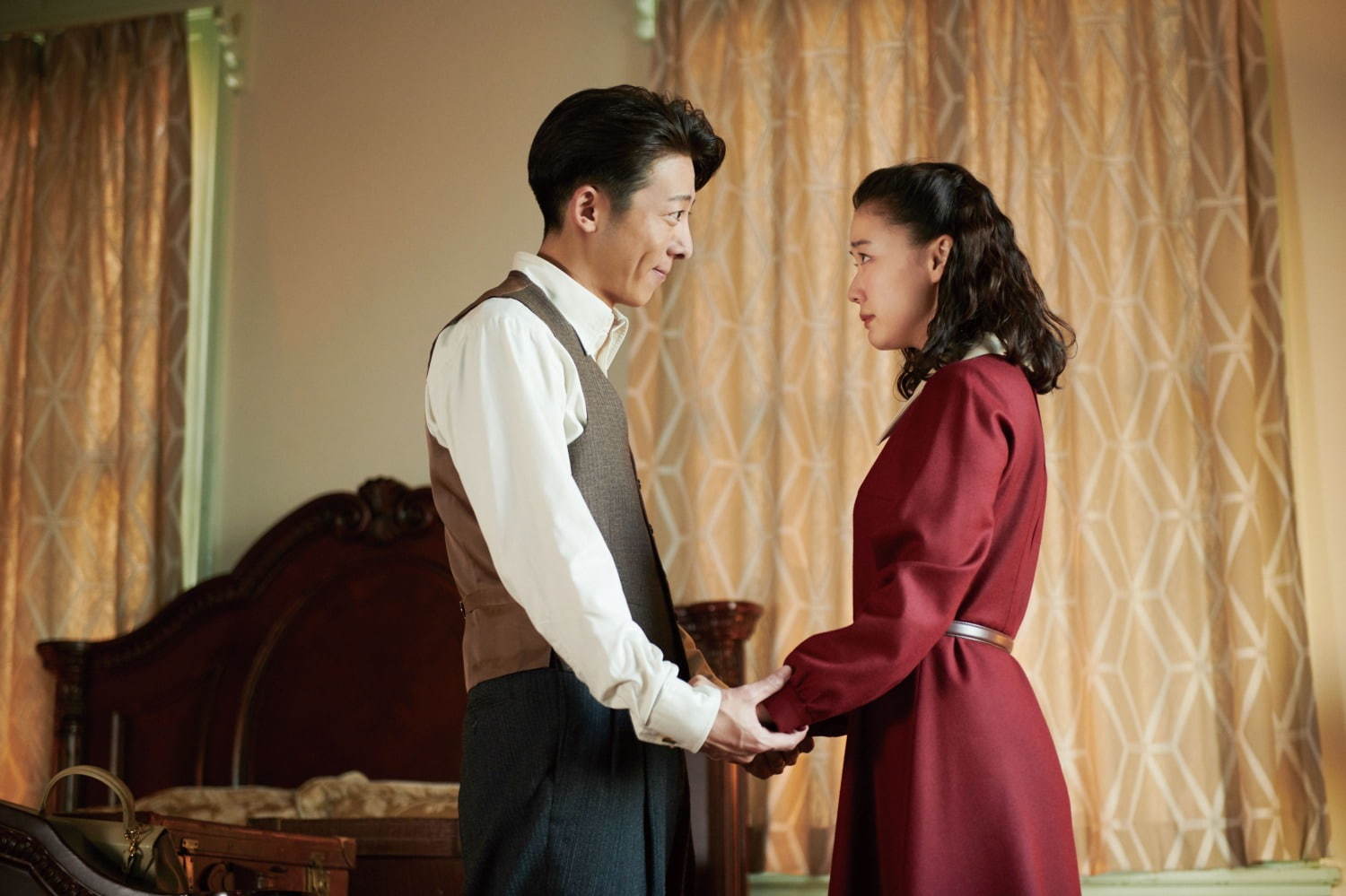
1. Wife of a Spy (スパイの妻<劇場版>)

Originally commissioned for 8K TV, Kiyoshi Kurosawa’s wartime drama stars Yu Aoi as the titular wife who finds herself working against her husband, Issey Takahashi, when she discovers that he intends to blow the whistle after observing something he shouldn’t have while working in Manchuria. An awards season favourite, the film also picked up the Silver Lion at the 77th Venice International Film Festival.

2. Labyrinth of Cinema (海辺の映画館-キネマの玉手箱)

A poetic advocation for the transformative power of art, Nobuhiko Obayashi’s final film takes a surrealist odyssey through the history of warfare as three youngsters chase the image of Japan in the labyrinths of cinema. Review.

3. True Mothers (朝が来る)

Festival darling Naomi Kawase adapts Mizuki Tsujimura’s novel in which a childless couple adopt the baby of a teenage mother only for her to return some years later and attempt to reclaim her child.

4. Underdog (アンダードッグ)

Two-part boxing drama from Masaharu Take (100 Yen Love) starring Best Actor winner Mirai Moriyama as a dejected featherweight fighter who’s never made it to champion finding himself faced with a TV comedian (Ryo Katsuji) giving it a go in the ring and a cocky up-and-comer (Takumi Kitamura) who can’t shake his violent past.

5. The Real Thing (本気のしるし<劇場版>)

First aired as a 10-part TV drama then edited down to 233 minutes for theatrical exhibition, the latest from Koji Fukada (Hospitalité, Harmonium, A Girl Missing) adapts the manga of the same name and stars Win Morisaki as a bored salaryman whose life changes after he saves a mysterious woman, Kaho Tsuchimura, from an oncoming train.

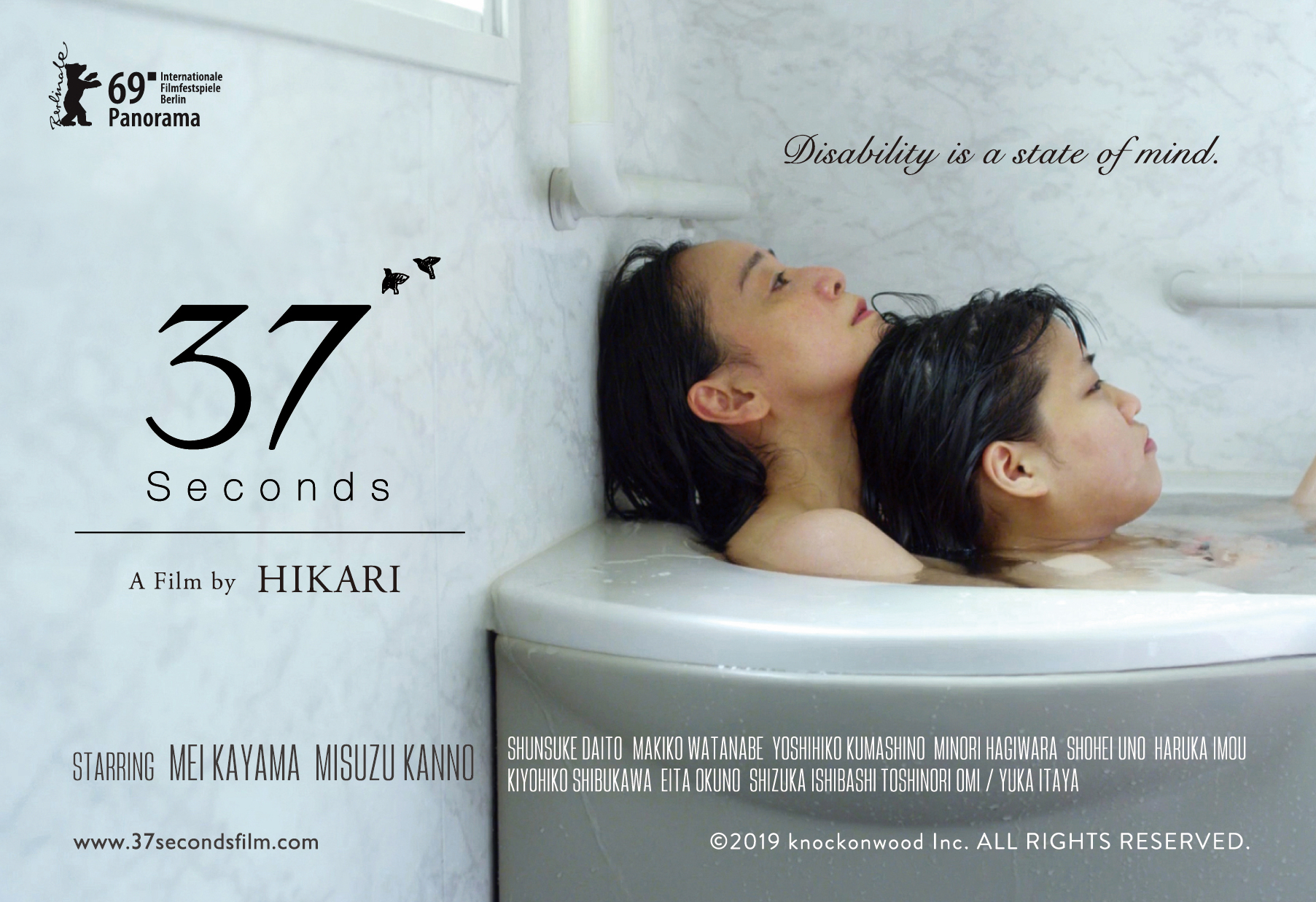
6. 37 Seconds (37セカンズ)

Written and directed by the single-named Hikari, vibrant drama 37 Seconds stars Mei Kayama as an aspiring mangaka with cerebral palsy striving to escape the overbearing caring of her well-meaning mother while trying to gain experience to make it in the world of erotic comics. Review. Streaming via Netflix in many territories!

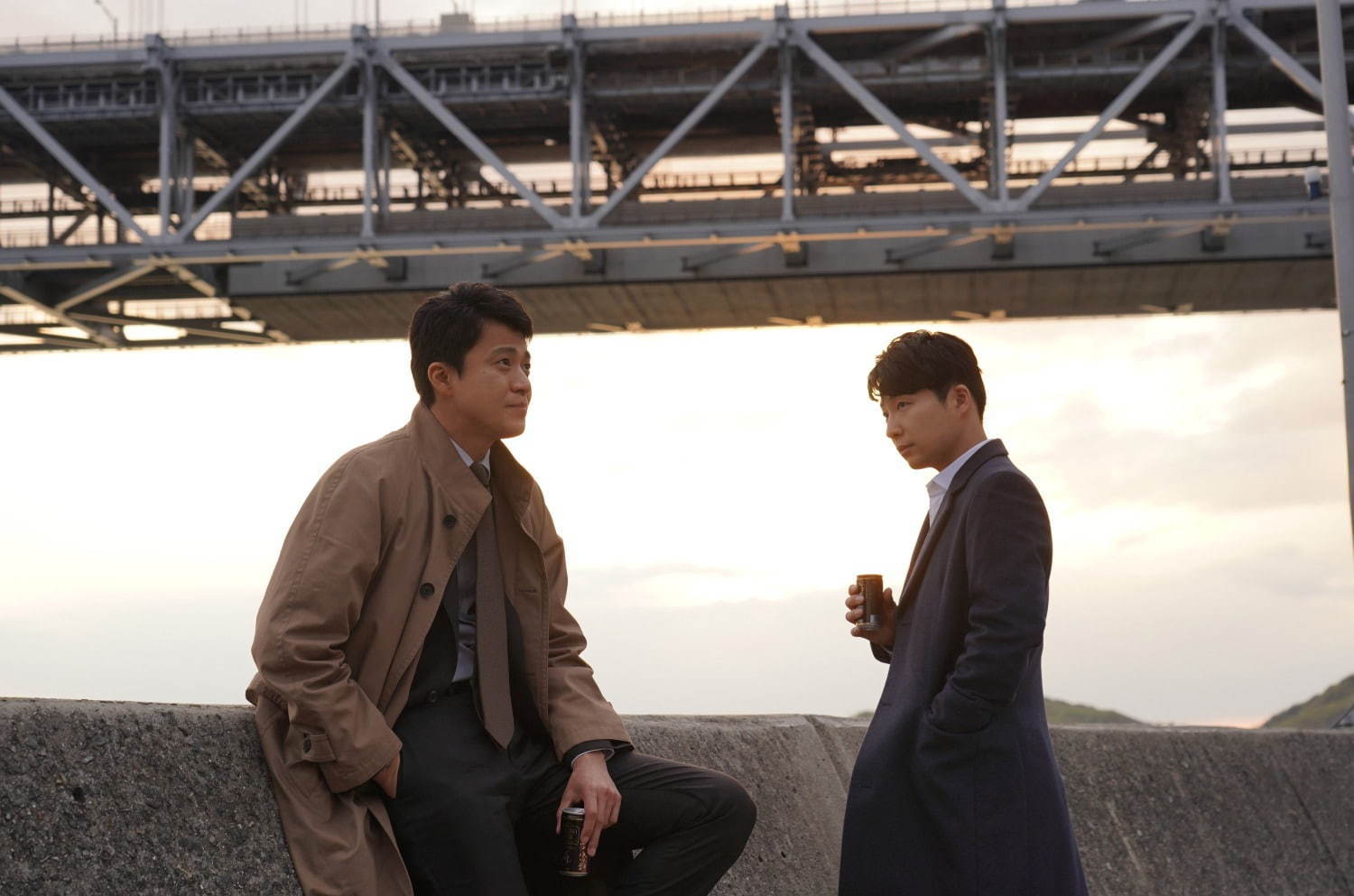
7. The Voice of Sin (罪の声)

Mystery drama adapted from the novel by Takeshi Shiota starring Shun Oguri and Gen Hoshino as a reporter and tailor respectively who each find themselves investigating an unsolved murder from 30 years previously.

8. A Beloved Wife (喜劇 愛妻物語)

Semi-autobiographical comedy drama from screenwriter/director Shin Adachi exploring the toxic marriage between an unsuccessful screenwriter and his resentful, dipsomaniac wife (Best Actress winner Asami Mizukawa). Review.

9. Living in Your Sky (空に住む)

Shinji Aoyama returns to cinema screens for the first time in seven years following 2013’s Backwater adapting the novel by Masato Odake. Mikako Tabe stars as an editor at a publishing house who loses her parents suddenly and moves into a luxury apartment block managed by her uncle where she strikes up a romance with a movie star (Takanori Iwata) living a few floors above.

10. On the Edge of Their Seats (アルプススタンドのはしの方)

Indie drama adapting a popular play first performed by a high school theatre group and set on the bleachers of a high school baseball game.

Best 10 International

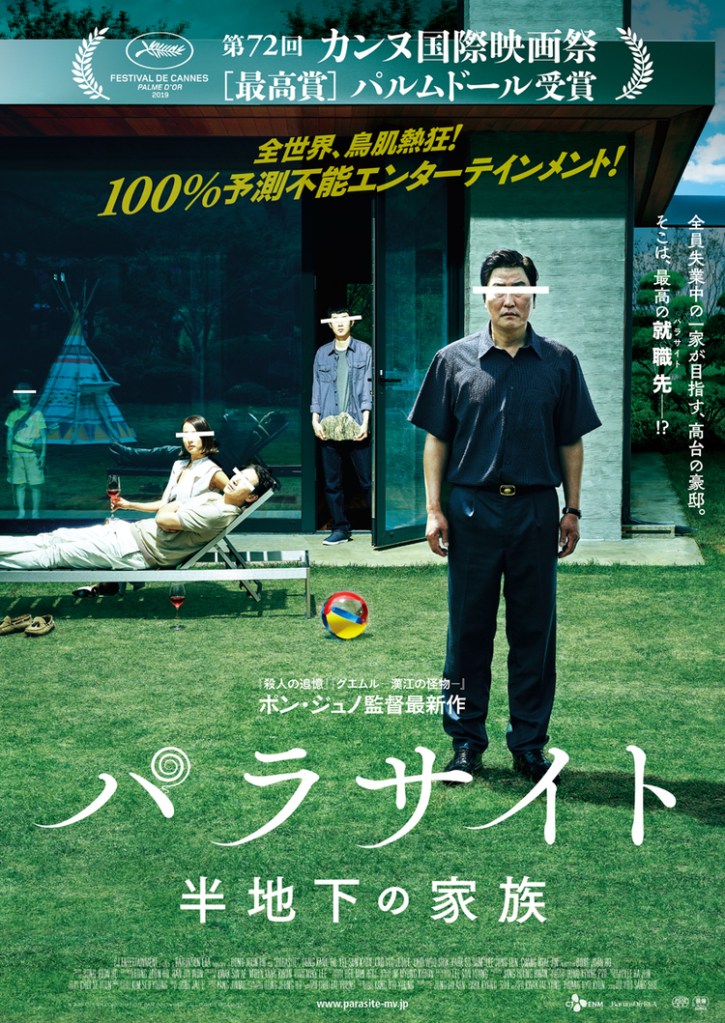
  1. Parasite
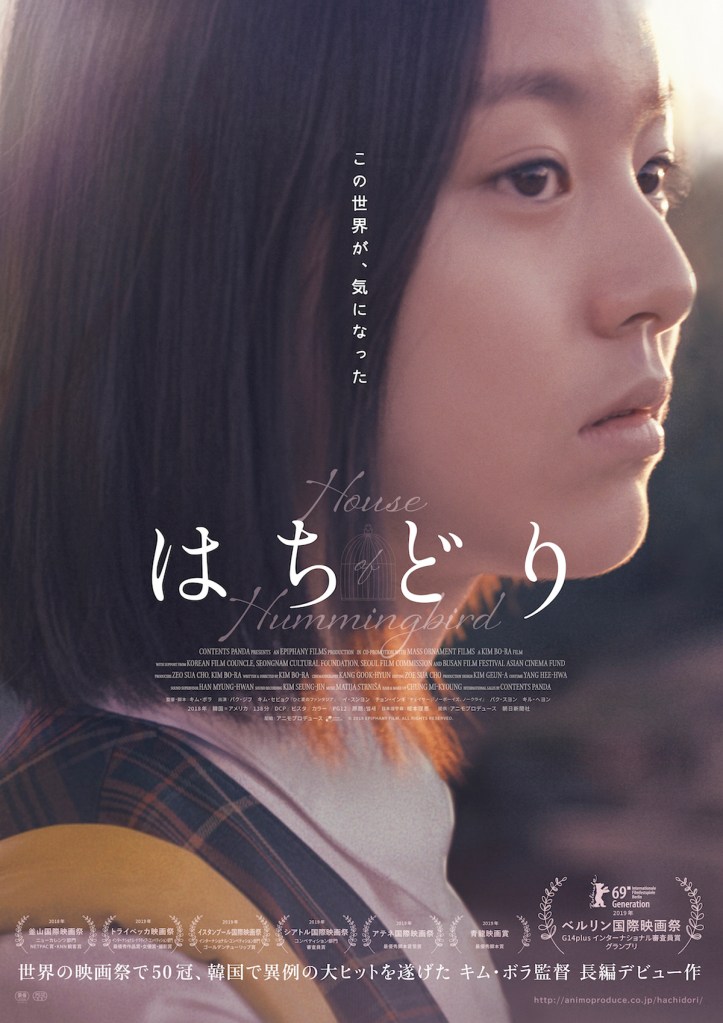
  2. House of Hummingbird
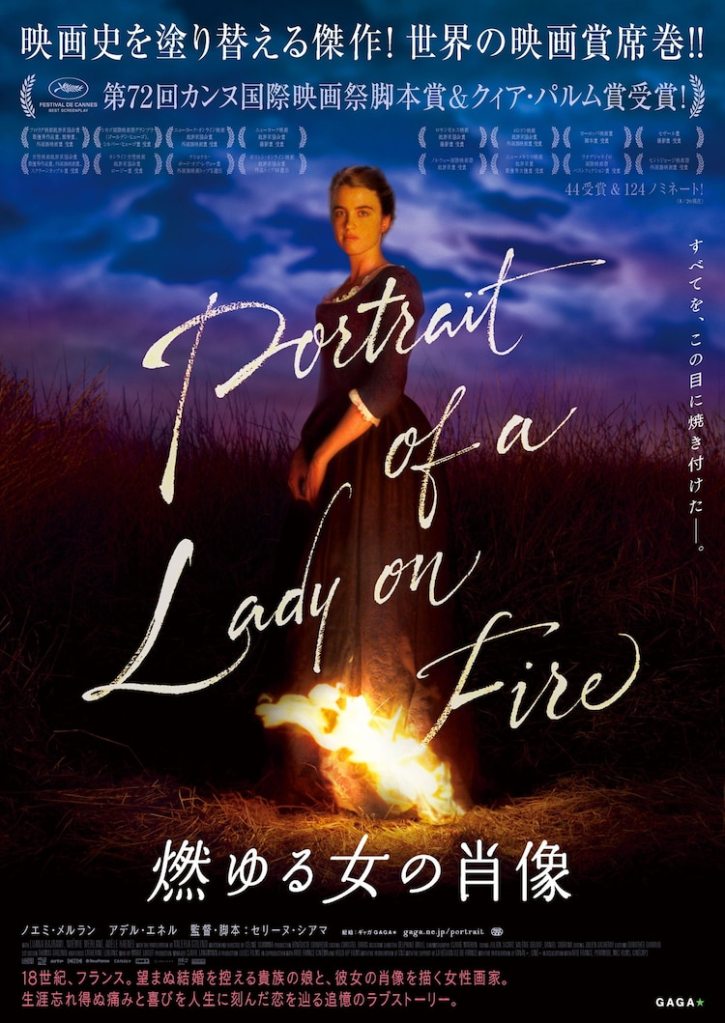
  3. Portrait of a Lady on Fire
  4. Little Women
  5. The Painted Bird 
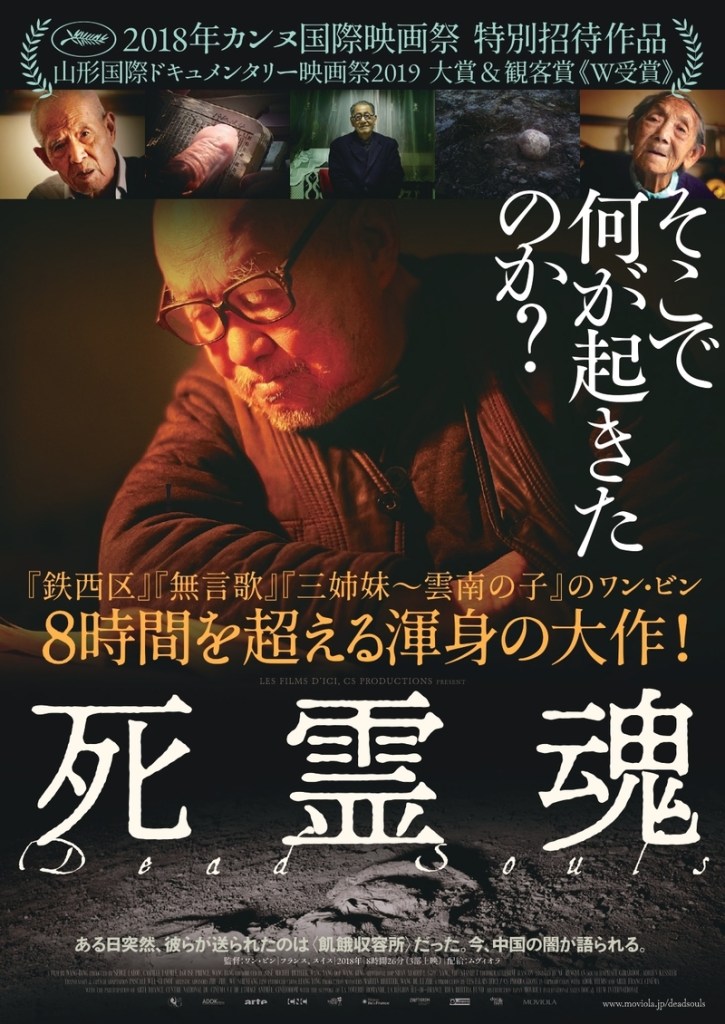
  6. Dead Souls
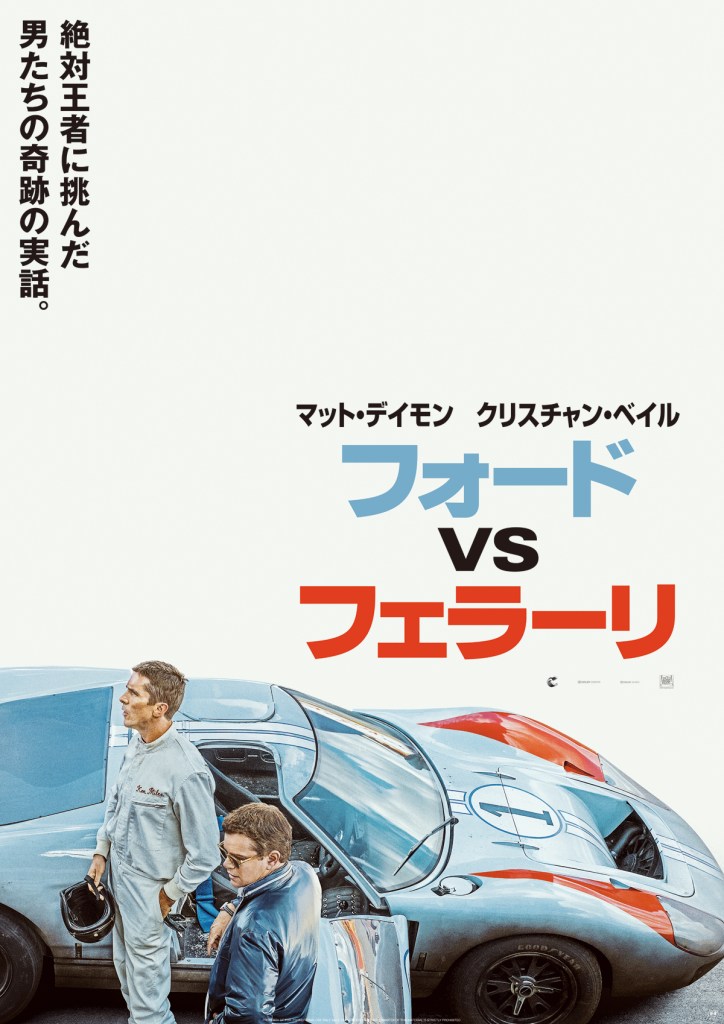
  7. Ford v Ferrari (Le Mans ’66)
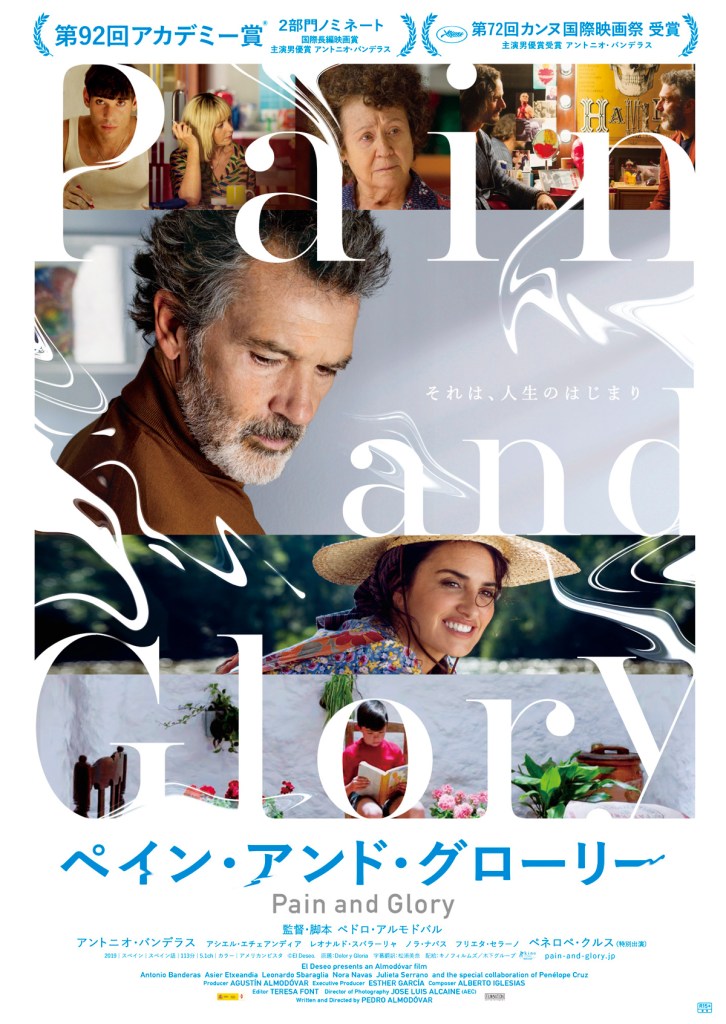
  8. Pain and Glory
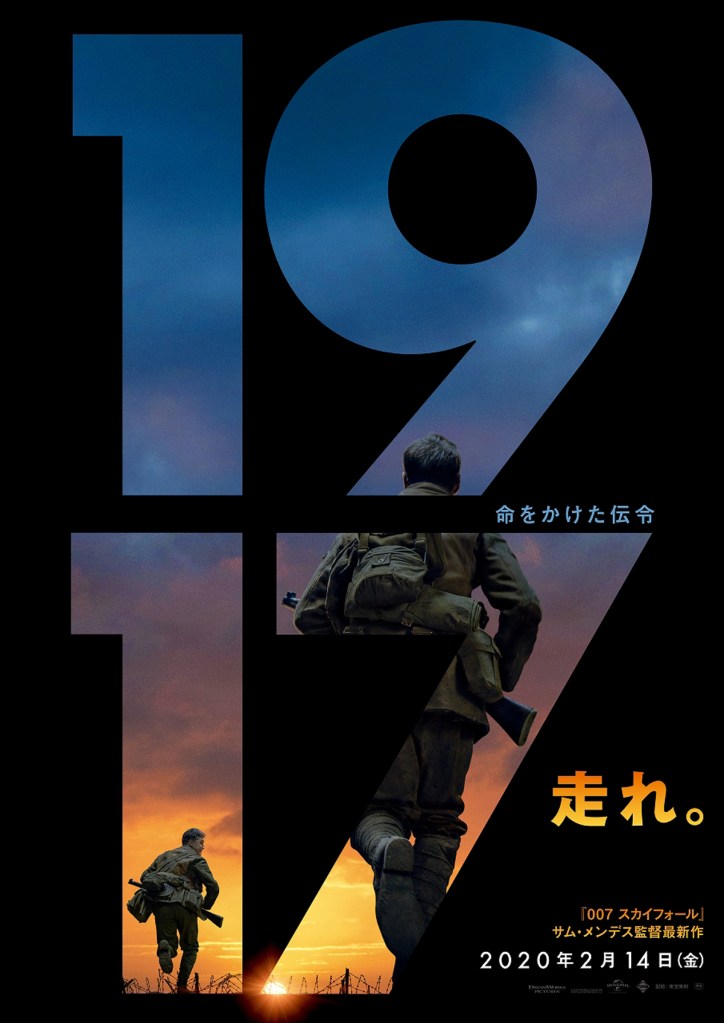
  9. 1917
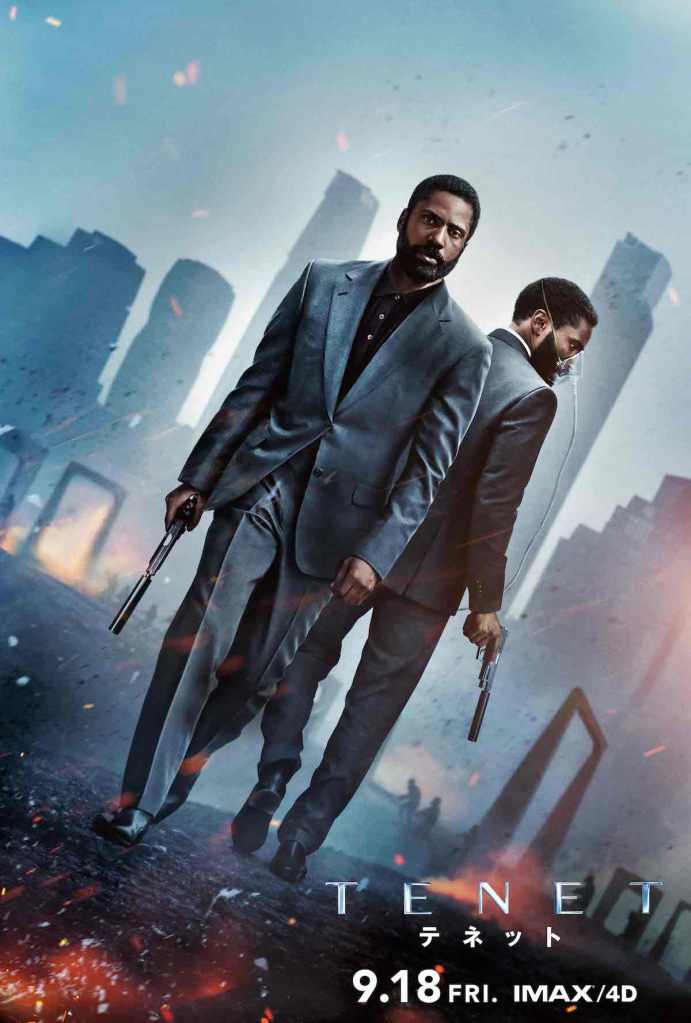
  10. Tenet

Best 10 Documentaries

  1. Why You Can’t Be Prime Minister (なぜ君は総理大臣になれないのか)
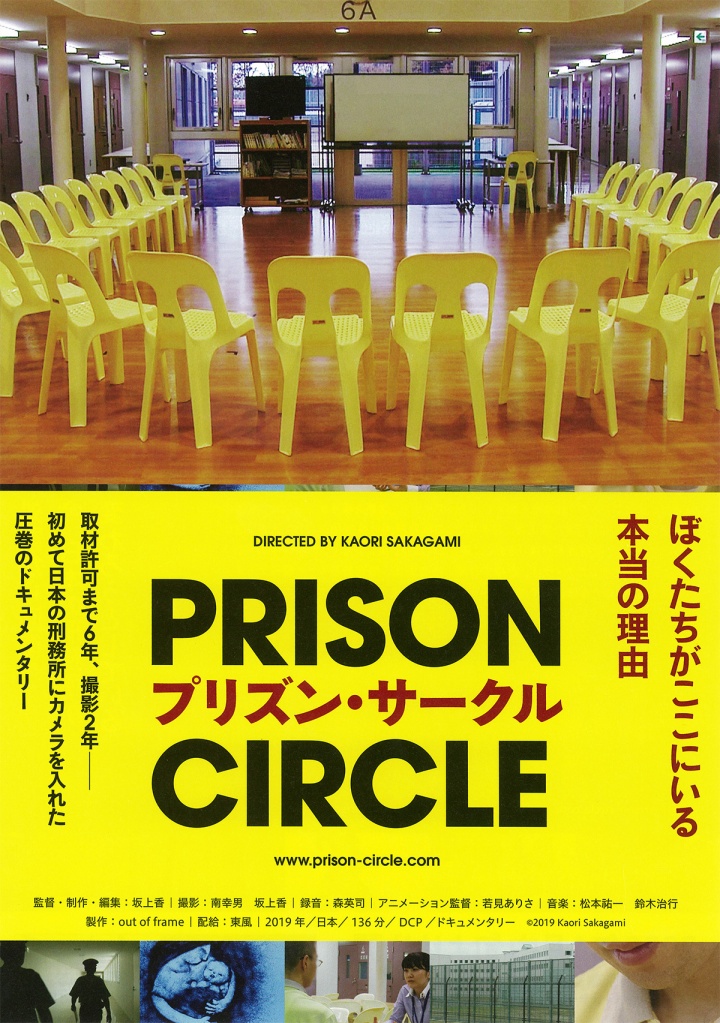
  2. Prison Circle (プリズン・サークル)
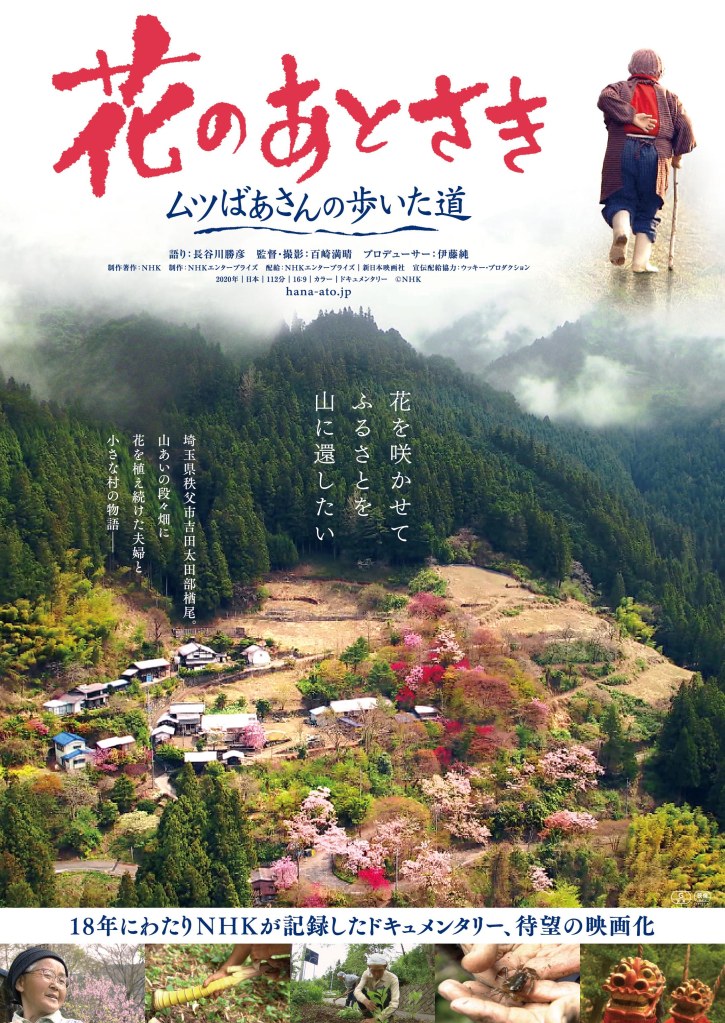
  3. Hana no Atosaki: Mutsu Baasan no Aruita Michi (花のあとさき ムツばあさんの歩いた道)
  4. Mishima: The Last Debate (三島由紀夫vs東大全共闘 50年目の真実)
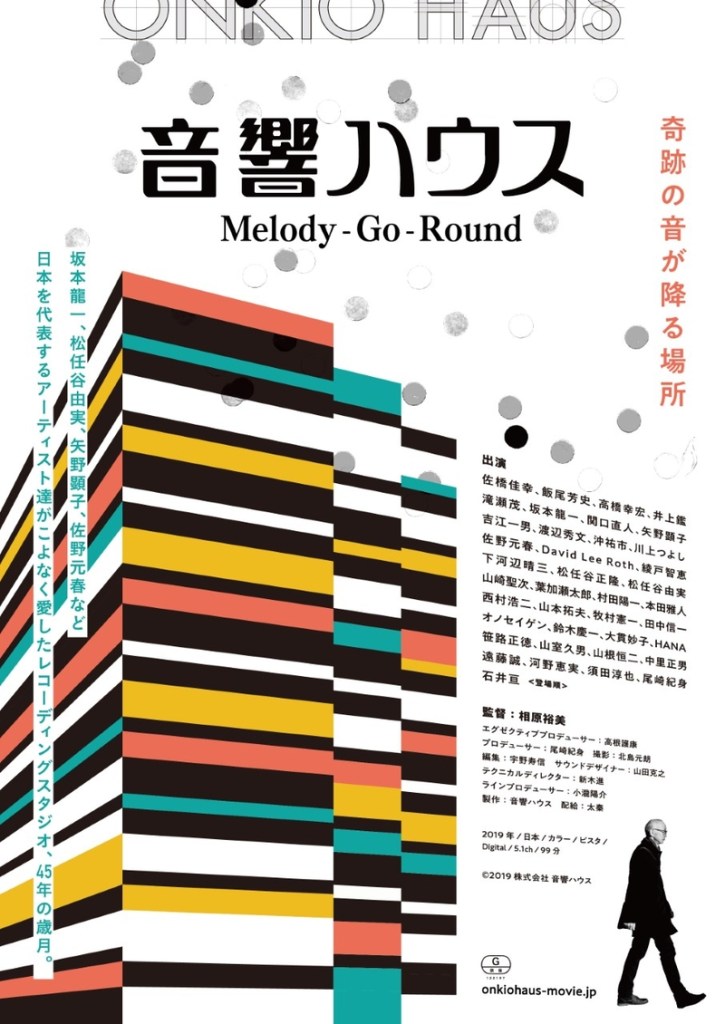
  5. Ongaku House Melody-Go-Round (音響ハウス Melody-Go-Round)
  6. Jose Mujica: Sekai de Ichiban Mazushii Daitoryo kara Nihonjin e (ムヒカ 世界でいちばん貧しい大統領から日本人へ)
  7. Tane wa Dare no Mono (タネは誰のもの)
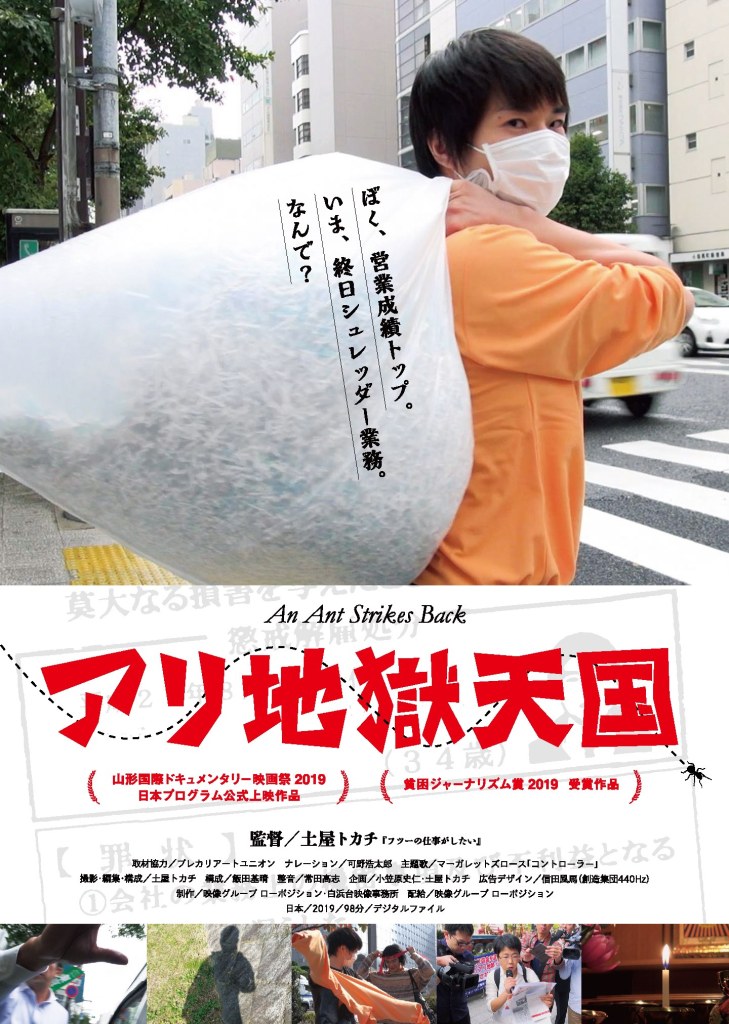
  8. An Ant Strikes Back (アリ地獄天国)
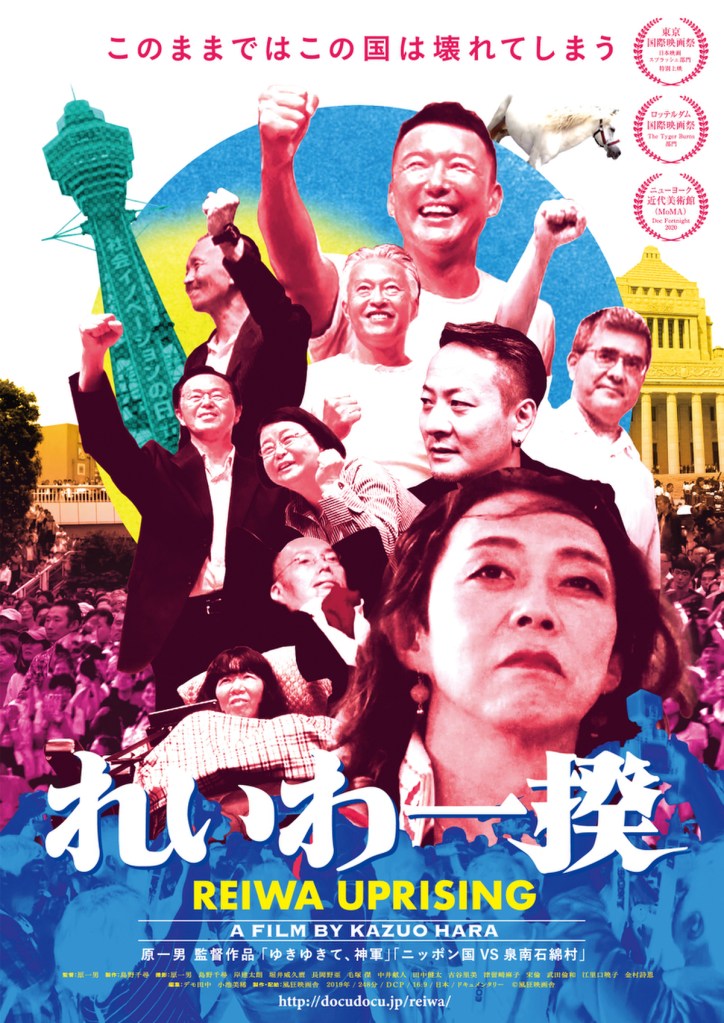
  9. Reiwa Uprising (れいわ一揆)
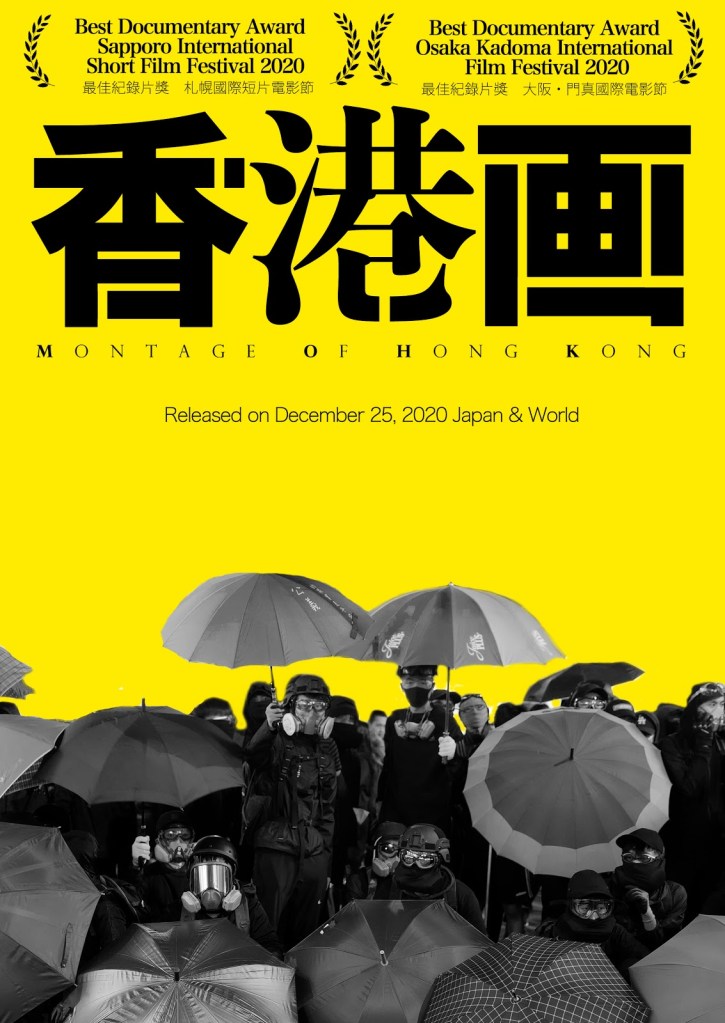
  10. Montage of Hong Kong (香港画)

Individual Awards

Best Director: Nobuhiko Obayashi (Labyrinth of Cinema)

Best Screenplay: Ryusuke Hamaguchi / Tadashi Nohara / Kiyoshi Kurosawa (Wife of a Spy)

Best Director (international): Bong Joon-ho (Parasite)

Best Actress: Asami Mizukawa (A Beloved Wife / Runway)

Best Actor: Mirai Moriyama (Underdog)

Best Supporting Actress: Aju Makita (True Mothers)

Best Supporting Actor: Shohei Uno (The Voice of Sin / The Real Thing / A Beast in Love / 37 Seconds / Child of the Stars)

Best Newcomer (actress): Serena Motola (Voices in the Wind / Life: Untitled)

Best Newcomer (actor): Daiken Okudaira (Mother)

Readers’ Choice Best Director: Mitsutoshi Tanaka (Tengaramon)

Readers’ Choice Best Director (international): Bong Joon-ho (Parasite)

Readers’ Choice Award: Saburo Kawamoto – Eiga wo Mireba Wakaru Koto (映画を見ればわかること)

Special Award: Teruyo Nogami (producer)

Source: Kinema Junpo official website.

Kinema Junpo Announces 93rd Best 10 for 2019

Prestigious cinema magazine Kinema Junpo has released its always anticipated “Best 10” list for films released in 2019, the 93rd edition. Steamy drama It Feels So Good takes the top spot in a list which is (almost) entirely free of surprise awards juggernaut Fly Me to the Saitama.

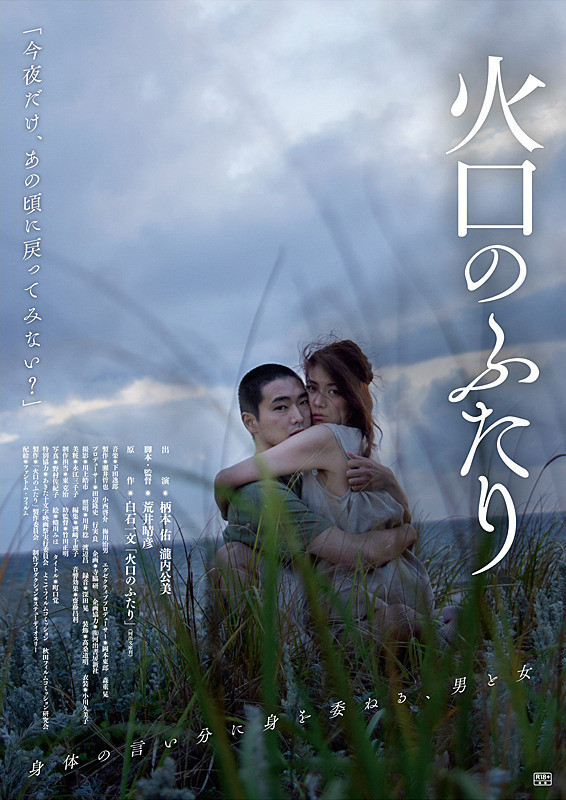
1. It Feels so Good (火口の ふたり)

Steamy drama from Haruhiko Arai – screenwriter, critic, and editor of film magazine Eiga Geijutsu, starring Tasuku Emoto as a young man who’s lost his job and got divorced. Retreating to his hometown, he reconnects with an old flame (Kumi Takiuchi) in the days before her wedding to another man.

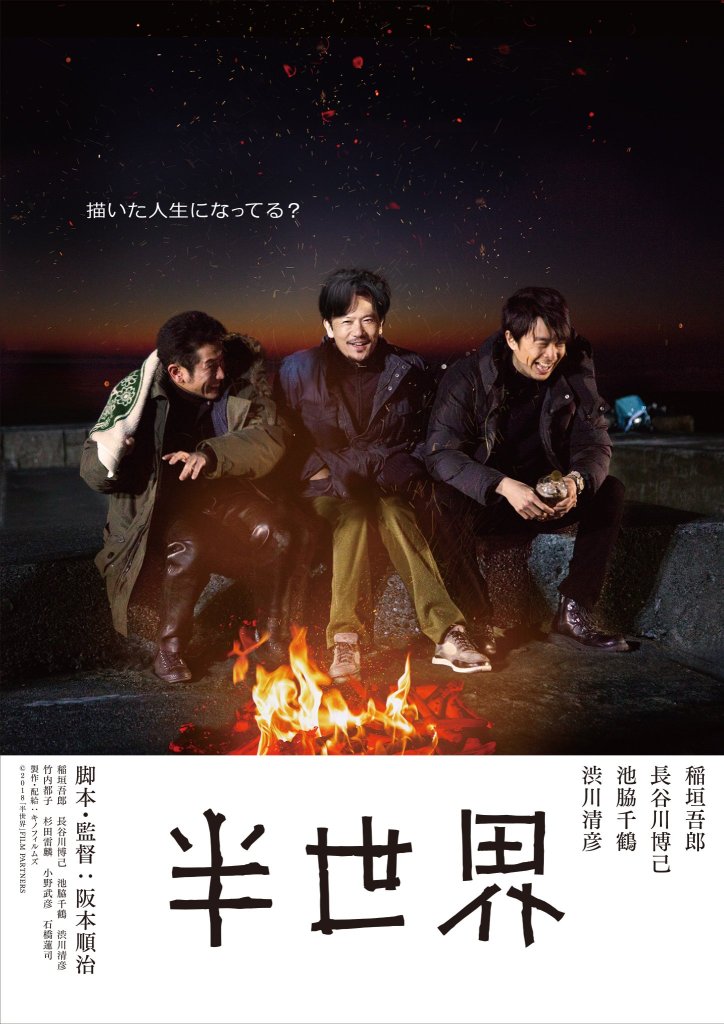
2. Another World (半世界)

Male friendship drama from Junji Sakamoto in which a traumatised soldier returns to his small town home and tries to reconnect with the friends of his youth.

3. From Miyamoto to You (宮本から君へ)

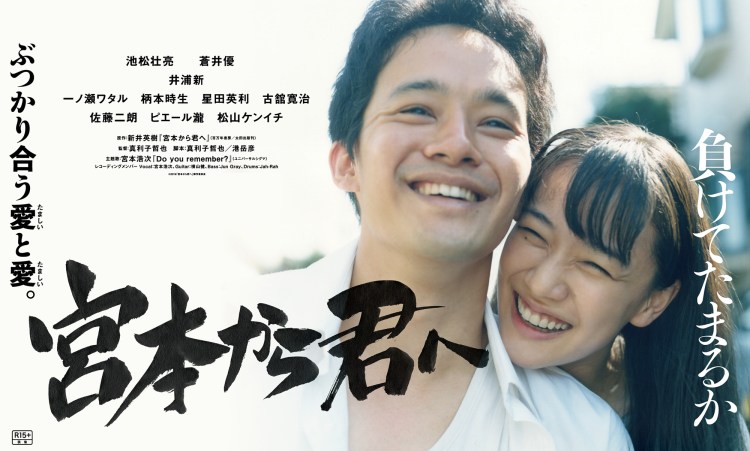
Sequel to a TV drama directed by Tetsuya Mariko (Destruction Babies) starring Sosuke Ikematsu as a shy salesman who falls for Yu Aoi’s office worker.

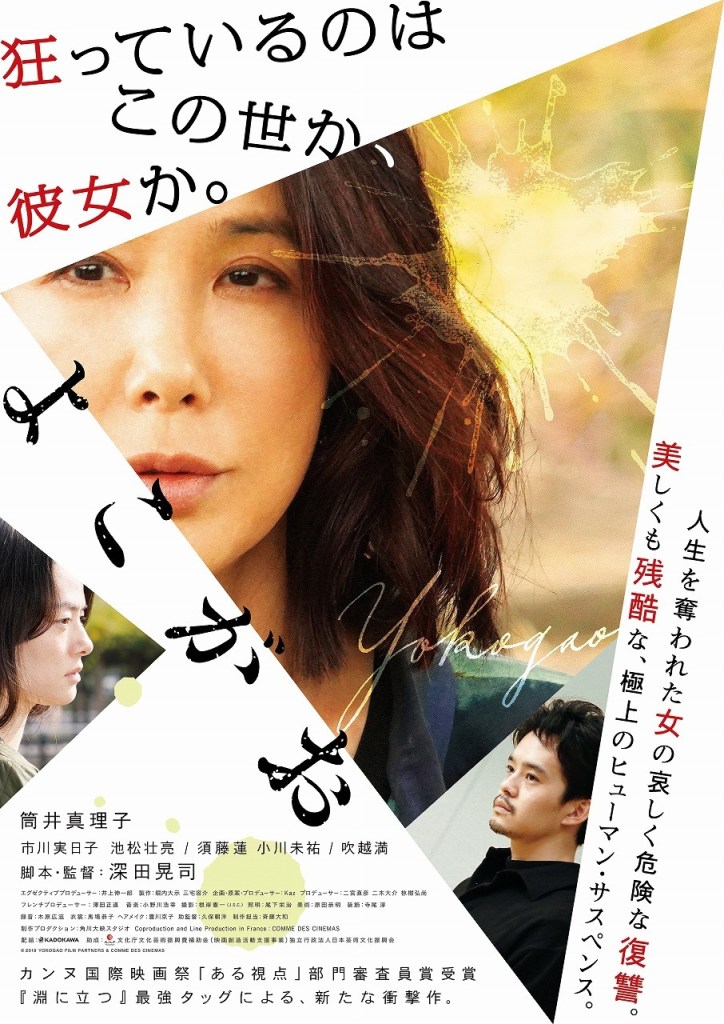
4. A Girl Missing (よこがお)

Drama from Koji Fukada in which a homecare nurse is implicated in the disappearance of her employer’s daughter.

5. Listen to the Universe (蜜蜂と遠雷)

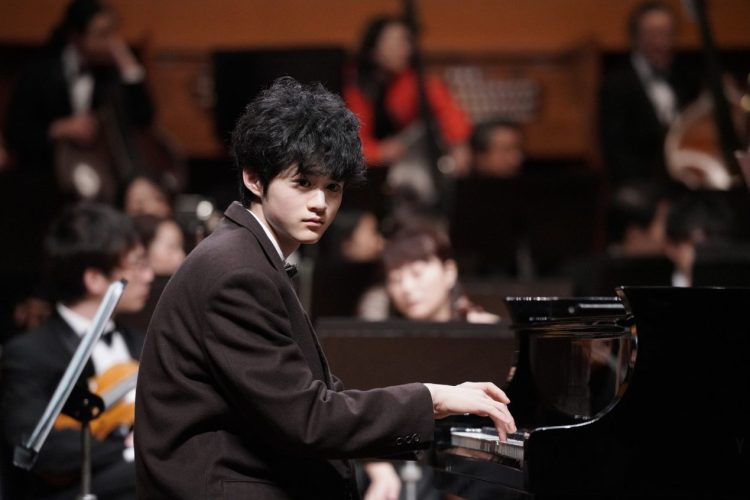
Adaptation of Riku Onda’s novel following four aspiring concert pianists directed by Kei Ishikawa (Gukoroku: Traces of Sin)

6. Farewell Song (さよならくちびる)

Love triangle drama from Akihiko Shiota in which a two-piece folk band (Nana Komatsu & Mugi Kadowaki) go on one last tour with a male roadie (Ryo Narita) who disrupts their dynamic.

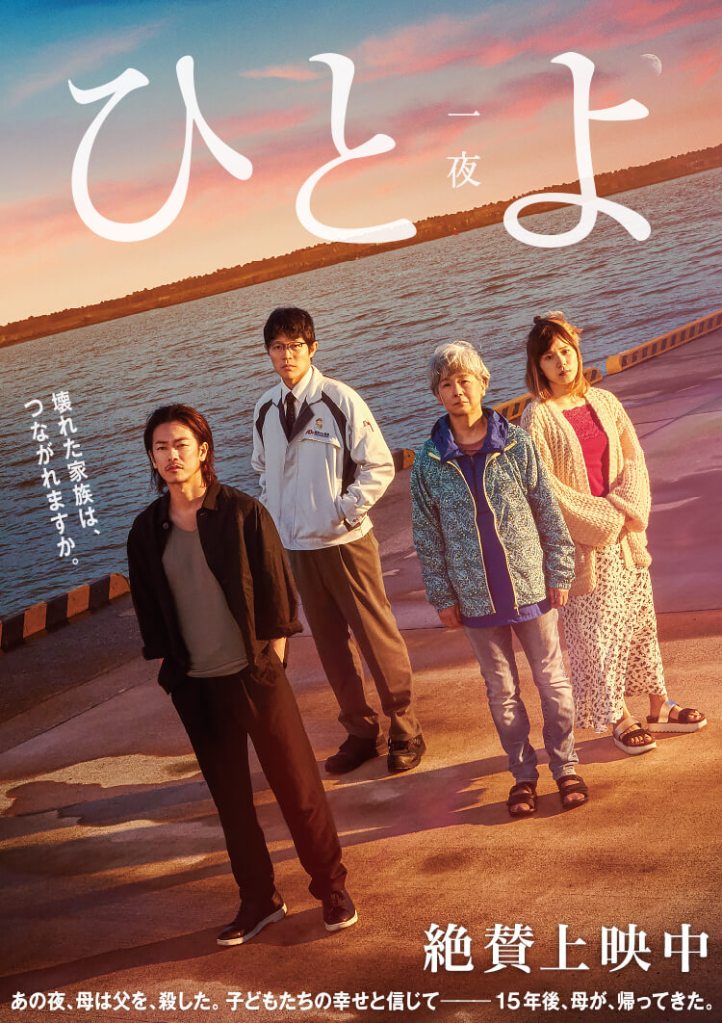
7. One Night (ひとよ)

Drama from Kazuya Shiraishi in which a scattered family reunites 15 years after one traumatic night.

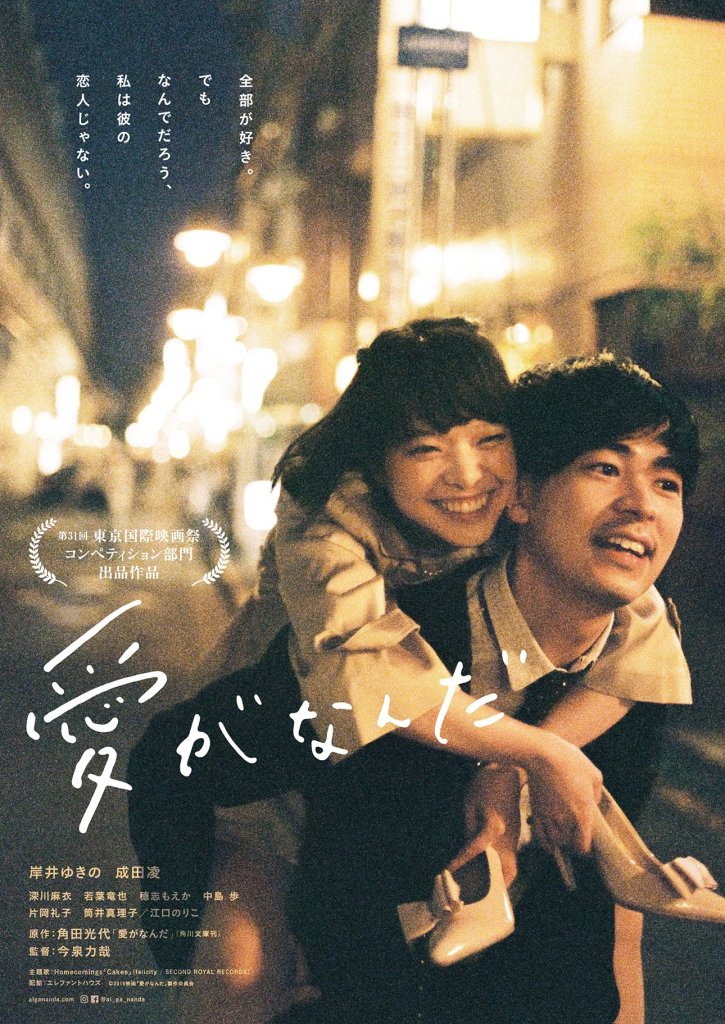
8. Just Only Love (愛がなんだ)

Rikiya Imaizumi adapt’s Mitsuyo Kakuta’s novel in which a lovelorn office lady (Yukino Kishii) gets into a casual relationship with a colleague (Ryo Narita) but gradually realises he’s just not that into her.

9. RANDEN: The Comings and Goings on a Kyoto Tram (嵐電)

Three stories of love occur along the the iconic Kyoto tramline as a writer from Kamakura searches for a ghost train while recalling memories of his wife, a local girl helps a Tokyo actor master the Kyoto accent, and a girl from Aomori falls for a trainspotter!

10. To the Ends of the Earth (旅のおわり世界のはじまり)

Kiyoshi Kurosawa reunites with recent muse Atsuko Maeda as a lost TV presenter goes searching for herself while filming in Uzbekistan.

Best 10 International

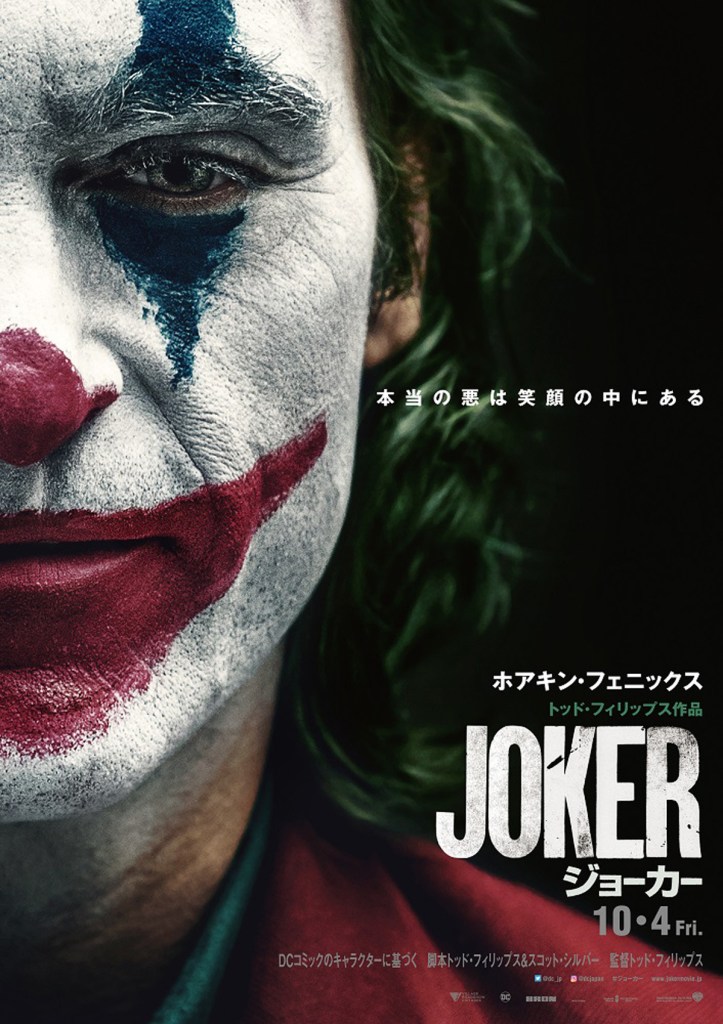
  1. Joker
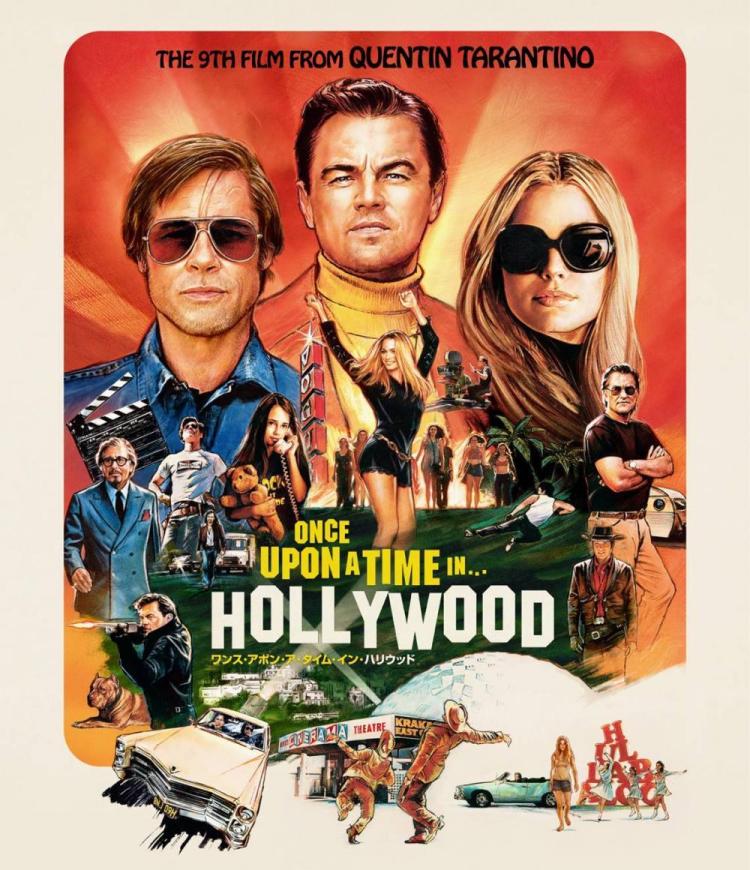
  2. Once Upon a Time in Hollywood
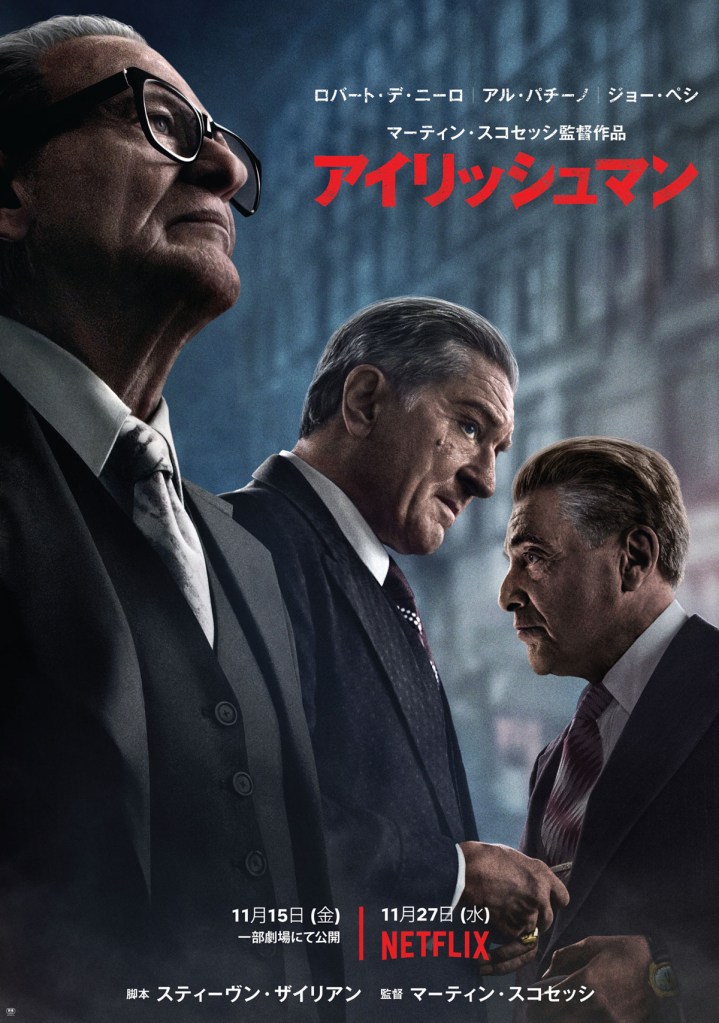
  3. The Irishman
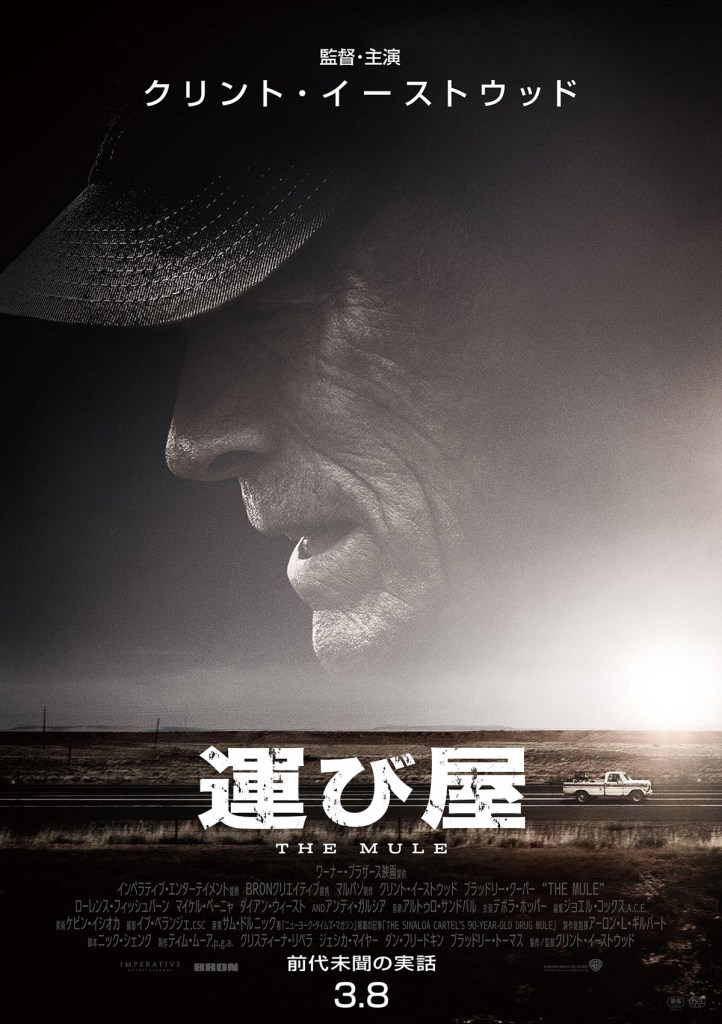
  4. The Mule
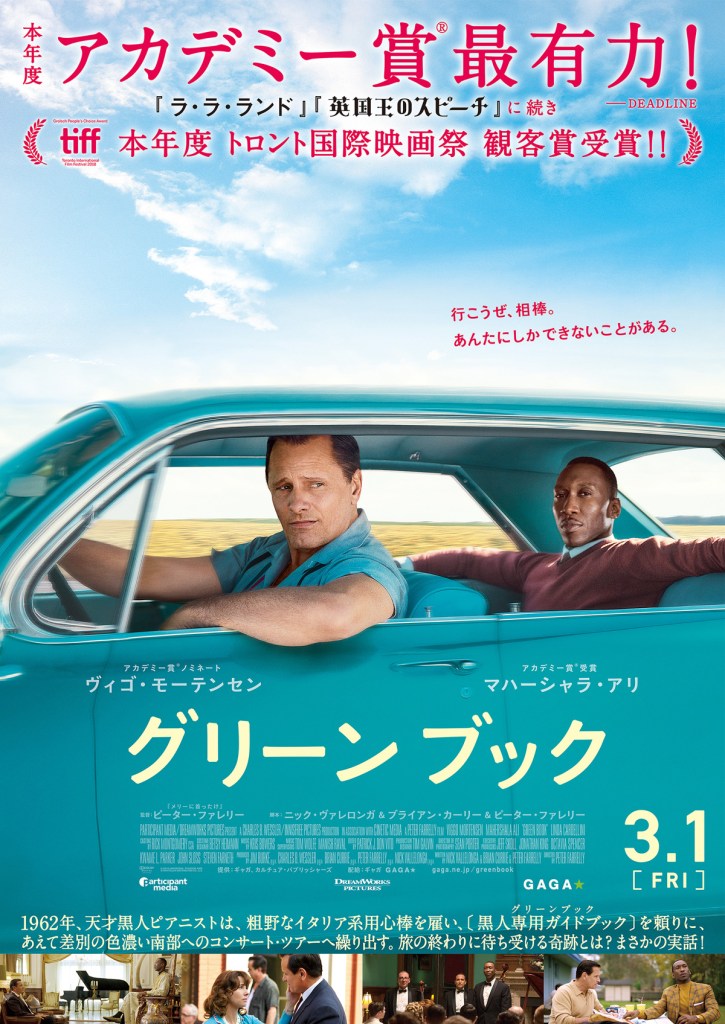
  5. Green Book
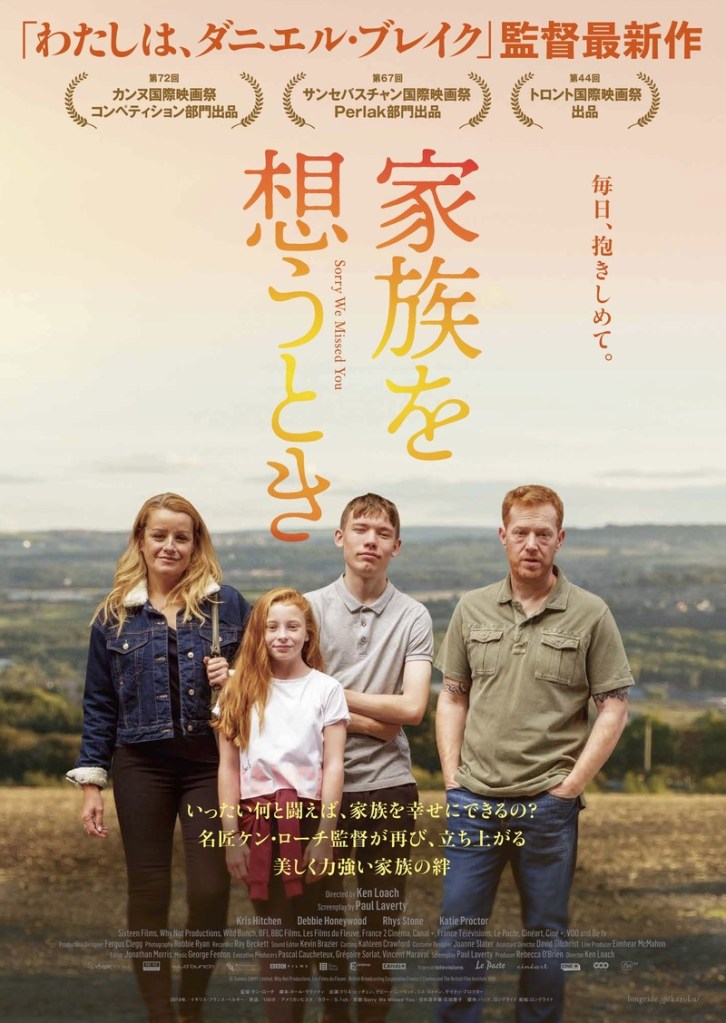
  6. Sorry We Missed You
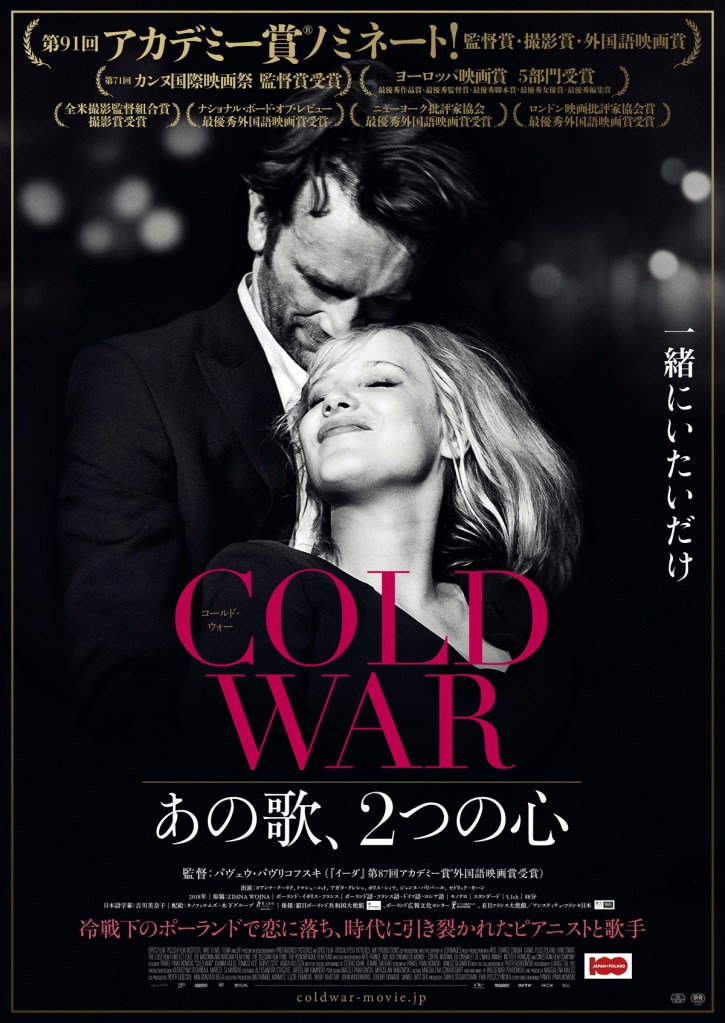
  7. Cold War
  8. Roma
  9. An Elephant Sitting Still
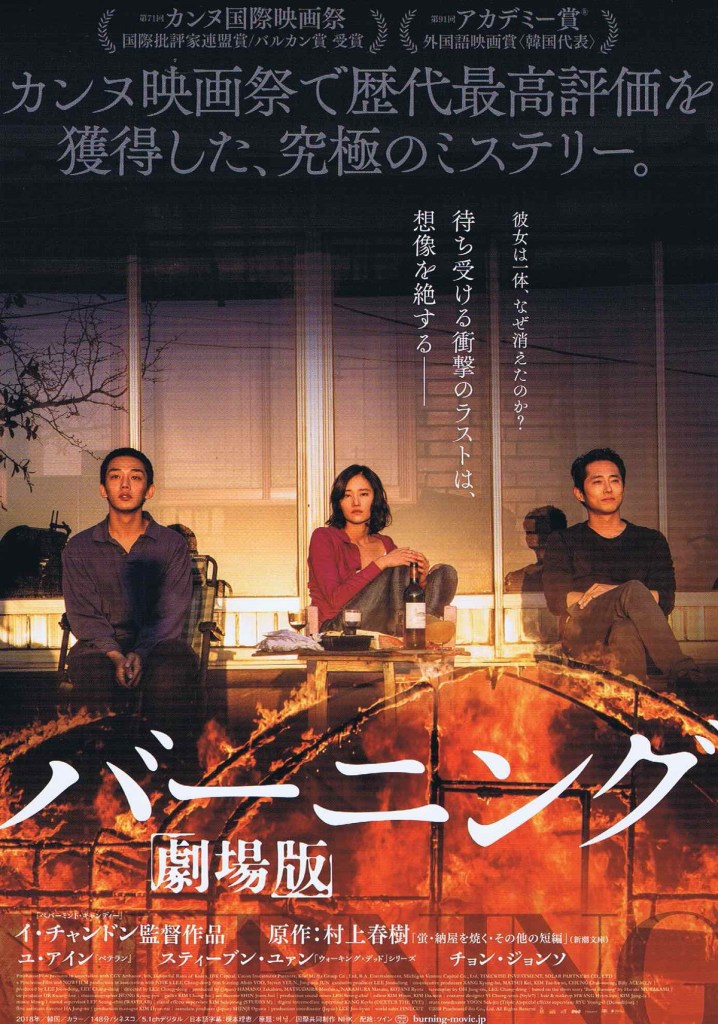
  10. Burning

Best 10 Documentaries

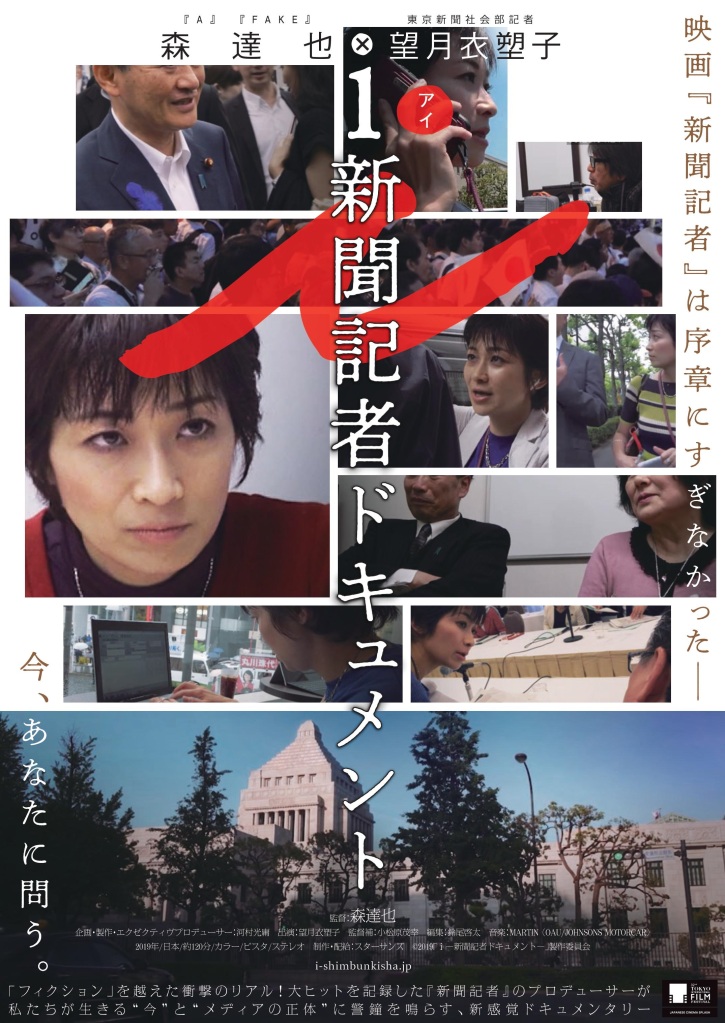
  1. i -Documentary of the Journalist- (i-新聞記者ドキュメント-, Tatsuya Mori)
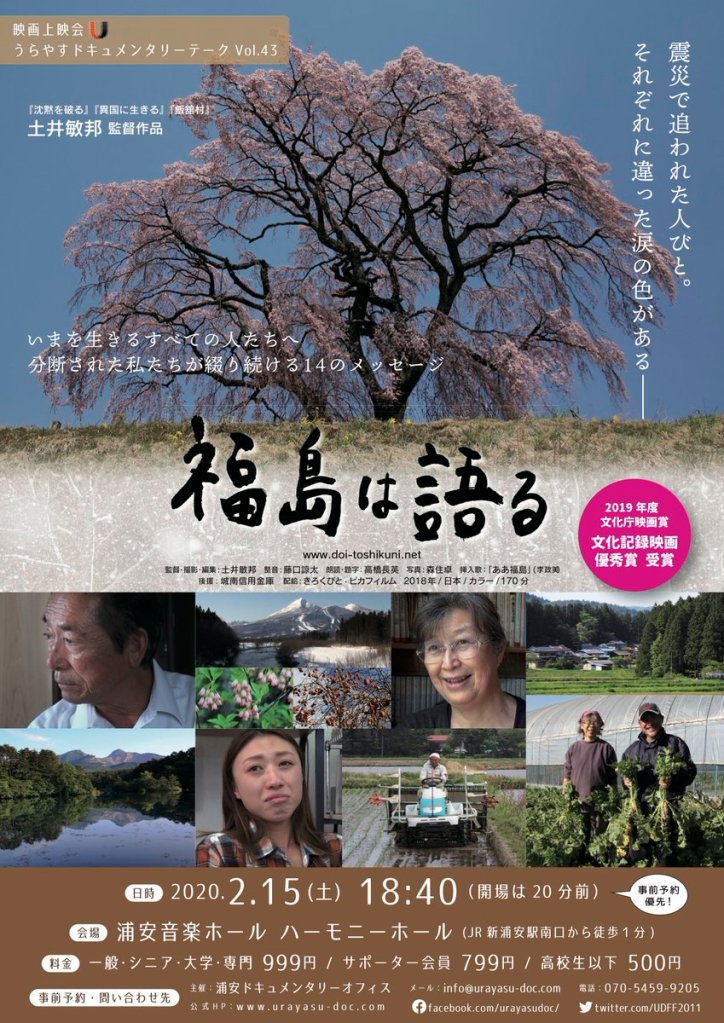
  2. Fukushima Speaks (福島は語る, Toshikuni Doi) 
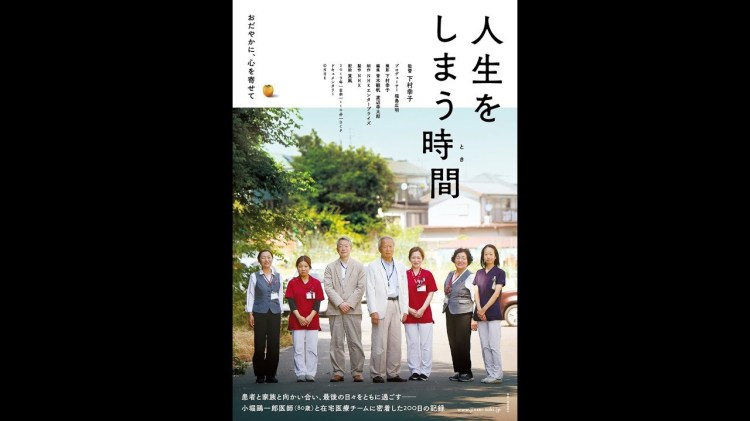
  3. Jinsei wo Shimau Toki (人生をしまう時間(とき), Sachiko Shimomura)
  4. Yamafutokoro ni Idakarete (山懐に抱かれて, Takashi Endo)
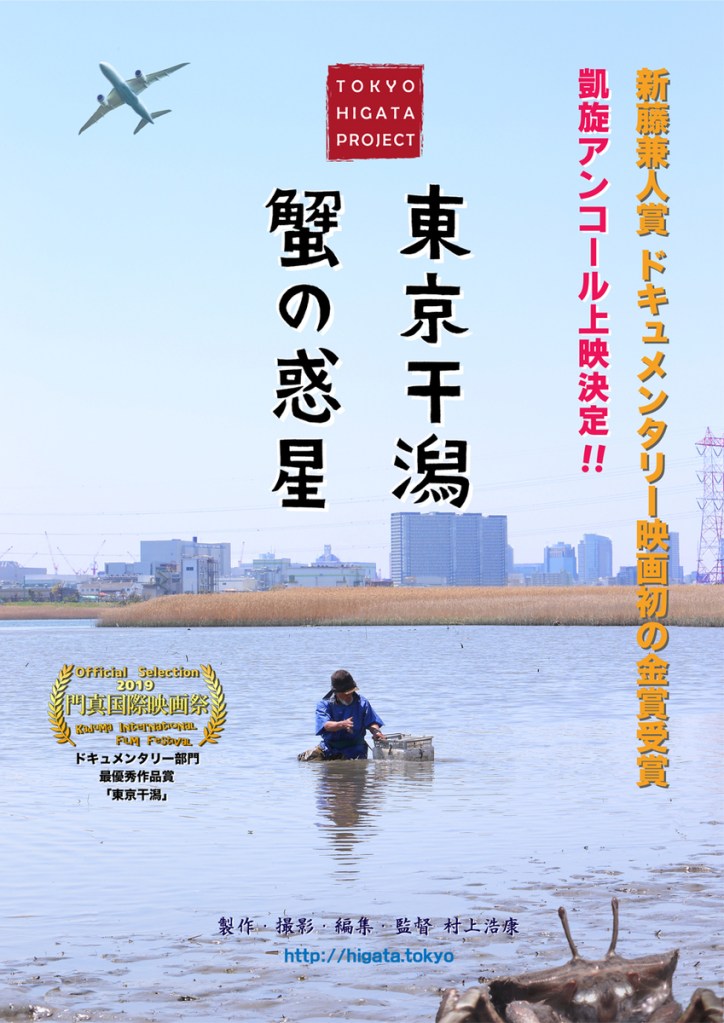
  5. Planet of the Crabs (蟹の惑星, Hiroyasu Murakami)
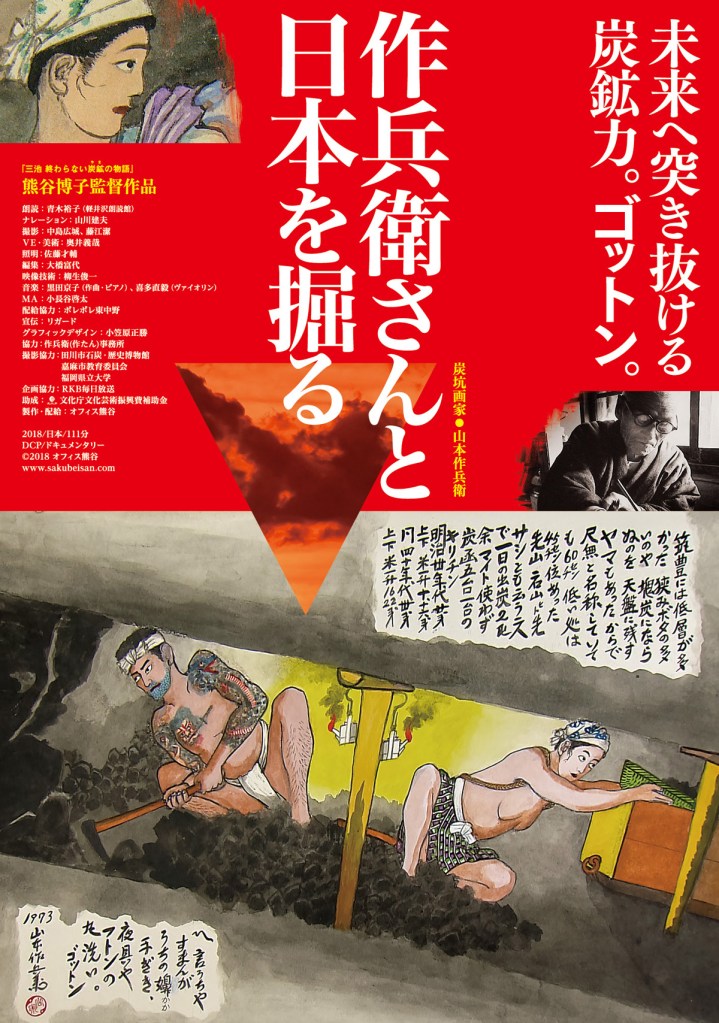
  6. Sakubei and the Mining of Japan (作兵衛さんと日本を掘る, Hiroko Kumagai)
  7. Tokyo High Tide (東京干潟, Hiroyasu Murakami))
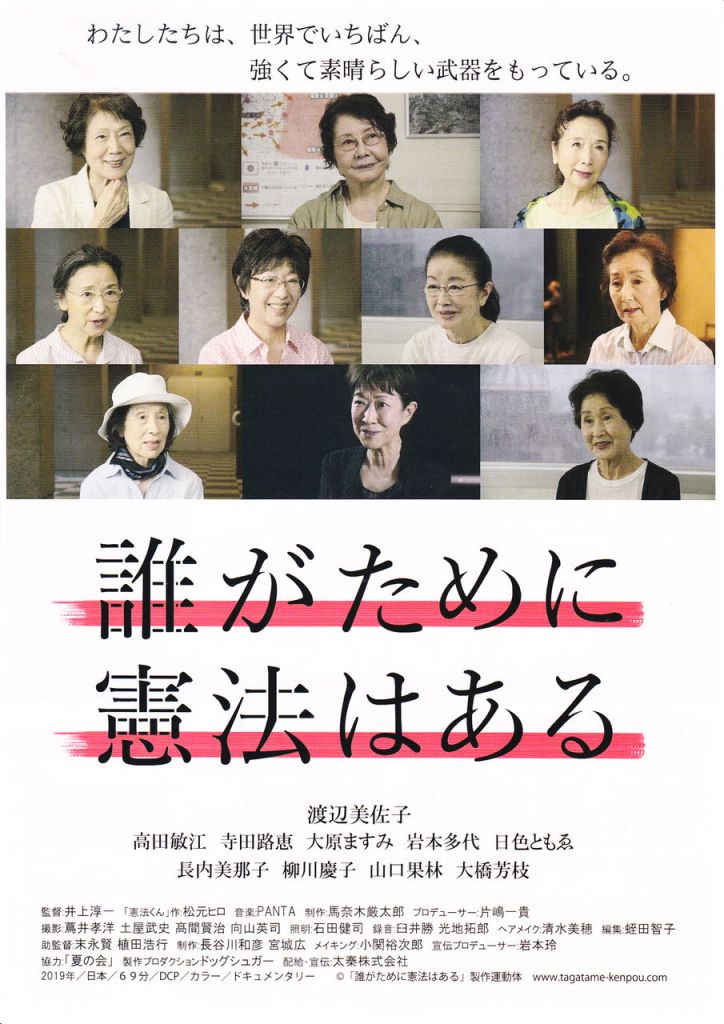
  8. Dare ga Tame ni Kenpo wa Aru (誰がために憲法はある, Junichi Inoue)
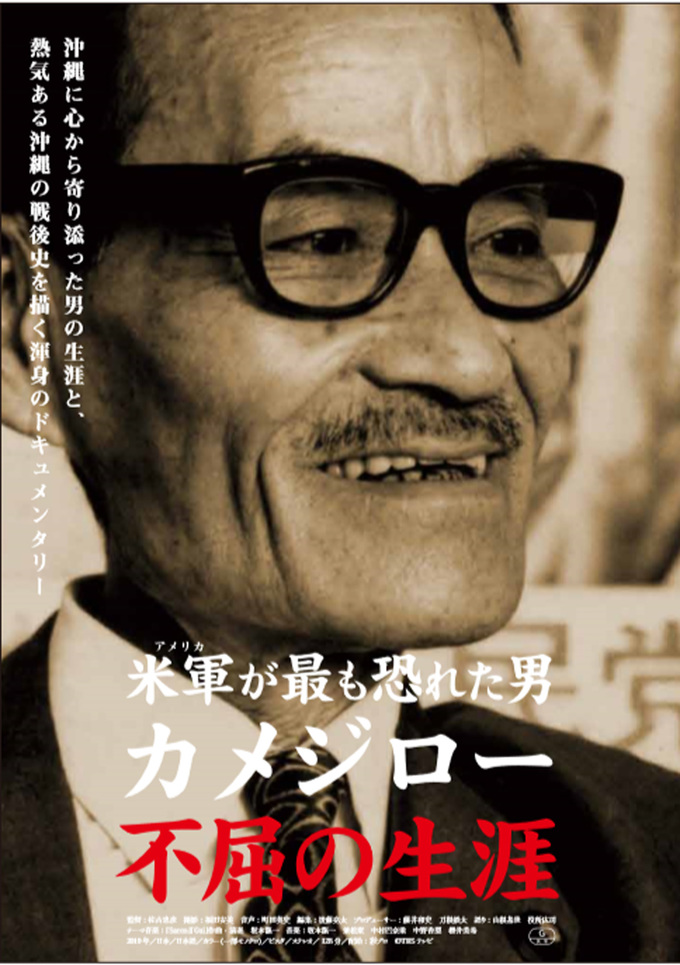
  9. America ga Mottomo Osoreta Otoko: Kamejiro – Fukutsu no Shogai (米軍(アメリカ)が最も恐れた男 カメジロー不屈の生涯, Tadahiko Sato)
  10. Korean Schools in Japan (アイたちの学校, Ko Chanyu)

Readers’ Best 10 (Japan)

  1. Another World (半世界)
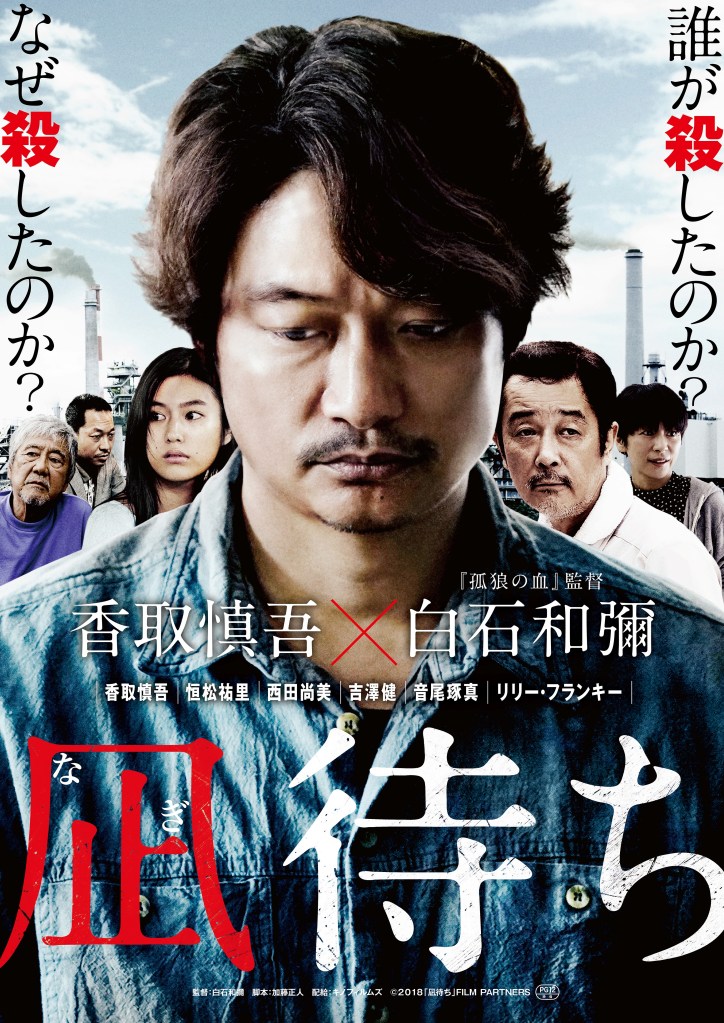
  2. Sea of Revival (凪待ち)
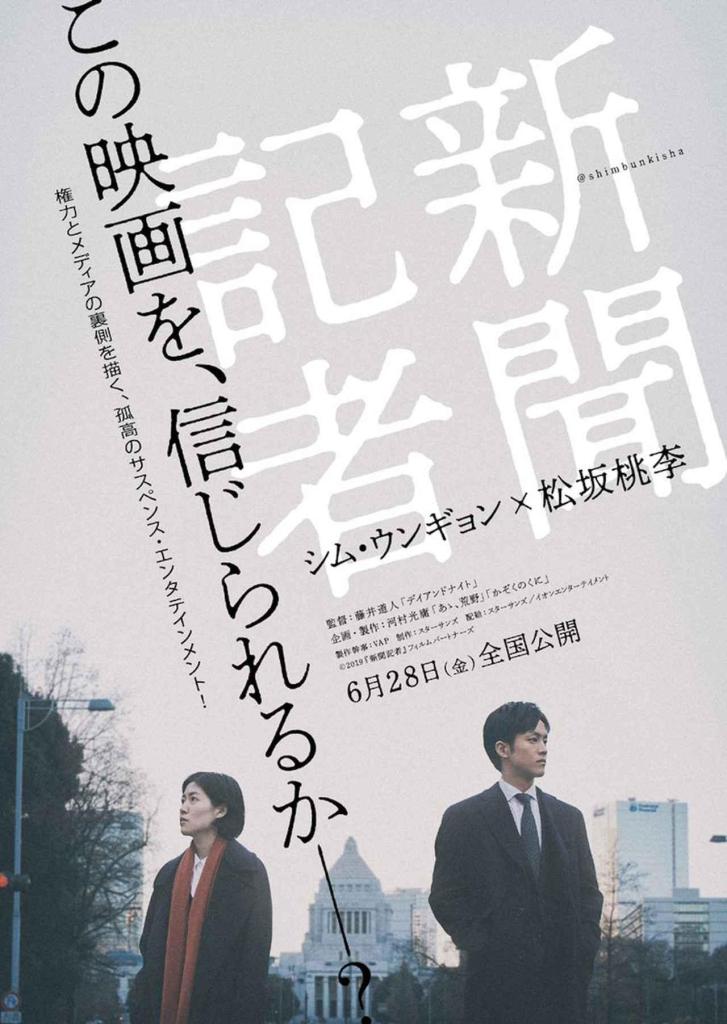
  3. The Journalist (新聞記者)
  4. One Night (ひとよ)
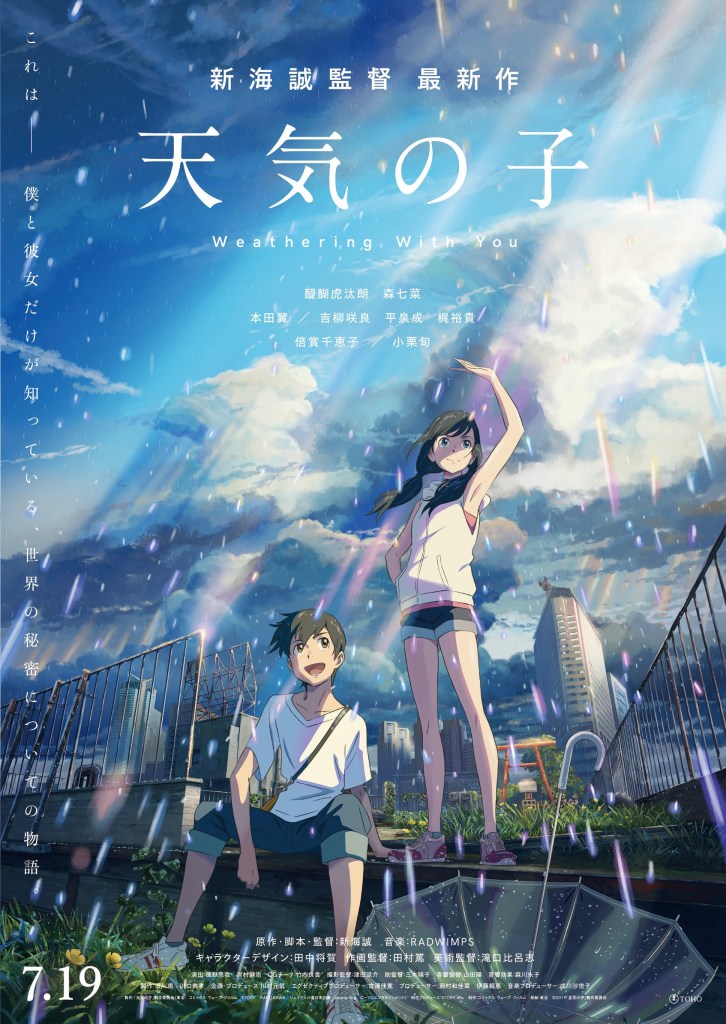
  5. Weathering with You (天気の子)
  6. Just Only Love (愛がなんだ)
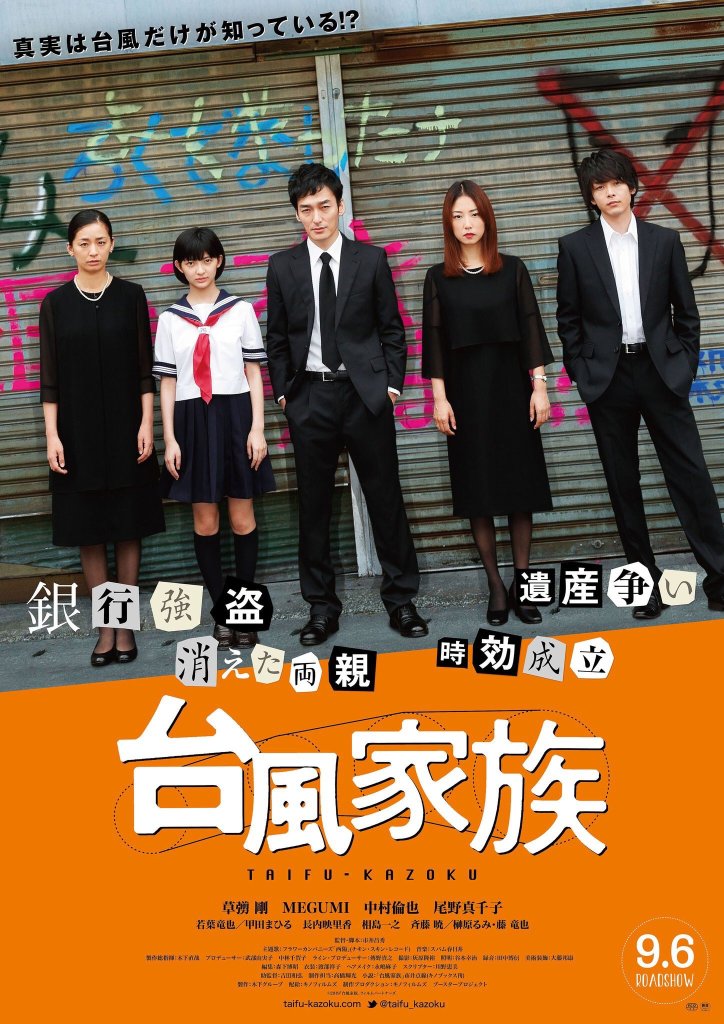
  7. Typhoon Family (台風家族)
  8. From Miyamoto to You (宮本から君へ)
  9. A Girl Missing (よこがお)
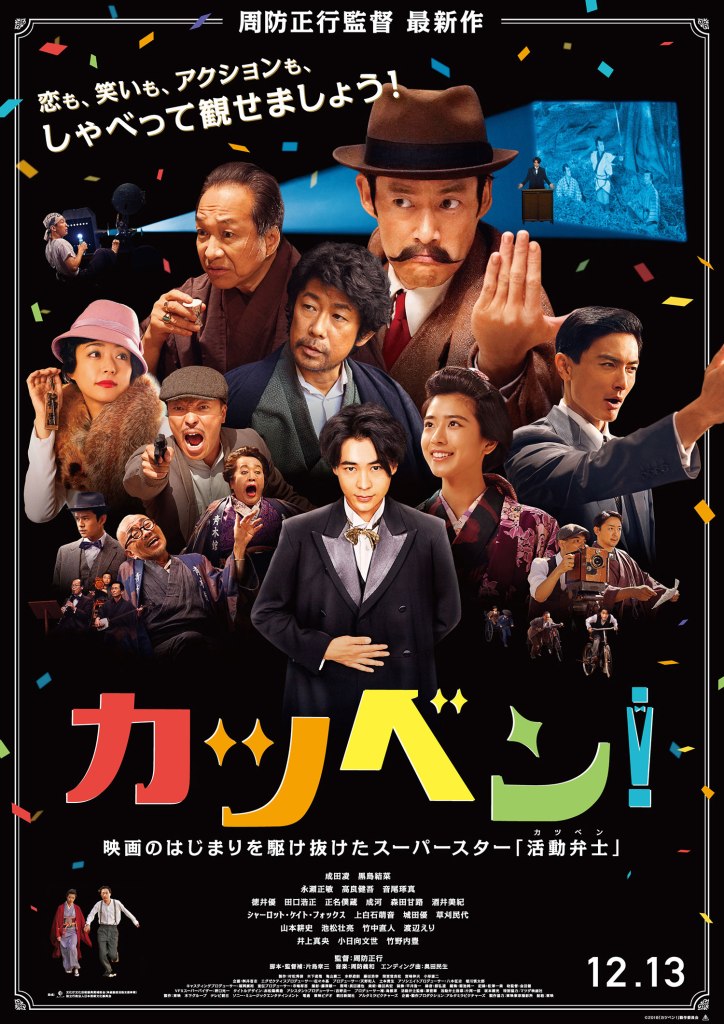
  10. Talking the Pictures (カツベン!)

Readers’ Best 10 (International)

  1. Joker
  2. Green Book
  3. The Mule
  4. Once Upon a Time in Hollywood
  5. Roma
  6. The Irishman
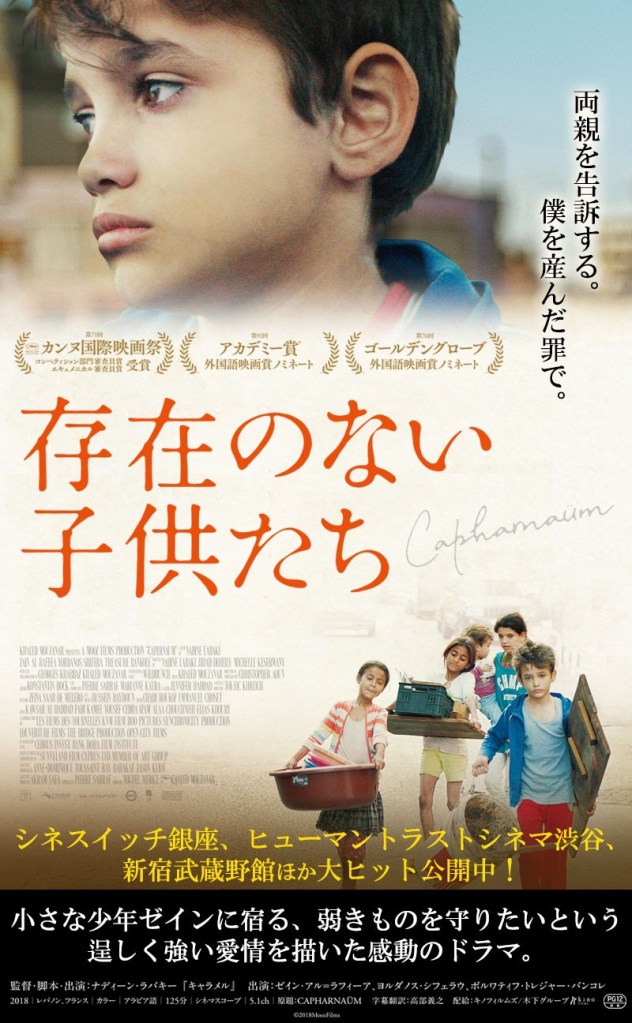
  7. Capernaum
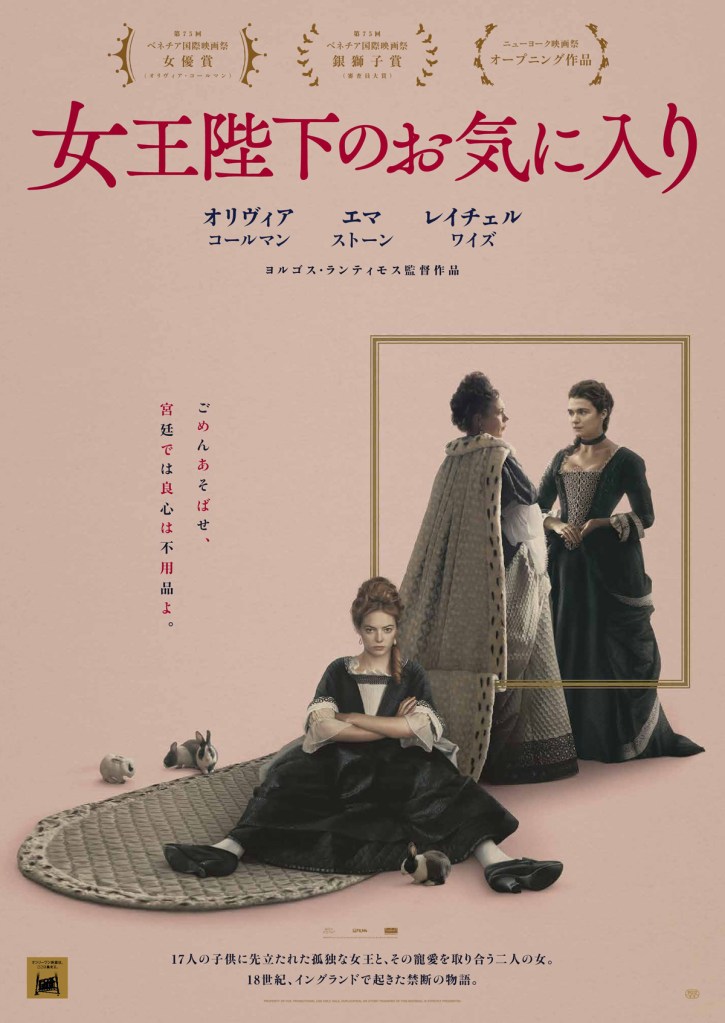
  8. The Favourite
  9. Sorry We Missed You
  10. Cold War

Individual Awards

Best Director: Kazuya Shiraishi (One Night, Sea of Revival, A Gambler’s Odyssey 2020)

Best Screenplay: Junji Sakamoto (Another World)

Best Director (international): Todd Phillips (Joker)

Best Actress: Kumi Takiuchi (It Feels So Good)

Best Actor: Sosuke Ikematsu (From Miyamoto to You)

Best Supporting Actress: Chizuru Ikewaki (Another World)

Best Supporting Actor: Ryo Narita (Just Only Love, Farewell Song, Chiwawa, Fly Me to the Saitama, No Longer Human)

Best Newcomer (actress): Nagisa Sekimizu (Almost a Miracle)

Best Newcomer (actor): Oji Suzuka (Listen to the Universe, The 47 Ronin in Debt)

Readers’ Choice Best Director: Junji Sakamoto (Another World)

Readers’ Choice Best Director (international): Todd Phillips (Joker)

Readers’ Choice Award: RHYMESTER Utamaru / Kazuko Misawa

Special Award: Makoto Wada

Source: Kinema Junpo official website.

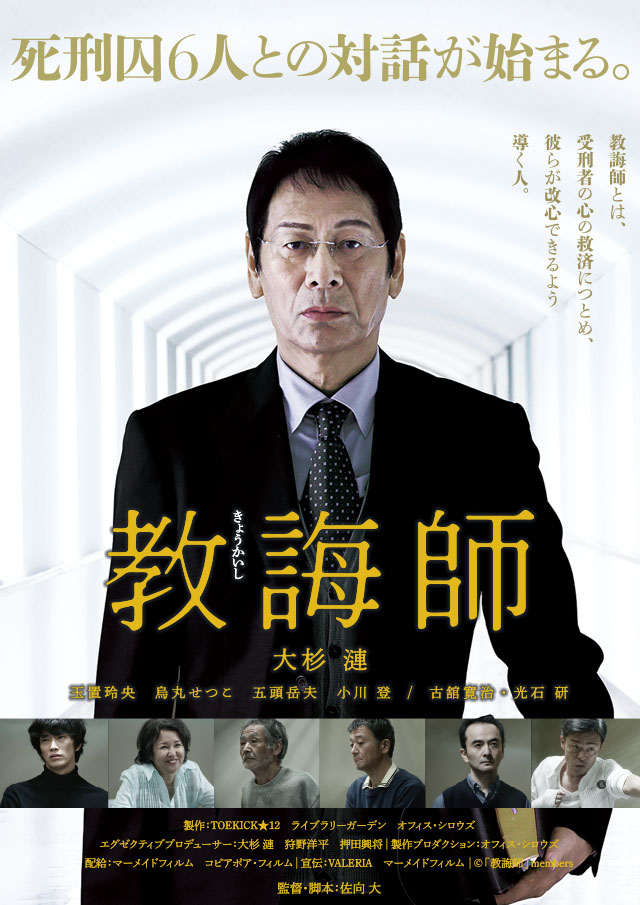
The Chaplain (教誨師, Dai Sako, 2018)

The Chaplian posterJapan is one of the few developed nations which still maintains the death penalty, though in practice infrequently. The sentence of death is handed down almost exclusively to mass or serial murderers, child killers, or those whose crimes are judged to be of extraordinary barbarity. Unlike other nations, Japan houses those on death row not in prisons but in detention centres, denying them the rights that are afforded to regular prisoners such as visitation, exercise, and entertainment. Execution must be carried out within five days of the judgement being handed down. The prisoner themselves is informed on the morning of their death and given a choice of last meal, but their family members, legal team, and the general public are only informed once it has taken place preventing any last minute attempts for a stay.

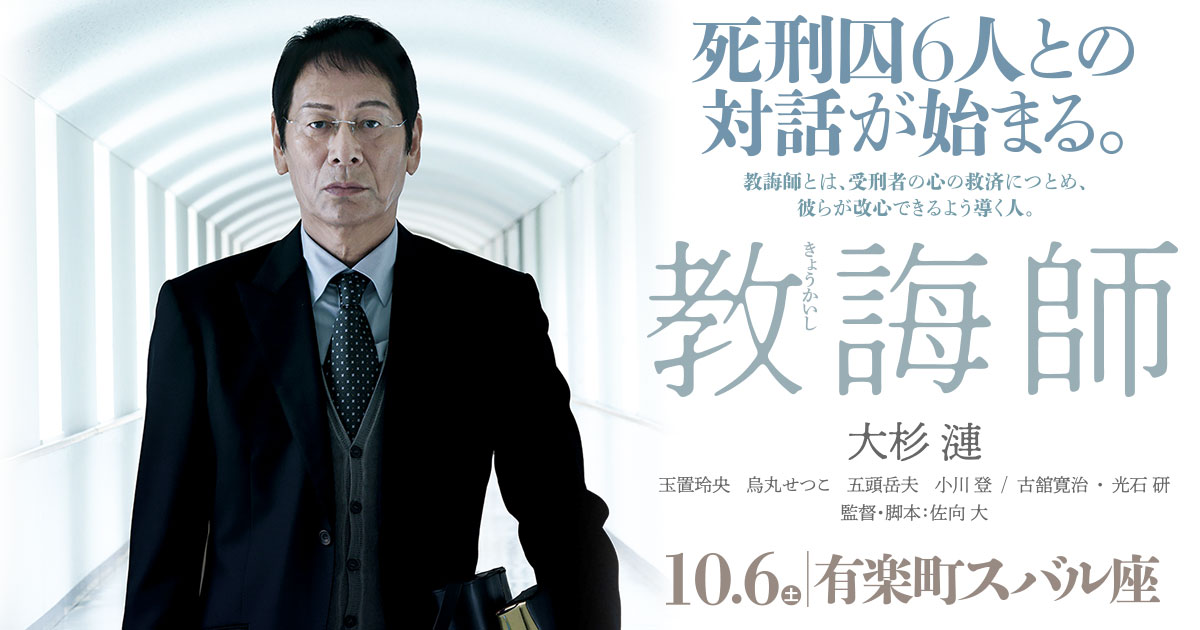
In what would be his final screen role (and his first as a producer), Ren Osugi stars as a prison chaplain, Saeki, attempting to guide a series of Death Row prisoners towards spiritual peace as they prepare to accept their judgement. Though none of the prisoners he visits protests their innocence, some are more repentant than others and not all of them have fully internalised the fact they will never leave the facility even when no further legal attempts to commute their sentences seem to be underway. Some might say there is an element of exploitation in sending a chaplain in at all seeing as this is literally a captive audience. The crimes which lead to being on Death Row are necessarily extreme, many prisoners either have no remaining family members or have been abandoned by them out of shame, leaving them intensely lonely and devoid of human contact (not even televisions or radios are permitted). They are therefore much more interested in conversation than they are in The Bible or accepting Jesus into their hearts.

Then again, Saeki’s first visit is to a man who says nothing at all, allowing him to fill the silence with some of his own backstory which hints at a personal trauma possibly informing his desire to save the souls of these unfortunate people. Another prisoner, by contrast, is all too eager to convert but, as Saeki soon realises, is almost entirely illiterate and therefore struggling to hear the word of God through being unable to read. Saeki does his best to help them, gently listening to their fears and worries but encounters a familiar series of social problems which made their fates inevitable stemming from entrenched poverty and social inequality.

Only six months into the job, he wonders if he’s really getting through and if his efforts are worthwhile. His most challenging prisoner is a young man convicted of a mass killing of those with learning difficulties (inspired by a real life case), whom he deemed to be a drain on national resources. A hyper-rational sociopath, Takamiya (Leo Tamaoki) baits Saeki with unassailable, coldhearted logic which asks why, if he’s happy enough to kill and eat “stupid” animals like cows and pigs, but not “clever” ones like dolphins, his application of the same logic to the human world can be wrong? If all creatures have an equal right to life, then killing for food is as wrong as any other kind of killing and the death penalty nothing more than state sanctioned murder. There is no rational answer for Takamiya’s philosophy and aside from his abhorrent, unfeeling rationality he may have a point when it comes to social hypocrisy. All Saeki can do is ask him to stand with the people that he killed, and acknowledge that God or no God, Saeki too will be with him until the very end.

If Takamiya begins to question the terrifying rationalism which led him to his truly barbaric act, he does so probably not because of Saeki’s ministrations but because of his proximity to death. Meanwhile, another prisoner, Suzuki (Kanji Furutachi), convicted of a stalker murder, seems to have picked up entirely the wrong message in coming to blame just about everyone else for his crime and absolving himself of responsibility. He might have found peace, but it is not the kind of peace he was supposed to find. Noguchi (Setsuko Karasuma), meanwhile, the only female prisoner, continues to talk about the future as if she really thinks she’s getting out. Only Shoichi (Takeo Gozu), an elderly man, seems to truly accept Saeki’s teachings though it is perhaps enough to make him feel as if he really is making a difference.

Sako opts for subtlety in pointing out the inherent hypocritical immorality of the death penalty and particularly in the context of the Japanese legal system which relies heavily on confessions often extracted under duress. Battling his own sense of guilt, Saeki tries to save himself by saving the souls of others but finds his work an uphill battle in a society which prefers not to speak of unpleasant matters and thereby renders itself absolute and unaccountable in the rigidity of its justice.


The Chaplain (教誨師, Kyoukaishi) was screened as part of Japan Cuts 2019.

Original trailer (English subtitles)

Shoplifters Tops 92nd Kinema Junpo Best 10

Shoplifters poster 2Prestigious Japanese cinema magazine Kinema Junpo has named its “best 10” movies released in 2018. This year’s list is tinged with sadness as it includes the final screen performances of two much loved Japanese actors – Koreeda stalwart Kirin Kiki and Ren Osugi who sadly passed away in February of last year.

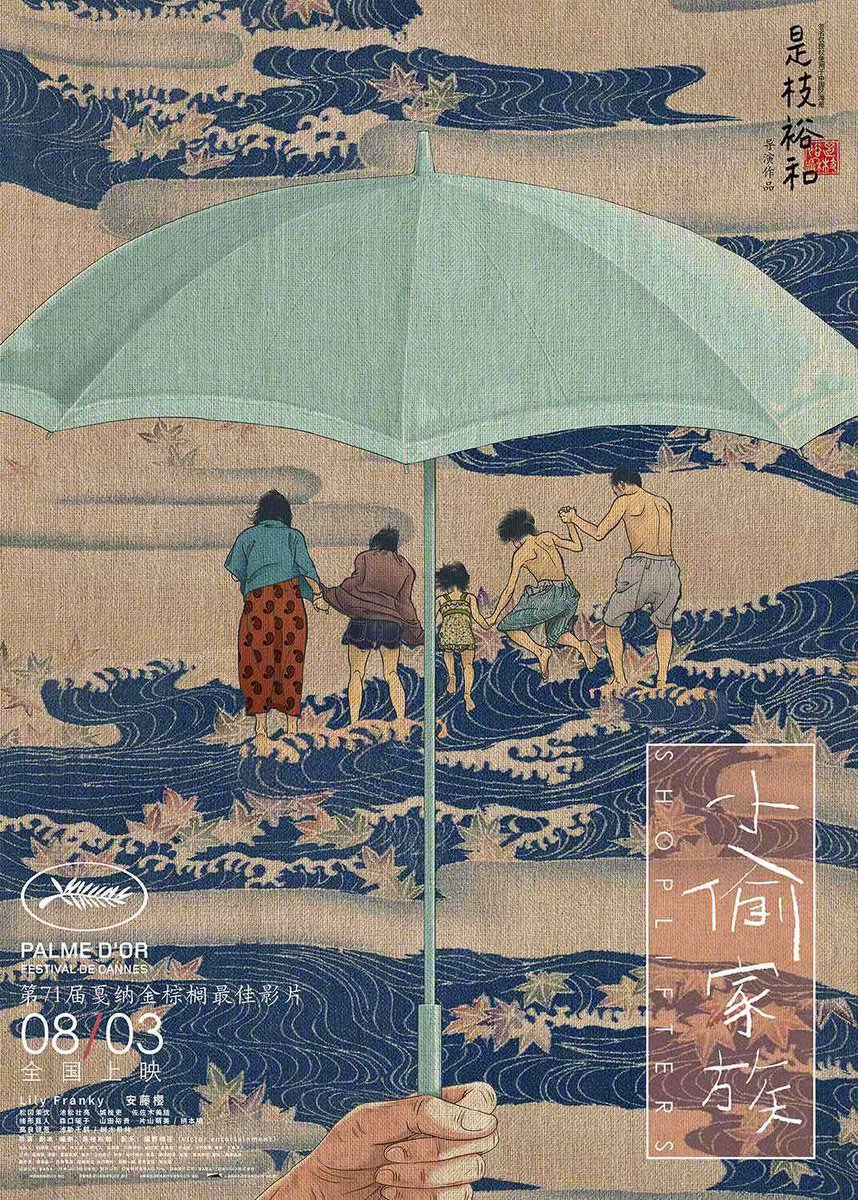
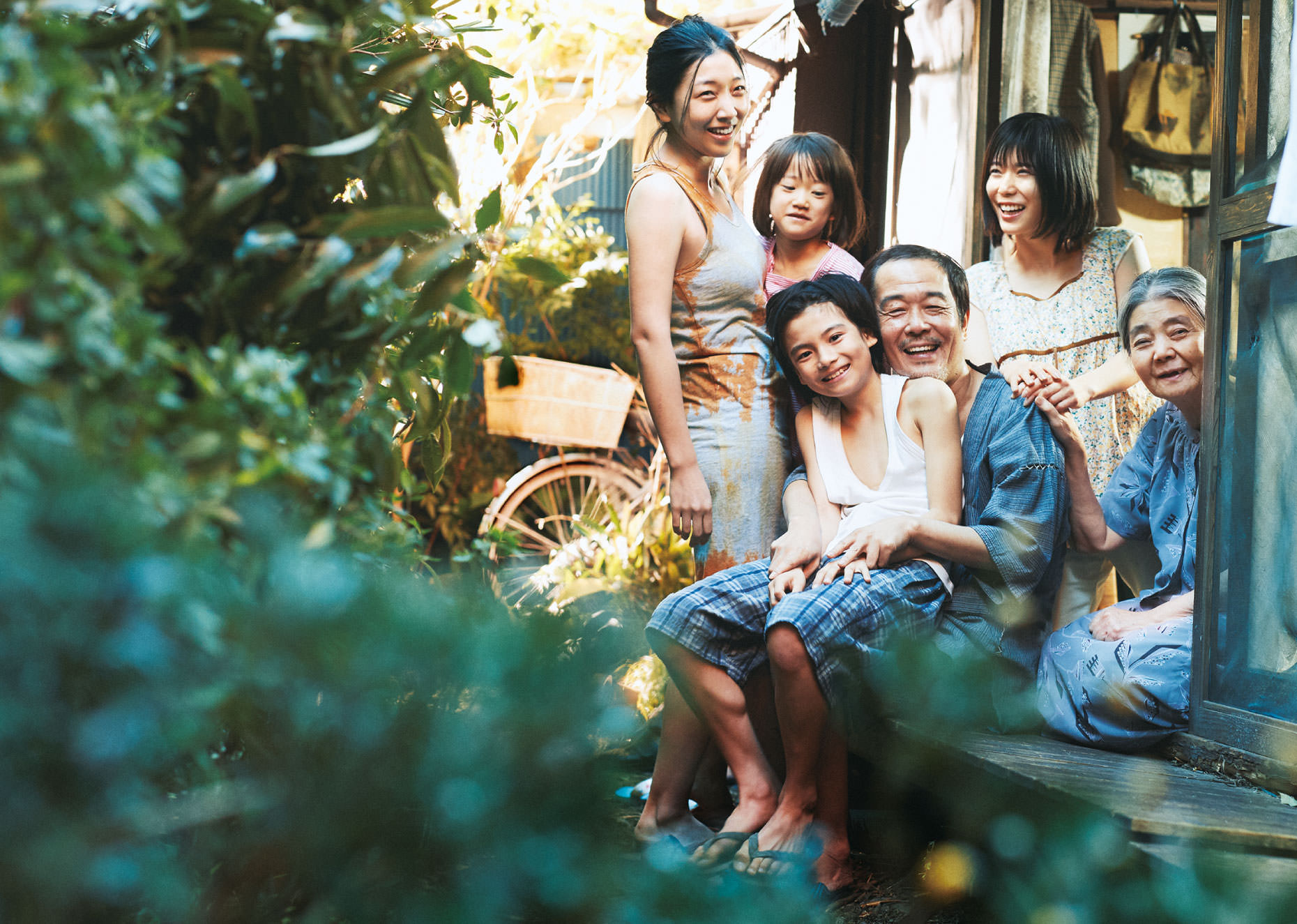
1. Shoplifters (万引き家族)

Shoplifters still 2Hirokazu Koreeda’s Palme d’Or winner picks up another award in being officially named the best movie of 2018 by the prestigious Kinema Junpo magazine. This hard hitting tale of modern lives on the margin may have irritated all the right people, but it also arrived at a pertinent moment in coinciding with a very real series of societal failures leading to the deaths of at risk children and contributing to a much needed debate as to society’s responsibility towards its most vulnerable citizens. Shoplifters also marks one of the last performances from the late Kirin Kiki who is also the recipient of the first Kinema Junpo special award. Review.

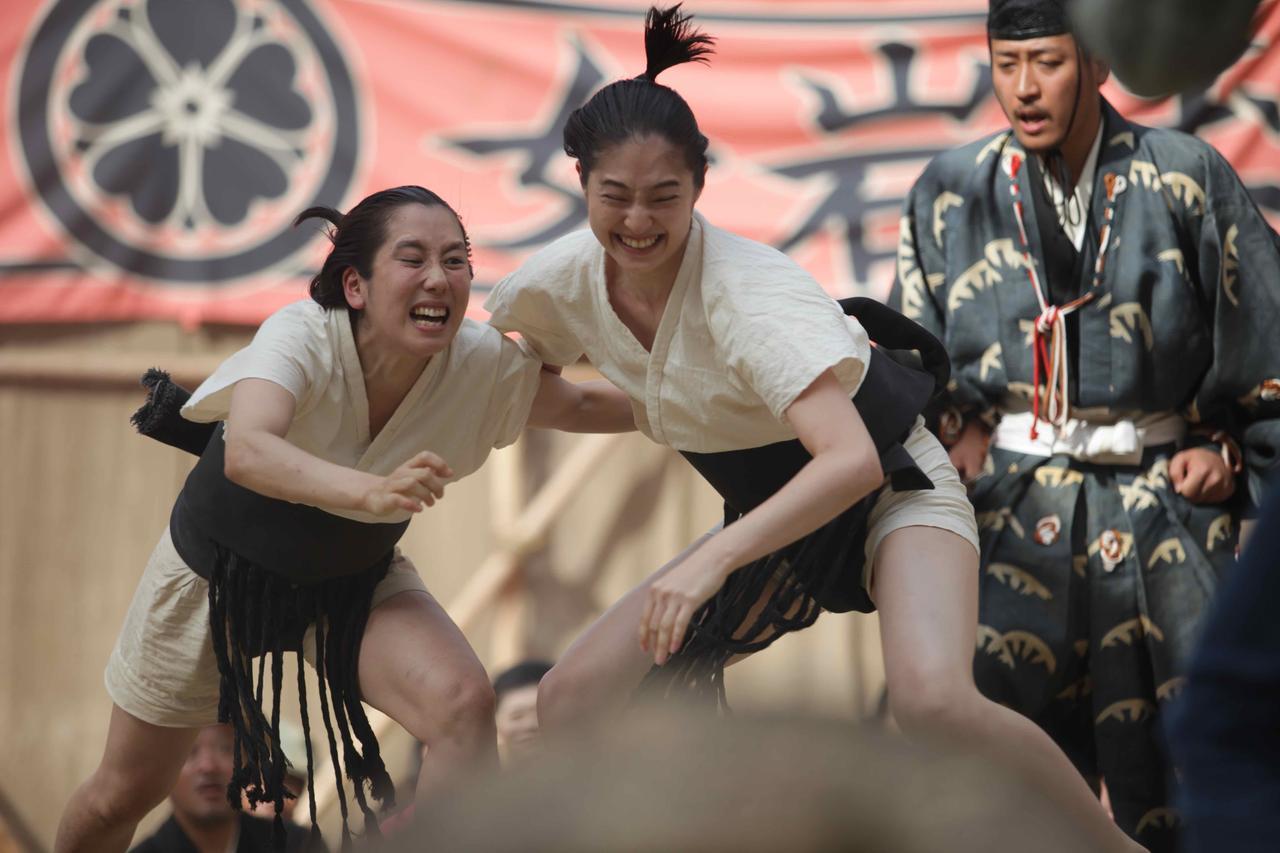
2. The Chrysanthemum and the Guillotine (菊とギロチン)

chysanthemum and the guillotine still 1The first of two films making the top 10 directed by Takahisa Zeze, The Chrysanthemum and the Guillotine is a Taisho era tale of sumo and revolution in which a band of anarchists known as the Guillotine Society find themselves fascinated by an itinerant troupe of female sumo wrestlers shortly after the Great Kanto Earthquake of 1923.

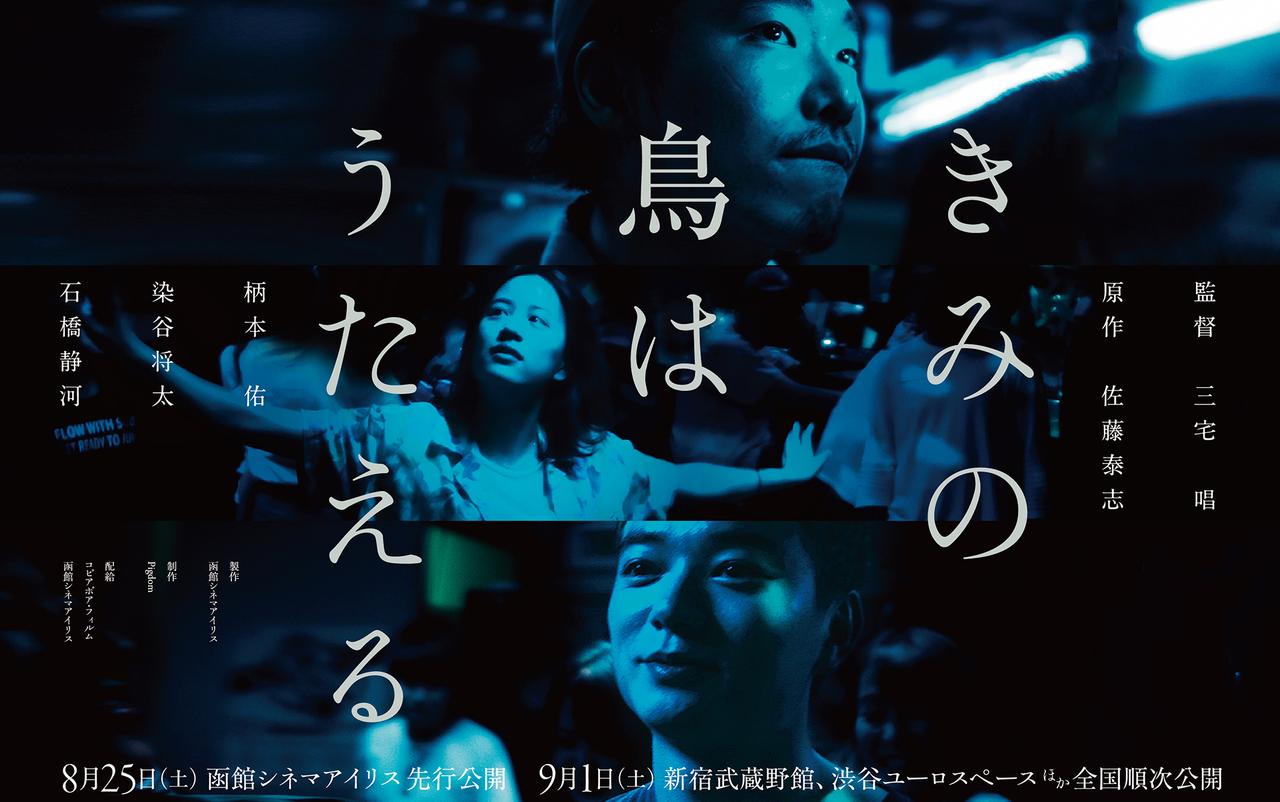
3. And Your Bird Can Sing (きみの鳥はうたえる)

And your bird can sing bannerSho Miyake adapts the novel by Yasushi Sato but shifts the setting from 1982 to the present day and from Tokyo to the author’s native Hakodate (the setting for a series of his novels recently adapted for the screen which includes The Light Shines Only There, Over the Fence, and Sketches of Kaitan City). Recipient of the best actor award Tasuku Emoto stars alongside Shota Sometani and Shizuka Ishibashi as a trio of slackers become embroiled in an awkward ménage à trois.

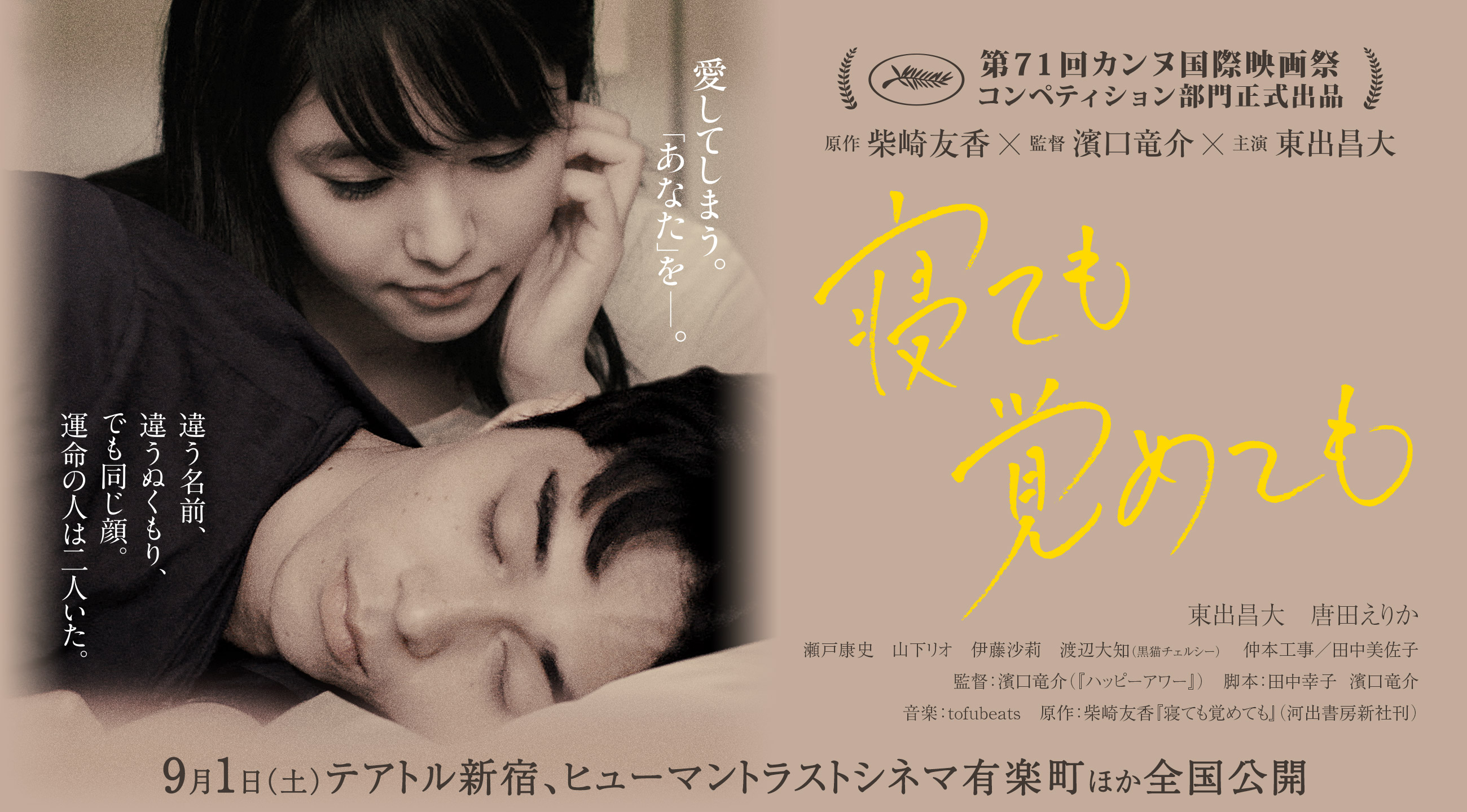
4. Asako I & II (寝ても覚めても)

Aasako 1 &amp; IIA conflicted young woman struggling to move on from lost love falls for a guy who looks just like her ex but can’t decide whether to embrace the fantasy of unresolved romance or the security of a steady relationship in Hamaguchi’s complex yet playful comedy drama adapted from the novel by Tomoka Shibasaki. Review.

5.  The Blood of Wolves (孤狼の血)

blood of wolves still 1Kazuya Shirashi, winner of this year’s best director award, pays tribute to the world of Battles Without Honour in an ’80-style neo-noir in which a straight-laced rookie is partnered with a veteran rogue cop who leads him straight into the heart of darkness. Review.

6. Lying To Mom (鈴木家の嘘)

lying to mom still 1Mrs. Suzuki attempts to save her reclusive son who has tried to hang himself but injures herself in the process. Unfortunately, her son didn’t make it but when Mrs. Suzuki wakes up in hospital she’s lost her memory of the traumatic incident which put her there. Her family not having the heart to tell her the truth, pretend that their son is alive and well and living in Argentina…

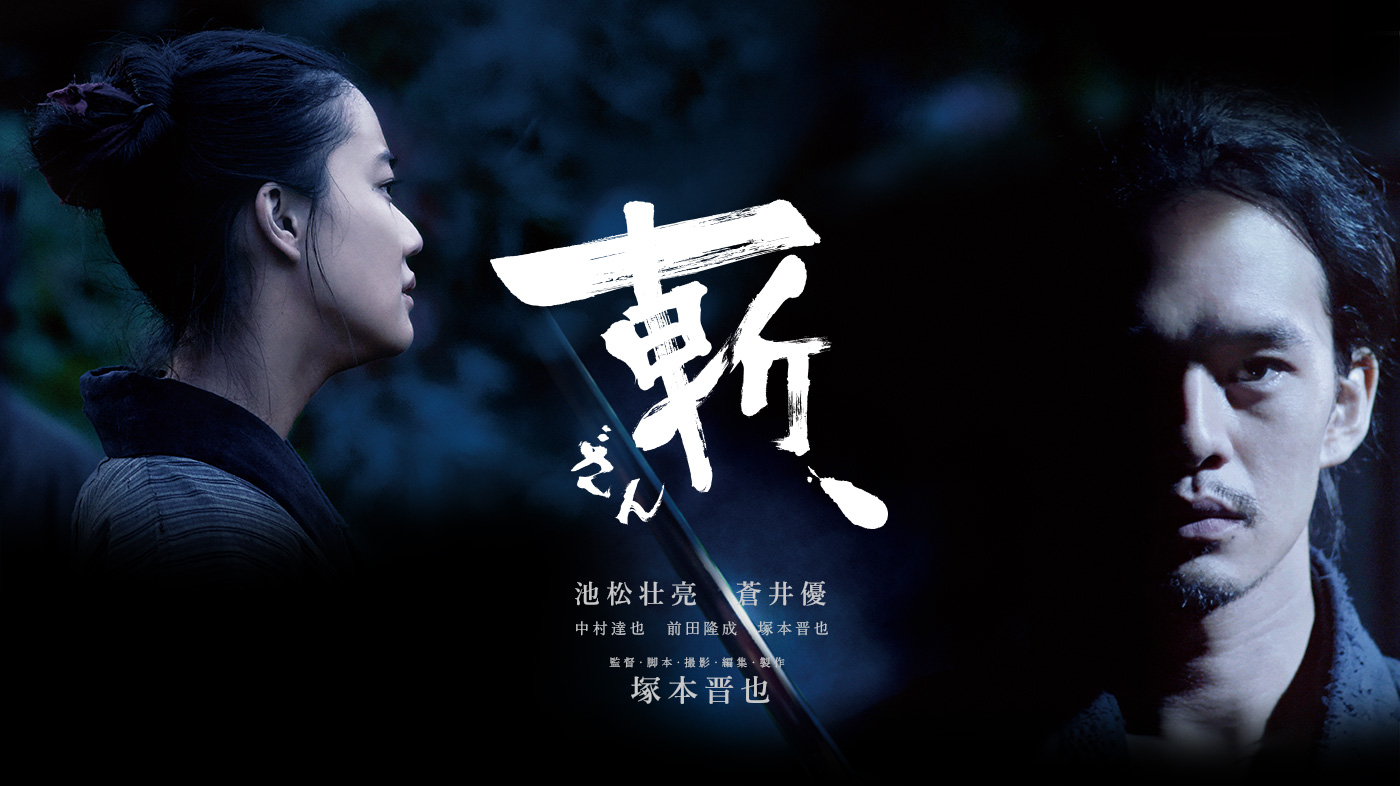
7. Killing (斬、)

Killing bannerThe latest from Shinya Tsukamoto and his first foray into the jidaigeki, Killing follows a young samurai who prefers not to raise his sword but is swept into the violence of the Bakumatsu era anyway.

8. My Friend “A” (友罪)

My Friend A still 1A second entry for director Takahisa Zeze, My Friend “A” is a story of the legacy of guilt and (im)possibility of redemption as an embittered former journalist befriends a strange young man he believes may have been responsible for a brutal series of child killings 17 years previously. Review.

9. Every Day A Good Day (日日是好日)

every day a good day still 1Starring the legendary Kirin Kiki in one of her final performances, Every Day a Good Day is inspired by the writings of Noriko Morishita and revolves around the serene elegance of the traditional tea ceremony.

10. Kyoukaishi (教誨師)

Kyoukaishi bannerRen Osugi stars as a prison chaplain ministering to prisoners on death on row in what would be his final screen appearance before he sadly passed away in February 2018.

Individual Awards:

Best Actress: Sakura Ando (Shoplifters)

Best Actor: Tasuku Emoto (And Your Bird Can Sing, Dynamite Graffiti, Lovers on Borders)

Best Supporting Actress: Hana Kino (Come On Irene)

Best Supporting Actor: Tori Matsuzaka (The Blood of Wolves)

Best Newcomer (female): Mai Kiryu (The Chrysanthemum and the Guillotine, Lying To Mom)

Best Newcomer (male): Kanichiro (The Chrysanthemum and the Guillotine)

Best Director: Takahisa Zeze (The Chrysanthemum and the Guillotine, My Friend “A”)

Best Screenplay: Toranosuke Aizawa & Takahisa Zeze (The Chrysanthemum and the Guillotine)

Reader’s Choice Award for Best Director (Japanese): Hirokazu Koreeda (Shoplifters)

Reader’s Choice Award: Shiraku Tatekawa (Shiraku Tatekawa’s Cinema Tsurezuregusa)

Special Award: Kirin Kiki

Source: Kinema Junpo official website.
The Tokyo Night Sky is Always the Densest Shade of Blue Tops Kinema Junpo’s 2017 Best 10 List

tokyo night sky posterKinema Junpo, the prestigious Japanese film magazine, has announced its top 10 films of 2017. In a happy surprise two female directors have been included in this year’s Best 10 list in which veteran directors jostle with comparative newcomers.

10. Close-Knit (彼らが本気で編むときは)

close-knit still 1Naoko Ogigami’s touching family drama snatches the last spot on Kinema Junpo’s list. A departure of sorts from the director’s earlier career, Close-Knit drops the whimsy but not the heart in telling a story of changing family dynamics and pleading for a kinder, more understanding world where all are free to live the way they choose without let or hinderance. Review.
9. Birds Without Names (彼女がその名を知らない鳥たち)

birds without names still 2Dawn of the Felines director Kazuya Shiraishi returns to the world of mystery in a tale of dark romance and destructive desires. Yu Aoi stars as a young woman, Towako, living with an older man (played by Sadao Abe) whom she despises but tolerates because he continues to support her. Towako, however, cannot forget a violent ex-lover who has been missing for the last eight years. Screening in the upcoming Japan Foundation Touring Film Programme.

8. The Third Murder (三度目の殺人)
third murder horizontal posterHirokazu Koreeda makes a rare detour from the family drama for a high stakes legal thriller in which a veteran lawyer takes on the seemingly impossible task of defending a murder suspect who has already served time for violent crime and freely confesses his guilt, but the more the lawyer looks into the case the less confident he feels that his client is telling the truth.

7. Side Job (彼女の人生は間違いじゃない)

Sidejob bannerFukushima native Ryuichi Hiroki adapts his own novel for an exploration of precarious rural life on the edge of a disaster zone. Newcomer Kumi Takiuchi stars as a young woman with a regular office job living in temporary housing with her father (Ken Mitsuishi) after being displaced by the 2011 earthquake and tsunami. For unexplained reasons, the young woman travels to Tokyo at weekends and engages in casual sex work which brings her into contact with Kengo Kora’s conflicted driver.

6. Bangkok Nites (バンコクナイツ)

bangkok-nitesKatsuya Tomita’s Saudade followup has been doing the festival rounds for over a year now but finally getting its Japanese release lands in sixth place in Kinema Junpo’s 2017 list. Picking up threads from the earlier film, Tomita travels to Bangkok and examines the legacy of colonialism and exploitation in a land many see as a “paradise”. Review.

5. Before we Vanish (散歩する侵略者)

©2017 BEFORE WE VANISH FILM PARTNERSKiyoshi Kurosawa rolls back on the nihilism of Pulse for a tale of love and survival masquerading as an alien invasion movie. The Earth, it seems, is doomed – three alien scouts have been sent as a vanguard to log “humanity” before it is forever destroyed. Stealing and assimilating “concepts” from people’s brains as if playing a giant game of psychic Jenga, the alien invaders become more human by the day but the essence of the human soul remains a mystery to them… Review.
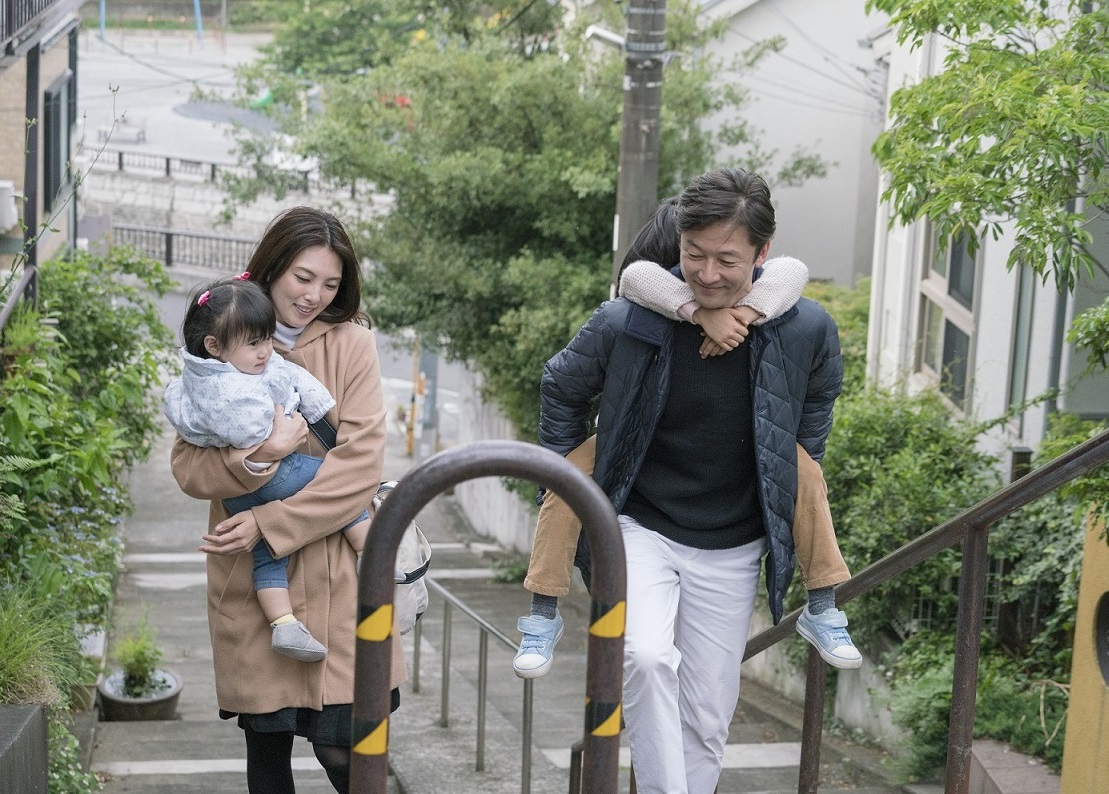
4. Dear Etranger (幼な子われらに生まれ)

Dear Etranger still 1Yukiko Mishima’s adaptation of the Kiyoshi Shigematsu novel stars Tadanobu Asano in a tale of family and the modern society. A middle-aged man, Makoto, leaves his first wife for a younger woman after they disagree about adding to their family – he wanted another child and she didn’t. His second wife has two children already and when she announces she is pregnant, Makoto is not so sure about becoming a father again…
3. Wilderness Parts 1 & 2 (あゝ、荒野)

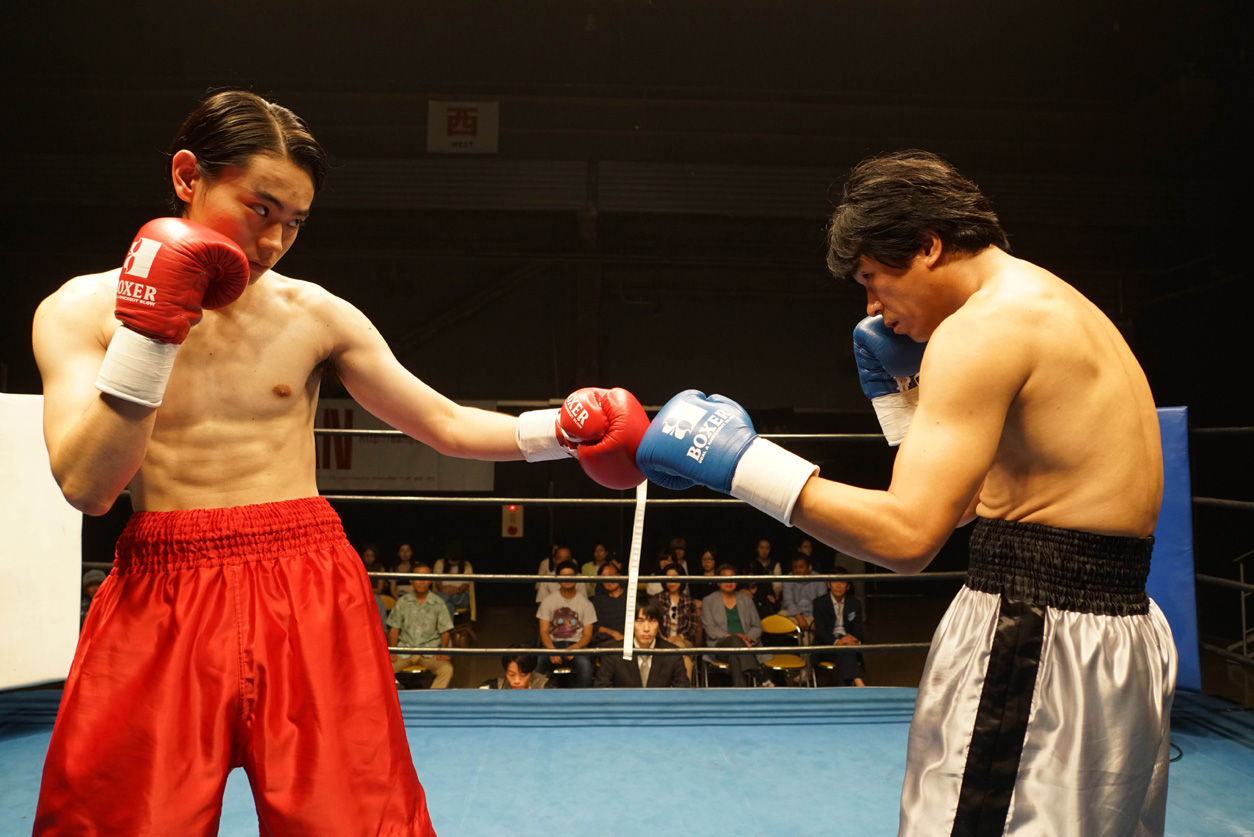
wilderness still 1Released in two parts, Wilderness adapts the classic 1966 novel by Shuji Terayama in which two men seek release in the boxing ring but also discover friendship and brotherhood in the shared connection of violence. Up and coming director Yoshiyuki Kishi builds on the promise of the impressive A Double Life and makes it into Kinema Junpo’s top three with only his second feature.
2. Hanagatami (花筐)

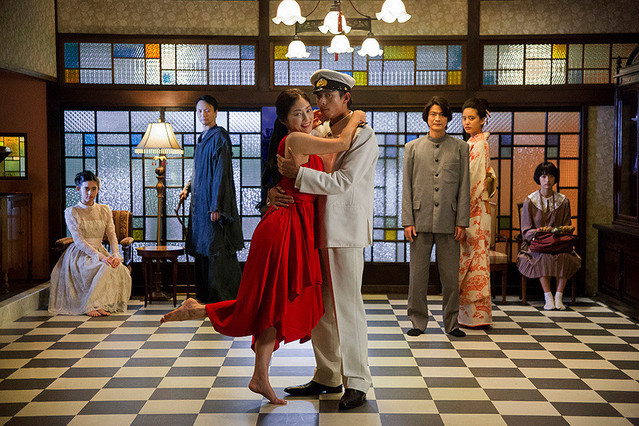
hanagatami still 1The latest from veteran director Nobuhiko Obayashi, Hanagatami is a project forty years in gestation. An adaptation of the wartime novel by Kazuo Dan, the film is a timely warning against the follies of war as a collection of youngsters dance along the edge of an abyss which will eventually engulf their entire generation.
1. The Tokyo Night Sky is Always the Densest Shade of Blue (夜空はいつでも最高密度の青色だ)

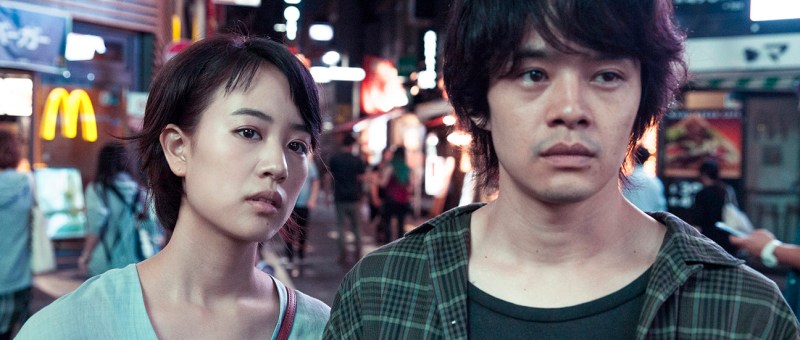
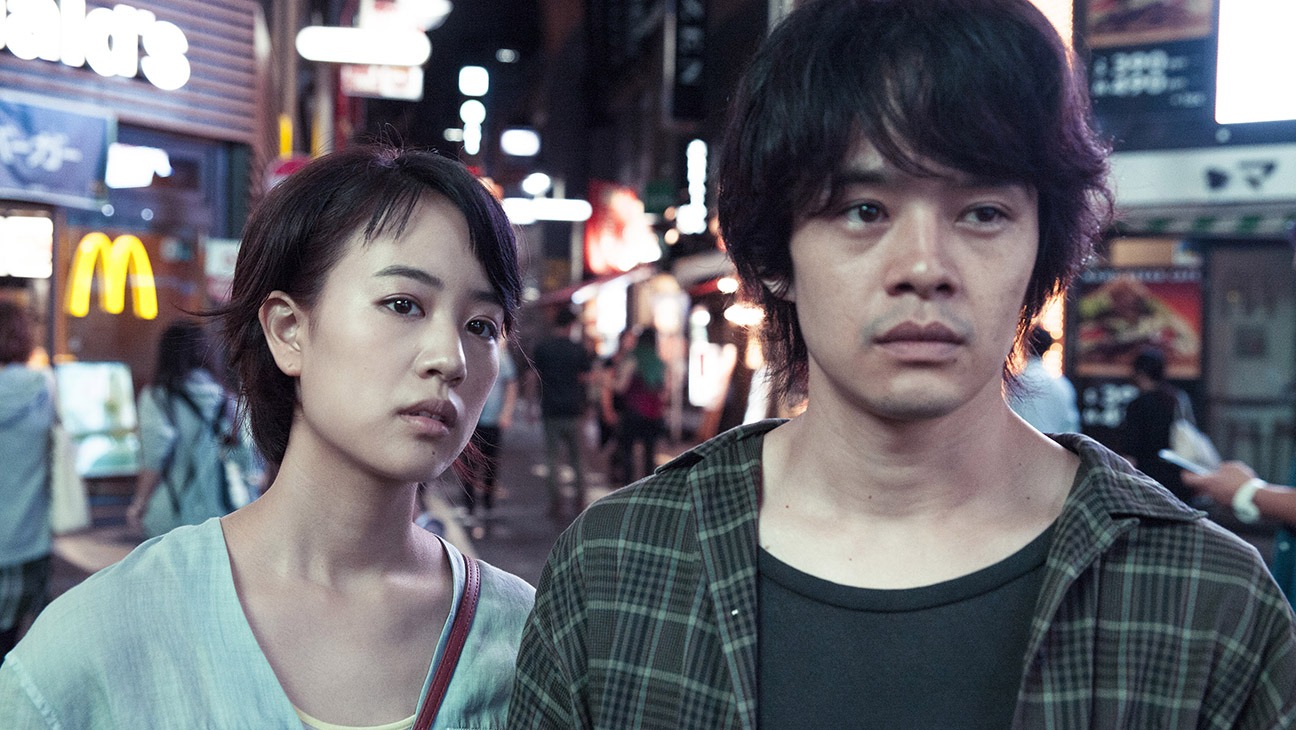
THE TOKYO NIGHT SKY IS ALWAYS THE DENSEST SHADE OF BLUE stillTaking the top spot, Yuya Ishii’s melancholy romance is a love/hate letter to Tokyo and a poetical mediation on connection in the modern city. A depressed young woman and an anxious young man miraculously encounter each other thanks to the magic of the metropolis but their shared cynicism and distrust of feeling soon becomes a barrier to their growing romance. Review.

Individual Awards:

Best Director: Nobuhiko Obayashi (Hanagatami)

Best Screenplay: Yuya Ishii (The Tokyo Night Sky is Always the Densest Shade of Blue)

Best Actress: Yu Aoi (Birds Without Names)

Best Actor: Masaki Suda (Wilderness)

Best Supporting Actor: Yang Ik-june (Wilderness)

Best Female Newcomer: Shizuka Ishibashi (Tokyo Night Sky / Parks / Misshi to Bannin)

Best Male Newcomer: Ryosuke Yamada (Miracles of the Namiya General Store / Fullmetal Alchemist)

Source: Kinema Junpo official website