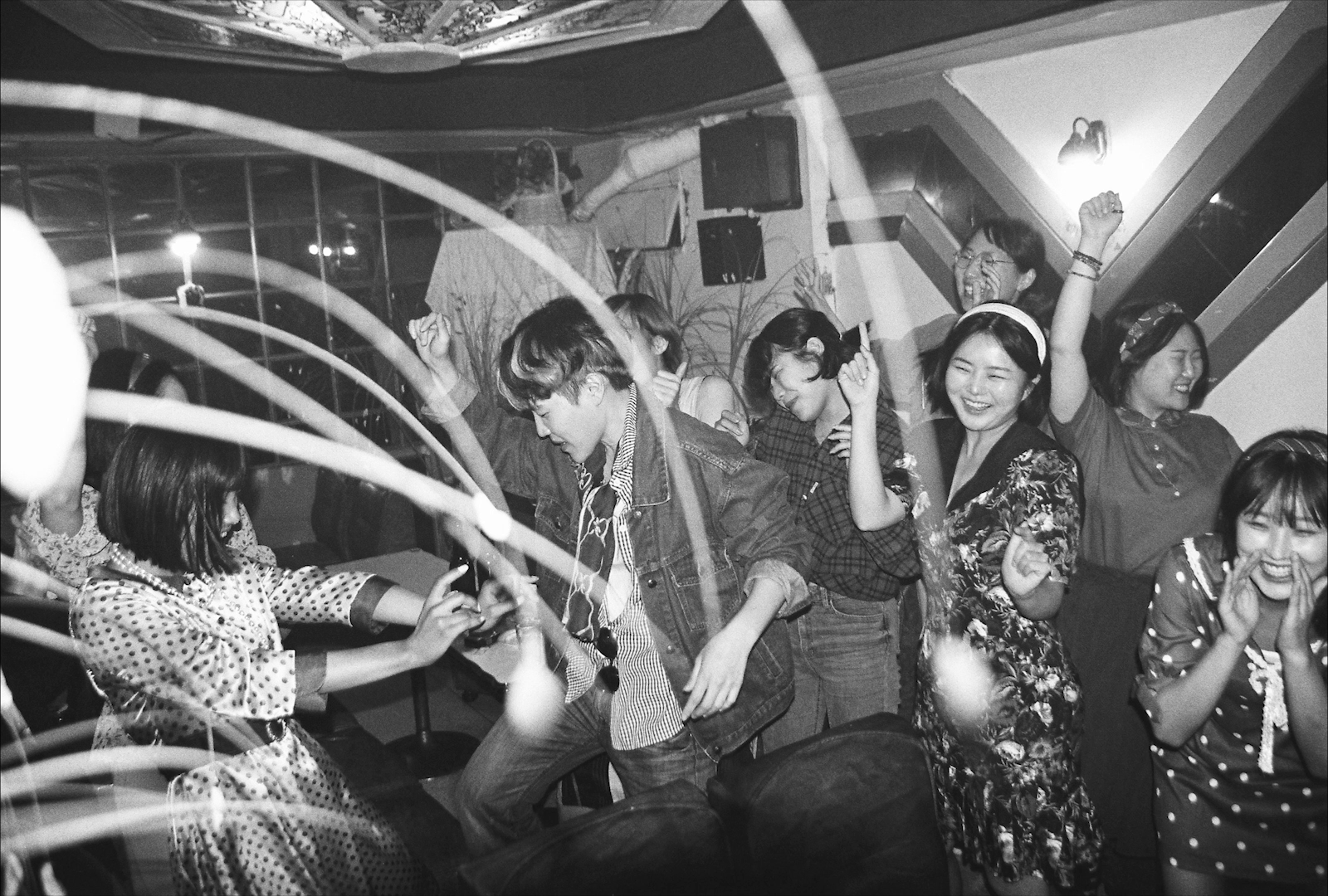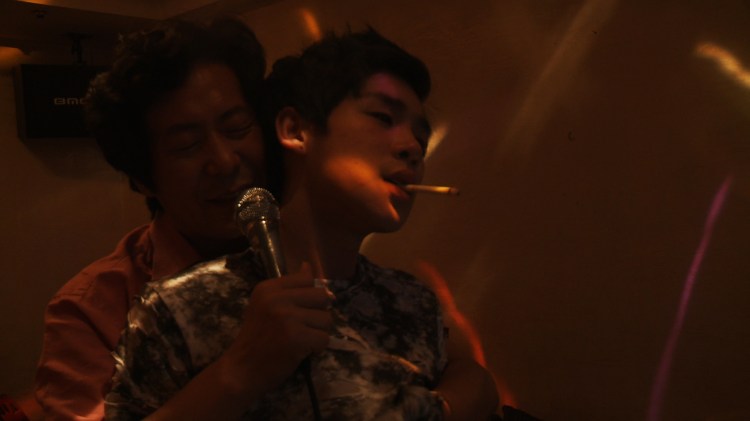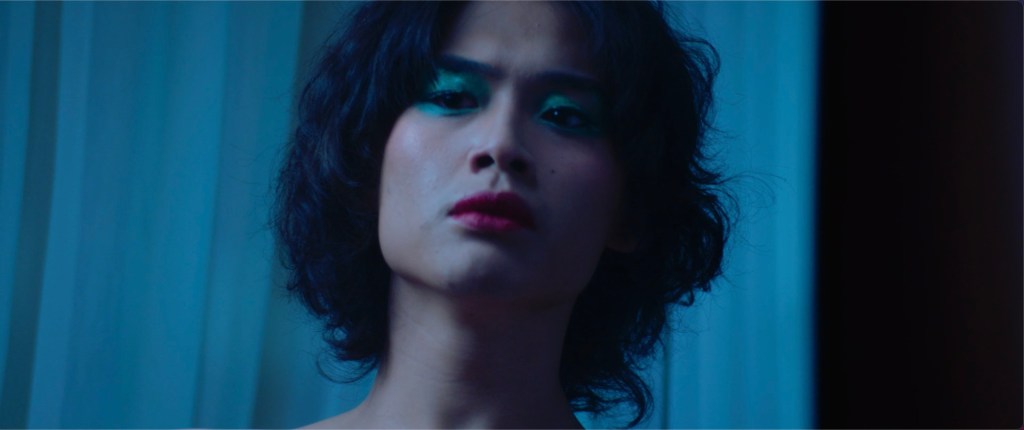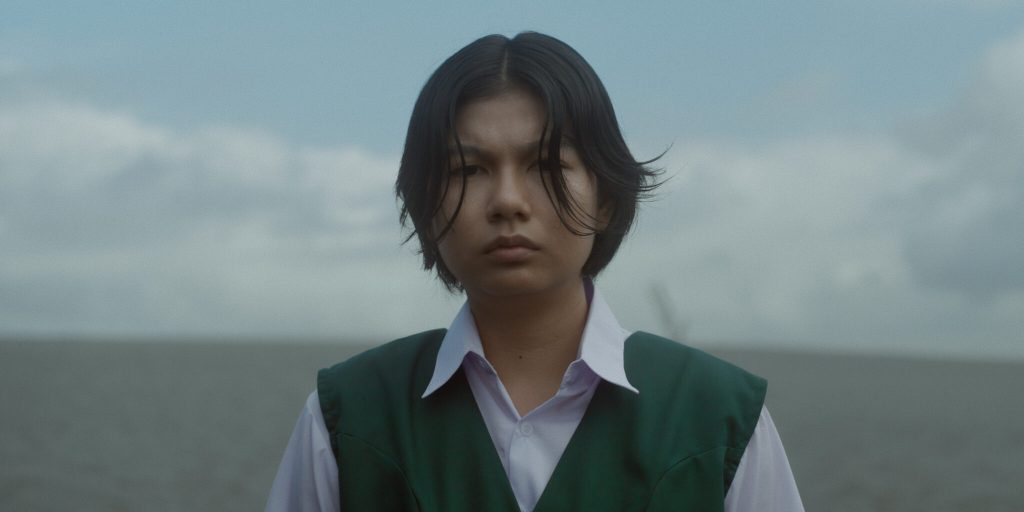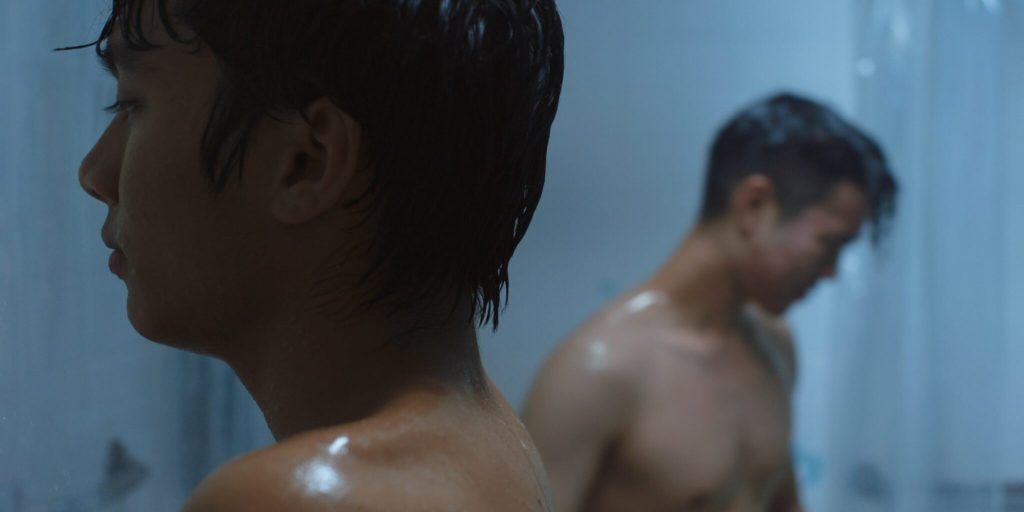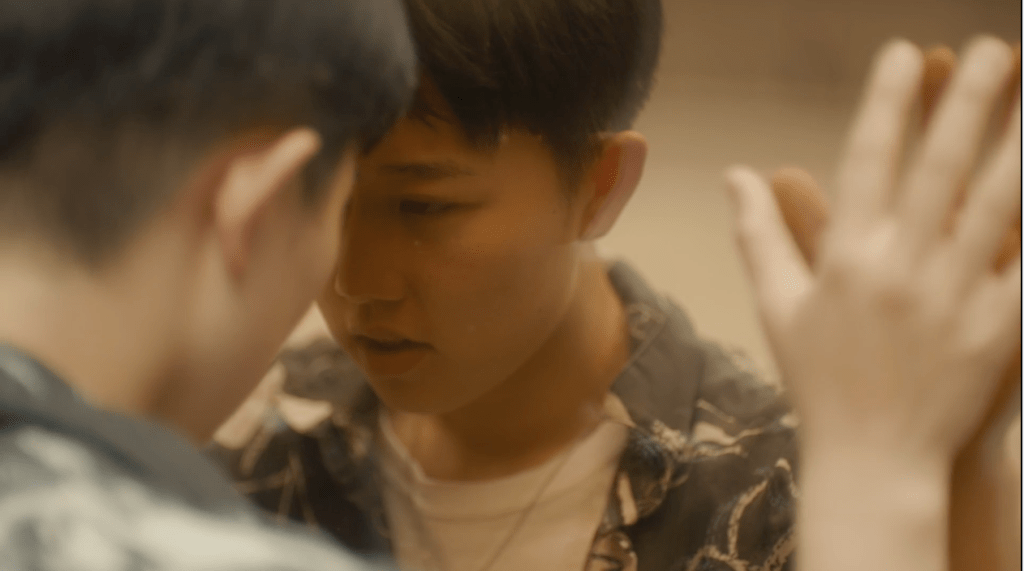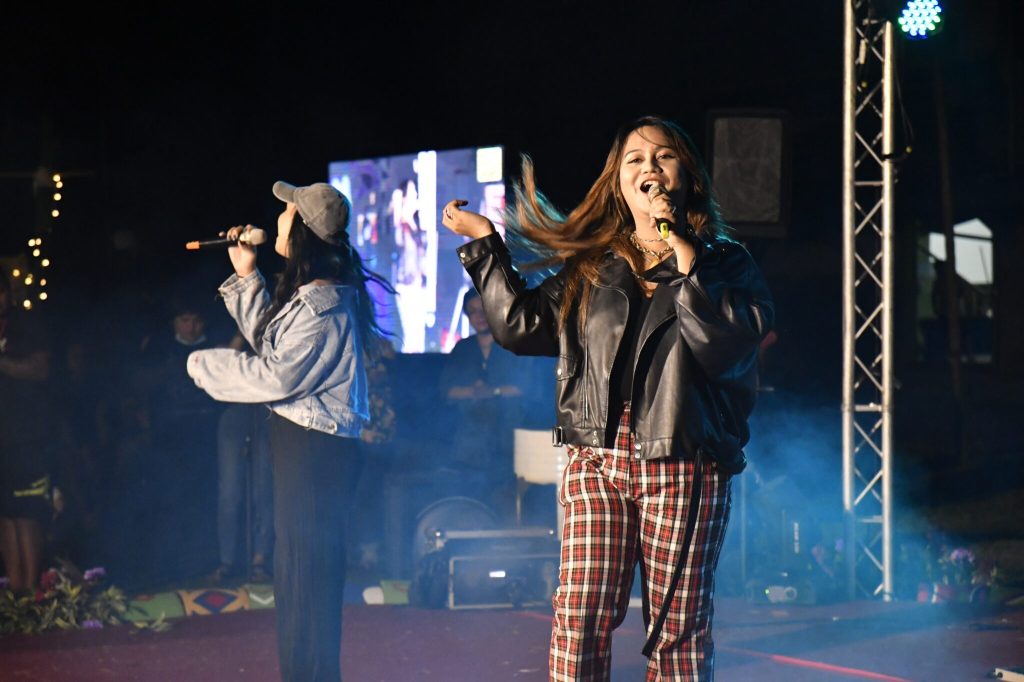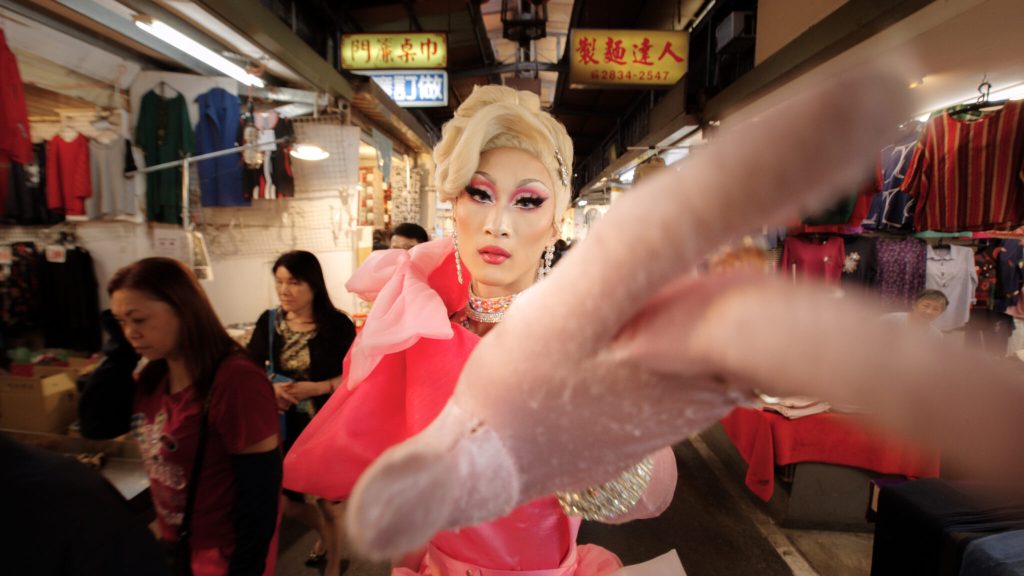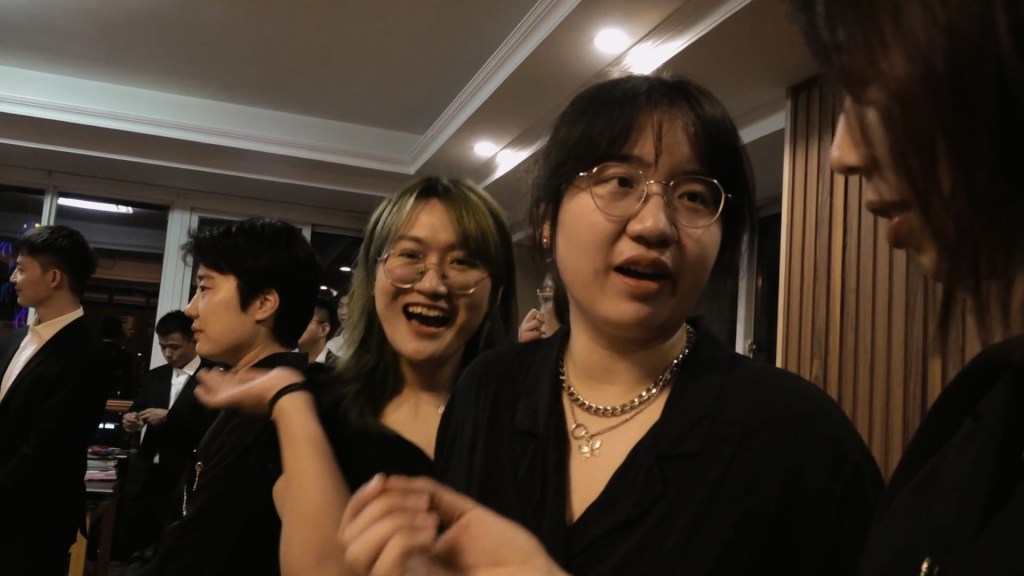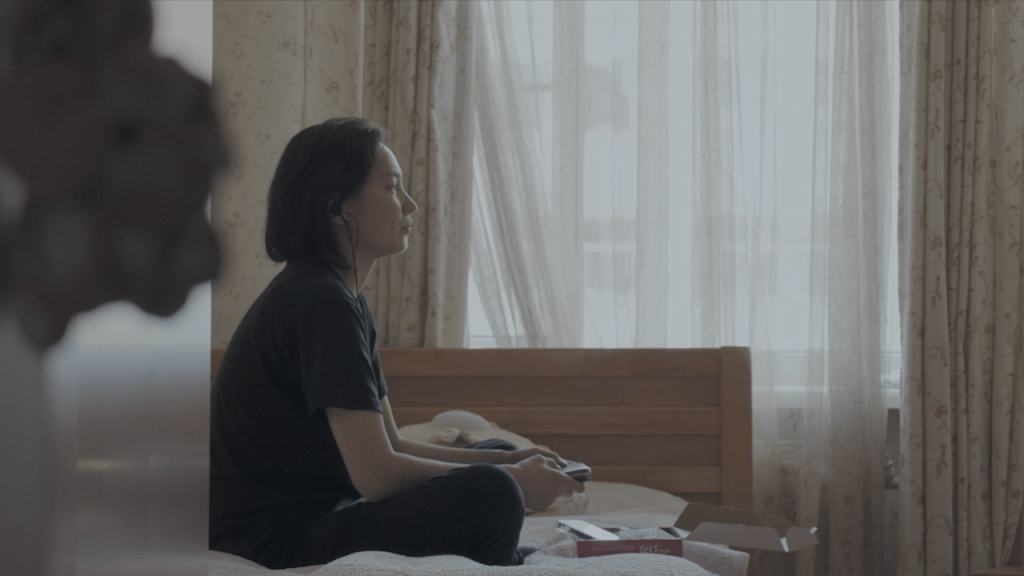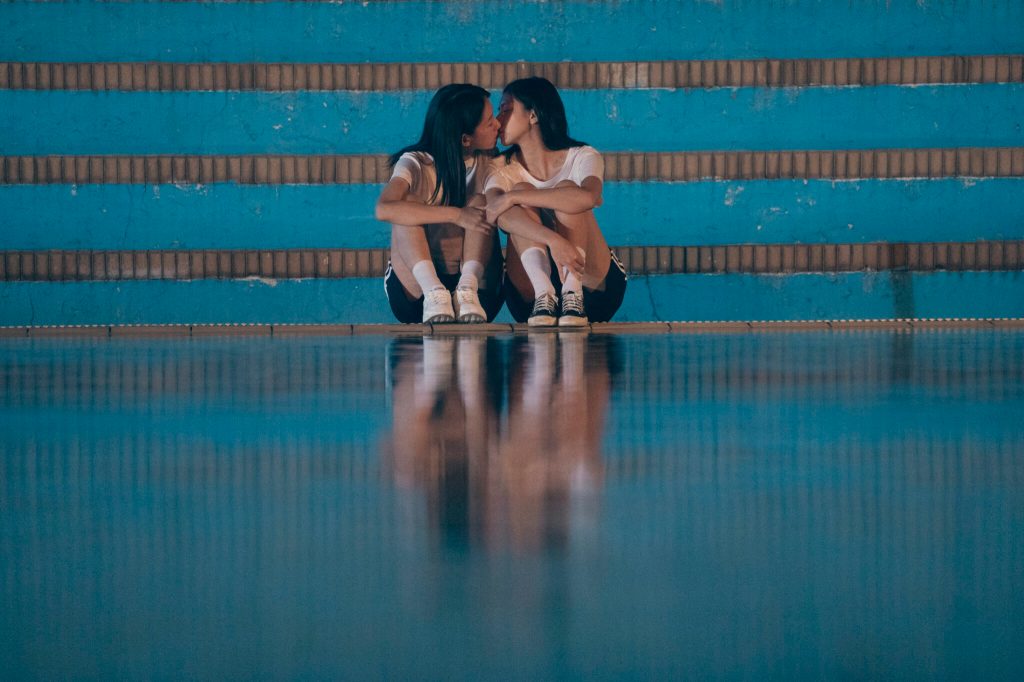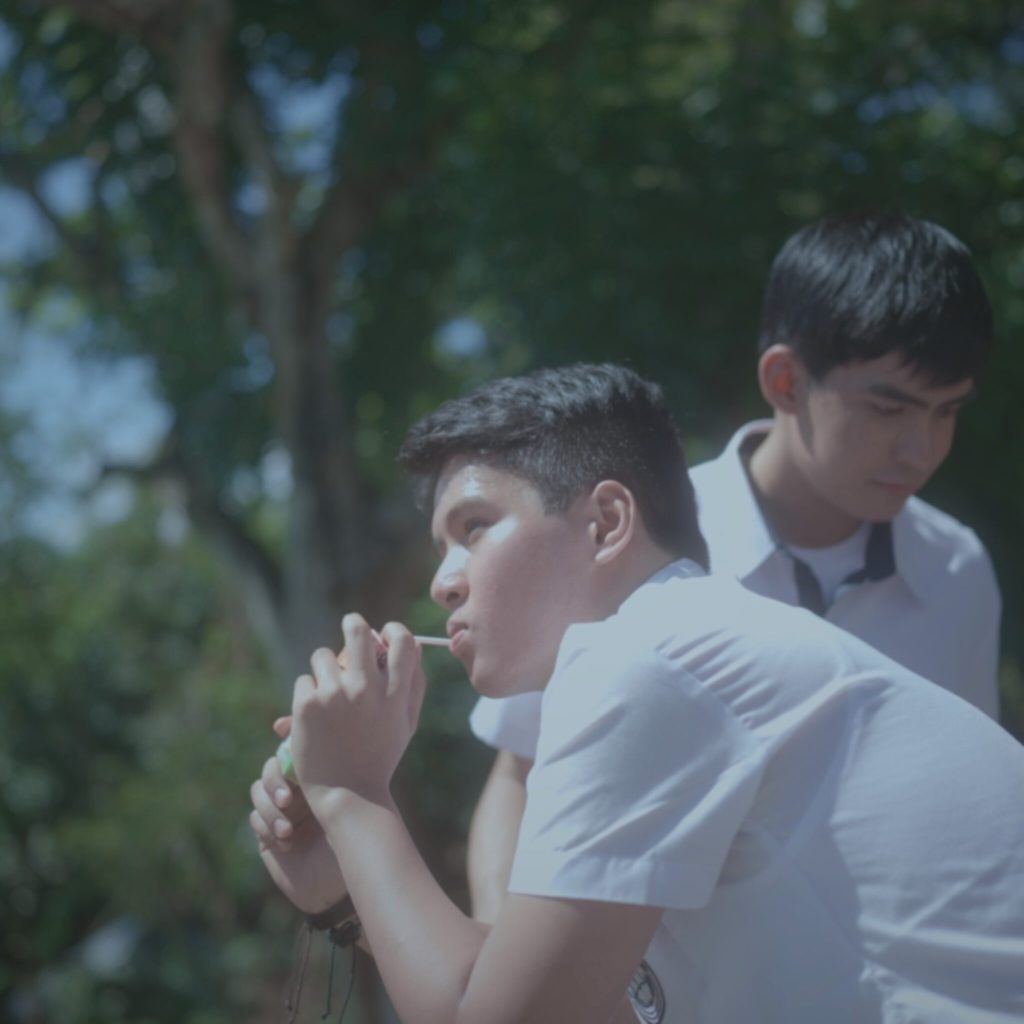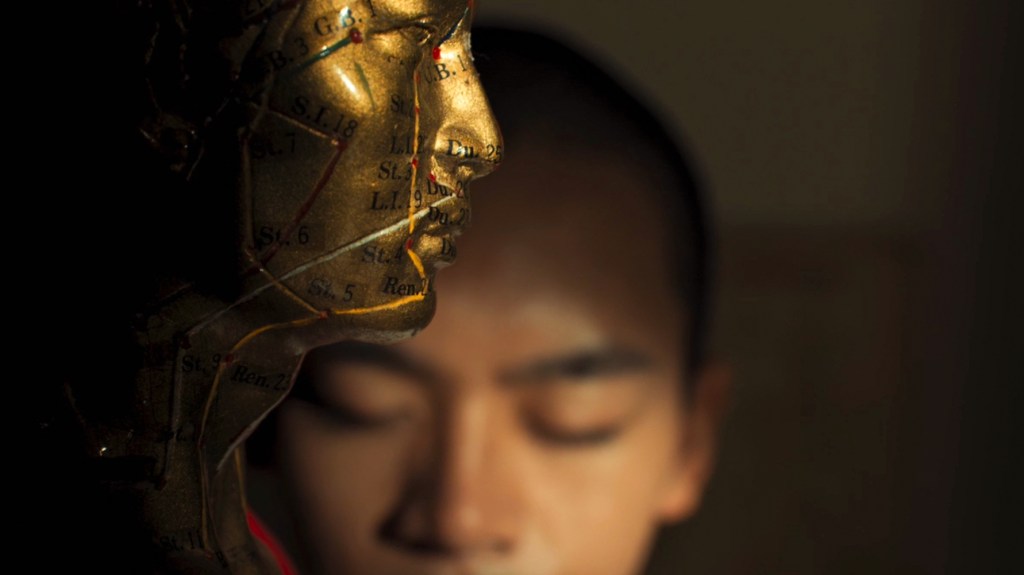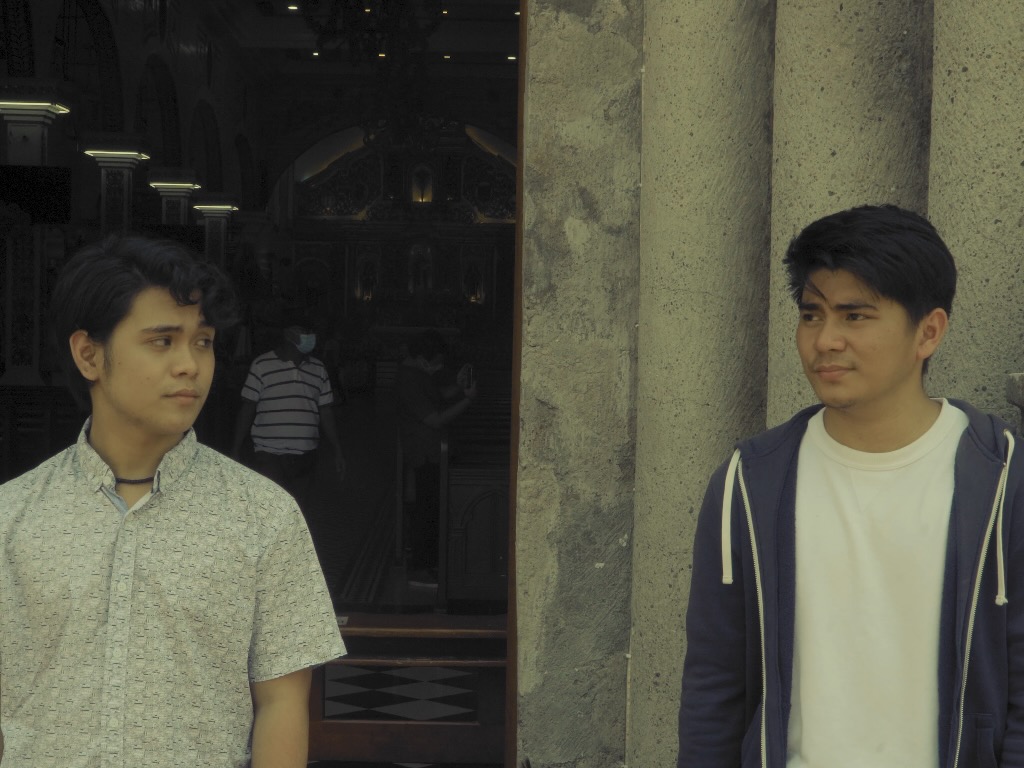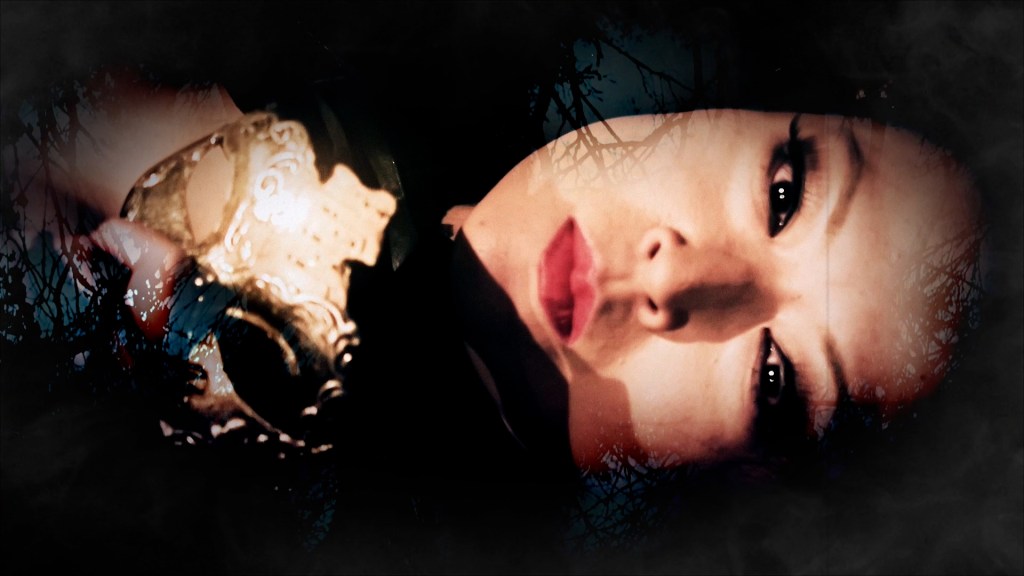
I Love You, Beksman (Mahal Kita, Beksman, Percival M. Intalan, 2022)

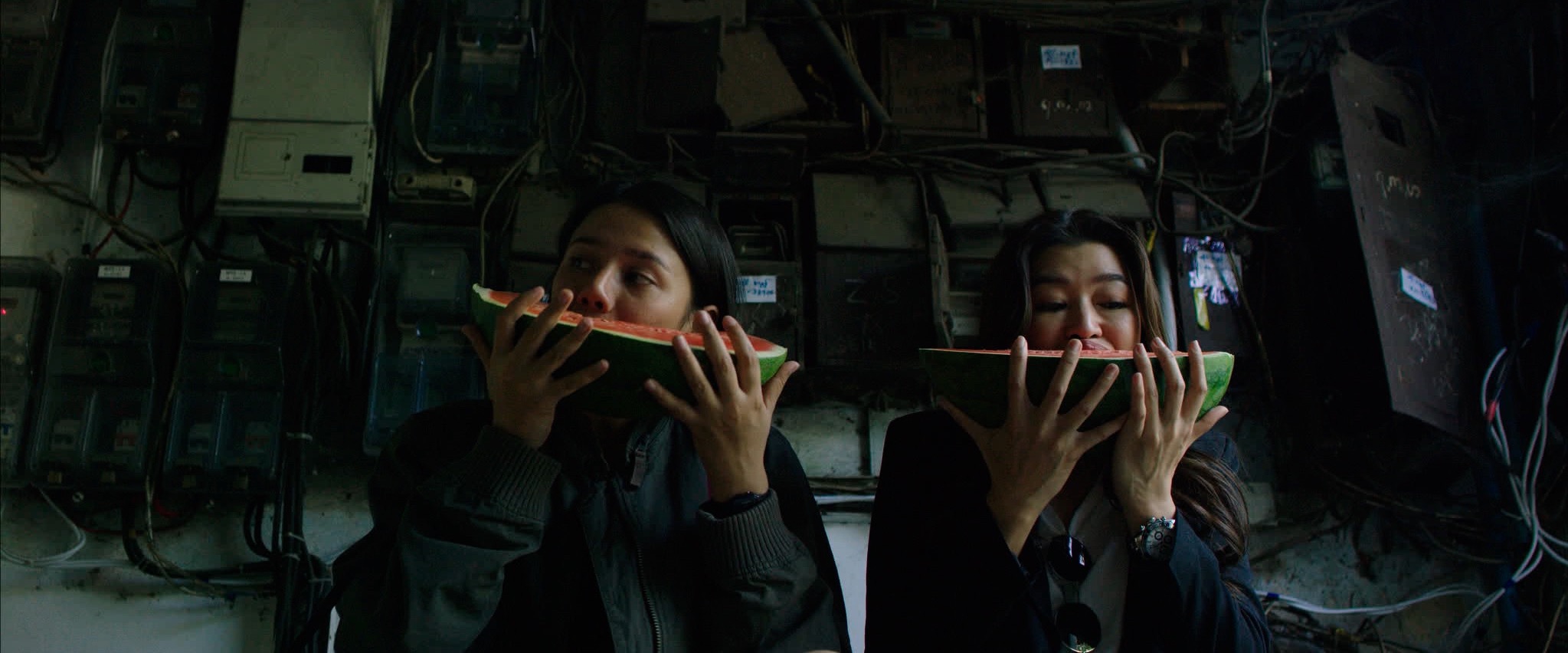
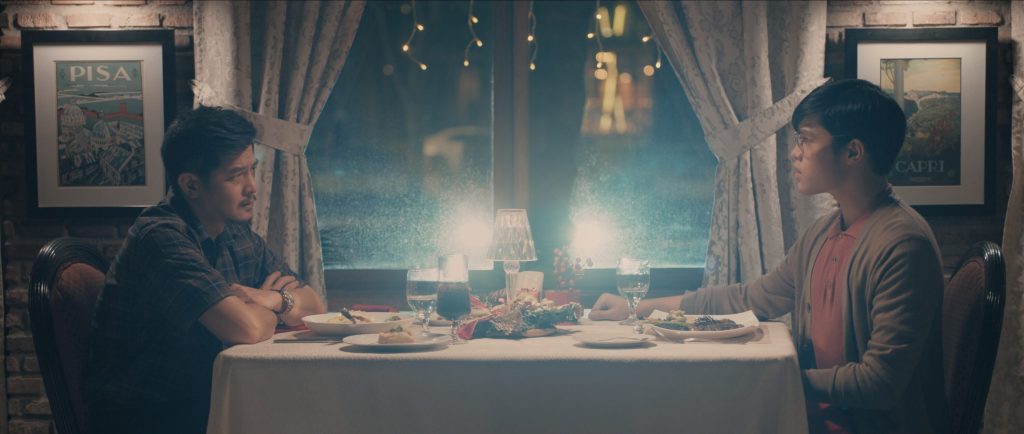
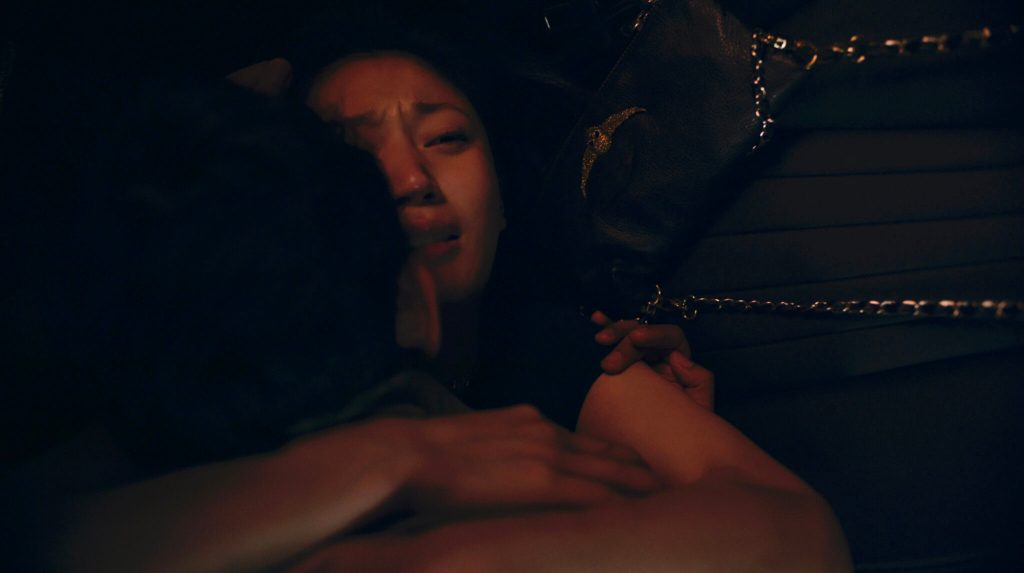
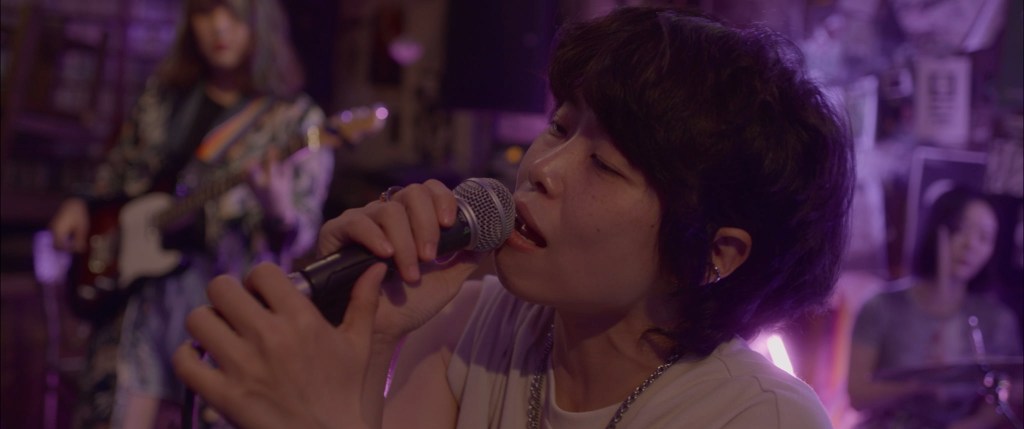
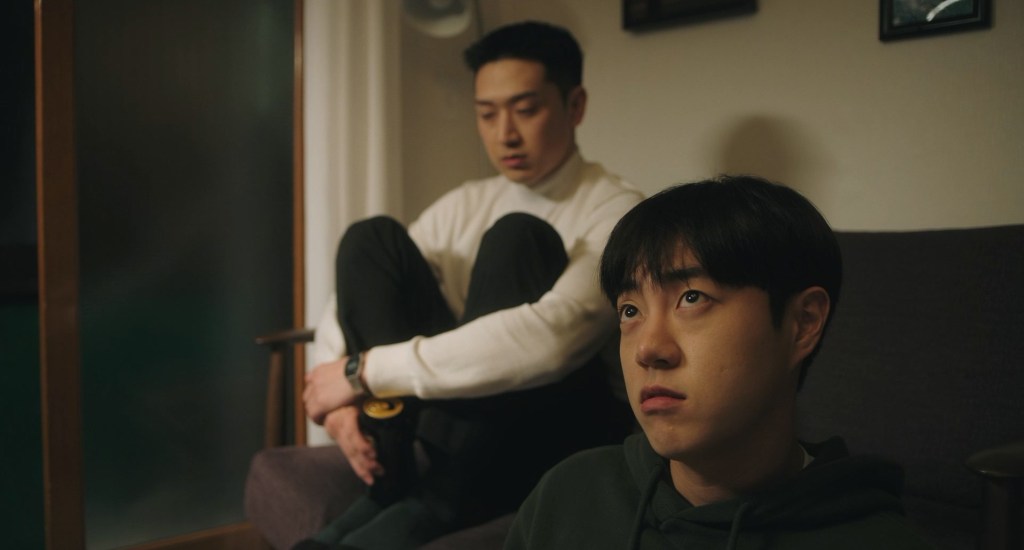
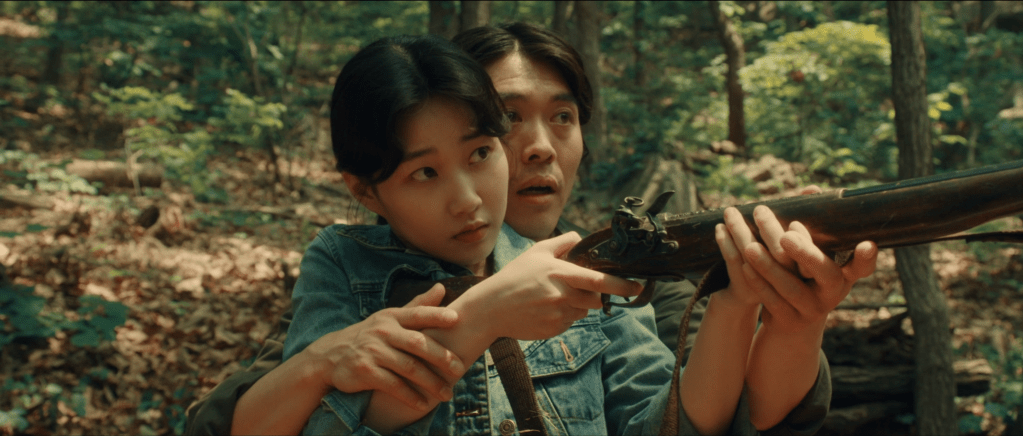
“What is the essence of being a real man?” The hero of Percival M. Intalan’s reverse coming out drama I Love You, Beksman (Mahal Kita, Beksman) finds himself questioning his own identity when confronted with the weight of social expectation and prejudice yet discovering that the question is meaningless when the key to happiness lies in self-acceptance and authenticity. Scripted by Fatrick Tabada (Chedeng and Apple), the film tears apart conventional notions of gender and sexuality in a hyper-masculine patriarchal culture while allowing its hero to gain the courage to define himself in order to chase his romantic destiny. 

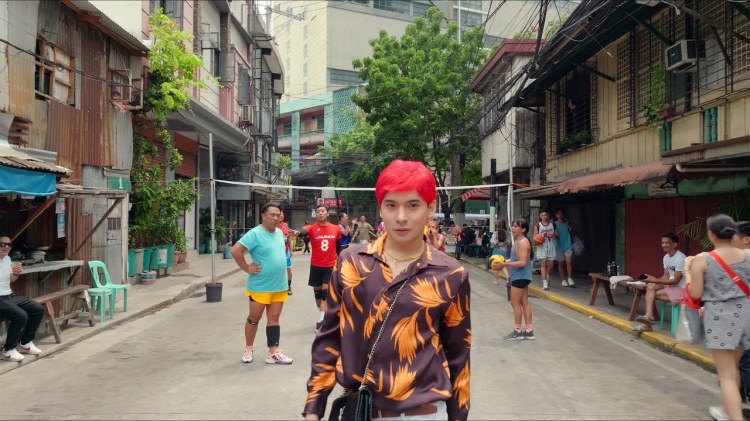
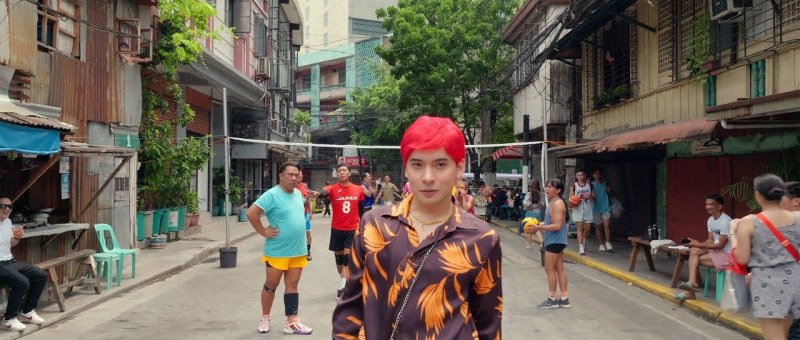
Everyone just assumes flamboyant hairdresser Dali (Christian Bables) is gay. He dyes his hair red, dresses in a less masculine fashion than other men his age, and has an effeminate manner. Yet Dali has a secret he doesn’t even really realise is one in that he is actually straight as he is forced to reveal after falling for beauty queen Angel (Iana Bernardez) at a pageant. The more he tries to explain to people that he isn’t gay and is serious about romantically pursuing Angel, the less they seem to understand him. It simply doesn’t make sense that someone so “obviously” gay could be attracted to women. They ask him if he’s sure or if it might be a phase or if he’s developed some kind of internalised homophobia but never really consider that it’s a possible for a man to be both effeminate and exclusively attracted to women. 

Even Dali begins to subconsciously change himself in order to better conform to their expectations. Having lost her mother at a young age, Angel is surrounded by hyper-masculine men in her father and brothers who all rather hilariously have the same moustache and enjoy manly pursuits such as weightlifting and basketball. Dali, meanwhile, was surrounded by queerness all his life, raised in the salon by a father who now lives openly as a gay man in a platonic marriage with his mother. Despite having seemingly been very happy as a part of a big gay family who all just assumed him to be gay too, Dali begins to reject his father and his own femininity in believing that he must adopt a more stereotypical masculinity in order to convince Angel of his heterosexuality and eventually win her heart (along with those of her conservative father and brothers). 

It might be true to say that Dali’s original presentation as a flamboyant hairstylist and fashion designer is also a kind of performance and an attempt to conform to parental expectation just as his rejection of it is an attempt to conform to the demands of a hyper-masculine society, but only by embracing both extremes can he learn to define himself outside of the images others project onto him. In adopting the traits of traditional masculinity, he becomes boorish and insensitive asking his father to hide his “gayness” to avoid embarrassing him in front of Angel’s dad while later becoming jealous and violent after seeing Angel hanging out with an ex. He can’t see that his adopted persona makes it even harder to form a genuine romantic connection with Angel, not just because he’s actively erasing the sides of himself she first became attracted to in his skill in makeup and fashion but because as she eventually tells him it’s difficult to trust someone who is being dishonest with themselves. 

The realisation he comes to is that he has to be “himself” rather than being what other people expect him to be while those around him come to understand that outdated ideas of stereotypical gender presentation are harmful to everyone. A gentle tale of broadening horizons and mutual acceptance, Intalan’s ironic comedy neatly subverts the coming out trope while situating itself in a world of relative safety in which Dali is free to explore his own identity and means of self-expression encountering opposition only from those who fear he is not being true to himself. The reality may not be so kind as the classic rom-com conclusion may suggest but the film nevertheless neatly takes aim at the ridiculousness of conventional ideas of “masculinity” in a hyper-masculine and patriarchal culture in making a heartfelt advocation for the right to just be oneself.


I Love You, Beksman screens at the BFI Southbank on 18th April as the opening night gala of this year’s Queer East.

Original trailer (English subtitles)
Queer East Film Festival Reveals Full 2023 Programme

Queer East returns to cinemas across London 18th to 30th April with another handpicked selection of LGBTQ+ films from Asia. This year’s edition has a special focus on Korea including a series of films spanning from the 1960s to the present day and will also feature screenings of classics The Love Eterne and Rebels of the Neon God. Opening with Philippine comedy I Love You, Beksman, the festival will close with Home Ground, a documentary focussing on the first openly lesbian bar in Korea which opened in the 1990s.

Cambodia

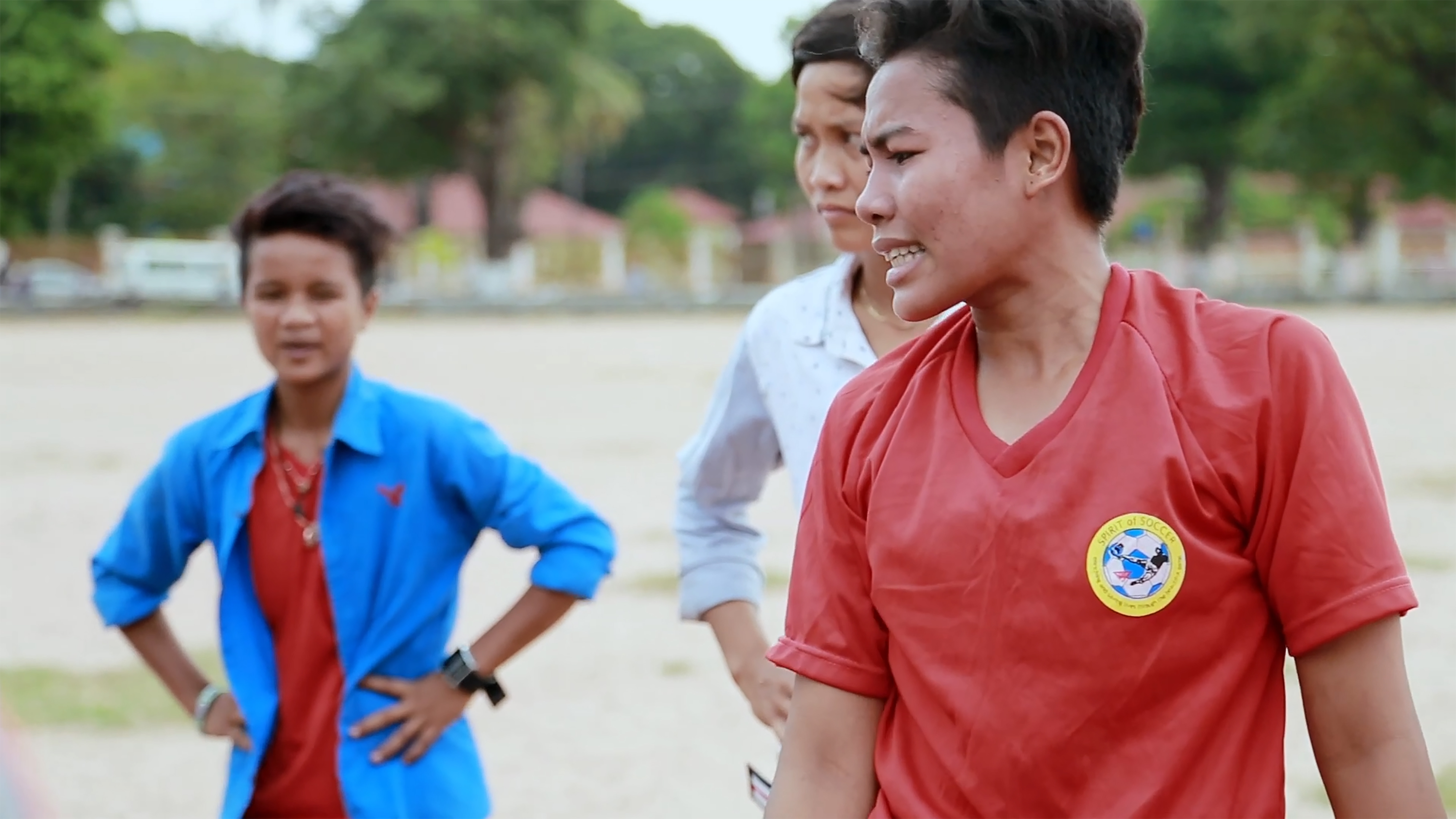
  • Lotus Sports Club – documentary filmed over five years following a trans man in his 60s who formed a football team for LGBTQ+ youth.

China

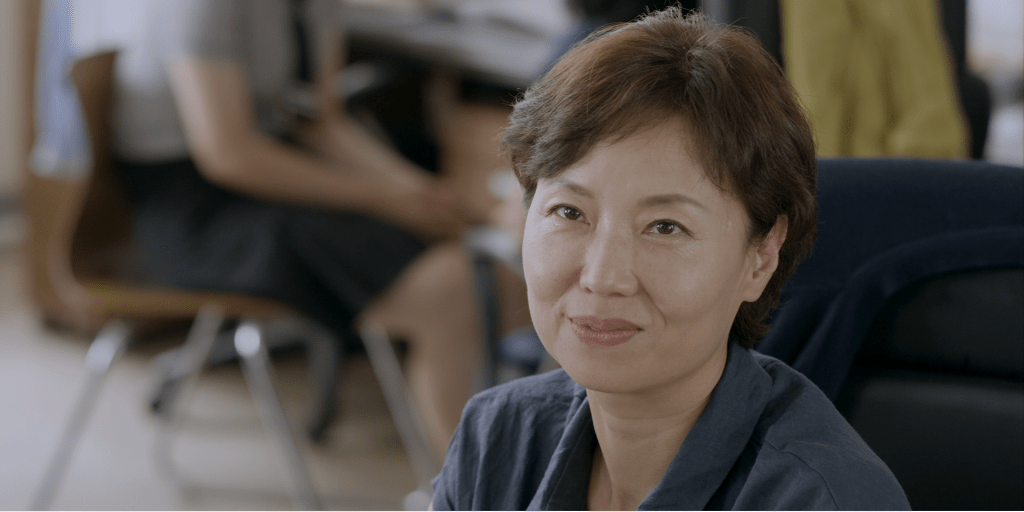
  • Bad Women of China – He Xiaopei’s personal documentary explores the lives of Chinese women from the 1920s to the present day through the stories of herself, her mother, and her daughter.

Hong Kong

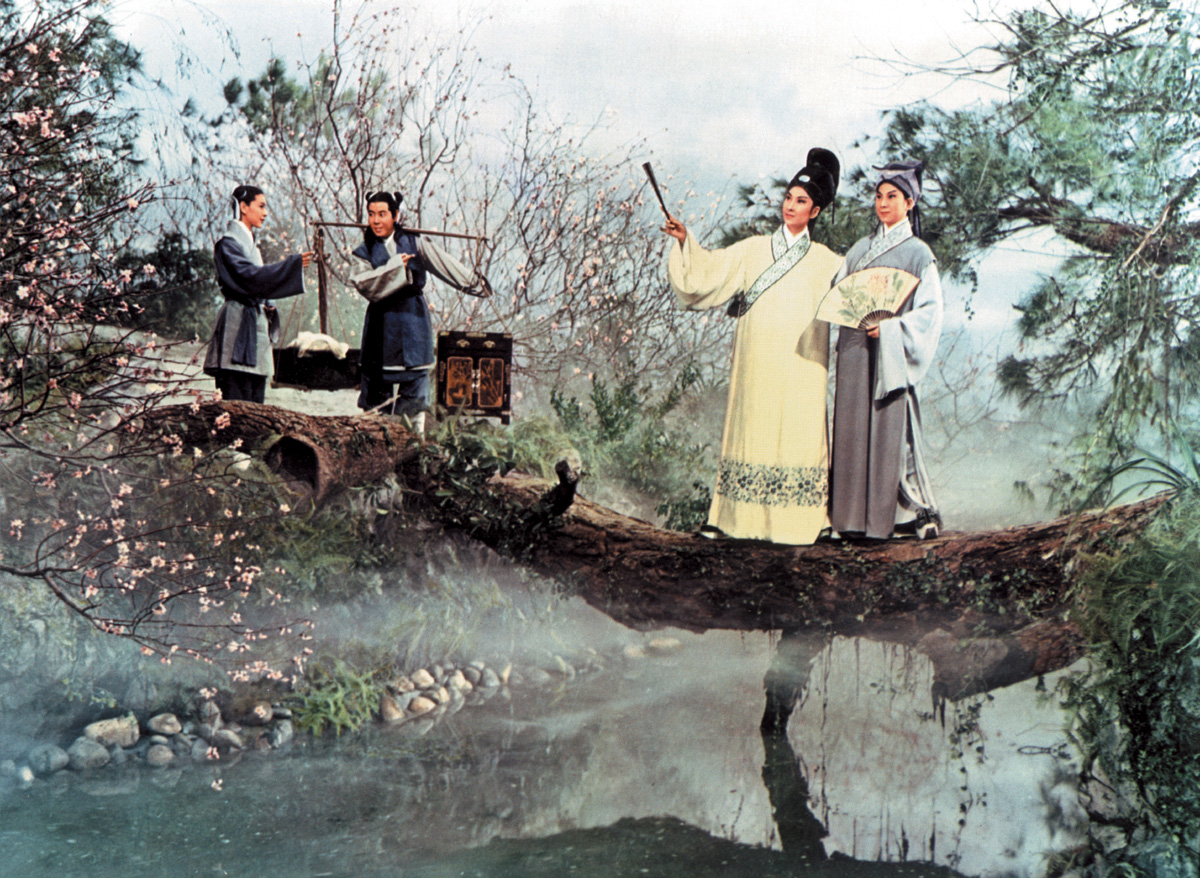
  • The Love Eterne – classic Mandarin-language Shaw Brothers musical directed by the legendary Li Han-Hsiang and starring Betty Loh Ti as a young woman who dresses as a boy in order to pursue education and meets a dashing scholar with whom she falls in love (Ivy Ling Po).

Japan

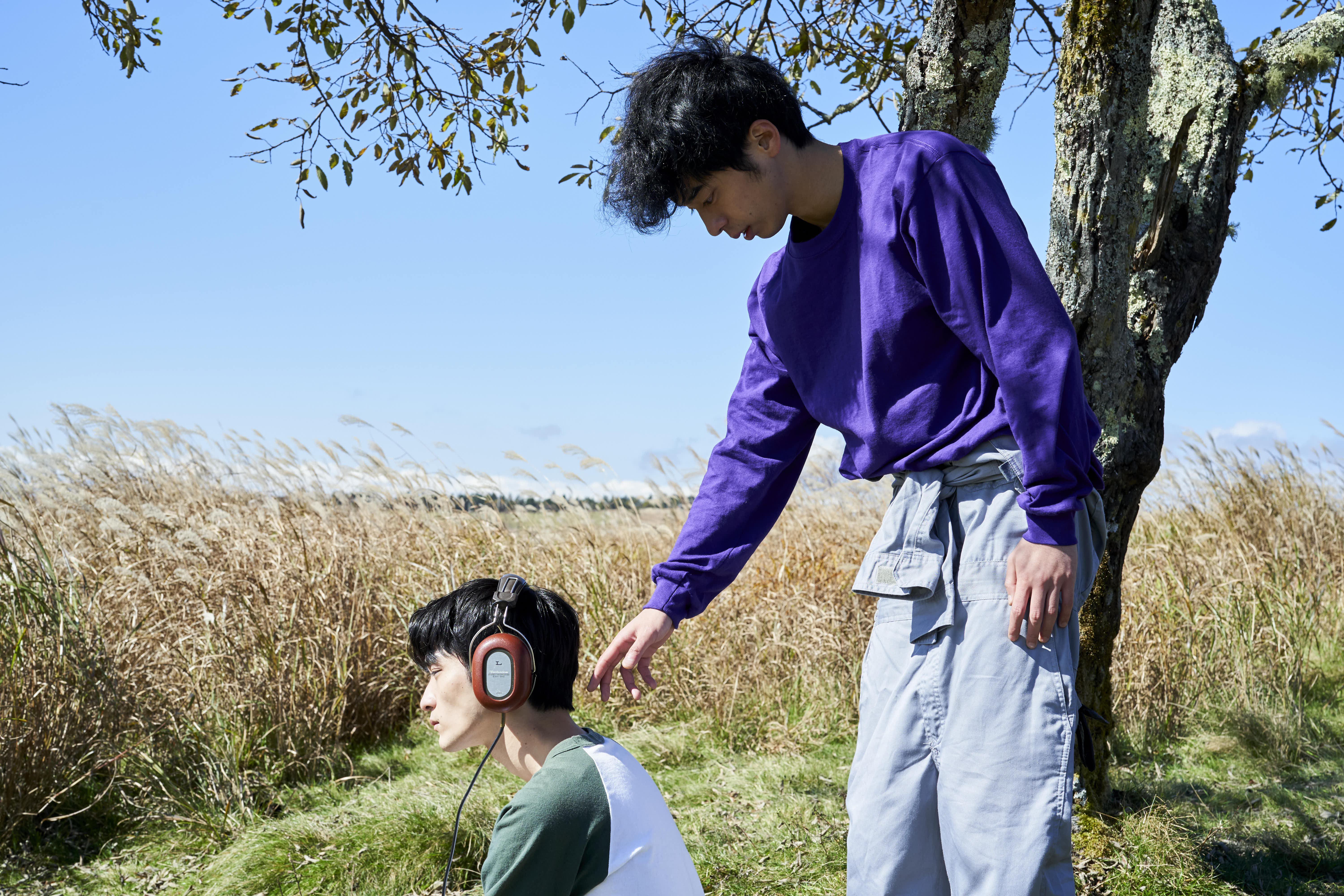
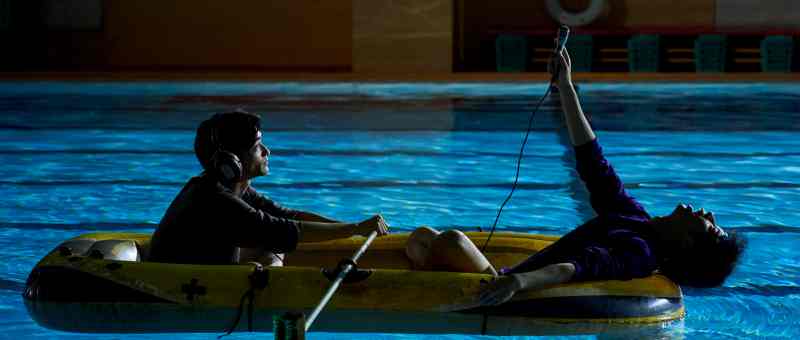
  • Let Me Hear It Barefoot – two alienated young men struggle to identify their feelings while searching for escape from moribund small-town Japan in Riho Kudo’s indie drama. Review.

Myanmar

Philippines

  • About Us But Not About Us – experimental mystery drama in which a student’s dinner with a professor takes an unexpected turn.
  • I Love You, Beksman – comedy starring Christian Bables (Big Night!) as a hairdresser everyone assumes to be gay until he falls for a beauty queen.
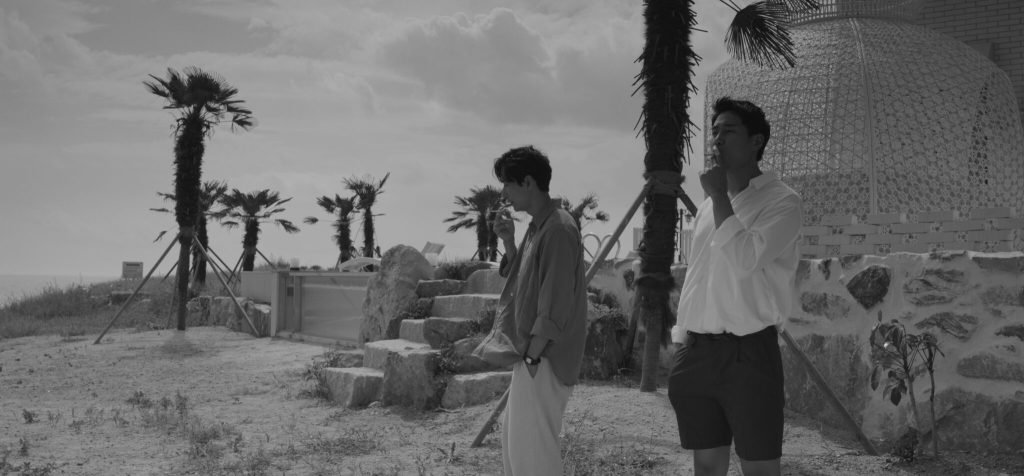
South Korea

  • Home Ground – documentary focussing on the first openly lesbian bar in Korea.
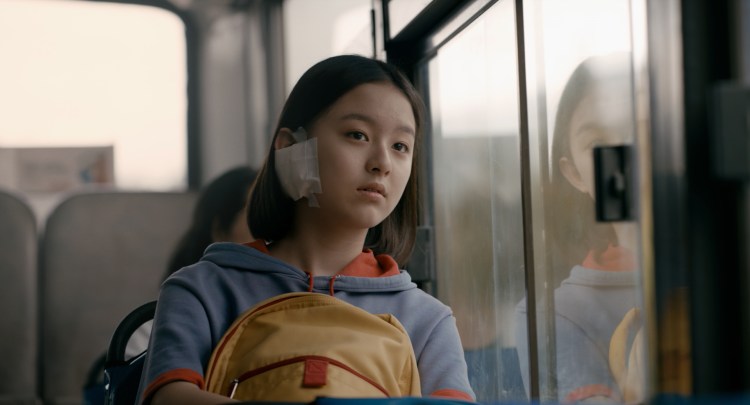
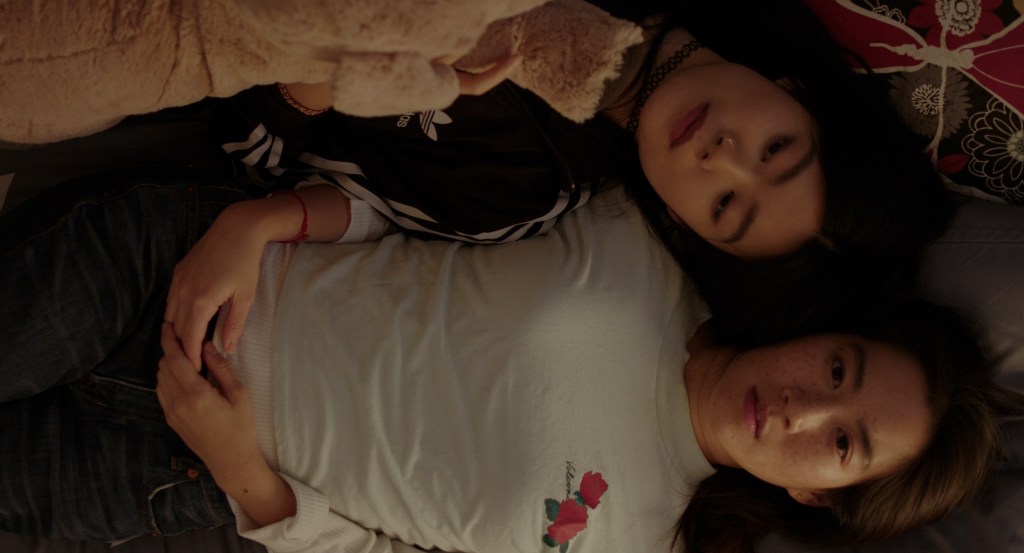
  • House of Hummingbird – coming of age drama set in 1994 in which a lonely teenage girl develops a fondness for her enigmatic Chinese teacher. Review.
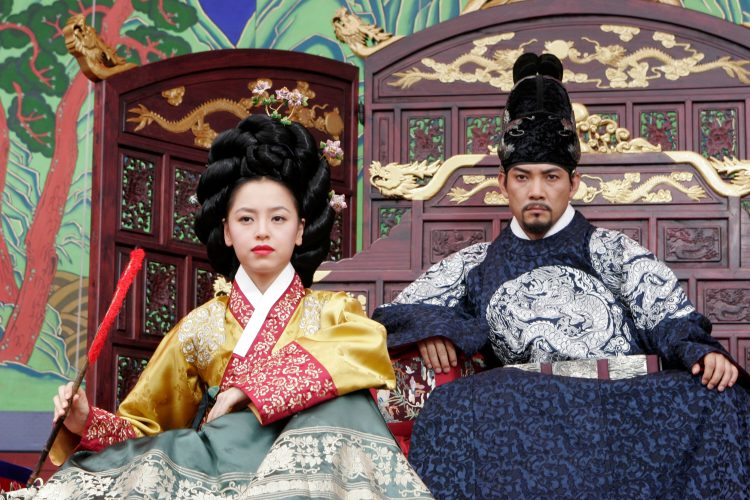
  • King and the Clown – 2005 drama in which a pair of street performers become embroiled in dangerous intrigue. Screening on 35mm.
  • A Man and a Gisaeng – 1969 comedy in which an office worker is fired for being unmanly and finds a new line of work as a gisaeng only to be courted by the very boss who fired him.
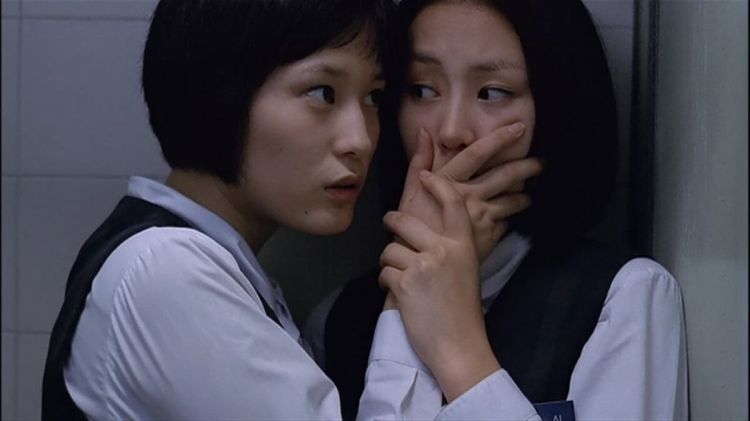
  • Memento Mori – classic millennial horror in which a high school girl discovers a forbidden romance after reading a schoolmate’s diary.
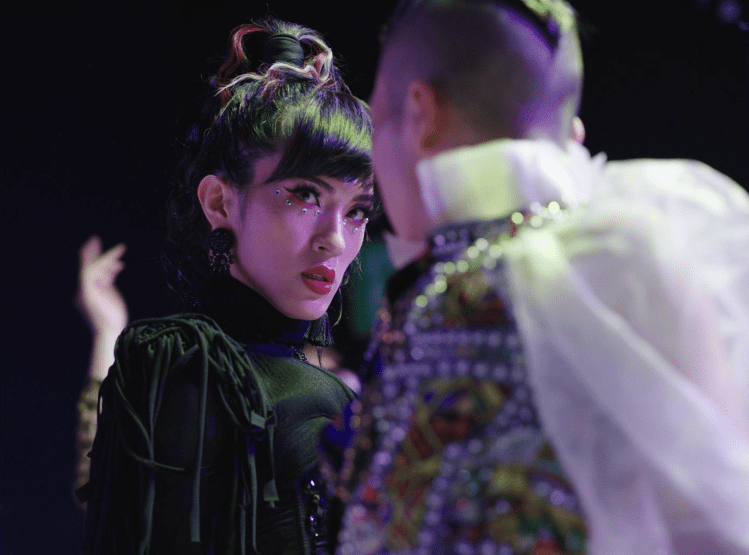
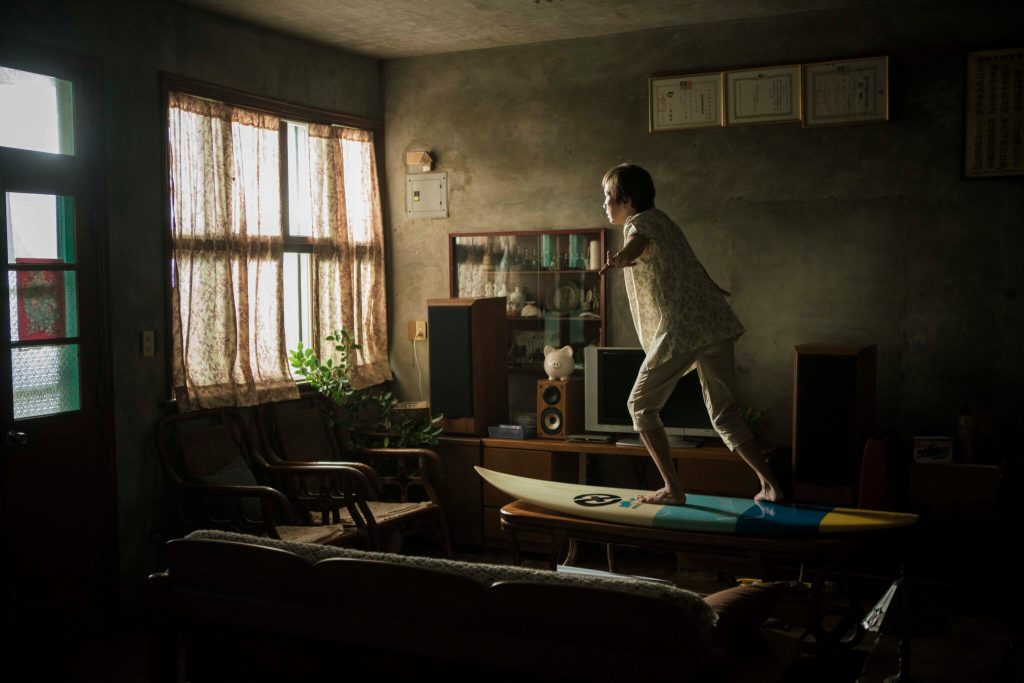
  • Peafowl – drama following a trans woman who is tasked with performing the memorial dance at her estranged father’s funeral.
  • Sa Bangji – 1989 period drama in which an intersex person living in a temple draws dangerously close to a widow in mourning.
  • Stateless Things – festival favourite from 2011 following a North Korean refugee and a young gay man financially dependent on his older lover.

Taiwan

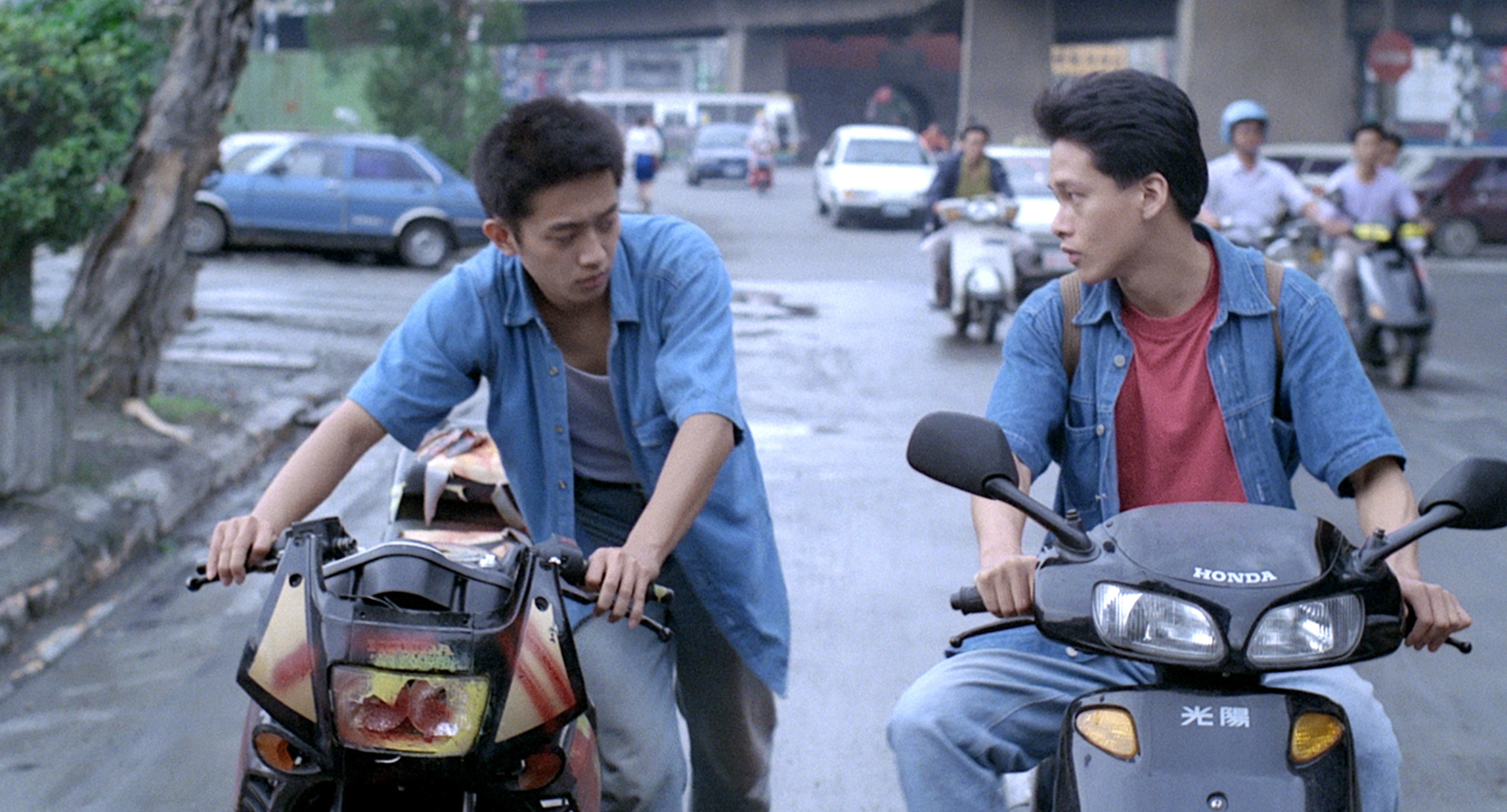
  • Rebels of the Neon God – classic from Tsai Ming-Liang following alienated teenager Hsiao Kang (Lee Kang-sheng) and petty delinquent Ah-Tze in a changing Taipei.

Shorts

In Between Seasons

  • Boy Queen (Dir. Sai Nyi Min Htut, Myanmar, Germany, 2021)
  • Seance of the Past (Dir. Adelaide Sherry, Singapore, 2022)
  • Truthless (Dir. Zhao Badou, China, 2021)
  • Memori Dia (Dir. Asarela Orchidia Dewi, Indonesia, Germany, 2022)
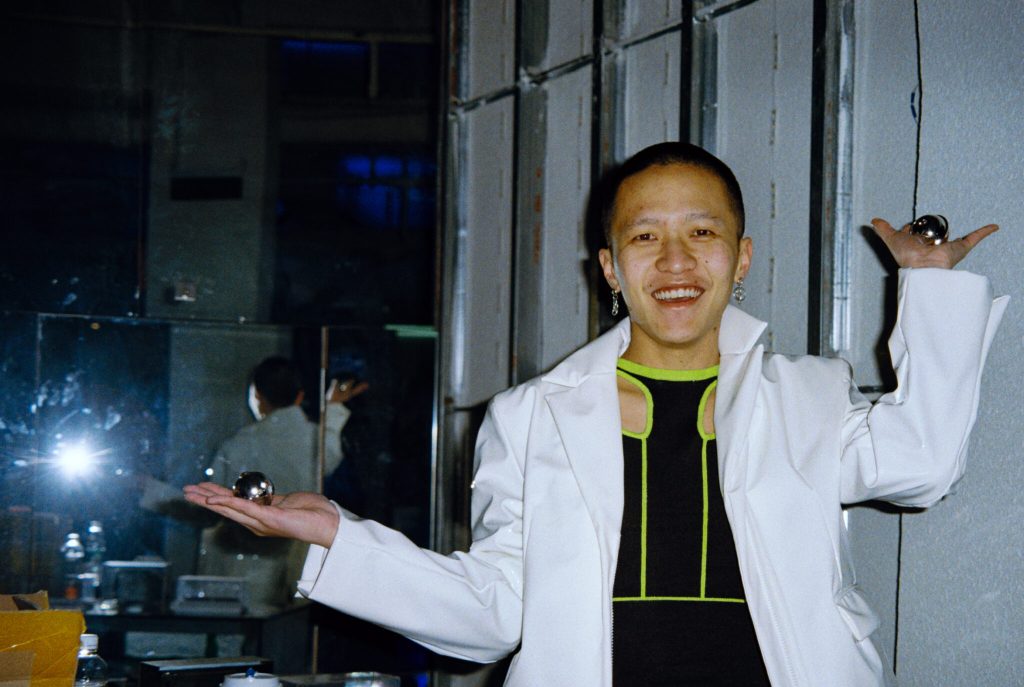
  • Tank Fairy (Dir. Erich Rettstadt, Taiwan, US, 2022)

All About My Mother

  • Will You Look at Me (Dir. Huang Shuli, China, 2022)
  • Skin Can Breathe (Dir. Chheangkea, US, Cambodia, 2022)
  • Fictions (Dir. Alice Charlie Liu, Canada, 2022)
  • Rising Sun (Dir. Cheng Ya-chih, Taiwan, 2018)
  • Fishbowl (Dir. Jacqueline Chan, US, 2021)
  • A Good Mother (Dir. Lee Yu-jin, South Korea, 2022)

A Kind of Queer Utopia

  • Strangers in Paradise (Dir. Huang Yihong, China, 2022)
  • Adju (Dir. Elvis A-Liang Lu, Taiwan, 2021)
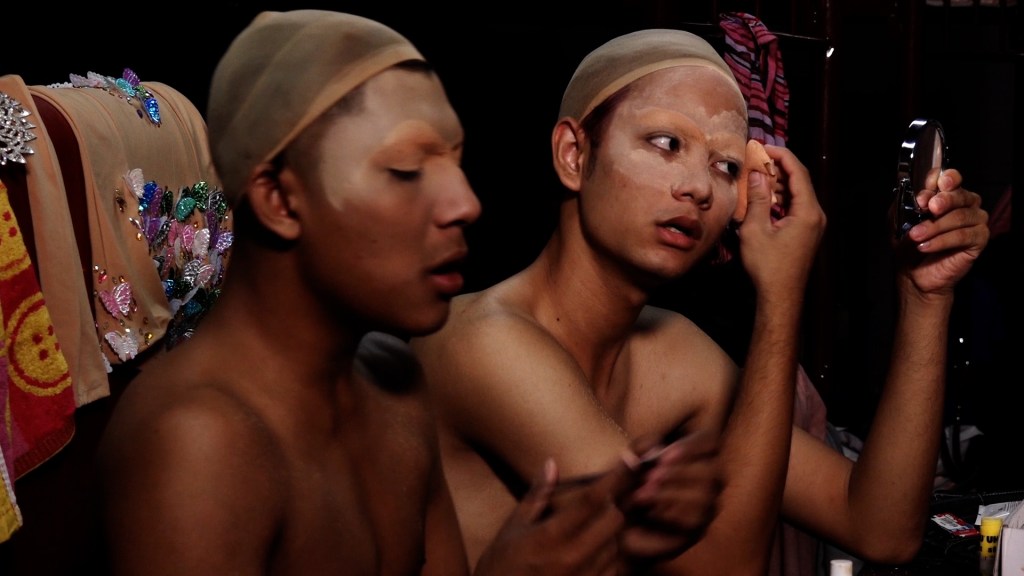
  • Leo & Nymphia (Dir. Pan Hsin-An, Taiwan, 2021)
  • The Choir of our Kind (Dir. Xu Zai, Wang Sisi, China, 2021)

First Times

  • The Voice (Dir. Maral Ayurzana, Mongolia, 2022)
  • Swimming in the Dark (Dir. Chen Pin-Ru, Taiwan, 2022)
  • I get so sad sometimes (Dir. Trishtan Perez, Philippines, 2021)
  • Rooted (Dir. Wu Yi-Wei, Taiwan, 2022)
  • We Were Never Really Strangers (Dir. Patrick Pangan, Philippines, 2022)

Queer Korea: A Mixtape

  • Ice (Dir. Lee Seongpwook, South Korea, 2019)
  • Cicada (Dir. Yoon Dae-woen, South Korea, 2021)
  • Butch Up! (Dir. Lee Yu-jin, South Korea, 2022)
  • Don’t worry (Dir. Kim Tae-yong, South Korea, 2022)
  • How Do I Kill That B? – (Seo Ji-hwan, South Korea, 2022)

Dance Performances

Artists’ Moving Image Programmes

Alien Body, Human Dreams

  • to boyhood, i never knew him (Dir. Trâm Anh Nguyễn, Vietnam & Canada, 2022)
  • Longing for the Sun to Set Upwards (Dir. Jao San Pedro, Philippines, 2022)
  • Native beast (Dir. Aileen Ye, Netherlands, 2022)
  • Disease of Manifestation (Dir. Tzu An Wu, Taiwan, 2011)
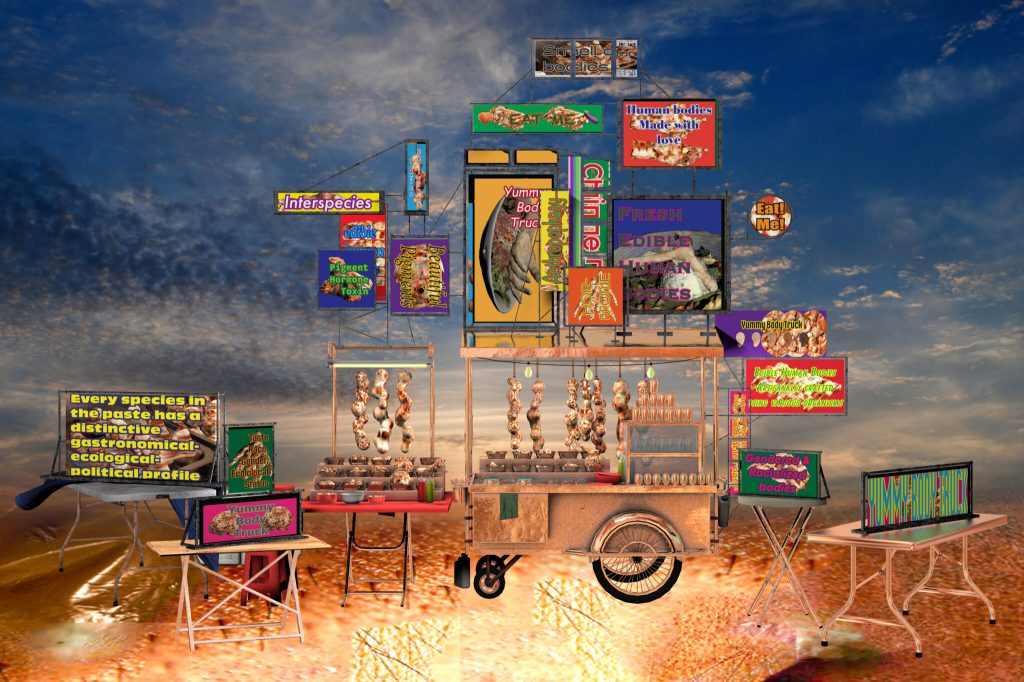
  • Yummy Body Truck (Dir. Noam Youngrak Son, Netherlands, 2021)
  • BXBY (Dir. Soojin Chang, UK, 2022)
  • Garden Amidst the Flame (Natasha Tontey, Indonesia, 2022)

Wayward Fruits

  • Dikit (Dir. Gabriela Serrano, 2021)
  • out in the world (Dir. Bart Seng Wen Long, 2022)
  • Boy-Taste (Dir. Michio Okabe, 1973)
  • I shudder with pleasure that at last the time has come (Dir. Mari Terashima, 2022)
  • Sexy Sushi (Dir. Calleen Koh, 2021)
  • Super Taboo (Dir. Su Hui Yu, 2017)

Queer East runs 18th to 30th April at venues across Central London while a selection of films will also tour to venues around the UK in the autumn. Full details for all the films as well as ticketing links can be found on the official website, while you can also keep up with all the latest news by following Queer East on FacebookTwitterInstagram, and YouTube.