 Written by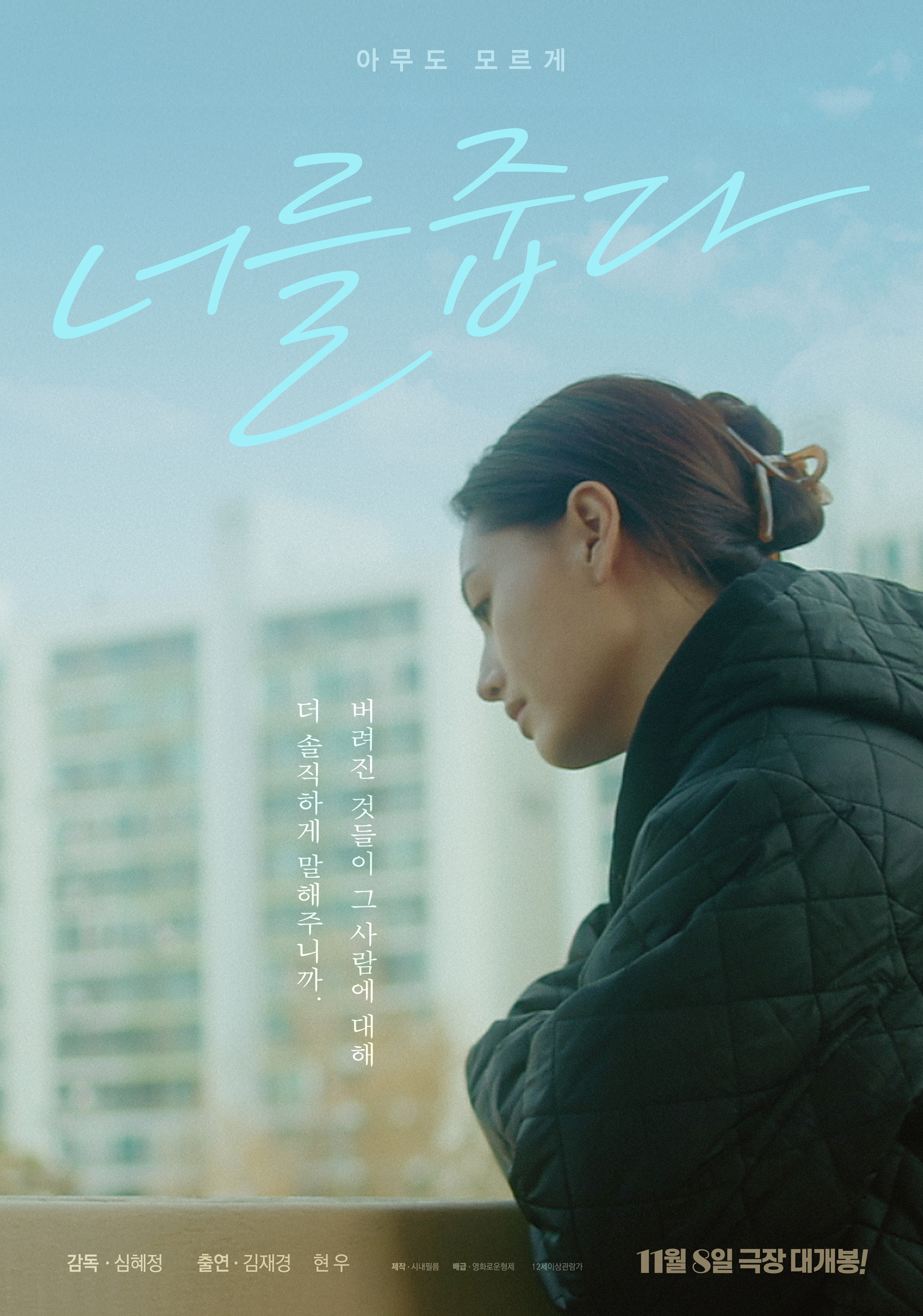
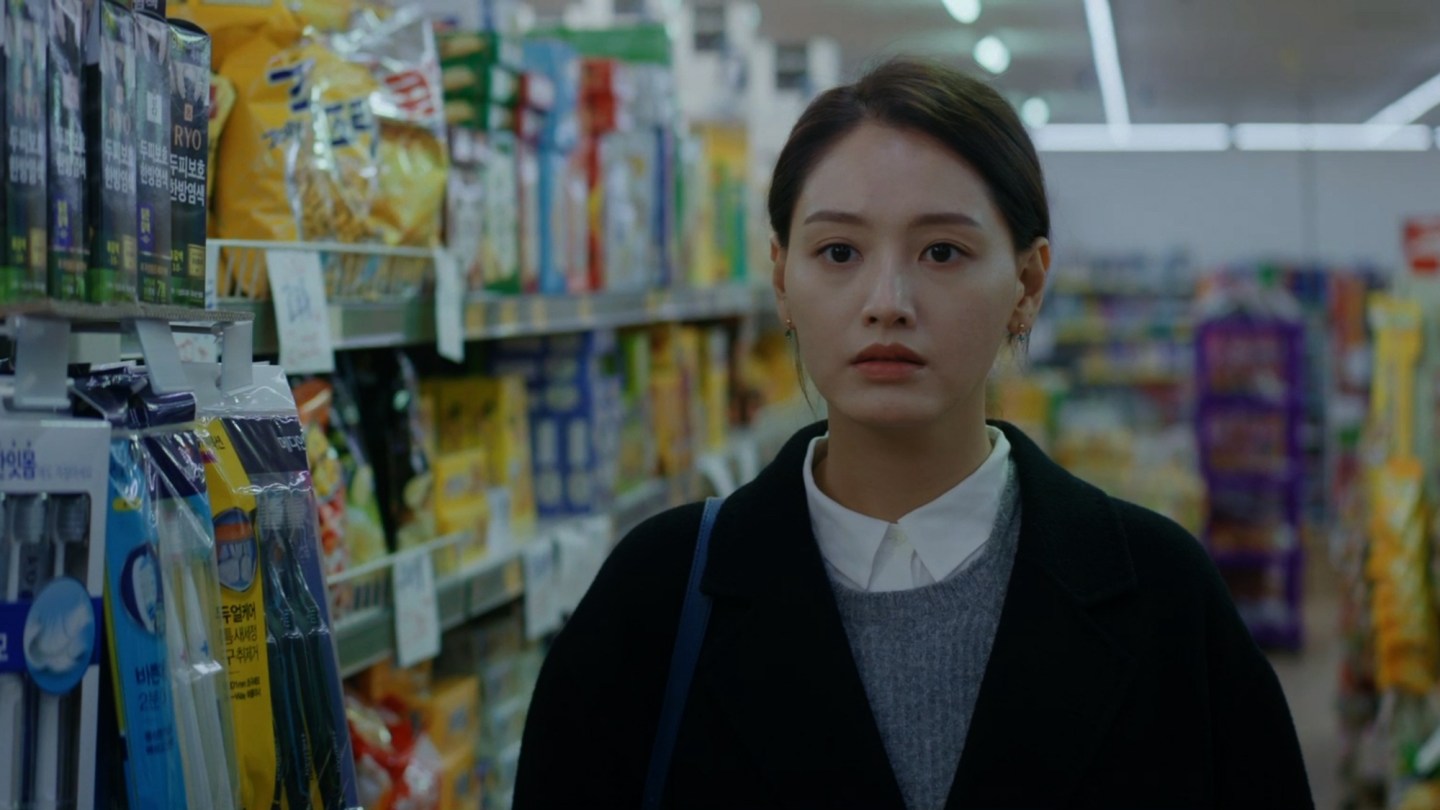
The heroine of Shim Hye-jung’s Flowers of Mold (너를 줍다, Neoleul Jubda) isn’t wrong when she says that you can learn a lot about a person from the things they throw away, though it also helps to explain her nature as an emotional hoarder like the pet fish she only starts keeping as a way of feeling close to a handsome neighbour unwilling to come out of her cave. Based on a story by Ha Seong-nan, the film is in essence an unexpectedly sweet romance but also a mild critique of the disconnected nature of urban living in which everything has already been broken down to its essential components in an overly ordered, judgemental society.
The disposal of rubbish, for example, is ridden with rules the breaking of which invites censure from a self-policing society as Ji-su (Kim Jae-kyung) discovers when she’s hauled in front of a trio of middle-aged women who put her on trial for inadvertently including inappropriate items in her regular rubbish, acting as if what she’s done is worse than murder and an indication of a deep ill will towards the community. In an odd way, this might be what sparks Ji-su’s strange hobby of rooting through her neighbour’s bins and keeping detailed records of them in a frustrated attempt at one-sided connection. She’s similarly conscientious at work, accepting belligerent calls from a customer who always complains that his meal kit deliveries have spoiled under the justification that he seems to work late and they should have just added an evening delivery tag even if he neglected to ask for one. She makes a similar suggestion that another customer with a young baby sometimes forgets to add not to ring the bell, so she goes ahead and adds that to her delivery note just in case.
“This is the age of big data” she jokes, but few us really like to be seen in this way and often we throw things away because we no longer like the self that owned them. Ji-su’s overbearing mother is forever telling her to get to rid of old things and buy new in a consumerist fantasy that novelty equals happiness, which might help to explain Ji-su’s reluctance to give anything away possibly afraid of the judgements others may make of her. An unfortunate encounter with a duplicitous man has left her feeling naive and mistrustful, needing further information in order to navigate the world and fill the void where real connection should be.
That’s one reason that she unwittingly begins to take on the characteristics of an attractive man who’s recently moved in next door and undergone an very loud breakup with a woman who seems otherwise totally unsuited to him and indeed understands him far less than Ji-su who has begun to build a profile after trawling through his trash. Perhaps wanting to know more only a natural consequence of falling in love, but it’s also an undeniable invasion of privacy that threatens to destroy a relationship even before it’s begun.
Even so, Ji-su begins to poke her head outside of her cave even deciding to take a leaf out of Woo-jae’s (Hyun Woo) book and take a leap of faith so out of keeping with her characteristic risk aversion. Cripplingly shy, she admits that she’s still afraid of people and in the end unable to trust them, remaining somewhat closed off and unknown perhaps even to herself. Then again, a teenage girl who’d originally reacted angrily to her well meaning advice later thinks better of it and wants to thank her “for her attention” being one of a few people who seems to have really seen her and taken an interest in her wellbeing in the midst of an indifferent city.
Shim often cuts back to the anonymous apartment blocks, presenting an ersatz world of uniformity echoed in the meal kits Ji-su sells at work which reduce a complex dish to its component parts removing all sense of creativity or spontaneity. Woo-jae’s improbably possessive ex Sera describes him as “boring”, but perhaps he’s simply a man who knows how he likes to live much as the fish do and as he suggests it doesn’t always work out when you put two different kinds in the same tank. If Ji-su wants to break free of her self-imposed isolation, what she needs to figure out is how to give more of herself away and gain by doing so, accepting but also looking past someone’s trash to whatever it was they decided to keep.
Flowers of Mold screened as part of this year’s London Korean Film Festival.
Original trailer (English subtitles)
 Windows on Worlds