 Written by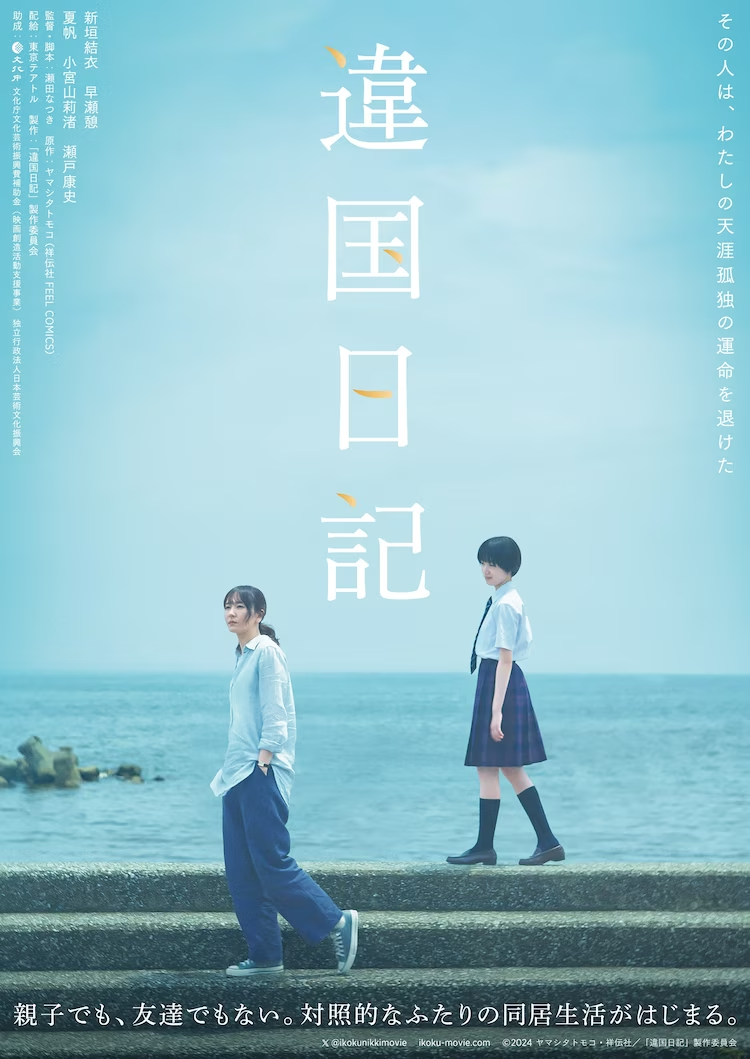
Adapted from the manga by Tomoko Yamashita, Natsuki Seta’s quietly empathetic drama Worlds Apart (違国日記, Ikoku Nikki) eventually reveals the private lonelinesses and hidden sorrows that everyone has which isolate them from others. The film’s Japanese title plays on a homonym for the word for “foreign country” instead using the character for “different” which in itself suggests each person is an entire world often unable to make contact or be fully understood by those who cannot after all ever travel there.
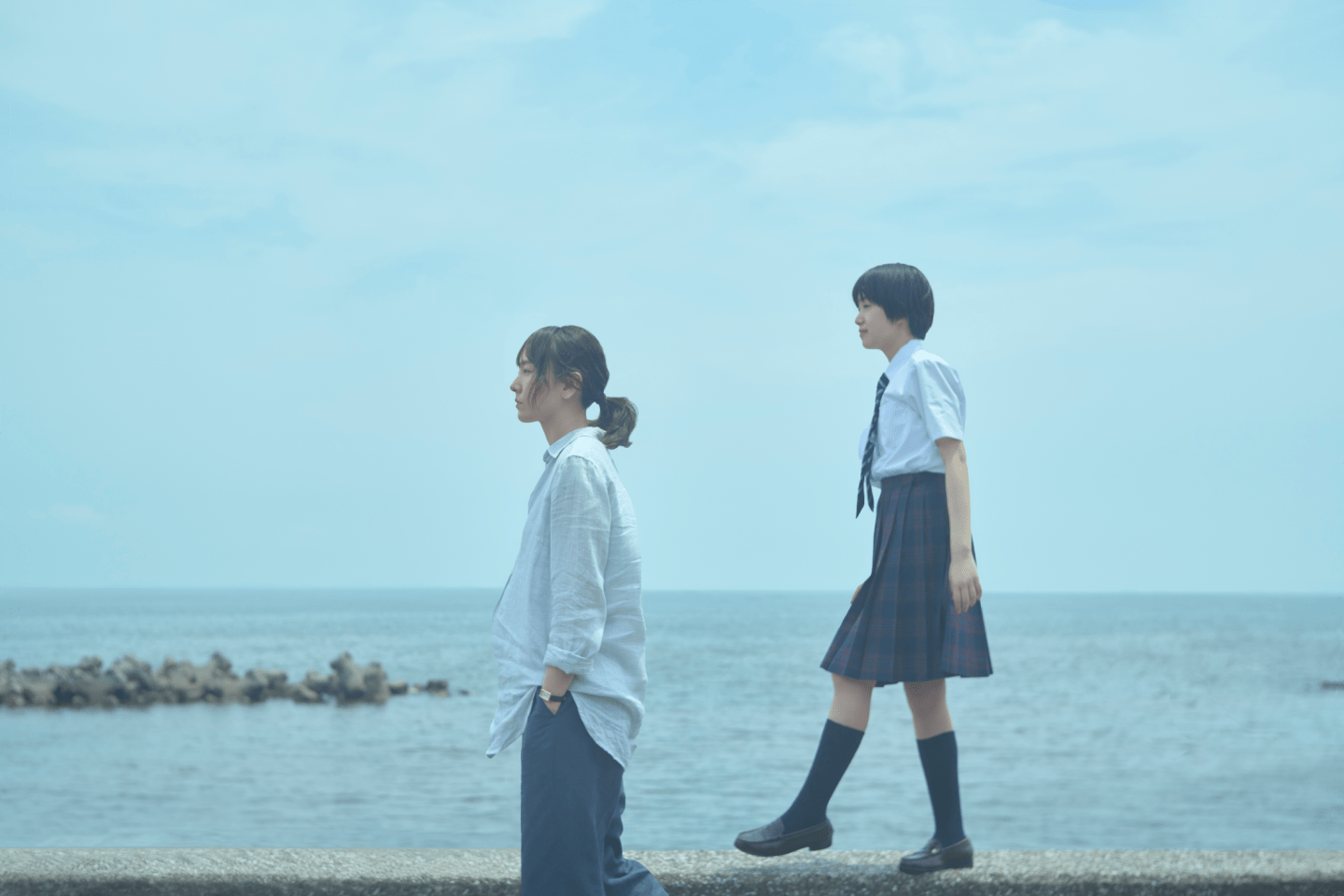
Perhaps that’s something most people feel every once in a while but becomes acutely obvious to 15-year-old Asa (Ikoi Hayase) when her parents are killed in a surreal traffic accident in the film’s opening scenes. She sits struck dumb and vacant at the funeral, having no idea what’s going to happen to her now while other relatives crassly describe her as having been cast adrift like an “unwanted barrel”. It’s this insensitive phrase that seems to drive her aunt Makio (Yui Aragaki), a novelist, into an impromptu decision to offer to take her in though they had only met briefly long in the past and had no real relationship with each other. Makio had been estranged from her sister for many years and never makes any attempt to disguise her utter loathing and resentment towards her for having been so cruel and judgemental when they were children.
It’s refreshing, in a way, that the film doesn’t encourage her to change her feelings after her sister’s death. She doesn’t discover another side to her through bonding with Asa nor are her feelings invalidated much as Asa originally tries to make her like her mother as a means of reclaiming her. In fact, what Makio does is normalise whatever way Asa is feeling telling her at the hospital when forced to identify her parents bodies that it’s alright not to know how she feels. The two sisters were it seems very different, though the grandmother eventually offers an explanation that Makio’s sister had once been seriously ill and therefore unable to live a “normal life” which might explain why she was so enraged by Makio’s decision to chart her own course and wilfully spurn conventionality.
These are also hints to the hidden world contained with the diaries Asa’s mother left behind to opened when she graduated high school. Makio wrestles with whether or not to pass the notebooks on and when, unsure if Asa is ready to receive the knowledge that might be inside them. Though she settles in to Makio’s home quite comfortably, Asa keeps her grief and occasional bouts of resentment to herself. Seta often frames her as standing alone in vast empty spaces or total darkness, isolated and lonely, now displaced by her liminal status no longer anybody’s daughter but not quite independent.
Yet this isolation also blinds her to that of others. She doesn’t quite pick up on it when she clumsily attempts to talk about boys with her best friend Emily (Rina Komiyama) who directly tells her she has no interest in them and deflects the question when she asks if she likes girls instead. Emily is also lonely and isolated in feeling anxious to reveal her sexuality to Asa who in any case reacts clumsily when she eventually does. A similar thing happens with a girl in their class who studied hard to apply for a special programme only to be told the organisers are looking for a male student because it requires “physical strength,” while Asa also seems to develop a fascination with a bass player in the school music club who declines an offer to collaborate because she doesn’t want to get her hopes up only to be disappointed in the end.
Makio hadn’t previously wanted to share her life, separating from an old boyfriend she still seems attached to out of an apparent fear of intimacy but nevertheless opens herself to Asa in deciding to respect her as an adult giving her agency over her own choices along with good, empathetic advice while simultaneously being clear that she doesn’t know if she can come to love her given the depth of hatred and resentment she bore towards her sister. But what the pair of them realise is that good or bad they can each share their memories rather than being forced into a frosty silence even if as Makio points out Asa will never understand her hurt and she will never understand Asa’s loneliness. Gentle and wholesome, the film ironically lays bare how opening up to others can in fact expand the world inside you instead filling the space rather than leaving you isolated inside it and returning light to a world that might otherwise have seemed dark and lonely.
Worlds Apart screened as part of this year’s Camera Japan.
Original trailer (no subtitles)
 Windows on Worlds