 Written by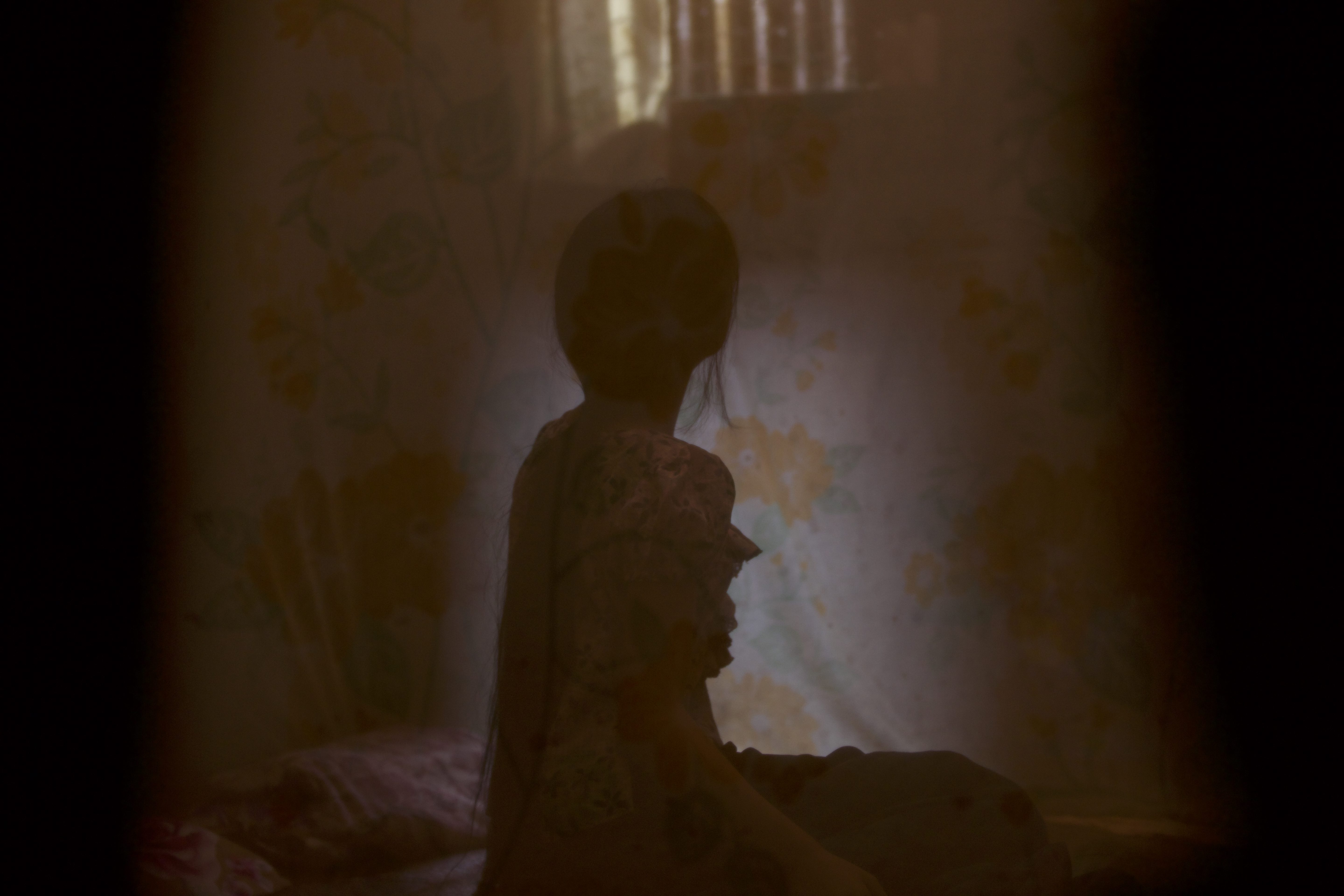
After their factory withholds wages for two months, seamstresses decide they have no other option but to strike in The Maw Naing’s hard-hitting drama, Ma – Cry of Silence (မ – Cry of Silence). As the opening title cards explain, Myanmar has seen a series of military coups over the last few decades and is now in a state of civil war. The military’s burning of villages has forced young people into the cities in search of work and shelter, but also left them in a precarious position and vulnerable to exploitative conditions.
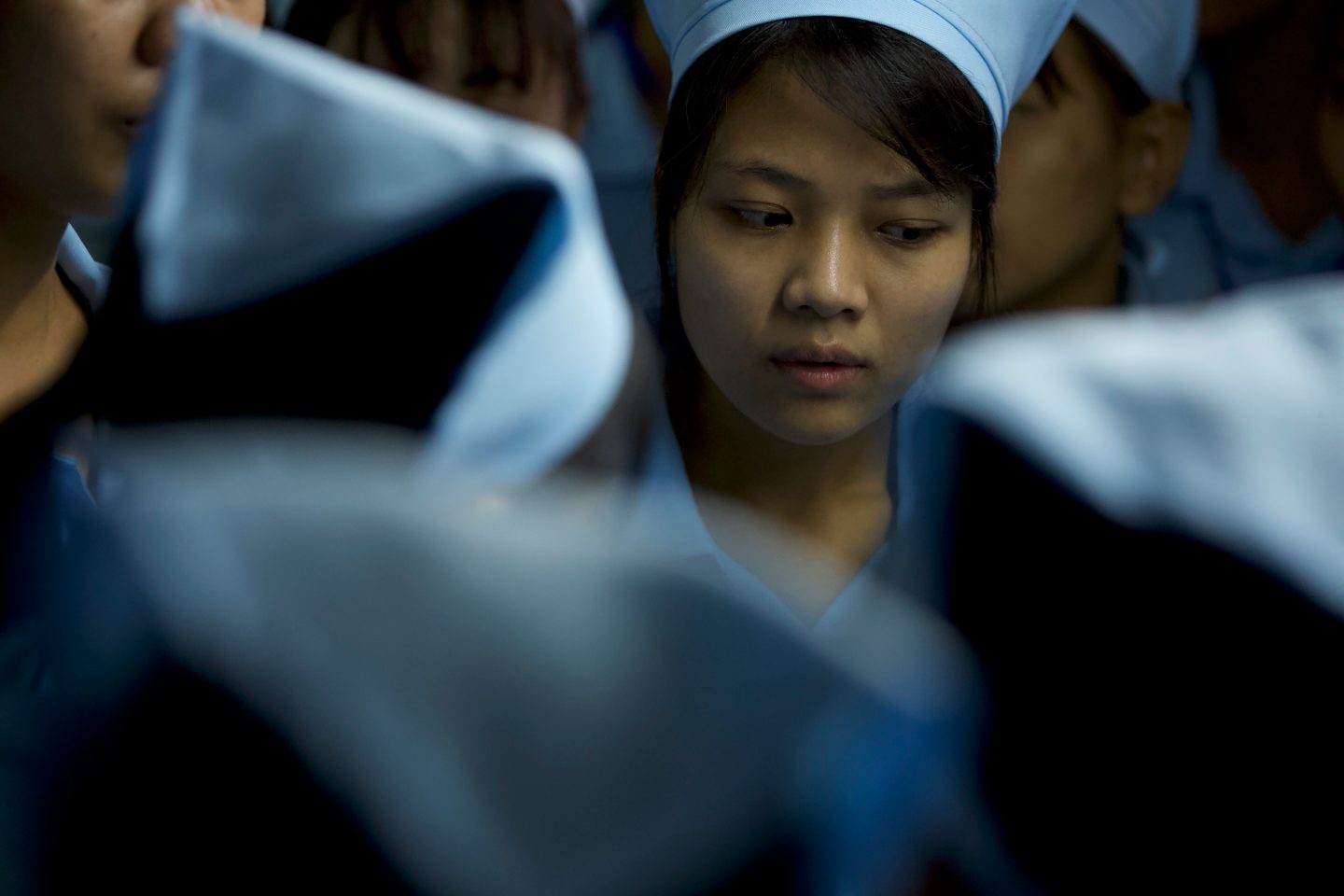
Mi-Thet, at least,ƒ is haunted by memories of her village burning and lives in a kind of hell where smoke is always on the horizon. She has a job as a seamstress and lives in a dorm with other young women in similar positions, but the factory hasn’t paid wages in two weeks and the landlady is beginning to get fed up. She snaps at the girls and ironically asks if they want her to starve to death, laying bare both the domino effects of this world in collapse and the pervasive heartlessness of capitalism. At the factory, the Forman watches over them, ruler in hand and often strikes them if he thinks they aren’t working hard enough while they’re terrified of taking breaks or visiting the bathroom because he also peeps on them or tries to extract sexual favours which some of the girls grant because they need the money.
The foreman’s face is kept offscreen and even when the women confront him, he appears as a ghostly silhouette behind the plastic sheeting. The factory boss, even when he supposedly arrives by car, is never seen at all. It may be that the political situation makes it impossible to run this kind of business, but at the same time it seems more like the factory just don’t want to pay the women because they think they don’t have to. After all, they have money to hire thugs to break up the protests when the women decide to strike rather than just giving them what they’re owed. The foreman alternately threatens them and makes false promises of payment that the women can’t believe because they’re still owed so much money even though as Mi-Thet says, she spends her days between the factory and the dorm. It wouldn’t surprise her if she died at her machine, while one of the others quips they’d still keep them working after they died.
Mi-Thet remains on the fence about even joining the strike, as do many of the other women afraid of the repercussions and of losing the money they’re owed entirely though it doesn’t seem as if it would be paid anyway. Her neighbour U-Tun who is disabled and is covered in scars from the 1988 protests for democracy remains world-weary and not so much encouraging as fatalistic but offers Mi-Thet a series of books that help her commit to the cause though it’s seeing her friend who works as a maid be badly beaten by her employer that convinces her they have to act now.
As U-Tun says, the country should have changed but it stayed the same, while Mi-Thet can’t figure out if they’re emerging from the darkness or walking deeper into it. News reports speak of torched villages and refugees but also of the food shortages the destruction has caused. Even the cook at the dorm complains prices have gone up so much she can’t get good food and says she’ll cook better when they pay her more. “Better” doesn’t really matter at the factory as long as the girls hit their quotas, but workers can’t work on empty stomachs and no sleep even as the foreman seems intent in working them to their deaths. Mi-Thet and the others attempt to stand up against this cyclical destruction, but discover that they have almost no power and the factory owners don’t care at all if they live or die because they think there’s an endless stream of displaced girls looking for work. Gunshots and the rumble of fire echo in Mi-Thet’s ears, but ultimately she discovers herself trapped within this historical loop but issuing a rallying cry to the youth of Myanmar to rise up against this continuing oppression.
MA – Cry of Silence screened as part of this year’s New York Asian Film Festival.
Trailer (English subtitles)
 Windows on Worlds