 Written by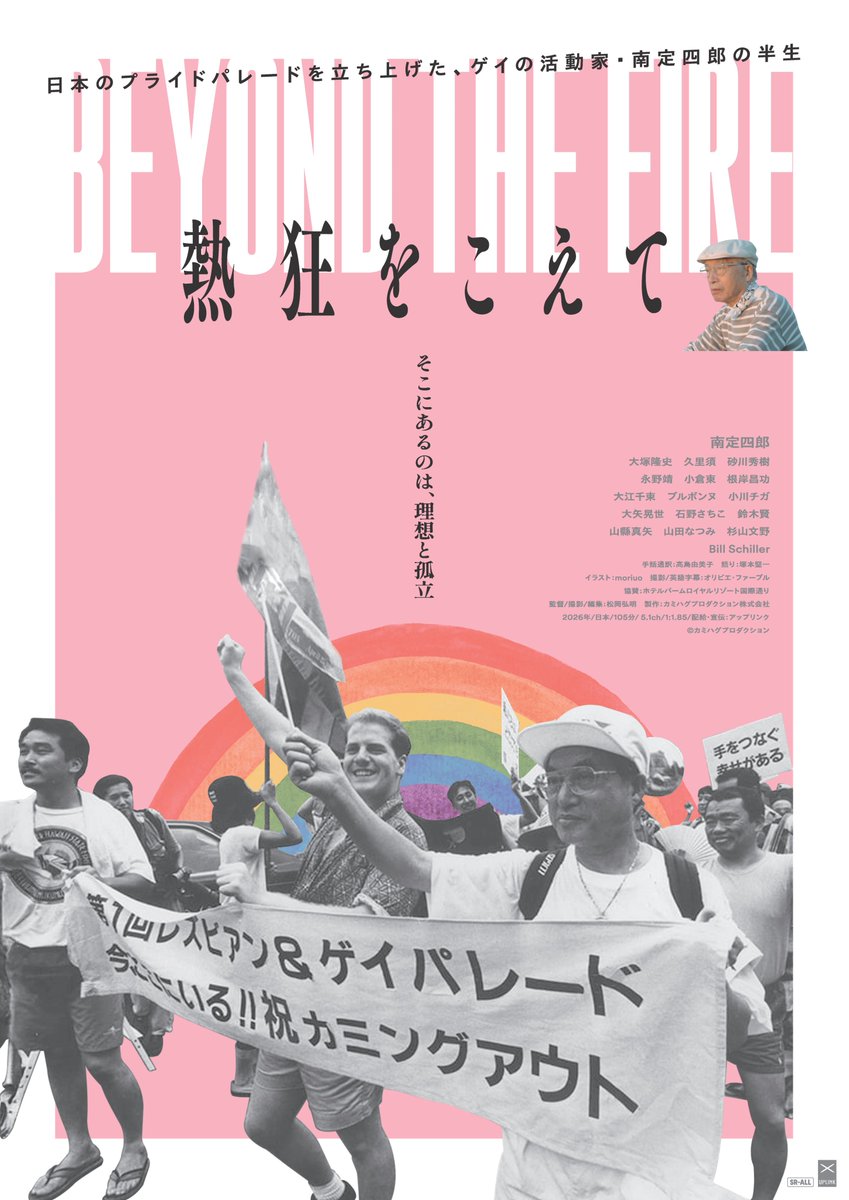
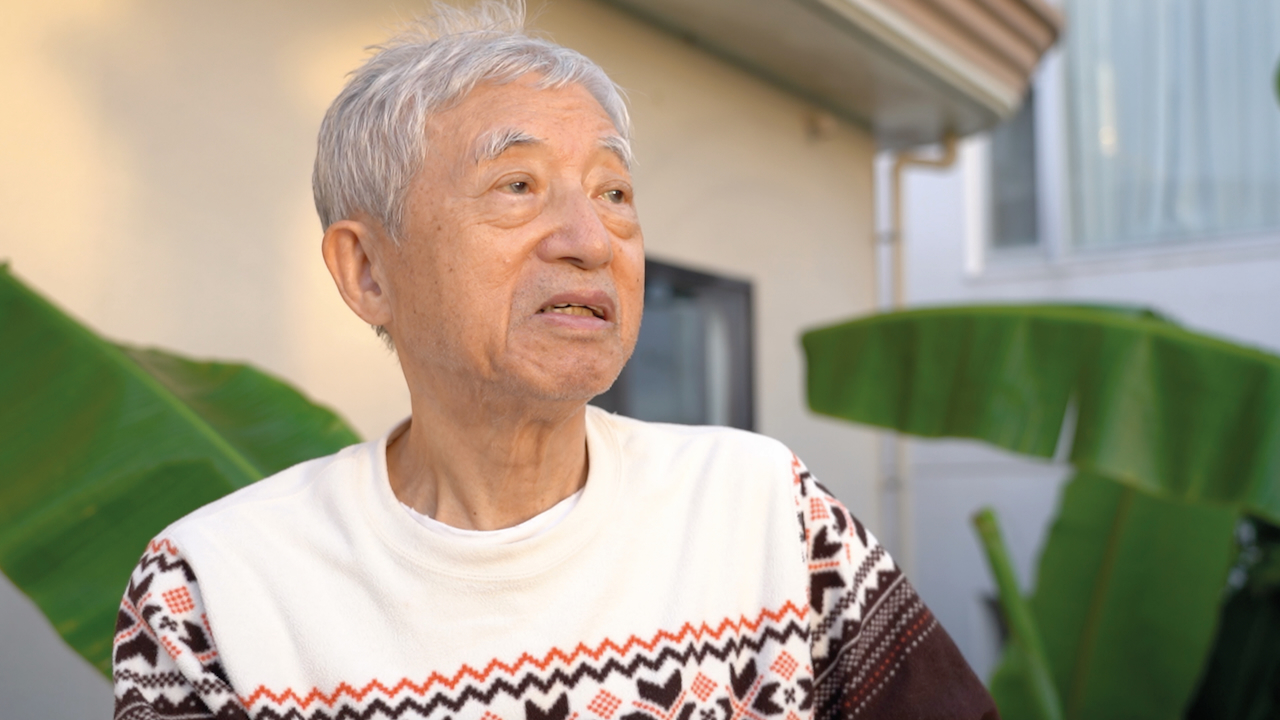
Hiroaki Matsuoka’s documentary Beyond the Fire: The Life of Japan’s First Pride Parade Pioneer (熱狂をこえて, Nekkyo wo Koete) follows the life of Teishiro Minami who started the first Pride parade to take place in Japan in 1994. The film is not, however, an exercise in hagiography and examines Minami’s troubled legacy as someone whose attempts to control the movement ended up destroying it and leading to tragic and unforeseen circumstances. The parade has since been reborn under Tokyo Rainbow Pride which aims for greater inclusivity for sexual minorities and operates out of a community hub where all are welcome.
As for Minami, he was born in 1931 on the island of Sakhalin which was eventually taken by the Russians during the war. The family evacuated to Akita to live with his mother’s relatives, but his father refused to come with them and remained behind. This sense of physical dislocation and displacement only deepened Minami’s sense of rootlessness and lack of belonging having figured out his sexuality while hanging out with part-timers at his family’s shop. With his mother having to support the family single-handed, Minami was keen to start working and got a civil service job after high school working in the local prosecutor’s office. Once his father returned, he asked for a transfer to Tokyo and began looking for the mysterious “House of Secrets” and the gay world he’d read about in magazines.
But after failing to gain a promotion, Minami resigned due to a discomfort about the way of thinking at the prosecutor’s office. His repeated decisions to resign from most of the jobs he held echoes his forthrightness, but also an unwillingness to compromise or inability to work with others who might not agree with him. He quits his job in broadcasting in part because he overhears his colleagues using slur words and speaking disparagingly about men like him which makes his workplace an unpleasant and unsafe environment, though times being what they were he couldn’t exactly complain about it. Most of the men he meets at gay bars when he finally discovers them are unable to be out at work and some of them are married, only able to live their gay lives at weekends. Minami too gets married out of a sense of social obligation and to give his mother grandchildren. As an older man, he seems to feel guilty about the way he abandoned his wife and children to live a more authentic life, but also seeks no kind of reconciliation.
His path to Pride began with a series of gay-themed magazines and a meeting with international activist Bill Schiller who convinced him that the gay rights movement was something that could make a difference in Japan. Having travelled to San Francisco and witnessed the Pride parade there, he begins planning one in Japan but despite the success of the first event, internal divisions came to the fore. The biggest of these was that though Minami had followed Schiller’s example and included lesbians in the movement, he’d largely done it for cynical reasons and really had no interest in working with them, admitting to finding women difficult in general. Admitting now that he went too far, the real crisis arrived when Minami tried to turn the third Pride parade into an exclusively political event, banning outlandish outfits or celebratory behaviour. He intended the parade to end in a rally in which they’d adopt a manifesto he’d written by himself without discussing it with the wider community. When some of them protested, a member of Minami’s team was heard to ask what the women were even doing there, making it clear that the organising committee believed this to be an event solely for gay men. Minami then took back control by excluding women from the committee entirely.
In some ways, his story is a cautionary tale about how strong personalities with a need for control can derail a movement or risk turning it into a vanity project. A young man who’d worked as a part of Minami’s team and had stayed to mediate when protestors stormed the stage later took his own life in despair with the direction things had taken. Many had been uncertain a Pride parade would work in Japan given the levels of hostility and the risks involved for those taking part. Their fear was that no one would come, but attendance was much greater than expected and many joined the parade later, encouraged by seeing that others had already done so and they were not alone. Though many praise Minami’s efforts and activism, not only with the Pride parade but during the AIDS crisis, and acknowledge the importance of his courage in taking the first step towards creating a gay rights movement, they also question his methods and motivations. Using a mixture of animation, archive footage, and talking heads interviews, the film does its best to record this landmark moment in the history of Japan’s LGBTQ+ community through the eyes of an elder statesman but never shies away from his mistakes if only in seeking to learn from them.
Beyond the Fire: The Life of Japan’s First Pride Parade Pioneer screened as part of this year’s BFI Flare.
Trailer (English subtitles)
 Windows on Worlds