I Belonged to You (从你的全世界路过, Zhang Yibai, 2016)

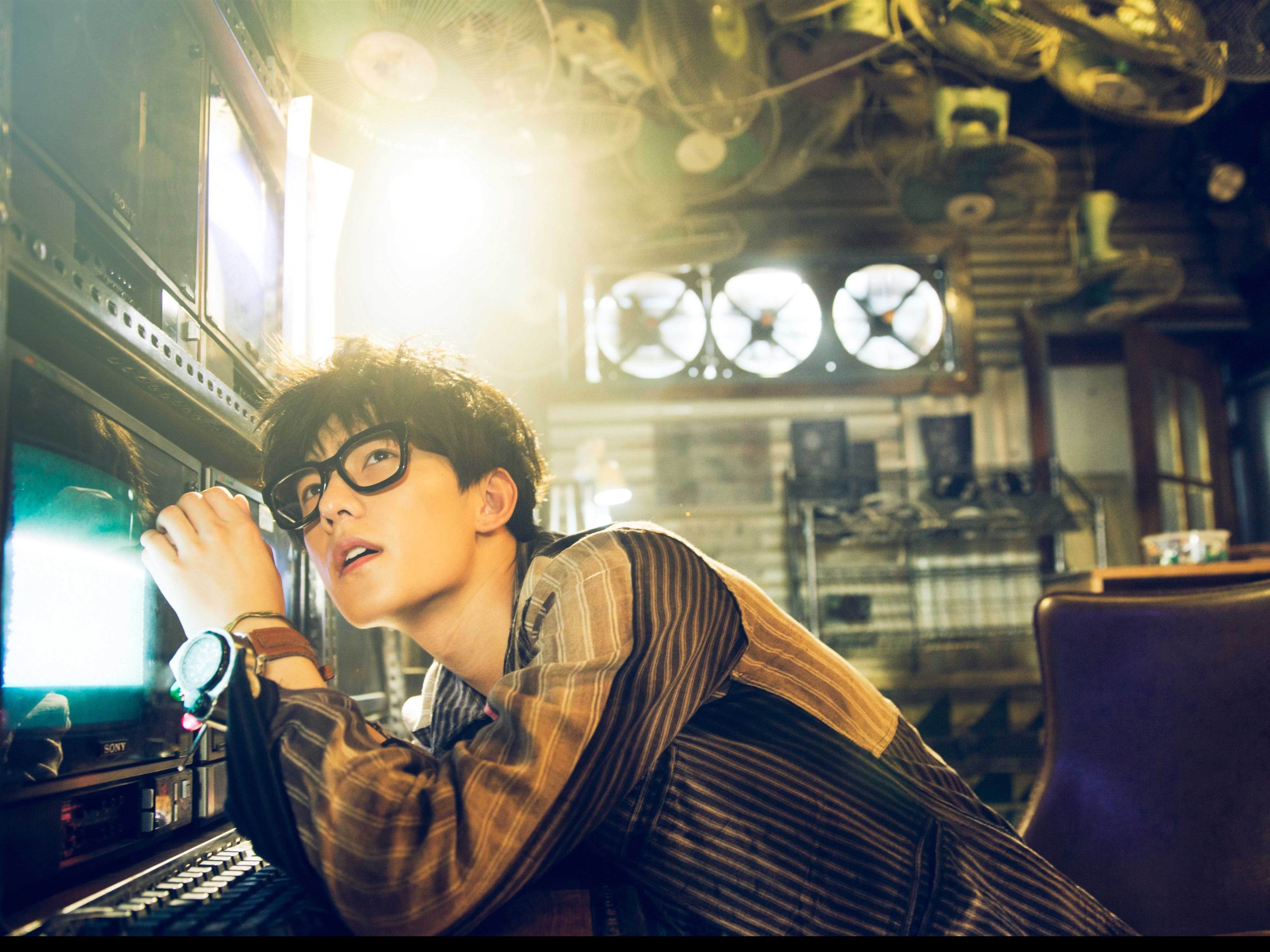
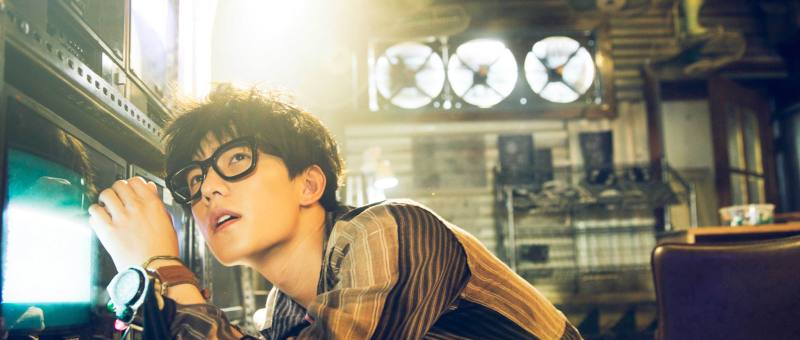
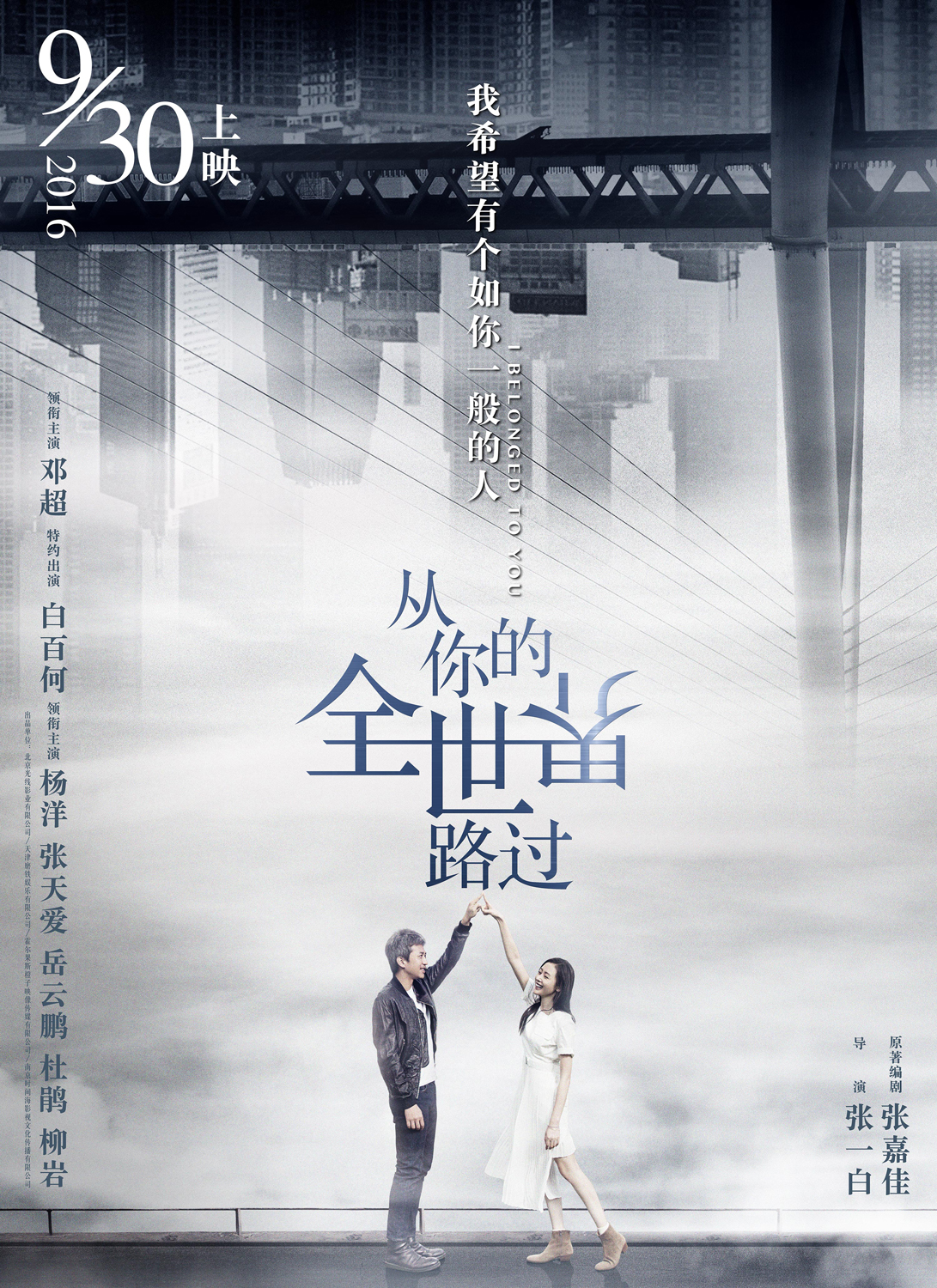
A collection of lovelorn souls meditate on love and loneliness in Zhang Yibai’s adaptation of a series of popular short stories by internet author Zhang Jiajia. Perhaps misleadingly titled, I Belonged to You (从你的全世界路过, Cóng nǐ de Quánshìjiè Lùguò) is less tearjerking melodrama than humorous exploration of romantic disaffection in the modern society in which even love itself has perhaps become both duplicitous cliché and an unattainable dream. For smug DJ Chen Mo (Deng Chao), being in love means staying together forever, but for his co-host/longterm girlfriend Xiaorong (Du Juan) adolescent love has already run its course. Thoroughly fed up with his empty, somewhat cheesy words of advice to lovelorn callers, she abruptly breaks up with him live on air. 

Two years later Chen Mo hosts the show alone amid declining ratings, listeners now fed up with with his total capitulation to depressed cynicism and advertisers getting ready to pull the plug. Xiaorong has joined station management but seemingly has little desire to save the show, later entering into an unwise bet that should Mo be able to climb to the number one spot, she’ll marry him but if he fails he must parade through the town with a sign reading “I’m an idiot” which, as we later discover, is a callback to their uni days when they were young and in love. Mo laments that the only couple still together from way back when is his best friend Chubby (Yue Yunpeng), who currently lives with him, and the beautiful Yanzi (Liu Yan) whose heart he won being the only person willing to defend her when she was accused of thievery. Pure-hearted, Chubby does every job going, even allowing people to punch him for monetary compensation, so he can send the money to Yanzi who is currently abroad travelling the world. Mo seems fairly unconvinced by the arrangement, but also regards Chubby as his “anchor”, that as long as Chubby loves Yanzi, they are all still young and love is real.  

His other roommate, meanwhile, his cousin Shiba (Yang Yang) is being semi-stalked by the local police woman whose constant flirting he doesn’t seem to have picked up on. As we later discover, Officer Lychee (Bai Baihe) has also been disappointed in love, previously jilted at the altar by a foreign boyfriend who apparently did a disappearing act, but has apparently maintained her faith eventually entering to a wholesome relationship with the eccentric young man who spends all his time inventing new gadgets. Despite the evidence, however, Mo remains cynical and hung up on Xiaorong who seems to have defied the narrative destiny of their uni love story. Describing him as immature, she feels as if something changed with Mo during the radio show, that somewhere along the way he lost his sense of warmth. “It’s only when we are filled with love that our show passes on love. When we feel lonely we can’t warm anybody up” she tearfully explains taking over the broadcast, adding that Chen Mo might be the loneliest of all in his false bravado and prickly tendency to make off-colour jokes as a childish defence mechanism. 

Ironically, however, the ratings start to pick up thanks to mild-mannered intern Birdie’s (Zhang Tianai) unexpected outburst at a disgruntled caller who took Mo to task for his terrible, unsympathetic advice for his romantic problem. Silently in love with Chen Mo after his certain presence on the radio saved her from loneliness, Birdie does her best to “save” him, even later giving up her dream of romance to try and help him win back Xiaorong only for him to get the message too late, realising that Xiaorong has outgrown him and they’re on different paths while maybe what he needed was a spiky little bird to peck him out of his shell. 

Chen Mo called his show “Passing Through Your World” as if in acknowledgement that some people are supposed to brush past each other meeting only for a moment, but naively hoping to encounter someone that would make the world brighter just by being in it. Shooting with a whimsical arthouse lens, Zhang opens in a rainy Chongqing as if reflecting the loneliness and despair which plague each of his protagonists who each in one way or another find solace in the presence of Chen Mo through his radio show acting as a beacon for lonely souls everywhere, before ending in bright sunshine and golden fields leaving the neon-tinted city behind for a dream of a more innocent love. Nevertheless, not everyone gets their happy ending, and there’s something in the film’s most romantic gesture being the drawing of an umbrella on cutesy mural to help a lost little girl weather the storm. A breezy stroll through urban malaise and millennial love, I Belonged to You ultimately sheds its cynicism for a pure hearted faith in romantic destiny but does so with a healthy dose of maturity in acknowledging that the path of true love never did run smooth.


I Belonged to You streams in the US Feb. 12 to 18 as part of Asian Pop-Up Cinema’s “Happy Lunar New Year!”

Original trailer (English subtitles)

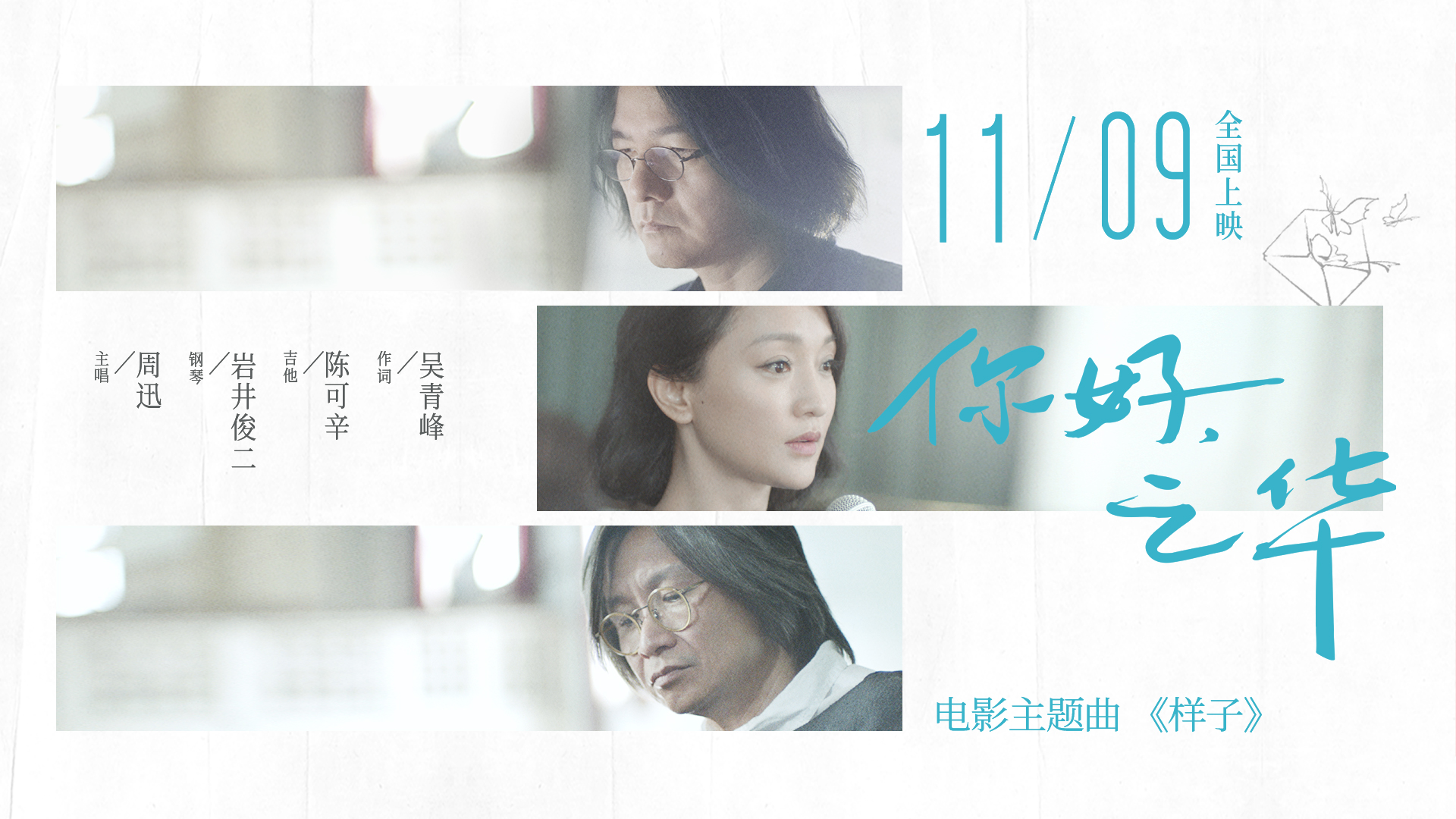
Last Letter (你好,之华, Shunji Iwai, 2018)

“Anything we need to change?” asks a young woman looking for feedback on a speech, “Nothing. It’s fine” her mentor replies in an exchange which takes on a peculiar poignancy, hinting at a gentle accommodation with the ordinary tragedies of life which is perhaps itself the hallmark of director Shunji Iwai’s career. Adapting his own novel and calling back to his 1995 masterpiece Love Letter, Iwai makes his first foray into Sinophone cinema with the Peter Chan-produced Last Letter (你好,之华, Nǐhǎo Zhīhuā) taking his key concerns with him as a collection of lovelorn souls ponder the what ifs of romantic misconnections and the “limitless possibilities” of youth. 

In the present day, the now middle-aged Zhihua (Zhou Xun) attends the funeral of her elder sister, mother of two Zhinan, who sadly took her own life though the family have been telling people she died of an illness which is in a sense not exactly untrue. Zhinan left behind her only two things, a letter to her children daughter Mumu (Deng Enxi) and son Chen Chen (Hu Changling), and an invitation to the 30-year reunion for her middle school class. Attending the reunion with the intention of letting everyone know that her sister has passed away, Zhihua is mistaken for Zhinan and ends up going along with it, even reconnecting with a teenage crush, Yin Chuan (Qin Hao) now an unsuccessful novelist, for whom she became an unfaithful go-between charged with delivering his love letters to the sister she feared was always prettier and cleverer than she was. After her husband, Zhou (Du Jiang), destroys her phone in a jealous rage, Zhihua finds herself ironically mirroring her teenage years in continuing a one-sided correspondence with her first love in the guise of her sister.  

As in Love Letter the older protagonists find themselves trapped in a nostalgic past, Yin Chuan complaining that he’s stuck with memories of Zhinan, the subject of his first novel, leaving him with perpetual writer’s block. Like misdirected letters the past is filled with missed opportunities and painful misunderstandings, but then again there are no guarantees that it would have been different if only the message had made it home. Little Zhihua (Zhang Zifeng in a double role), chastened to have been discovered frustrating Yin Chuan’s teenage attempts at romancing her sister (doubled by Deng Enxi) by not delivering the letters, plucks up the courage to write one of her own but finds it rejected while as her adult self is perhaps engaging in a little self delusion little realising that Yin Chuan may have already seen through her ruse but is as intent on attempting to communicate with the past in the form of her departed sister as she is. 

Perhaps slightly unfulfilled if not exactly unhappy (husband’s unexpected act of violence aside), Zhihua ponders lost love while attempting to come to terms with her sister’s death, denied an explanation for her apparently abrupt decision to run off with a rough man with no family who turned out to be a violent drunk exorcising his class resentment by beating up an educated, middle-class woman. Mumu, meanwhile, afraid to read her mother’s last letter, engages in a little epistolatory deception of her own, accidentally causing confusion in also replying to Yin Chuan’s letters posing as her mother when he tries writing to her old address with fond memories of their youth. “Life is not something you can write on a whim” he’s reminded, and it’s true enough that, as echoed in the poignant graduation speech, some will achieve their dreams and others won’t. Those limitless possibilities of youth don’t last forever, life doesn’t obey the rules of narrative destiny and you don’t always get a happy ending or in fact an ending at all. 

Yet unlike Love Letter, the man and the letter eventually arrive at the correct destination if much later than intended. The message reaches those it is intended to and a kind of closure comes with it. Mirroring her teenage self, Zhihua finds herself a go-between once again, passing letters between her lonely mother-in-law and her former professor whom she’s been secretly meeting in a local park, while reflecting on her own role as perpetual bystander not quite destined for the position of protagonist. As she had her daughter Saran (Zhang Zifeng) struggles with a nascent crush preferring to stay with grandma and keen to avoid going back to school in order not to have to face him, while Mumu attempts to deal both with the loss of her mother and with her legacy as a figure of romantic tragedy. Little Chen Chen is sadly forgotten, putting a brave face on grief and largely left to get on with it on his own until forced to face his sense of rootlessness as an orphaned child wondering if the world still has a place for him to call home. Shot with Iwai’s customarily lush, wandering camera filled with a sense of painful melancholy, the lasting message is nevertheless one of accommodation with life’s disappointments that even in moments of despair and hopelessness lack of resolution can also spark possibility and the memory of those “wonderful choices” of youth need not foreground their absence so much as sustain.


Last Letter streams in the US Feb. 12 to 18 as part of Asian Pop-Up Cinema’s “Happy Lunar New Year!”

Original trailer (English subtitles)

Forever Young (栀子花开, He Jiong, 2015)

“As long as you don’t give up, it’s never too late to follow your dream” according to a sympathetic teacher perhaps incongruously advising a conflicted student who might in one sense be facing an ending but also has his whole life in front of him. Apparently inspired by a song from 2004, Gardenia in Blossom, Forever Young (栀子花开, Zhīzihuā Kāi) ironically concerns itself with the lives of a collection of youngsters facing their first roadblock as they approach the end of university while their dreams seem further away than ever. 

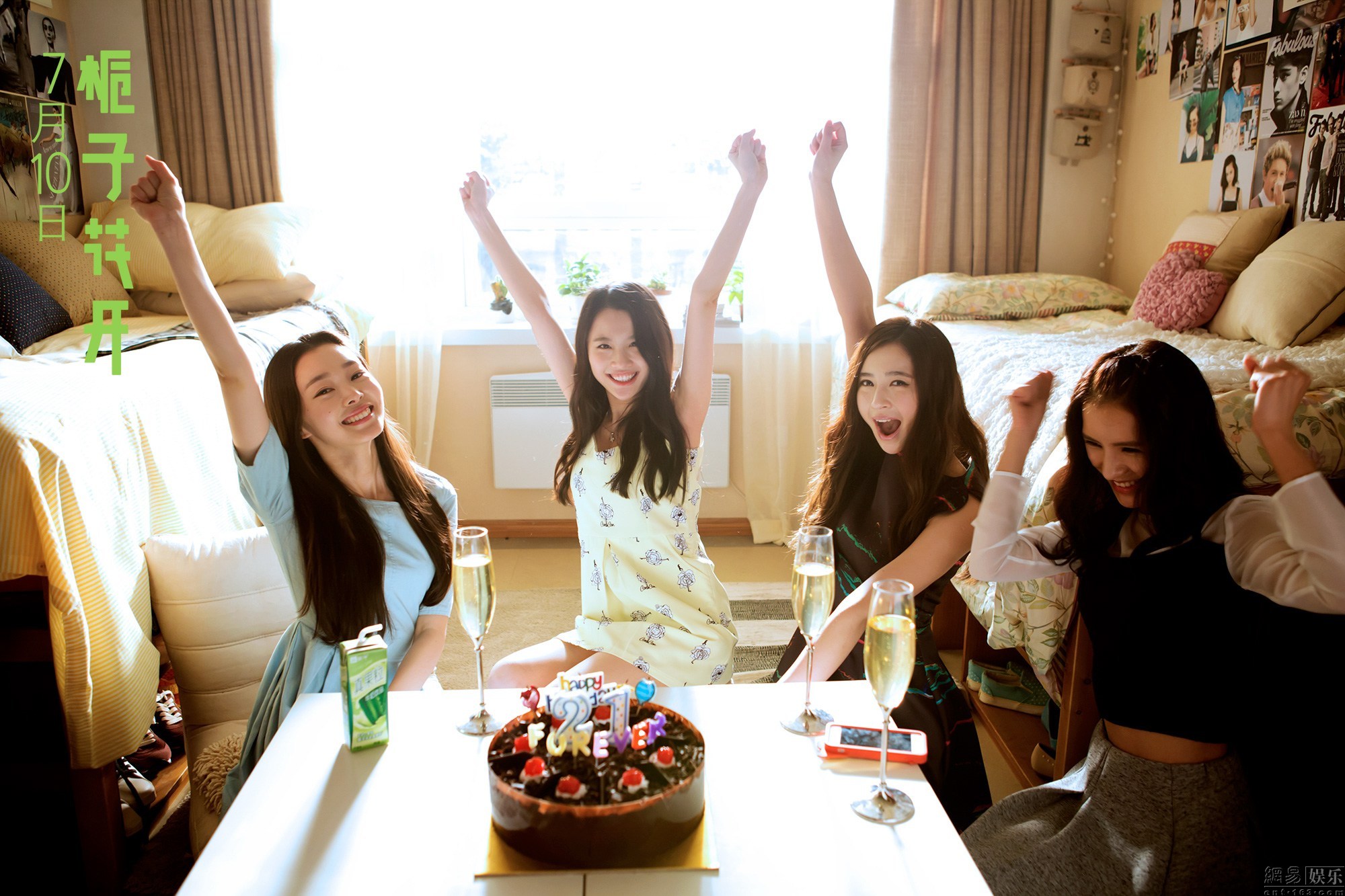
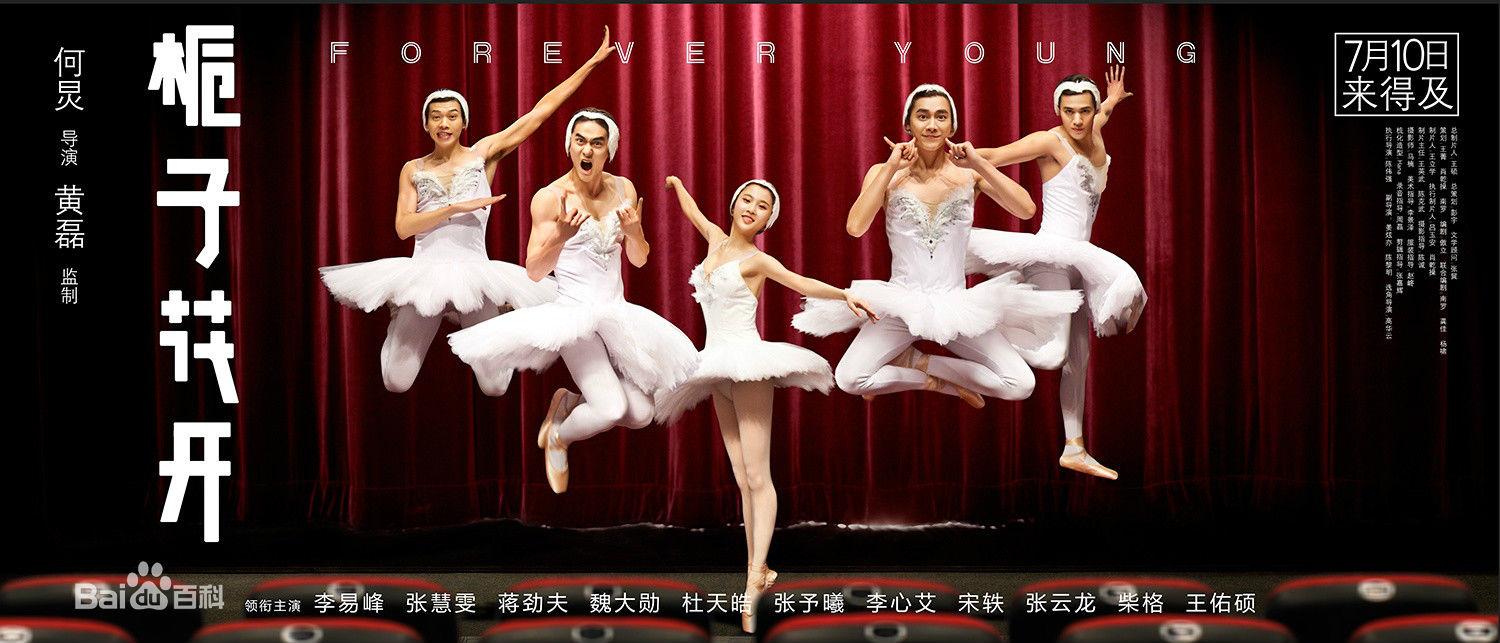
Popular girl Yanxi (Zhang Huiwen) has her heart set on joining the Paris Opera Ballet along with her three roommates with whom she dances the Dance of the Four Swans. Yanxi’s boyfriend Xunuo (Li Yifeng), meanwhile, dreams of making it as a rockstar with his three bandmates. The combined group of friends, cheerful and excited about celebrating Yanxi’s upcoming 21st birthday, are upbeat about the future and looking forward to their graduation concert “Dream Night” at which they hope to catch the eye of influential people. When tragedy strikes however and it seems the girls will not be able to perform, Xunuo makes a surprising decision, roping his bandmates in to take their place and dance the Dance of the Four Swans in their stead. 

Mirrors of each other, Yanxi and Xunuo can each be blinkered and self-centred. Yanxi takes it for granted that the group all want the same thing and are determined to go to Paris with her but apparently hasn’t noticed that her friends have their own problems and at least one may not be able to afford to go abroad because she’s already subsidising her brother’s education. Stubborn and unsympathetic, Yanxi later comes to regret having been so unforgiving as she faces the prospect of continuing alone only to encounter yet another setback. Xunuo meanwhile does something similar in convincing his bandmates to join him in the Four Swans project at the expense of their own dream in taking time away from their band practice while forcing them to don tutus and possibly make fools of themselves in front of all their friends. 

Asked why she chose ballet, Yanxi replies that standing on tiptoes allowed her to see further, but now she worries she’s been suffering with a particular kind of myopia in having seen nothing at all while still clinging on to a vain hope for her Paris dream. The idealised relationship between the pair is marred only by Xunuo’s petulant decision not to get on the bus with everyone else after their night out when Yanxi reminded him she was bound overseas, and her later despondency as they’re temporarily forced apart by Xunuo’s secret plan even while his strange rivalry with a former friend with whom he wrote a plaintive love song takes on an overtly homoerotic quality.  

Nevertheless, there’s something of an incongruity in such young people being constantly reminded that as long as you don’t give up there’s always time to achieve your dreams though it’s true enough that they’re each at a crisis point, about to lose the student safety net and faced with the choice of whether to keep trying to make it or go for the “safe” option of heading into the workforce. Xunuo declares that he just wants “all the sadness and troubles to go away”, only for his teacher to point out that if you’ve nothing to overcome then you’ll never grow. The presence of tragedy never seems to touch them as deeply as one would think, though at least through Xunuo’s vicarious dancing dream the guys are able to renew their friendships, acknowledging their own strengths and weaknesses as they work together in memory of absent friends and perhaps their own fading youth. 

A strangely cheerful campus drama despite its darkness and the foreboding of the title, Forever Young allows its heroes to be just that as they promise themselves that as long as they refuse to give up it’s never too late for their dreams to come true while also subtly hinting at a new ideal of masculinity in the infinitely sensitive Xunuo who is selfless and kind and just wants everyone to be happy. An overly idealised conclusion perhaps as the youngsters bid goodbye to their adolescent lives for the stormy seas of adulthood, but also a reassuring one as they emerge from their respective traumas and hardships with renewed hope for the future.


Forever Young streams in the US Feb. 12 to 18 as part of Asian Pop-Up Cinema’s “Happy Lunar New Year!”

Original trailer (English subtitles)

The Unity of Heroes (黄飞鸿之南北英雄, Lin Zhenzhao, 2018)

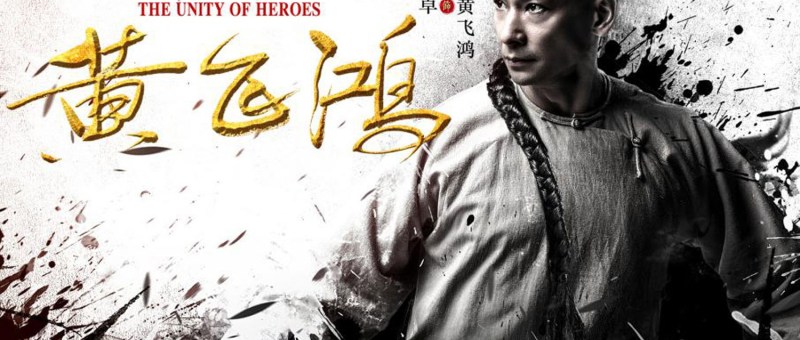
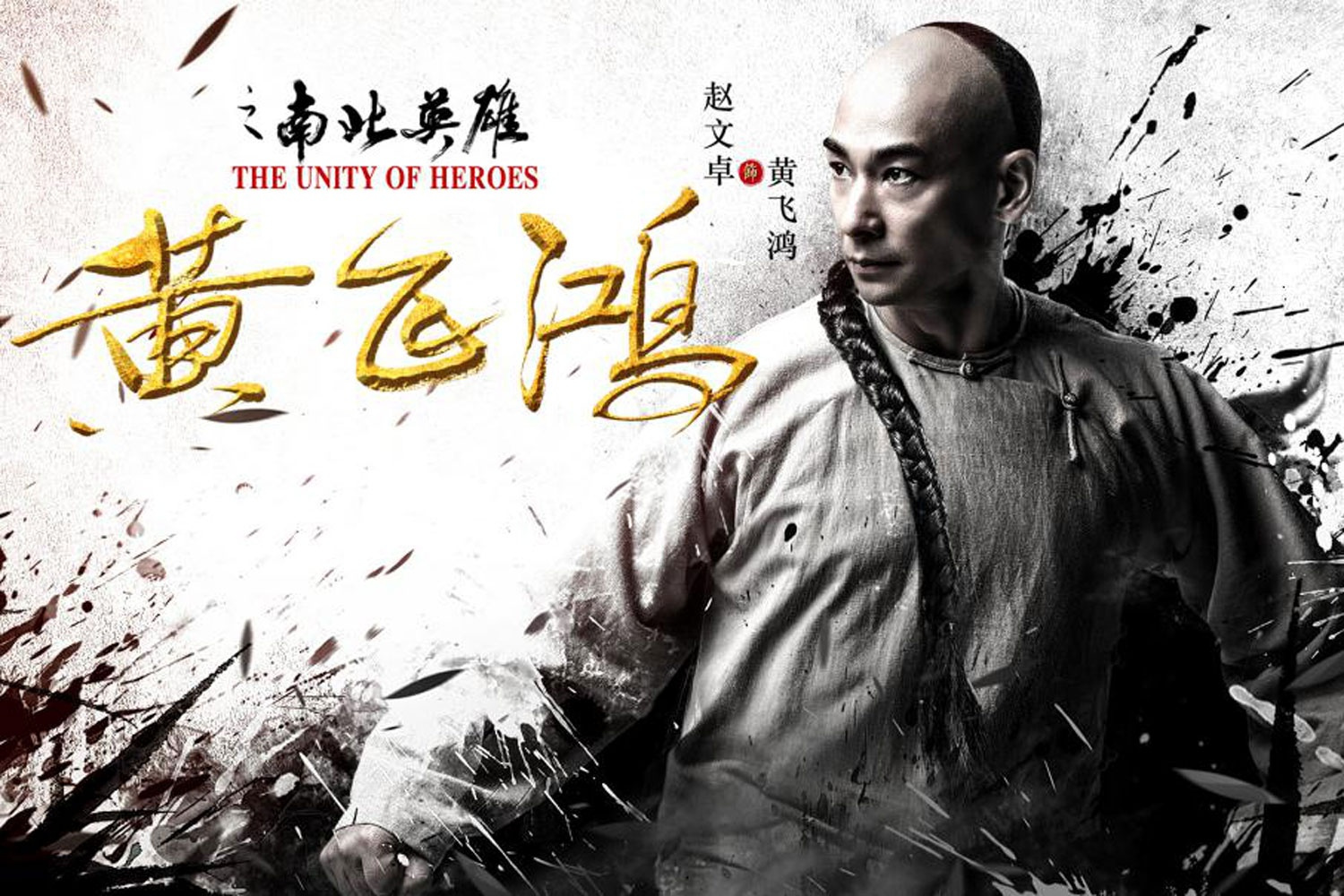
“All Chinese martial artists must stick together” affirms Wong Fei-hung, justifying himself to a dejected disciple for supposedly having appeased a local rival in Lin Zhenzhao’s The Unity of Heroes (黄飞鸿之南北英雄, Huáng Fēihóng zhī Nánběi Yīngxióng). Returning to the role he first took over from Jet Li closing out Tsui Hark’s Once Upon a Time in China series, Vincent Zhao stars in and produces this VOD outing for the legendary folk hero in which he once again valiantly defends the values of traditionalism while contending with an ever changing society. 

Twin arrivals, one expected the other not, spell change for Fei-hung and his trio of assistants, the first being the return of 13th Aunt Shaojun (Wei Na) who had been studying abroad, and the other being a crazed, zombie-like figure who wanders into the temple after escaping from a fire at the docks. If that weren’t enough to contend with, a new master, Wu (Michael Tong Man-Lung), has also arrived in town to teach his brand of martial arts with the Northern Fist Club, immediately entering a conflict with Fei-hung’s guys when Kuan (Li Lu-Bing) comes to the rescue of a mysterious woman who started a fight with them. Meanwhile, Fei-hung is suspicious of a new Western-style hospital which has been set up in order to treat victims of the opium crisis which he feels is ironic as he holds the Westerners responsible for getting the Chinese hooked on opium and then forcing them to pay to be cured of it. Of course, it turns out that the hospital, apparently backed by the British East India Company, is very definitely up to no good, led by the rather vampirically named “Vlad”. 

Finding himself faced with the threat of a superpowered opium which turns those who use it into rage-fulled killing machines, Fei-hung remains preoccupied with the erosion of Chinese traditions in the face of increasing Westernisation. Indeed, Shaojun who has been studying Western medicine in Europe has apparently even forgotten how to use chopsticks and asks for a knife and fork instead which it seems Fei-hung would not have denied her only well-meaning underling Qi decides to bring her something not quite as suitable for the dinner table. Likewise, seeing Fei-hung running a needle over a flame, Shaojun immediately runs for her alcohol bottle only for him to protest that he’s always been taught fire is enough. Nevertheless, he’s not totally against Western learning, eventually conceding that he could not have cured his patient on his own, it took one of Shaojun’s injections to clear his acupuncture points so he could eliminate the “poison” though moxibustion. 

Even so, Fei-hung is at the mercy of the evil Vlad who, as he feared, uses the rivalry between the martial arts masters to divide and conquer, seducing the apparently equally anti-Western henchmen of Wu by hopping them up on his new wonder drug as a means to take out Fei-hung and become the town number one. Allegories abound, but the lines drawn between covert capitalist colonialism and the drugs trade are anything but subtle as Vlad sells his super soldier drugs plan as a remedy to the supposed weakness of the Chinese physique that will allow them to escape subjugation, something which is of particular interest to his conflicted underling Xiaoyue (Wei Xiao-Huan) whose mother was apparently worked to death in a labour camp. “Your lives are worthless” Vlad reveals as the mask slips, “nothing is cheaper than you” justifying his decision to test his drugs on Chinese subjects with vaguely eugenicist overtones. 

All of that aside, however, first time feature director Lin Zhenzhao makes sure to include all the Wong Fei-hung staples from the training montage which opens the film to an innovative set piece involving Fei-hung’s trademark umbrella coupled with his obvious confusion with Shaojun’s “upgraded” European model, its steel spokes, and “improved” opening and closing mechanism. Given the film’s destination for the online streaming market as opposed to cinema screens, production values are surprisingly high with well populated crowd scenes, convincing production design, and nicely choreographed fight sequences including that all important shadowless kick. While not perhaps a return to the Once Upon a Time in China highs, Unity of Heroes nevertheless holds its own as another entertaining entry in the Wong Fei-hung saga.


The Unity of Heroes streams in the US Feb. 12 to 18 as part of Asian Pop-Up Cinema’s “Happy Lunar New Year!”

Original trailer (English subtitles)

Asian Pop-Up Cinema Announces “Happy Lunar New Year!” Free Streaming Series

Asian Pop-Up Cinema is back with another fantastic free streaming series to keep you entertained over Chinese New Year bringing an auspicious seven recent hits from the Mainland to homes across the US Feb. 12 – 18.

Four Springs

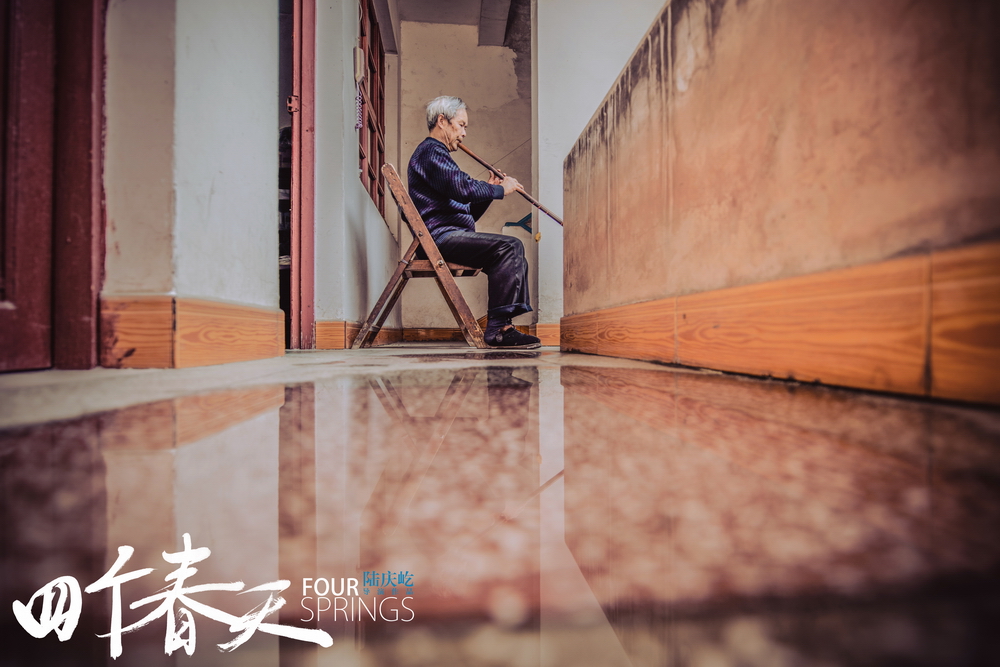
Director Lu Qingyi’s beautiful documentary follows his own family through four celebrations of New Year bringing with them both joy and sorrow. Review.

Ne Zha [Birth of the Demon Child, Nezha]

This beautifully animated family film draws inspiration from the classic Chinese legend and follows the titular Ne Zha, a naughty little boy misunderstood by the world around him as he struggles against his “demonic” destiny. Review.

The Unity of Heroes

Vincent Zhao stars as Wong Fei Hung as he finds himself battling a corrupt pharmaceuticals company intent on distributing a dangerous drug across the nation!

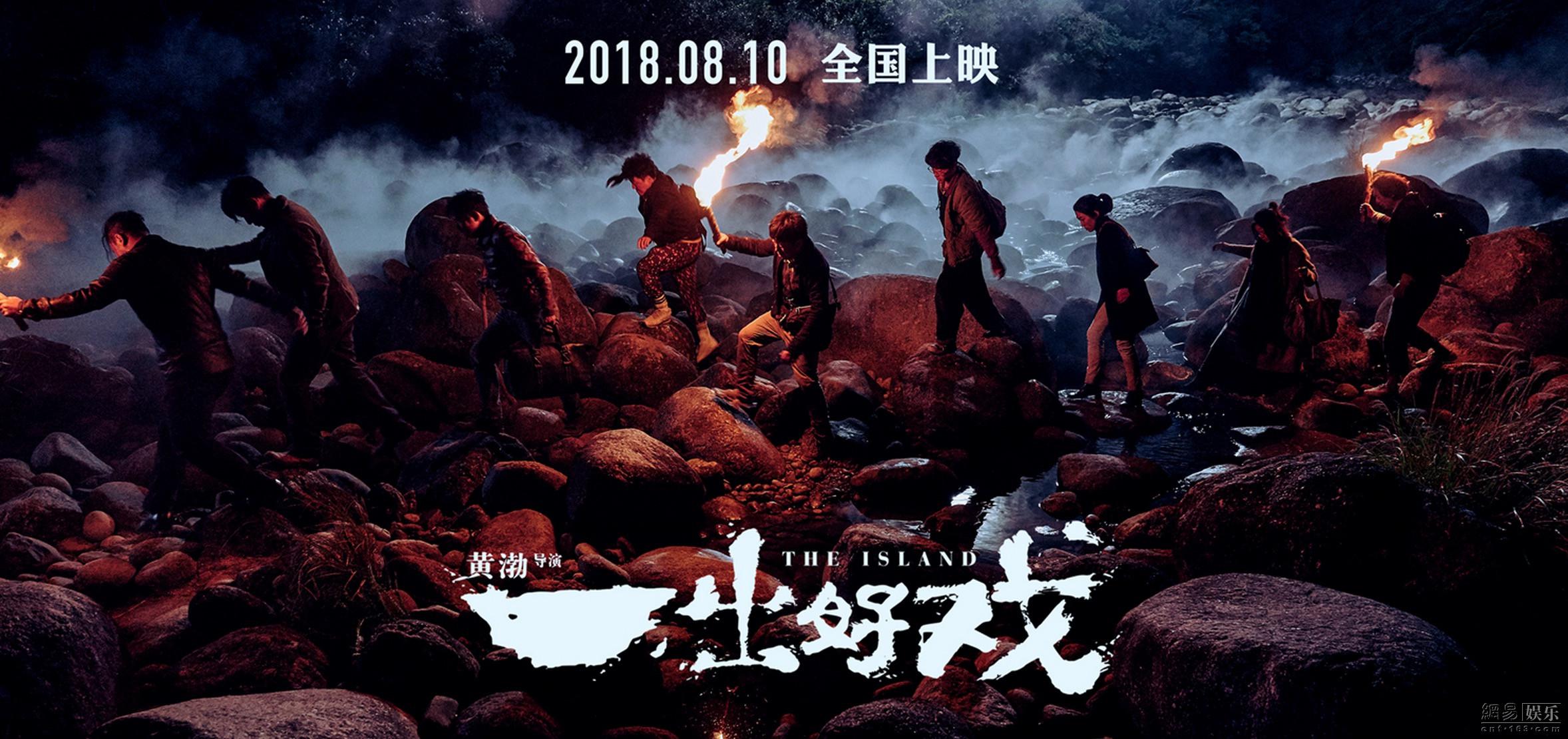
The Island

Apocalyptic satire starring Huang Bo as a dejected office worker with a crush on a pretty colleague (Shu Qi) who suddenly finds himself in his element when the amphibious bus they are travelling on is whisked away to an uninhabited island mere seconds after he realises that he has finally won the lottery. Review.

Last Letter

Romantic drama from Shunji Iwai subsequently remade in Japan in which a middle-aged woman (Zhou Xun) finds herself impersonating her late sister at a school reunion on running into a man who once loved her.

I Belonged To You

Ensemble love story inspired by the work of Zhang Jiajia and starring Deng Chao as late night DJ Chen whose girlfriend Xiao (Du Juan) abruptly breaks up with him after which they make a bet that if Chen can top the ratings Xiao must marry him but if he fails he must parade around the city with a sign letting everyone know he’s an idiot.

Forever Young

Youthful drama set at a performing arts college revolving around a young couple, Yan Xi (Zhang Huiwen) and Xu Nuo (Li Yifeng), who are working hard to achieve their dreams of becoming a ballet dancer and rock star respectively but find a series of obstacles in their way.

Each of the seven films is available to stream for free across the US Feb. 12 – 18 and registration is currently open via Eventive. You can find further information for all the films on Asian Pop-Up Cinema’s official website and you can also keep up with all the latest news by following the festival on FacebookTwitter, and Instagram.