Come and See (เอหิปัสสิโก, Nottapon Boonprakob, 2019)

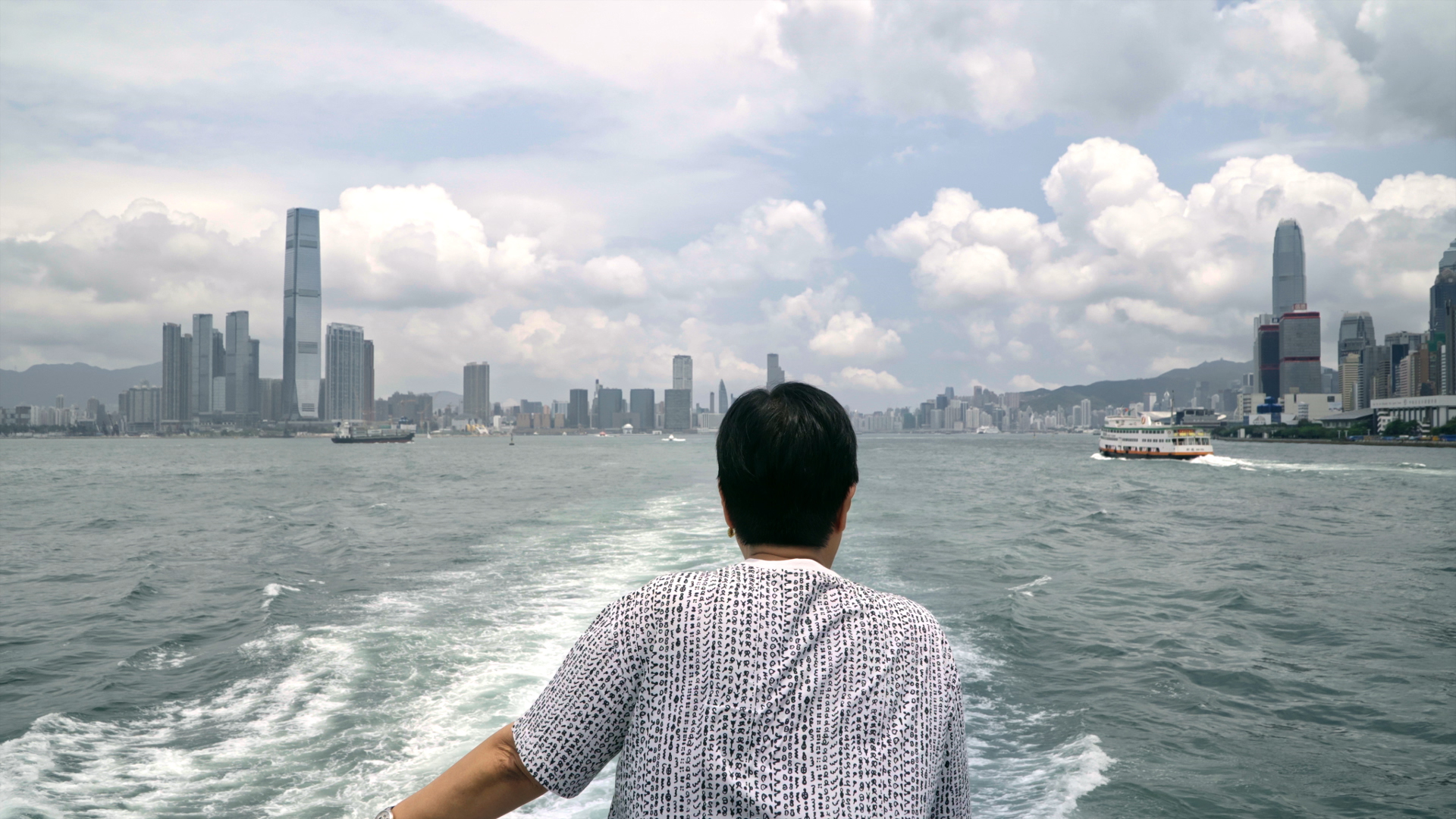
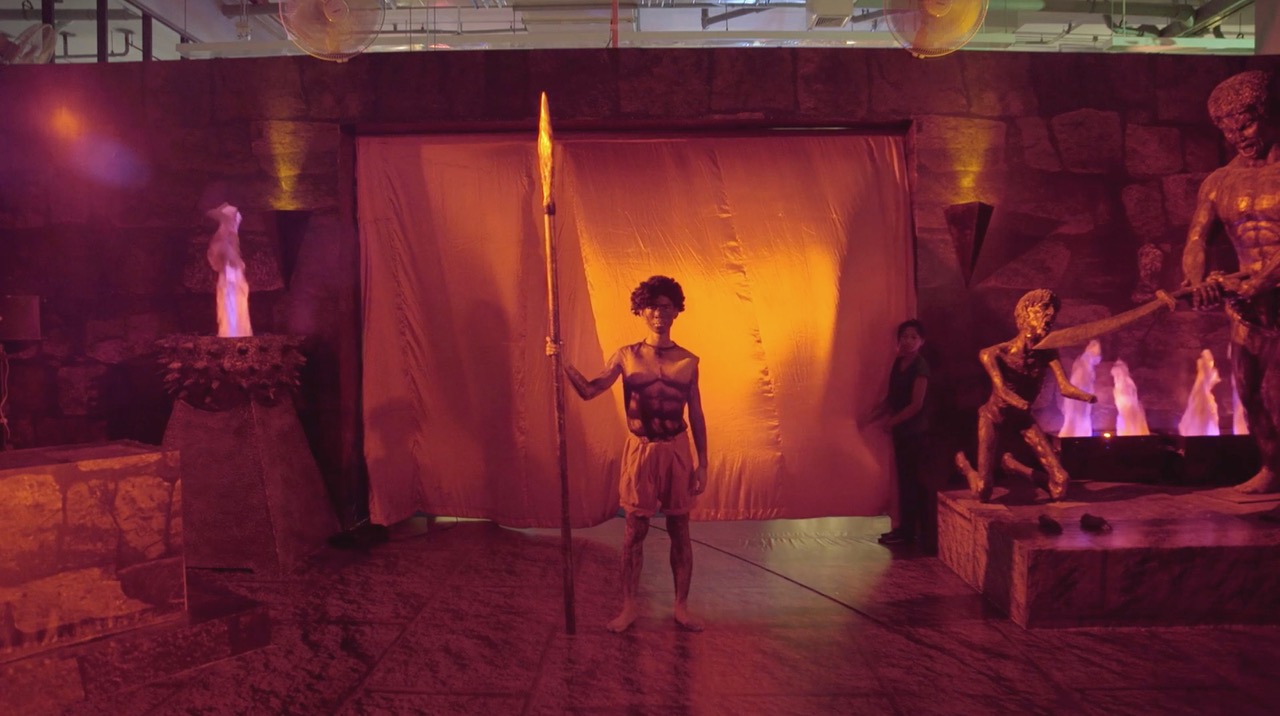
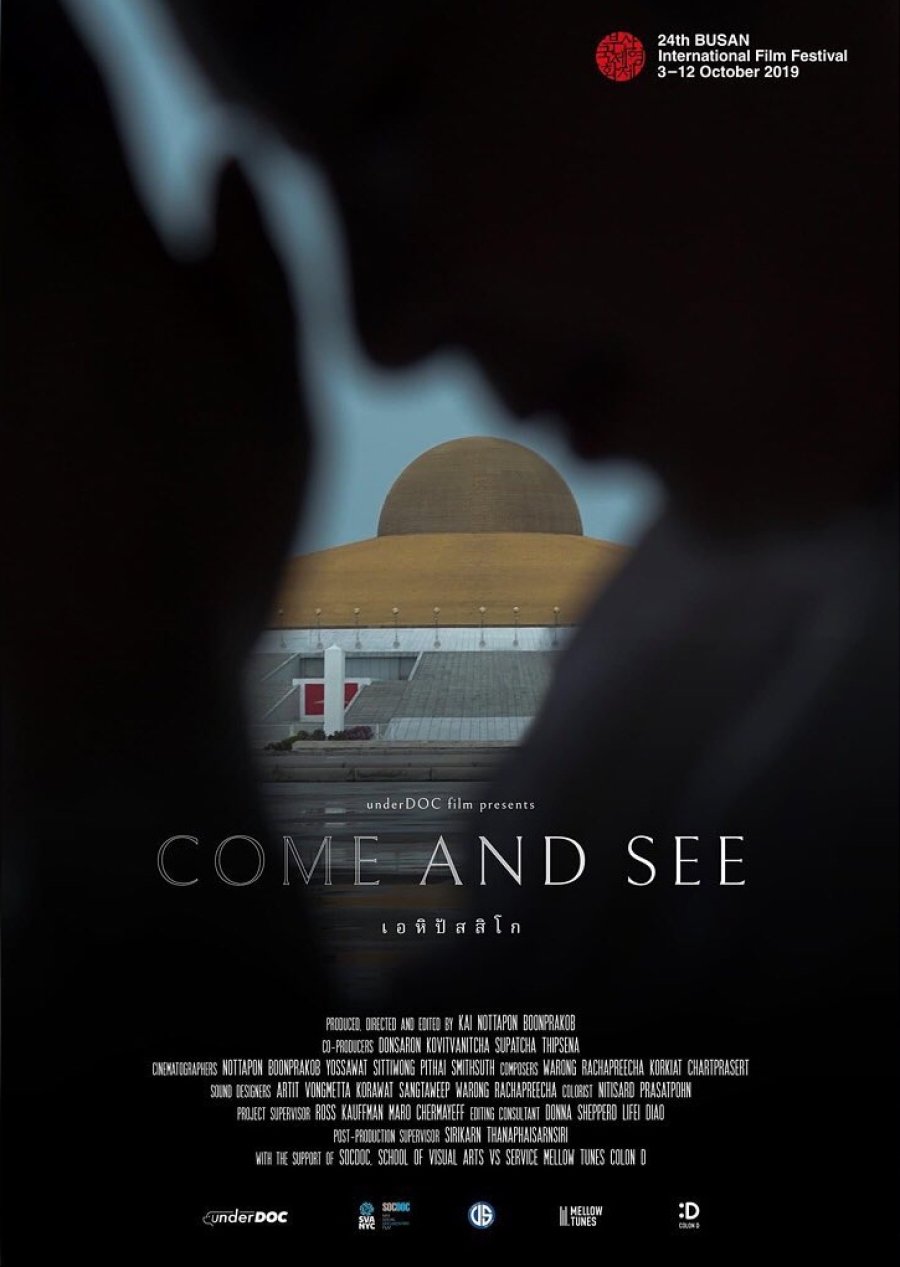
The ethics surrounding the organisation of religion can often be thorny, yet the issue is less one of practice or philosophy than of the potential exploitation of vulnerable people in search of spiritual support. Titled “Come and See” (เอหิปัสสิโก) after an exhibition organised by the religious organisation at its centre in order to debunk the “fake news” and frequent attempts at what it describes as defamation in the mainstream press, Nottapon Boonprakob’s documentary investigates not only the controversial Buddhist sect Dhammakaya and its former abbot Dhammachayo (missing since 2017) but the place of Buddhism in modern Thai society which was under the rule of a military junta until the summer of 2019 following a 2014 coup. 

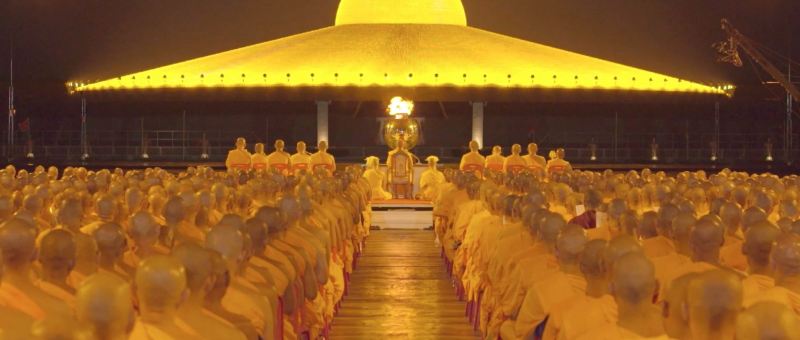
Founded in 1970, the controversial sect is said to have over four million devotees with 131 temples located around the world and operates out of a vast religious complex centred in a building which resembles a giant spaceship with a large eye-shaped orb. It has caused controversy with practitioners of Buddhism firstly because its teachings run in contrast with traditional religious thought in suggesting that Nirvana is a physical rather than purely spiritual place and that it is possible to meet the Buddha as founder monk Dhammachayo claims to have done. Doctrinal issues aside, however, many view the sect with suspicion because of its aggressive fundraising programme while Dhammachayo has also been directly accused of money laundering and the receipt of stolen goods. The temple deflected the accusations on the grounds that Dhammachayo’s age and ill health prevented him from responding fully while his followers later insisted he would turn himself in but only once Thailand retransitioned to full democracy. Following a lengthy siege of the temple building it was however discovered that Dhammachayo was not in his “recovery room” as aides had stated but apparently missing, perhaps in hiding. His whereabouts are currently unknown. 

Using a mixture of talking heads interviews with current and former members as well as religious experts alongside documentary footage, Nottapon Boonprakob does not directly investigate the various allegations but sets them against the contemporary Thai society. The sect itself and some of the experts even those on the opposing side believe the charges are at least in part politically motivated, that given its vast wealth and huge number of followers it is in danger of becoming a state within a state and therefore presents a threat to the traditional authorities. This level of destabilisation is thought to have contributed to the military coup which took place in 2014 and is posited as an explanation for the junta’s determination to weaken the temple’s reach though in the continuous absence of Dhammachayo its efforts would seem to have proven fruitless. 

Nottapon Boonprakob follows one particular devotee as she takes part in the resistance movement to the police investigation eventually moving into the temple compound which is later placed into a lengthy siege during which two people sadly pass away, one from an asthma attack and the other apparently a suicide committed in protest (though the temple disavow this action and claim the man was not a follower). Devotees are heard to offer their lives for the abbot, perhaps disturbingly citing that dying for something when everyone dies anyway will buy them more “merit” and thereafter a secure place in the highest levels of heaven. Devotees can earn merit by donating monetarily to the temple or by completing other tasks as we see them do during the siege though it is perhaps strange that we only seem to see the women cleaning and cooking even if they also seem to make up a larger percentage of the devotees captured on film. It was this increasing concentration on “fundraising” with “sales” quotas set for monks that drove one former practitioner away, explaining that she felt under pressure to continue donating eventually becoming disillusioned with the materialist bent of the sect’s practice which she now feels is corrupting Buddhism in Thailand. 

Another former member who worked for the organisation says something similar, that he attempted to raise the matter with Dhammachayo after a practitioner came to him with a marital dilemma. Her husband had apparently walked out and she had devoted herself entirely to worship in order to get him back, selling inherited properties to buy more merit and wondering if she should sell the house she was living in too. While he worried the woman’s intense practice may have further strained her marriage and she should not perhaps be encouraged to bankrupt herself for religious reward, he claims that Dhammachayo coldly told him that he was no longer Dhammachayo the monk leaving him frightened and disillusioned. He subsequently resigned and joined another sect, becoming an outspoken critic of Dhammakaya claiming that Dhammachayo had attempted to convince him he was the “Creator of Everything”.

Other commentators meanwhile wonder if the ritual practice at the temple which takes place at grand scale featuring huge parades with much pomp and circumstance is merely an “extreme” expression of Thai Buddhism and perhaps reflects something of the contemporary society. Some describe it without judgement as “capitalist Buddhism”, providing a service that responds to customer’s desires and profiting by it as in any other business while others wonder if Buddhism has or should have any real relevance in 21st century Thailand. It is however the sect’s potential power to interfere in the mechanisms of government through complex networks of influence that has many alarmed, and is perhaps the reason they find themselves targeted by the regime while many other organisations similarly accused of corruption are largely ignored. In any case, the temple seems to have come out on top, the police forced to abandon their search in the continued absence of the abbot. Nottapon Boonprakob offers no real conclusion but as an interviewee points out independent enquiry is a central tenet of Buddhism, “come and see” for yourself. 


Come and See streams in the US March 24 – 28 as part of the 12th season of Asian Pop-Up Cinema.

Original trailer (English subtitles)
Changfeng Town (长风镇, Wang Jing, 2019)

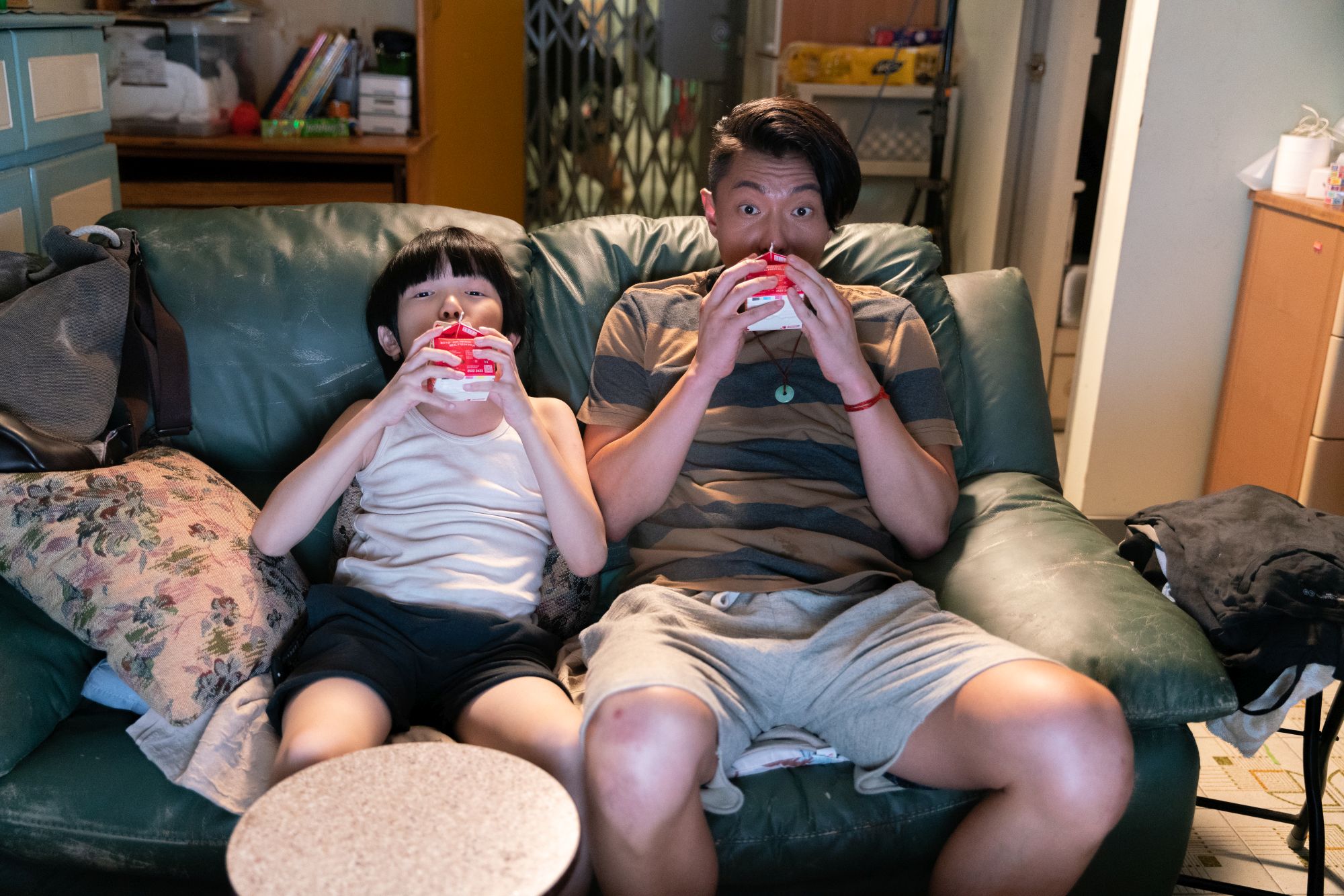
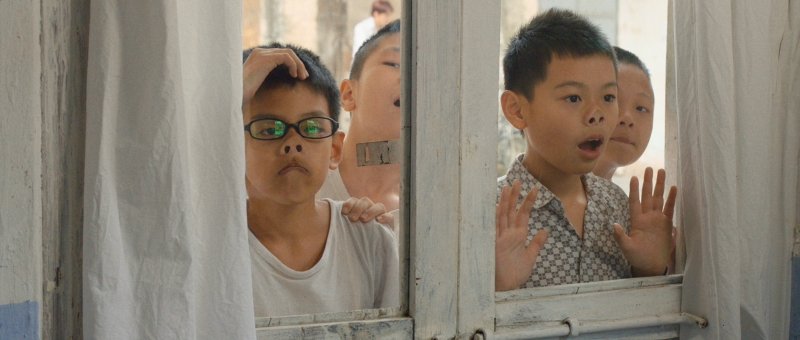
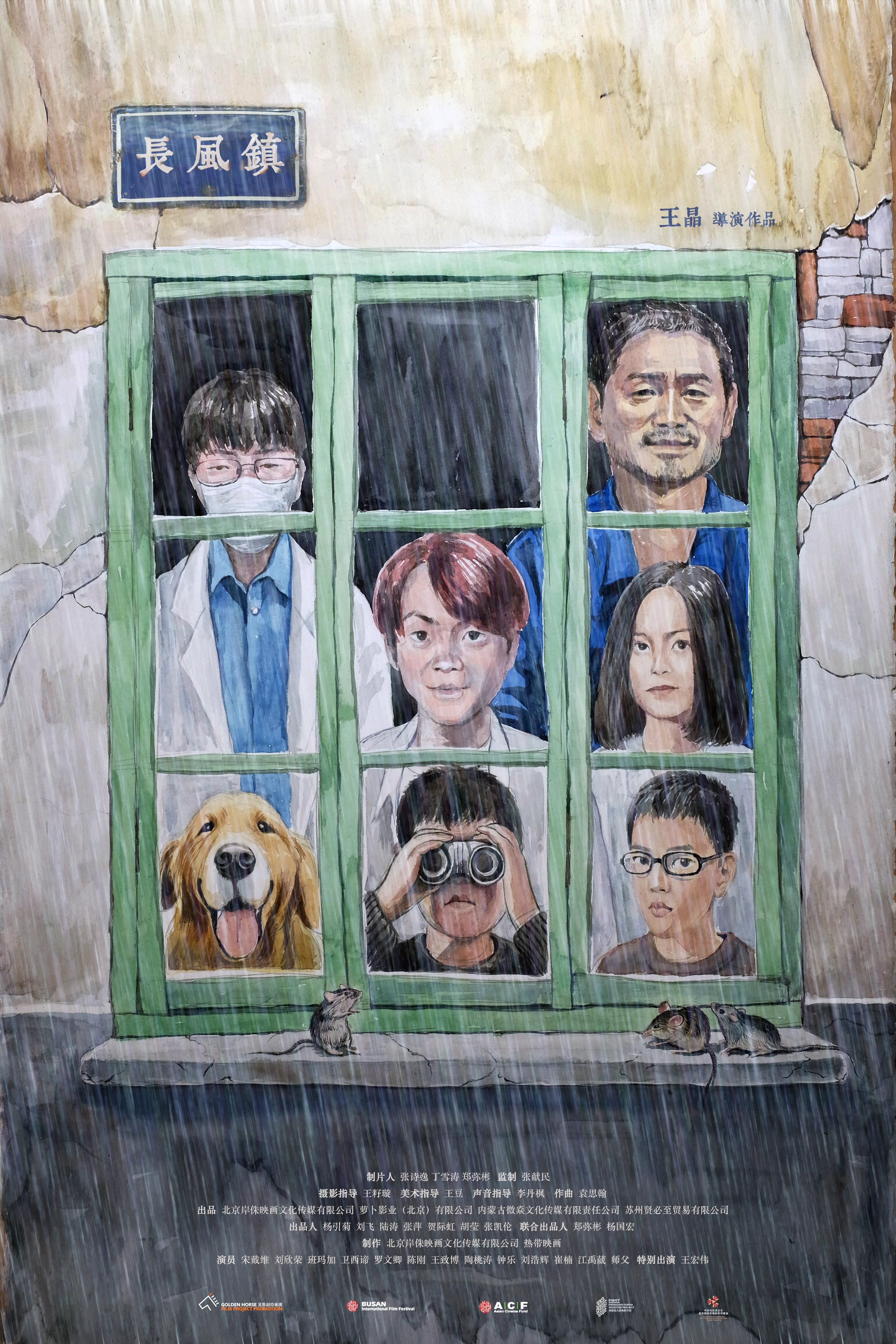
“One strange thing follows another in this town” according to a world weary saloon owner attempting to process the mysterious theft of a handful of billiard balls. Like a magical realist fable, the village at the centre of Wang Jing’s whimsical nostalgia fest Changfeng Town (长风镇, Chángfēng Zhèn) exists slightly out of time, located at the intersection of memory and longing filled both with a sense of existential ennui and the comforting aimlessness of childhood. Yet even here where time passes and doesn’t the ironies of small-town life pervade as the older hero reflects on the wilful secrets and everyday mysteries which exist even in those places where everyone knows everyone and gossip is the lifeblood of the community. 

Narrated by the young “Scabby” (Song Daiwei), so nicknamed because of a prominent scar on the back of his head, Changfeng Town weaves together several stories set across one theoretical summer as seen through the eyes of a group of small boys continually on their periphery. Set comfortably in a “nostalgic past”, the atmosphere of the town shifts from a restrained post-war, early ‘60s tainted innocence towards something perhaps closer to its more logical position somewhere in the early to mid 1980s which of course places it after the Cultural Revolution but before Tiananmen Square in a China filled with a sense of hope and possibility for a brighter future mirroring perhaps Scabby’s own sense of growing adolescent energy. 

Nevertheless, Changfeng Town is a strange place where strange things do indeed happen though less one after another than all at once. Missing billiard balls, a plague of mice, a purifying flood, arrivals and disappearances each changing the unchanging town in small but marked ways, it’s nevertheless a sense of loneliness that defines each of the intersecting tales most of which have to do with misplaced or unfulfilled love. Redhead (Pema Jyad), the teenage ringleader of the local kids nicknamed for his red rinse hairdo, pines for the most beautiful girl in the village, Cai-xia (Luo Wenqing), half-sister of Scabby’s friend Four Eyes (Liu Xinrong) and box office girl at the local picture house, yet she has taken a liking to lovelorn poet Guang (Tao Taotao) who has just had his heart broken by the local school teacher. Redhead’s widowed mother (Cui Nan), meanwhile, has been carrying on an affair with the married local dentist (Wei Xidi), apparently an open secret in the village, while beloved truck driver Xi-shan (Chen Gang) continues to carry a torch for her knowing his love is impossible because he was involved in the accident which killed her husband. 

Known only as The Mute (San Shugong), an old man travels to the station every day with his parrot presumably hoping to meet someone who never arrives. One of the boys says his mother told him that he does so because he mistakenly thinks he can travel to other places by watching the trains go by, but no one really knows because no one really bothers to try to communicate with him. Some attempt to leave the village, occasionally returning like the much changed Redhead now dressed like someone who’s been to the city bringing back with him gifts of modernity such as a remote control Transformer that provokes a falling out between Four Eyes and Scabby which adds to the narrator’s growing sense of disillusionment, but to return is in many ways to fail, to be consumed by nostalgia and unable to move forward. Changfeng Town is also a charming trap. Scabby will soon outgrow it as spring travels towards autumn, the bald spot on the back of his head which gives him his name fast disappearing rendering him Scabby no more. Yet it will always in a sense be there for him, its residents permanently happy even as people come and go. 

Mirroring the ending of The 400 Blows, one of several films playing in the local cinema which also include Spring in a Small Town, A Touch of Zen, Steamboat Bill, Jr, and Nights of Cabiria among others, Wang closes with a freeze frame leaving Scabby “running towards the unknown” abandoning nostalgia in search of the elusive happiness of those who remain behind. Shot with a wistful ethereality, Changfeng Town marries an earthy, small-town rurality with an ironic absurdism as the various stories of its melancholy protagonists weave in and out of each other while remaining strangely unknown in the ever constant, ever changing village of nostalgia.


Changfeng Town streams in the US March 24 – 28 as part of the 12th season of Asian Pop-Up Cinema.

Original trailer (English subtitles)
Coalesce (Les affluents, Jessé Miceli, 2020)

The frustrated dreams of three young men eventually collide in Jessé Miceli’s aptly titled debut Coalesce (Les affluents). Starring mainly non-professional actors, Miceli’s neon-lit journey through the backstreets of Phnom Penh at night exposes a different side of a changing nation caught in the midst of rising urbanisation while contending with the aspirations both of neighbouring economic powers and a thriving ex-pat community. Yet in the end the prognosis is not as bleak as it first seems, some dreams are achieved, if imperfectly, while even those which are not still may be. 

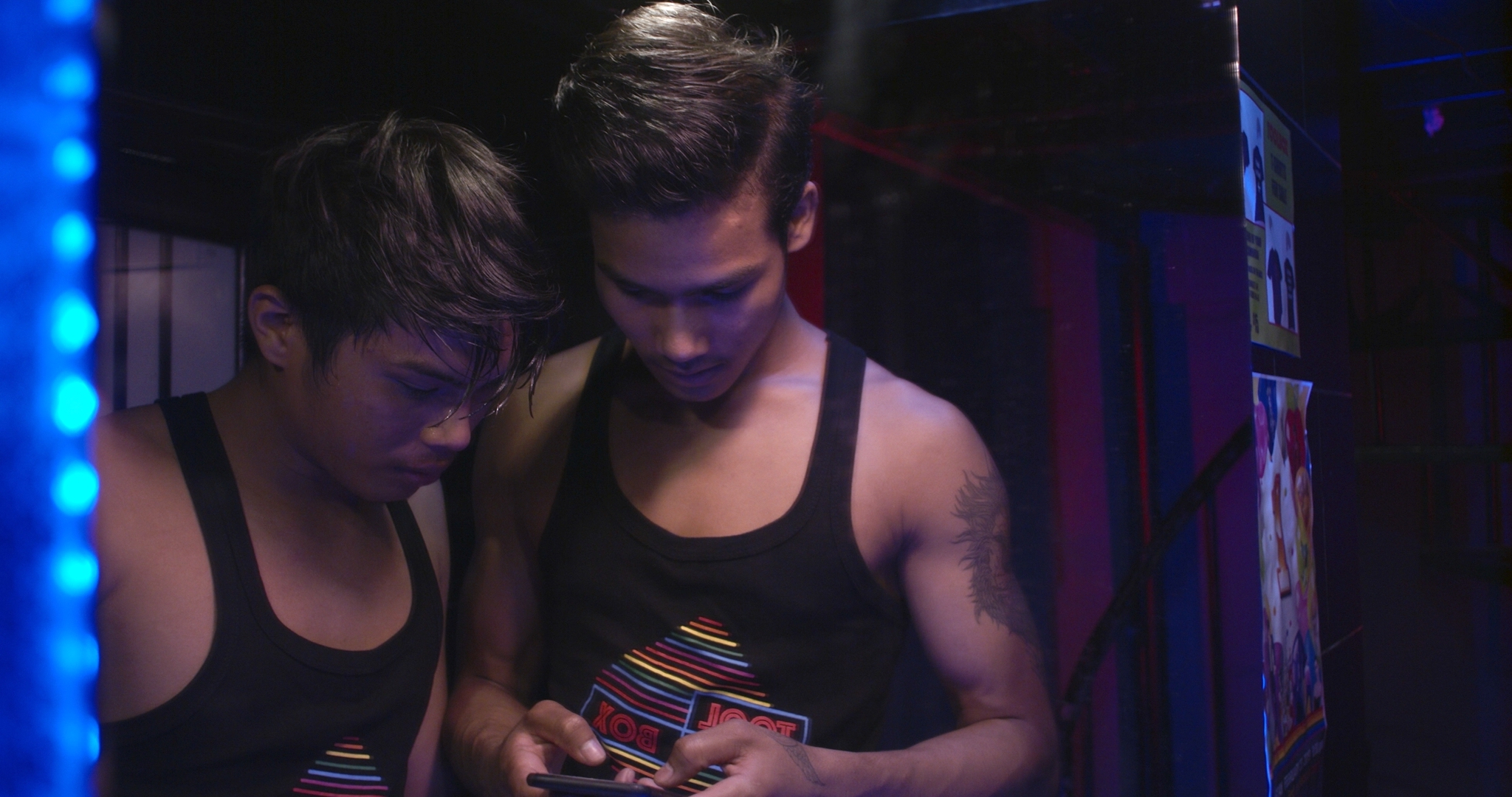
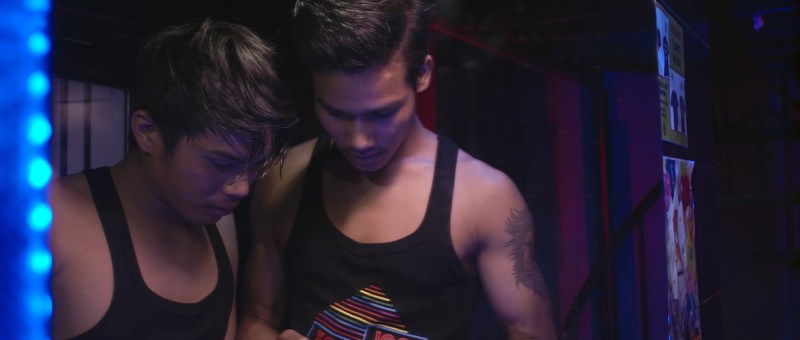
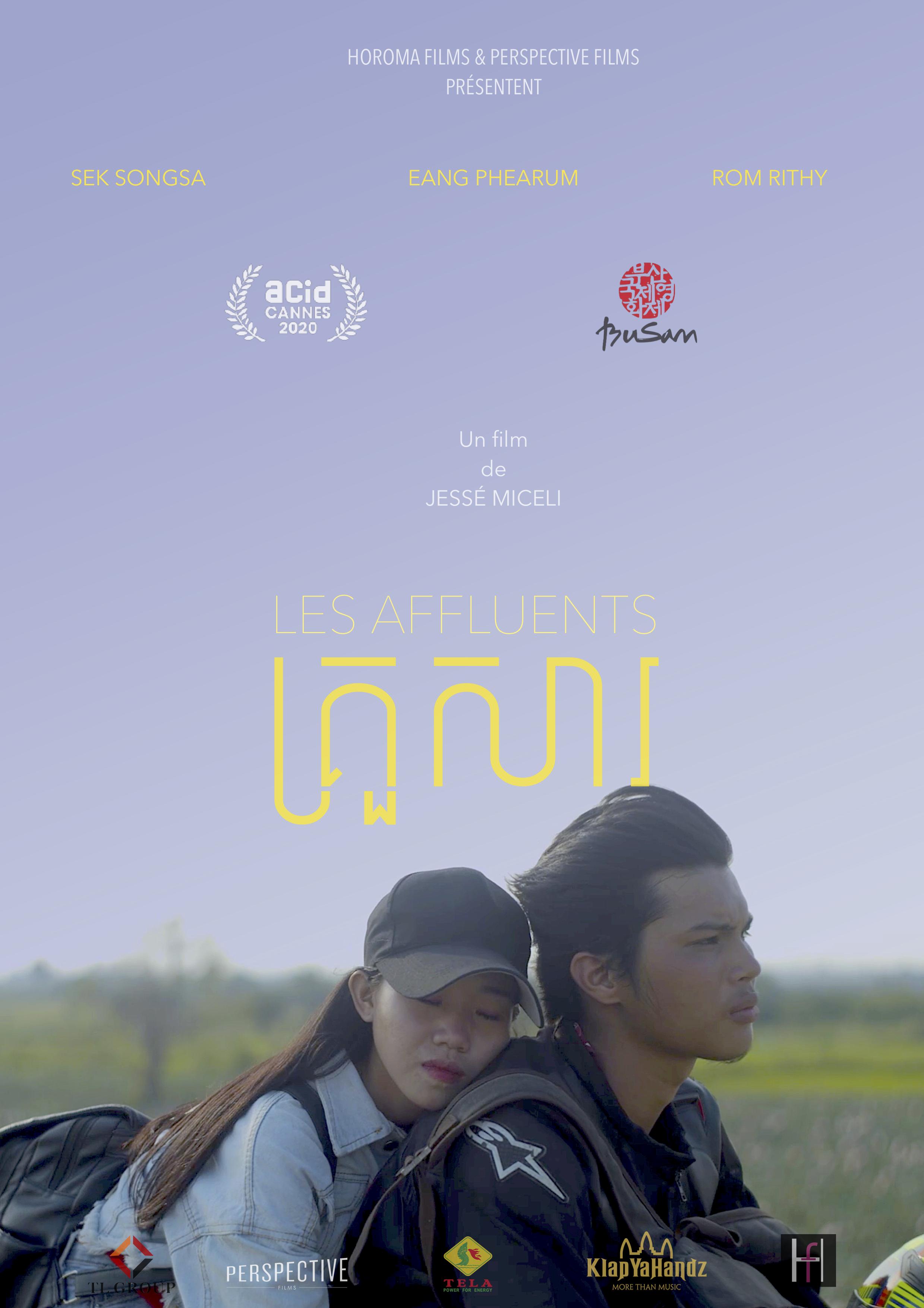
The youngest of the three men, teenager Songsa (Sek Songsa), says almost nothing and if he has a dream it is perhaps only to live his own life as he pleases. 20-year-old Thy (Rom Rithy), meanwhile, yearns for a motorcycle and, apparently disowned by his father who prefers his half-brother, has taken a job as a host/dancer in a gay bar frequented mainly by Western men. 24-year old Phearum (Eang Phearum) borrowed money to buy a taxi to earn money for his family who are in danger of losing their land but is privately preoccupied and perhaps defeated by the news that his schoolteacher wife is expecting a baby. 

Each of the men ultimately find themselves in Phnom Penh in search of different things but discovering something much the same. The contrast with the rural homes of Songsa and Phearum couldn’t be more stark even if quite literally presented in day and night. Songsa, it seems, did not perhaps want to go to the city and especially to sell knock off jeans from a disused taxi bus at the behest of his frustrated tuktuk driver uncle, but in any case the responsibility proves too much for him and he’s clearly not ready for the adult world his uncle and the owner of the bus, Leap, already inhabit. He resents their drinking and rebuffs their attempts to force him to join them, but alone on the bus at night finds himself subject to another element of city darkness as a drunken middle-aged man crawls in through the window and attempts to grope him. His only solace is discovered when he wanders off and stumbles into a death metal rave, head banging his frustrations away. 

Across town, Phearum is at another party in an upscale gallery invited by two, fairly obnoxious, Western women who climbed into his cab not long after he dropped his wife off at a doctor’s clinic for a potentially dangerous medical procedure. Already drunk, the women insult and belittle Phearum in English while one eventually tries to proposition him, offering money when he turns her down. Phearum doesn’t take it but appears to accept the situation with good humour and bemusement. Thy, meanwhile, eventually turns to casual sex work to pay for a bike an injured friend of a friend needs to sell. It’s not clear if Thy is actually attracted to men even if not exclusively, later taking a girl home after a bike ride through the country, or merely in need of well-paying work but it’s difficult to dismiss the implications of exploitation at the American-run club which seems to cater almost exclusively to Westerners exoticising the young, good looking Cambodian staff who earn a dollar’s commission on every drink sold. 

Then again, Phearum’s dream is to give up his taxi and open a garage selling cars to the influx of Chinese businessmen driving the expansion of the local economy largely through casinos and other leisure facilities supported by the tourist trade. He listens intently to an estate agent in the back of his cab who works for Chinese developers, keenly asking about the price of land perhaps weighing up selling rather than buying. The aspirations of the three men are eventually headed for an ironic collision, though the “one year later” conclusion perhaps seems unduly contrived filled as it is with exposition and the conceit that former strangers have become lifelong friends through a single, traumatic episode. Nevertheless, there is more hope than expected in Miceli’s vision even if tempered by compromise as the trio remain determined to push forward having identified their direction of travel, reclaiming the city as their own while also looking out for each other in what appears to be an often hostile environment. 


Coalesce streams in the US until March 21 as part of the 12th season of Asian Pop-Up Cinema.

Original trailer (English subtitles)
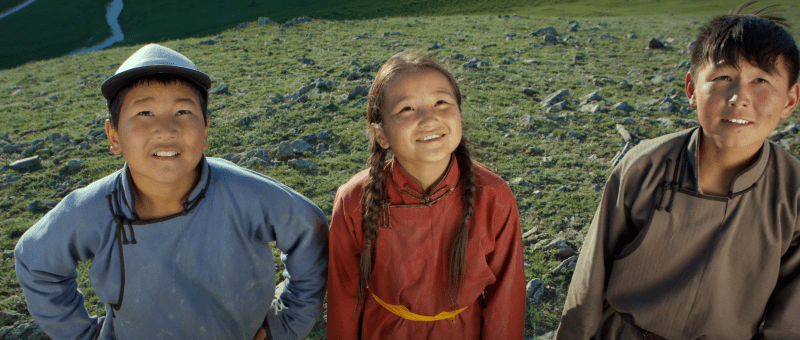
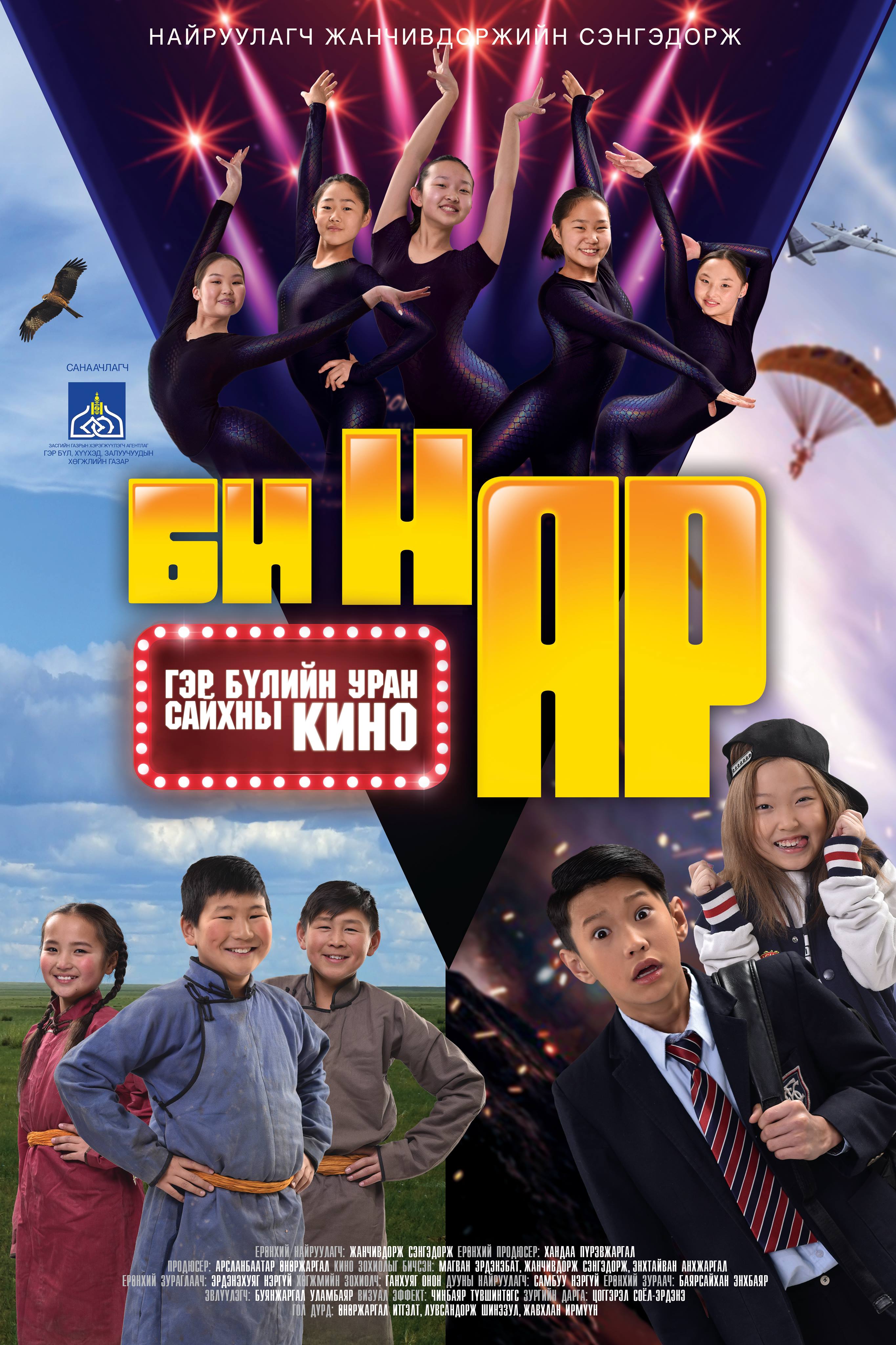
I, the Sunshine (Би Нар, Janchivdorj Sengedorj, 2019)

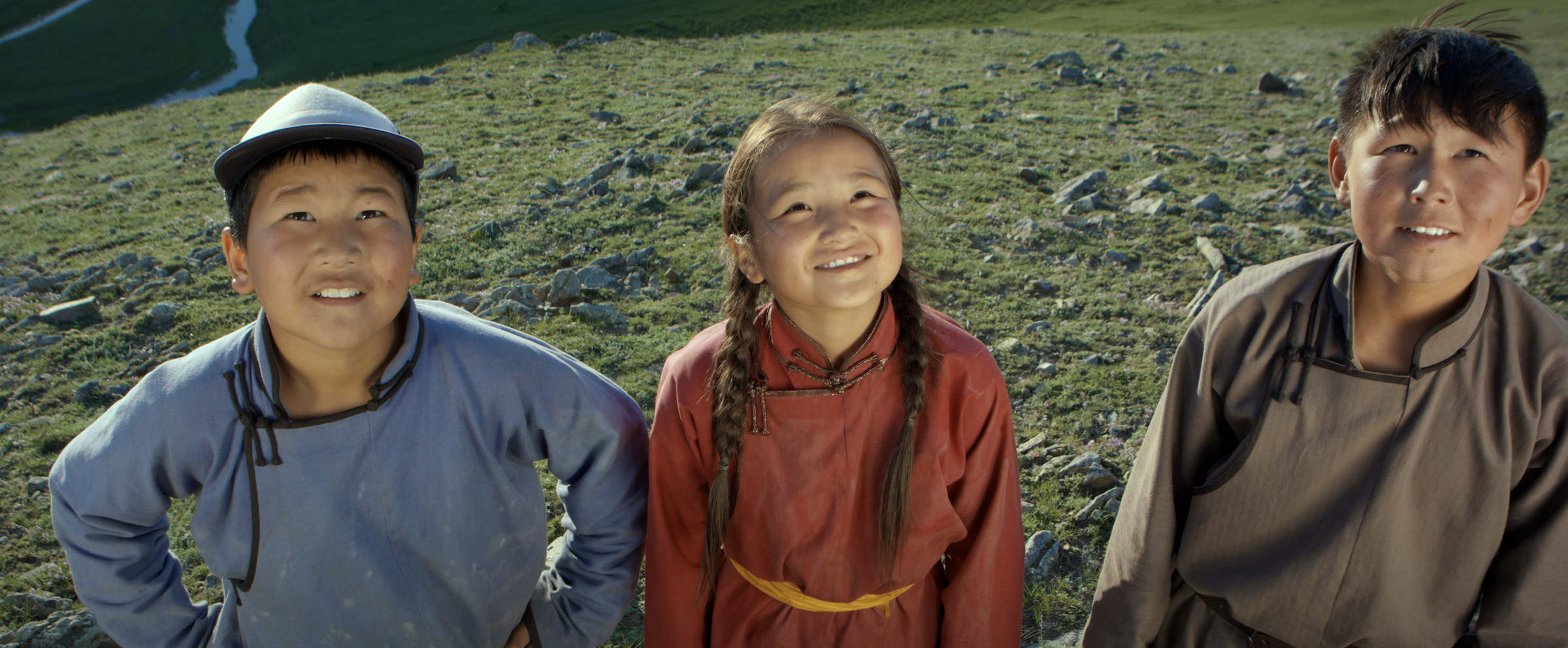
Childhood nostalgia and the changing Mongolian society come together in Janchivdorj Sengedorj’s triptych of warmhearted children’s stories, I, The Sunshine (Би Нар, Bi Nar). Set between the Steppe and the city and around 30 years apart, Janchivdorj Sengedorj’s three tales aren’t so much about idealising a traditional way of life or denigrating the increasingly digitised, modern society but emphasising that children are often resourceful and determined and above all mean well, while people are sunshine and have a duty to bring love to one another. 

Narrated by the hero of the final tale, Ideree (J. Irmuun), the first concerns his father, Bodi (U. Itgel), who grew up in a small village on the Steppe and later became an engineer because of the events he is about to convey to us though Ideree isn’t entirely sure he believes the stories his dad has told him. In any case, this one is about modernity coming to the village in the form of a television. Previously, the entire community had to cram into the back of a pickup truck and head to the Soum Centre to watch the latest instalment of the TV soap on which they are all hooked, but Bodi’s dad has returned from the city with a set of his own much to the consternation of his wife who feels he ought to have spent the money on a ger for his oldest son soon to return from the military. Unfortunately, however, no one has quite grasped how TV works and being set so low they can’t receive a signal. It being the summer holidays Bodi and his friends are determined to figure out how to get the TV working, firstly by asking their bored physics teacher who is busy with experiments of his own and sends them away with a diagram explaining how an antenna works, and then by pilfering all the metallic objects in their village including grandma’s big pan to build an amplifier. 

Though the tale takes place in, presumably, the 1980s, the kids are charmingly innocent not even knowing how to open the ring pull on a can of Pepsi and so excited to try it that they eventually bash a hole in the top with a nail. They are all desperate to leave the village for the bright lights and sophistication of the city but the older Bodi (B. Bayanmunkh) will later suggest sending his son back to the country to learn to be a real Mongolian man riding horses and herding sheep. Meanwhile, the village is in a mood of celebration as a former resident who graduated high school and went on to university is currently running for public office. It’s figuring out the TV problem that leads Bodi to want to become an engineer, certain that when you work hard at something it is possible to succeed. 

Meanwhile, Ideree’s mother Nandin (L. Shinezul) is reluctantly learning to become a contortionist with the circus in the city. Her childhood is less happy than Bodi’s mostly because her mother, formerly a contortionist herself, has encountered some kind of accident and now uses a wheelchair while her father has gone to the US in search of work and a possible cure. Having got her place because another girl was injured, Nandin struggles to get along with her new teammates while secretly reluctant to practice because the circus atmosphere reminds her of happier times. Nevertheless through interacting with the other girls and realising that her melancholy sense of abandonment has been mistaken she eventually rediscovers her calling as a contortionist instructing her son that not everyone is blessed with a natural talent but if you discover you have one it’s your duty to embrace it. 

Despite the twin lessons of his parents, however, young Ideree seems to be struggling. Bodi and Nandin (D. Asardari) are concerned that he seems to have no friends and spends all his time obsessively playing video games even though she is Facetiming someone on her iPhone as she cooks and he is working on his laptop at the breakfast table. At school everyone’s on their phones before the teacher comes in and the streets are filled with people staring at their screens. Running to school every day attempting to escape the gauntlet of older bullies on the bridge, Ideree’s life changes when his computer mouse comes to life and takes the form of a young girl (Michidmaa Tsatsralt) who can manipulate the world around him to silence his nagging parents, despatch his tormentors, and even make him a teacher’s pet but she can’t fix the fact he’s got no friends because friendship is born of the heart’s desire to connect and even the most powerful computers couldn’t forge that. Her advice? Bring love and sunshine. While perhaps criticising the alienation born of increasing digitalisation, Janchivdorj Sengedorj doesn’t exactly advocate a return to the ger even as he comes full circle with the family enjoying a traditional festival but does perhaps suggest that the world works best when people bring the love and the light. We don’t have to believe the stories, Ideree tells us, but he thinks that people start to live a completely different life when they forget childhood dreams and he just might have a point.  


I, the Sunshine streams in the US March 17 – 21 as part of the 12th season of Asian Pop-Up Cinema.

Three short trailers (no subtitles)

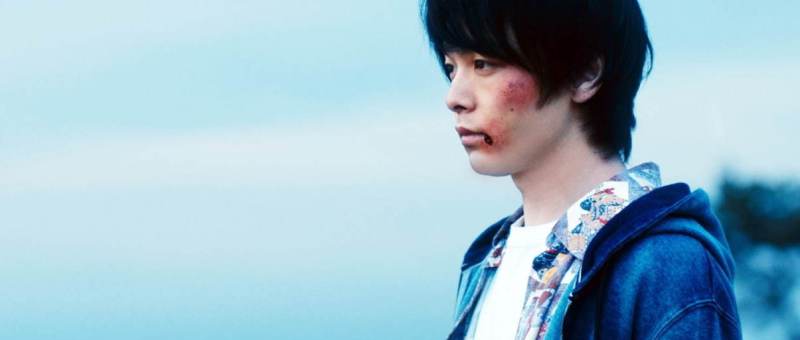
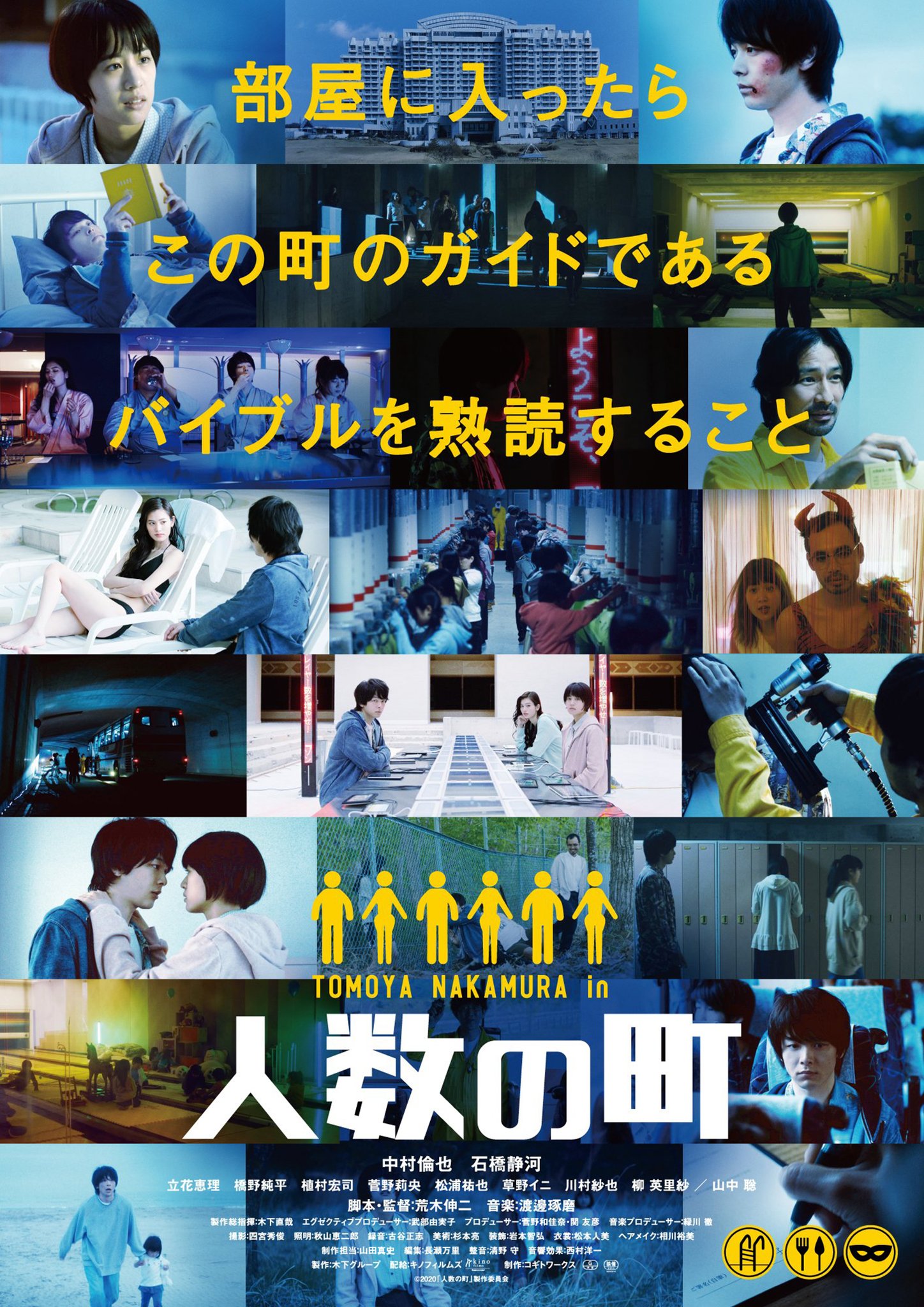
The Town of Headcounts (人数の町, Shinji Araki, 2020)

“You’re free now, so the world is more beautiful” the hero of Shinji Araki’s dystopian thriller The Town of Headcounts (人数の町, Ninzu no Machi) is unironically told by a mysterious saviour even as a watchtower lingers on the horizon behind him. Modern Japan, it seems to say, is no paradise but is it worth trading your identity and existence for the guaranteed satisfaction of your basic needs? Freedom, happiness, and love may be nebulous concepts which mean different things to different people, but in the end leading a satisfactory life might just come down to what it is you decide you can live without. 

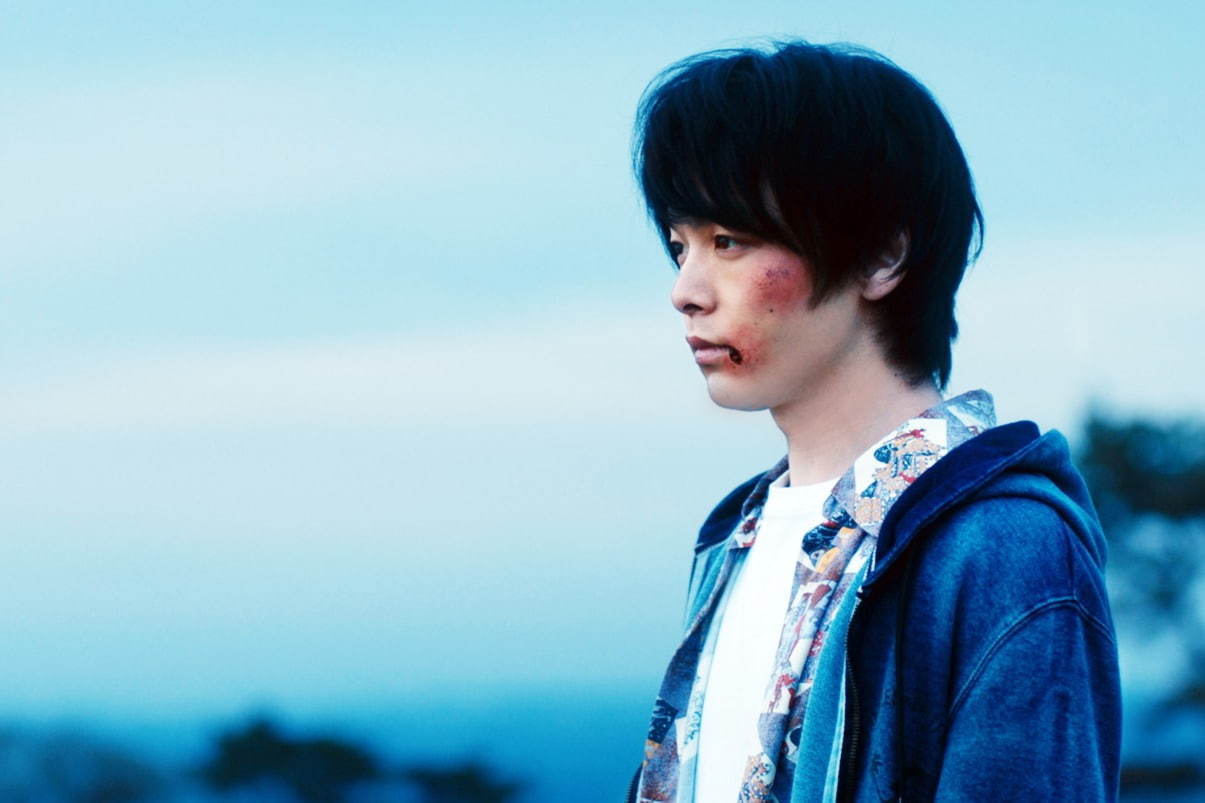
The nameless protagonist later credited as Aoyama (Tomoya Nakamura) describes himself as an “average joe” who has “a weak will” and doesn’t “belong anywhere in society”. While being beaten up by a loanshark, he’s unexpectedly rescued by the miraculous appearance of the mysterious “Paul” (So Yamanaka), a middle-aged man dressed in an orange jump suit who tells him there’s a place he can go where’d he fit right in. After a lengthy bus ride, he finds himself a new resident of “The Town” where those like him who for one reason or another felt themselves rejected by mainstream society can live in ease and comfort, only as he later discovers he is unable to leave. Should he walk too far beyond the fence, the microchip in his head activates a sonic wave of painful and disabling distortion. 

Somewhere between a utopian cult commune and a penal colony occupying a disused conference centre, The Town is a free love society which insists that equality is possible and that freedom and peace are more than mere dreams. Family creates inequality, so The Town’s Bible says, so residents must live alone. Pregnancy is prohibited, while children brought into the compound are separated from their parents and raised in a communal nursery. All basic needs, food, warmth, shelter and even sex, are otherwise guaranteed though the residents are expected to “work” to earn them, performing often pointless tasks parasitically underpinning modern capitalism such as writing meaningless product reviews in return for treats, or performing as stooges to create hype around new store openings. Aoyama’s sense of morality is however shaken when he’s asked to commit electoral fraud by repeatedly voting for a chosen candidate with stolen ballots, later recruited as a crisis actor in a fake terrorist incident intended to further influence an election in the wake of a corruption scandal. 

In The Town, he’s told his existence is meaningful and given a place to belong. Yet he has to surrender his name, known as “Dudes” residents must greet each other ritualistically only by the word “fellow” followed by some kind of compliment. All his needs may be met, but he’s forbidden to fall in love, can never marry or have a family, and it does seem troubling that there are no elderly people around even if some suggest there are other “Towns” just for them. Some might say, The Town is way is a way for mainstream society to get rid of all the people it doesn’t want or feels have no value. Araki throws up frequent title cards featuring various statistics such as the numbers of homeless people, bankruptcies, unemployment etc along with brief flashbacks to whatever it was that brought residents to The Town from being thrown thrown out of a manga cafe after attempting to live there to being almost choked to death by debt-collecting yakuza suggesting there’s little “freedom” in the rigid contemporary society and most particularly for those unable or unwilling to live by its rules.  

In The Town rules are few, and you’re well looked after, but you can’t leave and though it seems like an individualist paradise where you’re free to satisfy each of your physical desires you have no further control over your existence. As one resident puts it, “life here is kind of weightless”, perhaps a relief for some but a crushing existential crisis for others. Aoyama realises that in The Town he rarely feels angry, but perhaps he feels nothing much of anything else, either. Just as he’s starting to adjust, his feelings of unease are strengthened by the arrival of a young woman who apparently had no previous societal issues but has come to The Town in search of her younger sister whom she failed to help despite knowing she was trapped in an abusive relationship. Unlike Aoyama, Beniko (Shizuka Ishibashi) claims not to have felt much of anything in the regular world, unsure even what love is and unimpressed by the beautiful vistas of freedom that are supposed to define The Town, but doesn’t want to stay and be rendered a mindless drone exploited by mysterious forces for whatever purpose they may choose.

What Aoyama realises he craves is the love and companionship of a conventional family life. “We want to support each other and work hard. Love each other and live together” he explains to a non-plussed Paul who seems to pity him, his simple desire at once at odds with the values of The Town and perhaps equally unobtainable in contemporary Japan. In the end, the only “freedom” he may find lies in complicity with one system or another, becoming an oppressor as one of the oppressed. The question is what sort of life is most satisfying, freedom from the anxiety of hunger and cold, or the freedom to love and live fully in manner of your choosing. The modern society may not grant you either, and both perhaps have their costs. A bleak dystopian thriller, Araki’s steely drama features innovative production design and slick direction mimicking the hero’s sense of disaffection with detachment and a total lack of resistance to the otherwise bewildering world of The Town but saves its real sense of confusion for the state of the modern society and the fate of those who survive on its margins. 


The Town of Headcounts streams in the US March 15 – 19 as part of the 12th season of Asian Pop-Up Cinema.

Original trailer (English subtitles)
Asian Pop-Up Cinema Returns for Season 12!

Asian Pop-Up Cinema returns for a bumper 12th season operating both online throughout the US via Eventive March 15 to April 30 and in person at Lincoln Yards Drive-in from April 15 to May 1 with a small season of films submitted for the Oscars streaming via Asia specialist streaming app Smart Cinema USA. The Season 12 Bright Star Award will be going to Japanese actress Kasumi Arimura who stars in Sho Tsukikawa’s And Life Goes On while the first episode of her TV show collaboration with director Hirokazu Kore-eda, A Day-Off of Kasumi Arimura (Episode 1: After My Homecoming), will also be getting a rare international outing.

Online via Eventive (streaming across the US unless otherwise noted):

March 15 – 19 Opening Night: The Town of Headcounts (Shinji Araki, 2020) – Japan  
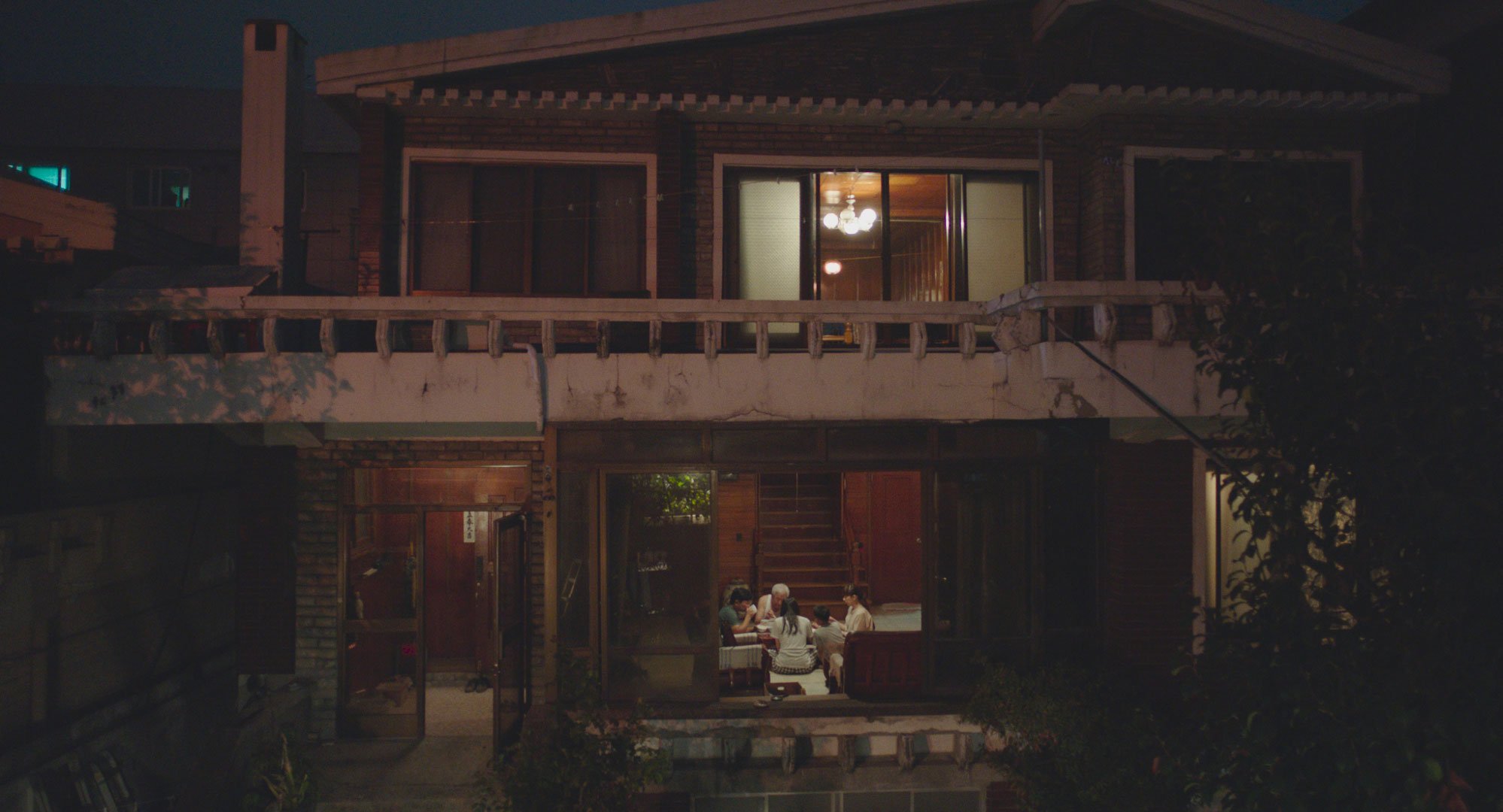
A nameless protagonist on the run from loansharks is saved by a man in orange who whisks him away to “The Town” where others seeking refuge from a hostile society take shelter but his new idyll is shattered by the arrival of a young woman looking for her missing sister.

March 17 – 21:

And Life Goes On (Sho Tsukikawa, 2019) – Japan

Originally aired as a six-episode WOWWOW TV drama, Sho Tsukikawa’s And Life Goes On stars Kasumi Arimura as a young woman whose dreams of becoming an actress are derailed by the 2011 earthquake and tsunami. Joining the relief effort she finds herself falling in love with a fellow volunteer student from Tokyo.

Chola (Sanal Kumar Sasidharan, 2019) – India, Hidden Gem Encore, Free Admission

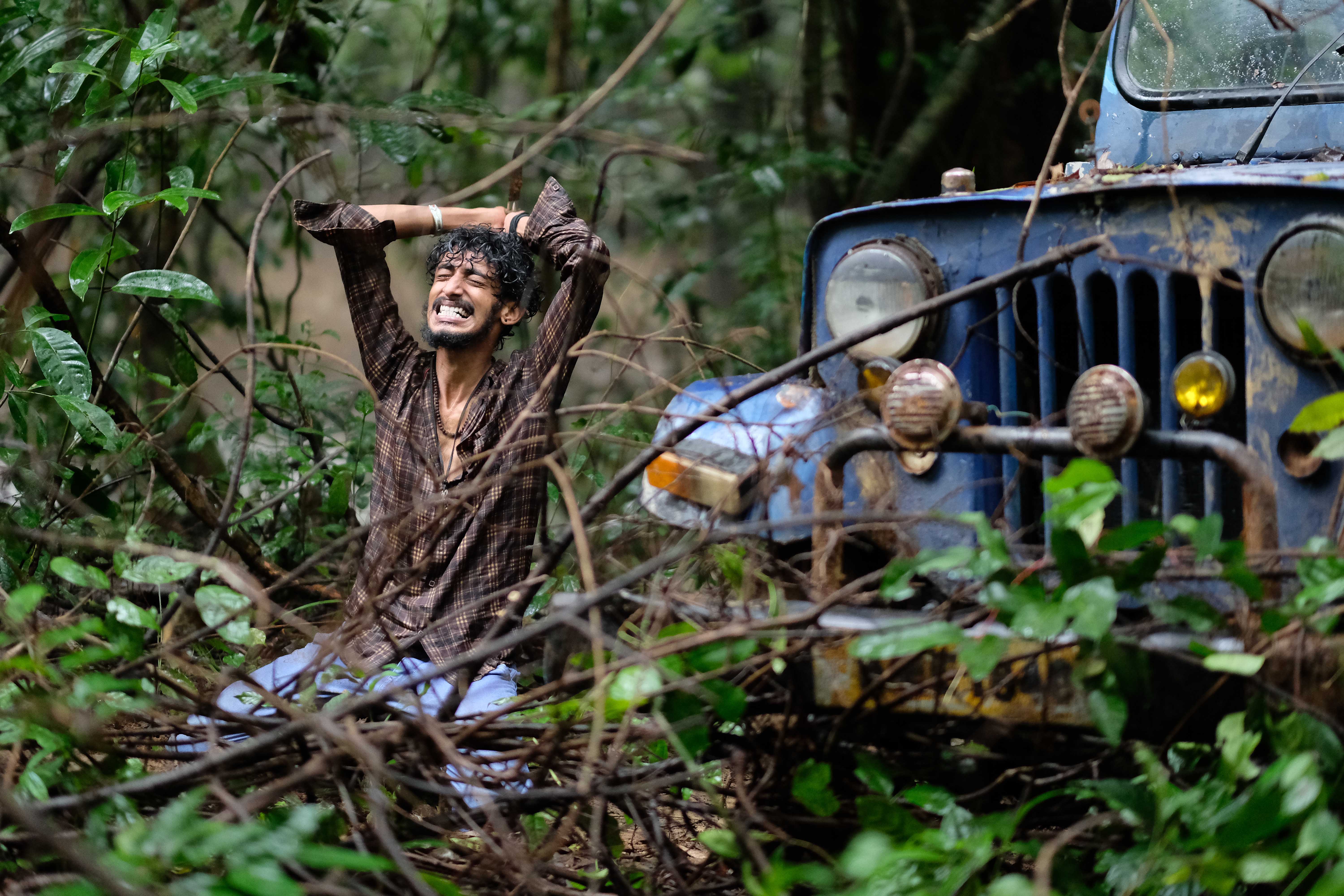
Teenage lovers meet at dawn for a secret trip into town but a sinister third party spells doom from the outset in this  Malayalam-language psychological drama.

Coalesce (Jessé Miceli, 2020) – France/Cambodia

Three men try their luck in Phnom Penh: Songsa sells jeans for his father, Thy joins a biker gang and works in a gay bar, and father-to-be Phaerum hopes to become a car salesman, but all discover a different side of the contemporary city.

I, The Sunshine (Sengedorj Janchivdorj, 2019) – Mongolia

Mongolian drama in which a little boy narrates the stories of his mother, father, and himself spanning from life on the Steppe where a kid and his friends go on adventure to find a better TV signal, to the city where a contortionist’s life is changed by her mother’s injury, and finally to the contemporary society where the boy manages to escape being bullied after his computer mouse transforms into a girl capable of granting his every wish.

Keep Rolling (Doc) (Man Lim-chung, 2020) – Hong Kong

Candid documentary exploring the life and career of legendary director Ann Hui.

The Silent Forest (Ko Chen-nien, 2020) – Taiwan, (streaming in Illinois only)

A deaf teenager faces a dilemma when he transfers to a special school and witnesses a young woman being bullied this multiple award-winning drama from Taiwan.

March 24 – 28:

A Day-Off of Kasumi Arimura (Episode One: After My Homecoming) (Hirokazu Kore-eda, 2020) – Japan

Kasumi Arimura stars as a fictional version of herself enjoying a rare day off visiting her mum in the first episode of the late night drama directed by Hirokazu Kore-eda. Review.

Changfeng Town (Wang Jing, 2019) – China

Nostalgic quirky drama set in small-town China following a small group of children over the course of a summer.

Chen Uen (Doc) (Wang Wan-jo, 2020) – Taiwan

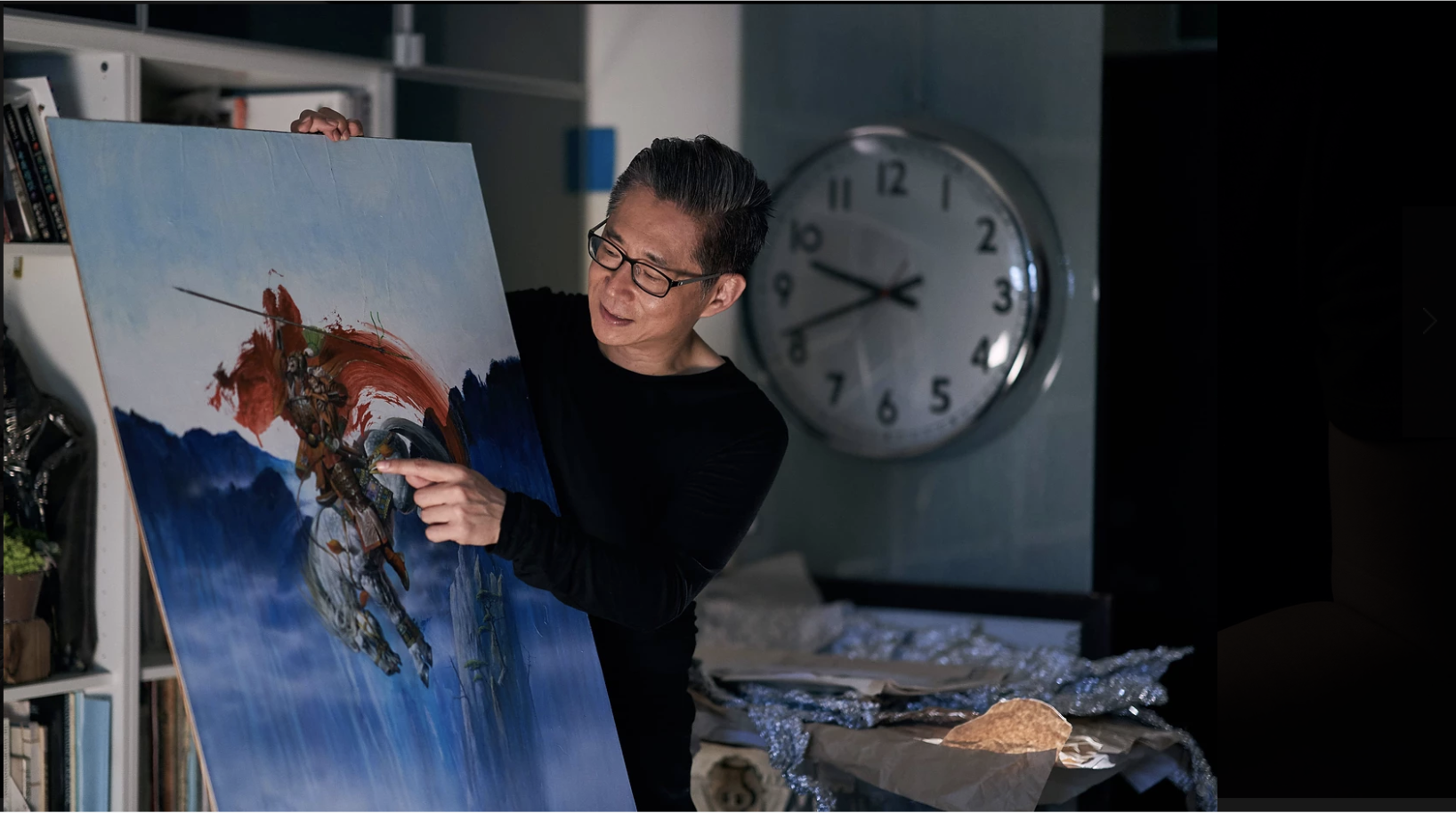
Documentary exploring the life and career of legendary Taiwanese comics artist Chen Uen who sadly passed away at his desk at the young age of 58.

Come and See (Doc) (Nottapon Boonprakob, 2019) – Thailand

Documentary exploring controversial Thai Buddhist sect Dhammakaya and its leader Dhammachaiyo who claims to have met Buddha but has also been accused of money laundering and embezzlement.

Elisa’s Day (Alan Fung, 2020) – Hong Kong

A policeman is forced to face a mistake he made 20 years previously while investigating a crime of passion.

Search Out (Kwak Jung, 2020) – South Korea, Free Admission  

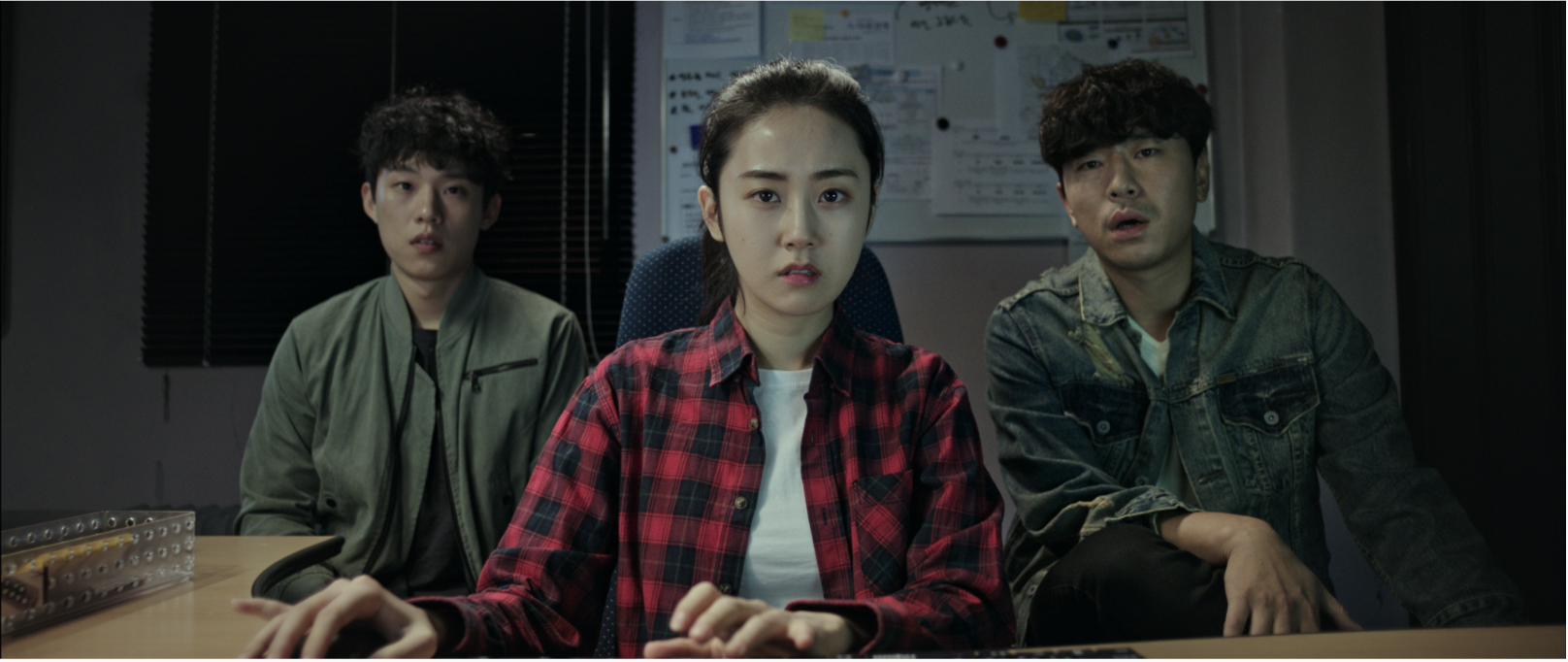
Three youngsters turn internet detectives after stumbling on a malicious Instagram profile which appears to manipulate the vulnerable towards suicide in Kwak Jung’s cyber thriller.

March 27 – 31:

Journey to the West (Doc) (Jill Coulon, 2015) – France/China

Taking its name from the classic story of the monk Tang Sanzang and his sidekick the Monkey King Jill Coulon’s documentary follows a series of Chinese tourists on a 10-day European bus tour .

No. 76 Horror Bookstore (David Chung, Pon Hung Tze-Peng, 2019) – Taiwan, Hidden Gem Encore, Free Admission

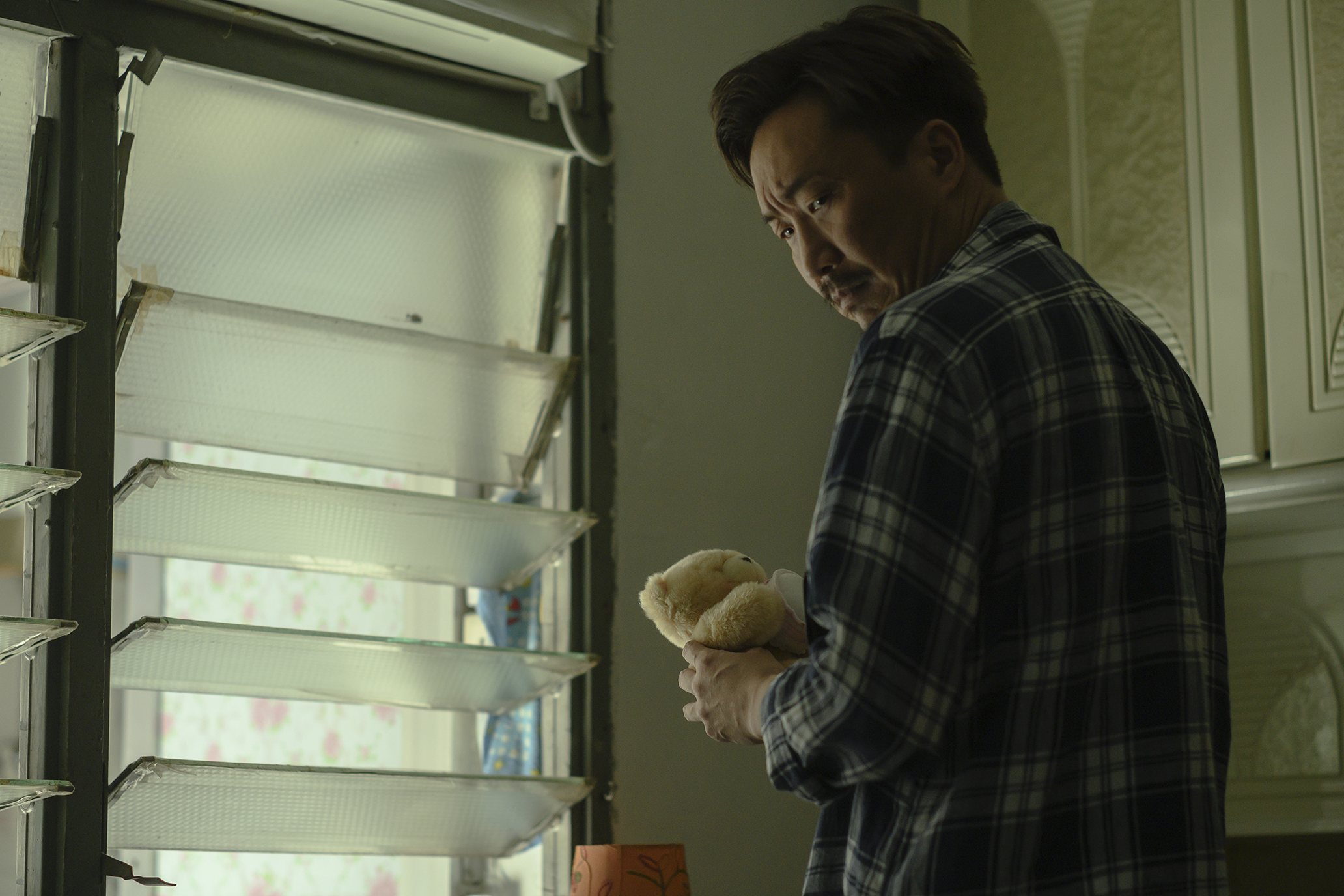
Four-part horror anthology from Taiwan featuring adaptations of spooky online stories in which a woman moves into a haunted apartment, a person tries to survive in a world in which food has been declared illegal, teenagers play hide and seek in an abandoned house, and a taxi driver who took his own life attempts to return to the mortal realm to reconcile with his daughter.

Wisdom Tooth (Liang Ming, 2019) – China

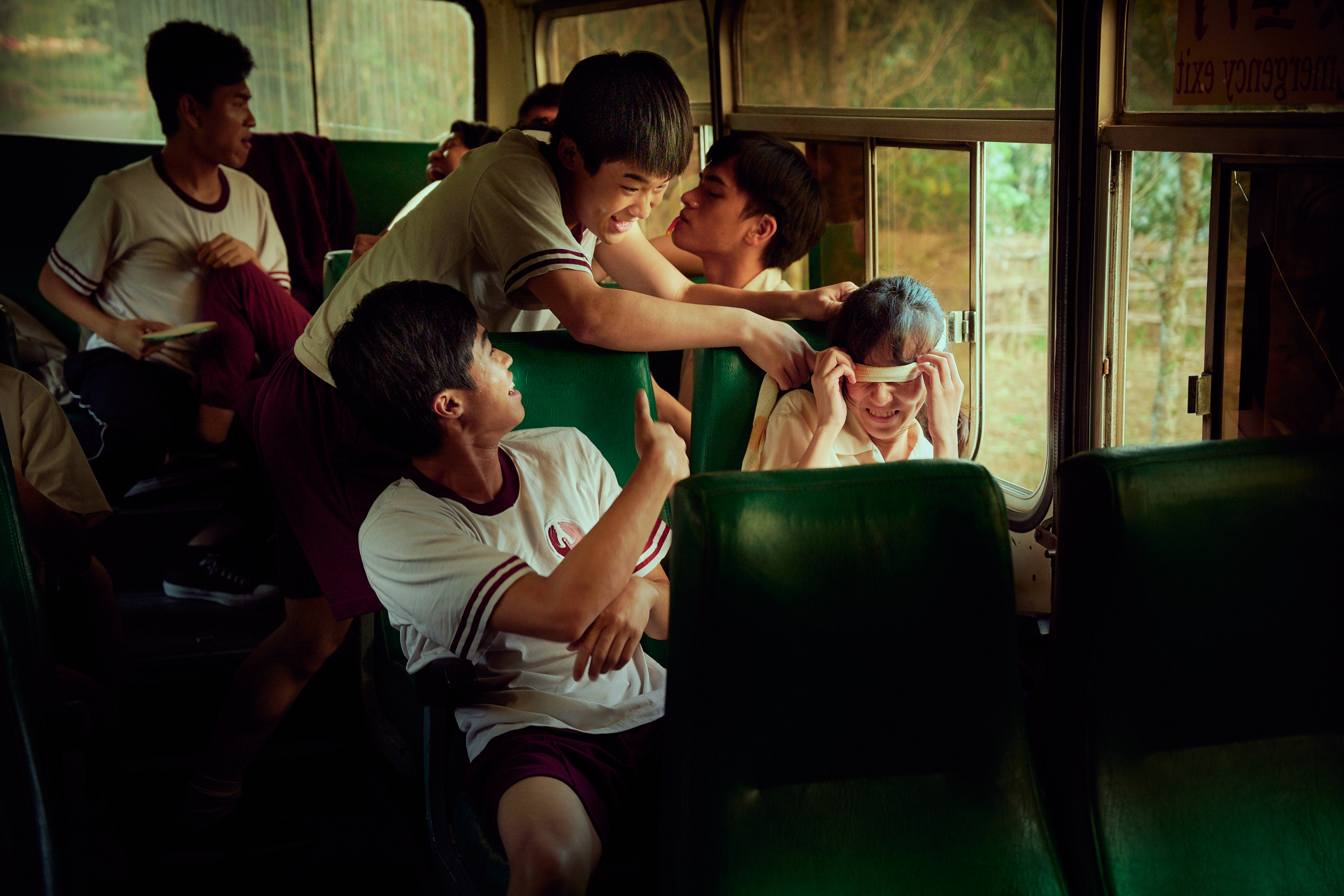
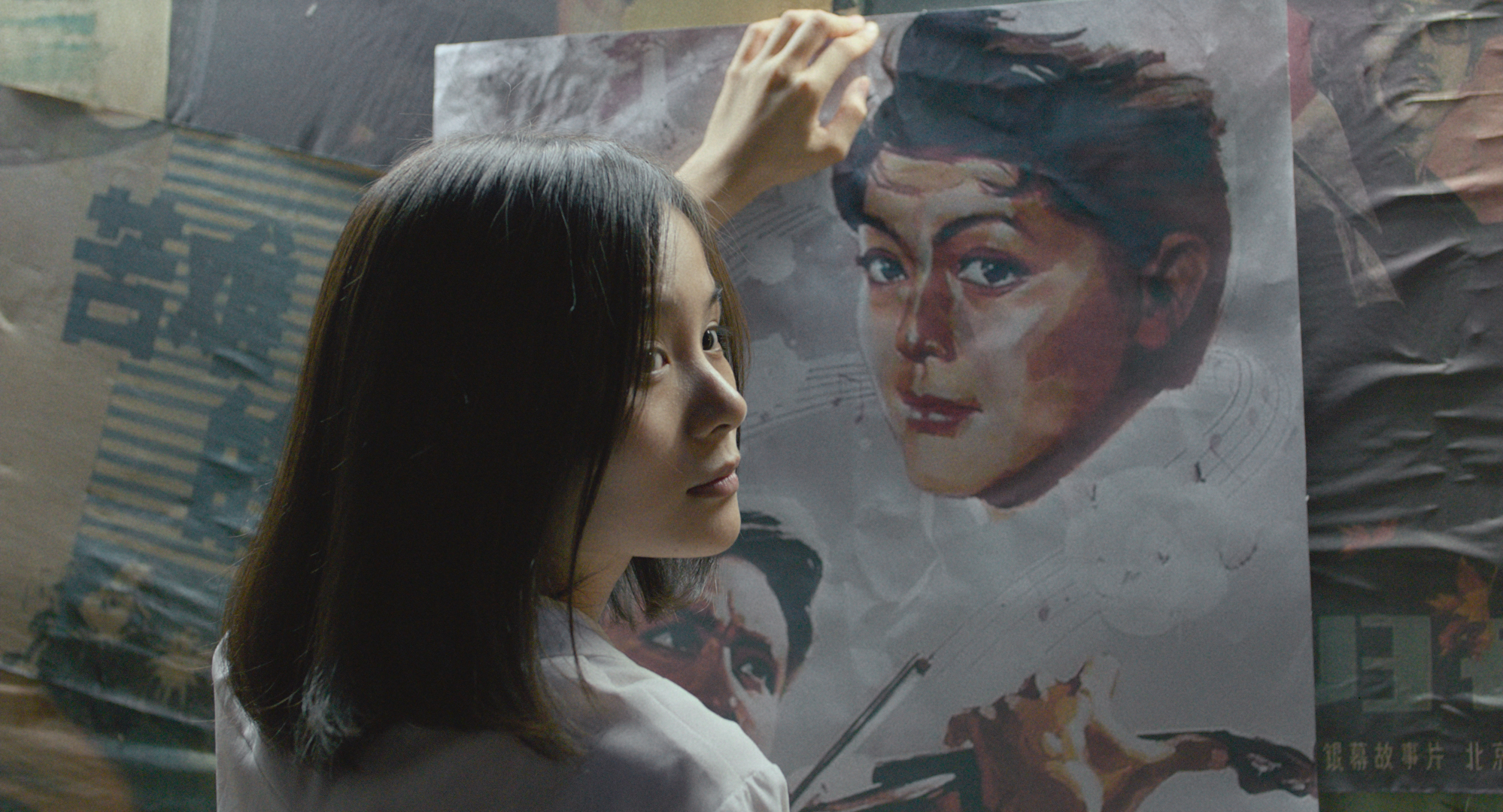
A young woman’s pain and confusion with the world around her is manifested as a dull ache in her jaw in Liang Ming’s icy coming-of-age drama. Review.

The Shell Collector (Yoshifumi Tsubota, 2016) – Japan, Hidden Gem Encore, Free Admission

Lily Franky stars as an introverted professor whose life changes after he saves a painter who washes up onshore by administering venom from a poisonous shell bringing further travellers to his door in search of various cures.

Two Blue Stripes (Ginatri S. Noer, 2019) – Indonesia

Indonesian family drama in which a teenage couple’s unplanned pregnancy provokes a confrontation with a series of cultural norms and social issues.

Watch List (Ben Rekhi, 2019) – USA/Philippines

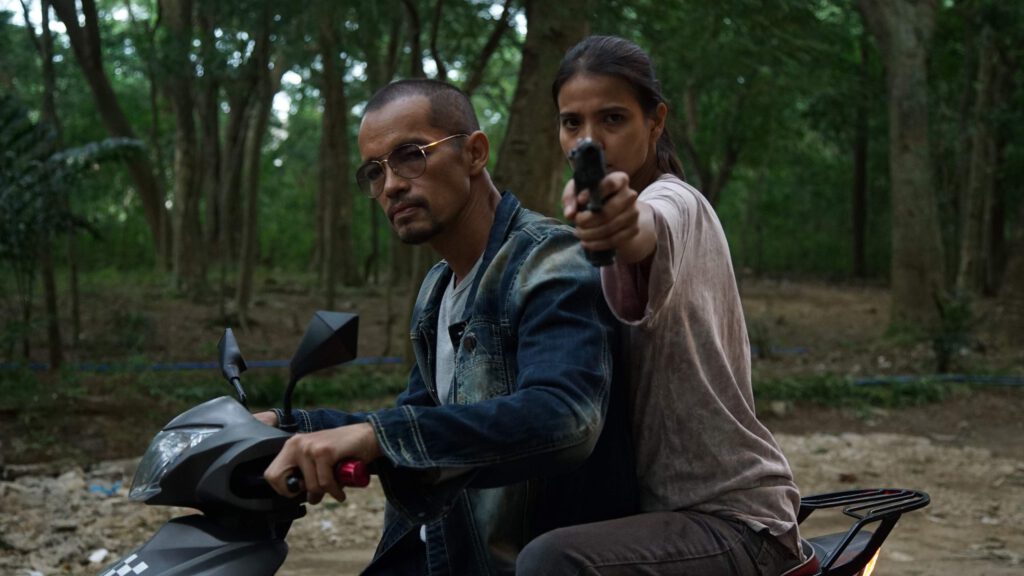
A married couple join a voluntary rehabilitation programme in the midst of Duterte’s war on drugs only for the husband to be found dead in the street some time later beside a sign reading “I’m a pusher; don’t be like me” leaving the wife with no choice other than to become a police informant in order to provide for her children.

April 26 – 30:

14 Days 12 Nights (Jean-Philippe Duval, 2020) – Canada/Vietnam

A French-Canadian woman travels to the birthplace of her adopted daughter in Vietnam and ends up travelling the country with her birth mother.

April 1 – 15:

Oscar Contenders from Asia: streaming via Smart Cinema USA (further details to be revealed in late March)

True Mothers (Naomi Kawase, 2020) – Japan

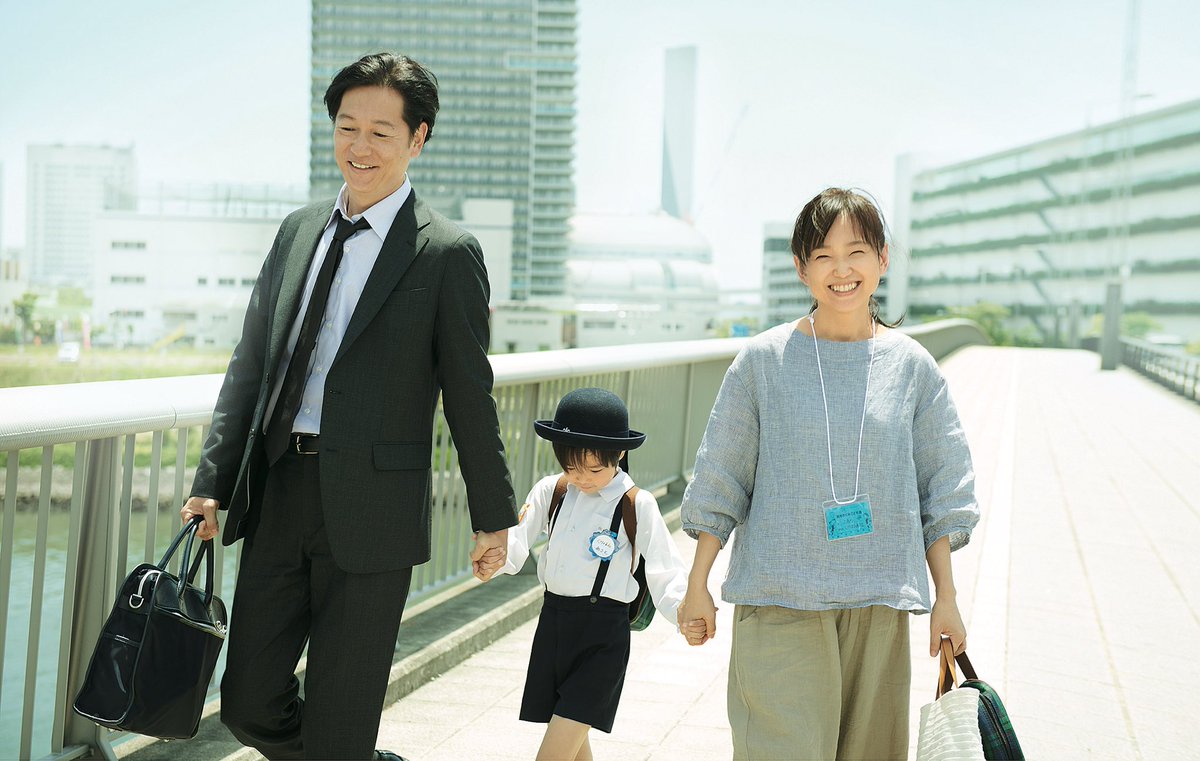
Heartbreaking drama from Naomi Kawase in which a young couple adopt a baby only for the birth mother to resurface some years later.

Better Days (Derek Tsang, 2019) – Hong Kong

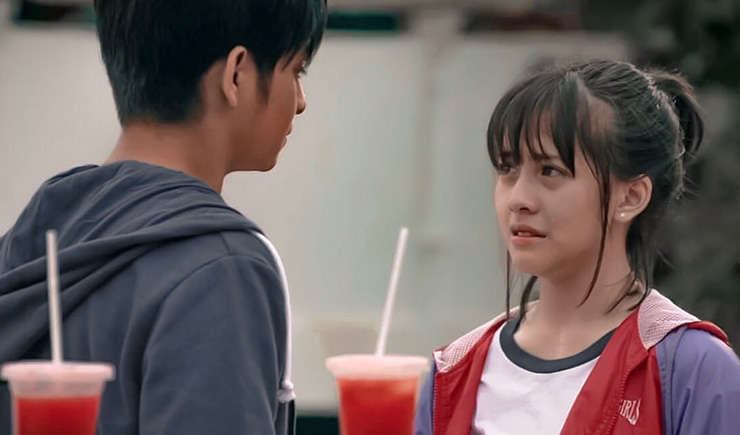
Derek Tsang’s Soul Mate followup stars Zhou Dongyu as a bullied young woman bonding with a bad boy played by boyband superstar Jackson Yee. Review.

The Man Standing Next (Woo Min-ho, 2020) – South Korea

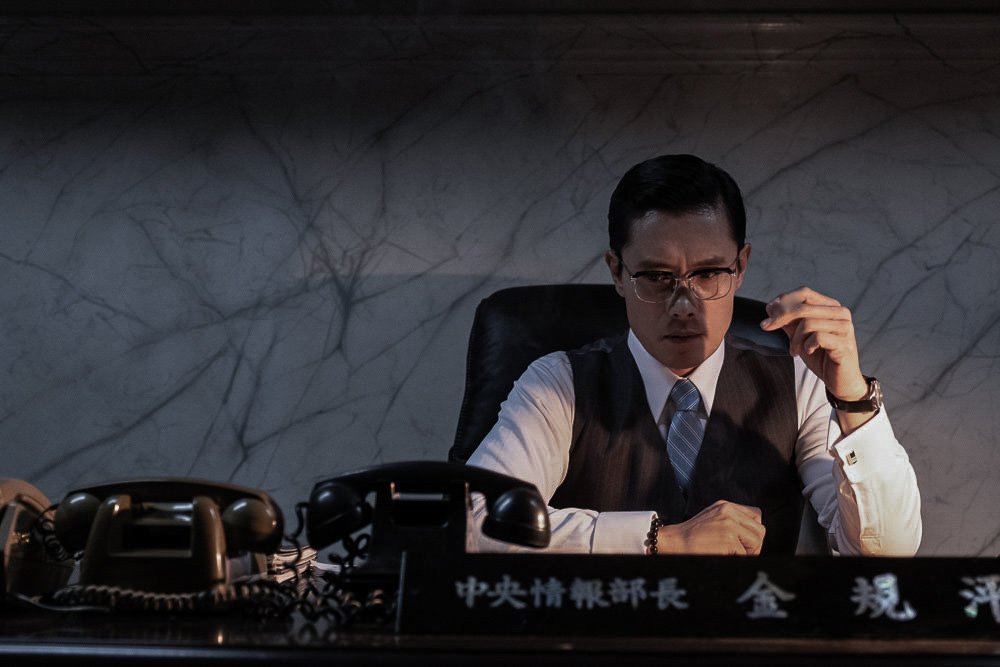
Woo Min-ho re-examines the assassination of President Park Chung-hee through the lens of 70s conspiracy thriller. Review.

Roh (Soul) (Emir Ezwan, 2019) – Malaysia  

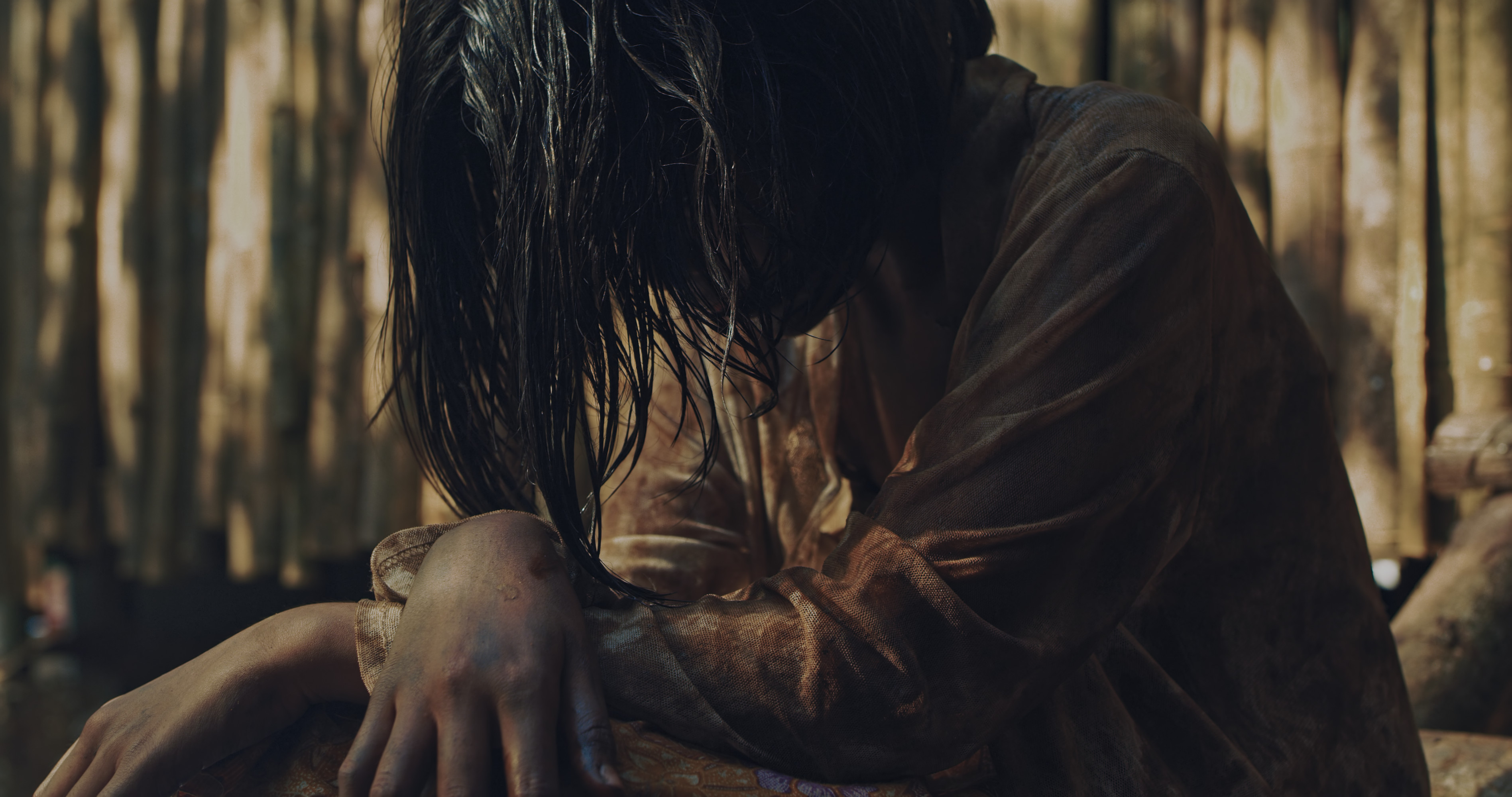
A single-mother and her two children find themselves beset by darkness after taking in a little girl who wandered out of the jungle in Emir Ezwan’s atmospheric folk horror. Review.

Lincoln Yards Drive-in:

Lincoln Yards Drive-in is located at 1684 N. Throop Street. Films will be shown at sunset on mostly Thurs/Fri/Sat/Sun nights. Each film will be shown once only. Total capacity: 40 vehicles per screening Only. 

Thursday, April 15: CENTERPIECE One Second Champion (Chiu Sin Hang, 2020) – Hong Kong  

A single father takes to the boxing ring after developing the ability to see one second into the future.

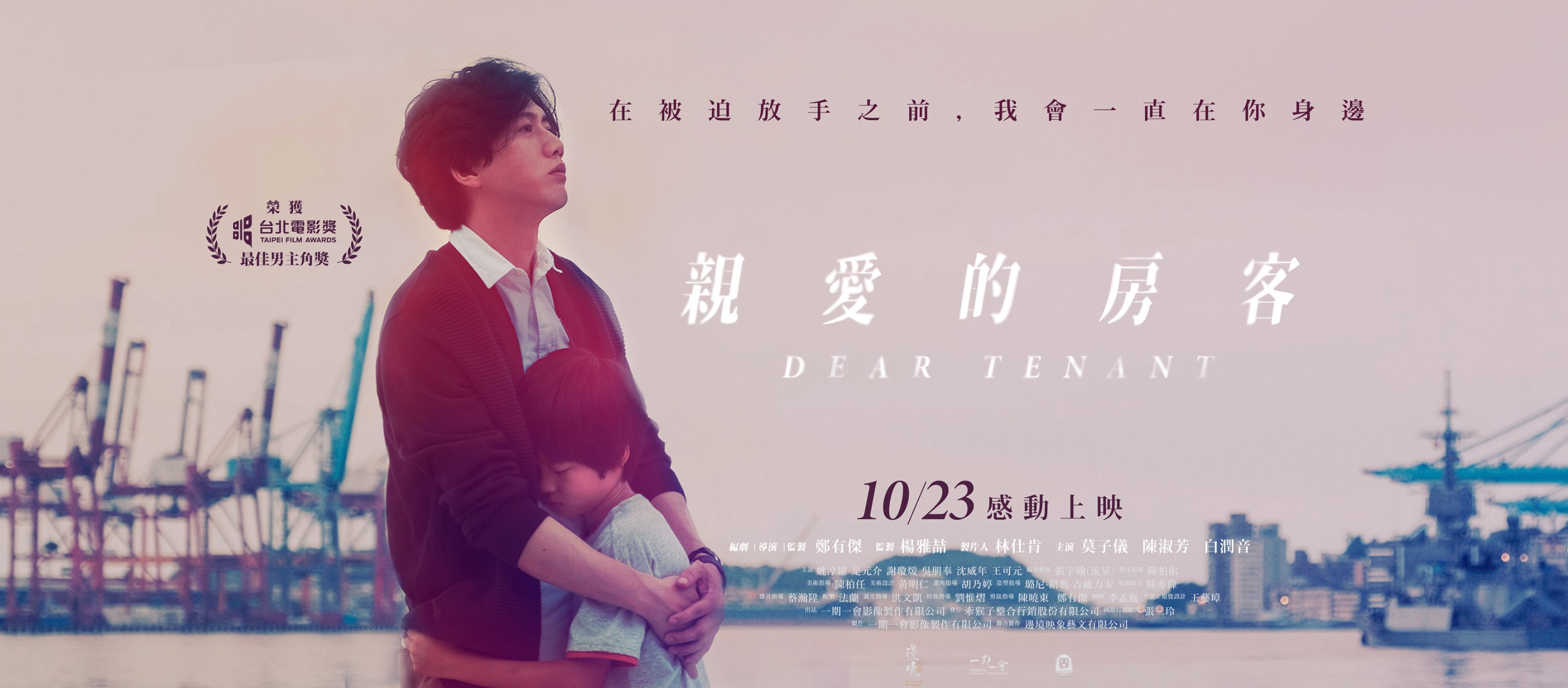
Friday, April 16: Dear Tenant (Cheng Yu-chieh, 2020) – Taiwan  

A gay single father raising his late partner’s son faces a custody battle when his mother-in-law dies and the boy’s uncle returns from abroad after discovering that he intends to adopt him and take over the family property.

Saturday, April 17: I Still Remember (Lik Ho, 2021) – Hong Kong  

A dejected real estate agent, a young woman hoping to lose weight to run with her idol, and a retired PE teacher trying to keep a promise to his late wife find direction in running in Lik Ho’s sporting drama.

Sunday, April 18: One Summer Story (Shuichi Okita, 2020) – Japan

A high school girl embarks on a summer adventure of self discovery tracking down her estranged birth father in Shuichi Okita’s heartwarming coming-of-age drama. Review.

Thursday, April 22: Black Light (Bae Jong-dae, 2020) – South Korea, Free Admission, Advance RSVP is required

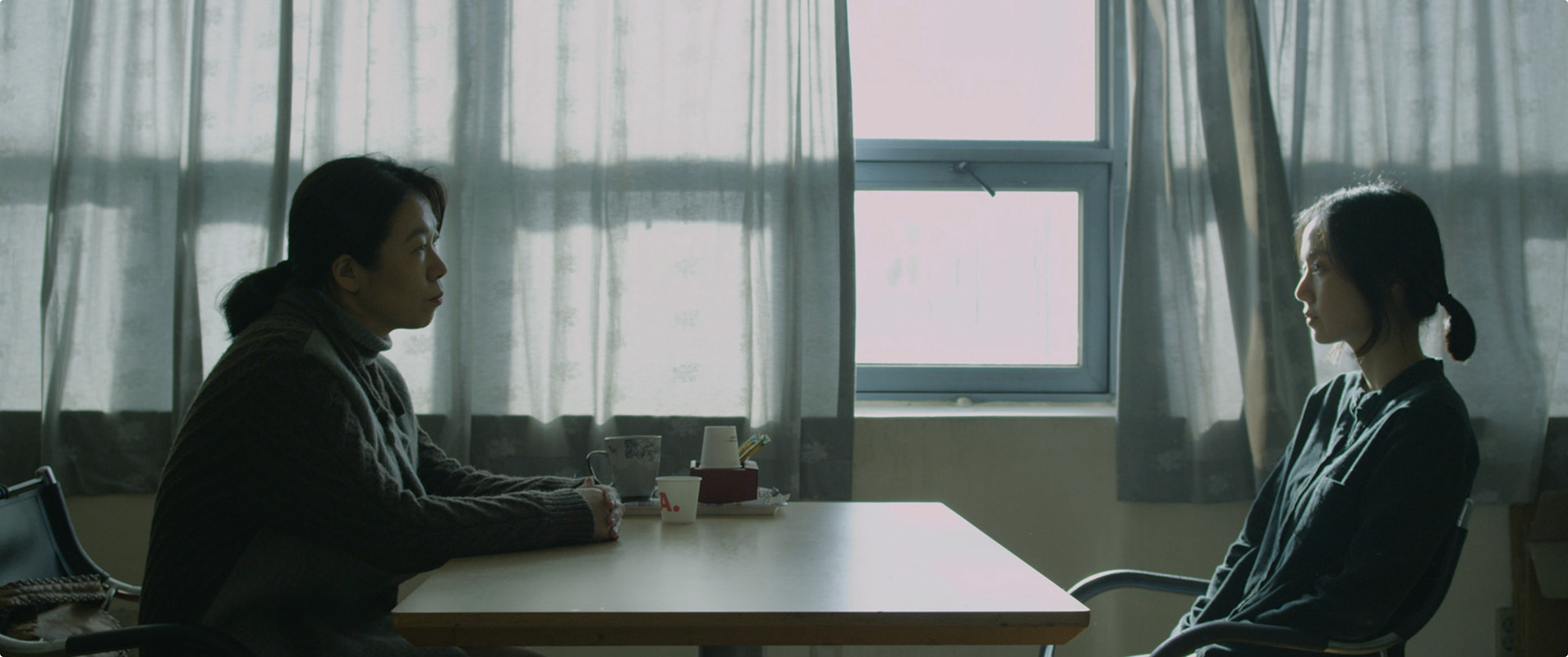
Two women working at the same factory are brought together by the discovery their husbands were involved in a fatal car crash, one passing away and the other remaining in a coma leaving his wife to raise their teenage daughter alone.

Friday, April 23: Moving On (Dan-bi Yoon, 2019) – South Korea, Free Admission, Advance RSVP is required  

A young girl learns a few harsh lessons about the adult world during a summer at grandpa’s in Yoon Dan-bi’s sensitive coming-of-age drama. Review.

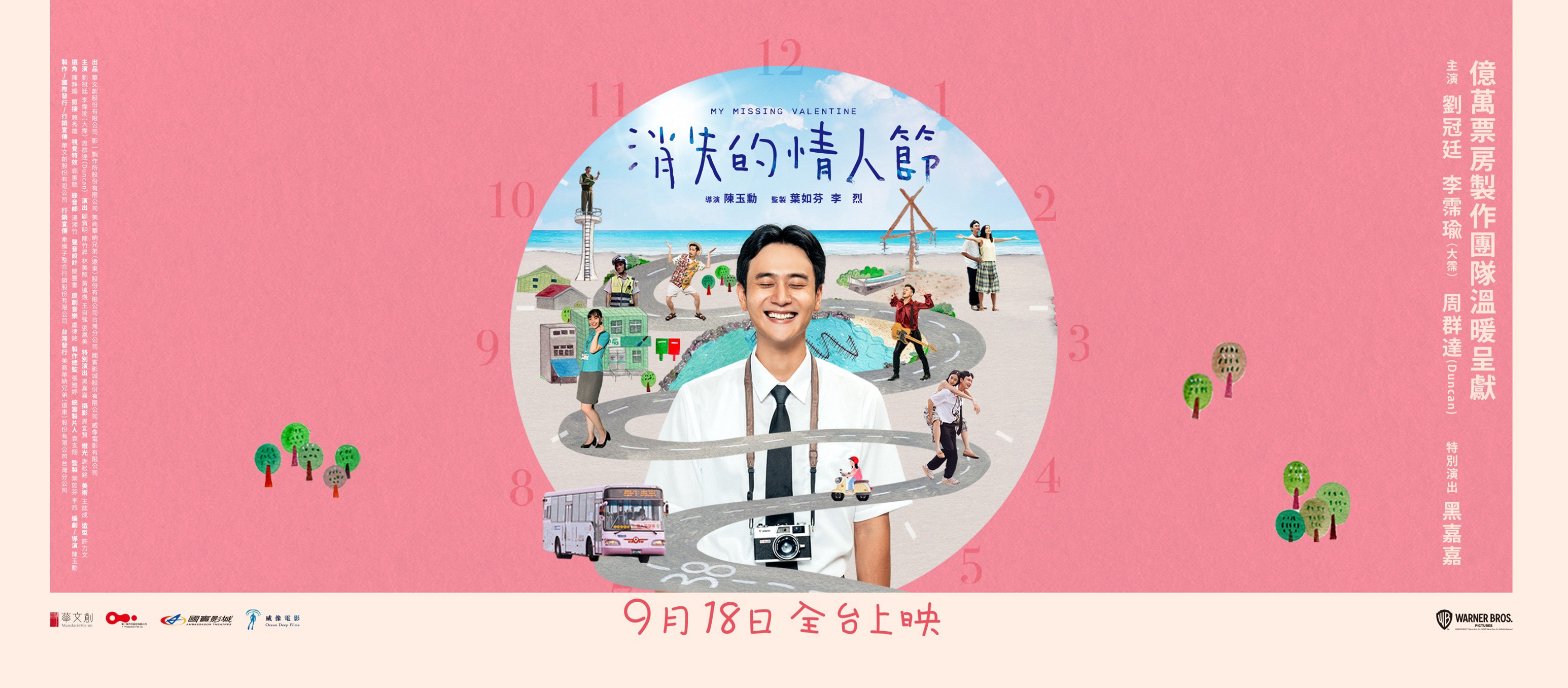
Saturday, April 24: My Missing Valentine (Chen Yu-hsun, 2020) – Taiwan

A woman always in a hurry meets a dashing man on the way home from work and they agree to meet up for a special Valentine’s Day date but when she wakes up the next morning she discovers that Valentine’s Day has already passed…

Sunday, April 25: Fanfare (Lee Don-ku, 2019) – South Korea, Free Admission, Advance RSVP is required

A young woman is abducted by armed robbers after they raid the coffee bar she was hanging out in on Halloween killing the barista in the process

Saturday, May 1 CLOSING NIGHT Ready O/R Knot (Anselm Chan, 2020) – Hong Kong

Romantic comedy in which a couple together for five years have conflicting views on marriage and go to great lengths to defend their respective positions!

Asian Pop-Up Cinema Season 12 runs online March 15 – April 30, via Smart Cinema USA April 1 to 15, and at Lincoln Yards Drive-in April 15 to May 1. Full details for all the films as well as ticketing links can be found on the official website and you can also keep up with all the latest news by following Asian Pop-up Cinema on  FacebookTwitterInstagram, and Vimeo.