A Century in Sound (百年の音色, Nick Dwyer & Tu Neill, 2024)

Listening cafes are a phenomenon particular to Japan in which the music is the draw rather than the quality of whatever refreshments are available. Indeed, as Nick Dwyer and Tu Neill’s documentary A Century in Sound (百年の音色, Hyakunen no neiro) makes plain, they are spaces of community and identity in which people with similar tastes come together even if, as at classical music cafe Lion, they sit in silence to better absorb the music. Exploring three such cafes which are themselves a dying breed, the film also examines Japan’s complicated 20th century history and the shifting tastes that accompanied it.

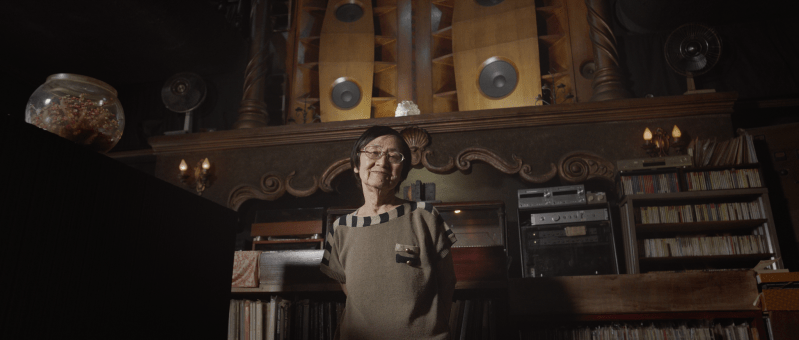
This is evident in the first cafe visited, Cafe Lion, which opened in 1926 and catered to a then new interest in European classical music which in Japan was viewed as something new and exciting. The nation was still emerging from Meiji-era transition and at that time, before the war, entering a moment of fierce internationalism and creativity. The current manager is in her 80s and relates her own memories of another Tokyo before the fire bombing along with the ways the city changed afterwards. Cafe Lion was among the first buildings to be rebuilt and they pride themselves on the quality of their sound system, even deciding to stop serving food because it was considered too noisy and got in the way of the customers’ ability to hear the music. Her son will be taking over the business, so she’s hopeful that this tradition will survive and they’ll be able to continue spreading the love of classical music in the wider community.

The reason these spaces originated was that in the beginning records and sound equipment were expensive so people couldn’t afford to buy their own and would request music they wanted to hear at a cafe instead. Jazz Kissa Eigakan didn’t open until 1978, but though it may have arrived earlier, the owner, Yoshida, attributes the popularity of jazz to a desire for freedom in the post-war society as exemplified by the protests against the security treaty with the Americans and subsequent anti-Vietnam War movement. A former film director, he found the same energy in the Japanese New Wave and opened the cafe to share his love of jazz and film even going so far as making it his life’s work to construct his own sound system to get the best possible sound for his customers that won’t leave them feeling tired or overwhelmed. He also hosts film screenings demonstrating the various ways these spaces have become community hubs that provide a refuge for people with similar interests along with a place to relax and be welcomed in an otherwise hectic city. 

That seems to be the draw for Atsuko, a regular at rock music cafe Bird Song which mainly plays Japanese music from the 70s and 80s. In her teenage years, she’d been a frequent visitor to famed rock cafe Blackhawk before going travelling and then settling down to have a family. Now regretting that she gave up her love of music, she’s returned to Bird Song to rediscover it along with another community of like-minded regulars. While Yoshida discusses the era of the student protests, the owner of Bird Song cites Happy End’s 1971 album as a turning point in not only in Japanese music but culturally in moving towards the post-Asama-Sanso society and the consumerist victory that led to the Bubble Era. He posits City Pop as the sound of consumerism and while looking back on his time as an ad exec in the era of high prosperity does not appear to think they were particularly good times or at least that they lacked a kind of spirituality that his customers are looking to rediscover in music. 

Dwyer and Neill make good use stock footage and films as well as artful composition to compensate for the talking heads while fully conveying the richness and warmth of these spaces along with their welcoming qualities. Though it’s obviously much easier now to access music wherever and whenever one wants, the cafes provide an optimal listening environment that no home system can replicate while simultaneously providing a place where people can come together and shut out the outside world. Though they may be dying out in a society driven by convenience, the owner of Bird Song has to work a second job as a security guard just to keep the lights on, the cafes represent the best of what a city can be in recreating, as one customer describes it, a village mentality of care and community built on the back of a love of music.


A Century in Sound Escape screened as part of this year’s Nippon Connection.

Trailer (English subtitles)
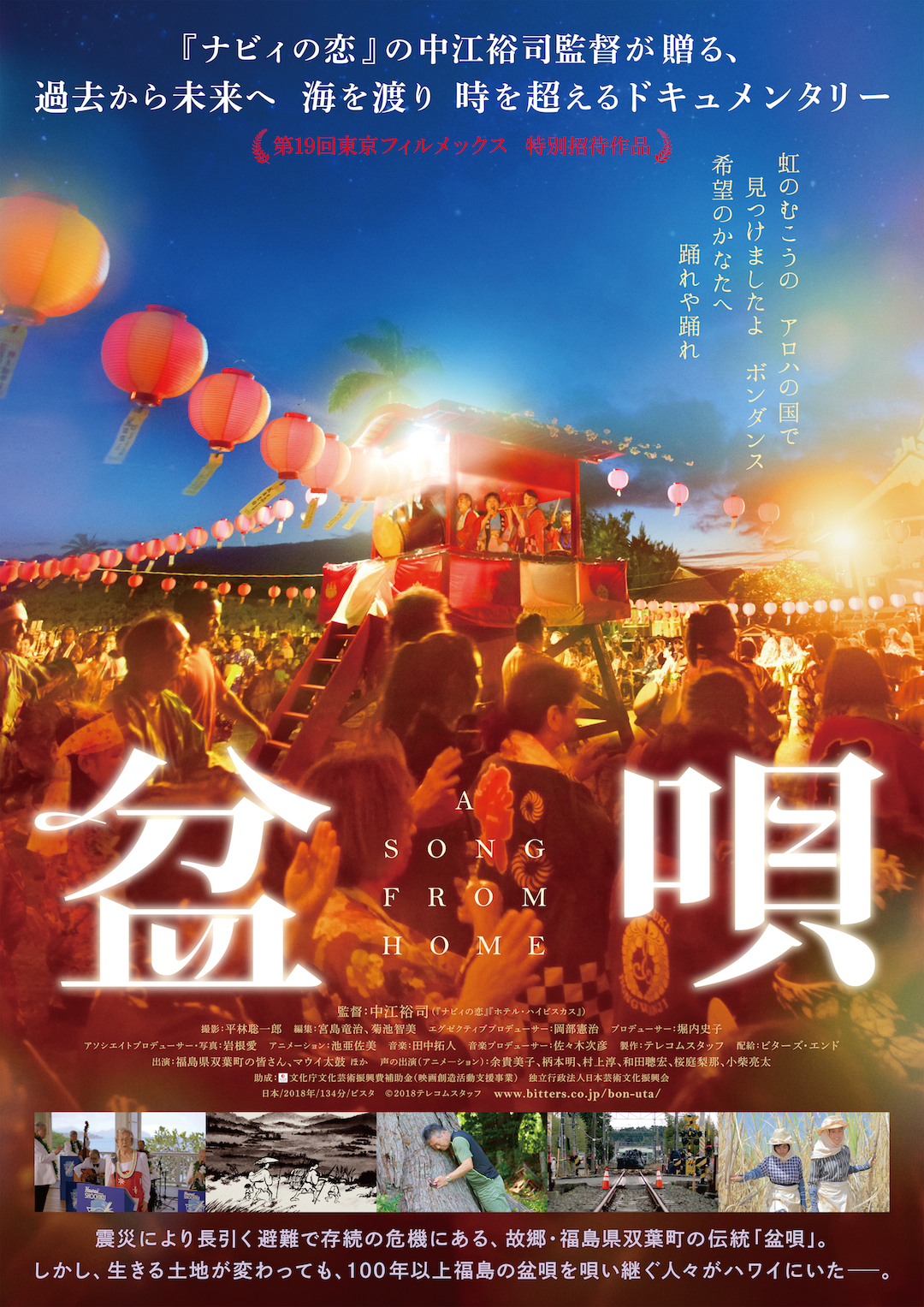
BON-UTA, A Song from Home (盆唄, Yuji Nakae, 2019)

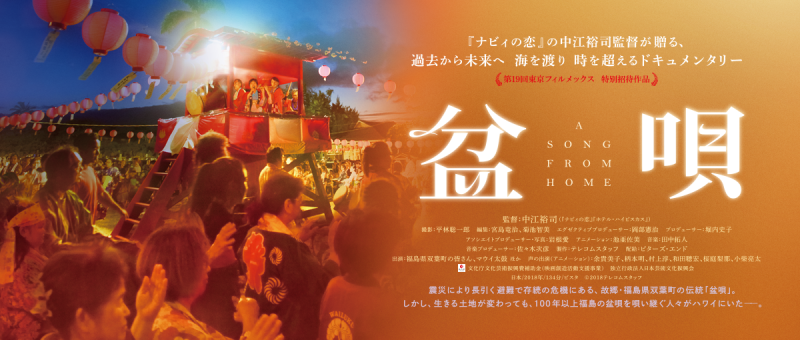
Exiled from their homes, the residents of Futaba lost more than just their material possessions when the area was declared uninhabitable following the Fukushima nuclear disaster. With former residents scattered all over the country never knowing when or if they will be able to return, a community has been ruptured and its history is in danger of dying out. Yuji Nakae’s poignant documentary Bon-Uta (盆唄) explores this sense of loss through the prism of the Bon dance while meditating on the notion of exile in comparing the experiences of migrants and Hawaii and their descendants. 

A photographer, Ai, has been photographing Bon dances in Japan and Hawaii and was struck by the Hawaiian response to the 2011 earthquake, seeing as many of the Japanese-Americans living in Hawaii traced their ancestry back to the Fukushima area. Hisakatsu and Haruo, childhood friends from Futaba, travel to Hawaii and observe the Bon dance, reflecting that it is different from that in Japan but perhaps in some ways better. Seeing how they have incorporated many different styles of Bon dance gives them the idea that they could save the Futaba dance by teaching it to the Hawaiian dancers, placing it in a kind of depository so that in 50 or a 100 years if Futaba becomes habitable again, their descendants could relearn it. But what they quickly discover is that it’s difficult to teach something that each of them has spent their whole lives learning in a matter of days, while the fact is that the community itself is central to the dance which loses its meaning when performed by those who’ve never been there. 

Nakae begins to meditate on insiders and outsiders as an older woman returns to her family home in the exclusion zone and uncovers papers from the 19th century which recount the discrimination her own family faced on being encouraged to move to the village following a massive famine which had reduced its population by two thirds. Now outsiders in the areas in which they have resettled, the former Futaba residents lament that they can no longer practise their art because their homes are in much more urbanised locations where neighbours are in close proximity and they fear disturbing them with the noise. The film equates their yearning for their lost community to that felt by those who emigrated to Hawaii in the 19th century hoping to escape rural poverty but often found themselves trapped, unable to return because of the low pay and exploitative conditions of the island’s sugar plantations. 

The Hawaiian migrants sang songs of exile, of how they missed their homes and families and how hopeless felt in the false promises that had been made to them of better lives abroad. Even in this, their culture survived while another, now elderly, woman recounts singing for a Japanese orchestra during the war when such songs were technically forbidden as other young men keen to claim their identity as Japanese-Americans enlisted in the military. The former Futaba residents begin to see new hope that they too could find a way to preserve a sense of their hometown even if they can’t return to it, deciding to organise a Bon dance of their own in another town bringing together the unique dances of each district while honouring the spirits of those who have passed away. 

Hisakatsu writes a new Bon song of his own from the point of view of a cherry tree in Futaba to ward off the “ogres” which stand in for radiation as the tree looks forward to blossoming once again, hoping the people will eventually return. Featuring a lengthy animated sequence recalling the experiences of the 19th migrants to Futaba who found themselves rejected as outsiders while reflecting on the contemporary exile of the former residents, the film eventually discovers a note of positivity and hope that even now scattered and unable to return to their homes the community can survive through the practice of its culture in passing on the unique local Bon dance to successive generations just as the migrants in Hawaii passed theirs on to their children in the hope they too might one day be able to return home.


Trailer (English subtitles)
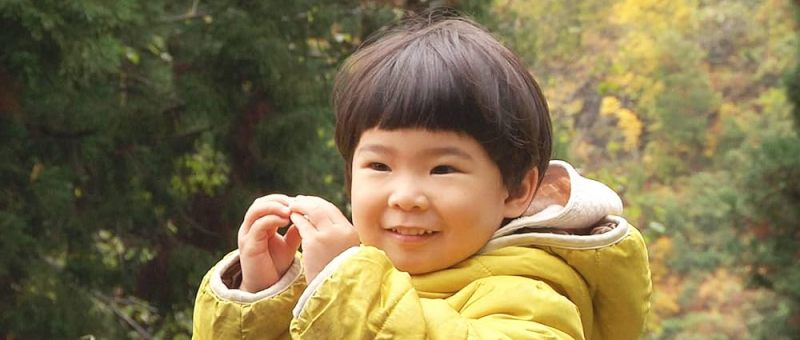
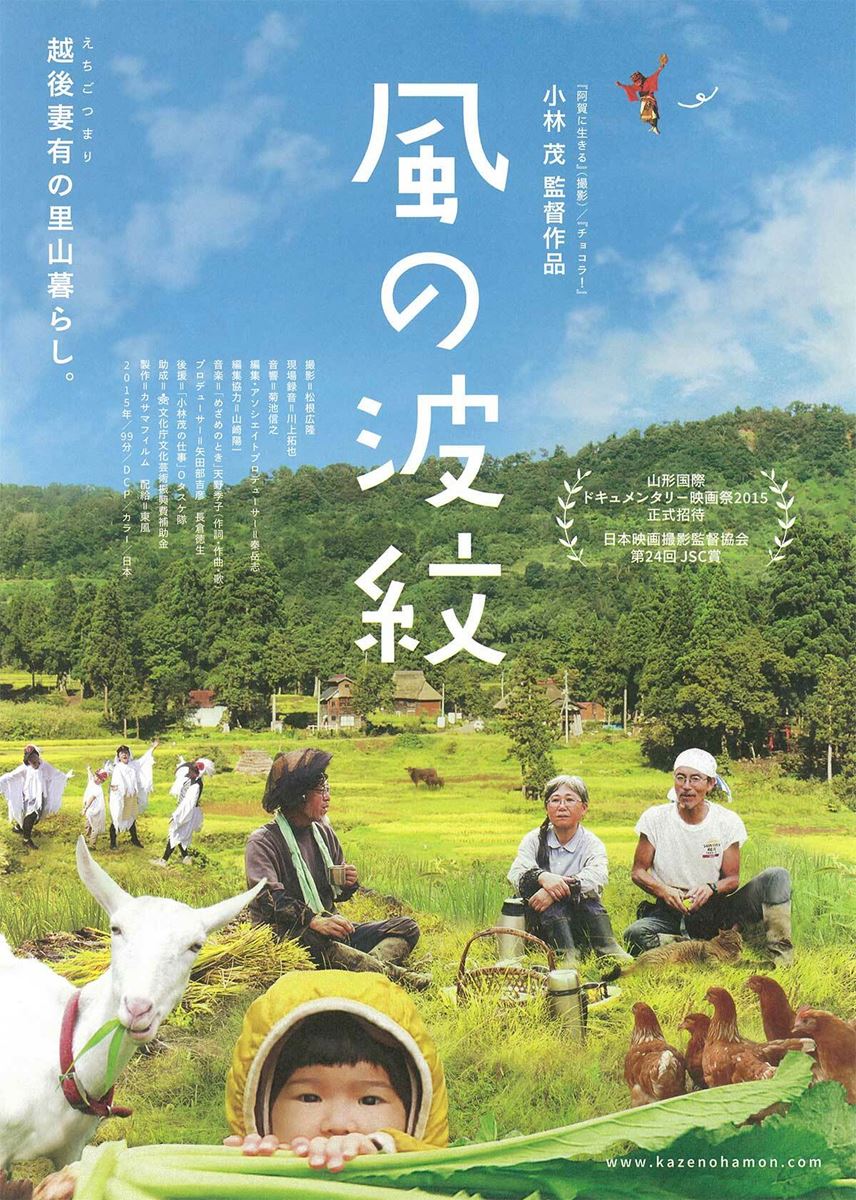
Dryads in a Snow Valley (風の波紋, Shigeru Kobayashi, 2015)

“You can’t live here alone” a older woman admits having long left the village and returning only to visit her parents’ graves to be shocked by its ongoing decline. Shigeru Kobayashi’s mostly observational documentary loosely follows the life of a middle-aged man who left Tokyo for a life in the mountains only to be frustrated by the March 2011 earthquake. Undeterred, he ignores the advice of a local builder that his 117-year-old home is damaged beyond repair and forges on together with the support of the surrounding villagers to rebuild and restore.

It could in a way be a metaphor for the nation’s determination to do the same in the way of the 2011 earthquake and tsunami, but it’s also for Kogure a personal mission to fulfil his dreams of country living. Indeed, he gleefully tends to his rice paddies which he says he’s kept chemical free rather than allow them to be polluted by the modern society. Then again, perhaps this is easy for Kogure to say given that he describes his farming to a fellow farmer as a “hobby” and it’s otherwise clear that he’s not using it as a means to support himself. For these reasons he takes pleasure in the simple though arduous acts of planting and harvesting, pushing a wooden plow through the field and revealing that he discovered the traces of those before him in the remnants of an old irrigation tunnel now buried by mud. For him, this sense of continuity seems to be central as if he’s preserving something of an older Japan and a simpler, more fulfilling way of life. 

Kogure had said he wanted to save the house because it was like the pillars cried out to him. A local dye artist says something similar in that he almost feels the wood he harvests is alive though if it were he wouldn’t be able to cut it. There is a sense of the forest as an almost sentient entity with which the villagers live in harmony, but also a less wholesome vision of nature red in tooth and claw as Kogure offers up one of his goats to have its buds removed with hot iron by a local goat expert. The poor thing cries in pain but is ignored, the expert simply stating that it’s only natural and what is always done though it seems if it really is necessary there must be a less cruel way to do it. Kobayashi later wisely cuts away as we realise a goat is about to be slaughtered, cutting straight to the “meat carnival” it provides for the villagers. 

Most of those interviewed are themselves transplants like Kogure who moved to the mountains 20 or 25 years previously usually from the cities and have largely adapted to a simpler way of life, though it’s also true that there are few young people besides a young woman and her daughter who cheerfully exclaims that rice is her favourite food. The woman is grateful for the unconditional support and acceptance she’s received from the villagers whom she says smile in the face of hardship, keen to help each other and make sure that no one is excluded. Yet this way of life is often hard and it’s true enough that no one can survive here alone amid the heavy winter snows. One old man decides that it isn’t worth trying to repair his home after the earthquake and it’s better to demolish it instead while his wife reflects on her life explaining that she was more or less forced to marry him by her family who lured her back from Tokyo on a ruse that her mother was seriously ill. 

Nevertheless, Kobayashi demonstrates the closeness of the remaining villagers as they bond together through shared feasts, laserdisc karaoke, and a general sense of community. “Breaks are a big part of shovelling snow” one man jokes, focussing not so much on the unending labour as the pleasure taken in rest and friendship. Another later suggests the snow will become “a memory of a trial I survived” echoing the harshness of this village life in winter, even as the camera cuts to a glorious spring filled with bright sunshine and verdant green. Kogure continues to plant his rice while a goat runs about in the field behind him in a timeless vision of pastoral life despite itself persisting. 


Trailer (no subtitles)

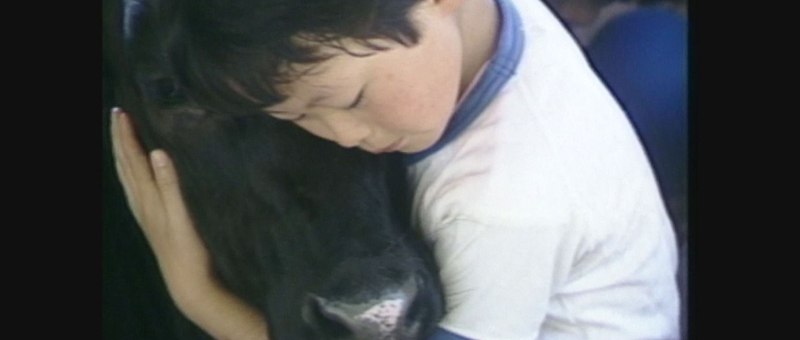
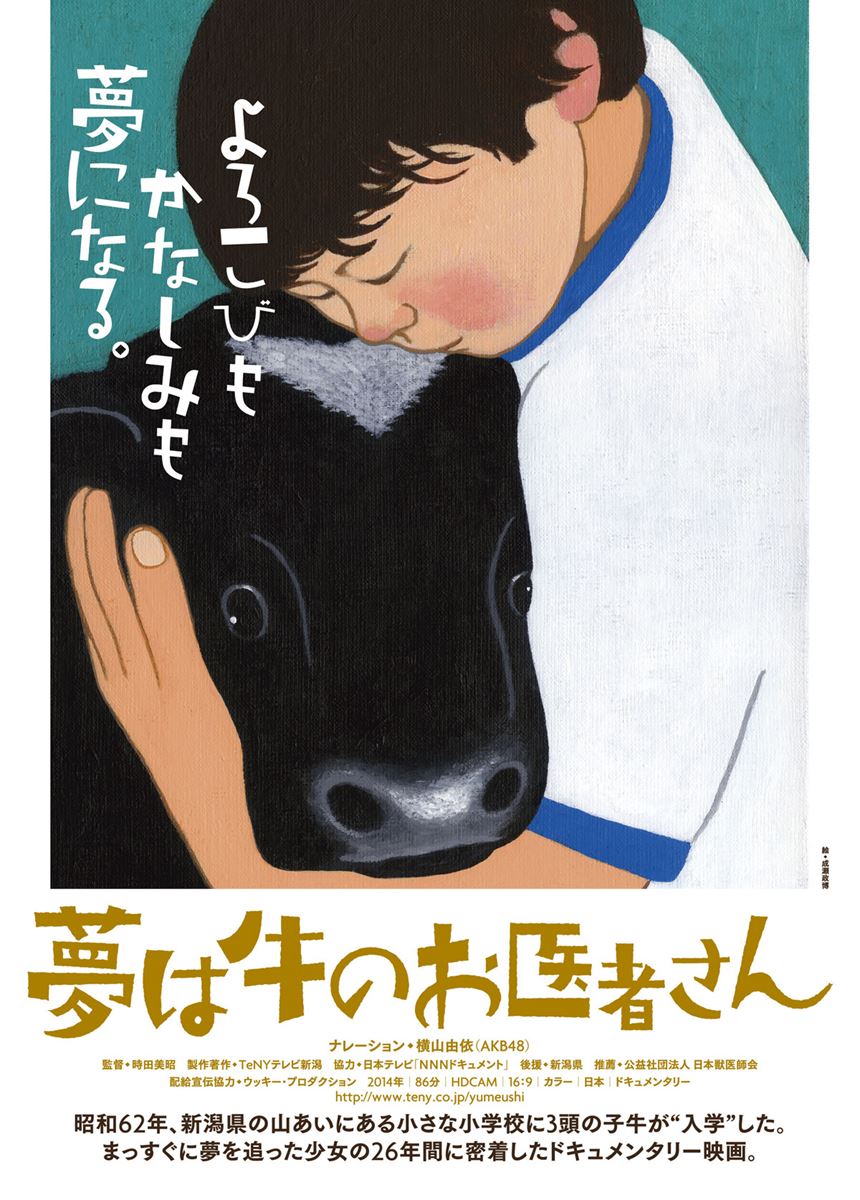
A Little Girl’s Dream (夢は牛のお医者さん, Yoshiaki Tokita, 2014)

The Japanese title of Yoshiaki Tokita’s observational documentary A Little Girl’s Dream (夢は牛のお医者さん, Yume wa Ushi no Oisha-san) is “I Want to be a Cow Doctor”. Following his heroine over a period of 25 years, Tokita attempts to tackle such varied themes as rural depopulation, the difficulties faced by those working in the agricultural industry in the late 20th century, and the changing ways of life in the countryside while essentially telling an inspirational story about a little girl who managed to achieve her childhood dream through hard work and perseverance and is now living a happy and successful life. 

As might be imagined, these competing themes produce a tension in Tokita’s filmmaking, not least among them the paradox in that by becoming a “cow doctor” Tomomi will necessarily become complicit with an industrial system in which it can never be forgotten that these are “economic animals”. Tokita opens the film with scenes from 1987 when he first began the documentary while filming a piece for NHK about a rural school which took on three calves as “new students” because there were no pupils admitted that year and therefore no graduation ceremony. These are all rural children and perhaps they are under fewer illusions about where their meat comes from, but it can’t be denied that raising an animal that will later be sold is emotionally difficult even for adults let alone nine-year-old children. 

Consequently many of them cry during the “graduation ceremony” they hold shortly before the cows are to go to auction (we later find out they were all bought by the same local dairy farmer who agreed to the children’s request they be kept together like siblings). Having become quite attached to them, Tomomi determined to become a vet after noticing many of the cows suffered from health problems. She adopts a “pet” cow at home, along with various other animals including a rabbit, though her family also raises cattle and it isn’t clear what actually happened to the calf in the long term. 

The documentary only briefly touches on the difficulties of rural living on remarking that the family, who were primarily rice farmers, began raising cows as a means of supporting themselves through the winter so that Tomomi’s father would not have to leave the village to look for other work as many of the other farmers are forced to do leaving their wives and children behind. It also only briefly touches on the problems of rural depopulation in referencing the small number of pupils in the school which eventually closed a short time after Tomomi graduated while she had to leave home at 15 and live in a dorm to attend high school because there was no local access to continuing education. By the time the documentary concludes, there are only 20 houses still occupied in her home village, her parents’ among them. 

Meanwhile, Tomomi’s father remarks on the change in his business circumstances following international trade deals which have made it more difficult for local farmers to compete. Despite the compassion that gave birth to Tomomi’s dream, it is impossible to escape the reality that these are “economic animals” and that there is a monetary value placed on their lives. She has to make life or death decisions based on cost effectiveness rather than what is kindest and inform the farmer when the treatment costs would exceed the amount they could expect to earn from the animal in the future whether in terms of meat, births, or milk. Tomomi’s father had originally objected to her desire to become a vet in part because of the physical demands of dealing with large animals but also the emotional in an uncertainty that a woman will be able to set compassion aside in the course of her work. 

There is then a minor irony, in that Tomomi achieves her dream of becoming a cow doctor but does so by switching focus in deriving the pride she feels in her work from her ability to assist farmers and their continuing faith in her. The passage of time is evident in Tokita’s changing media from the home video-style VHS of 1987 to a more commercial widescreen in the closing stretches, yet his scattershot capture of the key moments in Tomomi’s path towards fulfilling her childhood dream occasionally robs them of their power while he remains otherwise torn between his inspirational tale and the grimness that sometimes lies behind it.


Black Box Diaries (Shiori Ito, 2024)

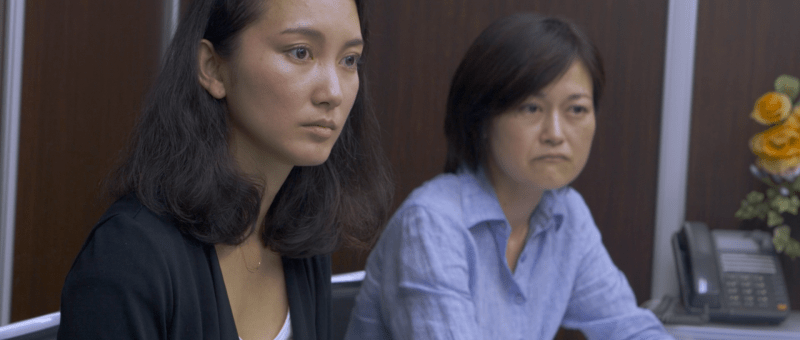
Shiori Ito, then using just her first name, made headline news when she decided to go public naming a prominent political journalist with strong ties to then Prime Minister Shinzo Abe as the man who had drugged and raped her following what she believed was an appointment to discuss a potential job working overseas. Using recordings made at the time along with footage filmed more recently, Black Box Diaries is a kind of companion piece to her book Black Box which details her quest for justice in the face of a misogynistic justice system and conservative society.

The reason she’d only used her first name at her original press conference was to protect her family because there is significant social stigma attached not only to being a survivor of sexual assault but for daring to speak out and disrupt the illusion of social harmony. In fact, during the opening sequence which takes place in a long dark tunnel we hear a recorded phone call with Shiori’s sister who pleads with her not to show her face. The families of those who appear in the news often become targets for the media and can end up being ostracised by their communities or losing their jobs and livelihoods. Shiori herself also tearfully remarks on the guilt and uncertainty she feels because she knows that her decision, which she feels necessary, will have a negative impact on her friends and family while she herself continues to receive hate mail from those who call her an opportunist or ask why talks down her country while continuing to live there.

There is an essential irony in the fact that it’s Shiori who ends up in a symbolic prison, having to leave her apartment and stay with a friend unable to venture outside or work for fear of being hounded by the press. Her decision to go public was motivated by the failure to gain justice via the judicial system firstly because the police do not take her attempt to report her assault seriously. At that time (though they’ve since been updated), Japan’s rape laws hadn’t changed since the Meiji era and were rooted not in ideas of consent but only in whether or not physical violence had taken place and the victim had resisted physically. The secondary charge of “quasi-rape” was used in cases such as these when the victim was unable to do so because they had been drugged or incapacitated in some other way. Thus even though Shiori has evidence such as CCTV footage that shows her being physically carried out of the taxi into the hotel and barely able to walk, it does not help her case and nor does DNA on her bra because it only proves that her assailant touched it and nothing else. An investigator describes what happened to her as taking place within a “black box” that no one can ever really see inside.

But for all that, the film touches on the way that other people latch on to her case and try to use it for their own ends such as an offer from Yuriko Koike, the ultraconservative mayor of Tokyo, to join her new political party which she had started to challenge the ruling LDP of which she was once a member in fact serving as a cabinet minister under Shinzo Abe during his first stint as Prime Minister in 2007. The editor of her book also tells her that the reason everything’s moving so quickly is because of the upcoming election and people should have this kind of information before they vote. The Abe administration was plagued by scandal and accusations of cronyism which the suggestions that he personally intervened because Yamaguchi was a friend of his (and coincidentally also had a book coming out which was a biography of Abe) only furthered this narrative. Shiori counters that she wasn’t really interested in politics (of this kind, at least) and was just trying to tell her story in the interests of justice, but is noticeably dejected on watching Abe once again win in a landslide.

His victory seems to stand in for a triumph of patriarchy as Shiori is repeatedly silenced or ignored. The editor also tells her Yamaguchi could stop her book being published because publishing isn’t given the same freedom as the press theoretically has but does not use. Meanwhile, the implication is that the head of the Tokyo Police stopped Yamaguchi’s arrest in order to bolster his own political capital and was in fact rewarded for it later. Shiori seems to develop a friendly relationship with a conflicted policeman who was sympathetic to her case, but even he drunkenly makes a pass at her during an ill-advised phone call that comes off as sexual harassment and is even more inappropriate given the circumstances. The doorman at the hotel meanwhile makes an awkward attempt to centre himself as the hero when agreeing to testify publicly even if it puts his job at risk that she should be grateful it was him who was on duty because he’d always thought the laws surrounding sexual assault were too lenient though he actually did very little to try to help on the night in question even if he did attempt to call the police but was shut down by the hotel.

Nevertheless, his agreement and support bring Shiori to tears while begins to feel isolated and under incredible pressure from those who regard her as someone who can bring real change. Despite an early monologue warning that if she died and they said she took her own life she’d been bumped off, we later see her heading into a very dark place describing the difficulty of living life in her new persona as “that girl who was raped” even if she also receives support from other women oppressed by Japan’s fiercely patriarchal culture. Of course, others call her a traitor to her gender and say they feel sorry for the men she’s accusing. But still she continues undaunted, eventually emerging from the long dark tunnel at the film’s conclusion and continuing to project the sense of support for other women echoed in the opening title cards addressed to those watching who have likely themselves experienced similar trauma.


Black Box Diaries screened as part of this year’s BFI London Film Festival and will be released in UK cinemas 25th October courtesy of Dogwoof.

UK trailer (English subtitles)

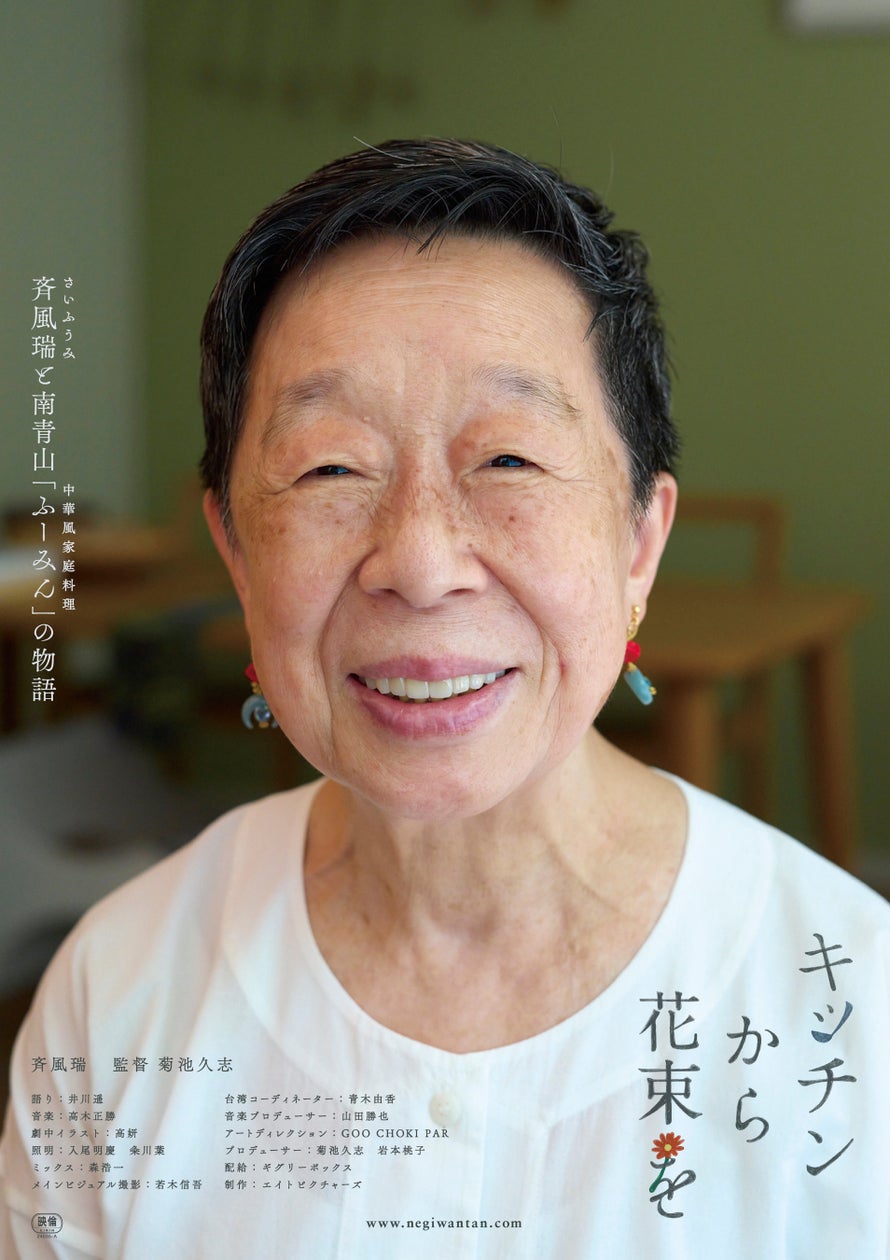
Gifts from the Kitchen (キッチンから花束を, Hisashi Kikuchi, 2024)

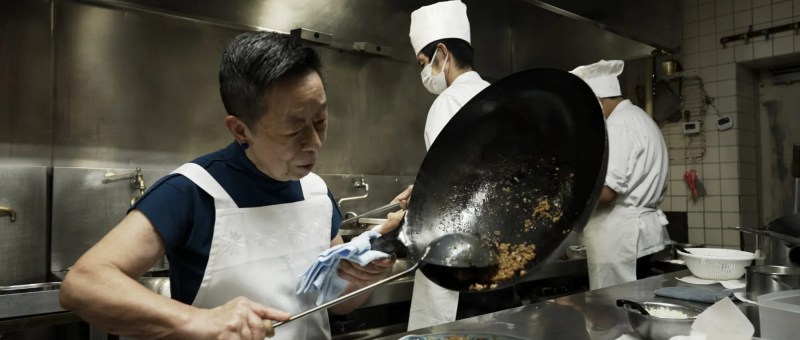
One of the few places offering Chinese-style home cooking, Fumin had become a home from for many during the 50 years its founder worked her kitchen herself. Fumi Sai has now retired, though welcoming one set of guests a day to her home, but there are many who continue to visit the restaurant under the management of her nephew Kazuyoshi and reminisce over their long years of enjoying not just the cooking but a familial relationship with Fumi herself. 

Collaboration with the clientele is cited by many as a reason Fumi’s restaurant became so popular. After a few years of working as a hairdresser, she decided to open a cafe after a friend remarked it was a shame more people didn’t have the opportunity to taste her cooking. Her first location was a tiny bar-style place with a handful of seats at the counter which of course meant that she was able to build up close relationships through talking directly to her customers. Others describe her cooking style as spontaneous, that she would come up with new dishes just by adding something or other to see how it would taste but she also took hints from customers as well sometimes adding their successful requests to the main menu and allowing them to feel as if they were fully involved in the restaurant. It’s this sense of connection brokered by an exchange of tastes that seems to be integral to the degree of warm feeling many have for the place and for Fumi herself.

Director Kikuchi frequently switches between testimonials from regular customers some going back decades and many remarking on the incongruous sight of Fumi herself, a small woman battling a giant wok in the centre of the kitchen. All these years later and despite the expanded capacity there are always queues to get in while customers claim that there are dishes they might not otherwise care for or actively dislike but that Fumi alone can make appetising. She attributes her skill to her upbringing in a Taiwanese family where her sisters joke their father had a gambling problem and didn’t work but did do most of the family cooking. She picks up new ideas on trips to the island nation and on one occasion visits a Taiwanese woman to experience more home cooking who also points out that cooking is imbued with emotion. Fumi’s own enthusiasm and love of the craft finds its way in, delivering care and attention to her customers who just as often may be looking for somewhere to belong as much as a good meal.

The film otherwise does not pry too much into Fumi’s personal life, never stepping too far outside the restaurant save for exploring her relationship with nephew Kazuyoshi and three younger sisters as well as her soon to be 100-year-old mother who was responsible for the restaurant’s constant supply of Taiwanese sausages. Food is a family affair, the now elderly women recalling the dishes they remember from their childhood and putting on a large spread for New Year. Yet the restaurant is also a kind of home for Fumi, one she admits she was reluctant to leave. She’d never considered a successor, but later came round to the idea of entrusting it to her nephew and head chef. 

As other guests remark, food a means of building body and soul. The nourishing wholesomeness of Fumi’s cooking seems to have a positive effect on those who visit the restaurant which was often home to various celebrities from the illustrators and designers of the surrounding area to the top stars of the day such as Tora-san himself, not to mention sustaining her mother to the ripe old age of almost a century. Guests describe her as a radiant character, like someone in an animation, an improbably small woman filled with a warmth that draws others to her offering comfort and connection through food but also an artist whose medium was cooking creating a series of unique dishes that couldn’t be found anywhere else yet quickly offering to teach anyone who wanted to know how to make them. A tribute to a bygone era, Kikuchi captures a sense of nostalgia for simple pleasures but equally of pleasure in the moment for as Fumi says to eat is to live.


Gifts from the Kitchen screened as part of this year’s Camera Japan.

Original trailer (no subtitles)

The Contestant (Clair Titley, 2023)

“All humans are entertaining,” or perhaps “interesting” at least to the producer of a variety TV programme who later admits that he may have a kind of detachment that allows him to bypass normal ethical concerns or responsibilities towards others. His words may at first seem egalitarian or humanistic, but they also point to a commodification of the human spirit in which the everyman is merely a figure liable for exploitation by a puppet master like the later remorseful Tsuchiya. 

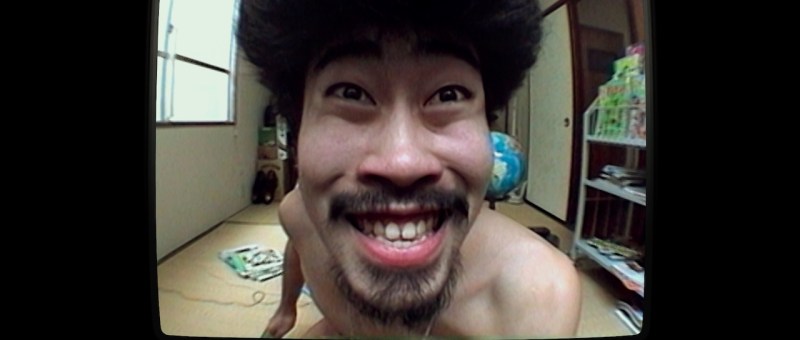
Clair Titley’s documentary character study The Contestant explores the birth of reality television in a Japan still mired in malaise following the collapse of the bubble economy asking both why someone would put themself through so much degradation and indeed why others would find their humiliation entertaining. From an audience perspective, there may be an assumption that Nasubi, the titular contestant, conceived this idea himself and is entirely consenting to the way he’s being treated but as he explains Nasubi had simply attended an audition to appear on popular variety programme Denpa Shonen and had no idea what was going on. Selected by lottery, he was led away by Tsuchiya and installed in a studio apartment where he was told to strip and that he was now taking part in a skit to see if someone could live solely on prizes won from magazine giveaways. He knew that he was being filmed, but was given the impression the footage would not air on television and was presumably intended for another purpose once the project was over. His ordeal would last more than a year.

As is repeatedly stated, Nasubi was never a prisoner. The door was always open and he could have chosen to leave at any time but did not do so. Asked why this is, why despite malnutrition and the possibility of starvation, the humiliation of being forced to eat dog food, the loneliness and isolation, an older Nasubi reflects that when you become so mentally and physically broken leaving no longer occurs to you. He considered suicide many times, but never simply walking out the door. 

The irony is that audience satisfaction is largely derived from Nasubi’s “happiness” in his overjoyed reactions to finally winning something. Edited down to a weekly digest, the programme includes only such happy moments rather than the crushing sense of futility and loneliness Nasubi recounts in his diaries which also become, unbeknownst to him, best sellers. A British BBC correspondent explains that the show was popular with younger people and less so with the older generation who remembered post-war privation and simply did not find the idea of a man facing starvation alone, naked, in a tiny apartment very funny nor did those who were suffering economically themselves.

Equally, some perhaps feel that as it’s only a TV show it isn’t really “real” and so it can’t really be affecting Nasubi in a negative or long-lasting way even if what’s really happening is more like torture at the hands of an out of control media puppet master who admits he didn’t really know what he was doing and was simply trying to push things as far as they would go without actually killing their subject. The film presents Tsuchiya and Nasubi as two sides of the same coin, both sons of policemen who were forced to move around a lot as children because of a common practice in Japan to rotate law enforcement officials and other civil servants to different areas every few years as a means of preventing corruption. Nasubi reveals that he got his nickname, “aubergine”, from the kids who bullied him at every new school objecting to his long face. Gradually, he developed the defence mechanism of making people laugh so they wouldn’t bully him. This might explain why he responds to what extends to sustained harassment from Tsuchiya by increased mugging for the camera, while Tsuchiya by contrast agrees that his childhood experiences have left him “detached” and unable to make deeper connections with other people. 

In some senses, it’s possible to think of reality television as frustrated bid for connection and that like his childhood self Nasubi is trying to gain control by owning the joke only to later feel damaged and traumatised by his experiences, insisting that the way Tsuchiya in particular treated him caused him to lose faith in humanity and left an unfillable void in his heart. The surprising thing is that unlike Tsuchiya, who later seems to accept that his actions were unethical and exploitative, Nasubi does not become cruel or embittered but finally finds a way to heal himself in helping others especially the people of his hometown, Fukushima, after the devastating earthquake in 2011. Though he admits it would be impossible not to harbour resentment towards Tsuchiya for everything he put him through, he also believes that the experience gave him something very special in showing him that no one can survive alone and granting him a better understanding of the importance of humanity and the spirit of supporting each other. 

Titley captures the sense of anarchism in late ‘90s variety with brief clips of the extreme onscreen graphics which have informed modern meme culture, even suggesting ironic use of an aubergine to cover Nasubi’s modesty may have given rise to the current use of the emoji. To dampen the sense of overstimulation which can often occur with these kinds of programmes, she dubs some of the original voiceover and replaces text with English in the same kinds of crazy fonts often employed in variety shows but is always very careful not to exoticise the content or imply these are things that only happen in “wacky Japan” but instead sensitively explores how Nasubi was able to find something positive in the midst of an incredibly traumatising situation and use that to lead a more fulfilling life despite those who may still try to mock or belittle him.


The Contestant screened as part of this year’s DOC NYC.

Polan (ポラン, Kota Nakamura, 2022)

The closure of a second-hand bookshop leaves a gaping hole at the centre of a community in Kota Nakamura’s warmhearted documentary, Polan (ポラン). Driven to close their physical shop because of the ongoing economic effects of the pandemic, an elderly couple contemplate changing times but still hope to save something of paper culture and the organic pleasures of offline browsing from unexpected discoveries to serendipitous friendship and the comfort to be found in having a familiar place you can be certain of returning to. 

As he explains, Kyosuke Ishida found himself disillusioned when most of his fellow student protestors ended up getting regular salaryman jobs. He wanted to prove he was different, so he dropped out and started working as a tutor at cram schools before eventually deciding to open a small second-hand bookshop. The shop was so successful that they later moved to larger premises, but footfall began to fall during the pandemic while online sales remained constant. With his wife Chiseko who runs the bookshop with him already feeling the physical strain of their work and the landlord upping the cost of their lease, the pair eventually decide to close up though Kyosuke has mixed feelings and would have liked to continue a little longer. 

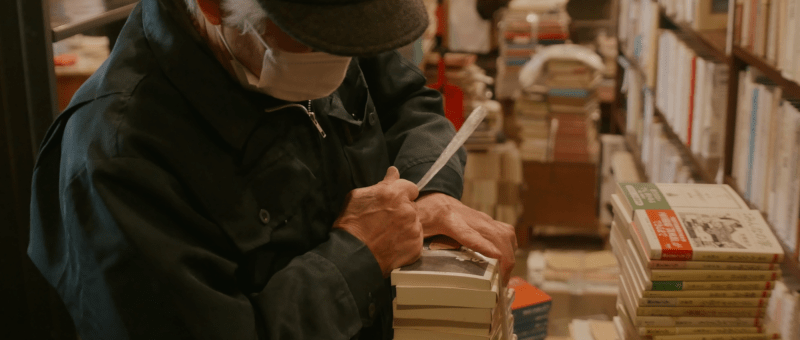
More than the books, what the shop offers is a sense of community. Some customers tearfully remark that they’ve grown up with the store and feel themselves bereft while others share happy memories of browsing the shelves. The store itself is like a place out of time, decorated in a whimsical, antique style from the fretted front window to the antique clock on the wall and old-fashioned dolls sitting on the cases. As they’re fond of pointing out, everyone is welcome at the store and they pride themselves on providing a diverse selection of books rather than just the things they particularly like or know will sell well. Kyosuke devotes whole shelves to each genre and keeps them all well stocked rather than prioritise sure sellers ensuring that rare books are always available. 

As he says, part of what he’s trying to save is paper culture. If you know what you’re looking for, then of course you can find it online right away and have it delivered quickly and cheaply. But perhaps something’s been lost in the drive towards convenience. Kyosuke remembers taking a lengthy train journey as a child during which they had to temporarily disembark in an unfamiliar place but that doesn’t happen with the Shinkansen where you can’t even open a widow or see much of the world around you as you rocket through it. As he sees it, you might have a happier life taking a more difficult path, much as he has opening a bookshop, discovering small things along the way rather than opting for easy convenience. He wants people to experience the thrill of the inconvenience of turning a page, along with “the joy of searching and pleasure of encountering” that can only be found with a physical experience in a real world bookshop. 

Nevertheless as he admits times have changed and we’re entering a new and unknown post-pandemic world. He regrets that the bookshop can’t go too but consoles himself with the knowledge it’ll exist online. There is however continuity as their employee, Minami, decides to open a bookshop of her own taking some of the same sentiments with her in providing another community hub open to a diverse collection of book lovers in pleasant surroundings. Revisiting the location a year later, Nakamura discovers the shop space still vacant. Its bare industrial walls are somehow devoid of life. It’s difficult to believe the bookshop with its whimsical old world charm once existed there. It takes just 20 days to demolish it with the shelving and other furnishings taken by other store owners such as Minami and a distant relative in another town suggesting that the shop itself lives on, moving in a cycle much the books though some of those are unfortunately pulped as last resort. A gentle tribute to a disappeared local institution, the film ponders on what we’re losing in the post-pandemic world along with what our love of convenience may be costing us in a warmth and sensation otherwise unavailable in our rapidly digitising world.


Polan screened as part of this year’s Camera Japan.

Original trailer (no subtitles)

Tokyo Uber Blues (東京自転車節, Taku Aoyagi, 2022)

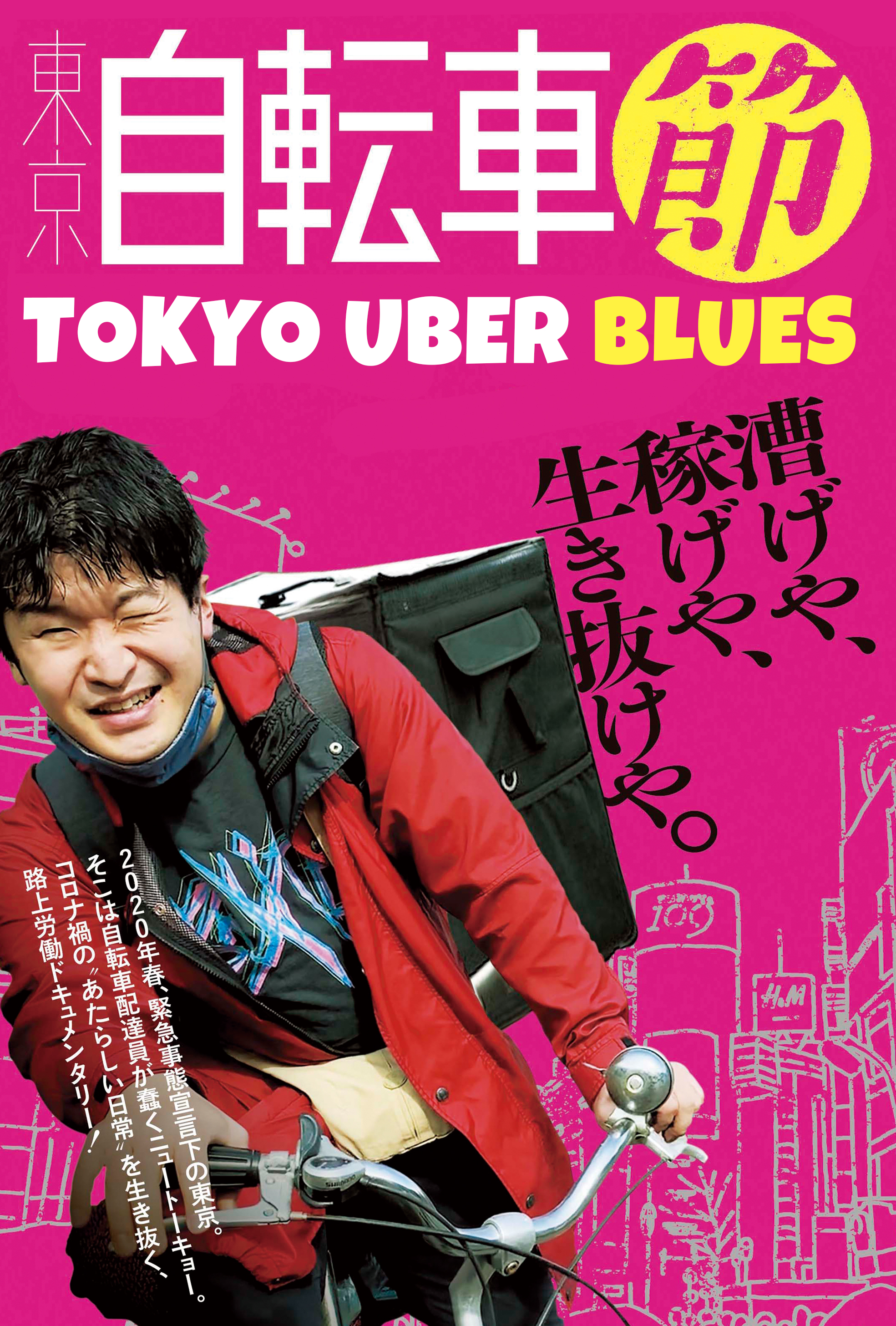
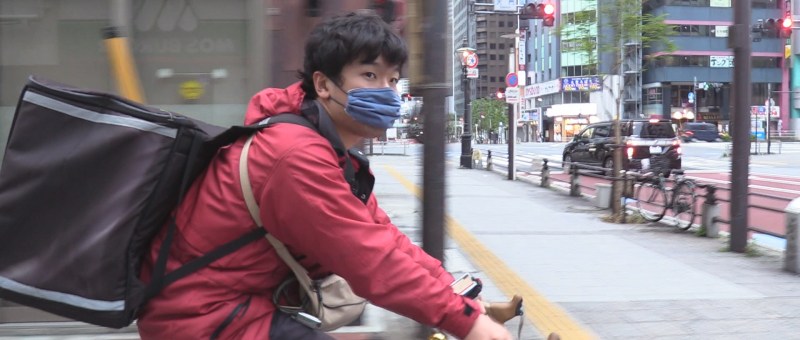
Aspiring filmmaker Taku Aoyagi had been working as a substitute driver, driving people home in their own cars after they’ve had a drink, for a company owned by his uncle in rural Yamanashi when the pandemic hit in early 2020. With bars closed and fewer people going out in general, he soon lost his job while saddled with significant student debts. In Tokyo Uber Blues (東京自転車節, Tokyo Jitensha Bushi), he documents his decision to move to Tokyo and become an Uber Eats delivery agent having heard of big opportunities to earn easy money amid the delivery boom of the pandemic. 

Aoyagi’s capture of himself is not always sympathetic and he often appears relatively naive even while trying to contend with the vagaries of the Covid-era economy. He’s fortunate enough to be invited to stay with a friend but soon finds that the work is much more difficult than he’d been led to believe and a nine-hour shift earns him only around 60 US dollars. Most of the orders he’s carrying seem inordinately small, biking half way across the city just to deliver one burger or a pair of bubble teas meaning of course that he’s only picking up a minimal amount in tips. The work is also physically taxing though obviously becomes less so as he gets used to it and is then able to upgrade to an electric bike. 

The film is much more about Taku’s direct experience as an Uber Eats deliveryman than it is about the gig economy, the precarious working environment, pandemic or life on the margins of a prosperous society at a moment of crisis but nevertheless makes small asides hinting at a disparity between the people who order the deliveries and those who deliver them. Taku reflects that people in high rise condos seem to order an awful lot of stuff and is left with mixed emotions on the one hand recognising that they provide the work for him but also mildly resentful that they seem to spend their money so frivolously when he can barely get by. He swings between considering the implications of Uber’s business model for its workers and fully believing that he is “connecting people” through his work. As time goes on it’s almost as if he’s beginning to lose to mind, rambling about his “quest” to master the system and become the ultimate Uber rider maximising his profits while describing himself and his colleagues as “hyenas” prowling the city ready to pounce on the next opportunity. 

Aoyagi does not go into the reasons he chooses to move out after staying with friends though it may perhaps just have been that he felt bad about imposing on them for so long or simply wanted his own space. An attempt to stay in a cheap hotel does not go as well as hoped and hints at his difficulties managing his money on an unpredictable income. For a while he becomes technically homeless, sleeping on the streets before finding refuge in overnight manga cafes when they eventually reopen. A jobbing actor he meets on the street gives him advice about where to find cheap food while an old classmate helps him out with Uber-related advice such as where to wait to find the prime gigs hinting at the various ways people will still help each other even while similarly desperate or in direct competition. 

Even so, he’s still receiving calls about his overdue loan payments and reflecting on the way the government chooses to spend its money. They tell people to stay at home, but what are you supposed to do if you don’t have one? Taku asks the actor where the homeless people go but he tells him they’ve all been bussed out of the city in preparation for the Olympics. When an air display takes place to celebrate the efforts of frontline workers, Taku briefly explains that he also felt as if they were celebrating his successful mastery over the Uber system only to later reflect that it cost about 30,000 US dollars which might not have been the best use of such a large amount of money. Still wearing grandma’s home made mask, he rides all over the city observing all sorts of people and ways of life but doesn’t seem to have found much of a way forward for himself or decided whether this system represents “freedom” or is inescapably exploitative as he realises that Uber doesn’t cover maintenance or repairs on the equipment he has to supply himself. “What a world this is,” he chuckles to himself riding into a “new normal” none of us quite understand. 


Tokyo Uber Blues screened as part of this year’s Nippon Connection

Original trailer (English subtitles)
My Anniversaries (オレの記念日, Kim Sungwoong, 2022)

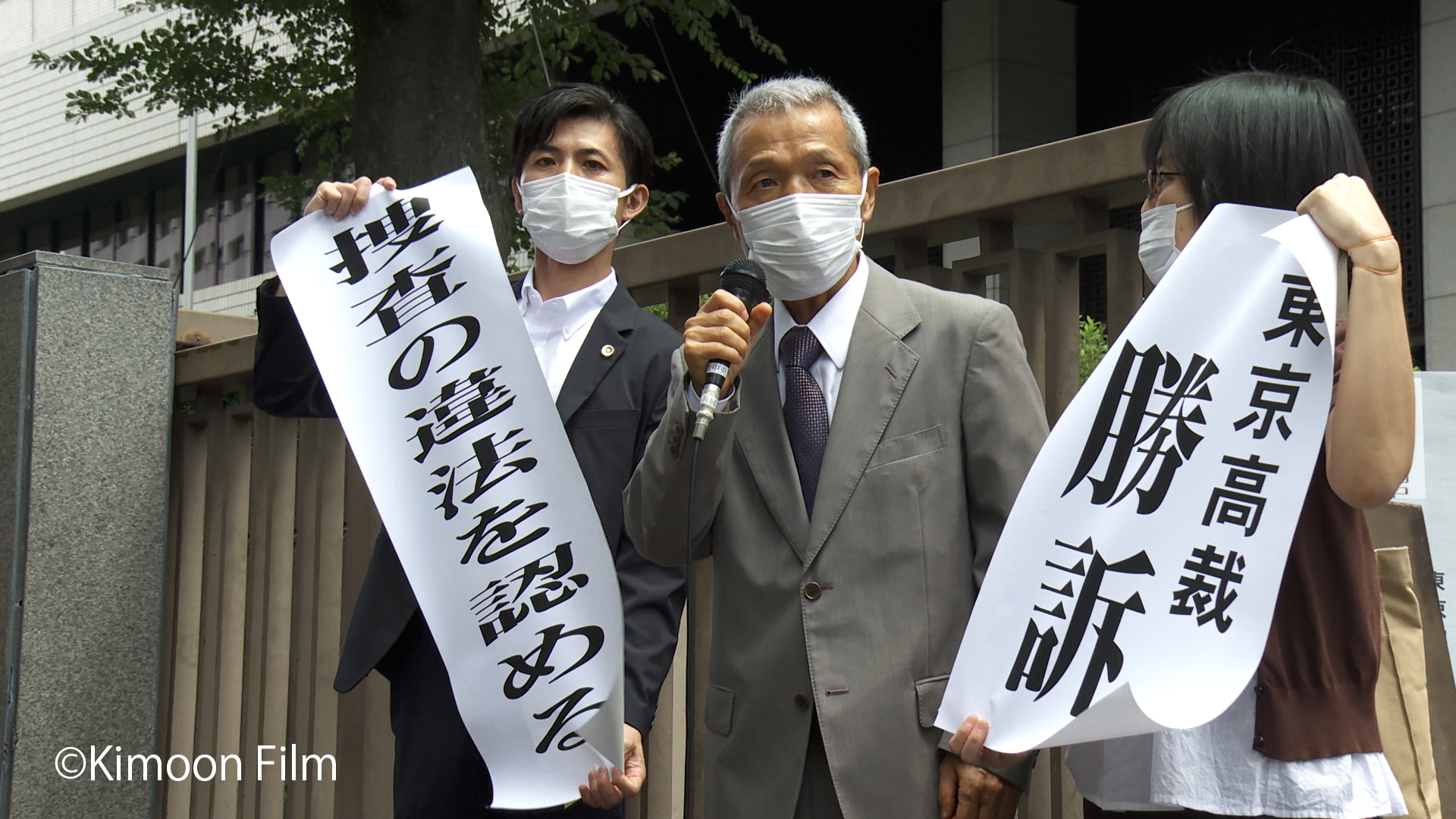
“Life can’t be all good things,” the cheerful hero of Kim Sungwoong’s documentary My Anniversaries (オレの記念日, Ore no Kinenbi) sighs rather incongruously given that he spent 29 years in jail for a crime he didn’t commit. As Shoji remarks walking around the prison where he was once incarcerated he only seems to remember the “fun” things rather than the cold or the low level horror that marked his life inside. What continued to weigh on him was the the injustice he suffered and the stigma of being called a murderer though he was innocent. 

Shoji Sakurai freely admits he was no angel in his youth and part of the reason he was pulled in by the police was because he was a considered a troublemaker they wanted to get rid of anyway. He and a friend, Sugiyama, were picked up together and accused of robbery and the murder of a 62-year-old loanshark. They had actually been together at the time in a completely different part of town but the police refused to listen to their alibi and railroaded each of them into false confessions. After pleading not guilty at trial claiming that their confessions had been forced, both men were sentenced to life in prison and each served 29 years. 20 years old when they went in, they were 49 and 50 and when they eventually came out. 

Yet the incongruous thing about Shoji is just how happy he seems to be. He isn’t particularly embittered by his experience and even at one point thanks the police because it’s because of them that he now gets to live a great life doing what he always wanted to do. Rather than be consumed by the hopelessness of his situation, Shoji decided to make the best of his incarceration by looking to the future and working hard to build a life for himself when he got out. He spent his time writing poems and songs and even though he hated making shoes on the prison production line became the best shoemaker in the place. Together with the director he revisits the prison on what appears to be some kind of open day with former guards running stalls in the courtyard. Shoji makes polite small talk with them as if they had been colleagues rather jailor and prisoner describing most of them as kind and only alluding to one who wasn’t while remarking that it’s usually the latter sort who earn speedy promotions. 

After release from prison both Shoji and Sugiyama continued to campaign for their convictions to be overturned which they finally were after a retrial victory, an incredibly rare event in Japan. Since then, he’s continued to advocate for changes to the judicial system and help others in a similar position to clear their names so that they can try to move on with their lives. In some senses, his sentence didn’t end when he was released because he was still the victim of a false conviction and continued to suffer under its weight, unjustly labeled as a murderer even if he admits he had once been a thief. Shoji met and married his wife Keiko not long after he had come out of prison and she describes him as having been almost glowing with the joy of his newfound freedom, but also recounts that he once tried to jump out of a window because of the hopelessness of his situation. 

His success in overturning his conviction gives hope to others like him who feared they’d spend the rest of their lives in prison labeled as a criminal for something they didn’t do or perhaps never even happened. Relentlessly cheerful, always cracking jokes, he assures them he can win and will continue striving until all the falsely convicted prisoners of Japan (of which there are many given the prevalence of forced confessions) are freed and the laws changed so that all the available evidence has to be presented to the court rather than only that selected by the prosecution. Even after being diagnosed with terminal cancer he continues to travel around the country and exclaims how “blessed” he is to have led such a good life. In many ways it’s the definition of a life well lived by a man who decided to be a cheerful in the face of adversity and did his best to chase happiness in whatever form he found it even in the darkest moments of his life in the knowledge that spring would one day finally arrive. 


My Anniversaries screened as part of this year’s Nippon Connection

International trailer (English subtitles)