A worried policeman nervously asks Yeonji (Im Chae-young) if the rumours are true. They say that everyone who works at Studio Forte ends up going mad or dying, but Yeonji has only just started working there herself and it’s too early for her to say whether that really is the case, though it’s true enough that the building has an eerie energy. Even a visiting film director remarks that the atmosphere is unusual, though it doesn’t seem to have put him off returning. The director, Jeonghwa (Lee Jung-eun), is one of the best after all which is why Yeonji took this job in the first place.
On arriving at recording studio Forte, Yeonji remarks that it seems like a great place for inspiration but the building itself is anything but inspiring. A block of concrete and glass, it stands ominously and incongruously in the middle of nature as a defiantly manmade structure intent on disrupting the natural order. It feels oppressive, rigid, and constraining. Not the sort of environment that best serves creative impulses despite the well-appointed interior with its modern design and copious light from the large windows.
Yeonji walks the surrounding forest in wonder, but at the same time there’s something odd about it in a bewitching sort of way. Her colleagues seem to be haunting her, seemingly standing around and staring while she’s otherwise disappointed by the lack of faith Jeonghwa seems to have in her. At the first team briefin,g she neglects to give Yeonji anything to do and then tells her to help her colleague Haejoon finish his section of the score for an upcoming film. Only Haejoon already seems to be having strangely. He looks ill, and sometimes doesn’t even turn up for their work sessions to the point that Yeonji ends up working with another colleague, Dojin (Cha Se-jin), to get everything finished on time.
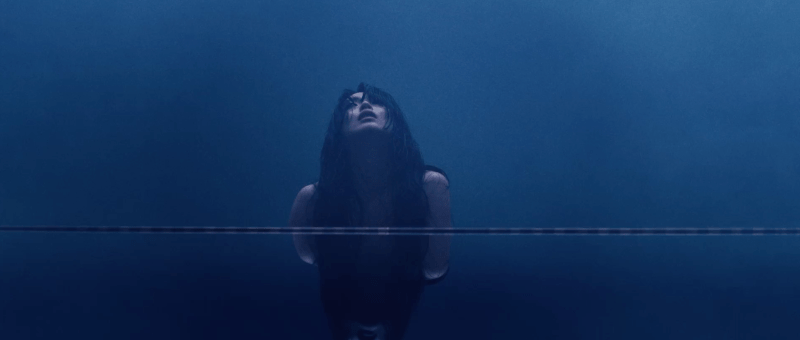
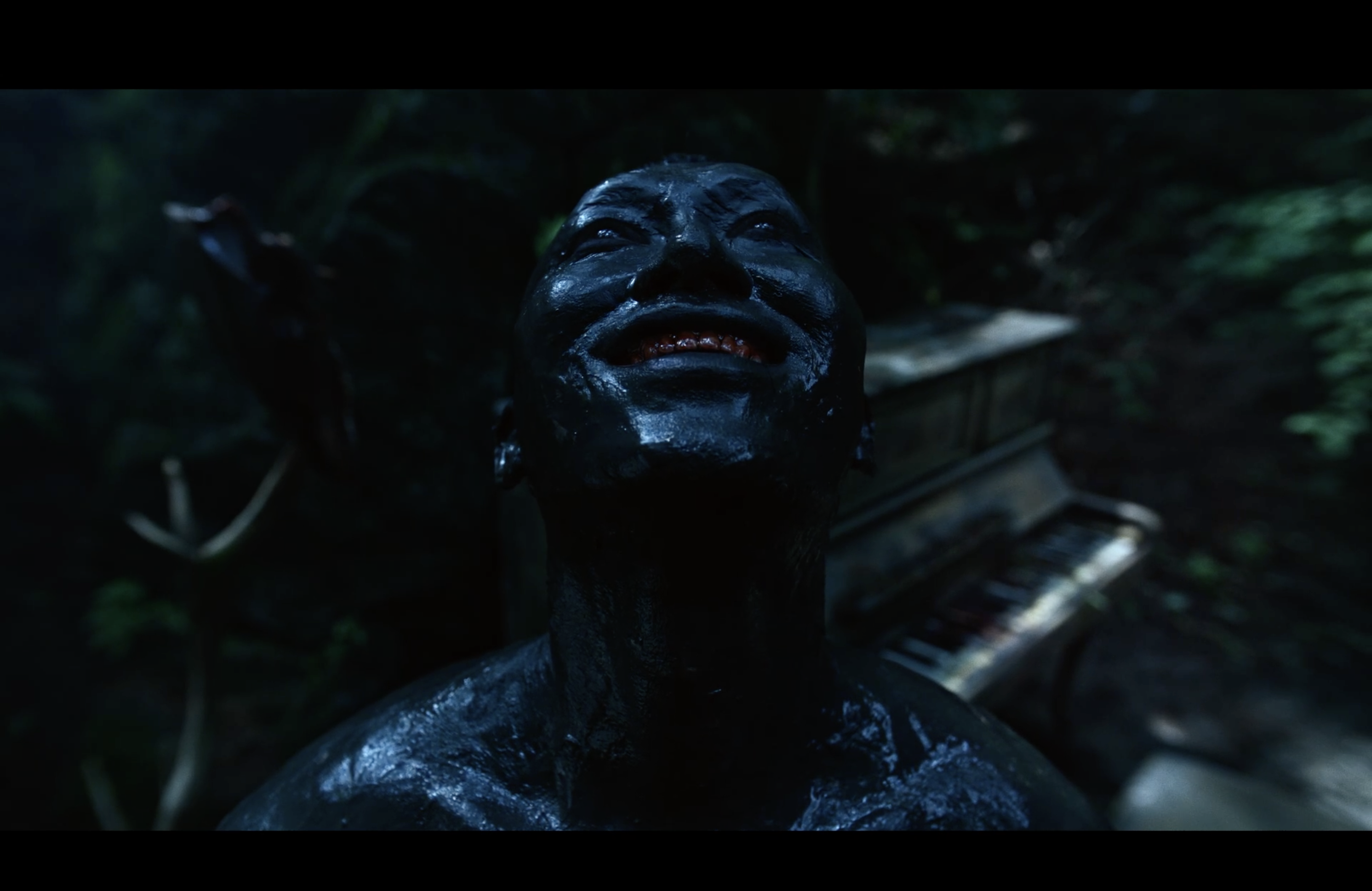
“Everything that happened here is real.” Haejoon later says cryptically after screaming that something is “here” and means him harm. Yeonji begins having visions of the forest and an oily, muddy figure along with images of death and fire. In any case, even without the existential dread of lingering supernatural threat, it’s easy to see why this place might drive someone mad. Yeonji tries asking Dojin what’s happening with credits on the movie and he brushes the question off, replying only that Jeonghwa will sort it out, which sort of implies only she will actually be credited. When the director arrives for a test screening, Jeonghwa treats Yeonji like the tea girl and explains that she’s “new”, but the director asks for her opinion anyway and she gives it, honestly, though it contradicts Jeonghwa’s. The producer (Cho Sueun) claims she could tell that Yeonji wrote the tail end of the music because it was “different”, which gives her the feeling that her work may be good after all and that Jeonghwa is playing it too safe with her conventional approach.
Though she had been somewhat mousy and earnest on her arrival, dressed in an elegant if constraining outfit, Yeonji gradually becomes bolder and wilder. She lets her hair down and dresses in darker, looser clothing while often talking back to Jeonghwa and contributing her own contradictory opinions. But in the end none of it matters. She realises that Jeonghwa is basically exploiting her, getting her to ghostwrite the score while taking all the credit. The director makes a drunken pass at her, and while confused by her reaction explains that this is her big opportunity. Both Jeonghwa and himself only got to where they are by playing the game, which means submitting oneself to this kind of quid pro quo.
It stands to reason that Yeonji’s barely suppressed desires would eventually burst through as they eventually do in the bloody climax building towards a crescendo of emotion in which Yeonji appears to become smaller and smaller behind the piano as the music overcomes her as if she were possessed. Only now has she released her creative freedom, playing Jeonghwa’s piano with a furious abandon that threatens to burn the whole edifice to the gound. Drawing on 1970s folk horror in it its aesthetic the film has an intriguingly eerie, surreal sensibility deepened by its own unsetting score as the evil haunting the studio begins to make its presence felt if only in Yeonji’s mounting resentment towards an industry that does indeed view her as little more than an inconvenient ghost in the machine.
Trailer (English subtitles)
 Windows on Worlds