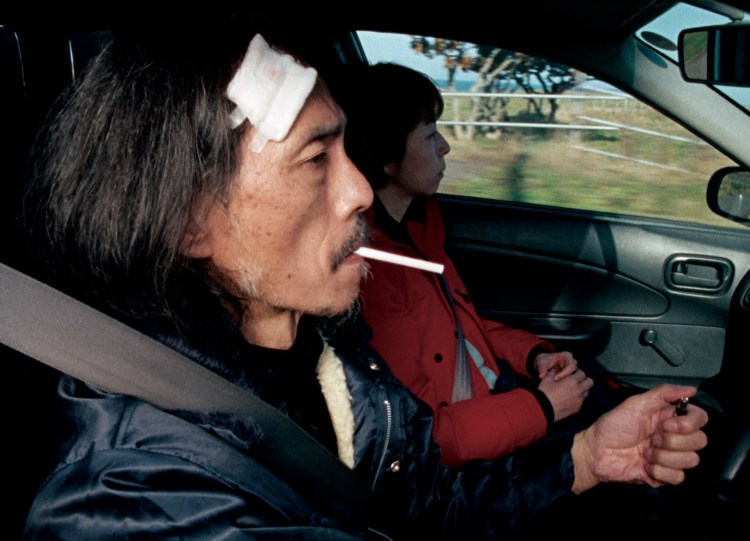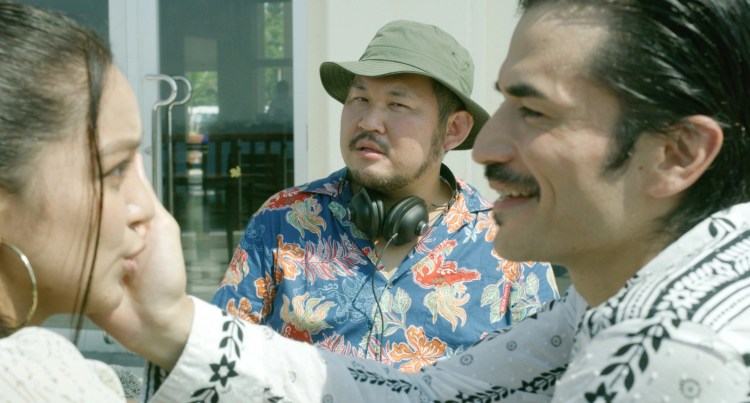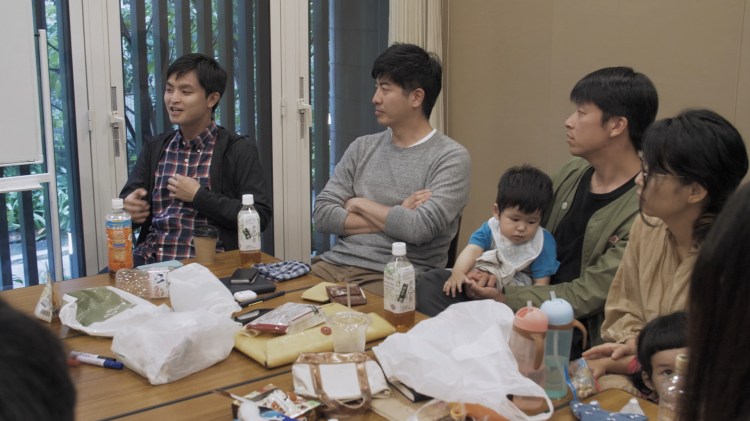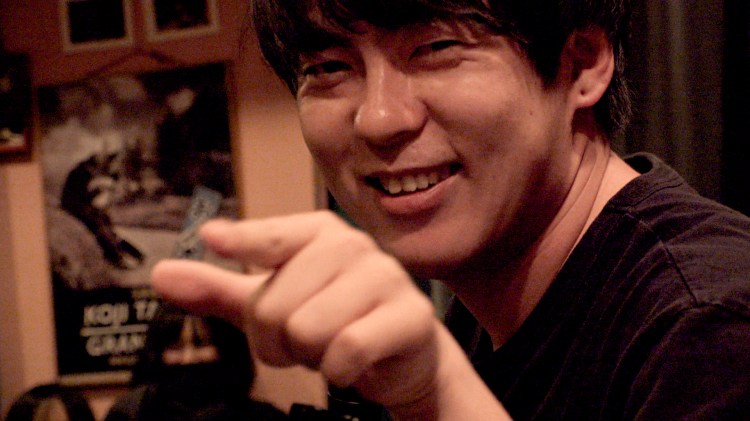
Amiko (こちらあみ子, Yusuke Morii, 2022)

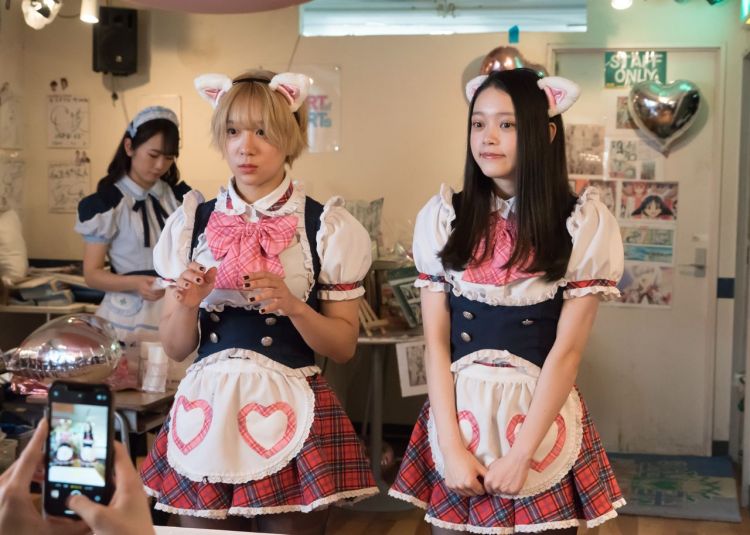
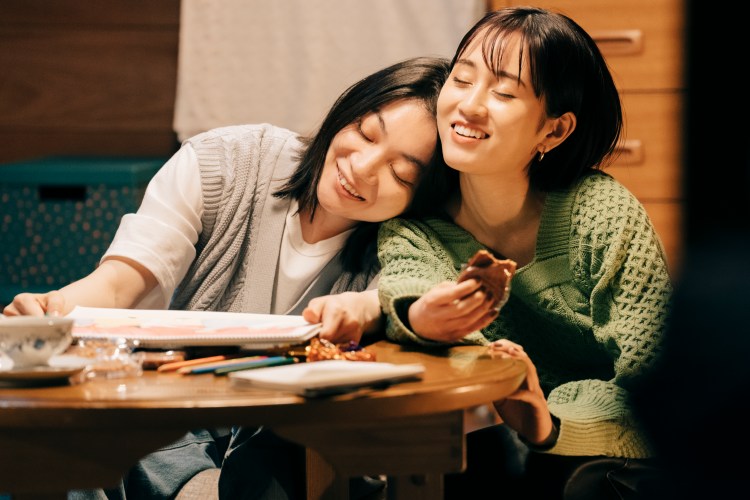
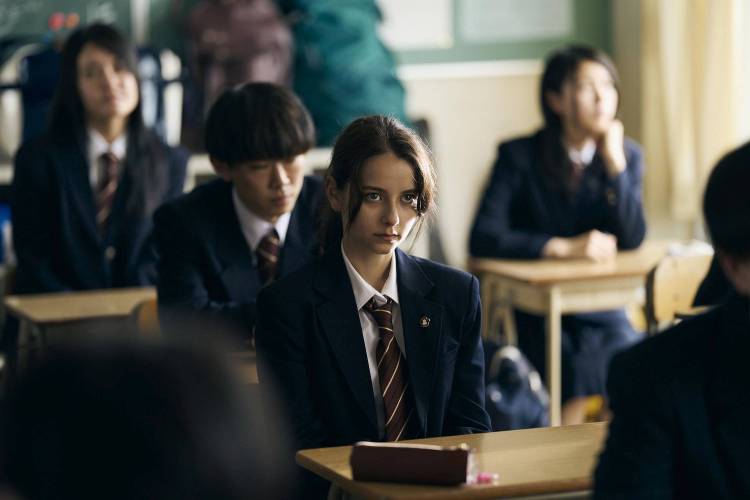
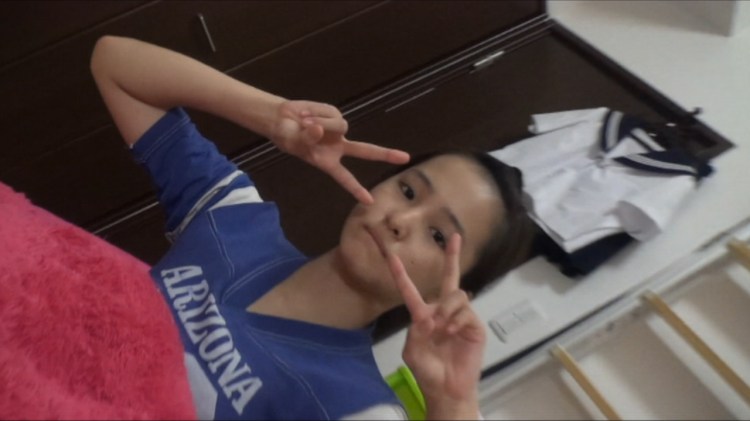
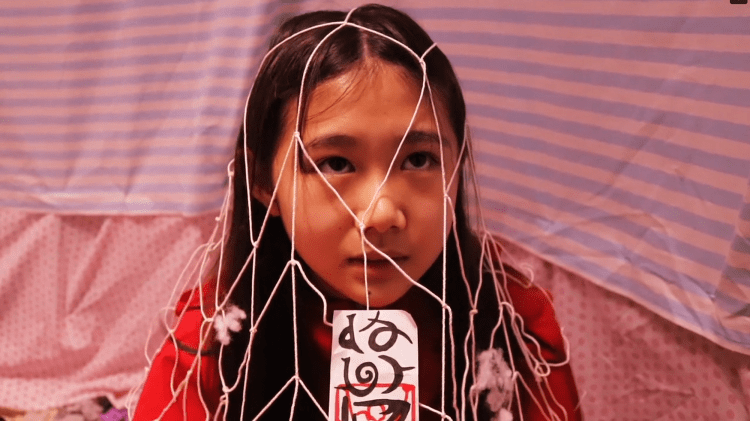
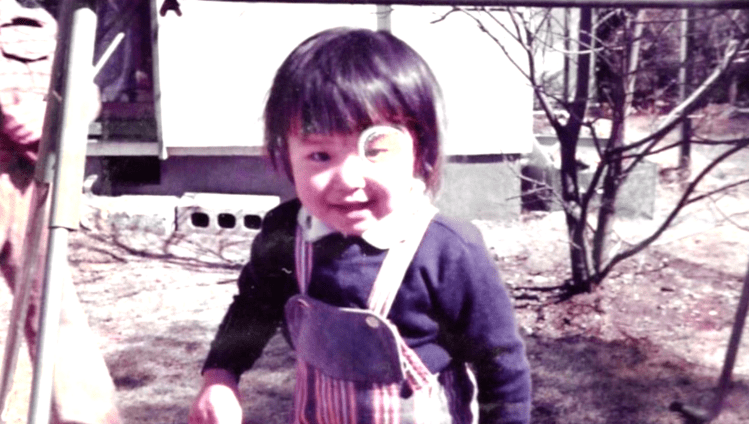
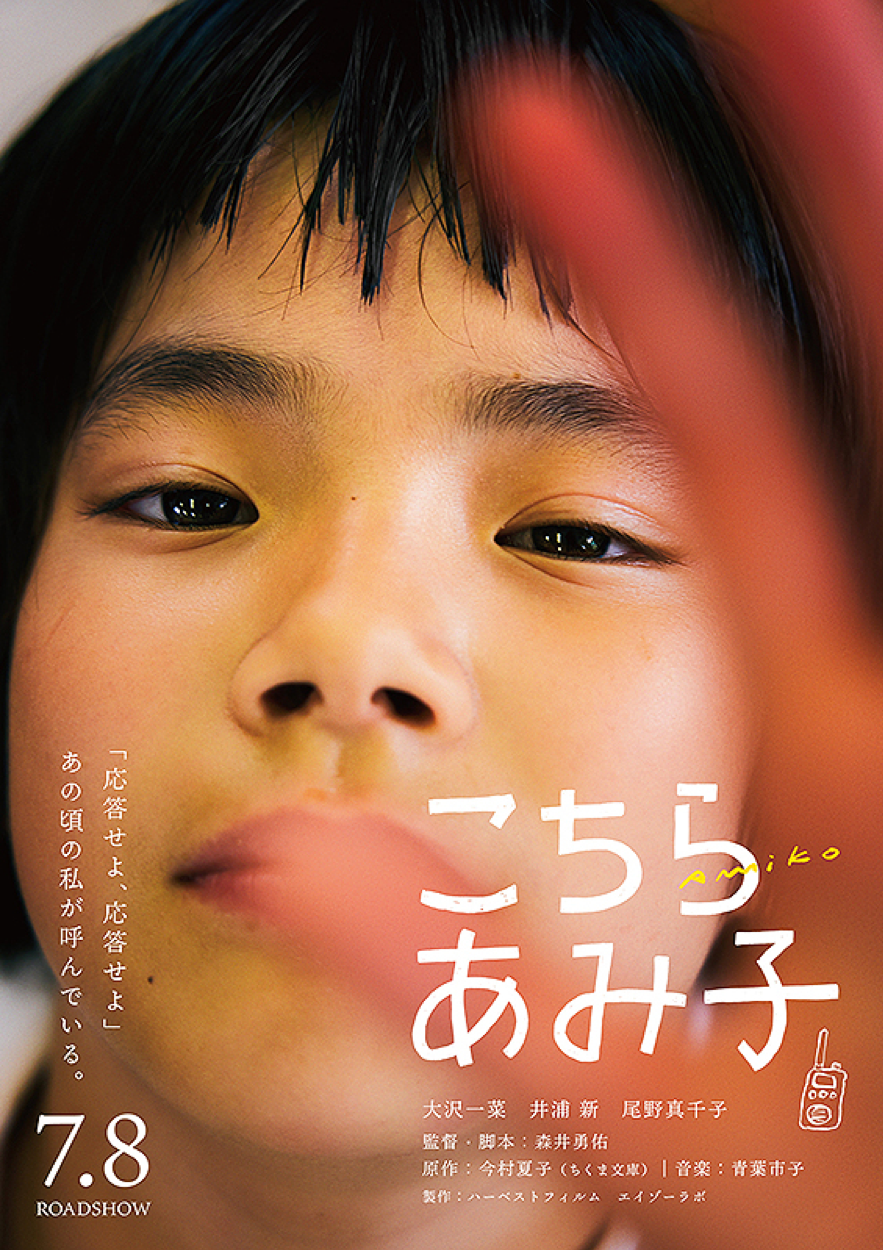
Is there a sadder thing than a solo walkie talkie? The heroine of Yusuke Morii’s quirky dramedy Amiko (こちらあみ子, Kochira Amiko) is given a pair of retro presents for her birthday, a set of toy radios and a disposable camera each intended to help her bond with the baby brother expected to join the family in the immediate future, but the sad fact is that Amiko has no one else to communicate with and largely lives in her own little world like a ghost in her own home. 

Even so, she doesn’t seem to be particularly lonely and is only just beginning to realise that she’s a little different from the other kids. Living in a nice house in tranquil seaside town in Hiroshima, Amiko appears to be a happy little girl with a loving family around her even if her relationship with step-mother Sayuri (Machiko Ono) who teaches calligraphy in a back room may be a little strained. Sayuri disapproves of Amiko’s unusual behaviour and for some reason does not allow her to join the other children at the classes leading Amiko to peer in from a crack in the door until one of the other kids inevitably notices her. 

In an odd way, Amiko’s situation improves when the family encounters a tragedy, losing the baby they’d all been so excited about welcoming. Touched by her attempts to look after her as she recovers at home, Sayuri warms to Amiko and embraces her as a daughter finally inviting her to take part in the calligraphy classes once they resume. But a well-meaning gesture on Amiko’s part that from an adult perspective is insensitive and inappropriate throws Sayuri into a depressive spiral from which she never recovers. The rest of the family describe Amiko’s gesture as a “prank” as if she did it with malicious intent when really it was just her way of dealing with her grief. Of course, everyone else is trying to deal with their grief too and each going about it in their own way so they don’t have time or really the inclination to sit down with Amiko and help process what’s just happened to their family. 

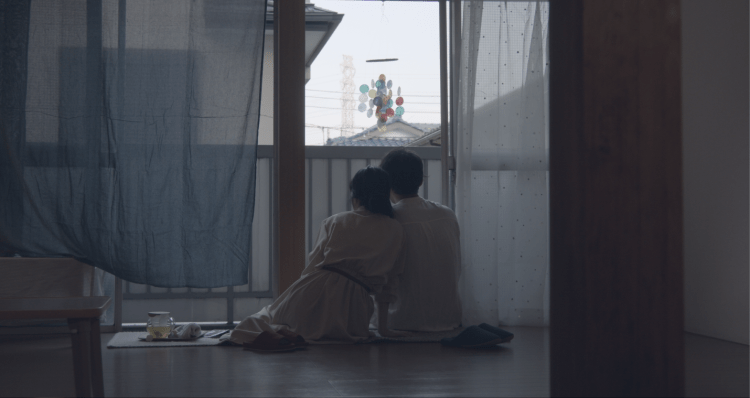
Amiko becomes convinced that there’s a ghost haunting her balcony and it must be that of her younger brother who hasn’t made it to Heaven yet and is trying to come home, though her attempts to ask her father about it see her literally pushed away while he can’t see her confusion as anything other than a hurtful fantasy. There is indeed a ghost haunting her family, but it’s the grief they cannot share with each other or bear to explain. Amiko’s older brother Kota (Kensei Okumura) begins to go off the rails and then leaves the family entirely to join a biker gang instead. Amiko’s father (Arata Iura) doesn’t even bother to look for him, expressing only mild confusion when Amiko points out that Kota doesn’t come home anymore answering only that he’s sure he saw him “the other day”. 

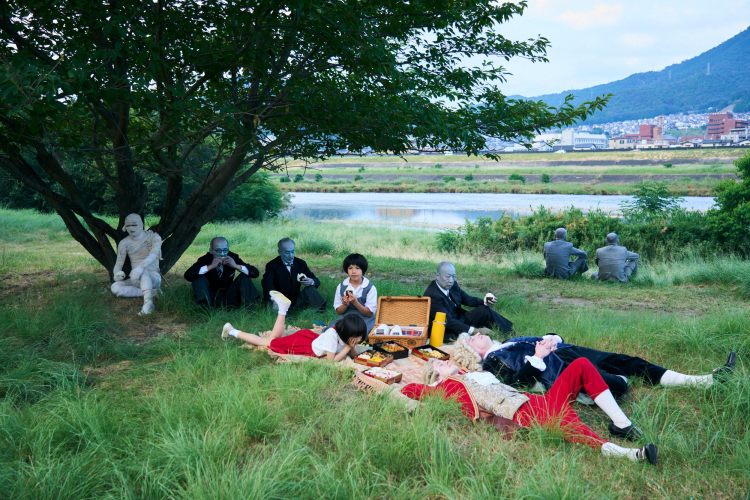
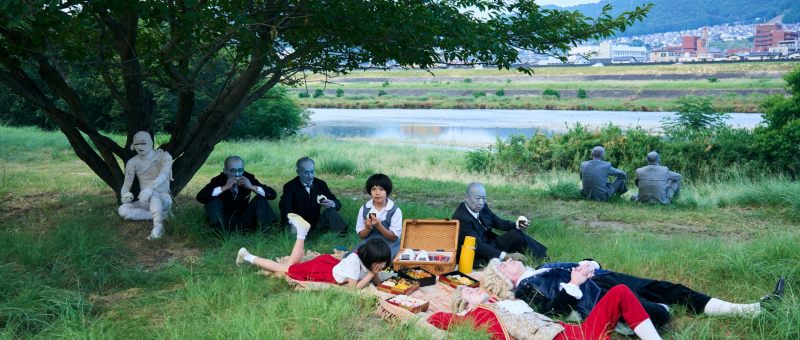
It’s no wonder then that Amiko retreats into a fantasy world, singing a song to herself to ward off ghosts while followed around by several of them including for some reason mummies and people from 18th century Europe. She in turn follows a boy she likes seemingly oblivious to the various ways he attempts to avoid her, while otherwise ignoring a loudmouth kid who is the only other person willing to talk to her despite her classmates’ conviction that she is simply “weird”. Amiko maybe beginning to realise this herself, wondering if her forced courtship may have strayed into the “creepy” and asking directly for advice wanting to know what about her seems to make others uncomfortable or embarrassed. After a period of mild neglect, Amiko even starts walking around school in bare feet because she doesn’t have indoor shoes or clean socks but most seem to just regard it as another expression of her oddness. As the other kid points out, it’s both a symbol of her “freedom” and one of the reasons she gets bullied. Amiko’s story is sad, but Amiko doesn’t know that and simply goes on living in her own little world with its strange logic simply waving to the departing boats of the floating dead with a cheerful “I’m fine” while otherwise abandoned on an unfamiliar shore with only herself to rely on.


Amiko screens in Frankfurt 8th June as part of this year’s Nippon Connection.

Original trailer (no subtitles)
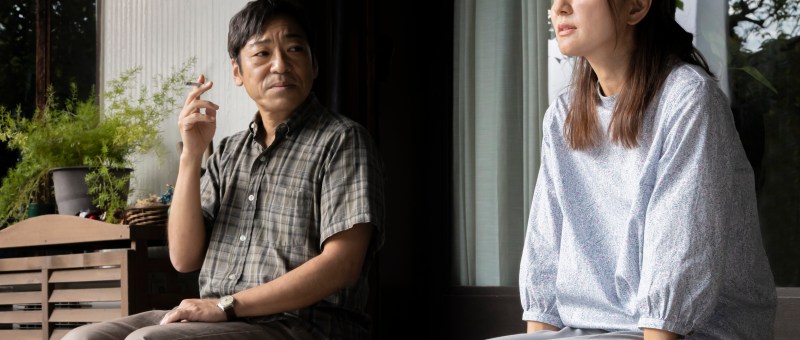
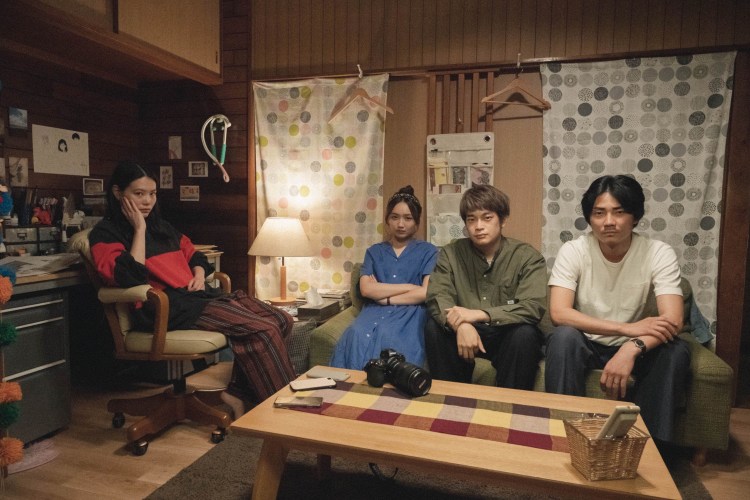
Roleless (宮松と山下, Masahiko Sato, Yutaro Seki, Kentaro Hirase, 2022)

Ever felt like a bit player in your own life? For the hero of Masahiko Sato, Yutaro Seki and Kentaro Hirose’s Roleless (宮松と山下, Miyamatsu to Yamashita), it’s more like he lives ten thousand lives if only for an instant in his life as an extra and may have, in a way, cultivated an image of himself as a blank canvas who no longer exists in an absolute form. In a way you could call it multiverse living, but when confronted with a possible point of origin, a lost selfhood he may have forgotten or wilfully rejected, it presents him with an existential question not so much of who he wants to be but if he wants to be at all. 

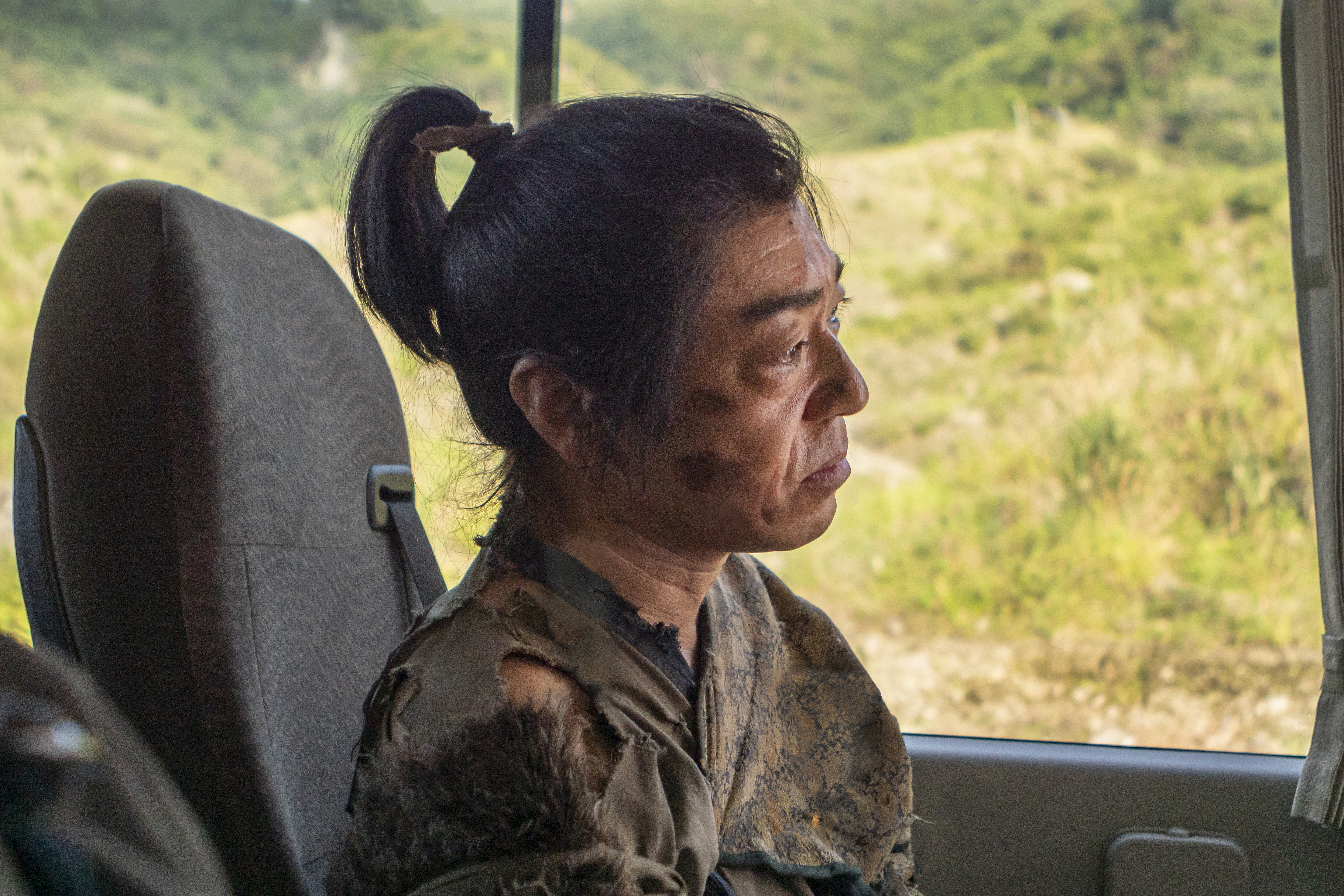
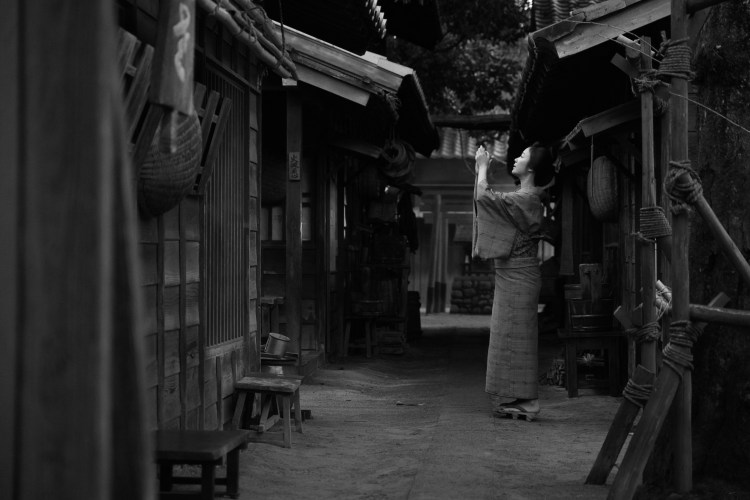
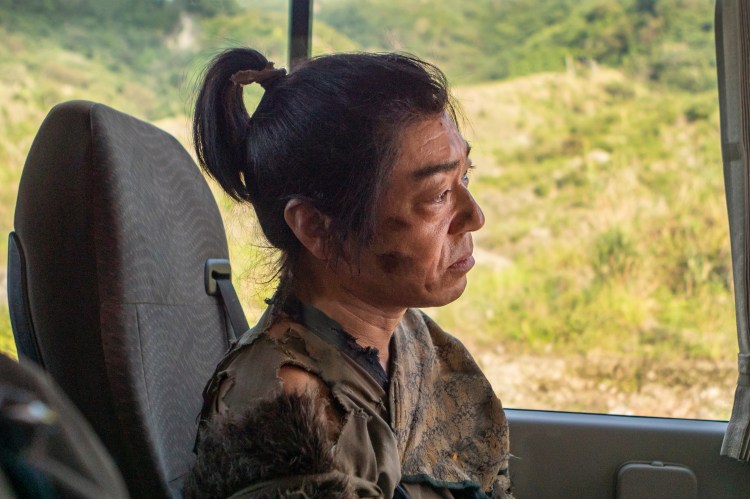
We first encounter him as an unlucky retainer in a jidaigeki who is quickly cut down only to rise again and run around the back to give his name as “Miyamatsu, a samurai” to the prop girl who gives him a different hat so can he go back out there and die a second time. Miyamatsu has an air of perpetual blankness in his often vacant expression as if he were both there and not. The film often wrong foots us and we can never be sure what is “real” and what part of a movie, except that it all obviously part of the movie we ourselves are watching. We see what we think are moments from Miyamatsu’s private life only to realise that the camera was rolling all along when someone shouts “Cut!” and it becomes apparent that Miyamatsu was not its main focus. 

Along the way he gives hints of his loss of selfhood, earnestly replying that he doesn’t know when a fellow extra quizzes him on the watch he’s wearing and how he got it but his discomfort could stem from several places and it’s never quite clear how much of an interior life Miyamatsu creates for his various roles, whether he really does just see them as performers of an action, is playing “himself” as he peers over a police cordon at a crime scene, or is a fully fledged person with an individual history. Later he tells a colleague who admires the way he fills in forms at his part time job working at a cable car that he’s always enjoyed the process of filling in a predetermined frame but also that he likes the floating sensation the cable cars give him. 

All of which might explain why he’s so destabilised when a man (Toshinori Omi) approaches him claiming that they worked together as taxi drivers more than a decade earlier and that his name is Yamashita. He apparently “disappeared” after sustaining a head injury and has been “missing” ever since. The man takes him back to the home of his much younger sister, Ai (Noriko Nakagoshi), who has since married and appears to be incredibly relived to see him even if it seems she might also be hiding something. He wonders if it’s suspicious that there are no photos of him in their family home, but is reminded that with the age difference he hadn’t lived there while she was a child and only came back after their parents died to take care of her because she was still in high school. Her husband, Kenichiro (Kanji Tsuda), seems to be constantly needling him though again, it isn’t always clear whether he actually wants him to remember or suspects that he already does and is choosing to pretend not to. 

Even so, Miyamatsu slides into the life of Yoji Yamashita as easily as any other role finding his way back into the character with unexpected moments of connection such as the muscle memory that grants him a perfect baseball swing, or the strangely familiar taste of cigarettes to a non-smoker. Then again, there’s obviously something sinister going on, a darkness underlying his “personal” history that might have made him want to absent himself from himself or else an oppressive sense of bullying that is reflected in Ai’s hesitant answer when Yamashita remarks on what a good husband Kenichiro seems to be. Miyamatsu claims that he’s ever only played one “real” role, and in a way this is it as he begins to claim something like a backstory even if it’s one he may not ultimately want that nevertheless renders him a little less vacant. Mysterious and unsettling, the film asks some probing questions about the nature of identity, whether it is self-defined or gifted, but also discovers a kind of serenity in Miyamatsu’s free floating life of transient realities.


Roleless screened as part of this year’s Nippon Connection

Clip (no subtitles)
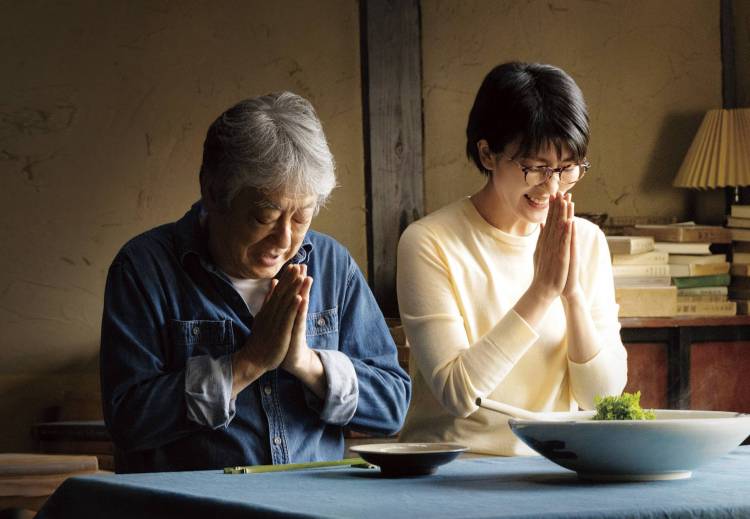
Nippon Connection Confirms Full Lineup for 2023

Nippon Connection, the largest showcase for Japanese cinema anywhere in the world, returns with another fantastic selection of new and classic films screening in Frankfurt from 6th to 11th June. This year’s Nippon Rising Star Award will go to Drive My Car’s Toko Miura whose films I Am What I Am, and Our Huff and Puff Journey, will also be screening.

Nippon Cinema

  • #Manhole – a salaryman’s moment of triumph is disrupted when he falls down a manhole the night before his wedding in Kazuyoshi Kumakiri’s unhinged B-movie thriller. Review.
  • A Far Shore – a teenage mother struggles to make a life for herself in contemporary Okinawa in Masaaki Kudo’s bleak social drama. Review.
  • A Hundred Flowers – an expectant father finds himself confronted with paternal anxiety and past trauma on learning that his mother has been diagnosed with Alzheimer’s in Genki Kawamura’s adaptation of his own novel. Review.
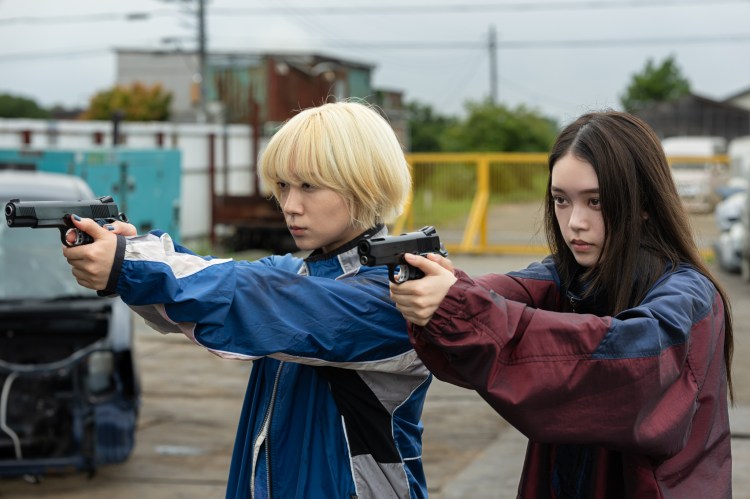
  • Baby Assassins – a pair of mismatched high school girls raised as elite assassins get swept into gangland conflict while forced to live together to learn how integrate into society in Yugo Sakamoto’s deadpan slacker comedy. Review.
  • Baby Assassins 2 – sequel in which the girls give up their jobs as hitwomen but are chased by two other killers for hire.
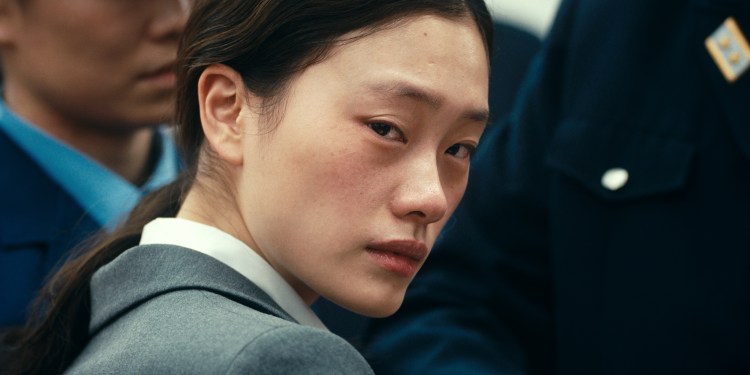
  • December – bereaved parents are confronted by the unresolved past when the woman who killed their daughter appeals her sentence in Anshul Chauhan’s empathetic courtroom drama. Review.
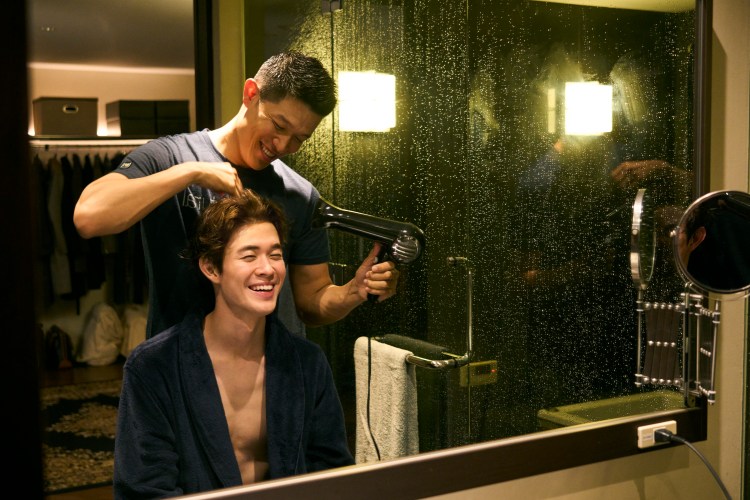
  • Egoist – LGBTQ+ romantic drama from Daishi Matsunaga (Pieta in the Toilet) in which a fashion editor falls in love with a personal trainer.
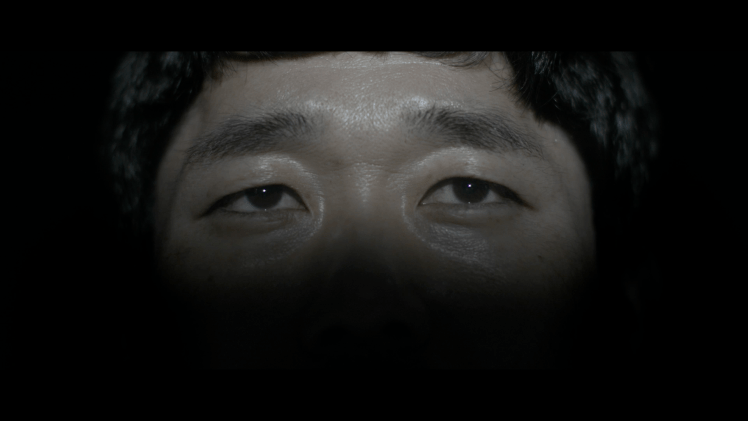
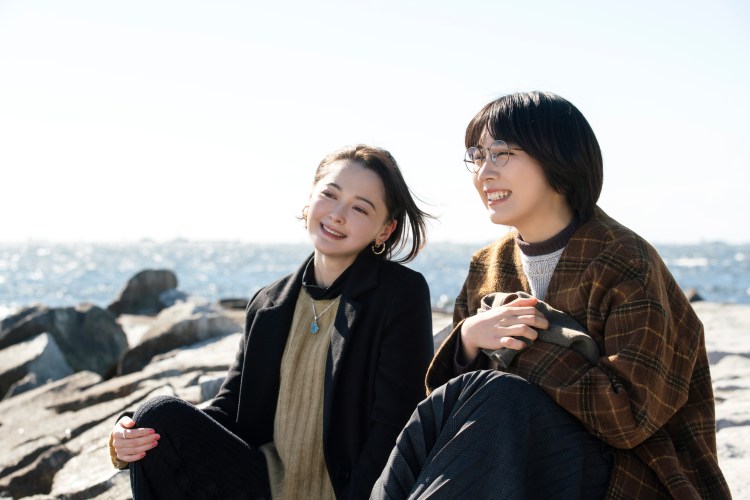
  • I Am What I Am – sensitive drama in which an asexual woman is pressured into a blind date but ends up making a friend instead.
  • Lesson in Murder – a diffident student falls under the spell of a manipulative serial killer in Kazuya Shirashi’s intense mystery drama. Review.
  • Mondays: See You This Week – timeloop comedy in which a collection of colleagues are forced to endure the same week over and over again.
  • Mountain Woman – mystical drama set in the late 18th century in which a young woman walks into the mountains and meets a mysterious man.
  • My Small Land – a young woman’s life is destabilised when her father’s asylum claim is rejected in Emma Kawada’s empathetic debut feature. Review.
  • Nabbie’s Love – Okinawan dramedy in which a woman quits her job in Tokyo and returns to her grandparents’ home only for her life to be distupted when grandma’s first love resurfaces.
  • Okiku and the World – period drama from Junji Sakamoto in which two manure men encounter a samurai’s daughter.
  • Plan 75 – an elderly woman finds herself pushed towards voluntary euthanasia by a society driven only by productivity in Chie Hayakawa’s dark dystopian drama. Review.
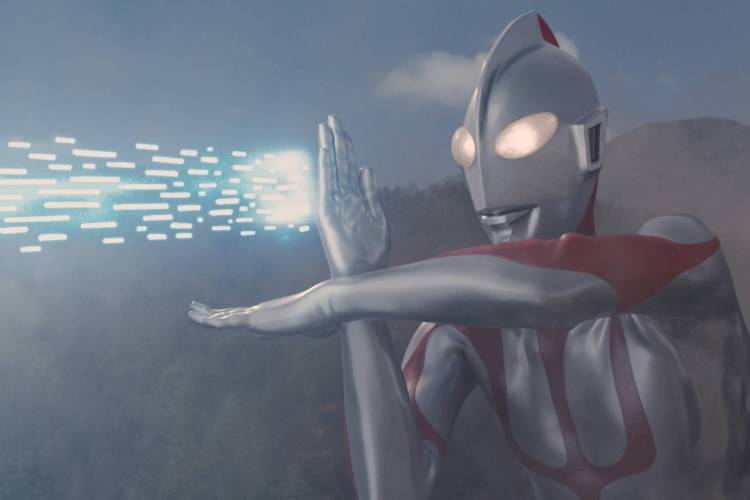
  • Shin Ultraman – Ultraman returns to rescue kaiju-plagued Japan from geopolitical tensions and internal bureaucracy in Shinji Higuchi’s take on the classic tokusatsu franchise. Review.
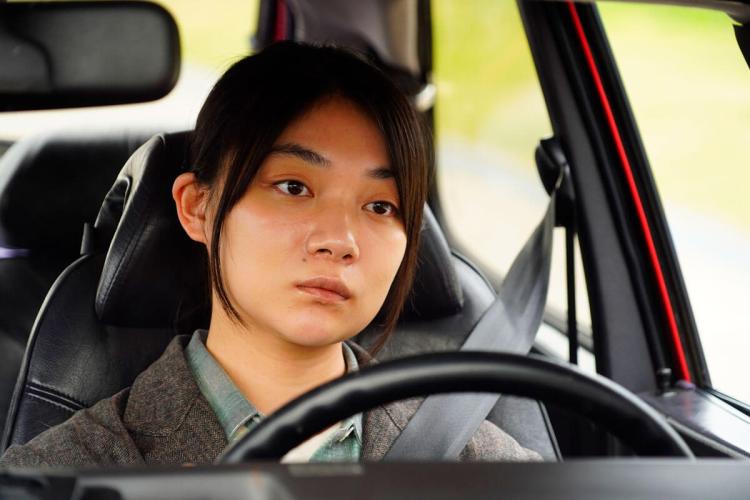
  • Special Screening: Drive my Car – a theatre director begins to overcome his sense of inertia after bonding with a young woman hired to drive his car in Hamaguchi’s deeply moving drama. Review.
  • Special Screening: Our Huff and Puff Journey – youth drama from Daigo Matsui in which four superfans of the band CreepHyp take off on a road trip to Tokyo by bicycle.
  • Spring In Between – romantic drama in which a magazine editor falls in love with an autistic painter.
  • Straying – an adulterous couple on the brink of divorce are brought closer together while looking for their runaway cat in Rikiya Imaizumi’s contemporary romantic drama. Review.
  • The Zen Diary – a mountain ascetic gains a new perspective when confronted with mortality in Yuji Nakae’s contemplative foodie drama. Review.
  • Thorns of Beauty – two women team up to get revenge on a no good ex.
  • To the Supreme – zany comedy about four women in relationships with terrible boyfriends.
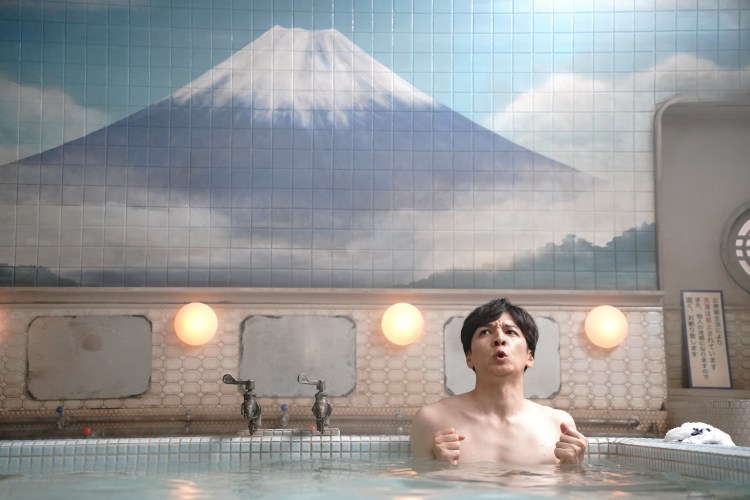
  • Yudo – a young man returns home hoping to turn his father’s old bathhouse into an apartment complex but soon reconsiders.

Nippon Animation

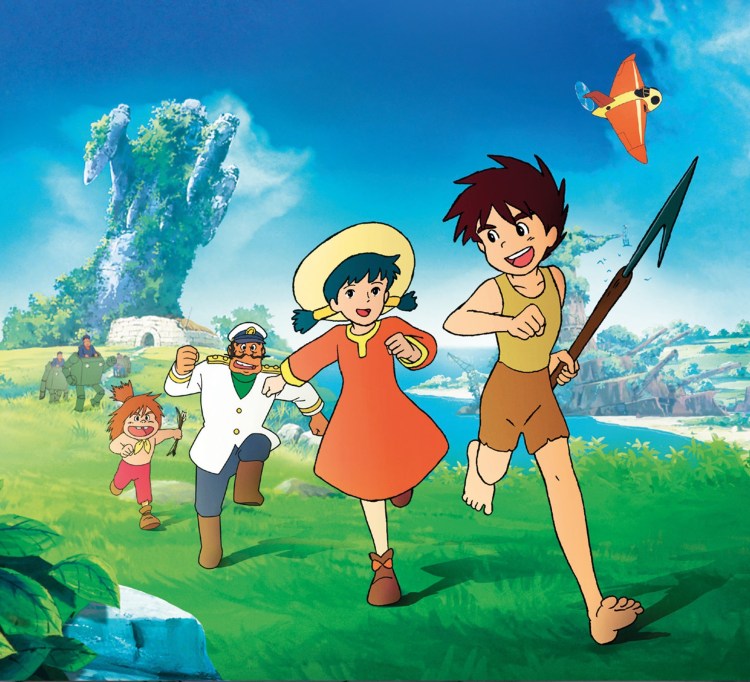
  • Future Boy Conan – three episodes of the classic Hayao Miyazaki-directed series. Screening in German dub/Japanese with German subtitles.
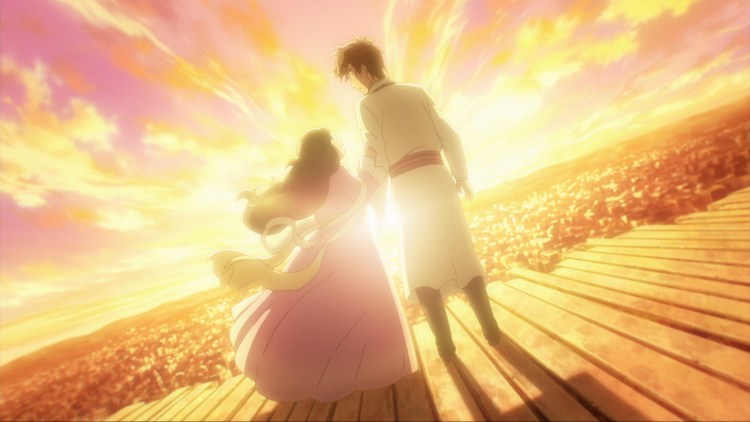
  • Gold Kingdom and Water Kingdom – fantasy anime in which the wedding between the children of two kingdoms is disrupted.
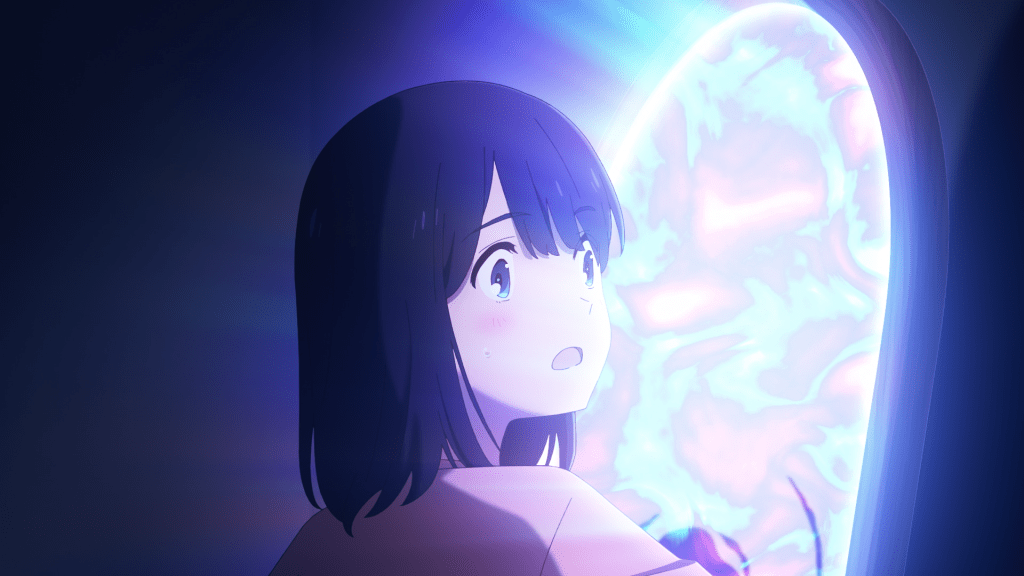
  • Lonely Castle in the Mirror – an isolated young woman discovers a magic portal to a desert island.
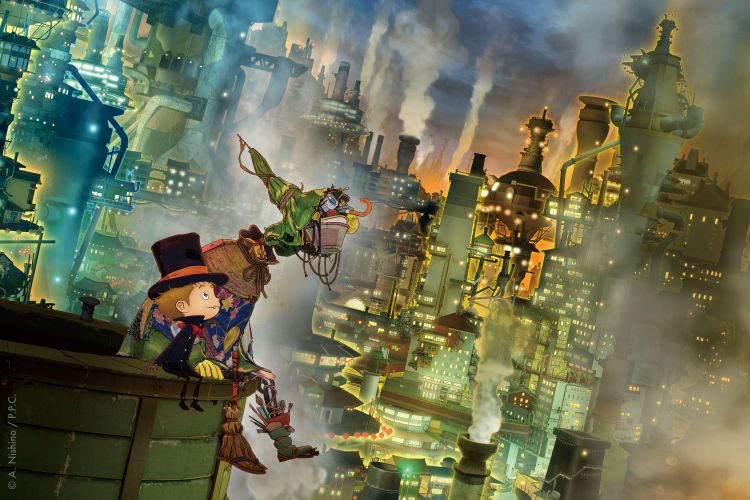
  • Poupelle of Chimeney Town – animated adaptation of the picture book by Akihiro Nishino. Screening in Japanese with English subtitles / German dub.
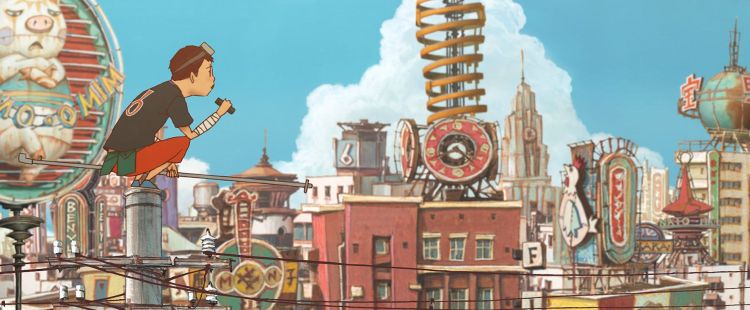
  • Special Screening: Tekkonkinkreet – a pair of orphan street kids find battle to save their town from gangster developers in Michael Arias’ atmospheric adaptation of Taiyo Matsumoto’s manga. Review.
  • Sumikkogurashi: The Little Wizard in the Blue Moonlight – adorable adventure in which the Sumikkogurashi guys go on an adventure to see the moon. Screening in Japanese with with German live synchronisation.
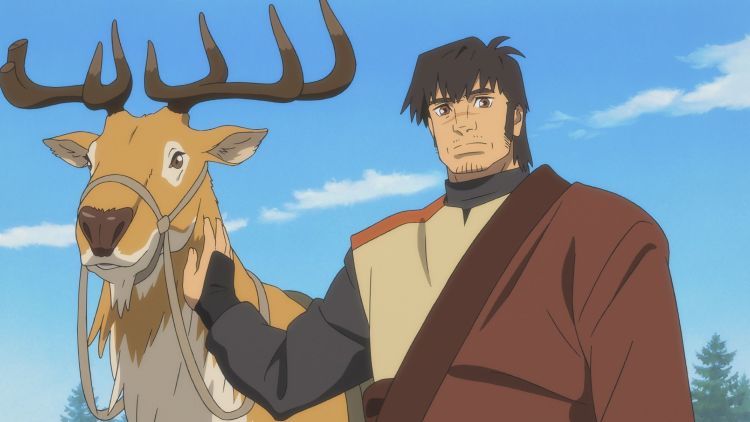
  • The Deer King – a lone survivor comes to represent both salvation and destruction in Ando & Miyaji’s fantasy adventure. Review. Screening in Japanese with German subtitles.

Nippon Visions

  • Amiko – Quirky drama loosely inspired by Natsuko Imamura’s novel Atarashii Musume following an eccentric young girl in the wake of a traumatic event in her family.
  • Double Life – a former dancer who gave up her career following an injury hires a ringer to pose as her husband when he refuses to take part in a couples dance workshop.
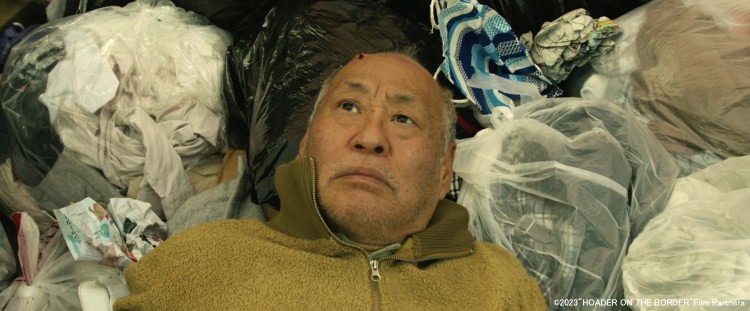
  • Hoarder on the Border – a failed pianist takes a job clearing houses and is confronted by dark secrets.
  • Journey – probing drama in which a cleaner applies to go on a space expedition.
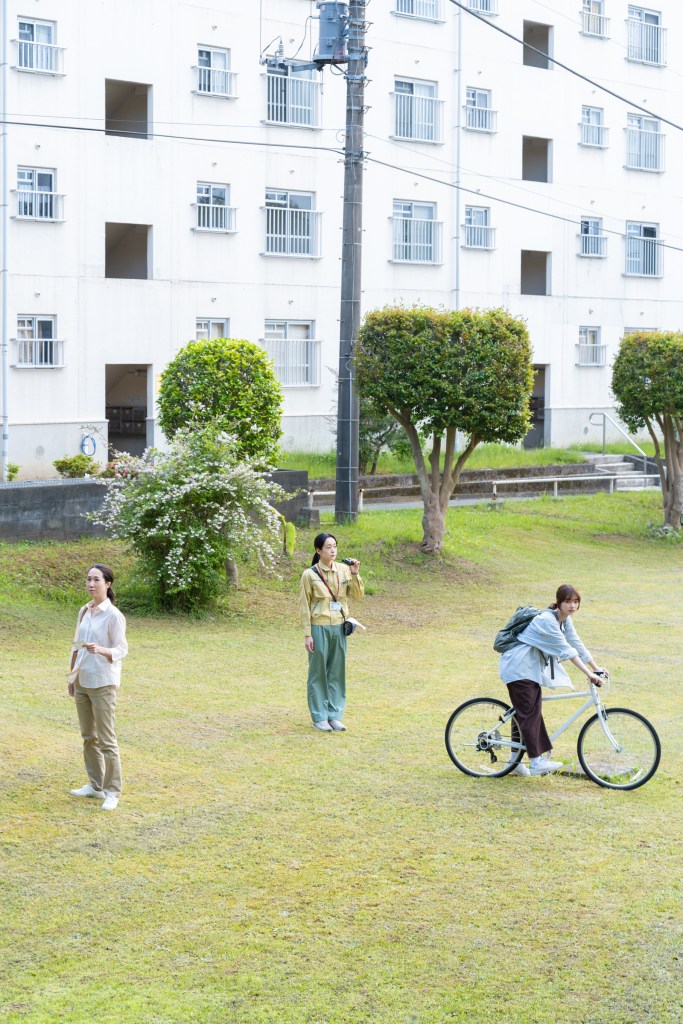
  • Remembering Every Night – drama following a series of women living in Tama New Town.
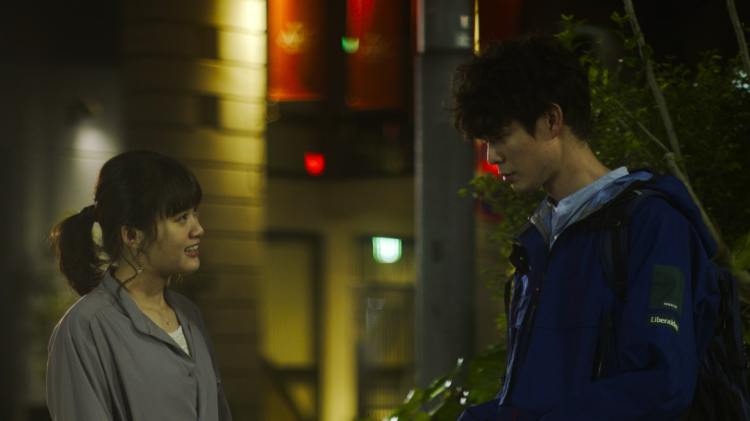
  • Roleless – a cable car driver and perpetual movie extra flounders when forced to play the leading role in his own life.
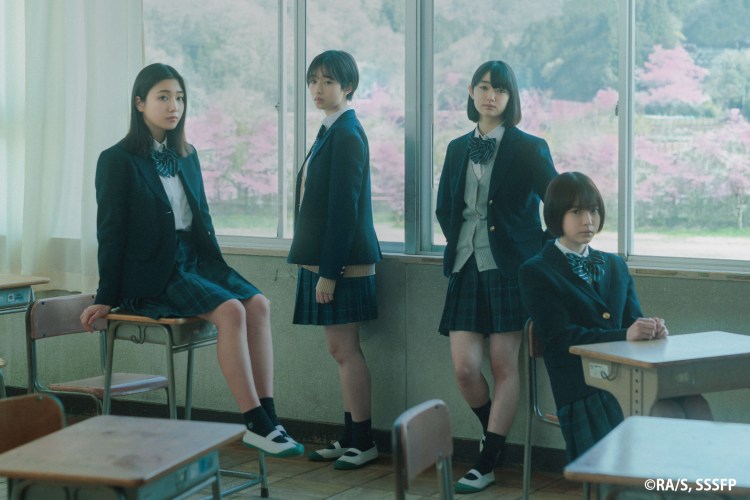
  • Sayonara Girls – teen friendship drama following four young women as they prepare to leave high school.
  • Scary Friend – eerie fairytale in which a young girl whose only friends are stuffed toys she makes herself encounters a mysterious killer.
  • Single 8 – teen drama set in the summer of 1978 when a group of friends decide to make a movie after seeing Star Wars.
  • TOCKA – drama in which a man wants to die so that his daughter can have the insurance money but his policy doesn’t cover suicide so he teams up with someone else in a similar position.
  • Your Lovely Smile – Hirobumi Watanabe stars as a version of himself but this time for Lim Kah-Wai as the pair come together in shared sensibly and frustration with the indie way of life. Review.

Nippon Docs

  • A Son – documentary following a social worker who adopts a 20-year-old man.
  • I Am a Comedian – documentary following a controversial comedian who was banned by TV networks because of his political rants.
  • Maelstrom – personal documentary following the director’s return home from New York after becoming a wheelchair user following an accident.
  • My Anniversaries – documentary following a man who was falsely imprisoned for murder for 29 years and has continued to fight to clear his name since his release on parole in 1996.
  • Soup and Ideology – documentarian Yang Yonghi returns to the subject of her family in coming to an understanding of her mother while learning of her traumatic history. Review.
  • Special Screening: Ryuichi Sakamoto – Coda – documentary following late musician Ryuichi Sakamoto. Screening in original language with German subtitles.
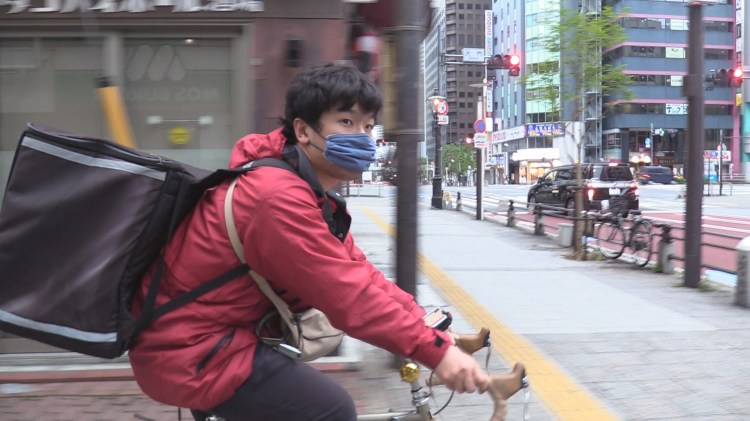
  • Tokyo Uber Blues – documentary filmmaker Taku Aoyagi documents his life as after taking a job as an Uber Eats driver in the early days of the pandemic.
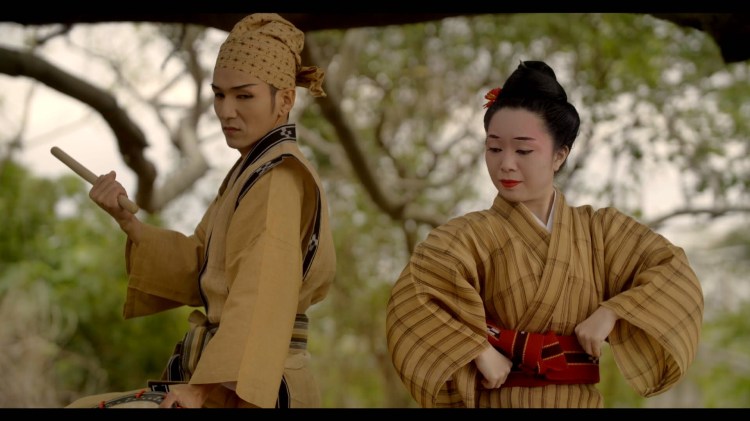
  • Umui – Guardians of Traditions – documentary focussing on traditional music and dance in Okinawa.

Nippon Retro

This year’s Nippon Retro is dedicated to Keisuke Kinoshita.

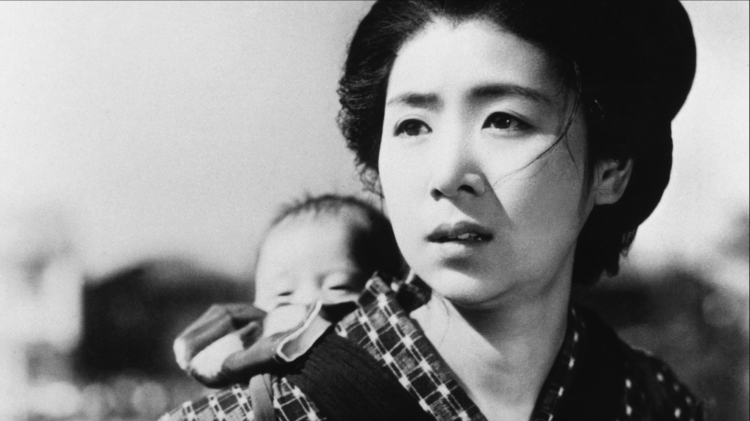
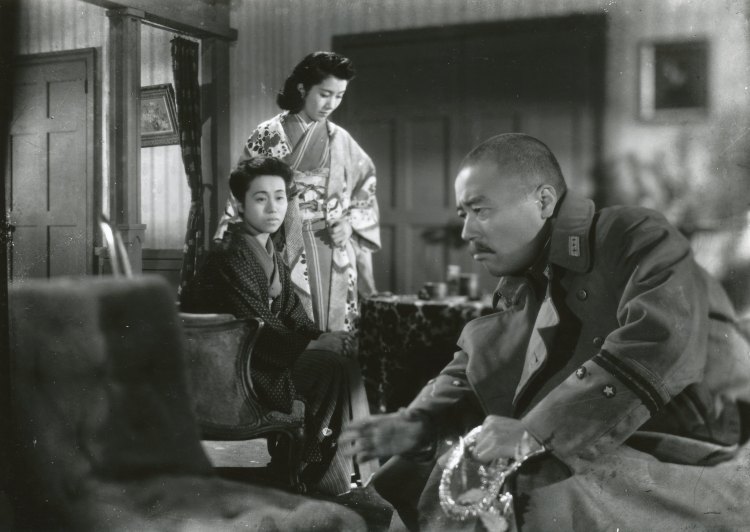
  • Army – subversive wartime propaganda film in which a mother prepares to send her son away to war.
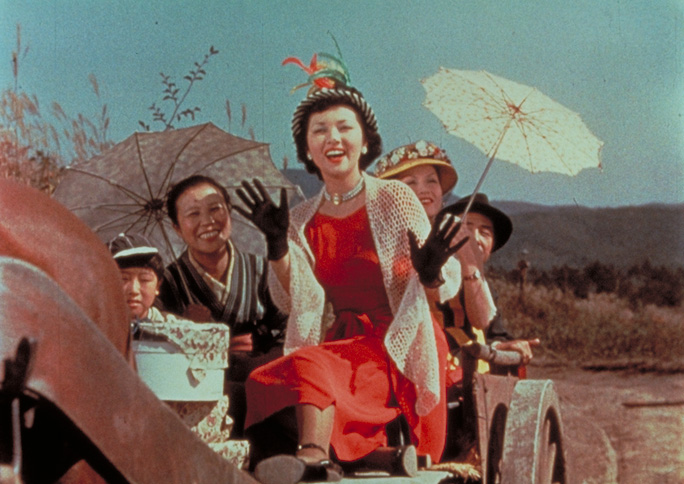
  • Carmen Comes Home – Japan’s first colour film starring Hideko Takamine as a young woman who visits home after becoming a famous stripper in Tokyo.
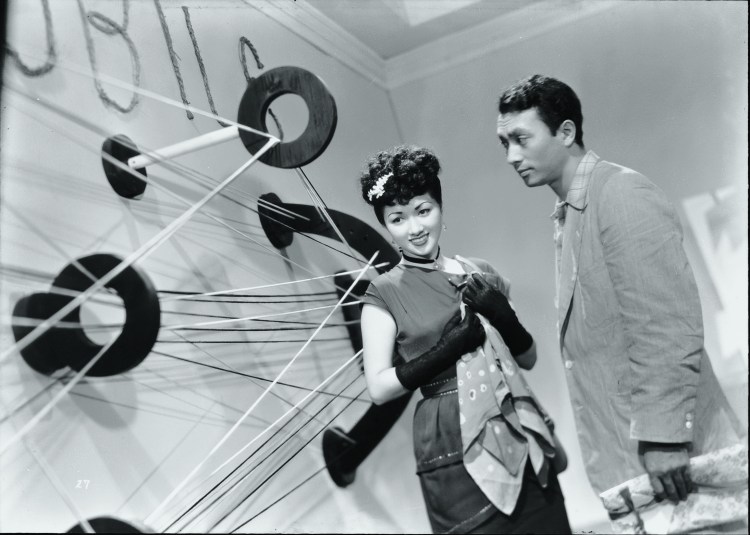
  • Carmen’s Pure Love – loose sequel in which Carmen struggles to make it in the city and is drawn into the elite art scene and the political campaign of a right-wing candidate.
  • Morning for the Osone Family – melancholy drama in which a family is divided by war.
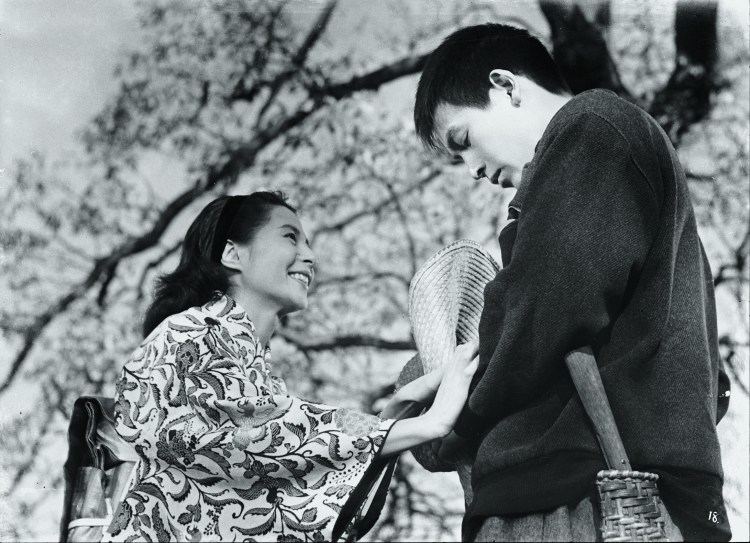
  • She Was Like a Wild Chrysanthemum – heartbreaking romantic drama in which an old man looks back on his doomed first love. Review.
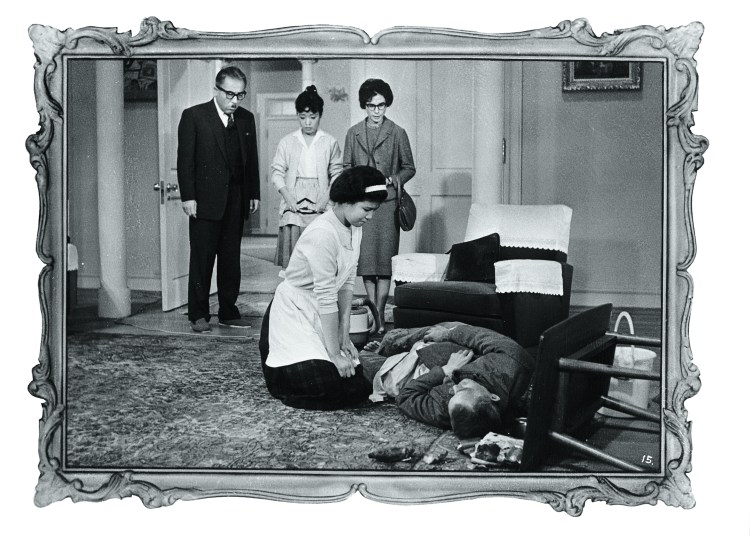
  • Spring Dreams – chaos engulfs a wealthy family when a sweet potato man collapses in their house. Review.
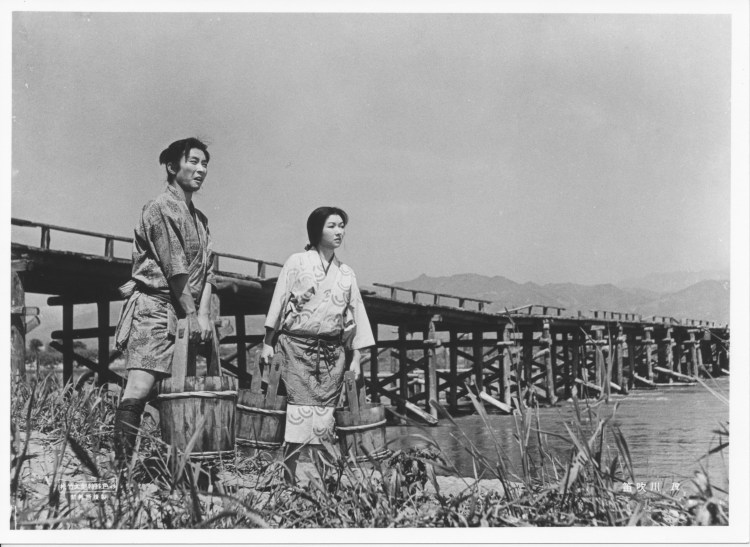
  • The River Fuefuki – period drama in which peasant brothers enlist in the Takeda army in order to escape their poverty.
  • Snow Flurry – drama following a mother and son treated as poor relations by the father’s noble family. Review.
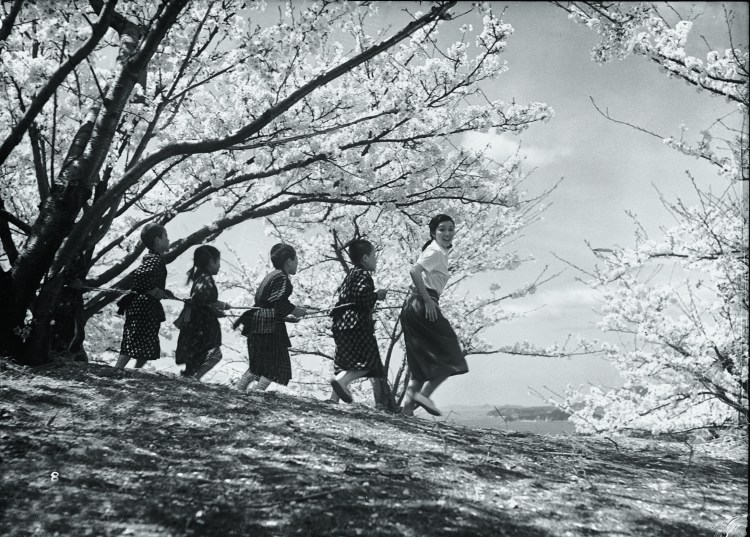
  • Twenty-Four Eyes – moving drama following a school teacher who is sent to a remote island in 1928 and witnesses it torn apart by the effects of war despite its physical distance.

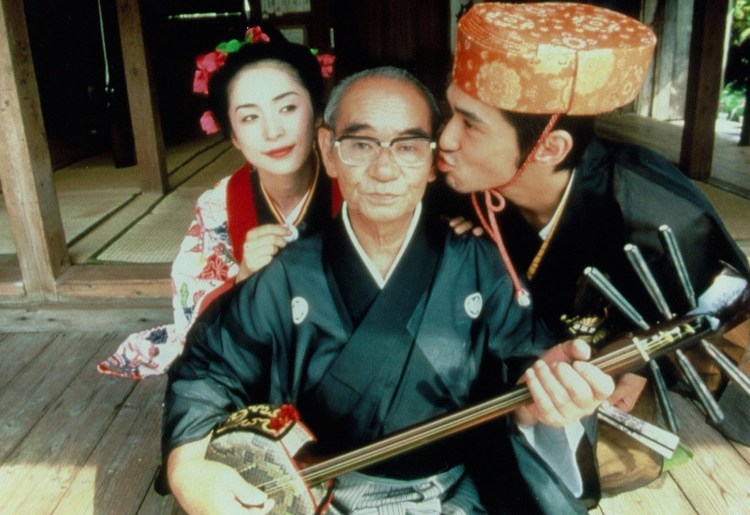
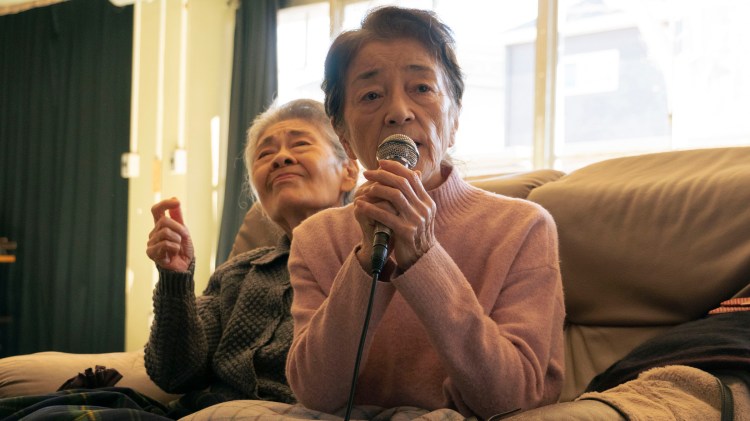
Nippon Connection takes place in Frankfurt, Germany from 6th to 11th June. Tickets are available now via the official website where you can also find full details on all the films as well as timetabling information. Unless otherwise stated, films screen in Japanese with English subtitles. You can keep up with all the latest information by following the festival on FacebookTwitterYouTubeFlickr, and Instagram.