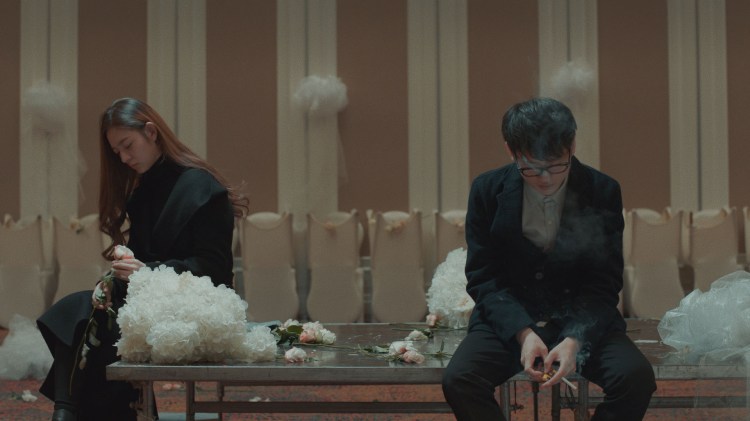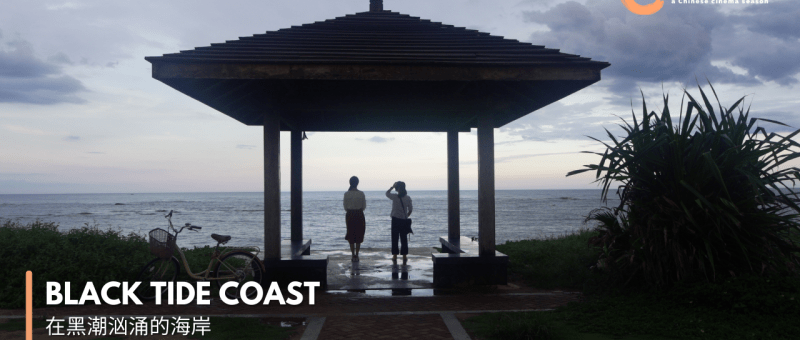
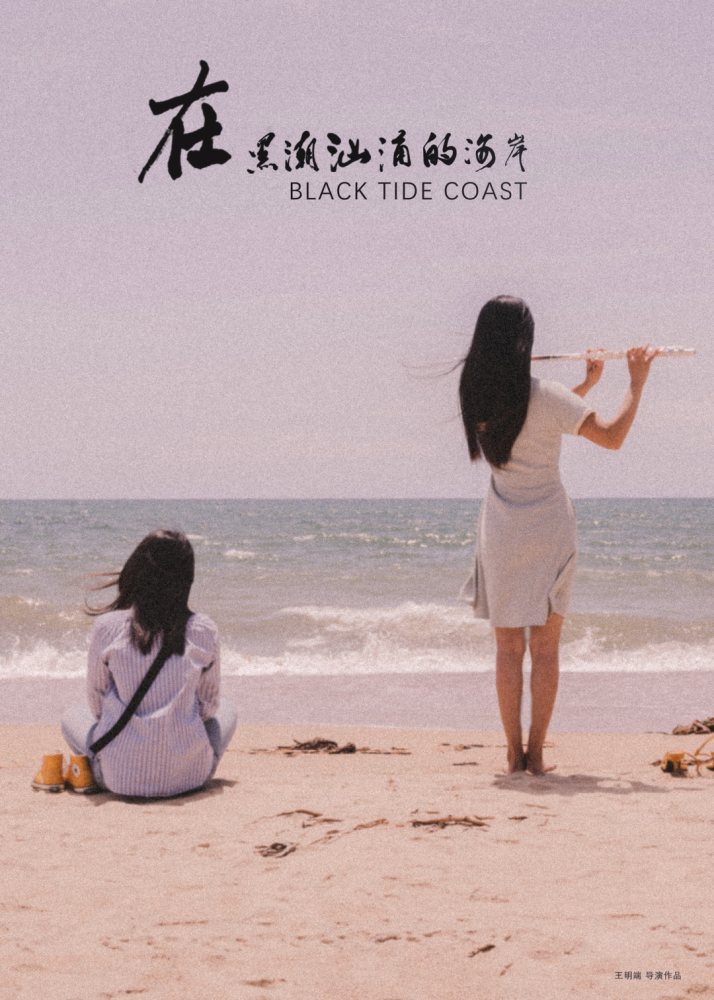
Black Tide Coast (在黑潮汹涌的海岸, Wang Mingduan, 2020)

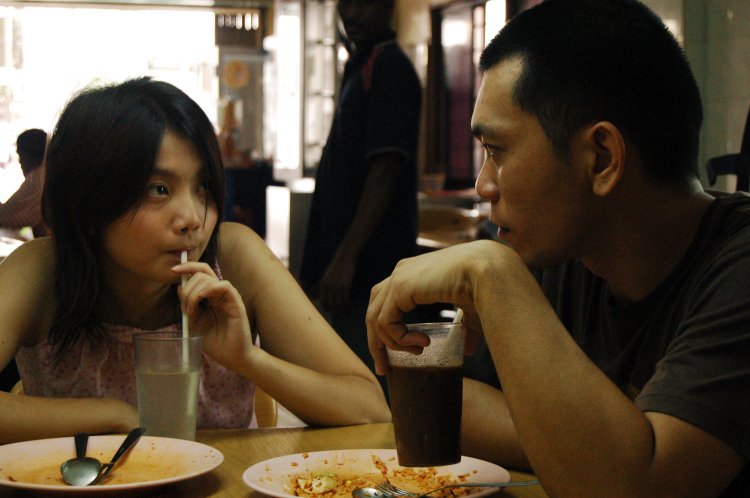
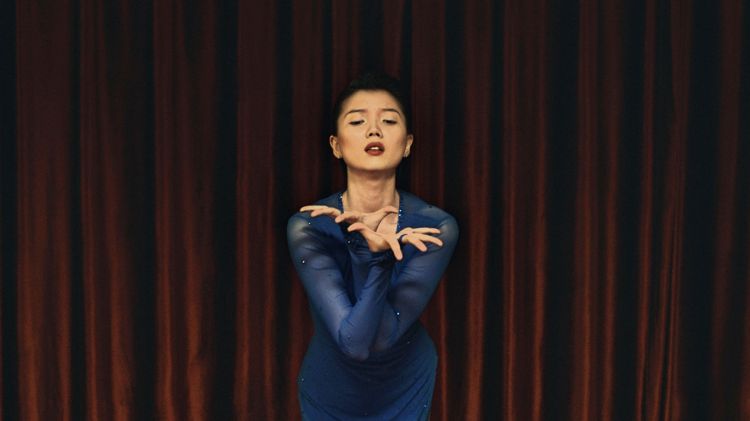
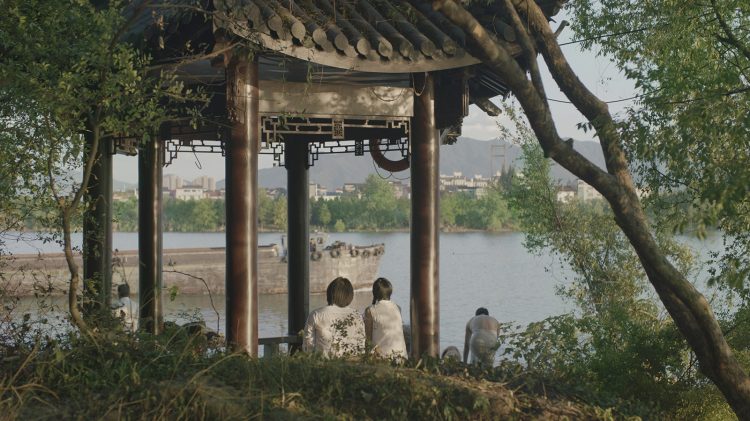
A lovelorn young woman travels the coast hoping to get a response from the sea in Wang Mingduan’s beguiling indie drama Black Tide Coast (在黑潮汹涌的海岸, zài hēicháo xiōngyǒng de hǎi’àn). A slice of slow cinema, the film finds its wandering heroine chasing the ghost of lost love while on an uncertain journey but eventually finding herself roped into a stage play short of an actress and befriending an equally lovelorn young woman on a similar yet stationery journey waiting for her love’s return. 

As the film opens in the summer of 2015 in Shandong, Qin is on a peaceful solo holiday during which she is supposed to meet up with a friend only he never shows up, all that’s left of him is a pair of glasses on the beach. Four years later she fetches up on the island of Hainan once again taking in the tourist sites but this time hanging out in a bar where they play classic movies from Taiwanese landmarks A Brighter Summer Day and The Boys from Fengkuei to the back catalogue of Eric Rohmer. After a while she is scouted to fill in for an actress who apparently has appendicitis in a surreal avant-garde play about a woman trapped in a strange place with a Squirrel who’s lost her pinecone, and a bear who doesn’t want to hibernate and leave her shadow behind. 

The tone is indeed Rohmeresque in its whimsy, Qin proceeding on her holiday in these very laid back places just generally hanging around in the sun. The Shandong trip is broken into several vignettes marked by title cards featuring the dates though Qin mainly does ordinary tourist things and later records her thoughts about the weather on her phone. She receives a phone call she doesn’t answer, but seems somehow lonely and a little lovelorn. Catching sight of happy couples in the streets seems to depress her, as does a romantic charm hanging by a shrine along with its pair which appears to be blank. 

It may be the possibility of blankness that frightens her even as it motivates her journey onwards as she eventually reveals travelling the coasts of China on foot looking for a sign from the sea. Meanwhile, she strikes up a friendship with Chen, the woman running the cafe, whose friend also deserted her four years previously only she has decided to stay put and is busy hosting a retrospective trying to screen all of the films he left written down in an unfinished notebook. Each of them seem to be in some way looking for a missing person, wondering if its possible to save a man lost at sea in the same way you can save a sunken boat while meditating on journey’s end and how you know when it’s time to leave a place in search of somewhere new. 

Qin herself describes her adventures on the island as like a dream in their absurdity, watching Classic French cinema in a beachside cafe and starring in a strange absurdist play. Wang’s trance-like transitions and oneiric mise-en-scène add to the dreamlike feel as does the poetic dialogue which leans towards the philosophical as the two women meditate on journeys, lost love, and incomplete quests while themselves searching to define their place in the world. In the end they have in a sense swapped places, Qin left behind or perhaps electing to pause her wandering while Chen decides to stop waiting handing the notebook to Qin as someone more familiar with its contents. Yet the closing coda may imply the two women have crossed paths before or that their fates are somehow linked while the closing poem seems to point towards their courage in continuing their respective journeys standing on the shore looking for a sign from the endless sea as if waiting for a letter from an absent friend. Dreamlike and ethereal, Wang’s delicate script offers no concrete narrative nor definitive message but perhaps suggests that the meaning lies in the journey itself and can only be discerned by those who are prepared to look. 


Black Tide Coast streamed as part of Odyssey: a Chinese Cinema Season.

Original trailer (no subtitles)
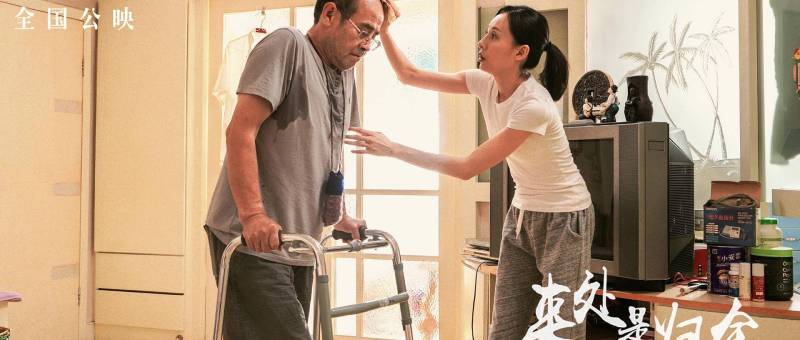
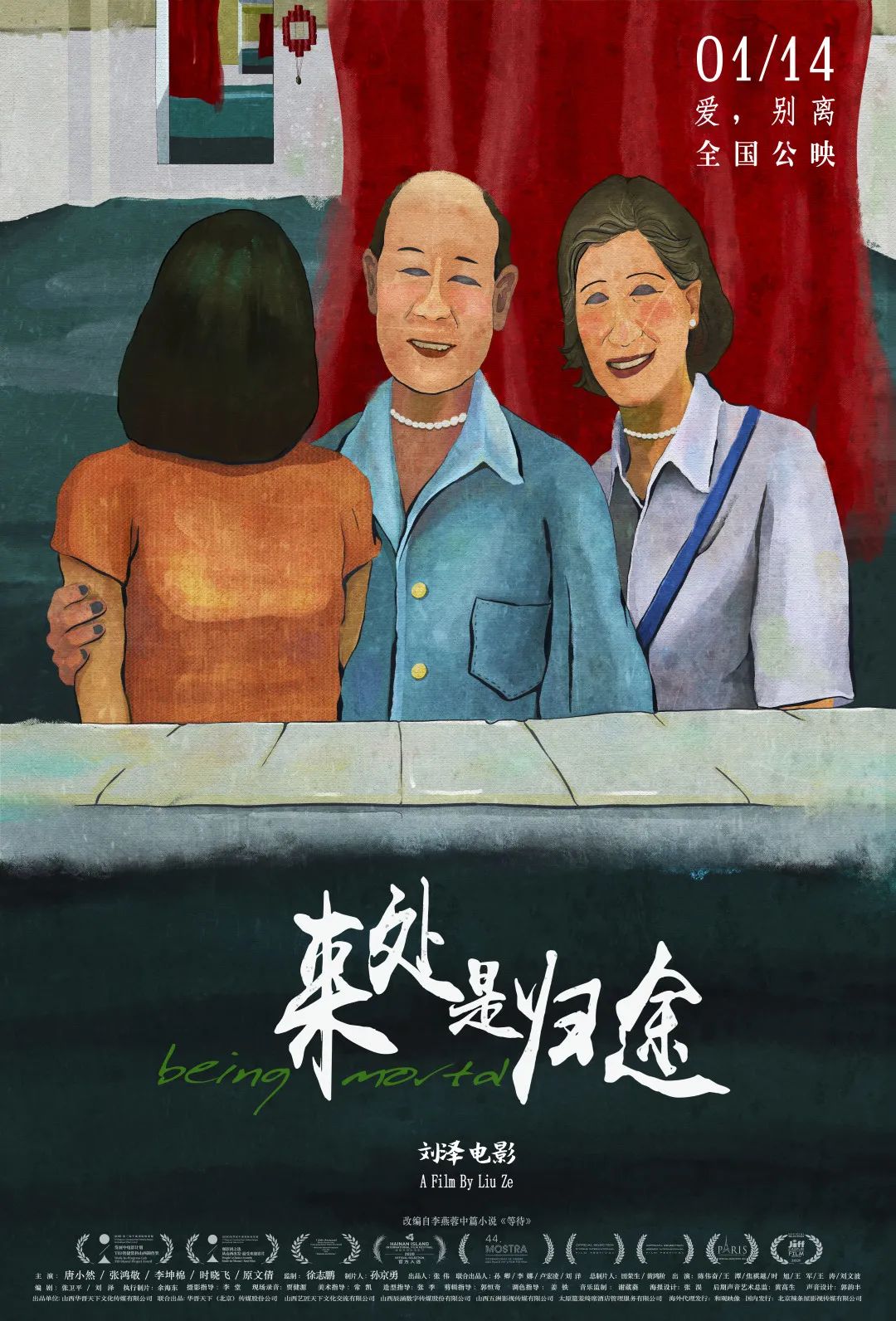
Being Mortal (来处是归途, Liu Ze, 2020)

A young woman finds herself haunted by a sense of erasure in Liu Ze’s moving family drama Being Mortal (来处是归途, lái chǔ shì guītú) adapted from the novel by Li Yanrong. As the title might suggest, the questions the heroine faces are those of mortality and of the realities of death and ageing in contemporary China as she struggles to decide what the best thing to do is when it comes to caring for her ageing parents. Highlighting both the social changes born of increasing modernity and the pressures of an ageing society, Liu’s drama has few answers but explores the strain caring for those who will not recover can place on those around them. 

At 30, Tian (Tang Xiaoran) makes the difficult decision to accept a job transfer and return to her hometown in order to help her mother, Wenxiu (Li Kunmian), care for her father, Jianguo (Zhang Hongjing), who has been suffering with dementia for the past few years. Though we do not hear much about her life in the city, it’s also true that part of the motivation for moving lies in her unsatisfying relationship with a married co-worker who refused to leave his family. A friend suggests that he may have been reluctant to make the move in part because of Tian’s responsibility to her father, viewing him as a burden he was unwilling to bear. At the wedding of a hometown friend, she rekindles a relationship with her high school boyfriend, Qin Mu (Shi Xiaofei), the two of them being the only ones among their classmates to have remained unmarried. But as both the romance and Jianguo’s illness progress, the need to care for him also places a strain on the couple’s relationship with constant confusion as to the shared responsibilities and uncertainty for the future. 

Tian does have an older sister, Hua (Wang Tan), who is already married and has a child of her own yet lives some distance away and is able to help only financially though her money is often refused. Feeling guilty and seeing the toll caring for Jianguo is taking on her mother and sister, Hua suggests that it might be time to consider a nursing home or else a professional carer but Wenxiu and Tian are reluctant believing they’d be abandoning him or failing in their responsibility of care. Even so the rapid progression of his dementia which intensifies when he is hospitalised with pneumonia places an increasing strain on the two women, Wenxiu at one point snapping and shouting at Jianguo after he has soiled himself. As the women argue, Qin Mu finds himself trying to clean the old man up only to be shooed away by a regretful Wenxiu after she’s pulled herself together and retreat to the bathroom where Tian can hear him retching. This momentary crisis brings the couple’s relationship to a crunch point, Tian telling Qin Mu he can leave and he doing so without much of a protest. 

Much of the drama revolves around the effects of Jianguo’s illness on those around him, but he often has heartbreaking moments of lucidity sobbing in terror and frustration the first time he wets himself as his wife and daughter even in their own shock and confusion do their best to help him. “I’m completely worthless” he later cries, returning a pained gaze and muttering “I’m sorry” before trying to stab himself in the neck after hearing Wenxiu snap “stop tormenting me” in a moment of frustration. Meanwhile he keeps saying that he wants to go home, back where they lived years ago haunted by the figure of a small boy reminding him of the son they lost to illness in childhood. 

Tian is perhaps lucky in that despite the One Child Policy, she does have a sister and is not entirely alone even in the spectre of her impending orphanhood no matter how her relationship with the similarly burdened Qin Mu may turn out as he contends with his hardline former soldier father pent up with his own sense of embittered resentment. Nevertheless, Liu captures a sense of the despair among women like Tian facing a series of dilemmas in considering the best way to care for her parents as they age while also worrying for her own future in a sometimes uncertain society. Though essentially low key and naturalistic determined to present a sense of everyday ordinariness Liu’s sweeping transitions between moments in time along with flights into Chinese opera and the occasional dream sequence lend a note of poignancy to the familial tragedy at the film’s centre. 


Being Mortal streamed as part of Odyssey: a Chinese Cinema Season.

Original trailer (English subtitles)

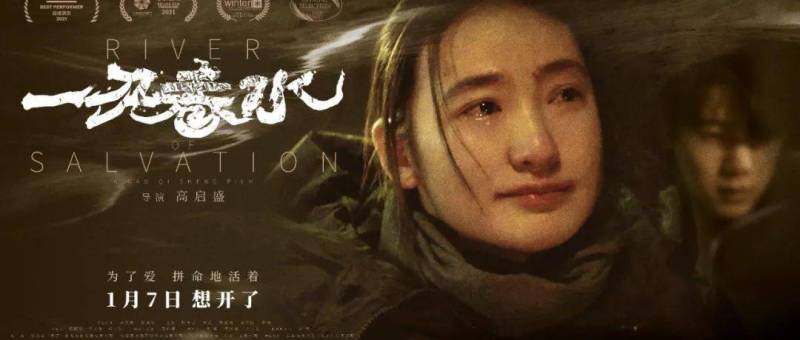
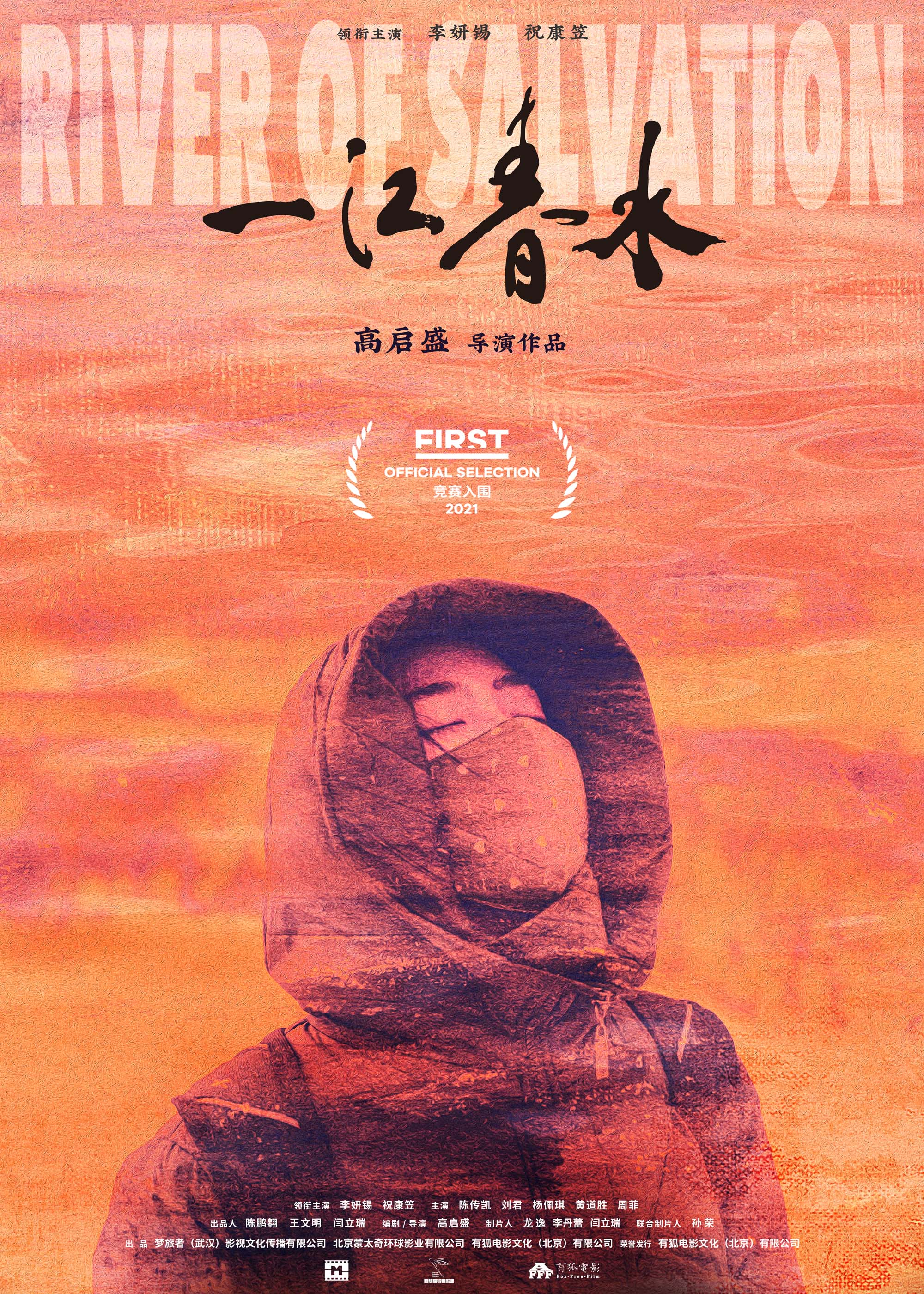
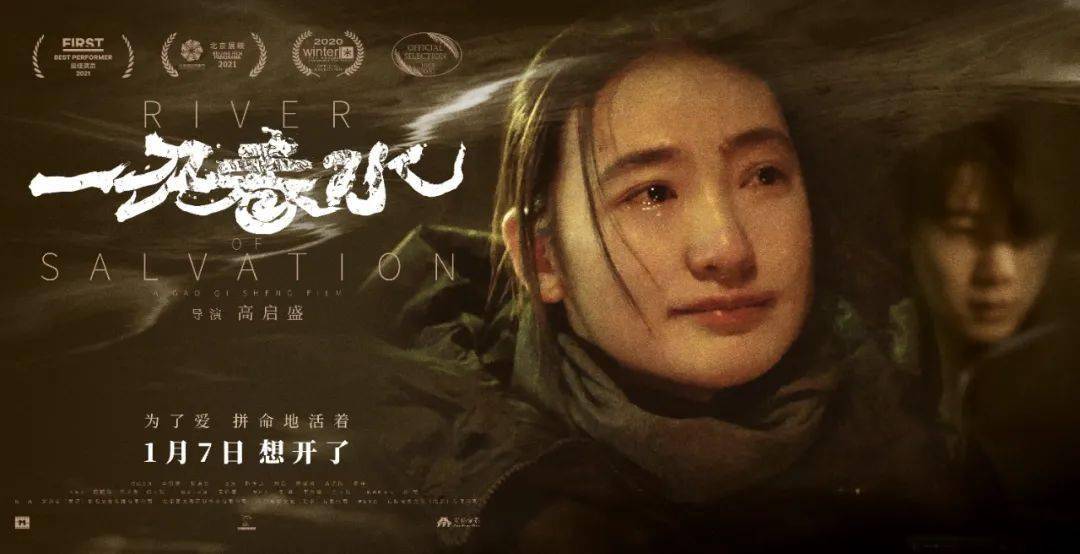
River of Salvation (一江春水, Gao Qisheng, 2020)

“But life’s supposed to be good, isn’t it?” the heroine of Gao Qisheng’s indie drama River of Salvation (一江春水, yī jiāng chūn shuǐ) asks an old lady who has just explained that she’s considered taking her own life because of its inescapable misery. The film’s title may in its way be ironic in that there’s no real sign of salvation for anyone in this quiet backwater of rural China where as we discover no one is quite who they say they are. 

The hopelessness of 32-year-old Rong’s (Li Yanxi) existence is emphasised in the opening scenes in which she gets dressed up and heads to the port to pick up her fiancé’s mother only to be told that she won’t consent to the marriage partly because her intended’s first wife was a refined, elegant woman of much higher status while her son, Sanqiang (Chen Chuankai), is rough and boorish. Rong walks home feeling humiliated but also as if a last shot at happiness has been taken away from her. Sanqiang is also her boss at the moribund massage parlour (seemingly legitimate and offering only foot massages) where she works which is itself in the midst of financial difficulty. Meanwhile, she’s also the sole carer for her 18-year-old younger brother, Dong (Zhu Kangli), who spends most of his time playing video games and hanging out with his delinquent girlfriend, Jing (Yang Peiqi). 

As dull as her life seems, we can also see that Rong has a degree of anxiety and may be attempting to hide something about her past. She seems unusually cagey when her friend and workplace colleague Jinhua (Liu Jun) tries to invite her to a recently opened dumpling shop while almost always wearing a face mask claiming to be allergic to UV light. When the police are called due to a workplace altercation, she finds herself hiding in the basement obviously not wishing to encounter them. Yet as she discovers pretty much everyone in this small backwater town is hiding something or as Jinhua puts it is different on the inside. The guy on the front desk (Xi Kang) has been embezzling money to cover a gambling problem while even the lovely old lady (Huang Daosheng) with whom Rong bonds has not been entirely honest with her even while selling dreams of a better life. 

The central crisis is itself motivated by dishonesty in Jing’s claim that she is pregnant, later (perhaps falsely) stating that she made the whole thing up in order to test Dong shortly after reciting her own tearful monologue about the kind of life she wants but fears she can never have. The relationship between Jing and Dong encourages Rong to reflect on her own adolescence which contains more than a few troubling elements the film never sufficiently explores even while it becomes clear that she is haunted by guilt over something which is later revealed to be a triviality. People ask her if she hasn’t thought of moving on, but she tells them that she doesn’t know how to do anything else essentially trapped in dead end small-town China where the only hope of escape seemingly lies in marrying a man with means. 

Making up her mind, Rong begins teaching Dong how to be independent in the light of her impending absence while he too steps into adulthood in finding his own direction and striking out in search of it. Having faced her past, Rong quite literally burns her mask perhaps hinting at a return to a more authentic self yet pushed into a strategic retreat released from the purgatorial limbo of her small-town life but left with no place to go. Shot in 4:3, Gao’s static camera lends an additional air of stagnation to Rong’s otherwise stultifying existence which is not itself unhappy except in its concurrent anxiety and pervasive sense of hopelessness. There may be no river of salvation, but Rong does at least begin to unpick the duplicities of the world around her in unmasking the various personas she encounters while digging out their hidden truths until finally deciding to face her own and gaining with it a kind of liberation if not perhaps one which engenders a great deal of hope for the future. 


River of Salvation screens in London at Picturehouse Finsbury Park, 17th May as part of Odyssey: a Chinese Cinema Season.

Original trailer (Simplified Chinese / English subtitles)

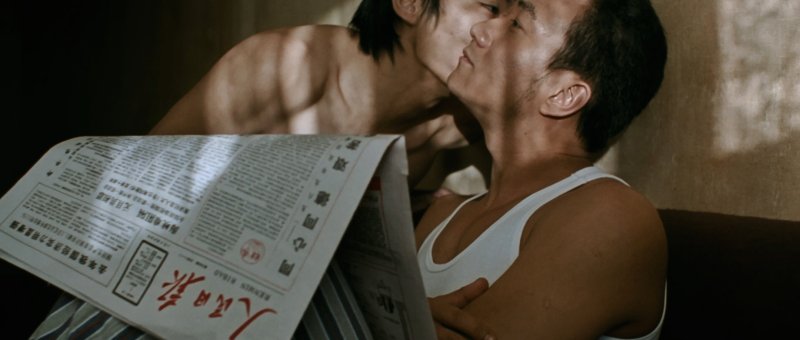
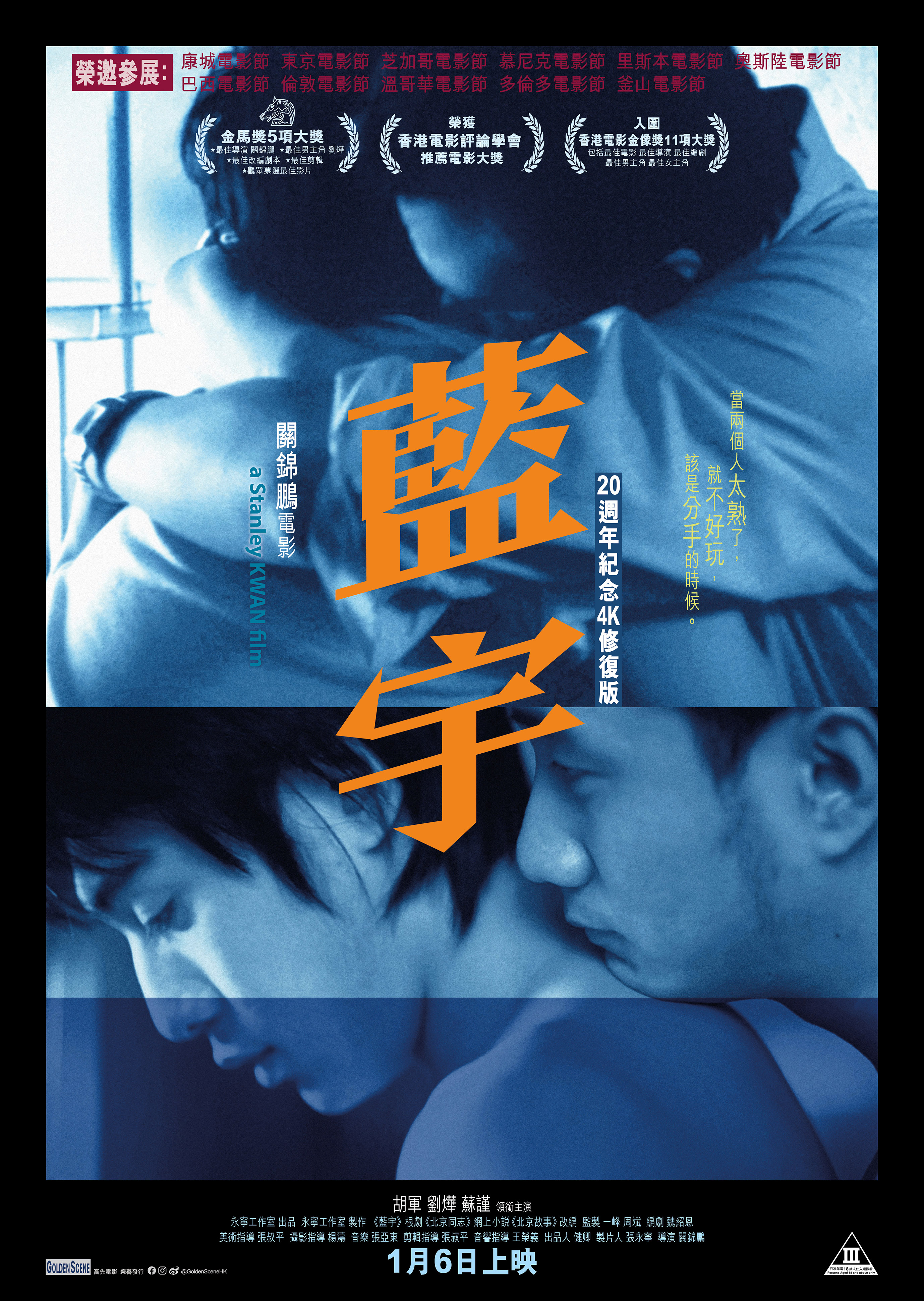
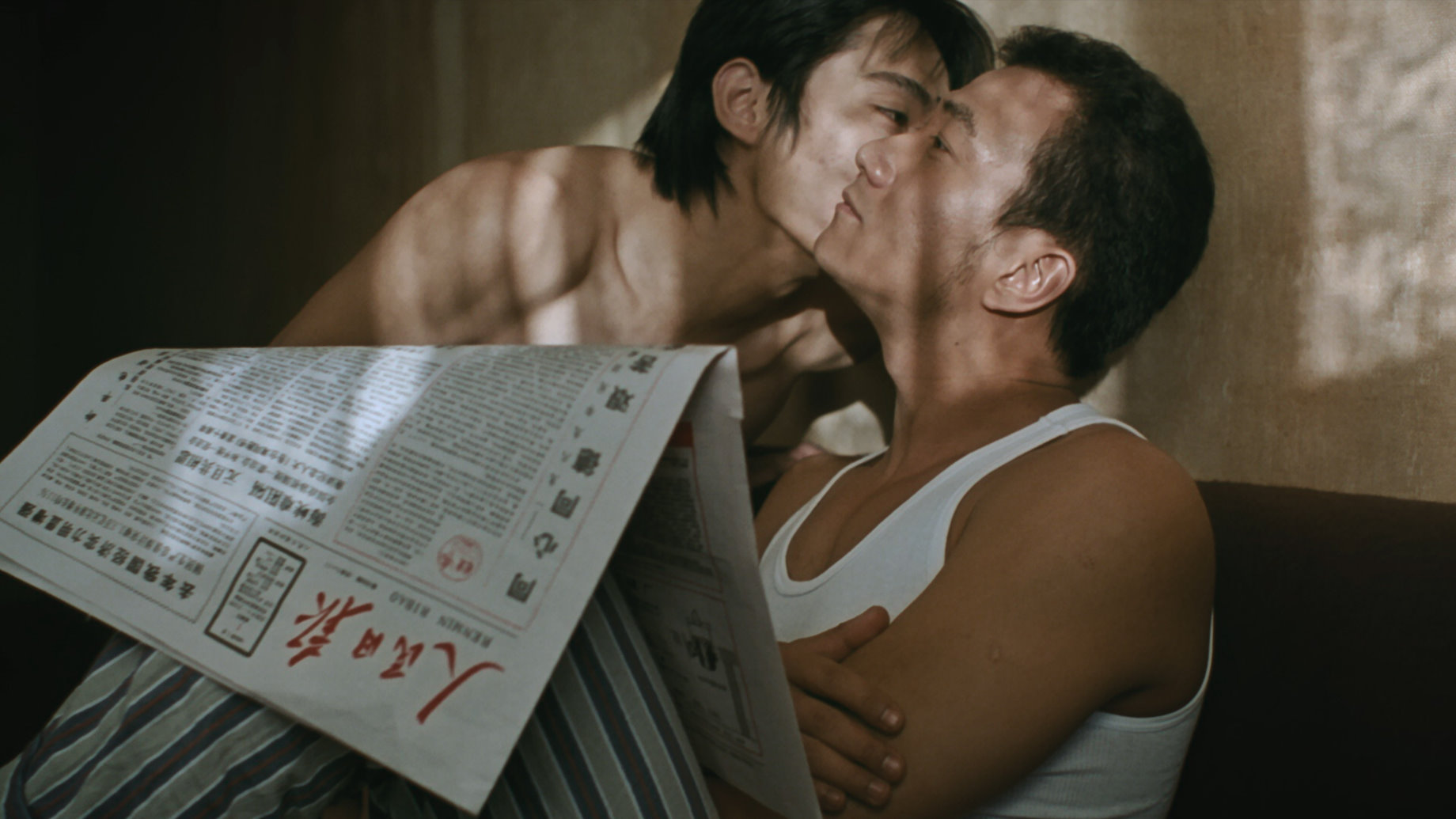
Lan Yu (蓝宇, Stanley Kwan, 2001)

“It’s not really over as long as there are memories” the cynical hero of Stanley Kwan’s haunting romantic tragedy, Lan Yu (蓝宇, Lán Yǔ), is reminded by his earnest lover only to find himself both immersed in and comforted by nostalgia, “because I feel you never really left”. Inspired by a subversive yet hugely popular erotic LGBTQ+ web novel thought to have been written by a Chinese woman in exile in the US Kwan’s aching melodrama is one of very few Mainland films to deal directly with the subject of homosexuality but is also a melancholy meditation of the frustrated liberations of post-Tiananmen China. 

In 1988, hero Handong (Hu Jun) is perhaps the personification of an age of excess. In a sharp suit and sunshades, he plays the ladies man while repressing his homosexuality in an act of superficial conformity. His money can buy him anything, and to begin with it buys him Lan Yu (Liu Ye) a cash-strapped architecture student turning to sex work to make ends meet, only to discover himself drawn to this “weird” young man who doesn’t really care about his consumerist success save asking with a melancholy air if he’s ever been to America. As we later discover, Lan Yu had wanted to study abroad but travel was not such an easy matter in late ‘80s China while even some years later he has trouble organising a passport and visa. Handong as a wealthy businessman may have no such trouble, perhaps his money really can buy him anything after all even a superficial sense of liberty in what is still an oppressive and authoritarian society. 

For Handong, sex with men may be a way of expressing a freedom he does not really believe he has endangering his relationship with Lan Yu by picking up another random student in a park while reminding him that “this kind of stuff isn’t serious”. “So what is serious for you?” Lan Yu not unreasonably asks, but it may be a difficult question for Handong to answer. What’s serious for Lan Yu is the authenticity of his feelings. He is uninterested in Handong’s wealth, saving the money that he gives him rather than spending it, ironically making good on Handong’s joking suggestion “maybe you’ll bail me out if I’m broke one day”. 

In the pivotal sequence set against the backdrop of the Tiananmen Square protest, it is nevertheless Handong who finds a kind of liberty in accepting the reality of his feelings for Lan Yu overcoming his internal conditioning which convinces him that love is a weakness. Meanwhile, Lan Yu’s revolution evidently fails in the chaos of the protests, Handong cradling him as he weeps for all he’s seen. It’s this liberation that allows them to engage in a conventional romance, Handong buying a suburban villa he puts in Lan Yu’s name where they can live together as a couple albeit discreetly. But in the end Handong cannot let go of a sense of conventionality, eventually sacrificing his love for Lan Yu for a traditional marriage which later fails presumably because of its essential inauthenticity or at least Handong’s inability to accommodate himself with it. 

Torn in two, he makes his money through dodgy deals with Russian businessmen themselves perhaps also experiencing a degree of political confusion. They turn down Handong’s invitation for champagne hinting they’d rather go shopping for their wives. Yet Handong also aspires towards Japan, then at the height of its economic success, buying fancy clothes for country boy Lan Yu which lend him the air of a sophisticated Tokyoite. But Japan like China and Russia is also about to experience a moment of instability quite literally bursting Handong’s bubble while he is left to carry the can for his company’s not entirely above board business practices after his influential father dies. Saved by Lan Yu’s unwavering love for him, he abandons his consumerist conceits and immerses himself a world of simple comforts living in his small flat which is, ironically enough, rented at a preferential rate from Lan Yu’s Japanese boss. 

Through his various experiences, Handong rediscovers a sense of pure joy and contentment in his newly simple life of domesticity in which his relationship with Lan Yu appears to be accepted by his sister, brother-in-law, and best friend, but Kwan hints at sense of uncertainty in the anxious canted angles and frequent mirror shots that return us to the opening sequence. The men have in a sense exchanged roles, Lan Yu now guiding Handong in this changing society. Yet the bleakness of the ending suggests that these changes will never come to fruition, a literal construction accident resulting in a romantic tragedy that leaves Handong both trapped and comforted by the nostalgic past in the memory of Lan Yu and the idea of the better society he came to embody. 


Lan Yu screens in London at Prince Charles Cinema 12th May as part of Odyssey: a Chinese Cinema Season.

Trailer (English subtitles)

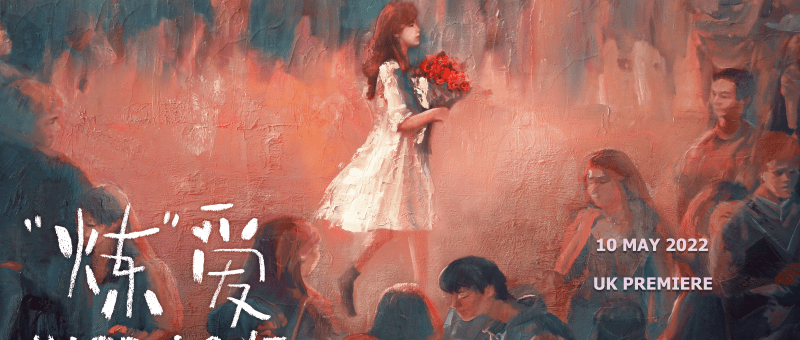
Hard Love (“炼”爱, Tracy Dong, 2021)

China’s rapid transformations throughout the 20th century have created perhaps not one but many generational divides. Even so the largest fracture point between the older generation and their offspring may be in their contradictory views of the institution of marriage. In a society where women are notoriously “Christmas caked” at 25, Tracy Dong’s Hard Love (“炼”爱, liàn ài) follows a series of women mainly in their 30s who are for various reasons currently attached. Though none of the women have entirely rejected the idea of marriage and or the traditional family it’s also true that they have different motivations, desires, and requirements than their mothers or grandmothers may have had. 

Indeed, in contrast with other nations where women are often invited to mixers and speed dating evenings for free because fewer attend, the organiser of an event at the film’s beginning laments that he can never find enough men. Some voices in the older generation wonder if men have simply lost interest in dating because there are of course so many other things to do in the contemporary society besides of course from the pressures of work. Others suggest that some women put too much pressure on their men to provide comfortable lives, though many of them also cite the changing nature of gender roles as a possible explanation suggesting that men feel emasculated and unnecessary in a world of independent women. 

Each of the women we see has achieved a degree of success and is in no need of a man to be able to support themselves in the modern society. In the film’s opening sequence, the camera pans over a series of banners at a marriage market in a park advertising older women looking for love many of whom already own property and have impressive careers. Meanwhile, their criteria for potential matches has also risen, many listing a minimum height requirement, educational background, or degree of professional attainment. They don’t call it a marriage market for nothing, many modern women seem to be approaching looking for a husband in the same way one would look for a house or job working off a checklist with a series of red lines on which they are unwilling to compromise. Perhaps you could see this as a kind of commodification and evidence of the victory of consumerism in the modern China, yet on the other hand perhaps it’s more that these women know what they want and that they deserve more whereas their mothers have been convinced that they should be grateful for whatever they can get. 

Meanwhile, as a man points out, the men around their age are mostly looking for younger women in part for practical reasons because they intend to start a family soon after marrying. Few are willing to consider a woman who has been married before or already has children, many still possessing a chauvinistic mindset threatened by a successful woman’s independence. One woman, Yue, recounts that her boyfriend’s mother took against her thinking that the apartment she shared with her son was too big and therefore an unfair burden on him even though Yue herself was shouldering the majority of the rent a factor which also seems to have eaten away at their relationship. Later she begins to date a sympathetic man who seems nice and says all the right things but still flirts with another woman while they’re out together. 

The implicit conclusion that each of the women seems to come to, though mostly by accident, is that they have other things in their lives more important to them than finding a husband. Career woman Maggie is taken to task by a friend who implies she’s unfeminine in being too “rational”, but reveals that the only experience she’s had that conforms to his description of love is when she was working for Uber. On a recent date on a yacht she thought she was falling in love but soon realised that what she liked wasn’t the guy but sailing. Another woman meanwhile describes Hello Kitty as the love of her life, while former actress Tao dedicates herself to caring for her daughter but contradictorily considers hiring an actor to play the father so she won’t feel left out. While the men especially in the older generation may have become a little romantic and sentimental, retreating from a consumerist trend in appealing to emotion, the women have begun to realise that marriage isn’t the be all and end all. Open to the possibility, they see no need to wait or settle for less but will continue living their lives whether Mr. Right decides to make an appearance or not. 


Hard Love screens in London at Picturehouse Fulham and in Edinburgh at Picturehouse Cameo on 10th May as part of Odyssey: a Chinese Cinema Season.

Odyssey: a Chinese Cinema Season Announces 2022 Programme

Odyssey: a Chinese Cinema Season launches in the UK on 10th May in a hybrid format with the majority of films available to stream online via the festival’s streaming platform while three films will also screen in cinemas including the opening night which takes place simultaneously in London and Edinburgh. A series of short films will be available to stream throughout the festival, while feature strands will rotate weekly until the festival closes on June 10. Features included in this year’s programme:

In-person screenings

Hard Love (2021)

10th May 7.30pm

London Venue: Picturehouse Fulham, 142 Fulham Rd., London SW10 9QR

Edinburgh Venue: Picturehouse Cameo, 38 Home St, Edinburgh EH3 9LZ

Tracy Dong’s observational documentary follows a series of single women in their 30s each of whom continue to chase a conventional marriage exploring what it is marriage means to them in the contemporary society and if in the end it’s something they want or need.

Lan Yu

12th May, 6.30pm

The Prince Charles Cinema, ​​7 Leicester Pl, London WC2H 7BY

Recent restoration of Stanley Kwan’s Mainland drama in which a businessman, Han-dong, falls in love with college student Lan Yu against the backdrop of the Tiananmen Square protests.

River of Salvation

17th May, 7.30pm

Picturehouse Finsbury Park, Unit 1 Cinema LS, 17 City N Pl, London N4 3FU

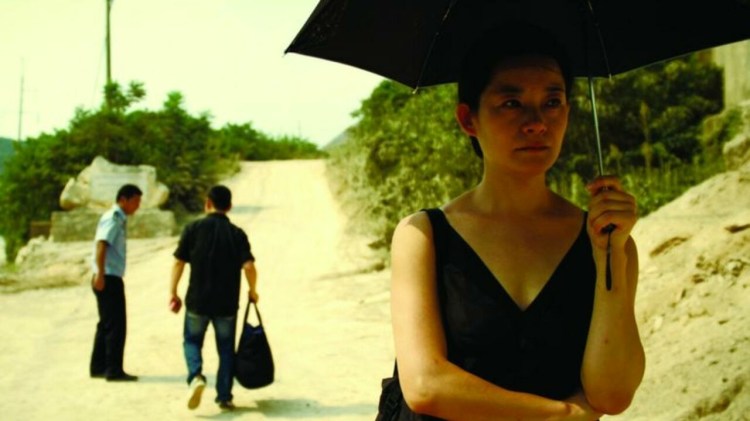
When the younger brother she had been taking caring of comes of age, a young woman returns to her hometown and confesses to a murder in Gao Qisheng’s crime drama.

Online

12 – 19th May: The Emerging Waves

  • Being Mortal – drama in which a young woman gets a job transfer to her hometown in order to look after her father who has been living with Alzheimer’s for the last 10 years.
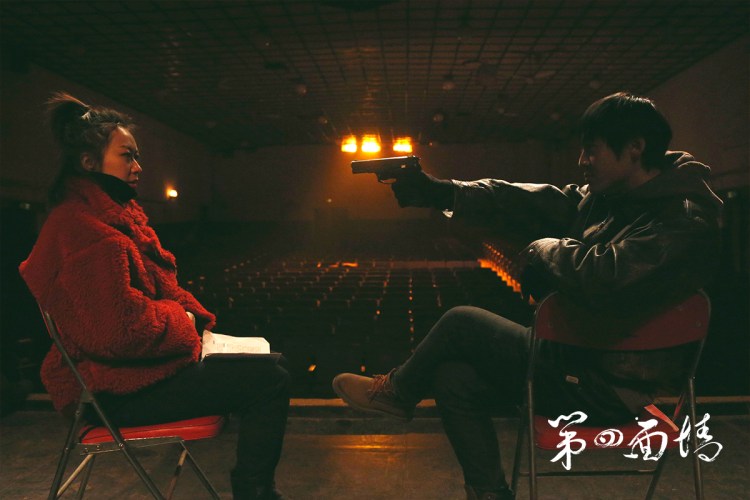
  • The Fourth Wall – a wounded young woman finds herself falling through a hole in her consciousness in pursuit of a lost deer and childhood friend in Zhang Chong and Zhang Bo’s twisty psychological drama. Review.
  • Black Tide Coast – poetic drama in which a woman continues to pine for a missing friend.
  • The Ark – documentary following a woman who becomes seriously ill with a non-COVID medical problem during the coronavirus pandemic.

27th May – 2nd June: Women Through the Lens

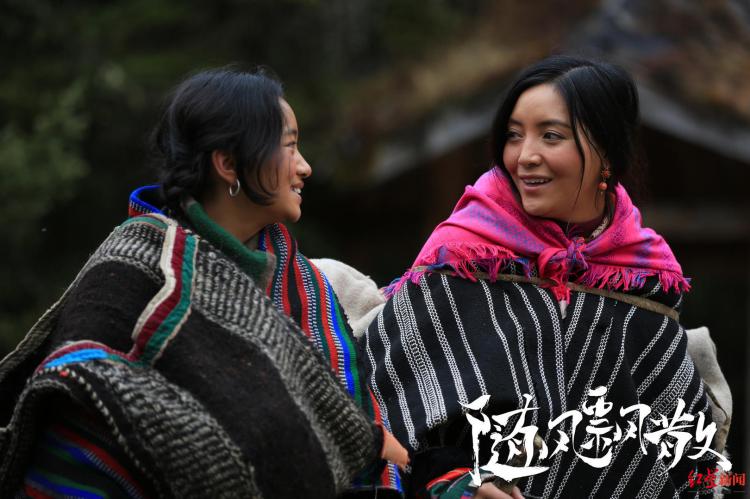
  • Wind – Tibetan drama in which a young woman is shunned for her illegitimate birth but decides to challenge tradition.
  • Love Conquers All – Malaysian drama from Tan Chui Mui in which a young woman from Penang embarks on a dangerous relationship after travelling to Kuala Lumpur.
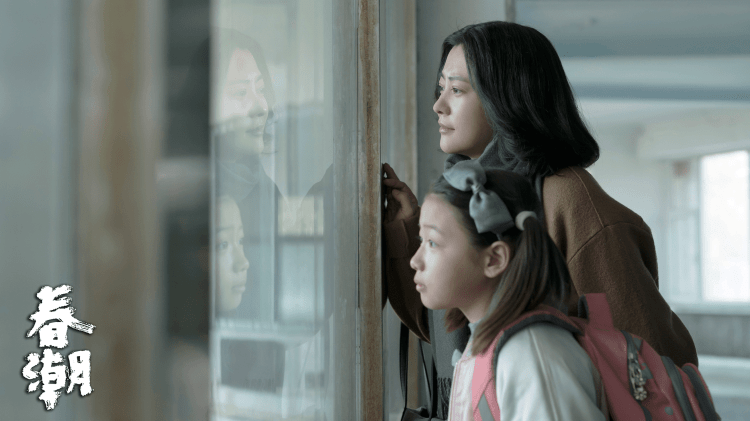
  • Spring Tide – an alienated investigative journalist struggles to free herself and her 9-year old daughter from the legacy of toxic parenting both personal and national in Yang Lina’s powerful family drama. Review.
  • One Summer – a wife investigates after her her husband is suddenly arrested.
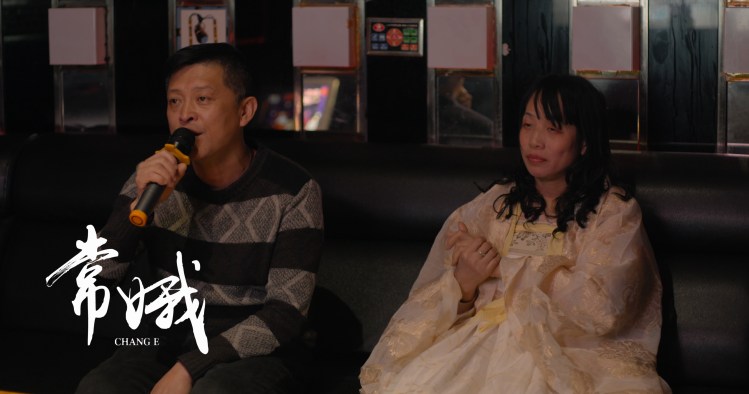
  • Chang’E – romantic drama in which a 55-year-old machine operator falls for a man who arranges “Zaku” death ceremonies.
  • Only You Alone – a young woman with epilepsy strives to achive her dreams of becoming a dancer.
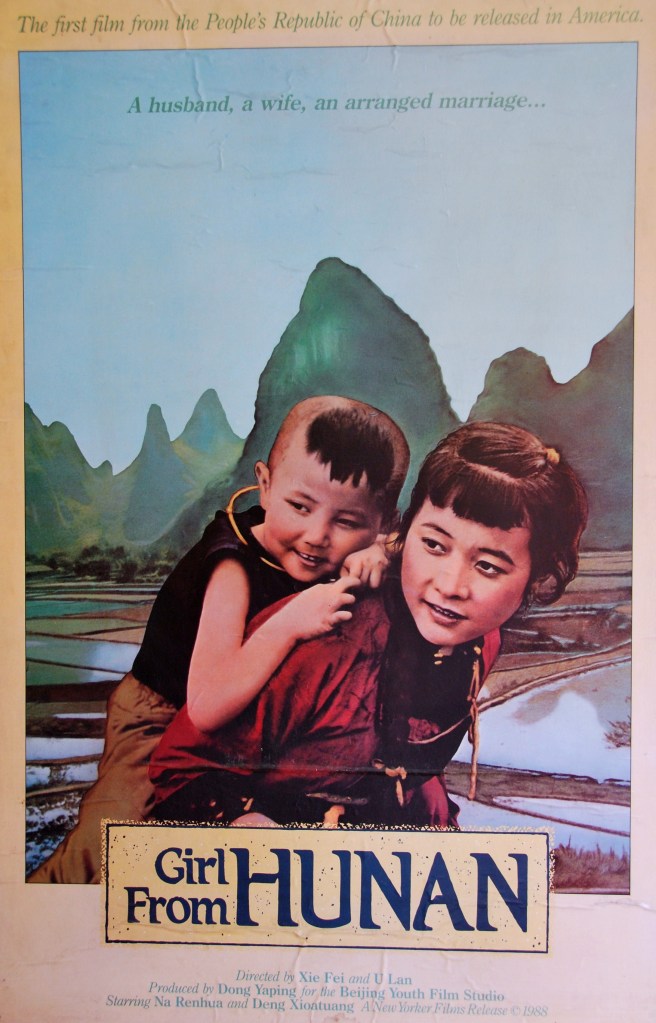
  • Girl from Hunan – Co-directed by U Lan and Xie Fei, A Girl From Hunan follows the fortunes of Xiao Xiao as she is married off at 12 years old to a boy who is only an infant and finds herself more mother than wife only to later fall for a handsome farm hand.

3rd to 19th June: Chinese Regional Cinema

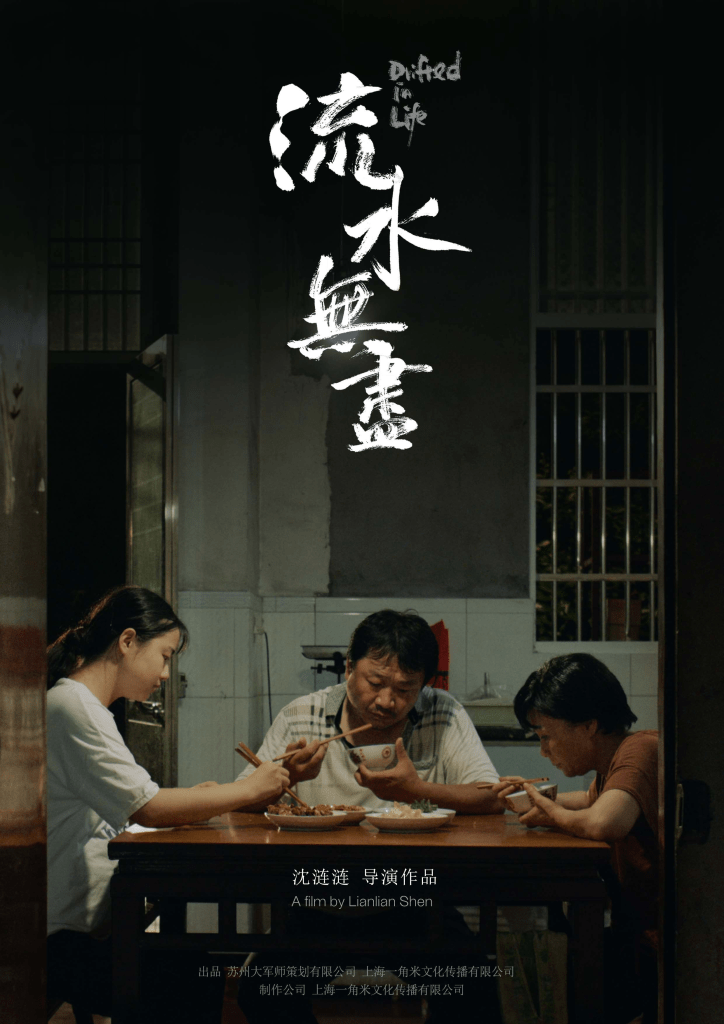
  • Drifted in Life – family members are forced to confront themselves after grandpa has an accident.
  • Dwelling in the Fuchun Mountains – slow cinema drama following four brothers living in the tranquil Fuyang countryside.
  • Wisdom Tooth – A young woman’s pain and confusion with the world around her is manifested as a dull ache in her jaw in Liang Ming’s icy coming-of-age drama. Review.
  • Great Happiness – ensemble drama following three childhood friends who grew up under the One Child Policy.

Odyssey: a Chinese Cinema runs 10th May to 10th June online in the UK via Shift 72 with three in-person screenings taking place in London and Edinburgh. Tickets for the in-person screenings are already available via their respective venues. Passes for the online festival will be available shortly while rentals individual films are already available for purchase. Full details for all the films are available via the streaming platform, and you can keep up with all the latest news by following the festival on Instagram and Twitter.