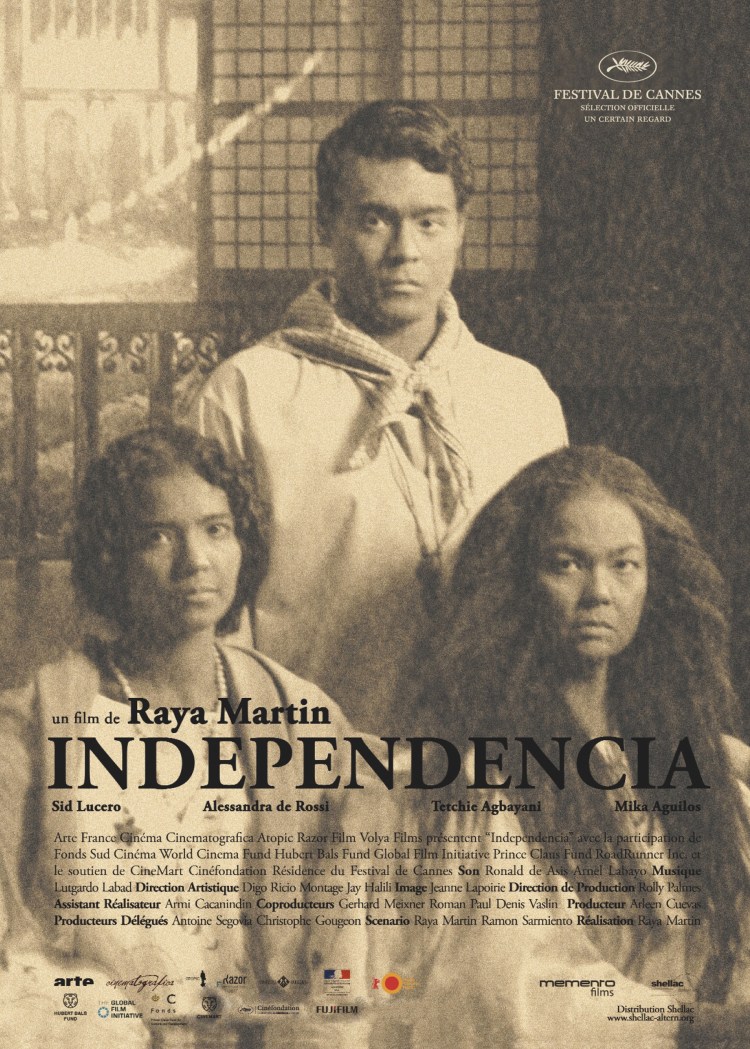
 Though only 24 at the time of Independencia’s release, Raya Martin had already amassed a reputation as an ambitious iconoclast, a director of “slow cinema” who made a fast start on a wide-ranging series of films dealing with the complicated business of his nation’s history and identity. Like many Philippine arthouse directors, Martin’s work is necessarily bound up not just with history itself but with its mediation or more specifically how cinema reflects and refracts on these increasing complications.
Moving on from 2005’s A Short Film About the Indio Nacional, Independencia opens with a raucous street scene as a collection of local townspeople attempt to celebrate the longed for liberation from Spanish rule. The party is interrupted by gunshots. A middle-aged man looks off into the middle distance and exclaims that “they” are coming. The Philippines will not be free after all, it has merely swapped one master for another as the Spanish have sold it to the Americans, rendering their declaration of independence nothing if not premature.
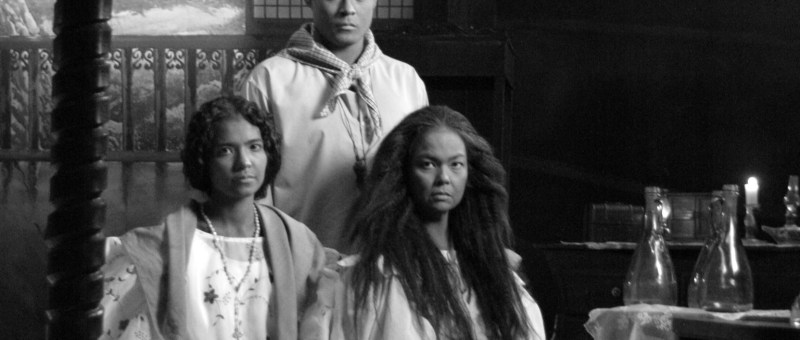
A tough middle-aged woman (Tetchie Agbayani) is not prepared to wait around to be recolonised and orders her less forthright son (Sid Lucero) to accompany her into the jungle where they will live their lives away from the chaos of war with no masters but themselves. Mother and son discover a small hut apparently abandoned by Spanish colonists of ages past and adopt it as their own, growing their own crops (such as they can) and learning to live off the land as their ancestors had, a skill taken from them by the false promise of urban civility. Some time later the son discovers an injured woman (Alessandra de Rossi ) in the jungle, who seems to have been raped and beaten by American troops.
Gradually the mother, son, and putative daughter-in-law shed their colonial corruptions by exchanging their Spanish clothes for those of forest dwellers, the son’s hair now long, and the cross around his neck the only reminder of his former life while he tells his son (or, more precisely the son of the woman he found in the jungle he is raising as his own) altogether older tales of magic amulets and snake fighting ancestors, conjuring a new mythology from the ashes of the old.
Martin’s mythology is resolutely cinematic. Shooting in black and white academy ratio, he adopts the style and aesthetics of a early talking picture, aping the visual language associated with the new occupying forces (though perhaps retrospectively). After leaving the town, the mother and her son find themselves in is not a real jungle but an obvious stage set with a painted matte backdrop behind it. As the family (or families) make their lives in this artificial world the trees behind them begin to thin out, the threat of the outside world always encroaching on the “independence” they are seeking to build for themselves.
The film is split into two by the incongruous presence of a propaganda reel, shot on messy handheld and depicting an American soldier shooting dead a peasant boy who pretended to steal an egg from a marketplace as a joke. The soldier poses over the child’s body like a big game hunter while the vendor looks on appalled. The cheesy voice over reminds us that this should be “lesson to all those people who do questionable things justifying them as innocent jokes”. The troops, it assures us are “everywhere”, ensuring that the streets are safe in this “time of crisis”.
Meanwhile, the family can hear gunshots just as the revellers did in the beginning and they realise their days of independence are numbered. The boy, growing older, is curious about his world, having only the tales of his mother and father to go by, not understanding the danger that surrounds him. He is fascinated by a “golden figure” whose hair and body shine so brightly he can hardly see them, but the boy is also out of place here constantly lost in the jungle that ought to be his home. The son, now losing his sight, exclaims that strange things have entered the forest – wonderful and terrible things, but that the “one who is bathed in light” will protect them.
Yet the figure which presents itself at the climactic moment is not one of light but of darkness, opaque and faceless. Left alone, the boy is faced with encroaching invaders on one side and a rapidly shrinking forest on the other. His choice is one of no choice, but he does, in a sense at least, choose his independence in the only way that is left to him.
Available on R0 DVD from Second Run.
Original trailer (English subtitles)
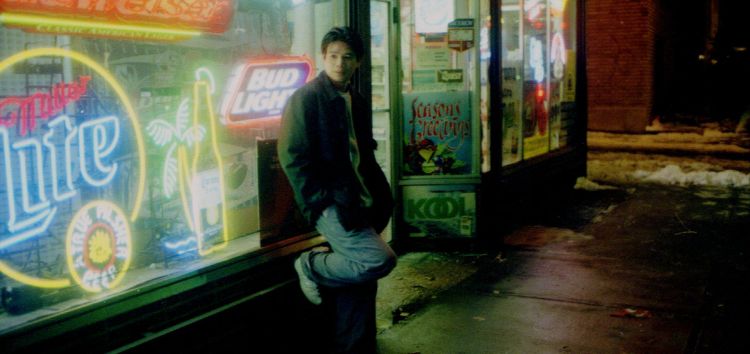 Lav Diaz’s auteurist break through, Batang West Side is among his more accessible efforts despite its daunting (if “concise” by later standards) five hour running time. Ostensibly moving away from the director’s beloved Philippines, this noir inflected tale apes a police procedural as New Jersey based Filipino cop Mijares (Joel Torre) investigates the murder of a young countryman but is forced to face his own darkness in the process. Diaspora, homeland and nationhood fight it out among those who’ve sought brighter futures overseas but for this collection of young Filipinos abroad all they’ve found is more of home, pursued by ghosts which can never be outrun. These young people muse on ways to save the Philippines even as they’ve seemingly abandoned it but for the central pair of lost souls at its centre, a young one and an old one, abandonment is the wound which can never be healed.
 If
If 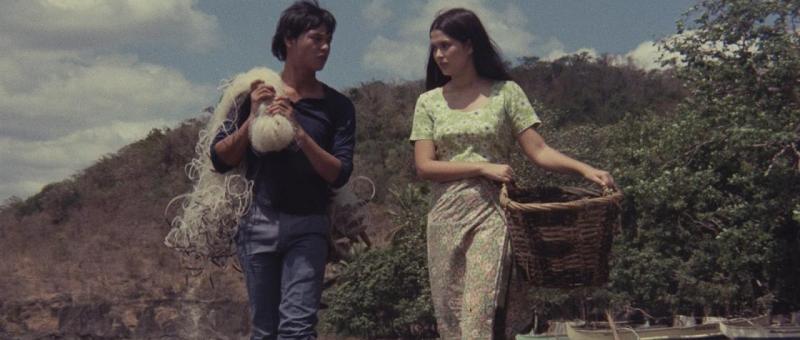
 About half way through Lino Brocka’s masterpiece of Philippine cinema Manila in the Claws of Light (Maynila, sa mga Kuko ng Liwanag), the hero, Julio (Bembol Roco), sits watching the window where he thinks the woman he loves may be being held prisoner as a trio of guitar players strums out The Impossible Dream, unwittingly narrating his entire story. Julio is no Don Quixote but he has his own Dulcinea and, as the song says, without question or pause he is ready to march into hell for the heavenly cause of rescuing her from clutches of this cruel city. Not quite content to love pure and chaste from afar, Julio plays Orpheus descending into the underworld, plunged into a strange odyssey through a harsh and indifferent world driven by mutual exploitation and the expectation of violence.
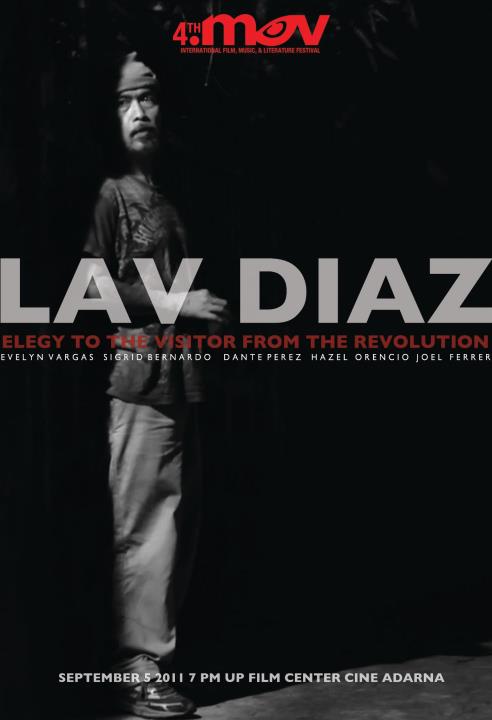 Lav Diaz is many things but he’s not especially known for his brevity. Elegy to the Visitor From the Revolution (Elehiya Sa Dumalaw Mula Sa Himagsikan) is something of a departure in that regard as it runs a scant eighty minutes but is, nevertheless, imbued with the director’s constant themes of loss, melancholy and despair conveyed across a tripartite structure peopled by three very different yet interconnected sets of characters. To say “only” eighty minutes long, yet Elegy to the Visitor From the Revolution first began as a one minute short, intended to form a part of Nikalexis.MOV – an omnibus dedicated to the memory of film critics Alexis Tioseco and Nika Bohinc tragically killed during a home invasion. Diaz’ film, however, outgrew its origins to become a stand alone feature in its own right.
 “Why is there so much madness and too much sorrow in the world? Is happiness just a concept? Is living just a process to measure man’s pain?” asks a key character towards the end of this eight hour film, but he might as well be speaking for the film itself as its director, Lav Diaz, delivers another long form state of the nation address. This is a ruined land peopled by ghosts, unable to come to terms with their grief and robbing themselves of their identities in an effort to circumvent their pain. Raw yet lyrical, Diaz’s lament seems wider than just for his damaged homeland as each of its sorrowful, disillusioned warriors attempts to reacquaint themselves with world devoid of hope.
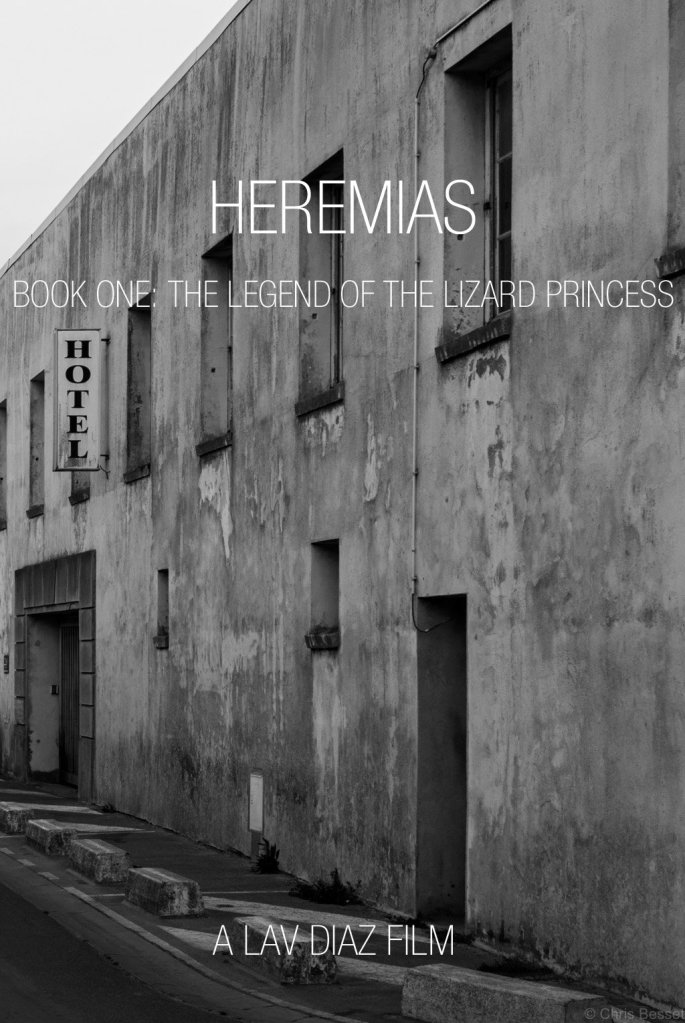 Lav Diaz has never been accused of directness, but even so his 8.5hr epic, Heremias (Book 1: The Legend of the Lizard Princess) (Unang aklat: Ang alamat ng prinsesang bayawak) is a curiously symbolic piece, casting its titular hero in the role of the prophet Jeremiah, adrift in an odyssey of faith. With long sections playing out in near real time, extreme long distance shots often static in nature, and black and white photography captured on low res digital video which makes it almost impossible to detect emotional subtlety in the performances of its cast, Heremias is a challenging prospect yet an oddly hypnotic, ultimately moving one.
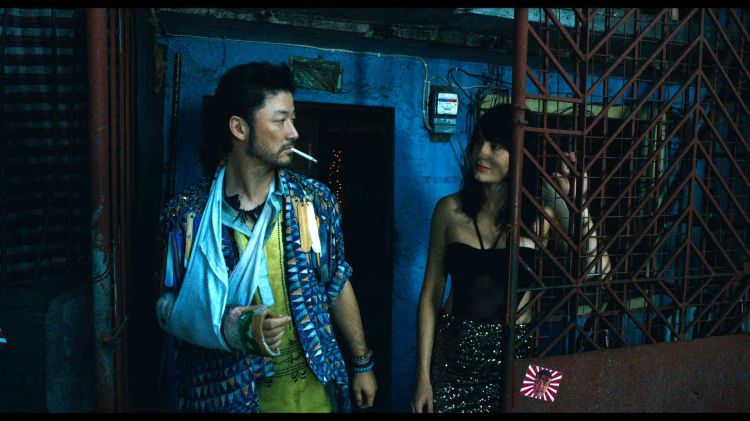

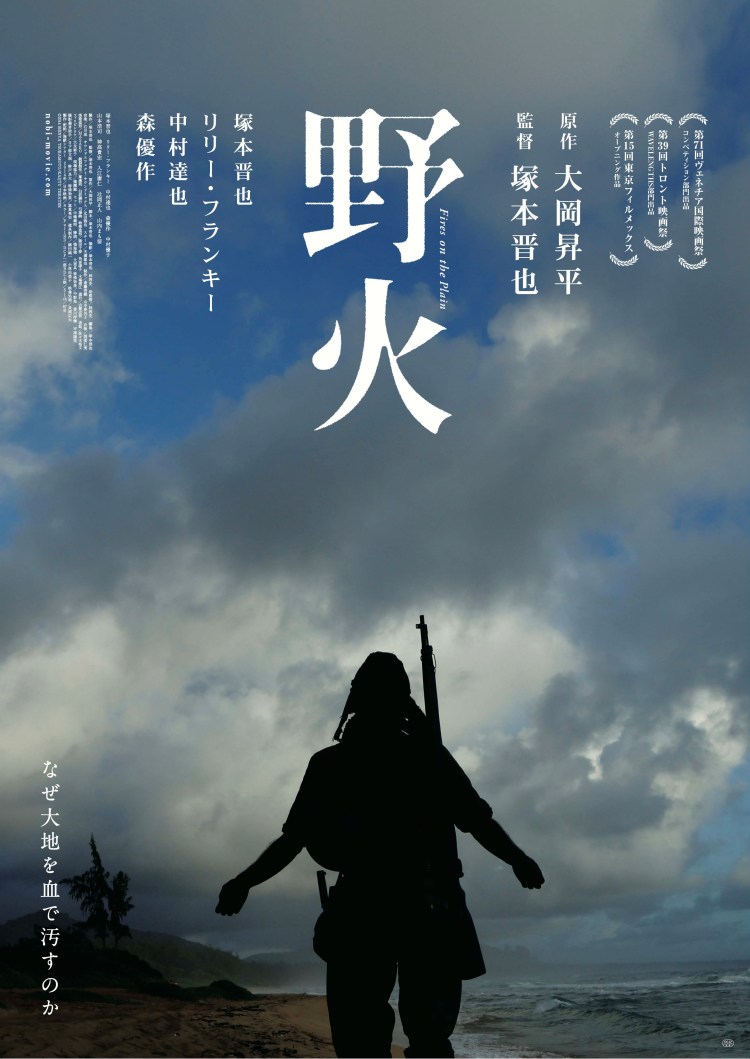 Shinya Tsukamoto is back with another characteristically visceral look at the dark sides of human nature in his latest feature length effort, Fires on the Plain (野火, Nobi). Another take on the classic, autobiographically inspired novel of the same name by Shohei Ooka (previously adapted by
  Windows on Worlds