Insiang (Lino Brocka, 1976)

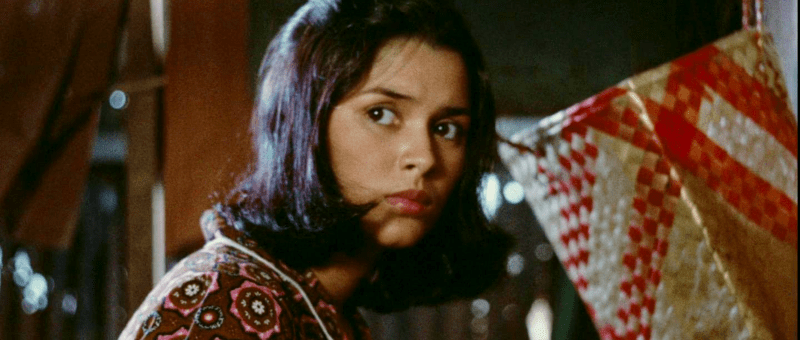
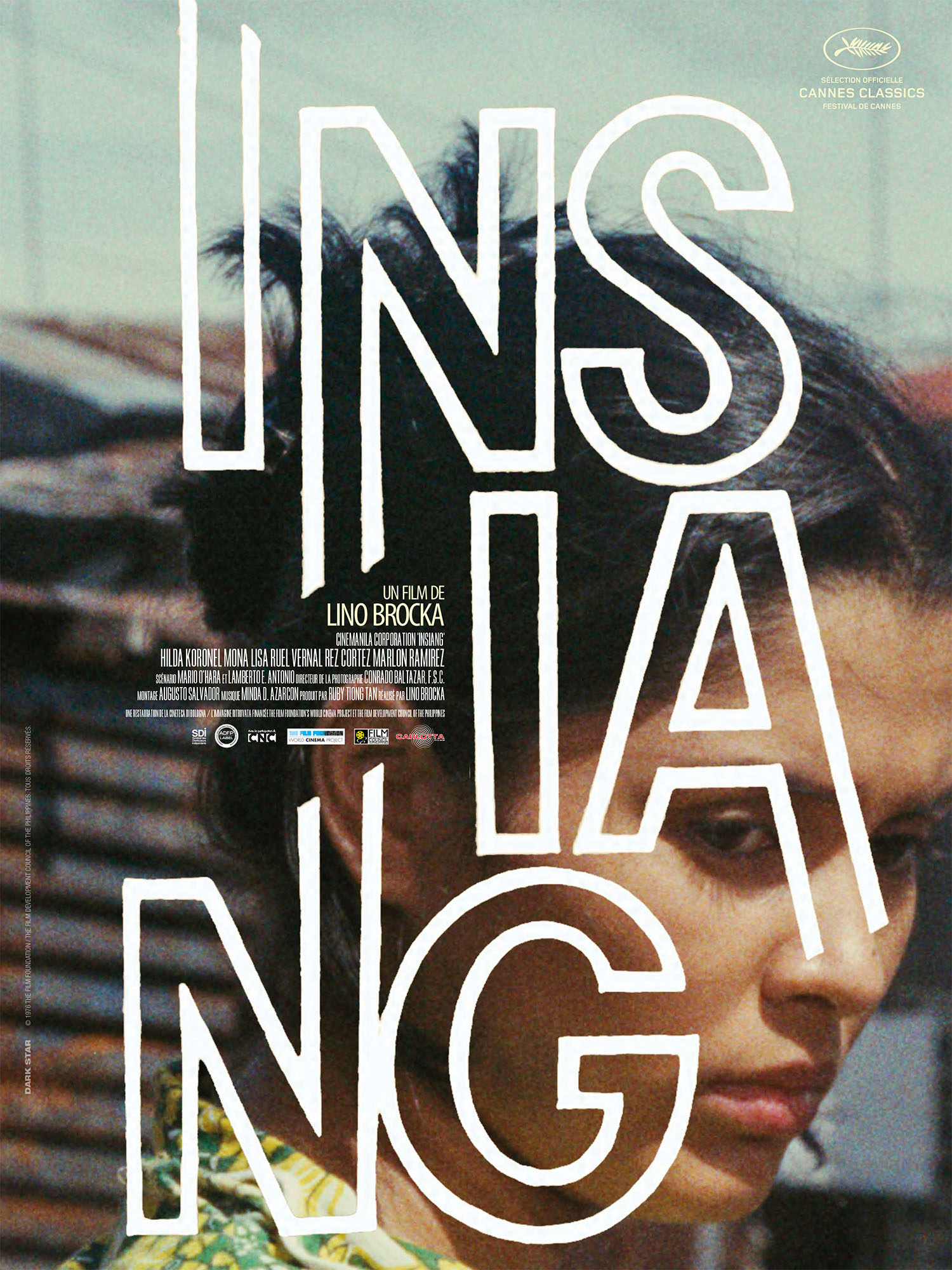
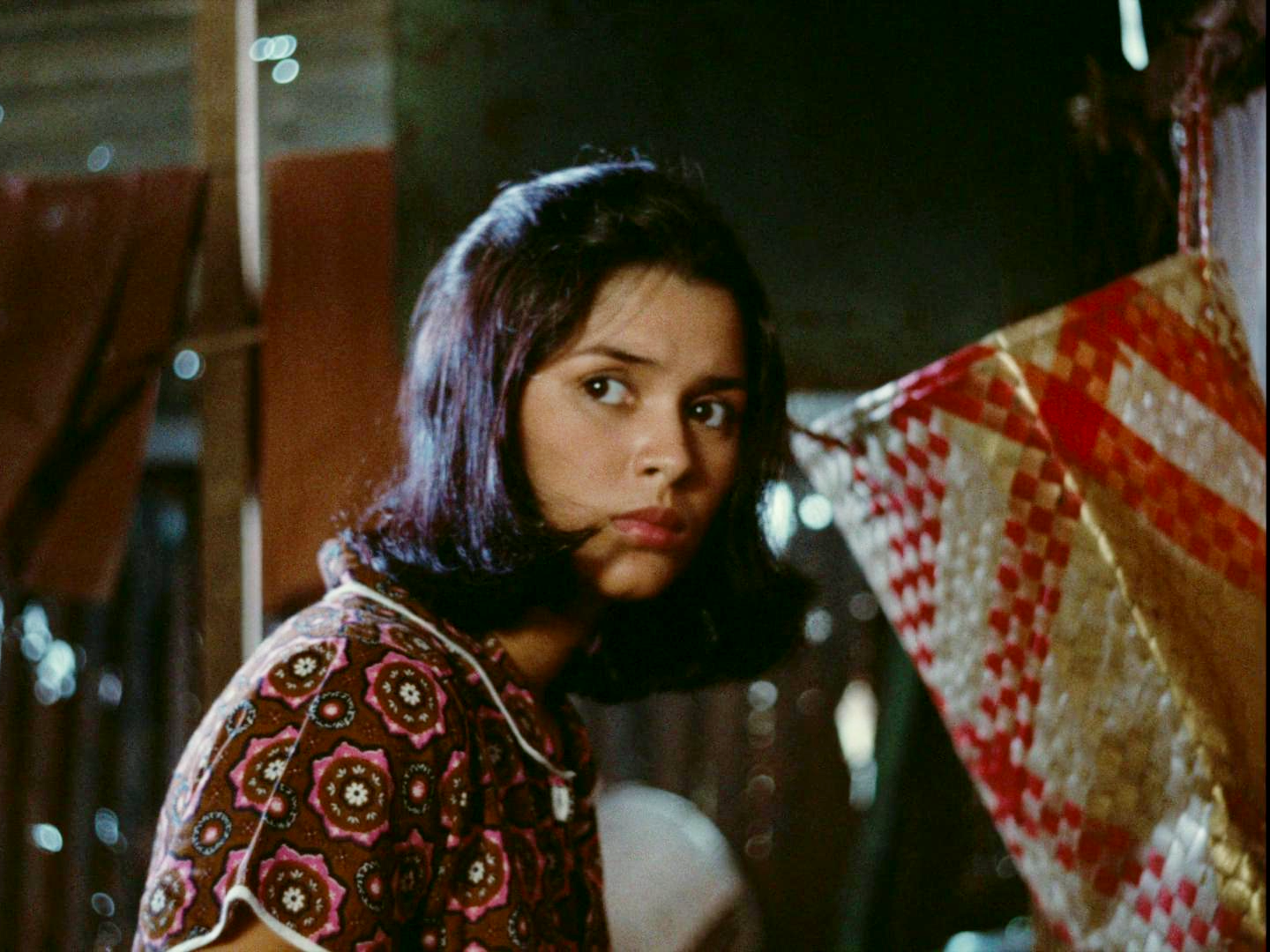
“It’s your father’s fault.” the heroine of Lino Brocka’s 1976 realist melodrama Insiang is told, neatly hinting at the destructive patriarchy of the Philippines under Marcos. Like the heroine of a fairytale, Insiang (Hilda Koronel) is a radiant source of light amid the darkness of a Manila slum where jobless men drown their sorrows and burden their wives while proving their masculinity by often violent sexual conquest. Soon even she is consumed by the corruption of the world all around her against which she eventually plots her revenge. 

The chief source of Insiang’s misery is her harridan of a mother, Tonya (Mona Lisa), who has become cruel and embittered in the humiliation of her husband’s abandonment. Tonya has agreed to allow some of her husband’s relatives to stay with them as the father has lost his job, but often insults them and her harsh words weigh heavily on Insiang’s cousin Edong who is old enough to work but cannot find find a job. When Edong gets drunk and gropes Insiang’s best friend Ludy (Nina Lorenzo) who runs the local store, Tonya loses her temper and throws them all out even insisting on the return of some clothes she’d bought the children sending them away not even in rags but naked. 

Isiang confesses that she has come to hate her mother and feels no maternal connection with her at all, knowing that her coldness towards her is motivated by resentment towards her estranged father who left them for another woman. Tonya’s decision to throw out the relatives was in part motivated by her desire to move in Dado (Ruel Vernal), a thuggish man much younger than herself who guts pigs at a local slaughter house. In the end, he will be stuck himself just like one of the animals he and men in general are so often likened to. Dado has a tattoo of his own name on his chest and struts his stuff like a proud alpha male, quickly questioning the masculinity of Insiang’s sometime boyfriend Bebot (Rez Cortez) who has a giant perm and wears an earring in one ear. Insiang dislikes going to the cinema with Bebot because he has a tendency to become handsy, justifying his disregard of her discomfort by insisting that he’s a man and cannot help it. Dado later says something similar after raping an unconscious Insiang, telling the incensed Tonya that it’s not his fault because no man could fail to be “seduced” with a such a beautiful woman in the house. 

At heart, the film is a painful melodrama about the frustrated love between mother and daughter which is made impossible because of male failure. When she finds Insiang sobbing and realises Dado has raped her, Tonya tries to comfort her daughter but is soon seduced again on Dado’s return. As Ludy says, Tonya too has her needs even if her relationship with a much younger man scandalises the local community, but in the end she chooses to maintain her connection to male power rather than the emotional connection to the daughter she has come to resent as a constant reminder of her failure as a woman. To escape her impossible situation, Insiang agrees to sleep with Bebot on the condition that he will rescue her in marriage. But Bebot is also a coward who has already been warned off by Dado. He takes her to a hotel but doesn’t even have the money to pay, asking Insiang to chip in the difference. When morning comes Bebot is gone. “No one can help me with my problem but myself” Insiang tells Ludy’s sympathetic younger brother Nanding (Marlon Ramirez) who tells her that he loves her anyway even if the rumours about her unusual family situation are true and is willing to help her escape the futility of the slums as he is already preparing to do through pursuing education. 

But Insiang has already been transformed, only her revenge will buy her her release. She manipulates Dado through her sexuality and motivates her mother’s jealously to engineer the tragic outcome that will free her. But having achieved her vengeance she has only regrets in the continued absence of maternal love, while Tonya too feels much the same. Insiang takes back some of her own cruelty, though what she said was not wholly untrue, but Tonya turns away from her only to regret her inability to embrace her daughter. Trapped behind bars, she can only watch silently as Insiang walks away and does not look back. The two women are forever divided by the patriarchal society. Insiang has won a temporary victory but only in self-destruction. In Brocka’s bleak depiction of Marcos’ Manila, not even maternal love is safe from the ravages of the contemporary society.  


Insiang screened as part of this year’s Red Lotus Asian Film Festival.

Original trailer (English subtitles)
Your Lovely Smile (あなたの微笑み, Lim Kah-Wai, 2022)

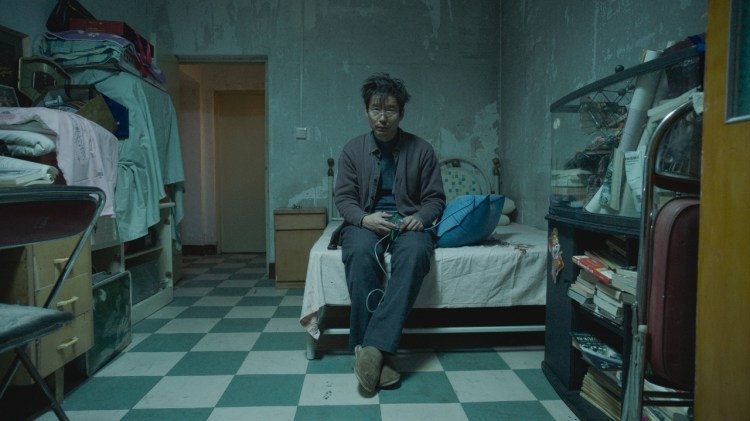
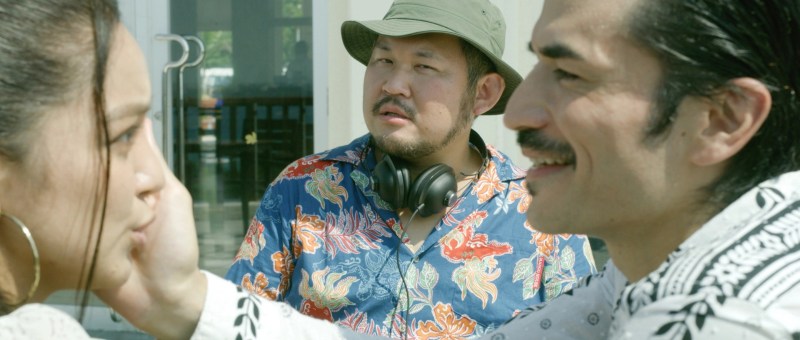
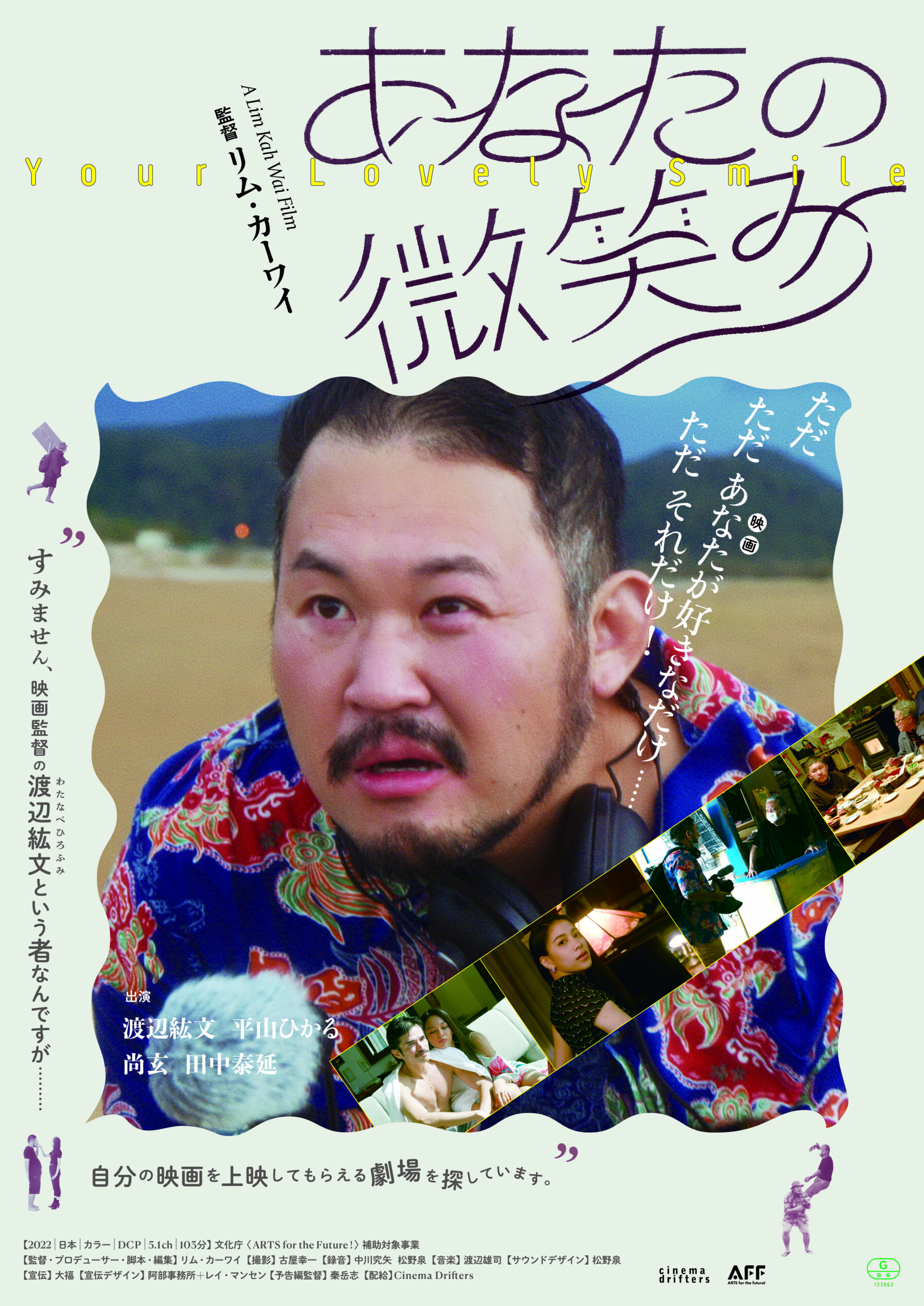
Indie director Hirobumi Watanabe has previously appeared as a version of himself in his own films, playing a self-involved and childish indie filmmaker railing against the world’s failure to recognise his genius in 2018’s Life Finds Away. For Malaysian director Lim Kah-Wai in Your Lovely Smile (あなたの微笑み, Anata no Hohoemi) he takes a rare leading role in someone else’s film doing much the same only with a little less self-laceration as he attempts to reorient himself amid personal and professional anxieties of the pandemic-era industry. 

Once again living out his ordinary days in Tochigi, Hirobumi sighs sadly as he reflects that no matter how many awards he gets his work will never equal that of New Wave masters such as Shohei Imamura and Kaneto Shindo. He’s having trouble completing a script and has no other work coming in. His brother is mainly supporting him through piano lessons, while Hirobumi keeps trying to reassure himself that a big offer from Netflix or Amazon is sure to turn up soon. He may be a “world famous director” but that doesn’t really help him pay the bills and only adds to his sense of anxiety. 

The irony is that in Life Finds A Way Hirobumi had received some harsh feedback from a woman who advised he consider making “good films” like Koreeda rather than the stuff he normally makes, but this time he gets a break, from Toho no less, who hire him for a shoot in Okinawa because Koreeda is too busy filming in Korea. What he experiences there is further humiliation at the hands of a deranged male star (Shogen) who orders him to write script in under a day and has his bodyguards follow him around to make sure he’s applying himself. But of course, the kind of film he wants (not that he really knows) isn’t the sort of film Hirobumi usually makes, or at least gangster romance hasn’t played much of a role in his filmmaking so far. Then again, when the actor asks about winning best actress awards, he might have a point that his films have rather tended to be male-centric save for the cheerfully absurd I’m Really Good which starred his young niece. 

While searching for artistic fulfilment, Hirobumi is often struck by visions of himself walking in the desert where he comes across a woman whom he subsequently encounters in “real life”. The humiliating experience in Okinawa sends him on a more literal journey travelling the length of the Japanese archipelago visiting indie cinemas in the hope that one of them will agree to screen his films. Even within this more friendly, environment, however, he discovers little support. Troubled by the economic conditions of the pandemic era, even microcinemas have to consider the bottom line and are reluctant to play anything other than established classics. Even when one rural cinema invites him for a mini retrospective, it turns out to be run by a man and his daughter who enlist him to hand out fliers and sell tickets in person to the less than enthusiastic locals only a handful of whom eventually show up. The closer he draws to the far the north, the more hopeless he begins to feel about the realities of indie filmmaking in the contemporary society. 

There is a poignant quality in Hirobumi’s obvious loneliness and desire for artistic approval, along with the sense of hopelessness he finds mirrored in some of the cinema owners who struggle to see a future for themselves in an age of streaming and changing taste in entertainment. All of the venues Lim visits in the film are genuine provincial theatres, their owners giving small interviews over the closing credits explaining the difficulties they find themselves in along with their intention to keep going as long as they can. The owner of Bluebird Theater is 92 years old and still running front of house, while the fourth generation owner of the only cinema left in his town wonders if he’ll have to shut up shop if his daughter decides she doesn’t want to inherit the business. The onscreen Hirobumi finds himself reevaluating his relationship with cinema, and even with his beloved Tochigi, as he travels as far as it’s possible to go in the depths of a Hokkaido winter trying to keep something at least alive. Lim’s aesthetic is warmer than Watanabe’s and less deadpan if equally melancholy, but evidently in tune with his sensibility as the two filmmakers come together in shared frustration with the indie life.


Your Lovely Smile screened as part of this year’s Red Lotus Asian Film Festival.

Original trailer (English subtitles)
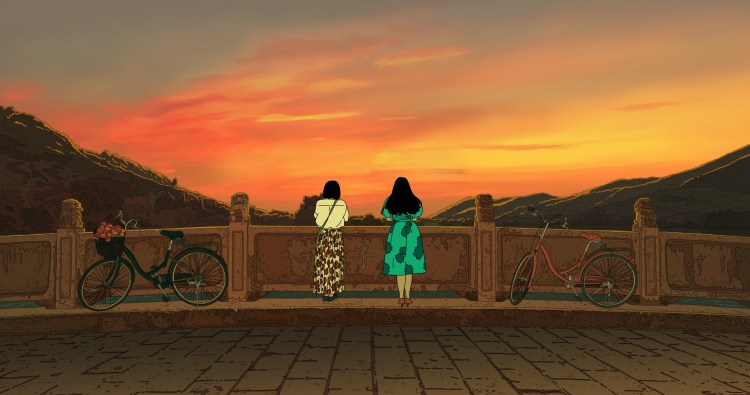
Art College 1994 (艺术学院, Liu Jian, 2023)

In the opening title sequence of Liu Jian’s animated dramedy Art College 1994 (艺术学院, yìshùxuéyuàn), a beetle tries to climb a decaying wall but repeatedly fails until it falls on its back and flails wildly trying to right itself. It might in a way stand in for Liu’s protagonists, each of whom are floundering in various ways amid the contradictions of the rapid social changes of mid-90s China. A potent sense of place lends weight to what is obviously an autobiographically inspired tale of youth’s end coloured by rueful nostalgia. 

The rebellious Xiaojun clashes with his tutors who think he’s overly influenced by Western art movements and lacks the maturity to understand that there is also truth in traditionalism, while his best friend Rabbit begins to worry about more practical matters and their future in a changing society. The boys eventually develop a friendship with music students Lili and Hong who find themselves similarly at odds. Brash and brimming with false confidence, Hong dreams of becoming a famous opera singer and resents the patriarchal social mores of a still conservative China. “Sooner or later we all have to marry someone.” Lili sighs as if feeling the walls closing in on her, only for Hong to ask why no one ever realises they’re “someone” too. 

They have grand conversations about the nature of art, beauty, tradition and modernity, conservatism and social change, belying their naivety but still filled with a sense of freedom and curiosity that is only beginning to be coloured by a concurrent anxiety. “I thought I knew everything. The truth is I know nothing.” Hong finally concedes after a failed romance, arguing with Lili with whom she may always have been on a different page. Shy and bespectacled, Lili is a realist amid a group of dreamers. She nurses a nascent crush on Xiaojun but is courted by a condescending bore who comes with her mother’s approval. Perhaps she’s merely afraid of the risks involved when real feeling is in play, but for all her talk of “freedom” makes her choices intellectually and leans towards the pragmatic. Xiaojun is a penniless painter, but her suitor is a wealthy man who can take her to Paris to study. Amid the contradictions of mid-90s China, who could really blame her for making a “sensible” choice even it means the sacrifice of her emotional fulfilment? 

Xiaojun lets his chance slip away from him, failing to say anything meaningful before revealing he’s going away on a study trip for an extended period of time. But like Lili he meditates on art and the soul while romanticising a poverty he may never really have experienced. The boys hang out with eccentric drifter Youcai who repeatedly failed the entrance exams but hangs around on campus anyway soaking up the atmosphere while prone to sudden attacks of performance art. After a stint living in the artist community in Beijing he returns in the company of crooks and conmen, working as a sign painter to get by while lamenting his own lack of talent. He says he makes money in order to make art, while Xiaojun disapproves of his moral duplicity insisting that it’s right for an artist to be starving because suffering fosters art.

Youcai asks him how you can make art if you can’t eat while insisting that art is one big business, just like everything else it too is suspect because it is dependent on money. Xiaojun disagrees, claiming that that art is the only escape from reality that can bring people spiritual satisfaction. Ironically enough, he says this while sitting directly underneath a billboard advertising Michael Jackson’s Bad, while we’ve already seen him ride his bicycle past a conspicuous piece of graffiti featuring the characters for CocaCola in Chinese. When Lili’s suitor says he’ll buy them dinner, Liu ironically cuts to the two girls sitting outside a McDonald’s eating ice cream. This does seem to be a very dubious sense of “modernity”, mediated through Western consumerism that in contrast to the values Xiaojun places in “art” is spiritually empty. 

Even so his disapproving teacher reminds him that great art is born of sincerity, hinting at a degree of affectation in his insistence that art should change with the times when not all truths need to be revolutionary. In any case, each of the students learns a few hard lessons about life and disappointment as they too succumb to unavoidable realities and accustom themselves to an uncertain society. Liu ends the film with a series of title cards that feel very much like those often added to placate the censors, usually detailing that wrongdoers were caught and punished for their crimes but this time conjuring more wholesome futures for the students that undercut the sense of the frosty melancholy in the closing scenes which leave Xiaojun all alone as he takes up brush and ink. Yet in Liu’s achingly potent sense of place, there is both a poignant nostalgia and an inescapable sense of loss and regret for the missed opportunities of youth. 


Art College 1994 screened as part of this year’s Red Lotus Asian Film Festival.

Trailer (English subtitles)
Red Lotus Asian Film Festival Announces 2023 Programme

Vienna’s Red Lotus Asian Film Festival returns for its second edition 20th to 23rd April with another handpicked selection of recent hits from across the region. Here’s a rundown of the East Asian features screening in this year’s programme:

China

  • Art College 1994 – animated feature from Have a Nice Day’s Liu Jian revolving around a collection of art students in the rapidly changing society of mid-90s China.
  • Journey to the West – a UFO obsessive journeys west in search of the meaning of life in Kong Dashan’s hilariously deadpan, absurdist epic. Review.

Hong Kong

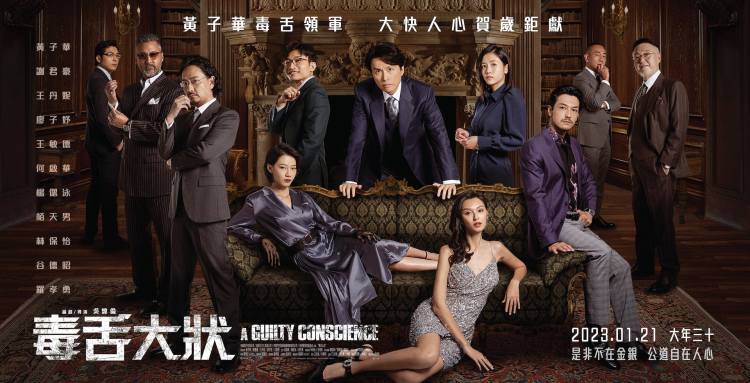
  • A Guilty Conscience – a previously cynical lawyer puts the law on trial while correcting a miscarriage of justice in Jack Ng Wai-Lun’s screwball courtroom dramedy. Review.
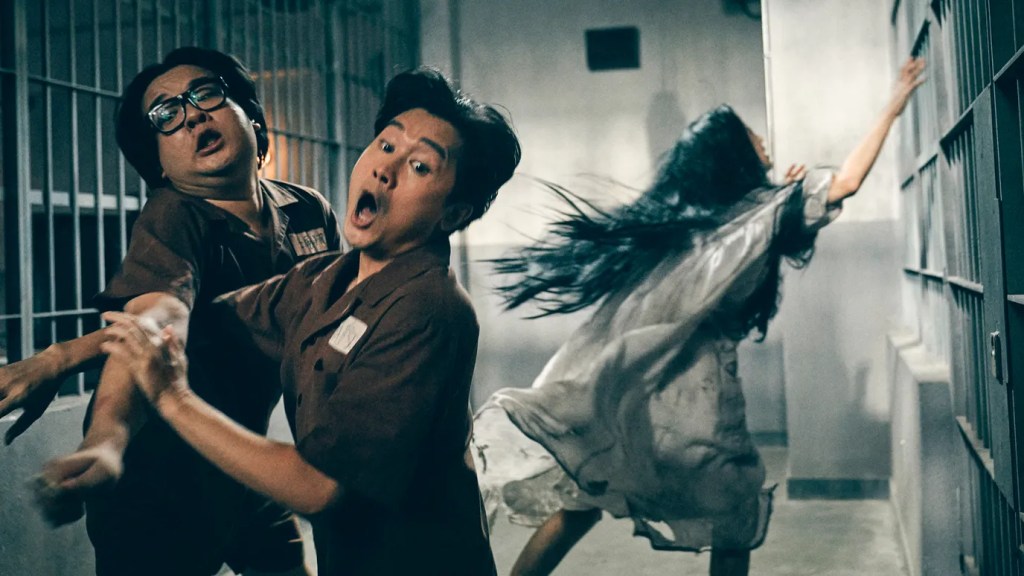
  • Let It Ghost – indie horror anthology from first time director Wong Hoi.

Indonesia

  • Like & Share – two young women seeking escape from a repressive social culture find themselves betrayed by the hypocrisies of the online society in an infinitely empathetic drama from Two Blue Stripes’ Gina S. Noer. Review.

Japan

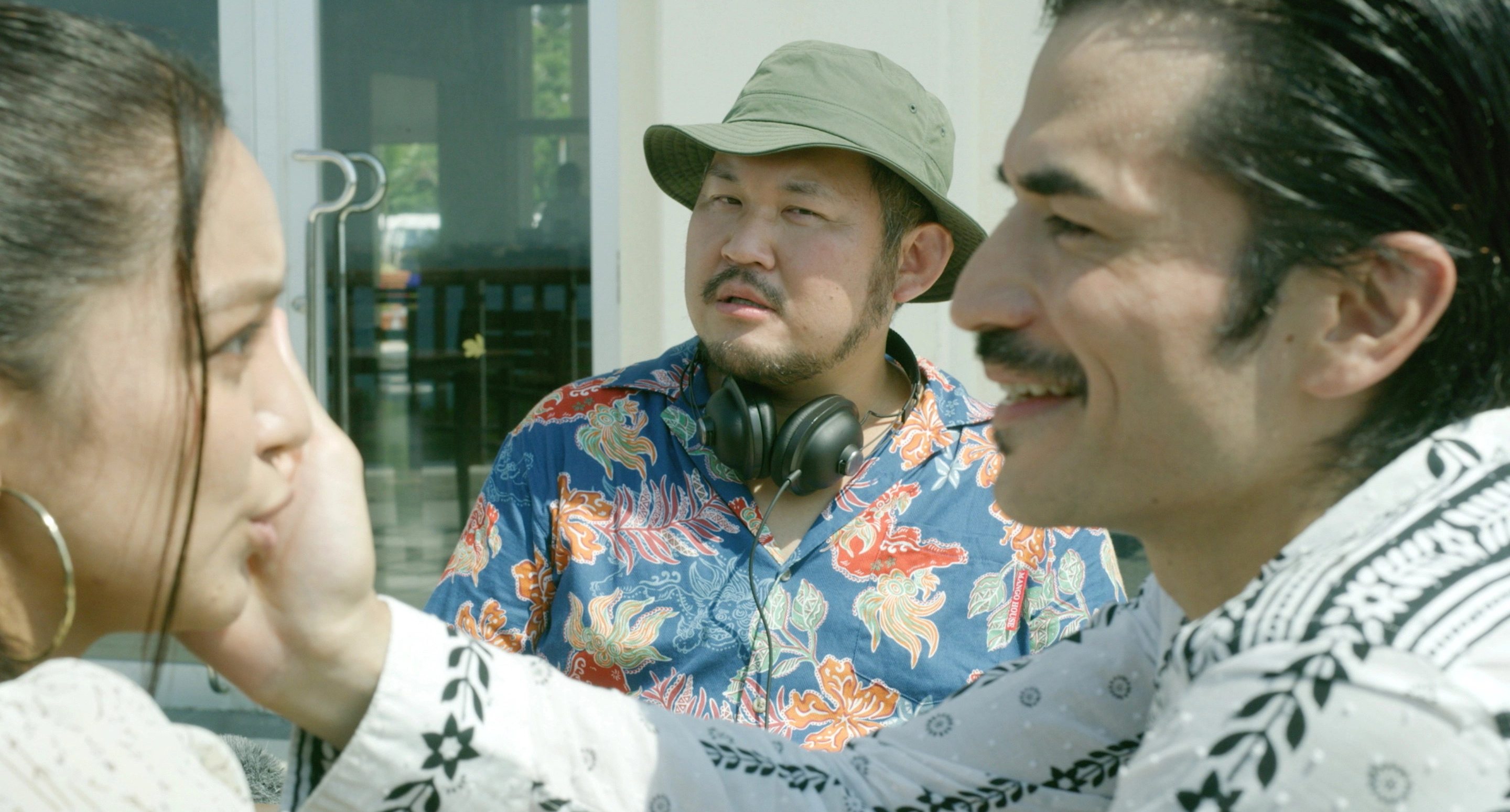
  • Your Lovely Smile – film director Hirobumi Watanabe stars as a version of himself in Malaysian director Lim Kah Wa’s comic paean for indie filmmakers and the microcinema landscape in the wake of the Covid-19 pandemic.

Mongolia

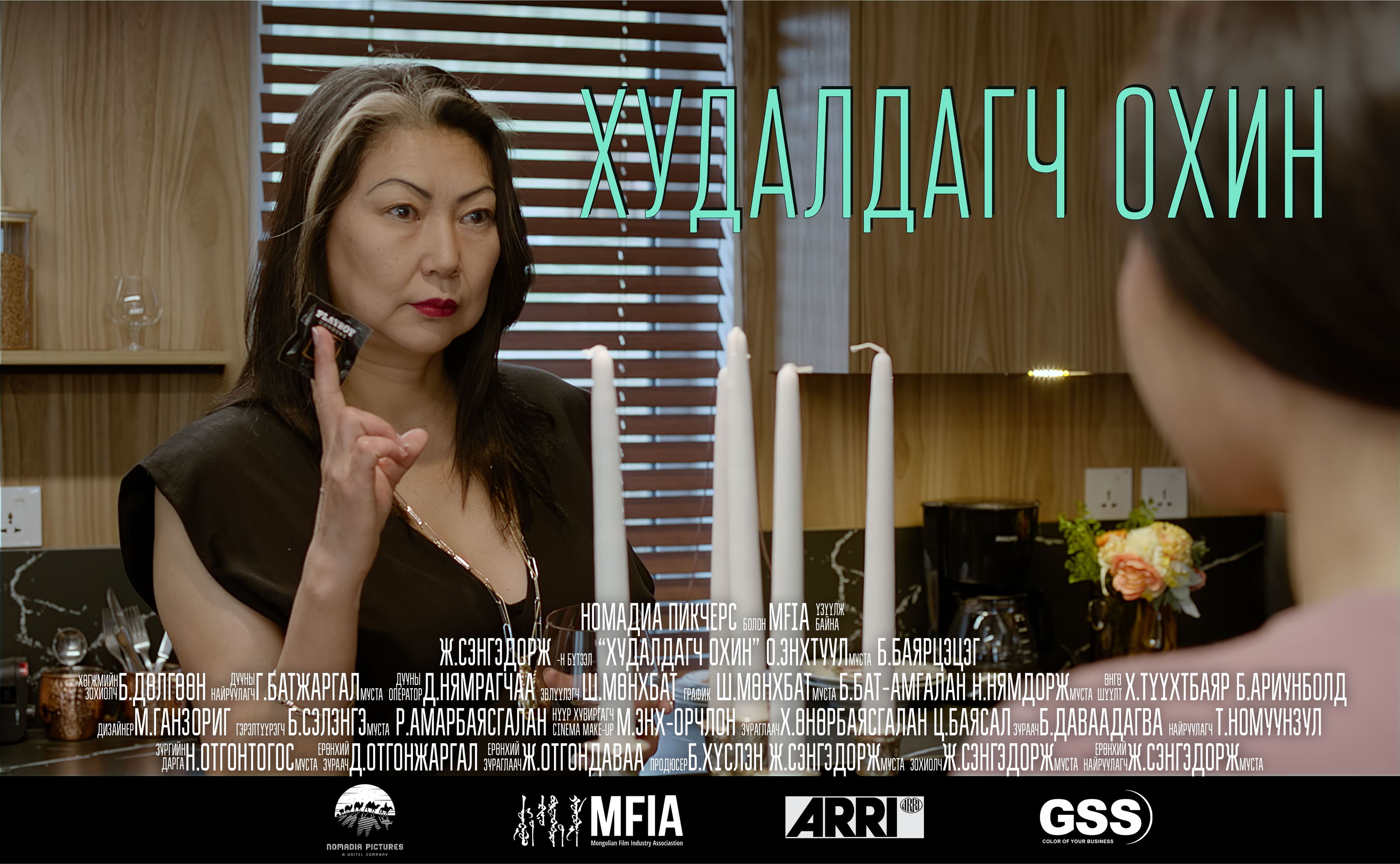
  • The Sales Girl – a diffident student begins to open up after befriending an eccentric middle-aged woman who runs a sex shop in Janchivdorj Sengedorj’s quirky comedy. Review.

The Philippines

  • Insiang – Lino Brocka’s 1976 classic in which a young woman living in the slums of Manila decides to take revenge against her abusive mother and the step-father who raped her.

South Korea

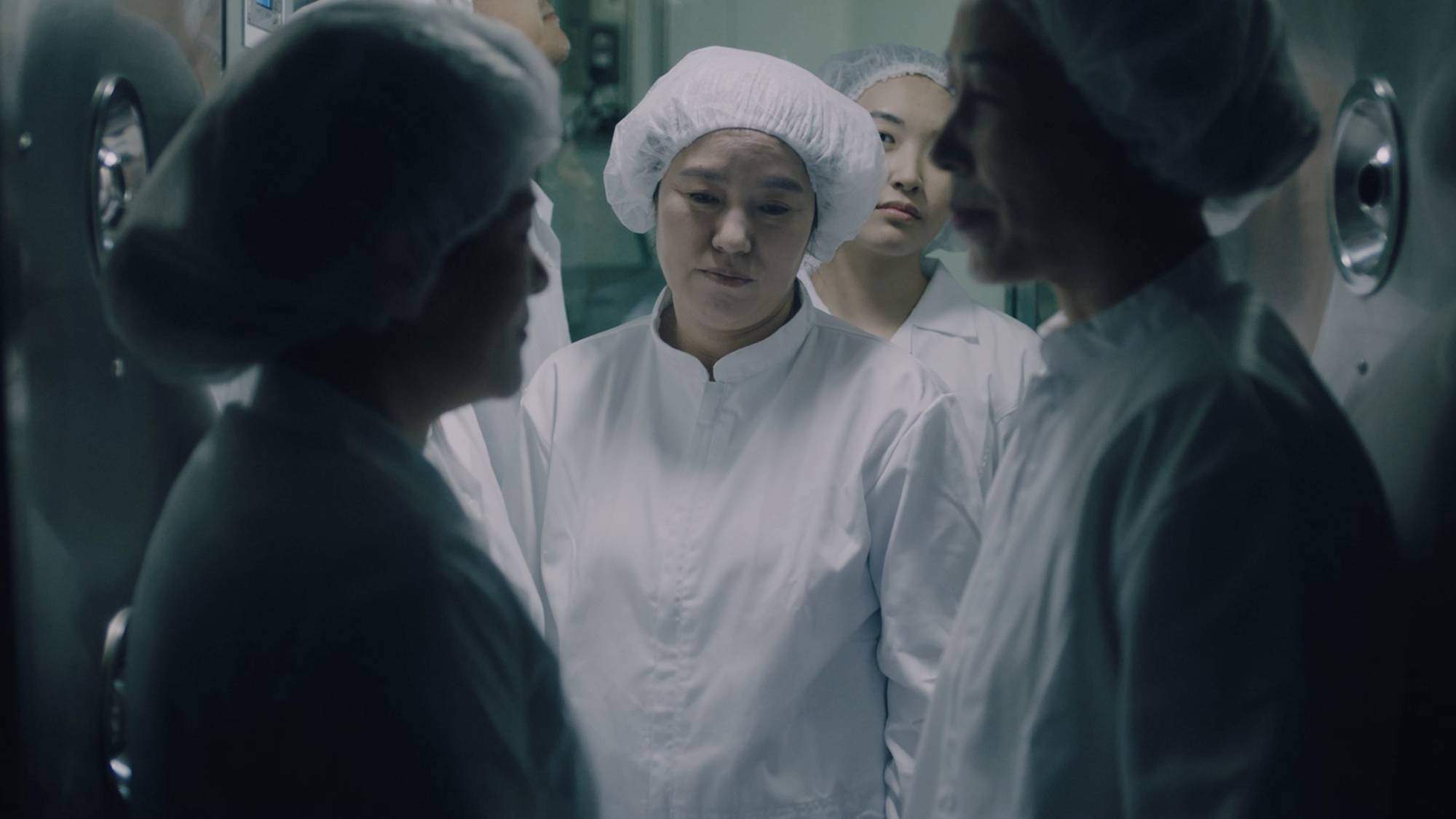
  • Jeong-sun – a factory worker’s life is disrupted when a video of a sexual encounter with a colleague is leaked on the internet.

The Red Lotus Asian Film Festival runs in Vienna, Austria 20th to 23rd April. The full programme including films from India, Pakistan, and Iran is available on the official website along with ticketing links. All films screen in their original language with English subtitles. You can keep up with all the latest news by following the festival on Facebook, Twitter, and Instagram.