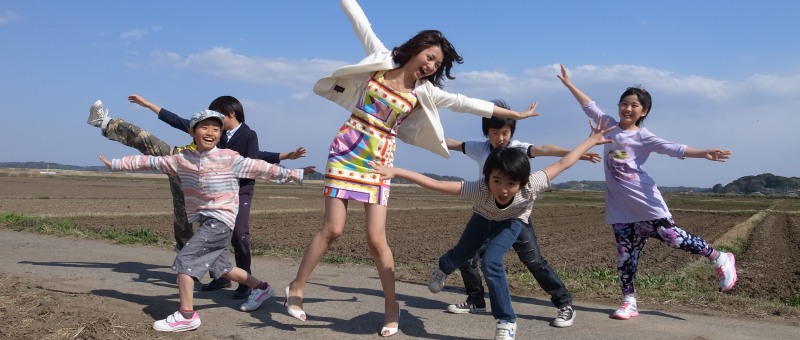
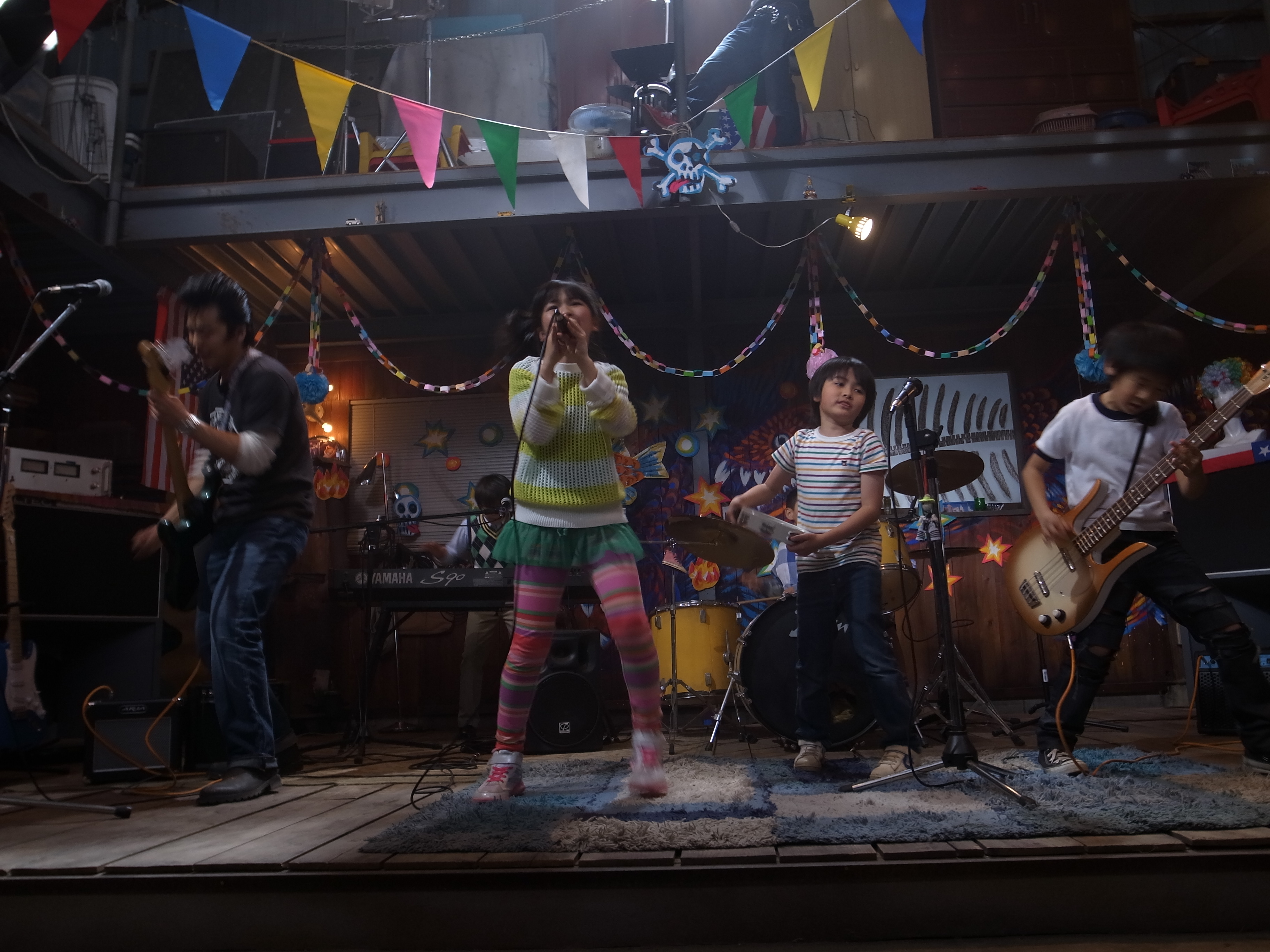
A collection of confused nine-year-olds decides the best way to solve all their problems is to start a band in charming kids ensemble movie, Hello! Junichi (ハロー!純一). Co-directed by Katsuhito Ishii, Kanoko Kawaguchi, and Atsushi Yoshioka, the film is more linear and less surreal than most of Ishii’s other work but has a refreshing take on the childhood adventure movie as the kids each deal with their various problems many of which still plague the adults around them.
After all as kindhearted rocker Takao (Ryu Morioka) admits, the children aren’t really all that different from us. Shy and a little on the timid side, Junichi (Amon Kabe) is a peripheral member of his friendship group and perpetual fall guy who lists his only talent as the ability to carry everybody’s bags. His main problem is that he borrowed a rabbit-shaped eraser from his crush, Maeda, about a month ago and is too shy to return it. Now all he can think about is whether he should pluck up the courage or pretend to have forgotten. Things get more complicated when a new student teacher, the beautiful Miss Anna (Hikari Mitsushima), joins his school and confiscates the eraser as part of a cruel power game before agreeing to give it back if he helps her find out who scratched an offensive word into the side of her flashy car.
Miss Anna is either the best teacher in the world or the absolute worst. She arrives dressed for a night out and puts on a cutie pie act for her dejected middle-aged boss Achikita (Yoshiyuki Morishita) which she immediately drops as soon as he leaves the room inappropriately giving the children far too much information about her personal life but they do at least get some maths out of it. She also smokes by an oil can round the back of the building and talks like an aggressive high school girl when her boss’ back is turned, but eventually comes round to her responsibility as a teacher after bonding with the kids.
In comparison to some, Junichi’s problems aren’t really all that big except that his parents have to work late so he often has to prepare dinner for himself and his philosophising grandpa (Tatsuya Gashuin). Kuramoto (Yohei Hotta) meanwhile is beginning to act out at school because he’s got problems at home caused by his father’s gambling addiction which forces his mother (Chizuru Ikewaki) to run herself ragged just to stay afloat. With Miss Anna’s help, the kids decide to put on a concert for Mrs Kuramoto’s birthday which might on one level be charmingly naive but does in the end seem to cheer her up while allowing them to bond over their shared issues many of which are romantic in nature.
During the opening sequence in the park, child actor Machida (Shoma Suginomori) had given the other boys some grown up love advice he picked up on set which amounted to getting girls to like you by giving them cliched compliments such as remarking on the beauty of their smile. It’s not terribly good advice and a little a bit patronising not mention insincere, but amusingly enough is the same approach eventually taken by Takao when he and Miss Anna awkwardly try to address their mutual attraction. In the end, she has to concede that she doesn’t know what to say either and they end up having a rather childish conversation about favourite foods which is all to say it doesn’t get any easier and the adults don’t necessarily know much more than the kids.
Then again, there are some distinctly bad examples in Achikita’s thankfully ineffective attempt at workplace harassment and stalking of Miss Anna even if he eventually gives the most important life lesson in dressing down a trio of teenage bullies by telling them they have to learn love and appreciation or they’ll be weak men incapable of protecting anyone. Protecting people is something Junichi’s been worried about too, especially after failing to act when he spotted female classmate Tanaka (Rio Sasaki) duct taped to a pole by the bullies though she thankfully managed to save herself while uttering some particularly choice language for a nine-year-old. Still as his grandfather tells him he’s an unpolished stone. He has a weak side and a strong side and is still in the process of settling though the real business of growing up may be knowing which to be when. Charmingly quirky and infinitely warmhearted, Ishii, Kawaguchi, and Yoshioka masterfully capture an authentic sense of childhood anxiety while suggesting that none us is really so different after all.
Hello! Junichi is out now the UK on blu-ray as part of Third Window Films’ Katsuhito Ishii Collection.
Original trailer (English subtitles)
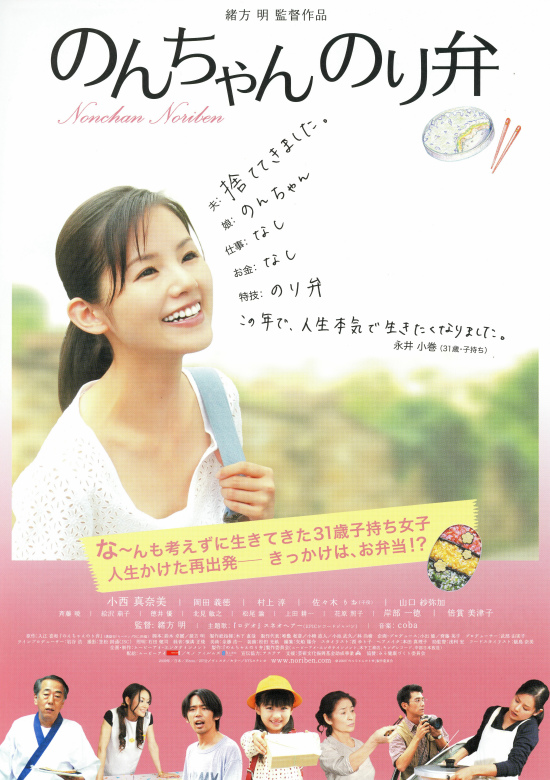 It used to be that movies about marital discord typically ended in a tearful reconciliation and the promise of greater love and understanding between two people who’ve taken a vow to spend their lives together. These endings reinforce the importance of the traditional family which is, after all, what a lot of Japanese cinema is based on. However, times have changed and now there’s more room for different narratives – stories of women who’ve had enough with their useless, deadbeat man children and decide to make a go of things on their own.
 Windows on Worlds