Right at the beginning of Ratchapoom Boonbunchachoke’s A Useful Ghost (ผีใช้ได้ค่ะ, Phi Chaidai Kha), we see a man creating a classical-style relief that’s positioned in a tranquil spot surrounded by nature. It features people from all walks of life, a mother and her child, a monk, a scholar, a soldier, a labourer and so on, as well as a goat, and is later revealed to have the title “democracy monument”. But as soon as it’s put up, it’s brought violently down as developers move in to replace this oasis of peace with a modern shopping mall.
The construction gives rise to more “dust” which is what’s polluting the country, directly linking rampant capitalism with the erosion of democracy. Even the home lived by the self-proclaimed “Academic Ladyboy” (Wisarut Homhuan) may one day be consumed as the traditional streets are replaced by yet more upscale shopping opportunities. In an effort to get rid of the dust that’s plaguing him, he buys a vacuum cleaner, but it turns out to be haunted and coughs in the middle of the night, spitting out all the dust he made it swallow.
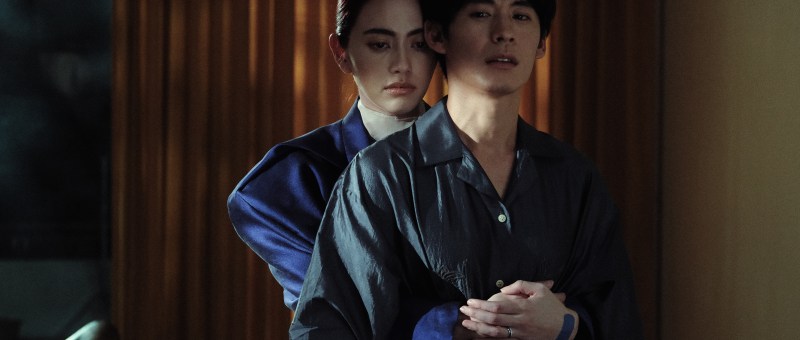
“Dust” is also a term that’s come to stand in for those exploited by this increasingly capitalistic society whose lives are afforded little value, such as factory worker Tok who died after being exposed to too much dust while working at a factory producing vacuum cleaners. Meanwhile, the factory owner’s son has just lost his pregnant wife, Nat (Davika Hoorne), to a respiratory illness caused by dust. Nat has also possessed a vacuum cleaner and reunites with her broken-hearted husband, March (Witsarut Himmarat), but finds herself increasingly compromised after sucking some of the dust out of a government minister’s eyes.
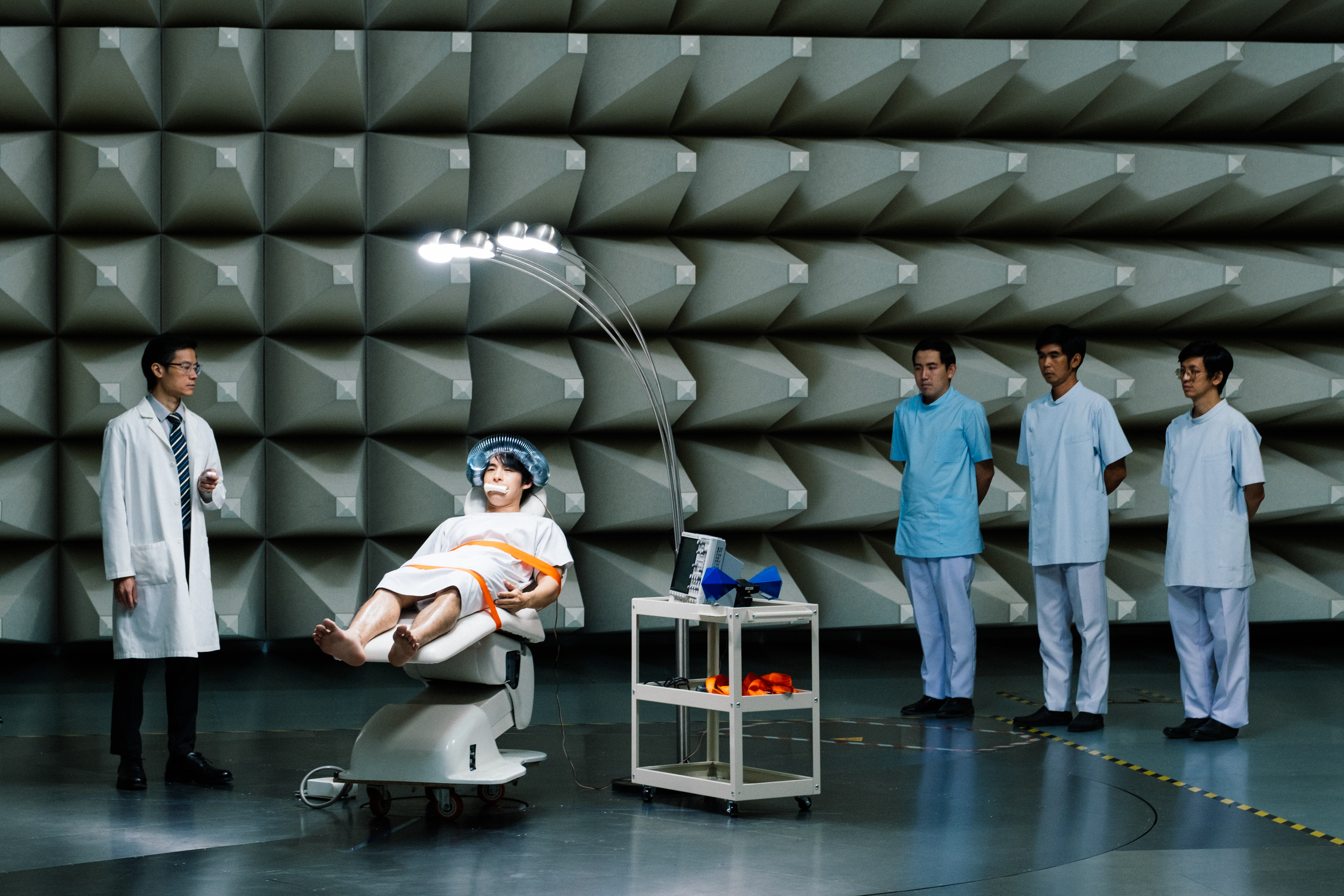
Nat’s desire to stay in the mortal realm longer than is proper is reminiscent of the classic ghost Nang Nak, but what she also becomes is a kind of class traitor increasingly involved with the oppressive regime and betraying her own people to ensure her personal survival. Government minister Dr Paul gets her in on his programme chasing ghosts through dreams and banishing them from people’s memories in order to erase their existence and history. When people refuse to give up their ghosts, he has them given electroshock therapy so that they forget them, as he once tried to do to March before Nat made herself useful to him. And so “dust” and “ghosts” have now become metaphors for those who resist as the souls killed not only during the 2010 massacre but Thammasat University massacre in 1976 rise again to make their presence felt.
According to the Academic Ladyboy, that these ghosts came back at all is itself an act of resistance, as if these memories themselves could become reminders that resistance is possible and things weren’t always this way. He loathes Nat for the choices that she made in turning on her own, but she was also facing other kinds of oppression in never being accepted by her husband’s upperclass family who in themselves become a symbol of autocratic elitism. Her mother-in-law, Suman (Apasiri Nitibhon), who owns the factory and is unsympathetic towards Tok insisting his death was nothing to do with the working environment, submits herself to them too because like Nat she didn’t belong either and felt she had no other choice. Her eldest child Moss was taken away from her because she spoke a Northern dialect and they feared the child wouldn’t learn standard Thai. Now she tries to talk to her son’s Australian husband in Teochew, only for Moss to roll his eyes and say no one knows how to speak that outside Thailand. Just as they rejected Nat for being an outsider, they rejected Moss for being gay until he became useful to them.
The longer Nat stays beyond her allotted time, the more it corrupts her so on restoring her corporality she would betray even March, who has come to sympathise with the ghosts, in order to be allowed to stay and maintain her position. She’s the “useful ghost”, from a certain point a view, but from another, all the others are “useful” too in keeping the spirit of resistance alive. Quirky and surreal with its tales of haunted hoovers, obsessive bureaucracy, and factories where singing is randomly banned, not to mention truly awesome shoulder pads, Ratchapoom Boonbunchachoke’s deadpan absurdist drama is deadly serious where it counts right until its intensely cathartic conclusion.
A Useful Ghost screens as part of this year’s BFI London Film Festival.
Trailer (English subtitles)
 Windows on Worlds