 Written by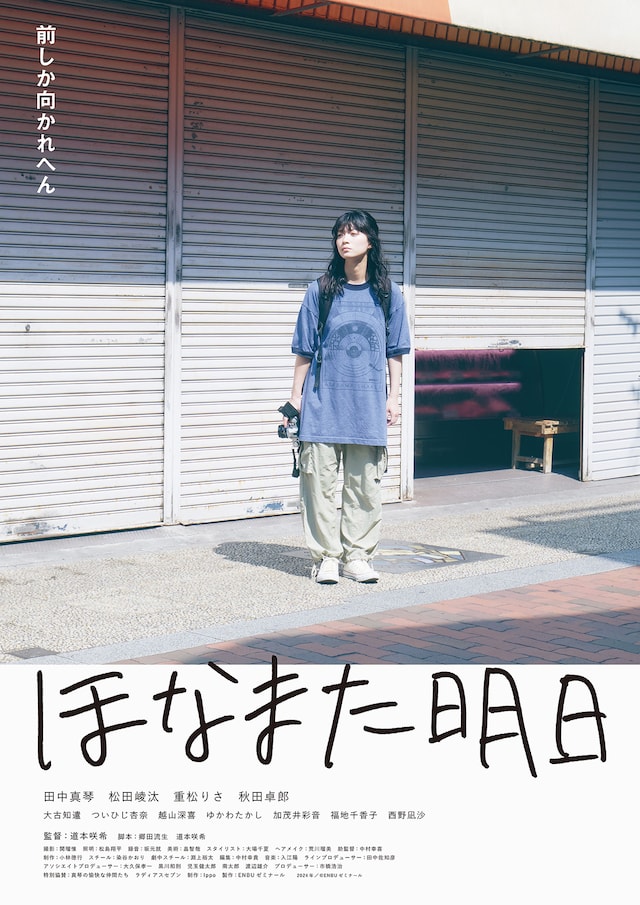
On witnessing her take photos in the street, a shopkeeper remarks that Nao (Makoto Tanaka) must be happy, but Nao doesn’t seem so sure and suddenly there’s a kind of gloom that descends over her. Something similar happens later when she asks a pair of women in town on holiday to pose for her photos, but looks on sadly while the women begin to feel uncomfortable. Eventually they leave, complaining that Nao was too weird it was it was creeping them out.
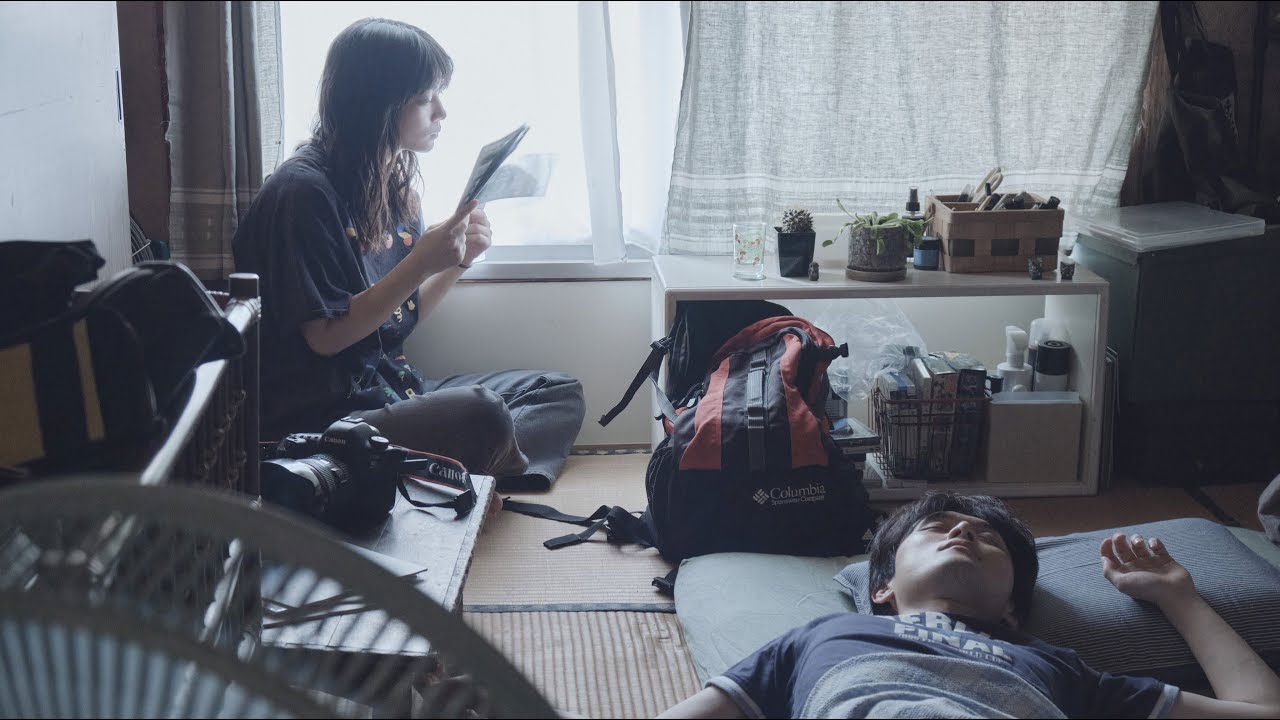
Saki Michimoto’ Saki’s See You Tomorrow (ほなまた明日, Hona Mata Ashita) is in part about Nao’s isolation, but it’s an isolation born of being different by virtue of her talent and the bright future that exists ahead her. Her small group of friends have no such certainty and in Nao’s shadow are only increasingly sure that they don’t really have what it takes to become star photographers. On some level, they may resent her, but not seriously and are mostly supportive of her success. Nao, meanwhile, is a displaced soul. She seems to have become estranged from her mother who does not answer the door when she visits leading her to get a friend to ring the bell instead, and has been continually couch surfing among her friends before settling on Yamada (Ryota Matsuda) as a more permanent point of refuge. Nao asks him out, but when he asks if she loves him only replies that she has some affection for him.
In some ways, this speaks to Nao’s headstrong nature. She speaks the truth and forges ahead chasing what she wants without really giving that much thought to those around her. The others have all lined up positions working with professional photographers for when they graduate, but Nao honestly tells them that she’s not cut out to be someone’s assistant and has no choice but to become a pro photographer right away. One of the other girls says that she finds Nao “scary,” while even Yamada describers her as “merciless” if in a more positive way that it sounds. For her, photographs are a martial art and in setting her sights on art school in Berlin she plans to use her camera to take down the opposition,
Yet there’s a part of her that wants to stay part of the group and remain close to her friends even while knowing that her talent sets her apart from them. Sayo (Risa Shigematsu), whose apartment Nao had described as to tidy to feel comfortable in, seems to be the most conflicted even if as others remark she rarely expresses anger and keeps her feelings to herself. She is painfully aware that her talent isn’t on the same level, while frustrated by the cryptic comments of their teacher, Kitano, and additionally irritated by Nao’s treatment of Yamada whom she may also have a secret crush on herself. Cowed by Nao’s abilities, Yamada ulmitaly decides to give up taking photos altogether and look for work in a more supportive role such as an assistant or an editor.
When the others reunite in Tokyo four years later, Yamada has dropped out of touch and perhaps out of life while mired in feelings of loneliness and inadequacy. One of the cryptic notes Nao had got on her work had been that she should walk more, which confused her because all she ever does is walk and take photos though mostly alone and often wandering off losing sight of everyone else while carried along by the rhythms of the city. But on reuniting, the gang resolve to keep walking and see where it leads them, much as Nao always has but this time together as they move towards the city. They’ve all changed, grown, drifted apart to an extent and come back together with a little nostalgia and melancholy disappointment, but in other ways settled and more at home with themselves save perhaps for Yamada who seems to be in hiding from the world while Nao still seems to have nebulous feelings for him along with unfinished business. Delicate and gentle, Saki’s etherial camera captures the fragile bonds between them and the steeliness that underlines Nao’s independence but also sets her adrift, a perpetual outsider living life through a lens snatching momentary connections with strangers in the street while continually on her own, solitary, path.
See You Tomorrow screens in New York 15th July as part of this year’s JAPAN CUTS.
Trailer (no subtitles)
 Windows on Worlds