 Written by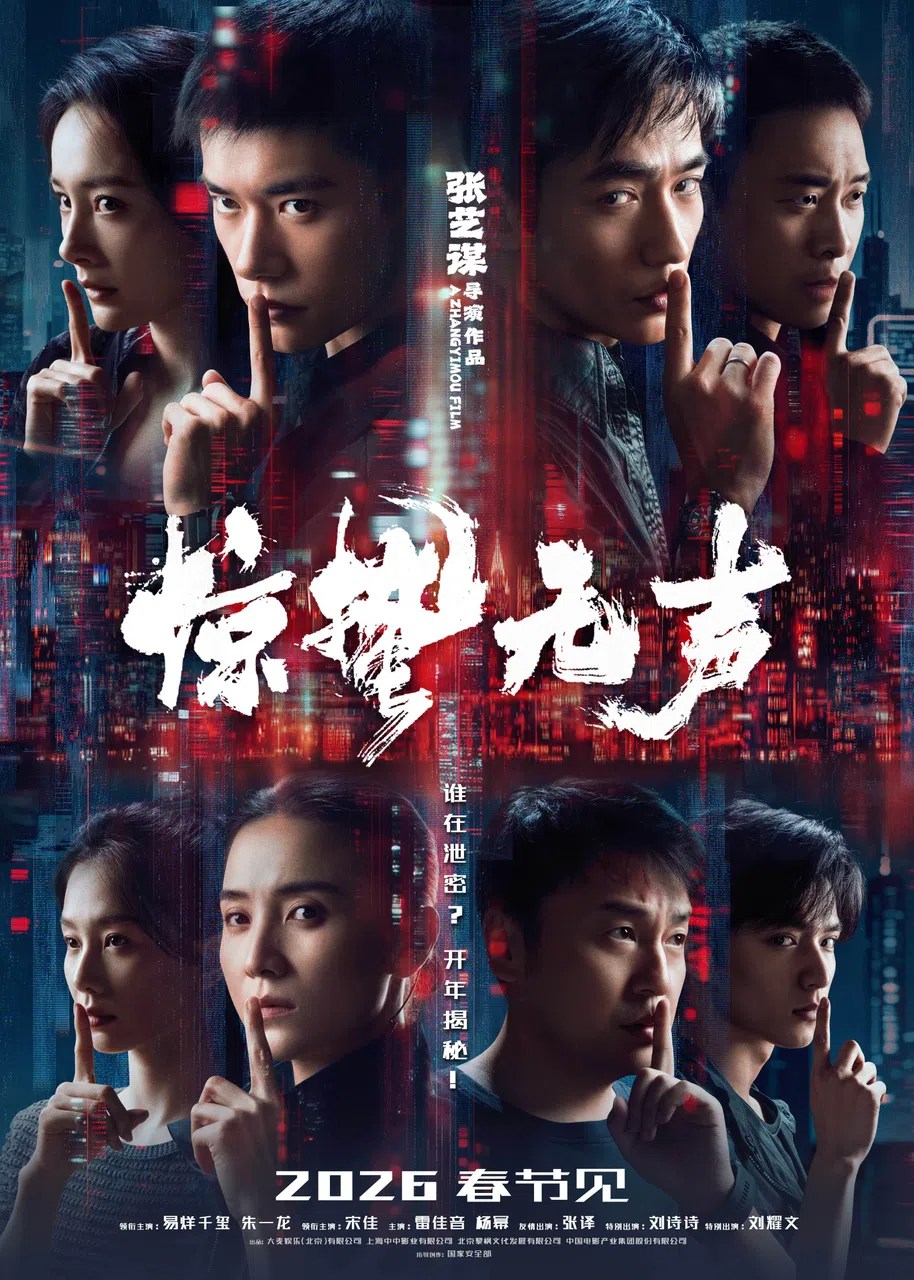
When a suspected spy gets away with some top secret information, the security services begin to suspect they may have a mole on their hands in Zhang Yimou’s slick espionage thriller, Scare Out (惊蛰无声, Jīngzhé Wúshēng). Possibly inspired by a real-life case in which information regarding a new fighter jet was leaked, the film is supervised by the security services themselves and in part a defence of China’s all powerful surveillance network and technological supremacy that allows them to neutralise threats to national security in record time.
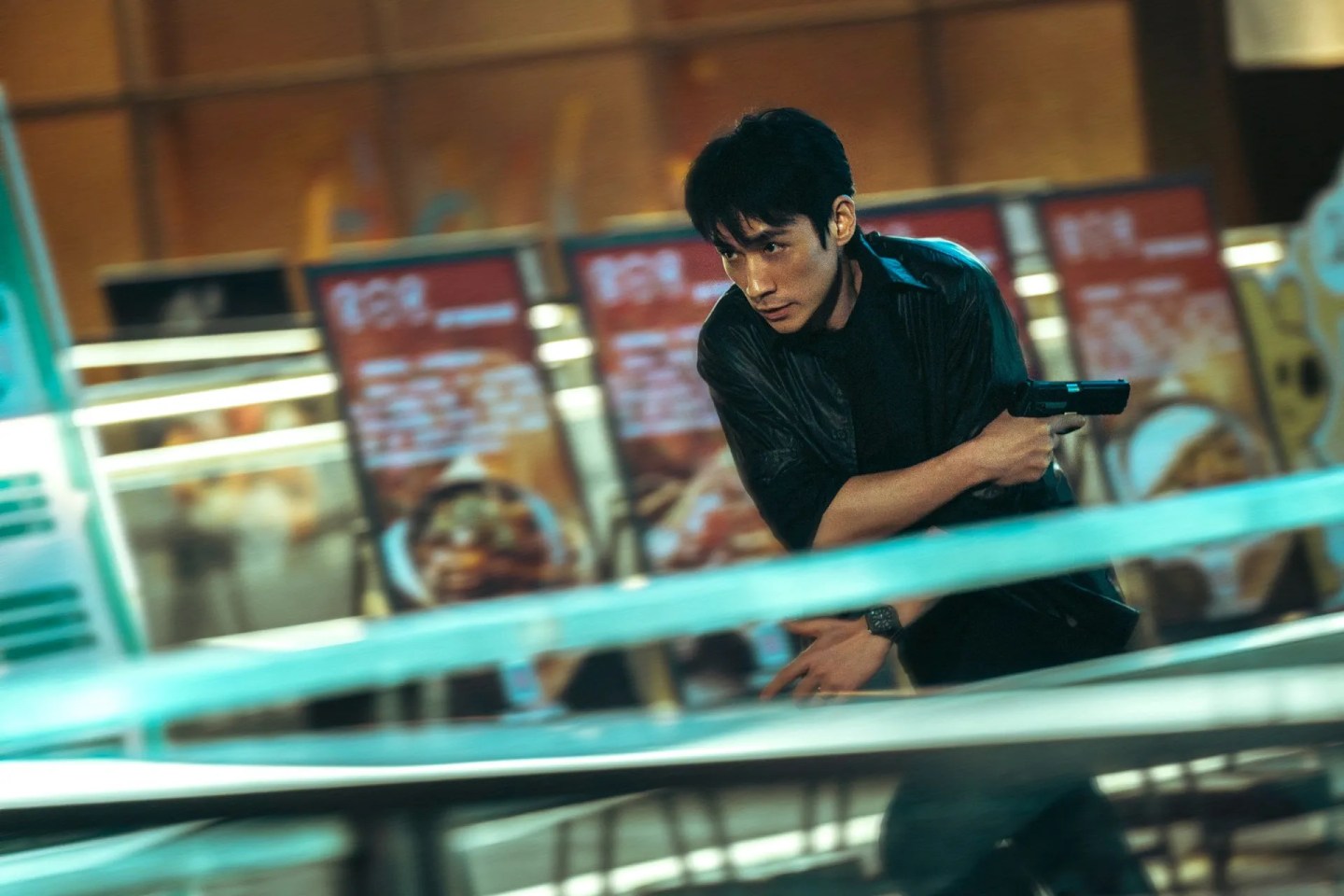
Nevertheless, like some of Zhang’s recent work, it’s surprising that he was able to get away with the depiction of a rogue intelligence officer and potentially not quite on level actions from the security services even if they’re eventually vindicated by a final twist. When we’re first introduced to Huang (Zhu Yilong), he’s hot on the trail of foreign spy Nathan whom they assume to be receiving confidential information regarding a new stealth system for fighter jets leaked by a scientist who is desperate to leave the country (Lei Jiayin). Huang is shot in the back by an arrow, while his colleague takes one to the neck and is killed. Though they manage to arrest Nathan, he’s almost killed when the box he’s carrying spontaneously combusts burning the contents.
It’s at this point that things start to go wrong for Huang as his former colleague Zhao Hong (Song Jia) returns to lead the team and he’s one of three suspects for a possible mole alongside his second in command Yan Di (Jackson Yee), and their drone operator Chan Yi who killed the sniper either accidentally or on purpose by ramming him so that he fell from the upper levels while trying to escape. Until now, Huang had been depicted as an upright and dedicated officer who absolutely could not be the mole, but we soon discover that he in fact is, or at least that he was in the process of being turned by foreign asset Bai Fan (Yang Mi). With his marriage falling apart, he fell right into her honey trap and is now being blackmailed but theoretically still has the opportunity to turn this around if only he can hold out and find a way to do the right thing.
Then again, the film deliberately wrong-foots us by occasionally suggesting that maybe Huang isn’t the mole after all or that there may be more than one or something larger going on all together. It’s not really revealed why Bai Fan has betrayed her country to work for a foreign intelligence agency led by a Westerner living in China and with incredibly good Mandarin. The foreign agency evidently thinks this region’s important enough to be worth creating a long-term network of sleeper agents, while the way the security services discuss the stolen stealth data makes it sound as if they’re already in a war and very much don’t want “the enemy” to get hold of this information.
The real action, however, is the interplay between accused Huang and Yan Di whose relationship takes on intensely homoerotic quality. Just as Huang is torn between his duty as an intelligence officer and the predicament he finds himself in, Yan Di is torn by the desire to protect his friend while simultaneously avoiding implicating himself. They must either betray each other, themselves, China, or all three, which isn’t an ideal set of choices. Meanwhile, the spy craft on show has a very traditional quality with smartphones secured in rubbish bins in public lavatories, dead drops, and mysterious potions that can destroy evidence, all of which suggests that there are ways in which this vast surveillance network is in fact fallible and can’t protect against every eventuality even if it’s just someone leaving a bathroom in a different outfit than they were wearing when they went in.
Though Zhang does his best to lend the city a near future gloss as a techno paradise in which there are no secrets, he opts for an unusual fast editing style which makes the narrative much more difficult to follow while encouraging an atmosphere of intense paranoia where everything moves at breakneck speed and nothing is ever certain. Like his recent films Under the Light and Article 20, however, it’s a curiously anonymous affair and bears few of the hallmarks of Zhang’s filmmaking as a fifth generation director opting instead for a fairly generic, mainstream blockbuster aesthetic. Nevertheless, in its twists and turns along with the interplay between the two leads the film nods back towards the intrigue of Infernal Affairs and a history of Heroic Bloodshed less commonly found in Mainland crime dramas.
Trailer (English subtitles)
 Windows on Worlds