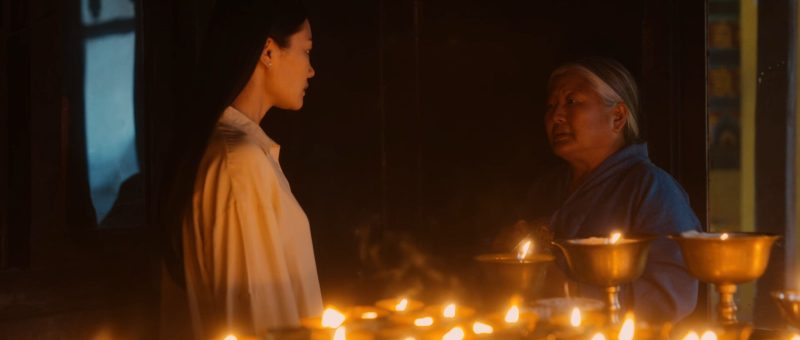
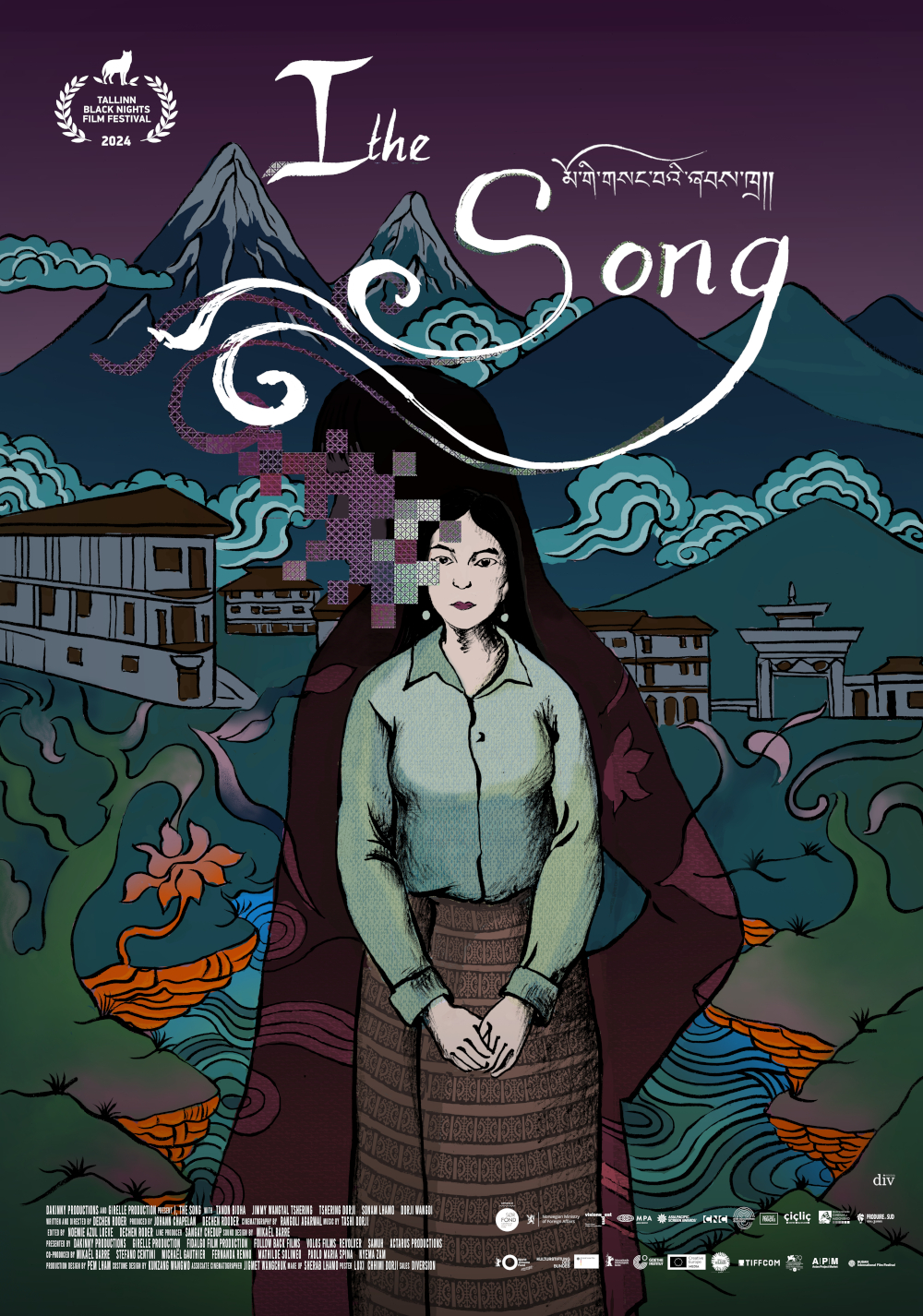
I, the Song (མོ་གི་གསང་བའི་ཞབས་ཁྲ, Dechen Roder, 2024)

Nima’s (Tandin Bidha) boyfriend Penjor tells the tourists who come into his restaurant to experience the local culture that Bhutan is one big happy family where everyone knows everyone. This will turn out not to be the case, as Nima finds herself mistaken for someone else and struggling to affirm her own identity when everyone begins to tell she is someone she knows she is not. Dechen Roder’s I, the Song (མོ་གི་གསང་བའི་ཞབས་ཁྲ) paints a slightly less rosy vision of the so-called happiest nation of earth in which women like Nima are oppressed by patriarchal standards that are so deeply ingrained she had barely noticed them before.

Nima’s outrage runs slightly deeper than the frustration of being accused of something she hasn’t done partly because of the shame and embarrassment involved with being associated with an erotic video, but also because of its inevitable consequences. She’s let go from her job as a schoolteacher when parents complain after identifying her as the subject as a viral “blue video,” one clearly shot and uploaded to the internet without the woman’s consent. No matter how much Nima protests that it isn’t her, nobody believes her. Not only is she fired from her job, even her boyfriend distances himself from her. He scoffs a little resentfully that she’s always so proper, yet has apparently done something like this with another man. Nima is indeed quite “proper”, a little stiff and repressed. She lives her life in a conservative way, always demure and polite. It is difficult to believe that she would have had a one night stand with a man who filmed their encounter, but despite the incongruity, everyone assumes she must be lying to protect her reputation. Nima determines that the only thing to do is find the woman in question and get her to confess so she can prove to them that it really isn’t her.

But that proves a little more difficult than she first assumed it would, because every lead she turns up turns cold. Meto has disappeared into the ether like a ghost. Some say she went to America, as Nima herself apparently once did, though she doesn’t seem particularly worldly. In any case, many remark that people change after they go abroad, almost as if they were equating it as a kind of death or transition to another world. One of Meto’s old friends even suggests Nima actually is Meto having returned from America with a new identity and changed personality. The more she investigates Meto, the less certain Nima becomes of herself. What was so wonderful about your life, Meto’s former boyfriend Tandin (Jimmy Wangyal Tshering) asks her when she explains why she’s looking for Meto and Nima has to admit that maybe she doesn’t have an answer.

In looking for Meto, is she of course really looking for herself but Meto has been a lot of people too. Nima discovers that Meto came from a small village to reclaim a song that stolen by the city. Meto’s grandmother says that bad things will happen in the village if they don’t get it back, but how exactly can you return a song? In the end, Meto has become a song to Tandin who struggles to accept her sudden absence assuming she must have just left him and decided to move on without a word as she apparently had from other lives before this. In a way, Nima is returning the song of Meto in learning to sing it, bringing it home to her grandmother as if closing a loop.

What she eventually realises is that it shouldn’t matter if it was her in the video or not. The shame wasn’t Meto’s to bear, and investigating her fate she uncovers a dark history of sexual harassment and exploitation. Using her newfound identity, Nima tries to get justice for Meto by reporting the man who did this to her as a means of standing up for herself and the other women of Bhutan held to unfair double standards while men like Meto’s abuser are free to continue abusing their authority. She has in a way learned to become herself while sort of becoming someone else and reclaiming an identity that should have been hers all along in the discovery of a newfound freedom.


I, the Song screened as part of this year’s CinemAsia Film Festival.

Trailer (English subtitles)
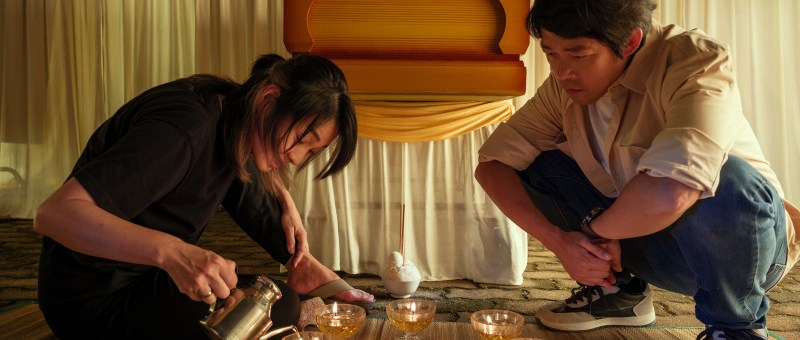
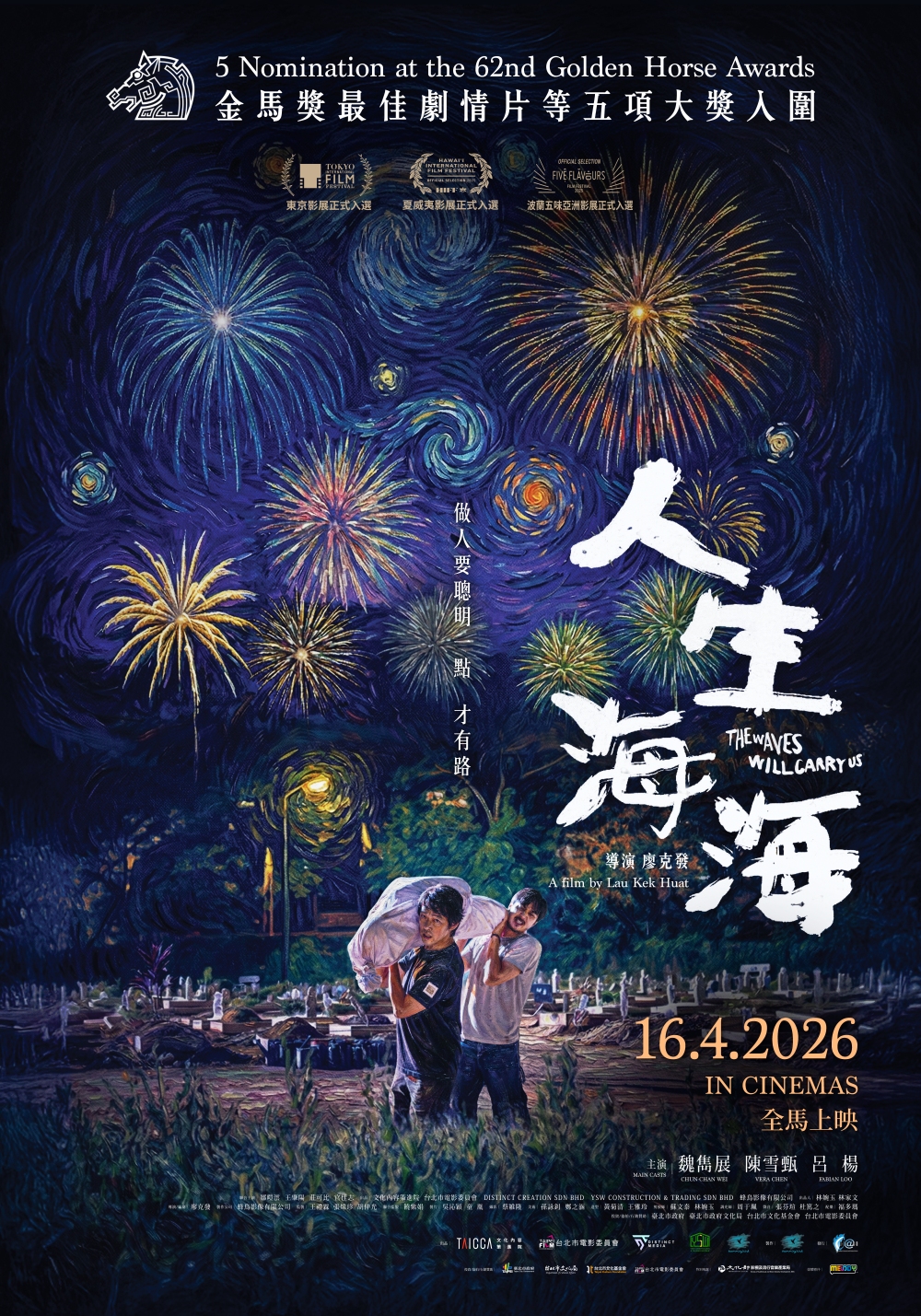
The Waves Will Carry Us (人生海海, Lau Kek-huat, 2025)

Yao explains to a wealthy couple in Taiwan how they can change their nationality to preserve their wealth, “investing” in another country in order to buy citizenship to a place that has a taxation system that is more advantageous to their circumstances. But the people he’s talking to remark on his accent and after learning he came from Malaysia jokingly tell him that he passes himself off as Taiwanese quite well with the implication being he’s deceived them in some way, while it’s ironic that someone who’s immigrated to Taiwan is helping them “emigrate” from it.

This seems to upset Yao a little bit. Just as it does when he goes to donate blood with some Taiwanese friends, but is refused because he comes from a “high-risk area”. He points out that they might not reject someone from Europe or America in the same way as someone from South East Asia, while this very denial of his blood seems to suggest that it’s not possible for him to ever be “Taiwanese” no matter no long he might have lived there. Any children he might have would not really be either. Lau Kek-huat’s The Waves Will Carry Us (人生海海, rénshēnghǎihǎi) jumps back over a hundred years to ask what really is a “homeland” and what meaning there is in this world of borders and documentation that take questions of identity and belonging out of the individual’s hands.

Yao came from Malaysia, but as a member of the ethnic Chinese community, he isn’t completely accepted there either. His grandfather came as a child from China, but when independence was granted, he was excluded from citizenship applications because he did not speak Malay and risked losing his land and farm as an undocumented person. He had come there with his uncle who dreamed of untold riches in South East Asia, but found only hard work and dire conditions. Before they left, their relatives had performed a ritual which taught them never to become “barbarians” or risk losing their way home. Quan and his uncle keep their hair in pigtails despite the mocking of those around them and are discouraged from eating the local durian fruit which becomes a favourite of Yao’s father. 

Yet when government officers march into his father’s funeral for which his sister has splashed out on a traditional Taoist burial suit, he learns his father secretly converted to Islam and must be laid to rest in the Muslim burial ground having undergone an Islamic funeral. As he says to his brother Cai who is an activist protesting the corrupt government, it is easier to be a Muslim in this society. You can get cars and loans more easily, not to mention have multiple wives. The government officer looks at him with similar suspicion to the Taiwanese couple, claiming that he understands the “Chinese mindset,” and is sick of people who convert to Islam for purely cynical reasons and never practise the religion. This is what you get, he seems to say as he rejects Yao’s attempts to bribe him and confiscates his father’s body.

It turns out that the reason may not have been so cynical after all, but nevertheless the family is forced through the farce of burying a doll in order to complete the Taoist funeral rites without which they cannot really lay their father to rest. Yao’s and Cai’s mad decision to exhume him from the Muslim burial ground is then an attempt to bring him “home,” though the concept is one that’s in other ways constantly shifting. Yao’s niece asks her mother where Yao’s “home” is now, though the answer they come up with is only that home is wherever he is. That the body ends up getting lost is an indication of its statelessness but also a restoration of freedom in being uncoupled from the notion of national identity. 

Still, young Quan wondered if the stars here were the same as they were back home or if they’d travelled so far the ancestors could no longer protect them. Everyone must find a way to survive, Yao’s father had told him, though his brother Cai may think he’s coward for going to Taiwan rather than staying in Malaysia and trying to make things better like he is with the protest movement. The irony is that their father died on Independence Day draped in a Malaysian flag, while they later use it as a bandana to cover their faces when confronting the police as they try to rescue their father’s body only to enter another kind of in between space, if one in which they are freer to claim their own identity.


The Waves Will Carry Us screened as part of this year’s CinemAsia Film Festival.

Trailer (English subtitles)
Moonglow (Isabel Sandoval, 2026)

A conflicted policewoman is placed in charge of investigating a crime that she herself committed in Isabel Sandoval’s moody noir, Moonglow. In many ways about the deadening quality of life under authoritarianism, the film contemplates complicity and resistance along with the “paradise of progress” that is touted as the modern Philippines though it faces many of the same problems as in 1979. You may think of yourself as some kind of moral crusader, Dahlia’s aunt warns her, but you’re no match for them.

Sister Therese may have a point. The news is full of stories of abandoned bodies and mysterious fires. Dahlia (Isabel Sandoval) characterises her theft as an act of rebellion and retribution. She does not keep this large sum of money taken from her corrupt boss’ safe for herself, but gives it to her aunt, a nun, with the instruction that it’s to be used to help the victims of a slum fire that later turns out to have been orchestrated by the police chief who is getting kickbacks from construction firms and envisions a bright future for himself in politics. 

Going into politics seems to be the ultimate goal for many. Charlie (Arjo Atayde) was also being groomed for office, but chose to emigrate instead after being confronted by the ugly side of his family’s elite status. The nephew of police chief Bernal, he’s just returned from America to look after his ailing father having become a lawyer rather than law enforcement official. Nevertheless, Bernal appoints him to the investigation presumably assuming he’s a safe person to ask because he’s family and therefore no threat to him. Old flame Dahlia, however, remarks on meeting him again that he now wears glasses, as if signalling Charlie’s ability to see things with more clarity than those around him whose vision has been blurred by continued exposure to life under the Marcos regime.

Dahila, who chose to stay rather than leave with Charlie, has indeed been compromised and is to an extent at least complicit as an agent of authoritarian power and according to some Bernal’s right hand woman. She says herself that she’s summoned in ghost in Charlie’s return and is haunted by the person she was before along with that of lost love. Each of them have repeated flashbacks to a lavish party shortly before Marcos took power which seems to hint at the coming future as Bernal introduces a man soon to be governor who echoes the contemporary radio broadcasts speaking of an era of prosperity hovering the horizon.

Alvaro manipulates Bernal with promises to make him his political successor, while it’s clear that any “prosperity” to come will only be for some. They burn slums to seize the land for shopping malls and luxury apartments leaving hundreds of people homeless and others of them dead. Alvaro later implies that some of the stolen money has been used to get the victims legal representation to challenge the government, a power that he also believes to have been “stolen” in that they have no right to it. Indeed, the authorities silence contrary voices without compulsion offing an investigative journalist reporting on the fires and later coming after Dahlia. Charlie reminds her that Bernal would sacrifice anyone, and indeed later implies he may do so with him when he starts asking the wrong questions about how much money went missing from the safe. 

Yet Dahlia’s tragedy is that in the end she can’t escape herself or her past. She can’t make all of this right through her act of rebellion, but neither can she accept the ways in which she did not resist or leave as Charlie had. That other life is also haunting her. Sandoval’s frequent use of dissolves signals the foggy quality of life under authoritarianism in which it becomes impossible to think or see clearly when every moment is self preservation or active complicity. Past, present, and future come to co-exist with Dahlia stuck somewhere in between, longing for a return to an elusive past while fearing that the future is no longer possible. She and Charlie are now, as she says, different people. Their romance belongs to another era which has now become inaccessible, or perhaps existing only in the realms of memory as a painful reminder of that which could have been.


Moonglow screens in Amsterdam 11th/12th April as part of this year’s CinemAsia Film Festival.

Trailer (English subtitles)
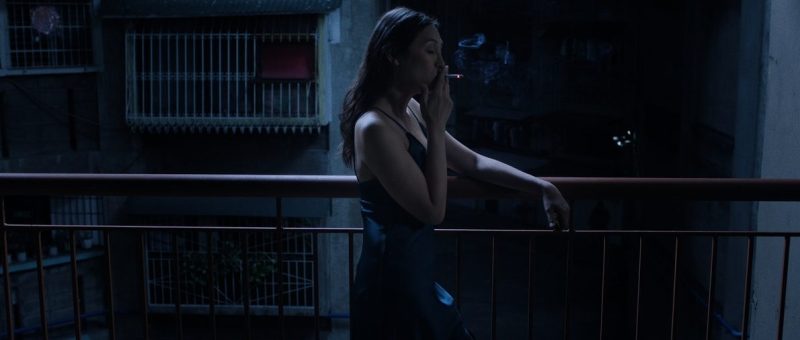
Republic of Pipolipinas (Republika ng Pipolipinas, Renei Dimla, 2025)

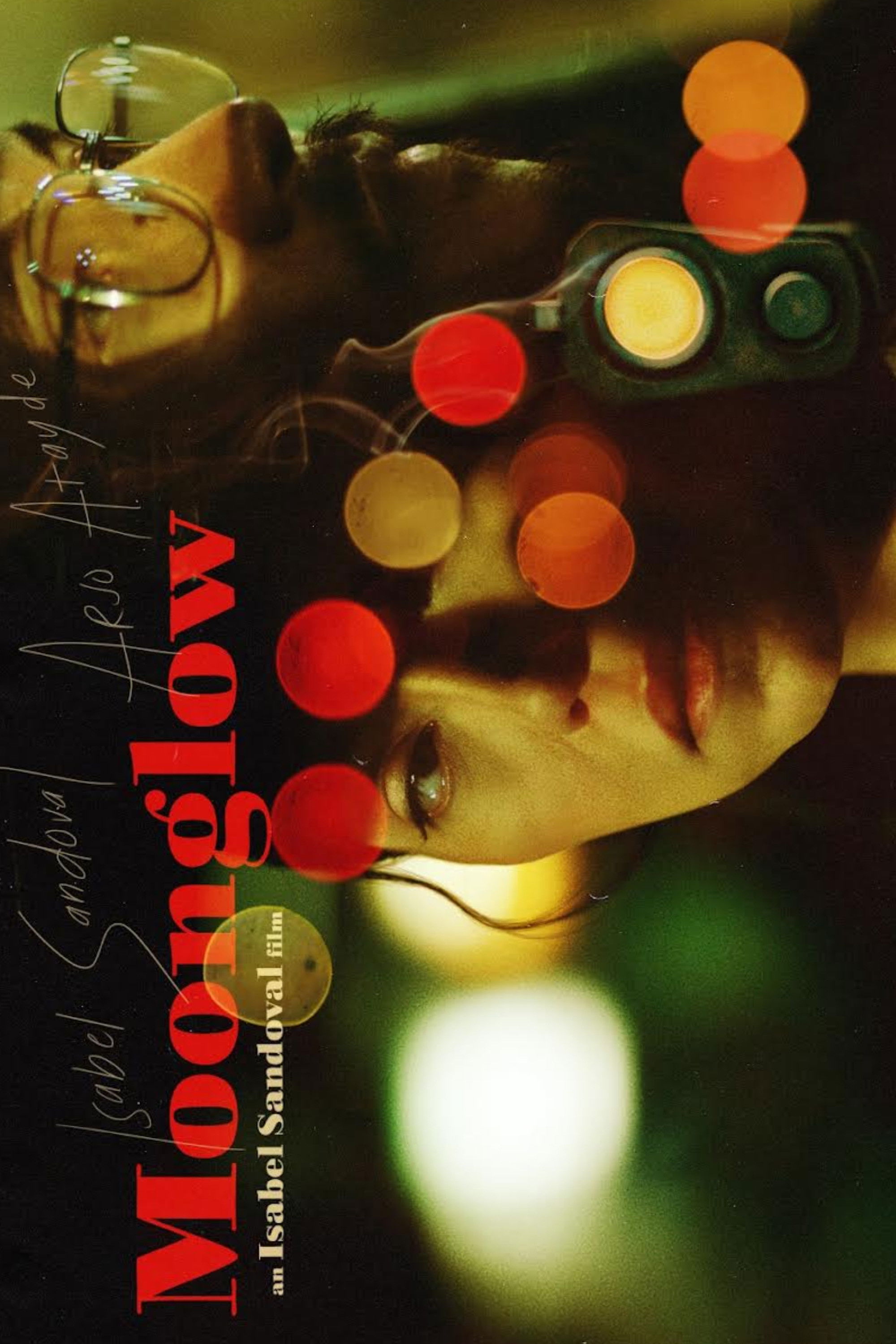
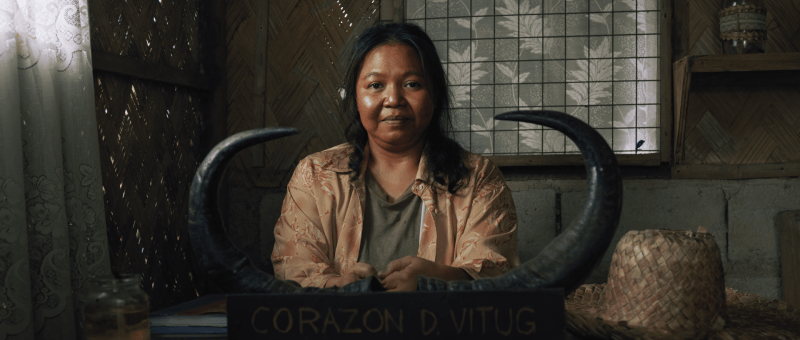
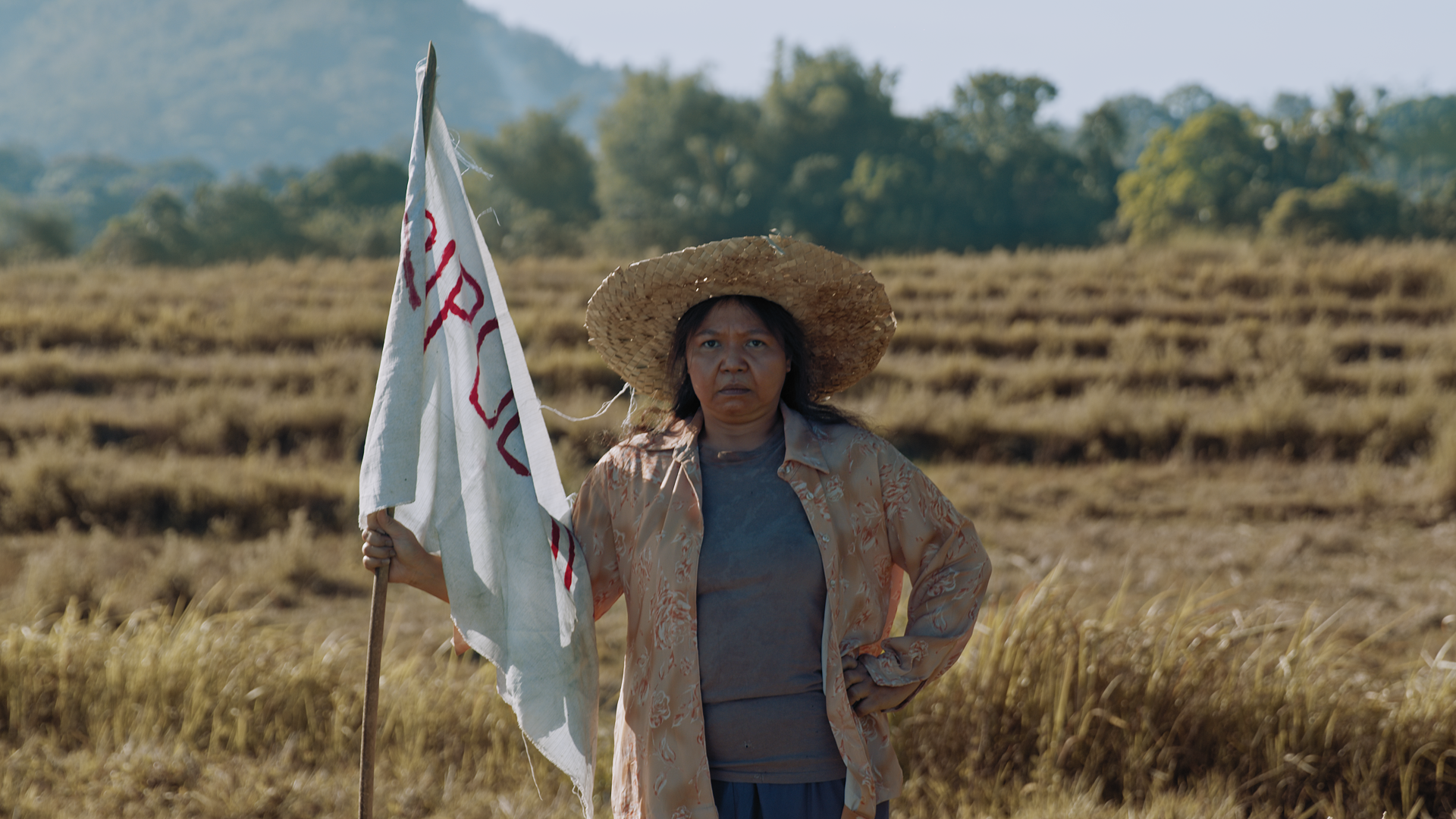
Declaring herself sick of being a Filipino, disillusioned farmer Cora decides to secede from the Philippines and start her own nation which she calls the “Republic of Pipolipinas”. She chose this name, she says, in memory of the People Power Revolution in 1986 which showed her that anything is possible when people work together for the nation. She may have spelled “people” in a non-standard way, but really what does that matter if it sounds right and you know what she means?

A mocumentary shot in the style of Parks and Rec, Renei Dimla’s deadpan satire uses its heroine’s zany idea to explore the contemporary reality of the Philippines in which many others are also sick of being Filipino and want to start again. What Cora most objects to is that the local authorities are trying to take her land which her family have been farming since the days of her great-great-grandfather. They say they have deeds going back to the Spanish colonial era saying the land is theirs, but Cora points out that’s really just neocolonialism. How can they tell a Filipino woman that this land doesn’t belong to her? Her children are buried there, and so she refuses to move, sending letters from the office of the President of the Republic of Pipolipinas to the mayor telling them that if they come on her land she’ll charge them with trespassing which incurs a fine to be paid in ducks, chickens, and cows.

In a way, that might demonstrate that Cora is living in the past, but she has a point when she says that she doesn’t want money in the Republic of Pipolipinas because that’s when you start getting corruption. Most of her neighbours think she’s a bit mad, but see her as a local eccentric, except for the few who think she might have killed her abusive husband with rat poison. Nevertheless, many of them are mired in poverty. The lady at the local shop lets Cora pay in eggs, but another woman comes and asks to add to her tab because there’s nothing to feed the children and her husband hasn’t been paid again. Local boy Ogie has dropped out of school because his mother’s ill. She’s refusing to see a doctor because they can’t afford it. Cora puts back some of her purchases and asks for the money instead which she gives to Ogie so his mother can get medicine. 

Many of the people who later join the Republic of Pipolipinas have similar problems. One woman has lost a son to extrajudicial killing. A man working as a tour guide hates himself for greeting people so warmly when he knows the country is in a bad way and the vision they sell to tourists is a lie. But once the Republic of Pipolipinas starts to grow, the same kind of issues appear. Led by actress Alessandra de Rossi playing a version of herself, the new citizens become frustrated with Cora’s lack of sophistication and begin talking about constitutions and what kind of nation they want the Republic of Pipolipinas to be while vying for power.

Cora asks herself why they’re expected to die for the nation when the government’s job is to keep people safe from harm. After discovering that her farm is to be bulldozed to build a waste treatment centre, or really a landfill site filled with rubbish imported from Korea and other wealthy nations, she discovers corruption in the local government and tries to expose it only to end up being accused of embezzlement herself, which is ironic because she consistently rejected the presence of money precisely because it leads to corruption. Even a local official who refuses to believe Cora would do something like that sheepishly admits that it’s difficult to avoid temptation once in power, as if corruption is an inevitability that can’t be resisted. But even collaborators aren’t exempt from the wrath of the regime. The mayor believes he’ll weather this storm just fine and continue to “serve the people” while throwing his underlings under the bus.

At heart, Cora isn’t really sick of being Filipino, she just wants the Philippines to be a better place for the children to grow up. She can’t stand the flag ceremonies and enforced patriotism, the expectation that they must serve a nation which no longer serves them. What she holds onto is a lesson that her father taught her during the People Power Revolution, that the nation is not abstract concept but collection of people who can still turn this thing around no matter how hopeless it might seem now.


Republic of Pipolipinas screens in Amsterdam 10th/11th April as part of this year’s CinemAsia Film Festival.

Trailer (English subtitles)
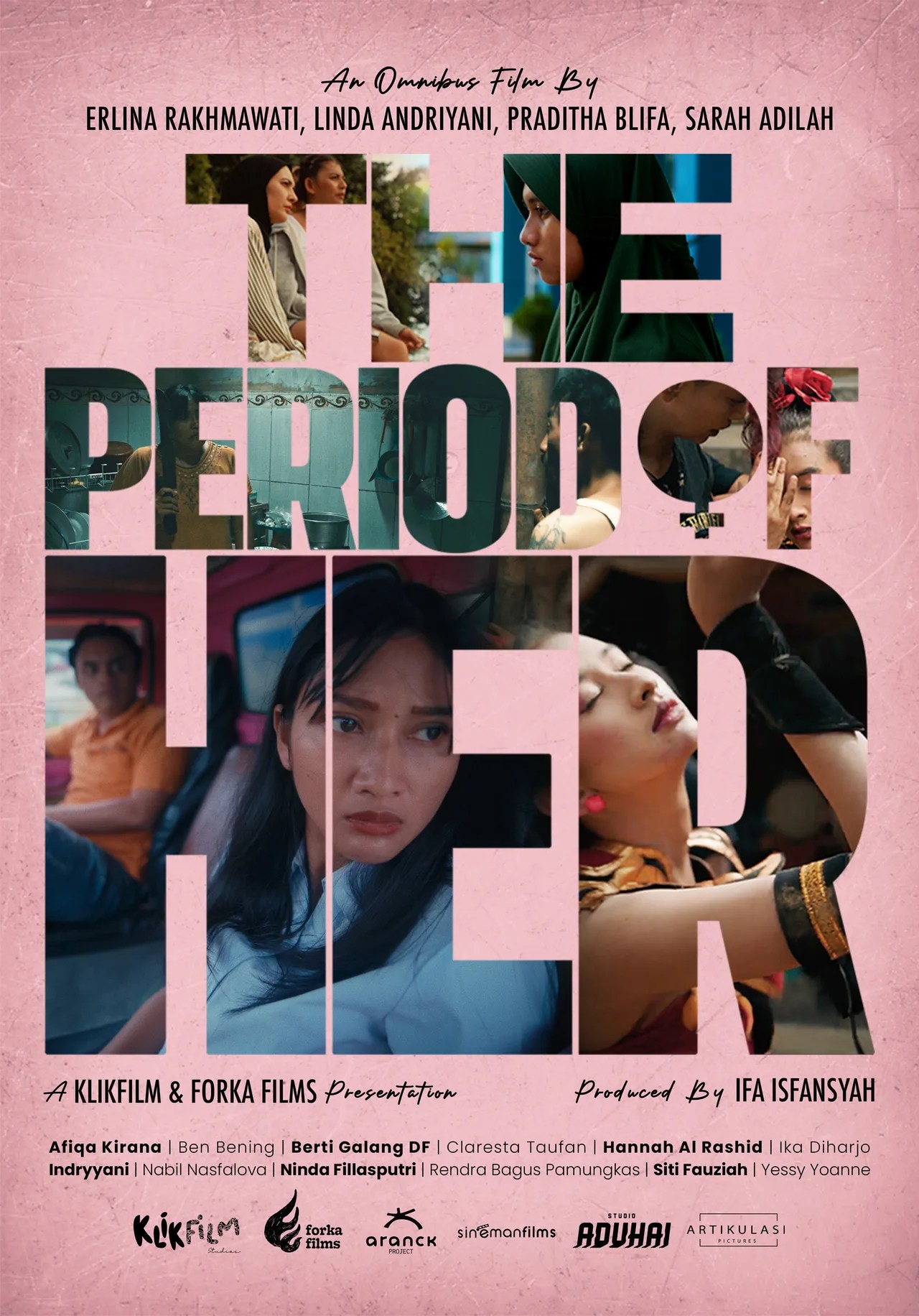
The Period of Her (Erlina Rakhmawati, Yulinda Andriyani, Praditha Blifa, Sarah Adilah, 2025)

Four emerging female filmmakers explore the experiences of women in contemporary Indonesia in anthology film The Period of Her. Though in different styles and approaching the issues from different angles, each of the segments highlights the ways in which women suffer disproportionately due to double standards in a fiercely patriarchal culture, from being prevented from following their dreams to being trapped at home by an abusive partner expecting total obedience from his wife.

Perhaps the clearest indication of this is that the women are expected to scrub their sanitary pads to remove “dirty” blood even though they are disposable and will just be thrown away. Women are often seen trying to wash blood stains out of their clothes and towels as if expected to hide the evidence of their womanhood. Nisa gets her period during swimming training and is immediately forced to reckon with her sudden entrance into adulthood. Though she enjoyed swimming and was good at it, now that she is a woman it is no longer permitted. They tell her that she’s polluting the water, while it’s now improper for her to wear “revealing” swimming costumes. At first, she tried to keep it a secret from her school friends, but once they find out she has to dress differently, marking her out as an “adult”, though she is clearly still a child no different from the other girls. Though her male teammate doesn’t agree with the way she’s being treated and just wants to swim with her again, he is eventually picked to represent the school while Nisa is forced to retire. She takes a used, unscrubbed, sanitary towel and smears blood over the display cabinet featuring all her trophies and certificates for which the school has taken all the credit.

Nisa’s mother had also wanted to pursue her dream of swimming, but was pulled into an early marriage meaning she had to give it up which isn’t what she wants for Nisa. But motherhood is it seems the only role for a woman. Wati also turns down her husband’s sexual advances because of her menstrual cramps, but he too becomes angry and is apparently fed up with her inability to conceive a child after five years of marriage. He says this is the reason that he married her, but, at the same time, refuses to be examined by a doctor unwilling to consider that the issue may lie with him. His family have called her a failure as a wife, while Watik complains that she’s struggled for five years trying to prove her husband’s manhood. When she comes across an abandoned baby, it seems like all her problems are solved, though her husband is unhappy complaining that he wanted her to have his child, not raise someone else’s, and then bizarrely taking them both to a brothel in search of help.

Rendi, a cheating boyfriend, similarly says he can do what he likes and smirks that his girlfriend, Shela, wasn’t a virgin anyway so he doesn’t owe her anything even if they slept together. The girl she caught him with, Desi, tells her that Rendi said he was bored with her, though he’s evidently made no attempt to end the relationship or treat Shela as anything other than object. She can’t really challenge him, but becomes so enraged during the traditional dance she’s performing that the MC has to stop it for her safety. Nevertheless, she pretends to be possessed by a spirit to call Rendi out, seeing as he’s at the festival in the guise of a “virgin shaman”. Despite the animosity that might exist between them, the episode ends on a note of female solidarity as Shela and Desi share a drink on the way home, laughing together as they ride away on their motorbikes.

An inversion of this female solidarity can be seen in the final segment, Not Dead Enough, in which an overbearing husband drops dead of a heart attack after picking up a machete to attack his previously meek wife who has been pushed to breaking point by his uselessness. On waking up, he discovers himself in a world in which gender roles have been completely reversed. He is now bullied by his domineering wife and a host of female debt collectors, not to mention casually sexually harassed even though he’s not really allowed to go out of his house. He has only the solidarity of the other husbands who try to help and take care of him. In place of hijabs, they wear bicycle helmets on their heads, and are expected to serve their wives with absolute obedience. Experiencing period pain for the first time along with the threat of violence from his wife and other women, Kempas gets a taste of his own medicine and realises what it’s like to live as a woman in this society, though he never really gets the opportunity to put what he’s learned into practice and be a better man and husband. Each of the women is, in their own way, trapped by the patriarchal order and struggling to find a way to live while looked down on and dismissed by men who think it’s their birthright to be served and take each refusal as an assault on their manhood.


The Period of Her screens in Amsterdam 9th/10th April as part of this year’s CinemAsia Film Festival.

Trailer (English subtitles)
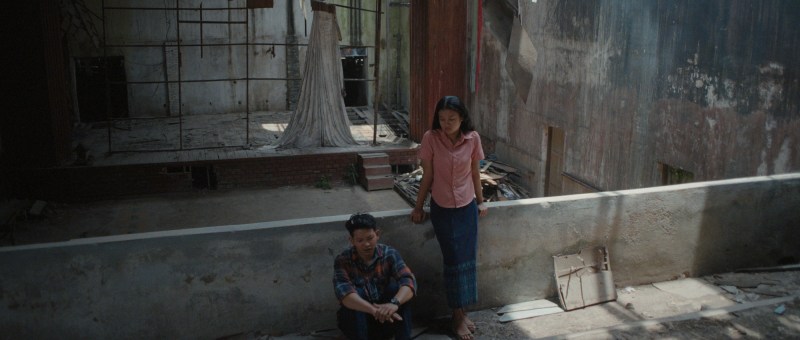
Becoming Human (ជាតិជាមនុស្សា, Polen Ly, 2025)

In a way, all cinemas are haunted spaces. They echo and replay time while becoming repositories for the thoughts and feelings of all who walk through their doors. Perhaps that’s why many of them feel so human, as if they really had a soul. Or perhaps they steal a little bit of ours and hide it away behind the screen. The cinema in Polen Ly’s Becoming Human (ជាតិជាមនុស្សា), however, really does have a spirit of its own now facing eviction as it, too, is to be torn down to make way for a new that no one may really want. 

This feeling of unwilling displacement and rootlessness echoes through the film, not the least in the figure of the woman across the way cleaning out her late mother’s home. She looks lovingly at a tree on the rooftop knowing she will never see it again and this last memory of her childhood will not last much longer. Her son sarcastically asks her why she doesn’t take it with her and the house too for that matter if she likes them so much. She would if she could, she replies, with a tone that suggests she’s put out not have the option of doing so. Thida, the cinema ghost, is also in search of a tree, one that once stood outside her childhood home, though she’s no idea if either of them are still there now. She’s rooted to this place, or more precisely to a small shrine inside it that is later rather unceremoniously put out for the bin men with the rest of the demolition refuse. 

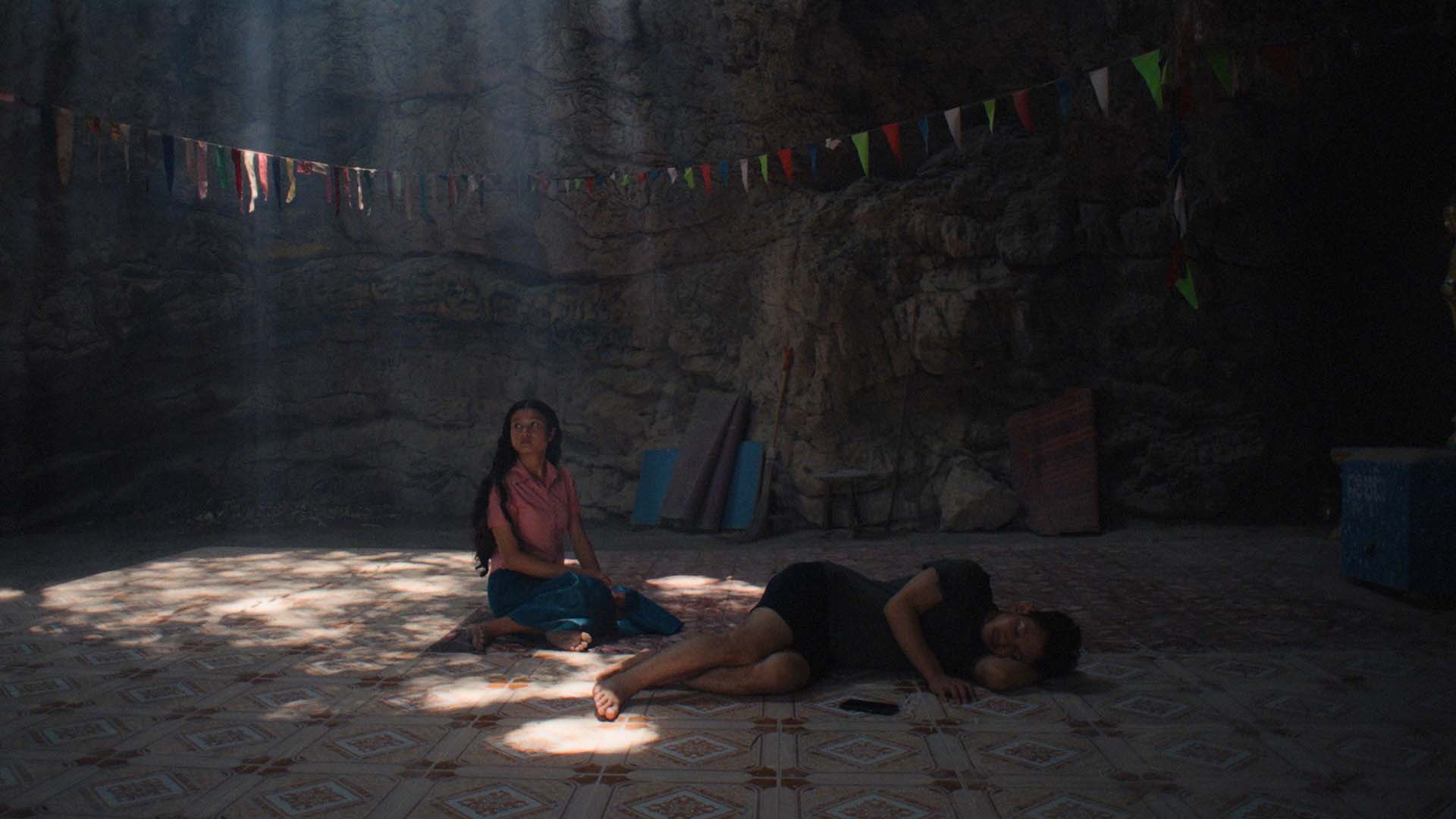
But Hai, a young photographer weary of his life as a journalist in a world in which no one wants to talk about anything serious, is also in his way haunting this space. He tells Thida that he has no home to go back to. Abandoned as a child, he took shelter in a pagoda which, when Thida breaks free and visits it, looks much like the ruined cinema with the light streaming in from above. Now the pagoda is to be torn down too, this time for a quarry which is slowly destroying the very landscape in levelling mountains to build tall buildings in other places. After being sent off for rebirth, Thida encounters a woman who used to be the guardian spirit of a lake, but has learned to live with changing times. Nevertheless, she laments that the lake was filled in to build more apartment blocks and shopping centres for the wealthy. The lake, meanwhile, was used by the poor villagers to water their crops and provided them with fish. The villagers were made into wandering ghosts too. They lost their homes, went to prison for protesting, or took their own lives because they could not find a place for themselves in this changing landscape.

Thida resisted rebirth because her suffering was too great in this life and she’s no desire to repeat it. Being a ghost’s not all that bad, she insists, but there are reasons she can’t move on and in, someways, it’s the country that’s haunting her rather than she it, much as her presence provides both comfort and melancholy for Hai who perhaps risks becoming trapped in nostalgia for a lost past he never really knew. He sings old songs in the abandoned cinema, while ironically playing a classic film for Thida on his smartphone. Perhaps in a way this demonstrates that things don’t disappear so much as merely migrate. Somewhere, the film is always playing even it’s just echoing in the ears of Thida and Hai as they look for new homes in a place where it feels as if the foundations are always been dug out from underneath them.

Still, Thida is also a temporal ghost carrying with her the lingering trauma of a war that continues to scar a landscape if only in its empty spaces. Given the ability to go anywhere, Thida realises there is nowhere to go but home. She grasps the grass where her house once was and seems to make peace with something. Nevertheless, in the end she can’t let it go, choosing to take her memories with her however painful they might be. This land is being reborn too, dying and being rebuilt, while in some respects at least forgetting itself while simultaneously unable to move on from its past.


Becoming Human screens in Amsterdam 8th, 10th, and 12th April as part of this year’s CinemAsia Film Festival.

Trailer (English subtitles)
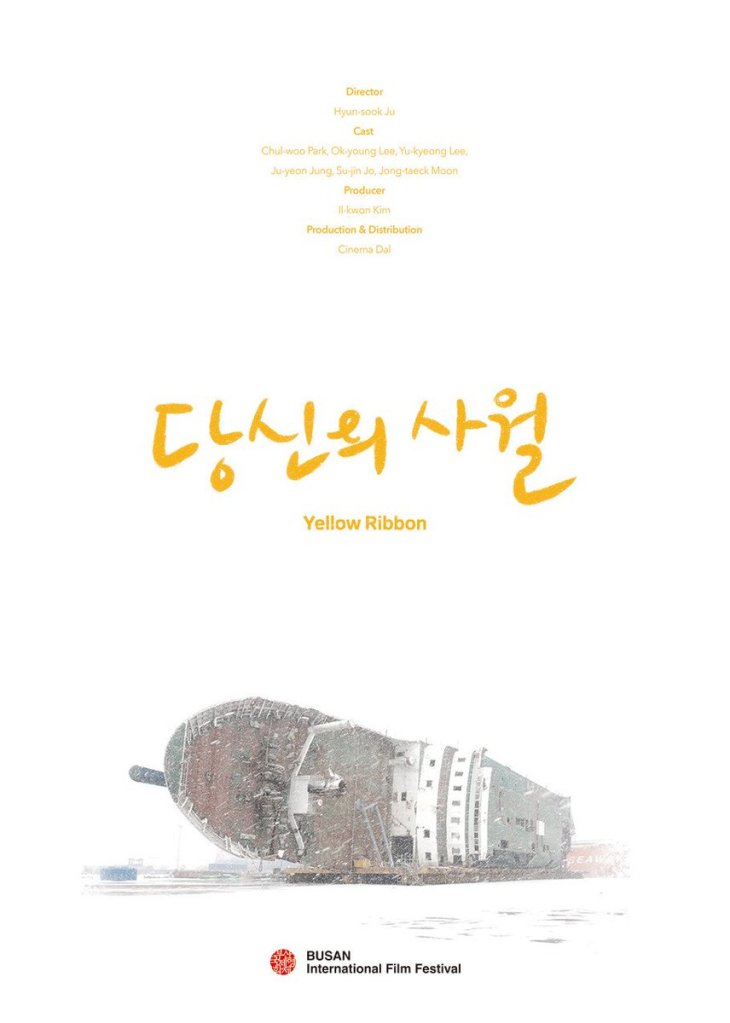
Yellow Ribbon (당신의 사월, Ju Hyun-sook, 2019)

On 16th April, 2014, a ferry en route from Incheon to Jeju Island sank taking the lives of 304 passengers many of whom were high school students on a school trip. The Sewol Ferry Disaster went on to have wide-scale political ramifications, eventually feeding into the discontent with the government of Park Geun-hye who, it was discovered, had been uncontactable for seven hours during the height of the crisis, later refusing to account for her whereabouts. Ju Hyun-sook’s documentary Yellow Ribbon (당신의 사월, Dangsin-eui Sawol) is, in some senses, usual in that it follows not those directly bereaved by the tragedy but those caught on its edges, ordinary men and women who find themselves haunted by national trauma. 

What each so clearly recalls is the sense of helplessness that they felt as bystanders watching from the shore. All of them believed the passengers would be rescued, no one envisioned a tragedy unfolding, and so they were lulled into a false sense of security by the media’s mistaken reports that everyone had been saved. Fisherman Lee Ok-young was among the first to realise that the information being given out by the media was incorrect when he sailed out towards the ferry and saw the shadows of those trapped inside. In fact, many of those who were rescued from the wreck were saved by good samaritan boats who came to help, Korea’s coastguard didn’t show up until 40 minutes later. Ok-young is, however, among the most directly affected, later finding the body of one of the students caught on a rope he was using for seaweed farming. 

Ever present in the background, usually taking photos, is the young woman’s father – a constant reminder of the scale of the tragedy. It was dignity of the families which first struck Park Cheol-woo, the owner of a coffee shop in Korea’s political centre near the presidential residence of the Blue House. Hearing that the families were due to make a visit, he felt very strongly that they must be protected. Jung Ju-yeon, a woman in her 50s working in human rights education, felt something much the same and decided to participate in the protests alongside the bereaved parents in a show of solidarity. 

The government, meanwhile, continued to pursue its authoritarian line allowing pundits to brush off the disaster as no different from a traffic accident while trying the shame the protestors into silence. Hoping to blacken his name, the conservative press discredited a hunger striking father by bringing up the fact he was divorced, as if lying the tragedy at his own feet in an attempt to deflect the government’s responsibility for the failure to protect the children. The sense of abnegated responsibility is something which continues to weigh on teacher Jo Su-jin who finds herself meditating on the selfless teachers who sacrificed their lives trying to save their students. She wonders what she would have done in their position, reflecting on the choices which must have passed through their minds knowing that they too had family waiting for them.  

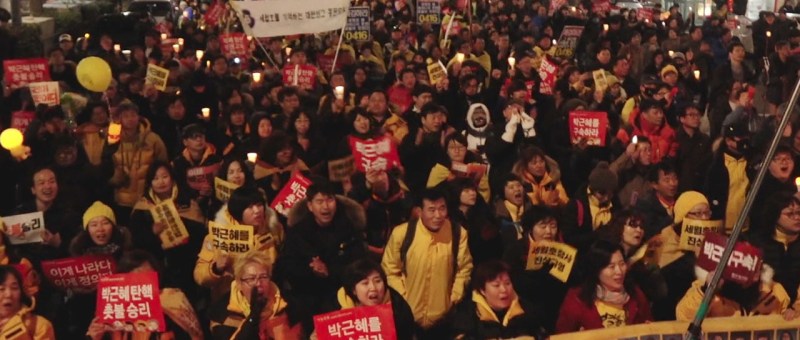
Park Cheol-woo wishes he could forget, but is haunted by the spectre of the tragedy, as is the husband of Jung Ju-yeon who was hired to create a series of illustrations and forced to relive the pain and suffering of all who were involved. The weight of indignation eventually fed into the Candlelight Protests which ultimately brought down the government of Park Geun-hye but the feelings of helplessness have not dissipated because justice has not been served and too many unanswered questions remain. There are no explanations for the confluence of circumstances which allowed the tragedy to happen, nor for the failure of authority which proved itself incapable of protecting its citizens.

Yet there are signs of hope. Lee Yu-kyeong was a high school student herself when the tragedy occurred, watching helplessly on a TV screen as hundreds of other kids just like her lost their lives. They trusted the authorities to protect them and they did as they were told, but the authorities let them down. Lee Yu-kyeong is now an archival studies student, hoping to contribute by honouring their memories, making sure they are never forgotten so that nothing like this ever happens again. Yellow Ribbon is a document of national trauma, but also perhaps of healing as those touched by tragedy attempt to look forward by building a safer society founded on a sense of mutual protection. 


Yellow Ribbon screens in Amsterdam on March 6/8 as part of this year’s CinemAsia Film Festival.

Trailer (English subtitles)
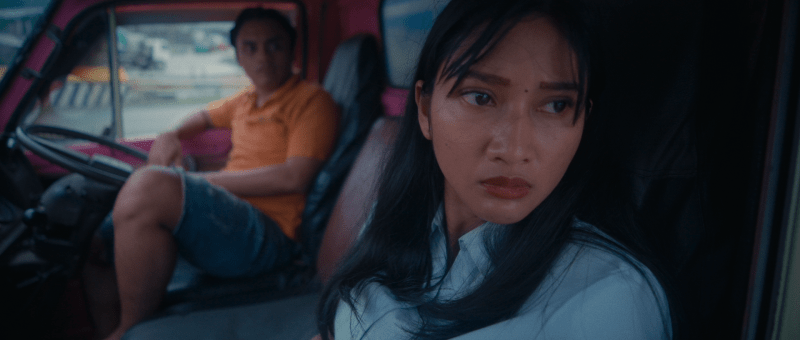
Introduction by director Ju Hyun-sook from the Busan International Film Festival (activate English subtitles by pressing subtitle button)

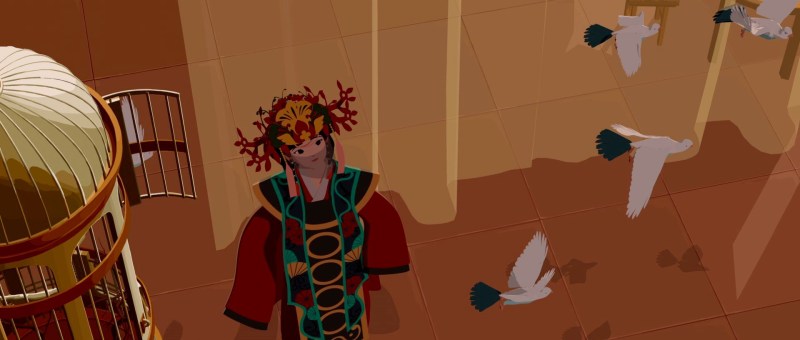
Princess Aya (프린세스 아야, Lee Sung-gang, 2019)

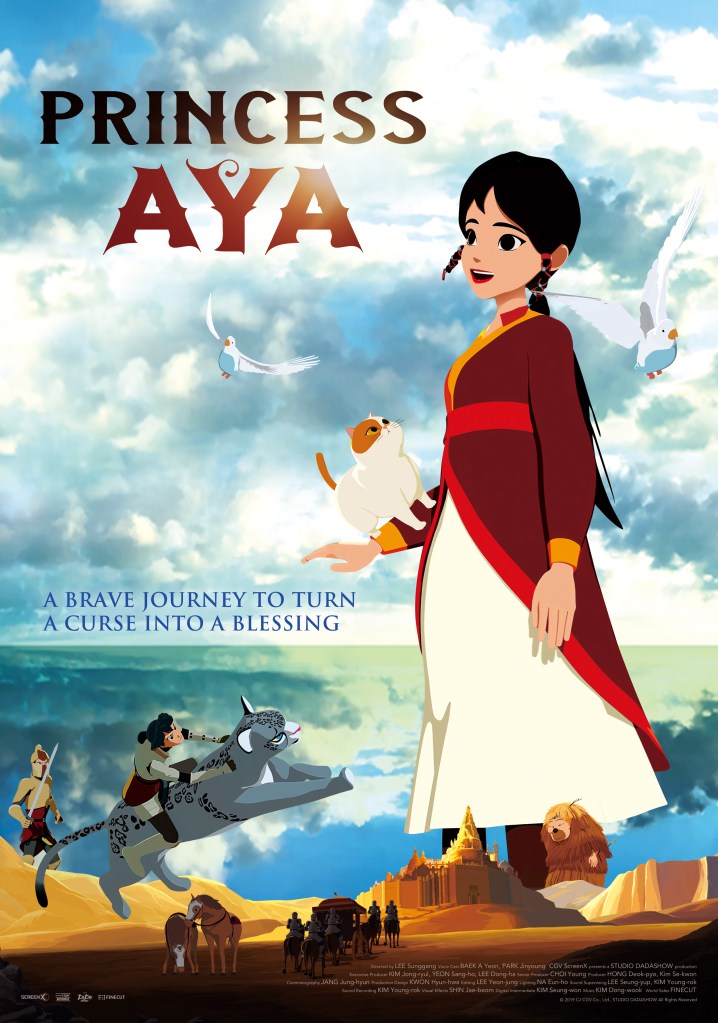
Animation made for children can often be a subversive affair, offering surprisingly progressive messages sometimes at odds with an otherwise conservative industry. Though quite obviously taking its cues from Frozen in terms of aesthetics and atmosphere despite its desert setting while drawing inspiration from classic fairytales, Princess Aya (프린세스 아야) is a sterling example, keen to sell the message that it’s OK to be different while emphasising that it’s prejudice and social exclusion which are the real enemy, creating only pain and resentment while those rejected by an intolerant society may eventually be consumed by their sense of betrayal. 

Long ago in a feudal society, a strange curse begins to affect children born in the small kingdom of Yeonliji which causes them to turn into animals after coming into contact with animal blood. Some believe that the curse is the revenge of animals hunted for sport, while the cursed children are, ironically enough, abandoned to live as beasts in the forest or perish. The Queen, however, cannot bear to part with her child, Princess Aya (Baek A-yeon), and sacrifices some of her own life force in return for a magical bracelet from a tree god that will prevent the curse from manifesting. Years later, Aya grows up into a feisty teenage girl, while the kingdom is threatened by an oncoming incursion from desert nation Vartar who want its water. The Vartan prince, Bari (Park Jin-young), has proposed a dynastic marriage with one of Aya’s younger sisters to broker peace, but Aya has no intention of letting her sisters face such an uncertain fate and insists on going herself. 

Of course, what she discovers, in true Korean period drama fashion, is that there’s intrigue in the court. Bari is not, as she feared, a hideous monster but a kind and handsome young man who is actively trying to prevent a war and protect Yeonliji (which is obviously what she wants too), but his treacherous uncle is ruling as a regent and secretly working against him. Meanwhile, attempts have been made on Aya’s life, and she’s lost the precious bracelet which allows her to keep her true nature hidden. 

The curse appears to be a punishment manifested on mankind for its cruel treatment of animals, forcing Aya to feel the suffering of living creatures in pain and close to death. While Aya does her best to fight the darkness, another creature known as the “Beast” has allowed it to consume him, feeding on sorrow and determined to take revenge on the society which has abandoned and rejected him. It’s rejection that Aya too fears, as perhaps does everyone and most especially young women, but hers is a deeper seated anxiety in that she’s uncertain what will happen if her true nature is discovered. 

Nevertheless, she moves towards an acceptance that her curse could also be a gift while beginning to believe that “no matter who I am I can be loved”. Yet she also feels a sense of guilt in using her amulet, knowing she is deceiving the prince, whom she’s come to admire, while fearing his reaction if she tells him the truth. Bari, meanwhile, is not so much hiding a secret as a lone figure of traditional nobility in a court filled with scheming intrigue. While his uncle plans to subjugate Yeonliji, Bari has been secretly drilling in the desert looking for water, admiring the flowers where they bloom even in adversity. 

Bari refuses to make his men slaves of war, while Aya insists that they need to rebuild their society with a greater sense of compassion. She is afraid of her “difference” and her destiny, longing to be free but afraid of being seen. Eventually she realises that connection can be a strength and not a weakness as can authenticity and mutual understanding. She refuses to abandon the Beast as her society had done despite his wickedness, still hoping to save and bring him into her hopefully kinder world. Princess Aya shows kids that being “different” is nothing to be ashamed of, that no one is unloveable (even evil Beasts), and that the Princess is perfectly capable of saving herself but it’s no weakness to accept help when you need it or to give it when others are in need. A charming musical fairytale, Princess Aya wears its progressive values on its sleeve, always allowing its heroine to chart her own destiny while finding self-acceptance along the way.


Princess Aya screens in Amsterdam on March 7/8 as part of this year’s CinemAsia Film Festival.

International trailer (English subtitles)
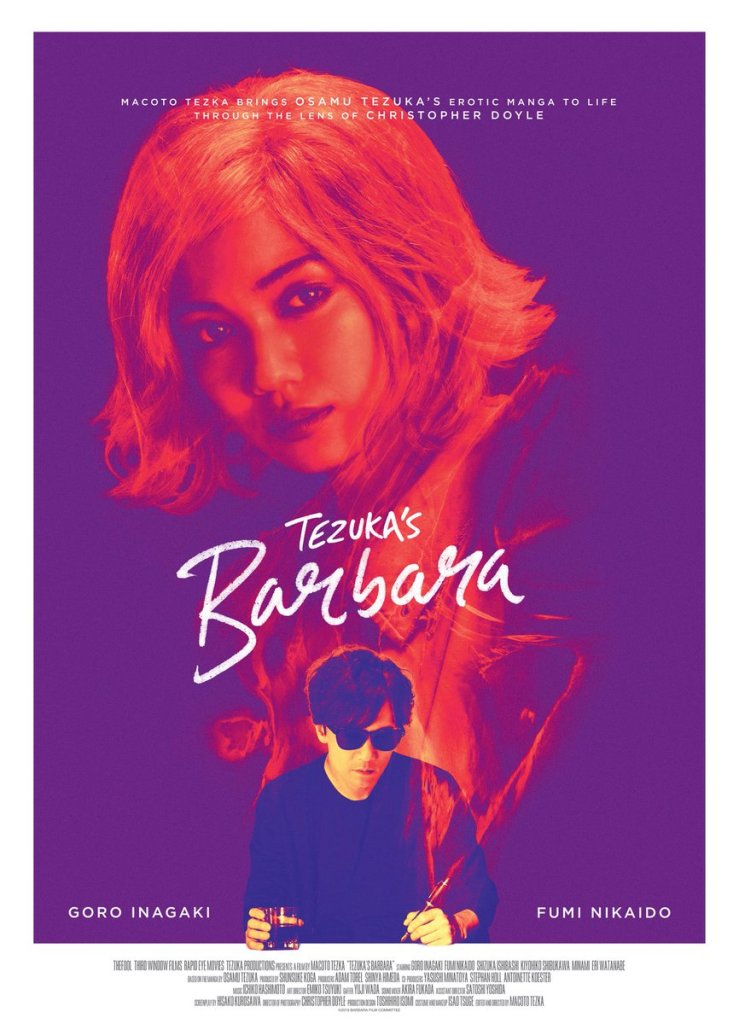
Tezuka’s Barbara (ばるぼら, Macoto Tezka, 2019)

The relationship between an artist and his muse (necessarily “his” in all but a few cases) is at the root of all drama, asking us if creation is necessarily a parasitical act of often unwilling transmutation. Osamu Tezuka’s Barbara (ばるぼら), brought to the screen by his son Macoto Tezka, takes this idea to its natural conclusion while painting the act of creation as a madness in itself. The hero, a blocked writer, describes art as a goddess far out of his reach, but also the cause of man’s downfall, framing his creative impotence in terms of sexual conquest that lend his ongoing crisis an increasingly troubling quality. 

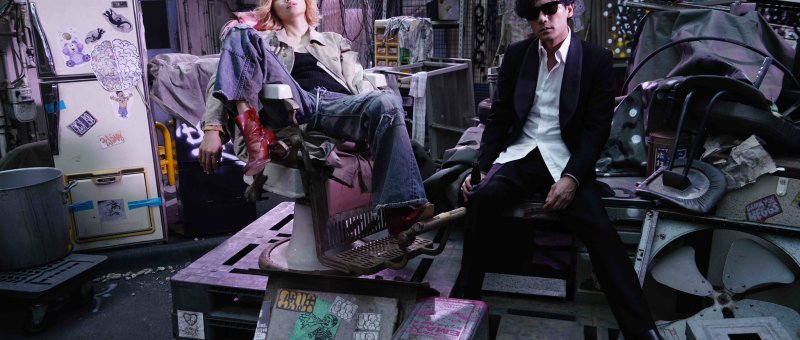
Yousuke Mikura (Goro Inagaki) was once apparently a well regarded novelist but has hit a creative block. While his friends and contemporaries are winning awards and national acclaim, he’s become one of “those” writers busying himself with potboilers and eroticism to mask a creative decline. Passing a young woman collapsed drunk in a subway, something makes him stop and turn back. Surprisingly, she begins quoting romantic French poetry to him, and actually turns out to be, if not quite a “fan”, familiar with his work which she describes as too inoffensive for her taste. Mikura takes her home and invites her to have a shower, but later throws her out when she dares to criticise an embarrassingly bad sex scene he’s in the middle of writing. Nevertheless, he’s hooked. “Barbara” (Fumi Nikaido) becomes a fixture in his life, popping up whenever he needs a creative boost or perhaps saving from himself. 

Strangely, Barbara is in the habit of referring to herself using a first person pronoun almost exclusively used by men, which might invite us to think that perhaps she is just a manifestation of Mikura’s will to art and symbol of his destructive creative drive. He does indeed seem to be a walking cliché of the hardbitten writer, permanently sporting sunshades, drinking vintage whiskey, and listening to jazz while obsessing over the integrity of his art. We’re told that he’s a best-selling author and previously well regarded by the critics, but also that he has perhaps sold out, engaging in a casual relationship with a politician’s daughter and cosying up to a regime he may or may not actually support. He’s beginning to come to the conclusion that he’s a soulless hack and the sense of shame is driving him out of his mind. 

Mikura’s agent Kanako (Shizuka Ishibashi) certainly seems to think he’s having some kind of breakdown, though the jury’s out on whether her attentions towards him are professional, sisterly, or something more. There isn’t much we can be sure of in Mikura’s ever shifting reality, but it does seem a strange touch that even a rockstar writer of the kind he seems to think he is could inspire such popularity, recognised by giggling women wherever he goes yet seemingly sexually frustrated to quite an alarming degree. His world view is an inherently misogynistic one in which all women seem to want him, but he can’t have them. A weird encounter in a dress shop is a case in point, the assistant catching his eye from the window display turning out to be a devotee of his work because of its “mindlessness”, something which annoys Mikura but only causes him to pause as she abruptly strips off for a quickie in the fitting room. Tellingly, the woman turns out to be an inanimate mannequin, literally an empty vessel onto which Mikura can project his fears and desires, which is, perhaps, what all other women, including Barbara, are to him. 

Yet who, or what, is Barbara? Chasing his new “muse”, Mikura finds himself on a dark path through grungy subculture clubs right through to black magic cults, eventually arrested on suspicion of drug use. There is something essentially uncomfortable in his dependency, that he is both consuming and consumed by his creative impulses. Inside another delusion, he imagines himself bitten by potential love interest Shigako (Minami), as if she meant to suck him dry like some kind of vampire succubus, but finds himself doing something much the same to Barbara, stripping her bare, consuming her essence, and regurgitating it as “art”. Either an unwitting critique of the various ways in which women become mere fodder for a man’s creativity, or a meditation on art as madness, Barbara seems to suggest that true artistry is achieved only through masochistic laceration and the sublimation of desire culminating in a strange act of climax that stains the page with ink.  


Tezuka’s Barbara screens in Amsterdam on March 6/7 as part of this year’s CinemAsia Film Festival.

International trailer (English subtitles)
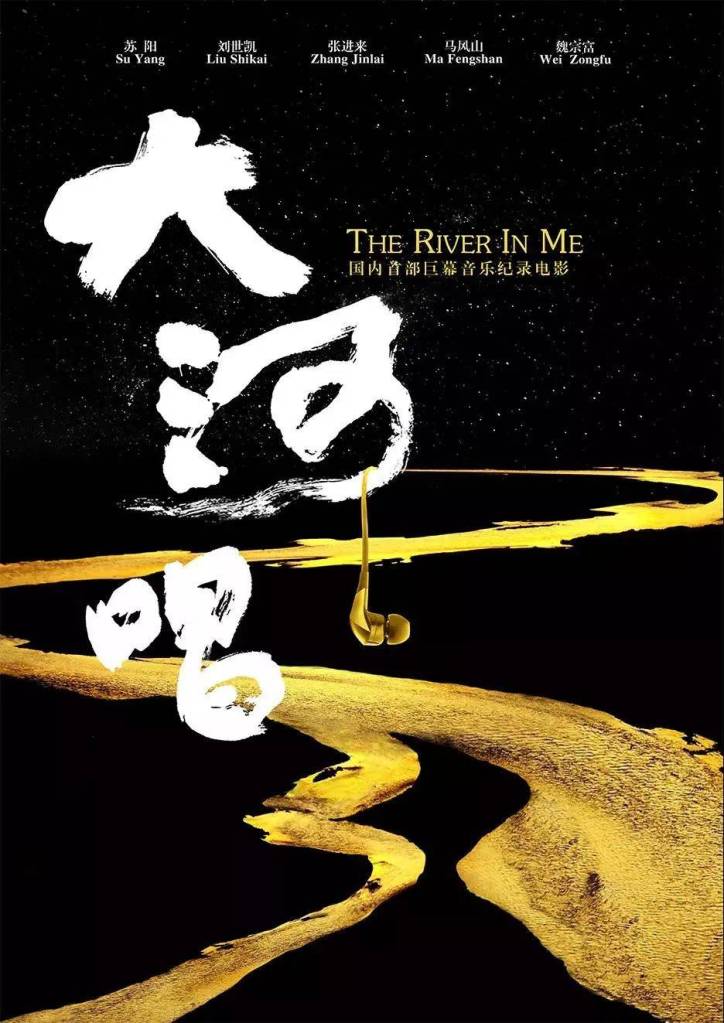
The River in Me (大河唱, Ke Yongquan, Yang Zhichun, He Yuan, 2019)

Can the old arts survive in the modern world or are they destined to fade away with the passing of time? Folk singer Su Yang is determined to preserve them, if only by assimilation, blending traditional folksong with Western rock to bring it into the modern era. While some complain that Su’s singing is inauthentic, he argues that authenticity, in that sense at least, isn’t the point. The only thing that matters is whether people like it and can feel something of themselves and of ages reflected in the ancient rhythms. 

Now a successful musician, Su is not originally from the country but moved to rural Yinchuan, Ningxia in Northwest China with his parents when he was seven. He later says it was the music of Yinchuan which touched him not because it is the greatest of cities but because it’s the one which most intersected with his life. Through his travels, Su meets up with a series of other practitioners of traditional arts mostly also from Ningxia and the surrounding area as he and they dwell on survival. 

Itinerant singer Liu Shikai makes a living playing the Sanxian, but fewer and fewer people are interested in listening while in private he feels himself lonely as a twice widowed father of three, especially as his youngest daughter has now married leaving him at home alone. Su laments something similar, reflecting that there’s no New Year for him. His festivities will consist of working and drinking, while his family can see him on TV from the comfort of their homes. Su’s brother complains endlessly about the annual Spring Gala (while watching it anyway), finding the show totally lacking in any kind of substance and becoming more boring by the year. His astute daughter, however, points out that his criticism is unfair or at least stating the obvious because the Spring Gala reflects “youth culture” which is perhaps flashy and superficial but equally is not intended to appeal to middle-aged men. Su appears on the program himself but might agree, seeing as it’s his mission statement to put a little soul back into the mainstream by bringing the rhythms of the Yellow River to contemporary society. 

Back in the country, meanwhile, folksongs are serving the same purpose they always have, expressing joy in the natural world and bringing communities together through choral solidarity. Then again, Hua’er singer Ma Fengshan, sometimes finds himself at odds with his. A member of the muslim minority, his house is filled with religious texts that he is unable to read because they are in Arabic which he doesn’t speak. Some have told him that he should spend more time on religious study, but all he wants to do is sing, while others actively oppose Hua’er for its “salacious” qualities, aware the songs can be used as a form of flirtation and convinced that they have the potential to cause marital breakdown and infidelity. In spite of everything, Ma keeps singing and is eventually joined by other members of his community wearing traditional dress to celebrate Hua’er music. 

For puppeteer Wei Zongfu, however, the future seems far less bright. Now ageing himself, he’s accepted that his descendants won’t want to succeed him and there are few people interested in learning shadowplay. The leather puppets crafted by his grandfather are so precious to Wei that he didn’t even want to take them to use in Su’s showcase of traditional arts in fear they might be damaged or stolen, opting for a safer paper play instead, but is now contemplating what’s best to do with them after he dies and if the art itself can survive when there is no one to perform it. 

That’s a problem also faced by Zhang Jinlai, the harangued head of a Qinqiang Opera troupe frequently at odds with his co-star wife who berates him for employing too many actors when they aren’t making any money. With economic factors to consider, he finds it hard to keep his troupe together and is pushed towards making “innovations” that might appeal to a younger audience but wishes to remain “authentic”. Su’s suggestion, by contrast, is that in the end you can only move forward, the old arts may have to adapt or die. Some may not approve of his modern take on the traditional, but in his own way he’s saving Hua’er song and helping to pass it on to future generations, in his own words extending the rhythms of the Yellow River to all corners of the world. 


The River in Me screens in Amsterdam on March 4/8 as part of this year’s CinemAsia Film Festival.

Original trailer (English subtitles)