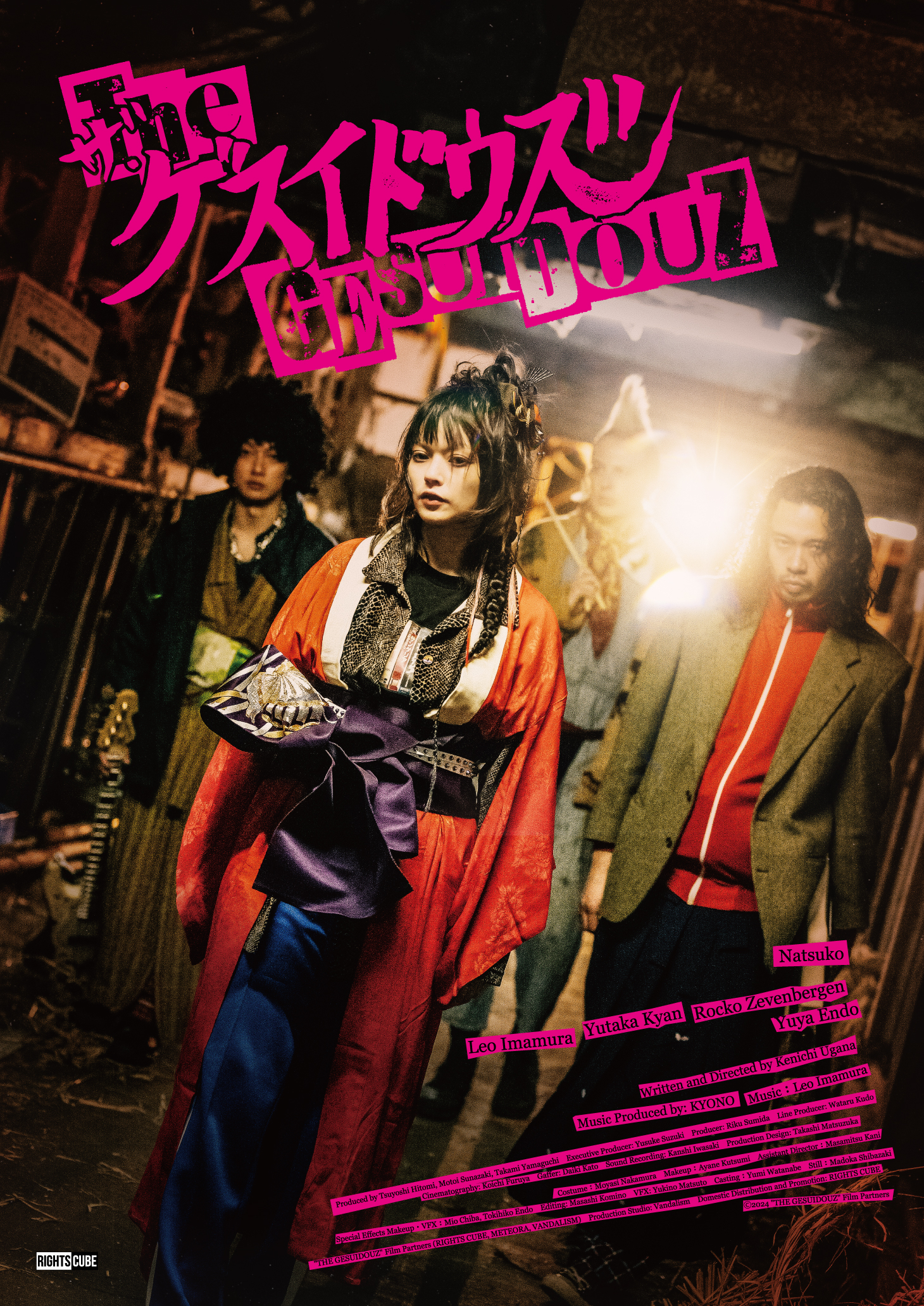
The Gesuidouz (ザ・ゲスイドウズ, Kenichi Ugana, 2024)

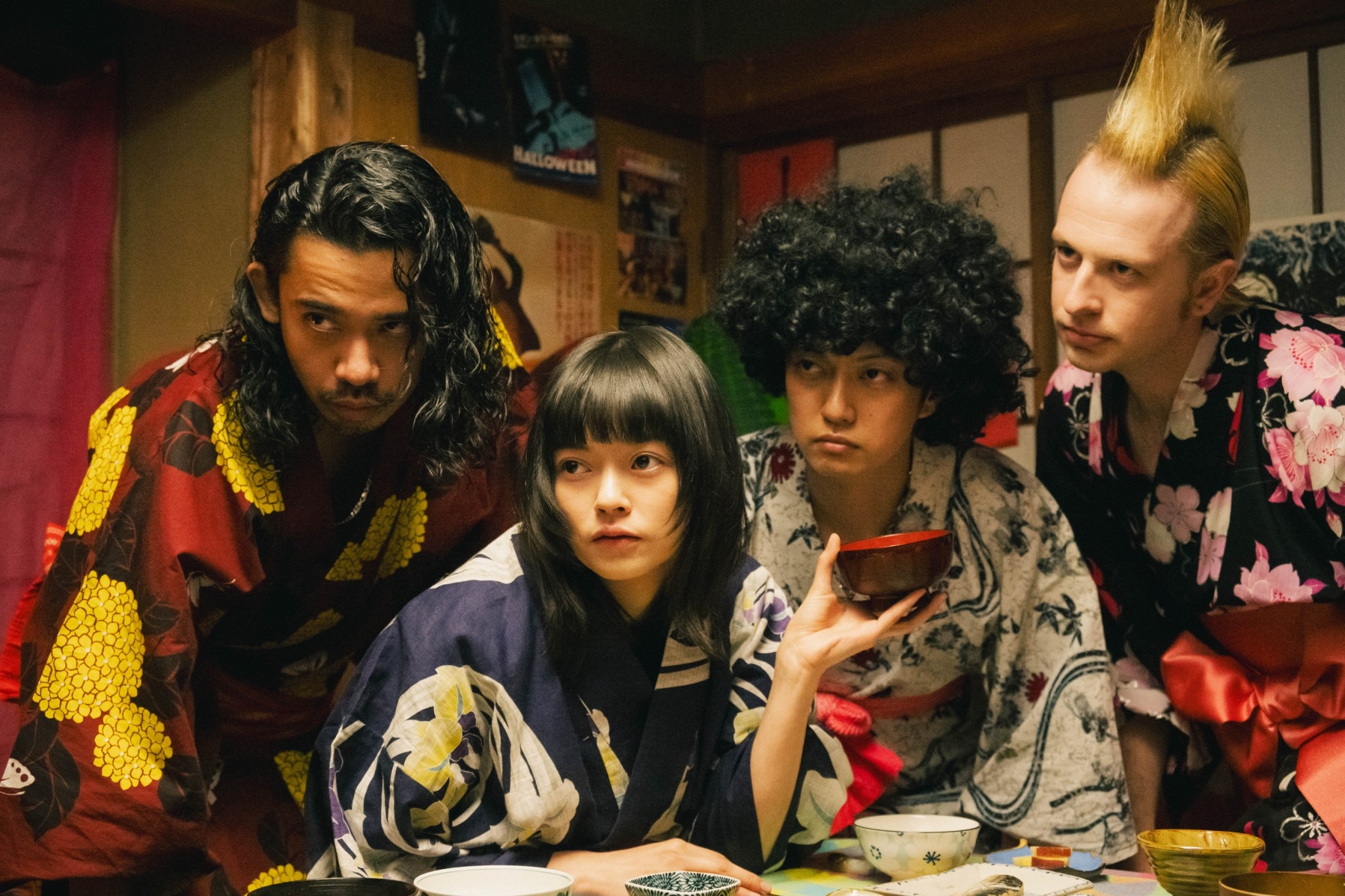
According to Hanako, vocalist of the band The Gesuidouz (ザ・ゲスイドウズ), punk is “like this miso soup”. She later describes the soup as soothing, made by her bandmate Santaro who turns out to be an unexpectedly dab hand in the kitchen, though in many ways the band’s selling point is that they aren’t very good at anything, least of all music. Even so, and quite crucially, they have one devoted, though otherwise anonymous fan who comes to all their gigs and dances wildly which just goes to prove that the old lady who becomes a kind of muse to them was right when she said there was probably someone out there to whom their music meant more than anything. 

But Hanako is writing under the shadow of death because she’s just turned 26 and is convinced she’s going to join the 27 club which means she has a very limited window to achieve her musical destiny. Perhaps in a way it’s a kind of quarter life crisis, or the sense of desperation that can be felt while young that time is already running out and you still haven’t made anything of your life. You still don’t know who you are or what you want to be and in Hanako’s case, no one has much faith her except her bandmates who stoically excuse their lack of audience under the rationale that everyone’s very busy these days and they should make sure to consult the calendar when they’re booking gigs. 

In fact, her manager’s the least supportive of all. He calls the band “rubbish” though casually admitting the may have forgotten to even release their album though it’s true that no one’s buying it. He’s the one that talks them into taking part in a government-backed scheme to encourage young people to move to the country in exchange for a stipend and place to live. But the weird thing is, unlike the indifference they felt in the city, the local community embrace their eccentricity and support their music even if they find it difficult to see what’s good about it. Despite describing the place where she lives as a “shithole”, the old lady listens patiently to Hanako’s tall tales about headlining Glastonbury while arranging gigs for them to play for such esteemed audiences as the local cows while bemused elderly resents look on stony faced but ultimately supportive. After all, as the old lady says, it’s a rare gift to create something so amazing that other people don’t understand it.

Though obsessed with horror films, darkness, and death, Hanako is strangely touched by country warmth and almost seems to tear up on the simple gift of a bunch of leeks after working in the fields. In a funny way, this village is actually quite like Glastonbury, a small rural settlement with a down-to-earth new age sensibility that suddenly erupts with music even if in this case on a much smaller scale. The old lady who becomes in a way a future echo of Hanako might be the most punk of all, joyfully living her little life in the shithole she’s never been outside of but welcoming these weird youngsters with patience, warmth, and acceptance which eventually allows Hanako to find a way back to herself and to art leading to a kind of rebirth in contrast to the death she was convinced was waiting for her. 

Of course, that all comes from a talking dog giving life advice through he medium of pithy quotes and song lyrics divined through automatic writing while practicing calligraphy. With frequent references to classic horror films, the film is an ode to the strangeness of country life but also its borderless horizons and sense of community solidarity alien to Hanako’s lonely life in Tokyo. But tellingly this is a paradise destined to be lost as the band finds success separating them from the environment that made them successful, fostering their art but also their souls with its gentle sense of acceptance. Often hilarious in its matter of factness, Kenichi Ugana’s anarchic dramedy has true punk spirit which is to say there’s nothing more punk rock than a good bowl of miso soup crafted with wholesome practicality and an altruistic desire for mutual happiness.


The Gesuidouz screens 30th November as part of this year’s London International Fantastic Film Festival (LIFFF)

Original trailer (English subtitles)
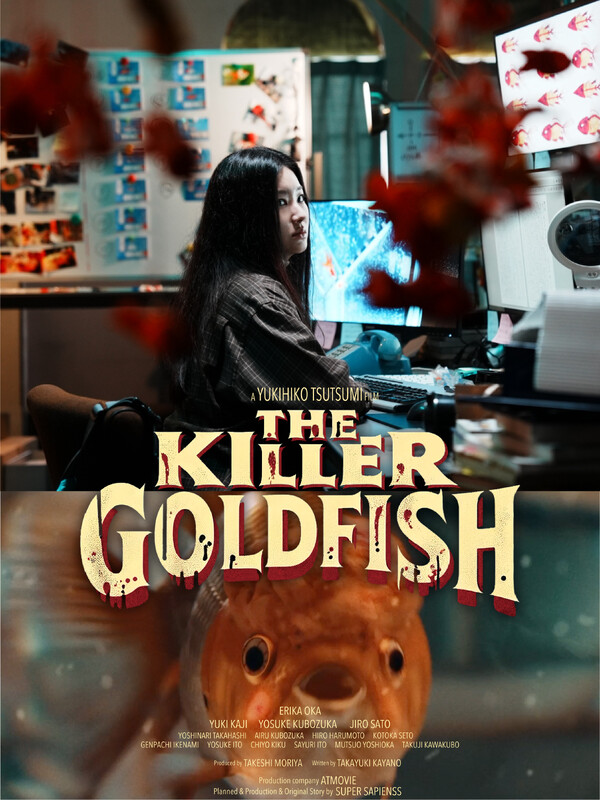
THE KILLER GOLDFISH (Yukihiko Tsutsumi, 2024)

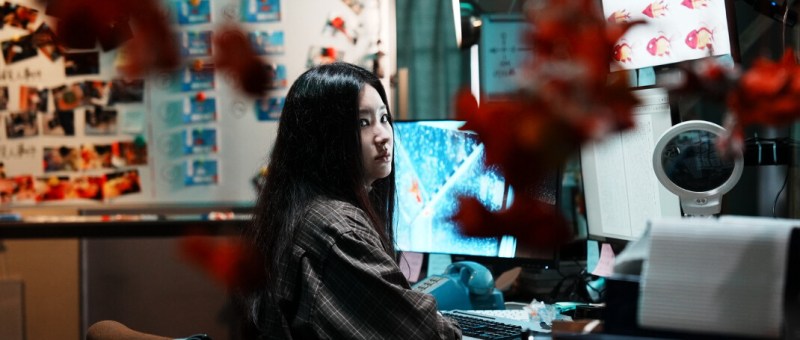
“Did the goldfish have a grudge against your husband?” It is a very strange question, but the policeman admits he has to ask it because he knows his contact at Public Security’s Extraordinary Unit will ask him if he asked. Goldfish aren’t something you’d ordinarily think of as dangerous, but perhaps they’re sick of being cooped up in tiny bowls, denied the whole ocean, so they’ve decided to fight back against humanity? Either that or, as Public Security agent Erika (Eriko Oka) suspects, someone is using them to exact a very particular kind of revenge.

Helmed by one of the premier directors of mainstream contemporary Japanese film, Yukihiko Tsutusmi’s The Killer Goldfish is not the schlockfest its name may suggest but a hark back to the anarchic conspiracy thrillers of the 90s. In fact, it’s produced by a director collective, Super Sapienss, of which Tsutsumi is a member alongside Katsuyuki Motohiro, best known for the Bayside Shakedown series, and Yuichi Sato (Kisaragi) which aims to shake off the inertia of the contemporary Japanese film industry by taking charge of the entire process so they can make the kind of films they want. 

You have to admit, it might be difficult to get a production committee to sign off on a such an outlandish series of events that only begins with murderous goldfish and eventually spins off into a far reaching conspiracy involving superhumans, psychic powers, neanderthal migration, missing high school students, a young woman who is somehow connected psychically with goldfishkind, and long-haired jizo that can stir up human appetites to the point of mass destruction. Erika has a feeling all of this is connected, but she doesn’t quite yet know how save that this world is apparently full of strange crimes to the extent that the powers that be are well aware of them but they prefer to keep quiet and let the Extraordinary Unit handle them.

In any case, the action proceeds X-Files style as Erika teams up with sceptical cop Yukine to try to solve the mystery and avoid any more fishy crimes in the future. This conspiracy is it seems located at the nexus of the primaeval and sophisticated, neanderthal rage delivered into the contemporary society in the opening scenes via our ubiquitous technology with a secret symbol broadcasting into the minds of those born to receive it. A professor digs up evidence that suggests early man arrived in Japan earlier than previously thought and is invited on a daytime talk show only to cause consternation with the obscene quality of his find, while further clues are bizarrely delivered through a love island-style reality dating show and its caddish heartthrob contestant. Making contact with the suspect eventually entails solving a riddle, messaging them on social media, and then completing an online questionnaire.

Nevertheless, these superhumans are apparently so because of their primaeval genetic makeup that places them outside of contemporary notions of civility. Their atavistic qualities render them, like the goldfish, constrained by the limitations of contemporary society from which they long to break free. Even so, their sensibilities seem to align with a problematic seem of historical nationalism that lends them an edge of danger aside from their potential connection to the unexplained goldfish murders which in themselves may indicate a rebellion against entrenched patriarchy given that they seem to target only middle-aged men. 

These ideas may be fleshed out more fully in the accompanying manga, also produced by Super Sapienss, or explained in the Chapter Two alluded to in the title card following the post-credit sequence but otherwise have an unconstrained, freewheeling quality rocketing between the primaeval past and the ultra modernity of reality television and social media conspiracy. The film makes frequent use of animation to express transformation or transportation between these worlds along with another that may exist in a less visible dimension, and has an unexpected freshness that belies Tsutsumi’s long career in the industry. The script by Hoarder on the Border director Takayuki Kayano similarly has an anarchic sensibility which is both retro and ultra-contemporary blending buddy cop procedural with zany horror comedy and an unfolding sense of unease in modern society. It’s fair to say that with The Killer Goldfish Super Sapienss has made good on its mission statement to disrupt the status quo of mainstream Japanese cinema with hopefully more to come in Chapter 2.


THE KILLER GOLDFISH screens 26th November as part of this year’s London International Fantastic Film Festival (LIFFF)

Original trailer (English subtitles)
London International Fantastic Film Festival (LIFFF) Announces Full Programme

The London International Fantastic Film Festival (LIFFF) celebrates its inaugural edition this year running at BLOC Cinema and Genesis Cinema in Mile End, London from 26th December to 1st November. Included in this year’s packed programme, are three films from Japan.

THE KILLER GOLDFISH

Surreal conspiracy thriller from the prolific Yukihiko Tsutsumi in which a series of murders take place across Japan which appear to have been comitted by goldfish.

Self-Revolutionary Cinematic Struggle

Meta drama from Gakuryu Ishii in which a professor of film named Gakuryu Ishii goes missing after being driven out of his mind by his work. His fellow professors try to teach his ideas though they do not really understand them, plunging the students into a labyrinthine world of expanded consciousness.

The Gesuidouz

Charming punk-themed rural drama in which an unsuccessful band are sent to the country to take part in a subsidised scheme to ameliorate rural depopulation.

London International Fantastic Film Festival (LIFFF) runs at BLOC Cinema and Genesis Cinema in Mile End, London from 26th December to 1st November. The full lineup is available on the official website as are scheduling and ticketing details. You can also follow the festival on Facebook and Instagram.