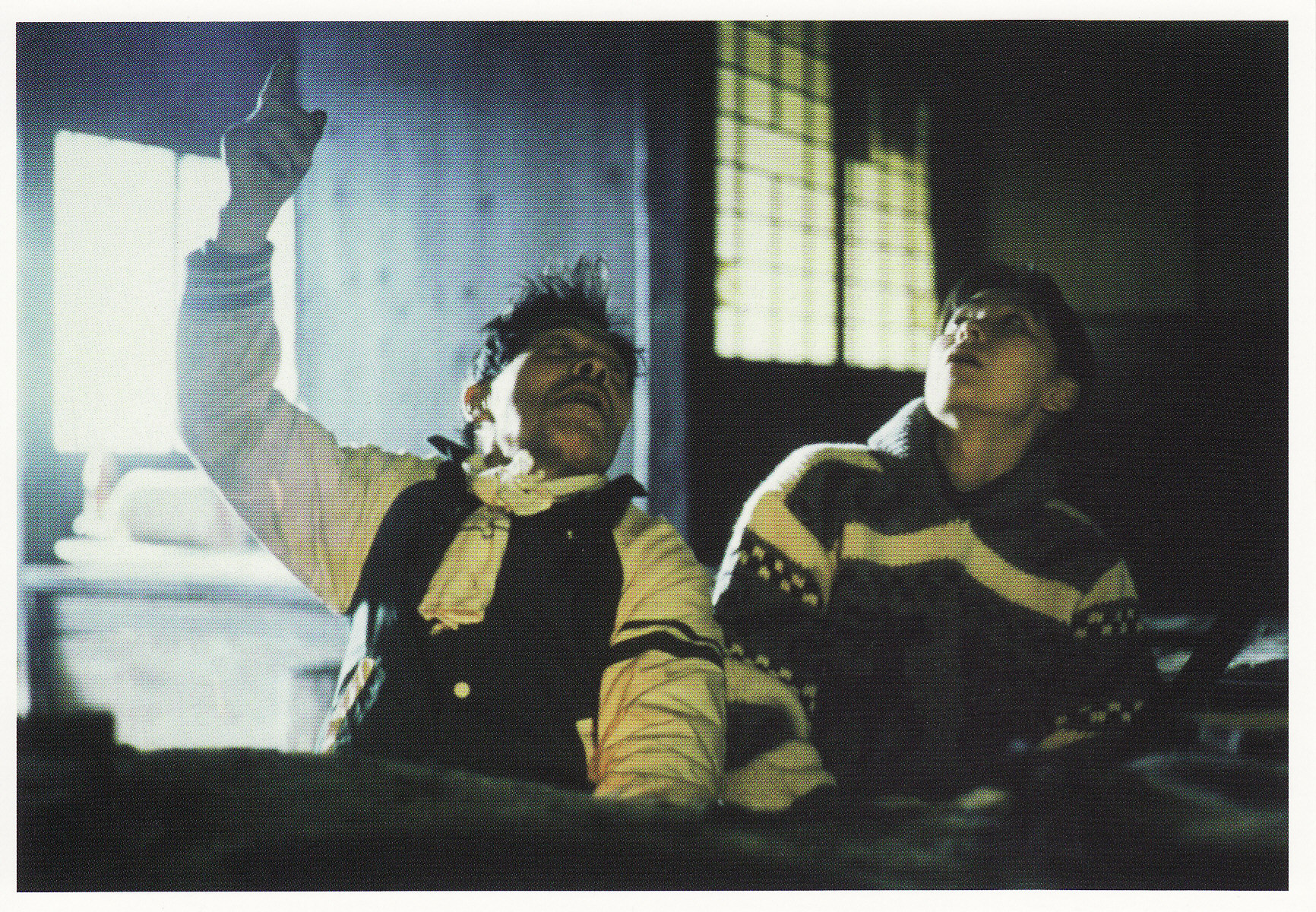
The Weald (杣人物語, Naomi Kawase, 1997)

@KUMIE Inc.

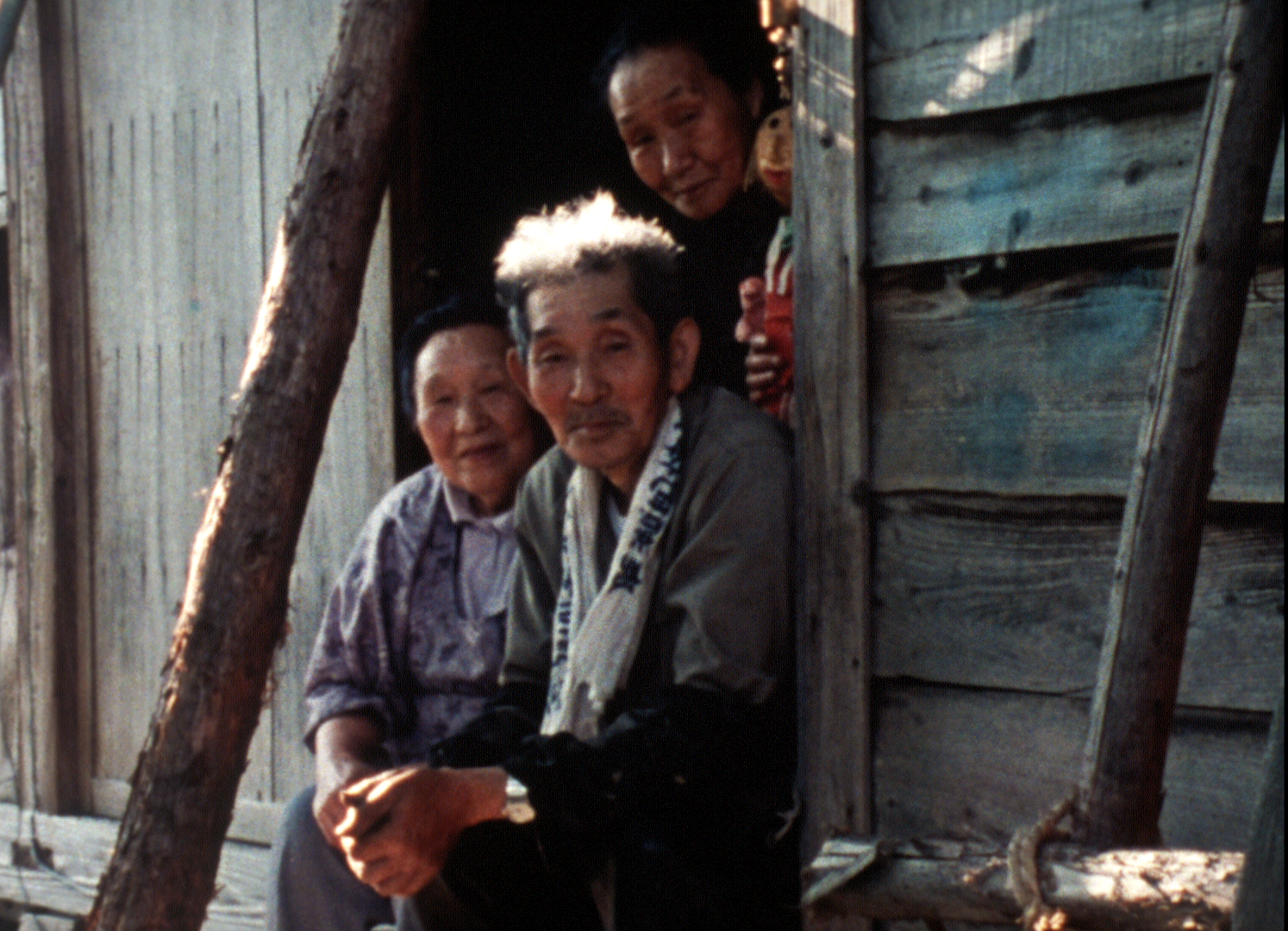
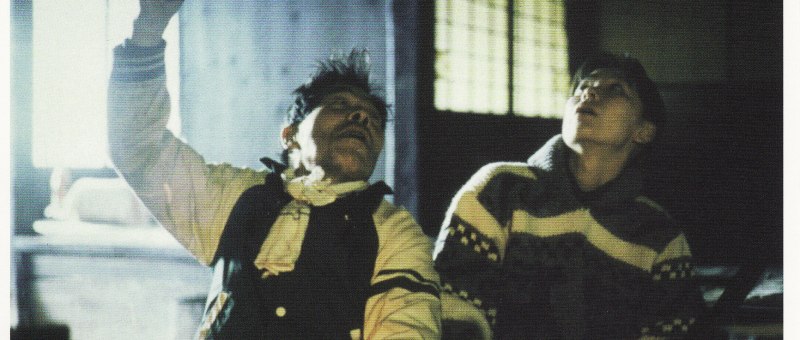
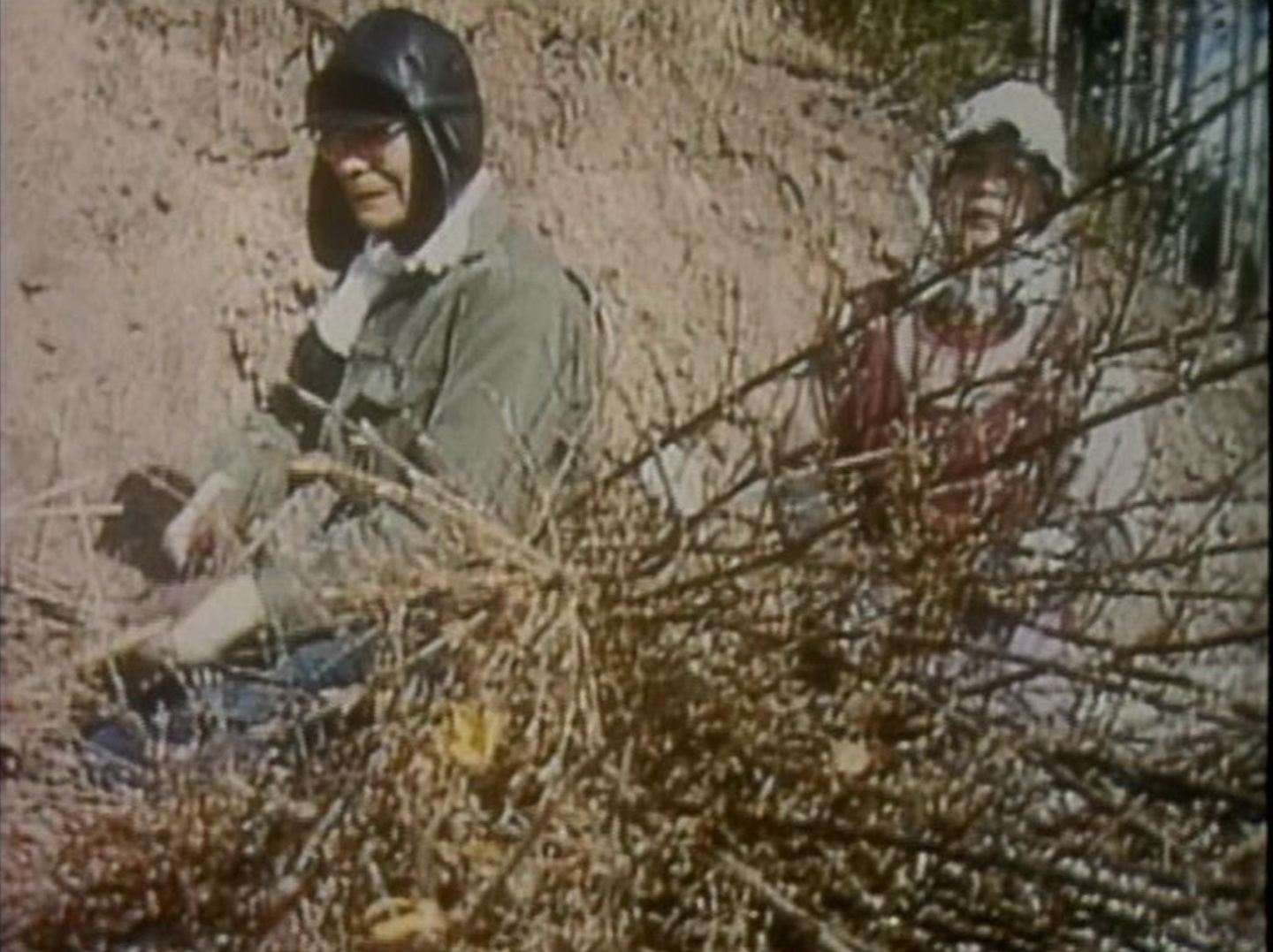
“I wish I were younger” comes a common refrain among the cast of elderly men and women living a traditional life in the mountains and forests of rural Japan in Naomi Kawase’s 1997 documentary, The Weald. Arriving in the same year as Kawase’s Caméra d’Or-winning narrative feature Suzaku, The Weald (杣人物語, Somaudo Monogatari) continues many of the same themes in her fascination with nature and moribund ways of life while taking on a meta existential dimension as her interviewees muse on loss, loneliness, and a lifetime’s regrets. 

What they almost all say is that they wish they could be young again with all the possibilities of youth. A lumberjack dreams of becoming a timber dealer, while another man jokes that he was once handsome though you wouldn’t know it now. One heartbreakingly laments that he’d like to start over because he’s never felt true happiness in his life. Then again, another believes that “happiness depends on your way of thinking” and that a man who’s learned to be satisfied with a small portion is in his own way rich. For another man happiness lies in having people speak well of him after he’s gone, knowing he must then have lived a good life. 

Then again life has its sadnesses. A carpenter reveals his private grief in having lost a son, unable even to watch his daughter’s wedding video because it’s too painful to see him there. “In a city he wouldn’t have had a motorbike” he sighs, reflecting that he was unlucky to have been born in the country and needlessly blaming himself for something not in his control. The last man, meanwhile, speaks movingly of his late mother’s descent into dementia and his own decision to give up on marriage while still young to dedicate himself to her, only to be left on his own in the end. He wonders if he was right to sacrifice his life for her while longing to be reborn in the hope of seeing his former girlfriend, his face dissolving into an old photograph in which he is young and handsome as if to grant his wish. 

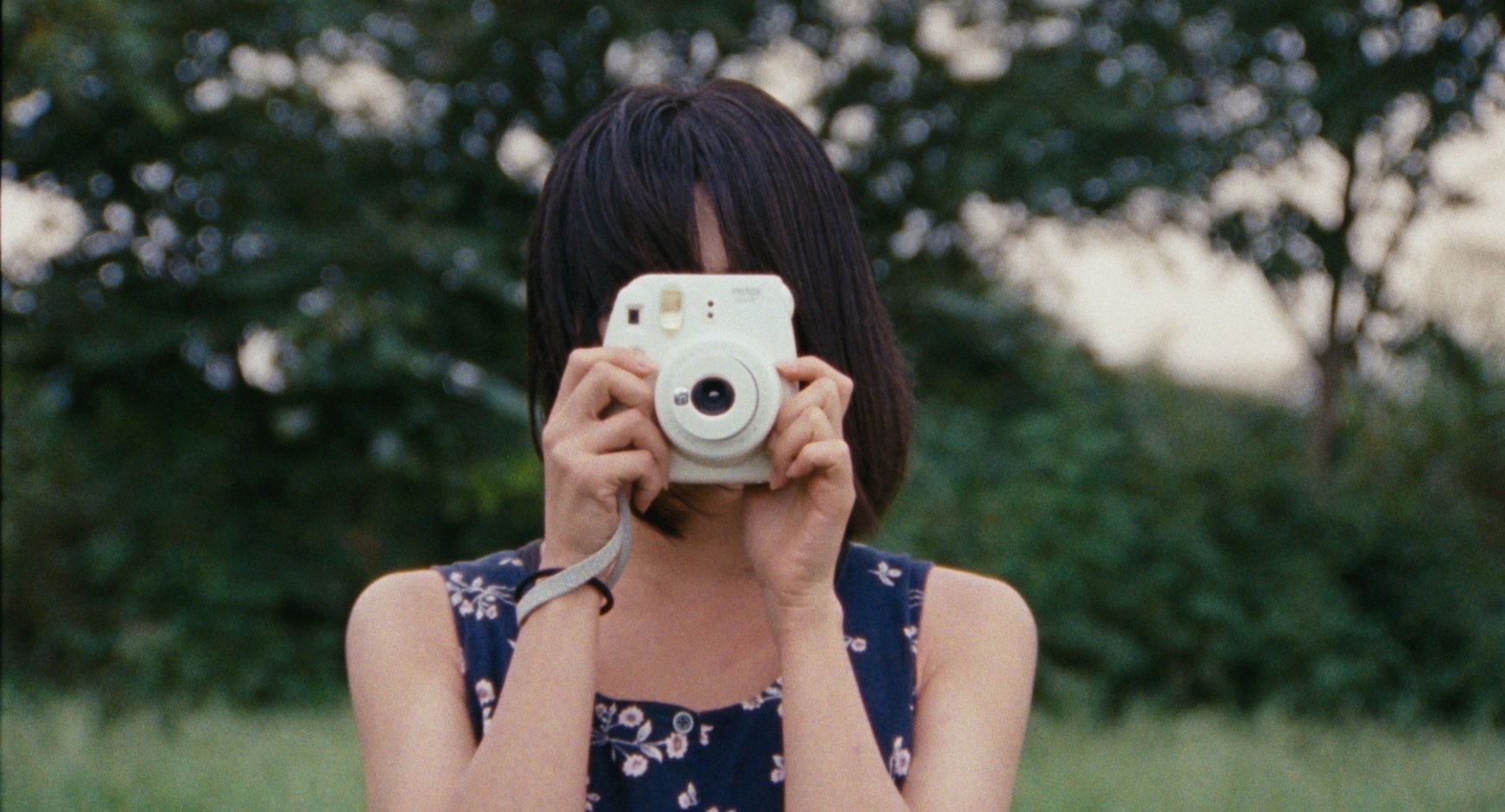
Meanwhile, an old lady meditates on loneliness in a solo life of busyness firstly claiming to feel none but then revealing the emptiness of her days with no one to cook for. “I don’t know the meaning of life, I just live day to day” she explains, insisting that it’s pointless to worry and better just to get on with things. “I am satisfied to live each day peacefully” she adds, immersing herself in the moment. She like the others is uncertain why Kawase is filming her, telling her to come back later when she’s 18 again because old people are no fun. Another man later tells her not to waste her expensive film on him in case she needs it for something more important, the elderly residents either maudlin or amused but each mystified as to why someone is so keen to listen to their stories.  

Implicitly in these stories of the elderly, Kawase hints at the effects of continuing rural depopulation with fewer young people around, an elderly couple explaining that they have come to depend on each other even more as they aged only for the wife to fall ill and need care from her husband 14 years older but in better health. They go about their lives in the same way they have for decades, wandering the forests and practicing traditional skills which may all too soon be lost. 

In keeping with her earlier documentary work, Kawase often films in extreme close up or layers dialogue on top of another scene as when old lady wanders aimlessly trough the forest while her meditations on loneliness accompany her. What she seems to have discovered in the wisdom of those who agreed to speak to her is that happiness and suffering go hand in hand while youthful regret tinged with nostalgia can in itself almost be lonely. Even so many have managed to find meaning in their lives whether it be being present in nature or the love for one’s spouse and family while longing to be reborn eager for their next lives whatever they will be. “I wish only the best for everyone” someone adds before returning at last to spring and all the brief joys it will deliver. 


The Weald streams worldwide (excl. Japan) via DAFilms until Feb. 6 as part of Made in Japan, Yamagata 1989 – 2021 (films stream free until Jan. 24)

Trailer (no subtitles)
Living on the River Agano (阿賀に生きる, Makoto Sato, 1992)

Image ©️ Murai Osamu

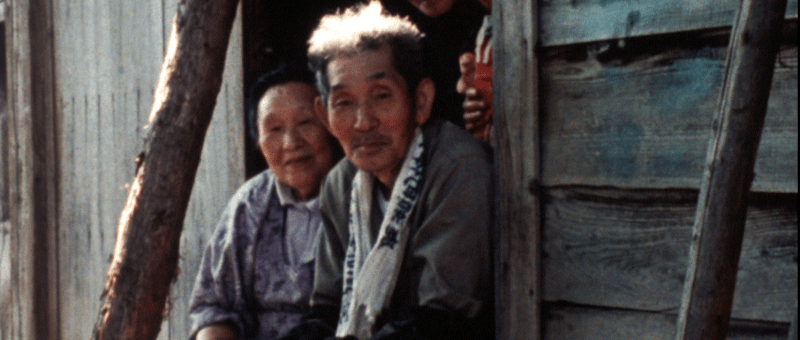
With a crew of seven including himself, director Makoto Sato spent three years embedded within the small communities along the Agano River capturing a disappearing way of life but also the resilience of the elderly residents many of whom are unrecognised victims of Minamata disease caused by the chemical discharge from the Showa Denko chemical plant. 

“Kids don’t care about our rivers and our mountains” 80-year-old Miyae Hasegawa reminds her husband on the phone to their oldest daughter as she once again tries to convince him that he’s too old for the intensive labour of farming their rice paddies. Like many, the Hasegawas’ children have fled the rural village for more comfortable lives in the cities while their parents attempt to preserve their traditional way of life. “Gradually we realised that these rice paddies were their entire existence” the film crew later reflect, almost pitying them as they witness these quite elderly people bent over still harvesting the rice in their 80s while discovering on trying to help them that the work is far more difficult than they could have imagined not, presumably at least, very used to physical labour at least of this kind. 

Even so, “humans are cruel” Yoshio Hasegawa laments to his son having had too much to drink, somewhat ambivalent in having become proficient at catching salmon by hook. After all, the fish are only trying to live but humans keep pulling them out of the water. Later we watch him hook fishing at the river, the camera cutting to black as another man takes a fish he’s caught on a hook and bashes its brains in. Ironically, as the voiceover explains, Miyae had worked on the construction of the Kanose hydraulic dam in the 1920s which later powered the fertiliser plant which then became Showa Denko. After completion of the Yogawa dam in 1963, the fish ominously disappeared from the river and with them the traditional practice of fishing by hook.  

Many in the small communities along the water had welcomed the arrival of modernity that the Showa Denko plant had represented, some still remaining loyal to the company despite knowing what they know unable forget that they had benefitted economically from the factory’s existence. Ebana, meanwhile, who had worked for Showa Denko for 34 years now runs regular patrols of his local area monitoring for the possibility of landslides behind the plant. He was the only employee to sue Showa Denko as a victim of Minamata disease though the company’s attempt to transfer him out of the area when he did so put others off following his example, as did the degree of animosity towards him as others feared for their own economic stability or resented him for betraying his employers. Though the chemical emissions from the plant which flowed into the Agano have been acknowledged as the cause of the disease, the government introduced increasingly strict criteria for official recognition as a Minamata victim leaving many along the Agano unrecognised and therefore ineligible for support or compensation. Those involved in the ongoing legal case were required to make an arduous journey to Niigata once a month by bus or car, a heavy imposition on a community which is often elderly and suffering physical disabilities caused by the illness. As one elderly woman talks of her arched hand which she cannot straighten, a man shows her his burned foot after treading on the heated rail for his bath and being unable to feel it because of the loss of sensation caused by the Minamata disease. 

The fact that the river by which so many lived became actively harmful contributed to the rural exodus and decline of traditional ways of life along with skills which may then die out with no one to pass them on to. Boatmaker Endo had long since retired from making boats and had never taken on any apprentices but at an advanced age finally consented to teach a local carpenter how to make boats the traditional way, a special Shinto ceremony conducted as the next generation boat is completed. Meanwhile we also see a Shinto ceremony performed for the Mushi Jizo which protects people from disease born by insects such as the tsu-tsu living in the river which both gives and takes. Gently observational, Sato captures these disappearing ways of life with a poignant lyricality while equally addressing the politicisation of life along the river in a sense poisoned by modernity as the villagers must come together to fight for justice in a society which seems to have all but forgotten them. 


Living on the River Agano (阿賀に生きる, Aga ni Ikiru) streams worldwide (excl. Japan) via DAFilms Jan. 17 to Feb. 6 as part of Made in Japan, Yamagata 1989 – 2021 (films stream free Jan. 17 – 24)

Original trailer (Japanese subtitles only)

A Movie Capital (映画の都, Toshio Iizuka, 1991)

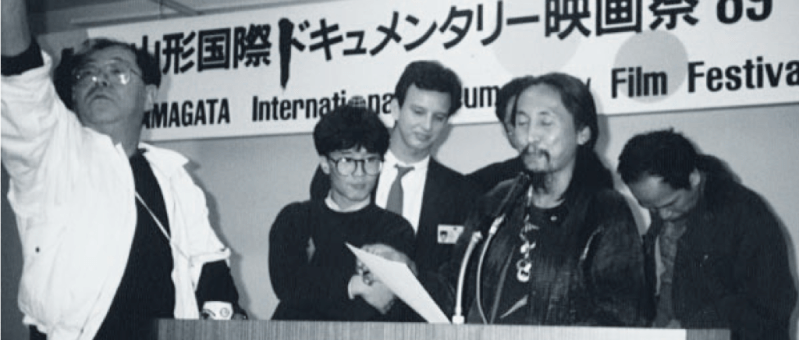
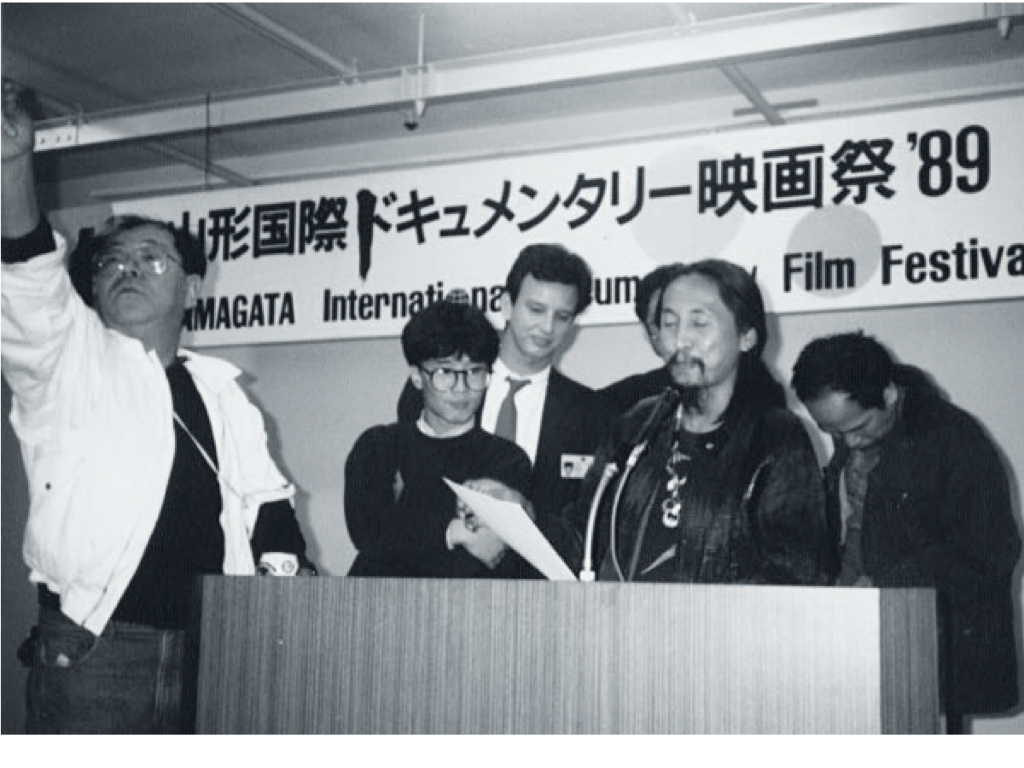
As the opening of Toshio Iizuka’s A Movie Capital (映画の都, Tokyo no Miyako) makes plain, 1989 was a year of turbulence all over the world but also perhaps also of hope as many of the directors invited to the very first Yamagata International Documentary Film Festival often insist in positioning their art as an act of resistance against authoritarianism. In essence a visual record commemorating the festival’s inauguration, Iizuka’s film also has its meta qualities interrogating not only what documentary is and what it’s for but its potential as a means of bringing disparate communities together in an exchange of truth and solidarity. 

In fact, the film opens with a brief prologue dedicated to Dutch documentarian Joris Ivens, who sadly passed away just before the festival opened, contrasting Ivens’ 1928 work The Bridge with the box office hit of that year in Japan, Shozo Makino’s Chushingura. Jumping into the film proper we witness something similar as the tranquility of the Bubble-era nation is directly contrasted with the events of Tiananmen Square as seen in a video sent to the festival by a Chinese associate living in Hong Kong. In actuality, the first Yamagata featured no films from Asia in its competition section provoking a symposium in which a number of Asian directors, producers, and critics discuss why that might be. Ironically enough, fifth generation Mainland Chinese director Tian Zhuangzhuang (The Horse Thief) was invited but unable to speak because, as his wife explains during an exasperating phone call, it’s not as easy for someone from China to travel abroad as it would be for someone elsewhere. The authorities haven’t granted him permission to leave and so he cannot even apply for a passport. 

Censorship and an element of personal danger to oneself or one’s family are otherwise cited as reasons documentary filmmaking has not taken taken off in Asia. The director of May 80 Dreamy Land which concerns the Gwangju Uprising is also unable to attend because he is currently on trial. Meanwhile, his representative Kong Su-Chang laments that he is among the older members of his small circle of documentary filmmakers who are of a generation without mentors having to teach themselves how to make films because there was no one there teach them. Filipino directors meanwhile cite the continuing influence of America along with wealth inequality as potential reasons the documentary has not flourished while asking if documentary and entertainment are in some way incompatible given that documentary is at its most popular at moments of crisis. 

Still as almost every interview states at one time or another, their primary goal is to make sure the voices of their subjects are heard and their faces seen determined to capture the everyday experiences of ordinary people as honestly as possible. While it’s obviously true that none of them were themselves included in the competition, many directors also claim that more important is the opportunity to meet other filmmakers in order to generate friendships and exchange ideas. They see their mission as making the world a better place to live hoping to challenge the status quo through their filmmaking while what Yamagata becomes to them is an opportunity to improve the fortunes of documentary filmmakers throughout Asia through mutual solidarity while the town of Yamagata itself also comes together as a community in order to celebrate documentary art even recruiting the marching band of a local primary school to help. 

One director’s suggestion that the future will become harder for dictators thanks to the democratisation of technology may in a sense be naive but in its own way true in the ability of ordinary people to record their own stories even if they face the same difficulties and dangers. Even so Iizuka’s assembled footage from the films which played that first edition alongside interview and Q&A footage not only help to give an impression of the open and enquiring nature of the festival, but also to interrogate itself and its art asking what it’s for and what purpose it can serve at a moment of geopolitical instability as the Berlin Wall falls and the echoes of Tiananmen reverberate while documenting not only a single event but its purpose and intention. 


A Movie Capital streams worldwide (excl. Japan) via DAFilms Jan. 17 to Feb. 6 as part of Made in Japan, Yamagata 1989 – 2021 (films stream free Jan. 17 – 24)

YIDFF Announces Made in Japan, Yamagata 1989 – 2021 Streaming Series

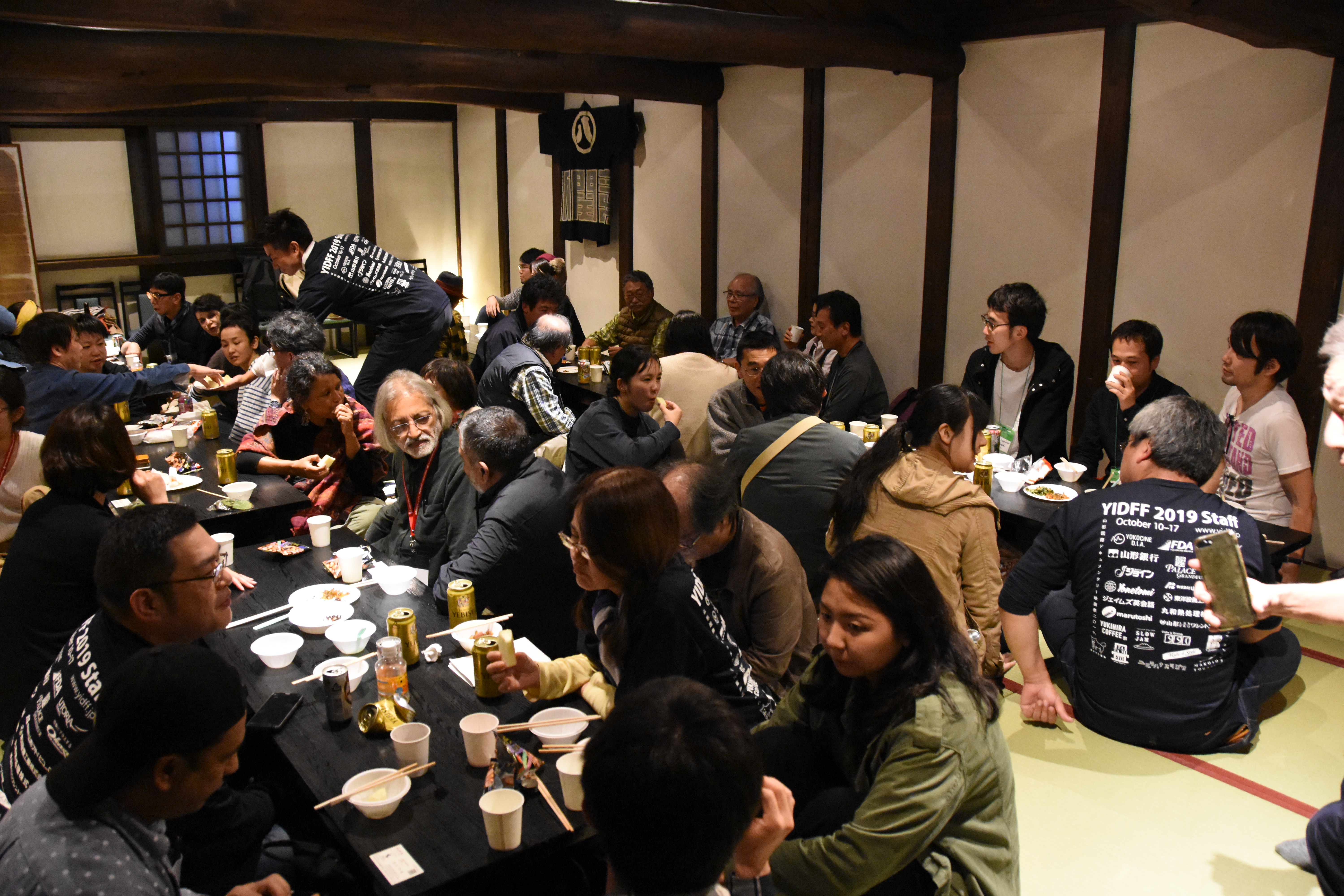
Launched in 1989, the Yamagata International Documentary Film Festival is one of the key events in Asia dedicated to documentary filmmaking. In celebration of their long history, YIDFF has put together a special series showcasing some of the key works from Japan which have featured over the last 30 years. The program will stream worldwide (excl. Japan) via DAFilms from Jan. 17 to Feb. 6 with all titles streaming for free during the first week.

A Movie Capital

Directed by Toshio Iizuka, A Movie Capital is a record of the Yamagata Documentary Film Festival’s first edition held in 1989 and against the turbulent geopolitical backdrop of the Tiananmen Square protests and the fall of the Berlin Wall.

Living on the River Agano

Makoto Sato’s documentary weaves its way along the Agano River talking to the mostly elderly residents of small-town Japan many of whom remained unrecognised victims of the Minamata disease caused by industrial pollution.

The Weald

1997 documentary from Naomi Kawase focussing on six groups of elderly people living in the Yoshino Mountains.

The New God

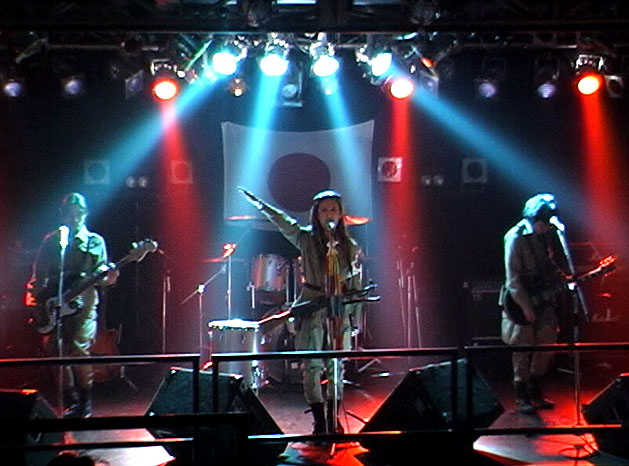
Personal documentary from Yutaka Tsuchiya in which he documents his relationship with a right-wing punk band which eventually led to his marrying its vocalist Karin Amamiya despite not sharing their nationalist views.

A2

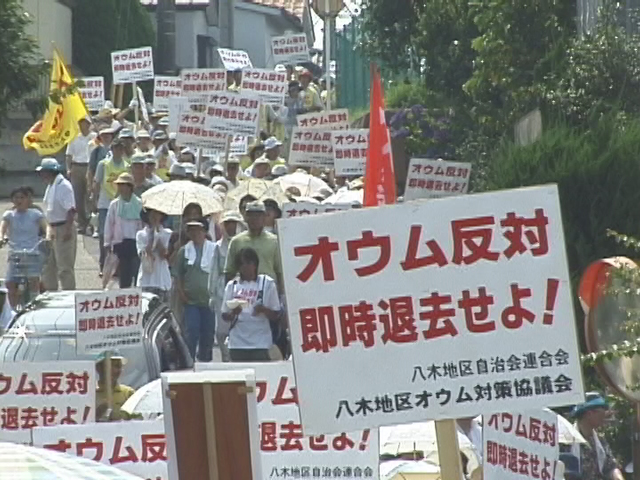
Tatsuya Mori’s 2001 sequel to his 1997 film A in which he returns to follow the everyday lives of members of the new religion sect Aum Shinrikyo who were responsible for the 1995 sarin gas attack on the Tokyo underground.

The Cheese and the Worms

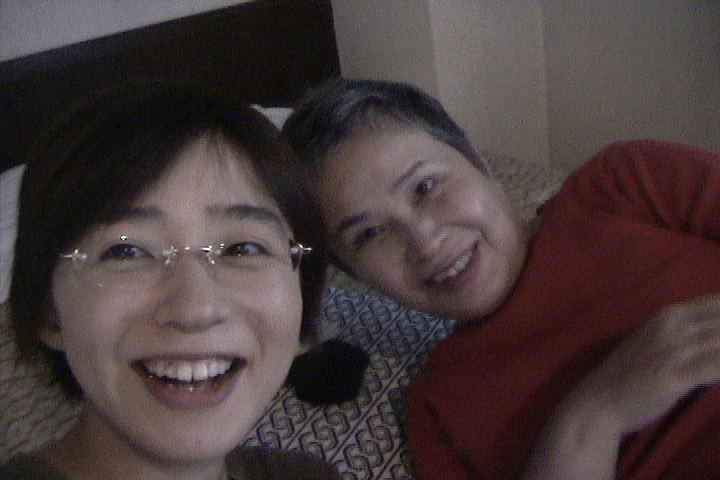
1995 personal documentary from Haruyo Kato documenting her life in the mountains living with her grandmother while caring for her mother who is suffering with a terminal illness.

Dear Pyongyang

Documentary by ethnic Korean Yang Yong-hi who stayed in Japan after her father who was a committed communist and leader of the pro-North Korean movement sent her three brothers back to North Korea as part of a repatriation program only to see them become increasingly dependent on care packages from home as the situation in Pyongyang continues to decline.

Storytellers

2013 documentary by Ryusuke Hamaguchi & Ko Sakai focussing on the stories of those affected by the 2011 earthquake and tsunami.

Cenote

Experimental doc from Kaori Oda shot on Super-8 focussing on the “cenote” sink holes of Mexico which were once the sole water source for Mayans living far from rivers and lakes.

Pickles and Komian Club

Poignant 2021 documentary from Koichi Sato following Maruhachi Yatarazuke, the owner of a 135-year-old family-run pickle store forced to close during the pandemic.

All films will be available to stream worldwide (excl. Japan) via DAFilms Jan. 17 – Feb. 6 and will be free to view until Jan. 24. Full details for all the films can be found on the official Yamagata International Documentary Film Festival website, while you can also keep up with the latest news by following the festival on Twitter, Facebook, and Instagram.

Lovely Little Ai (愛ちゃん物語♡, Ohno Candice Mana, 2021)

A lonely teenage girl begins to reevaluate her ideas of freedom and family after bonding with a sophisticated older woman from her neighbourhood in Ohno Candice Mana’s cheerfully quirky coming-of-age tale Lovely Little Ai (愛ちゃん物語♡, Ai-chan Monogatari). Aptly named for this is indeed a story of love, Ohno’s gentle drama cycles through the destructive effects of toxic, unsupportive parenting while finally finding solace in the strength of human connections to create new and enduring bonds not tied by blood. 

16-year-old Ai (Akane Sakanoue) explains that she lives alone with her father, her mother having passed away shortly after she was born, though alone is perhaps the most accurate word seeing as workaholic salaryman Tetsuo (Kan Hotoda) is rarely at home. Nevertheless, his authoritarian parenting style borders on the abusive as he bans Ai from hanging out with friends, makes her ask permission before anything she does, and insists she send him a photo of the clock to prove she’s home by the 6pm curfew (why she doesn’t just send the same picture every day is anyone’s guess). Ai seems not to think too much of it, but is also beginning to yearn for more freedom while additionally anxious that she has no friends and no idea how to make them because of her father’s controlling personality. 

Everything changes when she accidentally bumps into another woman on the street, knocking her over and spilling her bespoke cosmetics all over the road. Sensing a connection and hoping to get some feminine advice, Ai asks the woman to stay for a while and eventually ends up becoming friends with her, often eating in her apartment and taking various shopping trips together. In a sense, Ai comes to think of Seiko (Hisao Kurozumi) as a maternal figure but their relationship is later strained when she incorrectly comes to believe that she really is her mother despite having known all along that Seiko is trans and therefore could not have given birth to her. 

Well, Ai mostly refers to Seiko as someone who wears women’s clothing but evidently has no problem accepting her, offended on her behalf when a boy from school, Ryo (Ryo Matsumura), who has a crush on her rudely runs away screaming on seeing them together in town though he later makes a point of apologising explaining that he was merely shocked and had an unusual reaction born of nervousness. Nevertheless, a melancholy flashback reveals Seiko’s difficult childhood with an authoritarian father not unlike Ai’s who disturbingly decapitated her Barbie and broke her colouring in pencils in two in an attempt to discourage her femininity. Watching over Ai she encourages her to embrace her freedom, explaining that life is dull if you can’t do the things you want to do and allowing her the space and confidence to make friends with the popular girls at school while figuring out who she is in defiance of her father’s control. 

Even so on finding evidence that suggests Seiko has been keeping something from her she begins to doubt her new maternal relationship, unfairly feeling betrayed while refusing to give Seiko the opportunity to explain. What she eventually learns is that she’s come to see Seiko as a mother even if they are not related by blood and that the connection she has with her is what is most important. Her decision validates her right to choose and redefine the meaning of family including the boundaries around her own, but also affirms Seiko’s right to play a maternal role despite the rather unkind words Tetsuo had used to describe her before himself getting a wake up call in what it means to be a responsible father. 

Cute and quirky with its pastel colour scheme, whimsical production design, and frequent flights into fancy, Lovely Little Ai is a heartfelt tale of family as active choice in which a young woman comes of age while repairing her fracturing relationships by embracing the love of a new maternal figure and pushing her wounded father into accepting his emotional responsibilities and relinquishing his need for control. A lovely little tale indeed, Ai’s sweet summer story is a breath of fresh air and a welcome advocation for the new family founded on love and mutual respect rather than blood or obligation. 


Lovely Little Ai streamed as part of Yubari International Fantastic Film Festival 2021.

Teaser trailer (no subtitles)
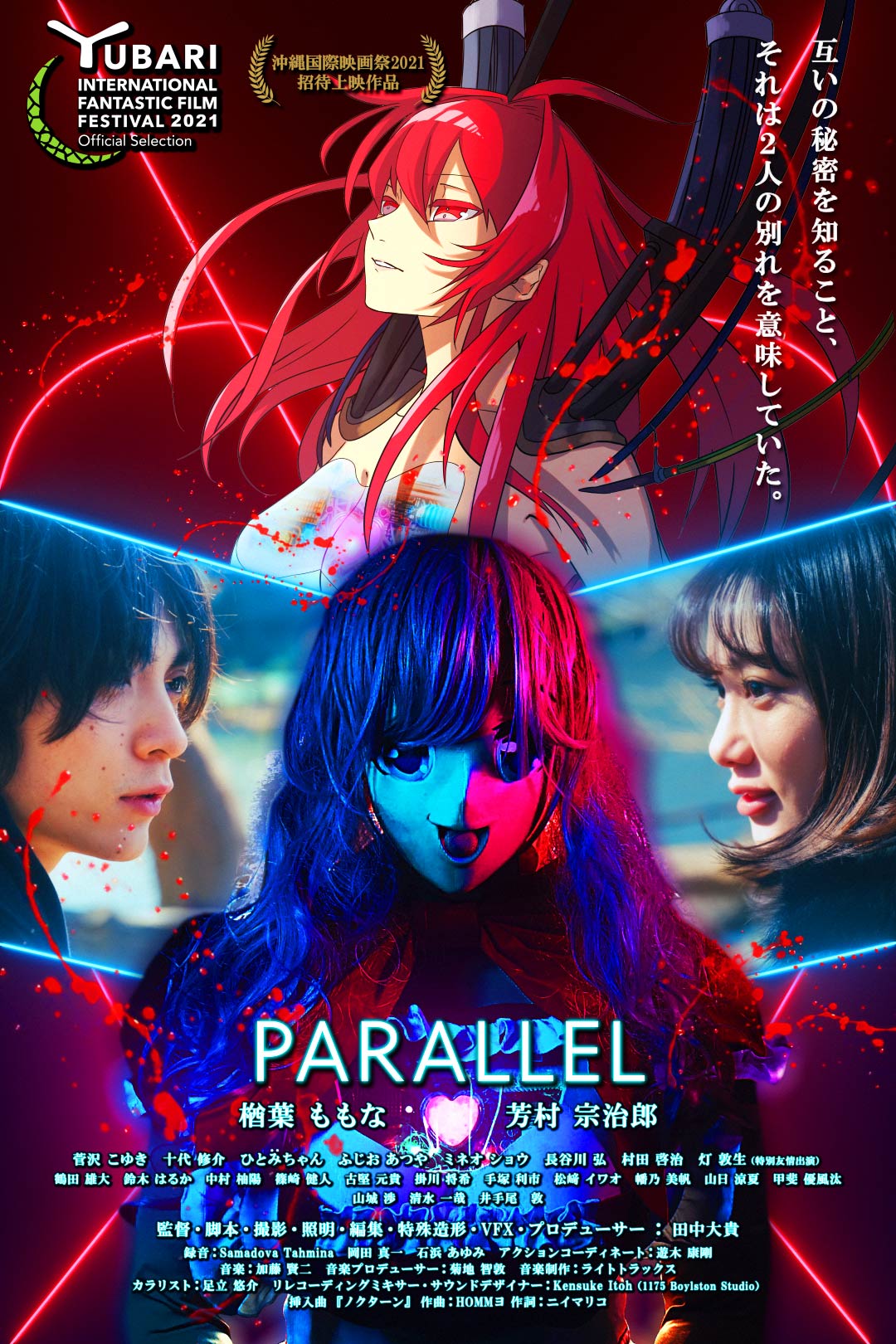
PARALLEL (Daiki Tanaka, 2021)

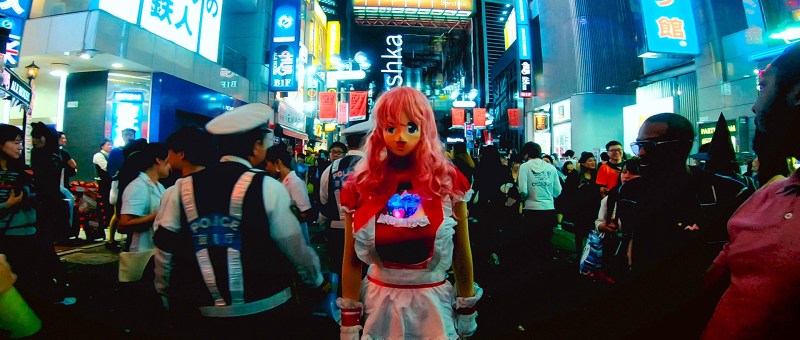
A wounded young woman in search of a protector and a nihilistic serial killer fight for the meaning of existence in Daiki Tanaka’s dark romantic drama, Parallel. Taking different paths out of a sense of “unworthiness” each look for ways out of this “rotten world” but find themselves mirroring the magical girl anime that inspires the killer’s desire for escape in discovering an uncomfortable sense of mutual salvation in the histories of their shared trauma. 

Panning over a scene of scattered cosmetics and tangled wigs, the camera first lights on the sight of a bearded man gently stroking coloured hair before putting on lipstick in the mirror. We then transition to a scene of violence as a young girl is brutally beaten by her parents who later lock her inside a cupboard only for the cross-dressing man to turn up and kill them with a knife. The man spots the lock on the door and rescues the girl, giving his name as Shinji and asking in a soft voice if the girl, Mai, thinks he is beautiful. Mai nods tearfully, evidently viewing the killer as her saviour. Flashing forward a decade or so, Mai is a 20-year-old woman still haunted by her childhood trauma and captivated by reports of the “Cosplay Killer” who dismembers his victims and places lights inside to make them glow. The Cosplay Killer uploads photos of Shinji along with videos of his kills though it seems that Shinji was killed by police at the scene of Mai’s parents’ murder so the current killer is thought to be a copycat. 

That turns out to be true and not. A very emo, nihilistic young man, Mikio is a manga artist working on a magical girl series in which humanoid robots developed as anthropomorphic weapons develop a sense of humanity after becoming “broken” through fighting an earlier iteration of themselves inspired by Shinji. Something similar happens to Mikio on encountering Mai. A sociopath with no sense of morality, he is confused by his innate connection with the wounded young woman apparently the only person he would not like to kill, which makes him think perhaps he should kill her. 

Meanwhile, he secretly plots with a collection of similarly disaffected young men fed up with being made to feel inferior by this “rotten” world full of “trash humans” who can’t recognise people from machines. The present source of their ire is TV pundit Okudera who is a frequent commenter on the Cosplay Killer later going on a long rant about how anime should be banned for corrupting the minds of the youth seeing as they never had this kind of thing in their day. Backstage meanwhile he makes a point of humiliating his assistant, forcing him to get down on his knees and apologise for being “worthless” insistent that he should be grateful Okudera is training him so thoroughly when the rest of the world is so cold. 

Mai too just wants to feel “worthy”, laughing about a rubbish date with her friend Kana in which a dating app hook up earnestly declared his love. Kana not unfairly thinks that might have been a little creepy but even though she doesn’t plan to see the man again Mai enjoyed the attention in the sense that in the moment she needed to feel desirable. That might be why she seems to be making a living through compensated dating, making the middle-aged man she hangs out with wear a wig to better resemble Shinji while he somewhat uncomfortably echoes the words of her abuser in making her say “I love you, Daddy” over a hug to end the session. He offers her more money for a pair of her used panties, but at present Mai thinks that’s a step too far. 

Equally drawn to Mikio, Mai finds herself bonding with the “creepy” young man the pair of them baring their literal scars and then symbolically giving each other new ones with the aid of a box cutter. Mikio is obsessed with the idea of transformation but originally rejects his attraction to Mai because would it tie him to this rotten world rather than the better anime one his killing sprees allow him to escape into, his mangaka mentor later asking him why he can’t use love to transform himself and find new meaning, a kind of Earthly magic, in human connection but all of this is perhaps forgetting that Mikio is a man who stalks, kills, and dismembers his prey later explaining that unlike Mai no one came to save him from the abuse he too suffered and this was the way he freed himself. His concept of revolution has an extremely dark edge reminiscent of that pursued by angry, embittered young men radicalised by their sense of inferiority and so the otherwise touching affirmation from Mai that he has shown her the magical moment everything can change because they can create their own meaning in life has an unavoidable air of discomfort. A mix of slasher horror and emo teen romance, Tanaka’s giallo-esque neon-lit journey through a world of trauma and abuse allows its “broken robot” to find both peace and purpose but equally to avoid responsibility for his heinous violence.


PARALLEL streamed as part of Yubari International Fantastic Film Festival 2021.

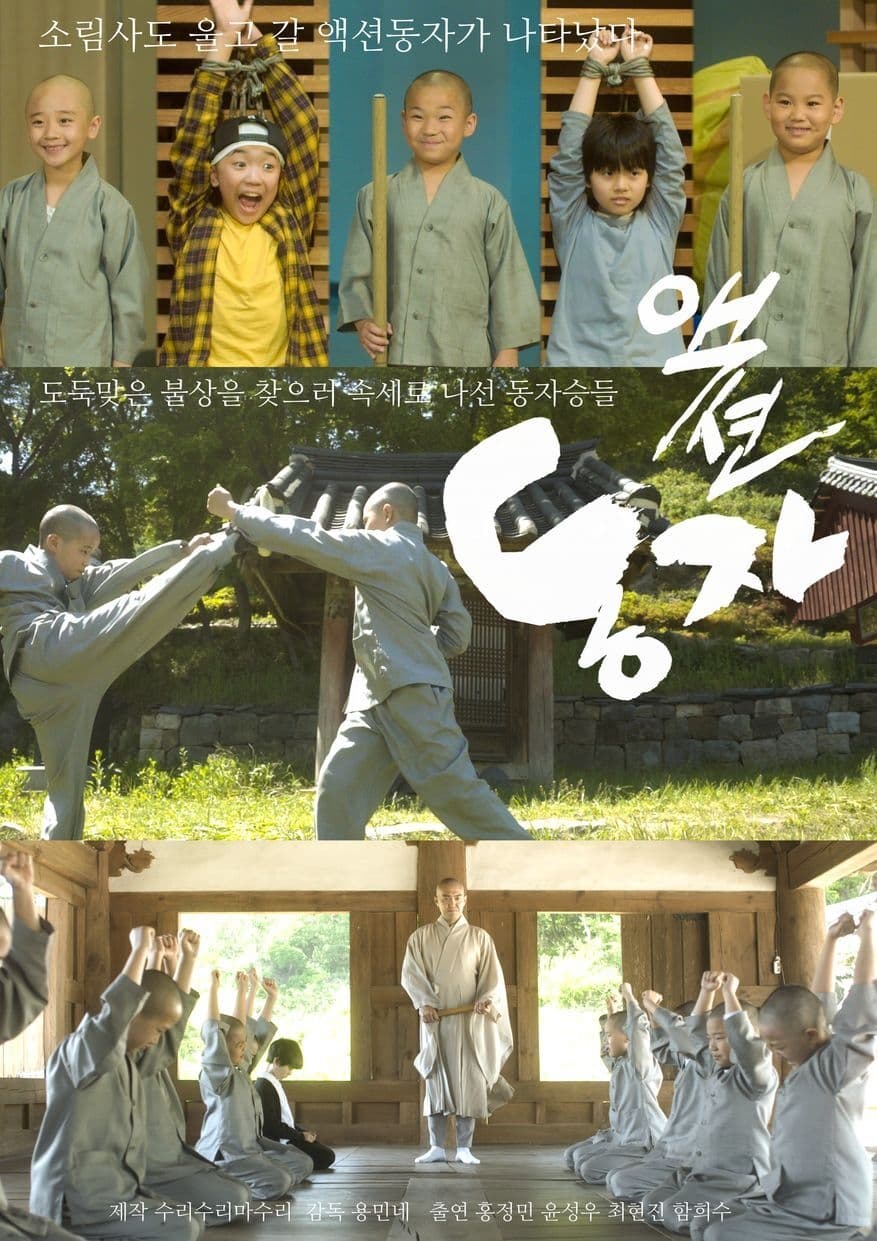
Action Dongja (액션동자, Yongminne, 2020)

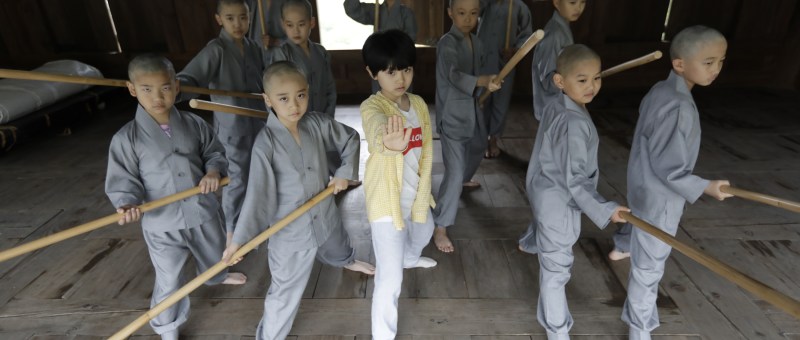
Four little monks discover brotherhood in their shared sadnesses as they valiantly chase down a gang of evil robbers specialising in thieving ancient relics from Buddhist temples in Yongminne’s slapstick kids adventure movie Action Dongja (액션동자). Exposing a societal prejudice against orphans along while upending a few stereotypical notions about monks, Yongminne’s warmhearted drama is equal parts a coming-of-age tale for each of the pint-sized monastics and Home Alone-style heist movie as the kids plot how to take down the crooks using their unique skillsets.

Little Jingu has had it tough. He lost his parents at a young age and has been separated from his younger sister. Now his grandmother who was raising him has died and another woman whom the grandma had apparently asked to take care of him has decided to dump him at the temple instead. Apparently Christian, the woman planned to leave him at an orphanage but thought the temple might be better because he’ll be near his grandmother’s resting place. As might be expected, Jingu does not take well to his new life. Not only is he overcome with grief having lost all of his family members, his home, and everything he knew but he didn’t ask for this very regimented existence and it’s obviously an extreme adjustment which might explain why he’s become mute, sullen, and withdrawn. Nevertheless, one very cheerful and friendly boy nicknamed “piggy” because of his bottomless stomach, extra sensitive nose, and obsession with food keeps trying to make friends with him even coming to his aid when he’s hazed by a couple of local kids at school and later bailed out by two top martial artists, the kind and sensitive Jeongbeop and the exceedingly mean and authoritarian Gajin. 

Jeongbeop explains to the bullies that it’s not right to bully those weaker than yourself and so they had no choice other than to defend themselves, asking for forgiveness as they leave. That doesn’t make much difference to the monks, however, when the boys’ parents turn up to throw their weight around insisting that they don’t want kids like these at their sons’ school virtually accusing the temple of training up little thugs. “Kids without parents are the ones who lie” one fires back, unwilling to believe her good little son could have misrepresented himself while reflecting a societal prejudice towards those who have no family. The younger of the two monks tries to defend the boys, insisting that it’s hardly their fault they’re orphans, but the chief monk is quick to placate the parents while perhaps sending mixed messages punishing Jingu and the other boys but later taking them out for Korean barbecue. Though many Buddhist monks are vegetarian, it is not strictly required and in any case the boys are too young to be expected to adhere entirely to asceticism yet the group’s presence once again arouses a degree of suspicion and resentment as opposed to mere surprise in an irrationally annoyed couple on a nearby table. 

Meanwhile, the boys are also rejected by their peers who unfairly blame them when their temple is robbed, the chief monk stabbed, and a precious picture scroll stolen. Jingu happened to see the face of the man who did the stabbing, but is unable to say anything later telling his new friends when they hatch a plan to catch the thieves themselves as a way of regaining the respect of the other boys and getting justice for the chief monk. In true heist movie style, Jingu who has not yet had his ordination takes the other kids shopping so they can better blend in, the gang even becoming temporary street performers Piggy rapping sutras while the other two do a martial arts display, to pick up extra cash after getting pickpocketed in the big bad city. Unexpectedly it’s Piggy who saves the day with his famously well-attuned sense of smell, picking up the scent of incense on a suspicious man at the port. Bonding during their mission, the boys come to an understanding of their various traumas and the ways in which they inform some of their behaviour generating a sense of brotherhood as they band together to take down the robbers. An old-fashioned kids adventure with a monastic twist, Action Dongja is a charming tale of unconventional found family in which the lonely hero learns to find his place while chasing bad guys and solving crime.


Action Dongja streamed as part of Yubari International Fantastic Film Festival 2021.

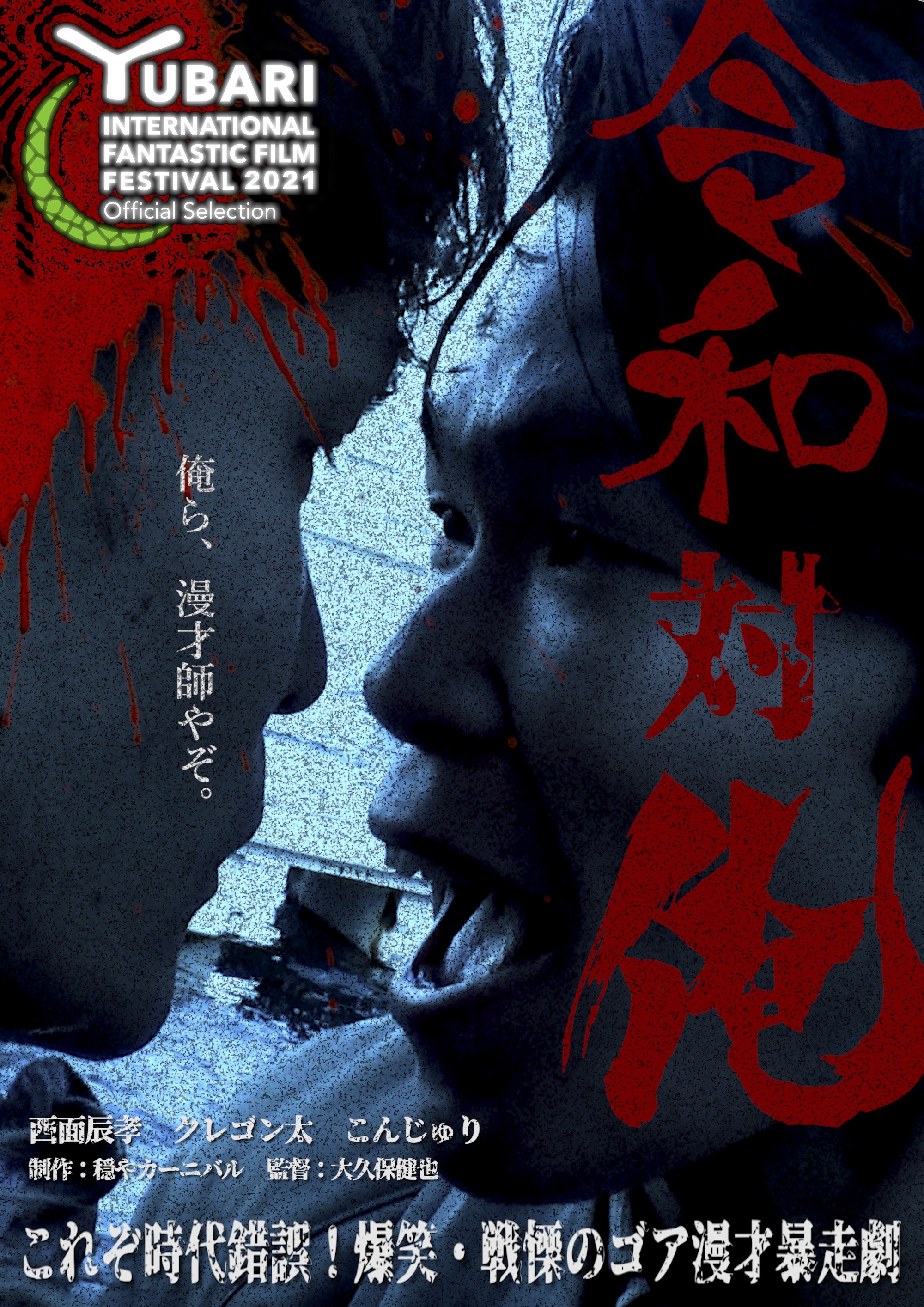
MANZAI Conflict (令和対俺, Kenya Okubo, 2021)

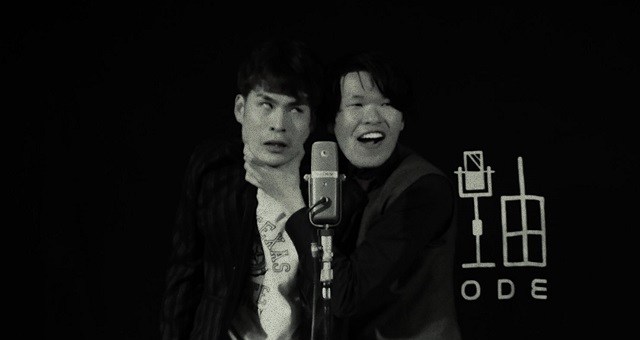
“There’s definitely nothing good about him at all” is the verdict on the Tsukaguchi, the irredeemable hero of Kenya Okubo’s eventually intense psychological drama MANZAI Conflict (令和対俺, Reiwa tai Ore). Not even his stage partner Kunimatsu is prepared to defend him as a person, but still refuses to end their partnership insisting that Tsukaguchi is funnier than he is though to everyone else evidence of Tsukaguchi’s funniness is thin on the ground. “Manzai” is a form of double act comedy particular to Japan often involving high speed, surreal narrative skits thrown back and for between the funny guy (boke) and straight man (tsukkomi). For these purposes, Tsukaguchi is the funny the guy in that he leads the narrative while Kunimatsu occasionally chimes in with a note of realism, but the problem is that Tsukagichi’s comedy, like the man himself, is stuck in the 1970s and his series of poor taste jokes simply aren’t very funny. 

Okubo signals his intentions early on. The film opens with a riff on the classic Toei logo, a studio closely identified with the yakuza genre and most particularly of the 1970s. Even the opening credits are presented in classic blood red calligraphy just like those of a retro gangster picture though this is not a gangster film even if Tsukaguchi broodily walks about in a trench coat and three-piece suit, smoking away and generally behaving like a street thug angry at a world he doesn’t understand. When he and Kunimatsu, at this point calling themselves the Ashtray Brothers, are banned from the rundown, tiny comedy club where they usually perform because of one of Tsukaguchi’s off-colour routines, Tsukaguchi tracks down another performer who criticised his act and brutally assaults him in the street eventually getting arrested. 

Tsukaguchi keeps harping on that he’s only one who truly understands manzai and everyone else is just a hack while the audience are simply too unsophisiticated to appreciate his art. We occasionally see brief flashbacks to the two men rehearsing which appear to show them laughing together happily suggesting that Tsukaguchi may have been conventionally funny at some point in the past when he wasn’t doing lewd routines about his grandmother’s sex life, but as a TV exec points out no one want a loose cannon like Tsukaguchi around which is why he’d like to hire Kunimatsu independently as a fill-in artist for his variety show. Loyal to the end, Kunimatsu resists and tries to bring Tsukaguchi with him, but the offer along with the failure of Tsukaguchi’s relationship with his live-in girlfriend whom he beats and attempts to rape, provokes a kind of crisis in the mind of the already troubled “comedian” born being forced to switch sides from funny guy to straight man now standing stage left rather than right. 

After the TV show, which might not even be “real”, Tsukaguchi’s mental state becomes ever more fluid drifting between fantasy and reality in confronting differing versions of himself playing straight man to his girlfriend’s funny guy before snapping back to take out his masculine frustrations on the calmer Kunimatsu who has renamed their duo the “New Cigarettes” and written a much more conventional routine better suited to a variety show audience which ironically also includes an onstage wedding. “If you stray from the path of manzai I’ll fucking kill you” he dramatically declares, an abusive partner onstage and off seemingly fragile in his masculinity and intent on dominance unable to accept either of his partners creative or romantic has the right to break with him even as his internalised self-loathing fuels his continually destructive behaviour. 

Yet Okubo in a sense refuses to condemn him. The film’s Japanese title translates as “Me vs Reiwa”, painting Tsukaguchi as a man who was simply born in the wrong time as if he’s a refugee from one of Toei’s grittier yakuza flicks where his intense misogyny and destructive male pride might have seemed even “normal” given the values of the time. Tsukaguchi literally defaces the modern society, beating it to a bloody pulp attempting to assert his own dominance while unable to escape his sense of impotence and futility. Shot in 4:3 and in a variegated muted colour scheme travelling from stark digital monochrome to a softened ‘70s grain, Okubo’s psychedelic psychodrama travels in a decidedly unexpected direction as its defiant anti-hero discovers that you can’t beat an era into submission. 


MANZAI Conflict streamed as part of Yubari International Fantastic Film Festival 2021.

Scherzo (スケルツォ, Takayoshi Shiokawa & Kanta Tomatsu, 2021)

It may be one thing to live profoundly in the moment, but if you have no memory of yesterday and know you’ll have no memory of today tomorrow can you really say that you “exist”? The hero of Takayoshi Shiokawa & Kanta Tomatsu’s Scherzo (スケルツォ) believes that he’s born every day and dies every day, his mind wiped clean each time he sleeps but how can you learn to find meaning in a life so defiantly brief in which you have no past or future?

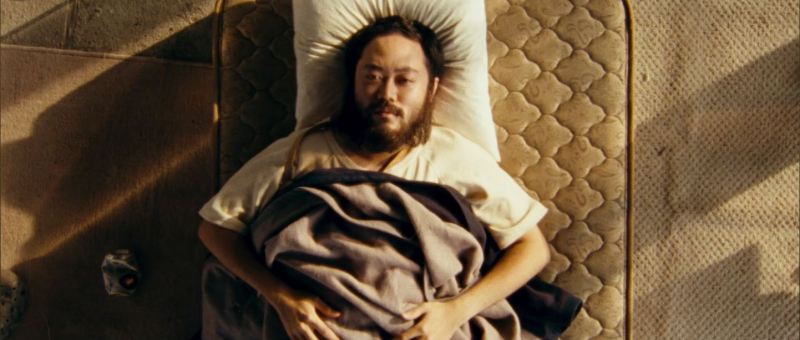
Then again, according to a random man in a laundrette people only start thinking about the value of life in order to avoid thinking about how bad their lives are currently when the real answer is to concentrate less on whether your current life has value and more on how to lead a better one. For “Koji” however, a name he chose for himself, the question may be moot. He wakes up every day on a stained mattress in a partially exposed rooftop flat with a sign above telling him to look at the wall where he’s explained to himself that his memory resets every day. A selection of polaroid photos feature the same young woman who also appears in a video tape playing on a nearby TV though Koji doesn’t know who she is. Taking the video camera with him he walks out into the town recording his every movement in lieu of his ability to remember and lives as if there’s no tomorrow because in a sense there isn’t. His first few days he hangs out in a hostess bar where he can’t pay the bill, robs a pizza man, and visits a sex worker for some existential chit chat abandoning the rules of morality in the knowledge that there can be no consequences because he dies by night and his existence is futile. 

All that begins to change, however, when he encounters a woman, Hinako, who looks like the one in his photos and appears to be suffering from the same condition as himself. Bonding with her slowly though neither of them can recall the other, Koji suddenly wants to find a way to remember certain that logically they are here today because of something that happened yesterday because of all the yesterdays that came before. 

Scherzo literally means “joke” in Italian, and you could indeed read Koji’s predicament as a bizarre cosmic prank otherwise unexplained in its absurdity. Yet it’s perhaps also a metaphor for the mutability of memory and elusiveness of love as much as in its usage in classical music a playful allusion to the self-contained brevity of his daily lives. He feels an innate connection to Hinako, as if he must have known her before but simply can’t remember. Even the most essential of emotions, love, can it seems be forgotten or gently fade away even if, as in the bar hostess’ melancholy ballad, something of it remains when everything else is gone. This is in one sense at least, a story of a couple who’d fallen out of love, or perhaps taken it for granted to extent that they’d almost forgotten it was there, rediscovering their feelings for each other and discovering in them a meaning for life. 

Meanwhile, Koji obsessively records all of his actions, filling 40 DV tapes of a sleepless road trip with Hinako, as if a physical recording could be more accurate than an organic memory. Memory is of course subjective and you can never know what it is you’ve forgotten whereas a tape maybe tampered with or faulty but supposedly contains objective truth though even that has a subjective quality simply by virtue of who recorded it and how. Nevertheless, if you can forget love, does memory really count for anything at all? Koji thinks he dies every day, but like Alice in Wonderland no one except for Koji is the same person they were yesterday or will be tomorrow. He can’t change or grow and has only the same version of himself to offer imperfect guidance. Nevertheless it’s love that in a sense restores his identity, gives him the will to remember, and makes it possible for him to live in the shadow of tomorrow rather than in an eternal present. Shot with a deadpan absurdism, Takayoshi Shiokawa & Kanta Tomatsu’s dryly humorous drama eventually concludes that it’s the memory of love, even if old or faded or failed, that gives life meaning allowing its anxious hero to move forward in finally regaining a sense of self if reflected in the eyes of another.


Scherzo streamed as part of Yubari International Fantastic Film Festival 2021.

The Basement (지하실, Choi Yang-hyun, 2021)

Two weeks doesn’t seem like a very long time. You might think you can stick anything out for two weeks if you know it will definitely be over in 14 days, but what if you don’t know when or if it’ll end and 14 days turns into 28 with no sign it might not turn into 42? In some ways that might seem like a familiar situation at the present moment, but it’s one that comes to define the lives of an affluent upper-middle class family in Choi Yang-hyun’s pandemic allegory The Basement (지하실, Jihasil). 

When the alert goes out that South Korea is under attack with a nuclear missile apparently on its way the Choi family dutifully obey the emergency text on their phone and take refuge in the basement intending to stay the advised two weeks until the radiation will have decreased to acceptable levels. Unfortunately, however, once down there they realise their preparations have not been thorough enough, the power is out and they’ve left the suitcase containing clothing and emergency supplies upstairs. With phone lines jammed, no radio reception, and no way of keeping in contact with the outside world they have no idea if the strike actually took place or if their friends and family members made it to safety. 

Placed under such strain, it’s understandable that small grievances and tensions in the family are quick to arise. Wife Hayeon seems particularly irritated by her practically minded husband Dongbaek, describing him as “immature” and complaining that he’s never really put his family first preferring to spend his weekends playing golf with the boys. Not helping matters, Dongbaek sadly reflects that he “probably” won’t be able to go on that work jolly golfing in Thailand the following week which whatever way you look at it is not a primary concern in the present moment. She also complains that he made such a fuss buying all this expensive camping equipment that he hardly ever used but at least it’s paying off now during their accidental holiday in the dank and depressing basement of their well-appointed detached home in the suburbs of an area described as “Korea’s Silicon Valley”. Dongbaek meanwhile reflects that he’s glad they sold their Gangnam flat for a spacious house (even if they’re trapped in one room of it) because even if they’d probably have made a bundle on the housing market if this hadn’t happened, they’d be gonners as inner-city apartment dwellers. 

Nevertheless, the first crisis occurs when the family begin hearing the sound of a neighbour frantically calling to them from outside apparently unable to reach her husband or son and looking for some kind of human support. Teenage daughter Jiseon wants to open the door, but her mother is conflicted and Dongbaek dead against it. The woman’s distress clues them in to the fact that something bad really has happened on the surface, but they’ve only so many resources and Dongbaek apparently doesn’t want to share while Jiseon can’t understand how he could be so heartless as to listen to someone screaming for help and not open his door. 

He meanwhile is more invested in finding practical solutions, trying to solve the bathroom problem they neglected to think of previously while setting up a water still to catch moisture from the wooden ceiling beams, repeatedly making reference to his time in the army and disaster preparedness training. Yet the problem they can’t solve is the anxiety, how will they ever know if it’s really safe to come out especially as the radio, once it’s working, gives contradictory messages either suggesting everything’s fine or that North Korea has occupied Seoul. Practically speaking, they can’t stay down here forever, there’s only so much food and some of them are already beginning to experience ill-effects from staying so long in the dark and damp. Sooner or later they’ll have to overcome their growing sense of anxiety for the unknown outside and brave the new reality. A claustrophobic chamber drama starring only three actors with occasional outside voices, Choi’s pandemic adjacent drama explores how one family attempt to come to terms with impending apocalypse while combatting boredom in equal measure to fear and despair but discovers that togetherness and endurance are perhaps the key skills for survival. 


The Basement streamed as part of Yubari International Fantastic Film Festival 2021.

International trailer (English subtitles)