Take Me Home (담쟁이, Han Jay, 2020)

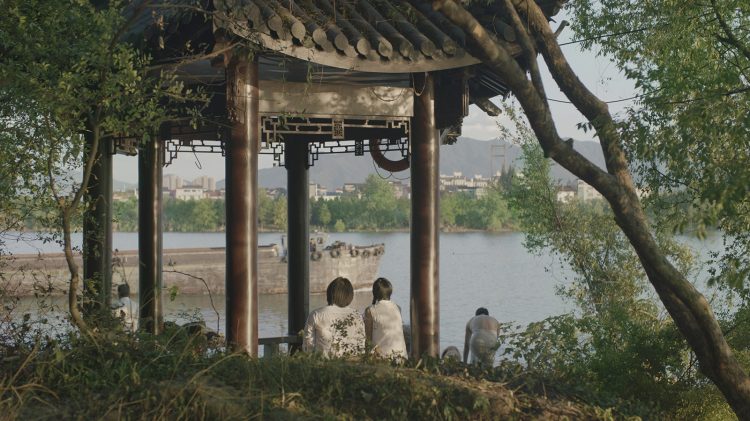
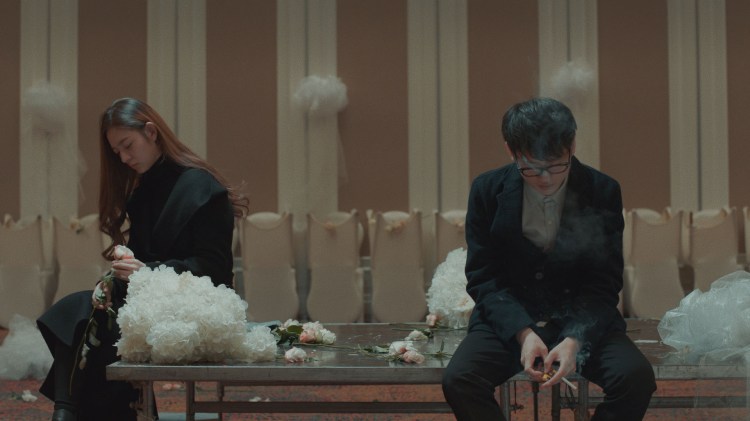
A schoolteacher is confronted with the multilevel prejudices of her society in Han Jay’s pointed social drama Take Me Home (담쟁이, Damjaengi). Examining the changing concept of family in contemporary Korea, the film not only addresses deep seated prejudices towards both the LGBTQ+ community and those with disabilities but also an exploitative and unfeeling working environment in which employers adopt the language of family while continually undermining their employees’ interpersonal relationships and always ready to casually discard them should their circumstances change. 

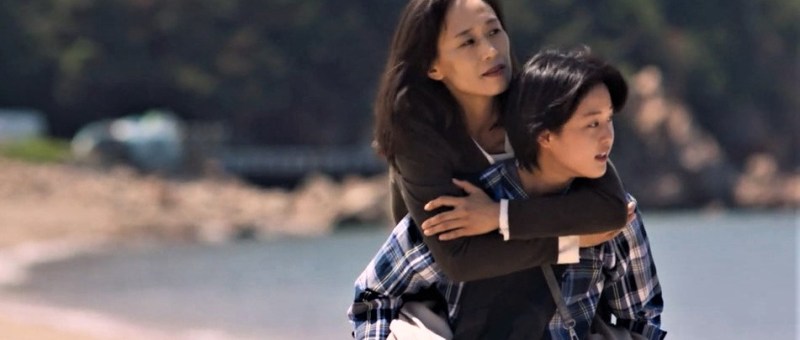
Middle-aged high school teacher Eunsu (Woo Mi-hwa) is in a happy relationship with a much younger woman, Yewon (Lee Yeon), who uncomfortably enough was once one of her students. Though the pair live together, they are not completely out keeping their relationship vague with coworkers and family members Yewon explaining to her colleague that Eunsu is her cousin while Eunsu describes Yewon as a roommate to the sister she barely sees on returning home for her mother’s annual memorial service. Yewon it seems is less cautious, but Eunsu quickly bats away her hand as they walk home together from the local baths worried that someone might see even as they poignantly walk past an elderly couple with no such fear sitting quietly on a park bench. 

Yewon views their relationship as familial despite Eunsu’s occasional anxiety, yet when Eunsu is involved in a car crash which claims her sister’s life Yewon is reminded that she is not “family” and cannot act as Eunsu’s caregiver at the hospital. Even so she becomes temporarily responsible for Eunsu’s now orphaned niece Sumin (Kim Bo-min), her teacher apparently abandoning her with this woman she knows nothing about other than she is in someway connected to Eunsu. When Eunsu comes round and discovers that she has lost the use of her legs and may need to use a wheelchair for at least the next couple of years, it further destabilises her relationships firstly feeling as if she’d be overburdening Yewon and secondly uncertain that she is able to take care of her niece while simultaneously withdrawing into herself wary of her emotional bonds with others. 

Yewon tries to point out that they are family and family knows no burden, compassionately caring both for Eunsu and Sumin as they each try to adjust to their change in circumstances though she too suffers at work unable to explain to her boss that she needed to take time out because her partner had been involved in an accident even as he coldly tells her that time off is only given for a “family matter” while cancelling an opportunity for promotion he’d recently presented to her. Eunsu meanwhile encounters something similar, returning to the school where she works only for her boss to tell her he’ll be letting her go, the implication being that parents will object to a teacher using a wheelchair. He suggests another job in a much more rural location in a school with fewer than 10 children as if hiding her away or suggesting that her disability makes her ineligible for all but the least desirable of positions. Further fuelling her sense of resentment, she’s also subject to a series of sexist remarks to the effect that it’s a shame such a pretty woman met with an accident, as if on the one hand she is no longer desirable and on the other that she’s somehow lost more than someone considered unattractive while continuing to struggle with a unaccommodating society. 

Having begun to accept her new circumstances, Eunsu begins to warm to the idea of herself, Sumin, and Yewon as a family but her hopes for the future are crushed when her attempt to file formal adoption documentation is blocked. On consulting a series of lawyers, she is given the irrational advice that she might be able to win custody but only if she eliminates one of the two bars against her those being a same-sex relationship and her disability. Adoptions she is told are generally only approved for married couples, same-sex marriages currently not recognised under Korean law which also lacks anti-discrimination legislation on the grounds of sexuality, though the lawyer seems to think that the court could be convinced to allow a lesbian or a disabled woman to adopt but apparently not a disabled lesbian which obviously makes no sense at all. The sinister social worker who approaches Sumin alone in a park and asks her inappropriate questions about the nature of the relationship between her aunt and Yewon, which Sumin sees as nothing other than warm and loving like any other couple gay or straight, claims to have her well-being in mind but later snatches her from the back of a taxi depriving her of the loving family home she continues to yearn for while asking Eunsu to make a series of choices and compromises that leave no one happy. 

The villain is clearly the unsympathetic state which places its own idealogical concerns above a child’s happiness though the film’s conclusion cannot help but seem manipulative while leaving aside the more generalised examination of what the word family means in contemporary Korea, the persistent discrimination levelled at the LGBTQ+ community, and the barriers placed in front of those living with disability who find themselves infantilised by a society all too often refusing to accommodate their needs. In any case, the film argues for a world in which no one would have to choose between love and family because they truly would be one and the same. 


Take Me Home screens at Catford Mews on 21st May as part of this year’s Queer East.

Original trailer (English subtitles)
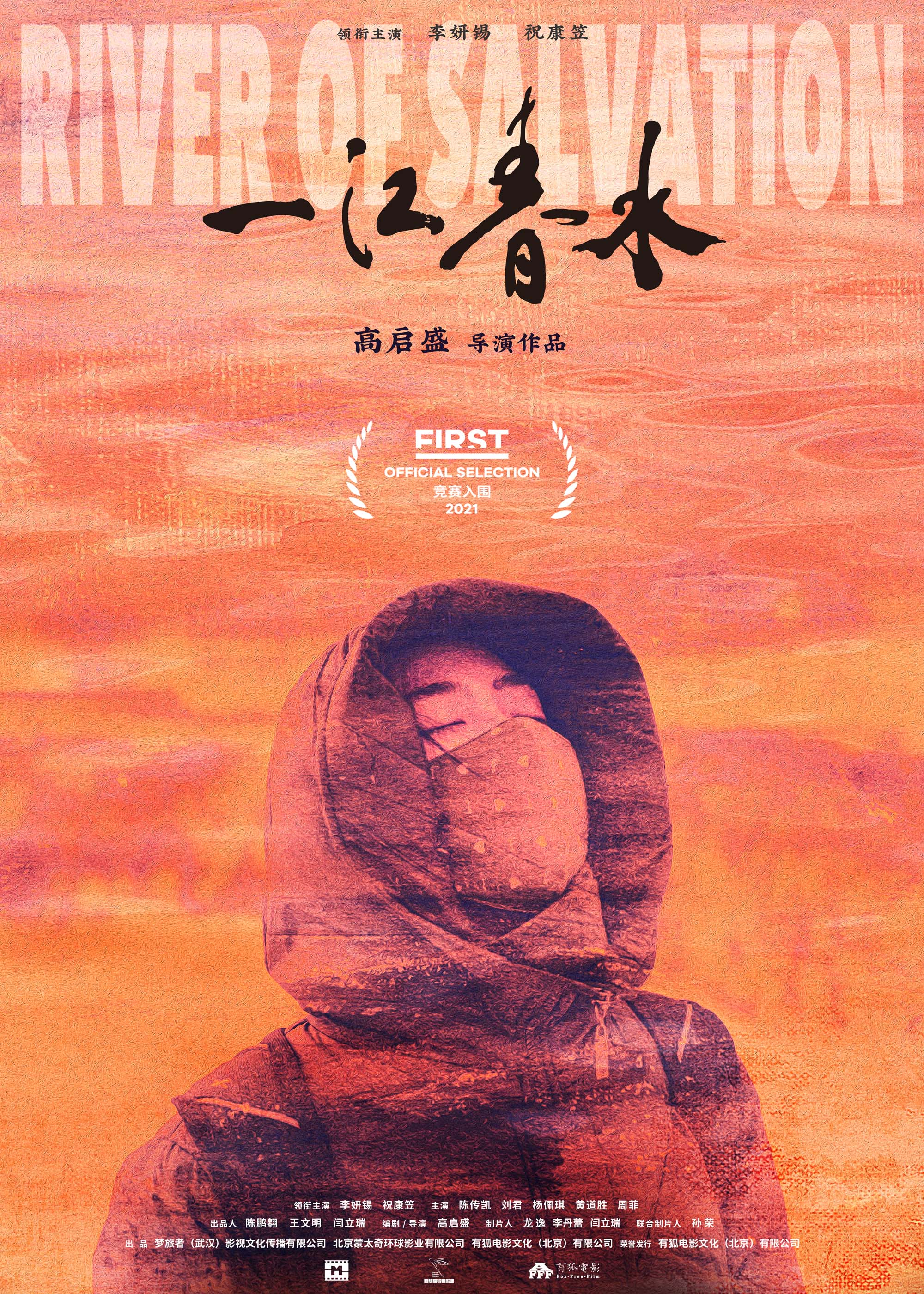
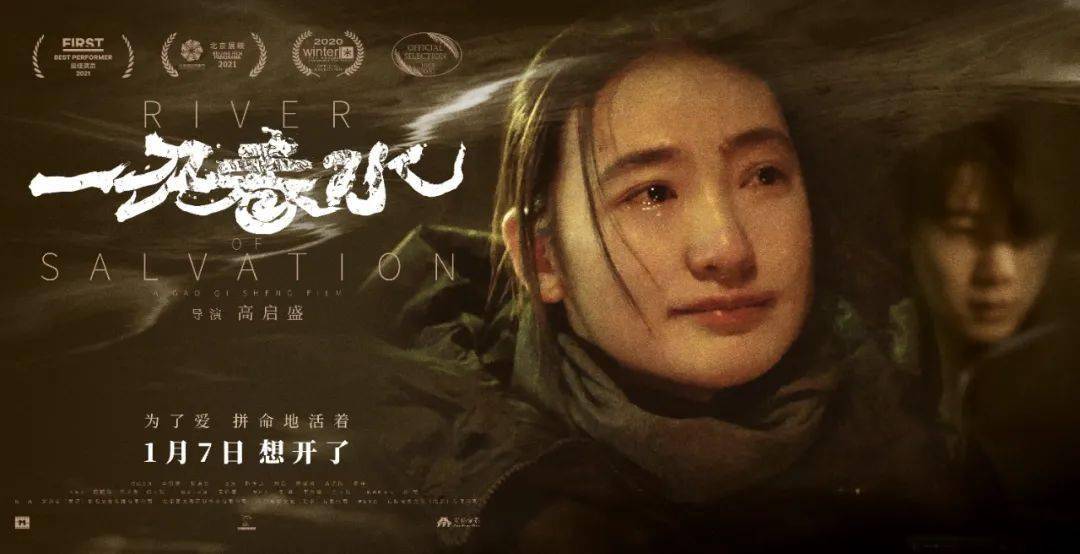
River of Salvation (一江春水, Gao Qisheng, 2020)

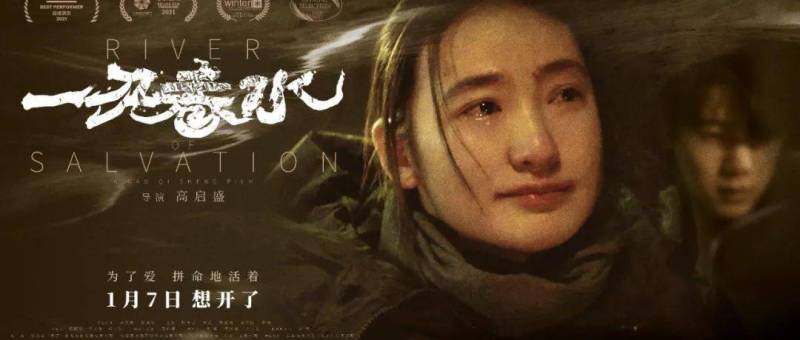
“But life’s supposed to be good, isn’t it?” the heroine of Gao Qisheng’s indie drama River of Salvation (一江春水, yī jiāng chūn shuǐ) asks an old lady who has just explained that she’s considered taking her own life because of its inescapable misery. The film’s title may in its way be ironic in that there’s no real sign of salvation for anyone in this quiet backwater of rural China where as we discover no one is quite who they say they are. 

The hopelessness of 32-year-old Rong’s (Li Yanxi) existence is emphasised in the opening scenes in which she gets dressed up and heads to the port to pick up her fiancé’s mother only to be told that she won’t consent to the marriage partly because her intended’s first wife was a refined, elegant woman of much higher status while her son, Sanqiang (Chen Chuankai), is rough and boorish. Rong walks home feeling humiliated but also as if a last shot at happiness has been taken away from her. Sanqiang is also her boss at the moribund massage parlour (seemingly legitimate and offering only foot massages) where she works which is itself in the midst of financial difficulty. Meanwhile, she’s also the sole carer for her 18-year-old younger brother, Dong (Zhu Kangli), who spends most of his time playing video games and hanging out with his delinquent girlfriend, Jing (Yang Peiqi). 

As dull as her life seems, we can also see that Rong has a degree of anxiety and may be attempting to hide something about her past. She seems unusually cagey when her friend and workplace colleague Jinhua (Liu Jun) tries to invite her to a recently opened dumpling shop while almost always wearing a face mask claiming to be allergic to UV light. When the police are called due to a workplace altercation, she finds herself hiding in the basement obviously not wishing to encounter them. Yet as she discovers pretty much everyone in this small backwater town is hiding something or as Jinhua puts it is different on the inside. The guy on the front desk (Xi Kang) has been embezzling money to cover a gambling problem while even the lovely old lady (Huang Daosheng) with whom Rong bonds has not been entirely honest with her even while selling dreams of a better life. 

The central crisis is itself motivated by dishonesty in Jing’s claim that she is pregnant, later (perhaps falsely) stating that she made the whole thing up in order to test Dong shortly after reciting her own tearful monologue about the kind of life she wants but fears she can never have. The relationship between Jing and Dong encourages Rong to reflect on her own adolescence which contains more than a few troubling elements the film never sufficiently explores even while it becomes clear that she is haunted by guilt over something which is later revealed to be a triviality. People ask her if she hasn’t thought of moving on, but she tells them that she doesn’t know how to do anything else essentially trapped in dead end small-town China where the only hope of escape seemingly lies in marrying a man with means. 

Making up her mind, Rong begins teaching Dong how to be independent in the light of her impending absence while he too steps into adulthood in finding his own direction and striking out in search of it. Having faced her past, Rong quite literally burns her mask perhaps hinting at a return to a more authentic self yet pushed into a strategic retreat released from the purgatorial limbo of her small-town life but left with no place to go. Shot in 4:3, Gao’s static camera lends an additional air of stagnation to Rong’s otherwise stultifying existence which is not itself unhappy except in its concurrent anxiety and pervasive sense of hopelessness. There may be no river of salvation, but Rong does at least begin to unpick the duplicities of the world around her in unmasking the various personas she encounters while digging out their hidden truths until finally deciding to face her own and gaining with it a kind of liberation if not perhaps one which engenders a great deal of hope for the future. 


River of Salvation screens in London at Picturehouse Finsbury Park, 17th May as part of Odyssey: a Chinese Cinema Season.

Original trailer (Simplified Chinese / English subtitles)

Boundary: Flaming Feminist Action (바운더리, Yun Ga-hyun, 2021)

Over the last few years it had seemed that feminism was beginning to take root in Korea with mass protests against the use of spy cams leading to a broader discussion of women’s rights in the still patriarchal nation with further social movements such as Escape the Corset highlighting persistent societal misogyny. Yet with the recent election of conservative president Yoon Suk-yeol who had run on an explicitly anti-feminist ticket hopes for real progress have been dashed. In her documentary filmed before Yoon’s victory, Boundary: Flaming Feminist Action (바운더리, Boundary), director Yun Ga-hyun looks back at the last four years as she and her friends reflect on the nature of their activism, what they’ve achieved and what they hope to in the future. 

As Yun and her fellow activists relate, Flaming Feminist Action came together as an extension of the labour movement formed the wake of the 2016 Gangnam Station Toilet Murder Case in which a woman was killed by a male stranger who claimed he did it because women had rejected him. Female solidarity is indeed central to the movement, the first Reclaim the Night-style protest which we witness insistent that a safe space for women is a safe space for everyone while reminding each other that they are not alone but stand together in pursuit of change. 

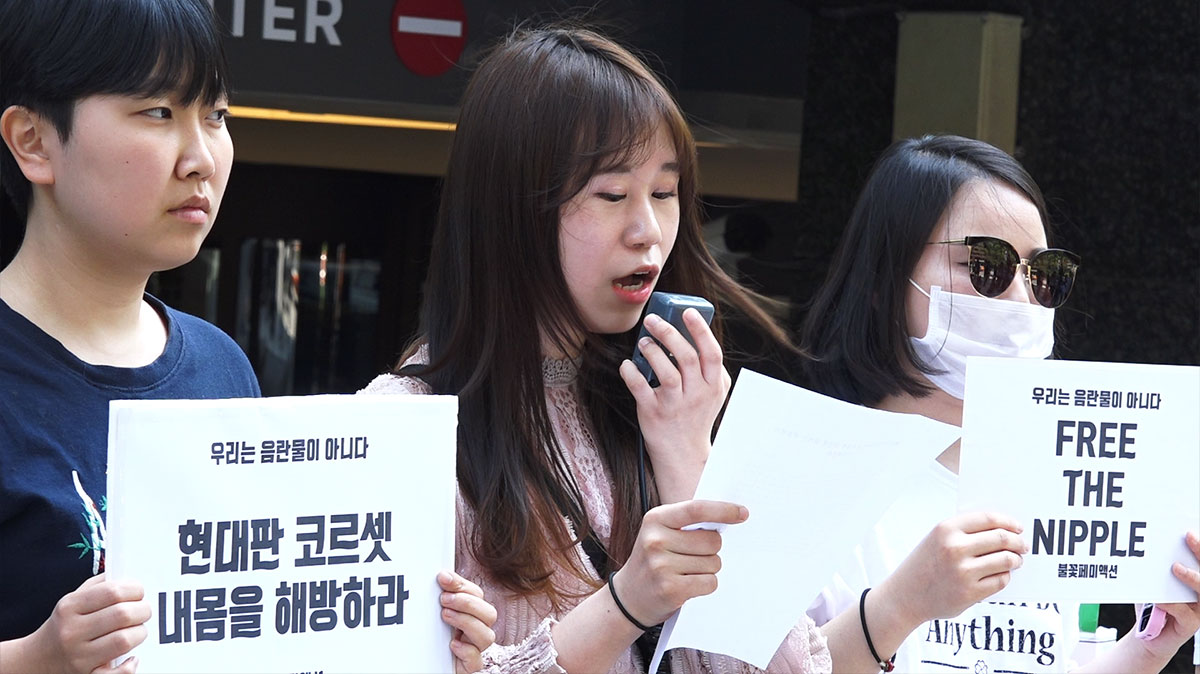
The group also takes part in symposia in which they attempt to educate each other offering the kind of sex education not found in schools in order to give women back the agency over their own bodies in the knowledge that to exercise it can in itself become a political act. As such, we also see the group challenging traditional gender norms by symbolically shaving their heads and holding a body hair competition in challenging traditional beauty standards. One of the women reveals that her brother was so scandalised by her decision to cut her hair that he refused, perhaps jokingly, to let her back into the house. Meanwhile they also take aim at more widely held traditional values such as in their “Free the Nipple” event in which they went bare chested protesting the restrictive and discriminatory policies of social media platforms such as Facebook which routinely block imagery featuring female nudity tagging it as pornography. Similarly the women’s public protest is frustrated by the police force who immediately move in with blankets when they remove their shirts citing public obscenity laws while the women argue that the law is absurd while men aren’t challenged for walking around shirtless. 

As Yun herself reveals in her own to camera interview, some members of the group have been arrested several times while she has also been threatened with violence and one commentator on the Blue House website petitioned to have them all rounded up and executed. At the street safety protest, she also revealed that she’d received violent and misogynistic messages online and had reported them to police but they refused to do anything because the messenger had then blocked her meaning she could not ascertain his identity while he went on to troll other other feminist activists in the same way. Then again, there is also division within the movement, Yun explaining that she’d also been criticised for giving an individual interview at a protest which was against the movement’s policy while her support for gender fluid and non-binary people as well as trans women and other members of the LGBTQ+ community joining the protests was also a source of conflict.  

Nevertheless, the women also draw strength for all that they’ve achieved even if acknowledging there is a long way to go. Yun herself attempts to run for political office working with a new party dedicated to the advancement of women’s rights having given up on the idea of influencing mainstream parties from the inside. Others come to the conclusion that the clearest path to societal change lies in education while generating a sense of female solidarity that offers support to women facing deeper social issues such as domestic and/or sexualised violence along with workplace harassment and discrimination. “The way to win is just to endure” one of the women reflects while Yun too echoes that at the very least she never gave up even in the most difficult of moments as she prepares to move into a new stage of her life in activism. 


Boundary: Flaming Feminist Action screened as part of Osaka Asian Film Festival 2022

Original trailer (no subtitles)

Camellia Sisters (Gái Già Lắm Chiêu V: Những Cuộc Đời Vương Giả, Namcito & Bảo Nhân, 2021)

The dark secrets surrounding three super rich sisters are dragged into the light by the mysterious disappearance of a prized robe in Bảo Nhân and Namcito’s operatic rom-com, Camellia Sisters (Gái Già Lắm Chiêu V: Những Cuộc Đời Vương Giả). Apparently the fifth in a series of thematically linked movies, the film finds the central trio trapped in the golden cage of their wealth while pulled in different directions by their conflicting desires but eventually brought back together after a series of unexpected revelations exposing the long buried truths of the remaining Ly family. 

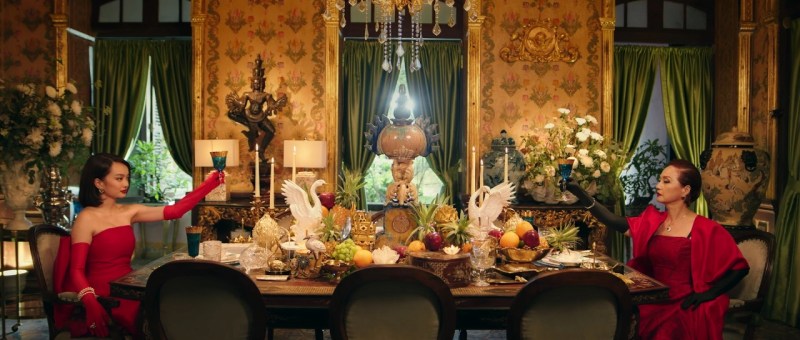
Living in a huge European-style mansion up in the mountains, the oldest of the sisters, Han (Lê Khanh), rules with an iron fist maintaining the family name and finances as a well-known antiques dealer. Only the truth is that many of the “antiques” are fake and she’s roped in her more cheerful sister Hong (Hồng Vân) to assist her in a scam to push up auction prices while ensuring they never lose their most prized possession of the Phoenix Robe and most particularly to shady nouveau-riche businessman Lam Quach (Sĩ Nguyễn). Meanwhile, youngest sister Linh (Kaity Nguyễn), who is at pains to remind her boyfriend Gia Huy (Anh Dũng) that she is only a foster child, is fiercely ambitious and desperate to take over Empire Tower. When Gia Huy makes her an offer she can’t refuse to betray her sisters’ trust and help him and his dad get their hands on the robe in return for a giant promotion that would make all her dreams come true she hardly blinks but when the robe goes missing right before the auction she begins to discover that there is far more to all of this than she originally thought. 

Part of the problem is that there is apparently a curse on the women of the Ly family in that they are not permitted to marry unless a red camellia blooms in the middle of their white camellia field. Ha meanwhile is obsessed with maintaining the family name and influence partly through the allure of the curse which means she must be seen as virtuous but has secretly been carrying on with a married business associate for the previous 25 years, a romantic tragedy that has long been eating away at her soul as well as her pride in being the matriarch of this powerful family while only the mistress of a married man. Hong meanwhile is just the same, secretly living with one of their servants as man and wife but keeping up the pretence of the two spinster sisters living in their giant mansion spending all their time sourcing antiques for other people with far too much money who engage reckless spending as a kind of status war. Lam Quach mainly wants to take the robe so that Ha won’t have it while as we discover her desperation to keep it is largely sentimental if also in a similar fashion the desire to prevent it going back to her lover’s wife who apparently owned it originally. 

Linh, meanwhile, wants the robe in order to secure her own status insisting that “only power is the true purpose of this life” willing to betray her sisters to get it while insecure in her liminal status as an adopted child, not really one of the Ly family. Through her various investigations, she begins to discover the reason for her sense of disconnection with her sisters eventually reintegrated into the family in learning the truth. There is however a degree of naivety in her worldview, unduly shocked by her sisters’ duplicity in realising that most of their superrich aesthetic is superficial and founded on lies, Han selling fake antiques to people who just wanted to spend a lot of money on something ultimately pointless without really caring what it is only that they’ll be denying it to others while keeping up the mystery of the Camellia Sisters as a kind of marketing tool even if it’s made her miserable and as she later realises denied her the greatest joy of her life. 

As aspirational as their comfortable lives may seem, the superrich are also somewhat skewered as vacuous and backstabbing devoid of all human feeling in their insatiable material desires before Linh is shown the error of her ways in realising that she has been manipulated by just about everyone but familial love is more important than wealth or power. Operatic in scale and shot for a mammoth budget, Camellia Sisters is full on melodrama with its gothic overtones of the rot at the base of noble family but in any case suggests that each of the women is in their own way constrained by their frustrated desires while bound by outdated patriarchal social codes, eventually rediscovering a sense of solidarity in exposing the truth that allows them to reassume control over their collective destinies. 


Camellia Sisters screened as part of Osaka Asian Film Festival 2022

Original trailer (English subtitles)
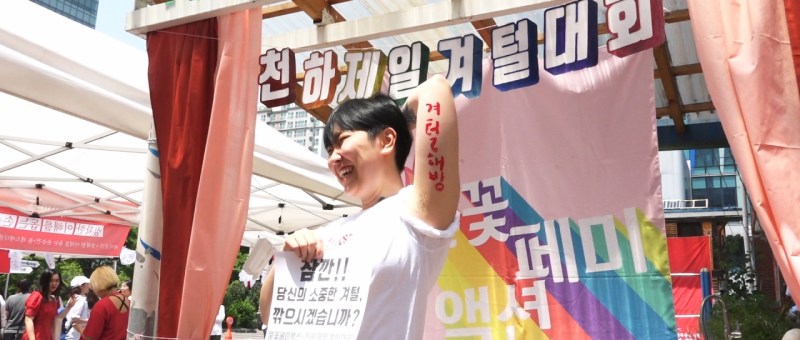
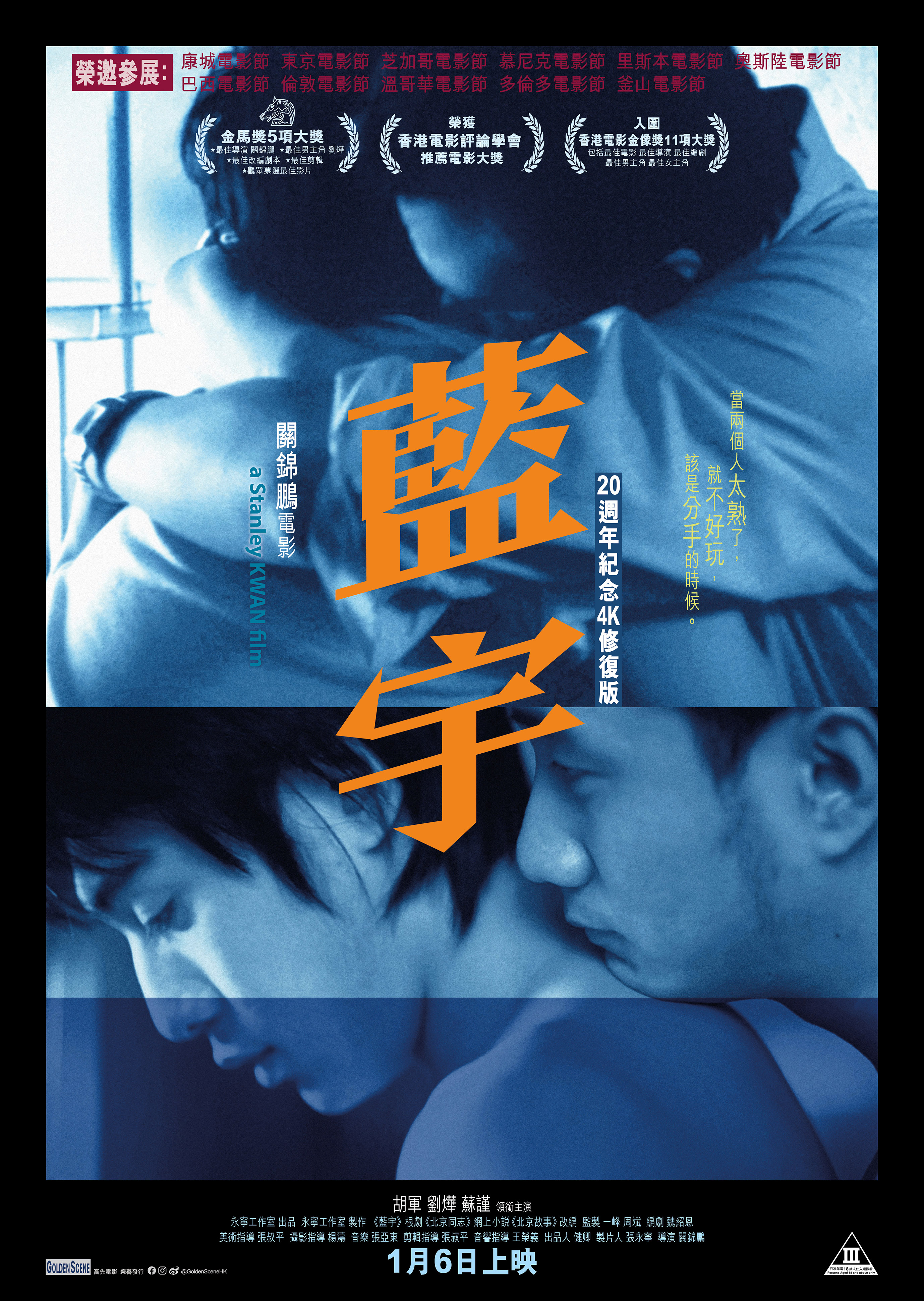
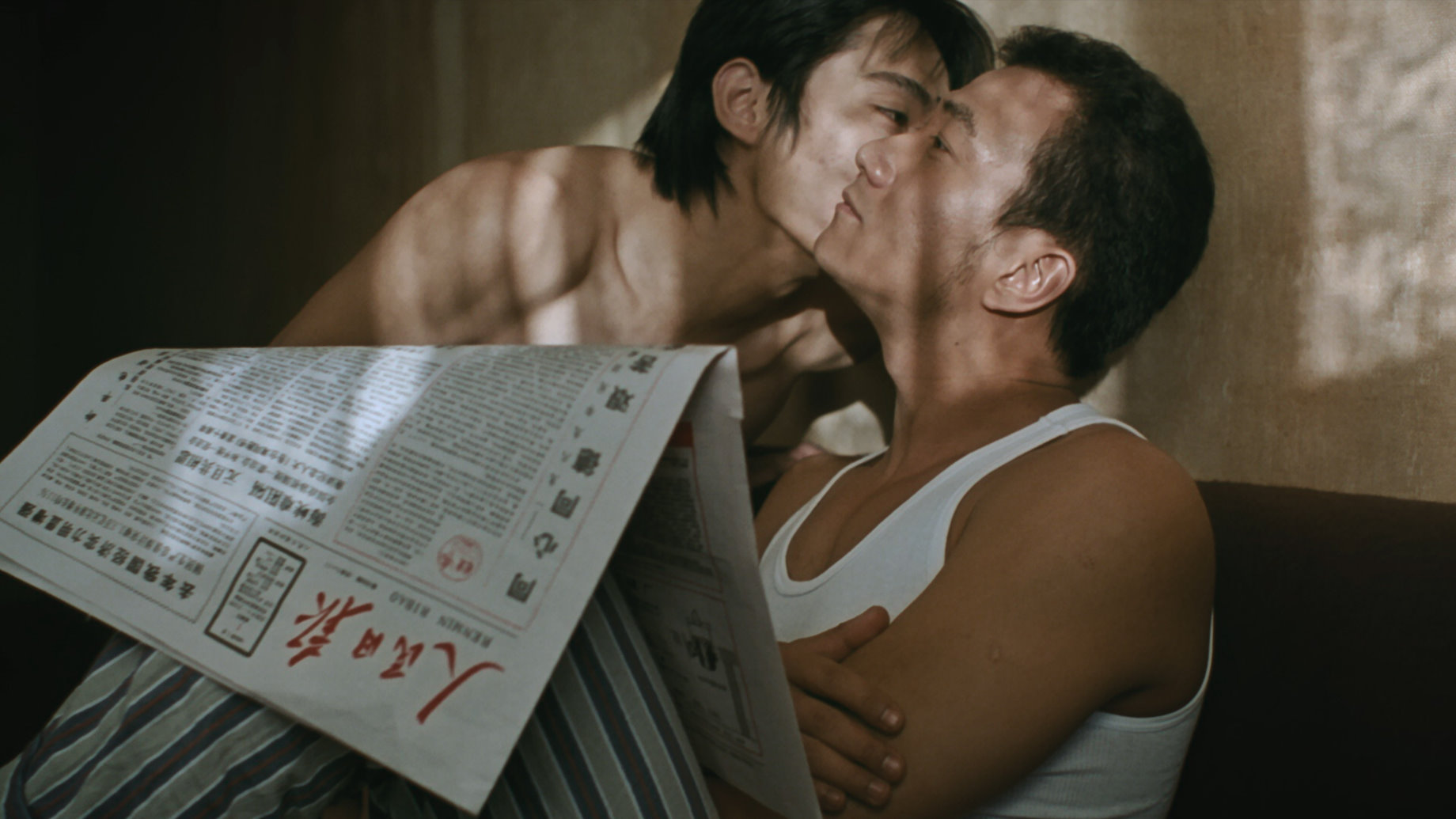
Lan Yu (蓝宇, Stanley Kwan, 2001)

“It’s not really over as long as there are memories” the cynical hero of Stanley Kwan’s haunting romantic tragedy, Lan Yu (蓝宇, Lán Yǔ), is reminded by his earnest lover only to find himself both immersed in and comforted by nostalgia, “because I feel you never really left”. Inspired by a subversive yet hugely popular erotic LGBTQ+ web novel thought to have been written by a Chinese woman in exile in the US Kwan’s aching melodrama is one of very few Mainland films to deal directly with the subject of homosexuality but is also a melancholy meditation of the frustrated liberations of post-Tiananmen China. 

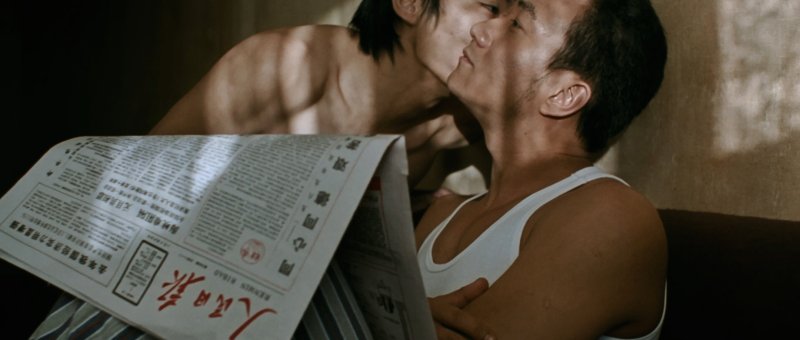
In 1988, hero Handong (Hu Jun) is perhaps the personification of an age of excess. In a sharp suit and sunshades, he plays the ladies man while repressing his homosexuality in an act of superficial conformity. His money can buy him anything, and to begin with it buys him Lan Yu (Liu Ye) a cash-strapped architecture student turning to sex work to make ends meet, only to discover himself drawn to this “weird” young man who doesn’t really care about his consumerist success save asking with a melancholy air if he’s ever been to America. As we later discover, Lan Yu had wanted to study abroad but travel was not such an easy matter in late ‘80s China while even some years later he has trouble organising a passport and visa. Handong as a wealthy businessman may have no such trouble, perhaps his money really can buy him anything after all even a superficial sense of liberty in what is still an oppressive and authoritarian society. 

For Handong, sex with men may be a way of expressing a freedom he does not really believe he has endangering his relationship with Lan Yu by picking up another random student in a park while reminding him that “this kind of stuff isn’t serious”. “So what is serious for you?” Lan Yu not unreasonably asks, but it may be a difficult question for Handong to answer. What’s serious for Lan Yu is the authenticity of his feelings. He is uninterested in Handong’s wealth, saving the money that he gives him rather than spending it, ironically making good on Handong’s joking suggestion “maybe you’ll bail me out if I’m broke one day”. 

In the pivotal sequence set against the backdrop of the Tiananmen Square protest, it is nevertheless Handong who finds a kind of liberty in accepting the reality of his feelings for Lan Yu overcoming his internal conditioning which convinces him that love is a weakness. Meanwhile, Lan Yu’s revolution evidently fails in the chaos of the protests, Handong cradling him as he weeps for all he’s seen. It’s this liberation that allows them to engage in a conventional romance, Handong buying a suburban villa he puts in Lan Yu’s name where they can live together as a couple albeit discreetly. But in the end Handong cannot let go of a sense of conventionality, eventually sacrificing his love for Lan Yu for a traditional marriage which later fails presumably because of its essential inauthenticity or at least Handong’s inability to accommodate himself with it. 

Torn in two, he makes his money through dodgy deals with Russian businessmen themselves perhaps also experiencing a degree of political confusion. They turn down Handong’s invitation for champagne hinting they’d rather go shopping for their wives. Yet Handong also aspires towards Japan, then at the height of its economic success, buying fancy clothes for country boy Lan Yu which lend him the air of a sophisticated Tokyoite. But Japan like China and Russia is also about to experience a moment of instability quite literally bursting Handong’s bubble while he is left to carry the can for his company’s not entirely above board business practices after his influential father dies. Saved by Lan Yu’s unwavering love for him, he abandons his consumerist conceits and immerses himself a world of simple comforts living in his small flat which is, ironically enough, rented at a preferential rate from Lan Yu’s Japanese boss. 

Through his various experiences, Handong rediscovers a sense of pure joy and contentment in his newly simple life of domesticity in which his relationship with Lan Yu appears to be accepted by his sister, brother-in-law, and best friend, but Kwan hints at sense of uncertainty in the anxious canted angles and frequent mirror shots that return us to the opening sequence. The men have in a sense exchanged roles, Lan Yu now guiding Handong in this changing society. Yet the bleakness of the ending suggests that these changes will never come to fruition, a literal construction accident resulting in a romantic tragedy that leaves Handong both trapped and comforted by the nostalgic past in the memory of Lan Yu and the idea of the better society he came to embody. 


Lan Yu screens in London at Prince Charles Cinema 12th May as part of Odyssey: a Chinese Cinema Season.

Trailer (English subtitles)

Odyssey: a Chinese Cinema Season Announces 2022 Programme

Odyssey: a Chinese Cinema Season launches in the UK on 10th May in a hybrid format with the majority of films available to stream online via the festival’s streaming platform while three films will also screen in cinemas including the opening night which takes place simultaneously in London and Edinburgh. A series of short films will be available to stream throughout the festival, while feature strands will rotate weekly until the festival closes on June 10. Features included in this year’s programme:

In-person screenings

Hard Love (2021)

10th May 7.30pm

London Venue: Picturehouse Fulham, 142 Fulham Rd., London SW10 9QR

Edinburgh Venue: Picturehouse Cameo, 38 Home St, Edinburgh EH3 9LZ

Tracy Dong’s observational documentary follows a series of single women in their 30s each of whom continue to chase a conventional marriage exploring what it is marriage means to them in the contemporary society and if in the end it’s something they want or need.

Lan Yu

12th May, 6.30pm

The Prince Charles Cinema, ​​7 Leicester Pl, London WC2H 7BY

Recent restoration of Stanley Kwan’s Mainland drama in which a businessman, Han-dong, falls in love with college student Lan Yu against the backdrop of the Tiananmen Square protests.

River of Salvation

17th May, 7.30pm

Picturehouse Finsbury Park, Unit 1 Cinema LS, 17 City N Pl, London N4 3FU

When the younger brother she had been taking caring of comes of age, a young woman returns to her hometown and confesses to a murder in Gao Qisheng’s crime drama.

Online

12 – 19th May: The Emerging Waves

  • Being Mortal – drama in which a young woman gets a job transfer to her hometown in order to look after her father who has been living with Alzheimer’s for the last 10 years.
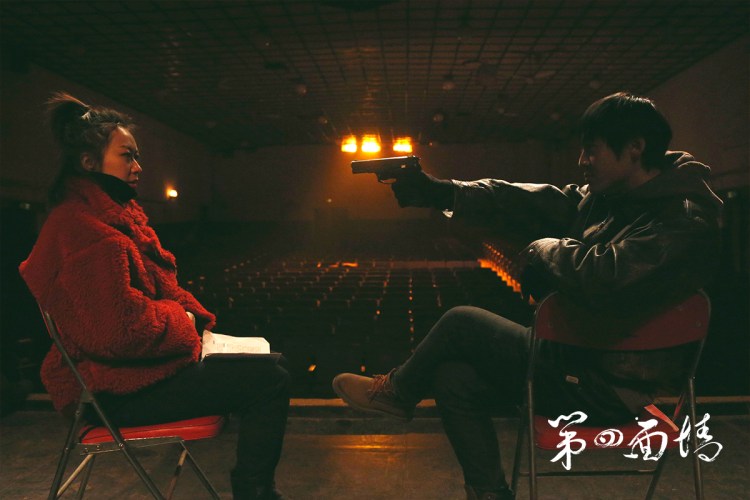
  • The Fourth Wall – a wounded young woman finds herself falling through a hole in her consciousness in pursuit of a lost deer and childhood friend in Zhang Chong and Zhang Bo’s twisty psychological drama. Review.
  • Black Tide Coast – poetic drama in which a woman continues to pine for a missing friend.
  • The Ark – documentary following a woman who becomes seriously ill with a non-COVID medical problem during the coronavirus pandemic.

27th May – 2nd June: Women Through the Lens

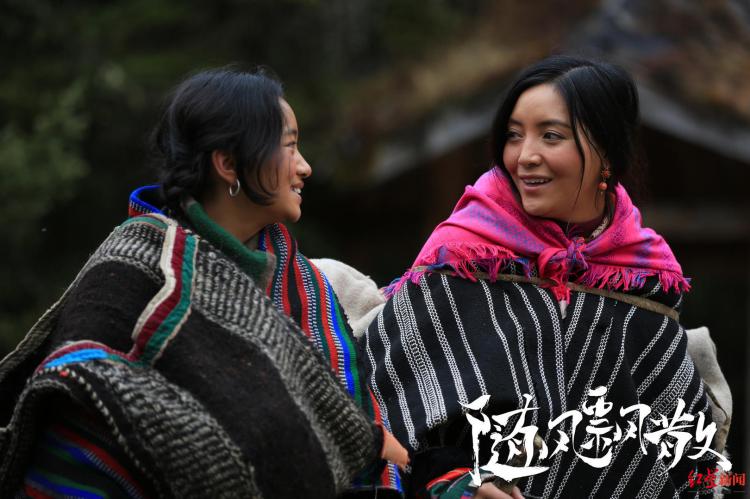
  • Wind – Tibetan drama in which a young woman is shunned for her illegitimate birth but decides to challenge tradition.
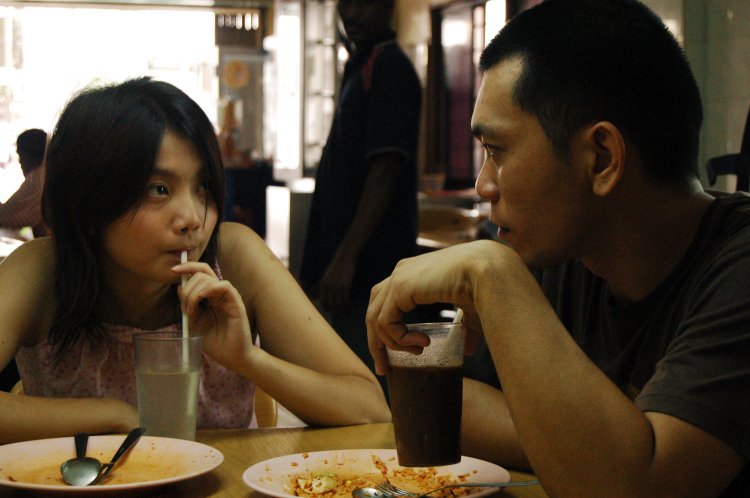
  • Love Conquers All – Malaysian drama from Tan Chui Mui in which a young woman from Penang embarks on a dangerous relationship after travelling to Kuala Lumpur.
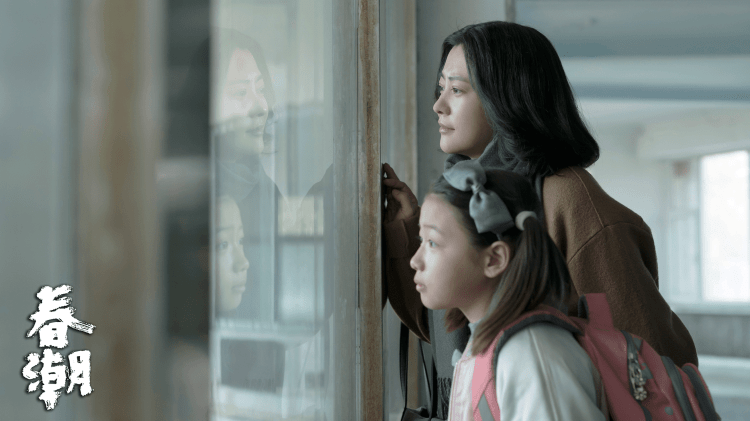
  • Spring Tide – an alienated investigative journalist struggles to free herself and her 9-year old daughter from the legacy of toxic parenting both personal and national in Yang Lina’s powerful family drama. Review.
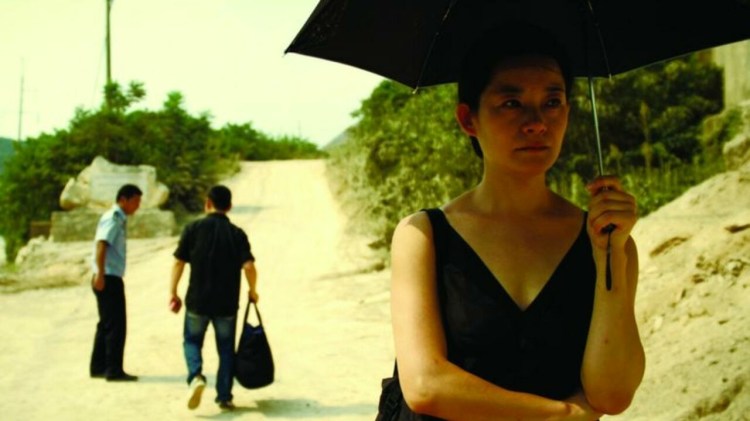
  • One Summer – a wife investigates after her her husband is suddenly arrested.
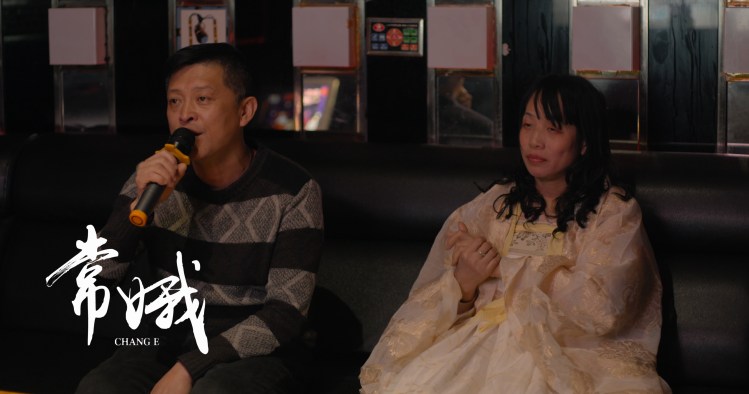
  • Chang’E – romantic drama in which a 55-year-old machine operator falls for a man who arranges “Zaku” death ceremonies.
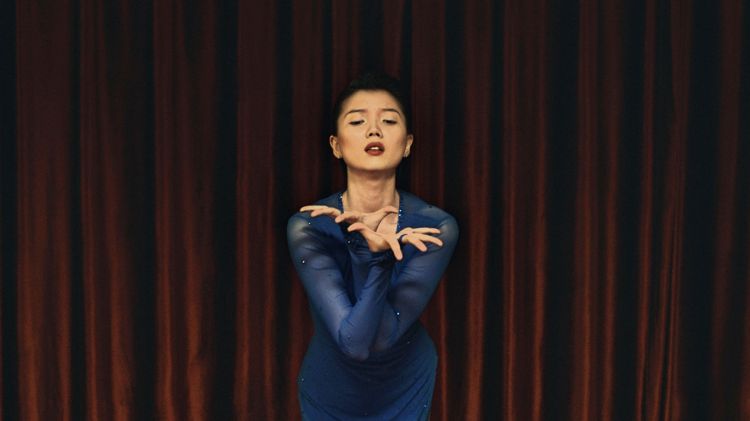
  • Only You Alone – a young woman with epilepsy strives to achive her dreams of becoming a dancer.
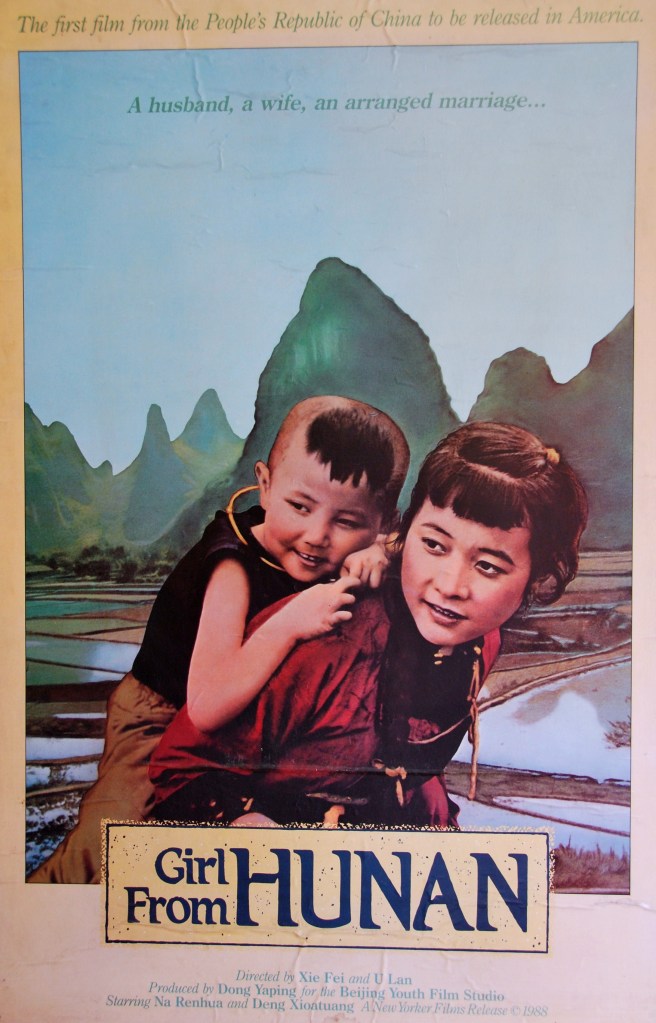
  • Girl from Hunan – Co-directed by U Lan and Xie Fei, A Girl From Hunan follows the fortunes of Xiao Xiao as she is married off at 12 years old to a boy who is only an infant and finds herself more mother than wife only to later fall for a handsome farm hand.

3rd to 19th June: Chinese Regional Cinema

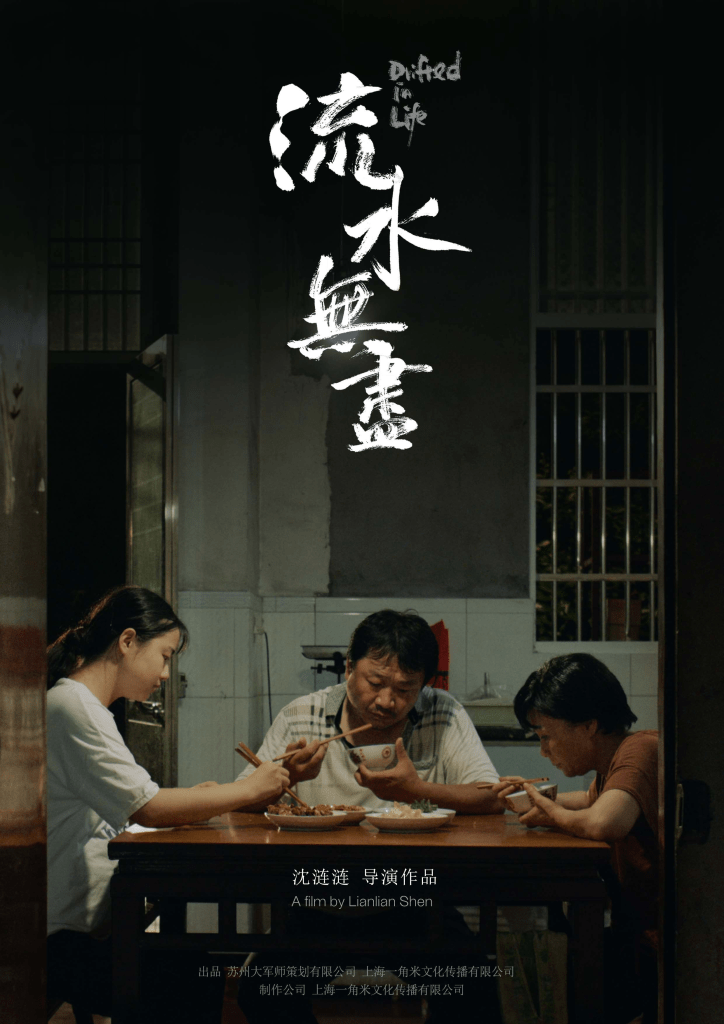
  • Drifted in Life – family members are forced to confront themselves after grandpa has an accident.
  • Dwelling in the Fuchun Mountains – slow cinema drama following four brothers living in the tranquil Fuyang countryside.
  • Wisdom Tooth – A young woman’s pain and confusion with the world around her is manifested as a dull ache in her jaw in Liang Ming’s icy coming-of-age drama. Review.
  • Great Happiness – ensemble drama following three childhood friends who grew up under the One Child Policy.

Odyssey: a Chinese Cinema runs 10th May to 10th June online in the UK via Shift 72 with three in-person screenings taking place in London and Edinburgh. Tickets for the in-person screenings are already available via their respective venues. Passes for the online festival will be available shortly while rentals individual films are already available for purchase. Full details for all the films are available via the streaming platform, and you can keep up with all the latest news by following the festival on Instagram and Twitter.

The Wonder of a Summer Day (幻の蛍, Yuka Ibayashi, 2022)

A solitary teenage girl struggling to come to terms with her parents’ divorce gains a new perspective through a trip to grandma’s in Yuka Ibayashi’s charming indie drama, The Wonder of a Summer Day (幻の蛍, Maboroshi no Hotaru). Somewhat numbed emotionally, Kanata (Konoha Nogishi) is consumed with a sense of emptiness and has no idea what she wants to do in the future or even what her favourite food is while spending almost all of her time alone even going into school during the summer holidays to keep up her cleaning routine or work in the library. 

Part of this as we discover is that she doesn’t have a smartphone because her mother’s (Akiko Kikuchi) business running a small bar is struggling so she can’t join the group chat on phone-based social network LINE, the other girls in any case walking away before she’s fully time to explain even if she were going to. Kanata is certainly a very responsible young woman, often needing to get herself up and out because her mother rises late given the nature of her work, and helping out behind the bar when she gets home from school where she seems to be taking care of all the cleaning needs single handedly simply explaining “we’re supposed to rotate” when questioned by her eccentric science teacher as to why she has to do all of this extensive labour on her own. 

The science teacher is also surprised to learn that Kanata has no plans for the summer vacation planning to continue coming into school to do her various jobs, Kanata sadly wiping the word “summer” off the blackboard and cleaning the eraser afterwards. Then again, the teacher’s idea of fun is sitting in a bowling alley watching people bowl, prompting Kanata to begin wondering what fun might be or if there’s something she might like to do after all. “Life tends to provide us something we enjoy” according to the man at the grocery store, but she struggles to find an answer even refusing an invitation from her father to go to a local festival with her younger sister Sumire (Nonoka Ikeda) when he calls to borrow her old yukata.  

Part of the reason for her loneliness is rooted in the disintegration of the family unit. Not only is she harbouring a degree of resentment towards her father but has also been separated from her sister and feels acutely divided by the traditional social codes which mean that she and her mother have reverted to her maternal family’s name while Sumire and her father have kept theirs the same marking them as no longer family to the extent that she isn’t quite sure why Sumire regrets not having been allowed to attend their grandfather’s funeral. The situation is compounded by the fact that she suspects her father has a new girlfriend, her shock and distress palpable after spotting the three of them driving around looking like a family a pair of sisters excitedly crossing the road ahead of her while she remains frozen on the spot. 

Invited to spend a few days with grandma in the country along with Sumire, Kanata remains sullen and uncommunicative in contrast to her upbeat and cheerful sister who displays an unusual degree of emotional maturity in trying to take the moody teen to task. “You’re not the only person in this world with problems” she eventually fires back fed up with Kanata’s moods and hurt by her most recent barb basically blaming her for their parents’ divorce while insisting that she only makes trouble for those around her. Even so, a trip to find out of season fireflies finally allows the sisters to re-establish their bond with Kanata coming to accept her situation realising that she doesn’t have to cut off contact completely just because they won’t be living together and even if there are many things they may never do again there are plenty more they could do for the first time, like looking for fireflies. “If we keep walking we’ll end up somewhere” Sumire offers encouragingly as they find themselves temporarily lost during their brief summer adventure neatly proposing a metaphor for life and relationships as the sullen heroine begins to repair her fracturing family bonds letting go of her pain and resentment now a little less lonely if only in having shared her loneliness. 


The Wonder of a Summer Day screened as part of Osaka Asian Film Festival 2022

Special Delivery (특송, Park Dae-min, 2022)

“Why is it so hard to live?” a little boy asks after finding himself on the run with a strange woman who seems to be the only person interested in helping him. Situating itself in an upside-down world of backstreet crime, Park Dae-min’s high octane thriller Special Delivery (특송, Teuksong) is in part about how hard it is to live amid constant moral compromise as the heroine finds herself torn between her better judgement and human feelings in trying to rescue her human cargo not only from the bad guys chasing him but from a duplicitous society. 

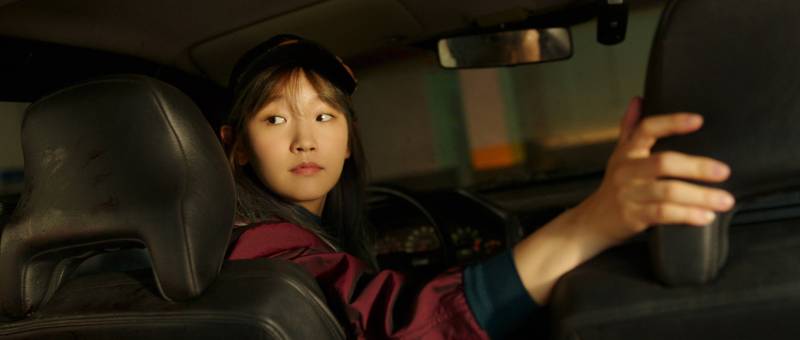
Technically speaking, Eun-ha (Park So-dam) is a delivery driver yet the services her firm provides are highly specialised promising to deliver anything anywhere by whatever means possible. In practice this often seems to mean transporting gangsters on the run from their hideouts to the nearest port before rival gangs can catch up with them as we see Eun-ha do with spectacular skill in the opening sequence. Other than the practice of frequently switching out license plates, what she’s doing in itself isn’t really illegal but is definitely crime adjacent and potentially dangerous. She is however well paid, arguing with her boss/mentor/father figure for a pay rate increase to an unprecedented 50/50 split in proceeds, though she lives a fairly modest life in a cosy apartment with her beloved cat Chubby whom she watches via security cam while waiting around for a fare. When her boss agrees to do a rush job for a Chinese gangster she tells him it’s a bad idea but ends up going along with it only to get drawn into the big news story of the day when a former pro-baseball player turned match fixing underworld figure blows the whistle and runs off with all the gang’s money. Eun-ha was supposed to drive him and his son Seo-won (Jung Hyeon-jun) to a port to leave the country but the bad guys who turn out to be corrupt police officers get there first and Eun-ha ends up with the kid and a bag full of money but no plan B. 

Drawing inspiration from John Cassavetes’ Gloria, the film develops into something of a buddy comedy as Eun-ha finds herself on the run with Seo-won having gone back for him after her boss suggested handing him off to an associate “who deals with children”. As we discover the child reminds her of her younger self being all alone with no other relatives or friends who could take care of him. Even when he reveals he might have a mother after all, it turns out to be a dead end because no one wants to get involved in this dangerously escalating underworld crisis. Yet the found family of the marginalised at the Busan junkyard where Eun-ha is based have more moral integrity than the world around them even if her boss’ solution for what to do about Seo-won isn’t ideal either. “Life is going alone” the corrupt police officer later sneers having repeatedly stated the necessity of staking one’s life to win such a big payout, but what Eun-ha is discovering is that it’s about going together trying to save the boy not only from the dangerously out of control corrupt police officers but from the moral bankruptcy of the contemporary society in which money is the only thing that matters. 

Overcoming both persistent sexism and societal discrimination Eun-ha proves herself a top operator in her field, Park choreographing a series of genuinely impressive car chases and visceral fight scenes as Eun-ha has to think her way through to take out the tougher, stronger bad guys while trying to protect Seo-won from danger on all sides. Her crime-adjacent existence tells her he’s not her responsibility but still she wants to complete her mission and deliver him somewhere safe much as she was rescued as a child by someone who might have felt much the same but chose to take her in anyway. With its neon lighting and retro score, Special Delivery harks back to an age of classic car chase thrillers with a stand-out performance from Parasite’s Park So-dam as a tough as nails getaway driver with nerves of steel fighting for humanity in an increasingly inhumane world. 


Special Delivery screened as part of this year’s Udine Far East Film Festival.

International trailer (English subtitles)

The Sales Girl (Худалдагч охин, Janchivdorj Sengedorj, 2021)

A shy young student of nuclear engineering’s horizons are broadened through her friendship with an eccentric old lady who runs a sex shop where she ends up working after being bamboozled into covering a classmate’s shifts in Janchivdorj Sengedorj’s charming coming-of-age dramedy The Sales Girl (Худалдагч охин, Khudaldagch ohin). Showing another side of contemporary Mongolia, Janchivdorj Sengedorj’s humorous tale turns on the unusual friendship that arises between the two women each in their own way lonely and looking for a kind of liberation from a sometimes hopeless existence. 

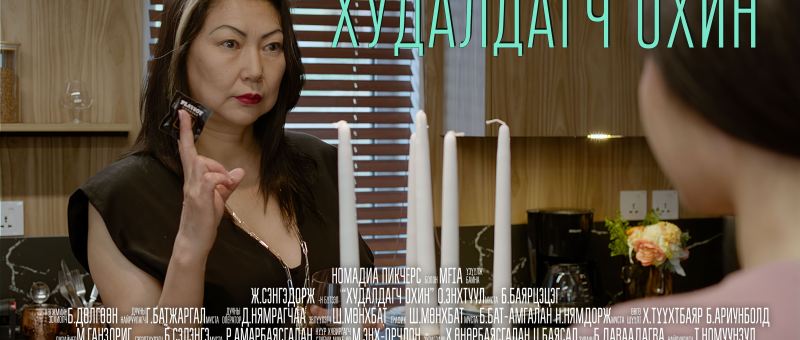
Saruul (Bayartsetseg Bayarjargal) is only studying nuclear engineering because her parents told her to and in truth would rather be an artist spending her evenings in her room crafting textured paintings rather than going out having fun. Her solitary air may be the reason she’s approached by another girl whom she hardly knows, Namuuna, who asks her to cover her shifts at work because she’s broken her leg slipping on a banana peel. Saruul is a little reluctant, unable to understand why Namuuna is being so secretive about the nature of her job anxious that she not tell anyone about where she works largely as we find out because it’s a sex shop run by an eccentric old lady whose cat she’s supposed to feed when she goes to drop off the day’s takings at her swanky new build townhouse. To begin with, Katya (Enkhtuul Oidovjamts) is gruff and unfriendly, somewhat unpleasant and intimidating yet something intrigues her about Saruul and gradually the two women begin to generate an awkward friendship. 

As if immediately picking up on her inner conflict, Katya scoffs “where will that get you?” when Saruul explains she’s studying nuclear engineering perhaps fairly suggesting that in terms of finding steady income there may not be much difference between a career as a painter and someone with a degree in such a specific subject. In any case, Saruul is largely unfazed by the nature of her work at the sex shop, taking it mainly in her stride though telling her parents only that she’s been helping out with “deliveries” of “medications” including “human organs” which fits in nicely with Katya’s life philosophy in which she runs a “pharmacy” that sells things to help unhappy people find fulfilment and the self-confidence to restart their lives. Somewhat sceptical, Saruul tries out her advice on her friend’s dog Bim which she’d always thought seemed a bit bored and lethargic, “not really like a dog at all”, feeding him a tab of viagra and then panicking when he disappears only to discover him out living his best life running with the local strays. 

Meanwhile under Katya’s influence she begins to open up too, getting a more fashionable haircut and dressing in a more individual fashion while embracing her sexuality in deciding to seduce her friend Tovdorj who is equally lost in contemporary Mongolian society where as he puts it you work all your life to get a small apartment and a Prius, planning to change his name to Jong-Su and become an actor only to be told he has “hollow, vapid eyes”. Saruul may be equally directionless but while fascinated by Katya’s sense of mystery, this elegant older woman with a Russian name who claims to have been a famous dancer but also at one point spent time in prison and now seems to be fabulously wealthy, she becomes disillusioned when presented with the dark sides of her work, almost arrested as a sex worker and then harassed by a creepy customer after unwisely agreeing to enter his home while attempting to deliver a package. As she points out, Katya is already quite divorced from “real life” and may struggle to understand the reality of Saruul’s existence living in a small apartment where her parents craft felt shoes to sell at the market after coming to the city when she was around 10 even though her father was once a teacher of Russian. 

Then again as Saruul comes to realise Katya has had a lot of sadness in her life and the wisdom she has to impart is sound if often eccentric meditating on the fact that happiness that comes late is in its own way sad because you no longer have the capacity to enjoy it to its fullest. Even so, she is doing her best to chase happiness and helping others, Saruul included, to do the same. Gradually, Saruul sheds her ubiquitous headphones which allow her to zone out into an internal disco complete with flashing coloured lights to become more herself with a little help from her fairy godmother, the ever elusive Katya. Quirky yet heartfelt, The Sales Girl sheds new light on the concerns of young people in Mongolia but finally allows the reserved heroine to free herself of her preconceived notions to live her life the way she wants a little more aware of the world around her. 


The Sales Girl screened as part of Osaka Asian Film Festival 2022

Original trailer (no subtitles)
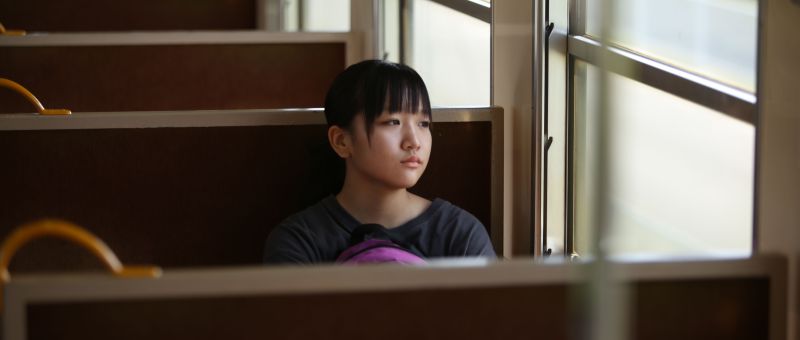
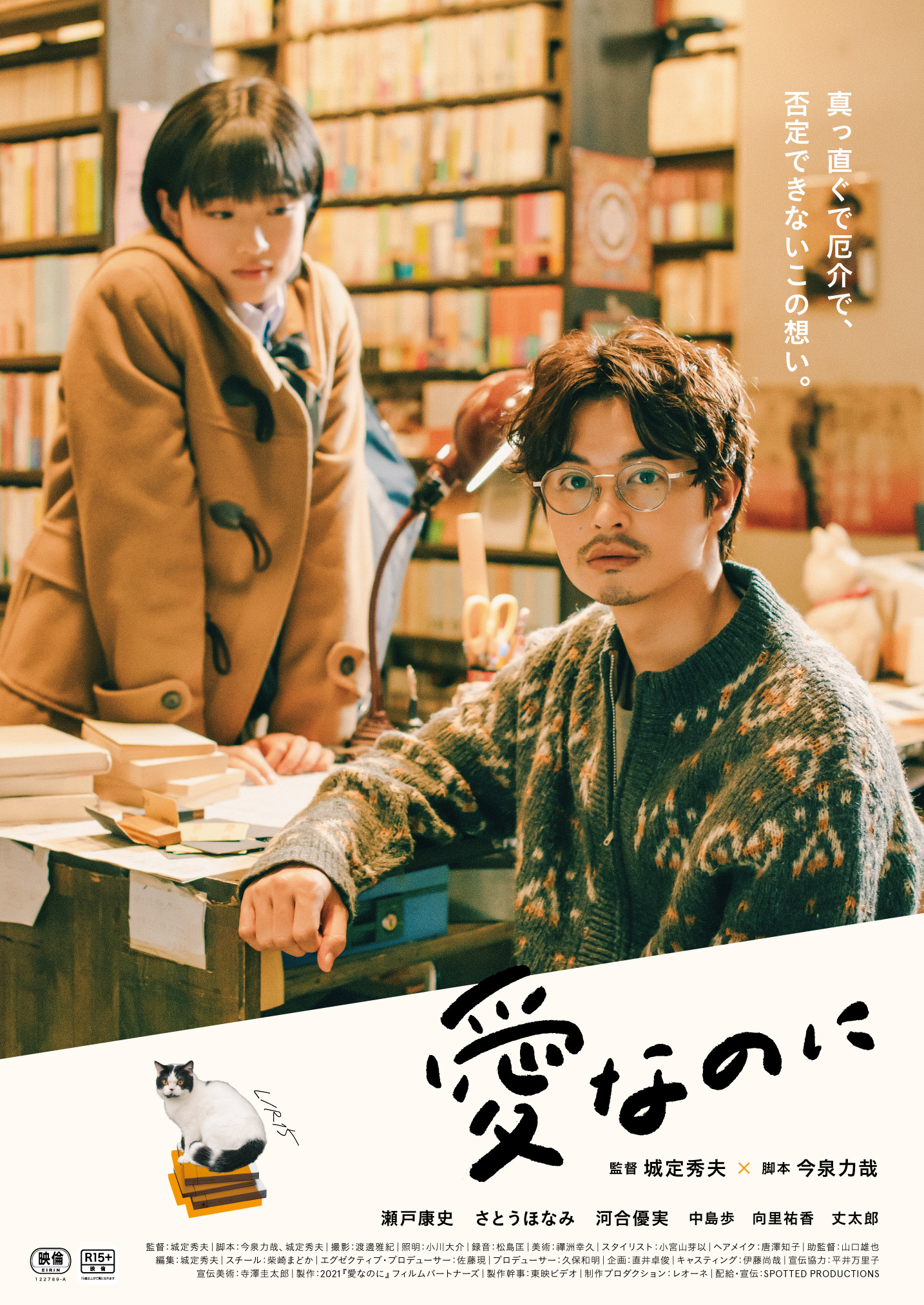
Love Nonetheless (愛なのに, Hideo Jojo, 2022)

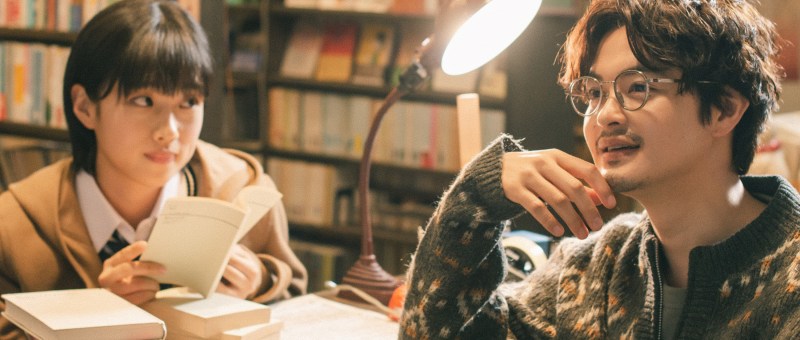
“Don’t deny love!” the fantastically awkward yet empathetic hero of Hideo Jojo’s Love Nonetheless (愛なのに, Ai Nanoni) eventually exclaims when confronted by the parents of a high school girl whose crush on him he’d tried to diffuse sensitively while growing to appreciate her friendship. Scripted by the ever prolific Rikiya Imaizumi who has made something of a name for himself examining the complicated romantic lives of young people in the contemporary society, Jojo’s prickly dramedy like his other film this year To Be Killed by a High School Girl deals with some quite uncomfortable ideas but does so with as much sensitivity as it can muster. 

The lovelorn hero, Koji (Koji Seto), for example is always trying to rationalise the circumstances around him considering his own actions and their implications carefully. When he catches a high school girl, Misaki (Yuumi Kawai), stealing a book from the secondhand bookshop where he works he chases her but she, surprisingly, stops running when she notices him struggling and buys him a bottle of water from a vending machine before eventually confessing that she stole the book because she saw him reading it. Not only does she announce she’s in love with him, she immediately proposes marriage. 30-year-old Koji is shocked and alarmed. He tries to turn her down but she doesn’t listen, continuing to frequent the store bringing him letters reiterating her marriage proposal which he never answers. 

Meanwhile, he’s hung up on an unrequited crush, Ikka (Honami Sato), who he’s just learned is about to be married. Even he describes himself as a “creep” looking back over of a cringeworthy series of tweets he’d sent her which she never replied to, while she explains to her fiancé Ryosuke (Ayumu Nakajima) why she’s not planning on inviting him to the wedding despite inviting everyone else from her old part-time job. Unbeknownst to her, Ryosuke has secretly been carrying on with their wedding planner, Miki (Yuka Kouri), who is content with the no strings nature of their relationship and ironically hates the “bizarre ritual” she has been hired to organise having developed a rather cynical view of marriage due to the nature of her work. The couple seem to be in a fairly liminal state, their apartment still full of boxes while they bicker about the financial strain of a ceremony which as Miki points out is not even about them but solely for their families and any children they may later have. 

All these people supposedly love each other, so why is it all so difficult and destructive? Always introspective, Koji realises he may have alienated Ikka with his inappropriate behaviour and has reflected on his actions but the fact remains that most of the other men are not so emotionally aware. Misaki is also courted by an awkward classmate who greets her with roses but thrashes them to the ground in frustration when she turns him down and later physically attacks Koji even when he points out that hitting his love rival won’t change the fact that Misaki’s not interested in him. Ikka meanwhile is approached by a sleazy salaryman when drinking alone in an izakaya whose response when she tells him she’s married is “so what, I am too”. Ryosuke appears to be having an affair for no other reason than he could while simultaneously confused by Miki’s lack of emotional investment in their relationship only for her to patiently explain to him that his problem is he’s bad in bed something which a lover would be unable to tell him directly. Ikka begins to realise this for herself while turning to Koji to get back at Ryosuke on learning of the affair as if believing that a level playing field of emotional betrayal would somehow allow them to start their married life on an equal footing. 

The secondary question arises of how important sex is in a romantic partnership, Ikka wondering if Ryosuke really is just a bad lover or if their unsatisfying sex life is a sign that they are simply incompatible and should separate given that she finds much more fulfilment with Koji whom she chose because of her lack of romantic interest in him. Koji meanwhile, fully aware of the realities of the situation, points out that it’s unfair and irresponsible of Ikka to exploit his feelings for her while cautioning her that her behaviour is heading towards the self-destructive and that she should reconsider marrying Ryosuke not because he thinks she should date him but simply because this complicated situation is obviously unhealthy for everyone. You could of course say the same about his awkward, perhaps uncomfortable relationship with the teenage Misaki which might in a sense be romantic, both slightly inappropriate and essentially innocent even if his eventual concession that he might love her one day is a step too far in failing to fully diffuse her one-sided crush in part because he’s become dependent on the attention he receives from her in the letters he doesn’t answer. 

Then again, the most troubling aspect of Ryosuke’s affair is not the extra-marital sex but the manipulative lie he constructed to excuse it designed to arouse Ikka’s sympathy in tying it back to her awkward experience with one-sided workplace crushes. Aware of the affair but not the lie, the choice she thinks she’s making is if her relationship with Ryosuke is strong enough to accept sacrificing sexual fulfilment or if perhaps this is as good as it gets when it comes to marital compromise. Koji’s solution seems to be that you should let love rest where it lands, denying it is pointless even if not reciprocated while sensitivity with other people’s feelings is essential for a happy, healthy society. Warmhearted and empathetic in its forgiveness of its messy protagonists’ many flaws, Jojo’s steamy drama never pretends love is easy but suggests it comes in many forms and in the end maybe follow your heart is as good advice as you’re ever going to get.


Love Nonetheless screened as part of this year’s Udine Far East Film Festival.

Original trailer (English subtitles)