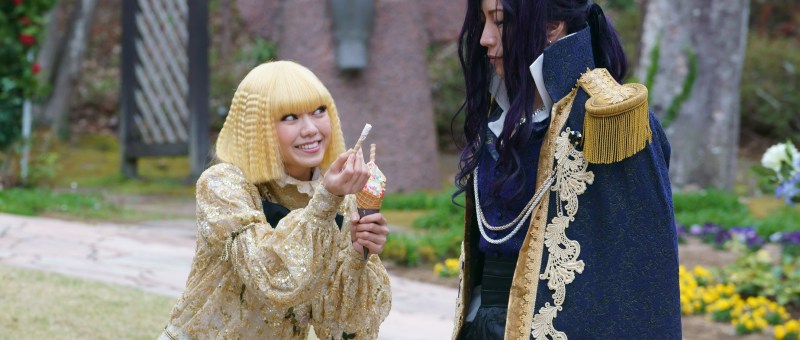
The Hardness of Avocado (アボカドの固さ, Masaya Jo, 2019)

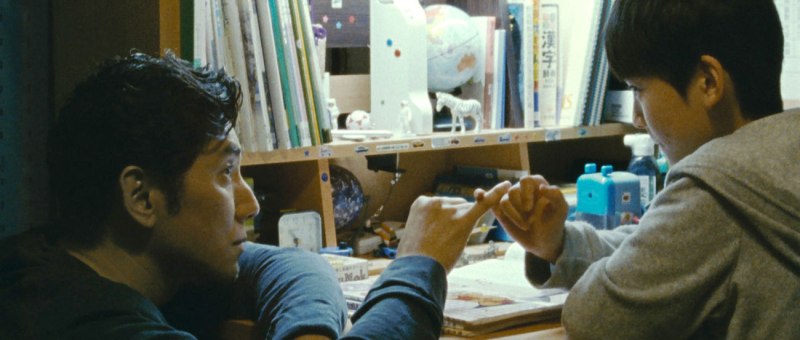
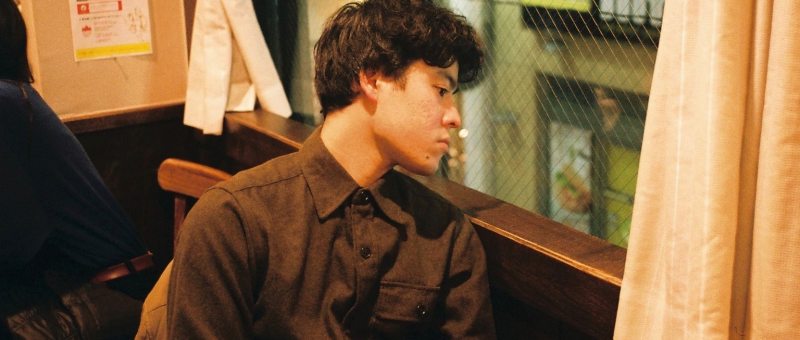
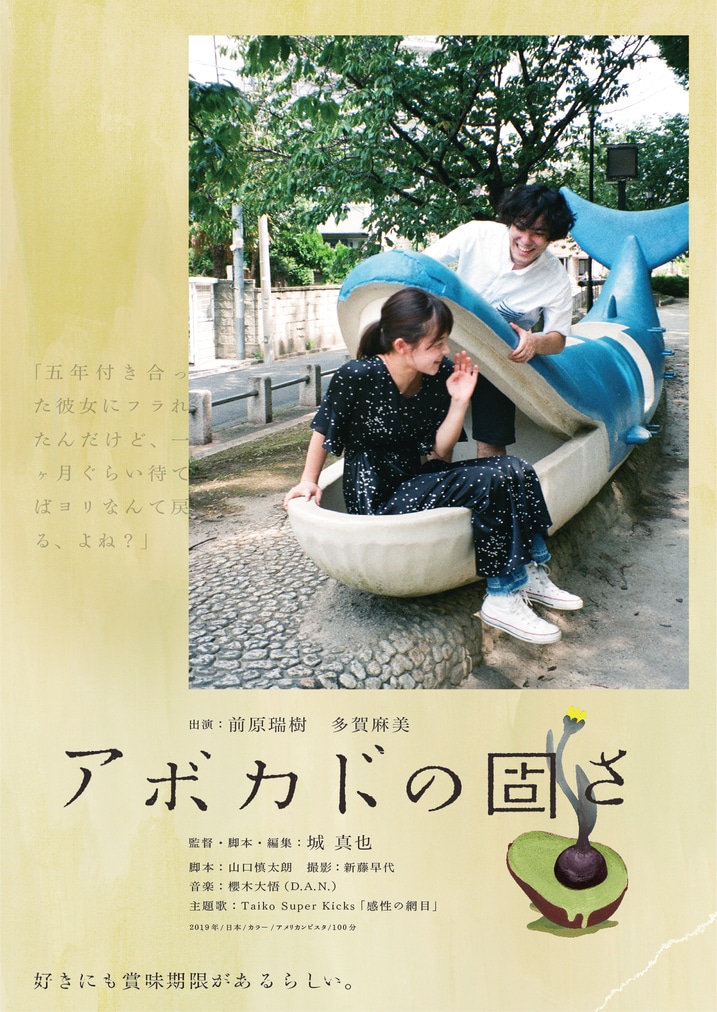
“Reality might be bitter, but at least your coffee is sweet” according to the “gloomy” voiceover performed by aspiring actor Mizuki Maehara in Masaya Jo’s The Hardness of Avocado (アボカドの固さ, Avocado no Katasa). In many ways a tale of quarter-life inertia and youthful denial, Jo’s indie drama finds its struggling hero looking for the sweet spot, trying to grab the avocado at the opportune moment between rock hard and squishy mess but floundering in world which seems both continually confusing and perhaps inherently unfair. 

At 24, Mizuki (Mizuki Maehara) is a jobbing actor living with his sister (Zuru Onodera) in a small apartment. He’s been in a committed relationship with Shimi (Asami Taga) for the last five years and is already thinking about moving in together, asking her to help him pick out a sofa-bed after their date to the movies where she fell asleep and he ended up meeting a fan who recognised him from a previous film. Shimi, however, seems irritated, eventually answering Mizuki’s well meaning question about what she’d most like to do right now with the answer “break up”. In a pattern which will be repeated, Mizuki reacts somewhat petulantly, walking off with a “fine then” only to end up regretting it later. Unable to accept that Shimi is really ready to move on, he decides to give her (and himself) one month before, he assumes, they’ll get back together having each grown as people during their time apart. 

This baseless optimism and mild sense of self-centred entitlement are perhaps the very things that Mizuki is supposed to be outgrowing even as he struggles to get over Shimi. Having dated for five years, Mizuki took his relationship for granted, assuming it was settled and destined to go on forever. Shimi’s declaration comes as a complete surprise, shocking in its abruptness though we can see that she seems irritated by him and that it may be more than a temporary bad mood. She tells him that she needs “freedom” and time to herself, but it seems equally likely that, from her point of view, the relationship has simply run its course. Looking through his mementos, Mizuki finds a 20th birthday card from Shimi that promised she’d always be around to encourage him, but relationships entered in adolescence rarely survive the demands of adulthood and she, it seems, is after something more while all Mizuki seems to want is more of the same. 

Moping about the city, he engages in borderline misogynistic banter with his friends, occasionally irritating even them in his resentment towards a nerdy guy who has finally got a girlfriend. He finds himself applying for a job in a convenience store to make ends meet between auditions seated next to a pair of students who roll their eyes, mocking him for his lack of success as a man in his mid-20s still part-timing just like them. Meanwhile, he develops an unwise fondness for a woman he meets on a shoot, chatting her up at the afterparty but saying the quiet part out loud as he confesses his plan to have a fling while fully believing he’ll be getting back together with Shimi when the month is up. Despite the fact she has also told him she has a boyfriend, he suddenly declares his love to her, once again petulantly put out by her irritation as she points out how inappropriate he’s been seeing as all he’s done is talk about Shimi.

Shimi’s mother (Kumi Hyodo) can’t understand why she’d break up with someone as “nice” as Mizuki, and Mizuki is indeed “nice” if obviously imperfect, an earnest sort of man working hard to achieve his dreams, but she apparently wanted something less superficial, a more ”passionate and loving relationship” now that she’s outgrown adolescent romance. Mizuki is once again surprised when she brushes off his romantic overture, petulantly walking home while beginning to accept that something has indeed changed. Finally fastening the screws on his new chair (in lieu of the bed) he begins to regain some solo stability, a little more self-sufficient at least even if he still has some some growth to achieve on his own. A whimsical tale of millennial malaise and self-centred male entitlement, The Hardness of Avocado is a gentle advocation for learning to let go when something’s past its best while accepting that sometimes all you can do is set yourself right and start again. 


The Hardness of Avocado screened as part of Camera Japan 2020.

Original trailer (no subtitles)

Seven Days War (ぼくらの七日間戦争, Yuta Murano, 2019)

“Youth is the liberated zone of life” according to the voice of experience in Yuta Murano’s impassioned anime adaptation of the cult novel by Osamu Soda, Seven Days War (ぼくらの七日間戦争, Bokura no Nanoka-kan Senso). Featuring a number of meta references to the ‘80s original and live action movie, Murano’s stylistically conventional adaptation shifts the action to Hokkaido and the present day encompassing such themes as economic strife, systemic political corruption and small town nepotism, migration and exploitation, but is most of all a coming-of-age story as the rebellious teens meditate on the costs of adulthood, resolving not to become the vacuous and resentful adults they see all around them who have traded emotional authenticity for a mistaken ideal of civility. 

Obsessed with 19th century European military history, high schooler Mamoru (Takumi Kitamura) complains that no one takes any interest in him and remains too diffident to confess his feelings to the girl next door, Aya (Kyoko Yoshine), with whom he has been in love for the past six years. Hearing that Aya and her family will soon be moving away because her authoritarian politician father has been offered the opportunity to take over a relative’s seat in Tokyo gives him the boost he needs, nervously suggesting that he and Aya run away together so they can at least celebrate her upcoming birthday the following week. Aya surprises him by agreeing, but rather than a romantic getaway for two she decides to invite several not particularly close friends from school, holing up in a disused coal refinery on the edge of town. Once there, however, they realise someone has beaten them to it. Marret (Makoto Koichi), the child of undocumented migrant workers from Thailand, has been hiding in the building after being separated from their parents when the building they were living in was raided by immigration authorities. 

Though the group is not universally in favour, they quickly find themselves deciding to protect Marret while trying to help find the kid’s family using both their ingenuity in fortifying the coal refinery and their youthful know how in weaponising the internet and social media to win sympathy and fight back against the oppressive ideology of the authorities. Yet Marret finds it difficult to trust them because they occupy a liminal space between the idealism of childhood and the cynicism of maturity. Marret’s family came to Japan on the false promise of finding good employment only to be ruthlessly exploited, convincing the idealistic youngster that all adults lie and can never be trusted. Mamoru, whose name literally means “protect”, does his best to save everyone but temporarily gives in to despair, confessing that he is just an “optimistic child” lacking the power to do any real good, only later coming to a revelation that the problem with the duplicitous adults they’re rebelling against is that they continue to run from their emotions and the pain of not being able to be fully themselves for fear of not fitting in has made them cruel and cynical. 

Honda (Takahiro Sakurai), the conflicted assistant to Aya’s authoritarian father, tacitly approves of the teens, affirming that the young always fight for the things they believe in but then rebels against himself in doxxing them, exposing both their identities (sans Aya’s) and dark secrets online in an attempt both to intimidate and to drive them apart. But the kids run in another direction. They elect to share their truths and in the sharing neutralise the threat while gaining the confidence that comes with deciding not hide anything anymore. The sharing is it seems what matters, a collective unburdening which paves the way for emotional authenticity but sidesteps the need to consider the fallout from the concurrent revelations. A heavily telegraphed confession of same sex love, for example, is accepted by all though there is no explicit indication as to whether or not is reciprocated save that is in no way rejected. 

In any case, the kids decide that being their authentic selves is more important than conformity and make a mutual decision to respect the same in others, something which is eventually mirrored in those like Honda among the duplicitous adults touched by the kids’ pure hearted rebellion. Necessarily, that leaves the weightier themes such as the plight of undocumented migrants, the casual cruelty of the authorities, small-town corruption and persistent nepotism relegated to the background, perhaps superficially considered seen trough an adolescent lens, but nevertheless products of the inauthenticity of the cynical adult world the kids are rebelling against. A heartfelt advocation for the idealism and universal compassion of youth carried into a more open adulthood that comes with emotional authenticity, Seven Days War leaves its heroes with the spirit of resistance, defiantly themselves as they step into an adult world uncorrupted by cynicism or prejudice.


Seven Days War screened as part of Camera Japan 2020.

Original trailer (no subtitles)

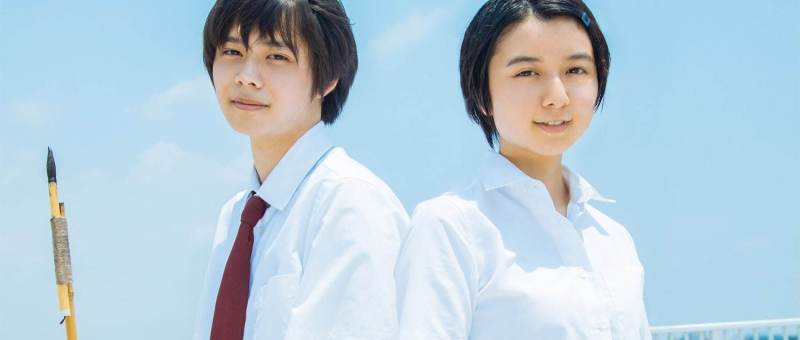
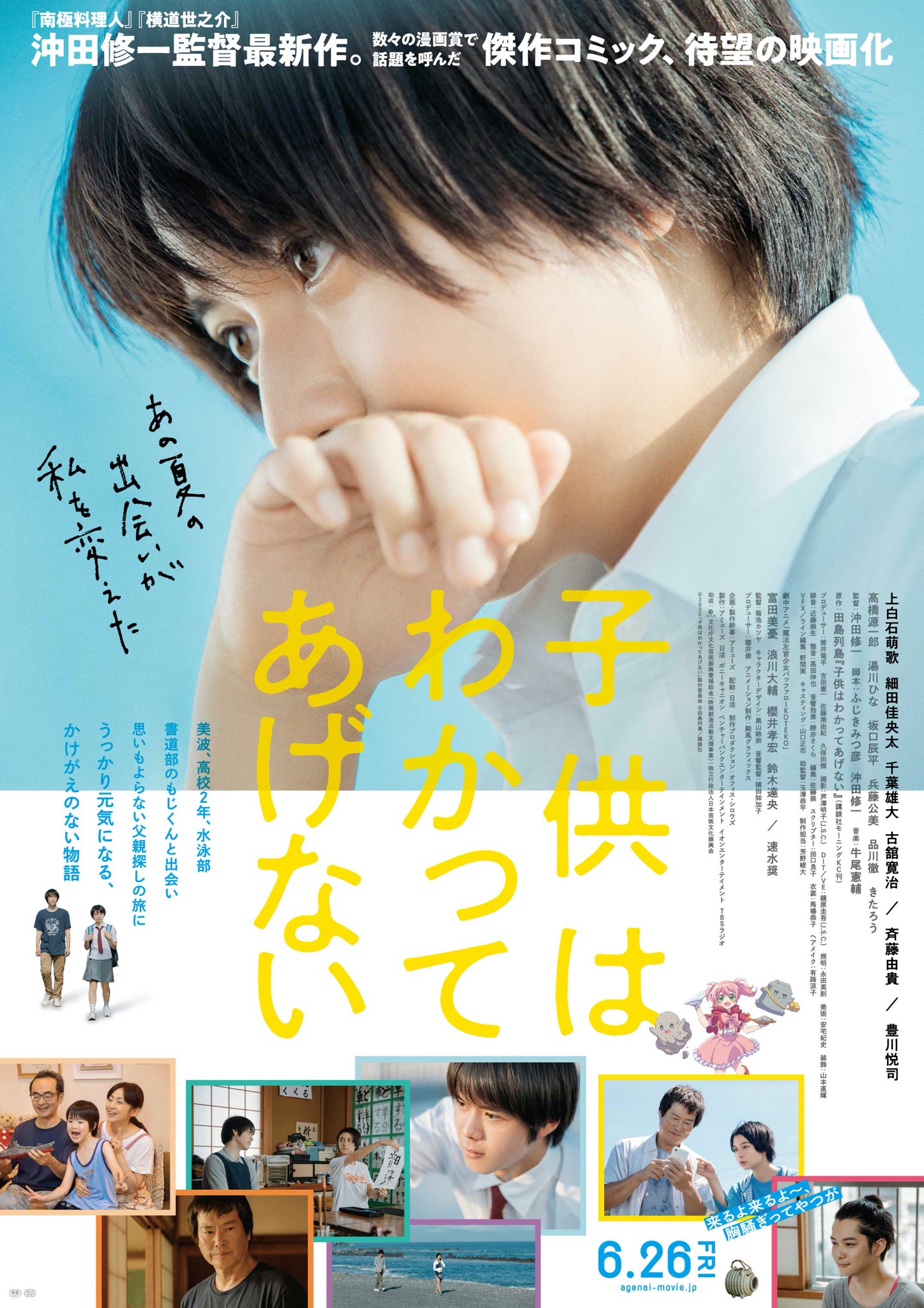
One Summer Story (子供はわかってあげない, Shuichi Okita, 2020)

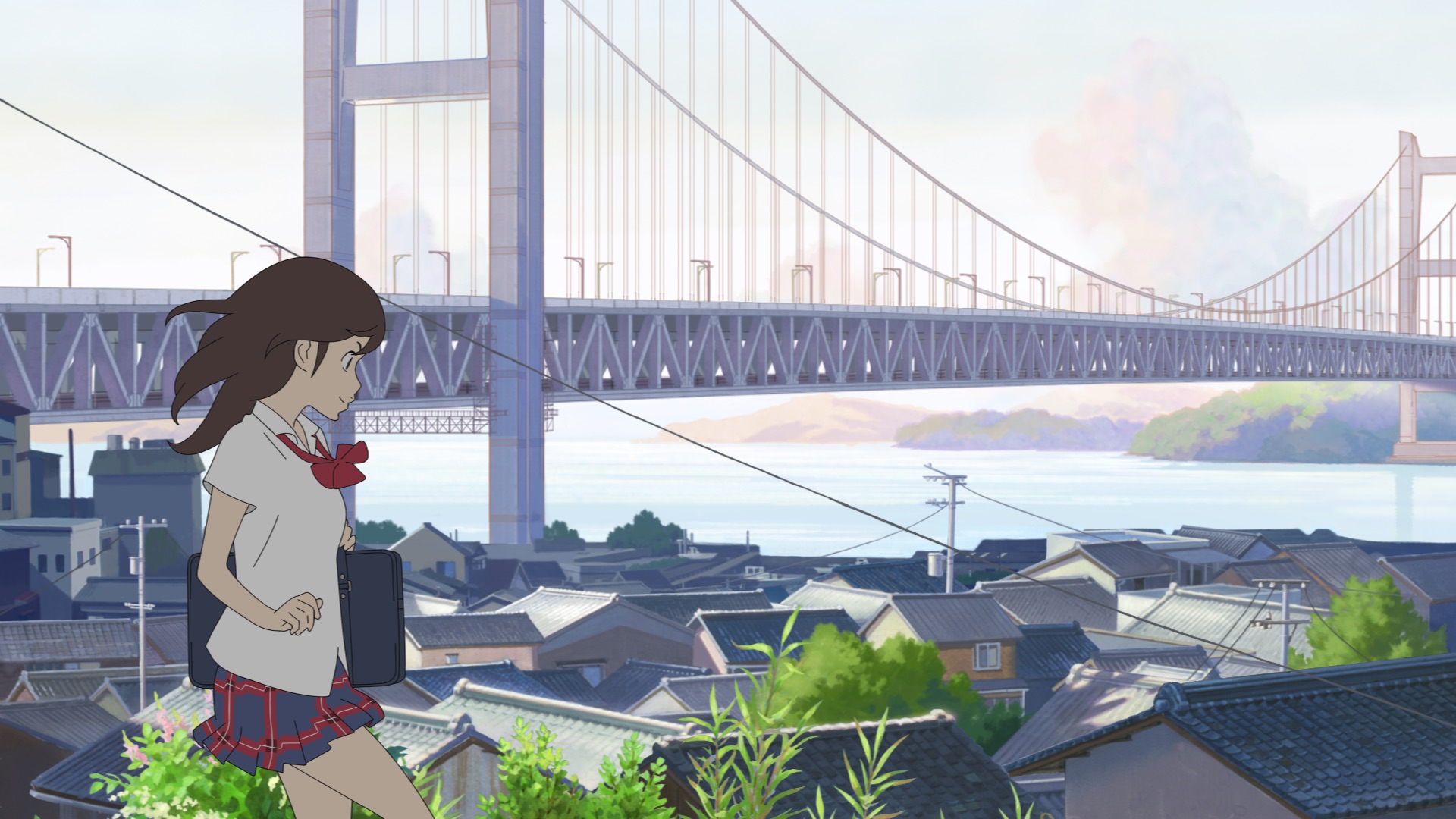
“One man’s not enough to make a difference, you learn something and pass it on” the heroine of Shuichi Okita’s One Summer Story (子供はわかってあげない, Kodomo wa Wakatte Agenai) is told, learning about life from her philosophical, slightly defeated birth father. Adapted from the manga by Retto Tajima, Okita’s teen drama is in many ways a typical “summer story” in which a high schooler goes on a quietly life changing journey during one of the last summer breaks of their adolescent lives, but it’s also as much of his work is an empathetic plea for a kinder world built on mutual understanding and acceptance. 

Okita signals as much with his animated opening, taken from the heroine’s favourite show, Koteko, in which a magical girl plasterer helps “Count Cement” repair his relationships with his estranged children, Mortar and Concrete, from whom he had withdrawn in shame realising that without water he is nothing while his kids could still make something of themselves through becoming bridges and houses. Koteko is something of a touchstone for Minami (Moka Kamishiraishi), a regular high school girl and member of the swimming team moved to tears by the opening song which preaches that walls aren’t something to be overcome but a canvas on which you can plaster your dreams. At the pool one day, she spots a boy on the roof painting a picture she quickly recognises as Koteko, rushing up there to befriend him as a fellow fan. In addition to being a Koteko-lover, Moji (Kanata Hosoda) is the son of a prominent calligraphy family and it’s at his house that she finds a vital clue, a talisman which matches the one she got from her birth father for her last birthday. 

Immediately following the end of the opening anime sequence, Okita shows us a happy family scene in which Minami’s stepdad (Kanji Furutachi) hands her tissues while she cries to the ending theme, joining in with the dance while her mum (Yuki Saito) cooks in the background and her live-wire half-brother runs round in his pants. Her family setup might still be considered unusual in conservative Japan, in fact one of her friends even exclaims that they’d never have guessed that her stepdad isn’t her birth father on hearing her mother was married before, but they are clearly very close and loving, ordinary in the very best of ways. Minami isn’t unhappy or lonely at home, she isn’t really thinking too much about her birth father even if perhaps on some level curious but the talisman becomes a thread to tug on, sending her on a quest of self-discovery seeking some answers about her past as she begins to come of age. 

To do this, she enlists the help of Moji’s older sibling Akihiro (Yudai Chiba), a transgender woman disowned by the conservative, traditionalist family of calligraphers and now living above a bookshop while working as a “detective”. As the pair find out, it’s less high crime than missing moggies that are Akihiro’s stock in trade but she’s moved to have a go helping to find Minami’s dad after looking at her bankbook containing her life savings, not for the amount but because she remembers saving up herself at Minami’s age to fund her reassignment surgery. Invoicing her later, Akihiro bills her zero yen telling her merely to make sure she uses her money to help others when she grows up, echoing the film’s pay it forward philosophy as advanced by Moji who teaches kids calligraphy at his dad’s school, advising Minami that people can only pass on skills they’ve learned from others and so perhaps she could teach someone to swim. Her birth father Tomomitsu (Etsushi Toyokawa), a former cult leader who lost faith in himself for being unable to teach his innate mind reading ability to his followers, eventually tells her the same thing, that what’s important in life isn’t grandstanding, trying to change the world all on your own, but sharing what you know in a gentle process of continuity and change. 

Ironically enough and in true teenage fashion, Minami finds new security in family after lying to her mother about going on a school trip to find her dad, later realising her mother is only slightly hurt about the lying and not at all about her reconnecting her birth father. Through her extended stay with him at the seaside she begins to find the courage step into herself, accepting the position of teacher in helping a lonely little girl learn to swim, while also processing her growing feelings for the equally shy Moji who leaves her space to complete her quest on her own but chases after her when he thinks she really might be in danger. A gentle summer story Okita’s breezy drama has a pleasingly timeless, occasionally retro feel, full of summer warmth in its spirit of acceptance and mutual support as its surprisingly carefree youngsters come to an appreciation of themselves and each other as they push forward into a more adult world with confidence and compassion. 


One Summer Story screened as part of Camera Japan 2020.

Teaser trailer (English subtitles)
Camera Japan Announces Complete Programme for 2020

Camera Japan returns for its 15th edition, not virtually but physically, with another packed screening schedule taking place as usual in Rotterdam Sept. 23 – 7, and Amsterdam, Oct. 1 – 4. With COVID-19 in mind, seating capacity in the venue has been reduced while safety measures will also be in place so everyone can enjoy the festival responsibly.

Contemporary Cinema

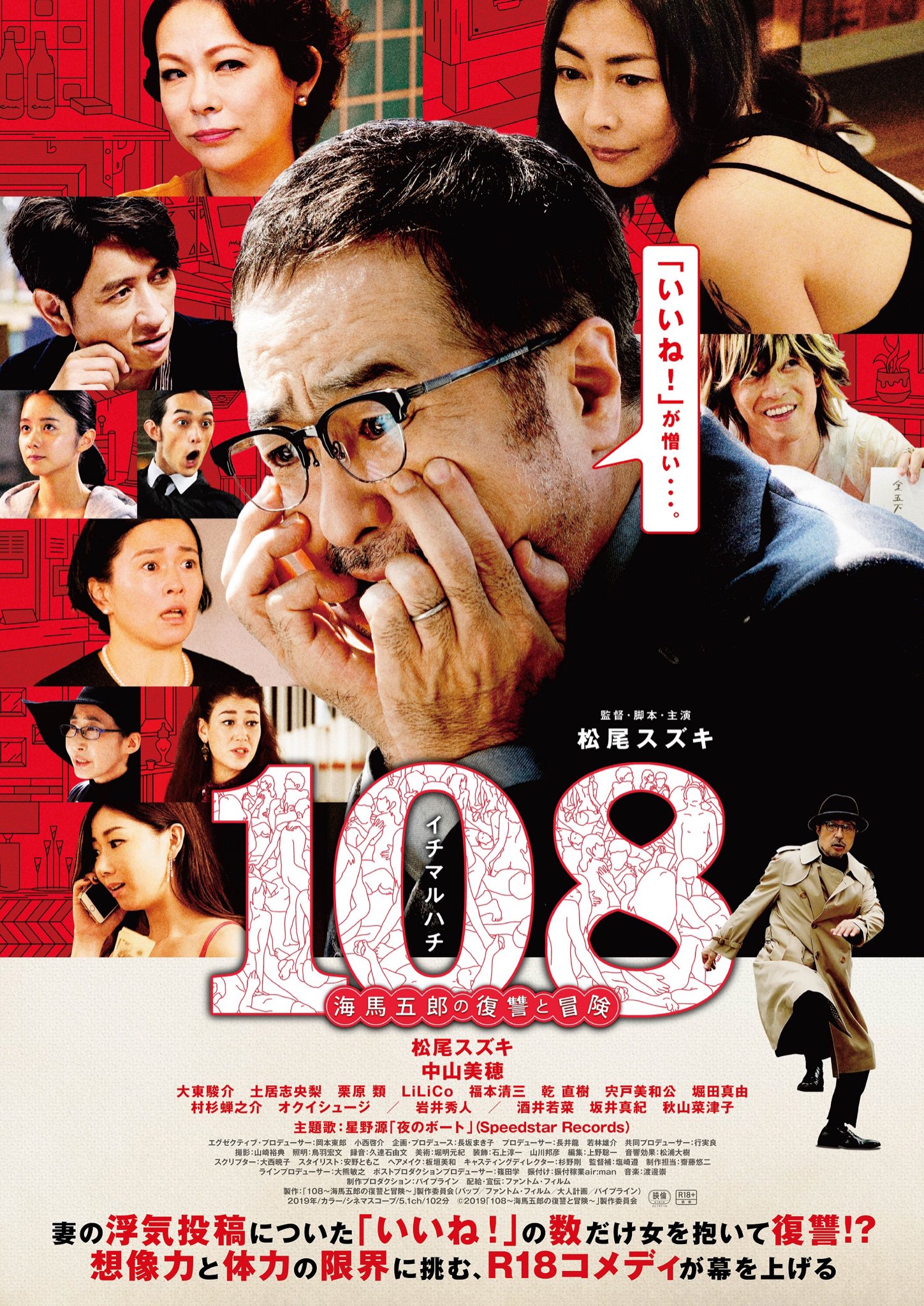
  • 108: Revenge and Adventure of Goro Kaiba – comedy from Suzuki Matsuo in which a man discovers his wife has had an affair through a social media post that got 108 likes so he decides to blow the money she’d get in the divorce by using it to sleep with 108 women as revenge.
  • A Girl Missing – limited perspectives and frustrated desires take centre stage as a home care nurse’s life is upended when she is unfairly implicated in a crime in Koji Fukada’s probing drama. Review.
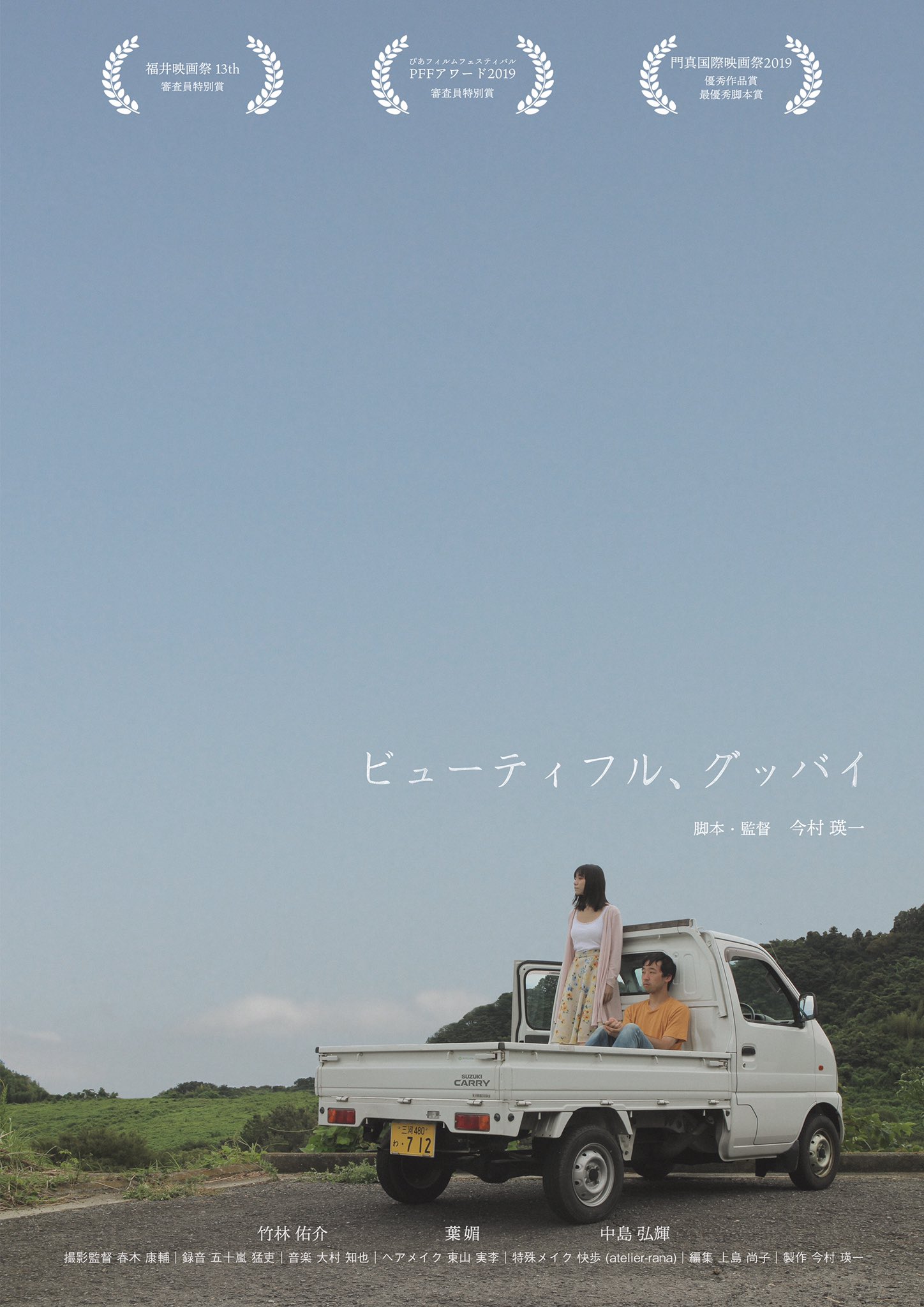
  • Beautiful Goodbye – a nervous young man on the run and an undead woman looking for a way out find each other at the end of the road in Eiichi Imamura’s beautifully melancholic meditation on mutual salvation. Review.
  • Cry – Hirobumi Watanabe returns to the themes of 7 Days in a near wordless tale of a pig farmer’s simple existence in present day Tochigi. Review.
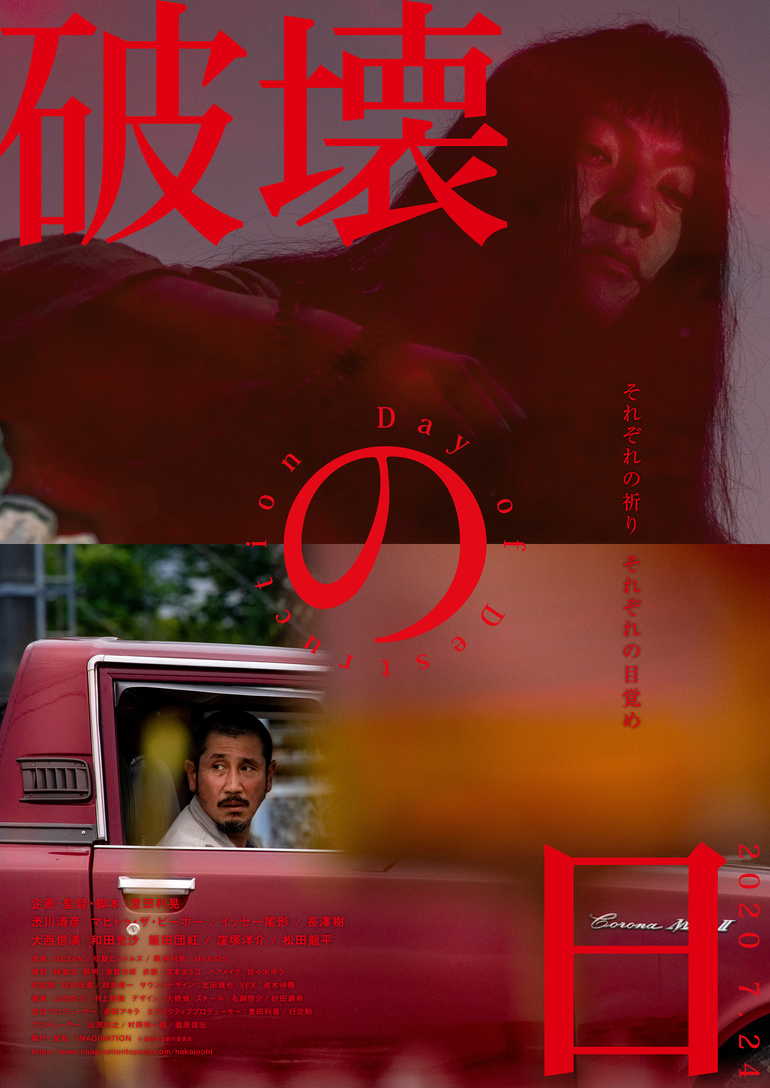
  • The Day of Destruction – Toshiaki Toyoda sets out to exorcise the demons of a venal city in an impassioned attack on societal selfishness and personal apathy. Review.
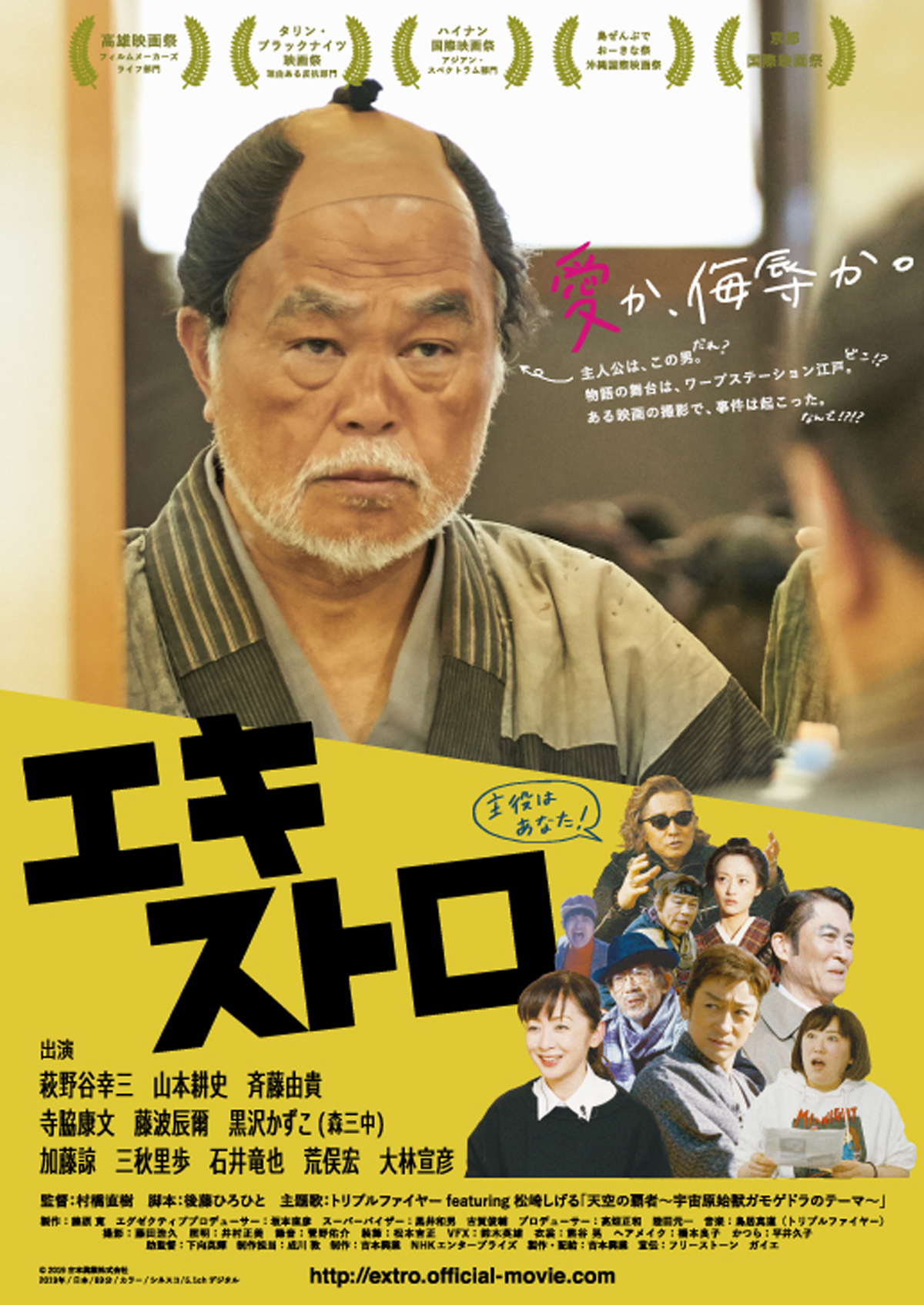
  • Extro – in a sometimes surreal mockmentary, Naoki Murahashi lampoons the Japanese film industry but has nothing but warmth and admiration for its unsung heroes, the extras. Review.
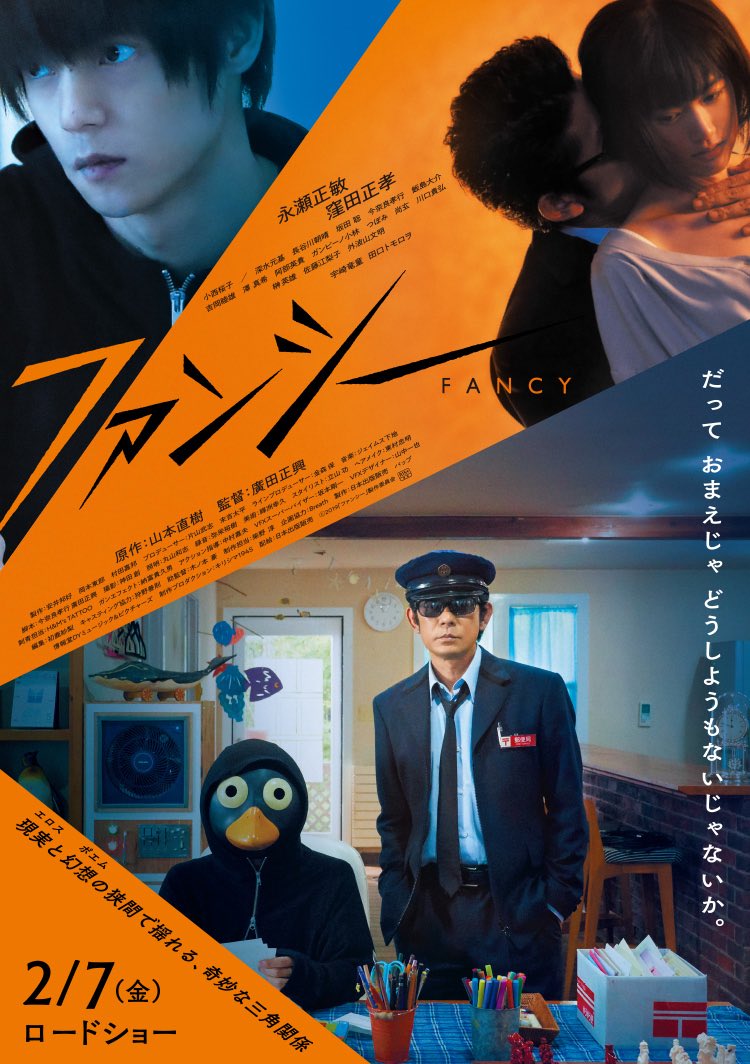
  • Fancy – Masatoshi Nagase stars as a postman who gets mixed up in a love triangle with amateur poet “Penguin” and his fan “Moonlit Night’s Star”.
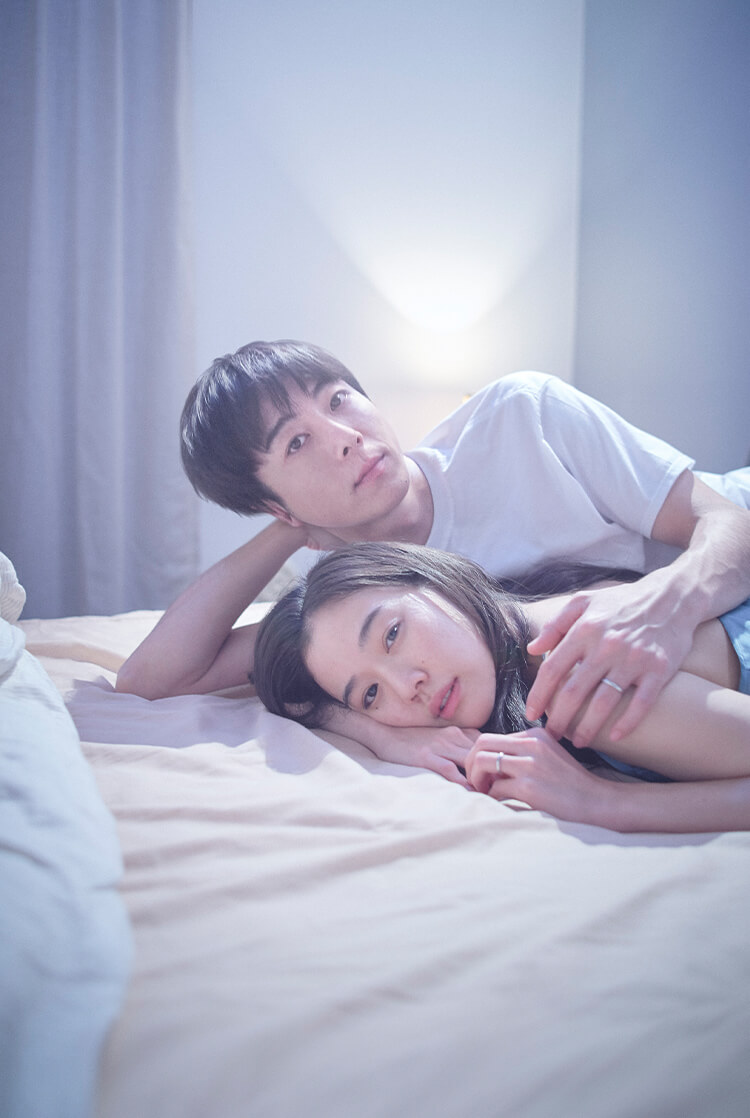
  • The Hardness of Avocado – Pia Award-winning romantic drama in which an aspiring actor tries to pick up the pieces after his girlfriend dumps him.
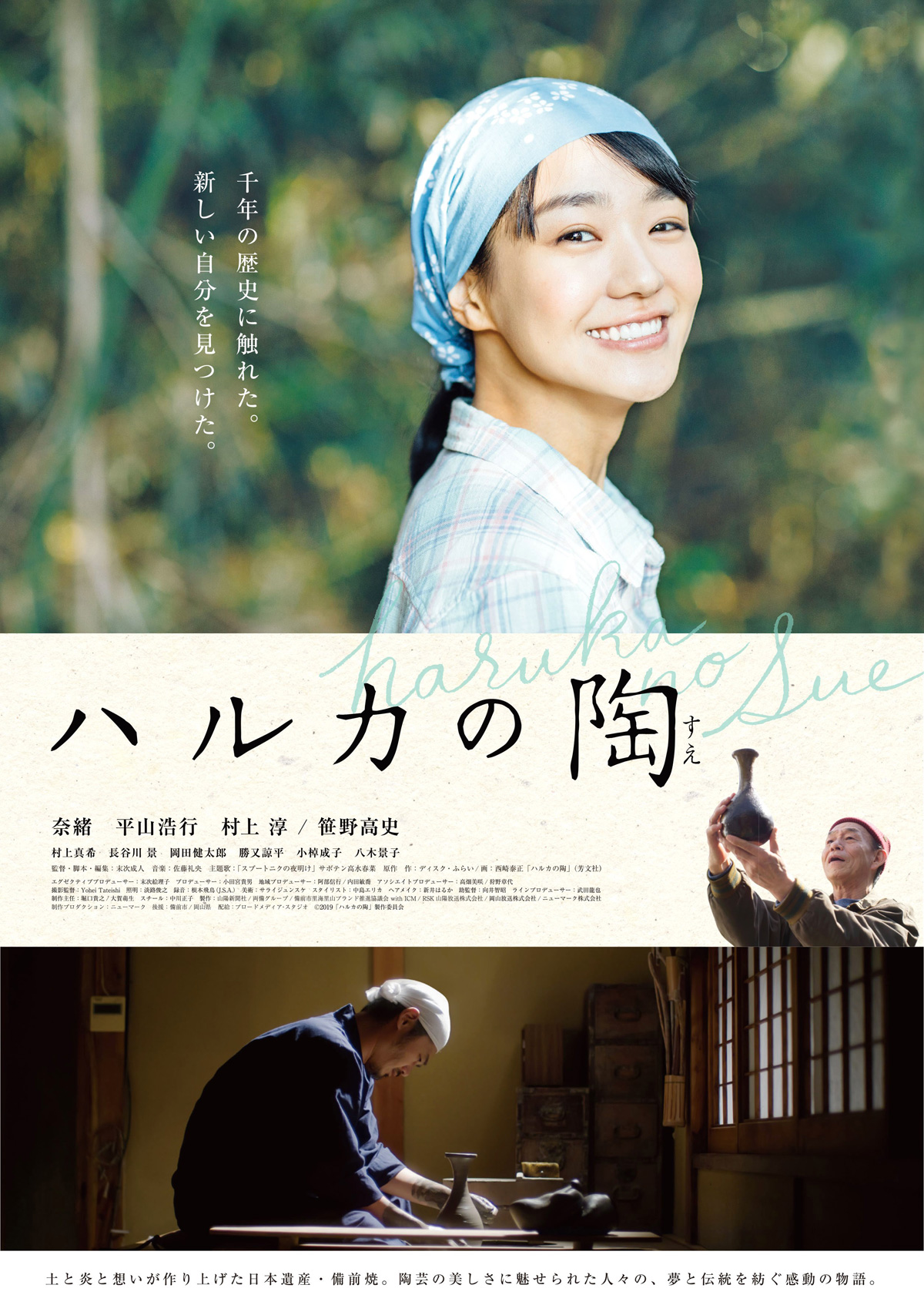
  • Haruka’s Poetry – an office lady from Tokyo abruptly quits her job after falling in love with ceramics and attempts to get the closed off artist to open himself up to her enthusiasm.
  • His – years after his uni boyfriend broke up with him to lead a more conventional life, Shun is surprised to find him on his doorstep with his six-year-old daughter looking for a place to stay.
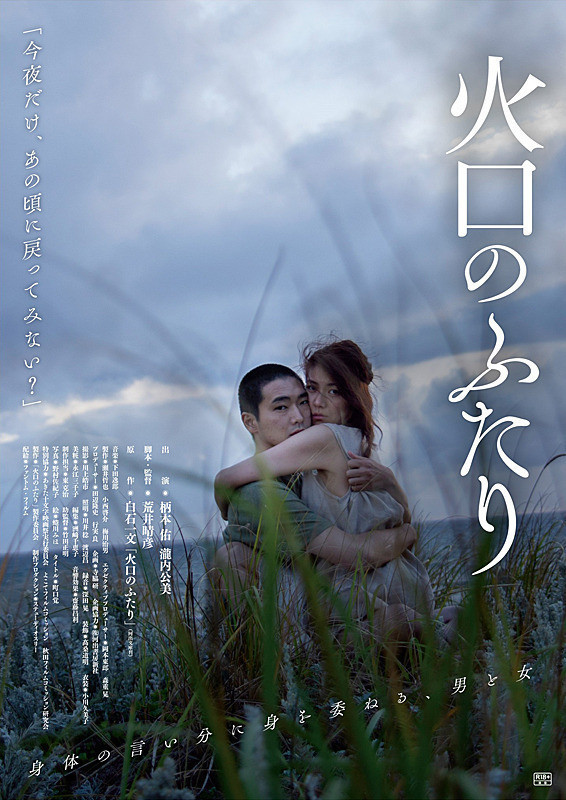
  • It Feels so Good – wounded former lovers cocoon themselves in an artificial bubble of intimacy in retreat from a world of constant anxiety in Haruhiko Arai’s steamy existential drama. Review.
  • Minori on the Brink – refusing to back down in the face of injustice, Minori finds herself on the brink of despair in Ryutaro Ninomiya’s clear-eyed takedown of an oppressively patriarchal society. Review.
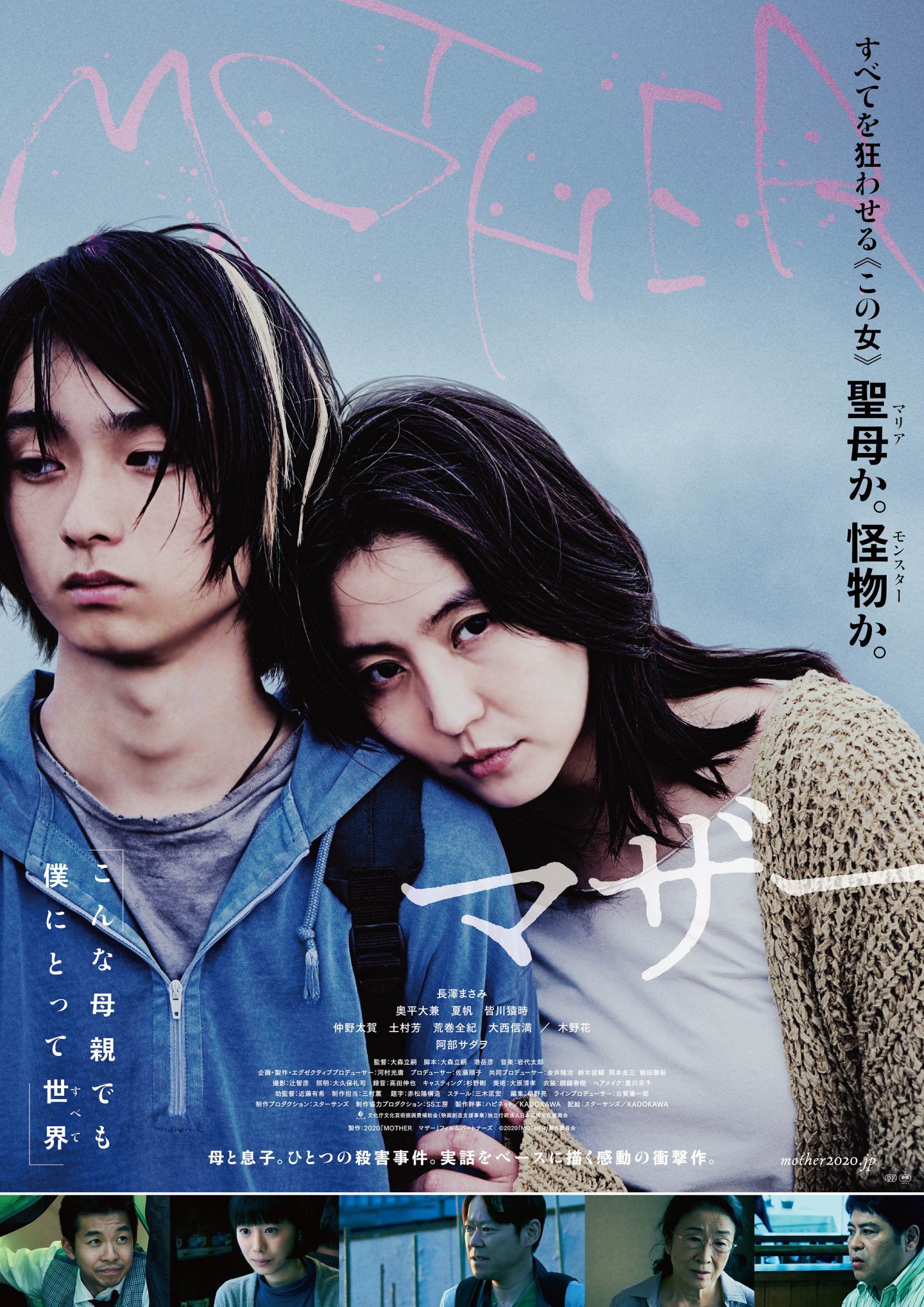
  • Mother – toxic maternity drama from Tatsushi Omori starring Masami Nagasawa as a mother whose unconventional relationship with her son later leads to shocking tragedy.
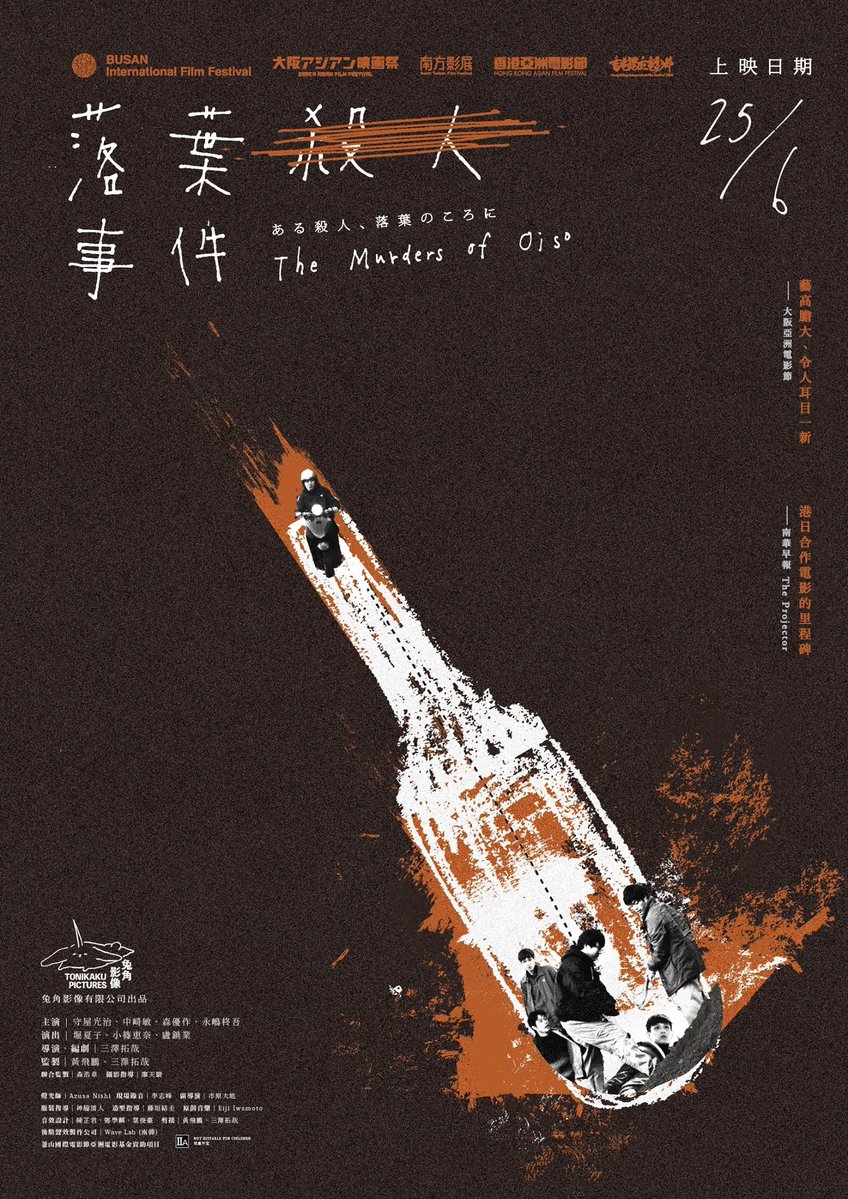
  • Murders of Oiso – a series of suspicious deaths strain the toxic friendships of four young men drowning in small-town ennui in Takuya Misawa’s meta-mystery existential drama. Review.
  • My Identity – a lost young girl contemplates the “language barriers” which lead to hate and violence while finding herself on the run with an equally displaced older woman in Sae Suzuki’s indie drama. Review.
  • Not Quite Dead Yet – a young woman’s strained relationship with her father improves after he takes a drug which is intended to make him “dead” for a short while but proves more effective than intended.
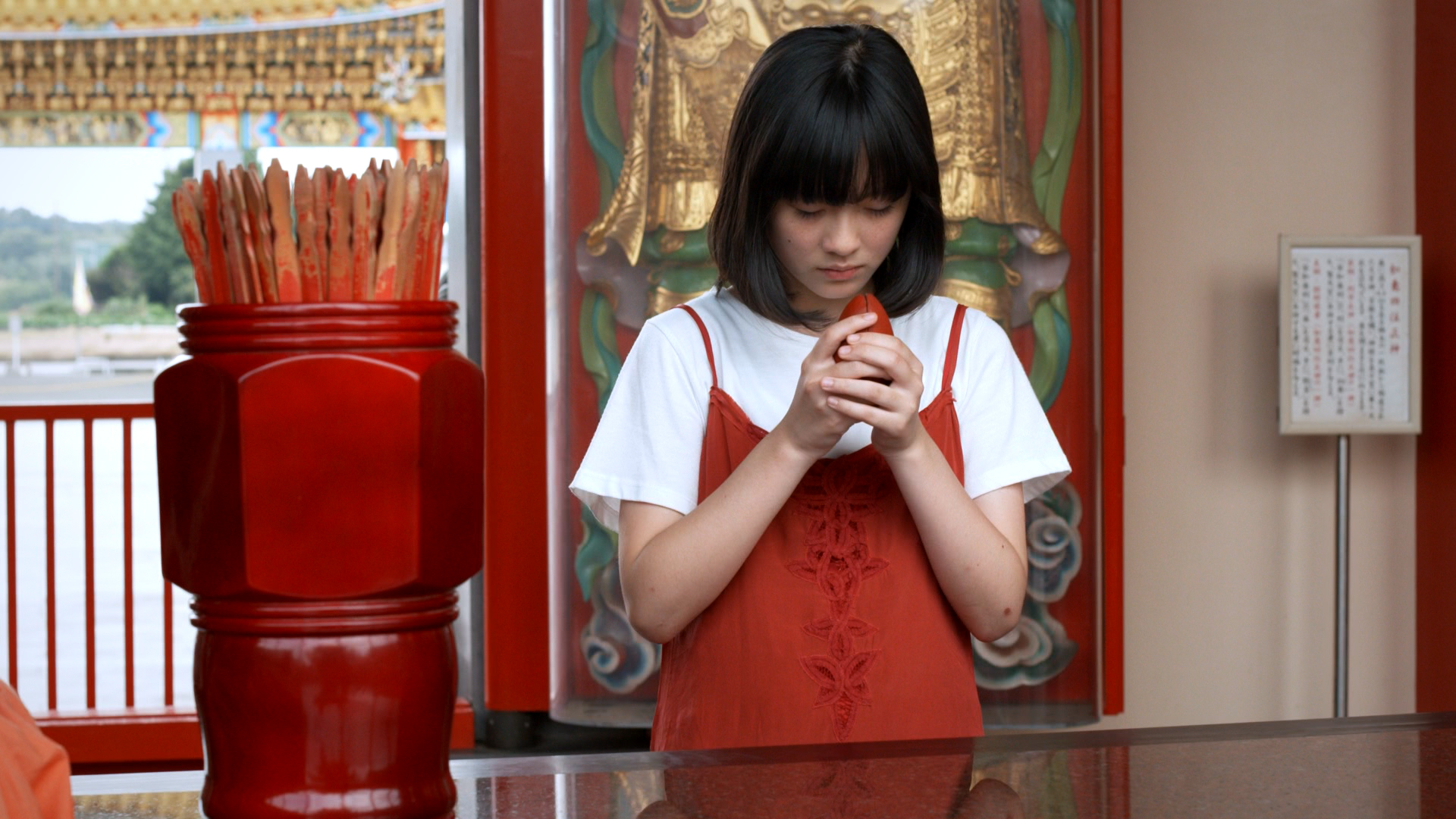
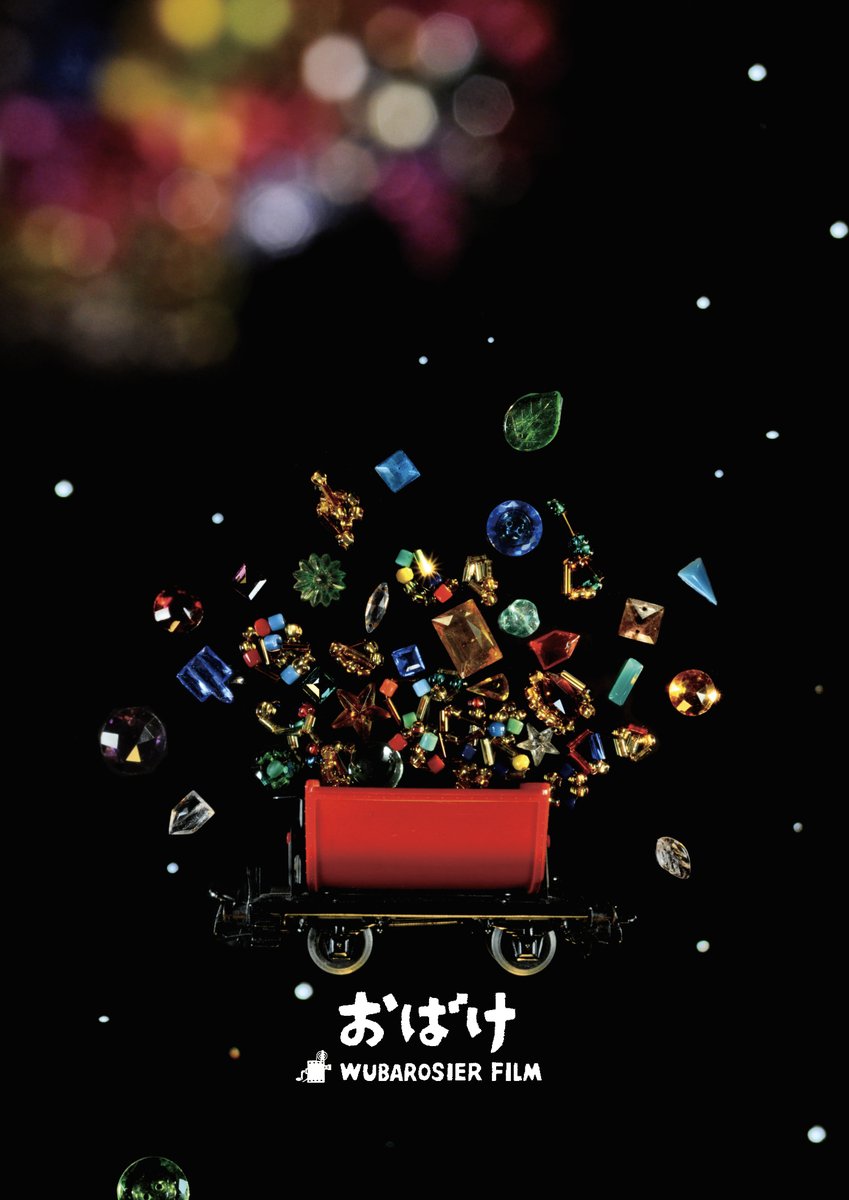
  • Obake – celestial hecklers observe the life of an indie filmmaker.
  • One Summer Story – summer-themed road movie from Shuichi Okita in which a young woman convinces her friend to help her look for her estranged father.
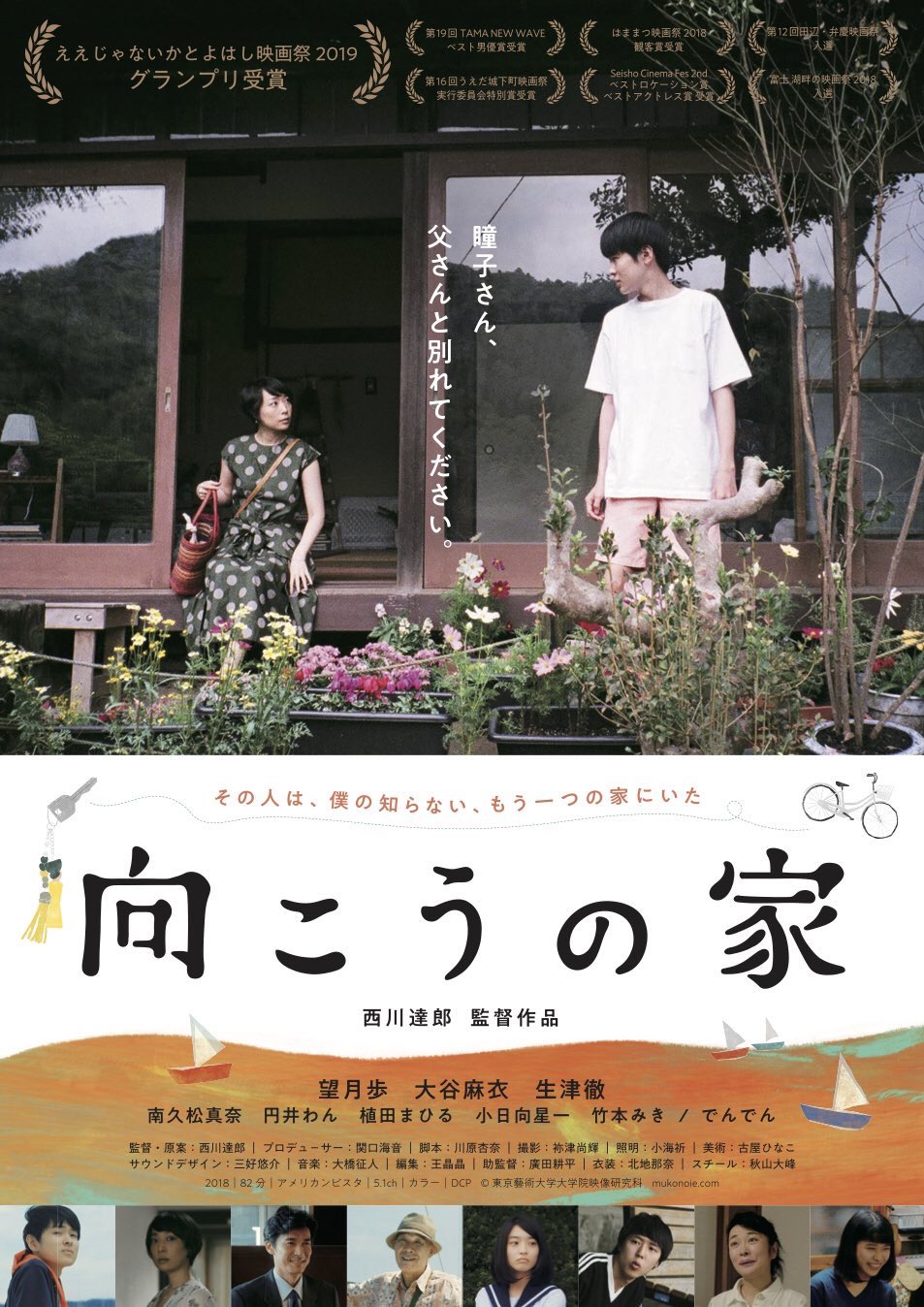
  • The Other Home – a 17-year-old boy discovers his father has another woman and lives with her in another house. Hoping to put a stop to it, he wanders over there but it proves more difficult than he assumed it would be.
  • Romance Doll – romantic drama from Yuki Tanada adapting her own book about a man who hides the fact he sculpts sex dolls for a living from his wife.
  • Shape of Red – an unfulfilled housewife’s personal desire is reawakened when she runs into an old lover in Yukiko Mishima’s steamy adaptation of the Rio Shimamoto novel. Review.
  • Take Over Zone – after her parents’ divorce, Sari went to live with her dad and her brother Toma with their mother. After getting into a fight with a schoolmate, she discovers that her mum is now dating the other girl’s dad and decides to take her brother and run away.
  • Talking the Pictures – Masayuki Suo’s tribute to the age of the benshi silent movie narrator.
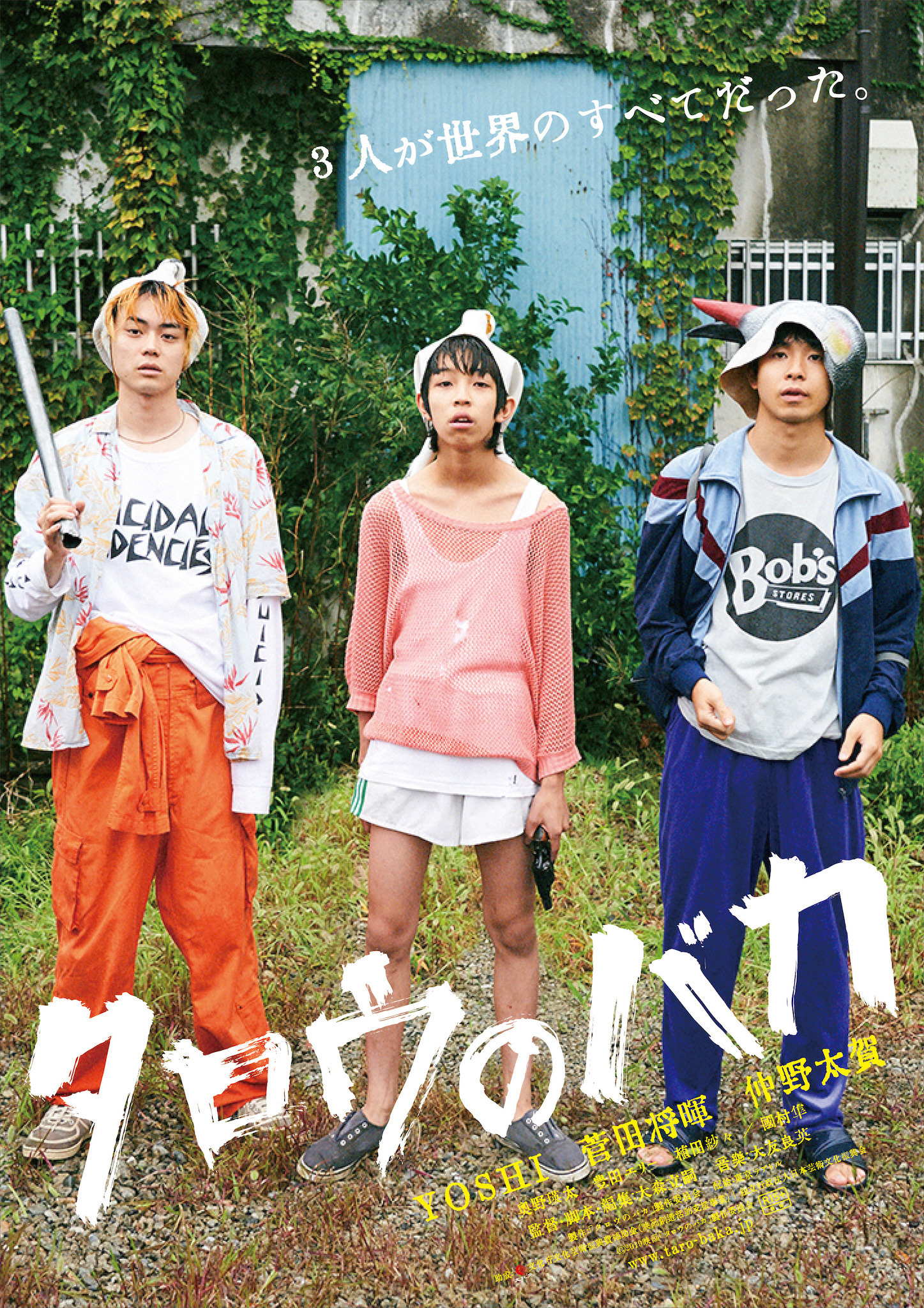
  • Taro the Fool – teen drama from Tatsushi Omori in which three aimless teenage boys discover a gun.
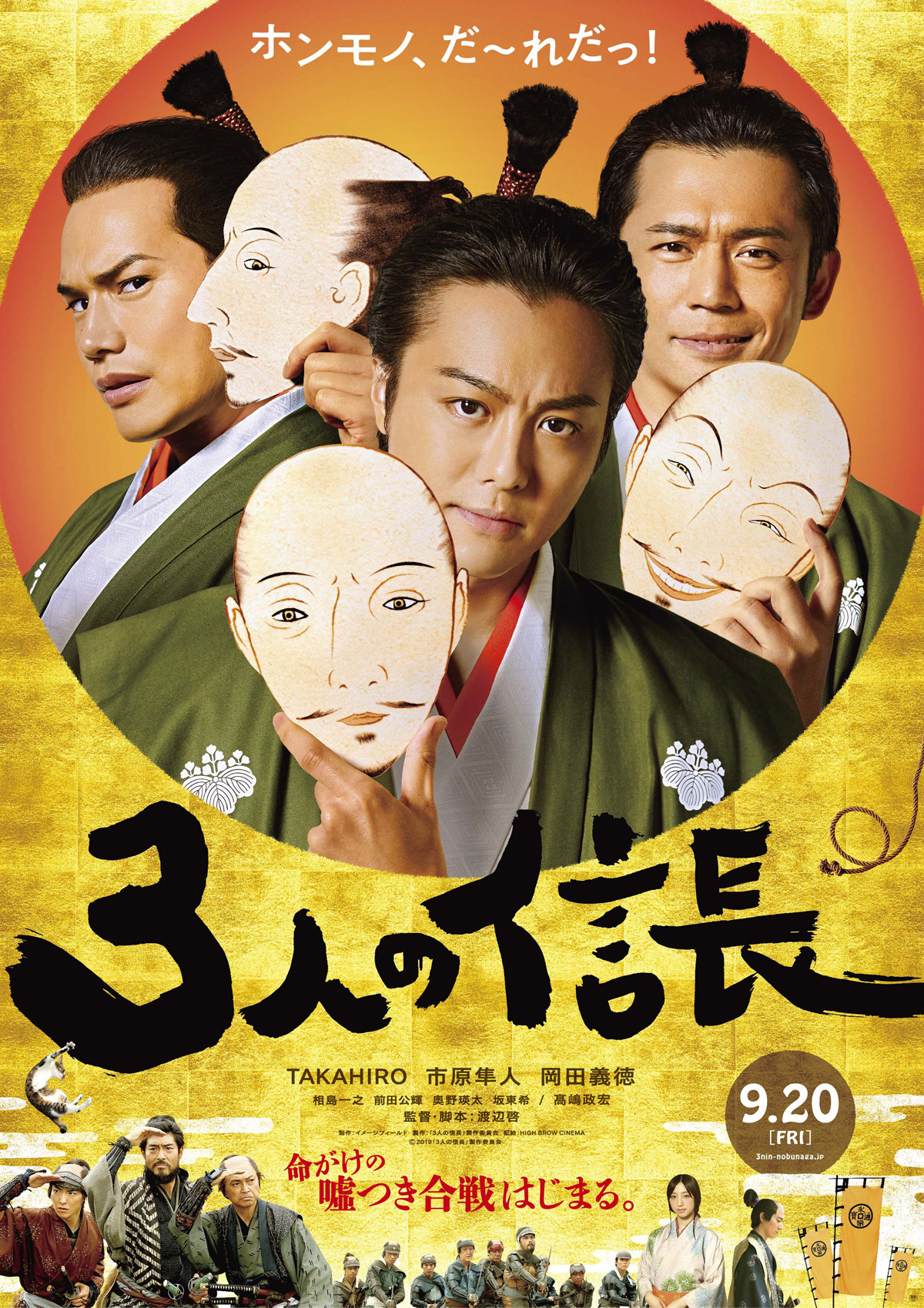
  • Three Nobunagas – three loyal retainers hide out in a ghost town trying to kidnap Oda Nobunaga only to end up with three of him!
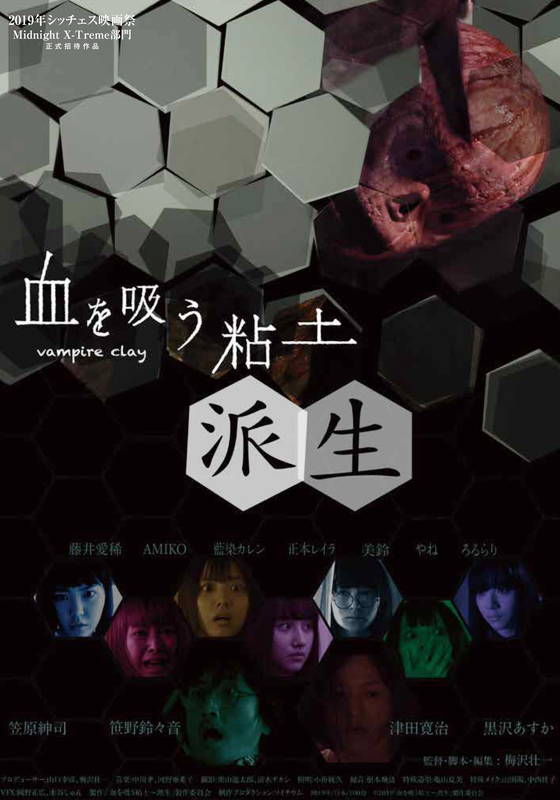
  • Vampire Clay – Derivation – sequel to Vampire Clay in which students at an art school are once again terrorised by a vampiric monster.
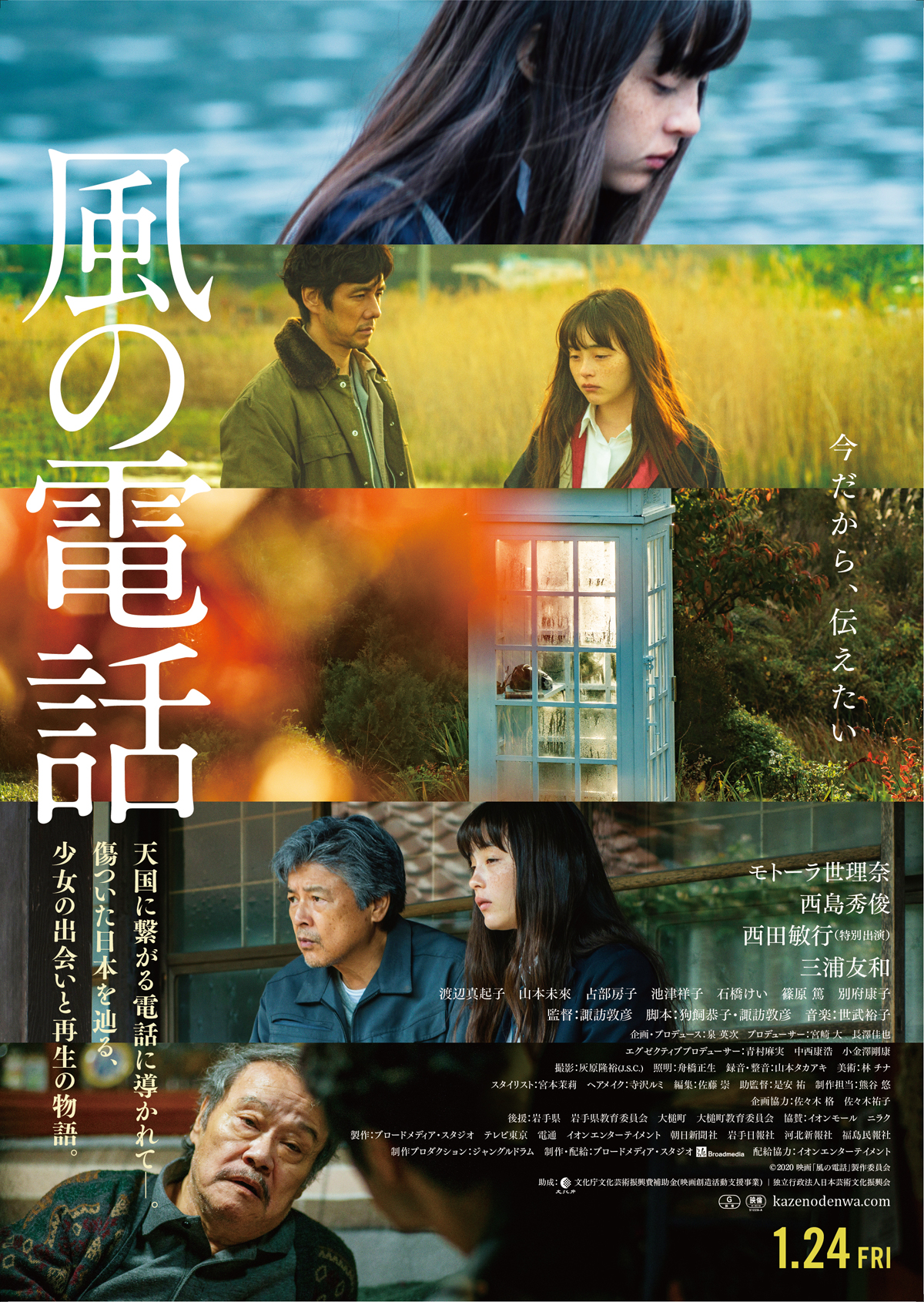
  • Voices in the Wind – Nobuhiro Suwa returns to Japan after an 18-year absence for a tale of national catharsis as a young woman makes a painful journey home in search of making peace with the traumatic past. Review.

Classics

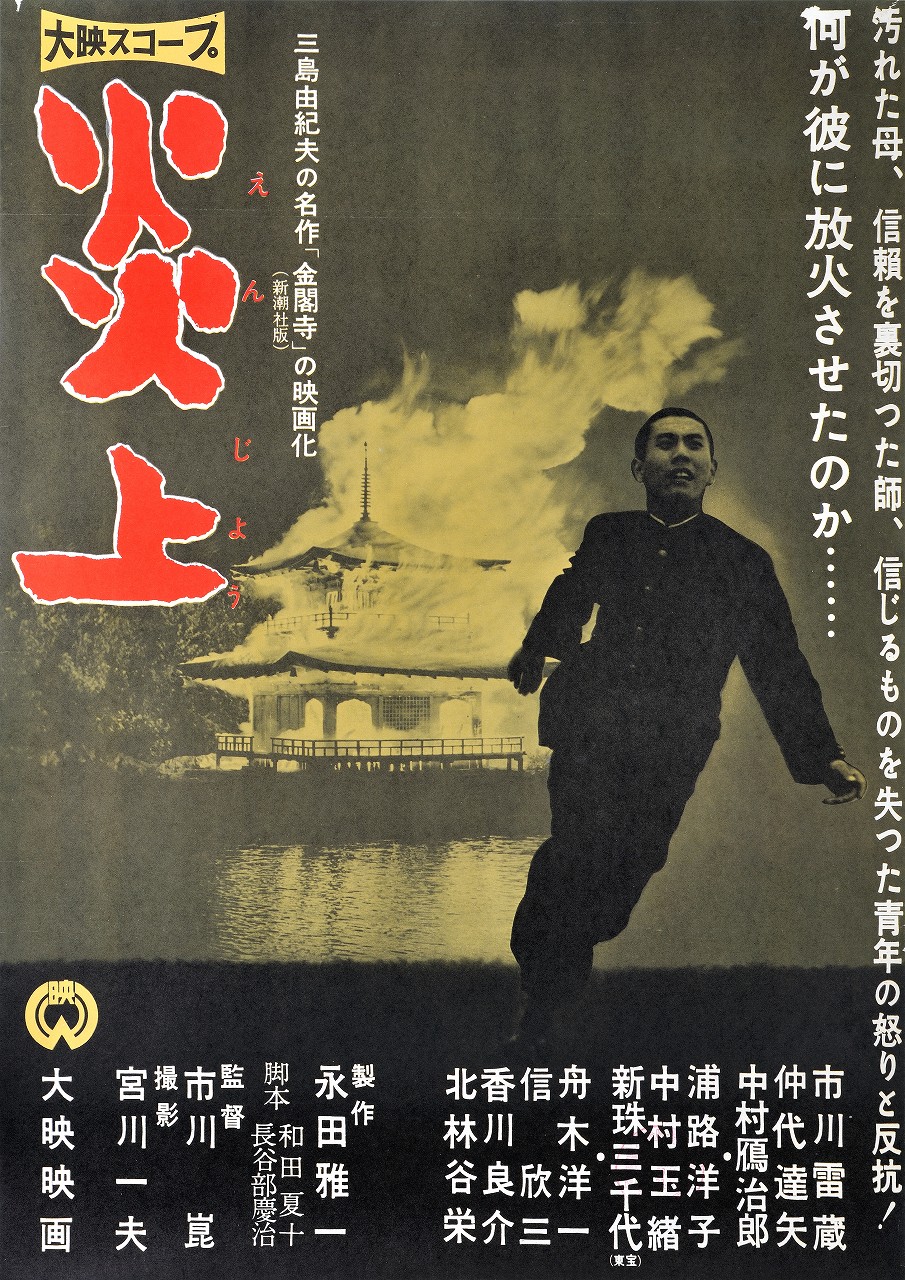
  • Conflagration – Kon Ichikawa’s 1958 adaptation of the Mishima novel in which an idealistic young man becomes disillusioned with the head priest at the temple where he is studying and is eventually pushed into madness, burning down the beautiful Kinkakuji because it is simply to good for this world. Review.

Documentaries

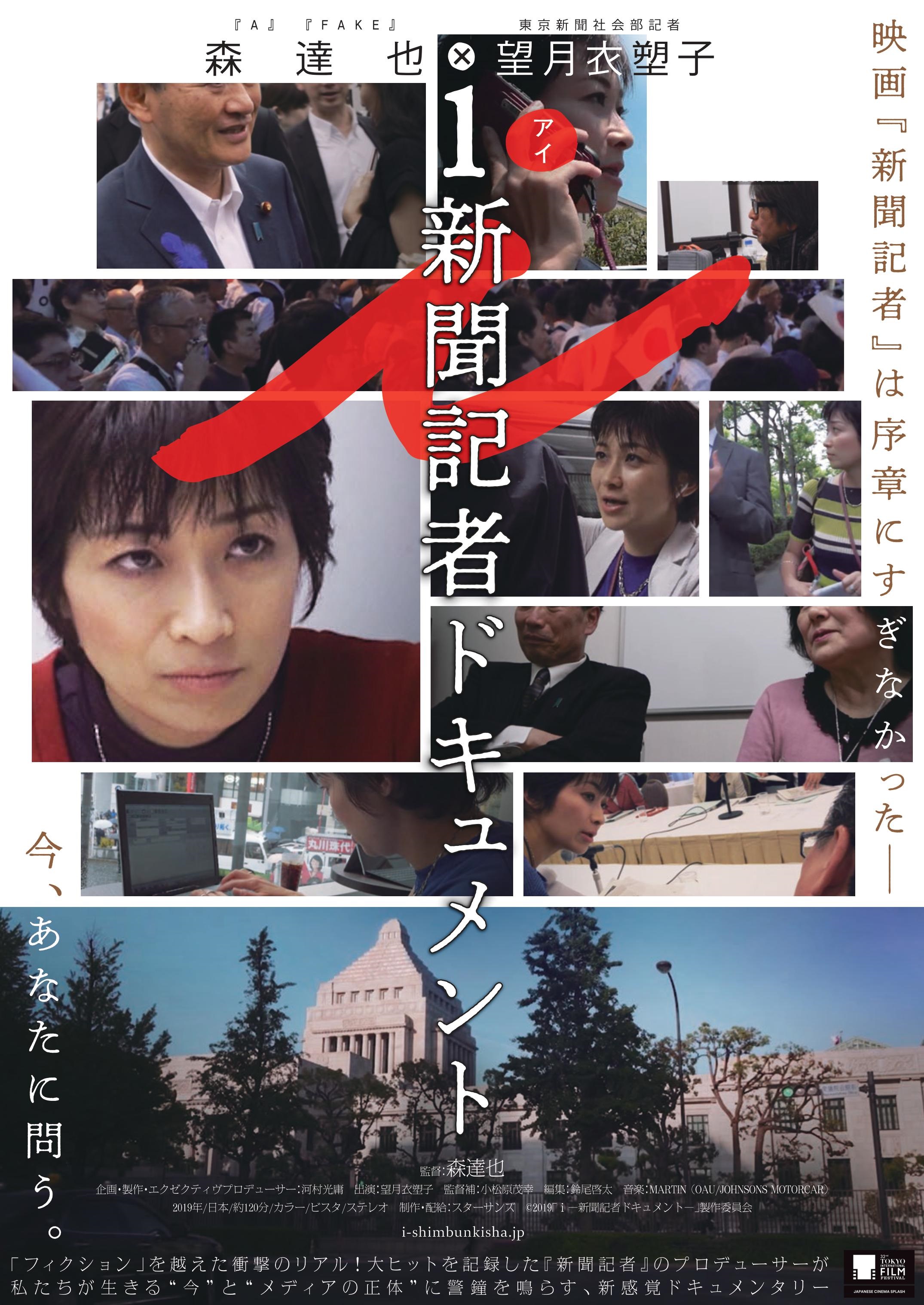
  • I-Documentary of the Journalist- – Fake’s Tatsuya Mori follows dogged Tokyo Shimbun reporter Isoko Mochizuki as she continues to speak truth to power in an otherwise frustratingly deferent press culture. Review.
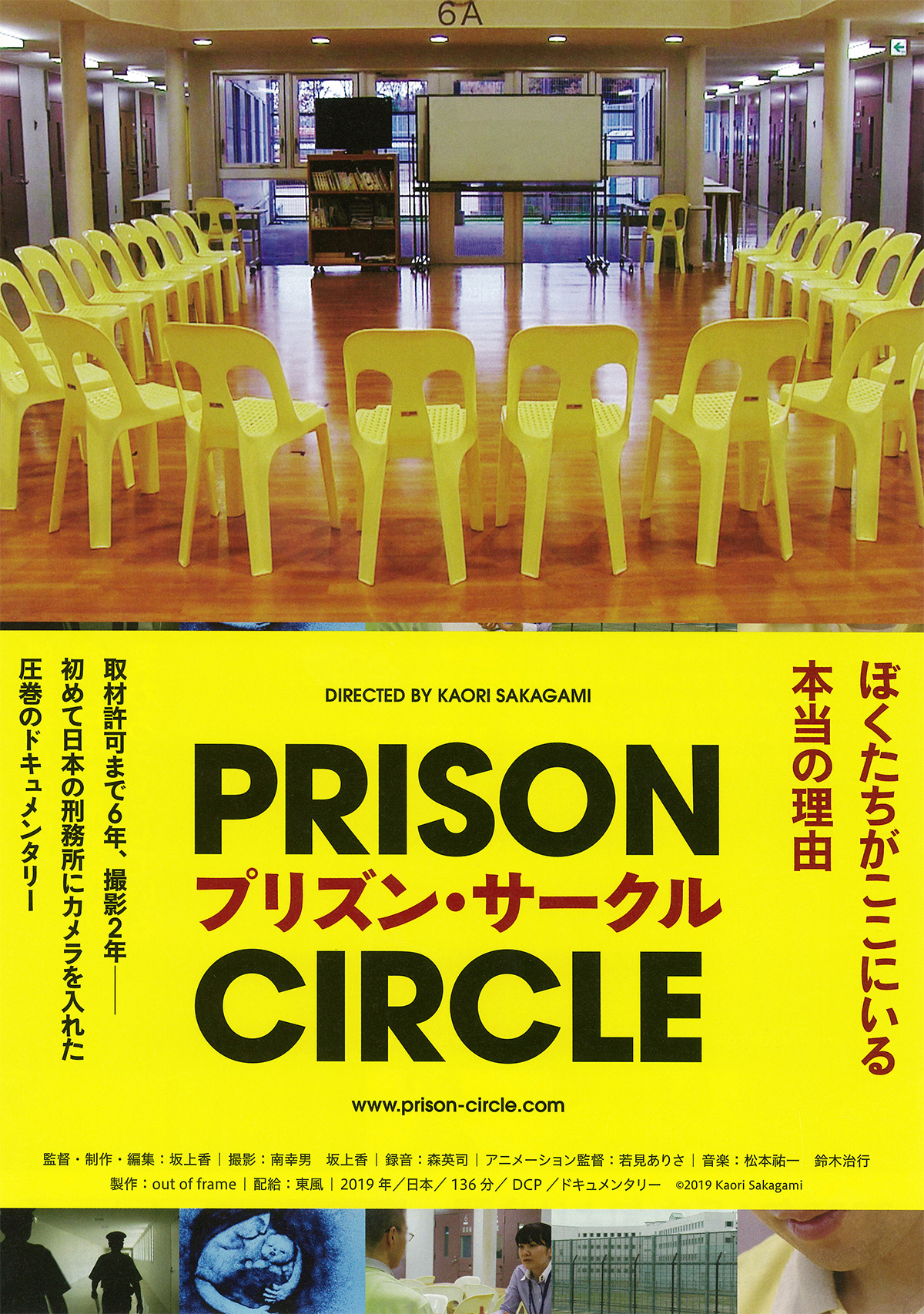
  • Prison Circle – Kaori Sakagami digs deep into the legacy of trauma in following a collection of prisoners as they undergo an experimental rehabilitation program in the hope of returning to mainstream society. Review.

Animation

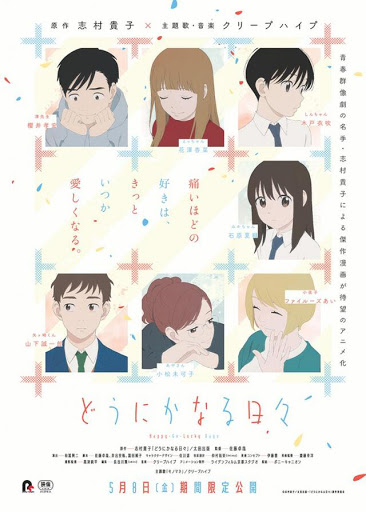
  • Happy-Go-Lucky Days – three-part anime omnibus themed around love including that between two women who meet at a wedding, a teacher caught on the spot by a student’s confession, and childhood friends who find themselves drifting apart as they approach adolescence.
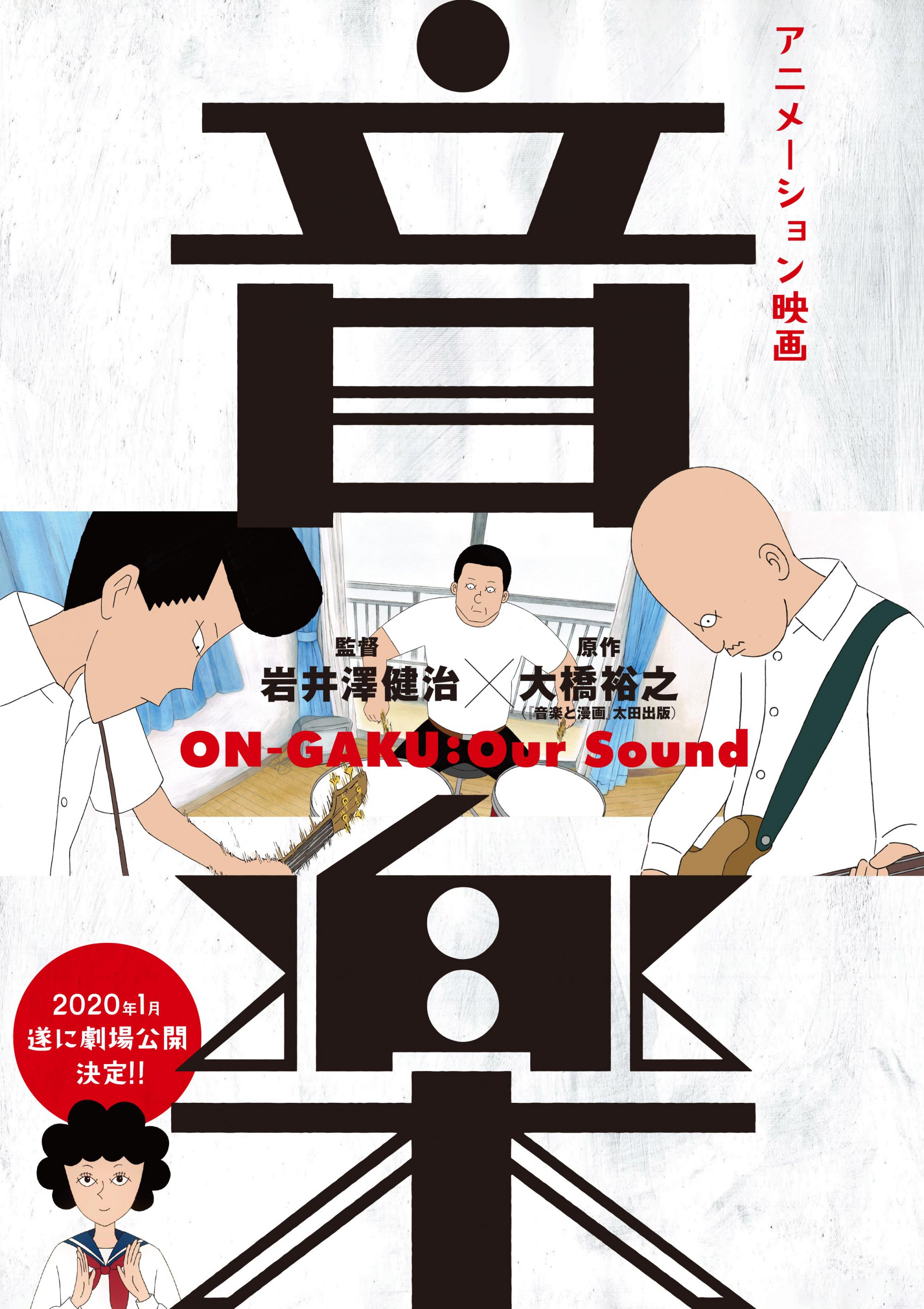
  • On-Gaku Our Sound – deadpan slackers decide to start a band and discover unexpected sides to themselves in the joy of making music in Iwaisawa’s infinitely charming indie animation.
  • Seven Days War – Osamu Soda’s satirical novel is updated for the present day as a young woman runs away with a gang of school friends and holes up in a warehouse where they befriend a Thai immigrant in hiding and try to protect him from the authorities.

Camera Japan 2020 takes place in Rotterdam 23rd – 27th September and Amsterdam 1st – 4th October. Full information on all the films as well as ticketing links can be found on the official website and you can also keep up to date with all the latest news via Camera Japan’s official Facebook pageTwitter account, and Instagram channel.

Camera Japan Announces Complete Programme for 2019

camera japan logo

Camera Japan, the premier Dutch showcase for Japanese film, returns for its 14th edition this September with another fantastic selection of recent indie and mainstream cinema. This year’s theme is “youth” and the programme has a special focus on films made by or about young people.

Contemporary Cinema

Fly Me to the Saitama still 2

  • 12 Suicidal Teens – 12 teens meet in an abandoned hospital to commit mass suicide but instead find themselves trying to solve the mystery behind the death of a young boy in a youthful drama from 20th Century Boys’ Yukihiko Tsutsumi.
  • Another World – three childhood friends reunite but find it difficult to escape from the shadow of the past in Junji Sakamoto’s tale of frustrated male bonding. Review.
  • Astral Abnormal Suzuki-san – indie comedy in which a young YouTuber and her family become part of a TV show.
  • Bento Harassment– A single mother fed up with her teenage daughter’s nonsense starts sending passive aggressive messages through bento in a tale inspired by a real life blog.
  • The Chaplain – the final film from the late Ren Osugi in which he plays a compassionate preacher ministering to those on death row. Review.
  • The Chrysanthemum and the Guillotine – Takahisa Zeze’s Taisho era tale of female sumo warriors and bohemian anarchists. Review.
  • Every Day a Good Day – charming tea ceremony memoir starring Haru Kuroki and the late Kirin Kiki. Review.
  • The Fable – a top hitman is given the challenge of laying low as a normal person for a year only to be sucked into yakuza drama. Heartfelt zany fun! Review.
  • Fly Me to the Saitama – the residents of Saitama have become an oppressed minority in this surreal comedy from the director of Thermae Romae. Review.
  • Hard-Core – an overly idealistic slacker and his simple-hearted buddy make friends with a damaged robot while accidentally getting mixed up in dangerous politics in Nobuhiro Yamashita’s adaptation of the cult manga. Review.
  • Jam – Sabu gets back to his roots with a tale of three guys on the run. Review.
  • Jesus – a little boy discovers he has a friend in tiny Jesus only to find himself feeling betrayed in Hiroshi Okuyama’s whimsical debut. Review.
  • Just Only Love – a lovelorn OL realises her boyfriend’s not that into her in Rikiya Imaizumi’s romantic drama.
  • The Kamagasaki Cauldron War – Osaka’s “invisible slum” is thrown into chaos when someone steals the local yakuza’s ritual bowl. Review.
  • A Life Turned Upside Down: My Dad’s an Alcoholic – a young woman struggles to take care of herself when her mother joins a cult and her dad takes to drinking.
  • Little Miss Period – surreal drama starring Fumi Nikaido in which periods are anthropomorphised as giant pink heart-shaped buddies.
  • Love at Least – sensitive drama in which a young woman with bipolar tries to face up to her feelings for her supportive (perhaps too much so) boyfriend when his manipulative ex shows up and starts interfering in her life. Review.
  • Melancholic – a Todai graduate slums it in a bathhouse only to discover the place doubles as a yakuza killing ground after hours. Review.
  • Mimicry Freaks – intense horror film in which a man wakes up on a hospital bed in the woods to be told he was executed thirty years previously.
  • My Dad is a Heel Wrestler – a nine-year-old boy exaggerates his wrestler dad’s success in this charming comedy starring real life wrestler Hiroshi Tanahashi.
  • My Father the Bride – a woman returns to her island home for the second anniversary of her mother’s death only to find her father wearing her mother’s clothes and apparently about to marry a man.
  • Okinawan Blue – three tales intertwine at an Okinawan guest house.
  • Only the Cat Knows – the disappearance of the family cat symbolises the distance in a long term marriage in a whimsical romantic drama starring legendary actors Chieko Baisho and Tatsuya Fuji with a notable cameo from Mikako Ichikawa. Review.
  • Orphan’s Blues – poetic drama in which a young woman with unexplained memory loss determines to track down a childhood friend. Review.
  • Queer Shorts – two mid-length queer films including Shun Nakagawa’s Kalanchoe in which a high school class becomes curious about their LGBT lessons, and Mika Imai’s Until Rainbow Dawn in which two deaf women fall in love.
  • Red Snow – impressionistic mystery starring Masatoshi Nagase and Arata Iura in which a journalist’s investigation of a thirty year old child disappearance begins to open old wounds. Review.
  • Rise of the Machine Girls – reboot of Noboru Iguchi’s classic splatter franchise.
  • Samurai Marathon – period drama directed by Bernard Rose in which the local lord’s idea of training his out of shape men through a marathon is misconstrued by the Shogun. Review.
  • Vision – Juliette Binoche goes rare herb hunting for Naomi Kawase.
  • We Are Little Zombies – four bereaved kids deal with their ennui in the time honoured fashion of going on an adventure and starting a punk band in Makoto Nagahisa’s anarchic drama. Review.

Classics

Stardust Brothers still 1

  • Crazed Fruit – Sun Tribe classic starring Yujiro Ishihara and his future wife Mie Kitahara alongside Masahiko Tsugawa in a tale of youth gone wild as two brothers fall for the same girl.
  • I Was Born, But… – Ozu’s classic silent movie in which two boys fear losing face to their friends over their dad’s less than impressive job. Review. Will be screened with live instrumentation from Gonçalo Almeida, Riccardo Marogna, and Phillip Ernsting.
  • Kids Return – youthful drama from Takeshi Kitano in which two lost young men muse on missed opportunities. Review.
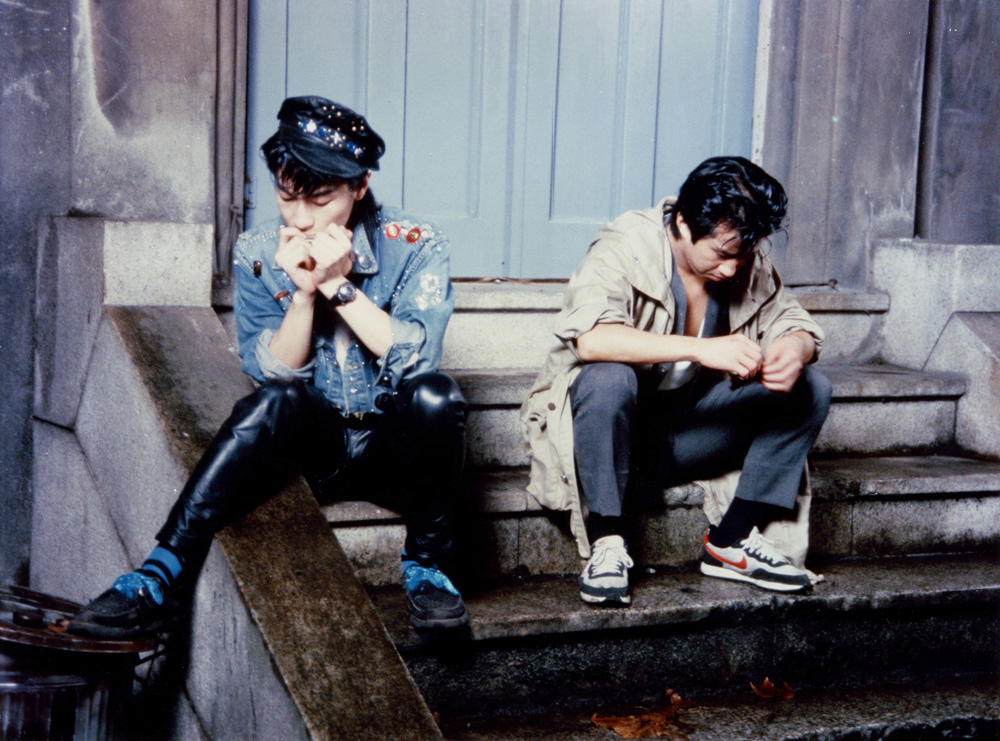
  • The Legend of the Stardust Brothers – rediscovered cult gem from Macoto Tezka following the rise to fame of two aspiring pop stars. Review.
  • The Sun’s Burial – Nagisa Oshima classic set in the slums of Kamagasaki.
  • Tetsuo: The Iron Man – Shinya Tsukamoto’s legendary cyberpunk masterpiece.

Documentaries

Queer Japan still 1

  • Day of the Western Sunrise – partially animated documentary interviewing the surviving sailors of Lucky Dragon No. 5.
  • Kampai! Sake Sisters – documentary focussing on three women in the sake trade which has historically been a very male profession.
  • Queer Japan – a joyful exploration of LGBTQ+ life in contemporary Japan.
  • Sending Off – Ian Thomas Ash returns with his latest doc following a doctor providing hospice care to patients in their homes.
  • Tower of the Sun – Kosai Sekine’s doc focussing on the famous Taro Okamoto statue constructed for World Expo in Osaka in 1970.

Animation

Maquia still 1

  • Aragne: Sign of Vermilion – indie anime in which a young girl steps up to the plate after noticing a weird bug coming out of an old lady’s arm.
  • Chieri and Cherry – kids stop motion animation in which a girl and her stuffed toy try to save some puppies from a mean crow.
  • MAQUIA: When the Promised Flower Blooms – directorial debut from screenwriter Mari Okada in which a young immortal is exiled from her tribe and raises a human baby to maturity only to lose him to time. Review.
  • Penguin Highway – a precocious little boy determines to solve the mystery behind the random appearance of penguins in his small town. Review.

Camera Japan 2019 takes place across two weekends in Rotterdam (25th – 29th September) and Amsterdam (3rd – 6th October). Full information on all the films as well as ticketing links can be found on the official website. You can also keep up to date with all the latest news via Camera Japan’s official Facebook pageTwitter account, and Instagram channel.

Camera Japan Announces Complete Programme for 2018

camera japan logo

Camera Japan, the premiere Dutch showcase for Japanese film, returns for its 13th edition this September with another fantastic selection of recent indie and mainstream cinema. This year’s classic section will also present four films from horror maestro Nobuo Nakagawa including his celebrated adaptation of Yotsuya Kaidan.

Contemporary cinema

tremble all you want still 1

  • Being Natural – a rural man’s peaceful existence is threatened by hipster hippies from Tokyo who insist on opening a cafe in his house. Review.
  • blank 13 – a young man gets to know his late father through guests at the funeral in the directorial debut from actor Takumi Saitoh.
  • The Blood of Wolves – Koji Shirashi pays homage to Battles Without Honour in a tale of dodgy cops and treacherous yakuza. Review.
  • Call Boy – a haunted young man becomes a gigalo in the latest from Daisuke Miura.
  • Cyclops – a man recently released after serving time for the death of his wife goes after the “real” killer in this twisty neo-noir. Review.
  • Dear Etranger – a divorced father has married again and has two step-daughters but is conflicted on hearing that his second wife is pregnant. Review.
  • Death Row Family – the son of a yakuza boss is falsely imprisoned and then forced to commit a crime when he gets out in the black comedy debut of Yuki Kobayashi.
  • Destiny, The Tale of Kamakura – An absent minded writer goes on a quest to the afterworld when his wife is taken there by mistake. Review.
  • Dynamite Graffiti – biopic following porn pioner Akira Suei through ’70s and ’80s Japan. Review.
  • Flower and Sword – historical comedy about a Buddhist monk obsessed with flower arranging.
  • Foreboding – prequel to Kiyoshi Kurosawa’s Before We Vanish in which a factory worker worried about her husband’s strange behaviour stumbles on the alien invasion. Review.
  • Ice Cream and the Sound of Raindrops– astonishing one take teen drama in which a group of youngsters rehearsing a production of Simon Stephens’ Morning react to having their play abruptly canceled. Review.
  • Inuyashiki – superhero action in which an old man and an angry teen get a cyborg upgrade on the same day. Review.
  • Kanazawa Shutter Girl – manga adaptation in which a disaffected teen tries to reconnect with the present through photography.
  • Liverleaf – a bullied transfer student fights back in this strangely pitched revenge drama. Review.
  • Moon and Thunder – a young woman from a disordered family background strives for a “normal” life but is forced to confront the past when a childhood friend resurfaces. Review.
  • Mori, the Artist’s Habitat – portrait of eccentric artist Mori Kumagai by master of the surreal Shuichi Okita. Review.
  • One Cut of the Dead – Real zombies mess up the shoot for a horror movie in Shinichiro Ueda’s hilarious comedy. Review.
  • Pumpkin and Mayonnaise – a young woman working as a hostess to support her musician boyfriend is tempted by the resurfacing of an ex. Review.
  • Rokuroku: The Promise of the Witch – yokai horror anthology from Yudai Yamaguchi.
  • Room Laundering – a young woman who house sits in apartments where bad things happened develops the ability to see ghosts. Review.
  • The Scythian Lamb – a depopulating town joins a scheme to rehome low risk ex-cons in Daihachi Yoshida’s thoughtful drama. Review.
  • Tokyo Vampire Hotel – feature cutdown of Sion Sono’s epic TV series about a war between rival vampire clans. Review.
  • Tremble All You Want – a shy young woman is forced to break out of her fantasy bubble when a co-worker shows an interest in her. Review.
  • The Trial – John Williams relocates Kafka’s The Trial to modern day Tokyo.

Documentary

Vibration yellow monkey

Nobuo Nakagawa

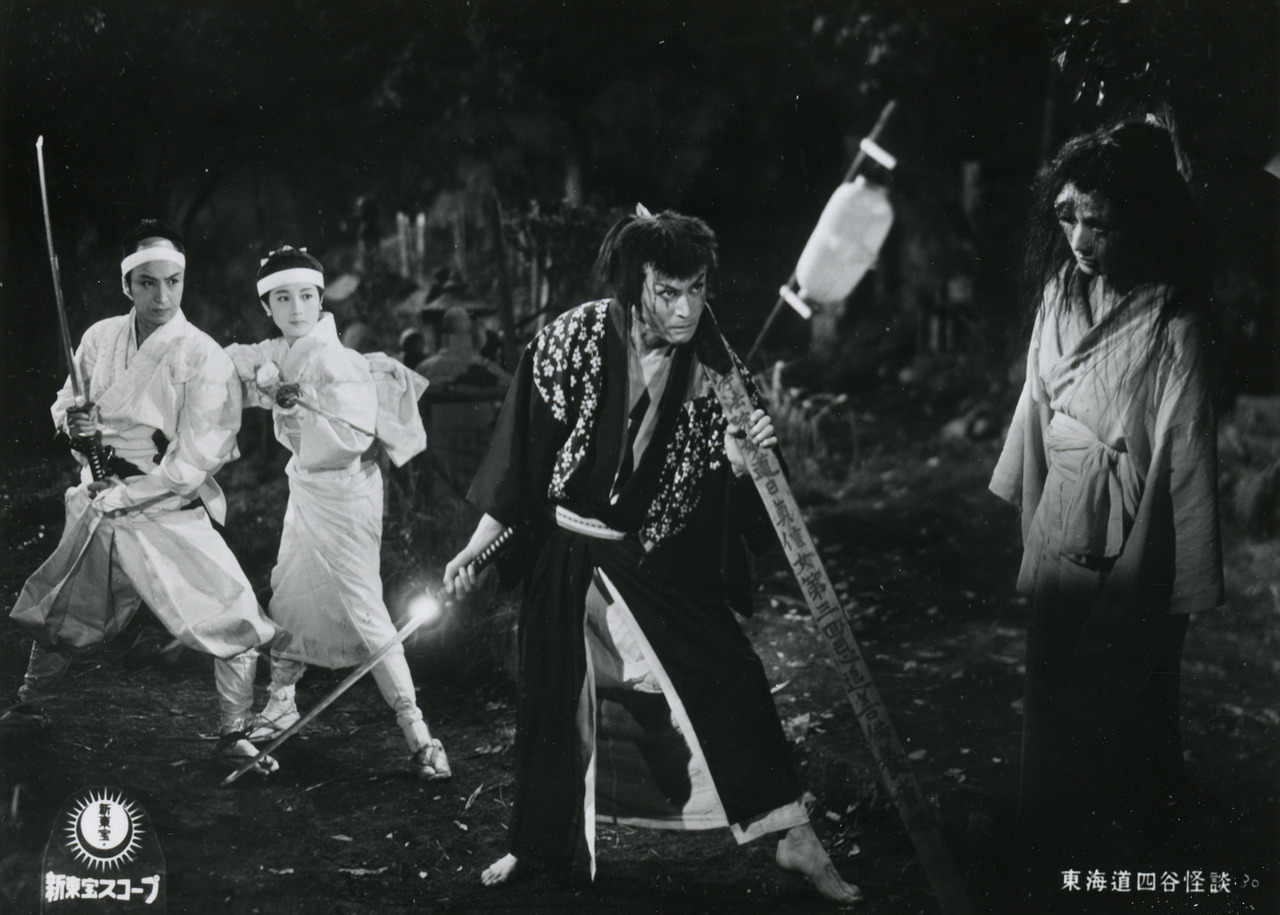
Yotsuya Kaidan

  • The Adventure of Tobisuke – a puppeteer suffers a head injury saving a woman’s life and can only count up to three but her mother knows of a golden fruit which can restore his memory…
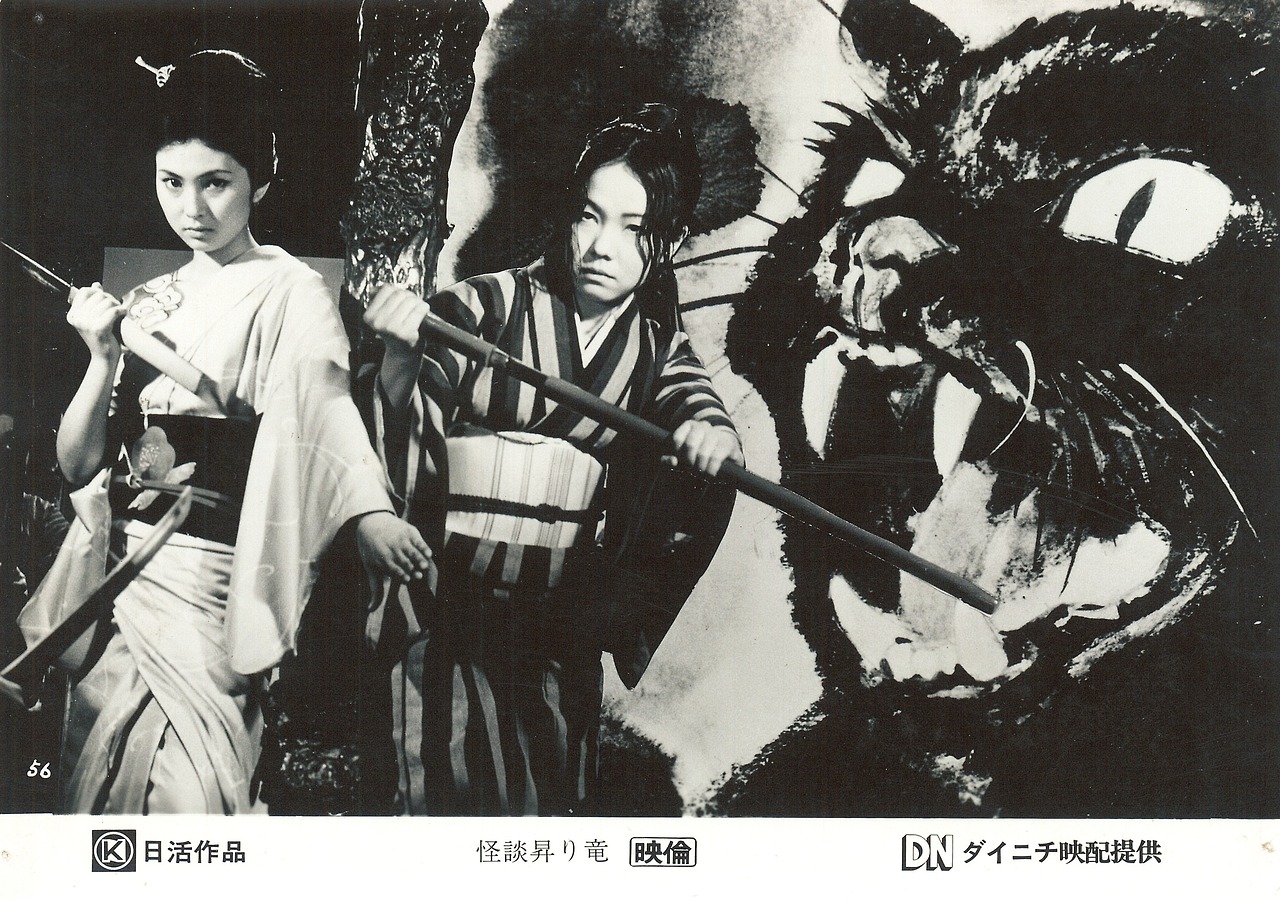
  • Black Cat Mansion – a doctor takes his sickly wife to a nobleman’s house where she can recover in peace only she begins having strange visions…
  • The Ghost of Yotsuya – an ambitious samurai falls in love but is refused marriage on the grounds of his lowly status. He kills his bride’s father and marries her anyway only to consider killing her too when he gets a better offer…
  • Jigoku – a theology student who blames himself for a deadly car crash makes his way to the gates of hell…

Animation

mary and the witch's flower still 1

  • Brave Storm – mecha adventure in which heroes from the future come back to the present to stop aliens taking over.
  • A Letter to Momo – a girl moves to a remote island following the death of her father and makes friends with a series of yokai.
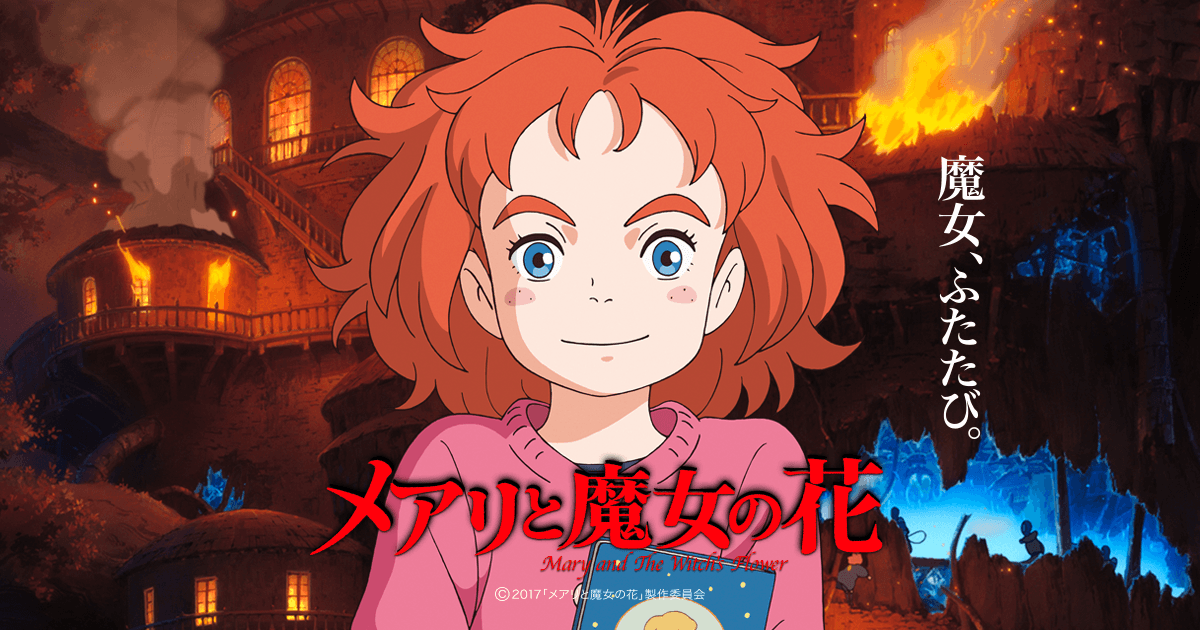
  • Mary and the Witch’s Flower – a bored little girl embraces her magic destiny when she finds a flower that gives her witch’s powers for one night only. Review.
  • Pom Poko – Tanuki fight back in this charming Studio Ghibli anime from the late Isao Takahata.

Camera Japan 2018 takes place across two weekends in Rotterdam (26 – 30th September) and Amsterdam (4th – 7th October). Full information on all the films as well as ticketing links can be found on the official website. You can also keep up to date with all the latest news via Camera Japan’s official Facebook pageTwitter account, and Instagram channel.

Camera Japan Announces Complete Programme for 2017

At the terrace テラスにてCamera Japan, the premier Dutch showcase for Japanese film, returns for 2017 with more than 40 films screening in two cites over two weekends – Rotterdam 21st – 24th September, and Amsterdam from 29th September to 1st October. With so many films on offer it get can a bit overwhelming, so here’s a handy list broken down by genre and/or medium.

Current Cinema – Indie / Arthouse

bangkok-nitesAs usual Camera Japan has brought together some of the most eagerly anticipated recent independent and arthouse features including the latest from festival darlings Kiyoshi Kurosawa and Miwa Nishikawa, to Naoko Ogigami’s family comedy/drama Close-Knit, sleeper Cannes hit Oh Lucy! and a host of soon to be classics from up and coming directors.

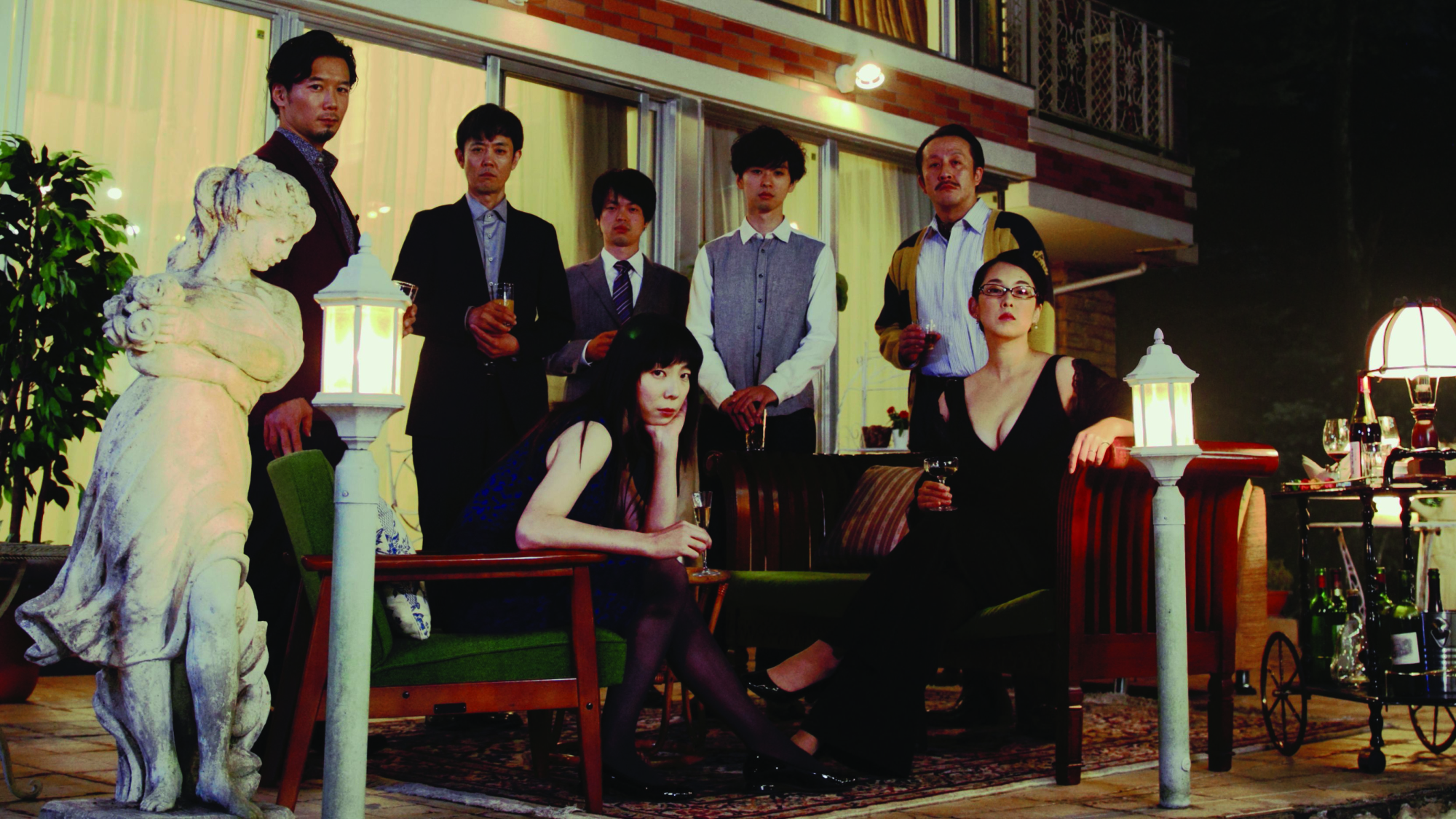
  • At the Terrace – Adapting his own stage play, Kenji Yamauchi’s At the Terrace is a scathing satirical comedy charting the gradual disintegration of the bourgeoisie over the course of one very awkward post dinner party drinking session. Review. Screening at Rotterdam only – 21st Sept. 2.30pm, 23rd Sept. 5pm
  • Bangkok Nites – The latest from Saudade director Katsuya Tomita who also stars in the film, Bangkok Nites is a sideways look at the continuing effects of colonialism. ReviewRotterdam only, Sept. 24, 1pm. Producers will be present for a Q&A.
  • Before We Vanish – Kiyoshi Kurosawa returns to the sci-fi genre for the first time since 2013’s Real with an idiosyncratic take on the alien invasion movie. Screening with Dutch subtitles only at Rotterdam 21st Sept, 9.30pm / 23rd Sept. 7pm , and at Amsterdam 30th Sept., 7pm. 
  • Close-Knit – Less surreal than her previous films, Ogigami’s heartwarming family drama follows a neglected 11 year old girl who is taken in by her uncle and his transgender girlfriend, Rinko (played by Toma Ikuta). ReviewScreening at Rotterdam 21st Sept. 7.30pm, 22nd Sept. 4.30pm, and Amsterdam 29th Sept. 7pm.
  • Eriko Pretended – Eriko can’t bring herself to admit to her family that her career as an actress has stalled but discovers a new talent after a trip home for a funeral introduces her to the world of professional mourning in the debut feature from Akiyo Fujimura. Screening at Rotterdam only – Sept. 22, 2.30pm, and Sept. 24, 7.15pm.
  • Going the Distance – Asahi is about to marry the love of his life when a face from the past reappears and threatens to come between them. Forced to choose between his wife-to-be, and a “brother” who grew up with him in the same orphanage, Asahi’s life reaches a crisis point in this comedy/drama debut from Yujiro Hamamoto. Screening at Rotterdam only – 21st Sept. 4.30pm, 22nd Sept. 4.45pm
  • Hello/Goodbye – A young girl accidentally discovers her classmate is pregnant whilst trying to steal something from her bag leading the pair to encounter an old woman with alzheimer’s and a mystery she needs solving in this indie feature from Takeo Kikuchi. Screening at Rotterdam only – 21st Sept. 3pm, 24th Sept. 3pm
  • Her Love Boils Bathwater – Capturing Dad’s Ryota Nakano takes a good look at mum in this heartbreaking comedy/drama which stars Rie Miyazawa as a long suffering wife and mother who learns she has a terminal illness and decides to mend her fractured family while she still can. ReviewScreening at Rotterdam 24th Sept., 12.30pm, and Amsterdam 1st Oct. 12.30pm.
  • Journey of the Tortoise – First time feature director Tadashi Nagama draws inspiration from his own relationship with his father as a boy, his dad, and the pet turtle, join an uncle and his fiancée for an anarchic cross country road trip. Screening at Rotterdam only – 21st Sept. 10.15, 24th Sept. 5pm.
  • Kuro – Directed by Joji Koyama and Noriko Tujiko, Kuro is the story of a Japanese woman living in Paris who works in a karaoke bar and cares for her paraplegic lover at home. When a mysterious Mr. Ono arrives, he threatens to destabilise their previously settled lives. Screening at Rotterdam only 23rd Sept., 8.30pm & 10.30pm. The directors will be present for a Q&A.
  • Life and Death on the Shore – Hikari Mitsushima stars in a tale of wartime romance. Part of the festival’s Kyushu focus. Screening once only at Rotterdam, 22nd Sept. 7pm.
  • The Long Excuse – Miwa Nishikawa’s adaptation of her own novel examines the destructive effects of chronic insecurity as a self centred writer loses his wife in an accident but feels nothing only to have his emotional walls knocked down by the grieving family of her best friend. Review. Screening at Rotterdam 21st Sept. 4.45, 23rd Sept. 7.15, and at Amsterdam on 30th Sept., 12.30.
  • Love and Other Cults – Eiji Uchida returns with another tale of wandering youth as a young girl raised in a cult craves real love but struggles to find it in an increasingly strange world. Review. Screening at Rotterdam 21st Sept., 5pm, 22nd Sept. at midnight, and Amsterdam 29th Sept. at midnight. Director Eiji Uchida will be attending the Amsterdam screening for a Q&A.
  • Noise – 12 years after a spate of random stabbings in Akihabara three ordinary people attempt to deal with the longterm effects in Yusaku Matsumoto’s debut feature. Screening once only at Rotterdam, 24th Sept., 7pm. Director and members of the crew will be present for a Q&A.
  • Oh Lucy! – A sleeper hit in Cannes, Atsuko Hirayanagi’s debut is the story of a lonely middle-aged office lady who decides to spice up her life with English lessons but discovers a whole new side of herself when the charismatic teacher (played by Josh Hartnett) gives her a blonde wig and the alter-ego Lucy. Screening once only at Rotterdam, Sept. 24, 12.30pm. 
  • Over the Fence – The last of three films inspired by novels of Yasushi Sato, Nobuhiro Yamashita’s Over the Fence is a tale of new beginnings and the courage it takes to find them. Review. Screening at Rotterdam, 24th Sept. 4.35pm, and Amsterdam 9.30pm.
  • Parks – Set in Inokashira park, Natsuki Seta’s charming drama centres on three youngsters who bond through the discovery of a tape featuring an unfinished lovesong.  Review. Screening at Rotterdam only, Sept. 23, 14.30.
  • Poolsideman – A timely look at a life of quiet desperation from Hirobumi Watanabe. Review. Screening once only at Rotterdam, Sept. 23, 9.45pm.
  • Rage – The latest from Lee Sang-il, Rage is a tale of three possible murderers, doubt, suspicion and violence. ReviewScreening at Rotterdam 22nd September, 9.30pm, 23rd Sept. 9.30pm, and Amsterdam 30th Sept. 9.30pm.
  • Same Old Same Old – Rikiya Imaizumi’s reflexive drama is the story of a director in over his head, a grieving son, and an actress trying to cover up the suicide of her boyfriend. Screening once only at Rotterdam, 23rd Sept. 4.30pm.
  • The Sower – A powerful film about guilt, responsibility, and redemption, The Sower is a painful tale of a family’s disintegration when a long lost brother returns home from a mental hospital only to encounter a family tragedy. Review. Screening once only at Rotterdam, 22nd Sept., 9.45pm.
  • Seto & Utsumi – Tatsushi Omori’s adaptation of the popular manga is a predictably charming affair comprised of brief vignettes as the two high school boys of the title chat their days away hanging out on the way home from school. Review. Screening at Rotterdam only, 21st Sept., 5pm, 22nd Sept. 5pm.

Current Cinema – Mainstream / Genre

death note light up the new world stillOf course there’s plenty of blockbuster fare on offer too from the latest in the Death Note franchise to cat-centric dramas, tales of Shogi playing geniuses, splatter horror, and one family’s strange journey to familial harmony when all the lights go off.

  • Death Note – Premier blockbuster director Shinsuke Sato brings his typically polished visuals to this spin-off of the main series following officers from the Death Note Taskforce as they face the increasingly global Death Note threat. Review. Screening at Rotterdam, 23rd Sept. 9.30pm and Amsterdam, 1st October 2.45pm.
  • Meatball Machine Kodoku – Yoshihiro Nishimura returns with another splatter fuelled assault on the senses. Screening at Rotterdam, 23rd Sept. at midnight, and Amsterdam, 30th Sept. at midnight.
  • Neko Atsume House – Adaptation of the popular smartphone game in which a blocked writer moves to the country for inspiration but finds his life overtaken by cats! Screening at Rotterdam only, 21st Sept., 7.30pm, and 23rd Sept. 2.30pm. 
  • Neko Ninja – A young ninja completes his first mission but gains an unexpected follower in the form of a pudgy cat he thinks might be the reincarnation of his long lost father. Screening at Rotterdam on 23rd Sept. 5pm, 24th Sept. 10pm, and Amsterdam on 30th Sept. 3pm.
  • Satoshi: A Move for Tomorrow – A biopic of the real life shogi player who battled serious and life long illness to reach the top of the shogi tree. Review. Screening at Rotterdam on 22nd Sept., 7pm, and Amsterdam on 1st Oct. 7.30pm.
  • The Sun – Yu Irie’s sci-fi/horror takes place in a world in which vampirism rules the Earth and the only path to survival is to become a vampire. Screening at Rotterdam, 24th Sept. 9.30pm, and Amsterdam 1st Oct., 9.45pm.
  • Survival Family – Shinobu Yaguchi returns with another ensemble comedy following one Tokyo family’s attempts to survive in a post-electric world. Review. Screening at Rotterdam on 24th Sept. 7.30pm and 30th Sept, 4.45pm.

Classic Cinema

blind woman's curse stillAlongside latest releases, Camera Japan has also brought together some classic movies from the recent and not so recent past.

  • Blind Woman’s Curse – Starring Meiko Kaji this ero-guro tale of female revenge features some very strange black cat/tattoo action. Screening at Rotterdam only, 22nd Sept., 10pm. Introduced by Midnight Eye’s Tom Mes whose Meiko Kaji book, Unchained Melody, is released on 11th Sept.
  • Eureka – Screening as part of the Kyushu focus, Shinji Aoyama’s 3.5hr masterpiece from 2000 stars Koji Yakusho as a bus driver attempting to live with the effects of a hijacking. Screening once only at Rotterdam only, 21st Sept. 7pm. 
  • Naoko: Winning Runners – Also part of the Kyushu focus, this 2008 sports movie follows a young man hoping to fulfil his father’s legacy by competing in the marathon relay race with his high school team. Screening once only at Rotterdam, 22nd Sept. 4.30pm
  • A Page of Madness – Teinosuke Kinugasa’s landmark silent screens with live score from Bruno Ferro Xavier da Silva. Screening at Rotterdam 24th Sept. 7.30pm.

Documentary

boys for saleDocumentary fans also have a lot to look forward to with three very different explorations of modern Japanese life.

  • Boys for Sale – Produced by Ian Thomas Ash (A2-B-C, -1287), Boys for Sale mixes animation and talking heads interviews to explore the lives of the (mostly straight) young men working in the sex industry in Tokyo’s Shinjuku 2-chome. Screening at Rotterdam only, Sept. 22, 7.30pmProducer Ian Thomas Ash will present for a Q&A. 
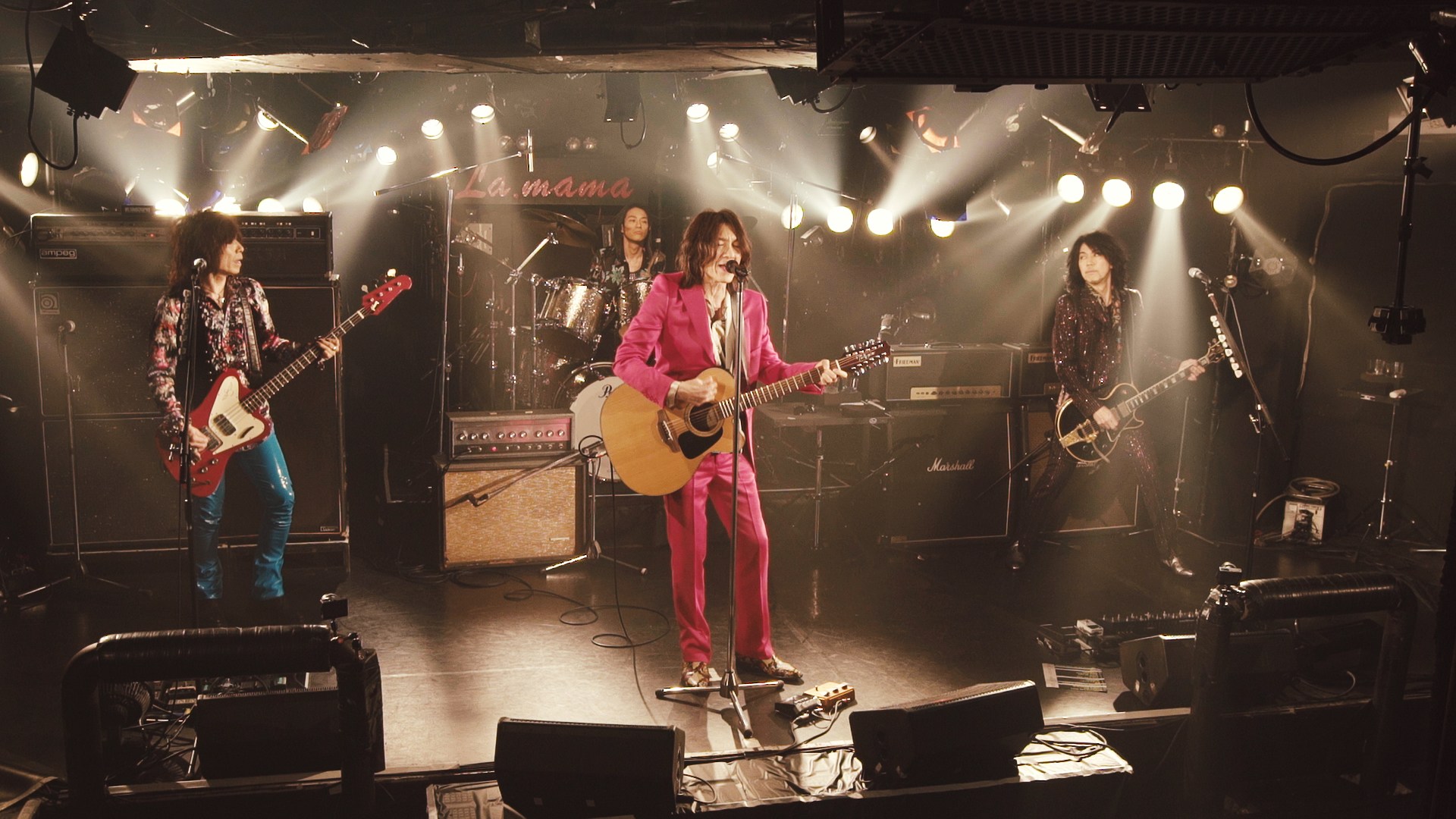
  • Mother I’ve Pretty Much Forgotten Your Face – fascinating documentary following Michiru Endo, the lead singer of one of Japan’s most high profile ’80s punk bands, The Stalin, still on tour at 60 when the Great East Japan Earthquake strikes. Screening at Rotterdam only , Sept. 24, 9.30pm.
  • Start Line – Ayako Imamura, who was born deaf, charts her long distance bike ride. Screens at Rotterdam only, 21st Sept. 9.30pm.  

Anime

napping princess stillThere’s no shortage of animation either with four new releases including the award winning In this Corner of the World, and Studio Ghibli classic Princess Mononoke.

  • Ancien and the Magic Tablet (AKA Napping Princess) – The latest from Ghost in the Shell’s Kenji Kamiyama, this family friendly, sci-fi infused tale follows a young girl’s attempt to stop an international conspiracy from within her dreamworld. Review. Screening at Rotterdam only, 21st Sept. 7.15, 22nd 7.15pm.  
  • In This Corner of the World – Award winning animation from the director of Mai Mai Miracle following the early life of a young woman of Hiroshima during the war. Review. Screening at Rotterdam 22nd Sept., 2pm, 23rd Sept. 4pm, and at Amsterdam on 1st Oct. 5.15pm.
  • Princess Mononoke – Classic Studio Ghibli animation features in the festival’s Kyushu focus. Screening once only at Rotterdam, 24th Sept. 5pm.
  • A Silent Voice – Heartrending tale of a girl with hearing difficulties and the boy who bullied her. Review. Screening once only at Rotterdam, 23rd Sept. at 7pm.
  • Your Voice – High school girl Natsuki is unsure what to do with the rest of her life until she wanders into a radio station and enjoys a stint as a DJ leading her to wonder if her grandmother’s stories of spirits from other worlds could really be true. Screening at Rotterdam only, 23rd September, 2pm, and 24th Sept, 3pm.

WARM-UP @ WORM: concert + movie

GUI AIUEO-S A STONE FROM ANOTHER MOUNTAIN TO POLISH YOUR OWN STONE stillTrippy psychedelic road movie, Gui aiueo:S A Stone from Another Mountain to Polish Your Own Stone, produced by and starring Gui aiueo:S, will screen at WORM Rotterdam alongside a live performance from Krautrock band Minami Deutsch on 15th Sept. as a special warm-up event.

The festival will see two more live concerts by Yasuhito Arai and Noriko Tujiko whose film Kuro is also playing in the festival, as part of a series of special events including beer tasting, sencha and miso workshops, and the film brunch.

Full information on all the films as well as ticketing links can be found on the official website. You can also keep up to date with all the latest news via Camera Japan’s official Facebook page, Twitter account, and Instagram channel.

Follow our ongoing coverage and find reviews for all the films covered so far in our Camera Japan 2017 category.