Carlos (カルロス, Kazuhiro Kiuchi, 1991)

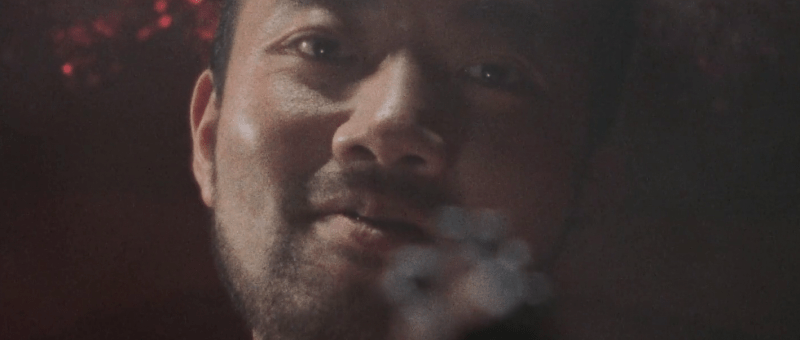
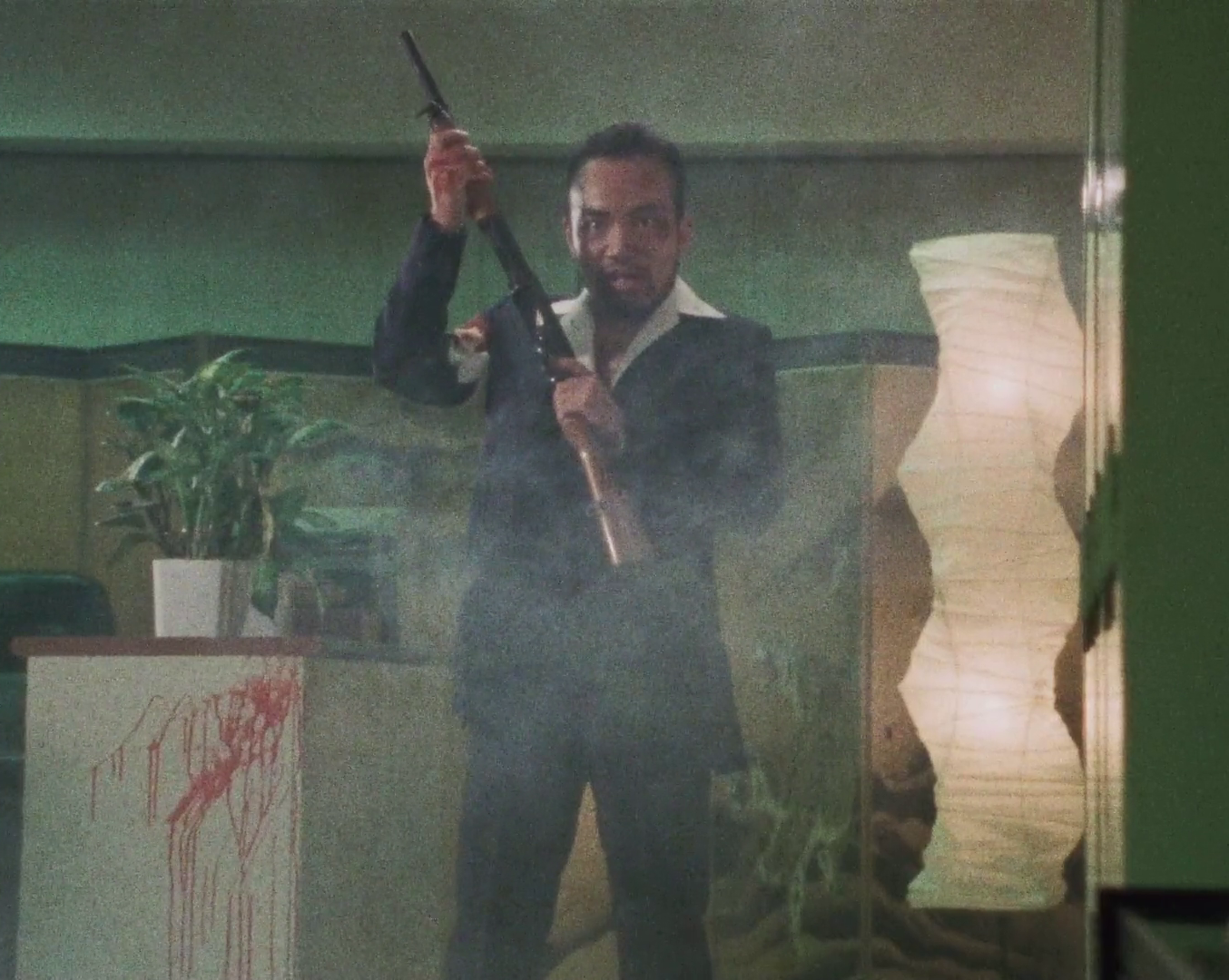
Fleeing a gang war with Columbian drug lords, a Brazilian gangster of Japanese descent tries his luck on the mainland but finds himself a perpetual outsider who can’t get himself taken seriously in Kazuhiro Kiuchi’s moody adaptation of his own manga, Carlos (カルロス). Owing a little bit to Brian De Palma’s Scarface, the tale takes place in a Japan mired in hopelessness and despair amid the spectre of economic collapse, while Carlos tries to play one gang off against another to exploit the terminal decline of the old school yakuza.

What we have here is a succession crisis. The Yamashiro boss (Minoru Oki) is planning to step down due to ill health though in the middle of a long-running dispute with the Hayakawa gang. When two of their guys are randomly killed, they assume only Hayakawa could be behind it little knowing that Carlos (Naoto Takenaka), a Brazilian-Japanese gangster on the run in Japan after killing eight policemen in a gang war in Brazil, killed them because they thought they didn’t need to obey the rules of the underworld with a “foreign” gangster. “We don’t need to treat those Brazilians as equals,” one says while already late to their appointed meeting. They haven’t paid Carlos for the guns he sold them, and when challenged, try to intimidate him into giving them away for free. But Carlos is sick of being intimidated and bumps them off himself. 

Carlos faces constant microaggressions about not being Japanese enough, though he speaks the language fluently without an accent. “Your crude taste doesn’t fly in Japan,” a yakuza tells him, criticising his outfit for being too informal when yakuza of this era generally dress in fancy suits and style their hair with military precision. That’s not really something that bothers Carlos, but he’s annoyed to be so easily dismissed and it’s true enough that he’s being used because they think he’s disposable. Not only is he not a “yakuza”, but as they don’t see him as Japanese either, they don’t need to accord him even the dignity they’d grant to a gang member. When Katayama hires Carlos to knock of his rival for the succession, Sato, he’s pissed off when Carlos takes things too far and puts on a show that threatens to blow the whole thing wide open by massacring Sato’s guys at baseball practice. To a man like Katayama, this is total idiocy and attributable to Carlos’ foreignness, both in his capacity for unnecessary violence and his lack of understanding of the rules of Japanese gangsterdom.

But the one place Carlos and his brother Antonio are fully Japanese is in the home of his aunt who also migrated from Brazil and their Japanese-born cousin Tomomi. Carlos’ aunt refers to them both by their Japanese names, Shiro and Goro, and cooks them Japanese food like sukiyaki. This pleasant domestic environment seems to represent a more settled life Carlos could have found outside of a crime family, especially as his brother Antonio grows closer to Tomomi, but there are also hints of darkness in his uncle’s early death from cirrhosis of the liver which suggests he may have had a hard life in Japan and taken to drink. Nevertheless, his aunt seems to have made a nice life for herself and her daughter and is overjoyed to expand her family by welcoming Carlos and Antonio.

Yet this sort of life seems outside of Carlos’ reach while he continues to play the yakuza gangs off against each other while simultaneously longing for some kind of recognition and almost willing them to figure out it was him who killed Sugita and Yano, the obnoxious Yamashiro guys. Meanwhile, the weakened yakuza have also turned to a foreign hitman, a brooding and robotic American who lacks compassion or compunction and unlike Carlos seems to be a mindless killing machine. When Carlos bests him, it’s an eerie moment echoing Blue Velvet as his body rocks and then falls. By contrast, when Carlos fights his way to the head of the Yamashiro gang, Yamashiro gets puffed up and draws his sword swearing he’ll teach Carlos what a mistake it is to underestimate the Japanese mob, only Carlos simply shoots him in a moment of clear victory over this outdated adherence to a traditional code. Nevertheless, it’s clear that Carlos can’t win here either and there is no room in Japan for a man like him. His only option is to go out all guns blazing as a means of validating himself as a force to be reckoned with, someone who was worthy of attention and of being taken seriously. Shot by the legendary Seizo Sengen, Kiuchi’s manga-informed compositions dissolve into visions of loneliness and despair but in its final moments reaches a crescendo of defiance if discovered only in futility.
Queer Japan (クィア・ジャパン, Graham Kolbeins, 2019)

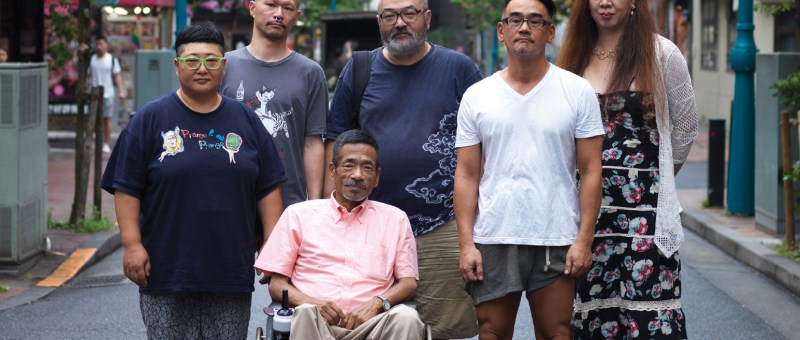
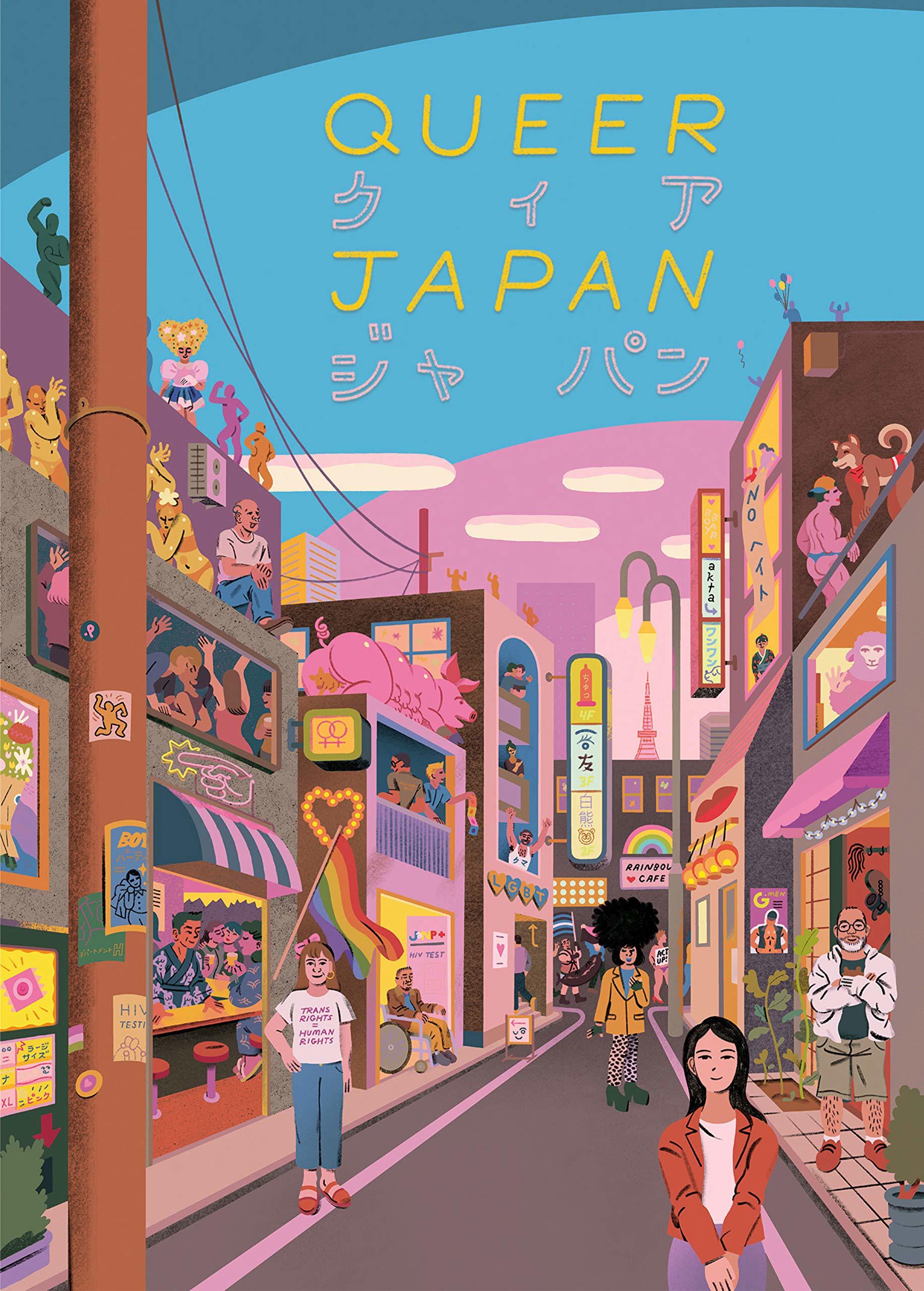
Japan has in recent years become a much more progressive place in which LGBTQ+ rights continue to advance though hopes that hosting the Olympics would finally provoke a shift in the political reality ultimately came to nothing with anti-discrimination and national equal marriage legislation still pending. Released in 2019, Graham Kolbeins’ comprehensive documentary Queer Japan (クィア・ジャパン) as its name suggests explores the lives of ordinary people across the spectrum of the LGBTQ+ community yet cannot perhaps avoid falling victim to, as one interviewee points out, a certain degree of exoticisation even while demonstrating the diversity present with the community itself.

Nevertheless, Kolbeins is keen to stress the warmth and solidarity found with the various subcultures he explores such as that surrounding Department H, a costume fetish ball at which all are welcome from gay furries and puppy play enthusiasts to avantgarde artists such as a young woman whose multi-person rubber pig giving birth is notable inclusion. As the club’s hostess, drag queen Margarette, points out the fetish scene often transcends ideas of gender, the club providing a totally safe, inclusive, and relaxed place where anyone can come to be themselves and find acceptance. 

That has not always been true when it comes to other aspects of the community as evidenced by the controversy surrounding lesbian bar Gold Finger which came under fire some years ago for refusing admittance to transwomen under its longstanding women only policy. Interviewed here Chika Ogawa outlines her original reluctance to admit transmen who had previously been frequent customers prior to transition but eventually reconsidered to team up with another group to host an evening geared towards transmen and masculine women as a place where the community can come together. 

As explained by activist Fumino Sugiyama, it is legally possible to change one’s gender in Japan though the conditions are somewhat draconian and require the surgical removal of reproductive organs which some have viewed as a breach of fundamental human rights. The change in the law was largely due to Japan’s first transgender lawmaker Aya Kamikawa who outlines how difficult her life had been unable to change her gender on her family register creating problems when trying to rent an apartment, access healthcare, or gain employment. She admits that the law passed was very strict, but laments the limits of what is possible under the current LDP administration and its ultraconservative outlook as evidenced by gaffe-prone politician Mio Sugita’s characterisation of the LGBTQ+ community as “unproductive” and therefore not deserving of social benefits. 

Pioneer of gay manga and G-Men co-creator Hiroshi Hasegawa remarks that the oppression faced by the community in Japan is often less direct than it might be elsewhere operating largely through societal shaming and a conformist social culture. Kolbeins discovers this to be true on visiting other cities such as Naha, Okinawa, where a cheerful dentist reveals that he only embraced his love of dancing at the age of 33 and spoke to no one for two years after receiving a bad reaction to coming out during university. Nevertheless, in the face of this indirect oppression the community has developed a sense of comprehensive, intersectional solidarity often coming out to counterprotest racist prejudice against ethnically Korean citizens and discovering that the anti-racist straight community often comes to Pride to support them in return. Bearing out this spirit of intersectionality, Queer Japan is fully subtitled in Japanese throughout while a deaf LGBTQ+ activist highlights the importance of proper sign language interpretation which is familiar with the community.

Even so, Japan’s LGBTQ+ community is subject to the same concerns as many others from around the world one Pride goer criticising the increasing commercialisation of the event, sympathetic that some degree of sponsorship is necessary to hold a celebration on this scale but also that you need to be accountable. Meanwhile a young trans person objects to the celebratory atmosphere insisting that all they want is to feel safe using the bathroom, love can wait. There is clearly work to do, but also much already accomplished one vox popper enthusiastically listing all of his various fetishes with thinly concealed glee while making a serious point about normalising condom usage. Featuring internationally well-known figures such as gay erotic manga pioneer Gengoroh Tagame alongside activists and ordinary members of the LGBTQ+ community, Kolbeins’ handsomely lensed doc showcases the diversity of queer life in Japan while never losing sight of the battles still to be won. 


Queer Japan screened as part of this year’s Queer East.

Original trailer (English subtitles)