Useless (无用, Jia Zhangke, 2007)

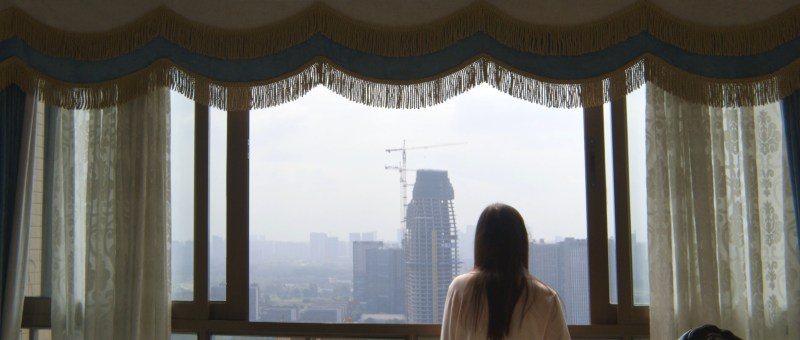
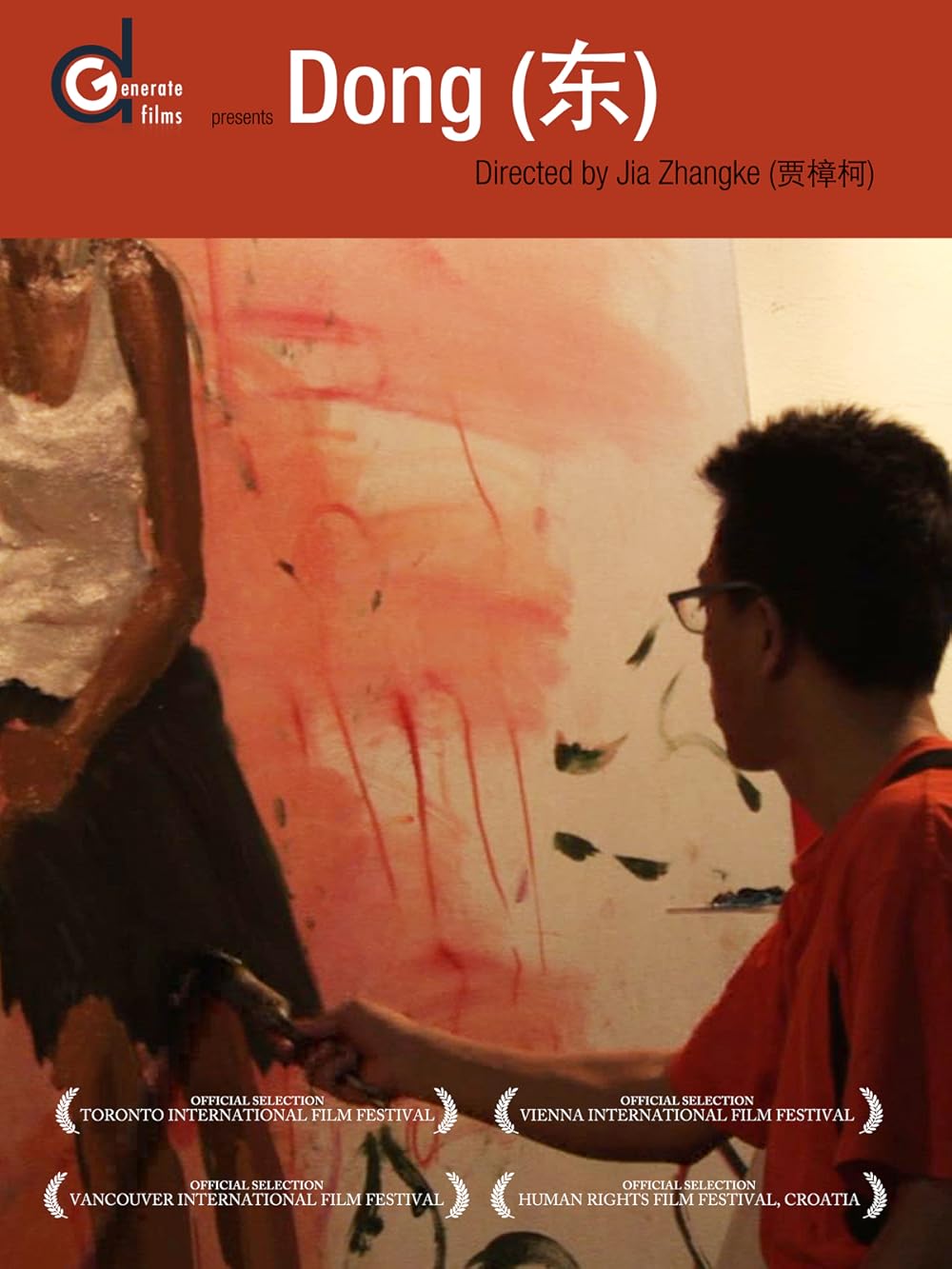
Perhaps in no other medium does the relationship of art and utility present itself quite so much as in fashion. As the primary subject of Jia Zhang-ke’s Useless (无用, wúyòng), second in a trilogy of films examining Chinese artists, points out China is the world’s largest manufacturer of textiles. Yet until she took it upon herself to found one, it had no fashion label to call its own. Travelling from the garment factories of Guangdong, to the artisan studio of Ma Ke, and bright lights of Paris Fashion Week, before arriving firmly back in Jia’s hometown of Fenyang with its independent tailors and the miners who frequent them for repairs and alterations, Jia zooms in to the modern China probing the divides of art and industry in an increasingly consumerist society. 

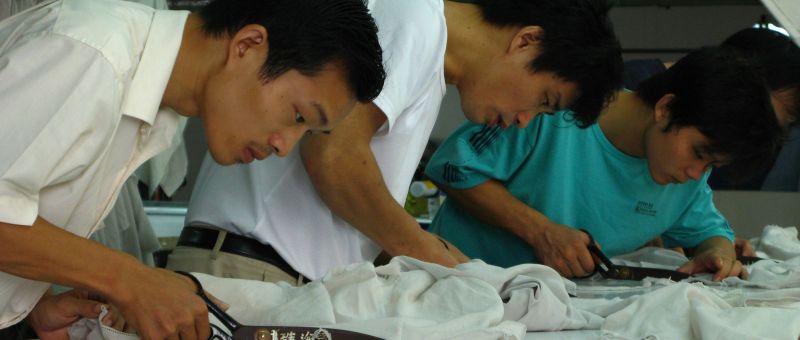
Jia begins with a lengthy pan across a strangely silent factory floor, seemingly a relic of a previous era. The workers dine in a quiet cafeteria they have to squeeze through a gate which remains locked to enter, and have access to an on-site doctor. They get on with their work quietly without overseers breathing down their necks and do not seem unhappy, oppressed, or exploited, at least as far as the camera is permitted to see. The camera hovers over the label of a just-completed garment which belongs to Exception, the fashion store launched Ma Ke in the mid-90s, ironically she says as a reaction against mass-produced, disposable fashion. 

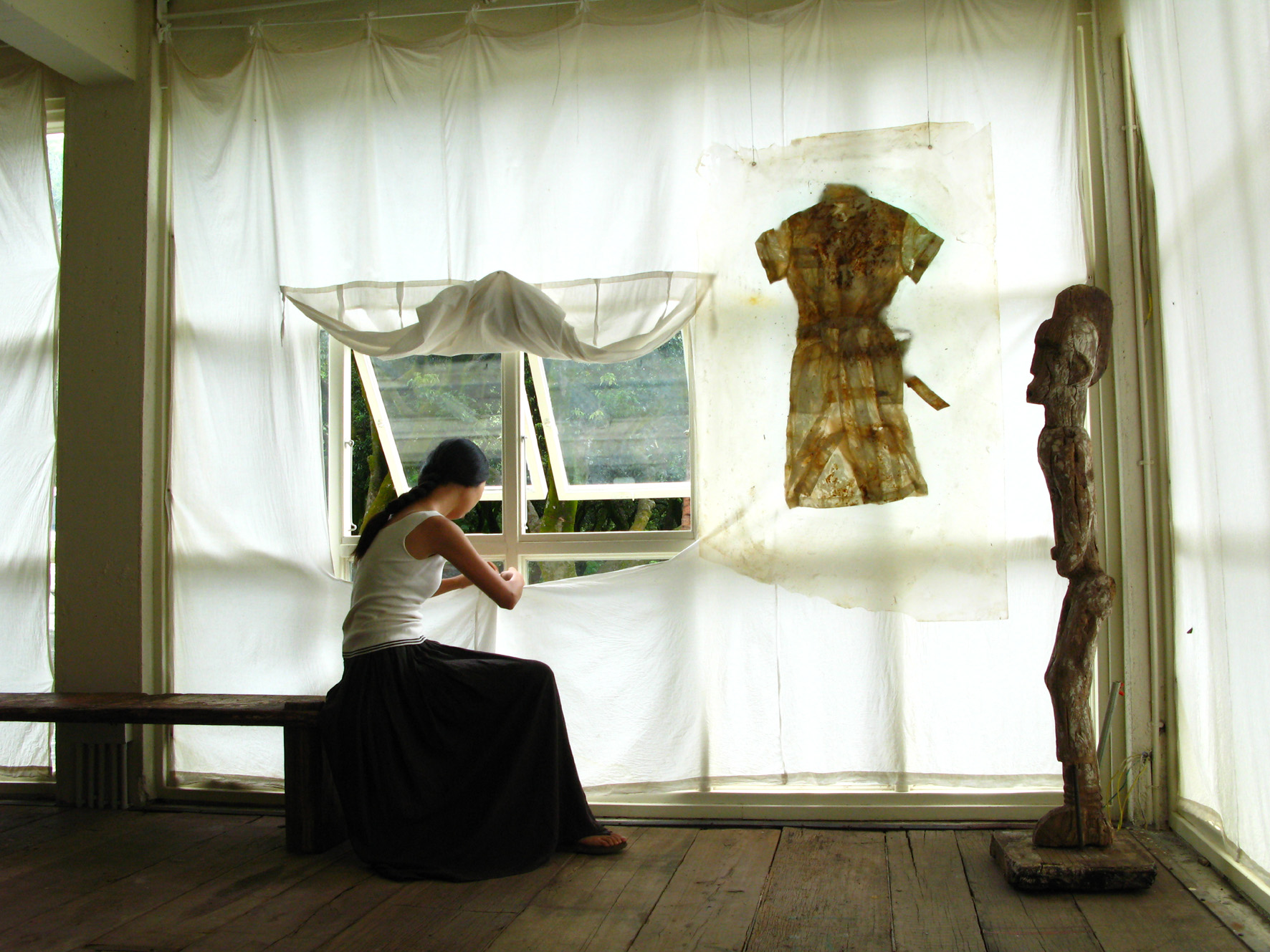
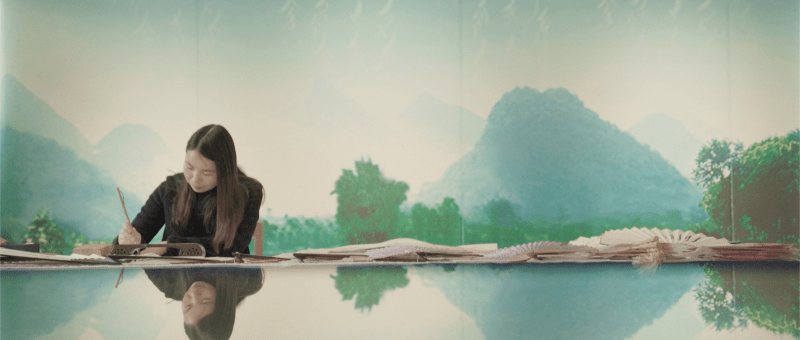
Nevertheless, as she points out, you can’t be free to experiment when you’re a recognisable brand with a clear place in the market, which is why she started an artisan side label, “Wu Yong” meaning “useless”, hinting at her desire to find a purer artistic expression within the realms of fashion design. For the camera at least, Ma Ke casts an eye over her atelier like a factory foreman, though her studio space is a million miles away from the Guangdong factory, though borrowing the aesthetics of the early industrial revolution. Her employees weave by hand using antique looms, Ma Ke reflecting on the differing relationships we might have to something made by hand which necessarily carries with it the thoughts and emotions of the maker, and that made “anonymously” in a factory. Yet these designs are crafted with concerns other than the practical in mind, Ma Ke travelling to Paris to exhibit them in a living art exhibition that, in some senses, repackages the concept of Chinese industry for a Western palate. 

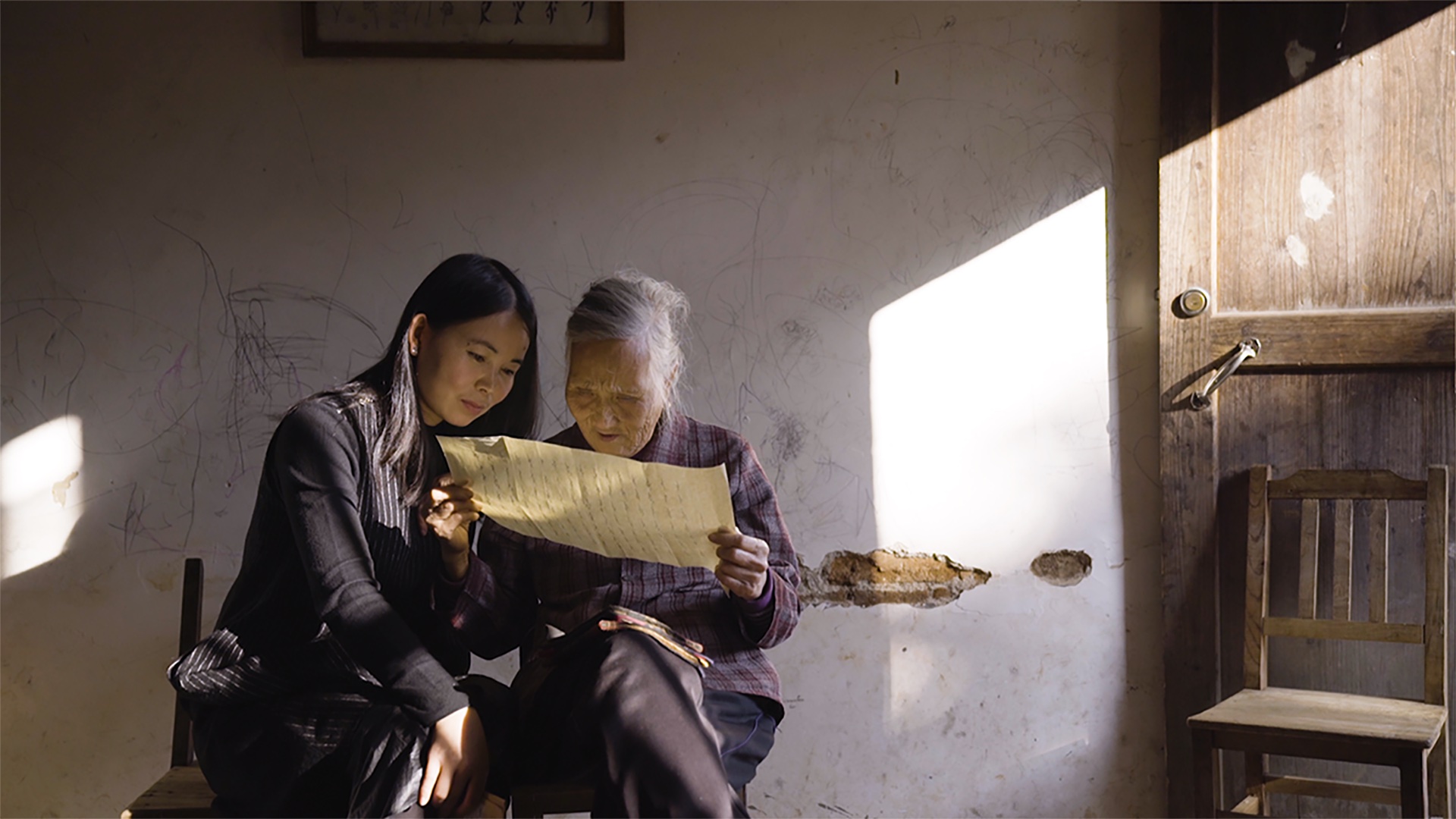
It’s Ma Ke, however, who guides Jia back towards Fenyang, explaining that she likes to travel to forgotten, small-town China where she describes familiarising herself with these other ways of life as akin to regaining a memory. In the dusty mining town he follows a man taking a pair of trousers to a tailor to be repaired, perhaps something unthinkable in the consumerist culture of the cities where clothing is a disposable commodity to be discarded and replaced once damaged. Jia spends the majority of the sequence in the shop of a pregnant seamstress who loses her temper with her feckless, drunken husband while seemingly supporting herself with this intensely practical art. Yet it’s in her shop that he encounters another woman also after alterations who explains to him that her husband was once also a tailor but found his business unviable and subsequently became a miner instead. Like Ma Ke he laments the effect of mass production on the market, knowing that a lone tailor cannot hope to compete with off-the-peg for cost and convenience. As we watch the miners shower, washing the soot from their flesh, we cannot help but recall Ma Ke’s avant-garde installation with its faceless, blackened figures, nor perhaps the workers at the factory visiting the doctor with their various industrial illnesses. 

Objects carry memories according to Ma Ke, they have and are history. The clothes tell a story, every stitch a new line, but they also speak of the contradictions of the modern China in the push and pull between labour and exploitation, art and industry, tradition and modernity, value and consumerism. Yet Jia leaves us with the figure of the artisan, patiently pursuing his small, functional art even as they threaten to demolish his studio around him. 


Mistress Dispeller (以爱之名, Elizabeth Lo, 2024)

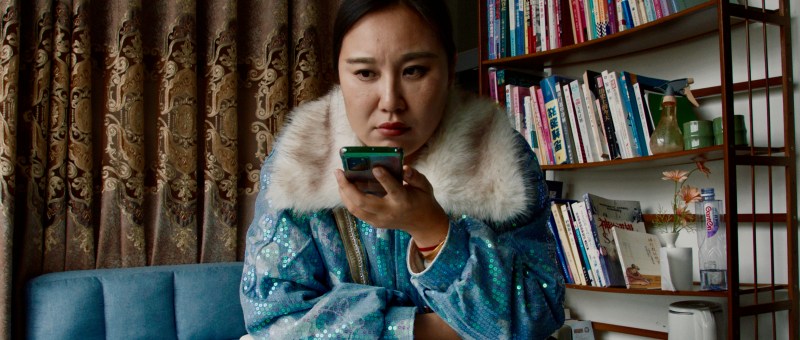
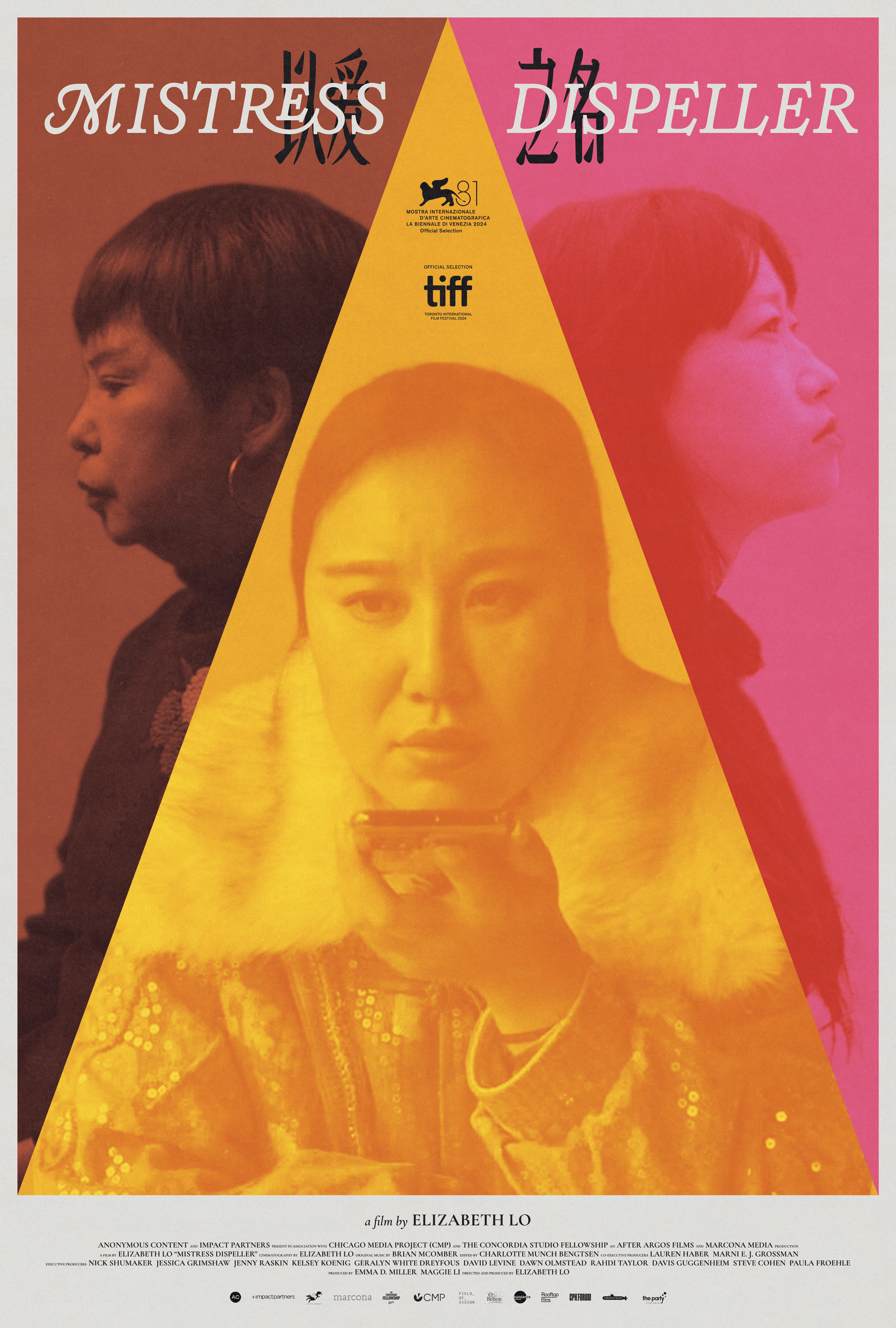
Can a relationship ever recover from infidelity? Elizabeth Lo’s mainly observational documentary follows one of China’s many “mistress dispellers”, which is to say an intermediary who attempts to halt affairs and repair families. While it’s tempting to view their existence as morally censorious, Teacher Wang’s approach at least leans towards empathy and as she says is geared towards encouraging the unfaithful partners to want to return to their spouse of their own volition rather than punishing them for what others may consider immoral behaviour or forcing them to do the “right” thing by staying in a marriage that may not be working.

In fact, she has a lot of empathy for the mistress at one point suggesting that she is most likely the person suffering the most in this situation because she is trapped in an incomplete, unfulfilling relationship which has no real possibility of coming to fruition. The conclusion she comes to about Mr Li’s mistress Feifei is that she is most likely just lonely while she herself later reflects that she gravitates towards relationships with unavailable men because of low self-esteem, feeling as if she does not really deserve a full relationship or all of someone’s love. 

The documentary in part links this sense of inadequacy to China’s contemporary marriage mores in which it is very much a buyer’s market and women are considered to have passed marriageable age in their mid-20s. 30-something Feifei feels she has little chance of striking a striking a connection with an eligible bachelor and is relegated to the realms of mistresses while brief flashes to dating agencies and parks where people place ads for potential matches suggest that divorcees and widowers with children maybe the only realistic options for a woman in her position. A lady answering the phone in a matchmaking agency remarks that she’s glad her client is based in Beijing because she’s simply too tall to find a willing match in the local area.

That aside, it might be difficult to see what Feifei sees in Mr Li, a typical middle-aged gentleman she describes as kind and affable. It doesn’t seem that money is a factor in their relationship, nor is she a kind of status symbol for Li who says that being with her is like being in the sun while it’s clear he’s become bored with the mundanity of domestic life. Though materially comfortable, the long married couple appear to have grown apart despite Mrs Li’s conviction that their relationship had previously been close and harmonious to the extent that they were the envy of their friends.

Of course, from her position there is a sense of humiliation and betrayal along with anxiety surrounding her living circumstances and husband’s future plans. She enlists Wang on her younger brother’s recommendation and submits herself to her process which involves introducing her as a “friend” and engineering a series of scenes which allow Teacher Wang to probe Mr Li to figure out his feelings surrounding his affair. In some ways, the process of the documentary is similar. Lo states that Mr Li and Feifei were brought on board believing they were taking part in a documentary about modern love but repeatedly reconfirmed their consent as the film evolved. 

Feifei herself begins to wonder if something’s afoot, feeling as if Teacher Wang, whom she believes to be Mr Li’s cousin, is somehow guiding them but also grateful that she seems to be helping her. We can sense the potential influence of the documentary in Teacher Wang’s anxiety on bringing the wife and the mistress together, explaining that people don’t generally agree to this and it’s not part of her usual process. Nevertheless, it rejects the potential sensationalism of the situation for a more rational discussion from each of the women’s perspectives bringing a sense of closure to both. This is the only real time we become aware of the film crew behind the camera which otherwise sits statically with incredible access to the discussions between all parties lending their honesty an uncanny quality. Even so, with the situation resolved in the best possible way, it seems that no one is really happy even as the Lis attempt to rebuild their relationship and Feifei attempts to move on. Lo hints at the pressures of the contemporary society from outdated patriarchal social codes, a lack of respect for women in general, lingering legacies of the One Child Policy, and the looming authoritarianism of the state, but finally comes down to three lonely people desperately seeking fulfilment but united only in their aloneness.


Mistress Dispeller had its world premiere at this year’s Venice Film Festival.

Original trailer (English subtitles)

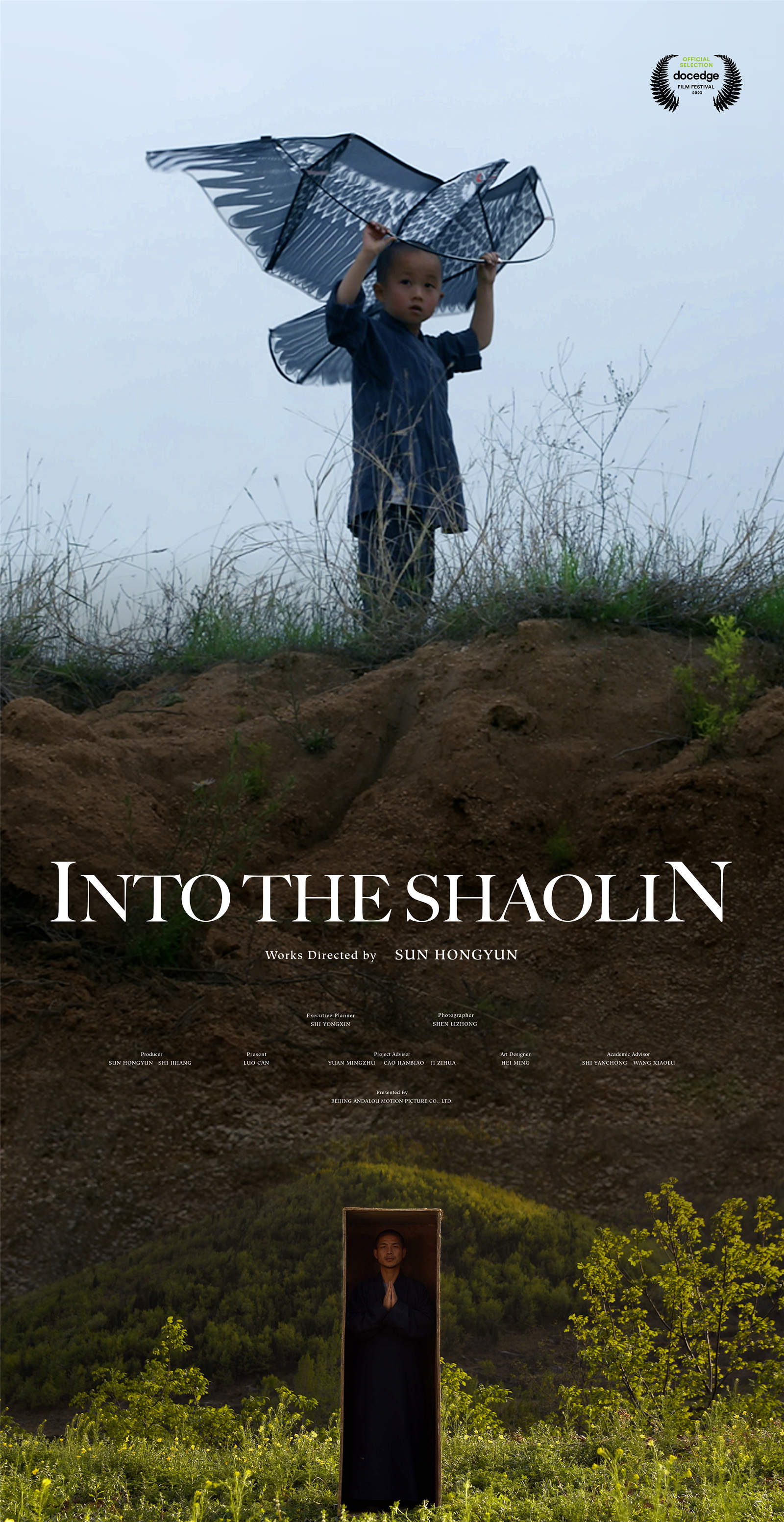
Into the Shaolin (在少林, Sun Hongyun, 2023)

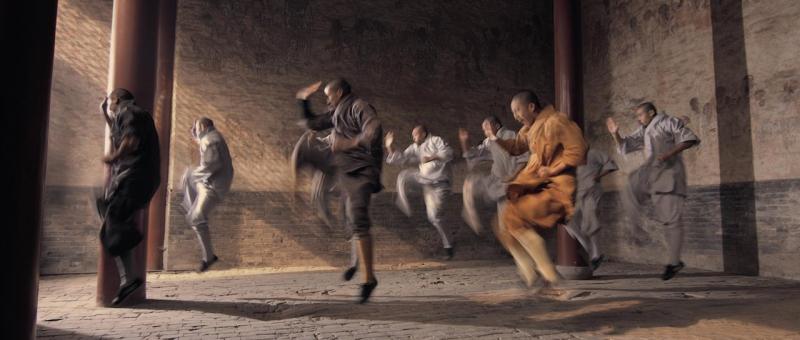
Like many of the monks at the centre of Sun Hongyun’s documentary Into the Shaolin (在少林
zài Shàolín), our associations with the name are almost exclusively tied up with martial arts movies. Yet as they discovered on entering the temple, it’s not all about kung fu which to some at least came as a disappointment when they were still novices tasked with performing ordinary chores. Then again, many of them do not necessarily anticipate being monks all their lives and so long spent in contemplation leaves them with few other ways to support themselves in the secular world other than through leveraging their martial arts training.

As we can see, many monks come to the temple in childhood often to escape poverty or because they were thought to be troublemakers at home. Sun follows the little monks with empathy, capturing both their mastery over the craft at such a young age and the pain and difficulty it often causes them raising series ethical issues over whether it is right and fair to expect so much from small children who often cry in pain or frustration. Others also remark that they miss their parents having essentially been sent away though one boy explains that his mother managed to get a job nearby so that she can still spend time with him and observe his training.

It’s these familial ties that present the strongest contradictions to the monks and bind them more fully to the secular world. One young man who came to the temple for lack of other options contemplates remaining there for the rest of his life and is a little resentful that even at 18 he still has to get the permission of the grandparents who raised him to go on a mountain retreat. The grandparents, who lost their son, his father, in a workplace accident they believe caused by overwork, want nothing more than for him to get married and start a business and so they flatly refuse to allow him to go on being a monk forever instructing him not to bother contacting them again if that’s what he plans to do. 

But then as others have said, being a shaolin monk doesn’t teach you how to live in the secular world and gives you few transferable skills that would allow you to support yourself. An older monk explains that most of the monks who came to the temple at the same time as him have left but almost all still work with martial arts in some capacity as there’s nothing else for them to do. Even so, the little monks talk of doing other things with their lives once they grow up one hoping to become a soldier defending China and another a movie star. Many came to the temple specifically because of their love of kung fu films starring Jet Li, Donnie Yen, or Wang Baoqiang who himself trained in Shaolin martial arts. 

Others meanwhile have found serenity in the rhythms of the temple and may no longer be suited to living outside of it. The show the boys are preparing utilises a series of boxes of the kind they usually sleep in which as one monk admits to the untrained eye closely resemble coffins but as he puts it no one really needs much more space than their body naturally occupies and it doesn’t really matter where they sleep. Of course, to those in the secular world those things mean a great deal and there’s probably a big difference between a box at the temple and one on the street. Another monk reflects on the shaolin name which means “few trees” though at the temple few is a lot and less is more. He thinks that it’s a fallacy to consider a “return” to the secular world because the true “return” is to your true self which you only discover by leaving home. 

That might be a sentiment shared by a Serbian doctoral student staying at the temple while researching her thesis and in particular the concept of “Chan”. Offering her own insights as a foreigner living at the temple she reflects on the differing attitudes to nature found in China while she seems to be the only woman currently in training. She remarks that it might be odd to call a temple home but that’s what it’s been to here even as she prepares to leave it. Sun’s documentary has an ambivalence to it, at once admiring of the monks in their asceticism, but also somewhat sad not only for their inability to escape their suffering, merely exchange one kind for another, but also for the predicament they my find themselves in should the time come to leave the temple whether by their own will or otherwise.


Into the Shaolin screened as part of this year’s DOC NYC and is available to stream in the US until Nov. 26.

Trailer (English subtitles)

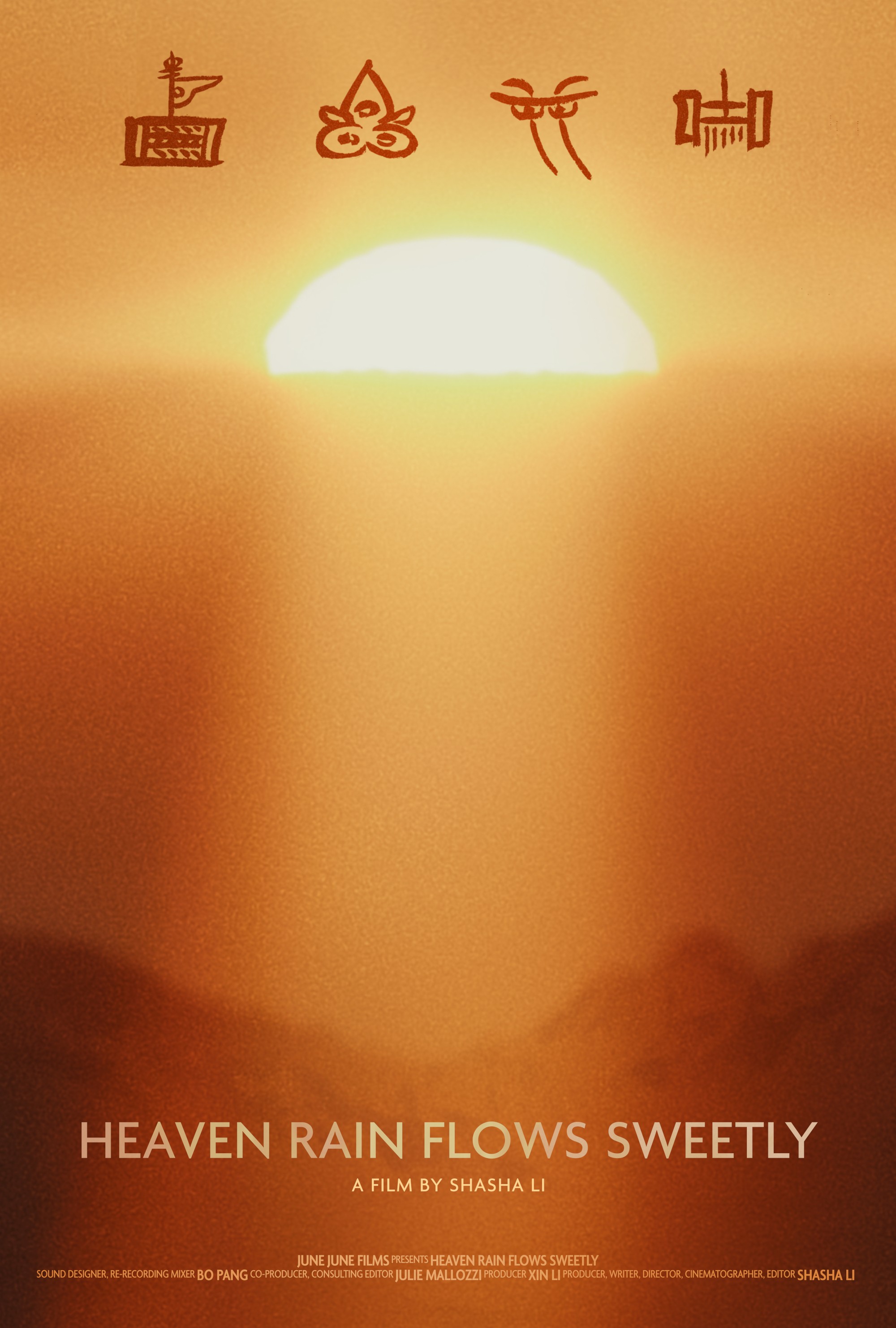
Heaven Rain Flows Sweetly (Li Shasha, 2023)

In her personal essay film Heaven Rain Flows Sweetly, Li Shasha finds herself meditating on her rootless life and traditional attitudes to the natural world when confronted firstly by ecological disaster and then by global pandemic. In the traditional culture of the Nakhi People among whom Li grew up in the remote landscape of the Himalayas, they say there was once a war between humanity and the spirits because humanity took too much from the Earth and gave nothing in return. As wildfires rip through Oregon where she handled settled and begun a garden, she wonders if we haven’t reneged on our bargain and are paying for our lack of regard for nature.

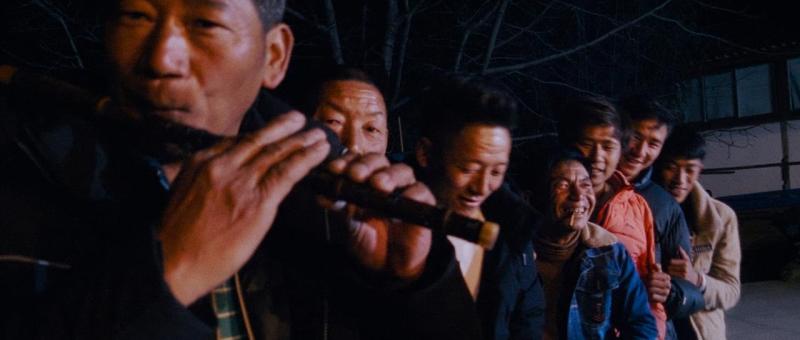
On a return to the US, it suddenly seems odd to her that grasshoppers and frogs appear only as motifs on shop window displays amid the grey concrete of the cities. As child, she had taken part in rituals honouring fire but now sees its terrifying potential as the world around her is reduced to ashes. In the wake of disaster, she pays a visit home to see the grandmother who raised her while her her own mother studied abroad but encounters a different kind of destruction as the village she once new has become a living museum. Now designated a UNESCO World Cultural Heritage Site, most of the original residents have moved away and rent their traditional-style homes out to the throngs of tourists which now descend on the region. Wandering around the town she sees a bustling night life scene in which the traditional dance of Nakhi People has been repurposed as entertainment for outsiders drinking in the many bars.

In order to rediscover Nakhi culture she must head further into the mountains, but also observes that this way of life has also been disrupted by encroaching modernity. She finds a little girl who, as she once was, is being cared for by grandparents while her brother and mother work in the city. Her cousin has returned from university for the summer and remarks how much more difficult it is to readjust to rural life than it is become used to urban living. It seems much hotter here than he remembered, he’d never have thought to bring a hat, and given the ongoing drought they now farm corn rather than rice. The young man asks if America is more ecologically friendly than China, which seems like an ironic question but prompts Li into a reconsideration of her own relationship with the natural world along with the uncomfortable reminder that as she walks through America she treads on the land of another displaced indigenous people. 

Li celebrates Lunar New Year with the villagers and only hears of an imminent lockdown and a mysterious new disease that seems again like a kind of rebuke for the way mankind has treated the Earth. Presented with a choice, she can’t decide whether to stay or go and reflects that far from uniting us the pandemic has presented only more division. But then even on her return to the US she finds new ways of being and echoes of a more traditional culture in a local community garden that reminds of the way the villagers live tending to the earth with togetherness and replacing what one takes in a gentle symbiosis with nature. 

Using mainly English when talking about her life in America and Mandarin for that in China, Li laments she knows no Nakhi and has lost touch with her culture which seems to be retreating even further in the face of encroaching modernity. Even so, she begins to reevaluate the balance of her life while asking if it’s already too late or if we, like her ancestors, can find new ways to repair our relationship with nature and learn to live in harmony with it once again. Li’s poetic voiceover lends a touch of melancholy to her exploration of all we’ve all lost in a bid for modernity but also perhaps a note of hope that scorched earth can still be replanted though it may take many hands to do so. 


Heaven Rain Flows Sweetly screened as part of this year’s DOC NYC and is available to stream in the US until Nov. 26.

How to Have an American Baby (Leslie Tai, 2023)

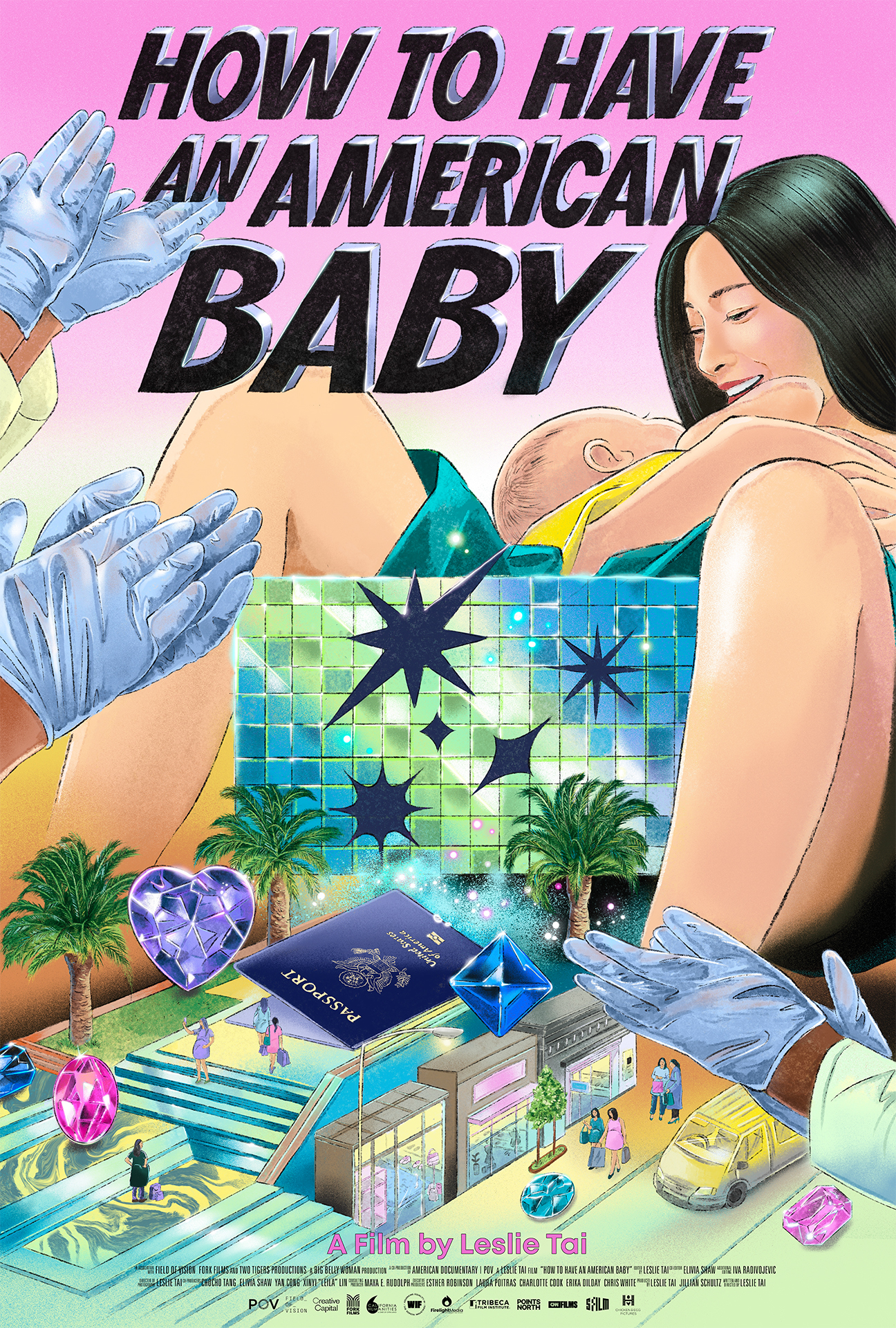
“Mama, why wasn’t I born in America?” a salesman promoting a programme bringing women from China to give birth in the US so that their child will have citizenship rather manipulatively states in an almost certainly made-up quote from a child jealous of another’s life of baseball playing freedom abroad. The never quite explained mystery at the centre of Leslie Tai’s documentary How to Have an American Baby is why exactly so many families find US citizenship so desirable given that they have no immediate intention of living there themselves.

A father later suggests that he was looking for “security”, perhaps implying a sense of anxiety regarding the future direction of China while others insist they want their kids educated in the US presumably to take advantage of more global opportunities (additional press materials also suggest a desire for a legal security not afforded to children born out of wedlock). But it’s also true that the US has shockingly high maternal mortality rates in comparison to the rest of the developed world and that, though it seems they may not have realised it, these women are risking their lives and the lives of their unborn children undergoing an incredibly stressful and difficult period of confinement and later medical procedure usually alone and unable to speak the language. Most of the women appear to be under the care of Mandarin-speaking doctors, yet their manner is often rough and unkind while at least one woman seems to suspect that the advice she’s being given may not be impartial. As non-residents who do not have medical insurance, the parents assume that the hospitals are taking advantage of the Chinese patients and charging whatever they like with rates far higher than locals would typically pay.

One could therefore say that this is a very circular business. The hospitals make their money and they’re happy, while a small industry seems to have arisen with Chinese migrants running maternity hospitals to facilititate this practice. However, largely unable to speak English themselves, they can offer little help in a crisis and as they are operating in a legal grey area are not keen to get involved in any disputes. One woman, Lele, who unfortunately loses her baby she suspects as a result of medical malpractice is kept isolated from the other mothers and given almost no support. In the lengthy birth scene in which one mother undergoes a difficult labour lasting more than a day, the director is called away to translate for Lele with alarming warnings about a baby “coding” and that there is something wrong with their heartbeat all of which only places further stress on the mother giving birth who worries that her own anxiety is the reason the delivery is taking so long.  

Meanwhile, alarm is being raised by residents of the local area in which many of these “maternity hotels” are situated. They complain about increased traffic and noise due to the fact that ordinary family homes are now being used for a commercial purpose though one woman’s suggestion that they report such an innocuous sound as a baby crying (incorrectly assuming the women are also giving birth at the hotel) could obviously have unintended consequences and speaks to a greater degree of ingrained prejudice. A local government representative suggests that beyond instituting checks to ensure building safety there isn’t much they can do as the hotels aren’t breaking any laws or occupancy rules and even if they were they’d just pay someone to lease another property under a different name and set up somewhere else. 

As the salesman had suggested, for some of the women US citizenship is a status symbol and something they’re made to feel they’re denying their children if they chose to give birth to them at home. This process is expensive, and many of the families lead lives far more materially comfortable in China than they likely would in the US yet they see US citizenship as something that will be extremely beneficial to their children and so naturally want to give them the best if also securing their own status in being able to give it to them. Perhaps as one man at the neighbourhood meeting suggests, it’s only “smart” to take advantage of this obvious business opportunity but it’s also true that it’s the families who are perhaps being exploited in being missold a safe and easy path to engineering future possibility for their as yet unborn children. 


How to Have an American Baby screens Nov. 14 as part of DOC NYC and will be available to stream in the US until Nov. 26 before making its broadcast premiere on Dec. 11th on POV.

Original trailer (English subtitles)

Youth (Spring) (青春, Wang Bing, 2023)

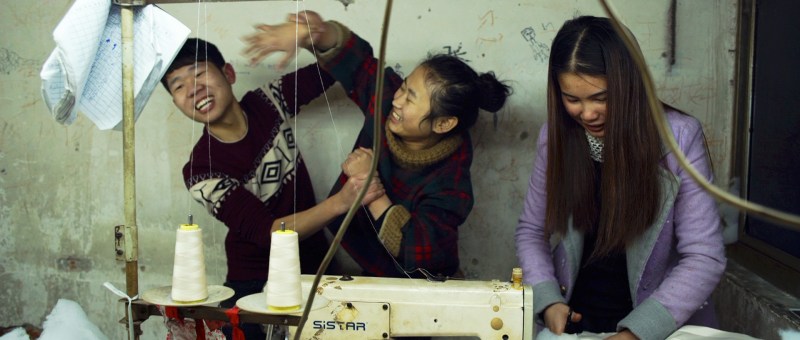
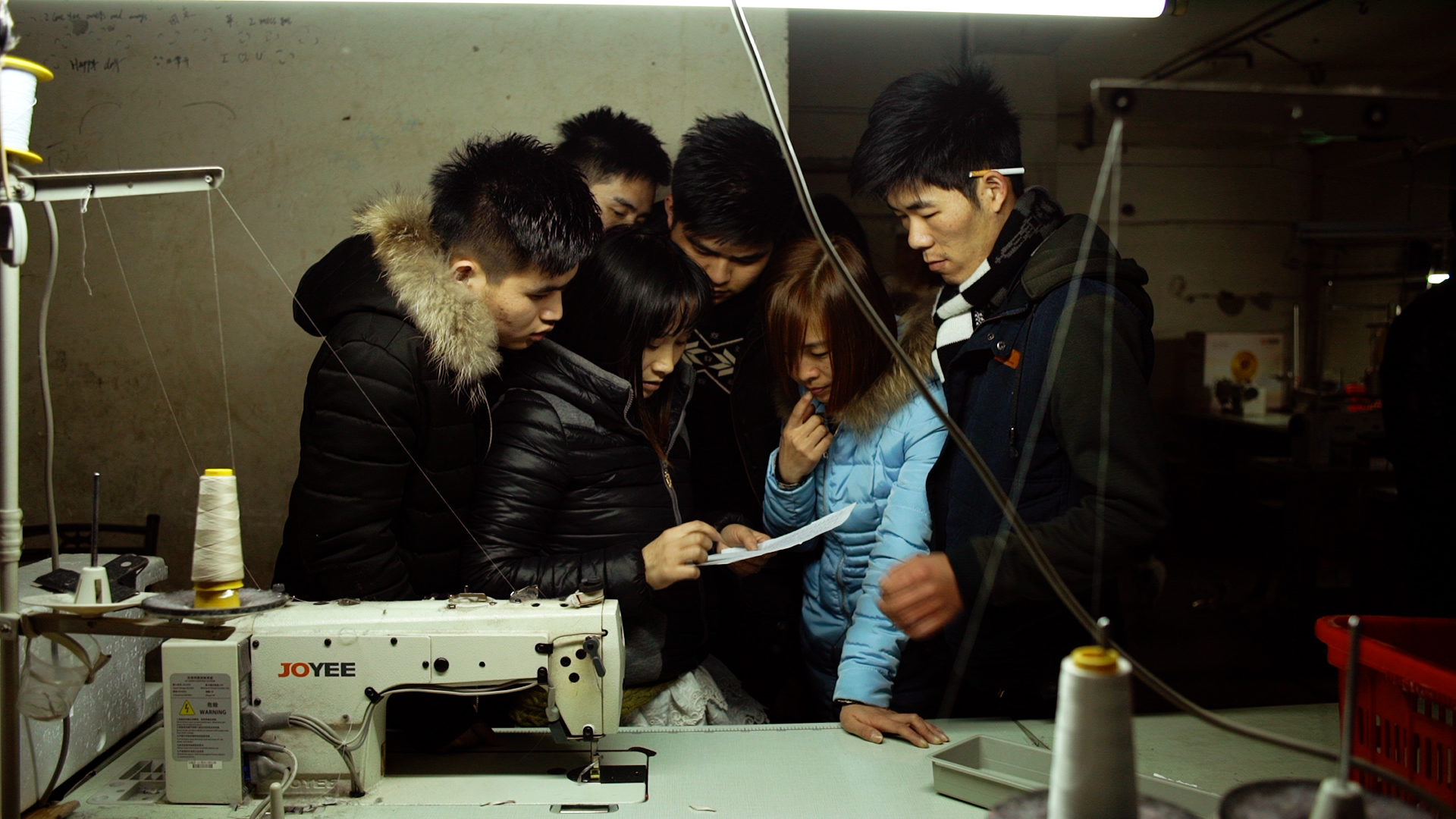
There’s an almost eerie quality to the absence of age in Wang Bing’s sprawling exploration of the Zhili textile industry Youth (Spring). Perhaps for reasons of tact, the ages of older workers, unlike those under 35, are not displayed while they are also predominantly female. One has to wonder where the young men who currently work on the shop floor will later end up if they generally do not stay in this line of work though alternatively it may be further evidence of generational shift in which the young men of 30 or 40 years ago simply did not take up jobs as seamstresses. In any case, the only older men we see here are factory owners and floor managers while the older women are often at the forefront of mostly futile attempts at collective bargaining. 

Many young migrant workers apparently prefer the factories in Zhili because they offer a greater degree of freedom than the large state-run complexes which often micromanage the lives of their employees in almost prison-like conditions. But then it’s also obvious that they struggle and largely cannot earn a living wage despite the long hours they are often forced to put in. One younger worker tries to complain about the lack of overtime pay on offer, explaining that he needs to make at least 4-500 yuan a day and cannot do that without the extra payment but the manager simply tells him that he pays better than other shops and in any case there are plenty of rural youngsters who will be happy to take his job. 

The later part of the film is largely concerned with attempts at collective bargaining led by veteran workers who find themselves frustrated by the system. This kind of work is often seasonal and ironically unavailable in the spring during which many workers return home to their villagers. They are paid on piece rate contracts but the rate is set by the kinds of garments they’re making and they often can’t know how much money they’ll be getting by the end of the season. Consequently they try to work up the rate on certain items while at times resentful of other workers who’ve been able to make more solely because they were assigned different tasks which pay better. The managers give them all the usual excuses, largely refusing to budge or offering only a modest per item increase which as one worker points out will barely make a difference if the quota is small anyway. 

Wang gives more of an overview rather than focussing on a series of individuals but discovers an ironic intersection of the legacy of the One Child Policy and the economic realities of today. At the first workshop, a couple who met on the shop floor experience an unexpected pregnancy. The young woman, Shengnan, seems to be given little choice in the matter which is largely being decided by the respective parents on each side. Because of the additional complications of the residence system (they are each from different districts) the parents both want the couple to move closer to them especially as the boy’s parents are economically dependent on him as they age. Shengnan’s mother puts her foot down and negotiates with the manager to get Shengnan time off for an abortion but he refuses until Shengnan has finished her current quota after which he says he’ll be very happy for her to take some rest at home to get over it though as another suggests, trying to offer comfort, an abortion is just like getting bitten by a dog and then biting back. He does however accept that it’s the girls who suffer while all the men are “little emperors”.

Evidence of sexism is rife. Another worker needles his girlfriend about her job in an overnight internet cafe, telling her that it’s not good for girls and that it might cause acne while seemingly not bothering to think about how his long shifts at the factory might be affecting him. “Women are useless” another man later exclaims despite being largely supported by them in the workplace, not least by his own mother who works in the same factory. The younger workers are often cheerful, messing around with silly banter and constant flirting. It’s not surprising that relationships often arise with people trapped together such long periods of time with little possibility of going out to meet someone else, but they’re also largely impossible given the futility of trying earn enough to support a family through seamstressing. Another man faces a similar dilemma when he discovers his girlfriend has also become pregnant but cannot decide if he wants to get married, worrying about shouldering the responsibility of a wife and child while financially insecure. 

All of which would seem to conflict with a wider anxiety about children not getting married as parents often reject a potential suitor based on low economic status or residency while young men find themselves frustrated unable to envisage a time when they might be financially stable enough to start a family. Meanwhile, the old-style factory dorms are strewn with rubbish and in general depressing in their grey concrete exteriors and poorly lit rooms. An outburst leading to a physical confrontation between workers seems only natural given the fraught conditions though Wang presents it as a howl of despair from a generation trapped between the old China and the new with very little to show for it.


Youth (Spring) screened as part of this year’s BFI London Film Festival.

Huahua’s Dazzling World and its Myriad Temptations (花花世界, Daphne Xu, 2022)

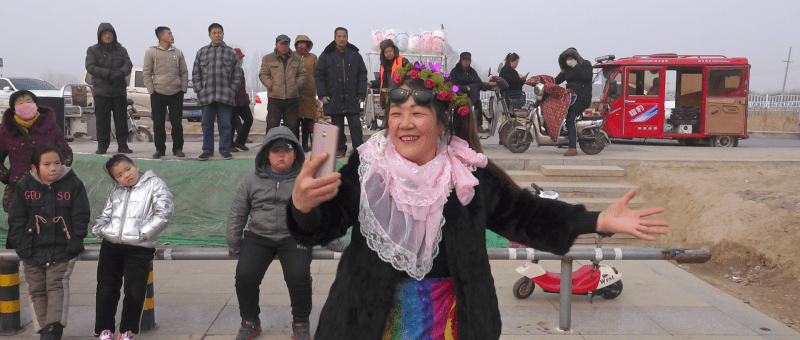
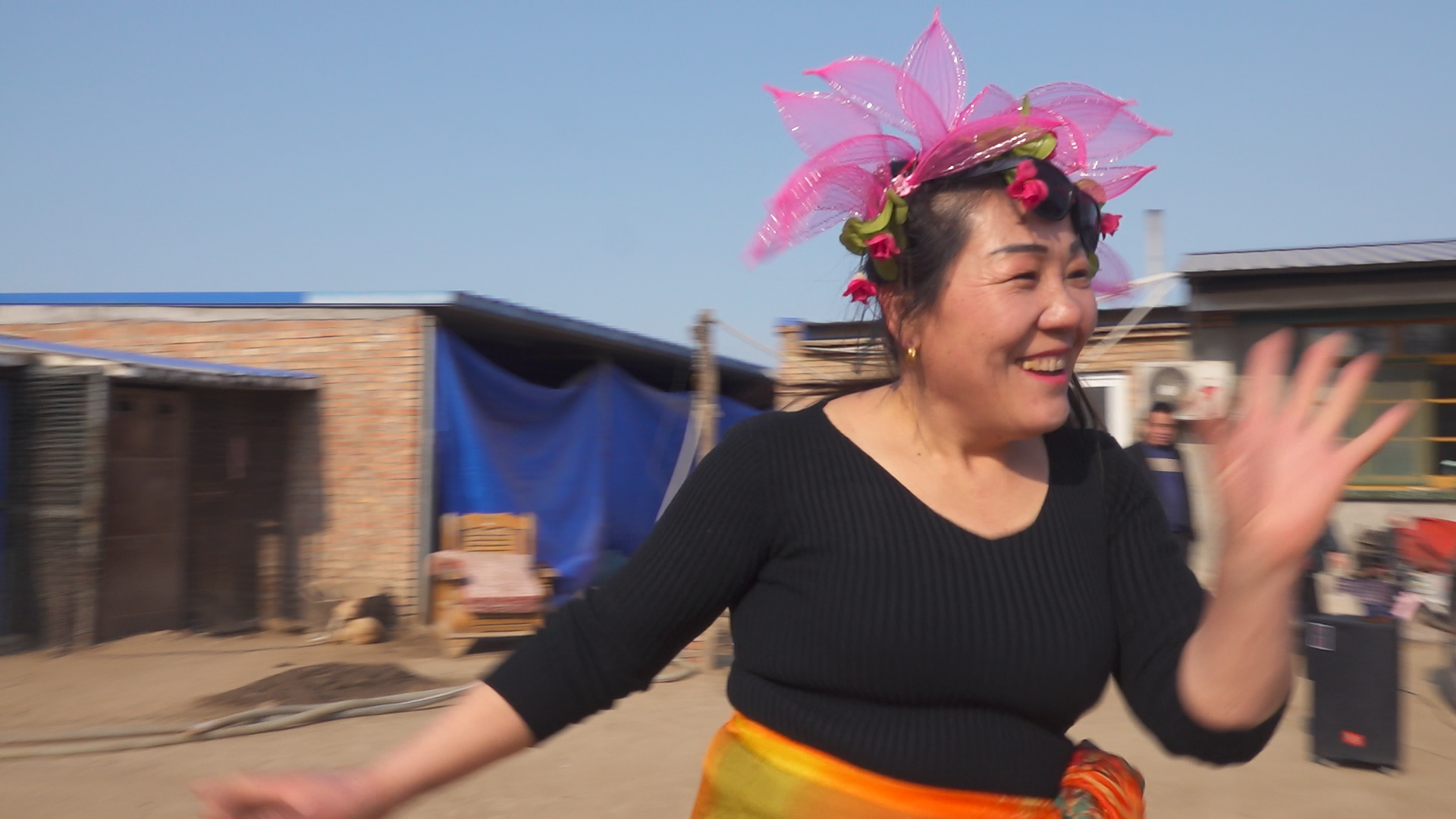
“If there were no live streaming platforms, I don’t think I’d know anyone” a middle-aged grandmother turned unexpected online star admits, laying bare the sense of isolation and impossibility she feels in her life in rural China. Daphne Xu’s largely observational documentary Huahua’s Dazzling World and its Myriad Temptations (花花世界, huāhuāshìjiè) follows Huahua as she goes about her ordinary days, Xu’s camera filming her as she films herself so, she claims, that those like her “won’t lose hope” gaining their own kind of courage in witnessing her optimism and positivity. 

Huahua’s most popular activity is her furious dancing, often wearing a distinctive floral headband if adding a beauty filter to her videos as a means of altering her realities. Reality might not, however, be that far away. During one particular dancing video she suddenly stops and picks up a box of oranges currently on sale at her store and begins peddling them to her followers who often support her monetarily by sending hearts online. As Huahua admits, live streaming is a learning curve for a woman like her who is illiterate and was given little education. While driving home from a nearby commercial area, she emphasises the importance of early education for all children while suggesting that kids from the city learn faster not just because their schools are better resourced but simply because they interact with more people. Children in rural areas might go days without seeing anyone and only have regular contact with the same few family members and acquaintances limiting their ability to learn from each other which also in its way informs her appreciation for live streaming in the community it has given her access to which she might otherwise be denied. 

Meanwhile, she’s clear on the importance of education for women in particular explaining that she’s dedicated to supporting her daughter’s studies so that she will have a better future than she has had not least because she will be financially independent which means she will be at less risk of becoming trapped in an abusive relationship. Huahua’s relationship with her husband seems to that extent to be unhappy, Huahua complaining that she has to cook his meals after working all day while no one cooks for her. During a later live-streaming session, she characterises him as violent but says that she gives as good as she gets suggesting that this is the way she mediates the power differential in their relationship. Then again, she also uncomfortably remarks that women who are killed by violent partners or continue to suffer domestic abuse bring it on themselves by being too “weak” to fight back lending a darker shade to her messages of no-nonsense self-sufficiency in implying that her drive is largely fuelled by a desire to be free of male violence and subjugation. 

On her live streaming platform, she is very much in charge but also offers a fairly egalitarian sensibility in which each of her viewers is free to contribute as little or as much as they want whenever they choose without needing to think about hierarchy. China’s live streaming networks are also subject to a heavy degree of censorship, but Huahua declares herself unafraid to speak her mind and frequently uses profanity which might otherwise incur a ban given the prohibition against “vulgar” behaviour. Her followers seem to appreciate her frankness along with her willingness to offer advice and commentary on the things that might be bothering them.

It’s the idea of exchange which might in the end be the most valuable. Huahua’s videos are as much about sharing as they are showing off, allowing her to connect with others in the otherwise isolated environment of rural China. This sense of openness seems to have rubbed off on her daughter who dreams of studying languages and eventually becoming a diplomat channeling her mother’s “optimism” into an international career. She does though worry about the declining opportunities available in her community in which a new commercial development offers no promise of employment but in fact its reverse. “There won’t even be a place for you to buy jianbing” her teachers somewhat dismissively warn, speaking of an age when everything is automated. They even have robots to mix cocktails, what will the local people do to support themselves in the future? Like Huahua they may need to find alternative means not only to make money but to create new worlds in their own image free of geographical and social constraints.


Huahua’s Dazzling World and its Myriad Temptations screens March 18 at New York’s Museum of the Moving Image as part of this year’s First Look.

Go Through the Dark (盲弈, Pu Yunhong, 2021)

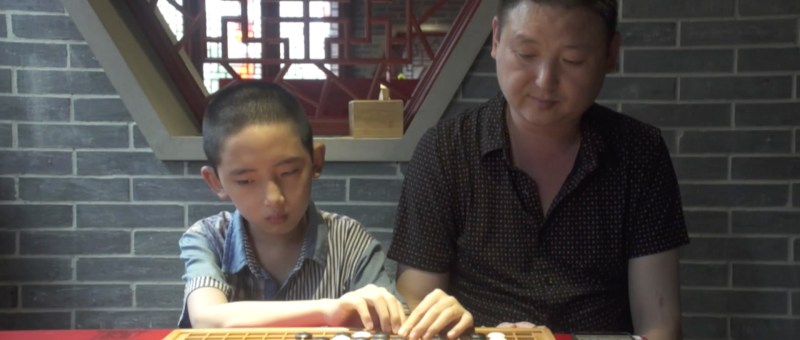
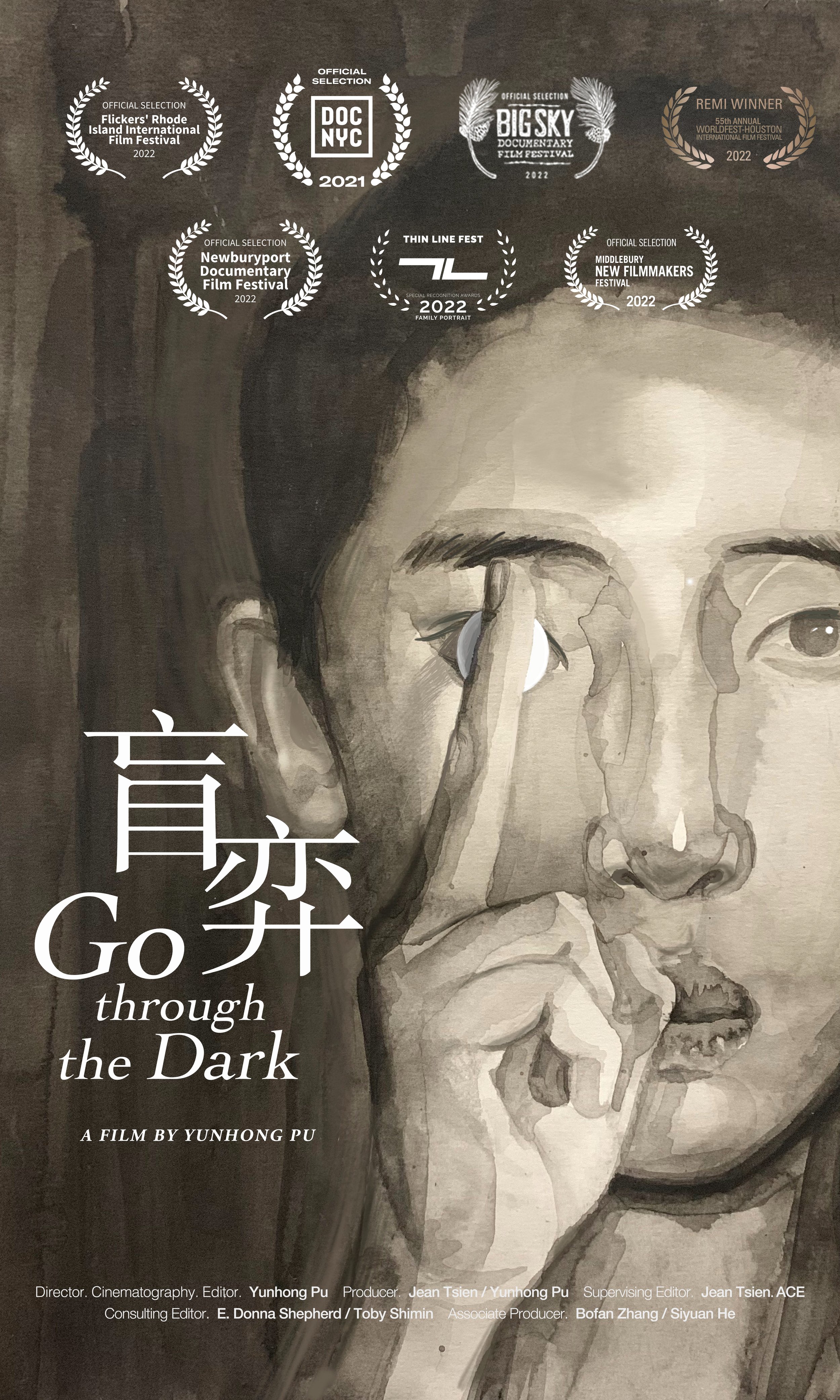
“You should rely on yourself not on others. Success comes from your own efforts” a father tells his son, yet his words have a particular irony given the complicated nature of their relationship. Pu Yunhong’s mostly observational documentary Go Through the Dark (盲弈, máng yì) follows an 11-year-old boy who unwittingly became a social media star after winning a regional Go contest despite the fact that he is blind. At first Guanglin’s father seems supportive and caring, yet the boy often appears to be on the brink of tears and is near silent giving no real indication whether or not he actually likes the game of Go or is only doing it to please the father who has told him he has no other future solely because of his blindness. 

In any case, Guanglin has already achieved level four status after only two years and at a relatively young age even for a sighted child who devoted themselves solely to studying the game. Using a specially adapted board that allows him to play by touch, he seems genuinely heartbroken on losing out in the final match of a tournament, crying into his father’s shirt, but later events lead us to wonder if it’s merely disappointment that has him so upset or guilt mixed with fear in being unable to live up to his father’s expectations. It seems that Guanglin’s father has decided that his future lies in becoming a professional Go player, explaining that he had previously considered sending him away to train as a masseur expressing a rather outdated and prejudicial view of blindness in insisting there are no other possibilities for him, but there is an ongoing conflict of interest that sees him attempt to micromanage the boy’s affairs as if making a bid for vicarious success rather than earnestly supporting his son in order to see him fulfil his dreams. 

He first explains that they were offered a place at a Go school in Beijing but then that the school messed them around, accusing them of exploiting Guanglin to boost their image while having no real intention of helping him. Then they travel south to Xiamen following an offer from Mrs Wang who provides them with an apartment and offers to train Guanglin for free. But it’s still not enough for his father who complains endlessly that he feels ripped off and exploited, irritated by Mrs Wang’s suggestion he help out at the school while she seems to have some concerns about their potentially toxic co-dependency. Though his father is always pointing out that Guanglin will have to become independent someday, he takes frequent steps to prevent him doing so. Apparently suffering from severe separation anxiety, Guanglin does not attend school and is getting no conventional education nor does he have the opportunity to mix with other children of his own age and has poor social skills. Mrs Wang is concerned that he never chooses his own food to eat but accepts only what his father gives him, while there is something worrying in his tendency to simply eat a few bites and declare himself full with his father then finishing off his meal. 

The cause of Guanglin’s blindness, according to his father, is malnutrition caused by their poverty though Mrs Wang in particular is convinced that he may never have attempted to get proper medical care for his son. When she tries to encourage him to take Guanglin to a specialist who suggests that it might be possible for him to regain at least some of his sight, his father becomes indignant. His anxiety may be born of a genuine fear that surgery may make things worse or cause additional injury because of the affects of the anaesthetic but behind it all there’s the uncomfortable suggestion that he simply doesn’t want Guanglin to be cured because that would reduce his dependency on him while rendering him “ordinary”, no longer the blind Go player with no guarantee that he can learn to play the game the way that others play it. 

Even when his father puts him in a school in Beijing, the coach seems to agree with him that it would be “better” if Guanglin could delay the treatment on his eyes so the school would have the cachet of training the blind Go champion. Yet when he had put him in a school in his hometown, the coach there had humiliated Guanglin in front of the whole class calling his moves “cabbage-headed” and unacceptable for someone at his level. “No one wants to play with a loser” his father cruelly tells him, as Guanglin wanders around on his own rejected by the other kids who are mostly reading or playing video games yet often appearing at his most happy running around and standing behind his classmates listening to them play even when not included. Though often withdrawn, stressed and close to tears, Guanglin does his best without complaint while his father runs him down and rants about people not supporting their dream. It may be that pretty much everyone is exploiting Guanglin in one way or another, no one really thinking about his quality of life or future independence, but he is left with nowhere else to turn and only Go to cling to as an uncertain lifeline towards a better future. 


Go Through the Dark screens on 21st October as part of Cambridge Film Festival.

Original trailer (English subtitles)

Hidden Letters (Violet Du Feng & Zhao Qing, 2022)

As the title cards that open Violet Du Feng and Zhao Qing’s Hidden Letters explain, women in feudal China had little freedom. Subjected to cruel practices such as foot binding, they were forbidden from learning to read or write and often confined to their husband’s home where they were expected to sacrifice themselves in service of his family. As someone later describes it, Nushu was secretive script created by women to communicate with each other in acknowledgment of their shared suffering with tiny messages concealed in fans or handkerchiefs, yet even as contemporary women try to preserve it its messages are co-opted by male patriarchal authorities in an increasingly capitalistic society. 

In fact, the documentary tells us little about the history of Nushu and its creation in part because its history is opaque in its nature as a tool of subversion. What we do learn is that Nushu was discovered only in 1983 and that little of it survives because women’s writings were often burned with them lest this only means of communication be exposed. One of the documentary’s two primary subjects, Hu Xin, runs a museum dedicated to Nushu in a small rural town and has formed a close relationship with one of its last living inheritors, He Yanxin, who talks with her openly of the miseries of her life as a woman and the lifeline Nushu once extended to help make them bearable. Nevertheless, she stresses that her Nushu was necessarily covert and unlike that of Xin whose Nushu is public and incorporates song and dance. 

It may in a sense be surprising that Xin, who has dedicated her life to the secret writings of women oppressed by patriarchy, still holds fairly conservative views. She married a man she met at the museum but he was violent and finally forced her into a late term abortion after learning their child would be a girl. Now a divorcee, she is too embarrassed to attend a neighbour’s wedding in her hometown and continues to feel as if she has “failed” as a woman in not becoming a wife or mother with a happy family home. Even He Yanxin ironically points out that the Nushu women would attend a mountain shrine to pray for sons, though in any case you can understand why they would not want to bring a daughter into this world of cruel subjugation. “We were only slaves to men” Yanxin explains, recounting that she was not even allowed to look her brothers-in-law in the eye as she carried them water and was often uncertain which of them she was addressing. 

We have to ask ourselves how much has really changed. Simu, the documentary’s second subject, is a woman with a more modern outlook yet drawn to the traditional. An opera singer by trade she lives a comfortable life in Shanghai and has found strength and inspiration in the existence of Nushu. As we meet her she is engaged to a man who first seems sympathetic, but expresses more conservative views on taking her home to meet his family. Getting her to drink a bitter tonic to encourage conception he then tells her that they shouldn’t have children right away because they need to buy a house so that his mother can stay with them when the baby’s born. She can continue with her opera career (it comes with several government perks related to housing and other subsidies), but he wants her to take another part-time job, dismisses Nushu as a “hobby”, and insists that she dedicate herself entirely to their family leaving her no time for anything for herself. As she looks askance at the camera for help, it’s plain that her situation is in reality little different from that of a feudal woman trapped in her husband’s home robbed both of identity and of fulfilment. 

Simu eventually breaks off the engagement with the support of her comparatively progressive parents and especially of her mother, a doctor who recounts her own childhood in which her father, a coal miner, would not allow her sister to be educated. They were “liberated” by the Great Leap Forward’s false promise of “equality” which saw fit to acknowledge them as equal only when their productivity was required to be so. In any case, she believes society has in a sense devolved and that contemporary women face harder battles in a culture which once again judges them solely on their ability to bear children.

Disturbingly, the legacy of Nushu has itself been co-opted to enforce the very values that it rebelled against. The director of Xin’s museum, a man, claims that Nushu represents the virtues of true womanhood, obedience, acceptance, and resilience, that he feels have been lost in this modern society of independent women. Meanwhile, while Xin makes Nushu banners at a tourism convention her male bosses huddle round putting Nushu slogans on promotional knickknacks such as retractable chopsticks in the shape of nunchucks. They claim that Nushu must be monetised if it is to survive while robbing it of its soul, overruling a woman’s objection that naff tie ups with KFC are not the answer to this particular problem. At the opening ceremony for the Beijing Nushu Cultural Exchange Center there are only men onstage to unveil the plaque for some reason to theme of The Magnificent Seven. 

Leaving the city to follow the guiding light of Nushu, Simu writes letters to her ancestors reassuring them that it’s better now than it was then. Women have agency over their marriages, foot binding has been banned, and they can live self-reliant lives of freedom and independence. Considering her experiences, Simu’s words might sound a little idealistic, not quite as it is but as she would like it to be. Yet as another woman puts it, perhaps the responsibility of the women of today is to live up to the legacy of Nushu and its spirit of rebellion in once and for all shaking free of oppressive feudalistic and patriarchal social codes. 


Hidden Letters screened as part of this year’s BFI London Film Festival and is available to stream in the UK via BFI Player 14th to 23rd October.

Original trailer (English subtitles)

The Magical Craftsmanship of Suzhou (天工苏作, Sun Zengtian, 2022)

Suzhou was once such a bustling hub of traditional arts that the guild had to institute a quota system forbidding artisans from taking on too many apprentices lest they generate a monopoly. Times are now very different and such businesses often have trouble recruiting young people willing to learn traditional crafts or are even in a sense reluctant to do so knowing that their industry is in decline and those entering it now may never be able to support themselves fully on an artisan’s earnings alone. 

Sun Zengtian’s documentary The Magical Craftsmanship of Suzhou (天工苏作, tiān gōng sū zuō) is however a little more hopeful than some of its subjects examining the still thriving local culture along with some of the efforts and perhaps compromises of those trying to ensure the traditional arts survive. A lantern maker laments that his industry has become so straitened that his small team often have to work to incredibly tight schedules with little time for rest yet he refuses to compromise on quality and is determined not to damage his hard-won reputation as a master of the art. The demand may be more limited than it might have been in the past but is still very much there as the crowds of visitors at a local festival marvel at the spectacle of light illuminating the darkness through the beautiful lantern designs. In any case, he takes pride in showing his daughter some of his work safely installed in a local museum while giving talks in local schools to ensure the next generation is at least familiar with the art of lantern making.

Meanwhile, another man’s business carving intricate designs into olive stones continues to grow while he takes on pupils to pass on his knowledge. Others meticulously craft traditional furniture and aim to reintroduce an element of serenity through simplicity in an increasingly chaotic modern society. A chair can be whipped up in as little as eight minutes by a skilled carpenter, but the wood requires two years of seasoning and a seasoned craftsman to understand the process. Many believe that only a handmade piece can perfectly match the spirituality of the natural materials rather than the soulless mass produced furniture of a similar design. 

For the carpenters, their craft is almost a ritual and for that reason largely unchangeable save for the use of modern sandpaper in place of the leaves their ancestors may have used with a kind of tenderness to protect the wood. Yet for the craft itself may be less important that the end result such as it is for a local architect who sometimes butts heads with his father trying to explain that things cannot always be done like the old days given modern building and employment regulations. Their problem is that many of the craftsmen are now elderly and few are keen to learn their skills while the veterans often find it difficult to follow the plans constructed by young and inexperienced architects sometimes choosing to disregard them in favour of their well honed professional judgement. Yet the young architect feels compromise is the way to go, building traditionally but with the assistance of modern technology while preserving the aesthetic charm of traditional buildings. 

Others look to the international market drawing inspiration from global fashion trends and making innovations of their own such as an embroidery master who has patented her own style and firmly believes her craft to be an art rather than a simple means to support oneself as it had been for her mother and grandmother. She worries about taking on apprentices knowing that there is little scope for them to earn a decent living through handmade embroidery, but there is a poignant moment as she discusses options with a young woman wanting to learn as she sews the needle and the potential apprentice pulls it through. Meanwhile, a pair of female visitors from overseas ask how they might be able to learn traditional weaving. The woman running the store just laughs while the narrator explains that it’s easy to learn but difficult to master and many give up halfway. She is trying to modernise by building an online platform for practitioners in her field but finds it difficult to get the older artists on board. In any case, it seems that the traditional arts are very much alive in Suzhou, not fossilised or stuck in the past but constantly evolving as they fight for their survival along with the pleasures of a simpler existence in a fast moving culture. 


The Magical Craftsmanship of Suzhou screens in Chicago on Sept. 10 as part of the 15th season of Asian Pop-Up Cinema.

Trailer (English subtitles)