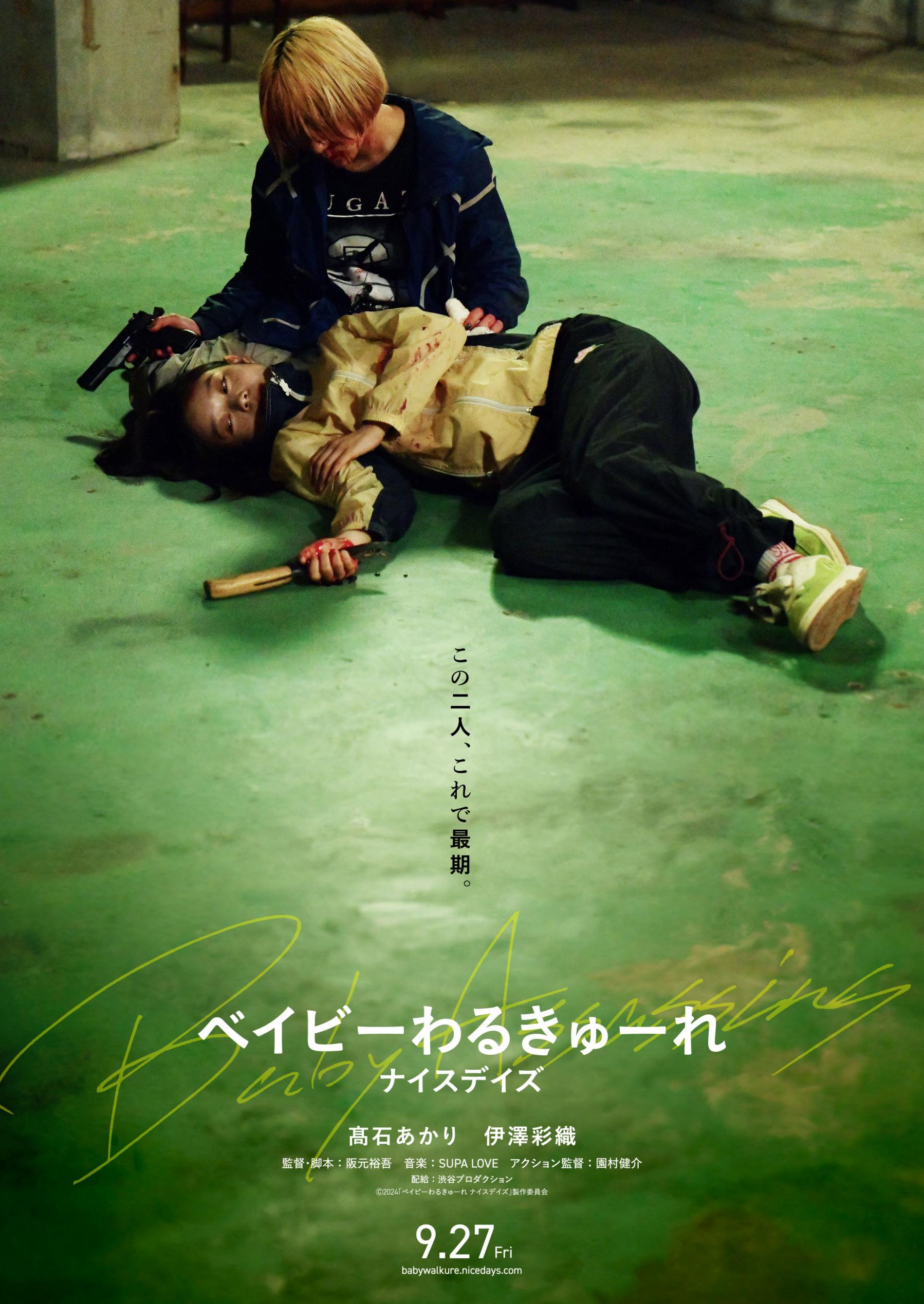
Baby Assassins: Nice Days (ベイビーわるきゅーれ ナイスデイズ, Yugo Sakamoto, 2024) [Fantasia 2024]

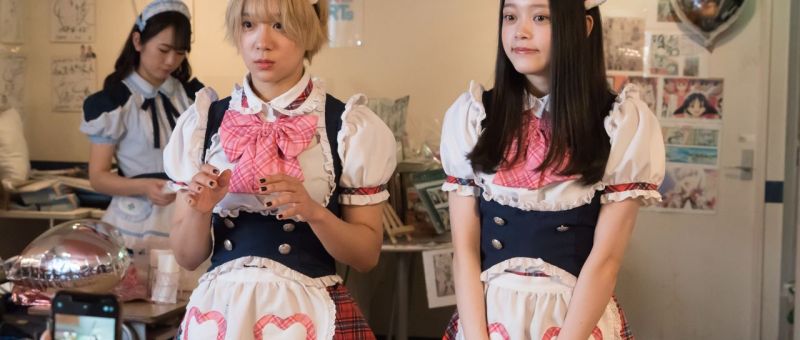
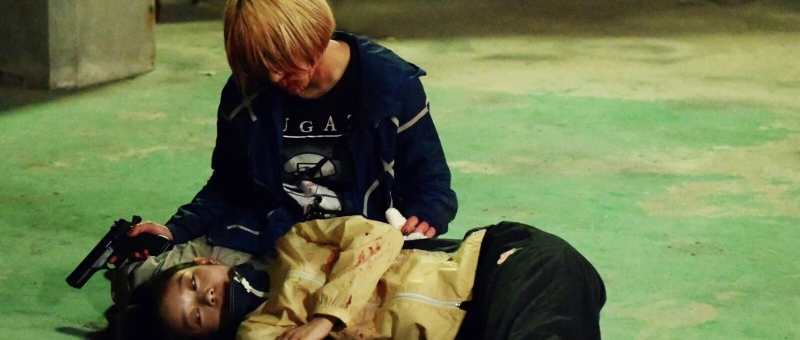
After beginning to conquer the demands of adulthood, Mahiro (Saori Izawa) and Chisato (Akari Takaishi) are taking a well-deserved break, or more like a working holiday to be precise, but soon find themselves with another unexpected mission to clean up a messy situation on behalf of the Guild. Baby Assassins: Nice Days (ベイビーわるきゅーれ ナイスデイズ, Baby Valkyrie​: Nice Days), the third in series of deadpan slacker action movies from Yugo Sakamoto, adjusts the balance of the previous two films shifting more towards action than the girls’ aimless lives while setting them against an opponent who is anything but aimless.

In fact with the girls find their way to the home of Kaede Fuyumura (Sosuke Ikematsu), is plastered in ironic motivational slogans that seem to be a kind of parody of salaryman’s kaizen obsession. Fuyumura likes to rank things and wants to make sure he’s at the top, but also wants out of the game because he’s bored with it and also fed up with difficult clients frustrated when one takes ages to decide whether or not he should kill the target resulting unnecessary stress for them and an unsatisfying kill for Fuyumura. That’s largely why he’s agreed to this one last job of killing 150 people who took part in cancelling a university student online. The problem is that Fuyumura is a freelancer which presents a problem for the Guild which has decided he must die for violating their rules and bringing the profession into disrepute. Thus Mahiro and Chisato find themselves in an awkward position when they turn up to kill their latest target and realise they’ve been double booked to take out Fuyumura ’s kill.

The admin mixup, though it isn’t one really, rams home the series’ persistent absurdity that this weird world of assassins isn’t so different from contemporary corporate culture while the girls are still subject to the same problems as any other 20-something. This time around, we’re introduced to another prominent agency which is run out of a farmer’s agricultural co-op and hides weapons inside boxes of vegetables, while Mahiro and Chisato get a pair of supervisors with the de facto team leader Iruka (Atsuko Maeda) going off on lengthy rants about why it’s impossible to work with Gen Z while the girls struggle with her uptight dismissiveness. Yet even when there’s tension or discord, the fact remains that the Chisato and Mahiro are also part of a team and have a vast network of support to rely on including their cleanup squad while Fuyumura is a lone wolf who’s driven himself half out of his mind with his quest to be the best, a message is brought home to him when he approaches the farmer’s union to ask for “a replacement” after getting one of their guys killed only to be told off and reminded the farmers work as one big family rather than a series of disposable minions. 

There is something a little poignant about Fuyumura’s wondering when his birthday is as if this small forgotten detail represented his missing humanity. The only time he feels like a human being is doing something mundane like cleaning his microwave and brushing his teeth. As she had the brothers in the previous film, Mahiro finds a kind connection with Fuyumura as they each discover a worthy match but knowing only one of them can survive. In an introspective movement, Mahiro asks Chisato if they can still hang out together on the other side if the worst happens, but she shuts the question down perhaps more in an attempt to shift Mahiro’s mindset but also berating herself for forgetting her birthday and making hurried plans to coverup her crime against friendship.

For all the absurdity about hitman union rules and rights of employment in an illegal profession, the films has a genuine affection for the relationship between the two girls as well as that between the wider team who are always around to have their back while they also take care to protect each other. Perhaps having to field a work crisis during their “holiday” is their final test of adulthood, and one they largely pass in enforcing their boundaries and defiantly having a good time anyway even if they did have to cancel their reservation at local barbecue restaurant to stakeout the home of a crazed killer. Once again featuring a series of well choreographed and innovative action sequences, the series’ third instalment seems to come into its own expanding the world of the Baby Assassins but setting them free inside it evidently a lot more at home with the concept of adulting.


Original trailer (no subtitles)
Bad City (バッド・シティ, Kensuke Sonomura, 2022)

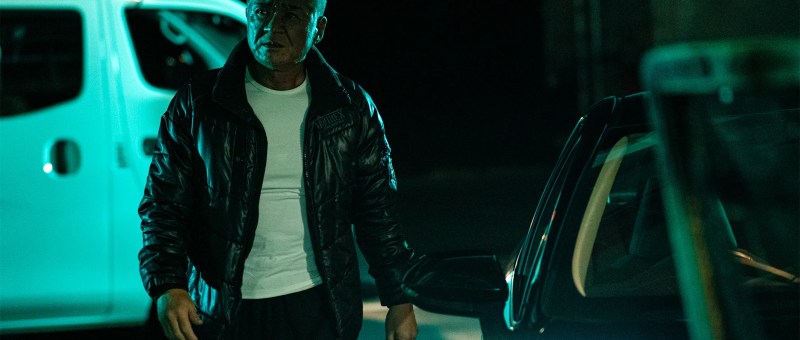
V-Cinema legend Hitoshi Ozawa returns in a tale of big city corruption helmed by Hydra’s Kensuke Sonomura. Scripted by Ozawa himself and apparently created in part as a celebration of his 60th birthday, Bad City (バッド・シティ) is a clear homage to the classic yakuza dramas of the early ’90s while boasting some of the best action choreography in recent Japanese cinema performed by the likes of Tak Sakaguchi along with Ozawa himself who performs all of his own stunts. 

According to dodgy CEO Gojo (Lily Franky) who has just inexplicably been acquitted of extortion and colluding with the yakuza, Kaiko City is riddled with crime and violence which is why he’s announcing his candidacy for mayor. Meanwhile, behind the scenes, a mysterious assassin (Tak Sakaguchi) is cutting swathes through the Sakurada gang who dominate the city’s western district which Gojo has earmarked for a redevelopment project he claims will improve the lives of citizens but is in reality just an excuse to build a massive casino complex intended to enrich himself and his company. The previous mayor had won a landslide victory thanks to his opposition to the redevelopment plan which enjoys little support from the local population but Gojo isn’t exactly interested in winning hearts and minds in the community. 

Really just another gangster himself, Gojo’s machinations are also destabilising the existing underworld equilibrium in seducing treacherous minions from other gangs including vicious Korean gangster Kim Seung-gi whose loyalty to ageing gang boss Madam Kim is clearly waning. Then again, an enemy’s enemy is a friend allowing unexpected alliances to emerge between previously warring factions especially given that the sudden offing of a high status gang boss is frowned upon in the gangster play book. 

With police and judicial collusion the only possible explanation for Gojo’s miraculous escape from justice, an earnest prosecutor sets up a secret task force under the command of Public Security agent Koizumi (Mitsu Dan) and led by veteran officer Torada (Hitoshi Ozawa) who is currently in prison awaiting trial on suspicion of offing Mrs Kim’s only son, Tae-gyun. Torada is an unreconstructed violent cop operating under the philosophy that if you beat up a good guy that’s violence but if he’s bad then it’s justice. He has perhaps learned to see the world as morally grey, not believing himself to be necessarily on the side of right so much as resisting the forces of darkness by doing whatever it takes to survive in this city which is indeed already quite corrupt. Partnered up with two veterans and a junior female officer from violent crimes who were assigned to investigate the Sakurada boss’ murder, the gang do their best to trap Gojo legally by uncovering incontrovertible evidence of his dodgy dealings they can use to nail him in court, or failing that the court of public opinion, that cannot be swept aside by his friends in high places. 

Sonomura opens as he means to go on with a series of bloody assassinations culminating the massacre of the Sakurada gang in a bathhouse, while building towards the final mass confrontation in which Ozawa and his team face off against hordes of foot soldiers trying to fight their way towards a confrontation with Kim Seung-gi. Dynamically choreographed, the action sequences are surprisingly bloody and heavy on knife action but crucially also displaying a high level of characterisation and dramatic sensibility as the earnest cops square off against amoral gangsters willing even to sacrifice their own. 

Though there might be something uncomfortable in setting up the major villain as a rogue Korean gangster, the film paints his defection in part as a reaction to Mrs Kim’s initial loathing of the Japanese while in the end allowing a kind of cross-cultural solidarity to emerge as the Sakurada gang become accidental allies and Mrs Kim receives a lost letter from her son that allows her to change her way of thinking while helping to take down the destabilising force of Gojo, restoring a kind of order at least to the streets of Bad City Kaiko. Ozawa may be an equally dangerous extra-judicial force, but at least for the moment he’s standing in the light where everyone can see him taking out the trash and leaving those like Gojo no quarter in an admittedly violent place.


Bad City screened as part of this year’s Camera Japan.

Original trailer (dialogue free)

Baby Assassins (ベイビーわるきゅーれ, Yugo Sakamoto, 2021)

“Drugs and pimping are outdated. We’re in the age of “moe”” according to a surprisingly progressive gang boss who takes his son to task for his sexism and insists that even the yakuza has a duty to create a comfortable working environment for women. Yugo Sakamoto’s anarchic deadpan action comedy Baby Assassins (ベイビーわるきゅーれ, Baby Valkyrie) is at heart a slice of life slacker drama about two young women reluctantly trying to make their way towards adulthood only the two young women are also elite assassins recently graduated from high school having been raised as coldblooded killers. 

For whatever reason it’s decided that the shy and socially awkward Mahiro (Saori Izawa) and the manic extrovert Chisato (Akari Takaishi) should become roommates occupying a furnished apartment paid for by their handler while they cover their other expenses through part-time jobs that will help them figure out how to live as “members of society”. The problems they face are perhaps those faced by many in the contemporary era just trying to make it through an unfulfilling side gig without killing anyone only for them the stakes are higher as Chisato discovers on braining a customer and strangling a moody coworker without realising she’s not just fantasising. Mahiro meanwhile finds herself entering a daydream in which she offs the combini manger interviewing her after his boring rant about kids today who think they can earn a living playing video games only to realise the store is staffed by yakuza-esque minions determined to avenge their boss. 

Already very efficient in their killing game, the girls never need to worry about cleaning up after themselves even if Chisato does get a lengthy lecture from the long suffering Mr. Tasaka who as it turns out has a lot of unsolicited advice about how she’s doing her job wrong or at least in ways which are inconvenient to him. Nevertheless while trying to live their normal lives they wind up sucked into gangland intrigue having accidentally offed a major supplier and thereafter engaged in a vendetta with equally crazed yakuza daughter Himari (Mone Akitani) who in a recurring motif proves much more in tune with contemporary gangsterdom than her “sexist” bother Kazuaki (Satoshi Uekiya). 

Gangsterdom has indeed changed, the boss declaring that they need to find a more “female-centric” business which is what brings them to a maid cafe as they declare themselves mystified by “moe”, rapidly becoming extremely irritated by the sickly sweet aesthetic of the cafe which requires them to order food through a series of annoyingly cutesy codewords while young women in ridiculous outfits call them “master” and satisfy their every whim. In some ways the Baby Assassins are a subversion of the kawaii ideal while also to some extent embodying its essential traits in their mix of infinite competence and adorable cluelessness, Chisato forever forgetting what’s she’s done with her weapons while Mahiro constantly mutters to herself under her breath. 

For them, killing is just another job which they mostly enjoy but can also be annoying, just like each other’s company. A mismatched pair, their dynamic strangely recalls Saint Young Men only they’re highly trained assassins trying to perfect a cover identity rather than peaced-out deities engaged in an ethnological study of life on Earth. They have a brief falling out over the same thing most roommates fight about, one feeling the other is not pulling their weight, Chisato irritated by Mahiro’s inability to find a job and Mahiro frustrated that Chisato devotes too much time to her side gig and not enough to their main job as killers for hire. Meanwhile, they’re suddenly plunged into a very adult world of bills and taxes and insurance, their handler promising to handle some of that for them because ironically enough they’re much more afraid of the taxman than they’ve ever been of the police. 

Surreal and filled with deadpan humour not to mention expertly choreographed fight sequences by Hydra’s Kensuke Sonomura, Baby Assassins is a perfectly pitched coming-of-age tale in which two young women attempt to find a place for themselves while contending with a still patriarchal society, eventually discovering a complementary sense of solidarity in their opposing natures as they come together to clean up their own mess while defiantly striking out for their futures as “members of society” whatever that may mean. 


Baby Assassins screened as part of this year’s Glasgow Film Festival.

Original trailer (English subtitles)