The Foggy Mountain (Đỉnh Mù Sương, Phan Anh & Ken Dinh, 2020)

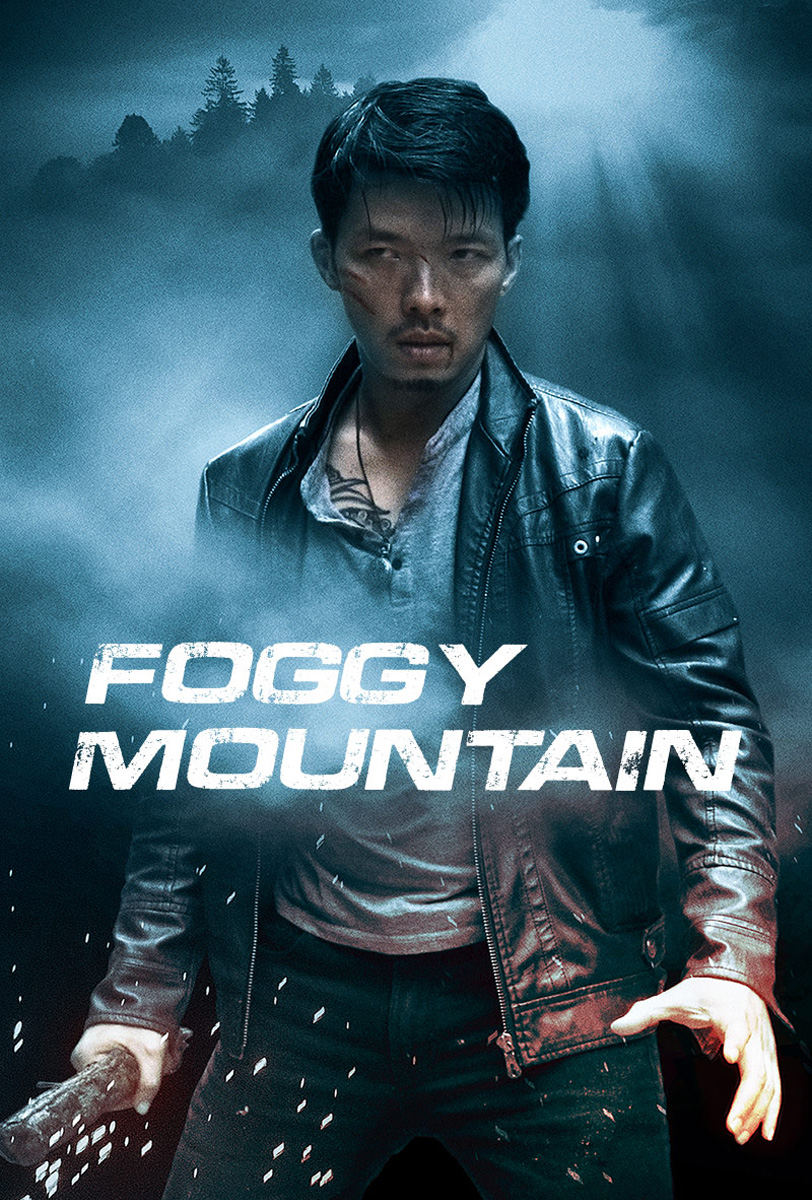
A former prize fighter’s quest for revenge takes him deep into the mountains in Phan Anh and Ken Dinh’s martial arts adventure Foggy Mountain (Đỉnh Mù Sương). In essence, the fighter’s battle is against himself and his darkest interests as he must decide whether he’s going to pursue personal revenge or attempt to free the innocent citizens caught up in his quarry’s venal crime enterprise. In any case, Ba Rau (Kim Long Thach) represents a frightening and oppressive force that cannot be stopped unless someone chooses to take a stand.

That someone might not necessarily by Phi (Peter Pham) for he has reasons of his own to hate Ba Rau that are purely personal. Phi gave up his career as a prize fighter to spend more time with his wife, Lanh (Truc May), but was tempted back for one last bout that would supposedly carry a large payout and enable him to pay for treatment for Lanh’s eye condition. However, the match was a pretext set up by Ba Rau so that he could offer him a job. Phi definitively refuses it, telling Ba Rau he wants nothing to do with his dodgy dealings. Offended, Ba Rau has Phi beaten up and dumped in the middle of nowhere before heading to his house and killing Lanh.

An older man who lost his son in the ring during a bout with Phi warns him that hate is a poison and revenge is not an antidote so he’d best dig two graves before he goes, but Phi is adamant that he needs to avenge Lanh’s death by killing Ba Rau who is holed up on Foggy Mountain. Phi seems to have some friends there, but discovers that the village has been taken over as Ba Rau kidnapped the headman’s children and blackmailed him into letting them take root so he can facilitate his new people trafficking business. Matters come to a head for Phi when he finds some captive children but vacillates over rescuing them, firstly claiming that he has more important things to do before eventually coming back after his old friend Bang Tam asks him what happened to his martial arts spirit. Ironically, Phi had asked the same of the village headman wondering whether he can really call it “peace” after making a deal with the devil to appease Ba Rau to “protect” his villagers though the headman simply tells him he’d feel differently if he were older and is simply too young to understand the decisions he has made. 

For a time, the film turns into a forest chase movie as Phi and Bang Tam attempt to guide the children back towards the village while avoiding Ba Rau’s henchmen, making use of mountain traps and encountering natural dangers such as the fast flowing river one of the kids falls into spraining her ankle. Phan Anh and Ken Dinh largely eschew narrative in favour of moving from one fight set piece to another with the consequence that there’s very little to tie them together aside from Phi’s otherwise unstoppable obsession with tracking down Ba Rau and exacting his revenge on him. 

Then again, as it turns out Lanh probably didn’t want him to avenge her death anyway and may have willingly sacrificed herself in an attempt to protect him from Ba Rau and getting even more blood on his hands by killing him. To truly satisfy himself, Phi may have to remember that there is more than one kind of justice and putting a stop to Ba Rau’s ever expanding crime empire and heinous people trafficking enterprise might be a better way of getting revenge if only in teaching him a lesson that he’s not quite as untouchable as he thought he was. Even so, Phi’s self-obsessed quest for revenge rather than a desire to free those around him from Ba Rau’s influence makes him a fairly complicated hero though the film never really tries to explore the conflict in any depth while the hollowness of the narrative largely robs his quest of its power. Well choreographed action scenes otherwise help to overcome the lack of engagement and budgetary constraints even if the same cannot be said for those around them.


The Foggy Mountain is available on Digital in the US courtesy of Well Go USA

Trailer (English subtitles)
Song Lang (Leon Le, 2018)

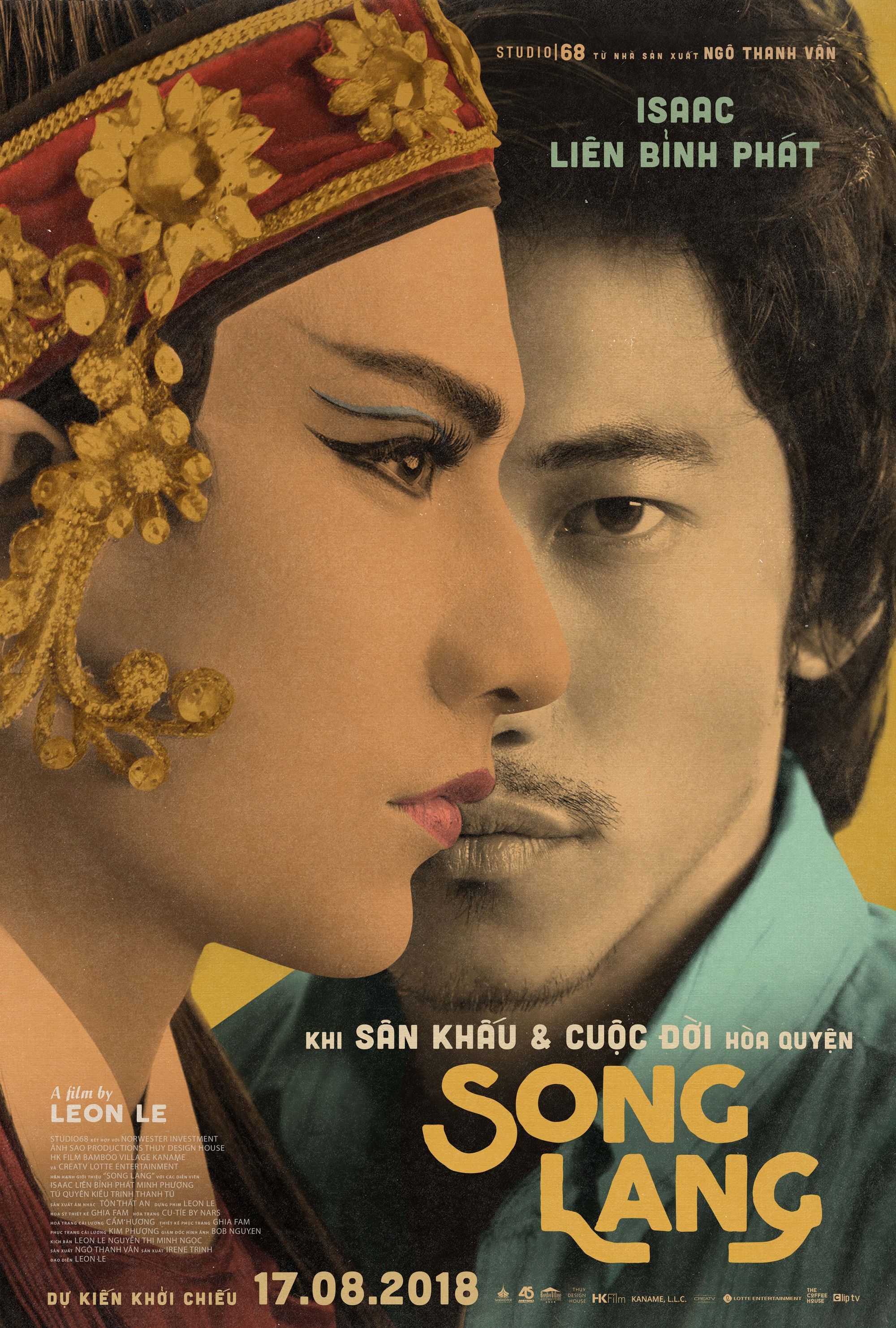
Song Lang poster 1“How could the gods be so cruel” a ci lương performer intones, “Allowing us to be together yet worlds apart”. An achingly nostalgic return to the Saigon of the 1980s, Leon Le’s melancholy debut Song Lang is a lament for frustrated connections and the inevitability of heartbreak, taking its lonely heroes on a slow path towards self realisation only to have fate intervene at the worst possible moment.

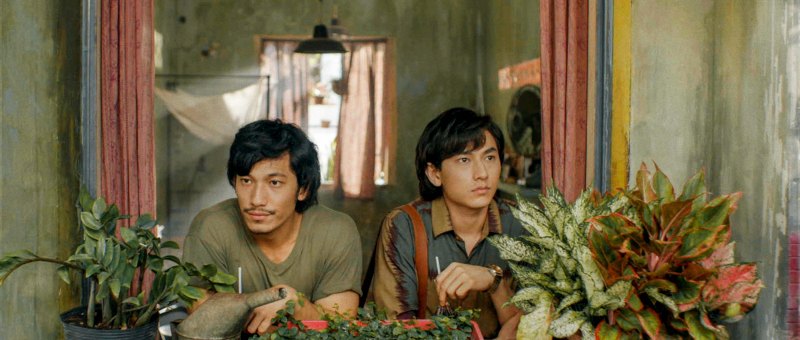
An enforcer for the steely “Auntie Nga” (Phuong Minh), Dung Thunderbolt (Lien Binh Phat) has long been trying to take revenge on his unhappy life through the intense act of self-harm which is his way of living. A routine job, however, jolts him out of his inertia when he wanders into a theatre where a ci lương opera company is preparing for a performance. There he finds himself catching sight of the famous performer Linh Phung (Isaac), only to run away, in flight from the intensity of being woken from his reverie. Later he returns to claim the debt, threatening to burn the company’s precious costumes until Linh Phung arrives and interrupts him, proudly insisting he will pay the balance after the first performance. Dung leaves confused, refusing to accept the watch and necklace that Linh Phung offered in partial payment.

A second chance meeting confirms that the two men might have more in common than they’d first assumed. The lonely Linh Phung, eating alone in a nearby cafe, gets into a fight with some drunken louts who wanted him to sing a few tunes, but as surprisingly handy as he turns out to be quickly gets himself knocked out at which point Dung steps in to rescue him, eventually taking him home to sleep it off where they later bond through a shared love of violent video games. An opportune power cut allows the two men to enter a greater level of intimacy during which Dung begins to re-embrace his ci lương childhood through the instrument his father left behind.

The Song Lang, as the opening informs us, is an embodiment of the god of music delivering the rhythm of life and guiding musicians towards the moral path. That’s a path that Dung knows all too well that he has strayed from and is perhaps looking to return to. The central theme of ci lương is “nostalgia for the past” – something echoed in Linh Phung’s peculiar philosophy of time travel through people, objects, and places which seems to be borne out in Dung’s constant flashbacks to a more innocent age before his happy childhood ended in parental betrayal and sudden abandonment.

Linh Phung, meanwhile, is nursing his own wounds. His mentor tells him that though he is popular his performance lacks depth because he lacks life experience while his co-star mocks him for never having been in love. Rooting through Dung’s belongings, he discovers a book he’d loved in childhood about a lonely elephant taken away from his jungle and sold to a circus. Both men are, in a sense, exiles from their pack walking a lonely path of confusion and despair but finding an unexpected kindred spirit one in the other as they search for new, more fulfilling ways of being. Bonding with Dung opens new emotional vistas for Linh Phung which allow him to perfect his art, while reconnecting with his childhood self through Linh Phung’s music gives Dung the courage leave his nihilistic life of shady moral justifications behind.

Fate, however, may have other plans and karma is always lurking. Linh Phung’s claim that an artist must know great grief proves truer than he realised, but it’s another passage from the book with which he eventually leaves us, affirming that it’s best to learn to enjoy these present moments rather than lingering in an unchangeable past. Yet the art of ci lương is itself steeped in nostalgia, perfect for a “time traveller” like Linh Phung returning to his sadness through his art, proving in a sense that the past is always present and wilfully inescapable. A melancholy, romantic evocation of Saigon in the 1980s, Song Lang is also a beautifully pitched paen to a fading art form and an  “unfinished love song” to lost lovers in which two lonely souls find an echo in each other but discover only tragedy in the implacability of fate.


Song Lang screened as part of the 2019 New York Asian Film Festival.

Original trailer (Vietnamese subtitles only)