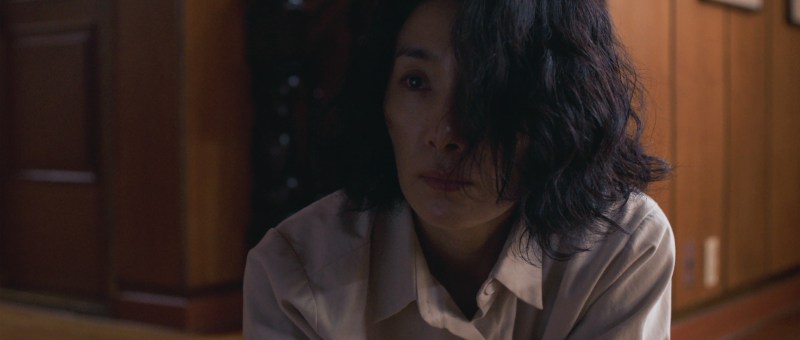
A middle-aged woman makes a series of questionable choices while pursuing her dream of a stable home with her teenage son in Lee Sol-hui’s downbeat tale of life on the margins of contemporary Korea, Greenhouse (비닐하우스). The Korean title of “Vinyl House” might be a little more accurate, in that the heroine lives in a disused polytunnel on an allotment her son later says the family used to go to every weekend before his parents’ divorce while eagerly waiting for his return after which she hopes to start again.
The son, however, first says that he has no desire to live with her and intends to stay with an uncle after leaving juvenile detention. The film never directly states what led him there, but he later mentions he and some friends all seemingly released at the same time used to break into houses owing to having “nowhere to drink.” One of his chief objections seems to be his mother’s lack of a more traditional home and the embarrassment it causes him with his delinquent friends which is one reason why Moon-jung (Kim Seo-hyung) is desperately saving her money for a deposit on a modern flat and a life of comfort she can otherwise only dream of. She has a job as a housekeeper for a wealthy older couple, the wife has dementia and is paranoid Moon-jung is trying to kill her, and the husband has all but completely lost his sight, but faces the implosion of her dreams with the announcement that they are considering moving into a nursing home.
In a repeated motif, Moon-jung often violently slaps herself on the side of the head in an apparent act of self-harm. Explaining that she used to see a psychiatrist but can no longer afford it, she joins a support group for people in a similar position and encounters a vulnerable young woman, Soo-nam (Ahn Ji-hye), with whom she later develops a sisterly connection after realising that she may be trapped in an abusive relationship she is unable to escape because of her learning difficulties.
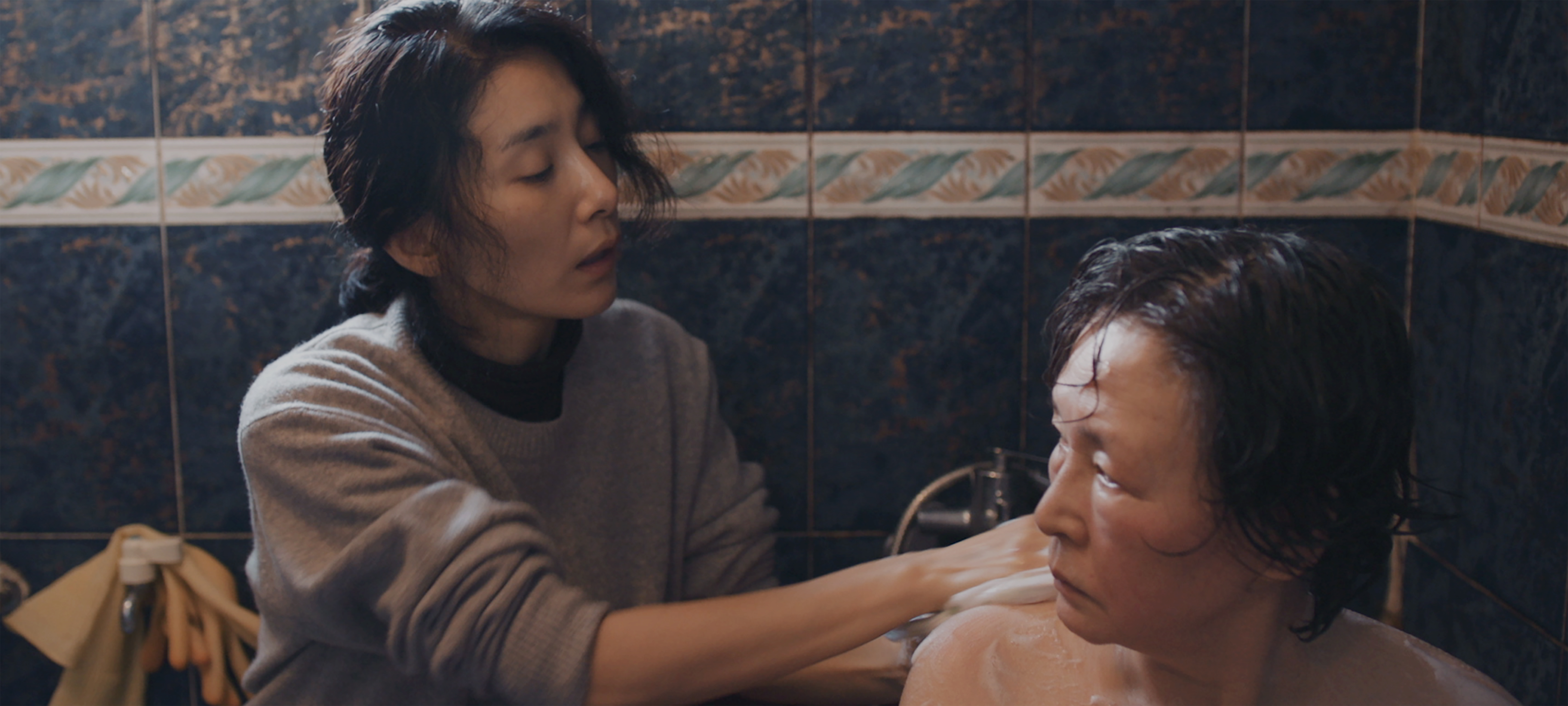
They are each in their way pushed out of mainstream society by virtue of their age, poverty, or disability and largely reliant on the kindness of strangers that rarely comes their way. The film only ever hints at the hard life Moon-jung may have lived but suggests that her past trauma may help to explain some of her otherwise incomprehensible decisions after the old lady hits her head and presumably dies in a domestic accident. While she cares for a wealthy older couple who remain independent in their own home, Moon-jung’s mother lives a miserable life in an inexpensive nursing home. A woman visiting her roommate soothes and strokes her mother encouraging her to keep on living as long as possible even if it’s “like this” while Moon-jung seems to have mixed emotions, on one level guilty not to be able to care for her mother herself and perhaps wanting to be relieved of any responsibility towards her.
In some ways, Moon-jung’s tragedy may be that she is at heart just an ordinary, decent person and is torn between a genuine desire to help and care for others and a cynicism that tells her she is foolish for doing so. She wants to help Soon-nam perhaps identifying with her suffering, but is also resentful of her sudden attempt to latch on to her and fearful her presence may disrupt the new life she dreams of with her son which is the only ray of hope in an otherwise miserable existence. When that dream is threatened she decides to anything she can to save it even if it seems obvious that her series of bad decisions will not pay off because her subterfuge will quickly be exposed.
What she doesn’t bank on is the sheer magnitude of cosmic ironies the film throws at her in which every avenue of her life is somehow undermined by another from her relationship with the elderly couple to her friendship with Soon-nam, and a romance with a man who may have been in someway abusive. Exploring the hopelessness experienced by an abandoned generation whose children have mostly moved abroad and outsourced their care, the plight of women like Moon-jung trying to do their best but frustrated by extreme bad luck, and vulnerable young people like Soon-nam who has no one to defend her as an orphan with learning difficulties, the film may suggest that they are each trapped in the hothouse of the modern society baked alive by hopelessness and indifference while struggling to find a place for themselves in an increasingly unforgiving city.
Greenhouse screened as part of this year’s New York Asian Film Festival.
Original trailer (Korean subtitles only)
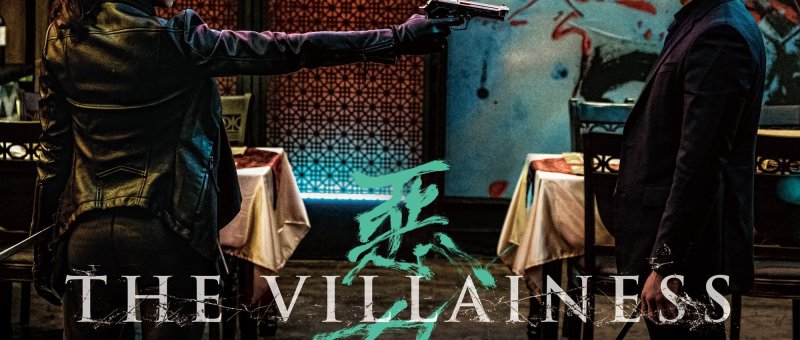
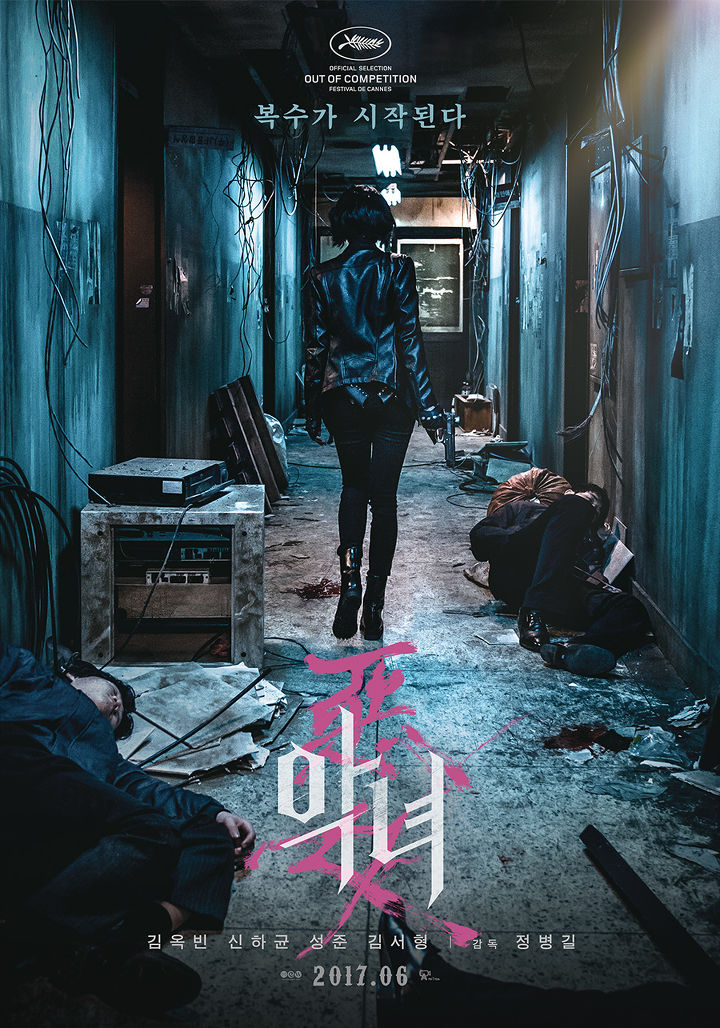 Vengeance is a doubled edged sword, it cannot help but wound the wielder. The heroine of Jung Byung-gil’s ironically titled The Villainess (악녀, Aknyeo) has more to be revenged of than even she knows. Yes, the narrative beats are familiar and Jung has clearly drawn inspiration from Luc Besson’s seminal hit woman movie La Femme Nikita as well as the long history of female revenge films from Lady Snowblood to Kill Bill, but he does it with style and style is always hard to argue with. A new kind of action cinema, The Villainess makes a performer of its camera, darting frantically like an animal on the run and then drifting listlessly between dreamlike visions of half remembered traumas. Jung remains firmly in B-movie territory but owns it, unafraid to embrace the genre’s more extreme qualities and all the better for it.
 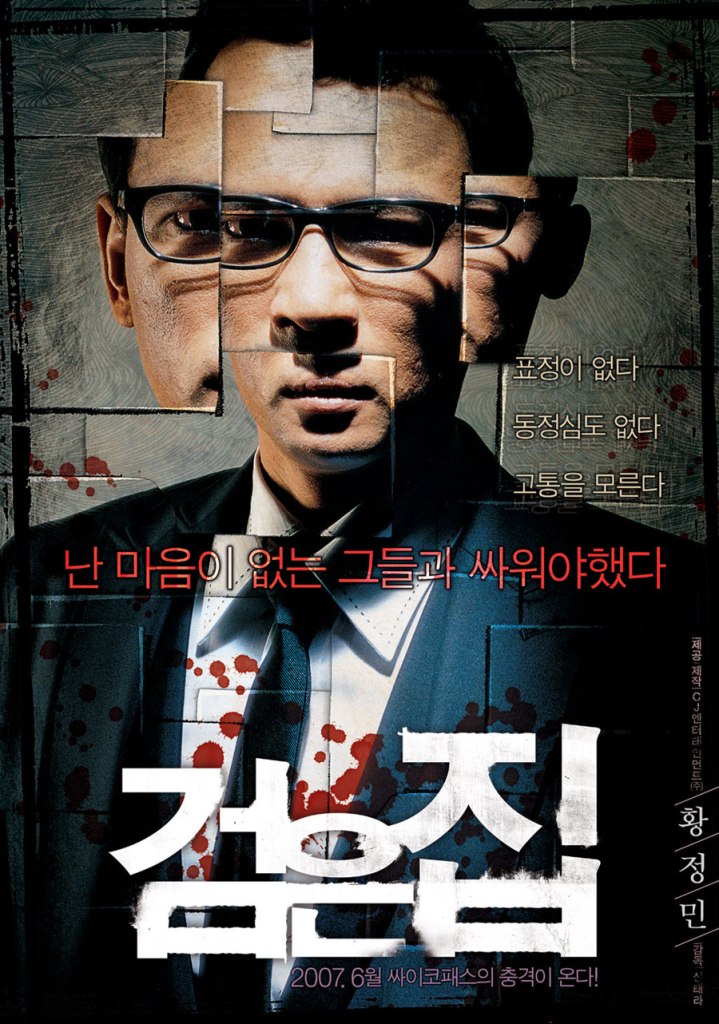 Yusuke Kishi’s Black House source novel was
  Windows on Worlds