 It’s a strange paradox that in a land defined by corruption of the legal system, your only hope my lie in a new trial. So it is for the hero of Kim Tae-yun’s latest film. Inspired by a real life miscarriage of justice (a case which was in fact still continuing at the time of filming), New Trial (재심, Jaesim) takes aim at everything from social inequality to unscrupulous lawyers and abuse of police power. A teenager pays dearly for being in the wrong place at the wrong time, not only losing 10 years of his life but the entire possibility of his future now that he’s forever branded a criminal. That’s aside from leaving his ageing (now blind mother) alone with no means of support and the additional burden of trying to clear her son’s name.
In the year 2000, reckless teen Hyeon-woo (Kang Ha-Neul) gets himself mixed up in the stabbing of a taxi driver. Despite sticking around to do his civic duty, he gets arrested, tried, talked into a false plea bargain confession and serves 10 years behind bars. Hyeon-woo might have been released after serving his time but he’s not the carefree kid he was before. Sullen, angry, and an ex-con without qualifications, he can’t find a job and has the additional burden of trying to care for his now blind mother. Even if he technically confessed to the crime because his conviction was inevitable and he wanted to get out faster so his mother wasn’t left alone, Hyeon-woo has his hopes permanently fixed on a retrial so he can clear his name once and for all.
Enter shady lawyer Park Jun-young (Jung Woo). Park is not your usual pick for a social justice case. He became a lawyer for the big bucks and macho posturing. After he loses a big case, incurs numerous debts, and is left by his wife and child, Park joins a big firm on a pro-bono basis, hoping to pick up a big client, impress them and get another permanent position. Thus he stumbles on Hyeon-woo’s case and, given the notoriety of the incident, thinks there may be some mileage in it.
Park may start off as the cynical, winner takes all school of legally savvy but morally bankrupt attorney but the more he looks into Hyeon-woo’s case the angrier he finds himself getting. Not only was Hyeon-woo betrayed by the police who knew the identity of the real killer but chose to scapegoat a poor boy instead, but he was also ordered to pay vast sums in compensation to the victim’s family. Saddled with an irreparable debt for a crime he did not commit, Hyeon-woo has reason for his passive aggressive defeatism and lack of faith in Park but gradually begins to come back to life when provided with real hope of achieving his goal of a new trial.
Yet much of the drama revolves around the two as they negotiate an uneasy trust. Hyeon-woo has been let down before by men in who said they could help only to make a speedy exit taking Hyeon-woo’s hard won money and faith in the future with them. Park starts off claiming Hyeon-woo’s guilt or innocence is an irrelevant detail, all that matters to him is winning the case and thereby getting his career back on track. Flitting through periods of winning and losing faith in each other the two are eventually able to come together in their common goal, each working for justice not just for Hyeon-woo but for all the other Hyeon-woos betrayed by political and judicial corruption.
The real life case which inspired New Trial is still not settled but the man who inspired the originally slippery Park has gone on to become Korea’s new trial king – coming to the rescue of those who find themselves at the mercy of shady forces and railroaded into paying for something they did not do. Park finds few allies in his new quest for social justice, and none among the ranks of the swanky lawyer elites he was so desperate to join, but every movement needs a leader and perhaps this one starts with a man called Park and a massive change of heart.
New Trial was screened at the 19th Udine Far East Film Festival
Original trailer (English subtitles)
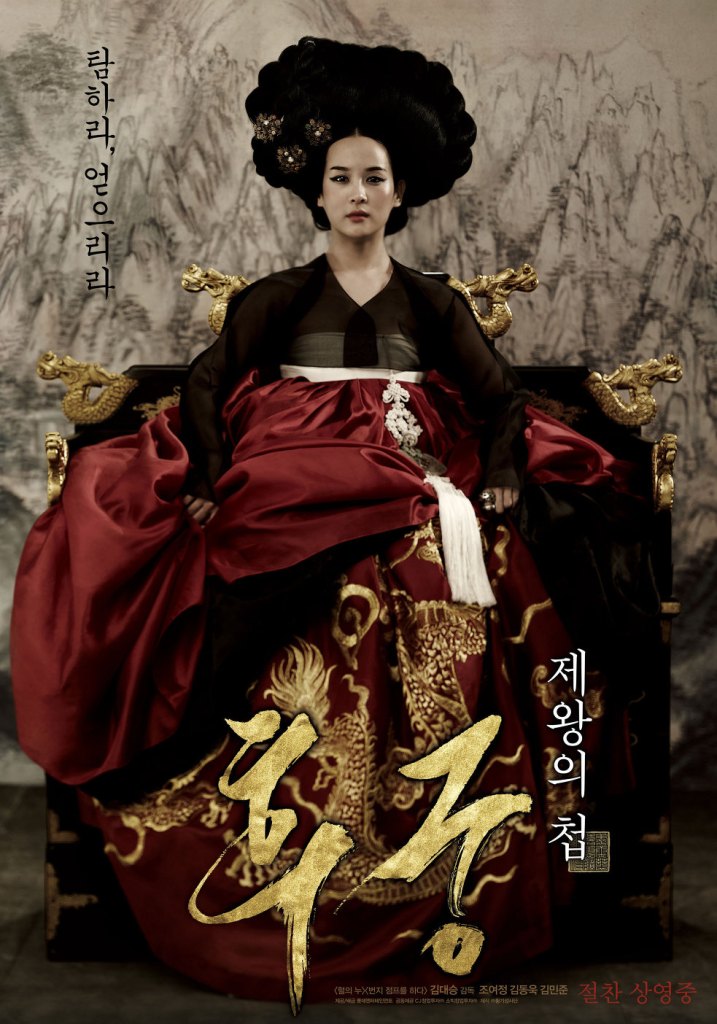 You can become the King of all Korea and your mum still won’t be happy. So it is for poor Prince Sungwon (Kim Dong-wook) who becomes accidental Iago in this Joseon tale of betrayal, cruelty, and love turning to hate in the toxic environment of the imperial court – Kim Dae-seung’s The Concubine (후궁: 제왕의 첩, Hugoong: Jewangui Chub). Power and impotence corrupt equally as the battlefield shifts to the bedroom and sex becomes weapon and currency in a complex political struggle.
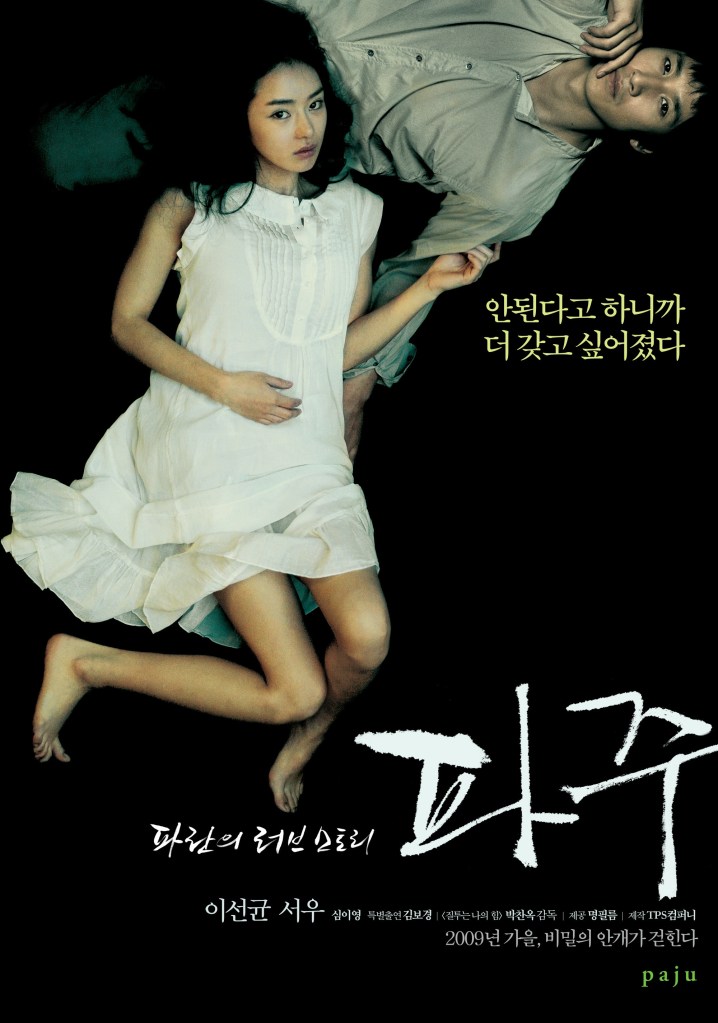 Paju (파주) is the name of a city in the far north of Korea, not far from “the” North, to be precise. Like the characters who inhabit it, Paju is a in a state of flux. Recently invaded by gangsters in the pay of developers, the old landscape is in ruins, awaiting the arrival of the future but fearing an uncertain dawn. Told across four time periods, Paju begins with Eun-mo’s (Seo Woo) return from a self imposed three year exile in India, trying to atone for something she does not understand. Much of this has to do with her brother-in-law, Joong-shik (Lee Sun-kyun), an local activist and school teacher with a troubled past. Love lands unwelcomely at the feet of two people each unable to make us of it in this melancholy coming of age tale shot through with tragic irony.
 Windows on Worlds