Troll Factory (댓글부대, Ahn Gooc-jin, 2024)

The modern world is so confusing that it’s become almost impossible to discern what is objectively “real” from what is merely currently held public opinion. Sometimes what is actually true sounds like a conspiracy theory, or maybe that’s just what they want you to think. In any case, most of us are already aware of the danger lurking behind cynically employed terms such as “fake news,” and that our perspectives are increasingly manipulated by dubious sources with their own agendas we are continually unaware of. 

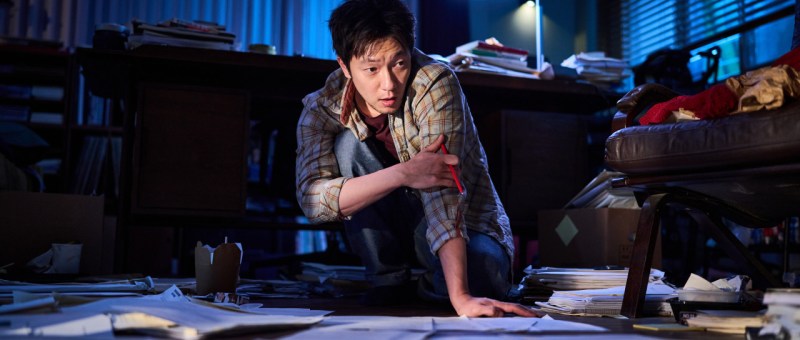
Yet is Sang-jin (Son Suk-ku) the journalistic hero of Ahn Gooc-jin’s Troll Factory (댓글부대, Daetguelbudae) already too far down the rabbit hole to be able to see the light? He’s fond of saying that “the path of a journalist is dark and lonely, but his courage changes the world,” while simultaneously admitting the “thrill” of leaking a secret that no one else knows. It’s possible he’s over romanticised his role in events and is reading more into things than is really there because at the end of the day he wants to believe which obviously leaves him dangerously open to manipulation.

In some ways, he starts his story with a more positive framing explaining that the first candlelight protests took place in the early days of the internet so they weren’t able to get the information out there fast enough to attract large enough crowds to make a difference while approximately a third of the entire population turned out in 2017 and got President Park Geun-hye impeached. Of course, that’s only good news if you’re on the same side as the protestors, and Sang-jin increasingly hints that the internet has been bought up by big business which obviously wouldn’t be. Sang-jin has a particular bugbear with a company named Manjun that was forced to offer a public apology for its corrupt business practices which were exposed thanks to the protests against the government scandal. He’s suckered into writing an article exposing them to help a small IT company that says Manjun scuppered its attempts to win a government contract then poached its employees and stole its technology.

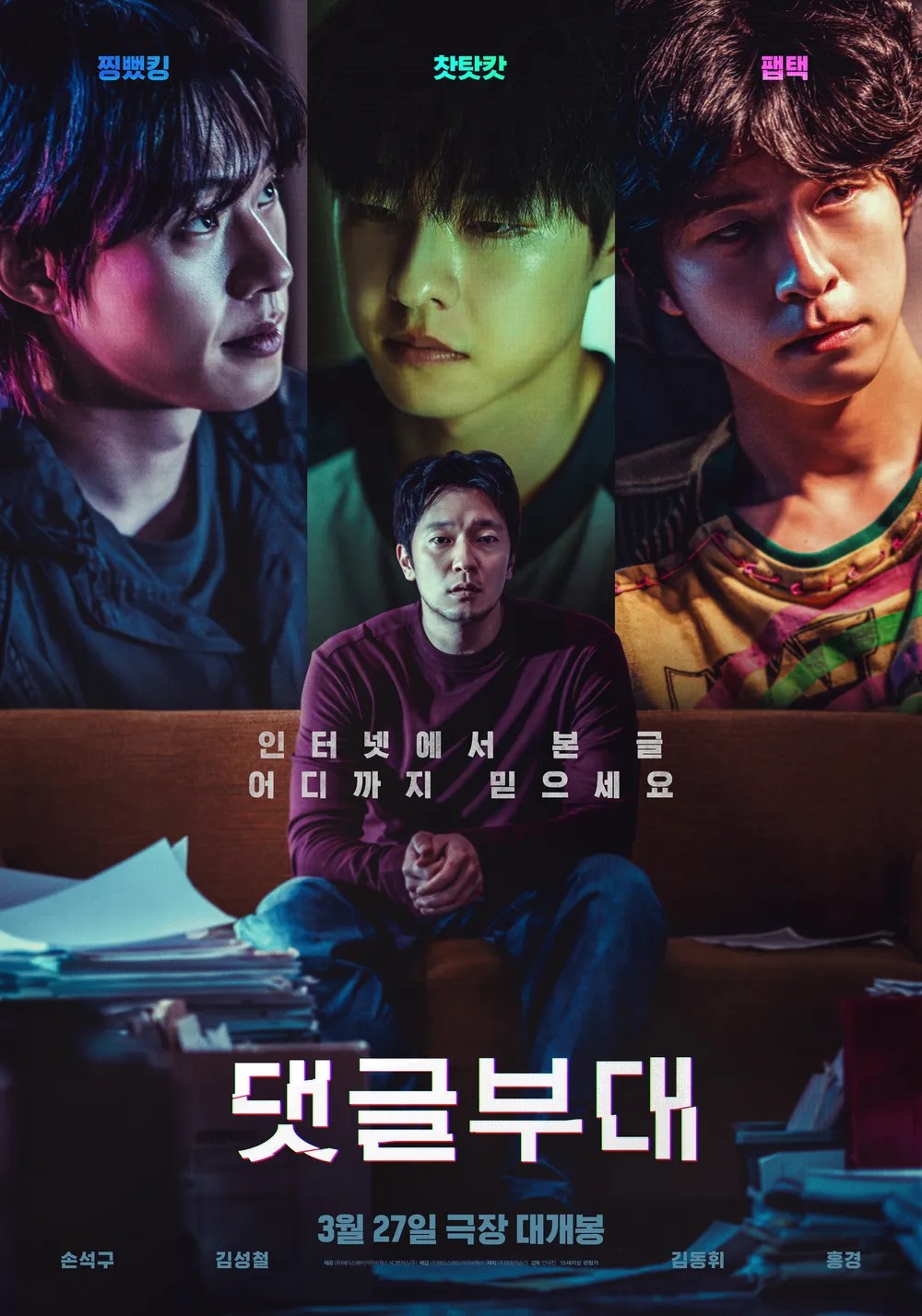
Though Sang-jin is able to publish the piece, Manjun refute it and cast doubt on the CEO’s evidence. Sang-jin is relentlessly trolled online and the CEO takes his own life with many blaming Sang-jin for allowing him to face this kind of harassment because of his own petty vendetta against Manjun and desire for journalistic glory. Yet the young man who comes to him with another story that he was employed by Manjun to run extreme PR and harassing campaigns online may not be so different in that one of their targets also took her own life after being humiliated on the internet. They were hired to get her father to stop his one man protest against the defamation laws by pushing her into suing the people trolling her. Sadly she made a much more final decision, but her father did stop protesting so technically they still achieved their goal. 

As he later says, truth mixed with lies feels more real than the actual truth. It doesn’t seem implausible that a large corporation would be doing this sort of thing. It’s not unheard of that people are paid to write product reviews for products they’ve never used or to write negative reviews of a rival business to cause them reputational damage. It stands to reason that they’d be briefing against their enemies online and trying to mitigate any negative energy by manipulating public opinion. We’ve seen this done demonstrably with bots during elections. But Sang-jin still can’t seem to critically inspect his sources and never really stops to wonder if the young man opposite him in an otherwise empty coffee shop is making all this up just to troll him personally, or in fact from the conspiracy theorist’s perspective, to permanently discredit him so that his criticisms of Manjun will never be given any credence. 

In the end, it’s him that seems like a crank resorting to posting lengthy rants on the internet because the respectable papers won’t trust him anymore now that all his scoops have been discredited. Is he right that Manjun and possibly others are running large scale “Public Opinion Task Forces” or Troll Factories online, or did he just get trolled himself and can’t let it go? In the opinion of some, he is now the troll peddling his conspiracy theories online and craving the attention of going viral with another sensationalist story. But even if not all of it’s true, that doesn’t mean it’s all lies and Sang-jin maybe onto something even if it’s just that the internet make trolls of us all as we become lost in the infinitely confusing labyrinth of what is objectively “true” and what merely a convenient lie to serve those who are in “reality” already in power or simply would wish to be. 


Trailer (Korean subtitles only)
Move the Grave (이장, Jeong Seung-o, 2019)

MOVE THE GRAVE STILL 1The patriarchal society refuses to release its grip on four disgruntled sisters in Jeong Seung-o’s debut feature Move the Grave (이장, i-jang). Unearthing the buried past is indeed what the sisters find they have to do when their father’s “eternal” resting place is ring marked for a new development, but there’s nothing quite like unexpected family reunions for throwing present and past into stark relief. Cheating spouses, surprise pregnancies, pre-marital discord, and the old favourite money woes conspire against familial unity but female solidarity is perhaps the only weapon at their disposal in an overwhelmingly sexist environment.

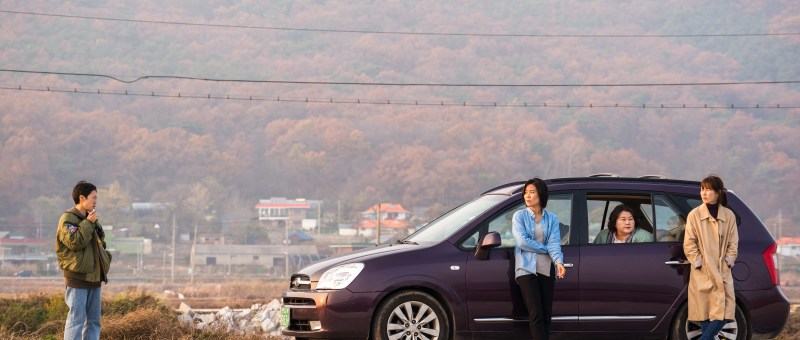
Eldest daughter Hye-yeong (Jang Liu) receives the grave relocation notice on an extremely bad day. Her naughty, headstrong son Dong-min has been reprimanded for being disruptive in school yet again, and her employer has intimated that it if she intends to take extended leave they expect her resign rather than return. Nevertheless, she has to sort this grave thing out so she calls her sisters – unhappily married Geum-ok (Lee Seon-hee), soon-to-be married Geum-hee, and university student Hye-yeon (Gong Min-jung). Meanwhile, their only brother Seung-rak (Kwak Min-gyoo), refuses to take their calls on a general basis and has never given any of them his address – something which causes a problem when the women arrive at their uncle’s house. A deeply conservative man, he refuses to move the grave without the eldest son present, sending his nieces all the way back to the city with the instruction to bring their brother back with them though they have no idea where he is.

The relationship between the sisters at least is relatively stable – they may not see each other often or particularly enjoy each other’s company but are, perhaps superficially, well acquainted with each other’s lives to the extent of suspecting there is probably more going on with each of them than anyone wants to talk about. This is especially true of Geum-ok who has brought a suspiciously large suitcase for a day trip and come alone without any of her family members. Geum-hee, meanwhile, constantly bickers about money – asking pointed questions about possible compensation and taking petty potshots at Hye-yeong over the high paid job she hasn’t had time to tell them she’s effectively been fired from for daring to ask about maternity leave.

The conservative, authoritarian, and sexist uncle has presumably made his peace with Hye-yeong’s divorce and career as a working single-mother, but continues to exercise his patriarchal rights over his nieces, insisting that their presence is less essential than that of their spoilt little brother who only ever contacts them when he needs money. Tellingly when Seung-rak is finally forced to appear, he is feted and fussed over with a lavish meal cooked by his aunt while the nieces remain a secondary consideration. Recalling their difficult upbringing, they lament that Seung-rak had the best of everything – his own room, new clothes, and a bowl full of food at dinner while the four of them always had to share. Faced with such criticism of the “traditional” family, the uncle finally erupts, asking what right “you women” think you have to talk so much, and what’s wrong with staying in the house all day doing chores anyway? 

Though the older sisters are minded to bite their tongues, committed feminist Hye-yeon isn’t going to let him get away with such outdated claptrap. She loudly takes him to task, pointing out that their father made their mother so miserable that she expressly asked not to be buried with him, while also having a word with Seung-rak about his irresponsible treatment of his former girlfriend who needs him to make an important decision but seems reluctant to consider getting back together which might be what he wants but then it’s difficult to know because none of the men in this family do much in the way of talking.

Meanwhile, Geum-hee remains pre-occupied about money because her husband-to-be is dragging his feet over her proposed budget for married life. He thinks they can shave it further by ignoring his parents’ birthdays and not buying them Christmas presents, but also that they can save on daily expenses by simply “fetching” things like toothpaste and toothbrushes from his mother’s house. Adulthood, it seems, has not quite come home to him. In the end the sexist uncle and the feckless Seung-rak are forced to stand down and respect the decision the sisters have come to about the grave, but the women remain largely powerless to resist the other forces of patriarchal oppression in their lives from unfair employment policies and stigma surrounding single motherhood to society’s general refusal to accept sexual equality. The aunt’s parting words to the unhappy crowd at the docks that they “only have each other” have a mildly chilling quality, but the family does perhaps emerge with a greater sense of intimacy and a gentle solidarity as they finally put the past to rest and prepare to move forward into a less stressful future.


Move the Grave screens on 6th July as part of the 2019 New York Asian Film Festival

Short interview with the director (English subtitles)