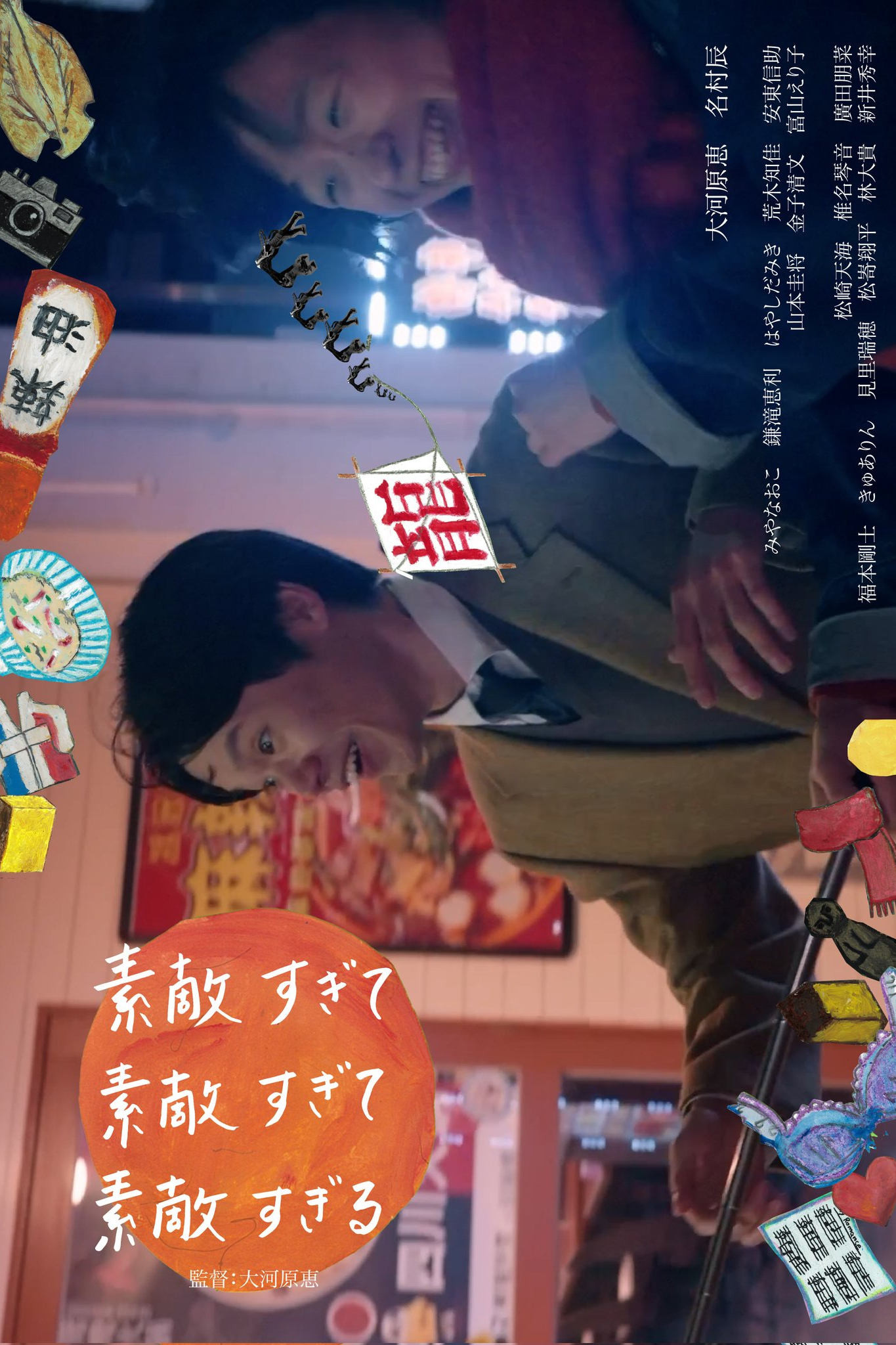
So Beautiful, Wonderful and Lovely (素敵すぎて素敵すぎて素敵すぎる, Megumi Okawara, 2025)

Is it better to have a dream that will never come true or to have no dreams at all? That’s a question that Nozomi can’t help asking herself after her world comes crashing down when she discovers her boyfriend is randomly marrying someone else. Nevertheless, she comes to realise that her life is and always has been So Beautiful, Wonderful, and Lovely (素敵すぎて素敵すぎて素敵すぎる, Sutekisugite, Sutekisugite, Suteki Sugite) in Megumi Okawara’s quirky indie dramedy of endless heartbreak and constant absurdity.

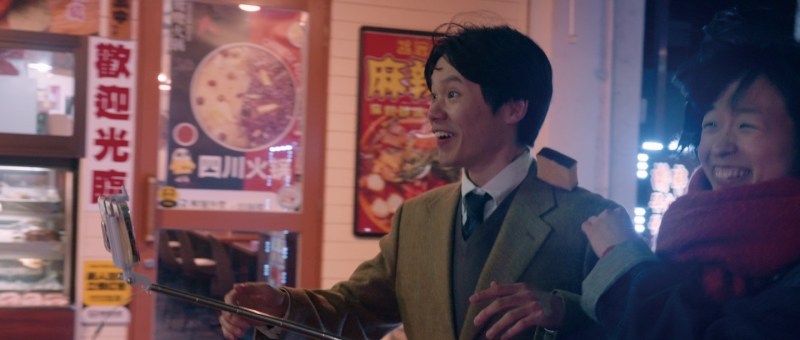
At least, there’s nothing more absurd than being haunted by the spirit of your very much still alive boyfriend in the form of a slice of castella cake. Nozomi’s mother has been tearfully trying to perfect a party trick to perform at the wedding of her daughter to boyfriend Chitose, but unbeknownst to her, Chitose has married someone else. Gatecrashing the ceremony, Nozomi teamed up with Chitose’s brother Susumu to hijack the wedding photo and then run off with the camera though she ended up crashing into a castella cake delivery guy and landing in hospital with a brace around her neck. The neck brace is perhaps a symbol of the way Nozomi’s world has been narrowed, preventing her from turning her head to find new directions in life. But those would be hard to find anyway when you’re being followed around by a guy who looks like your ex but also claims to be a piece of sentient cake. 

To begin with, she tries to have fun with Castella-Chitose by going on influencer-style dates such as a visit to his “birthplace” (a castella cake shop) while trying to understand her relationship with the “real” Chitose who not is particularly nice and very pissed off about everything that happened with his wedding along with Nozomi’s lingering attachment to him. She seems to want to continue with the relationship as it was even though he treats her poorly and has already married someone else, while he just seems to be paranoid that she plans to expose their affair even if he does accept responsibility in having behaved badly by never mentioning that he already had girlfriend and for an unknown reason also keeping his wedding and marriage a secret from his colleagues at the school where they both work. 

After making an “affair”-themed video it seems designed to blackmail him into getting back with her, Nozomi (whose name means “hope”) decides to make a fresh start by getting a job in a stationery shop which also turns out to be staffed by people with broken dreams. Her eccentric boss Yoko and the other clerk apparently live in adjacent wardrobes at a rented apartment while Anita, a middle-aged man too timid to interact with customers, worries for his daughter who has broken dreams of her own. Surreal as it is with its weird customers who turn up to see the “new products” or try to buy crab rice which they obviously don’t sell, Nozomi begins to find a new sense of belonging and solidarity as she grieves her failed relationship with Chitose which is set to expire in exactly two weeks’ time when the castella finally meets its best before date.

But then what she discovers is that the thing about dreams that don’t come is that they never expire. Perhaps it really is better to have a dream that won’t come true than not have a dream at all. Or at least, that’s what her new colleagues seem to show her even the midst of their loneliness as they latch on to each other and remind Nozomi that as Castella-Chitose said she matters and that there are people who love and care for her in ways that the real Chitose obviously never did. She wishes most of her life were a dream, while her dreams never come true but still her life is and has always been so beautiful, wonderful, and lovely even if she’s only just really becoming able to appreciate it thanks to her new friends who are giving her the courage to dream new dreams and move on from her disappointing relationship with Chitose while watched over by the spirit of castella cake. Defiantly weird but also warm and wholesome, the final message is that it’s best to embrace life’s strangeness along with its joys and heartbreaks while continuing to dream even if those dreams may never come true.


So Beautiful, Wonderful and Lovely screened as part of this year’s Osaka Asian Film Festival.

Trailer (English subtitles)
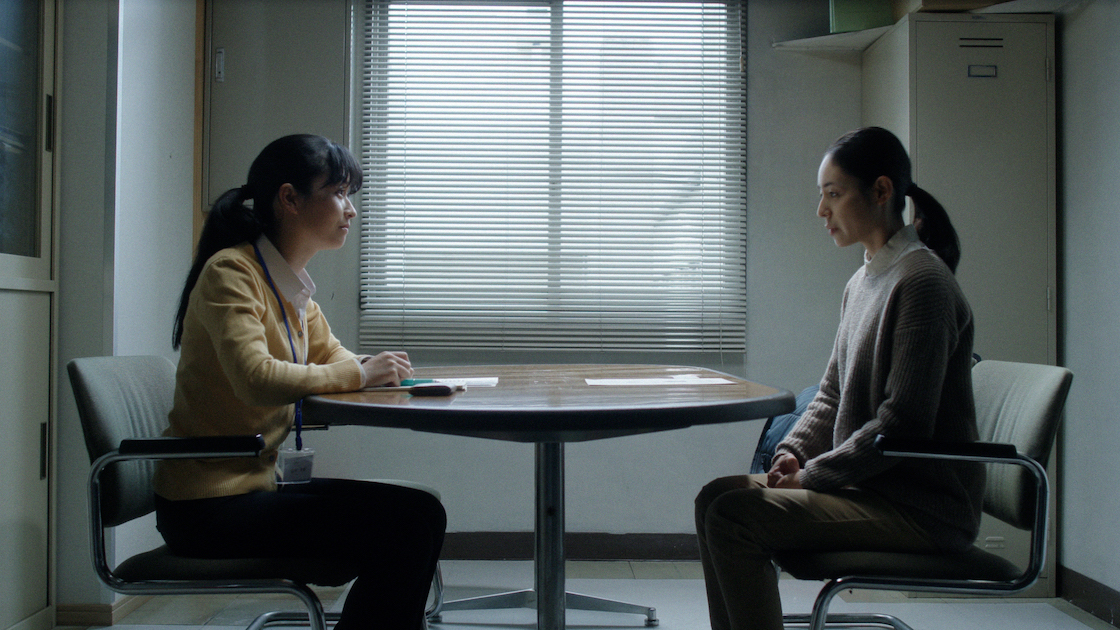
Snowdrop (スノードロップ, Kota Yoshida, 2024)

As the heroine of Kota Yoshida’s Snowdrop (スノードロップ) says close to the end of the film, you can become used to living in miserable circumstances and bear it because it is your normal but being suddenly confronted by them does nothing other than compound your misery. At least that’s how it seemed to her while attempting to register for social security payments after her father suffers a workplace accident and needs surgery they can’t afford in order to be well enough to be employed and earn money. 

Then again, her family circumstances are a little unusual in that her father, Eiji, left when she was little only to return 25 years later and ask to be taken in again swearing he’d work hard. Nearly 20 years after that, Naoko (Aki Nishihara) has had to give up working to care for her mother who has advanced dementia and requires round the clock care leaving Eiji as the only breadwinner though he is also elderly and working only as a newspaper delivery man which already makes it very difficult for them to make ends meet. It’s Eiji’s boss who suggests they apply for government help so that Eiji can get treatment for the gout that’s affecting his legs and get well enough to work again, though it’s clear that the family feel a degree of shame about the idea of accepting assistance even though as social worker Munemura points out it’s something that’s available to everyone should they ever need it.

The problem is however that you have to prove that you’re struggling which can be a long and difficult process. Naoko later describes it as a kind of humiliation, that she was forced to parade her penury and by doing so was confronted by the misery of her circumstances. Munemura describes her as a very earnest woman and is impressed by the way she meticulously fills in all the correct forms while the house, when they come to inspect it, is tidy and well kept (something which might actually go against you in other countries) even if they’re eying up her car and wondering if she really needs it. Munemura also sympathises with her on a personal level, realising from the forms that Eiji must have been absent from the family for an extended period and that they suffered because of it while it must also have been hard for Naoko caring for her severely ill mother alone for over 10 years.

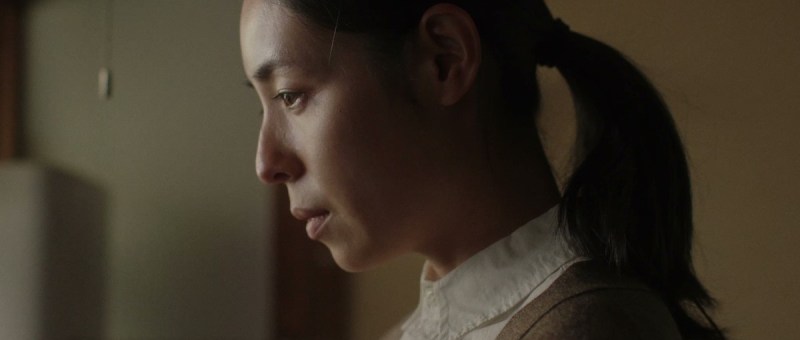
Naoko herself has a largely beaten down, defeated aura in which she’s given up on the idea of a future for herself. She later describes caring for her mother as its own kind of escape in that she always found it difficult to get along with other people and never felt confident at work so being a carer became a kind of identity for her that she also feared losing if they were successful in their application and were able to secure nursing assistance for her mother. As well-meaning as Munemura is, she is not perhaps in the position of being able to see or deal with all sides of the issues someone like Naoko faces and is therefore shocked by the dark place her despair eventually takes her. Munemura faces a similar issue with a woman in her 70s whose claims that the cleaning job they insisted she take was simply too difficult for her at her age is treated with less than total sympathy by her slightly more cynical colleague.

A largely unexplored subplot in which it’s implied there was another sister who was given up because of the father’s abandonment and the family’s poverty hints at a deep-seated childhood trauma but also fissure within the family itself as Naoko explains her actions solely with the justification “we were a family” as if she too feared being left behind or abandoned even while her older sister has evidently been able have a family of her own though is also very sympathetic towards Naoko and in no way holds her responsible anything that happened. All she really wanted was an escape from her misery, which she may in a way get with the fresh shoots of a new life already visible to her if only she can embrace them. Shot with a detached naturalism, Yoshida’s drama is often bleak though does not lack for empathy and especially for those like Naoko who are largely left to deal with their misery all alone.


Snowdrop screened as part of this year’s Osaka Asian Film Festival.

Original trailer (English subtitles)