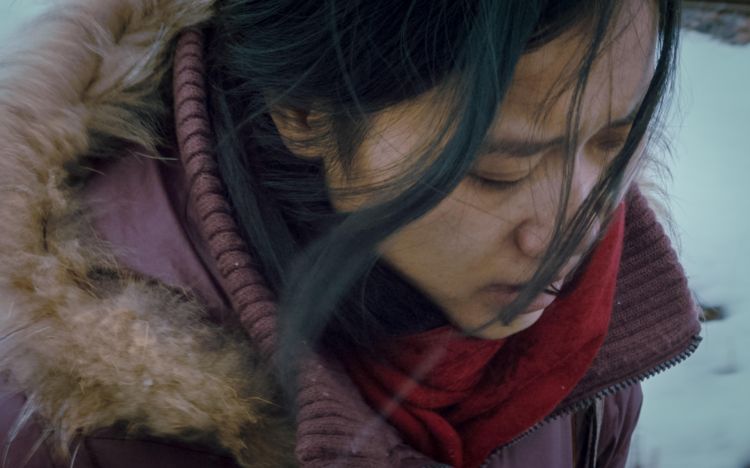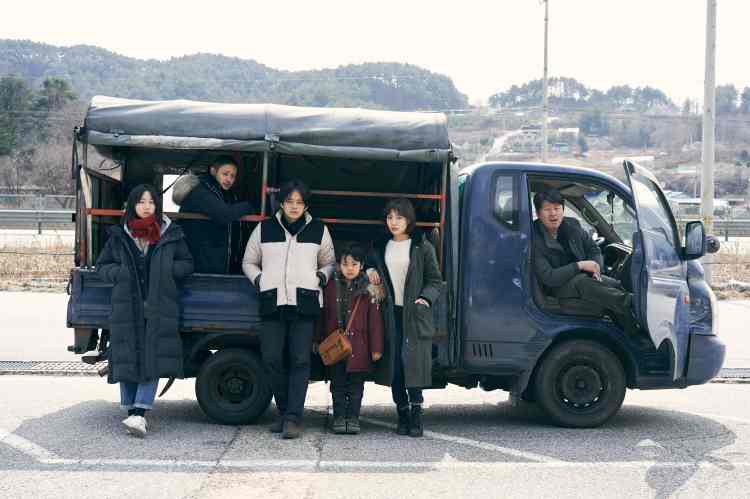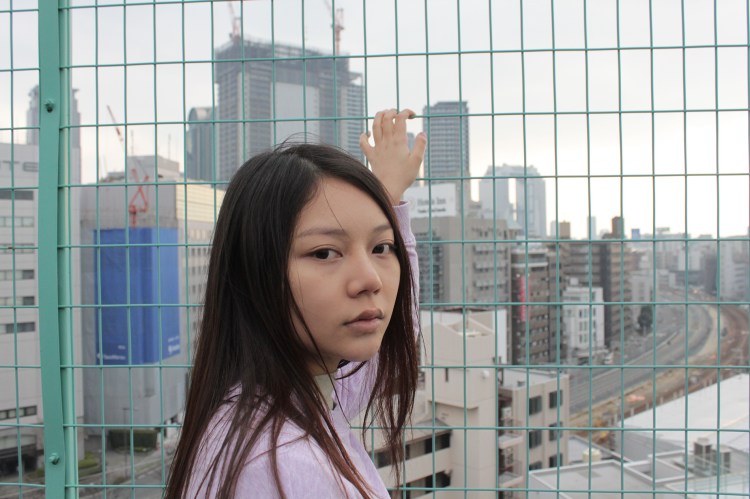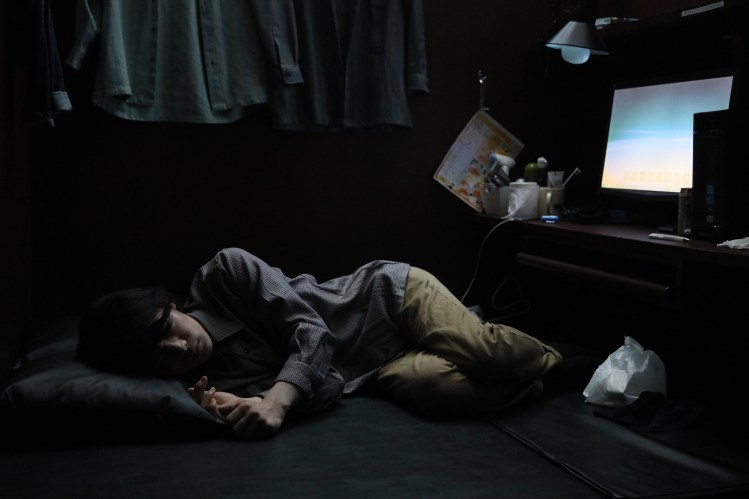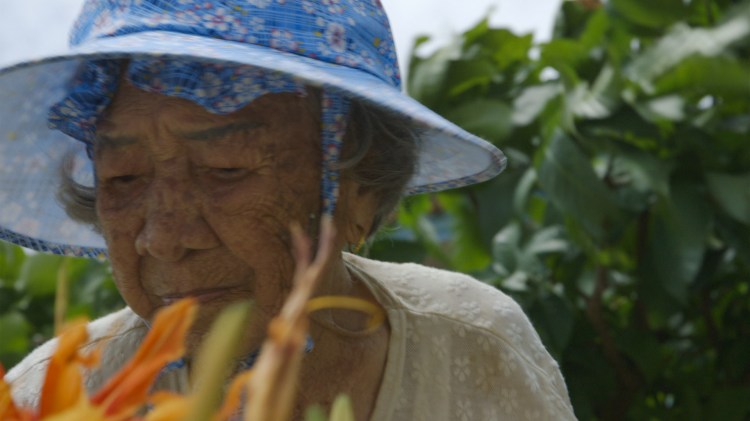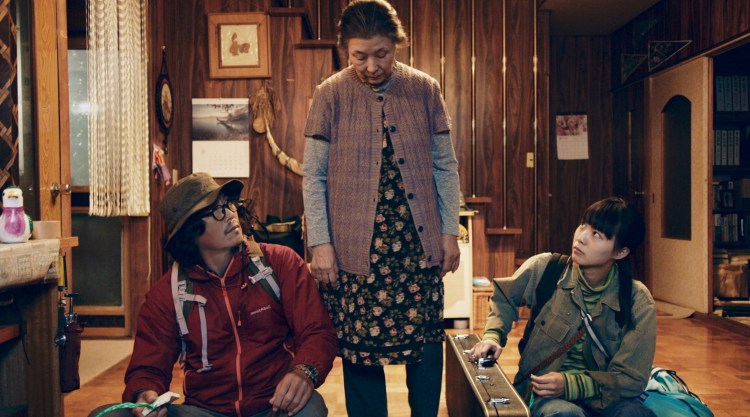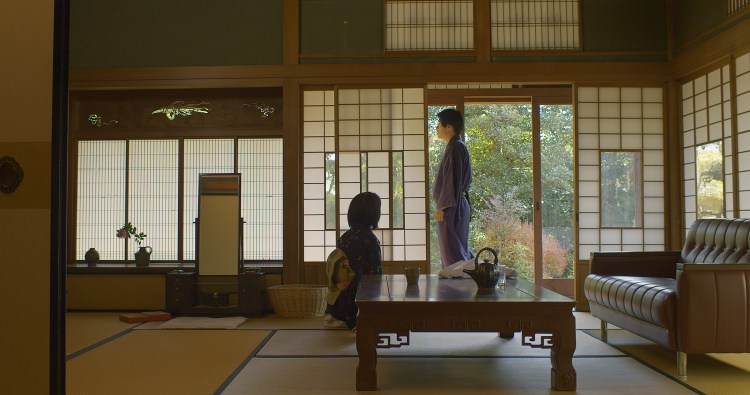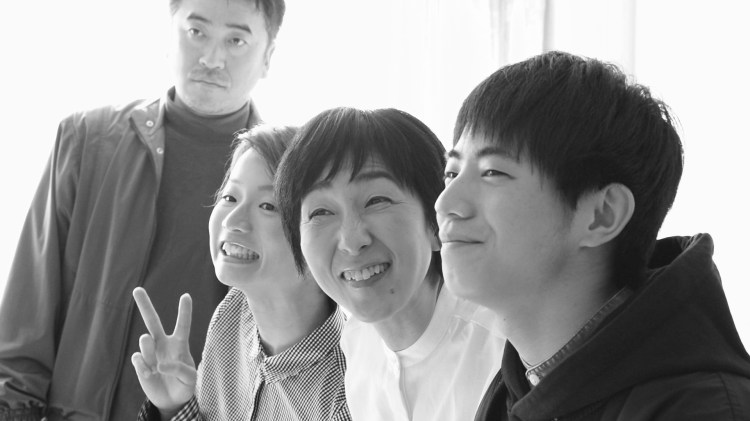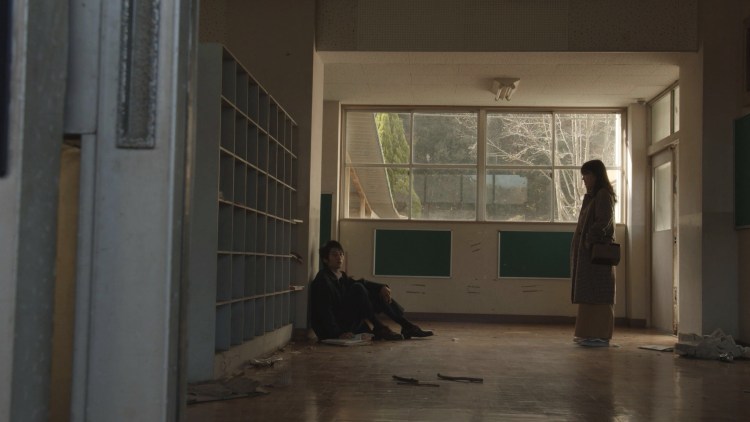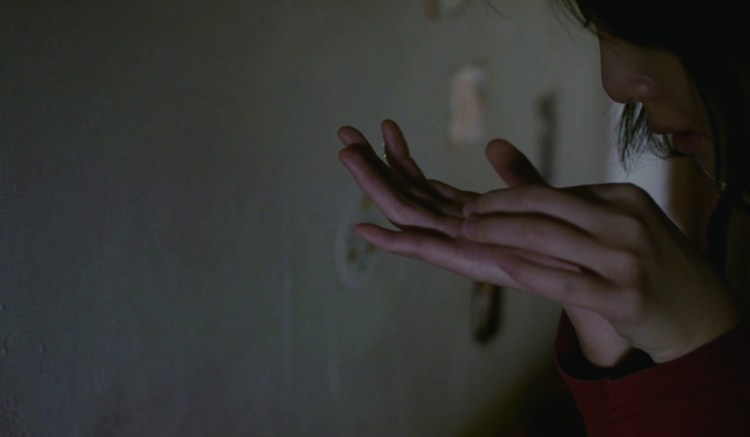
Along the Sea (海辺の彼女たち, Akio Fujimoto, 2020)

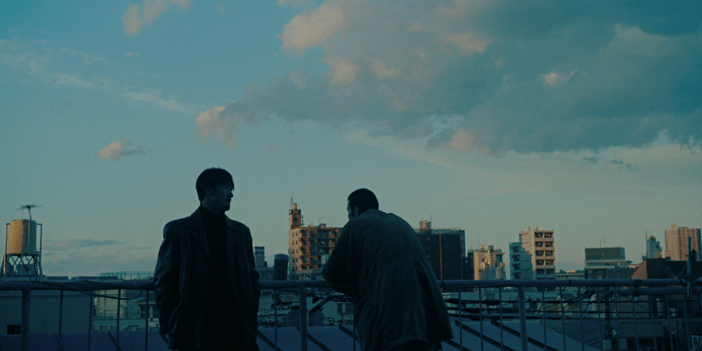
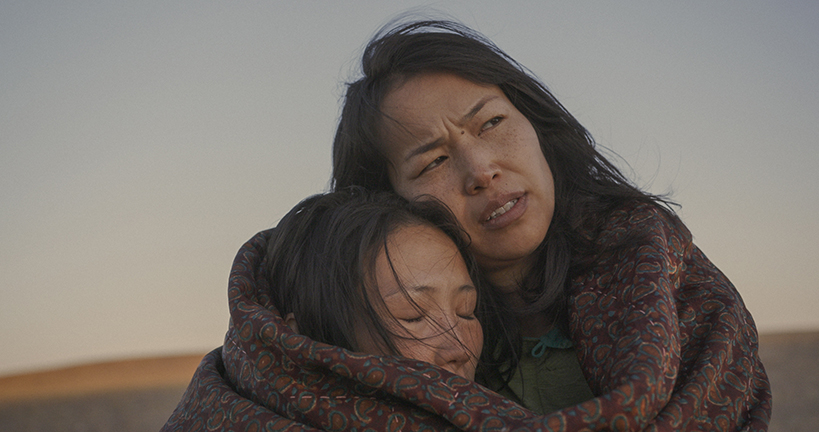
Japan has famously tough immigration law and surprisingly robust labour protections though enforcing them often proves difficult. The plight of undocumented migrant workers can however be stark as Akio Fujimoto’s Along the Sea (海辺の彼女たち, Umibe no Kanojotachi) makes plain. The three women at the film’s centre, originally from Vietnam, came to Japan legally as part of the government-backed Technical Intern Training Program set up in the early ‘90s supposedly to provide temporary training opportunities for workers from developing economies. Perhaps inevitably, the scheme has often come in for criticism that it amounts to little more than legalised people trafficking allowing employers to maintain exploitative working practices while hiring cheap foreign labour and placing the so-called interns into positions which offer no real technical training. 

This is very much the experience of Phuong (Hoang Phuong), Nhu (Quynh Nhu), and An (Huynh Tuyet Anh), three women in their early 20s who decide to leave their placement because of untenable exploitative conditions requiring them to work 15-hour days with little provision for meals or rest and no payment of overtime. Little different from traffickers, the employers have also held onto the women’s documentation in an attempt to prevent them leaving. The result of this, however, is that they will be living in Japan essentially illegally and without any kind of paperwork at all making it extremely difficult to return to Vietnam. 

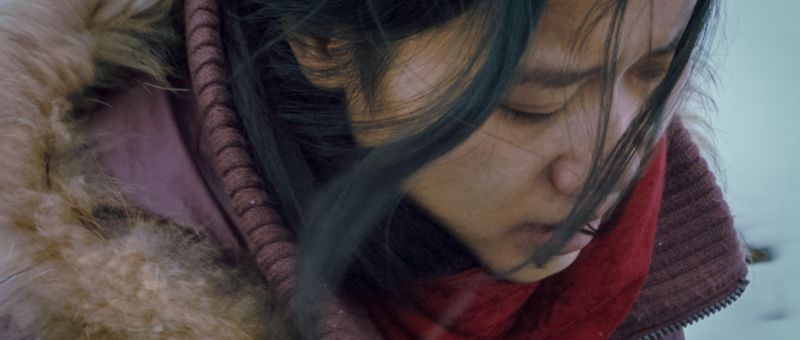
Fujimoto opens with the women’s nighttime escape, a perilous journey carrying heavy bags through the night until reaching a train station and then on to buses and ferries to the frozen north of Japan where they are met by a man in a van who takes them to their new place of employment, a fish packing warehouse in Aomori. Though the work is physically strenuous, the payment is much higher than they were previously receiving and paid on time, and the conditions are much more like a regular job with more reasonable hours including weekends off. They are not watched and have a much greater degree of freedom but are obviously nervous of discovery and prevented from participating in certain activities owing to having no ID. This becomes a particular problem for one of the women, Phuong, who has begun feeling ill but is unable to get medical treatment without some kind of documentation to show hospital staff. 

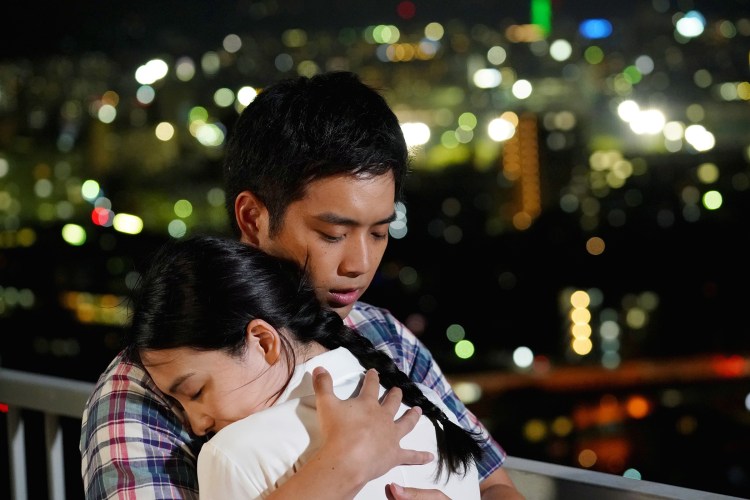
What Phuong hasn’t shared with the other two women is that she suspects she may be pregnant by her hometown boyfriend. During their escape there had existed between them a fierce solidarity and now in a sense they have only each other to rely on, otherwise entirely alone in a foreign land. Phuong’s pregnancy revelation however drives a wedge between the women with Nhu in particular quickly losing sympathy and heavily pressurising her towards an abortion less out of concern and practicality than fear that she may give them all away. The later conclusion can only be that one or both of the women has betrayed Phuong by telling the broker about her pregnancy further piling on the pressure and almost certainly destroying the only support network the women had through an irreparable breach of trust. 

Turned away by the hospital Phuong resolves to buy fake documentation only to be exploited once again by a fixer who suddenly demands more money forcing her to trek through the frozen countryside after losing her train fare home. Like the broker, who is actually nice, polite, and considerate (to a point) in his treatment of the women, the fixer is also Vietnamese a reminder that the women are in a sense being exploited by their fellow countrymen. One of the broker’s chief concerns is obviously that he’s taking 10% of the women’s pay on top of his original commission on finding the work and therefore he loses out if Phuong is unable to work during her pregnancy while childcare is also incompatible with her current lifestyle. Compounding the problem is the fact that each of the women is working to provide not for themselves but for their families meaning that Phuong is in no way free to simply decide to go home and raise her child. Cheerfully discussing what they’d like to do if they had more money, Nhu and An want to pay off their parents’ debts and provide for their siblings’ education. Phuong’s predicament affects more than just the lives of the three women and it seems they are not above forcing her hand in order to protect the better life they’re suffering to provide for their families.

A melancholy character study, Fujimoto’s unflinching drama follows Phuong with documentary precision towards an almost inevitable conclusion as she finds herself hemmed in by the demands of others entirely unable to act on her own desires while denied basic rights and freedoms by virtue of her lack of documentation. Shining a light on the all too hidden lives of migrant workers, Along the Sea paints a bleak picture of the contemporary society in which even solidarity can be broken by the cruel desperation of those who have nothing else on which to depend.


Along the Sea screened as part of the 2021 Osaka Asian Film Festival.

Original trailer (English subtitles)

Keep Rolling (好好拍電影, Man Lim-Chung, 2020)

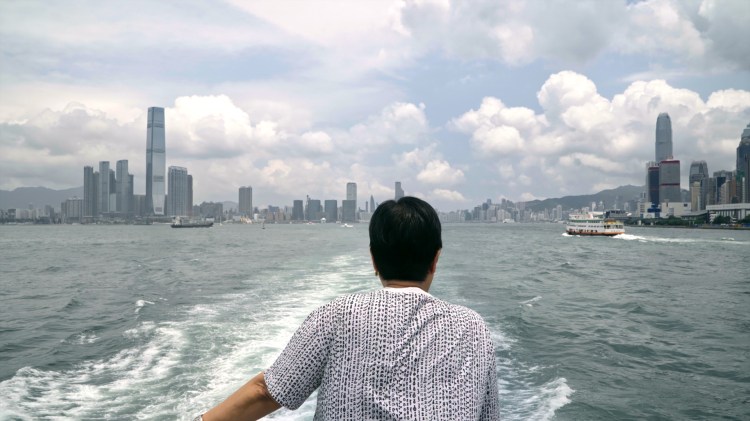
In recent years a festival darling, Ann Hui picked up the Golden Lion lifetime achievement award at the 77th Venice Film Festival yet there have been plenty of ups and downs in her 40-year career as Man Lim-Chung’s candid documentary Keep Rolling (好好拍電影) makes plain. Making his feature directorial debut, Man has been a frequent Hui collaborator as production designer and art director since July Rhapsody in 2002 and follows Hui from the production of 2017’s Our Time Will Come right up to her Golden Lion acceptance speech featuring both behind the scenes footage of Hui directing and direct to camera interviews from herself and other Sinophone directors including Stanley Kwan, Tian Zhuangzhuang, Jia Zhangke, Fruit Chan, Tsui Hark, and Hou Hsiao-Hsien. 

What quickly becomes clear is Hui’s ready willingness to face herself. She makes no secret of her on-set frustrations, Man cutting to footage of her irritated with an assistant director while another director recalls an incident from earlier in her career in which she lost her temper with her creative team only to turn up the next morning with tea and pineapple buns by way of an apology. By contrast, she is also described as unusually flexible in her working practices, willing to listen to the opinions of others and change her mind if convinced rather than stubbornly insisting on perfection or getting the image first in her head. Though she is often direct and forthright, making it plain to a PR that she won’t go on stage just to say a few meaningless words while reminding another that she’s not as young as she was and the schedule of in-person appearances is becoming unmanageable, she is also cheerful and energetic always laughing and joking unconcerned with her image and willing to expose an unvarnished vision of herself such as her agonising over a dress to wear to an awards ceremony only to turn up in her regular clothes because she didn’t have time to change after spending all day deliberating with the jury, much to the annoyance of old friend Sylvia Chang who had dressed up for the occasion. 

This is perhaps why she’s been able to weather the storm, philosophically laughing off the low points of her career in which she struggled to make ends meet as having accorded her additional life experience and added to her understanding of the lives of others. “You should treat each film as if it’s your last”, Stanley Kwan remembers her advising him, not for any morbid reason that tomorrow you may be gone but because you may never get the opportunity again should funding dry up which is a definite possibility in ever pragmatic Hong Kong. After recovering from a slump with Summer Snow, she found herself in another after the consecutive box office failures of The Stunt Woman and Eighteen Springs, funding Ordinary Heroes with investments from friends but seeing that too flop leaving her with no offers at all.

Yet as Jia Zhangke points out, an artist cannot care too much about box office and Hui herself comments on her determination to take on stories that matter to her and more recently to contemporary Hong Kong though she also admits that the growing importance of the Mainland market may be disrupting that of the local industry. Her protagonists are loners and outsiders often standing at a crossroads of history, a position pregnant with symbolism reflecting according to some the spirit of Hong Kong always anxious in search of settlement and security. Yet, they also perhaps reflect a sense of herself as a perpetual exile, born in Northern China to a Chinese father and a mother she discovered only at 16 to have been Japanese, thereby gaining new understanding which helped repair their sometimes fractious relationship as dramatised in 1990’s Song of the Exile. Now in her 70s and still working, Hui also cares for her now elderly mother reluctant to pursue the idea of placing her in residential care unwilling to admit the idea of “abandoning” someone while perhaps also reflecting on her experiences filming A Simple Life, inspired by the life of her friend and producer Roger Lee. A vibrant yet uncompromising look at the life and career of a legendary artist who helped to kick start the Hong Kong New Wave and went on to conquer European festivals, Man’s elegantly put together doc ends with the words “Long live cinema” a fitting tribute to woman who has dedicated her life to its continuing evolution.


Keep Rolling opened the 2021 Osaka Asian Film Festival. Viewers in the US will also have the opportunity to stream the film March 17 – 21 as part of Asian Pop-Up Cinema Season 12.

Original trailer (English / Traditional Chinese subtitles)
Osaka Asian Film Festival 2021 Announces Complete Lineup

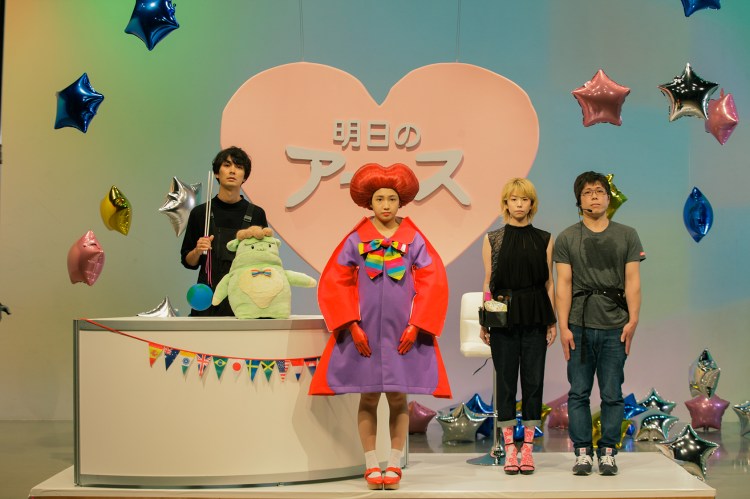
The Osaka Asian Film Festival will return for its 16th edition as a physical event to be held in the city from 5th to 14th March. In line with coronavirus precautions, the festival will take place without guests or Q&As while a small selection of films previously screened at OAFF will also be available to stream online in Japan from 28th February. This year’s opening gala is the Ann Hui documentary Keep Rolling while Yuya Ishii’s The Asian Angel makes its World Premiere bringing the festival to a close on 14th March.

Bhutan

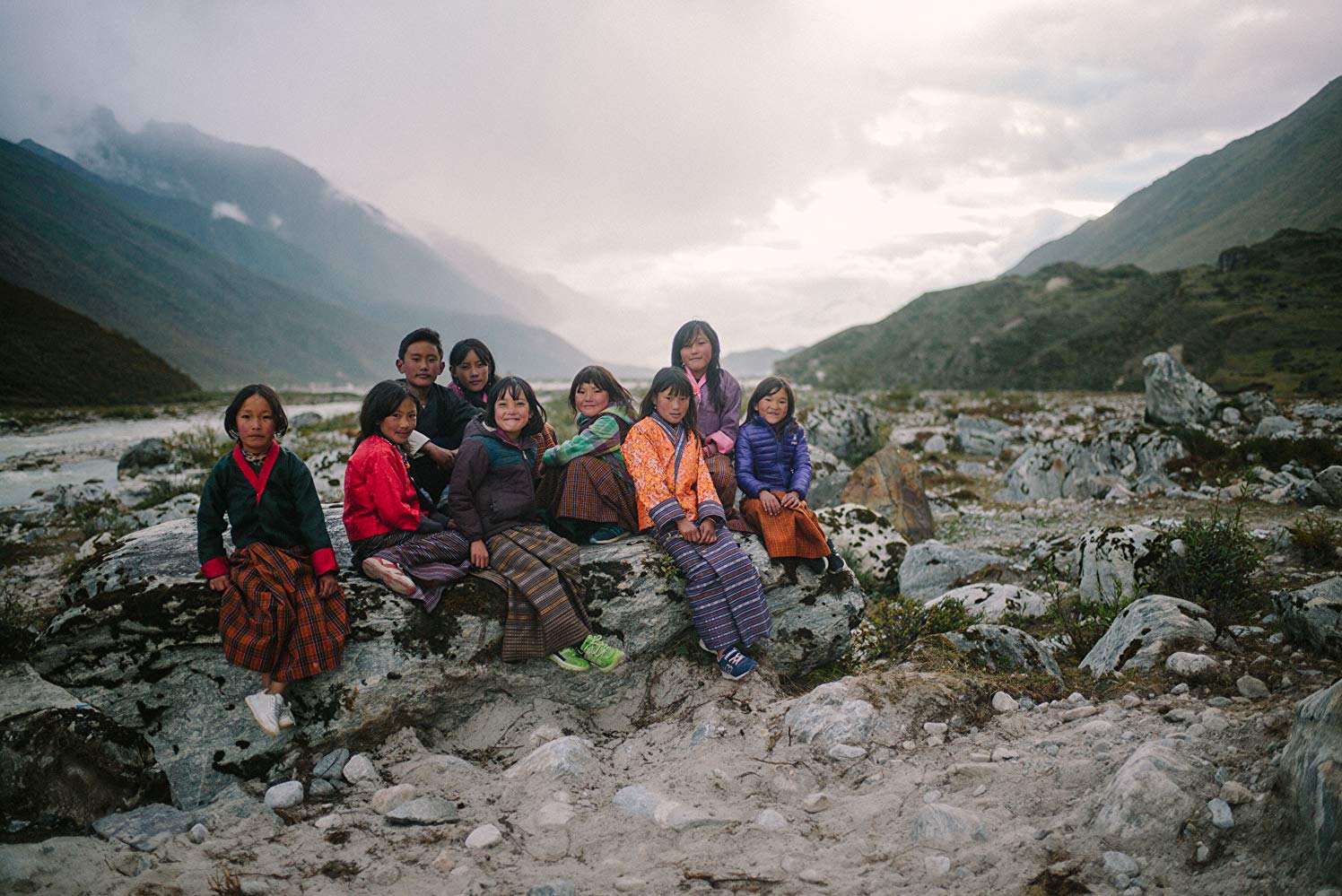
  • Lunana: A Yak in the Classroom – a frustrated teacher is dismayed to learn he’s being sent to a remote mountain outpost but is eventually won over by the kids. Review.

China

  • A Song for You – a nomad dreaming of becoming a folk singer encounters a young woman resembling the goddess of music who tells him he must record an album in this indie drama from Dukar Tserang.
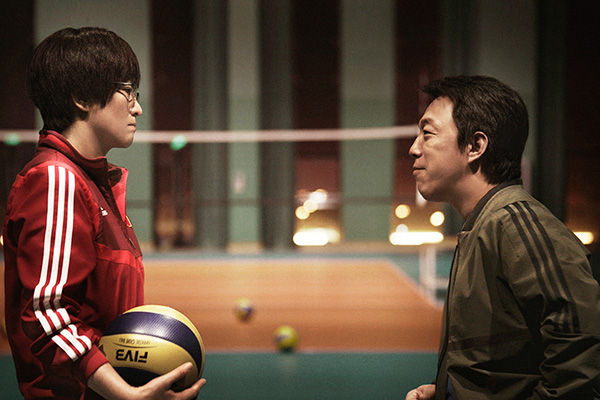
  • Leap – Peter Chan’s New Year volleyball drama starring Gong Li as a legendary woman’s Olympic team coach.
  • A Summer Trip – warm hearted drama from Feng Keyu in which a grumpy old Korean war vet and his rebellious grandson go on a road trip in the days before the Beijing Olympics.

Hong Kong

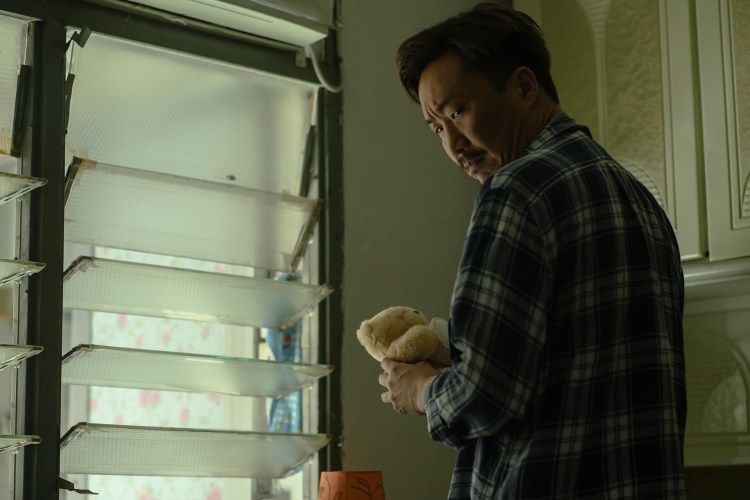
  • Elisa’s Day – a policeman is forced to face a mistake he made 20 years previously while investigating a crime of passion.
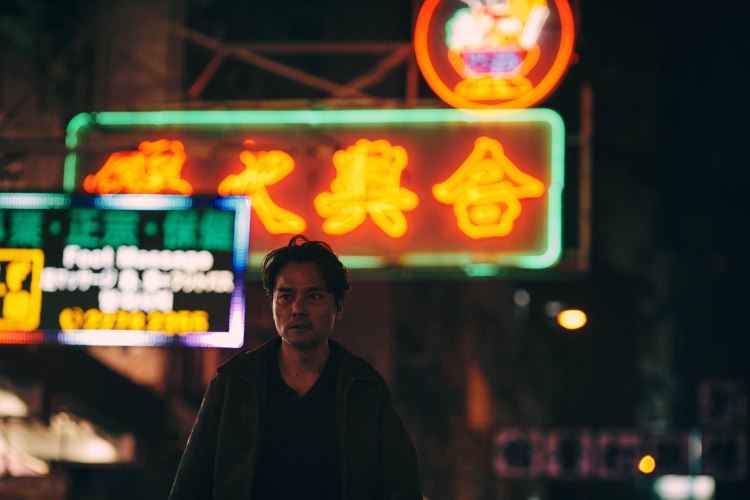
  • Hand Rolled Cigarette – debut feature from Chan Kin-long starring Gordon Lam as a former soldier turned triad who bonds with a young South East Asian street thief.
  • Keep Rolling – documentary focussing on the life and career of director Ann Hui. Opening night gala.
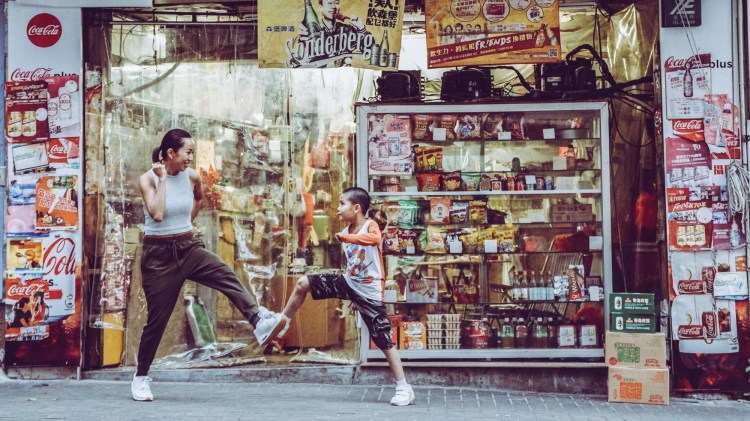
  • The Way We Keep Dancing – artists and dancers come together to put on a show in protest to the increasing gentrification of the former Kowloon industrial district where they live.

Indonesia

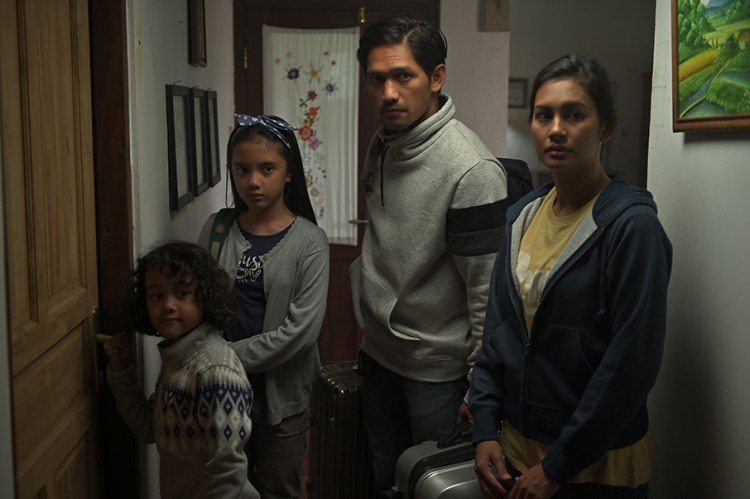
  • Affliction – horror film from Teddy Soeriaatmadja in which a grieving wife tries to uncover the secret behind her mother-in-law’s decline.
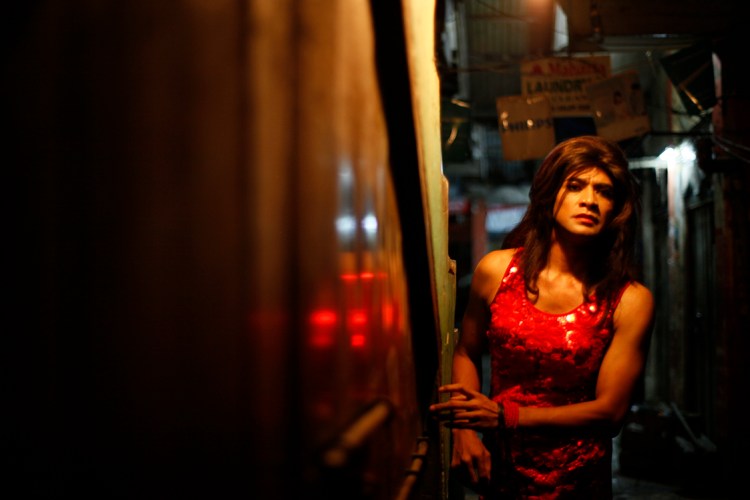
  • Lovely Man – 2011 drama from Teddy Soeriaatmadja in which a young woman with strong religious views comes to the city in search of her estranged father who is now a transgender woman. Streaming online.

Japan

  • (C)Yukari Sakamoto
  • Along the Sea – drama from Akio Fujimoto following three young Vietnamese women who end up undocumented after leaving a training programme in Japan.
  • The Asian Angel – drama from Yuya Ishii in which a recently widowed novelist takes his young son to live with his brother in Seoul only to find his brother had exaggerated the degree of his success.
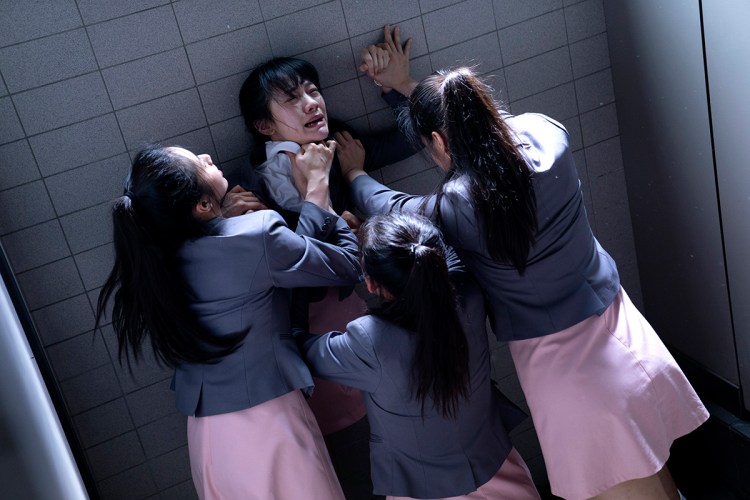
  • B/B – graduation film from Kosuke Nakahama in which a woman with multiple personality disorder is interviewed by police in connection with the killing of a convenience store owner in a 2020 which has also seen the Olympics cancelled due to corruption and a failed poison gas attack by a new religion.
  • Born in Hiroshima – personal documentary in which the director, born in Hiroshima but from Peking, charts his roots through the story of his izakaya-running family with whom he lived until the age of three.
  • Come and Go – A detective investigates the connection between the discovery of an old woman’s skeleton and a series of real estate scams by interviewing the local residents many of whom are migrant workers from other areas of Asia.
  • For Rei – A confused young woman begins to gain a degree of self-acceptance after facing the image of her absent father in Yukari Sakamoto’s indie drama. Review. First screened last year now streaming online.
  • Goto-san – drama following a young man living and working in a manga cafe who falls in love but then loses his job and place to live when the cafe is closed due to the coronavirus pandemic.
  • Green Jail – documentary focussing on an old woman who is the last survivor of forced labourers trafficked from Taiwan to work in Okinawa’s “Green Jail” during the colonial era.
  • itomichi – latest drama from Satoko Yokohama (The Actor, Bare Essence of Life) in which a young woman skilled in playing the Tsugaru-shamisen starts working in a maid cafe in order to get over her shyness.

  • JOINT – yakuza drama in which a man gets out of prison and enlists two old friends to start a business selling data for telephone fraud to the yakuza only to find himself trapped in the criminal underworld.
  • Love and the Grand Tug-of-war – love story between a young man who’s staked his youth on the local tug-of-war, and a medical student from Korea.
  • A New Wind Blows – latest indie film from Yutaro Nakamura focussing on romantic confusion.
  • Over the Town – ensemble drama from Rikiya Imaizumi following a young man who rarely leaves Shimokitazawa where he works in a vintage clothing store whose life changes when he’s asked to appear in an indie film.
  • OZU – third in Zon Pilone’s trilogy of films focussing on Sadao Yamanaka, Setsuko Hara, and Yasujiro Ozu.
  • POP! – collaboration between The Man Who Was Eaten screenwriter Masashi Komura and musician Aru-2
  • Sweet Bitter Candy – strange sad tale of a young woman on the cusp of adulthood and a misfit man from Yutaro Nakamura.
  • yes, yes, yes – story of a family’s destruction and rebirth from Akihiko Yano.
  • Young Birds – youth drama at which a trio of students at Digital Hollywood University, one Japanese, one Chinese, and one Thai, team up to complete their graduation movie.

Korea

  • Beyond You – latest from Alone/A Fish director Park Hong-min in which a man confronts the daughter of his first love who thinks he might be her father.
  • The Slug – whimsical time-shifting drama in which a young woman is haunted by the image of her traumatised childhood self.
  • Three Sisters – drama starring Moon So-ri, Kim Sun-young and Jang Yoon-ju as a trio of sisters returning home for their father’s birthday only for their younger brother to start causing trouble.

Mongolia

  • Black Milk – two sisters find their bond frustrated by cultural differences when one returns after many years of living in Germany.

Philippines

  • Here and There – love story about a young couple who meet remotely amid the coronavirus pandemic.
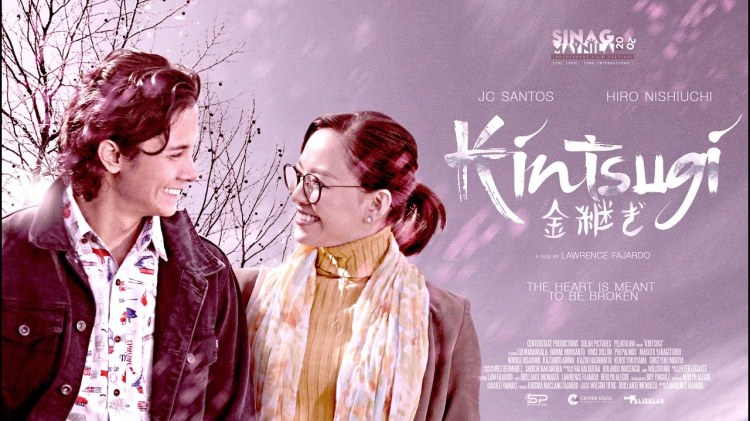
  • KINTSUGI – romantic drama in which a Filipino man travels to Japan to expand his pottery business and falls in love with the Japanese heiress of a pottery factory.

Singapore

  • Tiong Bahru Social Club – a young man goes on a comical journey through a data-driven project to create the happiest neighbourhood in the world.

Taiwan

  • Born to be Human – drama in which a 14-year-old boy discovers he is intersex.
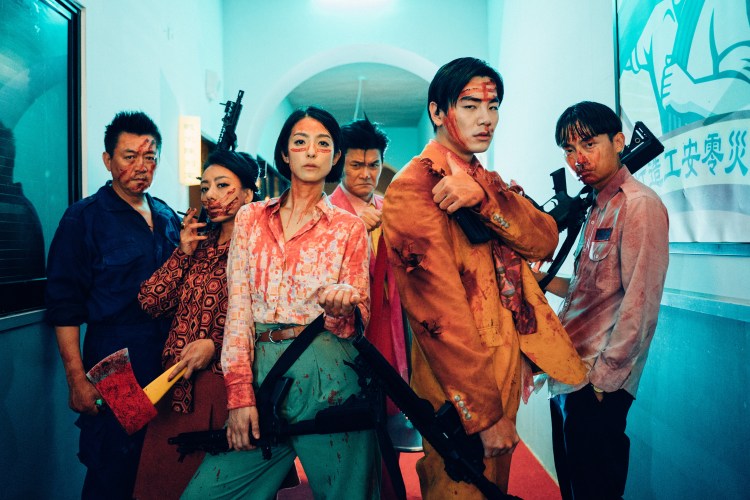
  • Get the Hell Out – An idealistic former MP and a hapless, besotted security guard attempt to fight their way out of a zombiefied parliament in Wang I-Fan’s absurdist satire. Review.
  • Gwan Gung Vs. Aliens – newly restored 1976 SFX drama in which an ancient general is reincarnated to fend off an attack from laser-wielding giant aliens. Streaming online.
  • Hotel Iris – adaptation of Yoko Ogawa’s novel shifted to Taiwan and starring Masatoshi Nagase as a translator who develops a twisted relationship with a young woman working at the hotel.
  • The Rice Dumpling Vendors – An arrogant businessman rediscovers what’s really important after he unfairly throws out his wife and is cheated out of his riches by a wily mistress in Hsin Chi’s male melodrama Taiyupian. Review. Streaming online.
  • Wrath of Desire – latest drama from lesbian filmmaker Zero Chou in which a traumatised judge struggling with her Catholic upbringing and brother’s suicide enters a rebound marriage with a genderless young man in fear of her feelings for a woman she sent to prison for killing a man who broke into her home.

Thailand

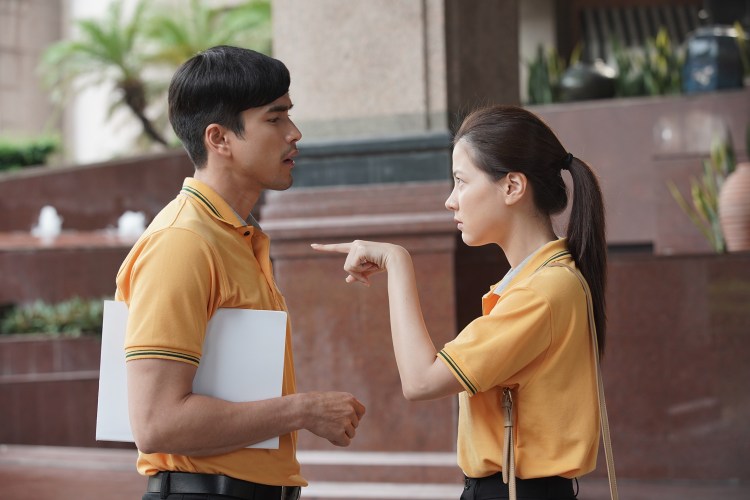
  • The Con-Heartist – a woman whose boyfriend ran out on her saddling her with his debts is targeted by a conman but convinces him to help her swindle her ex instead!
  • P-047 – 2011 drama in which a locksmith and a novelist develop a hobby of breaking into people’s homes not to steal but to temporarily experience the lives of others. Streaming online.

Vietnam

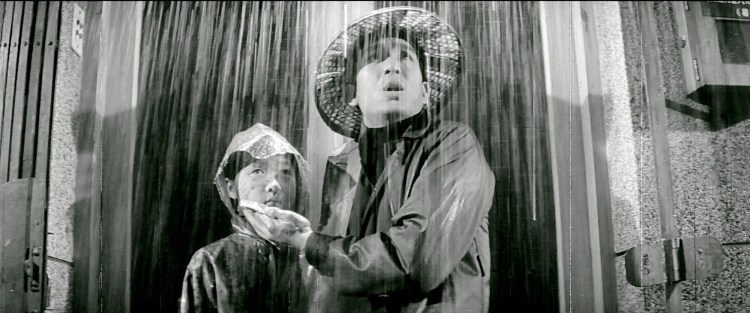
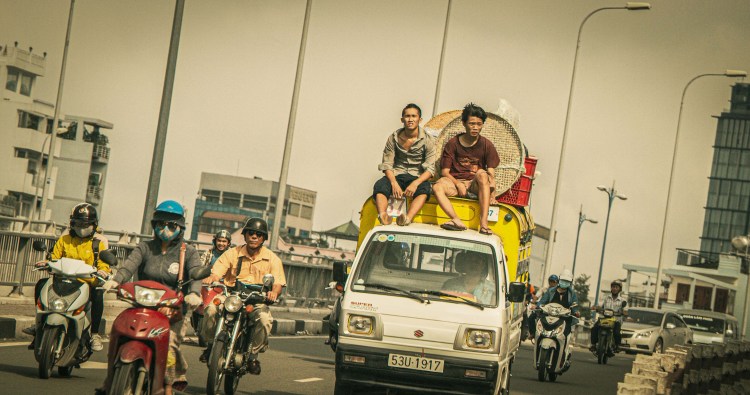
  • ROM – The residents of a rundown slum awaiting demolition stake everything on lucky numbers in Trần Thanh Huy’s gritty portrait of modern Saigon. Review.
  • Sister Sister – psychological drama in which a TV presenter takes in a young runaway only to discover she has ulterior motives.

The Osaka Asian Film Festival runs from 5th to 14th March at venues across the city (coronavirus regulations permitting) with a selection of films screened in previous years also available online from 28th February. Full details for all the films as well as ticketing links are available via the official website. You can also keep up with all the latest details by following the festival on Facebook, TwitterInstagram, and YouTube.