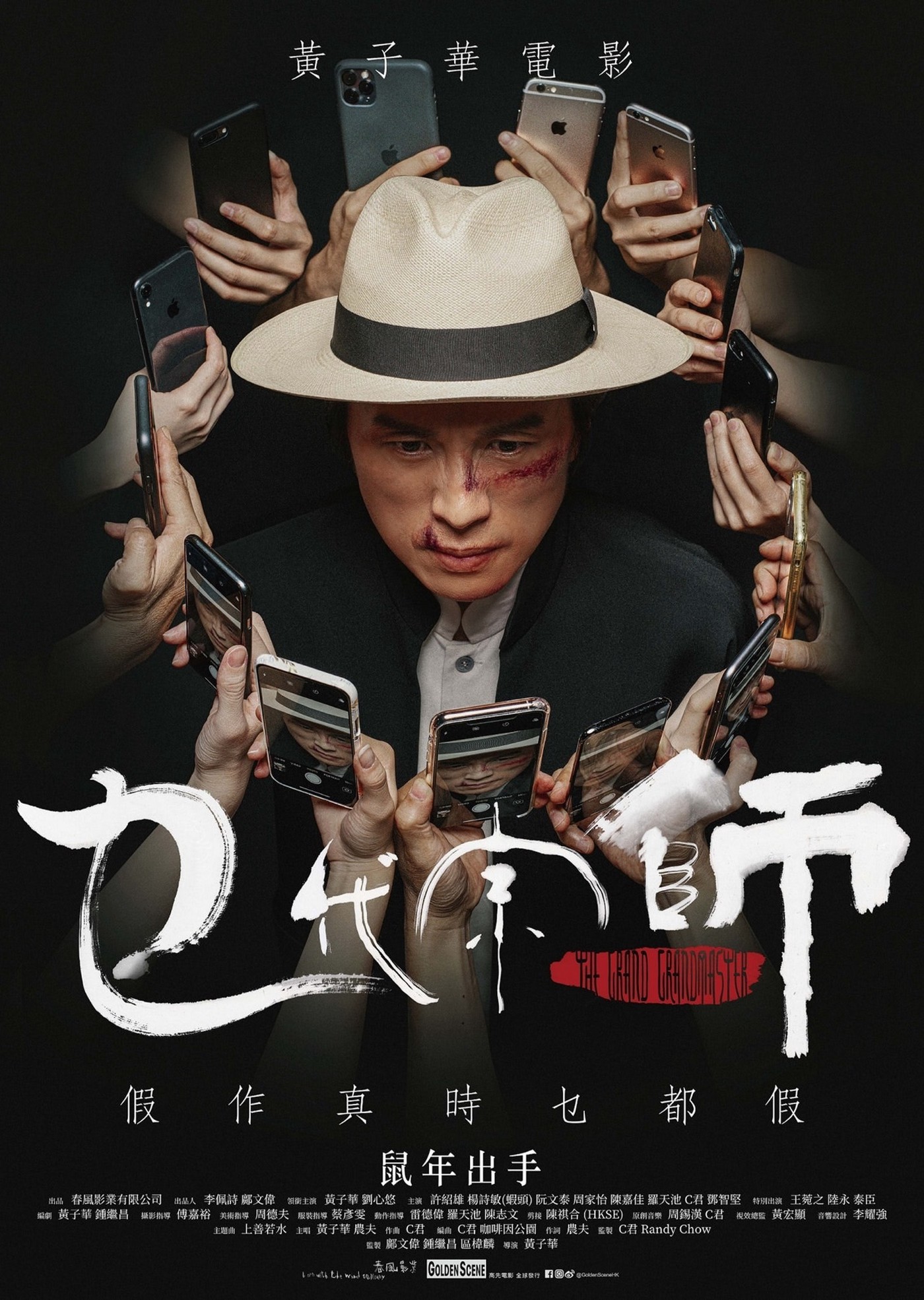
The Grand Grandmaster (乜代宗師, Dayo Wong, 2020)

Are you actually “the grandmaster” or just a bit “grand”, the hero of The Grand Grandmaster (乜代宗師) is eventually forced to ask himself after being confronted with the various levels of his self-delusion. Legend has it that comedian Dayo Wong sold an apartment to finance his second directorial feature in order to produce a purely local film without having to submit himself to the strictures of the Mainland censors’ board or accept funding from the greater PRC, a move which endeared him to the young protestors then still out in the streets campaigning for democracy. The Grand Grandmaster was one of the few New Year films to make into cinemas before they shut down because of the pandemic but aside from Wong’s grand gesture is perhaps light on political content, save for a mild satire on the commercialisation of kung fu. 

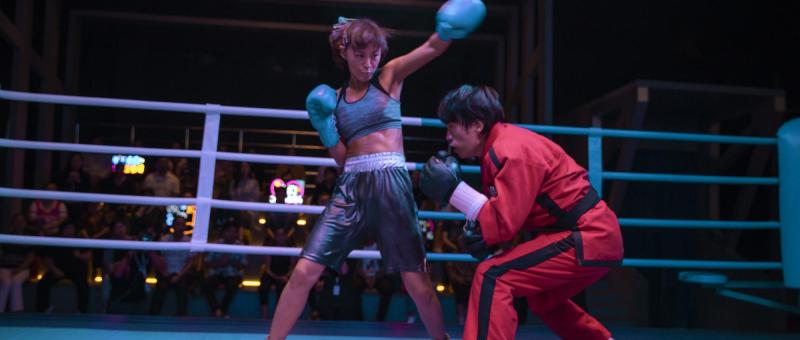
The Grand Grandmaster, Ma Fe-lung (Dayo Wong Chi-Wah), is the latest guardian of the Ma Ka Thunder Style martial art apparently carried by one of his ancestors to Hong Kong from the Mainland during the Song dynasty. Ma Ka Thunder has since become something of a brand with its own dedicated merchandising line and video ads playing on giant billboards featuring Fei-lung himself as the face of the organisation. His hopes for US expansion along with his general business plan are disrupted when he gets into a public altercation with an old man who tries to steal his taxi and then makes a scene claiming that Fei-lung hit him leading Chan Tsang (Annie Liu Xin-You), the “boxing goddess”, to emerge from the shadows and give Fei-lung a public beating. Filmed by everyone in the surrounding area, the event becomes a viral phenomenon that leaves Fei-lung humiliated but while his minions urge him towards a public rematch to regain his reputation, Fei-lung is consumed with despair on realising there is no way he could ever hope to defeat the feisty young woman. 

Wong has fun satirising the lore of kung fu as Fei-lung outlines the strange tenets of the Ma Ka Thunder Style which turns out to make more sense that it first seems only generations of practitioners have it seems forgotten something quite fundamental. Fei-lung and his associates have to ask themselves if the art of Ma Ka is really just “fake fighting”, something suggested to Fei-lung by his loyal assistant who makes a point of overdoing his defeat and admits he only stays with the school because living outside is hard and here he gets room and board. Urged to show his full strength, he effortlessly defeats his master but only by abandoning Thunder Style for a selection of moves from other martial arts. 

The remainder of the film sees Fei-lung trying to “dodge” Tsang, firstly by trying to bribe her to throw the fight for him and then by convincing her to get more “comfortable” with the idea of losing. Events take a rather strange turn when Tsang’s dad gets involved and starts training Fei-lung for real in an effort to get back at his daughter for quitting boxing after a single defeat apparently humiliating him in another nod to the film’s strangely sexist worldview. Tsang bizarrely falls for Fei-lung after witnessing the depths of his self-delusion in his complex relationship with his ex-wife, building to a crisis which accidentally makes a case for domestic violence in insisting that Tsang will only believe that Fei-lung really loves her if he defeats her in the ring. 

Nevertheless, the conclusion is an oddly egalitarian one in which there is no win, no lose, no draw. Fei-lung realises the various ways in which he’s been deluding himself and presumably emerges with a little more clarity, awakened to the true meaning of the “virtue like water” motto of Ma Ka Thunder Style which apparently lies in generosity of spirit, giving without expecting in return and like water trickling down. Which is to say, Fei-lung learns to stop dodging life’s blows, to give up on tricks and fakery, and to be a little more authentic, which is perhaps how he wins Tsang’s heart and respect. A committed performance from Liu helps to mitigate some otherwise flat comedy though the saga of the kung fu con man rediscovering his sense of social responsibility through a true appreciation of martial arts never quite hits home, while a strange mid-credits diversion perhaps proves one move too far.


Trailer (Traditional Chinese / English subtitles)
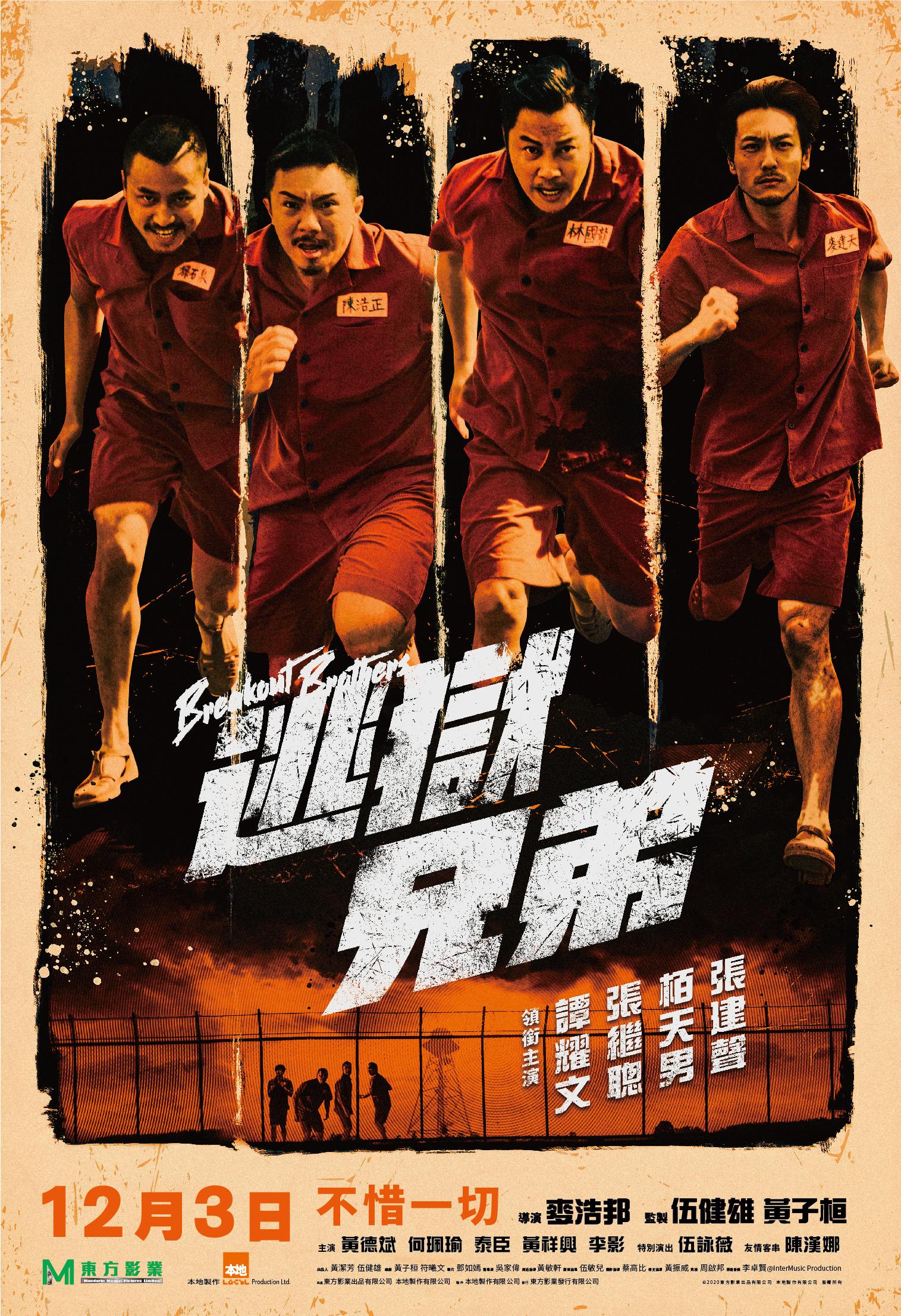
Breakout Brothers (逃獄兄弟, Mak Ho-Pong, 2020)

“I’m treating this as a vacation” says affable triad Chan (Louis Cheung Kai-Chung) of his three month prison term, after all it’s rent free and three meals a day who could say no to that in the difficult economic environment of pre-handover Hong Kong? Nevertheless, it’s hardly a vacation if you can’t cut it short and Chan, along with two buddies, will eventually find reasons to want to leave. Mak Ho-pong’s genial prison break comedy Breakout Brothers (逃獄兄弟) takes occasional subversive potshots against an increasingly corrupt social order but eventually discovers that you can’t escape social responsibility while the real reward is indeed the friends you make along the way. 

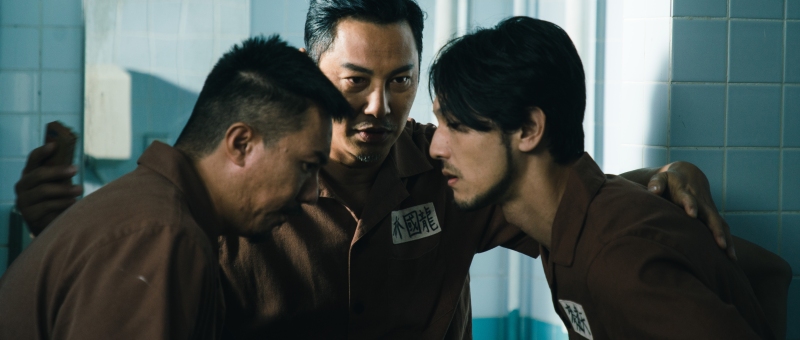
That is at least the conclusion that newbie prisoner Mak (Adam Pak Tin-Nam) comes to after being pulled into an escape plan formulated by petty gangster Chan who decides to make a break for it after learning that his dear mother has been taken ill and needs a kidney transplant which only he can give her. Thinking of his prison time as a vacation from the pressures of everyday life, Chan has been a low maintenance prisoner and therefore assumed the warden would agree to a temporary release to let him help his mum, but Warden Tang (Kenny Wong Tak-Ban) who has already served a “life sentence” of 30 years in post has recently been promised a promotion and doesn’t want anything to mess it up like a prisoner turning fugitive while on hospital leave. Spotting a workman disappearing from a storeroom and emerging Mario-style from a manhole on the other side of the fence Chan gets an idea and enlists Mak, an architect inside after being framed for taking bribes, to help him figure out the logistics, and Big Roller (Patrick Tam Yiu-Man), leader of the prison’s second biggest gang, for access and protection. 

The guys’ predicaments are perhaps embodiments of the age, Chan wanting out for reasons of filial piety while for Big Roller it’s in a sense the reverse in learning the daughter he was told had died is in fact alive and about to be married. Mak meanwhile wants out because he’s a sitting duck inside, the shady construction CEO who framed him for signing off on lax safety procedures which led to a fire in a prominent building having enlisted the services of rival gangster Scar (Justin Cheung Kin-Seng) to intimidate him into dropping his appeal. Hints of institutional corruption extend to the colonial prison system with guards quite clearly intimidated by prisoners and often turning a blind eye to cellblock violence while it’s also implied that Warden Tang has in a sense facilitated the rise of Scar at the expense of Big Roller as a means of maintaining order. He, like the colonial authorities, will soon be on his way but anticipating his own freedom is keen there be no trouble which is why he refuses Chan’s compassionate leave and extends little sympathy to new boy Mak. 

In any case, the real draw is the bumbling crime caper of the guys planning a heist-style escape which is, in the history of prison escapes, not an especially elaborate one. The prison is not exactly max security, and as they plan to escape during the celebrations for the Mid-August festival none of them are anticipating much difficulty in making it to the outside though as expected not quite everything goes to plan. Mak, meanwhile, eventually takes Big Roller’s advice and decides to stay inside to clear his name properly while the gang ensure his safety rather than try to live as a guilty fugitive and possibly be caught only to end up with more time. The other two have more pressing temporary goals and have not perhaps considered what to do after they’ve completed them, believing only that their lives are untenable if they cannot fulfil their duties as father and son respectively. 

Perhaps for this reason, the Mainland-friendly conclusion has each of the men recommitting themselves to paying their debts to society, Chan even insisting that he’s going to use his time wisely to improve his education in order to be a better husband and son while Big Roller promises to become a carpenter for real. Mak gets a partial vindication in that the shady CEO is finally forced to face justice while also realising that his slightly elitist, individualist stance has been mistaken thanks to the warm and genuine relationships he’s discovered inside. More comedy crime caper than tense prison break thriller, Breakout Brothers remains true to its name in prioritising the unconventional friendship that develops between the trio as they bond in a shared sense of existential rather than literal imprisonment. 


Breakout Brothers screened as part of this year’s New York Asian Film Festival.

Original trailer (English / Traditional Chinese subtitles)