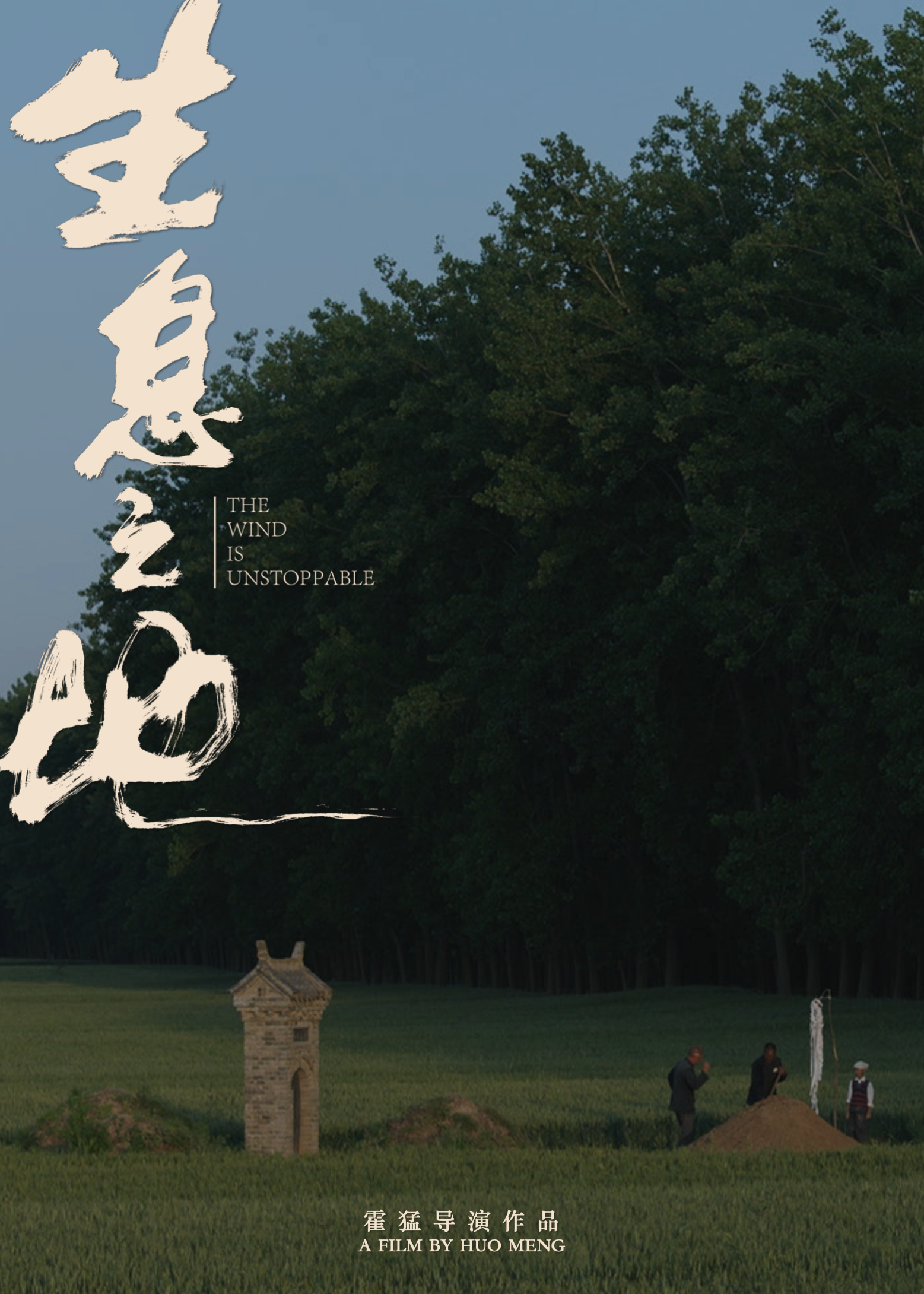
When a way of life has gone on unchanged for centuries, the idea that it might soon disappear seems unthinkable, but change is indeed coming to the village in Huo Meng’s elegiac drama, Living the Land (生息之地, shēngxī zhī dì). Set concretely in 1991, the economic reforms and impact of the One Child Policy are beginning to make themselves felt, while incoming mechanisation begins to destabilise the rural environment. Farmers will always have to work the land, one utters in exasperation as a local man employs a large American tractor he says is capable of doing the work of a hundred villagers, while other young men decide it’s time to go south and seek their fortunes in the factories of a new era.
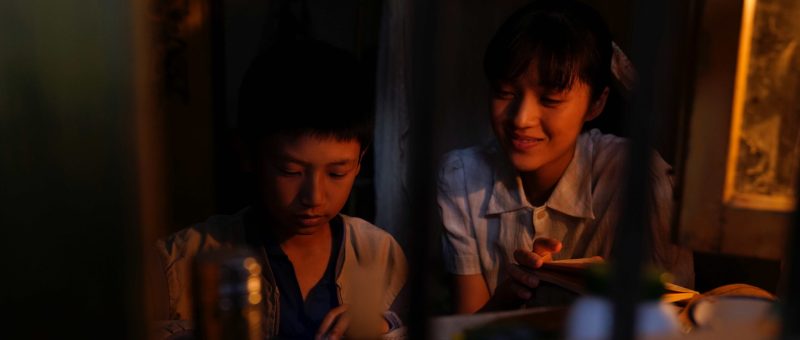
Even so, the film opens with a literal digging up of the past. 10-year-old Chuang’s (Wang Shang) great aunt has died, and his uncle and grandfather want to exhume his great uncle from the makeshift grave he was placed in after getting on the wrong side of the authorities so they can be buried together. Villagers talk cryptically about those who didn’t make it through the Cultural Revolution and Great Leap Forward, but otherwise continue living their traditional lives in harmony with the landscape. The irony is that Chuang is a left behind child whose parents are working away in the city, but the reason he’s not with them is because he’s a secret. He’s their third child and they can’t afford to pay the fine for violating the One Child Policy while his father works for the government and would probably be fired if they found out.
And so, Chuang is living with his maternal grandparents while his siblings are with their parents. The fact he keeps wetting the bed at a comparatively late age is likely down to this sense of rootless anxiety. He doesn’t know if he should say this is his home village because he has a different surname to the people he’s living with. While his grandfather plots out burial spaces for the rest of the family, he leaves Chuang out, and when the boy asks why, he says he doesn’t belong here because his name isn’t Li. He’s mainly been cared for by his aunt, Xiuying (Zhang Yanrong) but she soon comes under pressure to marry, especially when a wealthy local man takes a liking to her and her tentative romance with the local school teacher falls flat when he too goes south without her.
Xiuying attends the regular pregnancy screenings on her aunt’s behalf to hide the fact that she is pregnant with an unauthorised third child, which is one way in which the village attempts to get around these restrictions imposed from outside which threaten their way of life and livelihoods. They need more children to help work the land, while they’re finding it increasingly difficult to make ends meet selling wheat and bricks. Half of their wheat crops are destroyed when oil prospectors arrive with some in the village excited about the prospect of any being found, believing they’ll all be rich or that factories will open offering new jobs so the young won’t leave the community. But the prospecting leads to tragic consequences and seems unlikely to prove rewarding for the locals.
When Chuang’s great-grandmother is interviewed by the authorities, she tells them that she doesn’t actually have a name. Before her marriage, she was just “third sister” and after that someone’s wife, mother, grandmother. The authorities don’t like that, and someone suggests calling her “Mrs Li Wang”, but there are a few of those already so she ends up becoming “Third Mrs Li Wang”, which doesn’t seem like a tremendous improvement. The lives women are continually devalued in the traditional, patriarchal community in which they are still chiefly valued for the ability to give birth, which they now can’t do because of the One Child Policy. Xiuying is bullied into marrying a man she doesn’t like, and then is mistreated by him because she didn’t bleed on their wedding night so he doesn’t believe she was a virgin likely because of the rough treatment she received during the pregnancy exam when they suddenly began to suspect she wasn’t a married mother of two. Chuang gets left behind again as the village slowly depletes and mechanisation forever disrupts this very traditional way of life, though the elegiac music suggests that even those who went south didn’t fare all that much better in amid the economic instability of the 90s reforms which destroyed not only communities and ways of life our very relationship with the land itself.
Living the Land screens as part of this year’s San Diego Asian Film Festival.
 Windows on Worlds