Ip Man: The Awakening (叶问宗师觉醒, Zhang Zhulin & Li Xijie, 2022)

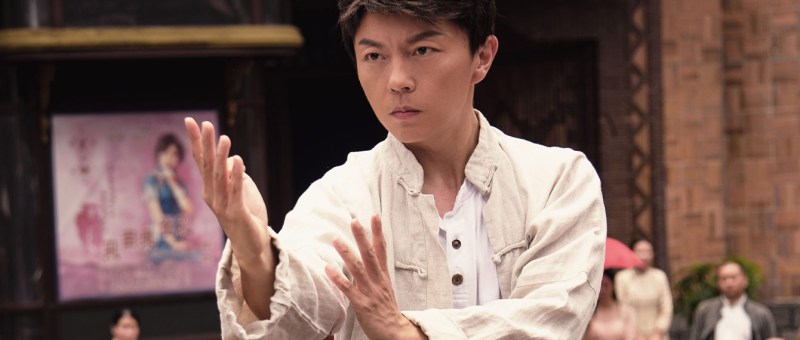
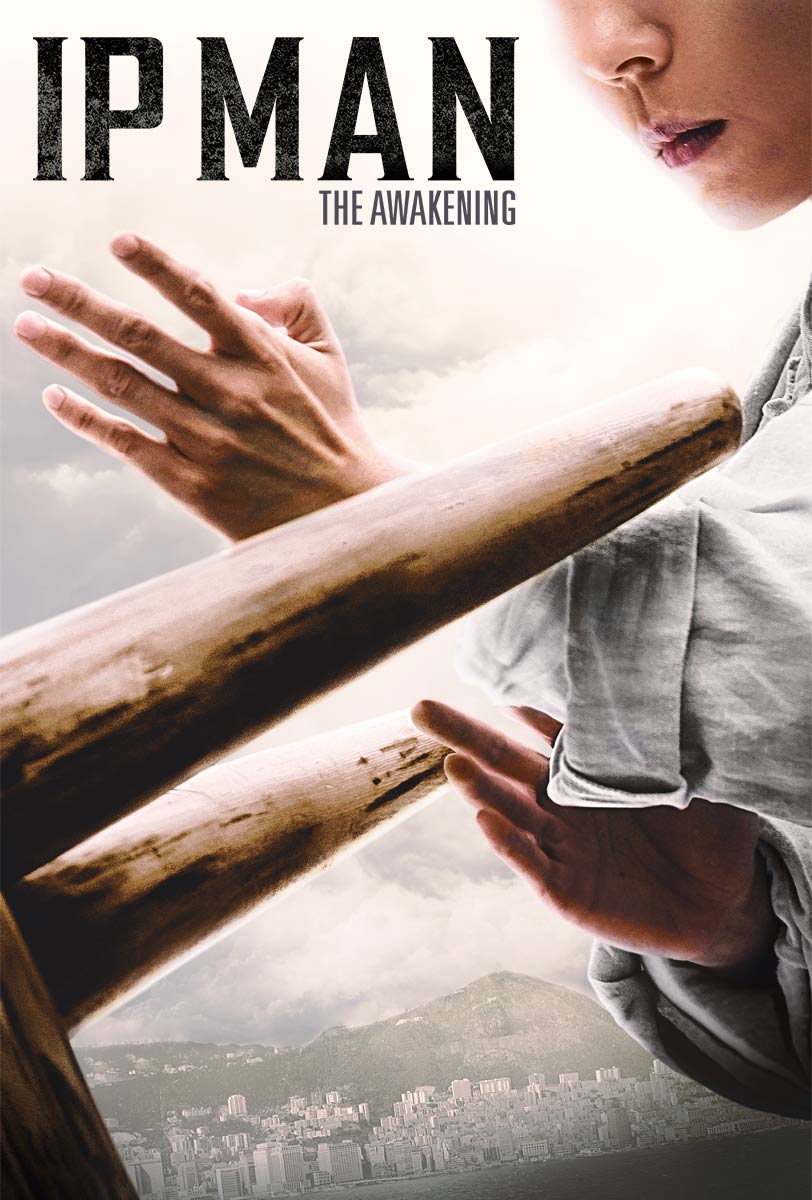
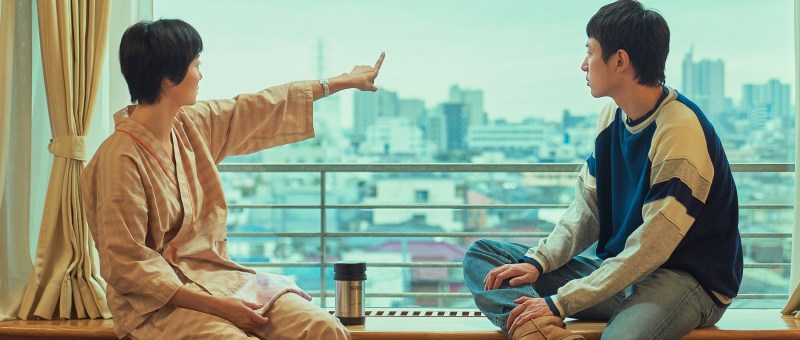
“Someone must stand up to injustice!” according to the young Ip Man (Miu Tse) newly arrived in Hong Kong and witnessing the abuses of colonialism first hand. A kind of origin story, the latest outing for the legendary hero, Ip Man: Awakening (叶问宗师觉醒, Yè Wèn zōngshī juéxǐng), has its degree of political awkwardness but essentially finds the young master coming to an understanding of the purpose of martial arts while realising that sometimes you have to play the long game and not every problem can be solved with Wing Chun alone. 

This is something he discovers after stepping in to protect a young woman and her mother who are being hassled by muggers on a street car. Evidently, the thieves seem to have been emboldened and assume themselves to be under no threat from the passengers, driver, or indeed law enforcement and were not expecting to be challenged. Unfortunately, however, Ip Man’s gallant defence of the two women only brings him a whole mess of trouble in a new city in irritating a local gang who are it seems linked to arch villain Stark. A corrupt British official, Stark has been colluding with local police to run a lucrative people trafficking operation though even they are becoming worried by Stark’s increasing arrogance brazenly snatching young women off the street to sell abroad.  

According to Stark, there are only two kinds of people, cheap and expensive, which bears out his imperialist worldview. Yet, Ip Man himself is perhaps awkwardly positioned as a Mainlander fighting colonial oppression in Hong Kong. According to his apathetic friend Feng perhaps it doesn’t matter who’s in charge because it’s all pretty much the same, but to Ip Man it does seem to matter though given the current situation between the two territories his words cannot help but seem ironic if not directly subversive. He seems to suggest that men like Feng, who later tries to appease Stark who has kidnapped his younger sister Chan, have enabled their own oppression and only by rising up against it can they be free which is it has to be said a series of mixed messages only finally resolved by Ip Man’s reminder that “We are all Chinese” during his final fight battling his way towards Stark.

Nevertheless, the battleground that develops is located firmly within the realms of marital arts with a stand-off between the Chinese Wing Chun and the almost forgotten British fighting style Bartitsu. Not content with subjugating Hong Kong, the British apparently have to prove their superiority even over this sacred territory only they’re as duplicitous and immoral about it as they are over everything else. Even so, Ip Man is able to overcome their blatant attempts to cheat through manipulating Feng and proves that Wing Chun is the best after all while Feng pays a heavy price for his complicity but is later forgiven having learned his lesson. 

What Ip Man learns is that as his teacher points out righteousness requires both wisdom and resources. He can’t expect to solve all the world’s problems by wading in his with his fists and sometimes doing the right thing is going to land him in a world of trouble and complication but even so he has to do it because a “world in which asking for justice is wrong would be truly hopeless”. Perhaps more mixed messages, but leaning in to the Ip Man mythos as a man who stands firm in the face of oppression and fights for the rights of those who cannot fight for themselves. 

Then again, this is a Mainland film and if was surprising that the spectre of police corruption was raised (it’s the British colonial police after all) the conclusion ensures that the authorities will finally get on the case and put a stop to the human trafficking ring once and for all while clearing out the corrupt imperialists. Ip’s sense of righteousness is well and truly awakened in the knowledge that he and his fists can make a real difference even if lasting change requires a little more finesse. With some nifty if occasionally unpolished action sequences Zhang Zhulin and Li Xijie’s take on the classic Ip Man story makes the most of its meagre budget while positioning Hong Kong veteran Tse Miu as the latest incarnation of the ever popular hero.


Ip Man: The Awakening is released in the US on DVD & blu-ray courtesy of Well Go USA on June 21.

Trailer (English subtitles)

Great Happiness (极乐点, Wang Yiao, 2020)

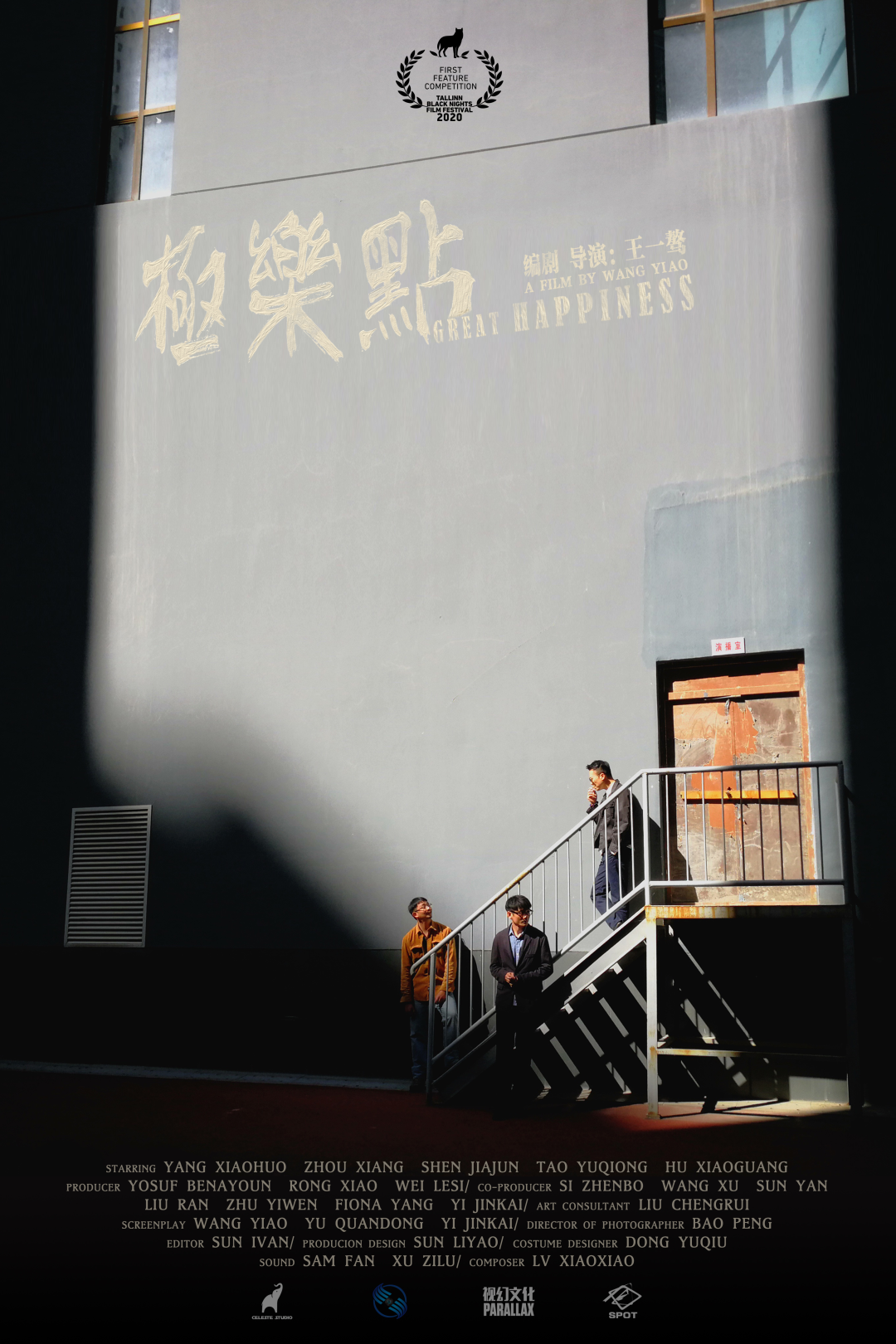
Three young men find their paths to prosperity in the modern China abruptly severed in Wang Yiao’s ironically titled Great Happiness (极乐点, jílè diǎn). Great happiness is to them an ever elusive concept overburdened as they are as children of the One Child Policy caught in the midst of the rapid changes which transformed the nation into the capitalist powerhouse it is today. Each of them is in one way or another failed by that transformation, denied the sense of possibility they are continually promised while repeatedly exploited by a society in which everything really is about money. 

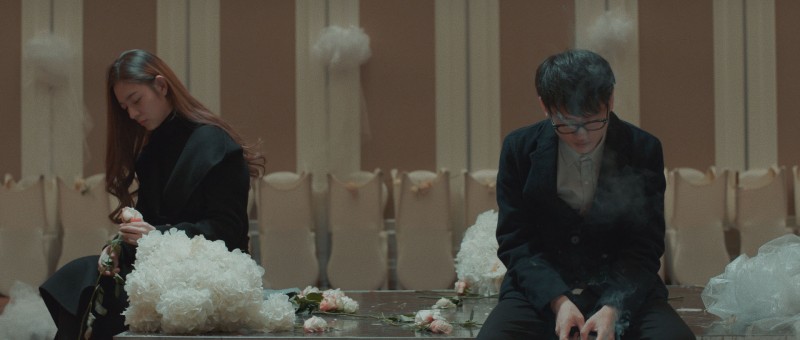
Childhood friends Wang, Sui, and Li are each trying to achieve independent success as “entrepreneurs” in the new society, but are also divided by their contradictory goals. For Li, a spoilt rich kid and ambitious fantasist, it’s not so much money that matters as the appearance of it. He buys BMWs on a whim, but has to run across town to ask his mother for money to invest in his “businesses” while it later transpires that his fiancée Xin with whose family he is in dispute over the financial arrangements of the marriage is actually paying their household bills. Unbeknownst to him his mother’s business is struggling, they’ve already sold the assets he was counting on to fund further business ventures, and while they’ll always support him his parents do not have the capability to bankroll his frequent failures. Needing everyone to see him as a big shot, he books a fancy hotel for the wedding despite Xin’s concerns, slapping down his credit card for the 50% deposit only to have it later declined when trying to pay for the ring. Hooked on another sure thing by dodgy friend Ma, he gets himself in trouble by making an unwise arrangement with a loanshark mortgaging something which might not strictly speaking be his. 

Architect Sui’s fiancée Lisa is wary of Li fearing he’s a bad influence and while she might be right Sui makes a few bad decisions of his own including taking a mistress when she travels to the UK to study abroad. Li is investing in his business which given the construction boom in the modern society ought to be a sure thing though Sui also has an artistic temperament and objects to the essential uniformity of the modern Chinese city. Li doesn’t get why he can’t just pull generic designs off the internet rather than coming up with his own while Sui isn’t convinced by his desire to invest in Wang’s burgeoning media business fearful that it will be just another boom and bust industry soon to be oversaturated by the similarly ambitious. 

Wang has been married four years but is yet to conceive a child much to his parents’ consternation. His burden is all the greater as a son of the One Child Policy meaning the responsibility for continuing the family name lies only with him as his grandfather continually points out. His parents who were once wealthy but lost everything in the late ‘90s industrial reforms are so concerned that they pledge all their savings to an IVF programme while granddad objects convinced that paternity cannot be guaranteed and like the factory boss Wang lies to in order curry favour believes they’d be better off with a shaman. Even in the modern society in which “superstition” is frowned upon such beliefs remain common, the factory boss obsessed with “wealth gods” and seeking to surround himself with men who have recently fathered children in order to increase his luck. 

As might be expected, the IVF programme is not entirely on the level, explaining to the family that they need to sign a confidentiality agreement because the treatment they offer is technically unlicensed. They don’t like to describe it as “illegal” because it’s more like the law just hasn’t been updated yet. Sui encounters something similar when his mother comes down with a mysterious illness that seems to be some kind of rare cancer potentially caused by the pesticides used to grow the apples which she had been fond of eating for the benefit of her health, poisoned by the modern industrial machine just like the polluted fish stocks Wang’s mother had been forcing her daughter-in-law to eat believing they’d help her conceive but may actually have been causing her infertility. The medicine Mrs Sui needs exists, but it’s prohibitively expensive and not covered by insurance leaving the family with little choice than to consider selling everything they own including the apartment purchased for Sui’s upcoming marriage. 

In the contemporary society a man’s worth is measured in square meters according to a jaded youngster but there is something of an economic hubris in the visions of these myriad, identical apartment blocks that no one can really afford to buy. While Li, the naive capitalist, and Sui the flawed intellectual whose disappointed father runs a moribund ping pong school in an old temple almost an embodiment of the ghosts of China’s past, Wang (who shares his first name with the city in which he lives) may actually come out on top flashing his hidden capitalistic fangs in his unexpected ruthlessness while simultaneously under increasing family pressure to have a second child now that the One Child Policy has become a Two Child Policy. “Everything he had was borrowed” the friends lament of Li having learned something of the truth he tried so hard to hide. “Who was he trying to impress?” perhaps missing the point in this ordinary tragedy of the modern China. 


Great Happiness streamed as part of Odyssey: a Chinese Cinema Season.

Original trailer (Simplified Chinese / English subtitles)

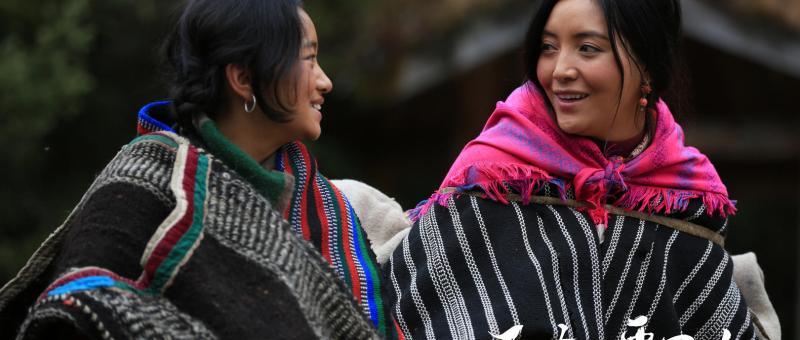
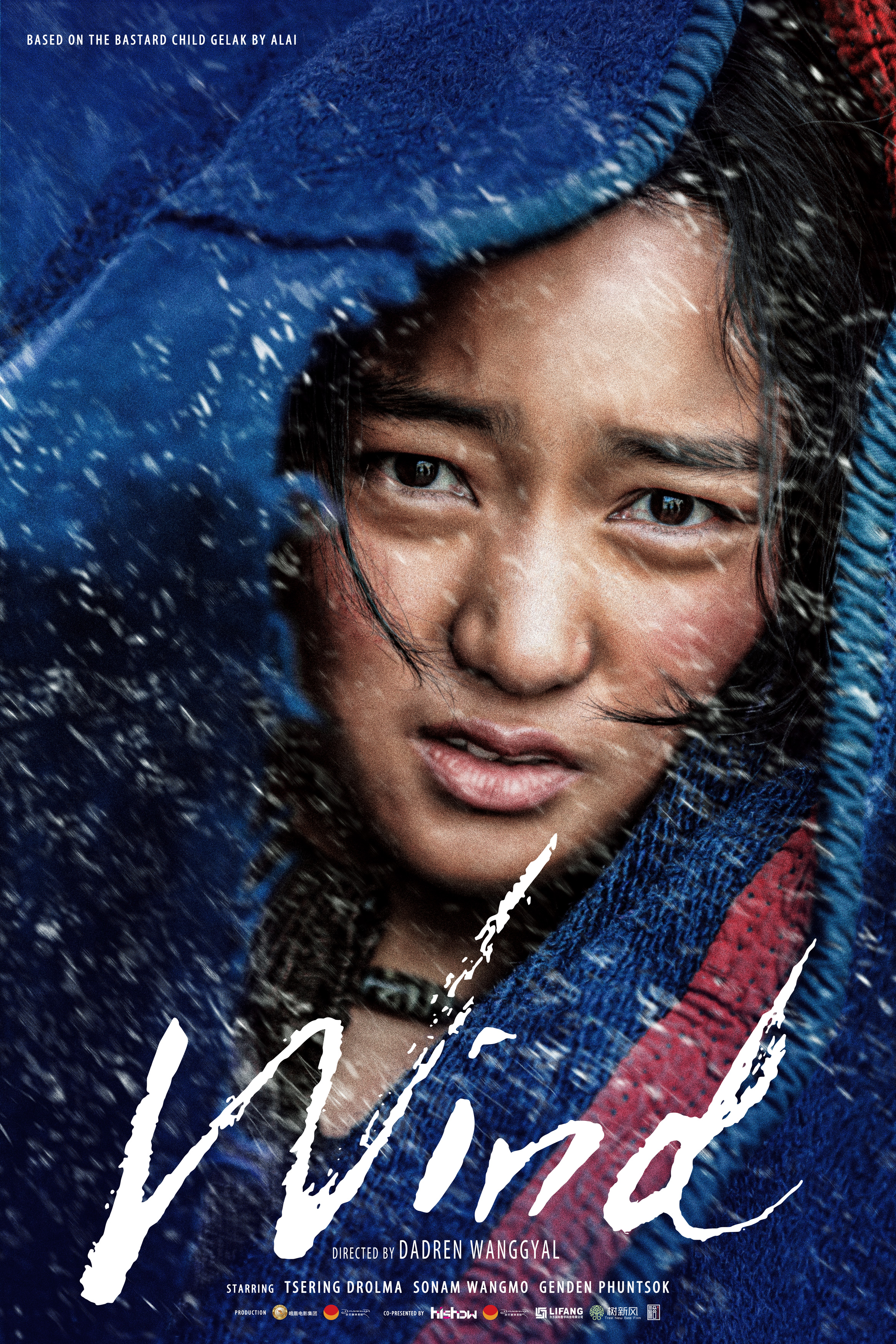
Wind (随风飘散, Dadren Wanggyal, 2020)

“Who made these rules?” an exasperated young woman asks, fed up with her constant stigmatisation for something that was in any case not her fault. Set in a small Tibetan village, Dadren Wanggyal’s Wind (随风飘散, suífēng piāosàn) takes aim at entrenched misogyny while suggesting that the traditional patriarchal social codes by which the village operates have caused nothing but misery not only for women but for their men too who all too often turn to drink and violence in order to escape their own sense of imprisonment. 

Only the wise old grandmother seems to know better. She is the only one to show kindness to Samdan (Sonam Wangmo), a young woman she discovers in her barn who has given birth to a child out of wedlock. Seven years later, Samdan and her daughter live in a small home on the outskirts of the village but are regarded as social pariahs shunned by the local women and often described as filthy witches in part because Samdan has had to resort to offering sexual favours to local men in exchange for food and assistance. Meanwhile, the old lady continues to support them sending her son Gonbo (Genden Phuntsok) to supply the pair with meat yet Gonbo is careful never to venture inside while his wife, Urgyen Tso (Wondrok Tso), remains intensely disapproving. Gonbo soon has a son, Tsering, who is sickly leading Urgyen Tso to blame Samdan and her daughter Gelak (Tsering Drolma) for his poor health. Seven years on from that, Samdan’s 14-year-old daughter becomes a surrogate sister to Gonbo’s son who is bullied by the other children because he is small and weak but is constantly misunderstood by the judgemental village society.

Both Gelak and Tsering are in various ways made to pay for their parents’ transgressions. It isn’t Gelak’s fault that she was born to a mother who was not married, though she is the one called “witch” and seemingly blamed for anything that might go wrong throughout the local area. Neither is it her fault that her mother has little other option than accept gifts from lecherous men in order to support them both in the absence of a husband in this wickedly patriarchal society. Tsering meanwhile becomes the victim of his mother’s unhappy marriage, knowing that Gonbo has someone else in his heart that he was forced to give up because a marriage was already arranged for him. It is really his moral cowardice which has led to all the subsequent problems in that he should not have begun a relationship he was not prepared to fight for nor agreed to marry another woman out of a sense of obligation and then gone on to resent her for it. For these reasons, Urgyen Tso has become a jealous woman and most of all for her sickly son while seemingly unaware of how he is treated by the other boys in the village. Gelak is the only one who stands up for him, stepping in to challenge the bullies and later carrying him home when he is seriously injured by one of their pranks yet is constantly blamed for making him ill despite Tsering’s assertions that she is not responsible and in fact helped him.   

In any case, it’s this sense of rejection and futility that eventually push Gelak towards a desire to take charge of her own destiny. The wise old lady had told her that her only option was to find a husband to care for herself and her mother, yet Gelak has had enough of unreliable men and chooses an opposing path. Using the loom the old lady had given her, she resolves to earn a living for herself ordering her mother never to accept a gift from any of the local men ever again while taking on all of the duties the man of the household would usually perform. That would include taking part in the ritual at the Holy Mountain on behalf of her family, somewhere that a woman would ordinarily not be allowed to go. Breaking with tradition she takes the men to task, asking who exactly made these rules and why while challenging the village’s essential misogyny to claim her full autonomy and right to head her own household in the absence of a man. 

Chastened they do not stop her, though as for what happens after that the answer may not be so easy. Interestingly enough, the protagonist of the story on which the film was based, The Bastard Child Gelak, was a boy, yet Gelak’s determination to claim her right to equality and liberate her mother from years of stigmatisation presents an existential challenge to the outdated social codes of the village in which women are forced to bear the brunt of male failure without recourse or remedy. Elegantly lensed amid the dramatic scenery of a Tibetan mountain village, Dadren Wanggyal’s impassioned drama paints an animated portrait of contemporary Tibetan life while arguing passionately for long-awaited social change. 


Wind streamed as part of Odyssey: a Chinese Cinema Season.

Original trailer (English subtitles)

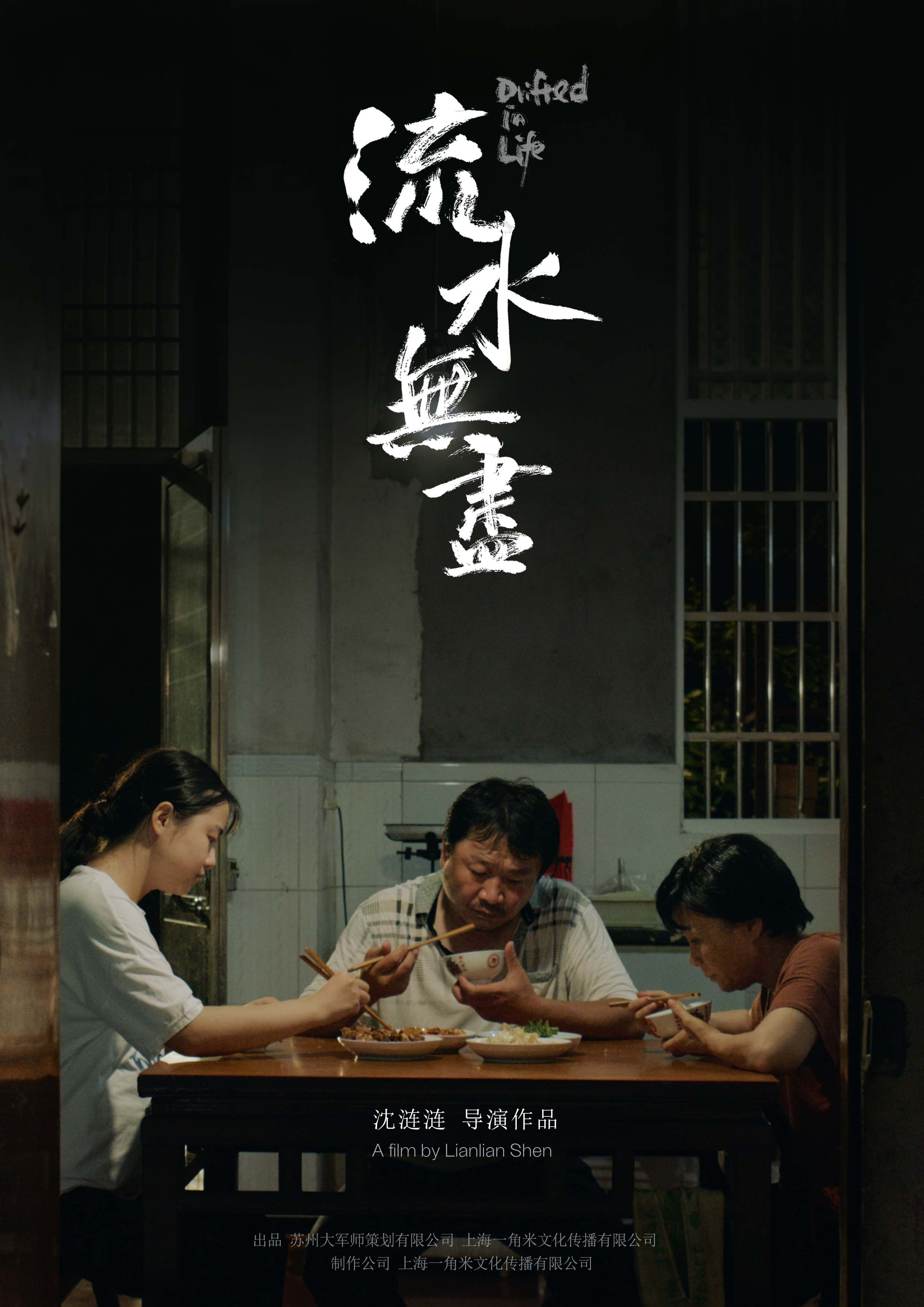
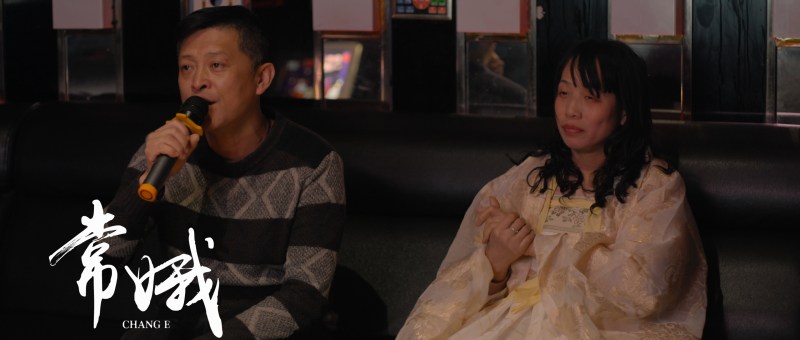
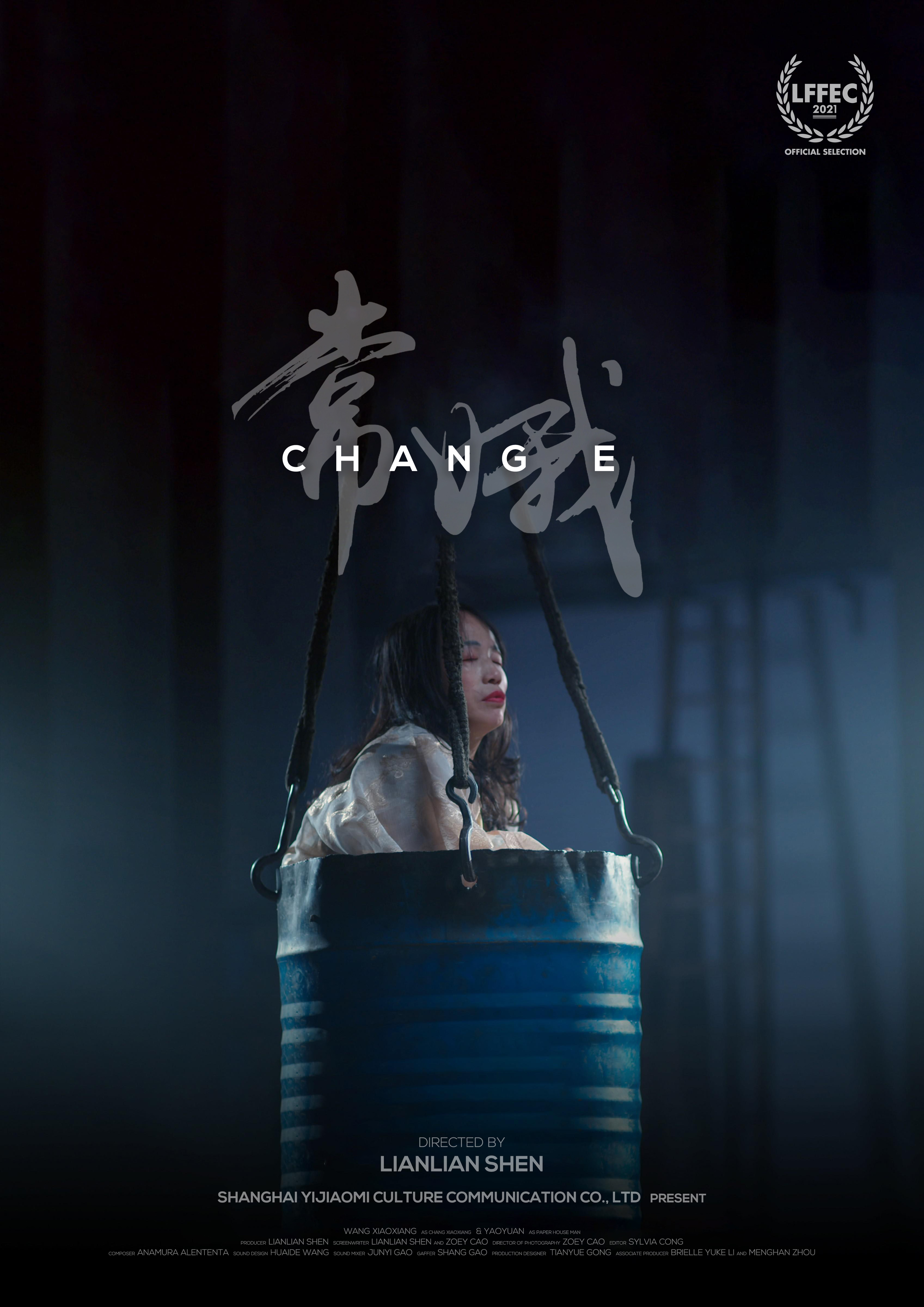
Chang’e (常娥, Shen Lianlian, 2021)

A middle-aged woman’s stultifying life in rural China is momentarily enlivened by the arrival of a man who organises ceremonies for the dead in Shen Lianlian’s naturalist drama, Chang’e (常娥, Cháng é). Named for the goddess of the moon in Chinese mythology, Shen’s film finds its embittered heroine lonely and resentful while also consumed with guilt over her desire to feel something more only to have her hopes of a new life dashed and like the goddess find herself alone as if marooned on a distant planet. 

Shen opens the scene with the noisy clanging of the factory where 55-year-old Xiaoxiang (Wang Xiaoxiang) works, its repetitive rhythms marking out her life with dull futility. Foul mouthed and angry, she snaps at those around her not least her 30-year old bachelor son who shows no desire to get married while repeatedly reminding her that there’s nothing he can do but wait until a new apartment he wants to buy becomes available for sale. Meanwhile they discuss the death of a neighbour living in very similar circumstances to Xiaoxiang who is later revealed to have taken her own life. 

This ominous event, however, presents new possibilities to Xiaoxiang who takes a liking to the mysterious middle-aged man who arrives to help them conduct the local death rites despite having previously criticised her neighbours for being unable to carry them out themselves. Because of a lack of available accommodation, Xiaoxiang ends up hosting him in her apartment and enjoying a sense of domesticity long absent from her life as her husband works away and rarely returns home. It’s at this point that she begins having bad dreams finding herself trapped in a rising bucket while the machine hammers behind her or walking around a market where the chicken’s feet remind her of human hands and she notices an embroidered shoe floating in the water. 

Like the goddess Chang’e, Xiaoxiang has a pet rabbit she keeps in a cage with whom she closely identifies unable to escape the prison of her own existence yet her eventual parting with the creature is less liberation than resignation or even a kind of suicide. Meanwhile she watches a rocket, Chang’e 5, launch for the moon while seated firmly on her sofa. The mysterious man’s arrival may raise the sense of possibility, of a new more emotionally fulfilling life, but he is also of course a spectre of death hovering on the horizon. Along with the paper houses constructed for the ceremony, Xiaoxiang passes fires in front of graves confronting her with the ever present threat of mortality. She is told that the cause of her nightmares lies in having offended the dead for whom she must burn more sacrifices yet nothing seems to cure her anxiety or loneliness. 

In a sense Xiaoxiang is performing her own death rites while coming to an accommodation with the idea that her life will have no more changes, as certain and repetitive as the machine which she operates. Shen captures the crushing disappointment of her small-town existence where even small pleasures such as buying a new coat are guilt-inducing luxuries with an unforgiving naturalism. Xiaoxiang gossips with a colleague suspecting that one of the other workers is being harassed by their boss but otherwise does nothing, her friend reminding her she no longer needs to worry about things like that as she is “not as pretty” as the unfortunate young woman. Using a cast of non-professional actors, the lead actress is indeed a factory worker from the director’s hometown, Shen lends an air of futility to the lives of women like Xiaoxiang while likening her to the distant and melancholy figure of Chang’e who finds herself alone, marooned on a lonely planet solely for her transgressive desires for emotional fulfilment in a life of stultifying productivity. 


Chang’e streamed as part of Odyssey: a Chinese Cinema Season.

Original trailer (simplified Chinese / English subtitles)

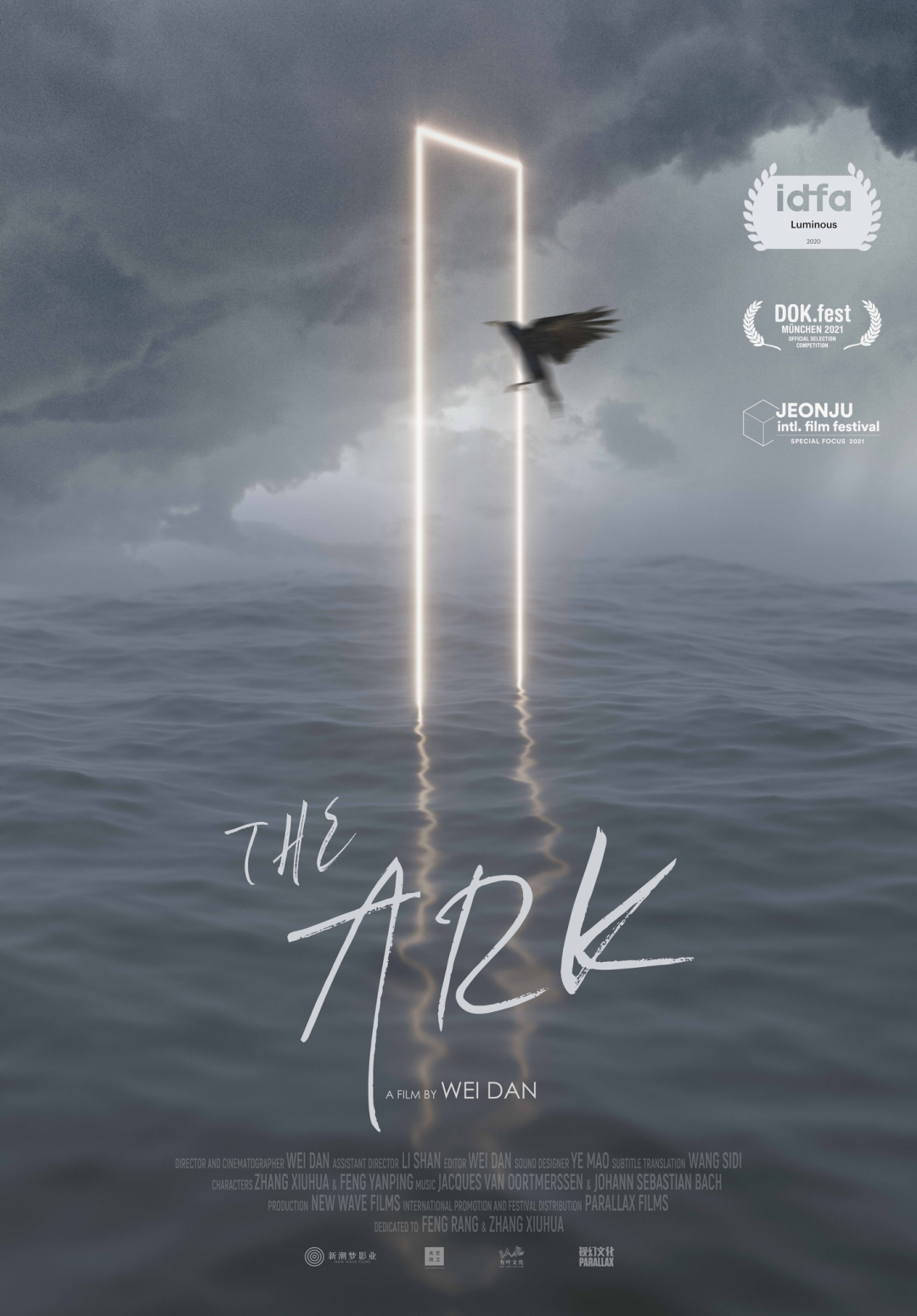
The Ark (方舟, Wei Dan, 2020)

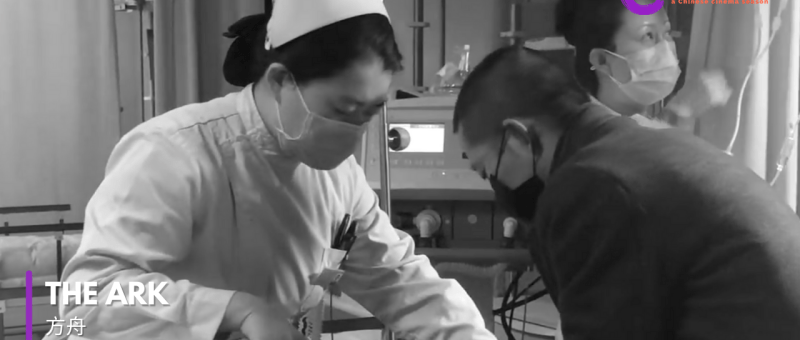
Something that often gets forgotten in the midst of the pandemic is that people continued to suffer from other illnesses and ailments some they may have been ultimately unable to receive treatment for. Wei Dan’s sometimes harrowing documentary The Ark (方舟, fāngzhōu) revolves around an elderly woman, Xihua, who is hospitalised with a wasting disease in spring 2020 just as the pandemic takes hold and is cared for largely by her children and grandchildren as they try to figure out what’s best for her while coming to terms with the idea that their mother and grandmother may not be able to overcome this final illness. 

Shot in a dispassionate black and white and a claustrophobic 1:1 frame, Wei captures Xihua’s obvious sense of confusion and distress. A brain haemorrhage some years previously apparently left her unable to speak meaning that she is unable to communicate her pain to her caregivers while her family try to explain to the medical staff what her condition is showing them her legs almost entirely wasted away. While the family do their best to care for her themselves, patiently emptying her bedpan and analysing its contents, they also express suspicion and frustration with the medical establishment repeatedly stating that they worry their mother is not getting proper care because the doctors are after bribes all the time with other patients bringing in expensive gifts to curry favour. 

Meanwhile, money in particular begins to press on the mind of Xihua’s oldest son who is obviously in a degree of mental distress unable to bear the thought that his mother might die because he cannot get the money together to pay for her treatment while simultaneously worrying that maybe all he’s doing is selfishly prolonging her suffering. When it’s suggested that an operation may alleviate Xihua’s symptoms, he finds himself ringing people he hasn’t spoken to in years most of them perhaps understandably sympathetic but unwilling or unable to help. The directness of this approach places an additional strain on his marriage as his wife feels embarrassed to see him begging around for money and thereby exposing the fact they don’t have any. Meanwhile she also worries about the financial stability of their own family, at one point snapping at him that they should pull the kids out of school and tell them their futures are ruined. In a heated moment, she even mentions leaving him reopening old wounds in complaining that she feels as if nothing she does is ever good enough and her husband is no good to her. 

When Xihua passes away after having had an operation to remove a sizeable gallstone that had been causing an obstruction in her bowel, the sense of discord only increases as it becomes apparent that some members of the family, which is largely Christian, are extremely religious and offended by the idea of any kind of traditional rites being performed believing it would upset God. Briefly expanding to 16:9, Wei cuts away from the heated arguments to find Xihua’s grieving son weeping over the body feeling as if all his efforts were in vain while trying to comfort himself that at least she is no longer suffering. 

The family’s distress runs parallel with the expansion of the pandemic though the hospital itself seems to be running more or less as normal save for the odd man in a hazmat suit disinfecting the waiting room even as the family describe a quarantine centre on the television in Xihua’s room as an “ark”. Compounding the worries of Xihua’s son, he’s about to lose his job while one of the grandchildren also complains that his clothing business is struggling and he’s thinking about opening a dry cleaner’s instead. Someone unironically advises him to think about investing in elder care which he suggests is about to become a growth industry thanks to China’s ageing population and the adverse effects of the One Child Policy which has left a generation unable to care for all their elderly relatives, not to mention their own children, at once. Though quietly harrowing, Wei’s film nevertheless finds a degree of serenity in its final stretches as the children return to their family home and its myriad memories throwing this private tragedy in stark relief amid so many other losses in age of fear and suffering. 


The Ark streamed as part of Odyssey: a Chinese Cinema Season.

Original trailer (English subtitles)

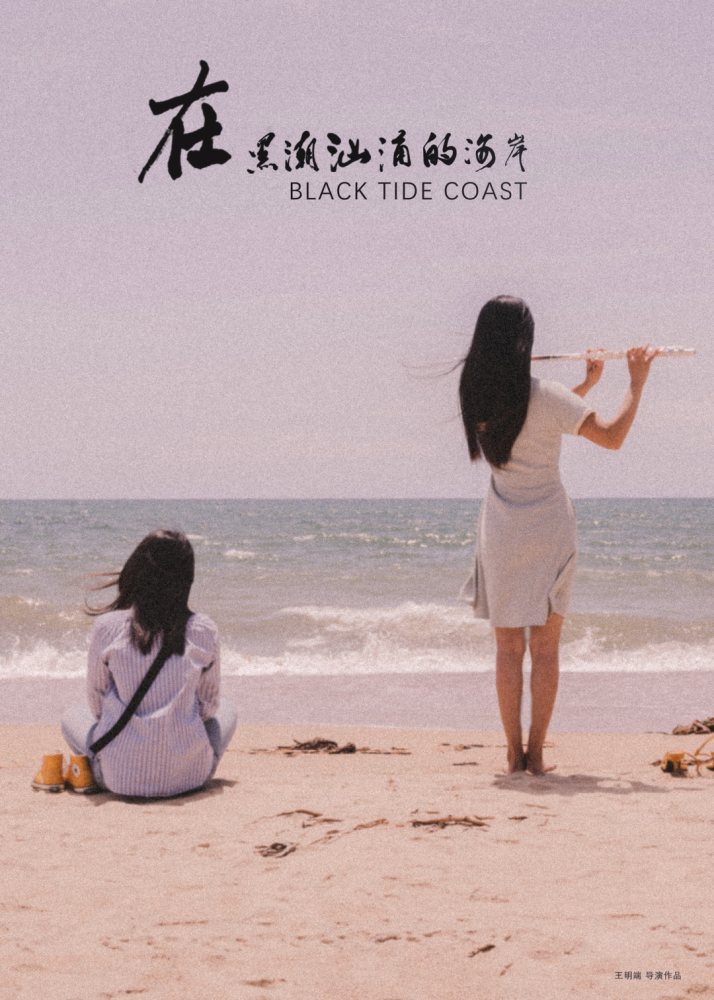
Black Tide Coast (在黑潮汹涌的海岸, Wang Mingduan, 2020)

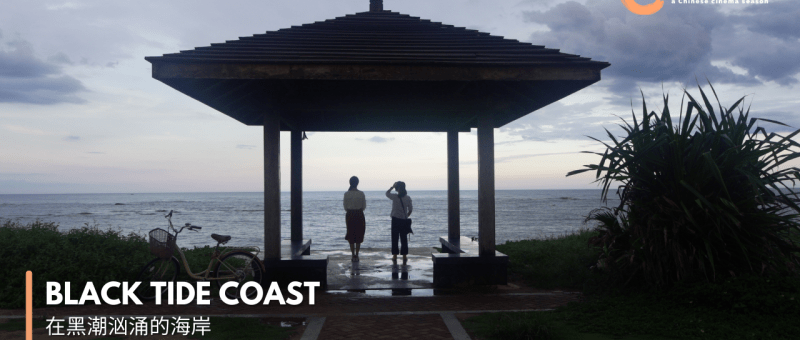
A lovelorn young woman travels the coast hoping to get a response from the sea in Wang Mingduan’s beguiling indie drama Black Tide Coast (在黑潮汹涌的海岸, zài hēicháo xiōngyǒng de hǎi’àn). A slice of slow cinema, the film finds its wandering heroine chasing the ghost of lost love while on an uncertain journey but eventually finding herself roped into a stage play short of an actress and befriending an equally lovelorn young woman on a similar yet stationery journey waiting for her love’s return. 

As the film opens in the summer of 2015 in Shandong, Qin is on a peaceful solo holiday during which she is supposed to meet up with a friend only he never shows up, all that’s left of him is a pair of glasses on the beach. Four years later she fetches up on the island of Hainan once again taking in the tourist sites but this time hanging out in a bar where they play classic movies from Taiwanese landmarks A Brighter Summer Day and The Boys from Fengkuei to the back catalogue of Eric Rohmer. After a while she is scouted to fill in for an actress who apparently has appendicitis in a surreal avant-garde play about a woman trapped in a strange place with a Squirrel who’s lost her pinecone, and a bear who doesn’t want to hibernate and leave her shadow behind. 

The tone is indeed Rohmeresque in its whimsy, Qin proceeding on her holiday in these very laid back places just generally hanging around in the sun. The Shandong trip is broken into several vignettes marked by title cards featuring the dates though Qin mainly does ordinary tourist things and later records her thoughts about the weather on her phone. She receives a phone call she doesn’t answer, but seems somehow lonely and a little lovelorn. Catching sight of happy couples in the streets seems to depress her, as does a romantic charm hanging by a shrine along with its pair which appears to be blank. 

It may be the possibility of blankness that frightens her even as it motivates her journey onwards as she eventually reveals travelling the coasts of China on foot looking for a sign from the sea. Meanwhile, she strikes up a friendship with Chen, the woman running the cafe, whose friend also deserted her four years previously only she has decided to stay put and is busy hosting a retrospective trying to screen all of the films he left written down in an unfinished notebook. Each of them seem to be in some way looking for a missing person, wondering if its possible to save a man lost at sea in the same way you can save a sunken boat while meditating on journey’s end and how you know when it’s time to leave a place in search of somewhere new. 

Qin herself describes her adventures on the island as like a dream in their absurdity, watching Classic French cinema in a beachside cafe and starring in a strange absurdist play. Wang’s trance-like transitions and oneiric mise-en-scène add to the dreamlike feel as does the poetic dialogue which leans towards the philosophical as the two women meditate on journeys, lost love, and incomplete quests while themselves searching to define their place in the world. In the end they have in a sense swapped places, Qin left behind or perhaps electing to pause her wandering while Chen decides to stop waiting handing the notebook to Qin as someone more familiar with its contents. Yet the closing coda may imply the two women have crossed paths before or that their fates are somehow linked while the closing poem seems to point towards their courage in continuing their respective journeys standing on the shore looking for a sign from the endless sea as if waiting for a letter from an absent friend. Dreamlike and ethereal, Wang’s delicate script offers no concrete narrative nor definitive message but perhaps suggests that the meaning lies in the journey itself and can only be discerned by those who are prepared to look. 


Black Tide Coast streamed as part of Odyssey: a Chinese Cinema Season.

Original trailer (no subtitles)

East Palace, West Palace (东宫西宫, Zhang Yuan, 1996)

“The convict loves her executioner, the thief loves her jailer. We love you. We have no other choice.” the hero of Zhang Yuan’s beguiling, transgressive drama East Palace, West Palace (东宫西宫, dōng gōng xī gōng), whispers to his no longer sleeping guard. “I love you”, he later adds, “why don’t you love me?” turning the tables on an implacable authority and demonstrating that he too wields power. Considered the first Mainland film to deal directly with homosexuality, Zhang’s theatrical chamber piece is as much about the co-dependency of the oppressor and the oppressed as it is about gay life in post-Tiananmen Beijing while suggesting that in a sense submission too can be a weapon. 

Gay travel writer A-Lan (Si Han) is first challenged by a uniformed policeman in a public toilet. Staring at him intently, he stops A-Lan for no real reason, asking for his ID followed by a series of other personal questions with seemingly no law enforcement import before double checking if the bike outside is his and that he has a proper permit for it. These acts of hostility begin a cat and mouse game between the A-Lan and law enforcement, another policeman, Shi Xiaohua (Hu Jun), almost desperate to come up with a reason to arrest him on raiding the park, a popular spot for cruising, after dark. But as he leads him away, A-Lan suddenly plants a kiss on the policeman’s cheek and taking advantage of his momentary shock makes his escape. 

During in the arrest, meanwhile, Shi and the other policemen had a made a point of insulting each of the men who have not actually done anything illegal under the Chinese law of the time, beating them or forcing them to beat themselves, ordering them to squat on the ground, and even threatening to call one frequent offender’s place of work. As Shi often will, the police refer to the men as “despicable” and the “dregs of soceity”, yet A-Lan is in a sense empowered by his submission in allowing himself to be arrested before subsequently escaping having planted the seeds of his seduction. He flirts with danger in mailing Shi a book with the inscription “To my love, A-Lan” and thereafter deliberately gets himself arrested, later running away from Shi only in the desire to be chased by him.  

Hugely reminiscent of Kiss of the Spider Woman, the majority of the film takes place within the confines of the park’s police hut occupied only by A-Lan and Shi, a prisoner and a guard. Yet as in the Peking opera story A-Lan repeatedly quotes, elegantly recreated in Zhang’s theatrical shifts into fantasy, the two roles are to an extent interchangeable. Shi thinks he’s the guard, that he exercises authority over A-Lan, but A-Lan is also manipulating him, trapping Shi within this space and drawing him towards a recognition of his own latent desires, the same desires that were aroused when he hassled him in the public toilet. While Shi, the guard though no longer in uniform, is constrained by authority, A-Lan, the prisoner, is free in embracing his essential self and weaponising the essence of his power in the choice to submit as reflected in his masochistic desires. “It is not despicable. It is love” he insists on being challenged by Shi after detailing his BDSM encounter with a wealthy man, echoing his previous reminders that “What I write might be trash. But I am not”, refusing to allow Shi to degrade him even while taking pleasure in submitting to authority. 

Even so, he declares himself conflicted in having married a woman presumably for appearances’ sake something of which many in his community do not approve and leaves him both guilty in his treatment of his wife and disappointed in himself. When Shi barks “explain yourself” he details his life as a gay man from his first sexual experience in which he pretended to be a woman to being assaulted by thugs after sleeping with a factory boss adding only that “this kind of experience makes life with living”. “We all march to a different tune” he tries to explain to Shi, individual but also identical. He mentions another regular to the park he describes as a transvestite but in the language of today might better be thought of as transgender, A-Lan explaining that she enjoys wearing women’s clothes but is different from the men in the park. She does not make love to them, and they do not bother with her, A-Lan insisting that she too has her own beat to which to march as does Shi even in his increasing confusion. 

Shi wields his handcuffs, the relationship between the pair mediated through them just as that between the guard and beautiful prisoner in his story is mediated through chains, but eventually places the cuffs on each of their hands locking them together in an intense embrace. The guard cannot exist without the prisoner, nor the prisoner without the guard. “He will no longer escape from his love for her” A-Lan ends his story, the guard releasing his beautiful charge while she decides to return to him each of them knowing they are trapped in melancholy waltz of love and hate. Highly theatrical and scored with a persistent note of dread, Zhang’s beguiling drama hints at the sadomasochistic interplay between authoritarian power and a subjugated populace while allowing its hero to mount his resistance only through deriving pleasure from submission. 


East Palace, West Palace screens at the BFI on 27th May as part of this year’s Queer East. It is also available to stream in many territories via GagaOOLala.

Boonie Bears: Back to Earth (熊出没·重返地球, Lin Huida, 2022)

One of the biggest animation franchises in Mainland China, Boonie Bears began airing as a children’s cartoon show back in 2012 and has produced over 600 episodes across 10 seasons. The latest movie, Boonie Bears: Back to Earth (熊出没·重返地球, xióng chūmò: chóngfǎn dìqiú), is the franchise’s eighth theatrical movie and again proved popular at the box office on its Lunar New Year release. As might be expected for a series revolving around woodland creatures, the first antagonist was a logger who later came round and teamed up with the animals to protect the forest, the franchise has a strong if potentially subversive ecological theme which reverberates throughout Back to Earth. 

In fact, the chief job of unreliable younger brother bear Bramble (Zhang Bingjun) is sorting rubbish into the appropriate bins to keep the forest tidy. Daydreaming he casts himself as superhero battling a giant trash monster symbolising the destructive effects of the buy now pay later philosophy of the modern consumerist society. In any case Bramble’s cheerful days of chasing ice cream and just generally enjoying life in the forest are disrupted when he’s almost wiped out by bits of a falling spaceship and becomes the repository for all of its knowledge. This brings him to the attention of alien space cat Avi who needs his brain to locate his ship but is also being chased by a gang of nefarious criminals led by an amoral entrepreneur who wouldn’t let a little thing like the survival of the Earth interfere with her desires for untold wealth and power. 

As it turns out Avi also has a few lessons to offer as to the costs of irresponsible industrialisation having been born in an ultra-advanced cat society buried deep in the Earth’s core. The over mining of a valuable mineral soon destroyed the environment forcing the cats to flee into space looking for a new home. Avi hopes to return to his home city which lies abandoned as a kind of cat Atlantis accessible only with a valuable necklace which he needs Bramble’s help to retrieve. To begin with, the relationship between the pair is less than harmonious, though they soon bond in their shared quest to stop the evil corporate entities taking over the ancient technology and causing the death of the forest through their insatiable greed. 

Then again as one of the other creatures had put it, “you can’t rely on Bramble”, cross that he never pulls his weight and is always off in a daydream or chasing the next tasty treat. While Avi poses as an adorable kitten trying to convince Bramble to use his brain to help get the spaceship back, the others become even more disappointed in him believing that he’s taken against the cat out of jealously and resentment. Yet the lesson that everyone finally has to learn is that it doesn’t matter if Bramble isn’t the smartest or most hard working because he is strong and kind and has plenty to offer of his own. His gentle bear hug eventually saves the world in healing the villainess’ emotional pain so she no longer has any need to fill the void with cruel and ceaseless acquisition. 

Aside from the gentle messages of the importance of protecting the forest from the ravages of untapped capitalism, after all “this is our only homeland”, the film packs in a series of family-friendly gags including a surprising set piece in which Bramble dresses up as Marilyn Monroe to recreate the famous subway vent moment from The Seven Year Itch, while a pair of eccentric scrap merchants with a taste for rhyme provide additional comic relief. Even in the villains get a lengthy cabaret floorshow to mis-sell their evil mission to the guys from the forest belatedly coming to Bramble’s rescue. In any case, thanks to everyone’s support and encouragement Bramble finally gets to become the hero he always wanted to be proving that he’s not unreliable and even if he doesn’t always succeed is doing his best. Boasting high quality animation, genuinely funny gags, some incredibly catchy tunes and well choreographed musical sequences along with a warmhearted sense of sincerity, Boonie Bears: Back to Earth is another charming adventure for the much loved woodland gang.


Boonie Bears: Back to Earth is in UK cinemas from 27th May courtesy of The Media Pioneers (screening in a family-friendly English dub).

Original trailer (no subtitles)

Being Mortal (来处是归途, Liu Ze, 2020)

A young woman finds herself haunted by a sense of erasure in Liu Ze’s moving family drama Being Mortal (来处是归途, lái chǔ shì guītú) adapted from the novel by Li Yanrong. As the title might suggest, the questions the heroine faces are those of mortality and of the realities of death and ageing in contemporary China as she struggles to decide what the best thing to do is when it comes to caring for her ageing parents. Highlighting both the social changes born of increasing modernity and the pressures of an ageing society, Liu’s drama has few answers but explores the strain caring for those who will not recover can place on those around them. 

At 30, Tian (Tang Xiaoran) makes the difficult decision to accept a job transfer and return to her hometown in order to help her mother, Wenxiu (Li Kunmian), care for her father, Jianguo (Zhang Hongjing), who has been suffering with dementia for the past few years. Though we do not hear much about her life in the city, it’s also true that part of the motivation for moving lies in her unsatisfying relationship with a married co-worker who refused to leave his family. A friend suggests that he may have been reluctant to make the move in part because of Tian’s responsibility to her father, viewing him as a burden he was unwilling to bear. At the wedding of a hometown friend, she rekindles a relationship with her high school boyfriend, Qin Mu (Shi Xiaofei), the two of them being the only ones among their classmates to have remained unmarried. But as both the romance and Jianguo’s illness progress, the need to care for him also places a strain on the couple’s relationship with constant confusion as to the shared responsibilities and uncertainty for the future. 

Tian does have an older sister, Hua (Wang Tan), who is already married and has a child of her own yet lives some distance away and is able to help only financially though her money is often refused. Feeling guilty and seeing the toll caring for Jianguo is taking on her mother and sister, Hua suggests that it might be time to consider a nursing home or else a professional carer but Wenxiu and Tian are reluctant believing they’d be abandoning him or failing in their responsibility of care. Even so the rapid progression of his dementia which intensifies when he is hospitalised with pneumonia places an increasing strain on the two women, Wenxiu at one point snapping and shouting at Jianguo after he has soiled himself. As the women argue, Qin Mu finds himself trying to clean the old man up only to be shooed away by a regretful Wenxiu after she’s pulled herself together and retreat to the bathroom where Tian can hear him retching. This momentary crisis brings the couple’s relationship to a crunch point, Tian telling Qin Mu he can leave and he doing so without much of a protest. 

Much of the drama revolves around the effects of Jianguo’s illness on those around him, but he often has heartbreaking moments of lucidity sobbing in terror and frustration the first time he wets himself as his wife and daughter even in their own shock and confusion do their best to help him. “I’m completely worthless” he later cries, returning a pained gaze and muttering “I’m sorry” before trying to stab himself in the neck after hearing Wenxiu snap “stop tormenting me” in a moment of frustration. Meanwhile he keeps saying that he wants to go home, back where they lived years ago haunted by the figure of a small boy reminding him of the son they lost to illness in childhood. 

Tian is perhaps lucky in that despite the One Child Policy, she does have a sister and is not entirely alone even in the spectre of her impending orphanhood no matter how her relationship with the similarly burdened Qin Mu may turn out as he contends with his hardline former soldier father pent up with his own sense of embittered resentment. Nevertheless, Liu captures a sense of the despair among women like Tian facing a series of dilemmas in considering the best way to care for her parents as they age while also worrying for her own future in a sometimes uncertain society. Though essentially low key and naturalistic determined to present a sense of everyday ordinariness Liu’s sweeping transitions between moments in time along with flights into Chinese opera and the occasional dream sequence lend a note of poignancy to the familial tragedy at the film’s centre. 


Being Mortal streamed as part of Odyssey: a Chinese Cinema Season.

Original trailer (English subtitles)

River of Salvation (一江春水, Gao Qisheng, 2020)

“But life’s supposed to be good, isn’t it?” the heroine of Gao Qisheng’s indie drama River of Salvation (一江春水, yī jiāng chūn shuǐ) asks an old lady who has just explained that she’s considered taking her own life because of its inescapable misery. The film’s title may in its way be ironic in that there’s no real sign of salvation for anyone in this quiet backwater of rural China where as we discover no one is quite who they say they are. 

The hopelessness of 32-year-old Rong’s (Li Yanxi) existence is emphasised in the opening scenes in which she gets dressed up and heads to the port to pick up her fiancé’s mother only to be told that she won’t consent to the marriage partly because her intended’s first wife was a refined, elegant woman of much higher status while her son, Sanqiang (Chen Chuankai), is rough and boorish. Rong walks home feeling humiliated but also as if a last shot at happiness has been taken away from her. Sanqiang is also her boss at the moribund massage parlour (seemingly legitimate and offering only foot massages) where she works which is itself in the midst of financial difficulty. Meanwhile, she’s also the sole carer for her 18-year-old younger brother, Dong (Zhu Kangli), who spends most of his time playing video games and hanging out with his delinquent girlfriend, Jing (Yang Peiqi). 

As dull as her life seems, we can also see that Rong has a degree of anxiety and may be attempting to hide something about her past. She seems unusually cagey when her friend and workplace colleague Jinhua (Liu Jun) tries to invite her to a recently opened dumpling shop while almost always wearing a face mask claiming to be allergic to UV light. When the police are called due to a workplace altercation, she finds herself hiding in the basement obviously not wishing to encounter them. Yet as she discovers pretty much everyone in this small backwater town is hiding something or as Jinhua puts it is different on the inside. The guy on the front desk (Xi Kang) has been embezzling money to cover a gambling problem while even the lovely old lady (Huang Daosheng) with whom Rong bonds has not been entirely honest with her even while selling dreams of a better life. 

The central crisis is itself motivated by dishonesty in Jing’s claim that she is pregnant, later (perhaps falsely) stating that she made the whole thing up in order to test Dong shortly after reciting her own tearful monologue about the kind of life she wants but fears she can never have. The relationship between Jing and Dong encourages Rong to reflect on her own adolescence which contains more than a few troubling elements the film never sufficiently explores even while it becomes clear that she is haunted by guilt over something which is later revealed to be a triviality. People ask her if she hasn’t thought of moving on, but she tells them that she doesn’t know how to do anything else essentially trapped in dead end small-town China where the only hope of escape seemingly lies in marrying a man with means. 

Making up her mind, Rong begins teaching Dong how to be independent in the light of her impending absence while he too steps into adulthood in finding his own direction and striking out in search of it. Having faced her past, Rong quite literally burns her mask perhaps hinting at a return to a more authentic self yet pushed into a strategic retreat released from the purgatorial limbo of her small-town life but left with no place to go. Shot in 4:3, Gao’s static camera lends an additional air of stagnation to Rong’s otherwise stultifying existence which is not itself unhappy except in its concurrent anxiety and pervasive sense of hopelessness. There may be no river of salvation, but Rong does at least begin to unpick the duplicities of the world around her in unmasking the various personas she encounters while digging out their hidden truths until finally deciding to face her own and gaining with it a kind of liberation if not perhaps one which engenders a great deal of hope for the future. 


River of Salvation screens in London at Picturehouse Finsbury Park, 17th May as part of Odyssey: a Chinese Cinema Season.

Original trailer (Simplified Chinese / English subtitles)