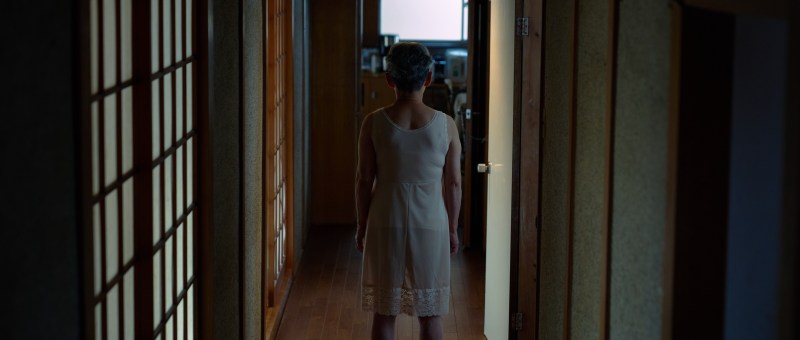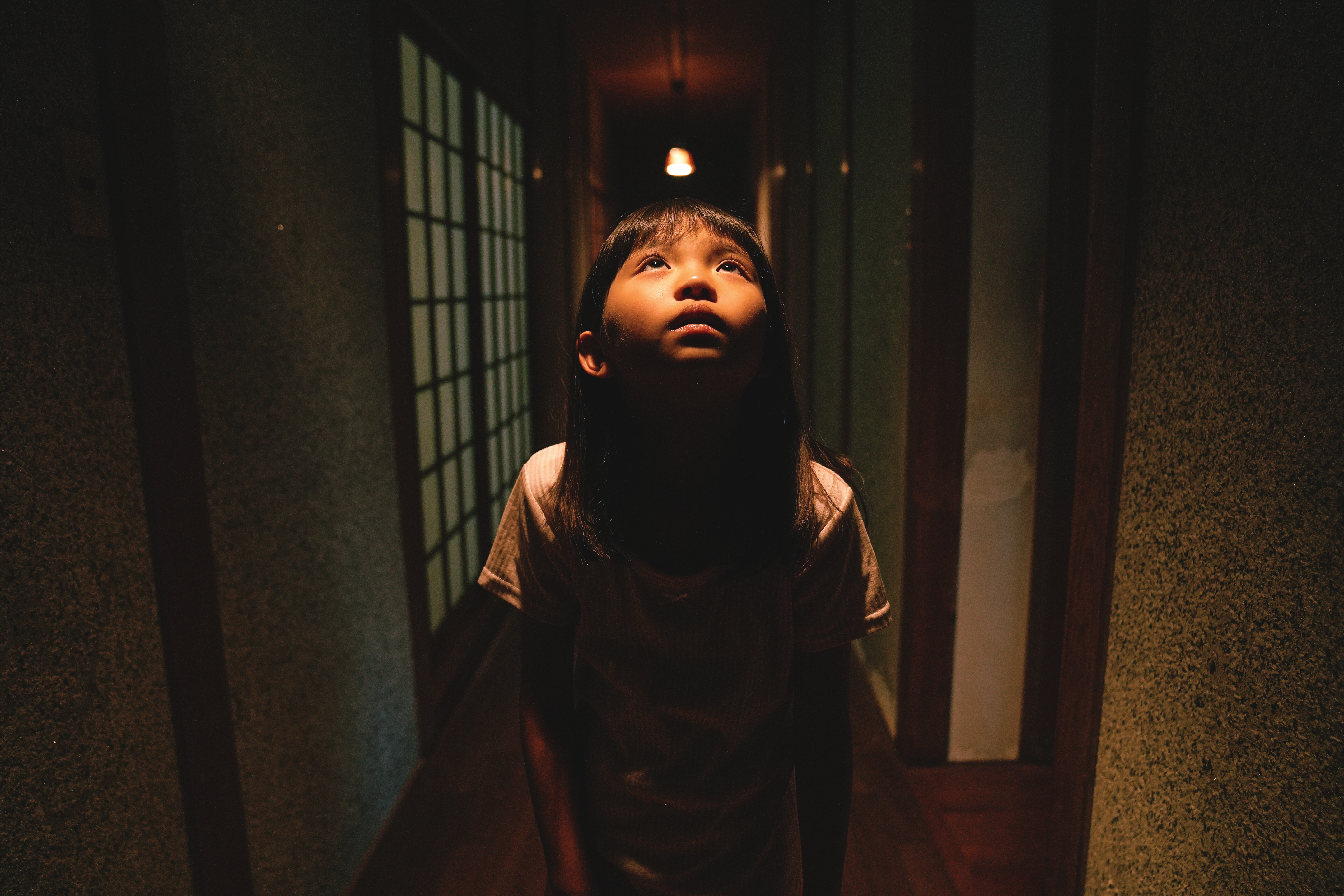
Winny (Yusaku Matsumoto, 2023)

Can a creator be held legally responsible for what other people might decide to do with their creation? For some, that is the essential question of the trial at the centre of Yusaku Matsumoto’s legal drama Winny, but in speaking more to the present day than the early 2000s in which the real life events took place the film is more concerned with freedom of speech in a society in which established authorities may seek to resist the democratisation of information. 

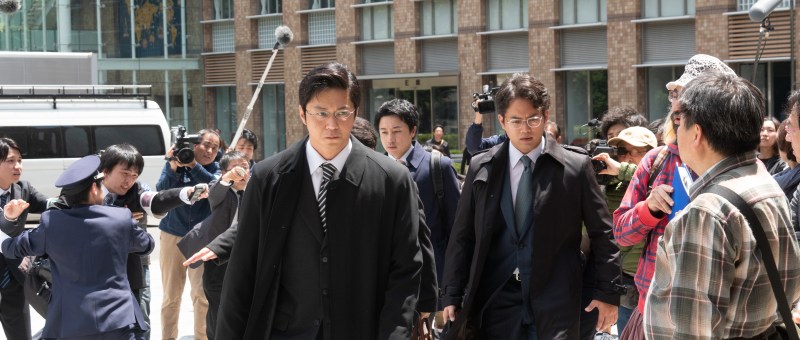
A talking head seen on television at one point suggests that peer-to-peer file sharing programme Winny disrupts the democratic copyright regime, but according to its creator Isamu Kaneko (Masahiro Higashide) the appeal of peer-to-peer is that it is by nature democratic in forging a network of machines on an equal footing. Nevertheless, in November 2003 two people were arrested for using Winny to share copyrighted material and Isamu’s home was searched by the Kyoto police who arrested him for aiding and abetting copyright infringement. He and his lawyers argue that to charge the developer is wrongheaded and irresponsible in that it will necessarily stifle technological advance if developers are worried about prosecution if their work is misused by others while his intention in any case had not been to undermine copyright laws but essentially for technological innovation in and of itself. 

Meanwhile, the film devotes much of its running time to a concurrent police corruption scandal in which a lone honest cop is trying to blow a whistle on a secret slush fund founded on fraudulently produced expense receipts. The implication is that the reason the police decided to go after Isamu is that they feared Winny’s potential to expose their own wrongdoing. A member of the police force had apparently used Winny and introduced a vulnerability to the police computer system that allowed confidential data to be leaked, and Winny is indeed later used to publicly disseminate evidence which proves the claims of the whistleblower, Semba (Hidetaka Yoshioka), are true. Semba had previously tried to take his concerns to the press privately but was ignored, the editor simply printed a police press release without investigation unwilling to rock the boat. But a programme like Winny exists outside of the establishment’s control which is why, the film suggests, the police in particular resent it. 

A younger officer Semba reproaches at his station gives the excuse that everybody does it and refusing to fill in the false receipts would make it difficult for him to operate in an atmosphere in which corruption has become normalised. Even the police use Winny, a prison guard confiding in Isamu that he’s used the programme to download uncensored pornography while prosecution lawyers conversely attempt to embarrass Isamu by leaking pictures of his porn collection to the press and bringing it up on the stand. “Everybody does it” is not a good defence at the best times aside from being a tacit admission of guilt but reinforces a sense that the police operates from a position of being above the law. A particularly smug officer thinks nothing of perjuring himself on the stand, spluttering and becoming defensive when Isamu’s lawyers expose him in a lie. 

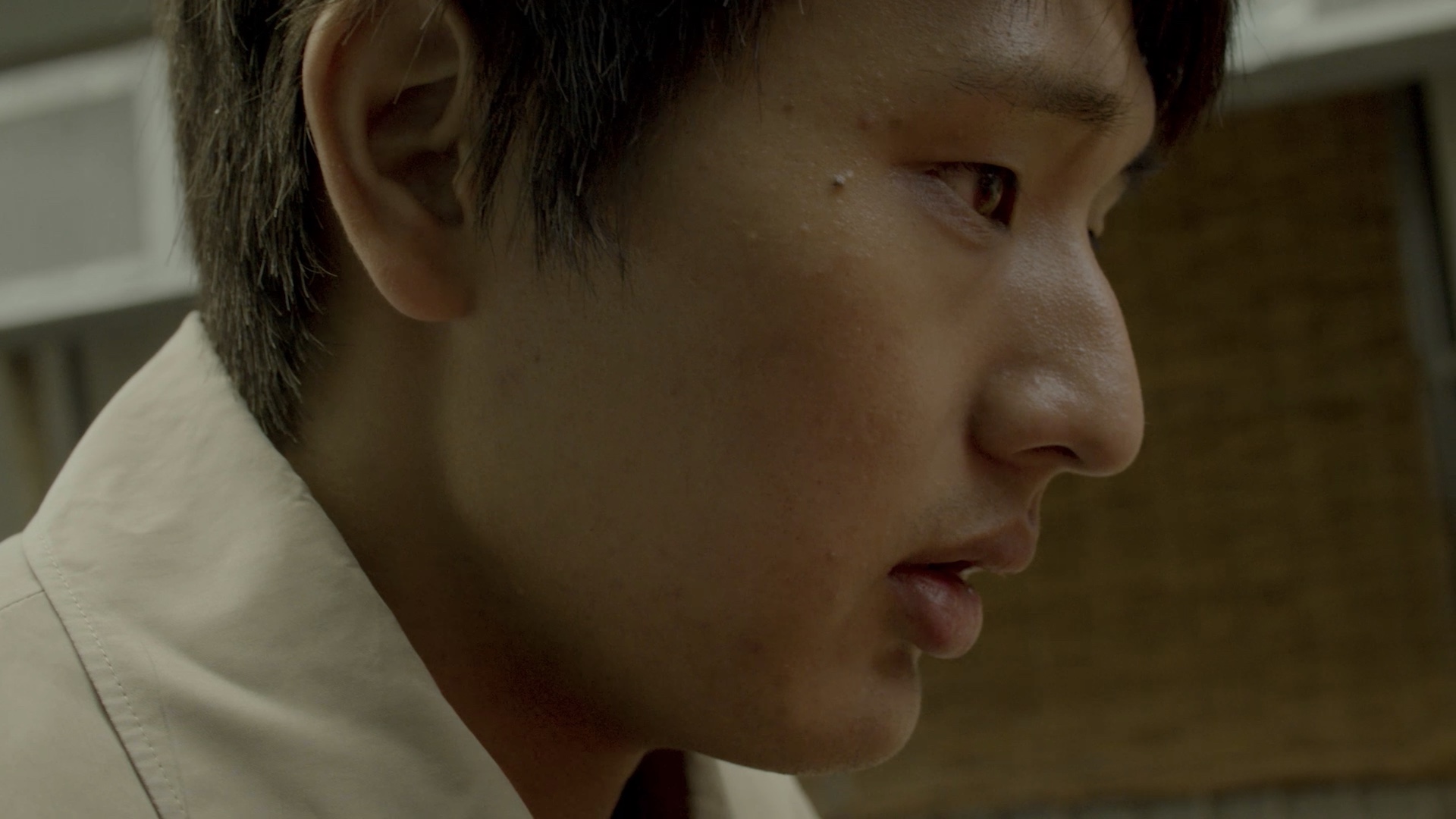
Isamu is depicted as a rather naive man whose social awkwardness and childlike innocence leave him vulnerable to manipulation. He’s told to sign documents by the police so he signs them thinking it’s better to be cooperative, taking the advice he’s given when he questions a particular sentence that he can correct it later at face value while assuming that he’ll be able to straighten it all out in court by telling them the truth and that he signed the documents because the police told him to. Meanwhile, he’s almost totally isolated, prevented from talking to friends and family out of a concern that he may use them to conceal evidence. 

The film seems to suggest that the stress of his ordeal which lasted several years may have led to his early death at the age of 42 soon after his eventual acquittal. In any case he finds a kindred spirit in his intellectually curious lawyer (Takahiro Miura) who defends him mostly on the basis that the right to innovate must be protected and a developer can not be responsible for the actions of an end user any more than a man who makes knives can be held accountable for a stabbing. Matsumoto captures the sense of wonder Isamu seems to feel for the digital world and has a great deal of sympathy for him as an innocent caught up in a game he doesn’t quite understand while fiercely defending his right to express himself, along with all of our own, without fear no matter what the implications may be.


Winny screens in New York Aug. 2 as part of this year’s JAPAN CUTS.

Original trailer (no subtitles)

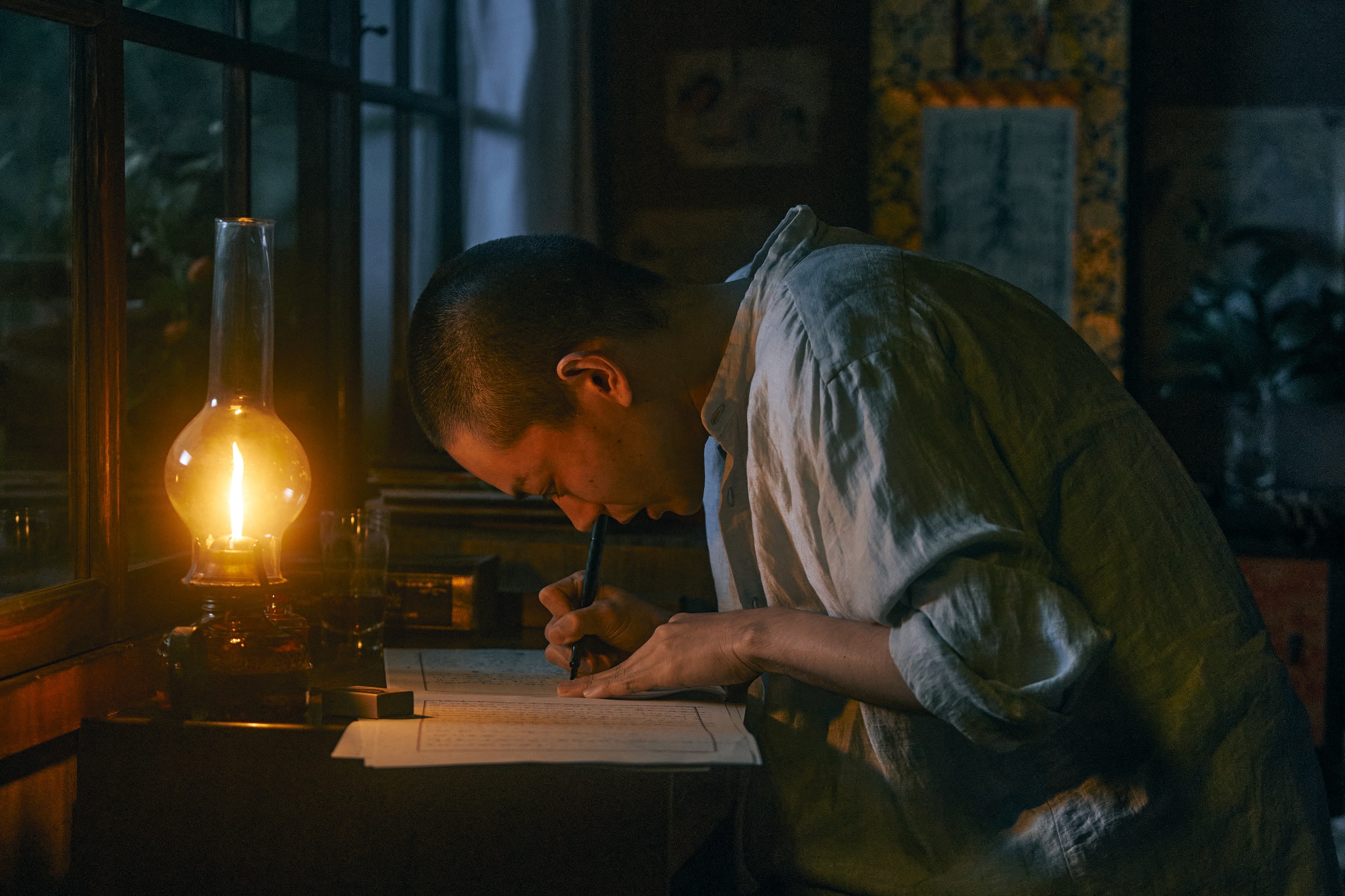
Father of the Milky Way Railroad (銀河鉄道の父, Izuru Narushima, 2023)

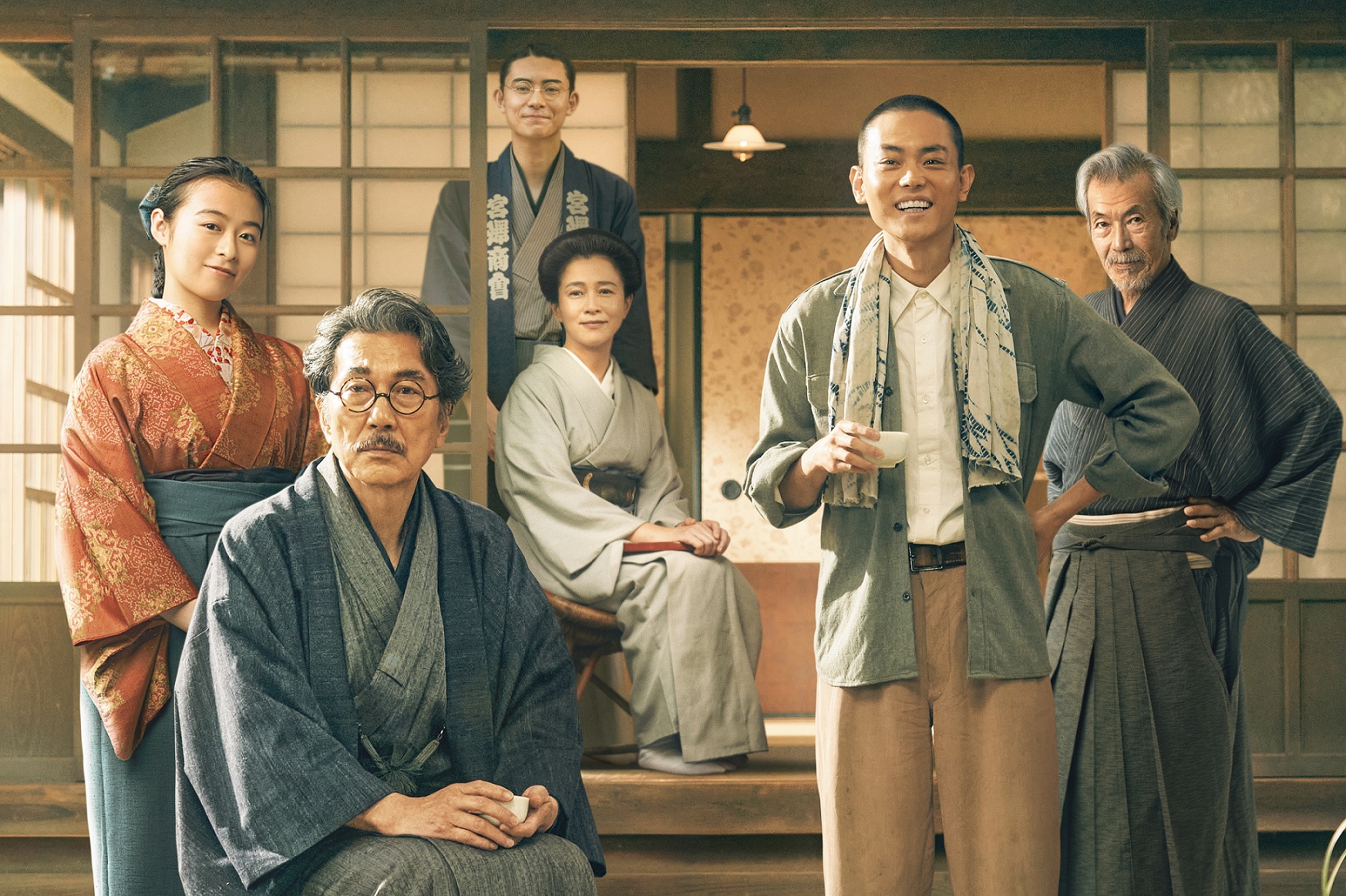
Generations of Japanese children have grown up with Kenji Miyazawa’s much loved classic Night on the Galactic Railroad but Miyazawa remained largely unknown in his lifetime and passed away from pneumonia at the young age of 37 in 1933 with the book that would make his name still unpublished. His story has been told before, most notably by Kazuki Omori in 1996’s Night Train to the Stars, but Izuru Narushima’s Father of the Milky Way Railroad (銀河鉄道の父, Ginga Tetsudo no Chichi), adapted from the Naoki Prize-winning novel by Yoshinobu Kadoi, takes a slightly different angle in exploring the life of his generally supportive father, Masajiro (Koji Yakusho).

As he’s fond of saying, Masajiro is a product of the modern era and a very modern father even in some ways by the standards of today. The film opens (and closes) with him on a train, this time hurrying home having received a telegram informing him that his first child has been born. So excited is he that he offends his own father by running past him on the way to see the baby without offering the proper greeting. Kisuke (Min Tanaka) is indeed more of a traditionalist raised with feudal values that are fast becoming out of date in the new society. As the head of the household, it’s he who gives the baby his name, Kenji, written with the characters for intelligence and healing which will indeed define his character if leaving him somewhat at odds with his society. 

Such a devoted father, Masajiro breaks with tradition and accepted gender roles in insisting on accompanying Kenji to hospital when he is taken ill despite his father’s admonition that caring for the sick is a role reserved for women. Kisuke also tells him his decision to have Kenji educated is wrongheaded, that literature and the arts only confuse a man and may prove more ruinous to him than drink or women. Annoyingly, Kisuke may have a point in that on his return from middle school Kenji (Masaki Suda) immediately rejects the family’s business as pawnbrokers having read too many Russian novels in which they are depicted as exploiters of the poor. He decries Masajiro’s justification that they support farmers who would otherwise be unable to access other forms of financial help such as bank loans and be forced to sell their daughters into sex work as mere sophistry. Masajiro may share some of his concerns, but remains in part wedded to some aspects of feudalism in insisting that as the oldest son Kenji has no choice other than to take over the family pawn shop.

Nevertheless, he also educates his daughter, Toshi (Nana Mori), who later begins working as a school teacher and is able to convince him to allow Kenji to further his studies only for Kenji to suddenly announce he wants to go to agricultural college to better understand their customers who are after all predominantly farmers. Having sent him away to be educated, Masajiro laments that Kenji knows “nothing of the world” after seeing him taken in by an obvious sob story from a duplicitous customer reflecting that his liberal education may have given him ideas that prevent him from living successfully in the society in which he lives. Kenji continues to resist the idea of taking over the pawnbroker’s while evidently unsuited to it before worrying his family further by becoming dangerously obsessed with radical new Buddhist sect Nichiren. 

It’s with this that Masajiro cannot really help him and begins to lose his patience as Kenji gives in nihilistic despair believing that nothing he does has any real meaning. His literary gifts are appreciated only in the wake of a tragedy that reconnects him with his childhood self while finally freeing Masajiro to embrace his son’s natural gifts as a writer rather than trying to force him to take over the family business. In truth, the film barely touches on the novel from which it takes its title if subtly hinting at it and bookending itself with the celestial train motif, but rather takes its lead from one of Miyazawa’s best known poems about his desire to become a better, more selfless, less self-defeating person that is perhaps inspired by his “modern” father’s “new” ideas of a society founded above all else on love. Perhaps it’s not so bad to know nothing of the world after all.  


Father of the Milky Way Railroad screens in New York July 29 as part of this year’s JAPAN CUTS.

Original trailer (no subtitles)
Best Wishes to All (みなに幸あれ, Yuta Shimotsu, 2023)

A young woman is confronted with an uncomfortable truth on return to her old hometown in Yuta Shimotsu’s eerie horror satire, Best Wishes to All (みなに幸あれ, Mina ni Sachi Are). Is there really a finite amount of happiness in the world or would there be plenty to go around if only we weren’t all so selfish? The unnamed heroine (Kotone Furukawa) claimed she wanted to become a nurse to “save people” but in the end starts to wonder if the only way to be happy in a cynical world is to meet it on its own terms. 

Even so, there’s something decidedly strange about her reunion with her grandparents. She notices them behaving oddly but isn’t sure whether to chalk it up to their age and not having seen them for a long time, only there’s something a little creepy in their overt “happiness” as they cryptically look up at the ceiling as if gazing at a higher power or suddenly start making pig noises before remarking that they should be happy as they eat their bacon that the animal has achieved its purpose in life. Meanwhile, for unclear reasons they forbid her from hanging out with a childhood friend who stayed in town to take over his father’s farm despite showing promise as an artist.

He too cryptically adds that he thinks there’s enough happiness in the world for everyone to have some without needing to hoard it, adding to the heroine’s unease as she tries to investigate the strange noises coming from behind a locked door in her grandparents’ home. Soon, she begins to discover what it is that makes them “happy” and is confused and appalled, unsure whether she should believe her eyes or has actually gone out of her mind in this already quite weird place. 

On leaving the city, she’d paused on a pedestrian crossing to help an old lady with her bags while a salaryman had knocked hers out of her hands by walking into her. She was the sort of person that thought it was important to help others or at least to be considerate, but is confronted with an uncomfortable truth in being asked if she can go on pretending that her happiness isn’t bought with the suffering of someone else somewhere in the world even if they aren’t exactly “visible” to her. She tries to revolt and reject the strange goings on at her grandparents’ but is told that it’s the way of the world, that it’s happening everywhere, and that really she knows but has chosen not to see because when it comes right down to it she’s as selfish as everyone else and isn’t willing to sacrifice her own happiness to “save” someone else from suffering.

Meanwhile, she realises that some families are being shunned in the village for resisting and these families largely are “unhappy”, though undoubtedly some of that at least must be down to their stigmatisation. She and her friend save a high school boy who was being bullied, but even he later relates to her that he’s decided to “live smart” by going along with the local practice even if it doesn’t seem right to him because it’s pointless to resist when everyone is doing it. Another rejectee also tells her that the village philosophy is a fallacy because even if someone “should” be miserable there’s no way to know how they really feel and if you’re only basing your idea of “happiness” on external validation then of course you’ll always be miserable. 

Confronted with a bizarre series of events, she begins to wonder if she’s going out of her mind and none of this is really happening even while pressured to submit herself to the ways of the village. In effect, she’s being asked to choose her level of comfort with complicity, acknowledging directly that her “happiness” is based on a quite literal exploitation, drained out of those less fortunate than herself. Her friend remained convinced that there is plenty of happiness to go around without needing to extract it from others, but the lessons she learns are more cynical, no longer stopping to help old ladies with their shopping and suspicious of those who do while proudly declaring herself “happy” with her new “reality”. Shimotsu excels in finding the eeriness of the every day in which an ordinary jar of miso or a workman’s tool box can seem to radiate evil while the grandparents’ ordinary house has an incredibly ominous atmosphere that raises a note of uncanniness in their “happy home” suggesting that their quasi-beatific state is more akin to curse than blessing. 


Best Wishes to All screens in New York July 27 as part of this year’s JAPAN CUTS.

Trailer (no subtitles)
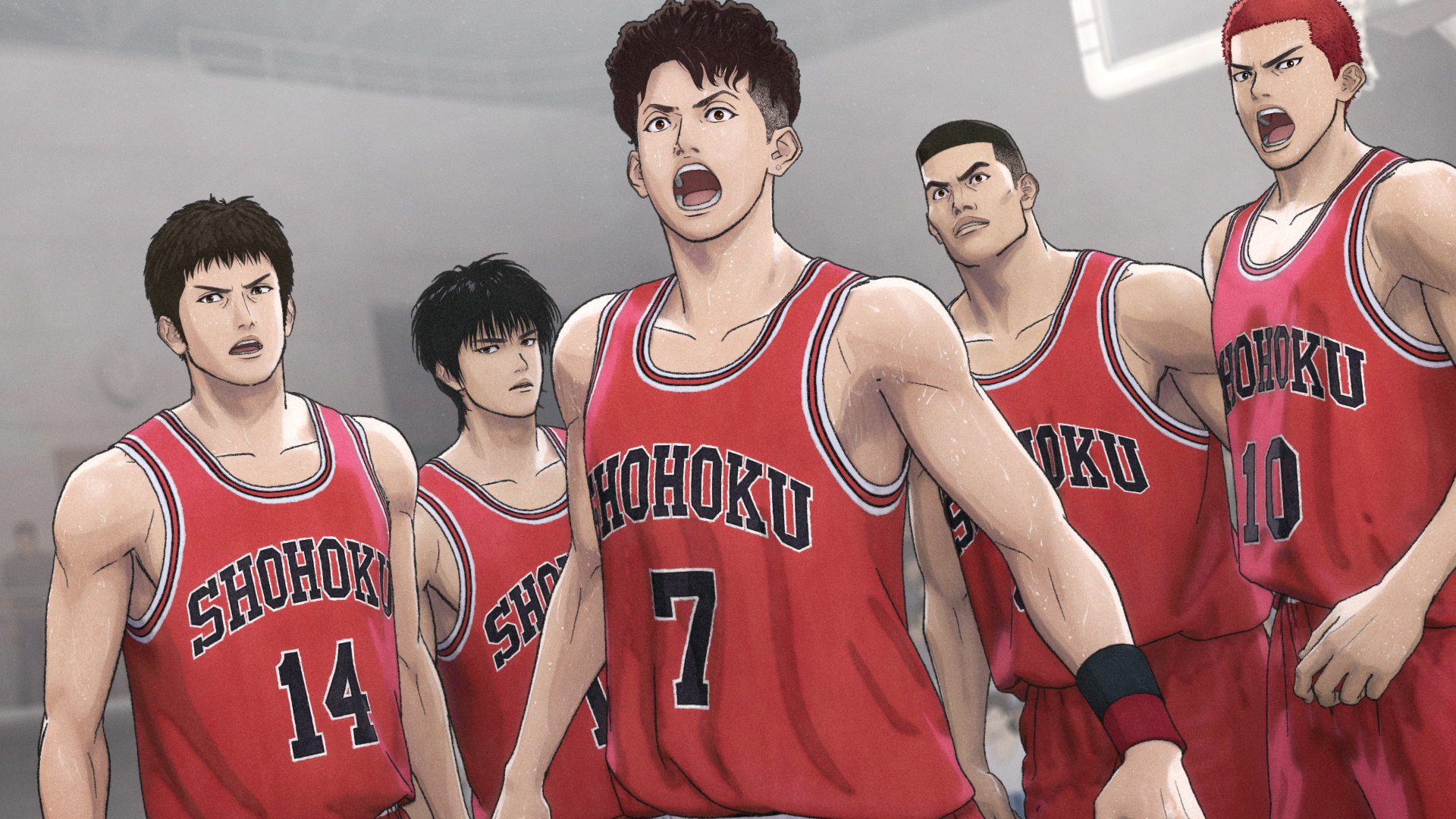
THE FIRST SLAM DUNK (Takehiko Inoue, 2022)

Takehiko Inoue’s basketball-themed manga Slam Dunk is a ‘90s landmark that also spawned a hugely popular TV anime adaptation. A few attempts had been made over the years to produce a feature-length film, but Inoue had turned them all down until, that is, the production team were able to come up a unique look that matched the author’s vision and truly made it seem as if the characters were “alive”. Finally impressed, Inoue then agreed to script and direct the anime himself even going so far as to retouch scenes in both 3DCG and 2D to ensure they fulfilled his high expectations. 

Titled The First Slam Dunk, the film takes place entirely over a single game but switches its focus from the protagonist of the manga, red-haired former delinquent Sakuragi (Subaru Kimura), to “Speedster” Ryota Miyagi who makes up for his short stature with nimble manoeuvres. Inoue cuts between the championship match with rivals Sanno and the players’ private lives as they battle their demons and insecurities on the court and off. 

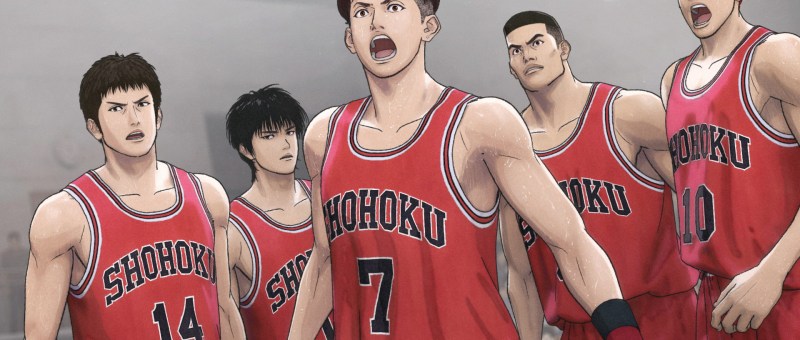
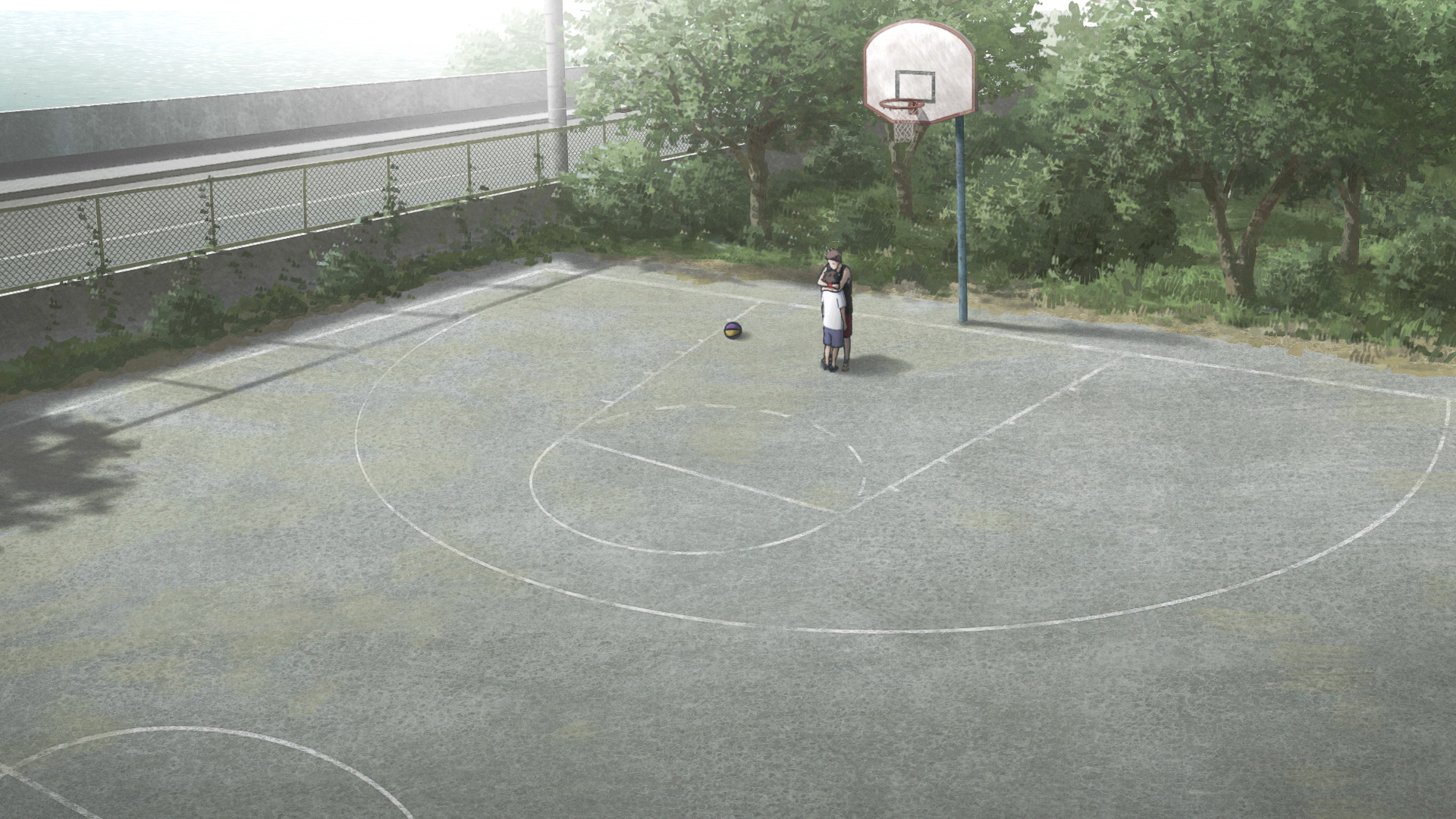
Originally from Okinawa, Ryota lost his father and brother in quick succession. Sota had been something of a mentor figure, getting him into basketball and encouraging him to keep playing even if others said there was no point because he was simply too small. When Sota chose to cut their practice short to go fishing with some friends, Ryota was of course upset and angry saying a few things he came to regret when Sota was lost at sea and never came back. “Cocky” as someone later describes him, Ryota uses bravado to mask his insecurity and struggles to redefine his relationships with his grief-stricken mother and younger sister while also competing with the shadow of his absent brother whose number he continues to wear even after moving to the mainland and joining a new high school team, Shohoku. 

As he later says, basketball was a means of dealing with his grief though it was difficult for his mother to support him because its associations with Sota. Showcasing the stories not otherwise told in the manga, Inoue taps into an adolescent sense of existential crisis and individual anxiety as filtered through the basketball game in which, as their quietly supportive middle-aged coach tells them, it’s only over when you decide to give up. Meanwhile, the guys from Sanno are experiencing something similar and most particularly Ryota’s opposing number, Kawata, even if the team is also given an edge of uncanny invincibility in the sometimes suspicious aura of their coach. 

Only by facing their individual anxieties can the guys begin to play a full role on the team, each of them as the coach says bringing their own unique talents and learning to play to each other’s strengths. In the end it comes down to willpower and self belief, continuing to play even when victory seems impossible and pressing for the final slam dunk even as the seconds tick down to zero. Inoue captures a real sense of tension in the game scenes, the dynamism of the 3DCG and the use of motion capture paying off along with some innovative creative decisions that really allow the game to come “alive” in the way Inoue seems to have envisioned with victory hardly assured as the guys go all out utilising not only their physicality but strategy and psychology in trying to claw their way back from 20 points behind with time fast running out. 

Very different stylistically from the average anime sports movie and particularly one following a previous TV adaptation, Inoue displays a truly remarkable sense of cinematic composition while he largely steers away from the kind of high school cliches common to the genre concentrating instead on strong characterisation and an otherwise poignant story of learning to live with grief as Ryota begins to become his own man while honouring his brother’s legacy. Often dazzling in its dexterity, Inoue’s directorial debut excels both on the court and off finding the small moments of doubt and confusion among each of its heroes and witnessing them achieve a psychological slam dunk that allows them to keep moving forward despite their fears and anxieties in refusing to give up even when it might seem hopeless. 


THE FIRST SLAM DUNK screens July 26 as the opening night gala of this year’s JAPAN CUTS and opens in cinemas in the US & Canada July 28 courtesy of GKIDS.

JAPAN CUTS Announces 2023 Lineup

Following last year’s hiatus, JAPAN CUTS makes a very welcome return for 2023 once again presenting a selection of the best of recent Japanese cinema at Japan Society New York from July 26 to Aug. 6. This year’s Cut Above award goes to the actor Yuya Yagira who will be appearing in person to present Under the Turquoise Sky alongside director KENTARO.

Opening Film: THE FIRST SLAM DUNK

The first feature length film in 33 years based on the classic high school basketball-themed manga also marks the directorial debut of original author Takehiko Inoue. Following Ryota Miyagi as he takes centre stage at the Inter-High Championships, the movie won the Japan Academy Film Prize award for Best Animation.

Centerpiece Film: Under the Turquoise Sky

Introduction and Q&A with Director KENTARO and Actor Yuya Yagira; Followed by Centerpiece Party

Soulful road movie starring Yuya Yagira as the spoiled grandson of a wealthy businessman who is sent to Mongolia in search of the daughter his grandfather left behind during the second world war. Directorial debut of the actor KENTARO.

Closing Film: The Three Sisters of Tenmasou Inn

Tearjerking melodrama directed by Ryuhei Kitamura and adapted from the manga by Tsutomu Takahashi in which a traditional Japanese inn becomes the waystation between life and death. A young woman (Non) arriving after a car accident is unexpectedly reunited with the half-sisters (Yuko Oshima & Mugi Kadowaki) she never knew she had.

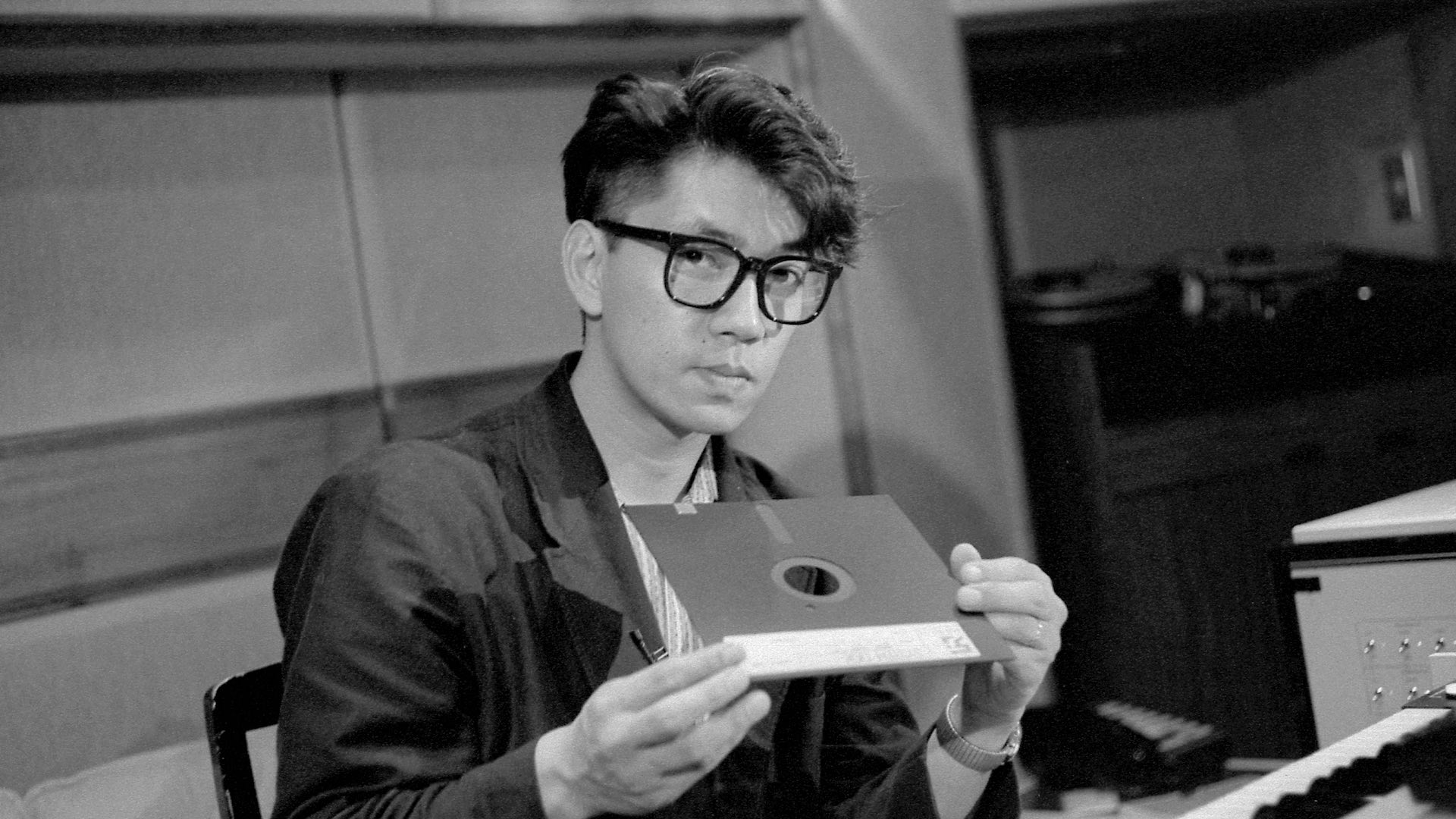
TRIBUTE TO RYUICHI SAKAMOTO: Tokyo Melody: A Film about Ryuichi Sakamoto

Screening on 16mm

Opening comments by Akiko Yano; Screening followed by a Q&A with Director Elizabeth Lennard

French-Japanese TV documentary co-production directed by Elizabeth Lennard following Sakamoto during the production of his 1984 album Ongaku Zukan.

Best Wishes to All

Horror film produced by Takashi Shimizu in which a young woman begins to question her reality after visiting her grandparents’ home and discovering what brings them happiness.

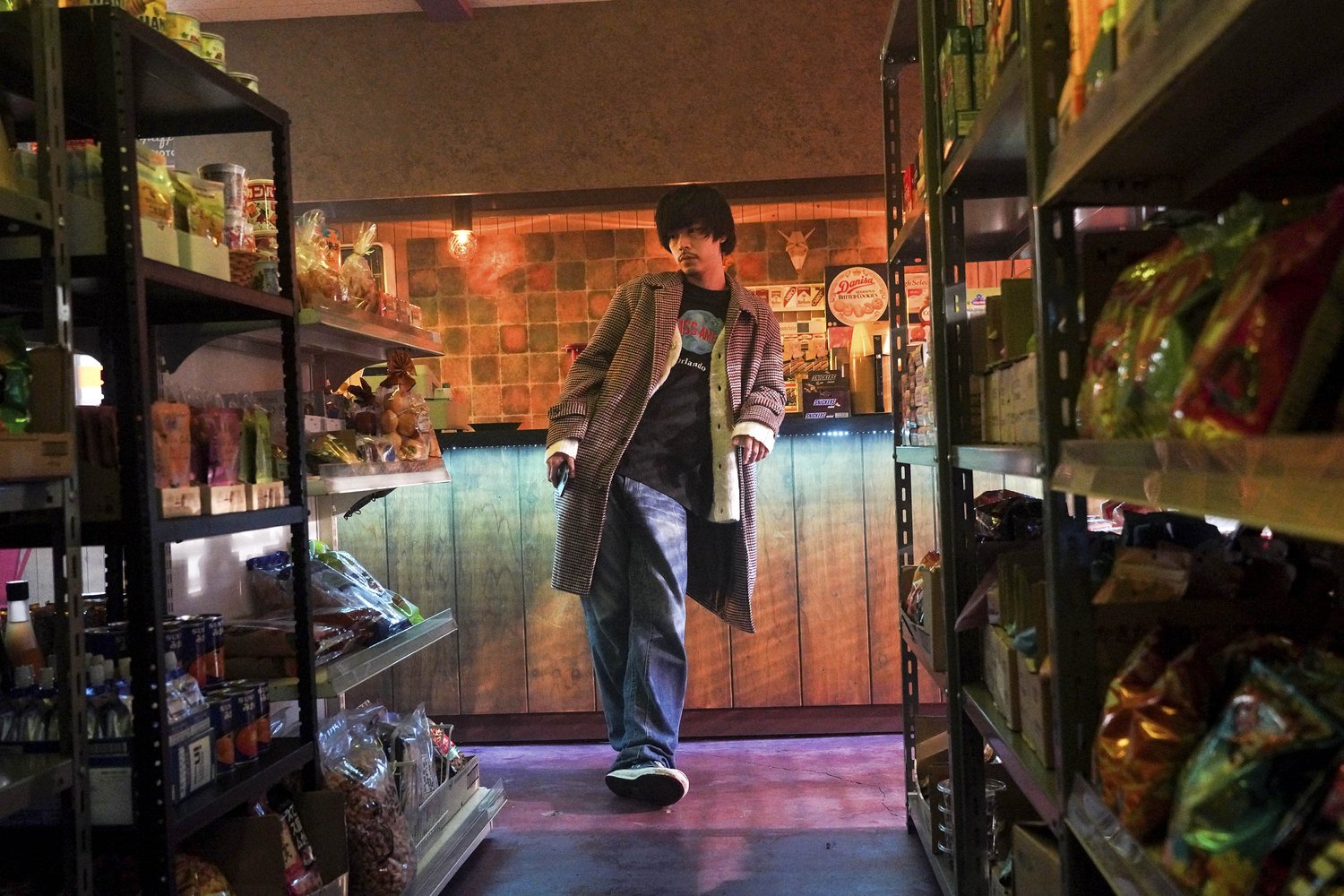
Convenience Story

Surreal drama based on a story by Japan Times critic Mark Schilling and directed by Satoshi Miki starring Ryo Narita as a blocked writer who finds himself drawn into a strange alternate combini universe. Review.

Father of the Milky Way Railroad 

Prestige drama based on the life of legendary poet and children’s author Kenji Miyazawa (Night on the Galactic Railroad) starring Masaki Suda and Koji Yakusho as his supportive father.

From the End of the World

The first feature in eight years from Casshern’s Kazuaki Kiriya, this pre-apocalyptic drama takes place in the two weeks before the end of the world and follows a young woman (Aoi Ito) who has the power to stop the disaster.

Hand

Nikkatsu Roman Porno homage from Daigo Matsui adapted from the novel by Nao-Cola Yamazaki following a young woman with a fetish for older men whose photos she collects in a scrapbook.

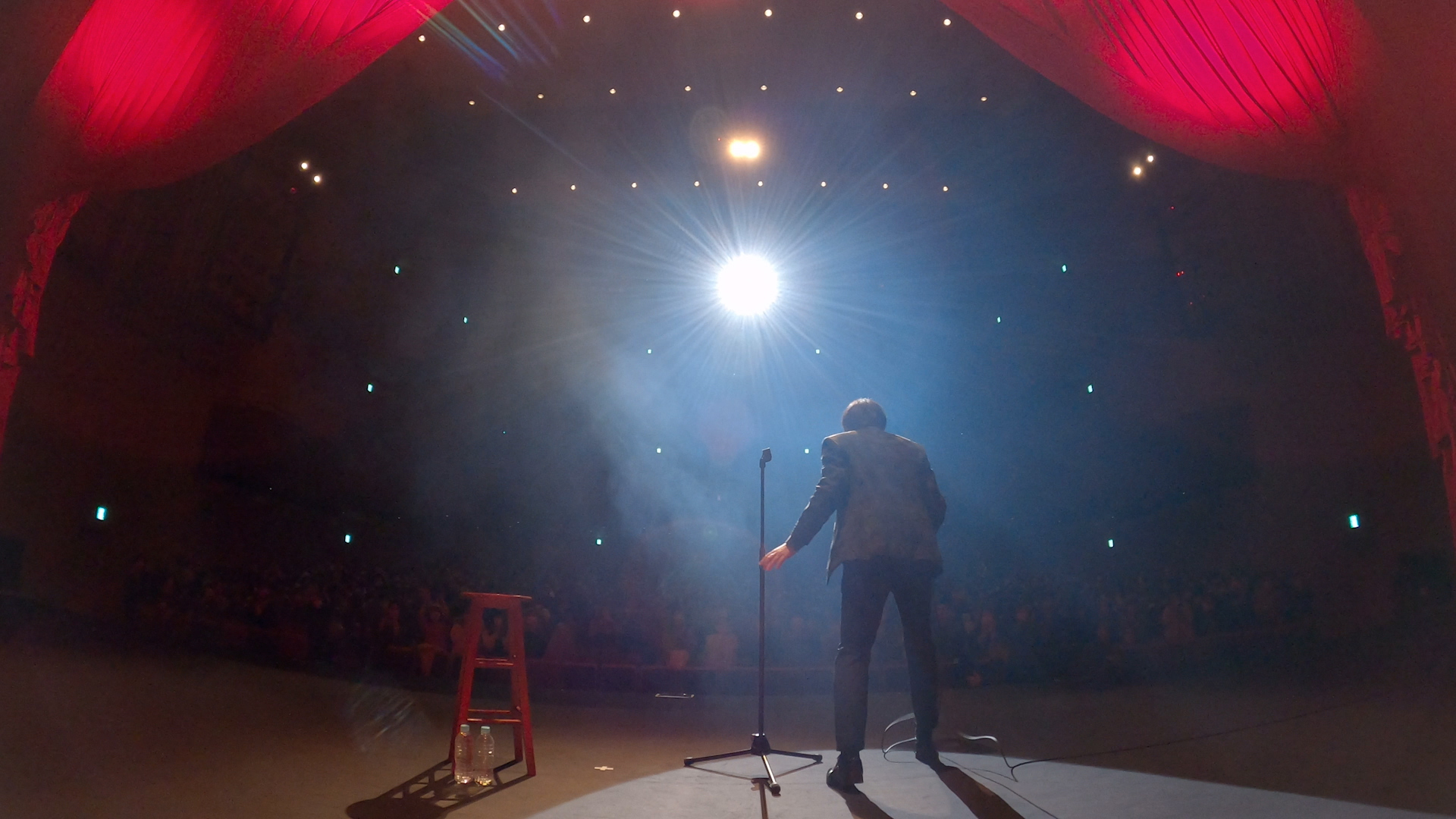
I Am A Comedian

Documentary following comedian Daisuke Muramoto who was once a popular figure on Japanese television but soon found his bookings cancelled when he began including controversial topics such as the Fukushima nuclear disaster and discrimination against ethnic Koreans into his act. Review.

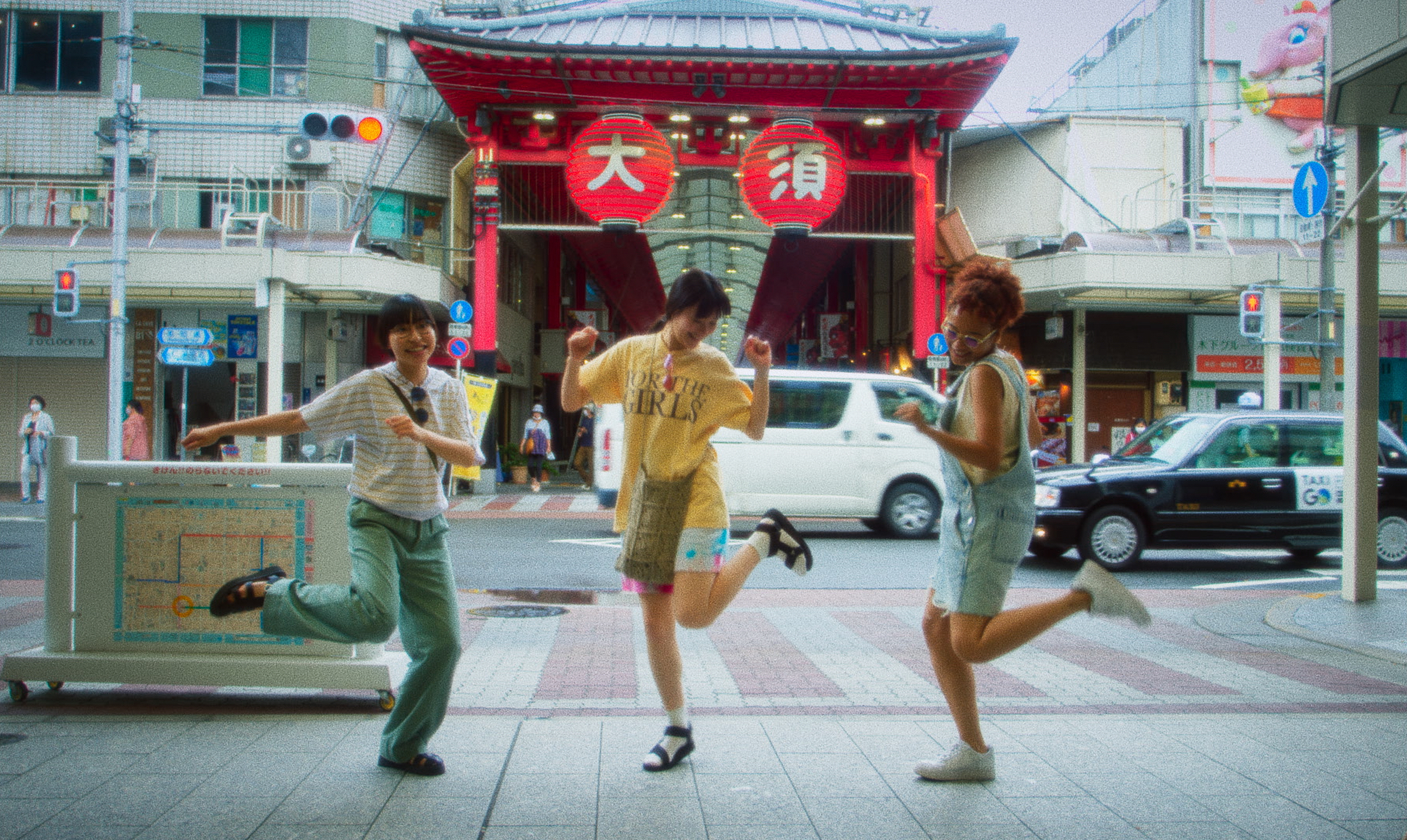
I Am What I Am

Empathetic social drama starring Toko Miura as a young asexual woman who struggles to find acceptance for her lack of interest in sex and romance in a society largely defined by marriage. Review.

MONDAYS: See you “this” week! 

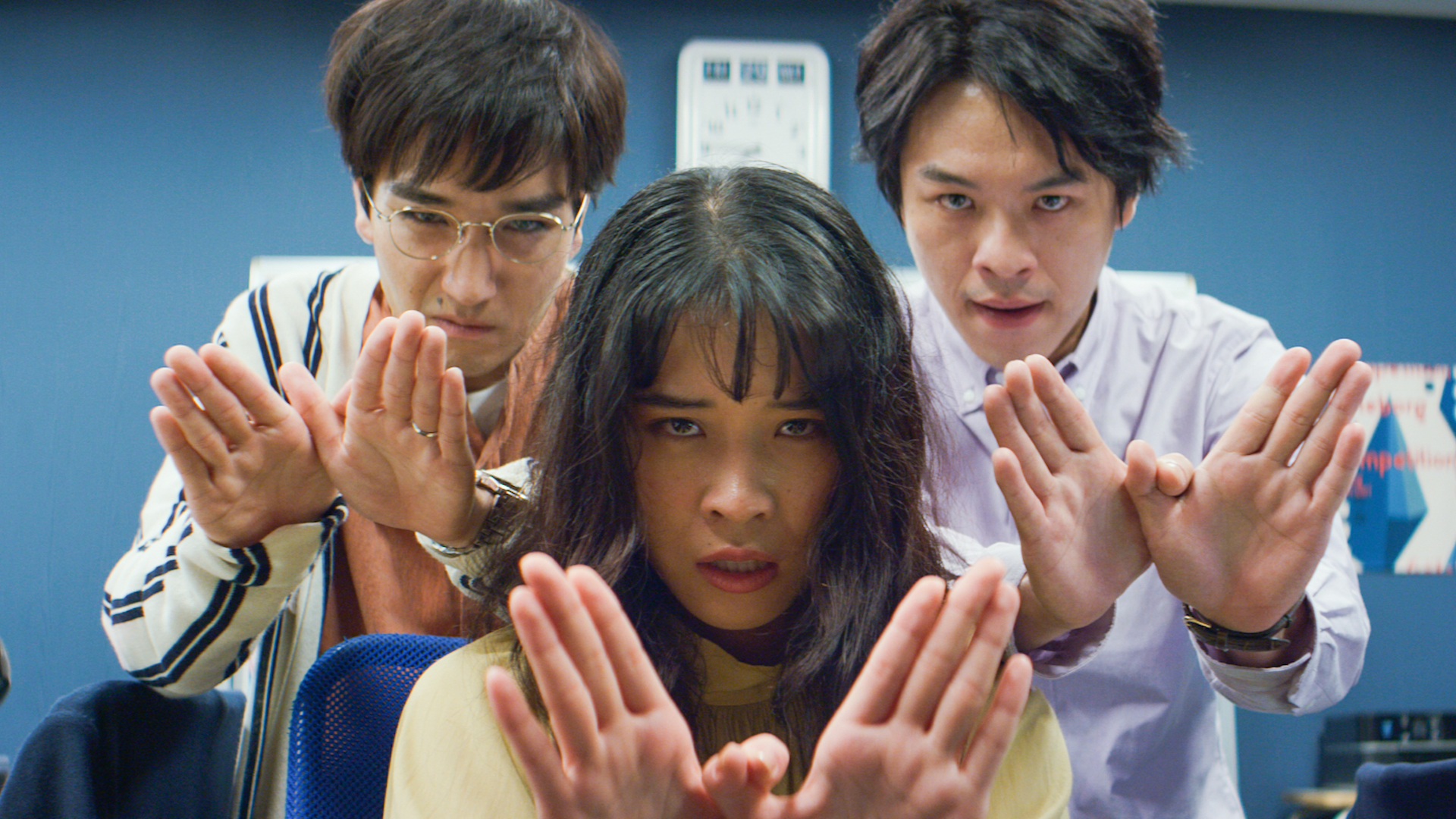
Witty workplace timeloop comedy in which a collection of office workers are forced to relive the same dull working week several times over while trying to figure out how to escape their corporate purgatory.

Plastic

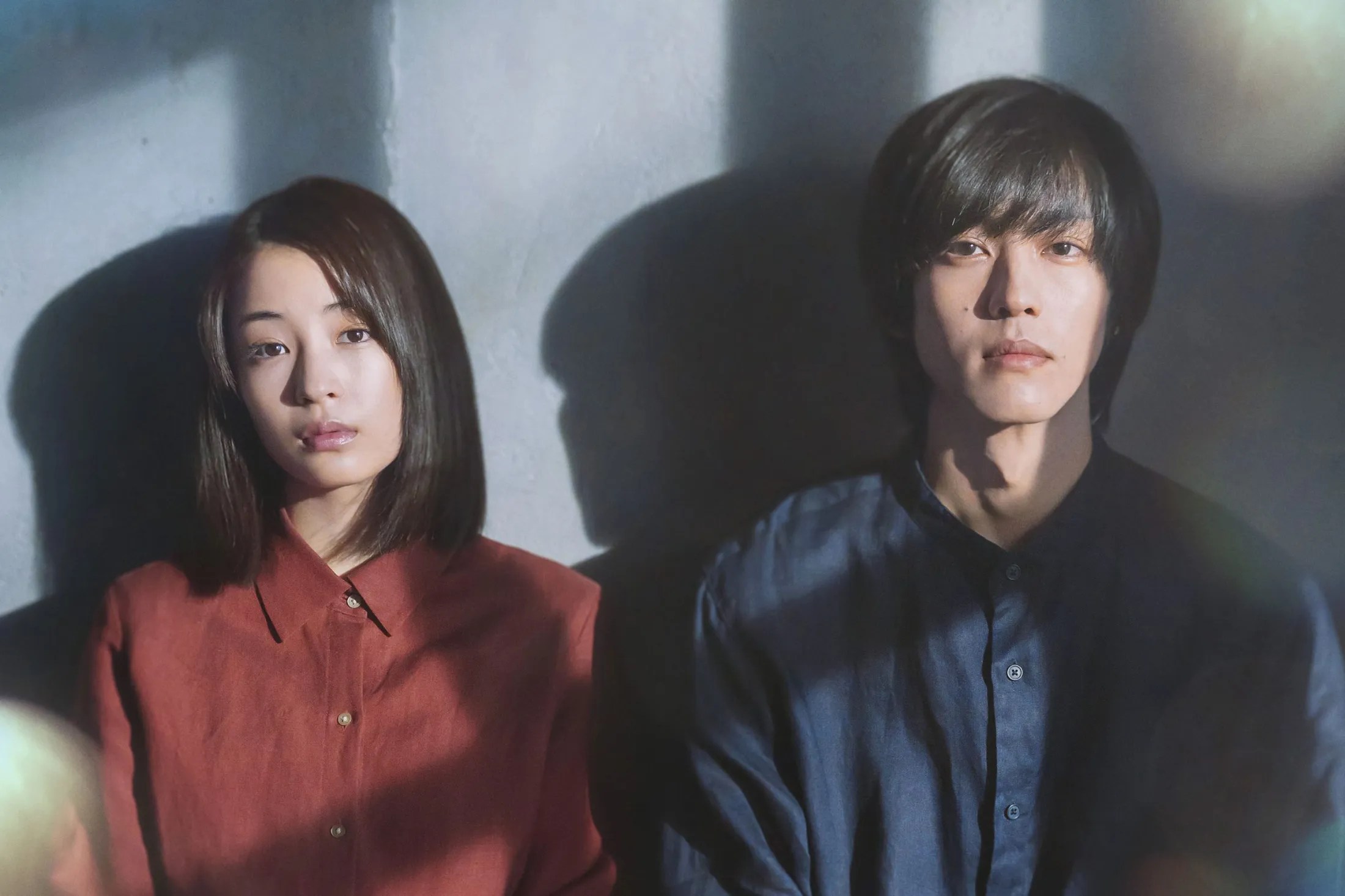
Latest film from Daisuke Miyazaki in which a young couple bond over their shared love of a ’70s glam rock band only to break up when the demands of their lives place a strain on their relationship.

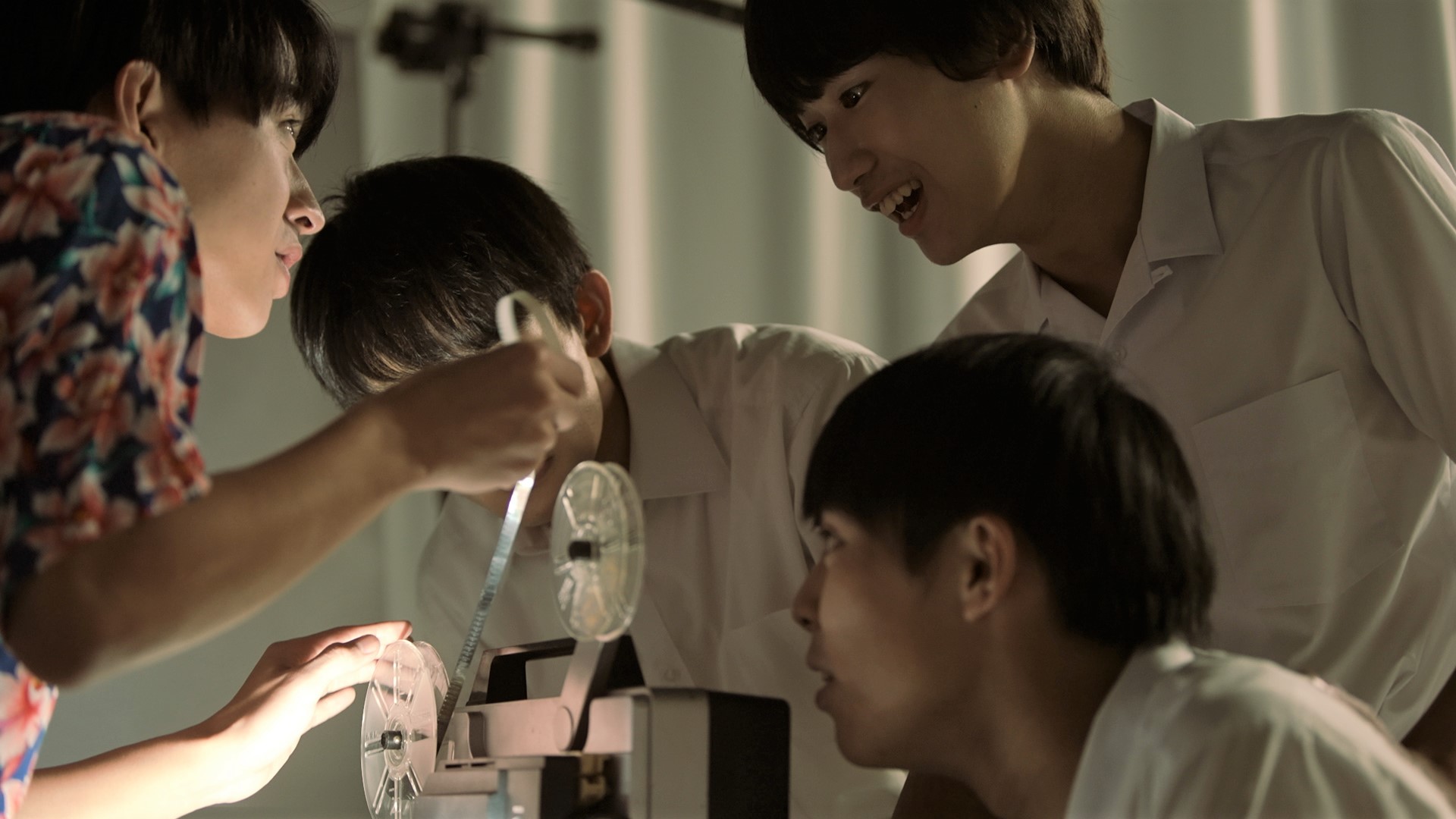
Single8

Charming teen summer adventure movie set in 1978 in which a group of high school students inspired by the success of Star Wars get together to make a sci-fi movie for the school cultural festival.

The Fish Tale

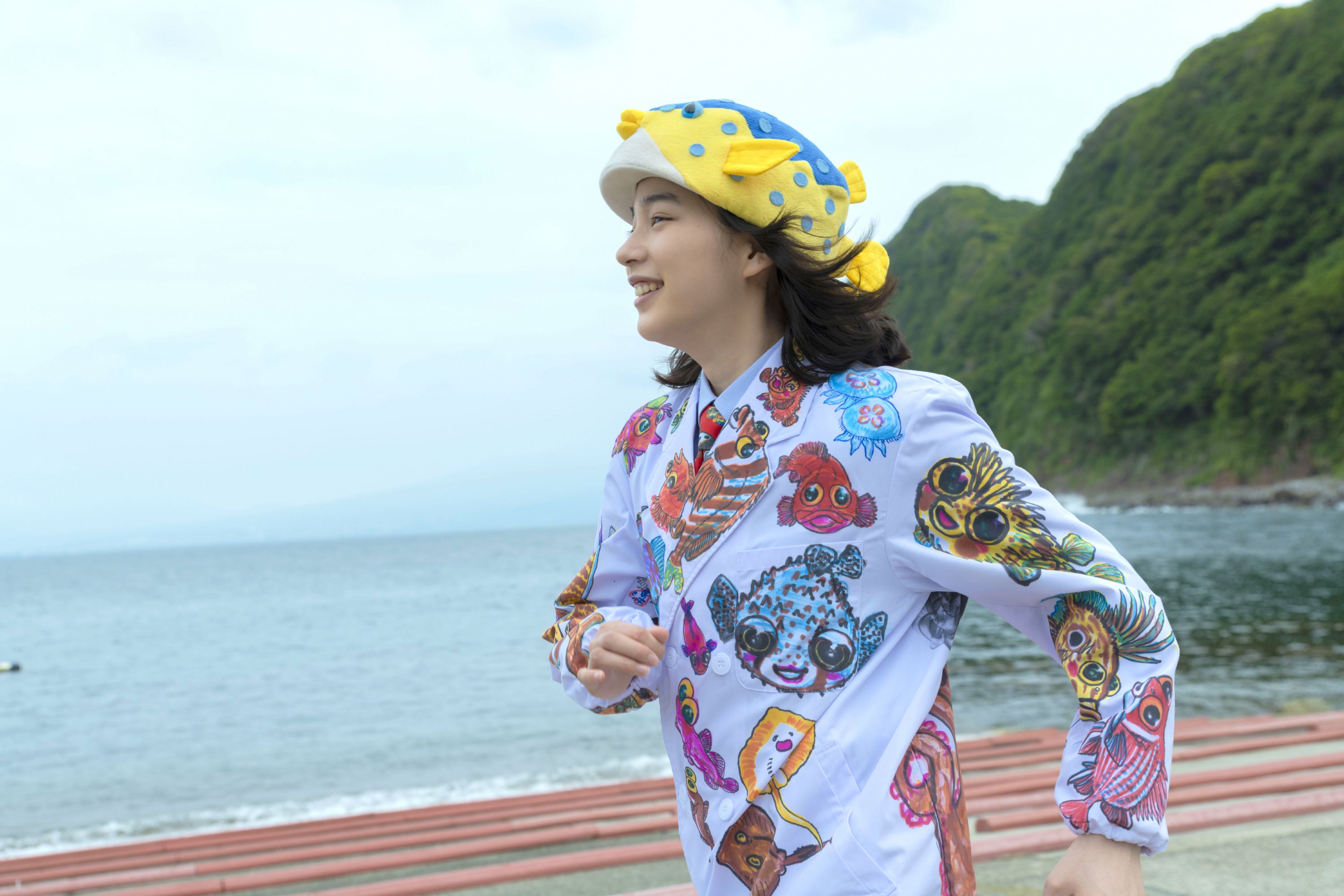
Quirky dramedy from Shuichi Okita starring Non in a role inspired by the real life fish-obsessive Masayuki Miyazawa, aka Sakana-kun. Review.

The Legend & Butterfly

Introduced by and followed by a Q&A with director Keishi Otomo

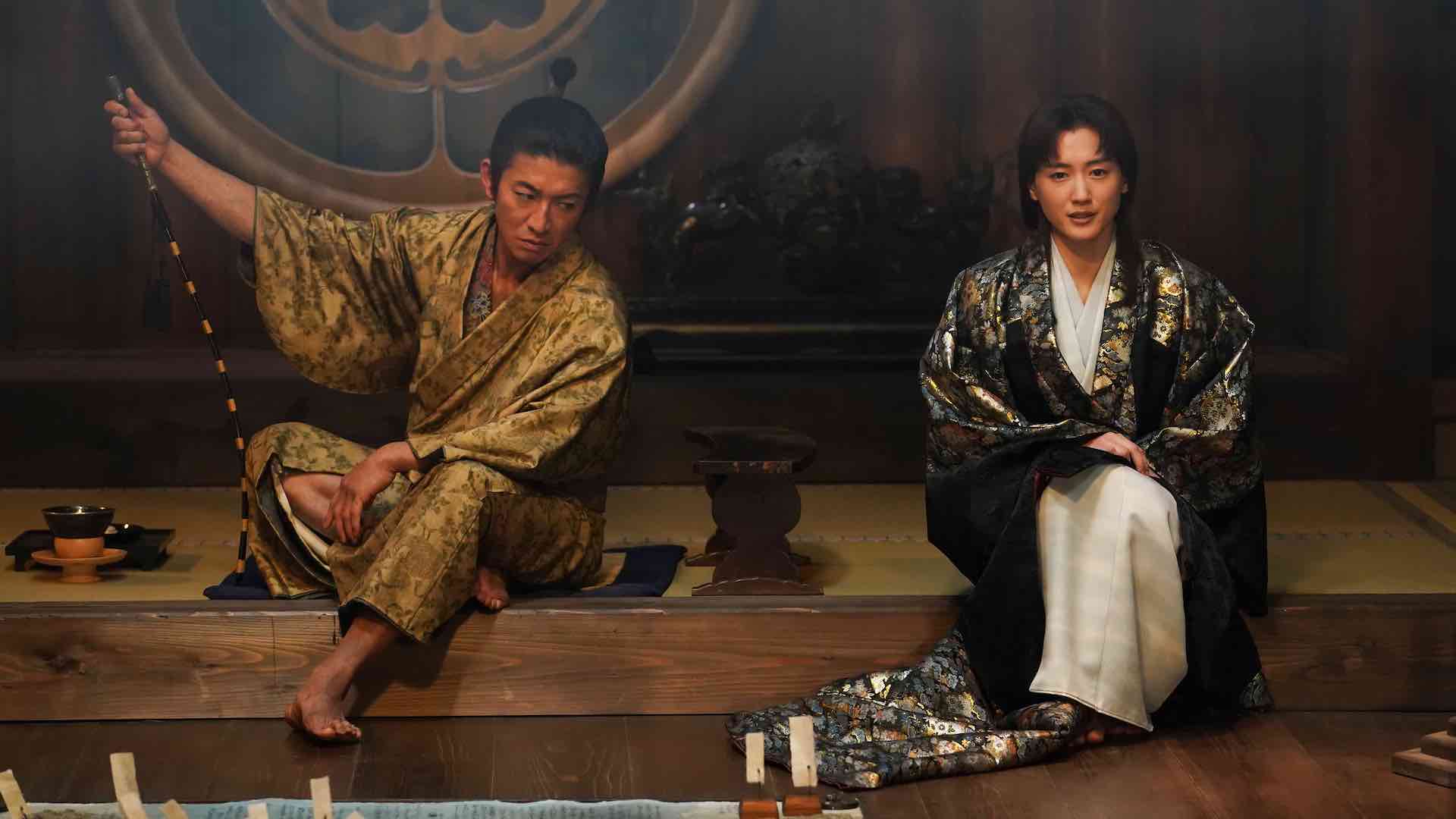
Lavishly produced historical epic starring Takuya Kimura as Oda Nobunaga and Haruka Ayase as his wife Nohime who find themselves falling in love while plotting the unification of Japan and dreaming of a new life in a distant land.

Wandering

Adapted from the novel by Yu Nagira, the latest from from Lee Sang-il is a morally complex drama in which a university student is accused of kidnapping after taking in a neglected little girl.

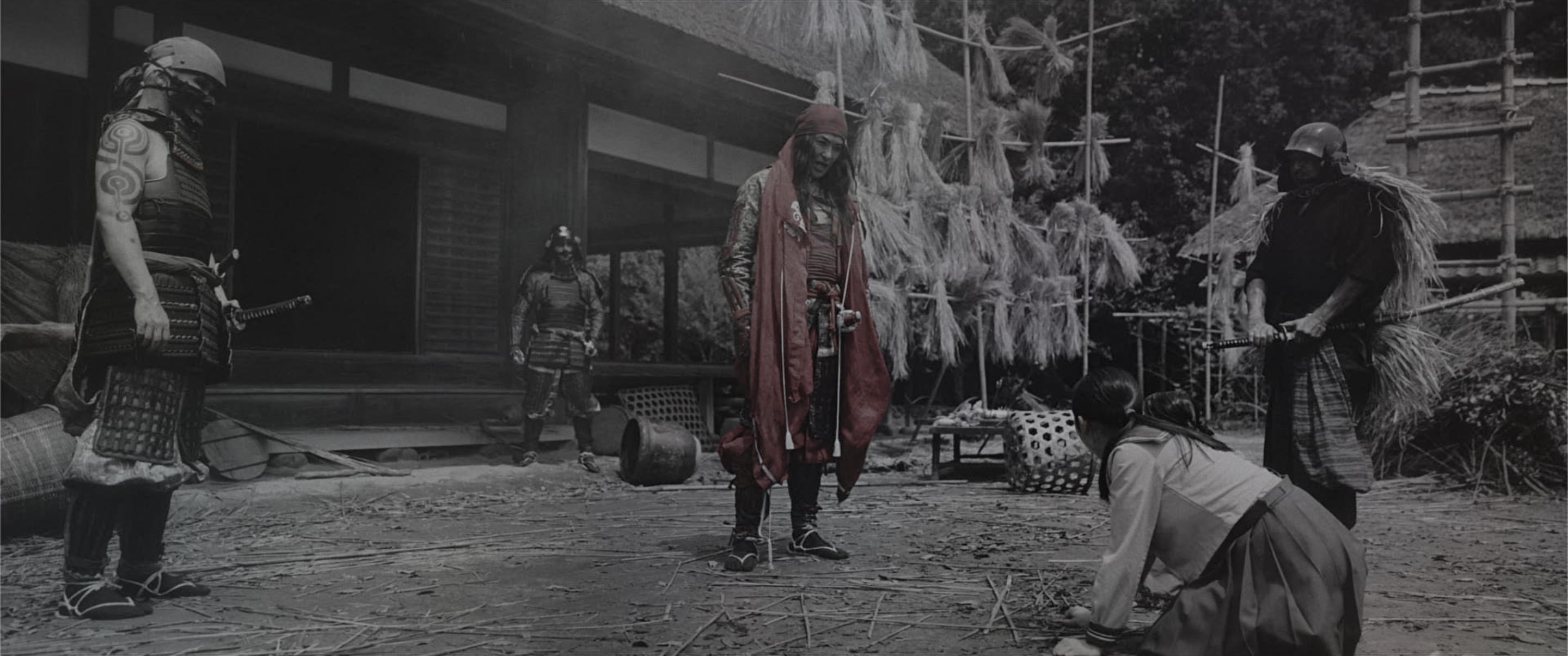
Winny 

Drama from Yusaku Matsumoto (Noise) contemplating the implications of the legal case surrounding file sharing programme Winny which saw its developer prosecuted for aiding and abetting copyright theft.

Amiko

An unusual little girl living in an idyllic Hiroshima village retreats into fantasy when her family unit begins to crumble in the wake of an unexpected tragedy in the debut feature from Yusuke Morii.

J005311

Minimalist directorial debut from actor Hiroki Kono who stars as a petty thief agreeing to drive a fleeing salaryman in exchange for a million yen.

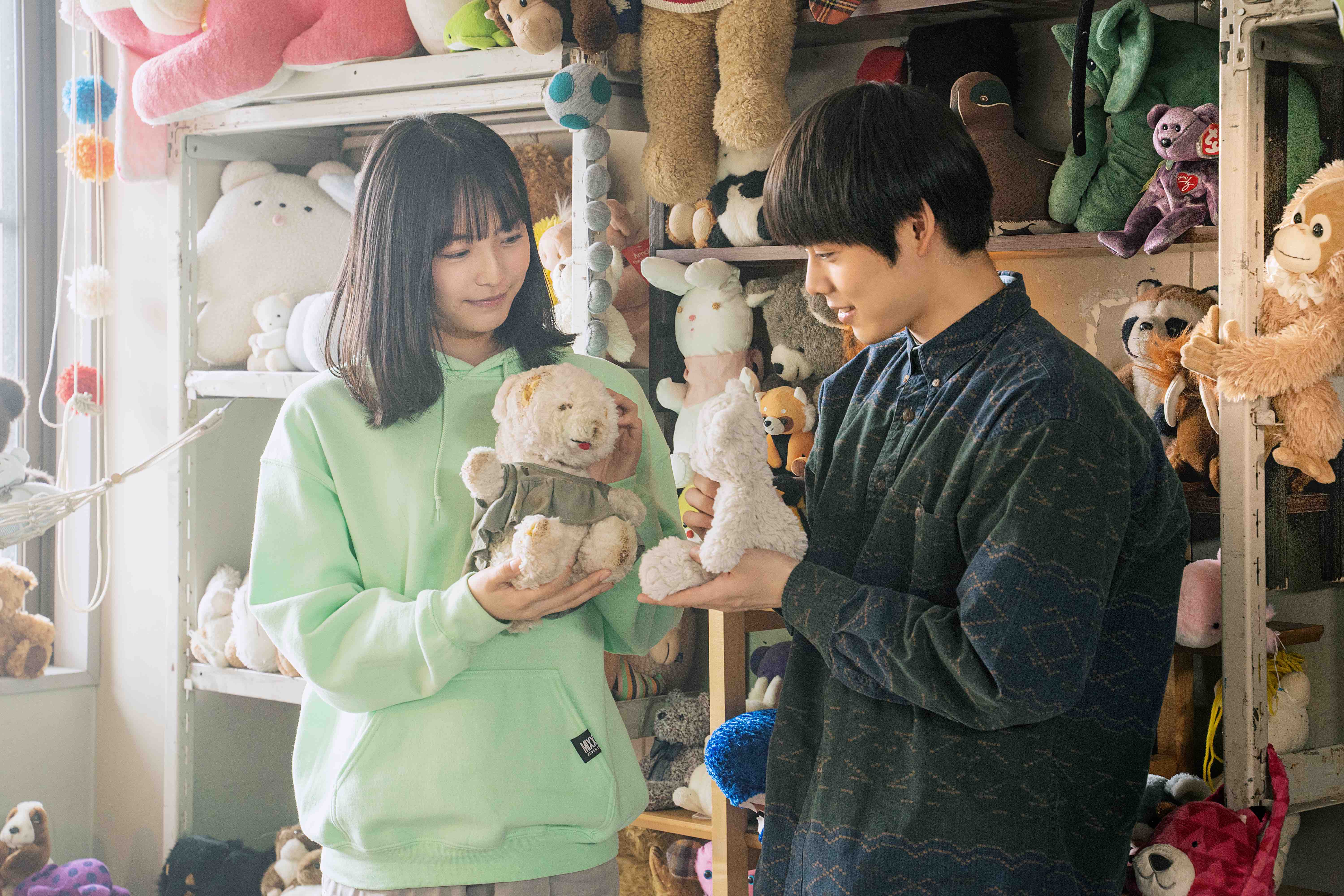
People Who Talk to Plushies Are Kind 

Empathetic drama adapted from the novel by Ao Omae in which sensitive university students talk through their worries with a series of stuffed toys to avoid burdening others with their troubles. Review.

Saga Saga

Drama in which a former actress plagued by strange dreams reassesses past and future while pursued by a mysterious woman and bonding with an anxious teenage girl.

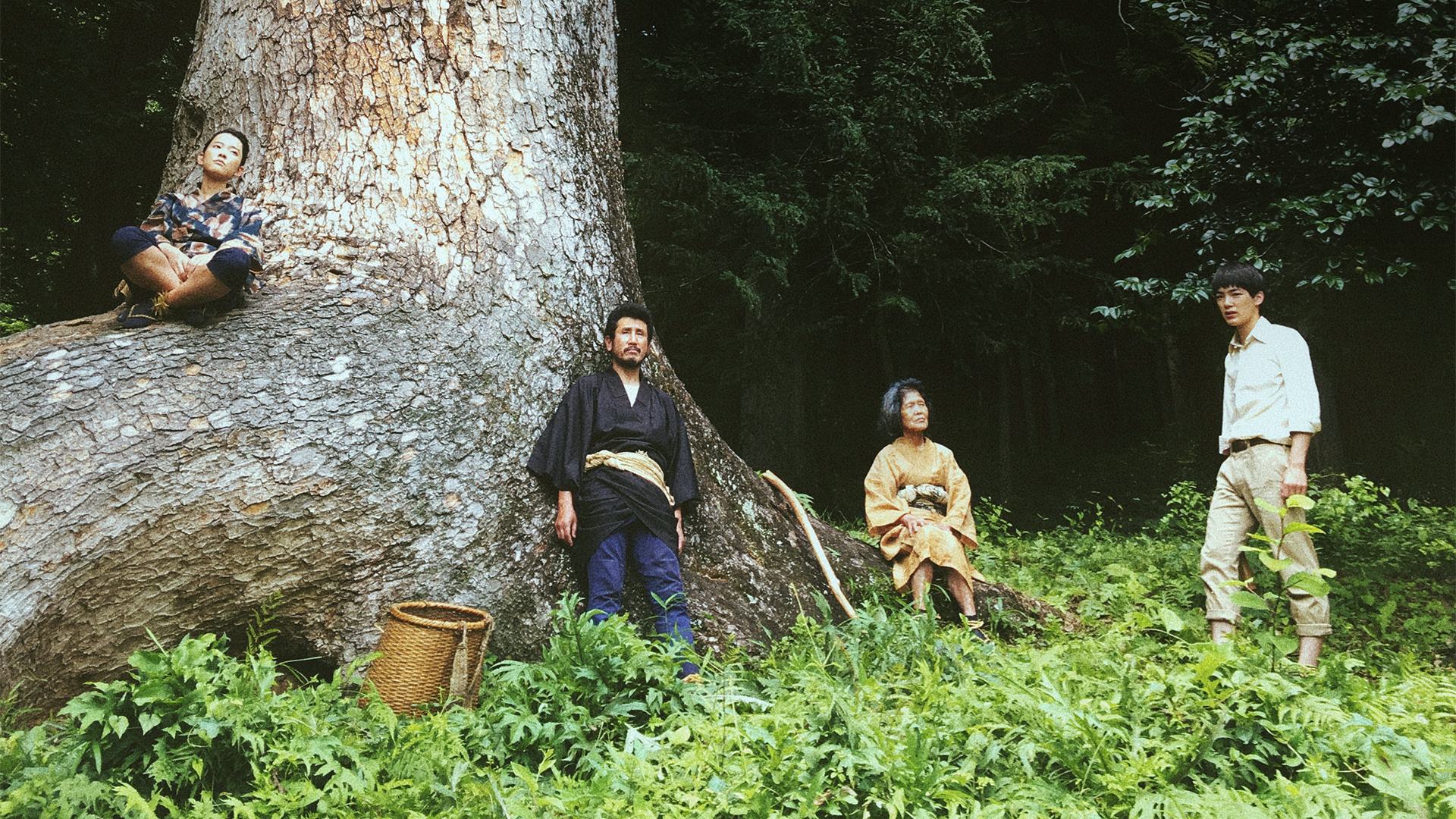
Sanka: Nomads of the Mountain 

Drama set in the 1960s in which a young man becomes friends with a nomadic people after moving to his grandmother’s village from Tokyo.

When Morning Comes, I Feel Empty

Followed by a Q&A with Director Yuho Ishibashi

Zeitgeisty indie drama in which a young woman struggles to move forward with her life after discovering the corporate world was not for her. Review.

JAPAN CUTS 2023 runs at Japan Society New York July 26 to Aug. 6. Tickets are on sale now for Japan Society Members and open for the general public on June 27. Full details for all the films are available via the official website and you can also keep up with all the latest details by following the festival’s official Letterboxd, InstagramFacebook page and Twitter account.