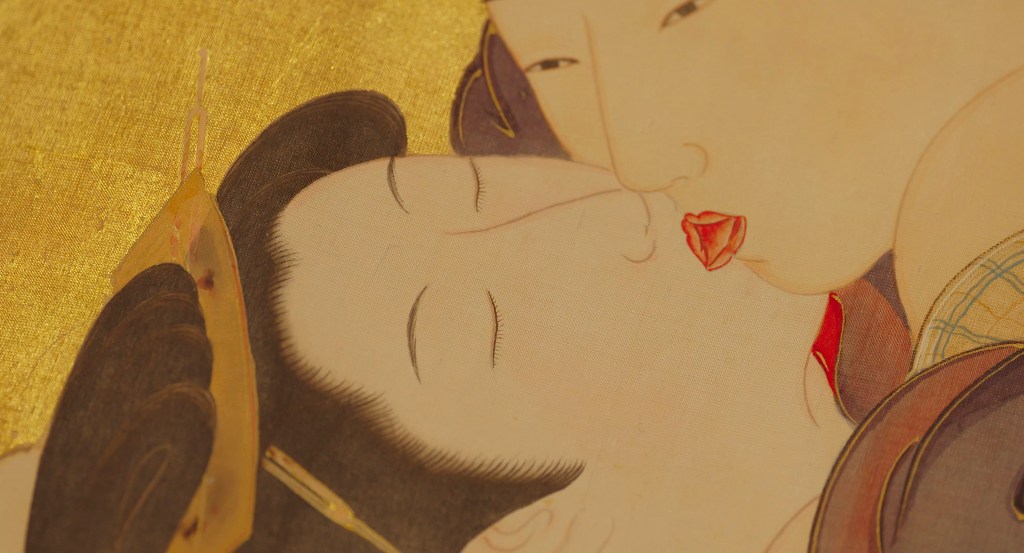
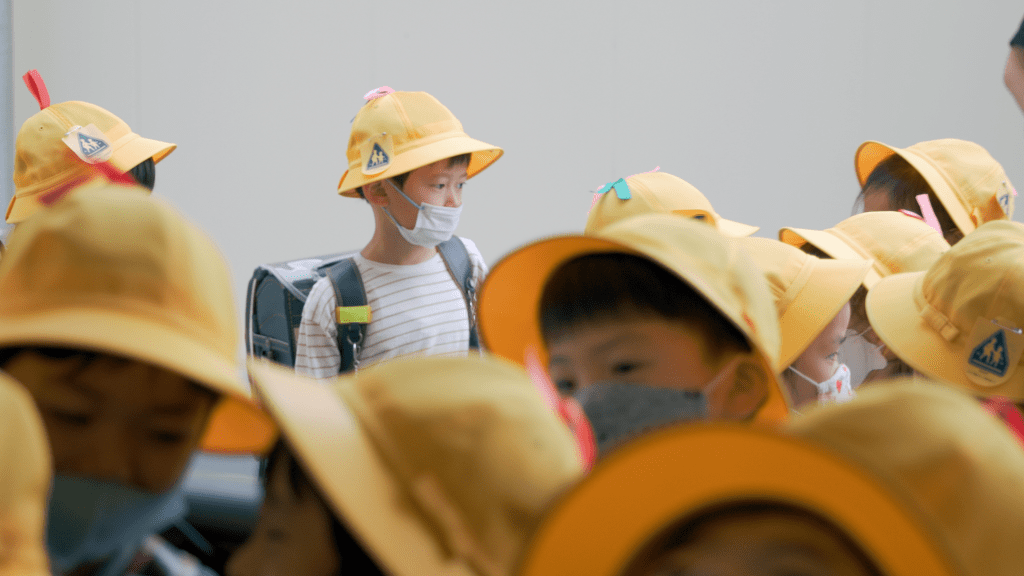
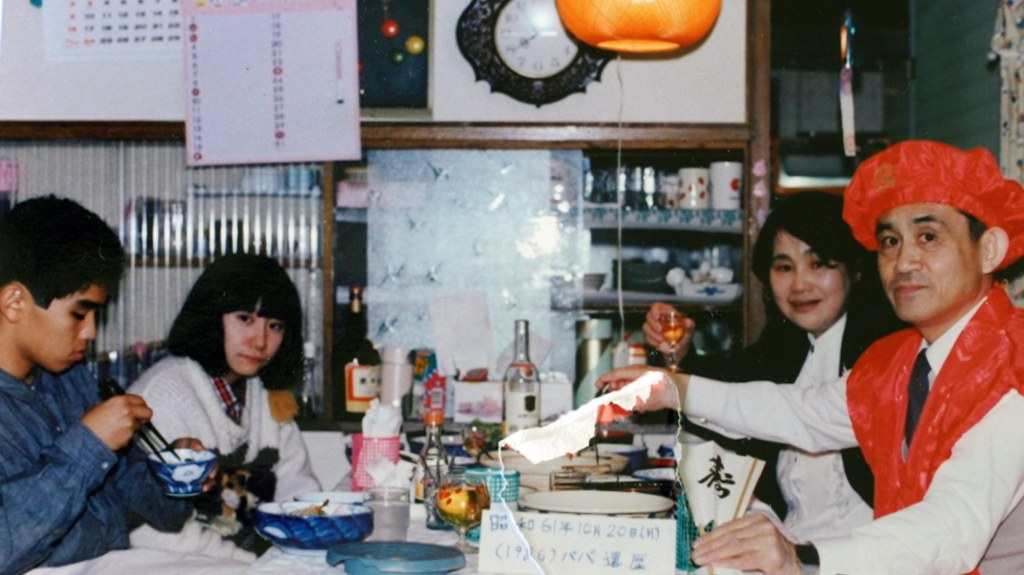
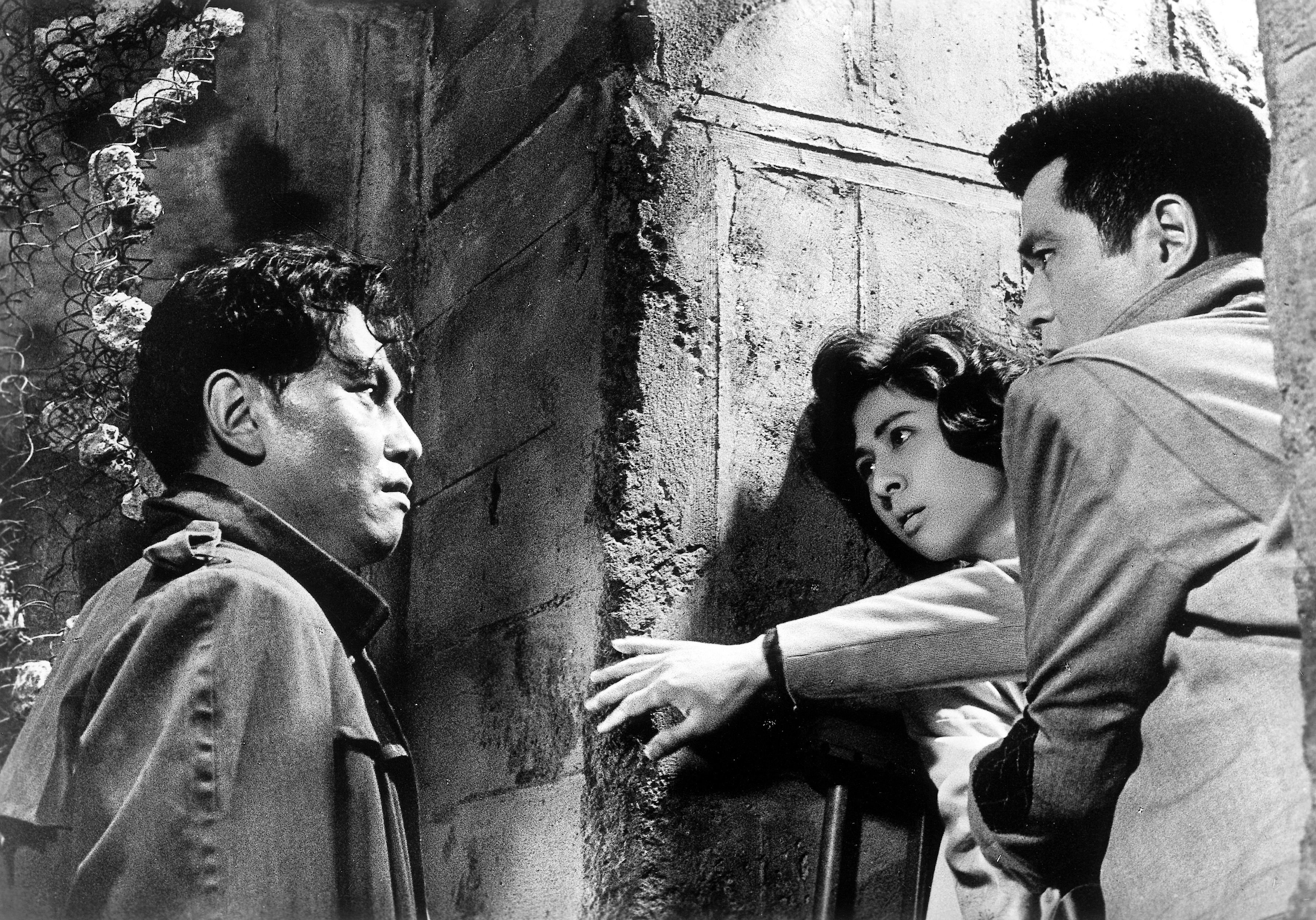
Belonging (とりつくしま, Kahori Higashi, 2024)

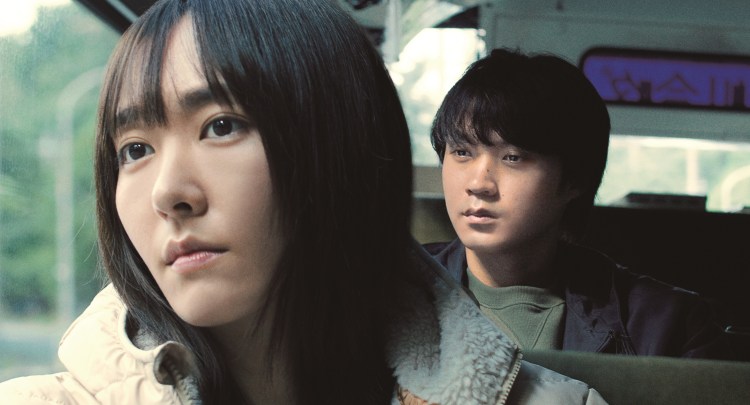
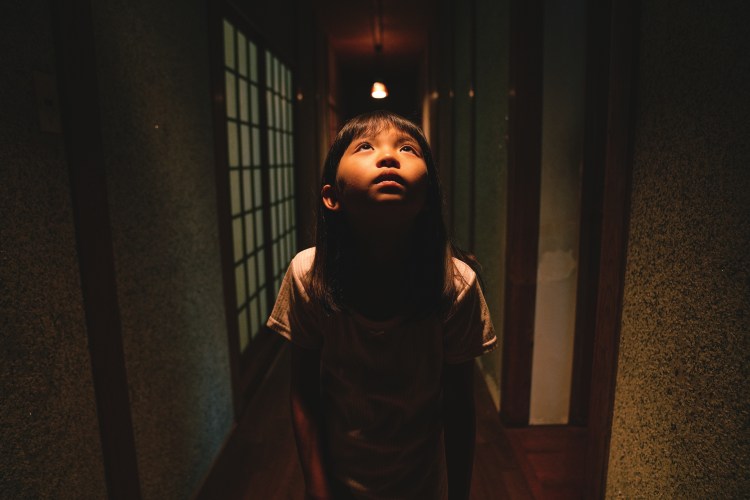
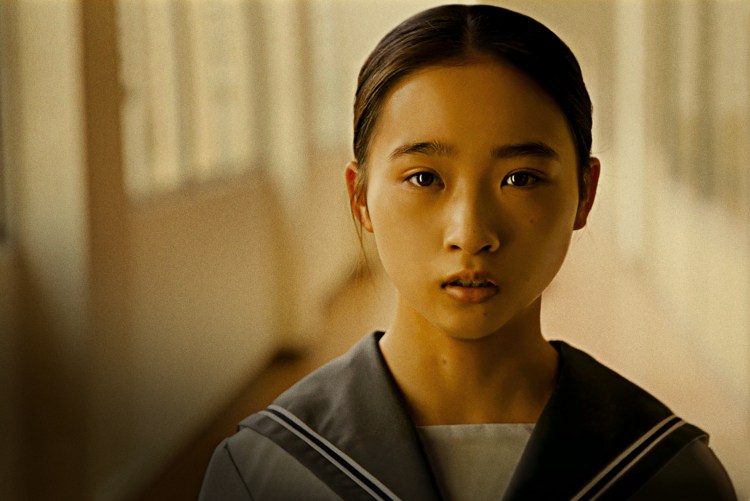
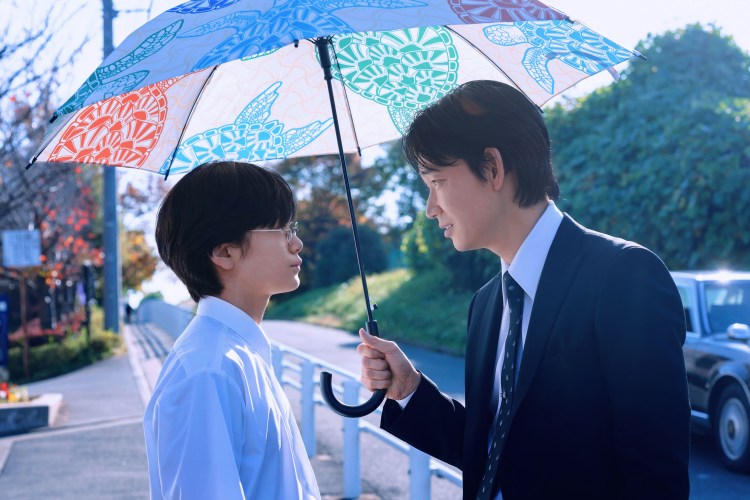
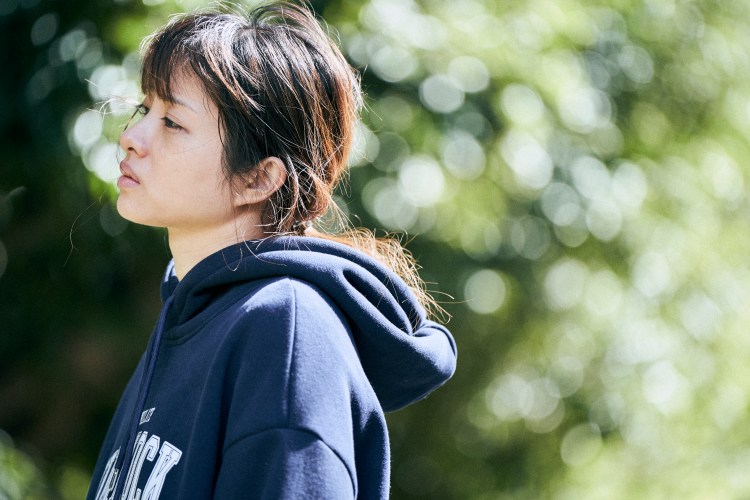
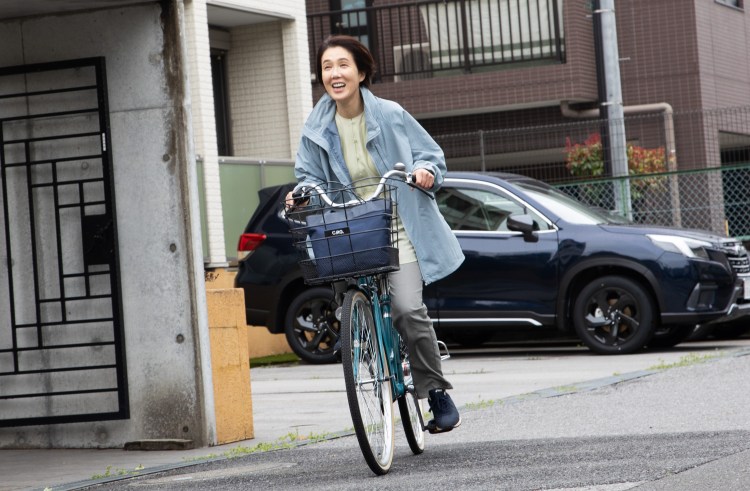
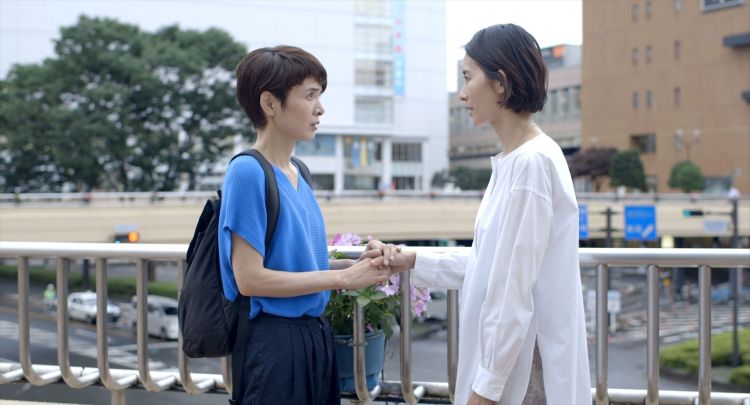
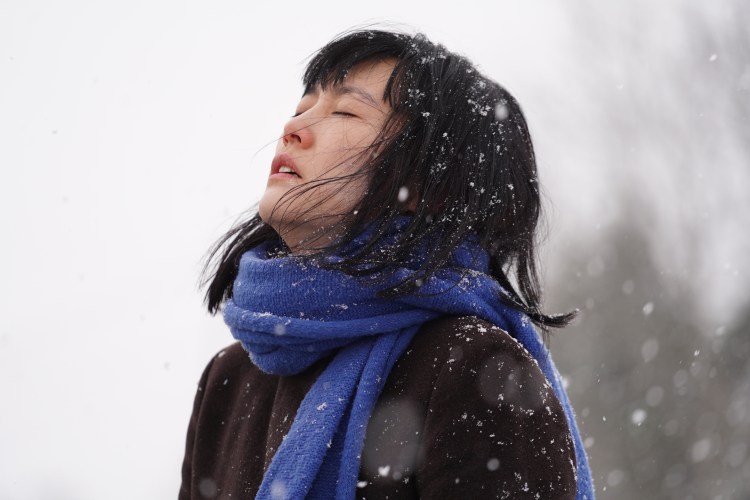
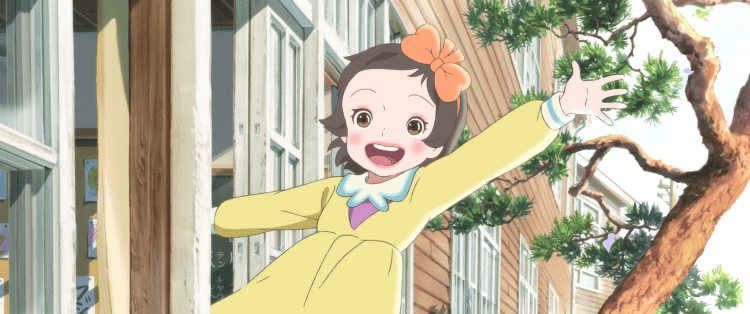
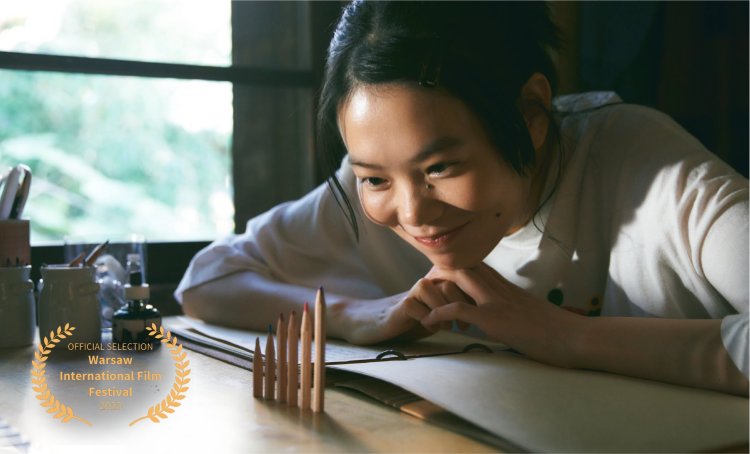
What if you could come back after you died and watch over those close to you while possessing a familiar if inanimate object? Her second film this year, Kahori Higashi’s Belonging (とりつくしま, Toritsukushima) adapts a novel by her mother in which the recently deceased are asked to choose a “belonging” to sink into given that they seemingly still have lingering attachments to this world. Yet simply watching can itself by painful while it might not do to linger too long in a place where everything is moving on except you.

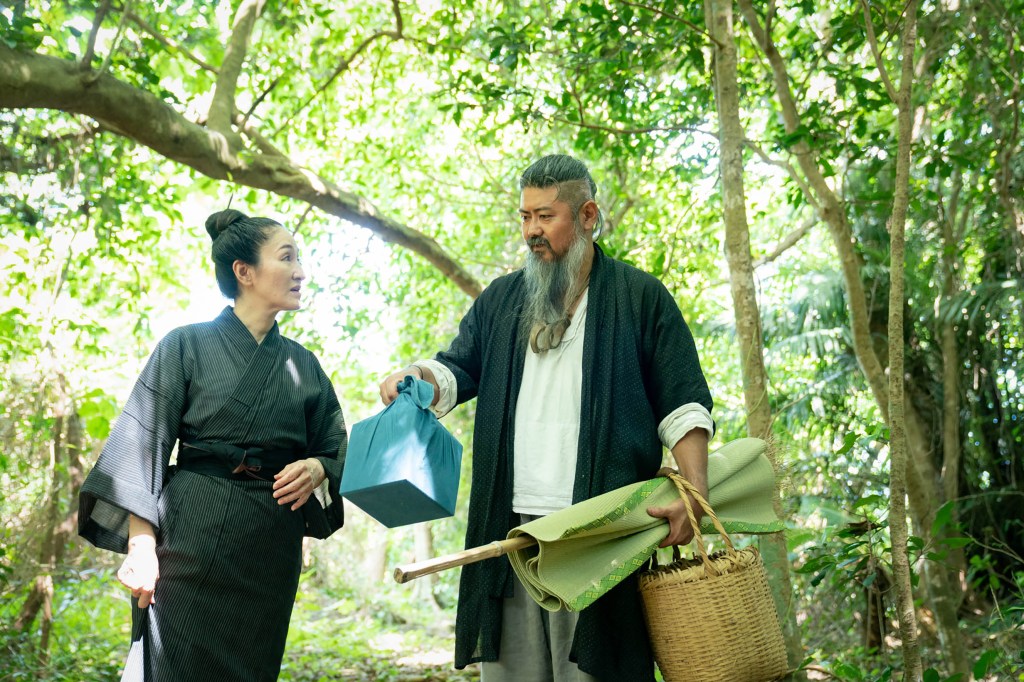
That’s a possibility that comes to mind the second story featuring a little boy who asks to inhabit the blue climbing frame at the park. He wistfully watches other kids he used to play with pass by and later meets a little sister for the first time, but all these other children will grow up while he will not even if other children will their place. The kindly woman (Kyoko Koizumi) sitting in the school room that doubles as Belonging’s office doesn’t mention what happens if the object is destroyed or moved as something like a climbing frame might be though we later discover that depleted objects can no longer hold their charges which are then dragged back to the afterlife. 

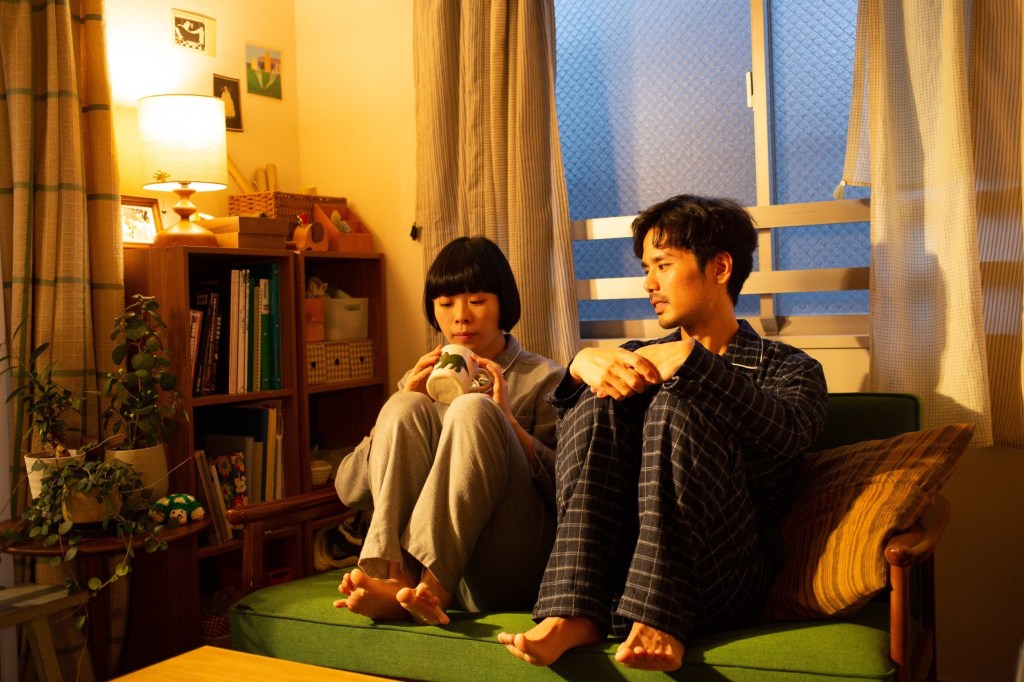
Of course, there’s always the possibility that an object that was precious to you was not so precious to others and may end up being sold or given away as one old woman discovers realising the beloved grandson she hoped to spend eternity with has sold the camera she gave him. The heroine of the first sequence, Koharu, installs herself in a coffee cup featuring a design of a triceratops she and her husband bought on a trip to the museum which he continues to fondle and treasure though Koharu watches him being a tentative relationship with another woman who urges him to buy new mugs as a symbolic moving on from his late wife. 

For Wataru, the coffee cup may already in a sense have been possessed by her spirit though he sees her more in a plant he keeps watering unaware that it’s artificial. Objects can have a kind of presence and carry something of their former owners with them even if not literally possessed but being trapped inside an inanimate object is also frustrating and at times painful. They can no longer act or interact but are mere passive observers at the mercy of their loved ones who may be readier to move than they’d assumed or otherwise dispose of or lose the objects the deceased assumed would be precious to them. 

The heroine of the final sequence might have this right when she chooses to possess an item she knows will only give her a limited time, not even minding when she’s denied the full resolutions of her anxieties in seeing her teenage son win a baseball game while he continues to call her number and recite pleasantries like some kind of mantra. She acknowledges that it might not be good for her or her son to stay too long, she just wants to see he’ll be alright before moving on to the afterlife. The woman from Belonging seems to approve of her choice though her own backstory remains unclear, present both in this world and in the other. 

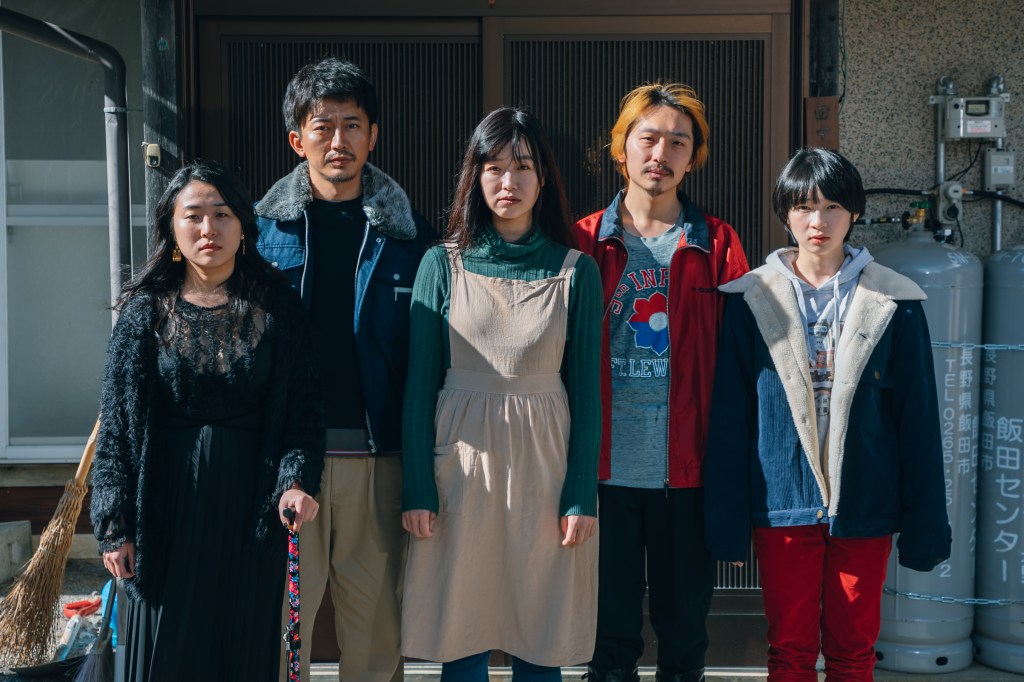
Making brief detours to introduce us to some strange people in the part such as a female banzai double act and a not-quite-couple, the film is at pains capture both everyday life and the poignancy of loss as the various spirits look for new places to belong while the world around them continues to change and evolve in ways they no longer can. In the park, an old man dances comically much to the dismay of his female companion who is trying to read her book, claiming that he’s going to keep living to the very end which at least expresses a vibrant desire for life in some ways free of the lingering attachments that bind the recently deceased to our world but perhaps also trap them here in solitary museums of past love in which their presence may be felt but also unacknowledged. 


Belonging screened as part of this year’s Nippon Connection

Original trailer (English subtitles)
God Seeks in Return (神は見返りを求める, Keisuke Yoshida, 2022)

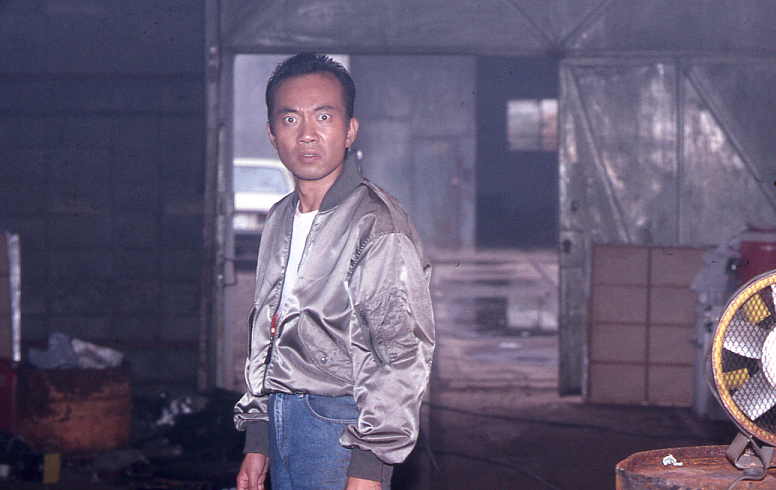
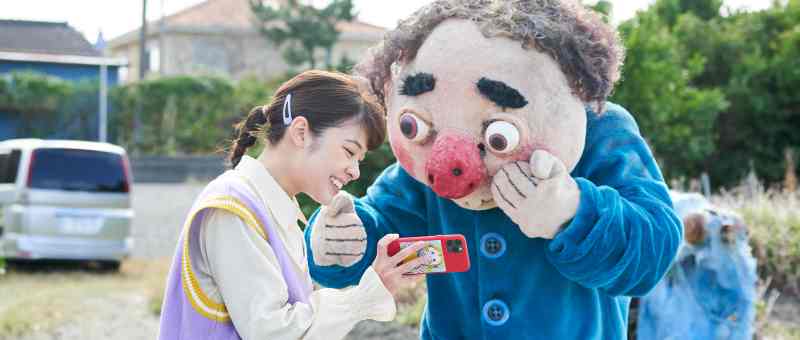
It’s perfectly natural a lot of the time to feel as if you expect nothing in return for helping someone, after all it’s only what you should do as a fellow human being. But really we do expect something even if it’s just acknowledgement and it can be hurtful and upsetting if don’t feel we get it while the sensation that we’re being taken advantage of can leave us feeling silly for having offered in the first place. Keisuke Yoshida’s Good Seeks in Return (神は見返りを求める, Kami wa Mikaeri wo Motomeru) revels in these human paradoxes as a self-confessed nice guy is pushed to breaking point by the fallout from all his attempts to be neighbourly which seem to have backfired exponentially. 

Then again, Tamogami (Tsuyoshi Muro) almost certainly does at least hope for something in return when he agrees to help out struggling YouTuber Yuri (Yukino Kishii) with her moribund channel by enlivening it with his skills in video editing and design. He isn’t helping her in order to engineer a sexual relationship, and in fact turns Yuri down when she suddenly disrobes exclaiming that it’s the only way she can repay him for his kindness, but does appear interested and is additionally irritated when she begins hanging out with a bunch of vlogger cool kids he thinks are just exploiting her naivety. Yuri had already payed him back with homemade beef stew, an offer that was accepted in the interest of friendship, but her constant references to repayment of a favour expose her idea of relationships as essentially transactional which to be fair they well may be. Even so, she appears somewhat guileless, opportunist rather than calculating and desperate for attention.

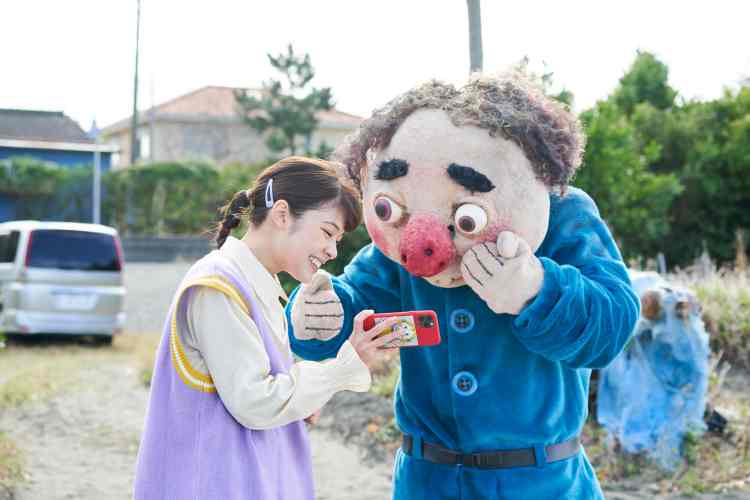
That might be why she can’t see that the reason she became unexpectedly popular after agreeing to a “body paint” stunt with a pair of more established YouTubers is that people wanted to see her naked which is why they’re always requesting more of the same. The first half of the film plays as quirky comedy, an offbeat romance between a nice middle-aged man and a dippy young woman who thinks she’s no good at anything and incapable of being alone. But things soon turn sour when one of Yuri’s stunts seems like it might have serious consequences for a local business owner and Tamogami has to muster all of his PR skills to put this particular fire out. The simple friendship between them that was brokered by a weird ogre-like mascot suit Yuri christens Jacob is disrupted by Yuri’s desire for fame as she undergoes a complete personality transformation after falling in with a group of more successful, media savvy YouTubers who have fancy design skills and marketing teams. She dismisses Tamogami as old-fashioned and joins in when the others make fun of him in rejection of the genuine friendship that had arisen between them.

When a friend he’d helped out financially and even stood guarantor on his debts takes his own life Tamogami is deep in the hole. Finally he wonder’s if he shouldn’t have something in return for all the unpaid labour he’s been doing for Yuri but she predictably brushes him off until he finally embarks on a weird vendetta trying to “expose” her YouTube channel for being founded on lies and exploitation. There may be something in her that’s regretful, wistfully looking at the sweater Tamogami had given her with cute illustrations of her and Jacob on it, while her new “god” Murakami openly mocks him leaving her conflicted about the dark side of their new internet endeavour effectively bullying a guy whose only crime was being nice and bit too dull and middle-aged for her new hipster friends sure to drop her like she’s hot as soon as something goes wrong.

Though not as extreme as some of Yoshida’s other films, God Seeks in Return suggests that nice guys never prosper but also that no one’s really as “nice” as they think they are. We wall want something in return even if it’s just a thank you and not to be belittled or taken advantage of. There can be something paradoxically selfish in niceness in which people do it more for their own gratification or to feel they are better than those they help and conversely the same in those who take advantage of others. In it’s way bleak and melancholy in its vision of human relationships, the film nevertheless holds out a faint hope in the reality of the genuine connection between its mismatched heroes no matter how dark and twisted it may eventually become.


God Seeks in Return screens 1st June as part of this year’s Nippon Connection

International trailer (English subtitles)
Nippon Connection Confirms Full Lineup for 2024

Nippon Connection, the largest showcase for Japanese cinema anywhere in the world, returns with another fantastic selection of new and classic films screening in Frankfurt from 28th May 2nd June. This year’s Nippon Rising Star Award will go to Kotone Furukawa whose films Best Wishes for All, Secret:A Hidden Score, and Wheel of Fortune and Fantasy will also be screening.

NIPPON CINEMA

  • (Ab)normal Desire – drama directed by Yoshiyuki Kishi following those who feel their desires place them at odds with mainstream society.
  • 18×2 Beyond Youthful Days – nostalgic drama from Michihito Fujii in which a man travels to Japan from Taiwan in search of the woman he worked with in a karaoke bar 18 years previously.
  • All The Long Nights – gentle drama from Sho Miyake in which a pair of co-workers bond over their respective difficulties in the workplace.
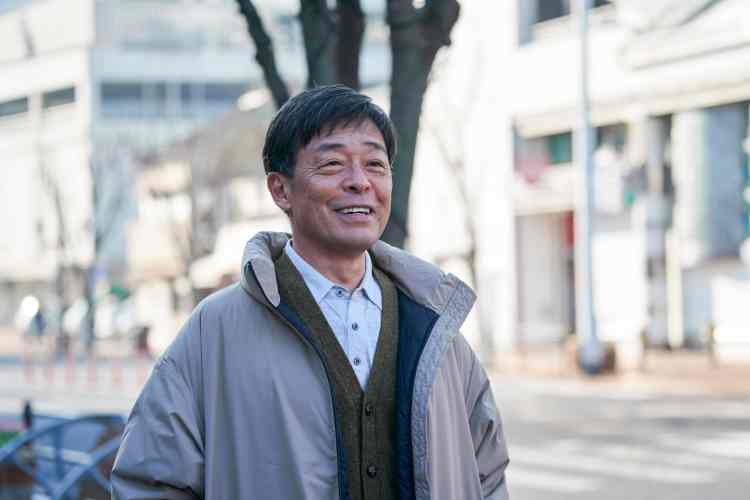
  • Best Wishes To All – a visit to her grandparents’ home forces a young woman to reckon with the price of “happiness” in Yuta Shimotsu’s eerie indie horror. Review.
  • Dreaming In Between – latest from Ryutaro Ninomiya (One Day You Will Reach the Sea) in which a medical issue unknown to those around him causes changes in a teacher’s behaviour.
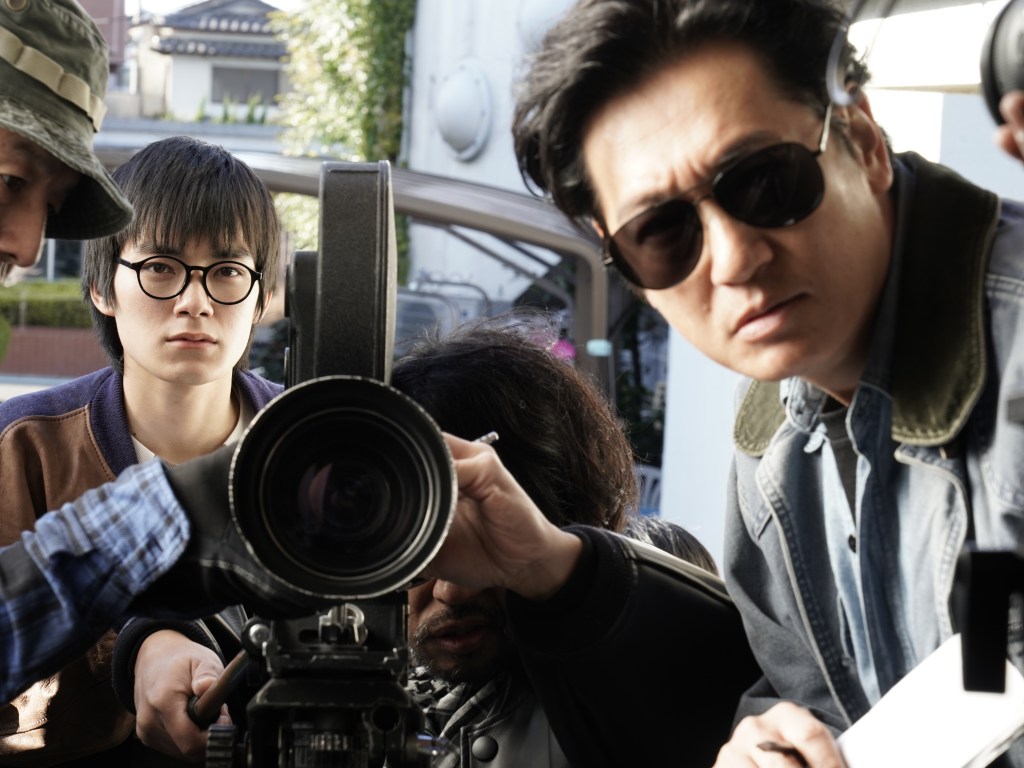
  • Fly Me To The Saitama -FROM BIWA LAKE WITH LOVE – long-awaited sequel to the surreal 2019 comedy.
  • From The End Of The World – charged with the responsibility of saving the world, a teenage girl wonders if she should in Kazuaki Kiriya’s pre-apocalyptic drama. Review.
  • God Seeks In Return – genre mashup from Keisuke Yoshida in which a YouTuber seeking fame teams up with an events manager.
  • Ichiko – psychological thriller from Akihiro Toda (The Name) revolving around a woman’s absence.
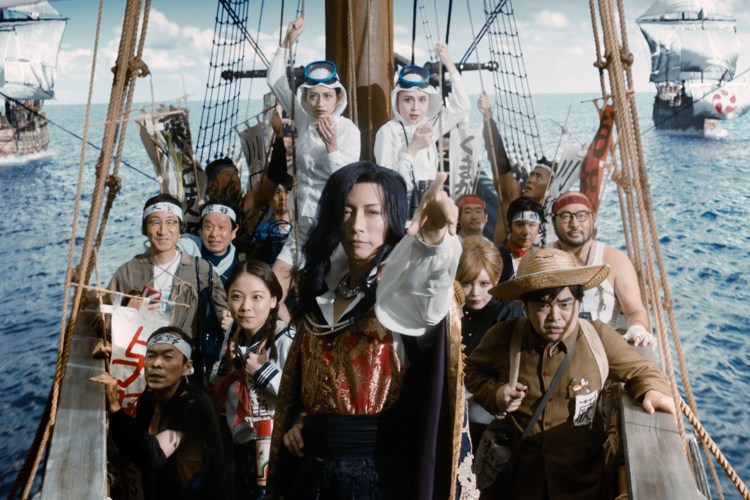
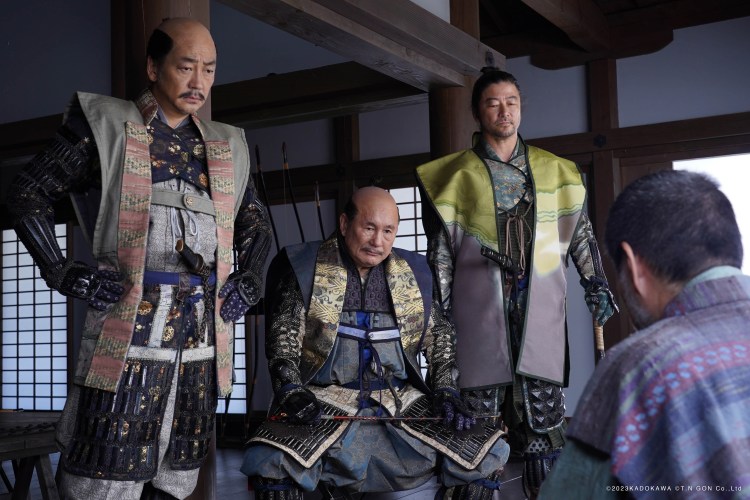
  • KUBI – Nobunaga-themed jidaigeki from Takeshi Kitano.
  • Kyrie – musical drama from Shunji Iwai.
  • Let’s Go Karaoke! – musicial comedy from Nobuhiro Yamashita in which a teenage boy is forced to help a yakuza win a karaoke competition.
  • missing – heartrending drama in which the parents of a missing little girl turn to the media for help.
  • Penalty Loop – sci-fi drama in which a man becomes trapped in a time loop after taking revenge for his girlfriend’s murder.
  • PERFECT DAYS – laidback drama from Wim Wenders revolving around a man who cleans toilets for a living.
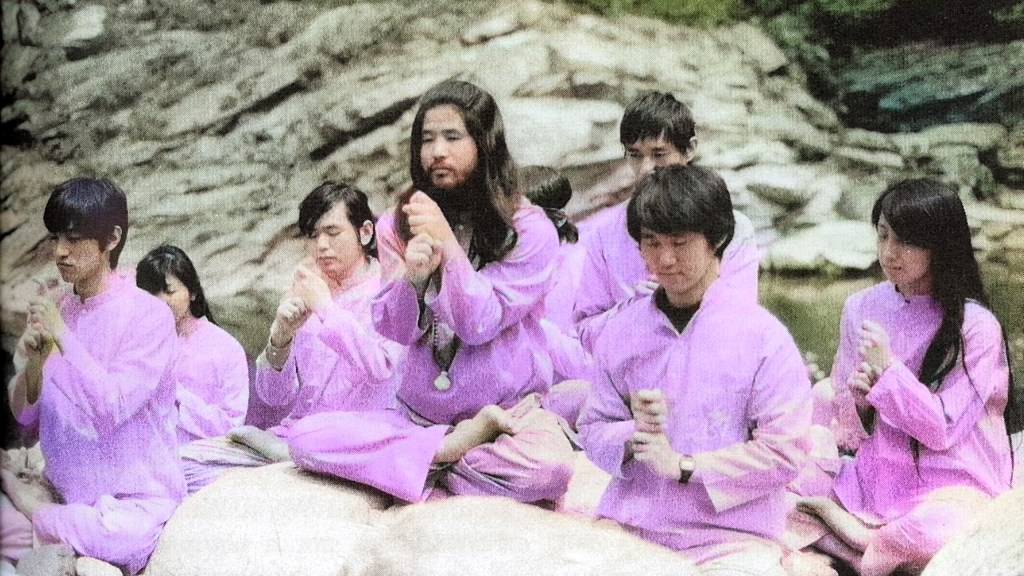
  • Ripples – A middle-aged woman becomes a devotee of a strange cult in order to restore order to her life in Naoko Ogigami’s quirky dramedy. Review.
  • Secret: A Hidden Score – remake of the Taiwanese tragic romance.
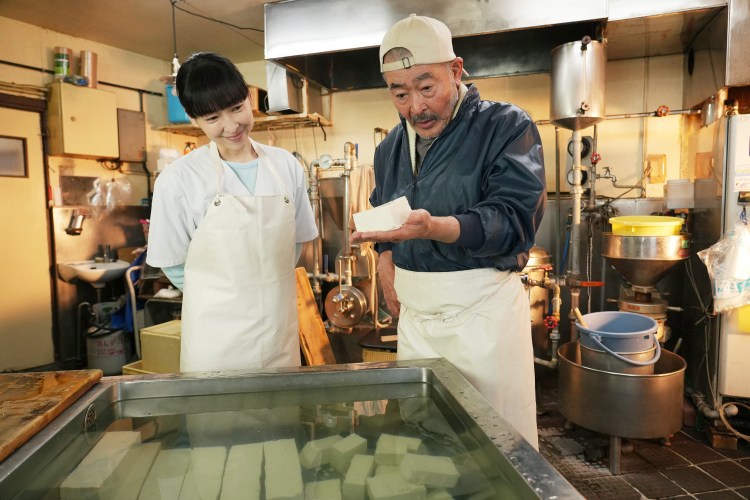
  • Takano Tofu – A sudden brush with mortality convinces an ageing tofu maker to marry off his middle-aged daughter in Mitsuhiro Mihara’s charming dramedy. Review.
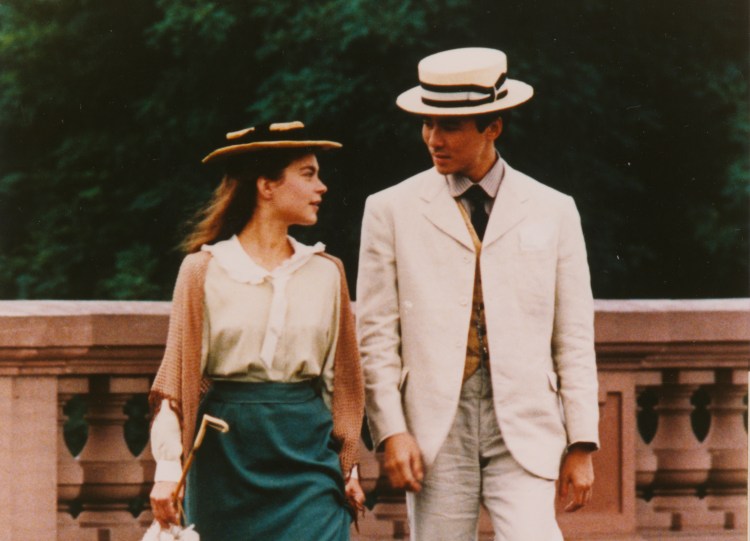
  • Die Tänzerin (The Dancing Girl) – 1989 German-Japanese co-produced adaptation of Mori Ogai’s The Dancing Girl. Screening in original German version.
  • Die Tochter des Samurai – 1937 German co-production in which the son of a samurai family returns home changed after studying in Germany.
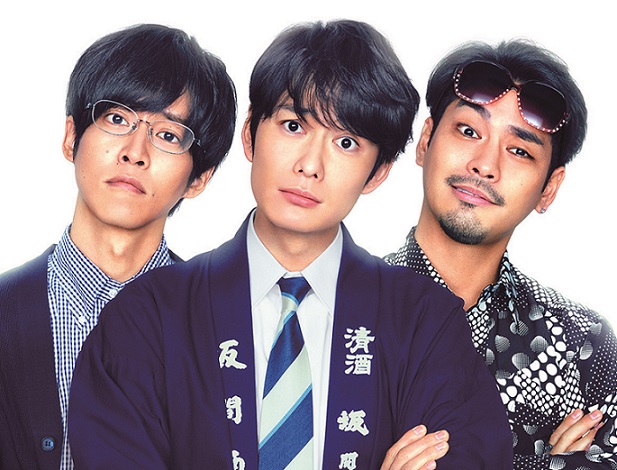
  • We’re Millennials. Got A Problem?: The Movie – comedy from Nobuo Mizuta (The Apology King) in which a slacker son’s family sake business, not to mention his marriage, is on the rocks.
  • Wheel Of Fortune And Fantasy – a series of chance meetings and a healthy dose of fantasy lead a collection of wounded souls towards a kind of liberation in Hamaguchi’s whimsical triptych. Review.
  • The Yin Yang Master Zero – fantasy film set in the Heian era in which a magic student and nobleman team up to investigate a conspiracy.
  • YOKO – an isolated woman begins to rediscover herself while hitchhiking to her estranged father’s funeral in Kazuyoshi Kumakiri’s quietly moving road movie. Review.

NIPPON ANIMATION

NIPPON VISIONS

  • ABYSS – drama from Ren Sudo in which a man develops a relationship with a guy from his brother’s funeral.
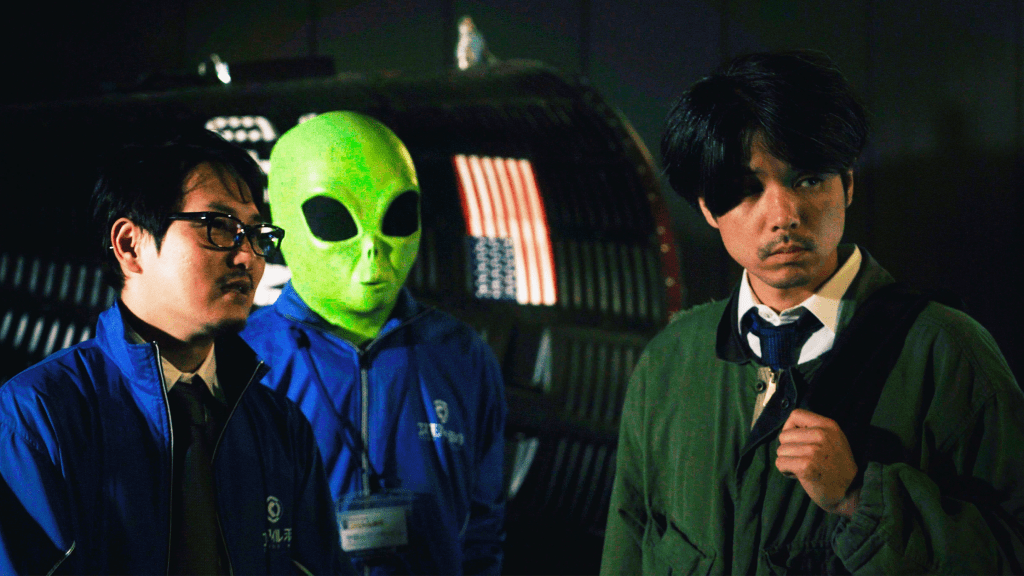
  • Alien’s Daydream – surreal comedy in which a reporter investigates alien abductions in the local area.
  • Belonging – indie drama from Kahori Higashi in which the deceased are reincarnated as inanimate objects.
  • Hijacked Youth – Dare To Stop Us 2 – sequel to the 2018 drama set in Nagoya in 1983 as Koji Wakamatsu decides to open a cinema.
  • HOYAMAN – he tranquil island life of a pair of brothers is interrupted by the arrival of a mysterious woman in Teruaki Shoji’s quirky comedy. Review.
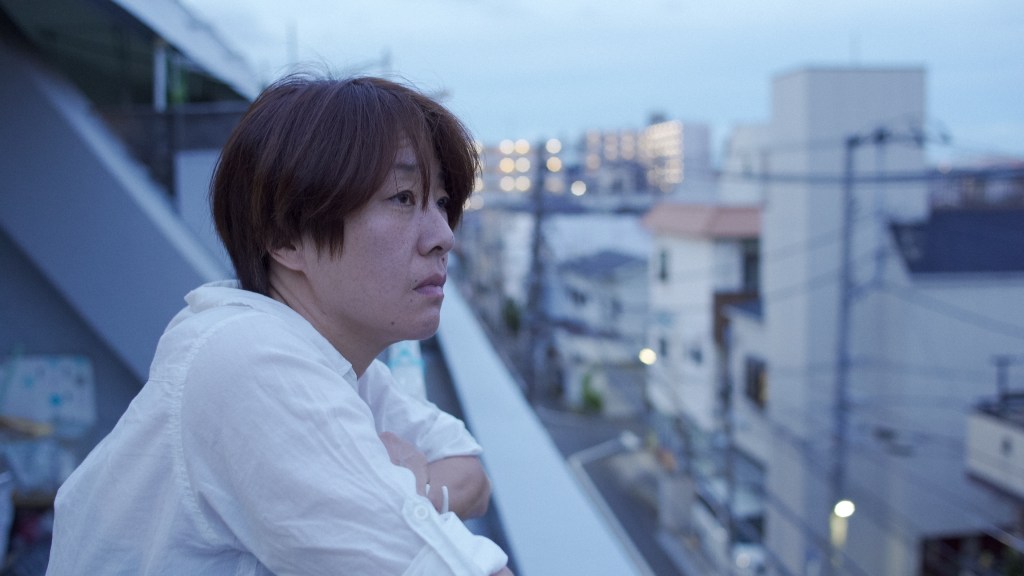
  • Inch Forward – an indie filmmaker experiences various setbacks while trying to complete her latest film in Su Yu-Chun’s cheerful dramedy. Review.
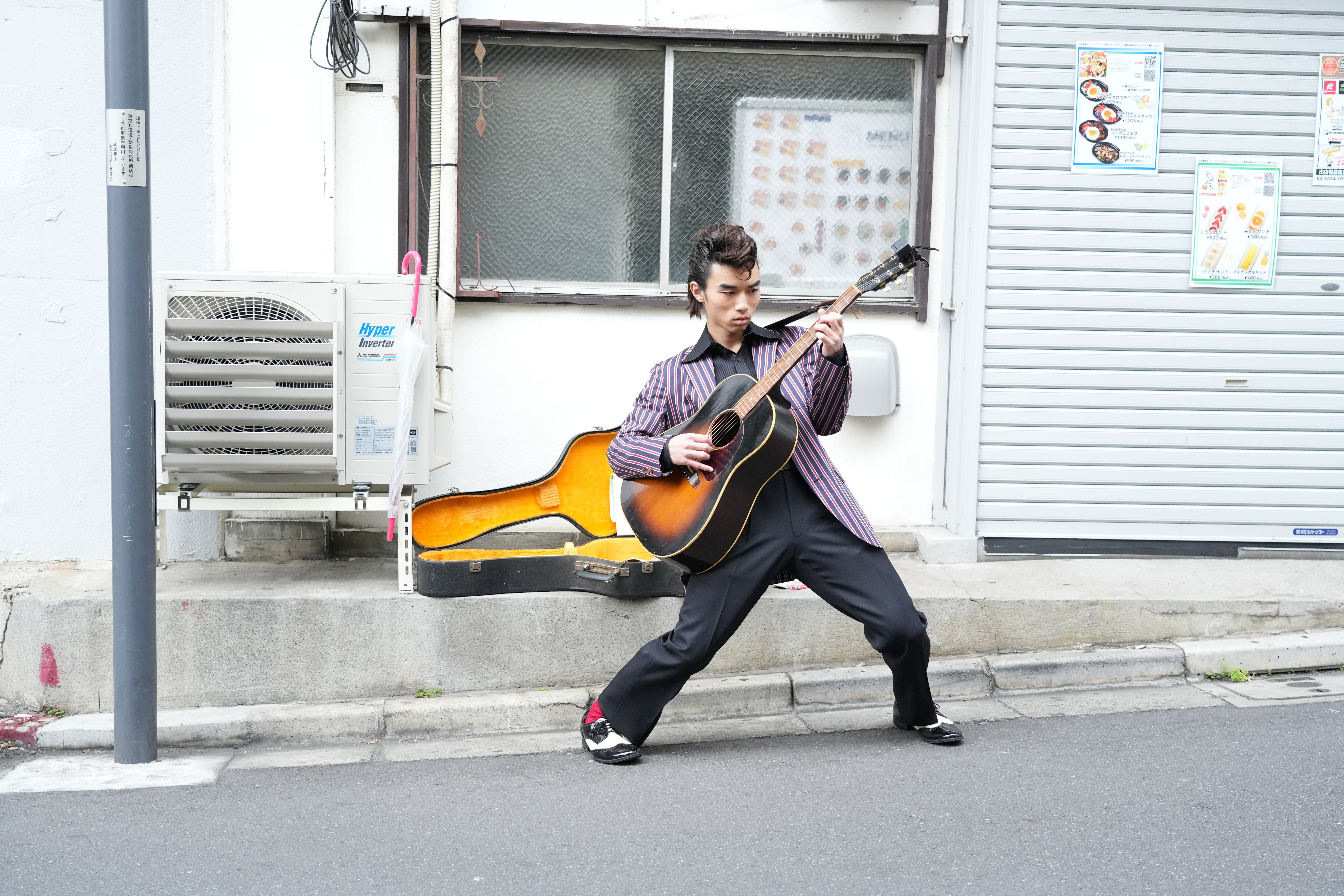
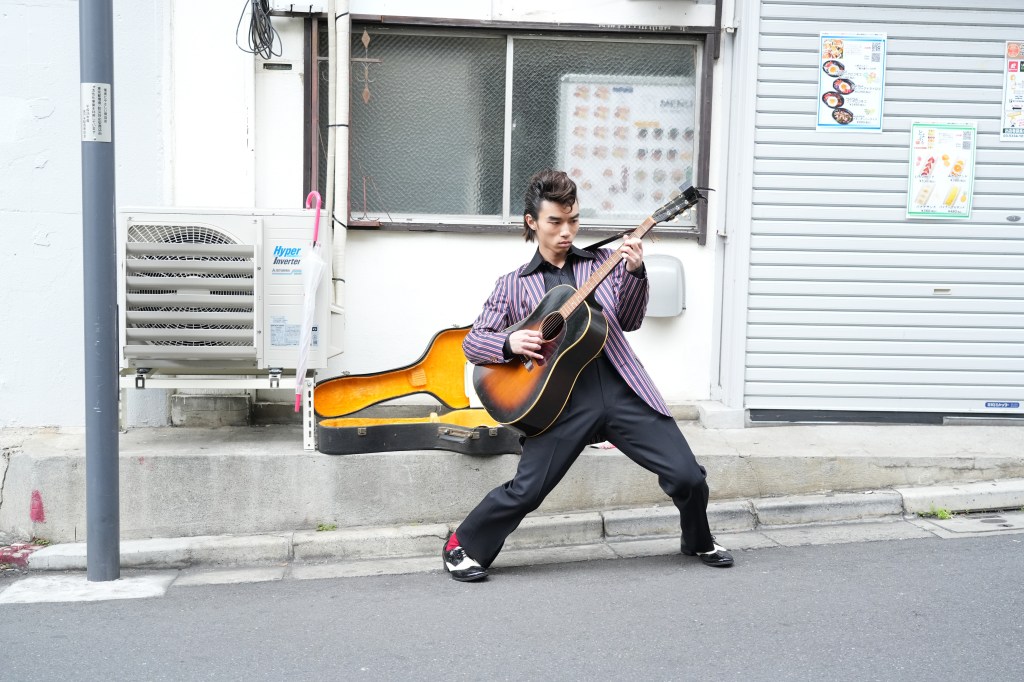
  • LONESOME VACATION – roadtrip drama in which a rockabilly private eye is tasked with investigating his the former lover of his girlfriend’s father.
  • Psychic Vision: Jaganrei – classic horror from 1988 in which it’s discovered the author of a hit pop song has been dead for several years.
  • PushPause – a small hotel becomes a refuge for those “struggling with the everyday” in Ryoma Kosasa’s heartwarming drama. Review.
  • Qualia – bitter family drama in which a chicken farmer’s wife faces constant humiliation.
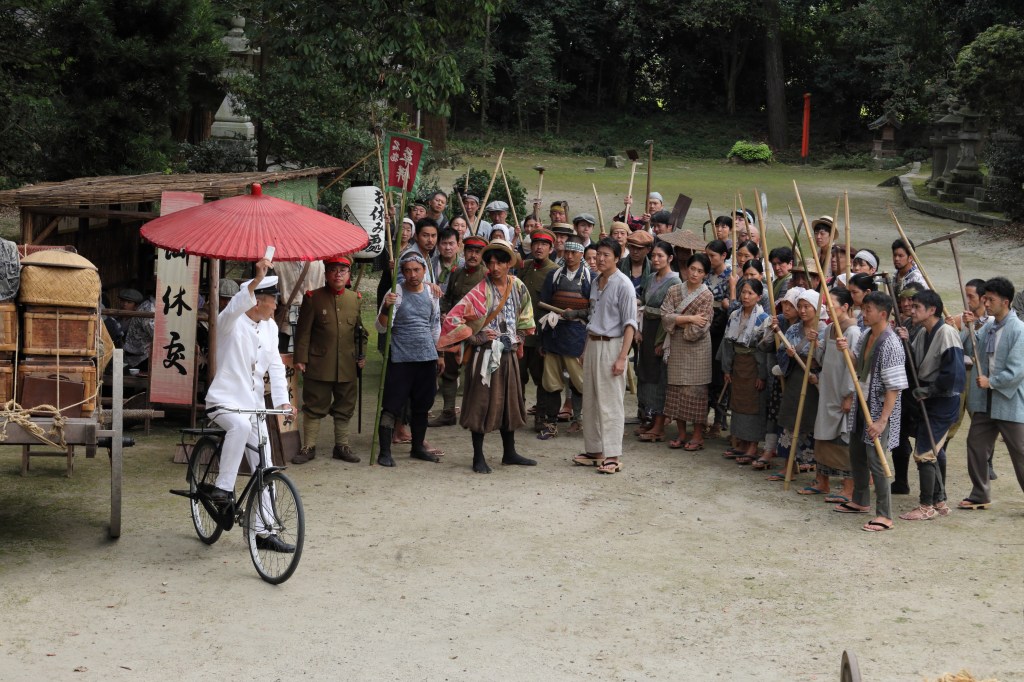
  • SEPTEMBER 1923 – drama revolving around the pogrom against Koreans in the wake of the 1923 Kanto earthquake.
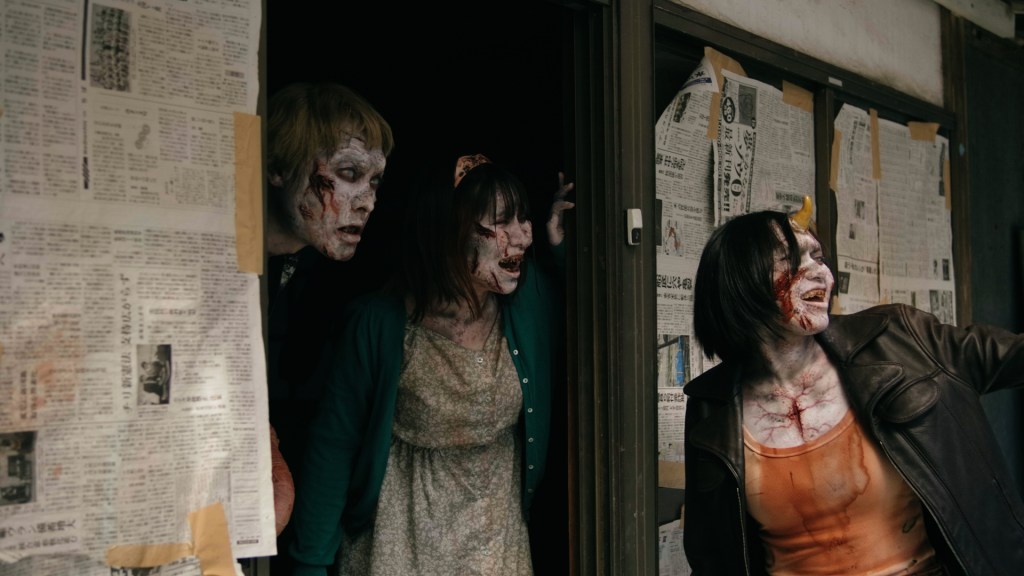
  • Visitors –Complete Edition– – drama set during the outbreak of a demon plague.

NIPPON DOCS

NIPPON RETRO

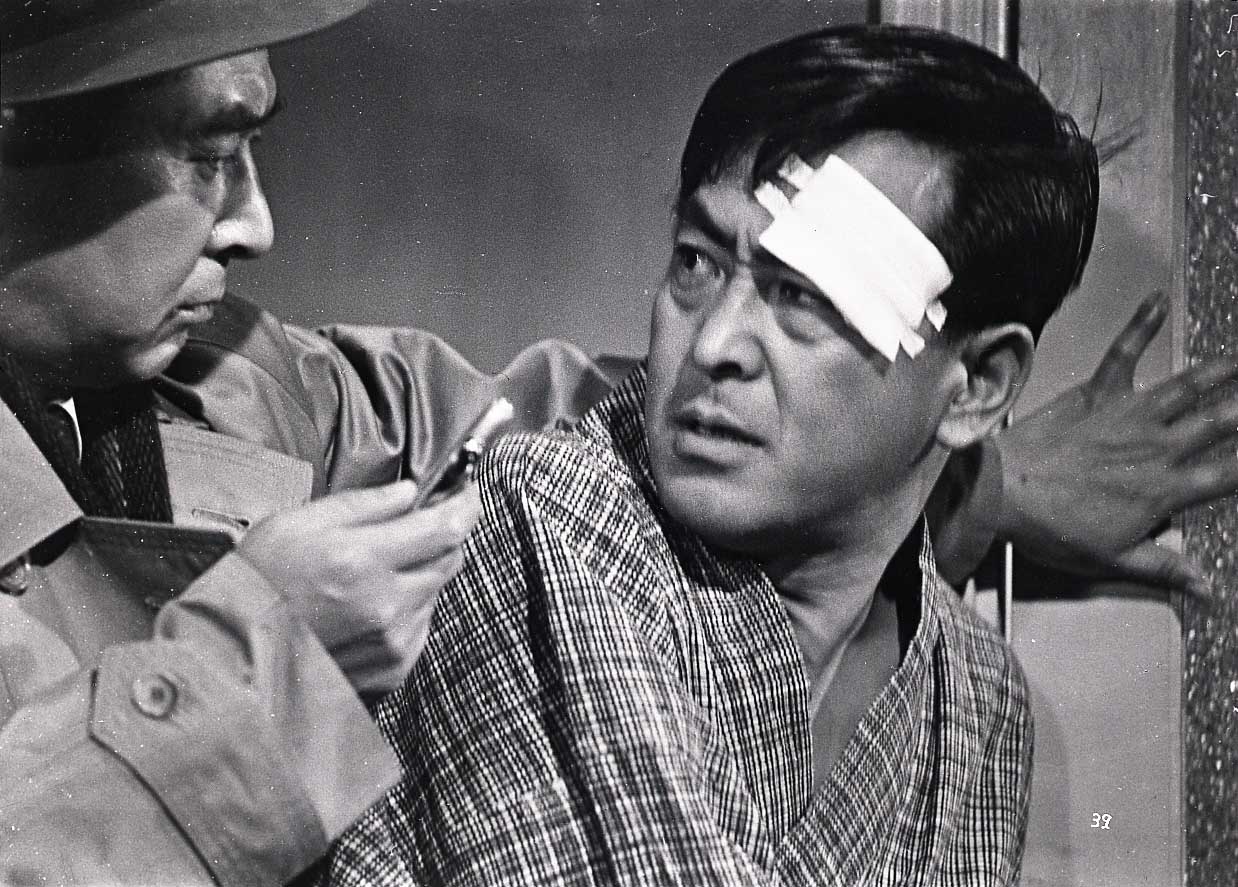
  • The Bad Sleep Well – Akira Kurosawa’s 1960 Shakespearean revenge tale. Review.
  • The Black Test Car – Yasuzo Masumura’s tale of corporate espionage.
  • Dragnet Girl – classic 1930s crime drama from Yasujiro Ozu.
  • Pale Flower – Masahiro Shinoda’s nihilistic New Wave 1964 crime drama.
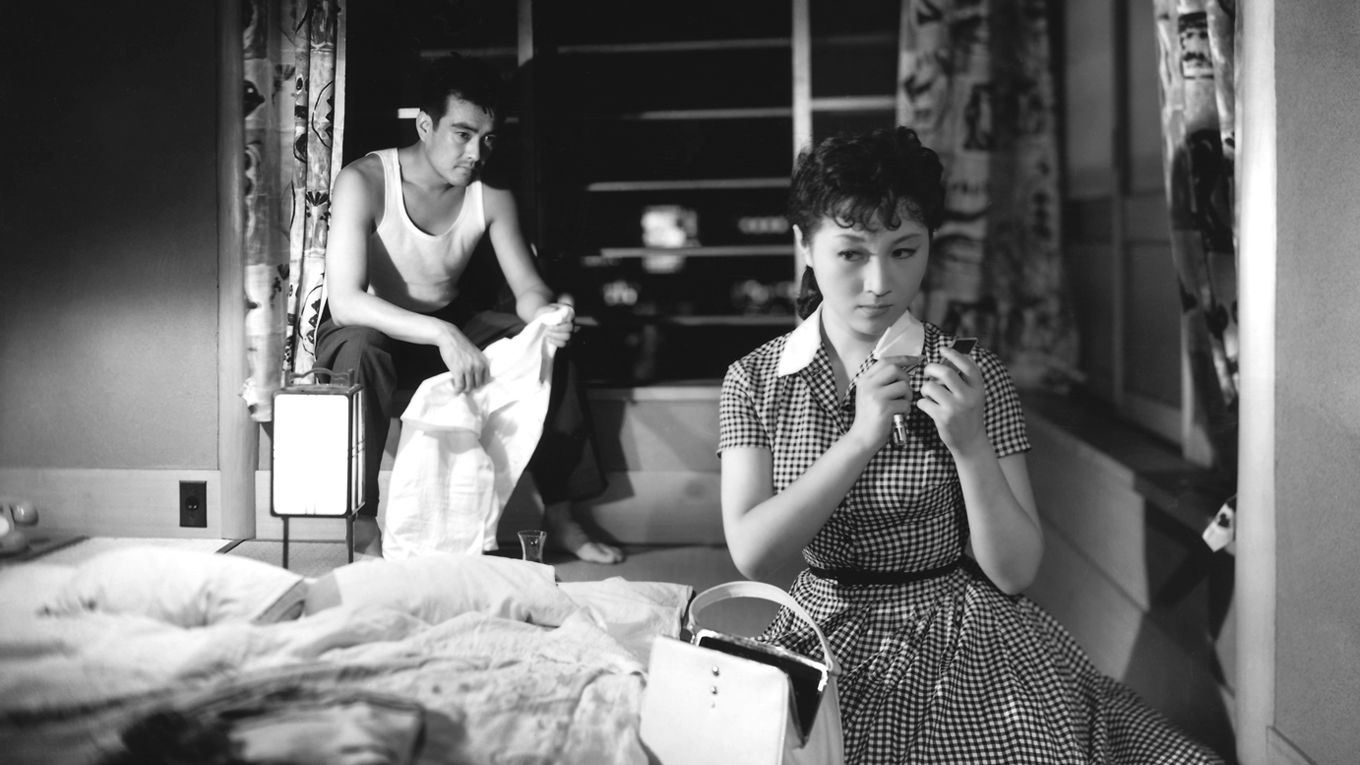
  • Stakeout – Yoshitaro Nomura’s 1958 noir classic in which a policeman’s marital dilemma is played out by the melancholy suspect he is sent to surveil.
  • Take Aim At The Police Van – early Seijun Suzuki film in which a prison warden uncovers a network of corruption.
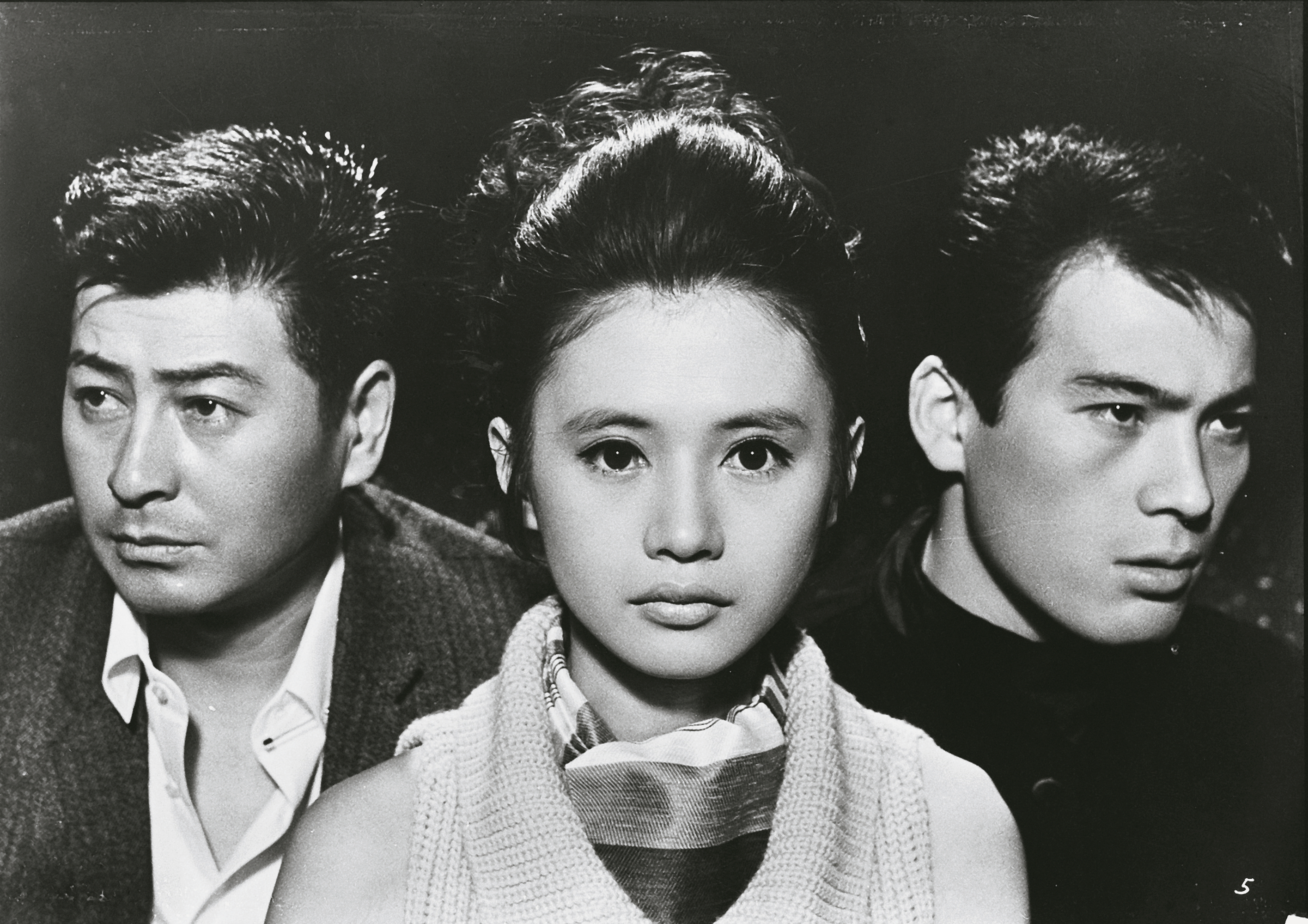
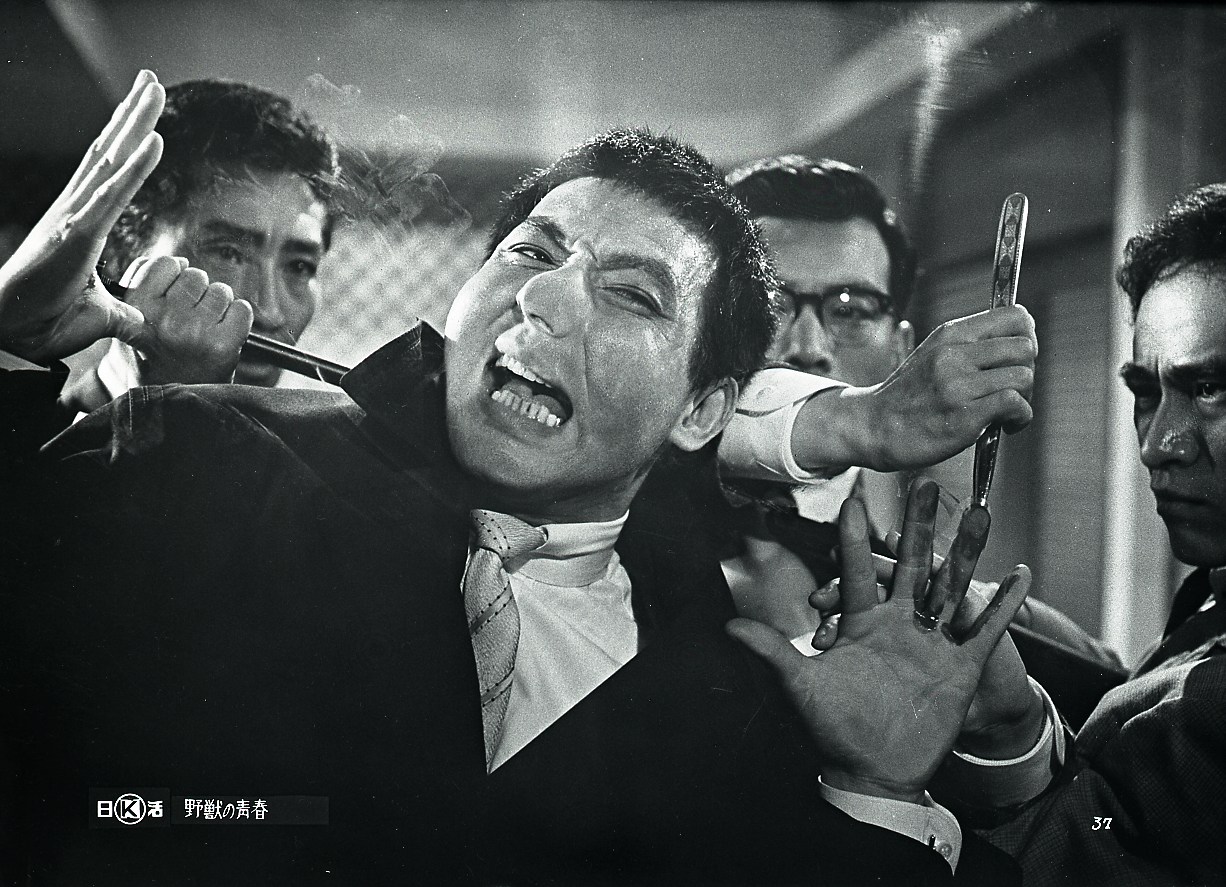
  • Youth Of The Beast – a stranger in town provokes a gang war in Seijun Suzuki’s 1963 crime drama.

Nippon Connection takes place in Frankfurt, Germany from 28th May to 2nd June. Tickets are available now via the official website where you can also find full details on all the films as well as timetabling information. Unless otherwise stated, films screen in Japanese with English subtitles. You can keep up with all the latest information by following the festival on FacebookX (formerly Twitter)YouTubeFlickr, and Instagram.