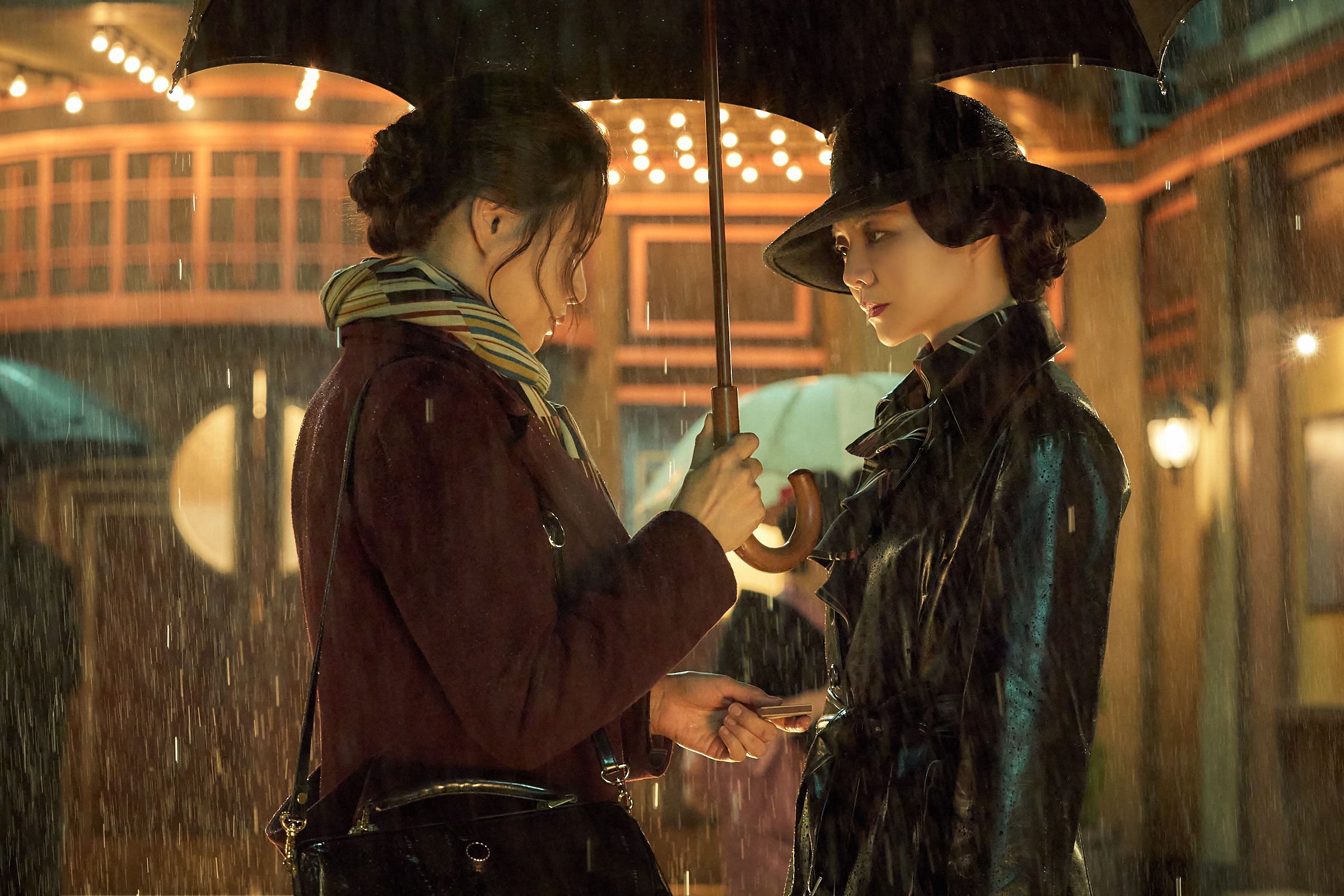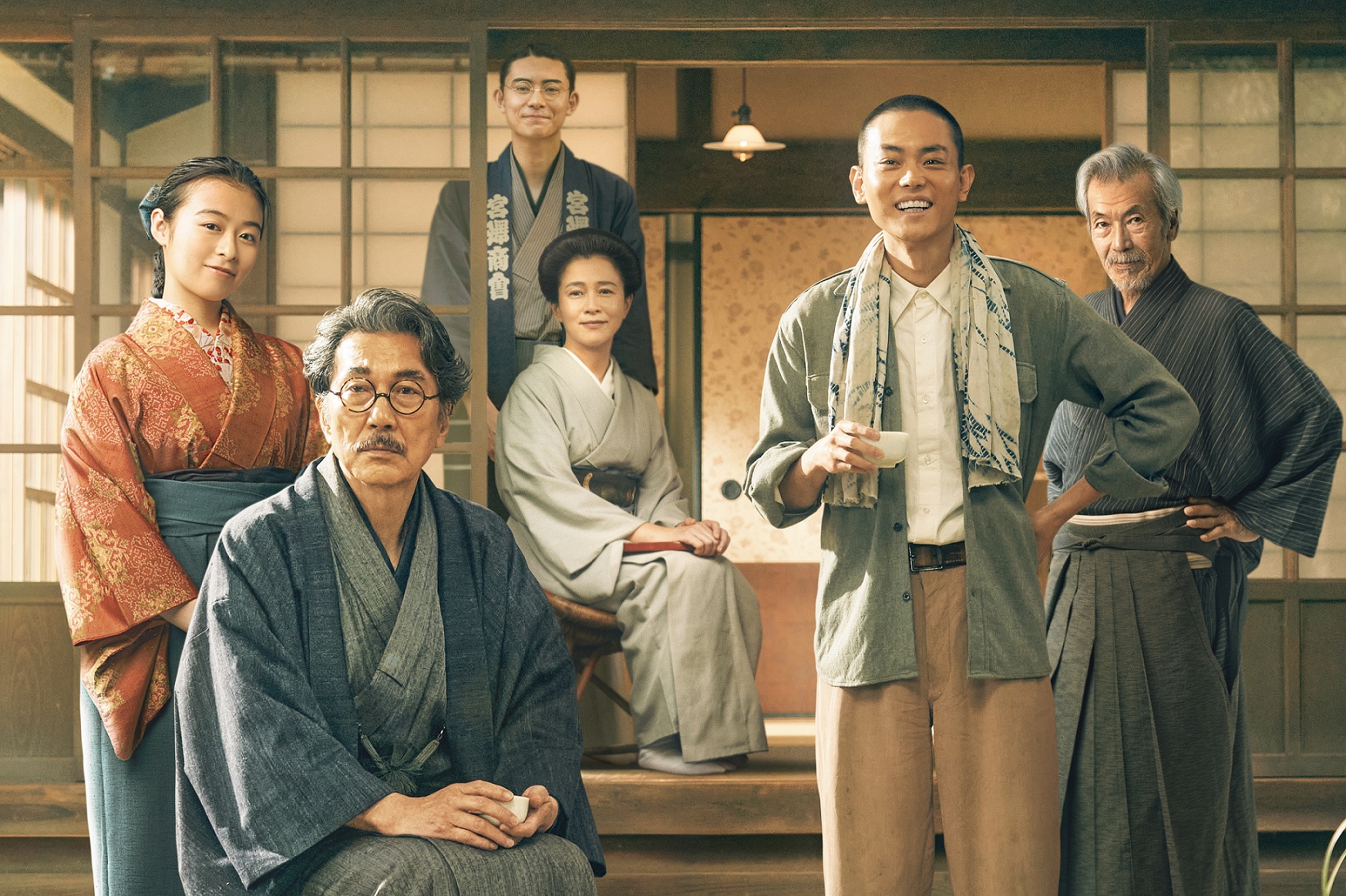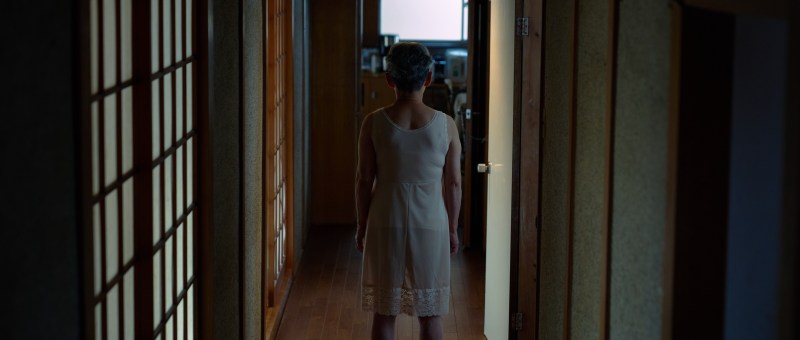
Our Huff and Puff Journey (私たちのハァハァ, Daigo Matsui, 2015)

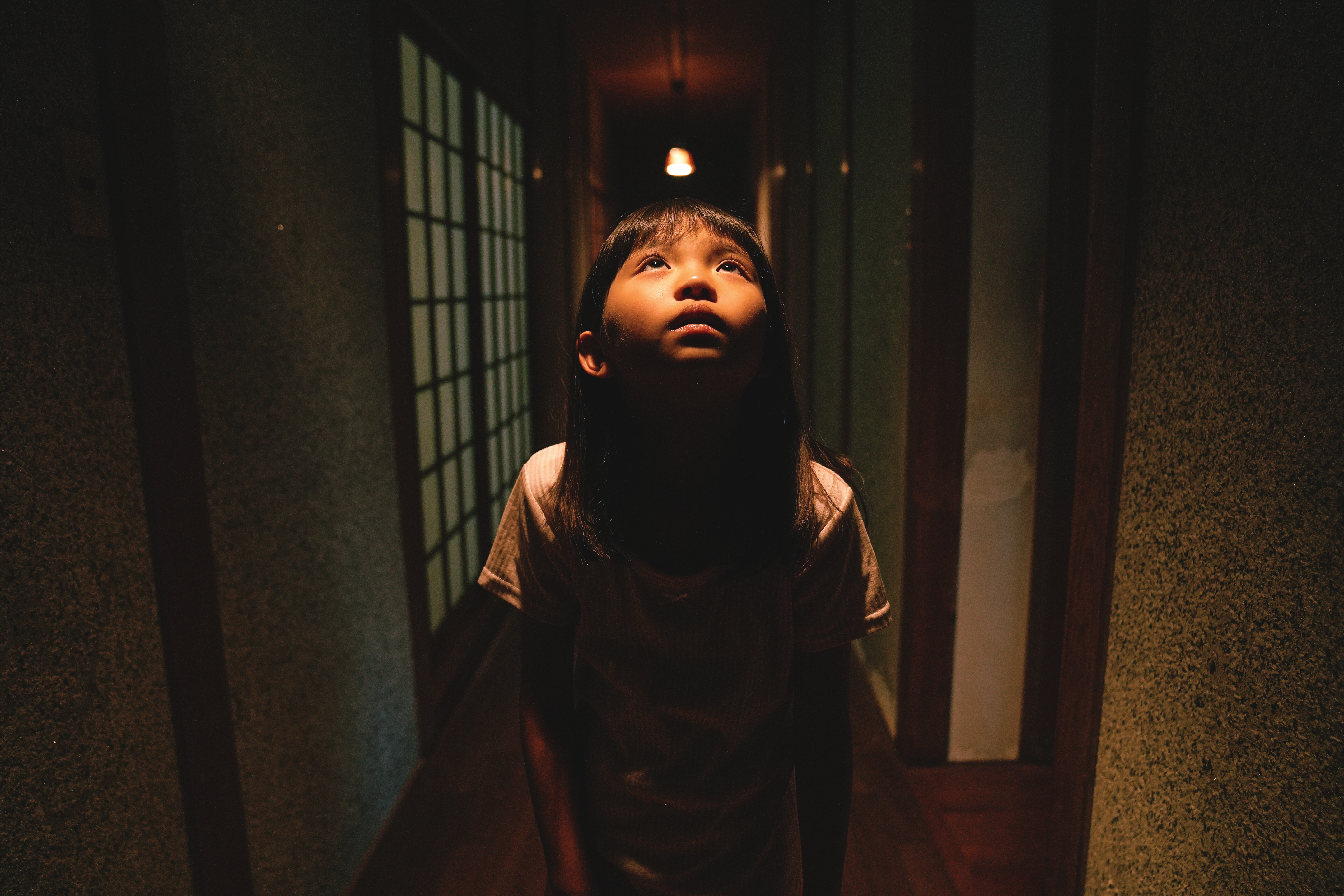
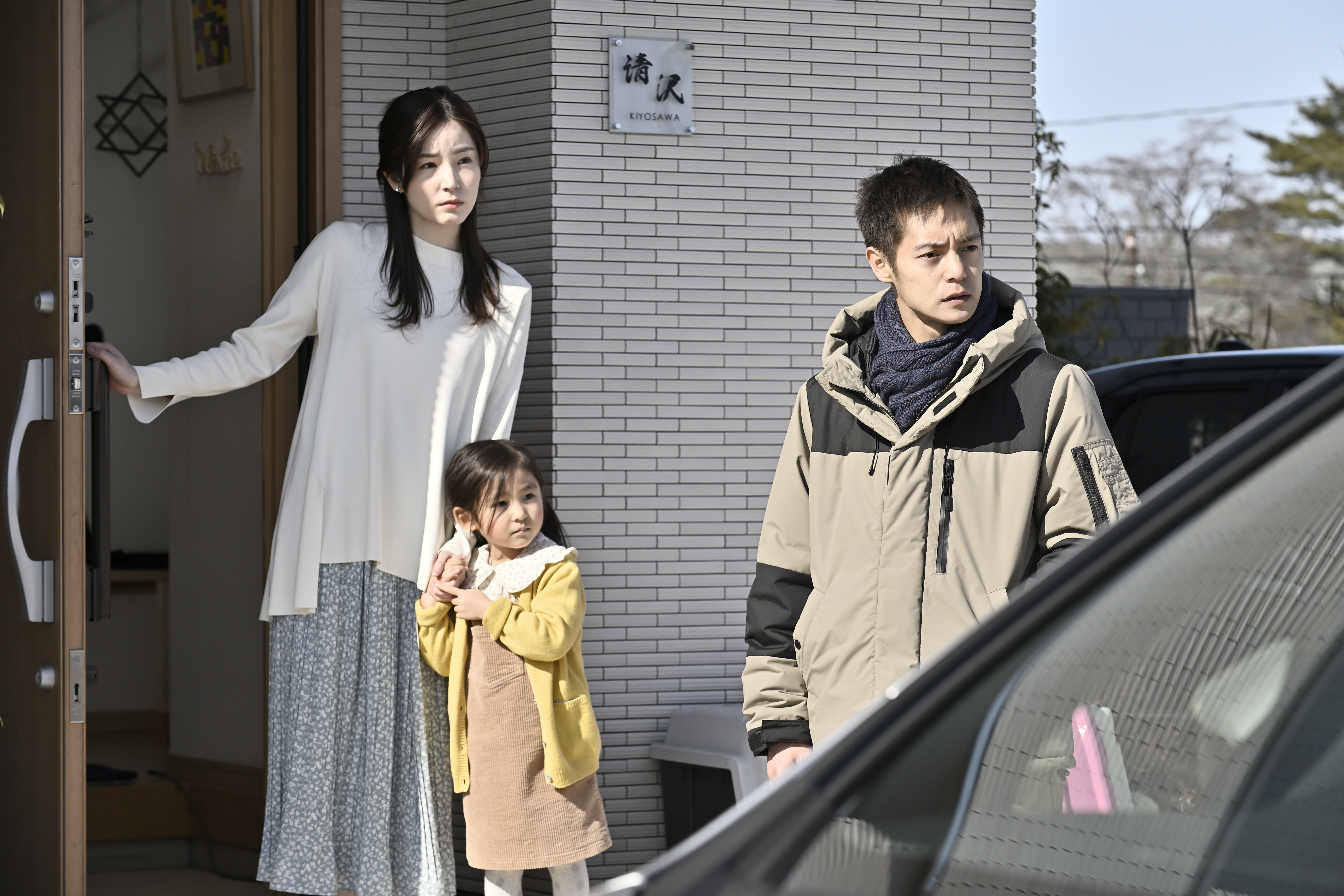
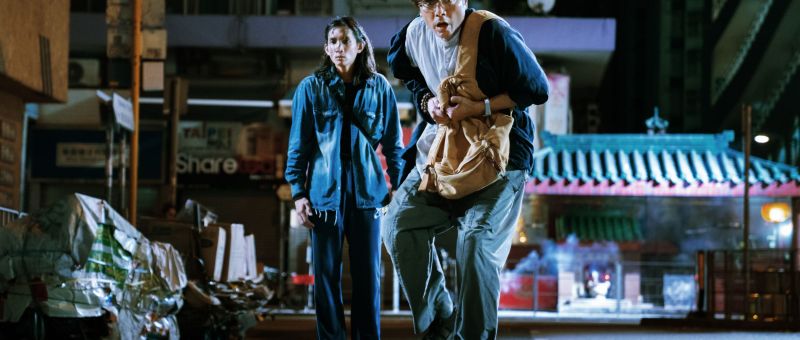
Generally speaking, teenagers aren’t really known for their ability to think things through. If the four high school girls at the centre of Daigo Matsui’s Our Huff and Puff Journey (私たちのハァハァ, Watashitachi no Haa Haa) had stopped to think things through, they’d never have gone on their completely mad, actually quite dangerous, road trip to Tokyo by bicycle but then perhaps adolescence is all about completely mad, actually quite dangerous things a thinking adult would automatically reject. 

Like Matsui’s earlier anthology film, How Selfish I Am!, Our Huff and Puff Journey is essentially a promotional video for the band Creephyp whose music features prominently throughout. The girls are all devoted fans who take band loyalty incredibly seriously and having seen them in concert in their hometown of Fukuoka decide that they need to chase them to the final leg in Tokyo the only problem being they’re teenagers with no money and Fukuoka is a thousand miles away from the capital. Setting off with a great deal of excitement (and total secrecy from their parents), they run out of puff by Hiroshima and end up dumping the bikes to hitchhike the rest of the way. 

It’s after Hiroshima that the novelty and sense of freedom begin to wear off as the cold, hard reality of their plan begins to hit home. Matsui turns the film on its head a little, still proceeding from the point of view of the teenage heroines but revealing how dangerous a place the world can be for a naive high school girl. At one point, they try to get jobs at a hostess bar despite being under age to earn a little money only two of them are deemed not pretty enough and sent home which further strains their already fracturing relationship. Though some of the drivers who give them rides are nice and just want the girls to get where they’re going safely others are not, such as the young man (Sosuke Ikematsu) who transgressively kisses the gang’s leader Settsun for the thrill of trying it on with a high schooler seconds after she gets off the phone with her boyfriend who quite understandably disapproves of the gang’s Tokyo-bound adventure. 

Of course he already knows a lot of what’s going on because the girls keep posting pictures from the trip online including those of them hanging out in clubs and bars. They obviously assume their parents won’t be checking Twitter, but nevertheless soon discover that social media can be a double-edged sword. Though they’d got some interest posting about their mad bicycle trip, an attempt to appeal to netizens for help when they run out of options goes south when they’re widely mocked online as a bunch saddos who’ve taken devotion to their favourite band far too far. It’s this that provokes a major schism when Chie decides to message a band member directly to ask for help with Fumiko left distraught to think that they might have made him worry or feel guilty, aside from hugely embarrassing themselves, only to discover that Chie only came along for a fun trip and doesn’t even really like Creephyp while Fumiko feels she really might die if they don’t make it to the concert. 

Matsui switches between the low-grade handheld of the gang’s video camera and his own his own more abstracted perspective but generally allows the girls to speak for themselves in a manner that feels authentically adolescent and suggests their obsession with Creephyp is at least in part a means of escape from the pressures of their lives with each of them thinking about life after high school. What they discover through their trip maybe a sense of life’s dead ends and disappointments, and that decisions made impulsively rarely work out the way you hoped they would. Looking out at the darkened city Fumiko laments that nothing seems to have changed despite the concert having begun, while later making another impulsive decision that also spectacularly backfires. Even so, Matsui allows them the final thrill of arrival at Shibuya Scramble, four young girls from rural Kyushu taking in the streets of the capital while knowing they will soon have to return to the “reality” of their high school lives and anxiety of what lies ahead. 


Our Huff and Puff Journey screened as part of this year’s Nippon Connection

Original trailer (no subtitles)

Fantasia Confirms Second Wave of Titles for 2023

The Fantasia International Film Festival returns to cinemas for its 27th edition taking place once again in Montreal from July 20 to Aug. 9. This year’s festival will have a special focus on South Korean cinema marking the 60th anniversary of diplomatic relations between the two nations including the latest blockbusters such as the third instalment in the popular Roundup series, and a screening of the 4K restoration of 2001 classic Take Care of My Cat. The complete programme will be announced later this month. Here are the East Asian Films so far confirmed for Fantasia 2023.

China

  • Deep Sea – visually rich animation from Tian Xiaopeng.
  • Journey to the West – a UFO obsessive journeys west in search of the meaning of life in Kong Dashan’s hilariously deadpan, absurdist epic. Review.

Hong Kong

  • Mad Fate – mad cap supernatural noir in which a fortune teller and “born psychopath” team up to solve a murder.

Japan

  • As Long as We Both Shall Live – light novel adaptation set in an alternate 19th century Japan in which a young woman is married off to a ruthless military commander.
  • #Manhole – a salaryman’s moment of triumph is disrupted when he falls down a manhole the night before his wedding in Kazuyoshi Kumakiri’s unhinged B-movie thriller. Review.
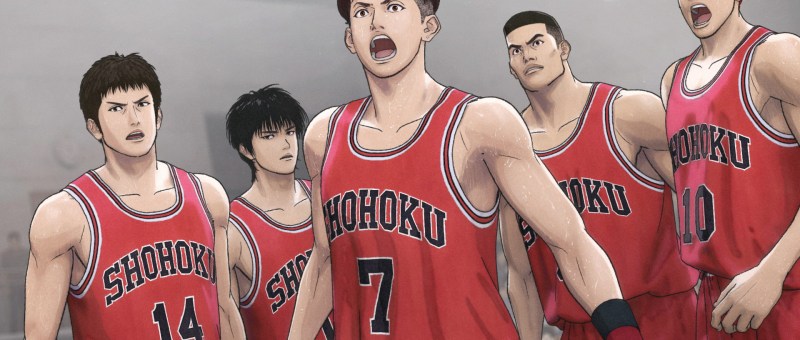
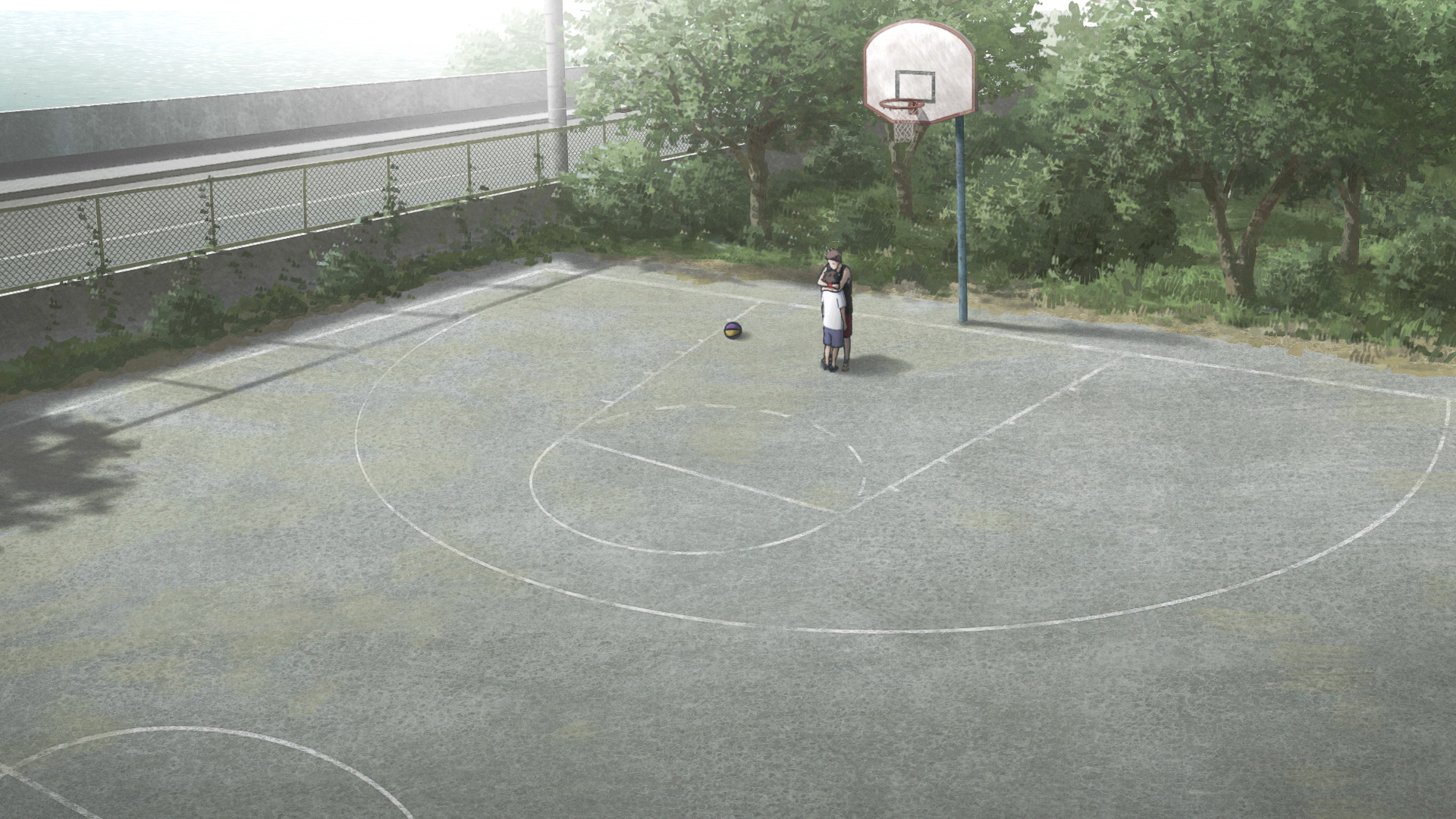
  • The First Slam Dunk – directorial debut of Takehiko Inoue, original author of the basketball-themed manga, following Ryota Miyagi as he takes centre stage at the Inter-High Championships.
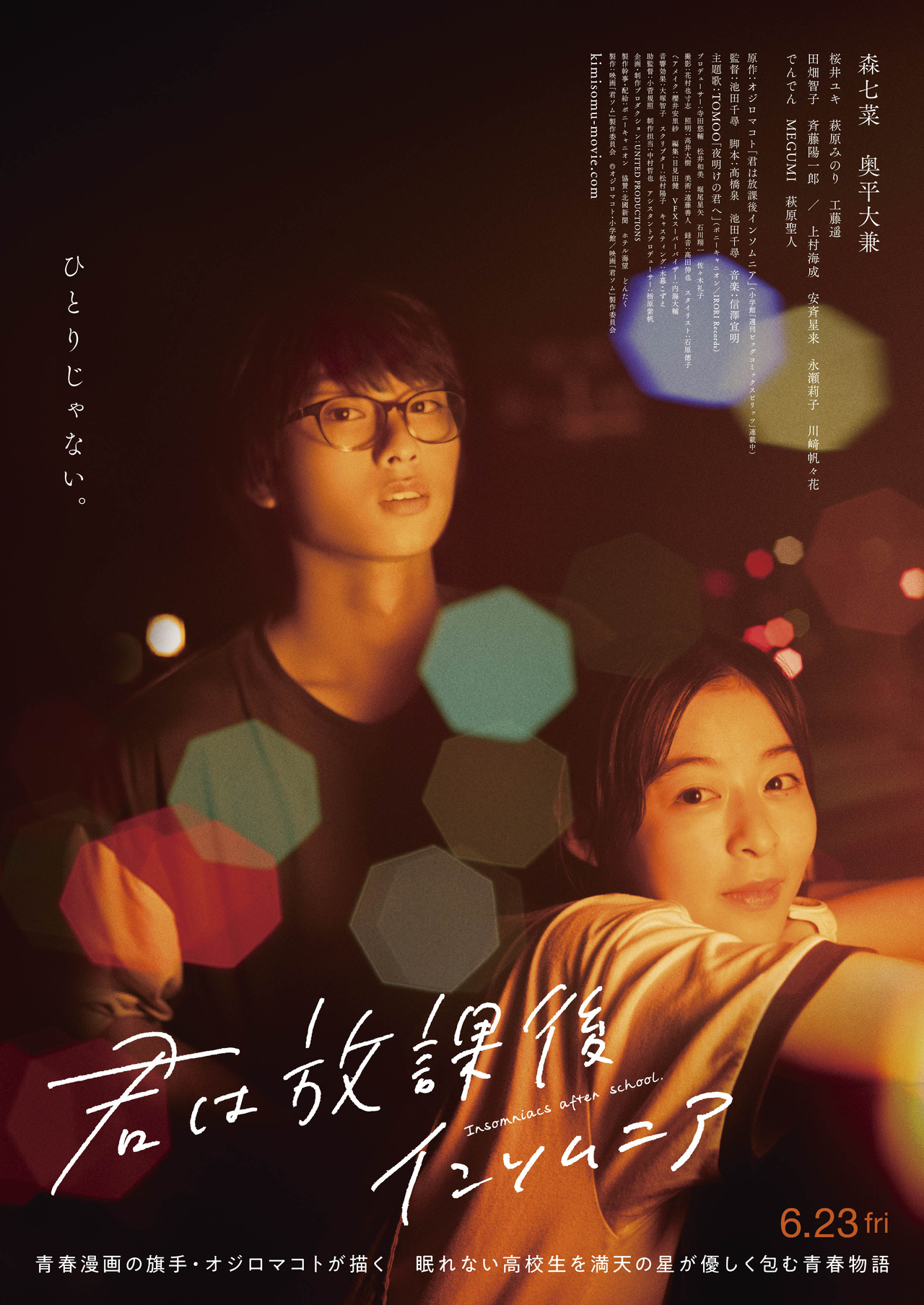
  • Insomniacs After School – manga adaptation in which two high school loners team up to revive the astronomy club.
  • Kurayukaba – retro steampunk noir anime.
  • People Who Talk to Plushies Are Kind – a collection of sensitive uni students pour out their worries to cuddly toys to avoid burdening others with their fears in Yurina Kaneko’s charmingly empathetic drama. Review.
  • River – time loop comedy from the director of Beyond the Infinite Two Minutes set in a traditional inn near Kyoto.
  • Shin Kamen Rider – Hideaki Anno’s take on the classic tokusatsu hero.
  • Tokyo Revengers 2 Parts 1 & 2 – the long-awaited two-part sequel to the timeslip drama.

Philippines

  • In My Mother’s Skin – folk horror set at the end of the second world war.

South Korea

  • Killing Romance – madcap comedy in which a former star (Lee Ha-nee) teams up with a student (Gong Myoung) to kill her husband (Lee Sun-kyun).
  • Mother Land – stop motion animation from Park Jae-beom.
  • New Normal – horror anthology from Jung Bum-shik (Gonjiam: Haunted Asylum)
  • The Night Owl – period conspiracy thriller in which a blind acupuncturist witnesses the death of the crown prince.
  • The President’s Last Bang – Im Sang-soo’s ironic take on the assassination of Park Chung-hee.
  • The Roundup: No Way Out – third instalment in the popular series starring Ma Dong-seok (Don Lee) as a maverick policeman.
  • Take Care of My Cat – much loved female friendship drama from 2001 revolving around five friends heading in different directions after high school. Review.

Taiwan

  • Marry My Dead Body – a police officer discovers a red wedding envelope but soon realises the proposal comes from the other side and it is the ghost of a murdered man who wants to marry him!

The Fantasia International Film Festival runs in Montreal, Canada, July 20 to Aug 9. Full details for all the films will be available via the the official website in due course, and you can also keep up with all the latest news via the festival’s official Facebook pageTwitter account, Instagram, and Vimeo channels.

My Anniversaries (オレの記念日, Kim Sungwoong, 2022)

“Life can’t be all good things,” the cheerful hero of Kim Sungwoong’s documentary My Anniversaries (オレの記念日, Ore no Kinenbi) sighs rather incongruously given that he spent 29 years in jail for a crime he didn’t commit. As Shoji remarks walking around the prison where he was once incarcerated he only seems to remember the “fun” things rather than the cold or the low level horror that marked his life inside. What continued to weigh on him was the the injustice he suffered and the stigma of being called a murderer though he was innocent. 

Shoji Sakurai freely admits he was no angel in his youth and part of the reason he was pulled in by the police was because he was a considered a troublemaker they wanted to get rid of anyway. He and a friend, Sugiyama, were picked up together and accused of robbery and the murder of a 62-year-old loanshark. They had actually been together at the time in a completely different part of town but the police refused to listen to their alibi and railroaded each of them into false confessions. After pleading not guilty at trial claiming that their confessions had been forced, both men were sentenced to life in prison and each served 29 years. 20 years old when they went in, they were 49 and 50 and when they eventually came out. 

Yet the incongruous thing about Shoji is just how happy he seems to be. He isn’t particularly embittered by his experience and even at one point thanks the police because it’s because of them that he now gets to live a great life doing what he always wanted to do. Rather than be consumed by the hopelessness of his situation, Shoji decided to make the best of his incarceration by looking to the future and working hard to build a life for himself when he got out. He spent his time writing poems and songs and even though he hated making shoes on the prison production line became the best shoemaker in the place. Together with the director he revisits the prison on what appears to be some kind of open day with former guards running stalls in the courtyard. Shoji makes polite small talk with them as if they had been colleagues rather jailor and prisoner describing most of them as kind and only alluding to one who wasn’t while remarking that it’s usually the latter sort who earn speedy promotions. 

After release from prison both Shoji and Sugiyama continued to campaign for their convictions to be overturned which they finally were after a retrial victory, an incredibly rare event in Japan. Since then, he’s continued to advocate for changes to the judicial system and help others in a similar position to clear their names so that they can try to move on with their lives. In some senses, his sentence didn’t end when he was released because he was still the victim of a false conviction and continued to suffer under its weight, unjustly labeled as a murderer even if he admits he had once been a thief. Shoji met and married his wife Keiko not long after he had come out of prison and she describes him as having been almost glowing with the joy of his newfound freedom, but also recounts that he once tried to jump out of a window because of the hopelessness of his situation. 

His success in overturning his conviction gives hope to others like him who feared they’d spend the rest of their lives in prison labeled as a criminal for something they didn’t do or perhaps never even happened. Relentlessly cheerful, always cracking jokes, he assures them he can win and will continue striving until all the falsely convicted prisoners of Japan (of which there are many given the prevalence of forced confessions) are freed and the laws changed so that all the available evidence has to be presented to the court rather than only that selected by the prosecution. Even after being diagnosed with terminal cancer he continues to travel around the country and exclaims how “blessed” he is to have led such a good life. In many ways it’s the definition of a life well lived by a man who decided to be a cheerful in the face of adversity and did his best to chase happiness in whatever form he found it even in the darkest moments of his life in the knowledge that spring would one day finally arrive. 


My Anniversaries screened as part of this year’s Nippon Connection

International trailer (English subtitles)

Remembering Every Night (すべての夜を思いだす, Yui Kiyohara, 2022)

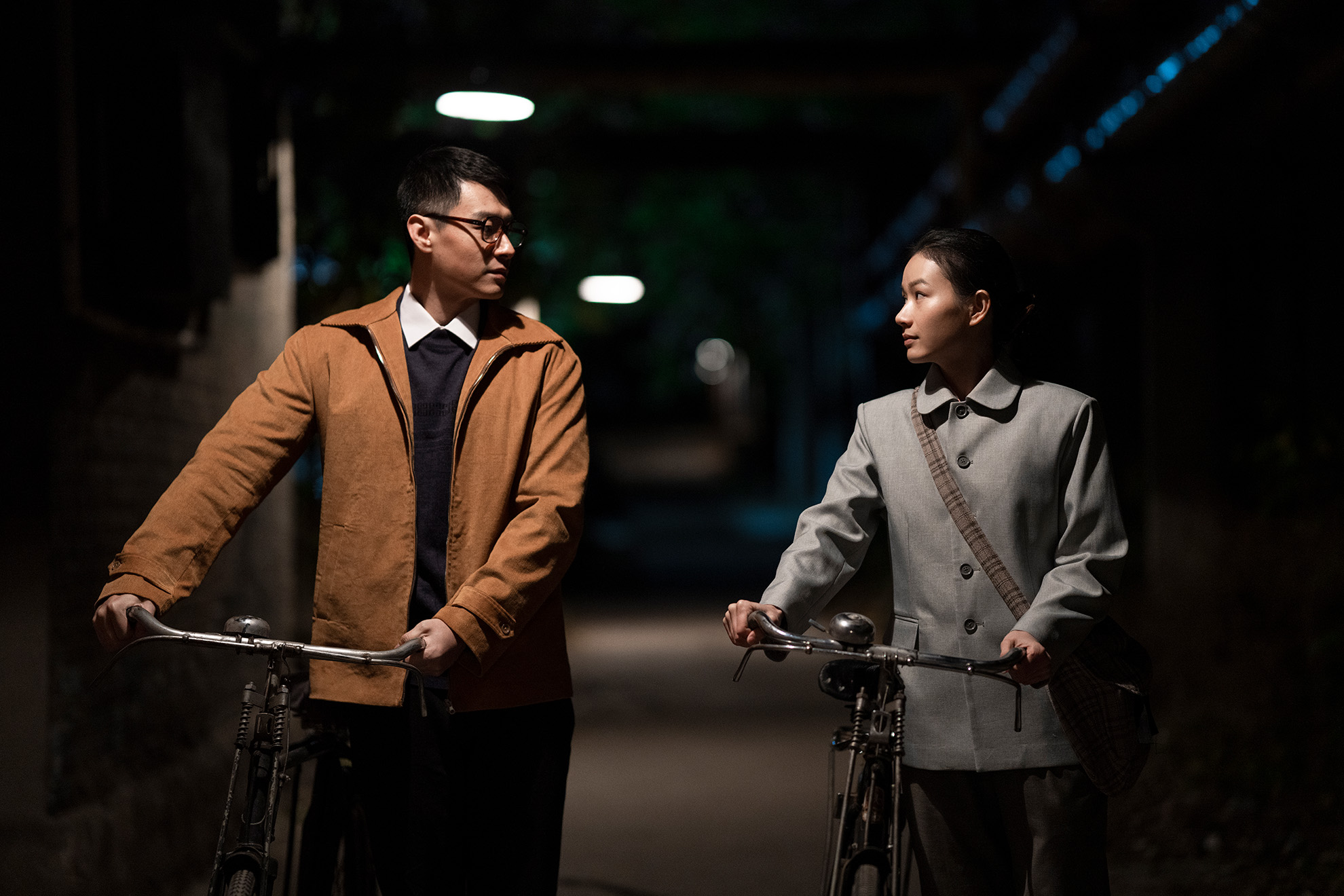
“It all looks the same here, it’s easy to get lost” a young man remarks on giving directions to a middle-aged woman who explains that she’s lived in this town for a long time but never been to this area before. Yui Kiyohara’s wistful drama Remembering Every Night (すべての夜を思いだす, Subete no Yoru wo Omoidasu) takes place in Tama New Town, which is as its name suggests a planned development on the outskirts of Tokyo and home to a large number of danchi housing estates which once symbolised a bright post-war future but now seem increasingly old-fashioned and in their own way lonely. 

Loneliness is an underlying theme in the lives of three women whose paths intersect over the course of a day one of whom, gas inspector Sonae, runs into an old lady who talks her ear off about how it’s not like it was when she and the other residents of the danchi were all young together and minded each other’s children to juggle work and domesticity. Now there are only old people, like herself, left. The man next-door, Mr Takada, has gone missing and is later found returning to a different home perhaps one he lived in many years ago in search of a wife who it seems may no longer be living.

They are all in a way looking for something. Chizu, whose name is ironically a homonym for “map”, is looking for several things and not least among them a job after being laid off from a kimono shop which is apparently short staffed without her. As she explains, today is her birthday and she feels like doing something “different” which is perhaps why she travels to another part of town clutching a change of address card for an old friend she’s otherwise lost touch with. She does indeed do several “different” things such as climbing a tree to retrieve a shuttlecock for a pair of mystified children who eventually walk off in embarrassment, and copying the dance moves of a young woman practicing in the park.

The young woman, Natsu, whose name means “summer”, like the children describes Chizu as “creepy” but like her is searching for something from the past in trying to come to terms with her grief over a friend who died the summer before. She visits his mother and tries to return the receipt for photos she had developed that Dai had taken before he died only for her to refuse to take them, explaining that she has plenty of photos that he took but ironically few of him. Natsu later tries to pick the photos up only for the sullen man at the store to suggest she’s waited too long and he might not have them anymore later looking through them himself in the back room where he converts analogue videos to digital. 

There is something poignant in the old home videos from 80s and 90s each featuring birthdays of small children doubtless now old enough to have children of their own appearing like ghosts from another era to remind us that time is always passing. After visiting an exhibition of Joumon pottery with her friend, Natsu wonders whether anyone will remember Dai in thousands of years’ time engaging in an act of remembrance lighting fireworks in the park as if reclaiming the memory from the photos she couldn’t bear to collect. The other women each end up alone, pondering past regrets in the darkness of a summer night on the edges of a city trapped in a labyrinth of memory in an almost imaginary landscape. 

The deliberate sameness of the Tama New City environment lends it an uncanny quality of otherworldliness, as if it had no real borders and the life here went on forever. It seems to us that Mr Takada has got the wrong house, but perhaps it’s us who’ve got the wrong world. Sonae soon discovers that the gas metre’s still running even though there’s no contract for that address while its seeming emptiness is undermined by the pot of fresh flowers growing happily on its doorstep. Perhaps the resident is, like these women, simply living their life largely invisible to us and just another presence that may one day cross ours whether we notice or not. Told with breezy serenity, Kiyohara’s playful summer drama circles the unreality of the everyday but finds in it a kind of comfort if perhaps tempered by melancholy. 


Remembering Every Night screened as part of this year’s Nippon Connection

International trailer (English subtitles)

ReFashioned (Joanna Bowers, 2021)

At the beginning of the consumerist era, our mentalities began to shift away from durability to disposability and we only desired that which we could throw away. But every time we throw something we don’t need anymore over our shoulder, the pile of discarded items grows higher and is already beginning to overshadow us. Joanna Bowers’ documentary ReFashioned examines the environmental impact of fast fashion and follows a series of Hong Kongers working towards initiatives to encourage recycling or reuse of textiles and plastic. 

The change in our mindset is most clearly reflected in the startup created by an American expat to sell secondhand children’s outfits in which the concept of pre-owned clothing is itself sold as something “new”. As she points out, in Chinese culture there has long been a resistance to the idea of buying secondhand born of the fear of inheriting the bad luck of the previous owner though there seems to be less class-based stigma as might be found in the West where there has often been a sense of shame connected to dressing one’s children in handmedowns. Similarly, where parents might once have given away clothing their children had outgrown to friends and relatives they may now be less likely to do so if think they still have monetary value. Donations to charity shops and thrift stores may suffer the same fate ironically depriving those who cannot afford to buy brand new of the opportunity to buy at all. 

Meanwhile, another interviewee remarks that the battle still lies in the mind of the consumer who remains unconvinced by the idea of recycling when they know that most of what they recycle ends up in landfill anyway. A government-backed initiative aims for a new approach in the recycling of textiles in which a robotised production line can sort by colour, respin thread, and produce new knitted garments while other less versatile fibres can be repurposed for carpets and upholstery. They have an end goal of creating a system in which the consumer would be able to bring their old clothes and have them deconstructed and remade by the machine into new designs allowing them to upcycle items they believed had simply gone out of style. Then again, the fashion show they put on to showcase their achievements is geared less towards the everyday than the catwalk which is admittedly designed to prove to brands that recycled material is just as good as brand new but perhaps also leans in to a fast fashion mentality if only more sustainably rather than returning to an age of well made garments designed for longterm use. 

It should also be noted that the documentary received funding from high street clothing store H&M whose efforts towards sustainability are given prominent mention which also suggests that sustainability must be made compatible with the consumerist mindset rather than undercutting it. The problem is largely of economics in that it simply does not make sense to recycle when the costs outweigh the benefits to the average business. Another young man has started a company planning to recycle plastic bottles and himself admits that his end goal would also be to reduce their usage in the first place and make himself irrelevant but in any case is told by prospective investors that the business has little viability because of its logistical costs and small scale. This would seem to be the barrier to the creation of the “circular economy” proposed by some of the other interviewees.

The earlier part of the documentary had reflected on the changing economic fortunes of Hong Kong in which textile magnates from Shanghai had set up factories in the city but once the Mainland began to open itself up in the 1980s moved there to take advantage of significantly reduced labour costs leaving many local people unemployed. There is then something quite remarkable in the decision to redevelop a former textile mill as an ultramodern recycling centre, the first of its kind in Hong Kong and perhaps the world, avoiding the additional energy costs of deconstruction and reconstruction while saving the unique architecture of a mid-20th century industrial building. This is perhaps the ultimate example of “refashioning” demonstrating how the old can be adapted for use by the new, even if sustainable solutions for our increasingly consumerist lifestyles still feel very far away. 


ReFashioned Dream Home streamed as part of this year’s Odyssey: A Chinese Cinema Season.

Original trailer (English dialogue)

A Son (二十歳の息子, Ryuichi Shimada, 2022)

“It is simply how it should be” the father of the protagonist of Ryuichi Shimada’s documentary A Son (二十歳の息子, Hatachi no Musuko) remarks, explaining a concept of unconditional love to the 20-year-old man his own son has just adopted. The documentary never quite answers the question of exactly why Yuki made the decision to legally adopt Wataru aside from perhaps suggesting it’s a way of rejecting his own indifference to injustice, but otherwise attempts to draw comparison between the prejudice faced by members of the LGBTQ+ community and that towards children who grew up in the care system.

As Yuki later says, both LGBTQ+ people and foster children develop a habit of scanning people’s faces and watching out for any offhand remark they may make that would tip them off to the fact they are not a safe person to be open with. As he later relates, Wataru never knew his birth parents and suffered abuse in the care system. Looking for a place to belong, he ended up joining a biker gang, getting involved in petty crime, and being placed in juvenile detention which has left him with a criminal record. Even so, Yuki seems to have unshakeable faith in Wataru and is determined to provide him with a safe space and sense of permanency he hopes will allow him to feel a greater sense of confidence and security. 

In an outreach session, Yuki reveals that he knew he was gay from around 14 years old struggled to accept his sexuality after seeing the word “abnormal” listed under the dictionary definition of homosexuality. He too became violent and considered taking his own life which might explain why he empathises so strongly with Wataru, only he chose to come out to his parents instead who didn’t care at all and continued supporting him just the same. As his father later says, that’s just the way it should be. Yuki didn’t suddenly stop being their son just because he told them he was gay and all they ever wanted was his happiness. As parents, they support their children in whatever they want to so so if Yuki believes in Wataru then they’ll believe in him too immediately welcoming him to the family as their grandson much to Wataru’s mystification. He admits he’s not sure he could be so universally accepting should he one day have children of his own. 

Later in questioning his relationship with Wataru, Yuki explains that he’s also trying to teach him how to be a father in case he eventually becomes a parent but obviously struggles with the difficulties involved in becoming a father figure to man who is already a legal adult who may have ideas of his own and not always want to listen. Wataru can’t quite give a clear answer of why he accepted the adoption either aside from suggesting he wants to escape the social prejudice of being a man without a family, but perhaps also hints that family is what he’s been looking for or at least a place to belong that he can anchor himself to and go for help whenever he might need it. Yuki seems to think that by offering him a literal bed that it will help him turn his life around knowing that he will always have a safety net to fall back on. 

One of Yuki’s relatives nevertheless suggests she thinks Wataru’s optimism is merely “naive” as he pins all his hopes on a showbiz career, doing modelling gigs while working part-time in a cafe. He claims he wants to make something of himself by buckling down and working hard, insisting that his painful past can become a strength in lending him a unique profile rather than remaining something that will always drag him down. Yuki’s desire to become a father figure might also be branded as naive by some while he struggles with trying to find the right approach to allow Wataru to find his own way safe and secure that he’ll always have a home to go to. The documentary ends before it’s really possible to know how well the arrangement has worked out for either party and sometimes struggles to unify its twin themes of the abuses of the care system and a more generalised take on social prejudice towards minorities such as the LGBTQ+ community and orphans but nevertheless presents a broadly inspirational tale of intergenerational solidarity and the power of unconditional parental love. 


A Son screened as part of this year’s Nippon Connection

Original trailer (English subtitles)

TOCKA (タスカー, Yoshitaka Kamada, 2023)

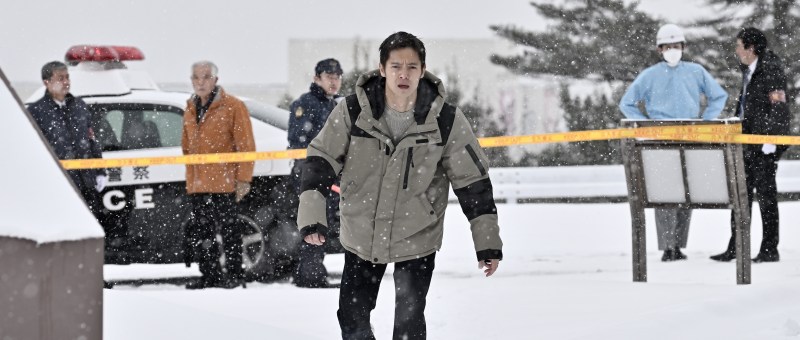
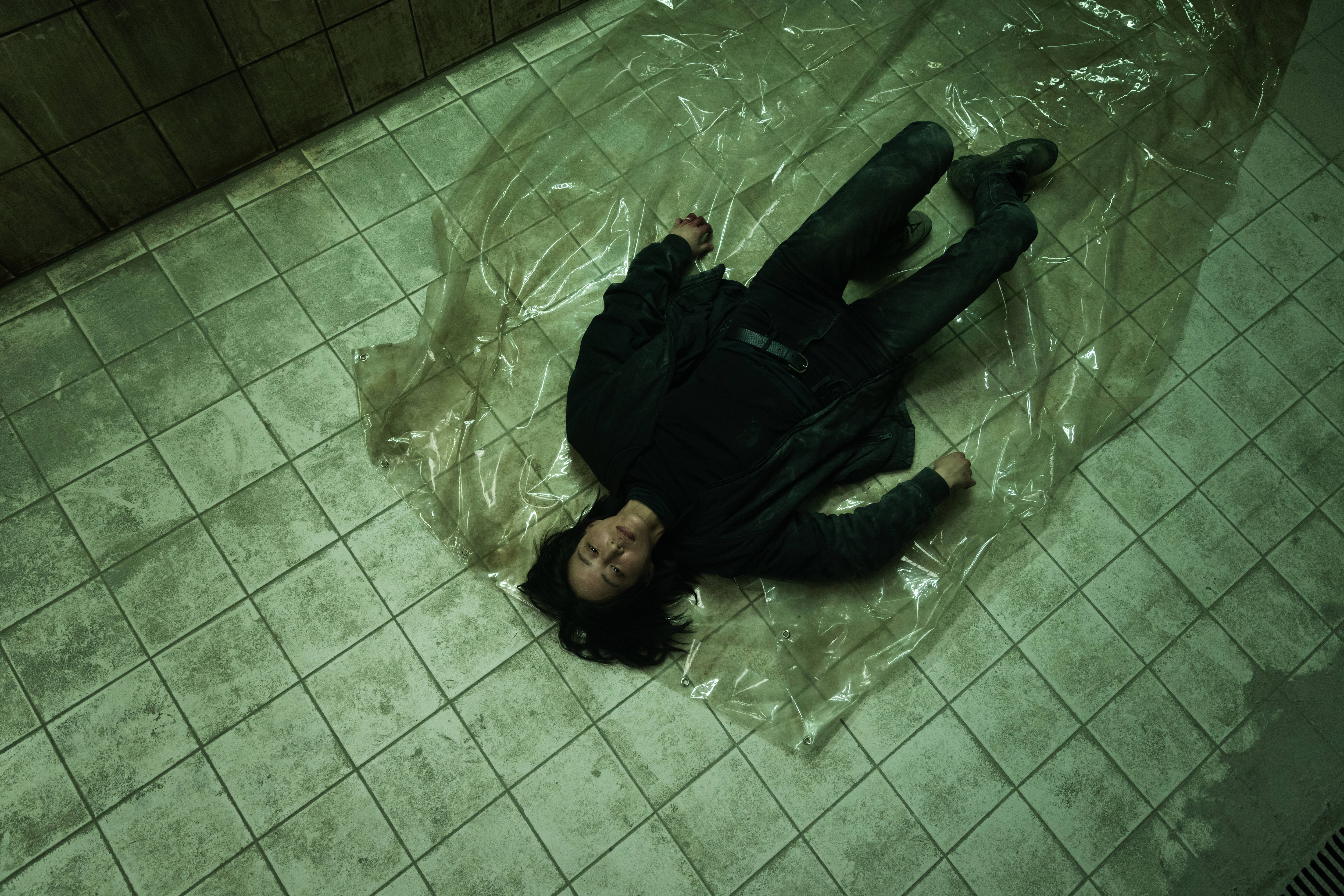
The man at the centre of Yoshitaka Kamada’s bleak social drama Tocka (タスカー) claims that he no longer knows why he’s alive, but as the woman he’s just asked to kill him replies no one else really knows either but even so they continue to live. Set in the northernmost reaches of Hokkaido where you can pick up Russian-language radio and it’s not unusual to spot signage in Cyrillic, the film’s title is taken from a Russian word that describes a quality of spiritual agony that manifests as listless ennui while its sensibility seems to be very much in tune with that of 19th century Russian literature. 

This indeed a cold a barren place almost devoid of signs of life. The heroine, Saki (Nahana), has returned in flight from the implosion of her life in Tokyo but has not told her parents who presumably live not too far away that she’s lost her job or broken up with her fiancé. Instead, she’s living a difficult and dissatisfying life with a part-time job in a local supermarket while contending with massive debts. Unable to see a way forward, she begins to consider taking her own life which is how she ends up meeting Shoji (Kiyobumi Kaneko), a man who wants to die but is unable to kill himself so is looking for someone to help him. 

Perhaps it says something of Saki’s own desperation that she considers his proposal or at least does not necessarily see anything odd about it aside from Shoji’s general vagueness about the reasons he wants to die. Like her, he is living a dissatisfying life but mostly precipitated by the loss of his family and his subsequent descent into alcohol dependency. He used to run a junk shop selling second hand appliances, but his business has also gone bust leaving him with nothing. His only goal is to make sure his daughter receives the payout from his life insurance policy which would be void if it was ruled that his death was a suicide. 

Yukito (Hiroki Sano) also works as a junk man, but scams his clients by pressing them to pay despite advertising a free removals service for unwanted appliances. He also steals petrol to sell illegally on the side and has nothing much going for him in his life while feeling guilty that he has failed to repay the sacrifices his mother made to raise him. Meanwhile, his sister is pregnant and the baby’s father has abandoned them leaving her in much the same position as her own mother but worried she doesn’t have the strength to manage on her own. 

It’s not difficult to understand the reasons why they want to end their lives even if as they sometimes suggest it’s more that they lack reasons to live while those in favour of dying are readily apparent. There doesn’t appear to be much going on in Northern Hokkaido when the businesses seem to be those dedicated to moving around obsolete items, buying junk or selling junk or maybe even stealing junk to sell to people who can’t afford anything better or else for scrap. All three feels themselves already on the scrap heap with nothing more than broken dreams to their names. Saki once wanted to be a singer in Tokyo, but now can’t seem to see a reason to be much of anything at all.

The way she later sees it, it’s alright to want to die and it’s alright to do it too even if you’ll hurt the people you’ll leave behind. None of them are fully able to escape their sense of despair or hopelessness despite the bonds that arise between them as they try to fulfil Shoji’s dying wish. In the end, the firmest expression of friendship is that they will help one another die if and when it’s what they really want though they may never meet again in more pleasant circumstances. In any case, Kamada captures a sense of bleakness in the beauty of the snowbound landscape which remains otherwise barren and defined by emptiness even as those trapped inside it try to find reasons either to live or to die but more often than not find nothing much of anything at all. 


TOCKA screened as part of this year’s Nippon Connection

Original trailer (English subtitles)

Images: ©2022 KAMADA FILM

Sayonara, Girls (少女は卒業しない, Shun Nakagawa, 2022)

The end of high school takes on an additional poignancy for a collection of teens who realise they will be the last class to graduate before their school is demolished in Shun Nakagawa’s touching coming-of-age drama, Sayonara, Girls (少女は卒業しない, Shojo wa Sotsugyo Shinai). Adapted from a series of short stories by Ryo Asai, the film’s Japanese title is the more cryptic “girls don’t graduate” hinting at the ghost of adolescence that endures long after a literal graduation ceremony even as the teens find themselves attempting to move on into the “new world” of adulthood which necessarily means leaving youth behind. 

Set mainly over the graduation day itself and the day before, the film focusses on four girls who aren’t particularly connected to each other but are each experiencing differing kinds of adolescent anxiety as they approach the end of high school. Kyoko (Rina Komiyama) is perhaps the most typical in that her dilemma relates to the physical distance that will be placed between herself and her past when she leaves her provincial hometown to study in Tokyo. However, it isn’t the thought of leaving a familiar place for an unknown city that bothers her nor uncertainty in her choices, only that her relationship with her high school boyfriend Terada (Takuma Usa) seems as if it will end on a sour note because of the emotional distance between them as they prepare to take different paths in life. She envisages her future in Tokyo working as a psychologist while he plans to stay local and get a job as a primary school teacher. 

There doesn’t seem to be any suggestion that Kyoko would give up her ambitions to stay behind for Terada, and she herself fails to realise that he resents her for choosing Tokyo over him all of which has clouded their final days together despite the inevitability that they will have to end their relationship because the futures they each want for themselves do not align. There is also a slight dividing line between the kids who will not be going on to university at all but plan to look for work, those who plan to attend a local college and remain in their hometown, and those who have won prestigious university places to study in the capital. This is also of course the “graduation ceremony” for the school building itself, which has left Kyoko feeling wistful in realising that she will never be able to revisit this place that in a sense represents her youth. She would rather the building remain and be repurposed while Terada reminds that her romanticism is all very well but as he’ll be staying in the town for the rest of his life he’d rather it be replaced with something more practical like a shopping mall which is really the nexus of the problems in their relationships. 

But on the other hand, for the socially awkward Shiori (Tomo Nakai) the last three years have been nothing but torture, the school building, excluding the library, an unending hell. Yet her regret is that she has been unable to overcome her shyness and with graduation approaching fears that she will never be able to talk to people properly. With the help of her kindly librarian (Kisetsu Fujiwara) even she begins to forge new connections and realise she’s not quite so alone as she thought. Music club president Yuki (Rina Ono), meanwhile, is focussed on making someone else come out of their shell while dealing with discord as other members object to the results of free vote which has elected thrash metal lip synchers Heaven’s Door as the headline act for the graduation concert with the band members, except for one, refusing to play assuming that people only voted for them as a joke. 

Charged with giving the farewell speech at the graduation ceremony Manami (Yuumi Kawai) struggles with a more a literal kind of loss and the stolen futures of those who won’t ever be graduating high school but will be left behind in a kind of eternal youth. As part of her speech she reflects on the “new worlds” each of them will be stepping into and also on the series of encounters and farewells that will occur throughout their lives, but is also well aware of the poignant sense of guilt that comes with moving forward in a way that others never can. As the school will be demolished, in a way so will their youth but only in a less symbolic sense than it is for everyone who must make the difficult transition to adulthood with all the concurrent anxieties that may bring. In a sense the girls do not “graduate” so much as evolve, taking the ghosts of their younger selves with them as they go and leaving behind only a vague shade of their youth that will inevitably fade in time.


Sayonara, Girls screened as part of this year’s Nippon Connection.

International trailer (English subtitles)

Single8 (Kazuya Konaka, 2023)

In a lot of ways, it’s never been easier to make a movie. You can capture sound and image with your phone, edit and add special effects on an ordinary laptop with no particular need for professional grade software or equipment. But on the other hand, perhaps there’s something that’s been lost now that you don’t need to work so hard to overcome technical limitations. Kazuya Konaka’s auto-biographically inspired high school drama Single8 follows hot in the heels of It’s a Summer Film! in pairing the classic summer adventure movie with filmmaking nostalgia while looking back to a now forgotten era of analogue creativity. 

Set in the summer of 1978, the film opens with an homage to Star Wars which has captured the imagination of diffident high school boy Hiroshi (Yu Uemura). Hiroshi is not so much a film buff as special effects enthusiast and is particularly obsessed with figuring out how Lucas achieved the overwhelming sense of scale in his spaceship model shots. Aimed only with a regular, consumer-level 8mm camera, he teams up with a friend, Yoshio (Noa Fukuzawa), to experiment and thanks to the advice of the guy at the camera shop (Yusuke Sato) eventually manages to recreate the scene with a surprising level of dexterity. His new found confidence leads him to suggest they continue with the film as the class project for the upcoming school festival which will be the last of their high school lives. 

The snag is that Hiroshi hadn’t thought much beyond recreating the shot. His previous short film had been called “Claws” and was basically Jaws only with a bear. When people ask him what the film will be about, he looks at them quizzically as if it hadn’t really occurred to him that the plot would be important or something anyone would be interested in. It’s only by teaming up with another student, Sasaki (Ryuta Kuwayama), who actually is a film buff that they begin to come up with their own ideas even if they’re also often influenced by other science fiction films and tokusatsu television series. In a meta touch, the students openly discuss scriptwriting theory remarking that the most important aspect is how the protagonist evolves between the first scene and the last. The film itself and the film with in a film attack this in a similar way, with Hiroshi eventually deciding to end on a note of ambivalence in which it is clear that something has changed if perhaps not obviously. Now no longer quite so diffident, he steps into the role of a director and proudly declares that his next film will be even better than this one. 

Similarly, Konaka avoids falling into the trap of an overly neat conclusion in allowing events to play out in a more natural way than we would usually expect them to in a movie even if Hiroshi is eventually able to win over even the most obnoxious of his classmates, Yoshida. Through making the film together, each of team members including Hiroshi’s crush Natsumi (Akari Takaishi) who plays the film’s heroine grow in confidence and come to understand something of themselves while otherwise having fun and making friends across the last summer break of their teenage lives. The film is a collaborative effort and made with a true sense of generosity with a university student friend of the camera shop guy helping out with special effects by literally carving them directly into the film itself and the high school band Natsumi manages also agreeing to provide the score. 

A true tribute to the charming world of DIY filmmaking in the pre-digital era the film has has a charming nostalgic quality which is only enhanced by the fact that the film within the film, which is eventually shown in its entirety, is actually very good and quite touching in its earnestness. Konaka includes clips of the few of his own 8mm films over the closing credits which adds a meta note to the film’s message that “people should fix their own mistakes” even if there is also an irony in the insistence that they should look to the future rather than obsessing over the past. Using frequent screenwipes as a visual homage to Star Wars but also of course to The Hidden Fortress which inspired them, Konaka’s retro teen drama ends on a similarly ambiguous though less melancholy note than the film within a film filled with a sense of possibility for a new world of creativity which is only just beginning. 


Single8 screened as part of this year’s Nippon Connection. It will also be screening in New York on 30th July as part of this year’s JAPAN CUTS.

Original trailer (no subtitles)
Images: ©Single8 Film Partners

Dream Home (維多利亞壹號, Pang Ho-cheung, 2010)

“In a crazy city, if one is to survive, he’s got to be more crazy.” according to the opening titles of Pang Ho-cheung’s surprisingly poignant slasher satire Dream Home (維多利亞壹號). In the 10 years since the handover, the average wage has increased by a measly 1% while house prices have risen by 15% in 2007 alone. Sheung’s (Josie Ho) one overriding mission in life is to buy a flat for her family to live in, but it’s clear that her struggles to become a homeowner aren’t the only pressure points in her life in an increasingly capitalistic society. 

As we later discover, Sheung is set on one particular flat because the building it’s in stands on the spot where she once lived as a child before her family was pushed out by rampant gentrification. In essence, she’s just trying to take back what’s hers and restore her family’s sense of dignity and security. A flashback to her childhood reveals her father’s own insecurity in having been unable to secure a larger living space in which she and her brother could have their own rooms while her grandfather, a sailor, longed for a sea view and the sense of an expanding horizon otherwise denied to the family in a cramped Hong Kong council flat. In a touch of irony, Sheung’s father himself worked in construction building apartment blocks he couldn’t afford to live in and in the end it killed it him through exposure to asbestos and other dangerous fibres. 

Sheung works at a bank but is conflicted about her job cold calling account holders to try to get them to buy into dodgy loans neatly echoing the film’s closing moments which hint at a coming economic crash precipitated by the subprime mortgage crisis which will threaten Sheung’s homeowning dream. Her friends think she’s crazy to buy a flat at all, but she’s completely fixated on repairing her broken childhood by taking back her family home and ending her displacement. Meanwhile, she’s in a dissatisfying dead end relationship with a married man which largely takes place in love hotels he sticks her with the bill for and turns up late to only to immediately fall asleep. When Sheung asks him for a loan to help pay for her father’s medical care after the insurance she got for him is voided because he never told her he’d been diagnosed with a lung complaint before she took it out, he tells her to use her deposit fund instead and give up on homeownership because only fools like her would buy in such a volatile market. 

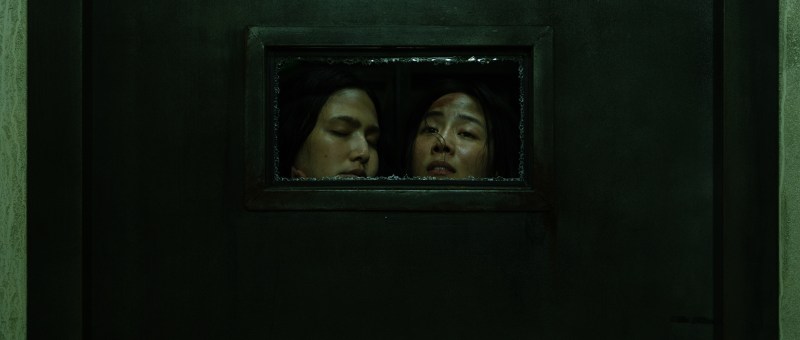
Disappointment in both her personal and professional lives continues to place a strain on Sheung’s fragile mental state that eventually tips her over the edge. Hoping to bring the apartment’s price down, she goes on a murder spree in the building killing it seems partly out of resentment and otherwise pure practicality. There is irony here too, in that she kills her victims with the weapons of their privilege. A cheating husband who comes home unexpectedly after lying to his wife that he’s gone golfing but was actually with his mistress is whacked on the head with a golf club while an obnoxious stoner kid is stabbed in the neck with his bong. Sheung murders a Filipina helper, but also the snooty middle-class woman who employed her by using the vacuum pack machine the helper had been using on her behalf. One might ask if she really needed to kill the helper or the pair of Mainland sex workers in the next apartment, but when it comes to devaluing property prices “massacre” sounds much better than “killing” and so it’s the more the merrier. 

In the end, it’s this city that’s driven her out of her mind with its status-obsessed consumerism and constant sense of impossibility. After her killing spree, she doesn’t even seem very conflicted about selling dodgy loans to vulnerable people not so different from herself while she was so desperately trying to get approval on a mortgage there was no way she could afford despite working a series of other part-time jobs including one selling designer handbags to the kind of wealthy women she resents. Her dream apartment has a view quite literally to kill for, though there’s a sense that Sheung’s dream will always be futile with the same motivations that brought her here leading to the mortgage crisis and economic shock that could eventually take it from her. Bloody, gory, and at times sickeningly violent Pang’s satirical horror show paints contemporary capitalism as the real villain and even in its dark humour reserves its sympathies for the wounded Sheung pushed to breaking point by a pressure cooker society. 


Dream Home available to stream in the UK until 30th June as part of this year’s Odyssey: A Chinese Cinema Season.

International trailer (English subtitles)