Vertigo (버티고, Jeon Gye-soo, 2019)

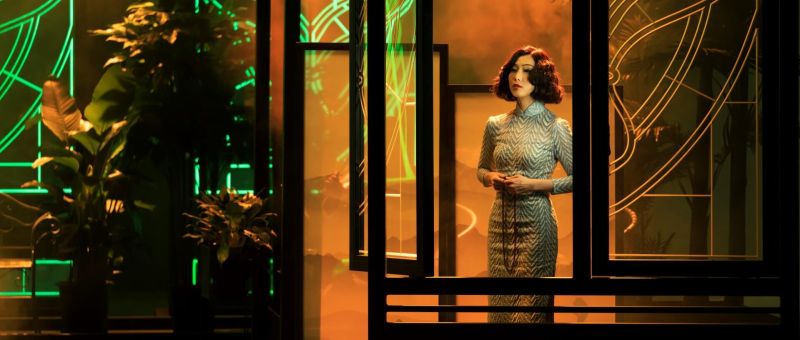
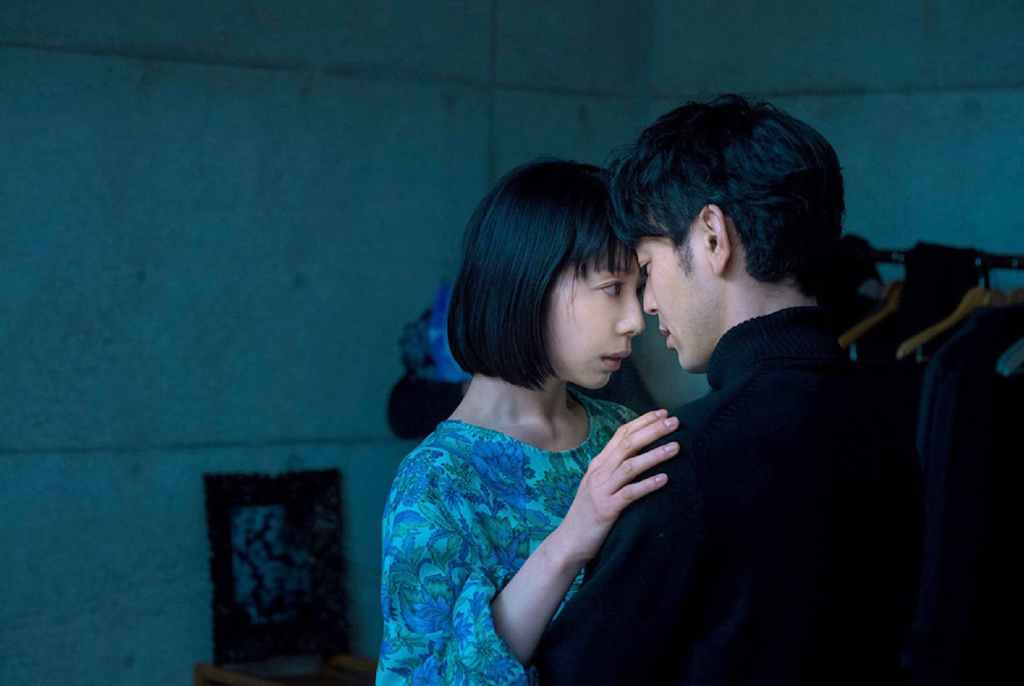
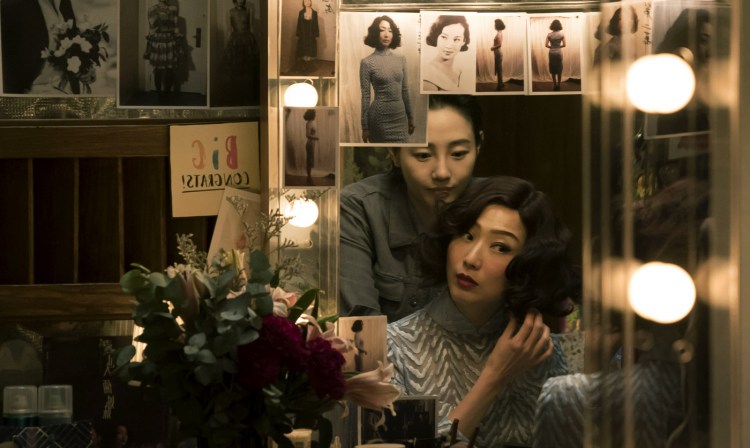
To many, the word “vertigo” is synonymous with a fear of heights, but in essence it refers more to a sense of unbalance, a giddiness born of having lost sight of the ground, temporarily unable to orient yourself within an environment which no longer seems to make sense. The heroine of Jeon Gye-soo’s artfully composed Vertigo (버티고) fears she is suffering with the medical variety caused by an ongoing problem with her inner ear which leaves her with recurrent tinnitus and a permanent sense of wooziness. She is also, however, suffering with a kind of existential dizziness, trapped in a constant state of anxiety in feeling entirely untethered to the world. 

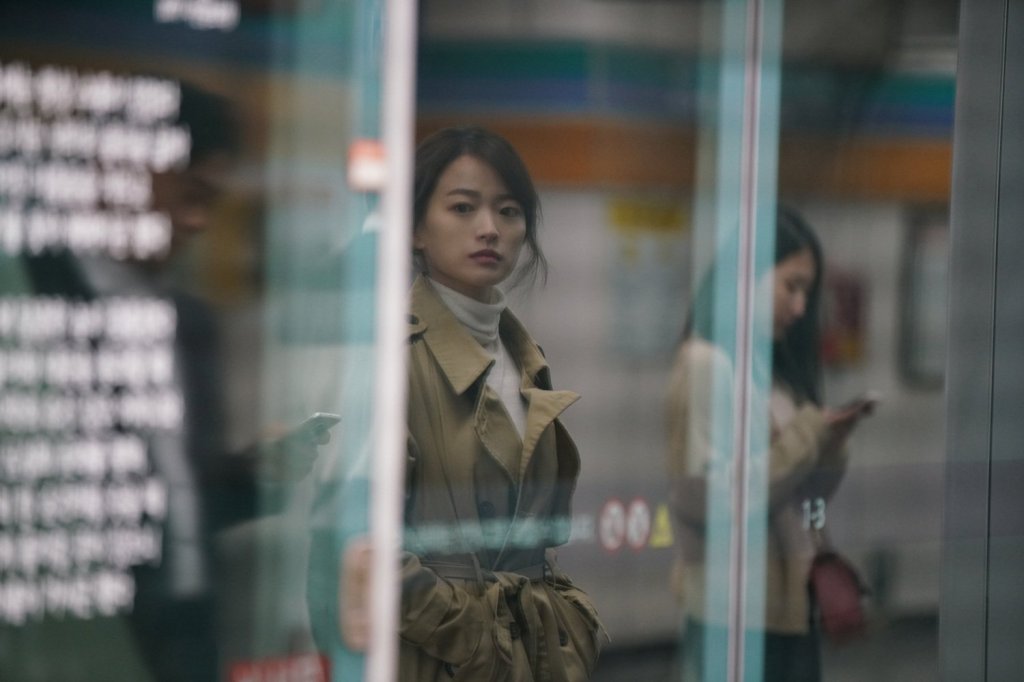
30-something Seo-young (Chun Woo-hee), is a contract worker at an ad company with an office on the upper floors of a high-rise building. Unbeknownst to her colleagues, she’s been having an affair with her handsome, once divorced boss, Jin-soo (Yoo Teo), but he seems to be holding something back from her, insisting on keeping their relationship secret and reluctant to introduce her to his grown-up son. Meanwhile, she’s subject to most of the minor micro-aggressions plaguing women in the work place which run from being expected to come in early to do menial tasks like refilling the photocopier and tidying the shelves, to casual sexual harassment. Somewhat out of it, Seo-young has managed to avoid most of that and thinks she’s moved past the stage of having to play the office lady game by keeping the men entertained at the not-technically-compulsory-but-you-still-have-to-go afterwork get-togethers. Her friend Yedam (Park Ye-young), however, has her getting worried, at once complaining about their sleazy team leader asking for massages and reminding her that they need to turn on the charm at least until their contracts are renewed. 

Being a “contract worker” and not a salaried employee is certainly a major cause of Seo-young’s anxiety, leaving her feeling unanchored in her professional life in the knowledge that she could soon be unceremoniously cut loose for reasons largely unconnected to her performance. As a woman in her 30s it will be increasingly difficult to find a new job while a still patriarchal society will most likely write her off for daring to reject marriage in favour of work but failing to make a success of it. Her male bosses and colleagues, regular employees all, use her precarious status against her, expecting that she “play nice” to get a recommendation for further employment and threatening to tank her career if she doesn’t toe the line. She muses on going “far away” with Jin-soo, perhaps to Argentina, a land of passion where people dance the tango and drink wine late into the evening, but on some level knows it’s a just a comforting fantasy. 

Regularly visiting an ear doctor, Seo-young tries to overcome her sense of unease through medical means, unwittingly returning to the source of her trauma buried in a painful childhood which regularly resurrects itself in her toxic relationship with her mother who only rings to belittle her success while complaining about her string of relationships with terrible men and unsatisfying life with Seo-young’s step-father. Seo-young can’t find firm ground because she is essentially unanchored, left dangling by a failure of the traditional family and seemingly with no “real” friends. She begins experiencing panic attacks at work, retreating to unoccupied rooms to calm herself by looking out at the horizon. 

Meanwhile, her growing despair has been spotted by window cleaner and bookshop clown Gwan-woo (Jeong Jae-kwang) who is carrying a sadness of his own. He pities and protects her, supporting from the other side of the glass in a way which is not, strictly speaking, OK but is filled with such innocence and unspoken connection that it largely overcomes the otherwise unpalatable quality of his stalkerish devotion. Gwan-woo is, in a sense, a man who’s unafraid to fall, secure in his ties to the world and literally anchored by his position in society. Seo-young yearns to overcome her sense of anxiety, find firm footing and a sense of support, at once reassured by the presence of Gwan-woo and perhaps disturbed by it. She is, however, feeling her way back to solid ground, gaining the desire to climb safe in the knowledge that someone will be there to catch her even when she feels like falling. 


Vertigo streamed as part of this year’s Udine Far East Film Festival. It was also due to screen as part of the 10th Season of Asian Pop-Up Cinema.

International trailer (English subtitles)
Shape of Red (Red, Yukiko Mishima, 2020)

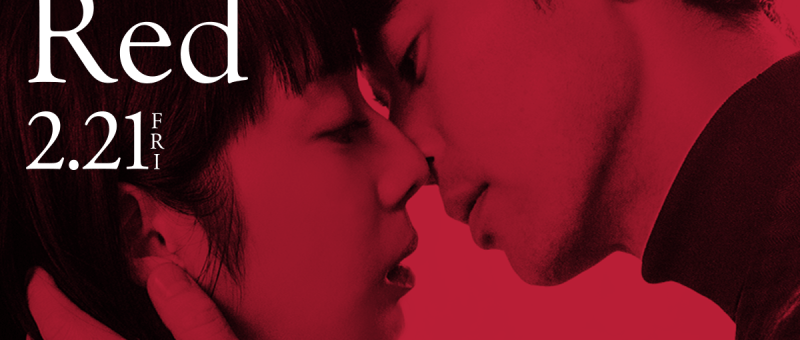
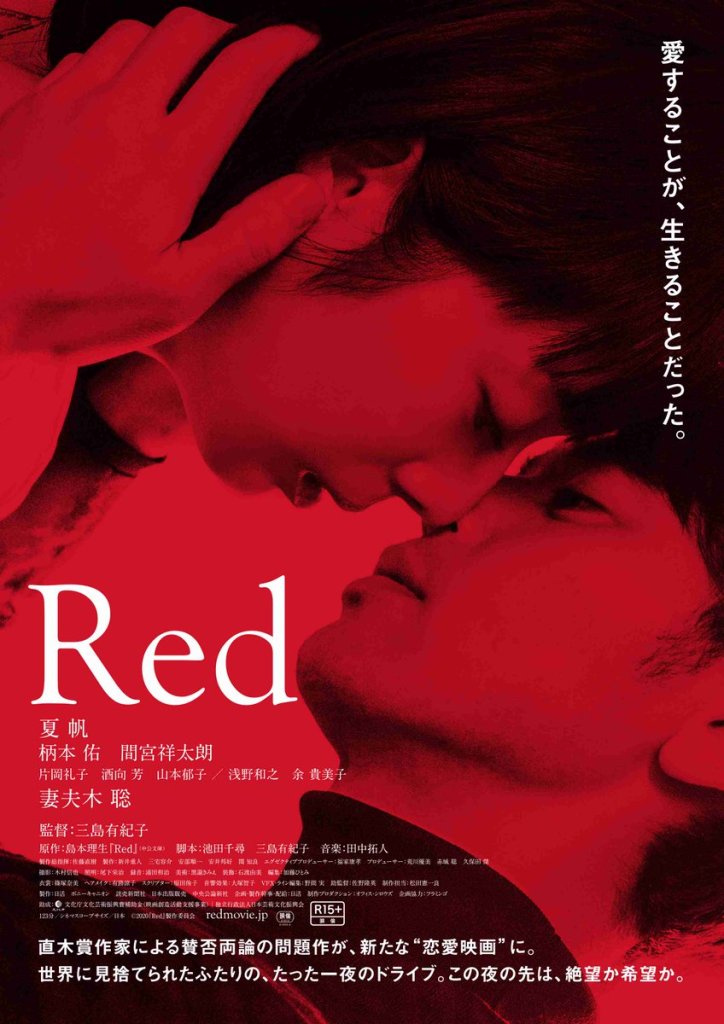
“This isn’t A Doll’s House” the heroine of Yukiko Mishima’s Shape of Red (Red) is exasperatedly told by a well-meaning colleague, only in many ways it sort of is. Adapted from the novel by Rio Shimamoto, Shape of Red proves that not all that much has changed since Nora slammed the door on the patriarchal hypocrisies of a conventional marriage as its not quite middle-aged wife and mother is confronted by the weight of her choices, wondering if a dull yet secure middle-class life is worth the sacrifice of personal fulfilment. 

32-year-old Toko (Kaho) gave up a career in architecture to marry upperclass salaryman Shin (Shotaro Mamiya) and is now a housewife and mother to six-year-old daughter Midori. The marriage is unhappy only in the most ordinary of ways, leaving Toko feeling neglected and unfulfilled, treated as a servant in her own home expected to fulfil her husband’s needs while her own go unsatisfied. That is perhaps why she wanders off from a work gathering her husband has dragged her to (in the outfit he picked out for her to wear) into a more interesting party where she re-encounters an old flame who abruptly drags her into an unoccupied room for a rough and unexpected embrace. Leaving the party together for a walk along the beach, Toko fills Kurata (Satoshi Tsumabuki) in on the past 10 years, lying through her teeth that she’s blissfully happy though admitting that she would have liked to continue with her career. 

Meeting Kurata either awakens a dormant sense of desire in the otherwise button-down Toko, or merely gives her permission to pursue it. She plucks up the courage to tell the less than enthusiastic Shin that she wants to go back to work and takes a job at Kurata’s company where the pair grow closer, but struggles to decide what it is she really wants – the “traditional” housewife life she picked when she married Shin, or the right to fulfil her individual desires. Shin, it has to be said, is an unreconstructed chauvinist from a conservative background who runs all of his major life decisions by his parents. He told Toko he was fine with her continuing to work after marriage but didn’t really mean it, coming up with excuses why she shouldn’t even though Midori is now in regular school. He tells her she can give work a go, but views it as little more than a hobby he assumes she’ll fail, later instructing her to stop because his parents want a second grandchild and, tellingly, he would like a son. Toko, meanwhile, is beginning to feel trapped but conflicted, convincing herself this is the life that she should want while simultaneously accepting that it makes her miserable. 

A third potential man at her place of work, Kodaka (Tasuku Emoto), also quite sexist and a little bit creepy but perhaps ironically so, strikes at the heart of the matter in bringing up her family background. Like seemingly everyone else, she grew up without a father because her parents are divorced, something she’s kept a secret from her conservative in-laws. Toko’s far less conventional mother (Kimiko Yo), sick of keeping up the pretence, brands her daughter’s life choices as “pathetic”, disappointed that she’s deluding herself she’s happy “living a lie” with a man she doesn’t even love.

Yet as fiercely as her newly awaked desire burns, she isn’t convinced by Kurata. Kodaka tells her that she and Kurata are two of a pair, off in their own worlds not really caring about anything, while pointing out that if Kurata has an empty space inside him he refuses to let anyone fill then the reason she sees it is that she does too. The pair work together symbolically rebuilding an imagined future through designing their idealised home, Toko eventually deciding that the windows need to be bigger because she wants to see more, literally broadening her horizons. What she’s deciding is that she wants more of life, but struggles to free herself of the old patriarchal ideas which convince her she’s betraying something by choosing herself. 

Once upon a time, a film like Shape of Red might have punished its heroine for her pursuit of passion, pushing her back towards a life of traditional respectability in forcing her to accept her maternity at the cost of her personal happiness or accept that her only freedom lies in death. Times have changed, if not as much as you’d think. You still can’t have it all, a choice has to be made and largely the choice is the same as Nora’s – stay and live the lie, or leave and accept that social censure is the price of authenticity. “I’ve a feeling we’ll be trapped like this forever” Toko exclaims driving down a seemingly endless tunnel lit by the warm red glow of security lights. Sooner or later you have to choose where you want to live, the superficially cosy show home with tiny windows and no soul, or the drafty opportunity of a room with a view opening out onto wide open vistas of infinite possibility.


Shape of Red is available to stream in Germany from June 9 to 14 as part of this year’s online Nippon Connection Film Festival. It was also due to be screened as part of the 10th season of Asian Pop-Up Cinema prior to its suspension.

International trailer (English subtitles)
Detention (返校, John Hsu, 2019)

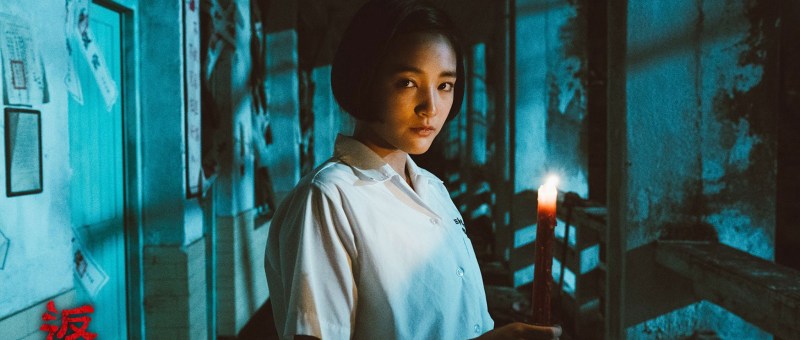
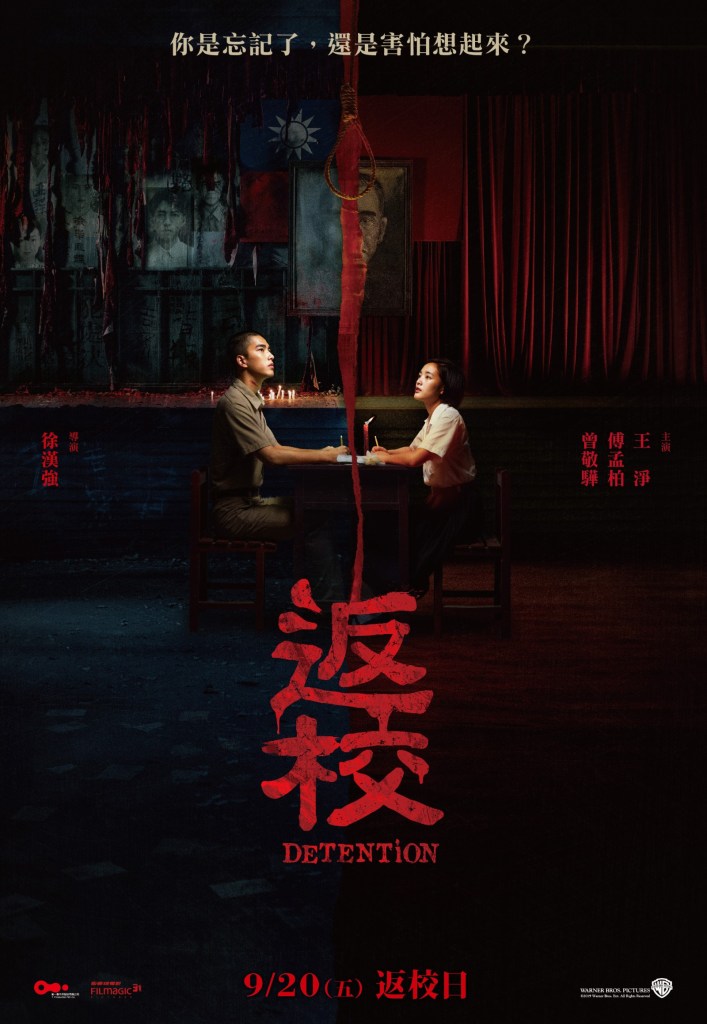
“Have you forgotten or are you scared of remembering?” a mysterious supernatural force seems to ask the heroine of John Hsu’s ironically named Detention (返校, Fǎn Xiào). In fact, the Chinese title means something close to “back to school”, hinting at its central message which uses the, it argues forgotten, tyranny of the “White Terror” to remind us that freedom is hard to win but harder still to keep. An unfortunately timely message given the assaults on democracy across the world but even more so given the recent protests in Hong Kong which have found support in Taiwan as it too looks back on its complicated history.

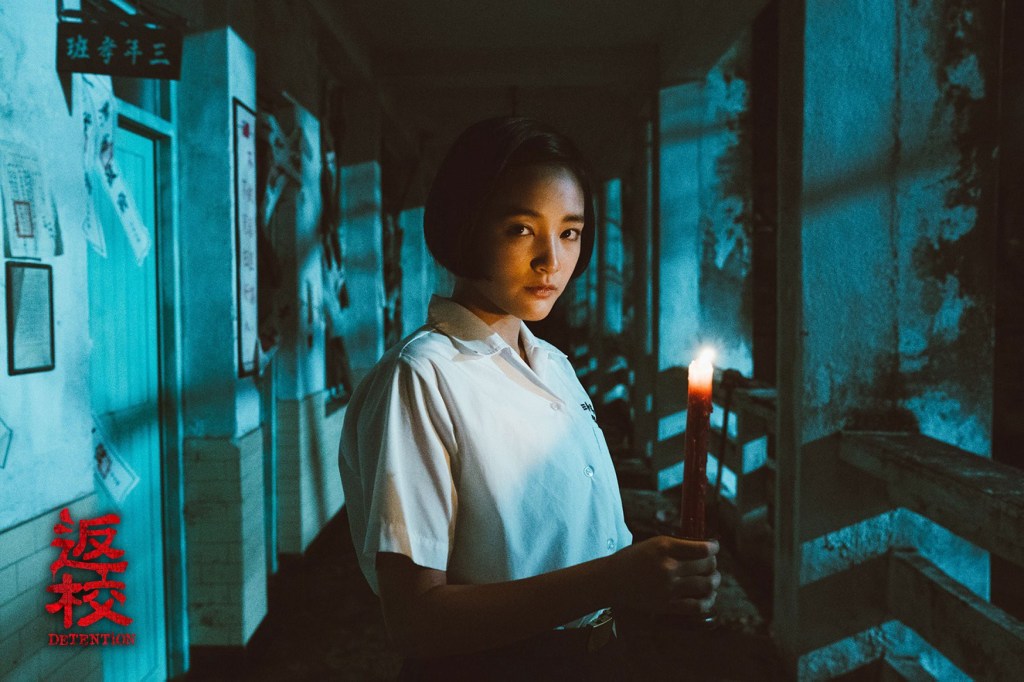
Based on a popular survival horror video game, Detention’s first hero is idealistic student Wei Zhong-ting (Tseng Ching-hua) who we quickly learn was picked up and tortured by the military police for reading books banned by the regime as part of an underground club run by two of his teachers – mild-mannered artist Zhang (Fu Meng-po) and stern musician Yin (Cecilia Choi Sze-wan). Set in 1962, the film finds itself at the height of the “White Terror”, a period of martial law which lasted for 38 years, during which any resistance real or perceived towards Chiang Kai-shek’s Kuomintang government was brutally suppressed with thousands tortured, imprisoned, or killed by the regime.

Wei finds himself in a lucid nightmare, trapped in his school building which has become derelict and seemingly abandoned while cut off by a raging flood. Gradually he starts to piece together memories of what must have happened, realising that his fellow club members seem to be absent and something must have happened with the military police. While in the school he runs into a fellow classmate, Fang Ray-shin (Gingle Wang Ching), though she doesn’t quite seem to remember him. Having apparently fallen asleep and woken up in this nightmare world, Fang seems even less clear about what’s going on than Wei but desperately wants to find their teacher, Zhang, with whom, we learn, she has fallen in love. 

Plagued by horrifying visions that maybe repressed memories or simple nightmares, the pair are chased by giant monsters dressed in KMT uniforms standing in for the terror of living under an authoritarian regime. Only, these particular nightmare soldiers are literally “faceless” in that their hollowed out skulls, which themselves sit on fetid, rotting corpses, are filled only by a mirror making plain that the faces of the “faceless” regime are our own. Fang and Wei become convinced that someone has betrayed them by giving one of the illicit books to arch militarist teacher Inspector Bai, but they can’t be sure who it was, finally doubting even themselves in their inability to remember the exact circumstances which brought them here. 

Flashing back to the “real” world, we discover that one sort of oppression cannot help but lead to others. Fang’s father is a respected soldier and supporter of the ruling regime, but he’s also abusive towards his wife, enforcing a rule of fear and violence even within his own home. Her mother has taken to religion in order resist him, regretting her marriage and furiously praying that he will soon be “gone for good”. “Gone for good” becomes a kind of mantra for others straining to free themselves from obstacles to their desires. Fang learns all the wrong lessons from her parents, allowing herself to be corrupted by their twin failures – her father’s in being a willing participant in the oppression of others, and her mother’s in subverting the world in which she lives in an attempt to free herself from violence. 

Yet, as Zhang later tells her, no one is really at fault because they are all victims of the oppressive rule of the KMT. The ruined schoolhouse becomes a kind of repository for the orphaned memories of a forgotten past. You can tear it down and build a fancy apartment complex over the top, but the ghost of authoritarianism is always lurking on the horizon, and capitalist success will not safeguard your freedom. Those left behind have to tell the story so  this never happens again because those who fail to learn from history are doomed to repeat it. Zhang imagined himself a narcissus, living in his own world without caring what other people thought and claiming that the solidarity of silent understanding is the best cure for loneliness, but he lived in times in which he had no freedom in which to live, sacrificing his own future to become the selfless roots of emancipation blooming only for those who will come later.


Detention screens in Amsterdam on March 5/7 as part of this year’s CinemAsia Film Festival. It will also screen in Chicago on March 26th as part of the 10th Season of Asian Pop-Up Cinema.

Original trailer (English subtitles)
Asian Pop-Up Cinema Returns for Season 10!

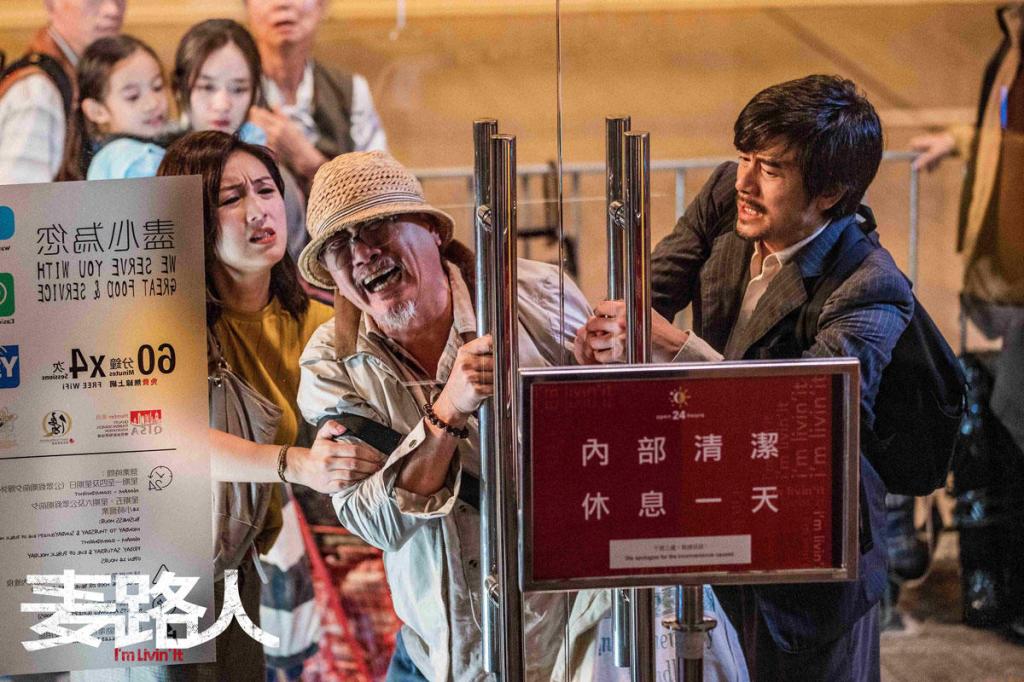
Chicago’s Asian Pop-Up Cinema returns March 10 to April 9 with another handpicked selection of the best in recent East Asian cinema! This landmark 10th Season kicks off with Aaron Kwok homelessness drama i’m livin’ it which is nominated in 10 categories at this year’s Hong Kong Film Awards, and closes with Yukiko Mishima’s much anticipated romantic drama Shape of Red.

March 10, 7pm: i’m livin’ it

Introduction and Q&A with Director Wong Hing Fan and Actress Kathy Wu

Receiving 10 nominations at this year’s Hong Kong Film Awards including all the major categories, i’m livin’ it stars Aaron Kwok as a once successful banker who has unexpectedly become homeless and spends his nights in a 24hr fast food restaurant among others facing similar difficulties.

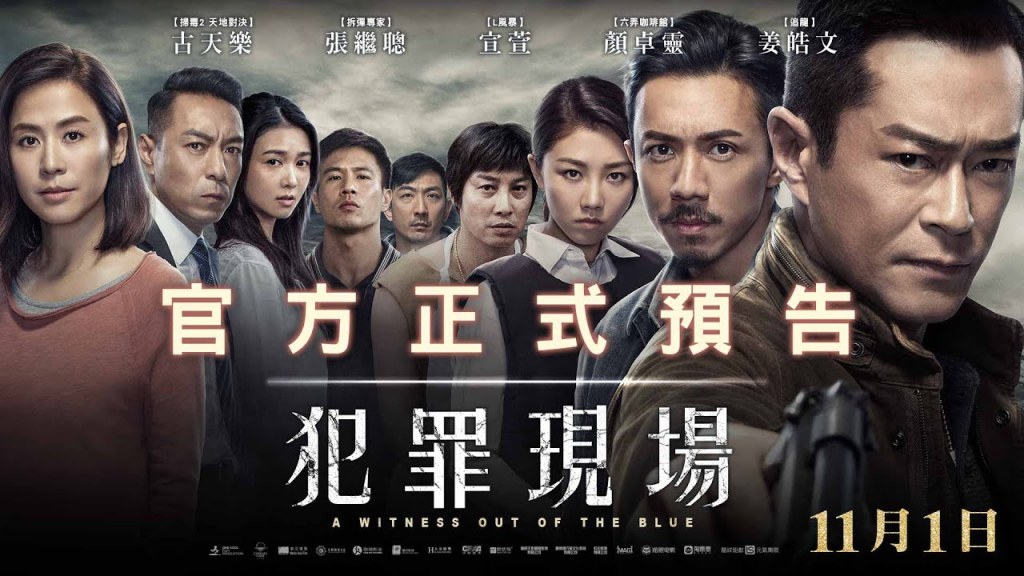
March 11, 7pm: A Witness Out of the Blue

Introduction and Q&A with Director Fung Chih-Chiang

A detective finds himself investigating a murder in which the only witness is a parrot! Louis Koo is up for best actor at the Hong Kong film awards for his role as the prime suspect while Philip Keung also gets a nod for best supporting as a senior detective.

March 12, 7pm: First Night Nerves

Stanley Kwan’s starry drama pits two warring divas against each other in a battle for the spotlight as they rehearse for a new play penned by a transwoman who struggles to find acceptance in the surprisingly conservative theatre industry. Review.

March 14, 2pm: Men on the Dragon

A collection of dejected middle-aged men can no longer avoid facing their respective crises when forced to participate in the company dragon boat team in Sunny Chan’s heartfelt comedy drama. Review.

March 16, 6.30pm: A Touch of Spring

Introduction and Q&A with Director He Xiao-Dan

Following the breakup of her marriage, a young woman decides to return to her hometown in China after living in Montreal for 10 years. Reconnecting with her family and an old flame helps to show her new direction in her life.

March 18, 7pm: Red Flowers and Green Leaves

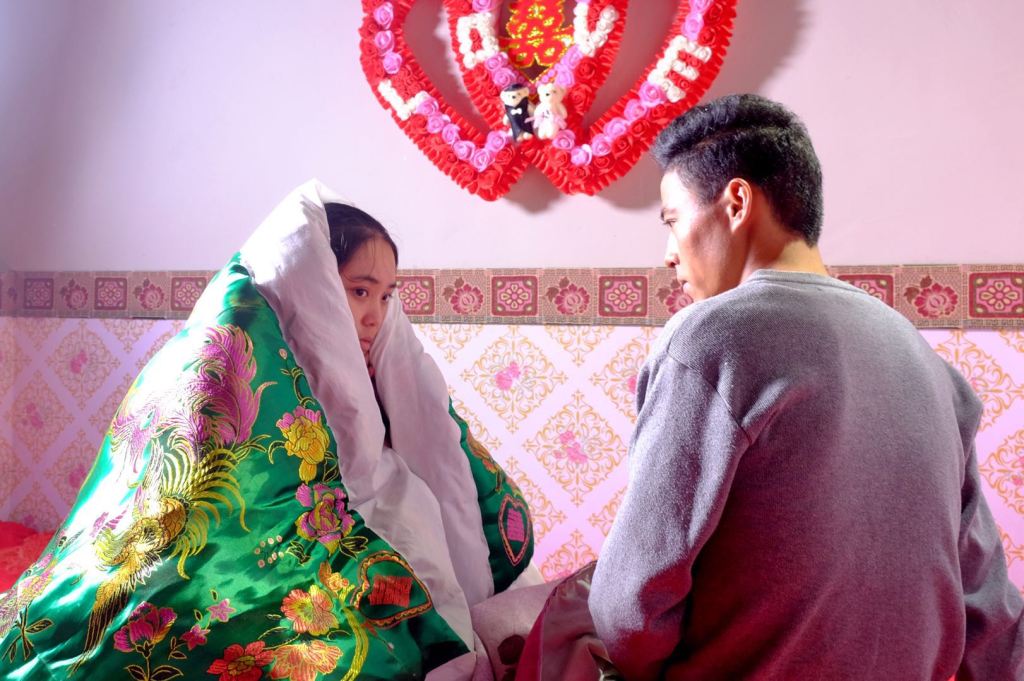
A young man who assumed he’d never marry because of a longterm illness suddenly finds himself with a beautiful wife through an arrangement made by his family.

March 19, 7pm: 3 Adventures of Brooke

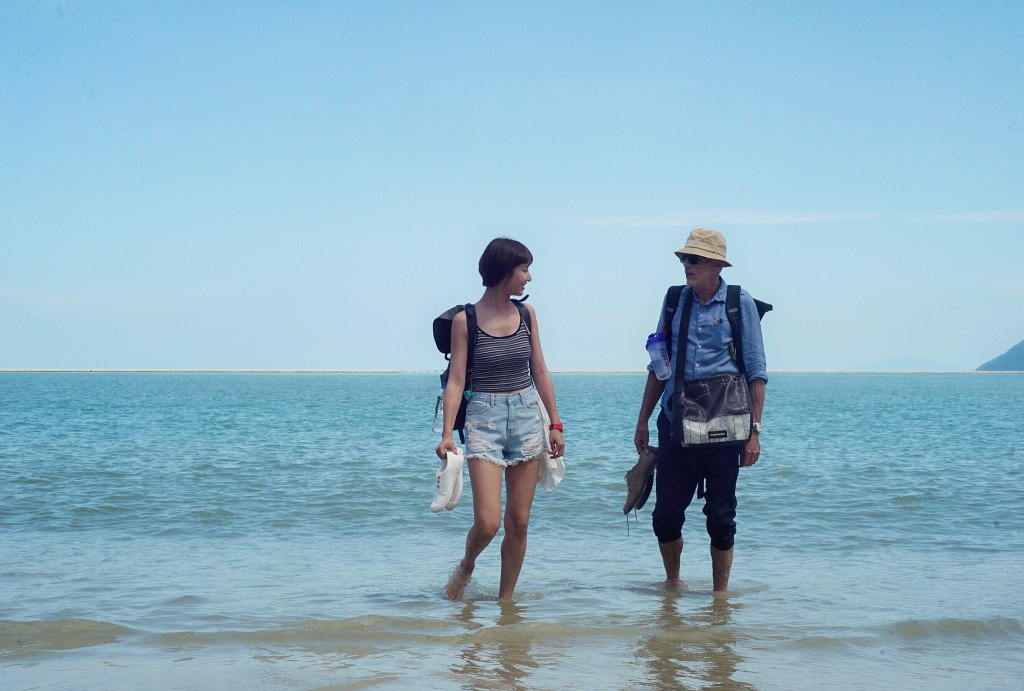
A young Chinese woman has three very different adventures while traveling in Northern Malaysia, trying on different identities as she encounters different people.

March 21, 7pm: Vanishing Days

Zhu Xin’s debut feature follows a little girl, Li Sen-Lin, who loses her pet turtle while her dad is away on business. Overhearing other relatives talk about an alternate “Sen-Lin”, she begins to wonder if her aunt is really her mother.

March 25, 7pm: We Are Champions

Introduction and Q&A with Producer Rachel Chen and Actor Berant Zhu who will also pick up the Bright Star Award before the screening.

Taiwanese sporting drama in which teenage brothers attempt to change their fates through success on the basketball court.

March 26, 7pm: Detention

Lonely high schooler Fang falls for guidance councillor Zhang who alone seems to understand her. She joins his secret study group to read banned books, but Zhang soon “disappears” while only Fang and another student seem to remember him in this gothic horror set during Taiwan’s repressive martial law period.

April 1, 7pm: Vertigo

Introduction and Q&A with Director Jeon Gye-Soo

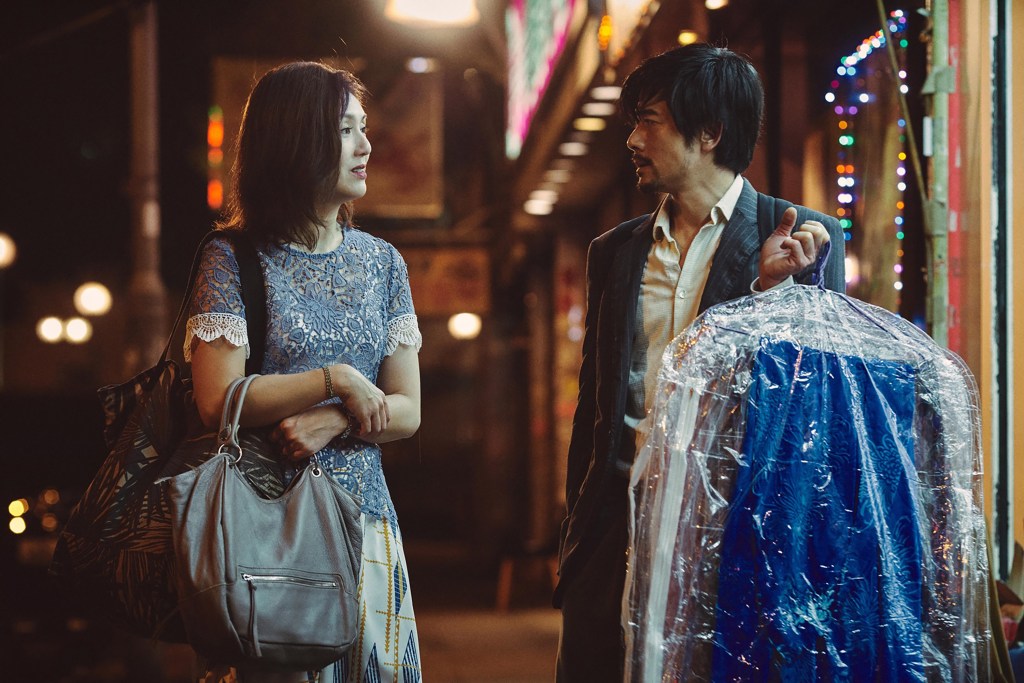
A woman in her 30s begins to feel a sense of existential vertigo, trapped in a dead end relationship with a feckless boyfriend while worrying that her career is going nowhere either. Then, she meets a tightrope walking window cleaner.

April 2, 7pm: Paper Flower

Introduction and Q&A with Director Koh Hoon and Actor Ahn Sung-ki who will also receive the Career Achievement Award.

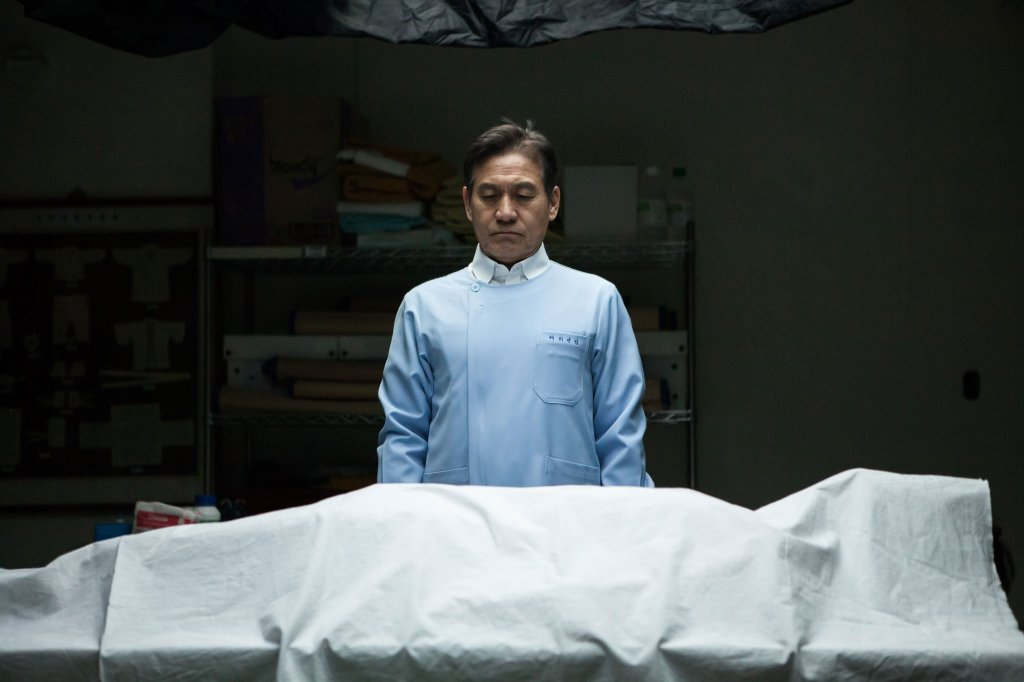
A funeral director struggling to care for his sickly son bonds with a cheerful single mother while going against the city to assist in a public funeral for a noodle stall owner who became a hero to the homeless.

April 4, 7pm: Life Finds a Way

Introduction and Q&A with Director Hirobumi Watanabe

Hirobumi Watanabe once again stars as a version of himself as he experiences a creative crisis as a director while hanging out with his elderly grandmother in sunny Tochigi.

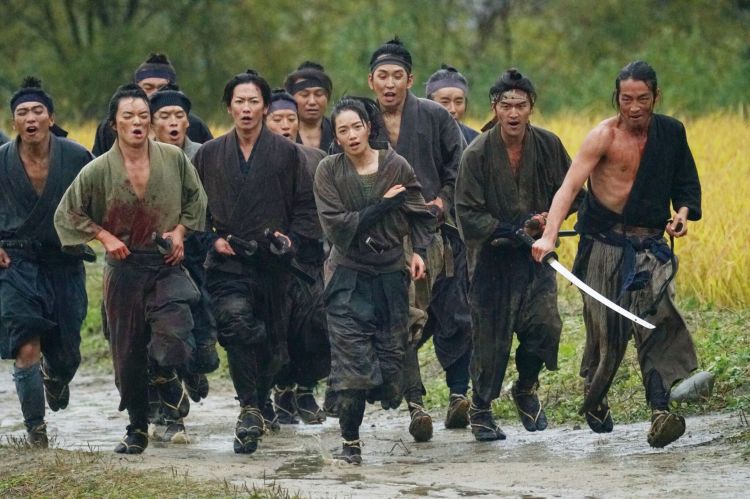
April 8, 7pm: Samurai Marathon

A small fiefdom is thrown into crisis when a ninja spy mistakes his lord’s intentions to toughen up his men as a prelude to rebellion in this unusual samurai drama directed by Bernard Rose. Review.

April 9, 7pm: Shape of Red

Kaho stars as a happily married woman who embarks on a passionate affair with an old flame (Satoshi Tsumabuki) in Yukiko Mishima’s steamy adaptation of the novel by Rio Shimamoto.

Asian Pop-up Cinema Season 10 runs in Chicago from March 10 to April 9. Full details for all the films are available via the festival’s official website where tickets are already on sale. You can also keep up with all the latest news by following Asian Pop-up Cinema on FacebookTwitterInstagram, and Vimeo.