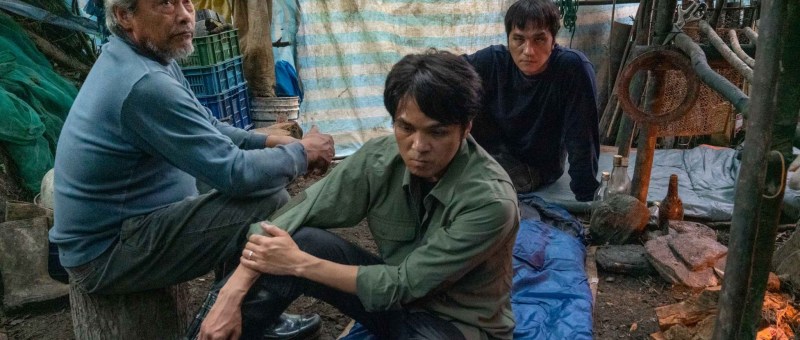
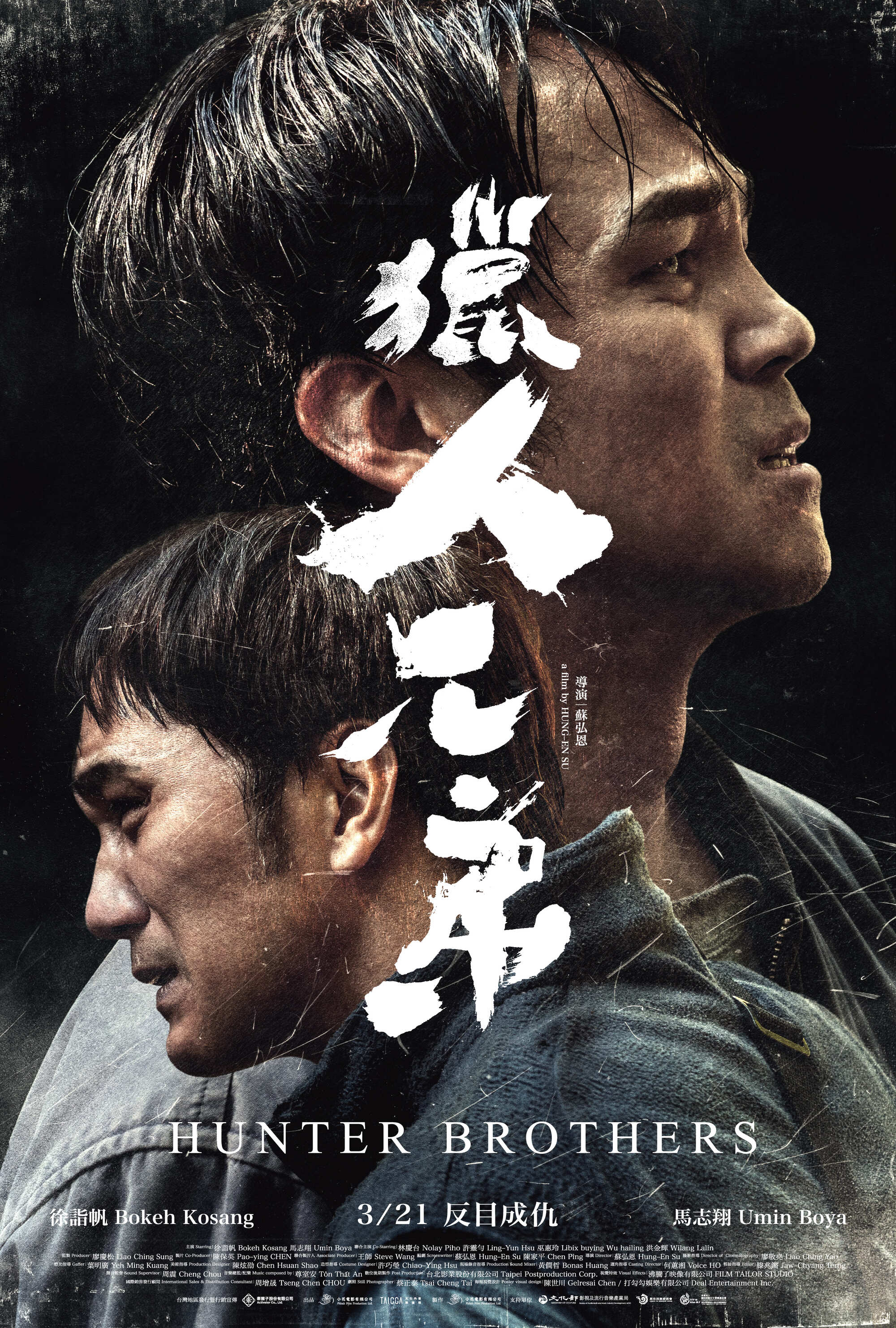
Two brothers find themselves on opposite sides of tradition and modernity as they descend into a state of warfare over the future of the ancestral hunting grounds in Su Hung-en’s familial drama, Hunter Brothers (獵人兄弟). Exploring the complicated position of the indigenous community marginalised by an increasingly capitalistic urbanity the film also critiques contemporary visions of masculinity in the wider society as the brothers each try to find new ways of defining themselves amid changing notions of manly success.
In the opening scenes of the film, Teymu celebrates the fact that his son, Yuci, has become a doctor because now he will never have to do manual labour and will have a more comfortable standard of living. But in private, Teymu seems upset. He feels as if he has failed the ancestors because in the eyes of their community, Yuci is not a proper man. Many people tell him that he is “not cut out to be a hunter,” and he has no desire to be one anyway, but still suffers from a serious inferiority complex and wounded male pride. To find some kind of answer, Teymu forces Yuci against the wishes of his mother to accompany him to the mountains for one last hunting trip to prove himself by killing a wild boar and finally validating Teymu’s own fractured sense of masculinity that his son is indeed a “proper man.”
It’s during this trip that Teymu is killed in mysterious circumstances. Yuci’s brother Siring ends up going to prison for the crime, but unlike him had been more of the son his father wanted. Yuci had been clever and studious, but Siring is more of a traditional mountain man who lives for the hunt and has a very unreconstructed sense of masculinity. But he also loved and understood his brother, knowing this life wasn’t for him and trying to protect him from their father who was in other ways a failure. Teymu drank and was violent, objecting to his wife’s attempts to stop him taking Yuci to the mountain by threatening her and using incredibly offensive language. Yuci’s reaction against this traditional society is also towards his father and everything he represented. But this traditional world is the only one a man like Siring can live in. He has no real qualifications or other skills and cannot survive outside of their community. On his release from prison, Yuci is keen for him to get a job and against his return to hunting, but it soon becomes clear that isn’t a way that Siring can live.
In that respect, they represent opposing polls. Yuci is the modern man of science, a doctor, while Siring is a man of the forests and mountains, Then again, Yuci is a devout Christian and his religion also seemingly a challenge to traditional indigenous practices though also alien to the mainstream society. The boys’ mother is living with dementia and those around them tell Siring that she has most likely been cursed by the ancestors who are angry with them for doing something “dishonest” which might be why she starts insisting Yuci go to the police and that they made a bad decision that should be put right. Yuci, for his part, does not appear to feel guilt for the role he may have played but is anxious that the life he’s built for himself in which is accorded a man by his career success, marriage, and fathering a son, may now crumble if Siring will not fall into line.
Tensions come to a head when Yuci decides to sell their ancestral hunting grounds which are earmarked for a development that would destroy the mountain altogether. Siring obviously objects, this world is the only one he can live in, but can do little about it. He resists his brother’s modernity and becomes estranged from him, but they are both in their way exiles and neither of them can fully live in this society. The natural affection they hold for each other as brothers is not enough to bridge this divide and merely leaves each of them lonely and alone, mired in futility and unable to move forward in any meaningful way. The ebb and flow of their lives is reflected in the way they are alternately called by their indigenous names and Mandarin equivalents, each of them living in two worlds but never really at home in either while fever divided from themselves.
Hunter Brothers screens in Chicago 29th March as part of the 19th edition of Asian Pop-Up Cinema.
Trailer (Traditional Chinese / English subtitles)


 Windows on Worlds