 A society says a lot about itself in the way it treats its villains. Chun Doo-hwan was a brutal dictator who came to power as a result of a violent counter coup which encompassed the now notorious murder of ordinary citizens by agents of the state in Gwangju in May 1980. Chun’s reign eventually came to an end with the successful conclusion of the democratisation movement which gave birth to the modern democratic state of South Korea that is, at present, in the aftermath of dealing with another unpopular leader deposed through peaceful, democratic means. Though originally sentenced to death Chun’s punishment was later commuted. He has never paid the massive fine that was imposed upon him as symbolic recompense for his acts of terror and vast web of corruption. .
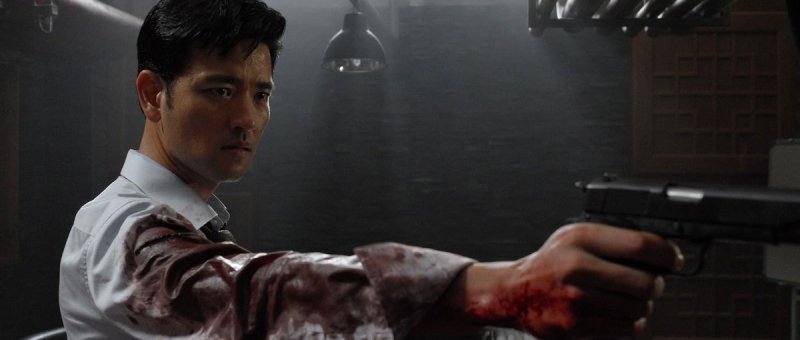
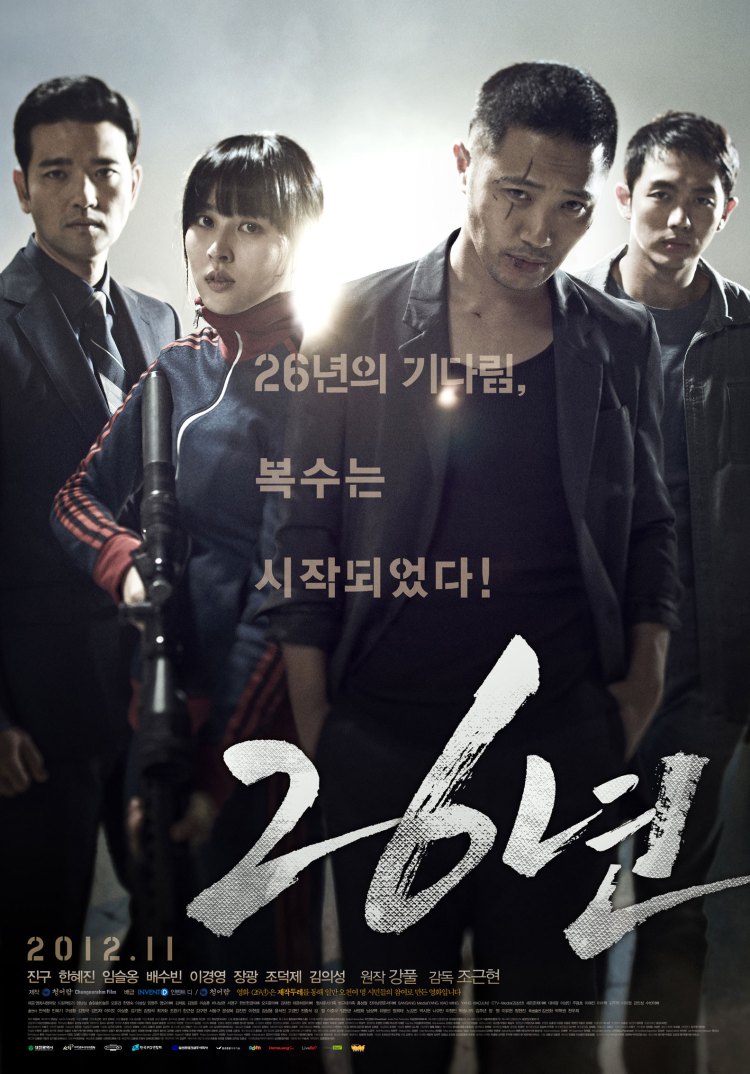
The five men and women at the centre of 26 Years (26년, Nyeon) have not forgotten the face of Chun Doo-hwan (Jang Gwang), identified only as “that man”, and are among the many frustrated by his refusal to take responsibility for his actions. A former soldier remorseful for his role in the events (Lee Geung-young) recruits an olympic sharpshooter (Han Hye-jin) whose mother was killed by a stray bullet, a gangland thug (Jin Goo) whose father was tortured and murdered by security forces driving his mother into madness, and a policeman (Im Seulong) who lost his sister running away from a demonstration, as well as his son (Bae Soo-bin), to assist in a plan to force the former general to apologise for his crimes and, if he refuses, enact their own justice.
Spoilers aside, Chun Doo-hwan is still very much alive and the events of 26 Years are inspired by an entirely fictionalised webmanga though it is true that Chun lives in an L-shaped compound protected by perimeter walls and a small army of police and security forces presumably at great cost to the Korean tax payer. He has never apologised for his actions regarding the Gwangju massacre and continues to blame the “rioters” in insisting that the soldiers had no choice but to fire back in self defence. That such a politically sensitive film could be made about a figure who is still alive, let alone that it would become a major box office success and crowd funding phenomenon is a small miracle in itself but speaks to the deep rift this troubled period of recent history provokes in the minds of the contemporary society.
First time director Cho opens with the events of 1980 but in highly stylised animation rather than live action. There is something in the sketchy quality of the artwork that perfectly evokes the ambivalence of the entire enterprise, of not quite wanting to look at events which are so hard to see. See we do as bystanders are cruelly struck by stray bullets, soldiers panic and shoot, and the left behind search desperately for their missing loved ones but find only tragedy and pain. Reverting to live action for 1983 onwards, Cho then takes us through the next 20 years noting landmarks as he goes – the ever present terror of Chun on TV screens everywhere, his eventual fall and the restoration of democracy, Chun’s pardoning and eventual yet accidental house imprisonment for his own security.
The wounds remain unhealed, festering without resolution. While protestors make their voices heard, a room full of supporters fall to their knees before a resurgent Chun standing proud before them. Chun remains unrepentant, cruelly so in Cho’s dramatisation, shaking off the body of a fallen bodyguard like a slobbering dog, caring nothing for his people and thinking only of his own survival.
Cho keeps the tension high as the small band of traumatised youngsters attempts to confront their nation’s difficult history head on, finding both resistance and camaraderie yet fighting internal conflict all the way. Avoiding easy answers, 26 Years is among the most direct attempts Korean cinema has made to reckon with the traumatic recent past, mixing high octane action with a melancholy consideration of the effects of a national trauma but it also finds itself in a moment of indecision, refusing the ending narrative demands in favour of an intake of breath followed by a weary exhale of weighty resignation.
Currently available to stream via Netflix.
Original trailer (English subtitles)

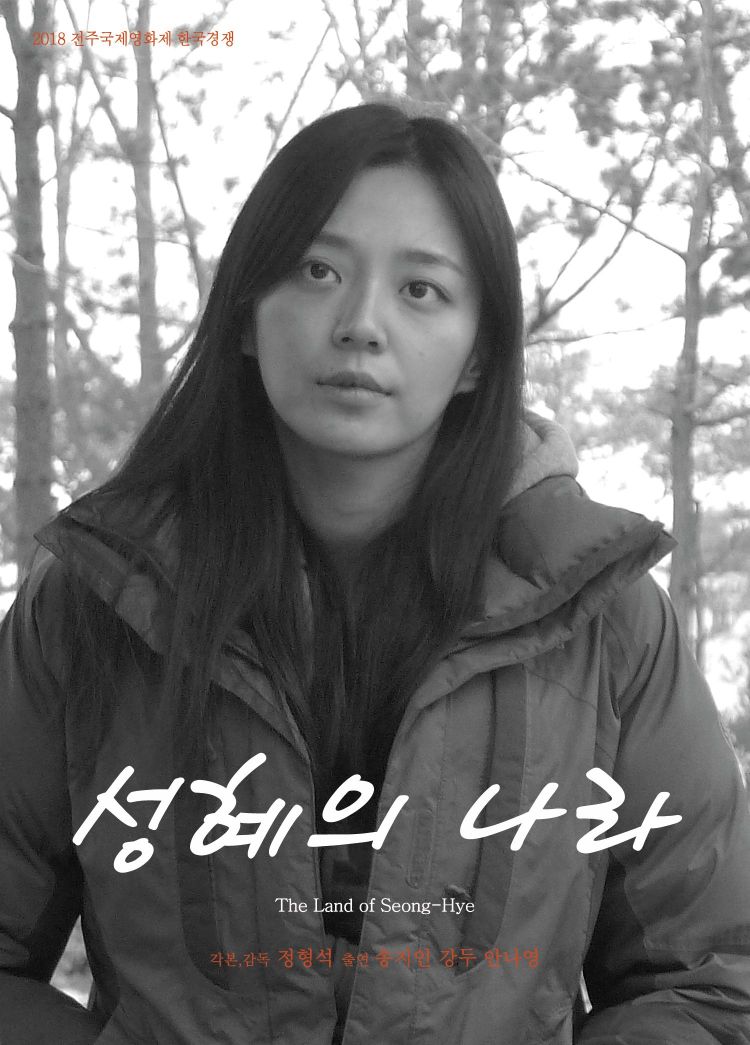



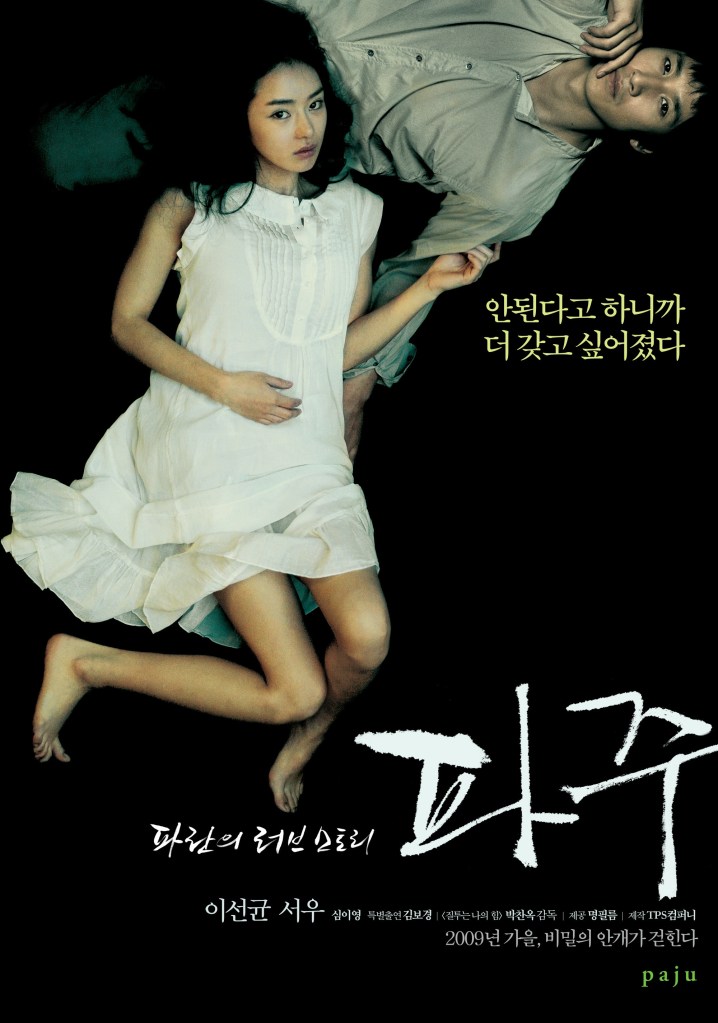 Paju (파주) is the name of a city in the far north of Korea, not far from “the” North, to be precise. Like the characters who inhabit it, Paju is a in a state of flux. Recently invaded by gangsters in the pay of developers, the old landscape is in ruins, awaiting the arrival of the future but fearing an uncertain dawn. Told across four time periods, Paju begins with Eun-mo’s (Seo Woo) return from a self imposed three year exile in India, trying to atone for something she does not understand. Much of this has to do with her brother-in-law, Joong-shik (Lee Sun-kyun), an local activist and school teacher with a troubled past. Love lands unwelcomely at the feet of two people each unable to make us of it in this melancholy coming of age tale shot through with tragic irony.
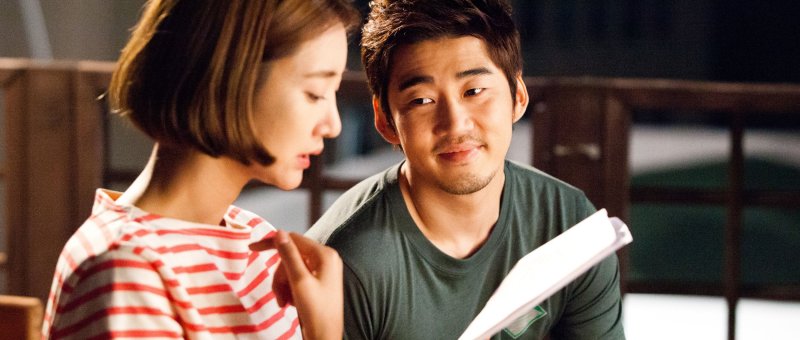
 There are three kinds of actors – those who wait for roles, those who choose roles, and those who make roles for themselves. Ageing actress Go Ju-yeon (Kim Hye-soo) claims to be the third type, but at any rate she’s currently between gigs and facing professional scandals and personal crises from each and every direction. An unusual family drama, Familyhood (굿바이 싱글, Gotbai Singkeul, AKA Goodbye Single) is the coming of age story of a middle aged woman finally forced into adulthood through an unlikely friendship with a pregnant teenage girl.
 Windows on Worlds