Ne Zha 2 (哪吒之魔童闹海, Jiaozi, 2025)

By the end of 2019’s smash hit animation Ne Zha, the titular hero (Lü Yanting) and his opposite number Ao Bing (Han Mo) had figured out that they were two halves of the same whole and were much better off fighting alongside instead of against each other, but even after getting their physical forms reconstituted with the help of a little lotus flour, they discover that the evil Shen Gongbao (Yang Wei) isn’t done yet. The first film may have been in its way subversive in the hero’s bold assertion that he will defy his fate and define his own identity, but Ne Zha 2 (哪吒之魔童闹海, Nézhā zhī Mó tóng nào hǎi) takes things a step further as Ne Zha comes to discover that not even the Heavens are free of corruption or prejudice.

Indeed, it’s this idea of prejudice which lies at the heart of the film for even if Ne Zha had won the hearts of the townspeople by saving Chentang Pass in the first film, he realises that there are some among the immortals who wish to erase all demon kind. The conclusion he eventually comes to is that demon and immortal are arbitrary terms used to control those who are different. He’s sick of hiding his demon nature and thinks it’s time he reveal himself to the world while fighting the injustice that’s taken over the Heavens in the Master’s absence. 

Meanwhile, his desire to break free of oppressive authoritarianism is symbolised in his breaking Wuliang’s (Wang Deshun) cauldron and freeing those inside who were otherwise to be turned into pills of immortality and fuel the heavenly economy. While he and Ao Bing resolve that the real enemies are those who bully the weak and bring evil to the world, the villains insist that siding with the strong is the only way. Ne Zha and Ao Bing’s response to this is to insist that if there is no place for them, they will create it for themselves and if they are not accepted they will change people’s minds. As they later say, they are young and have nothing to fear echoing a spirit of resistance among contemporary youth confronting an oppressive and authoritarian society.

Then again, a key feature of Ne Zha’s goodness is his love for his parents and desire to be a “good son” by traditional standards. It’s clear that even Ao Bing’s father the Dragon King of the East, Ao Guang (Li Nan / Yu Chen), acted only in the best interests of his son and has otherwise been framed by ambitious forces around him who decided they were better off entering a more active partnership with a corrupt authority rather than appease them by accepting their oppression. Even so, both sets of parents eventually tell their sons that they should now follow their own paths and do what they think is right. The world is no longer as was is when they were young, and they are not well equipped to understand these problems nor to solve them. If the Heavens are to be purified once again, it will be up to Ne Zha and Ao Bing to do it.

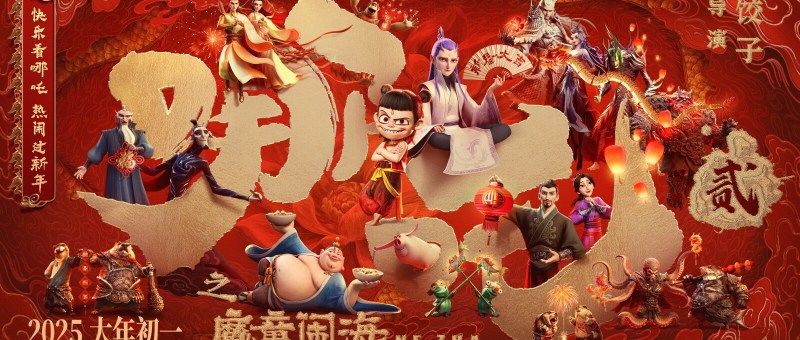
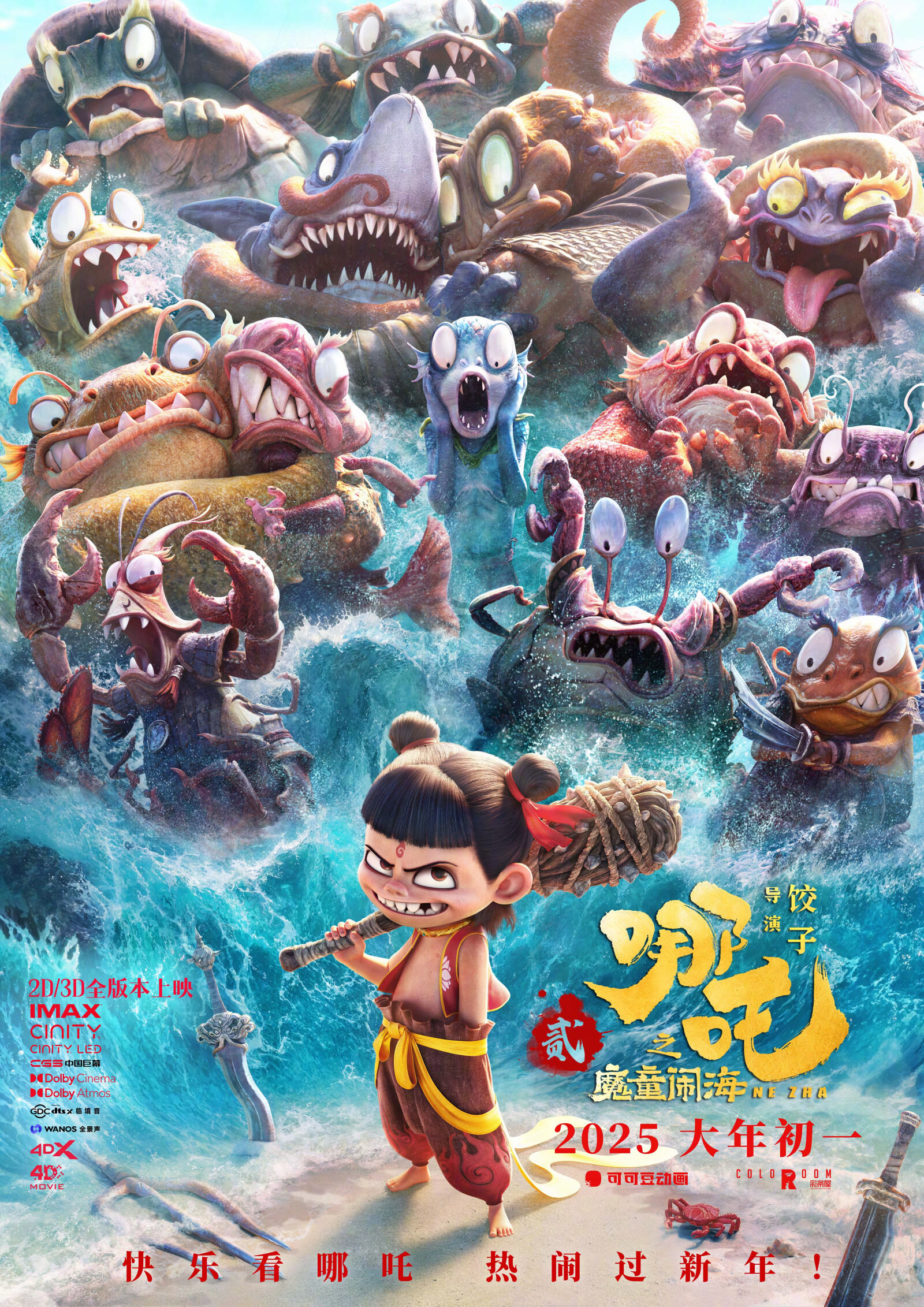
Aside from this more series and potentially subversive message about asserting one’s identity and challenging authoritarianism, the film has a lot of fun with its anachronistic worldview as drunken Taiyi Zhenren (Zhang Jiaming) struggles to remember the password to open the lotus before remembering he can use a fingerprint instead, while another villain later runs into a problem trying to open a door that works by face recognition because he’s sporting so many bruises and swellings after getting a beating from Ne Zha. He then realises he’ll have to wait another 10 years to try again because he cursed the technician for laughing at his ridiculously battered face. The film’s action sequences are also tremendously well animated and exciting as Ne Zha’s parents try to fight off the demon hordes which mainly consist of the “Monsters of the Abyss,” various sea creatures such as octopuses and sharks that were previously held in check by the Loongs but have now been set loose because of a dragon queen’s ambition. In any case, improving on the original the sequel maintains its quirky humour and charming worldview while doubling down on its surprising messages of acceptance and diversity as Ne Zha and Ao Bing prepare to forge their own paths and fight for justice to clear the Heavens of their corruption.


Ne Zha is in UK cinemas now courtesy of CineAsia.

UK trailer (English subtitles)
Ne Zha (哪吒之魔童降世, Jiaozi, 2019)

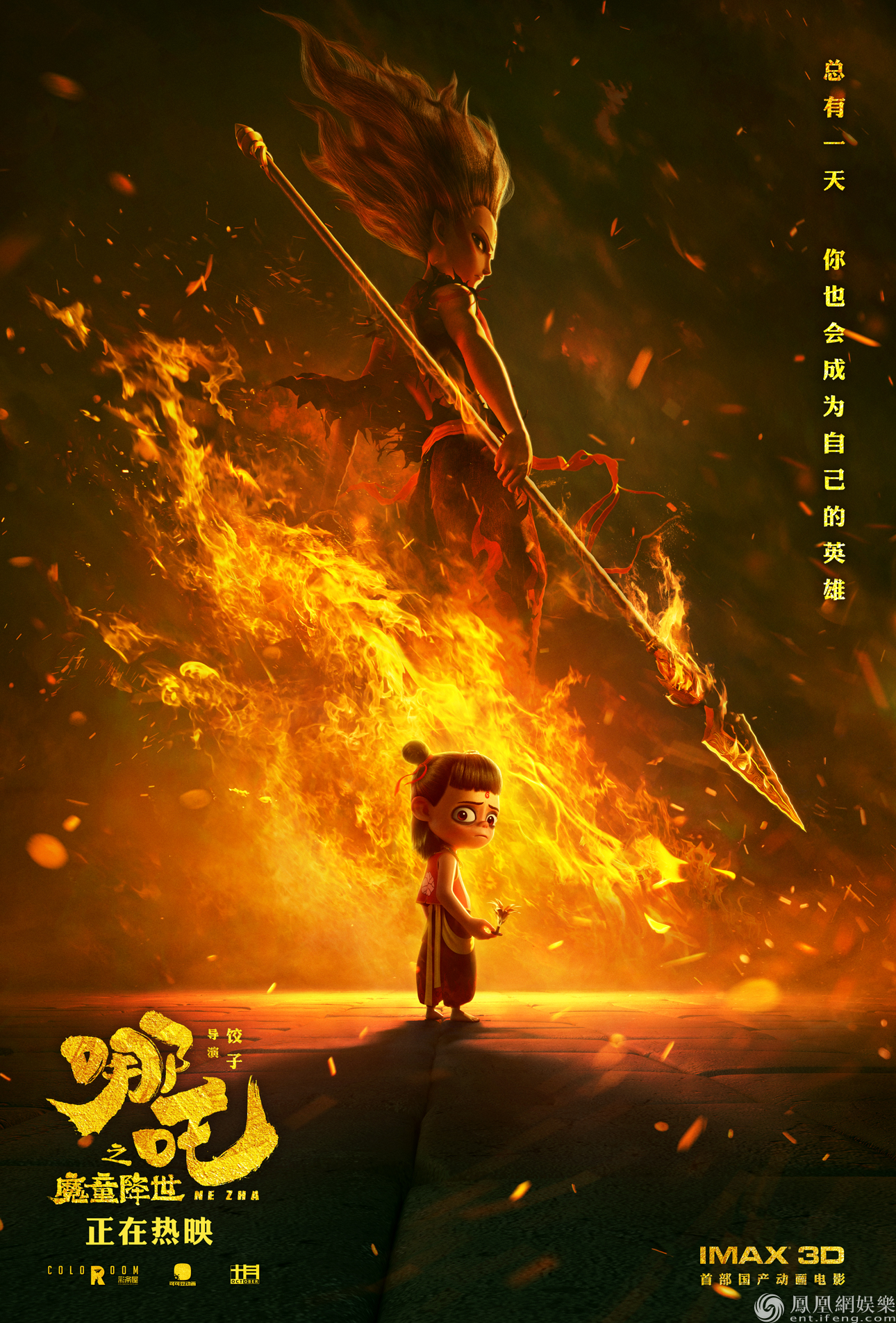
2755835c-570e-44bc-b2f2-515f706369bd_64fa474eb6b5a53c36be9bcd9311f283ce949be6_w1290_h1905Can you choose who you are, or is your identity constructed by accidents of birth and the society all around you? It’s a complicated question and even more so if you happen to have been born part demon thanks to a cosmological mixup. An origin movie of sorts for the titular hero familiar to most from classical Chinese folklore, Ne Zha (哪吒之魔童降世, Nézhā zhī Mótóng Jiàngshì) asks just that through the story of an extremely naughty, all powerful little boy who might be evil or just misunderstood and resentfully lonely because of the prejudice held against him by those fearful of his differences.

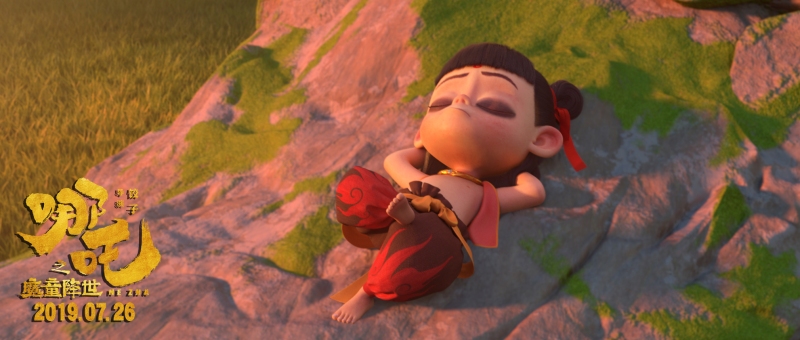
The trouble begins with the Chaos Pill which can pull power from sun and moon equally, threatening the integrity of the universe itself. Thankfully, the Heavenly King manages to split it into the Demon Pill and the Spirit Pill, enclosing both inside a lotus flower. He intends to send the Spirit Pill into the third son of general Li Jing (Chen Hao) and has put a curse on the Demon Pill so that it will be destroyed by lightening in three years’ time. Predictably nothing goes to plan because drunken deity Taiyi Zhenren (Zhang Jiaming) fails to stop the evil Shen Gongbao (Yang Wei) sending his minions in to steal the Spirit Pill and use it for his own ends. The Demon Pill ends up in the son of Li Jing, Ne Zha (Lü Yanting), who emerges from his mother’s womb as a bouncing ball of flesh before transforming himself into a small boy and proceeding to wreak havoc all over town.

Doting parents Li Jing and Madam Yin (Lü Qi) refuse to believe their son is all “bad” but recognise that they have a duty to the townspeople who are quickly fed up with Ne Zha’s antics and traumatised by years of being terrorised by “demons”. They would rather do away with the irascible little rascal, but could it be that he’s just bored and lonely? Given the increased demon threat, Madam Yin is often away slaying things and regrets she doesn’t have more time for her son while the other kids are afraid of him, both for quite rational reasons and also because his main way of making friends is quite mean. Increasingly resentful at being shunned as a “demon”, Ne Zha strikes back at the villagers in ways which are really just naughty rather than actually “evil” but obviously aren’t going to win him any friends.

Having failed to get help from the Heavenly Father who has predictably waltzed off for a bit as gods seem to do anytime there’s an actual problem in the mortal realm that they probably caused through inefficient planning, Li Jing decides to lie to his son that he’s really the Spirit Pill and has a duty to slay demons and help mankind. The deception begins to work. Imprisoned in a painting where Zhenren tries to teach him useful magic, Ne Zha takes his new responsibilities seriously, eventually escaping and trying to rescue a little girl who has been kidnapped by a water troll. Sadly, he goes about it all wrong and the townspeople embrace their prejudice to jump to the conclusion that he kidnapped the kid himself and has become even more dangerous.

Meanwhile, evil Shen Gongbao faces a similar problem as a deity shunned because he’s jaguar spirit who took human form. Allying with the villainous Dragons who have been given an ironic punishment to run a prison from which they can’t escape either, he gives the Spirit Pill to their bright hope Ao Bing (Han Mo) who, mirroring Ne Zha, struggles to accept his “evil” parentage and continues to do good and noble things behind his parents’ backs. Meeting by chance, the pair became friends but inevitably have to do battle before realising that they are two halves of one whole and thus represent a kind of salvation in linking hands rather than raising them.

Ao Bing, despite himself, is the more filial in that he thinks he has to accept the “destiny” his parents have given him as a liberator even if he doesn’t quite agree with their methods or reasoning. Ne Zha, by contrast, concludes that his fate is to resist his fate. He might not win, but he’ll fight it all the way and decide for himself who he is rather than allowing others to tell him. Genuinely funny, filled with amusing gags, and packed full of heart, Ne Zha is a gorgeously animated family fantasy and an impassioned advocation for living by your own principles while refusing to be bound by the unsolicited opinions of others.


Currently on limited cinema release courtesy of Cine Asia in the UK, and Well Go in the US.

Original trailer (English subtitles)