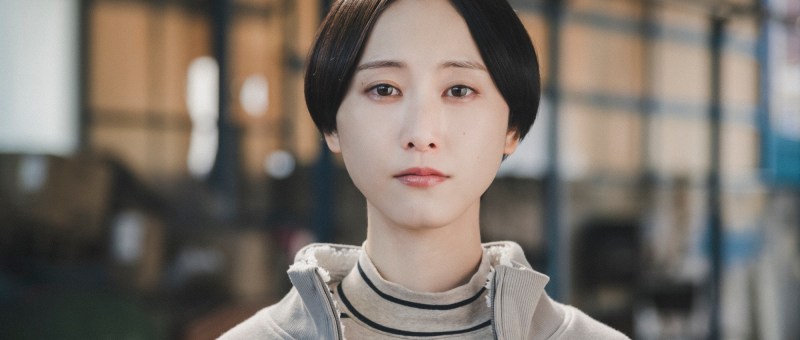
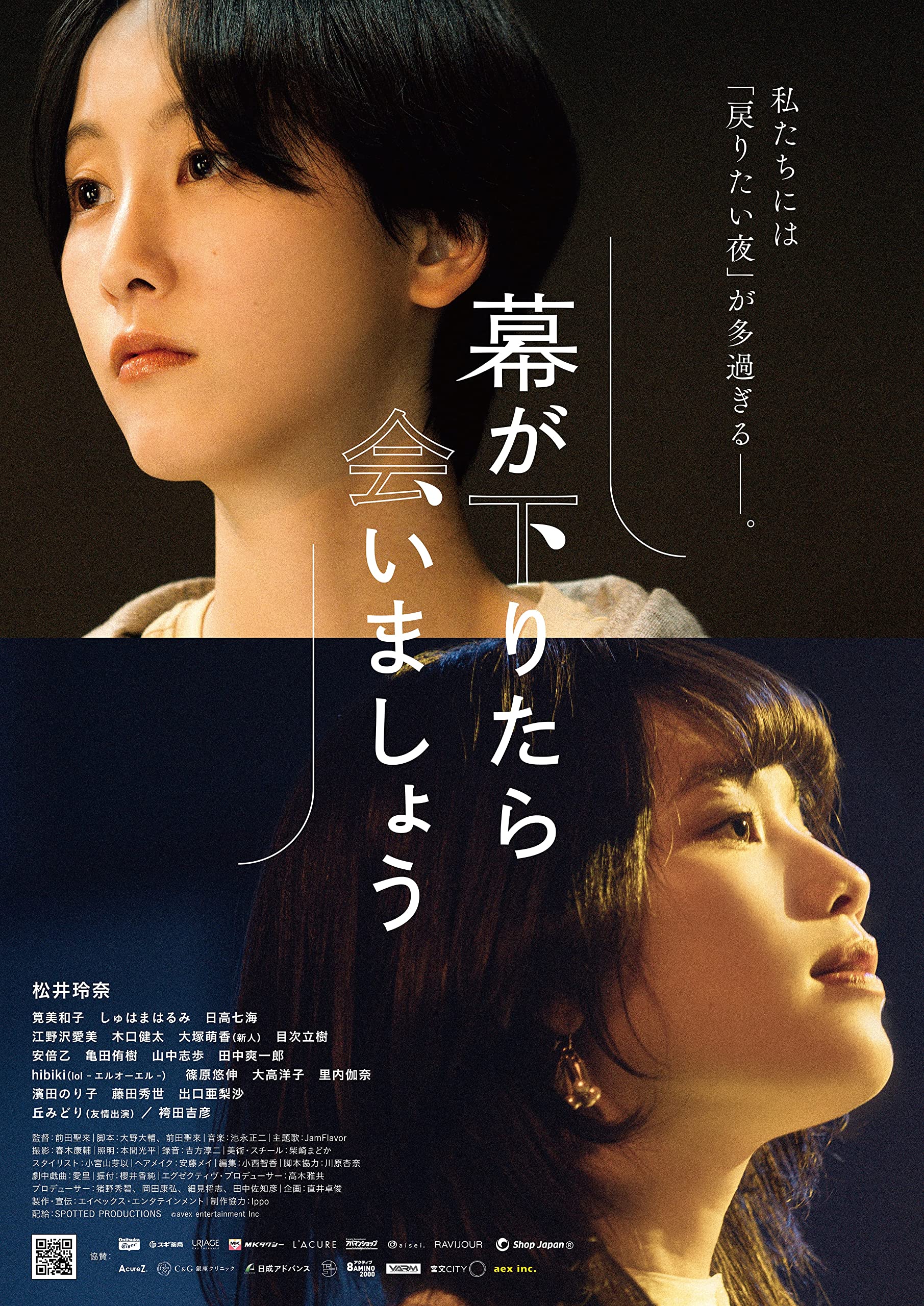
A young woman facing a life crisis is forced to reevaluate her relationships with art, friends, and family after learning that her estranged younger sister has suddenly passed away in Seira Maeda’s indie drama, Back to that Day (幕が下りたら会いましょう, Maku ga Oritara Aimasho). Facing a patriarchal society, the young women at the film’s centre wonder if it’s better to chase your dreams even if they won’t come true or contend with the unfair demands of contemporary salaryman culture in the hope of achieving conventional success and a comfortable life.
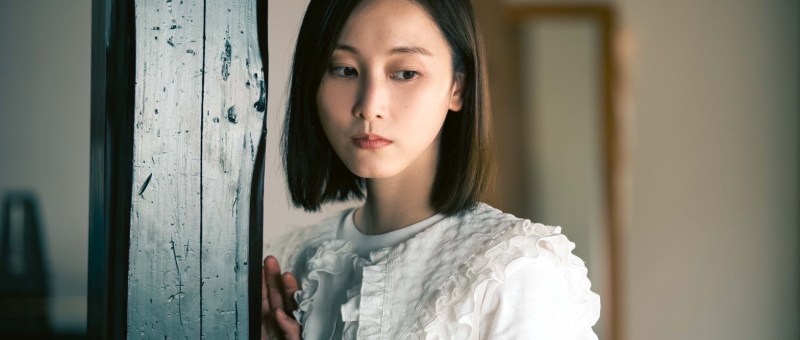
At around thirty, Manami (Rena Matsui) is beginning to lose patience with herself feeling that she’s achieved little in her career as a theatre director in the last 10 years while continuing to work part time at her mother’s hair salon. Her younger sister, Nao (Miwako Kakei), left abruptly for the city some time previously and the pair have hardly spoken since partly as we discover because of a high school falling out that continues to play on Masami’s mind in undermining her sense of confidence in her art.
The two women have in many ways chosen different paths, Nao striking out by heading to the city and getting a regular office job and Manami staying at home trying to make it work in theatre but finding herself treading water. On the night that Nao dies, the sisters mirror each other each black out drunk collapsed in the street but only one of them is alone which in the end perhaps makes all the difference. Out to dinner with members of her theatre troupe celebrating an engagement, Manami has far too much to drink, much more than than anyone else or than is really appropriate becoming embarrassing in her belligerence as she lays into even her closest friends while others wonder why they bother with the troupe at all now that most of them are ageing out of their carefree days, have full-time paying jobs and growing familial responsibilities to take of.
Nao, meanwhile as we discover, was pressured into drinking more than was wise by her boss at a semi-compulsory work do, an all too common form of power play in the contemporary working culture. Carrying her own share of guilt, Manami is alerted to this hidden source of her sister’s suffering by one of Nao’s colleagues, Mihashi (Manami Enosawa), who alone attended the funeral. Facing the same continued harassment, Mihashi is determined to confront her boss with the help of Niiyama (Kenta Kiguchi), an activist working on behalf of employees experiencing workplace bullying, but is later blamed herself with the implication that Nao drank on her behalf while she perhaps should have stayed to make sure she was alright before leaving for the last train. Her colleagues insist that Nao seemed cheerful and engaged with the party, while Manami and her actress friend Sanae (Nanami Hidaka) wonder if she wasn’t just playing the part, that in feeling disconnected from her family she wanted to feel accepted by those around her.
In an unexpected turn of events, however, Manami decides to not to take Nao’s employer to task or attempt to change a dangerous and outdated workplace culture but to try and make peace with difficult relationship they had through restaging the high school play that set them apart which as it turns out was actually written by Nao but for which Manami had taken credit. Along the way she’s led towards a more commercial path by the duplicitous Niiyama who turns out to be a bit of a sleaze and not much better than those he claimed to be challenging. What she discovers is that restaging Nao’s play may not be the best way to honour her, gradually working through her grief and guilt by writing an original piece inspired by their relationship while reconsidering herself and her life up to that point. Of course, in one sense, she reduces Nao to a plot device in the mere motivation for her own creative rejuvenation while partially letting herself off the hook in discovering a family secret that explains a lot about her difficult relationship with her mother but does at least allow her come to terms with her sister’s death in letting her burn out bright just as in the alternate ending she’d crafted for Anna Karenina as a woman driven to extremes by the strictures of her society.
Original trailer (no subtitles)




 Windows on Worlds