Aged 37 and recently divorced herself, lawyer Sachi (Yukino Kishii) listens to a man whose wife has evidently left him complain that what really soured him on her was that there was a dead bug in their living room that remained in the same spot for months on end, which indicated to him that his wife only ever swept the room as if it were round, literally cutting corners in their married life. He also complains that she only ever fed the children ready meals for dinner and they only ever had toast for breakfast. “I mean, would anyone call that a woman?” he rolls his eyes and sighs, expecting instant support from his legal team. It doesn’t seem to have occurred to him that he could simply have swept up himself or sorted breakfast and dinner, though he now brands his wife an unfit mother and seeks full custody, perhaps only as a means of hurting her or vindicating himself.
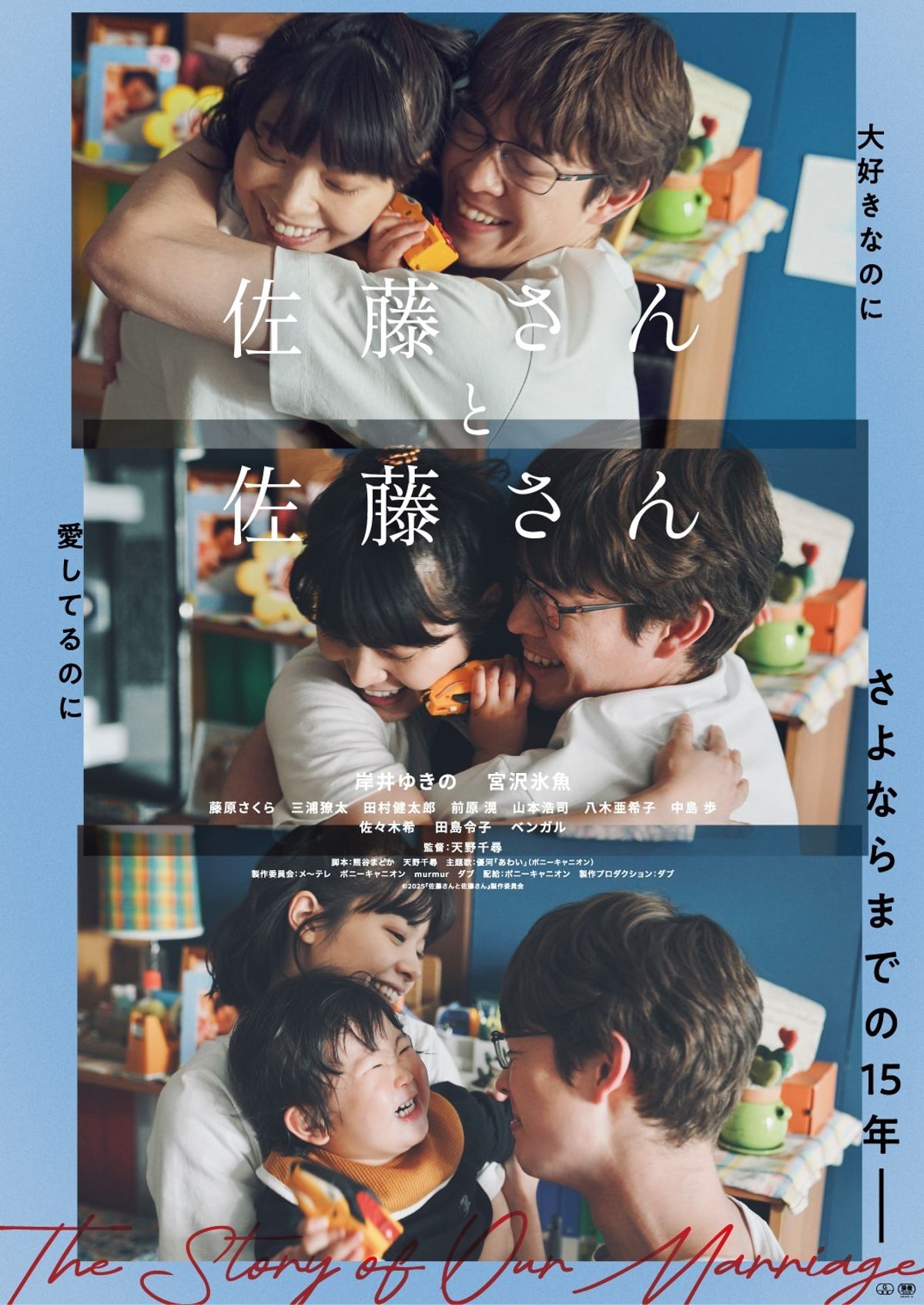
It’s this patriarchal take on the division labour that comes under the microscope in Chihiro Amano’s profoundly moving marital drama, Sato and Sato (佐藤さんと佐藤さん, Sato-san to Santo-san). Following the gradual disintegration of a relationship under the pressures of contemporary married life along with changing notions of gender roles, toxic masculinity, and the ways in which men and women navigate the domestic environment, the film seems to ask why it is that there isn’t more equality across the board, with practical and emotional responsibilities for the home still disproportionately falling on one partner.
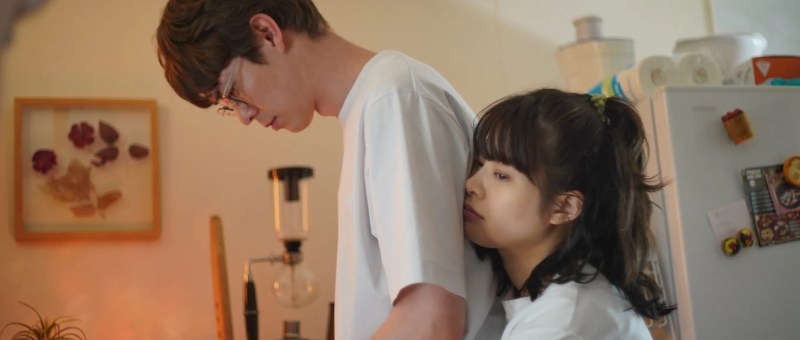
This is all is more obvious when Tamotsu (Hio Miyazawa) ends up becoming an accidental househusband after repeated failures to pass the bar exam. He and Sachi, who share a surname which is also the most common in Japan making them a pair of everypersons, met as members of the university coffee club and, in truth, seemed somewhat mismatched from the start. She just bought the deal of the day and had the beans ground there. He’s carefully researched the best on offer and had the beans roasted to perfection with the intention of grading them on the day for the best flavour. Depending on how you see it, perhaps they complement each other and round out the corners to become one whole, but, on the other hand, maybe they aspire to different things. Nevertheless, they become a happy young couple full of hope and expectation for the future. But their relationship is soured by Tamotsu’s failures, and only more so when Sachi says she’ll study for the bar with him only to end up passing herself when he again yet fails.
Of course, it’s embarrassing for Tamotsu on a personal level that he can’t pass the exam, especially when he’s so told so many people that he’s going to be a lawyer. He’s been putting everything else on hold, including his relationship with Sachi having put off meeting her parents until he’s passed out of fear he’ll disappoint them. The sense of inadequacy begins to eat away at him, especially after Sachi begins working as a lawyer and is taking care of most of their bills. The other men we meet in the film, especially Sugai who is being divorced by his wife of 50 years, stress their position as a provider, as if that were all they needed to do in order to fulfil their role and buy their wife’s devotion. But Mrs Sugai, who now refuses to see him, states only in a letter that living with him is unbearable and he all he ever did was shout at her so there’s no prospect of communication. Tamotsu too is further driven into despair by the thought that others see him as “unmanly” because he’s being supported by his partner, though in reality masculinity is a performance for other men and not really something most women care about. What begins to bother Sachi is not his failure, but that she feels as if he’s given up and is not really contributing to their relationship or seriously studying to pass the exam.
On a visit back to his hometown due his grandmother’s health crisis, starts to bond with a local woman and almost forgotten childhood friend who has herself escaped an abusive marriage but lost her children to her in-laws. He sees in her a more idealised kind of traditional wife, but after conplimenting him that his wife must be very lucky as he helps clear up at the bar where she works while all his friends doze off drunkenly, she gives him a rude awakening. He’s just like the others after all. He wants comfort, which is to say emotional labour from her, a woman he doesn’t really know, and the absolution sought by every man who says his wife doesn’t understand him. He wants to be told that he’s right and good, even while he blames Sachi and his domestic responsibilities for his inability to pass the bar. While talking with his old friends and hearing that his ageing father is planning to close their family farm, he starts to think about moving back and starting some sort of non-profit but as Sachi says when he puts it to her rather abruptly, he’s not really serious. Even if this sort of life might really suit him better, it’s not a decision he’s made after coming to the realisation that the bar exam is beyond him, but an attempt to run away not only from his failure but his domestic responsibilities.
But by the same token, even while the roles are reversed Sachi falls into many of the same traps as an insensitive husband. So busy with her own working life, she doesn’t really see things from Tamotsu’s perspective and is only irritated by what she sees as his failure to commit to one thing or another. He is annoyed when she does things like point out there’s no toilet paper or contemplates buying a washing machine to make his life easier, because really he doesn’t think these things should be his responsibility and suggesting they are makes him feel like less of a man. They can’t orient themselves around the idea of a marriage as a domestic partnership in which they split both domestic and external labour equally and are each responsible for the whole.
But then again, perhaps society isn’t ready for that either. Though Tamotsu does actually take care of the home environment and is the main caregiver for their son, Fuku, others still look to Sachi where a child is concerned. When they’re called into school because Fuku has apparently seriously injured another child in a squabble over building blocks, Tamotsu wants to ask more questions about how this happened, but Sachi immediately takes over and reassures the teachers she’ll make the necessary apologies to the other family, whispering in private that they’re all too busy to string this out which may not, of course, be very helpful in terms of Fuku’s further development. Conversely, when the pair are picked up by police after a violent argument in the street, the officer insists he has to write down “unemployed” even if Tamotsu says he’s a househusband, while when Sachi replies “lawyer” he assumes she’s trying to assert her right to legal representation and chuckles that she’s not under arrest so it isn’t necessary. She has to show him her lawyer’s pin to explain, and even then he just stares at them dumbfounded by their usual family setup.
Sachi’s friend Shino who consults her for divorce advice when her husband cheats on her, reflects that Sachi might have had it easy in one sense because she never needed to change her name and accommodate herself with the loss of identity that comes with being called “Mrs Hasegawa” or “Miki’s mum” rather than by her birth name which admittedly was passed down from a father rather than a husband. For Shino taking back her maiden name was more important than a divorce in allowing her to reclaim herself as an individual who has choices and agency and isn’t someone who exists only in relation to a man in her social role as wife and mother. The film suggests the reason the marriage is unsustainable is precisely because society doesn’t accept it as a partnership of equals, so even when Tamotsu finally passes the bar, they end up with what’s perceived as two husbands and no one taking care of the domestic space to which the only solution is two households. With profound empathy for each, the film takes care not to apportion any blame, except perhaps on the parade of useless husbands being sued for divorce while unable to understand why their wives have left them or accept any responsibility for the failure of the marriage, but sees only the sadness of romantic failure and the impossibility of an uncompromised happiness in an otherwise oppressive society.
Sato and Sato screened as part of this year’s Camera Japan.
Trailer (no subtitles)

 Windows on Worlds