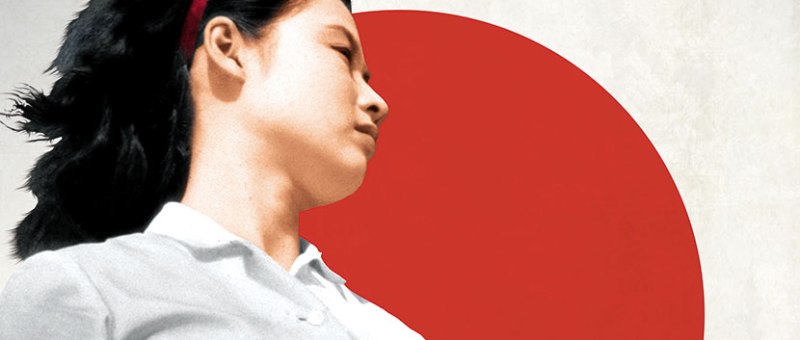
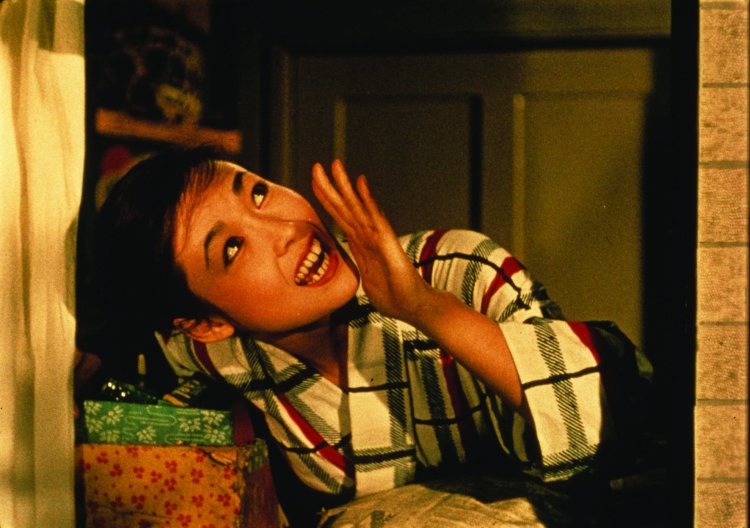
 Running at BFI Southbank through October and November, Tears and Laughter: Women in Japanese Melodrama aims to showcase the changing roles of women in Japanese cinema in the pre-war and post-war eras through a series of films starring some of the best known actresses of the time including Ayako Wakao (who features on the poster in her first role working with director Yasuzo Masumura in Blue Sky Maiden), ’30s megastar and later director Kinuyo Tanaka, Ozu’s muse Setsuko Hara, Rashomon’s Machiko Kiyo, wife and muse of Kiju (Yoshishige) Yoshida Mariko Okada, and the iconic Hideko Takamine who began as a child star and went on to work with most of the age’s finest directors.
Season Introduction: Women in Japanese Melodrama
The season will kick off with an introductory lecture on 17th October featuring contributions from Alexander Jacoby and Alejandra Armendáriz-Hernandez who will discuss some of the actresses featured in the season.
Osaka Elegy + Women of the Night
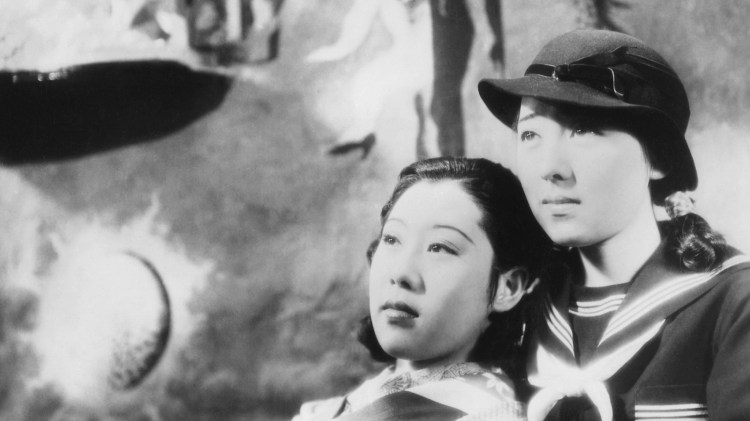 Starring Mizoguchi’s frequent leading lady Isuzu Yamada, Osaka Elegy centres on a switchboard operator who finds herself trapped in a ruinous relationship with her boss in an effort to save her father who has ruined himself through gambling debts.
 16mm. Now screening on blu-ray due to poor quality of 16mm print.
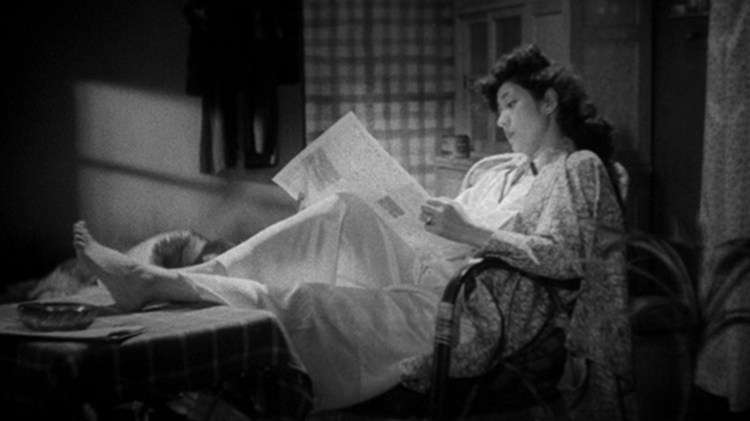 Women of the Night, completed in 1948, will screen along side Osaka Elegy (1936) and stars Kinuyo Tanaka in a tale of two sisters trying to survive in the ruined Osaka one of whom is a war widow and the other dangerously involved with a drugs smuggler. 35mm.
Wedding Ring
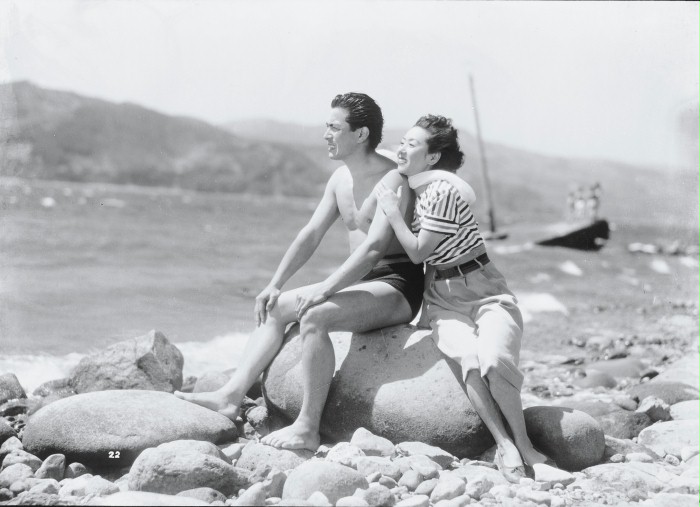 Kinuyo Tanaka also stars in Keisuke Kinoshita’s 1950 melodrama Wedding Ring. Starring opposite Toshiro Mifune, Tanaka plays a housewife who travels back and fore from the seaside, where her sickly husband convalesces, to Tokyo where she runs her family’s jewellery store. A chance encounter with a strapping doctor (Mifune) on a train has unforeseen consequences as the pair grow closer and the husband begins to realise that he cannot provide the happiness his wife is seeking. 35mm.
Clothes of Deception
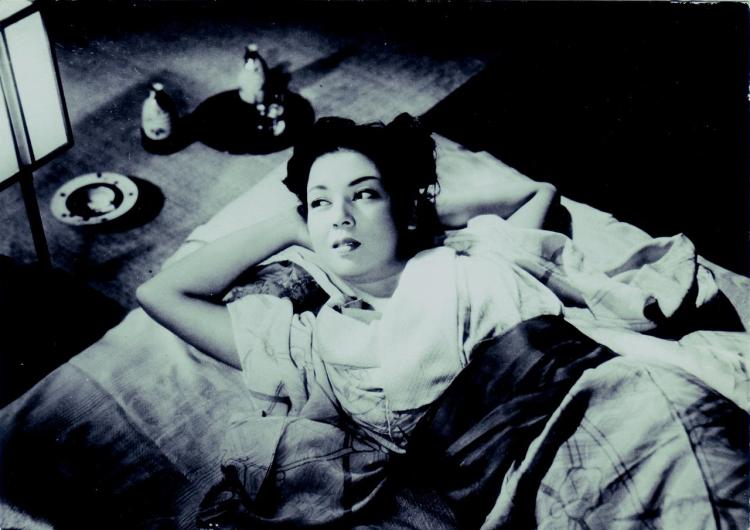 Clothes of Deception is directed by Kozaburo Yoshimura who was the subject (along with Kaneto Shindo) of the BFI’s previous Japanese director retrospective in 2012 in which the film was also screened. Rashomon’s Machiko Kyo stars opposite Yasuko Fujita as a geisha in Kyoto’s historic Gion district whose life contrasts strongly with that of her sister who works for the tourist board. 35mm.
The Mistress (aka Wild Geese)
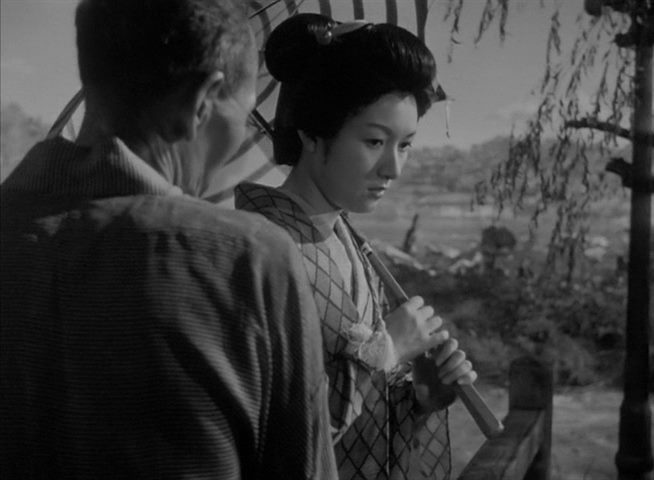 Shiro Toyoda’s melodrama stars Hideko Takamine as a divorced woman who becomes the mistress of an elderly money lender to support her father but dares to dream of a happier future after falling for a young student. 35mm.
An Inlet of Muddy Water
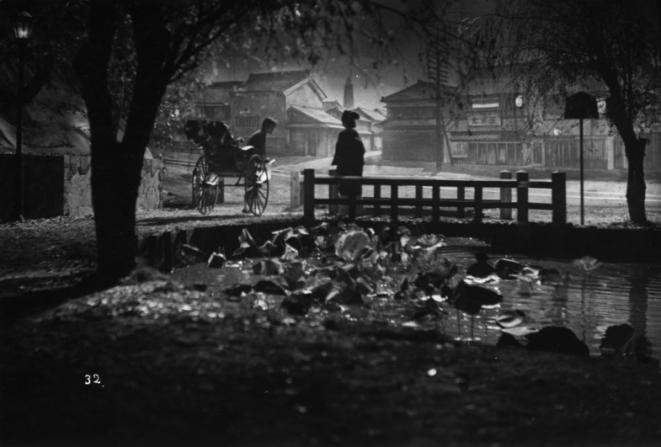 Tadashi Imai’s adaptation of a number of stories by 19th century writer Ichiyo Higuchi came top in Kinema Junpo’s best of list for 1953 and features three stories of women suffering at the hands of men. 35mm.
The Eternal Breasts
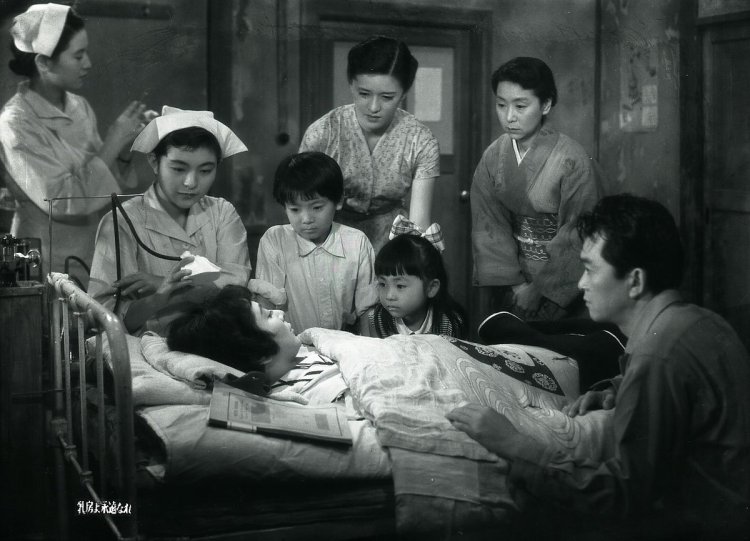 Kinuyo Tanaka, one of Japan’s great actresses, was not the nation’s first female director as she is sometimes described, but she was the first to have a career as a film director. The Eternal Breasts is Tanaka’s third directorial effort (following Love Letter and The Moon has Risen) and tells the story of tanka poet Fumiko Nakajo who passed away from breast cancer in 1954 at only 31 years old. 35mm.
Floating Clouds
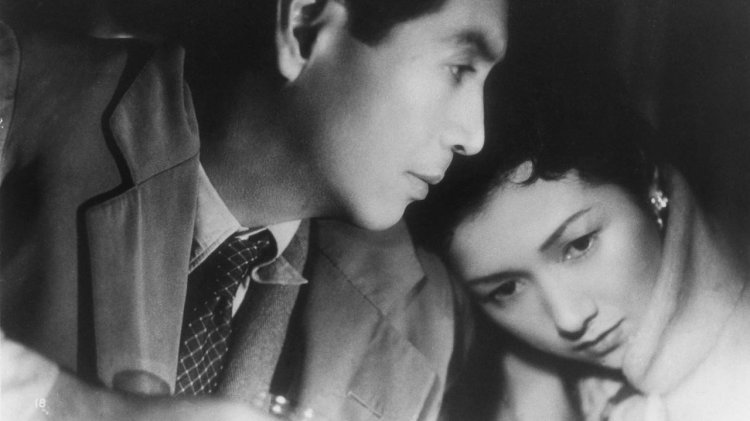 Hideko Takamine and Masayuki Mori play two former lovers cast adrift in the new post-war world world where their love is both impossible and impossible to escape. Naruse’s melancholy melodrama is the story of a woman who strives for self-determination while chasing a man who craves only respectability, as trapped and confused as her still divided nation. 35mm.
Elegy of The North
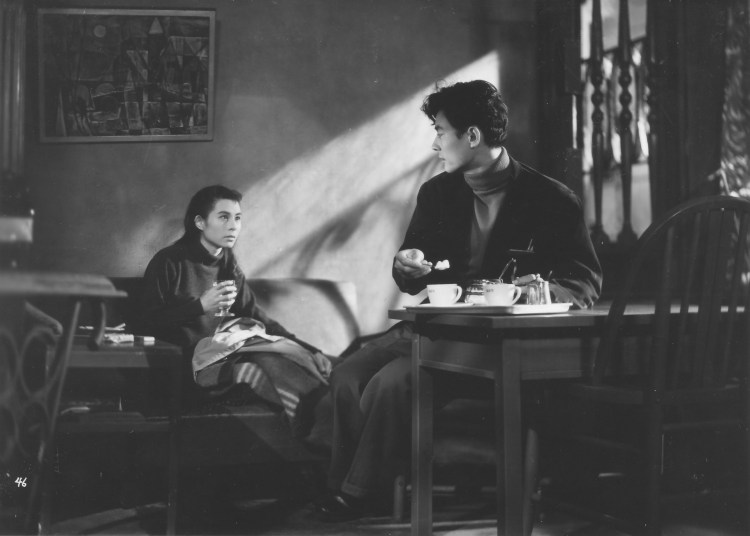 Masayuki Mori stars again in another romantic melodrama this time for Heinosuke Gosho (Where Chimneys are Seen), opposite Yoshiko Kuga who falls for Mori’s conflicted architect as an escape from her moribund marriage while Mori’s wife, played by Mieko Takamine, is having an affair with a young student. 16mm.
Tokyo Twilight
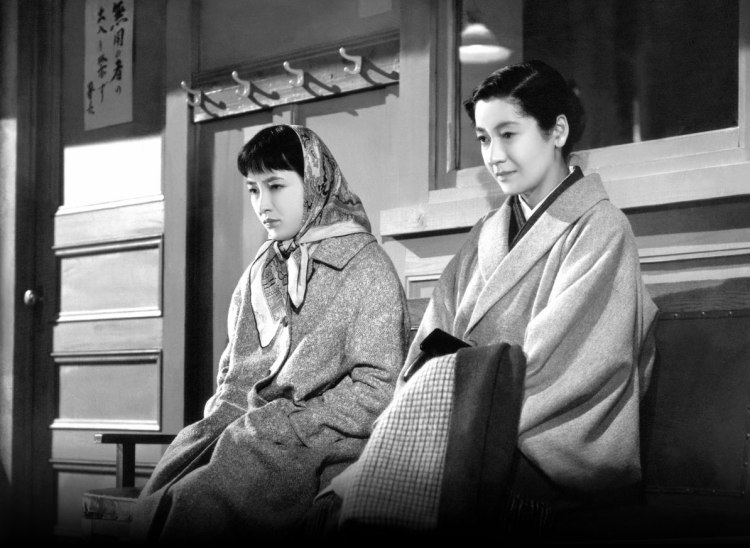 Among the darkest of Ozu’s post-war movies, Tokyo Twilight is a less forgiving family drama in which Setsuko Hara plays the older of two sisters who has returned home from a failing marriage with her little girl in tow only to find out that her unmarried student younger sister is facing an unwanted pregnancy. 35mm.
The Blue Sky Maiden (aka The Cheerful Girl)
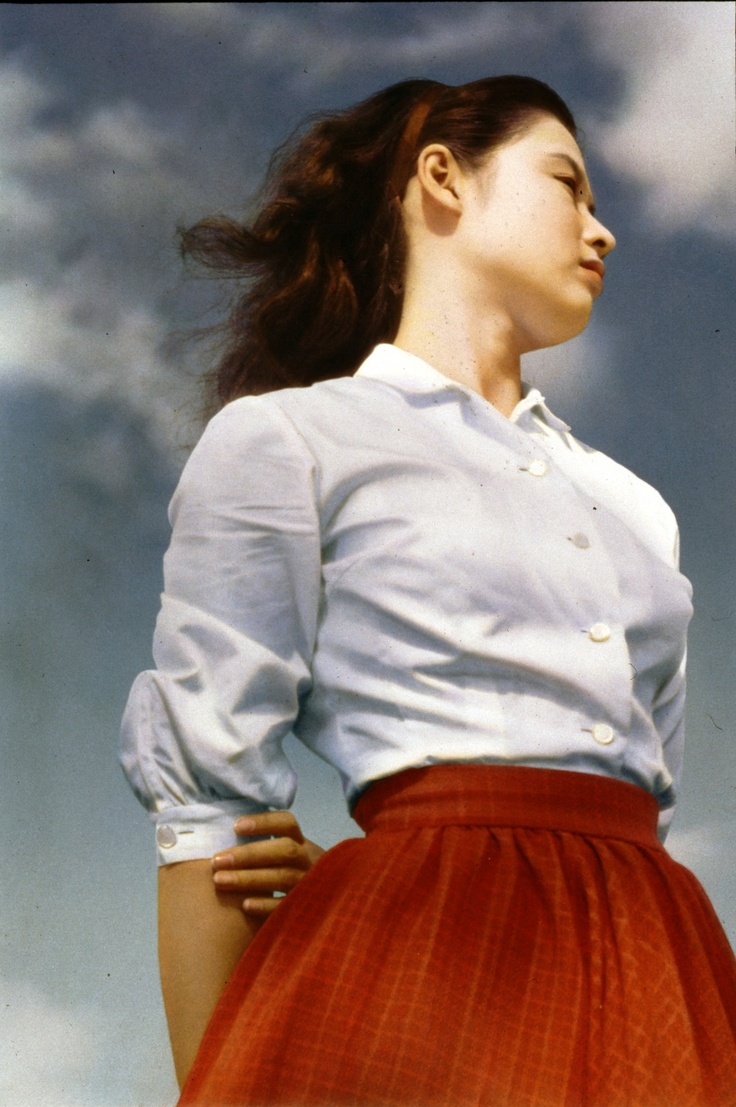 Blue Sky Maiden, Masumura’s second film, is his first in colour and his first to star the radiant Ayako Wakao who would later become something like his muse. Light and bright and youthful, Blue Sky Maiden is not without the Masumura bite in its tale of an illegitimate child deposited in her cowardly father’s home and among his unpleasant family but bearing all of her sorrows with a cheerful determination which resolutely refuses to allow them to rob her of her happiness. 35mm.
An Affair at Akitsu (aka Akitsu Springs)
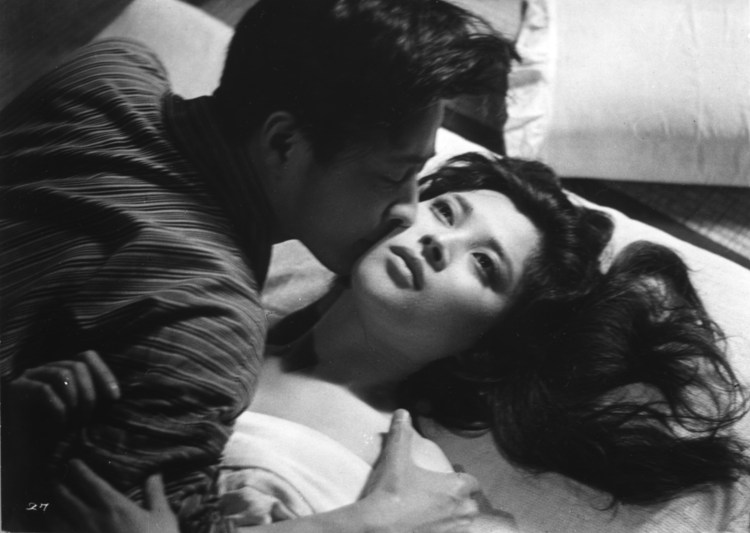 Soon after An Affair at Akitsu, also known as Akitsu Springs, Mariko Okada would marry the film’s director, Kiju (Yoshishige) Yoshida, and the pair would go on create a series of “anti-melodramas” which adopted typical melodrama storylines but shot them in a deliberately detached manner. An Affair at Akitsu is Yoshida’s attempt at Shochiku’s most representative genre but, aided by the astonishing performance of Okada, he conjures a deeply felt meditation on post-war malaise as its lovers find themselves unable to escape the false paradise of Akitsu Springs. 35mm.
The Shape of Night
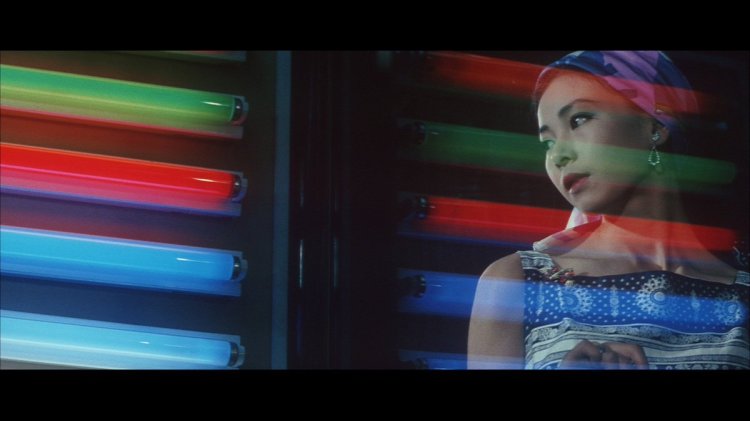 Recently restored, Noburu Nakamura’s The Shape of Night stars Miyuki Kuwano as a young woman forced into prostitution by a no good boyfriend. 35mm.
Tears and Laughter: Women in Japanese Melodrama runs at BFI Southbank from 17th October to 29th November and tickets are already on general sale.
 Following their
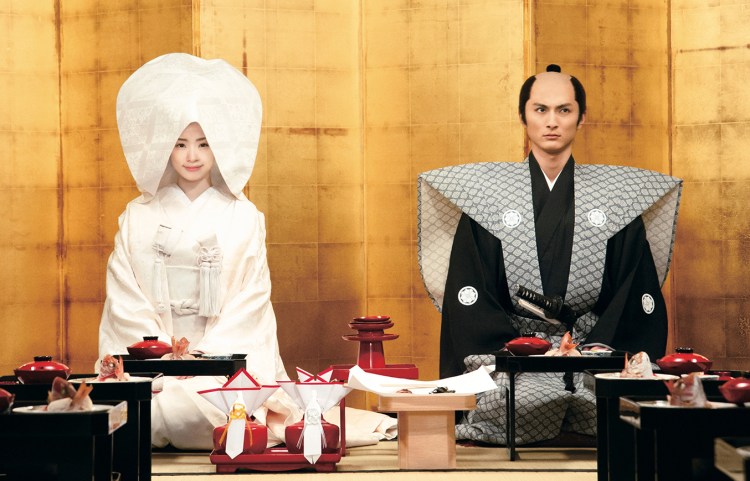
 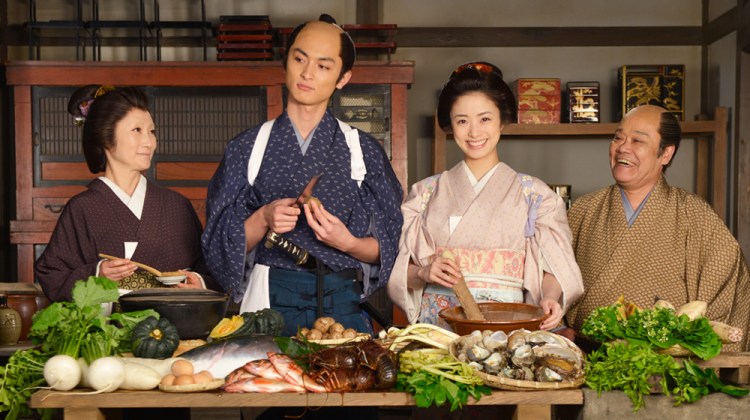 First up, A Tale of Samurai Cooking: A True Love Story proves that the way to a man’s heart is through his stomach (rather than through his chest with a sword). Headstrong Haru (Aya Ueto) gets “sent back” from her first marriage and then receives an interesting proposal from the Emperor’s own samurai cooks thanks to her awesome skills in the kitchen. Her husband to be, Yasunobu (Kengo Kora), is very unhappy about this seeing as he still wants to be a “real” samurai and is nursing a broken heart.
  Based on the writings of the real Jun Nishimura, Shuichi Okita’s The Chef of South Polar follows a put upon chef as he’s forced to leave his family and become the sole cook for seven research scientists marooned at the South Pole for a whole year. Despite the hazardous conditions Nishimura keeps churning out beautifully presented dishes while the guys all go slowly mad together.
  Naomi Kawase’s An (Sweet Bean) is a less comedic tale of inter-generational friendship, social injustice and continuing stigma towards those suffering illness, and a celebration of tradition passed from one era to the next. Masatoshi Nagase plays a struggling doriaki chef who gets a few tips from a strange old lady (Kirin Kiki). He originally turns her down for a job at his stand because of her age and gnarled hands, but tasting her bean paste, there is no way he can refuse.
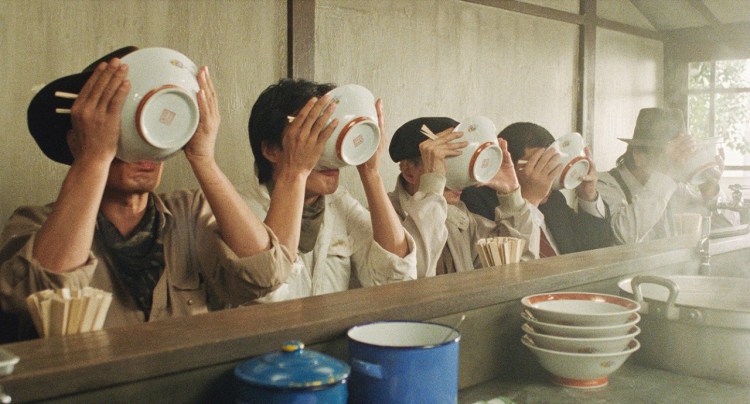 And finally the greatest food movie of them all – Juzo Itami’s Tampopo! This iconic comedy follows the titular widow as she tries to make a success of her ramen stand with the help of lonely truck drivers Goro and Gun. While Tampopo is busy with her noodles, Itami ventures off on a cultural odyssey to explore the various ways food is used and misused in Japanese society.
 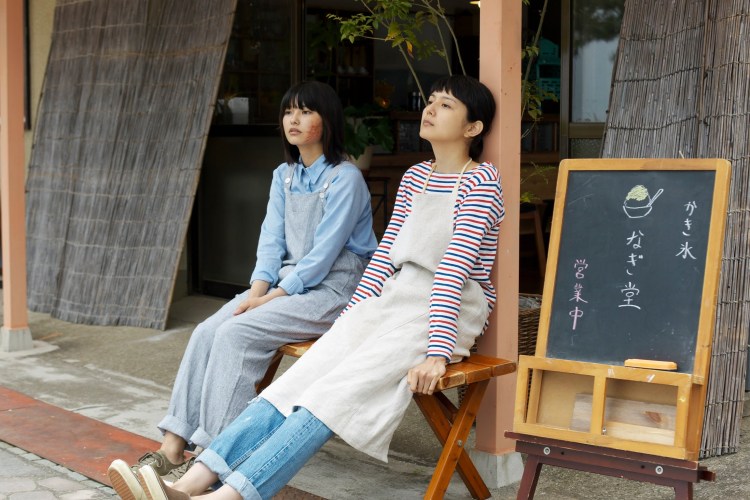 Japan Foundation London is back with another early summer series of free film screenings and this time the focus is very much on food! Summer Explorers 3 takes place over two Saturdays – 15th and 22nd July, 2017, at the Prince Charles Cinema and BAFTA respectively. Tickets are free but you can only reserve seats at one film on each day (if you apply for more than one film you’ll be placed on the waiting list for your second choice). Full details on how to apply can be found on the
  Kazuhiro Soda’s documentary The Oyster Factory which examines a local oyster fishing community as it welcomes two workers from China.
 Co-written by Masahiro Shinoda, Masaki Hamamoto’s Akanezora – Beyond the Crimson Sky stars Masaaki Uchino as a tofu maker who travels from Kyoto to Edo, sets up a shop and marries a local girl.
 Inspired by Hiromu Arakawa’s popular manga, Silver Spoon is the story of city boy Yugo who enrols in an agricultural college in Hokkaido to get away from his overbearing parents.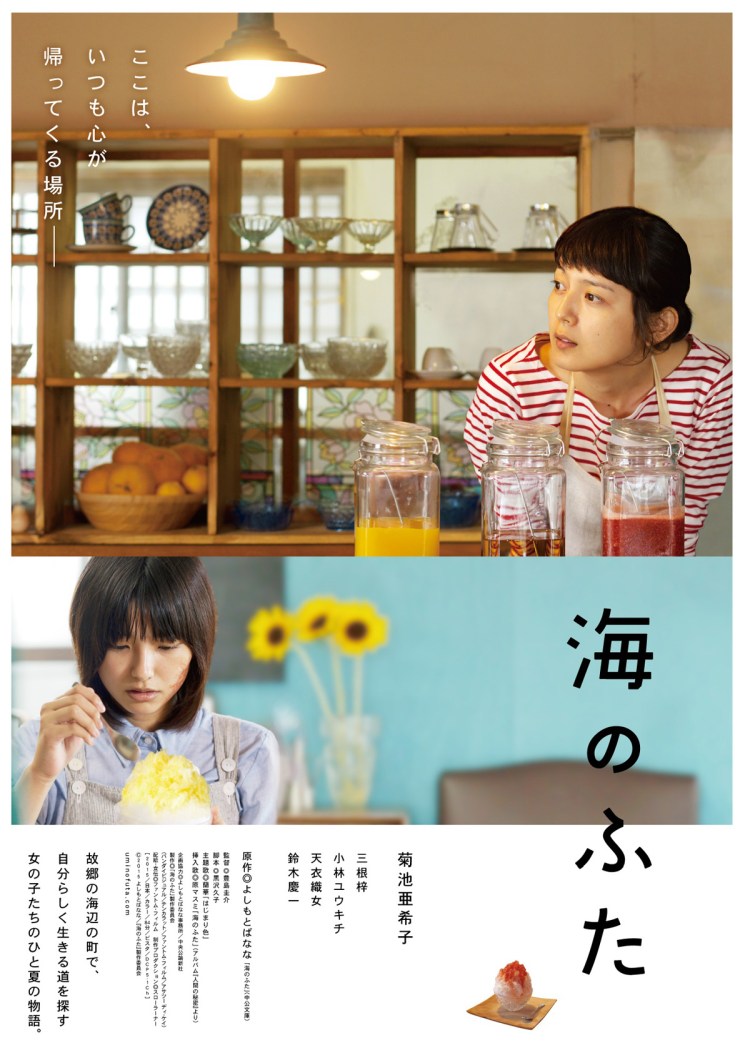
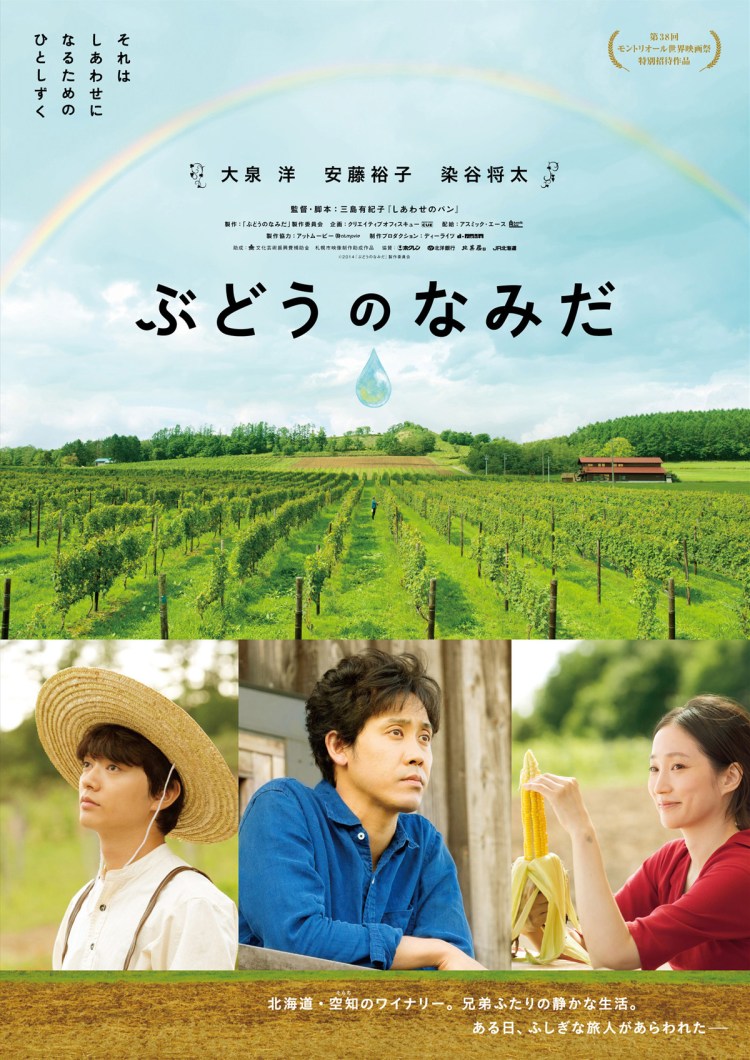 Yukiko Mishima’s Drop of the Grapevine is the second in the director’s Hokkaido series and stars Yo Oizumi and Shota Sometani as two farming brothers one of whom operates a vineyard while the other grows wheat to make bread.
 Windows on Worlds